
In a significant step toward strengthening women-led enterprise, the FICCI Ladies Organisation has opened a 50-acre industrial park dedicated exclusively to women entrepreneurs in Gauribidanur, Karnataka. The initiative is being viewed as a landmark effort to create an ecosystem where women can establish, expand, and sustain businesses with institutional support and modern infrastructure. The park aims to bridge gaps in access to land, facilities, and networks that have traditionally limited women’s participation in industrial sectors, especially in semi-urban and rural regions.
In the long term, the industrial park could evolve into a knowledge and innovation hub where women entrepreneurs experiment with new ideas and technologies. As businesses mature, there may be opportunities to introduce incubation centres, research partnerships, and collaborations with academic institutions. Such linkages can help enterprises upgrade processes, improve product quality, and adapt to changing market demands. Encouraging innovation ensures that units in the park remain competitive and are not limited to traditional sectors alone, opening doors to higher-value industries.
Transport connectivity and logistics support will play a vital role in the park’s growth. Efficient movement of raw materials and finished goods determines how smoothly businesses can operate. Efforts to strengthen links with nearby highways and commercial centres can reduce delays and costs. Shared logistics services within the park may also be explored, allowing smaller units to benefit from collective arrangements that would otherwise be expensive to manage independently.
Marketing support is another area where collective action can make a difference. Participation in trade fairs, buyer-seller meets, and exhibitions can increase visibility for products manufactured in the park. A common identity associated with quality and women-led enterprise could become a strong branding element. Over time, such recognition can build trust among customers and create steady demand, supporting the stability of businesses operating within the industrial cluster.
Community engagement around the park may further enhance its impact. Outreach programmes that inform local women about employment and entrepreneurship opportunities can widen participation. Skill training initiatives linked to the park’s units may prepare aspiring workers for roles in production, packaging, or administration. By creating pathways for skill development, the project can extend benefits beyond entrepreneurs to a larger section of society.
As the initiative progresses, regular evaluation will help refine its approach. Feedback from entrepreneurs about infrastructure, training, and market access can guide improvements. Adaptive management ensures that the park remains responsive to real needs rather than static plans. If lessons from this model are documented and shared, similar parks could be established elsewhere, multiplying opportunities for women entrepreneurs and strengthening inclusive industrial growth across regions.
The industrial park is designed to host a diverse range of units, including manufacturing, food processing, textiles, handicrafts, and small-scale engineering enterprises. By providing ready-to-use plots and shared infrastructure, the project reduces the initial barriers faced by first-generation women entrepreneurs. Organisers say the location in Gauribidanur was chosen strategically to encourage decentralised industrial growth beyond major urban centres, while still maintaining connectivity to Bengaluru and other commercial hubs.
Women entrepreneurs often cite access to space and capital as major hurdles in starting industrial ventures. Leasing or purchasing industrial land in established zones can be financially daunting, particularly for those without inherited business backgrounds. The dedicated park addresses this challenge by offering an enabling environment where women can operate among peers, share resources, and benefit from collective growth. The initiative reflects a broader push to ensure that economic development includes gender equity at its core.
The project also emphasises skill development and mentorship. Plans include training programmes, workshops, and partnerships with industry experts to equip women with knowledge in production techniques, quality standards, marketing, and digital tools. Such support is essential for small enterprises to compete in increasingly demanding markets. By integrating capacity building with infrastructure, the park seeks to move beyond symbolic empowerment and deliver practical, sustainable outcomes.
Local officials and industry representatives have described the park as a model for inclusive industrialisation. They believe it will not only generate employment for women entrepreneurs but also create job opportunities for local residents, particularly women seeking work close to home. The multiplier effect could benefit families and communities, as increased income and economic participation often lead to better education, health, and social outcomes.
Gauribidanur’s selection also aligns with regional development goals. Industrial activity in smaller towns can ease pressure on large cities, reduce migration stress, and stimulate local economies. The presence of a dedicated women’s industrial park may attract ancillary services such as logistics, packaging, and supply chains, further boosting economic activity in the area. Over time, the region could emerge as a cluster known for women-led industries.
The FICCI Ladies Organisation has long worked to promote women in business through networking, advocacy, and training. This industrial park represents a tangible extension of that mission, translating advocacy into infrastructure. Members say the project embodies the belief that when women are provided with the right environment, they can contribute significantly to industrial growth and innovation.
INFRASTRUCTURE AND SUPPORT FORM THE BACKBONE
The industrial park is equipped with essential infrastructure such as internal roads, power supply, water facilities, and common service areas. Shared amenities are expected to reduce operational costs for small units, allowing entrepreneurs to focus more on production and market development. Reliable utilities are particularly crucial for manufacturing and processing industries, where disruptions can affect quality and delivery timelines.
A key feature of the park is the emphasis on safety and accessibility. Secure premises, well-lit areas, and basic facilities aim to create a comfortable working environment. For many women, especially those balancing family responsibilities, such considerations influence decisions about entering industrial sectors. A supportive physical environment can encourage more women to take the step into entrepreneurship.
Financial linkages are also being explored. Representatives indicated that efforts are underway to connect entrepreneurs with banks, microfinance institutions, and government schemes that offer credit support. Access to affordable finance remains a critical factor in scaling operations. By facilitating these connections within the park ecosystem, the initiative hopes to simplify procedures and improve the chances of business sustainability.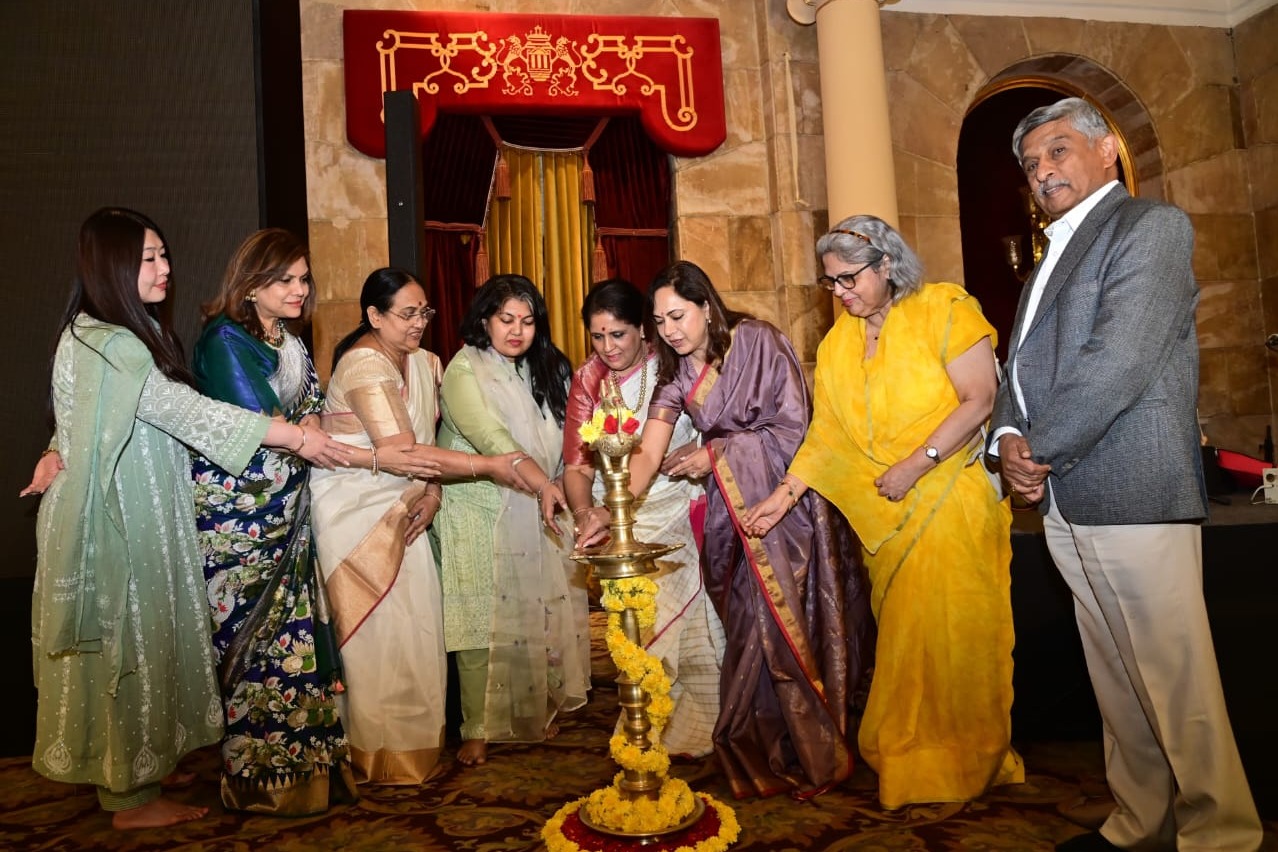
Networking opportunities within the park are expected to foster collaboration. Women operating in different sectors can share experiences, pool orders, and form partnerships that strengthen their market presence. Collective branding or participation in exhibitions may further enhance visibility for products emerging from the park. Such cooperation can be particularly beneficial for small enterprises that lack the scale to compete individually.
Training initiatives are likely to cover areas such as compliance, taxation, and export procedures. Many first-time entrepreneurs find regulatory requirements complex and intimidating. Providing guidance on documentation, certifications, and standards can prevent costly errors and delays. Knowledge support is therefore seen as equally important as physical infrastructure in ensuring long-term success.
Digital integration is another area of focus. Encouraging the use of e-commerce platforms, digital marketing, and online payment systems can open wider markets for women entrepreneurs. In an increasingly connected economy, digital literacy enhances competitiveness. Workshops and mentoring in this area may help businesses from the park reach customers far beyond the local region.
Environmental considerations are also part of planning discussions. Responsible waste management, efficient resource use, and adherence to environmental norms are essential for sustainable industrial growth. Integrating such practices from the outset can position the park as a responsible industrial cluster and align with evolving regulatory expectations.
EMPOWERMENT WITH ECONOMIC AND SOCIAL IMPACT
Beyond economic metrics, the industrial park carries social significance. Women’s participation in industry challenges traditional perceptions that often confine them to limited roles. Visible success stories from the park could inspire others to consider entrepreneurship as a viable path. Role models emerging from such initiatives can shift attitudes within families and communities.
Employment generated by women-led enterprises often benefits other women, creating supportive work environments and flexible opportunities. This can increase female workforce participation, which remains lower than desired in many regions. As more women gain financial independence, households may experience improved decision-making dynamics and greater investment in children’s education and well-being.
Experts note that clustering women entrepreneurs together can build confidence. Shared spaces reduce isolation and provide a sense of community. Informal exchanges of advice and encouragement can be as valuable as formal training. Such networks often sustain motivation during challenging phases of business growth.
The park may also encourage innovation rooted in local strengths. Women entrepreneurs often draw on traditional skills in crafts, food processing, and textiles, blending them with modern techniques. This combination can create unique products with strong cultural identity and market appeal. With proper branding and quality control, such products can access national and even international markets.
Policy observers view the initiative as aligned with national and state-level goals to promote women-led development. Supporting women in productive sectors contributes to inclusive growth and diversifies the industrial base. As more women enter entrepreneurship, the economy benefits from broader participation and varied perspectives.
Challenges remain, including ensuring sustained demand, navigating competition, and managing operational risks. Continuous support from institutions, access to mentorship, and adaptive training will be important to address these issues. The success of the park will depend not only on initial enthusiasm but on long-term engagement and responsiveness to entrepreneurs’ evolving needs.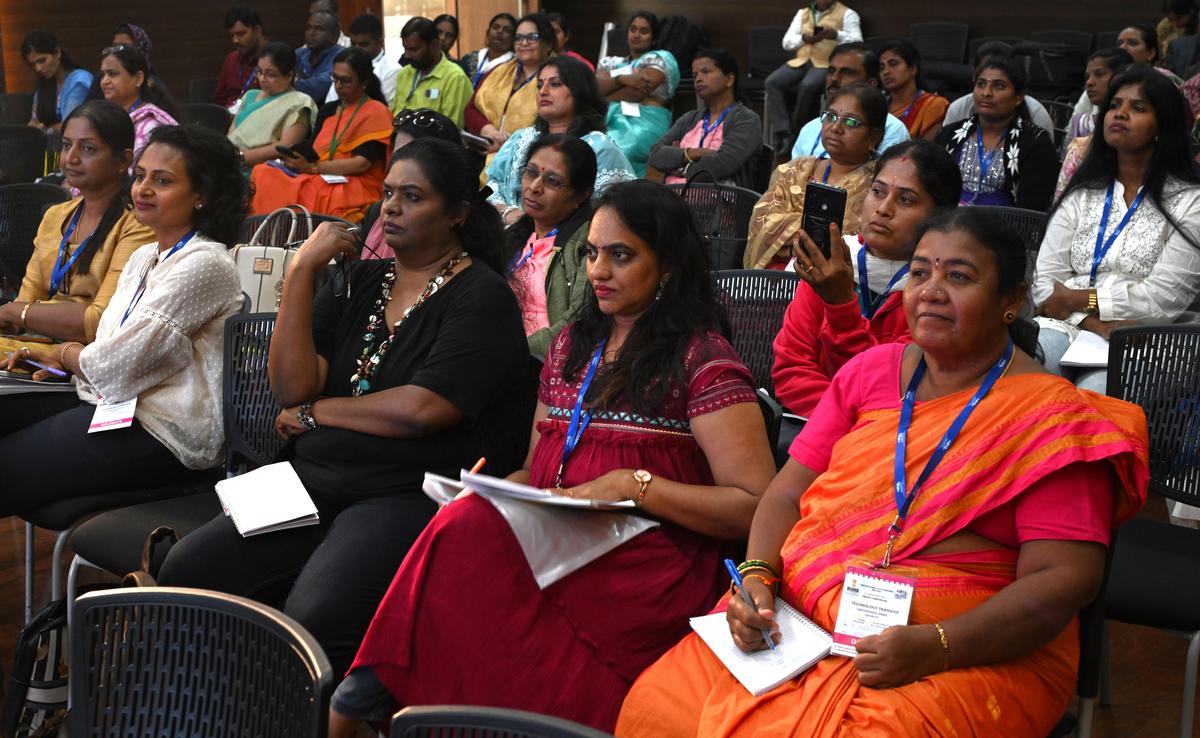
Local communities stand to gain from improved livelihoods and economic vibrancy. Increased industrial activity can stimulate service sectors such as transportation, catering, and maintenance. When growth is anchored in inclusive initiatives, benefits tend to spread more widely, strengthening the social fabric.
The opening of the 50-acre industrial park marks a hopeful chapter in Karnataka’s journey toward gender-inclusive development. By combining land, infrastructure, training, and networks, the initiative seeks to create conditions where women’s entrepreneurial aspirations can flourish. If nurtured effectively, the park could become a symbol of what targeted support and collective effort can achieve, demonstrating that when women are empowered with opportunity and resources, they drive progress that resonates far beyond industrial boundaries.
Follow: Karnataka Government
Also read: Home | Channel 6 Network – Latest News, Breaking Updates: Politics, Business, Tech & More
