
A storm of criticism has erupted following the abrupt cancellation of a scheduled lecture by renowned writer and activist Deepa Bhasthi at Karnataka Central University (KCU). The lecture, which was to focus on contemporary social issues, freedom of expression, and human rights, was reportedly called off by university authorities citing “administrative reasons.” However, academics, writers, and civil society activists have condemned the move as an infringement on academic freedom and an alarming suppression of critical discourse in higher education.
Deepa Bhasthi, widely recognised for her insightful writings and activism on gender equality, social justice, and minority rights, had been invited by the university’s Department of Humanities. The lecture was intended to engage students, faculty, and the local community in a discussion about the role of literature and activism in shaping public discourse. Preparations for the event were reportedly complete, including student registrations and publicity, when the university unexpectedly rescinded the invitation.
Social media quickly became a platform for expressing outrage over the cancellation. Hashtags supporting academic freedom and condemning censorship trended across regional and national platforms. Writers’ associations, journalists’ unions, and civil rights organisations issued statements calling the action “regressive” and “antithetical to the principles of higher education.” Many pointed out that universities are meant to be spaces where ideas, even controversial or challenging ones, can be debated freely.
Students of Karnataka Central University voiced their dismay at the sudden decision. Many expressed that they were looking forward to engaging directly with Bhasthi, whose writings they had studied in literature and social science courses. Some students staged peaceful demonstrations demanding that the lecture be reinstated, arguing that exposure to diverse viewpoints is central to intellectual growth. Faculty members supporting the event also warned that such cancellations could set a dangerous precedent for restricting critical engagement on campus.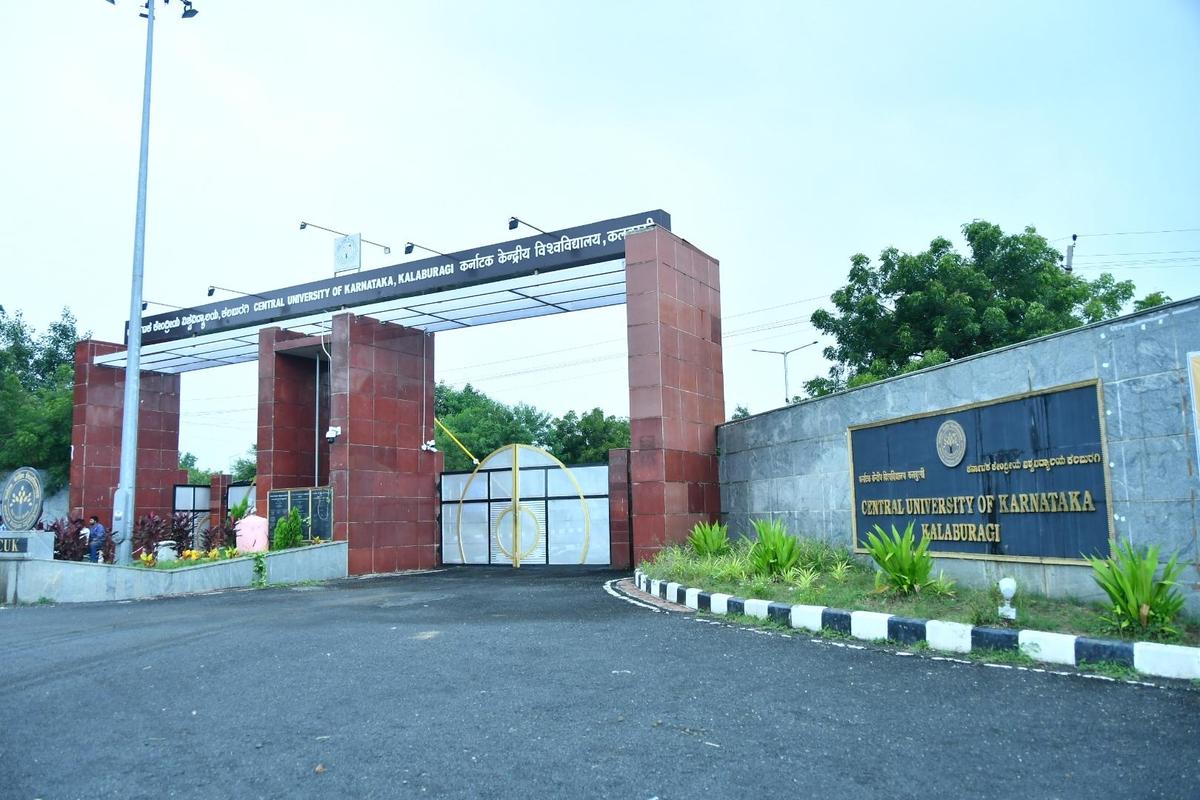
The university administration, in its brief statement, cited “logistical constraints and security concerns” as reasons for the cancellation. However, critics have questioned the credibility of these explanations, pointing out that no similar concerns were raised for previous events, and no prior indication of potential security issues was provided. Observers suggest that the decision may reflect wider political and ideological pressures faced by academic institutions in India.
Condemnation from Writers, Academics, and Activists
Leading writers and academics expressed deep concern over what they see as an erosion of freedom of speech in academic spaces. In an open letter, a coalition of authors stated that “the cancellation of Deepa Bhasthi’s lecture undermines the very purpose of universities, which is to nurture critical thinking and debate. Silencing voices that challenge conventional wisdom or address uncomfortable truths is detrimental to society at large.” The letter called on the university administration to uphold its commitment to academic freedom and reinstate the lecture without delay.
Civil society activists highlighted the broader implications of such censorship. They warned that preventing public engagement with writers and thinkers could contribute to intellectual stagnation, discourage critical inquiry among students, and normalize suppression of dissent. Several NGOs specialising in human rights and freedom of expression argued that university campuses should actively resist external pressures that threaten open dialogue.
Journalists covering the controversy noted that Deepa Bhasthi’s work often addresses systemic inequalities and social injustices, subjects that can attract criticism or opposition from various quarters. By cancelling the lecture, critics argue, the university has indirectly signaled that politically sensitive topics may be off-limits, raising questions about the autonomy of academic institutions and their ability to provide balanced education.
Student groups organised panel discussions on campus to fill the void left by the cancellation. These forums aimed to address themes intended for Bhasthi’s lecture, such as gender dynamics, freedom of expression, and social responsibility. While these initiatives were praised for demonstrating student engagement, activists stressed that they are not a substitute for direct interaction with thought leaders like Bhasthi.
Several prominent literary figures and educators have also urged the Ministry of Education and higher education authorities to intervene. They stressed that universities must remain spaces where critical and independent thought is encouraged, even when discussions challenge political or social orthodoxies. Failure to protect such spaces, they argue, risks undermining the credibility and integrity of academic institutions.
Impact on Academic Freedom and Student Engagement
The cancellation has sparked debate about the state of academic freedom in India’s universities. Analysts point out that incidents like this can have a chilling effect, discouraging scholars, writers, and activists from participating in public discourse on campuses. Students, too, may become hesitant to engage in debates on socially or politically sensitive issues, fearing administrative repercussions. Such a climate, critics argue, is antithetical to the ethos of higher education and intellectual development.
University administrators are facing mounting pressure to clarify the reasons behind their decision. Faculty members assert that transparency is essential not only for restoring confidence in institutional governance but also for demonstrating a commitment to free and open exchange of ideas. They have urged the university to establish clear guidelines to prevent arbitrary cancellations and ensure that future events are conducted without interference.
Writers’ associations have organised solidarity events across Karnataka and other states, emphasising the importance of protecting platforms for critical voices. Speakers at these events highlighted that the role of universities is not to shield students from challenging ideas but to equip them with the skills to analyse, debate, and form informed opinions. They stressed that attempts to suppress discussions only undermine educational objectives.
The controversy has also attracted attention from legal experts. Some have argued that universities, as autonomous educational institutions, have a duty to uphold freedom of expression under the Constitution. While legal recourse may be pursued in certain cases, most academics advocate dialogue and negotiation as the primary route to resolving conflicts between administration and invited speakers.
Calls for Reinstatement and Institutional Accountability
As criticism intensifies, calls for reinstating Deepa Bhasthi’s lecture have grown louder. Students, faculty, writers, and activists argue that the lecture should be held as originally planned, with the university providing assurances regarding logistics and security. They contend that reinstating the lecture would reaffirm the institution’s commitment to fostering debate and defending academic freedom.
Several public intellectuals have pointed out that universities are crucial sites for shaping future citizens who are informed, critical, and engaged. By cancelling the lecture, they argue, the institution missed an opportunity to provide students with a first-hand understanding of the intersections between literature, activism, and social justice. Restoring the lecture, they insist, is essential to uphold these educational values.
The controversy has also prompted wider discussion on policy measures to safeguard freedom of speech in universities. Proposals include establishing independent committees to review lecture cancellations, creating grievance redressal mechanisms for students and faculty, and ensuring that political or ideological considerations do not dictate academic programming. Such measures, experts say, are necessary to prevent similar incidents in the future.
As the debate continues, the public, media, and academic communities are watching closely. The situation at Karnataka Central University has become emblematic of broader tensions between academic freedom and administrative or political pressures. Many hope that by restoring Deepa Bhasthi’s lecture, the university can demonstrate a commitment to intellectual openness, encourage meaningful dialogue, and reaffirm the principles of higher education.
The incident underscores the delicate balance universities must maintain between governance, security, and academic freedom. While administrative responsibilities are important, critics stress that silencing critical voices diminishes the very purpose of higher education. For students, writers, and civil society, the hope is that Karnataka Central University will take steps to protect intellectual engagement, restore trust, and ensure that campuses remain spaces for open, robust, and fearless discourse.
Ultimately, the controversy serves as a stark reminder that the right to speak, debate, and question is fundamental to education. By responding to public criticism, engaging stakeholders, and upholding academic principles, universities can ensure that events like the cancellation of Deepa Bhasthi’s lecture do not become a recurring trend. For now, the focus remains on reinstating the session and reaffirming the values of freedom, dialogue, and critical thinking that form the cornerstone of higher education in India.
Follow: Karnataka Government
Also read: Home | Channel 6 Network – Latest News, Breaking Updates: Politics, Business, Tech & More
