
A late-night biryani outing meant to be a brief escape from academic stress turned into a terrifying ordeal for four engineering students, who were allegedly abducted and robbed while returning to Bengaluru from Hoskote. The incident, which occurred on the outskirts of the city, has once again raised serious concerns about the safety of students, night-time travel, and policing along highways and poorly lit stretches connecting suburban areas to the city. What began as a casual plan among friends ended in fear, trauma, and lingering questions about security.
According to preliminary accounts, the students had travelled to Hoskote late at night to have dinner, a routine activity for many young people in and around Bengaluru. After finishing their meal, they began their return journey, unaware that they were about to become targets. Somewhere along the way, their vehicle was allegedly intercepted by a group of unidentified men, who forced them to stop under the pretext of questioning or assistance. What followed, the students later told the police, was a harrowing experience involving intimidation, confinement, and robbery.
The students were reportedly threatened and coerced into complying with the attackers’ demands. Valuables including mobile phones, cash, and personal belongings were taken from them. In some accounts, the attackers allegedly forced the victims to transfer money digitally, exploiting the ease of mobile transactions late at night when immediate help is harder to access. After a period of confinement and fear, the students were abandoned on a deserted stretch and managed to find their way back to safety.
News of the incident spread quickly among student circles, sparking anxiety and anger. Many students expressed shock that such an incident could occur on a route frequently used by commuters and late-night travellers. Parents of students studying in Bengaluru voiced concern over the increasing number of crimes targeting young people, particularly those returning late from social outings. For families who send their children to the city with hopes of education and opportunity, such incidents deepen fears about safety beyond campus boundaries.
Police officials, upon receiving the complaint, registered a case and initiated an investigation. Senior officers stated that teams were formed to trace the accused using CCTV footage, mobile tower data, and other technical evidence. They also indicated that patrols in vulnerable stretches would be reviewed and intensified. While officials assured swift action, the incident has reignited criticism that reactive measures often follow crimes, rather than preventive policing being consistently enforced.
The case has also drawn attention to the growing pattern of criminals exploiting isolated roads, late hours, and unsuspecting youth. Engineering students and young professionals, who frequently travel at night due to academic schedules, internships, and social life, are increasingly vulnerable. The Hoskote stretch, despite its popularity for food outings, has long been flagged by locals as poorly monitored during late hours, a concern that has now gained renewed urgency.
For the four students involved, the experience is likely to leave lasting psychological scars. Friends and classmates described them as shaken and fearful, struggling to process how a familiar activity could spiral into danger. While no physical injuries were reported, the emotional impact of abduction and robbery is profound, often manifesting as anxiety, distrust, and fear of night travel. Mental health experts note that such experiences can affect concentration, academic performance, and overall well-being.
Beyond the immediate victims, the incident has unsettled the broader student community. Many are questioning whether casual late-night outings are worth the risk, and whether authorities are doing enough to ensure safe mobility. The episode has also triggered conversations on social media and in college hostels about travel safety, group movement, and the importance of alertness even during seemingly harmless plans.
Police Response, Safety Gaps, and the Anatomy of the Crime
As details of the abduction and robbery emerged, attention quickly turned to how such crimes are executed and why they continue to succeed. Police officials familiar with similar cases explained that criminals often operate in small groups, targeting vehicles with young occupants who appear relaxed and unsuspecting. Late-night hours provide cover, as traffic is sparse and the likelihood of immediate intervention is low.
In the Hoskote incident, investigators are examining whether the attackers followed the students from the restaurant area or randomly intercepted them. The possibility of organised gangs operating along highways and feeder roads is being explored. Police sources indicate that such gangs often rely on intimidation rather than violence, banking on fear and confusion to extract valuables quickly before fleeing.
One major concern highlighted by the case is the lack of consistent night patrols in semi-urban and highway-adjacent zones. While city centres may have visible policing, stretches connecting Bengaluru to nearby towns often fall into jurisdictional grey areas. This can result in delayed response times and reduced surveillance, creating opportunities for criminal activity. Residents and regular commuters have long complained about inadequate lighting and minimal police presence on these routes.
The police response to the incident has included increased patrolling in the Hoskote area and surrounding roads, at least temporarily. Officials have also appealed to the public for information, urging anyone who may have witnessed suspicious activity to come forward. Investigators are particularly focused on tracking digital trails left by forced transactions, which could provide crucial leads.
However, public confidence in such measures remains cautious. Similar assurances have followed previous incidents, only for attention to fade once cases slip out of the news cycle. Student groups and civil society members argue that sustained vigilance, rather than short-term crackdowns, is essential to deter crime. They stress that predictable patrol schedules and visible enforcement are key to restoring a sense of security.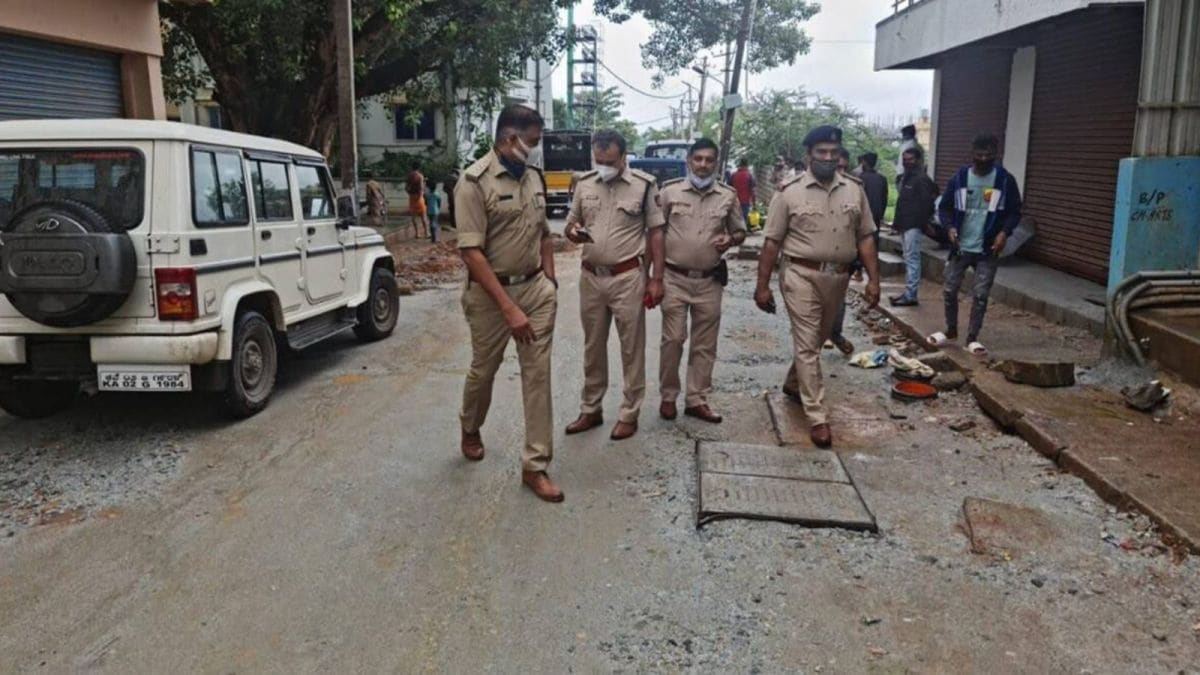
The incident also raises questions about emergency preparedness among young travellers. While many rely on smartphones for navigation and communication, criminals increasingly exploit this dependence. Experts advise limiting digital vulnerability at night, such as disabling certain transaction apps or ensuring emergency contacts are easily accessible. Yet, they acknowledge that responsibility cannot rest solely on individuals when systemic safety gaps persist.
Legal experts point out that abduction and robbery cases carry serious penalties, particularly when victims are unlawfully confined. Swift identification and prosecution of the accused, they argue, are crucial not only for justice but also for deterrence. Delays or weak follow-up can embolden offenders, reinforcing the perception that such crimes can be committed with impunity.
Colleges and universities have also been drawn into the conversation. Some institutions are reportedly considering issuing advisories to students about late-night travel, encouraging group movement and avoidance of isolated routes. While such advisories are well-intentioned, critics argue that they risk normalising unsafe conditions instead of demanding accountability from authorities responsible for public safety.
The Hoskote incident thus exposes a complex interplay of individual behaviour, policing limitations, and urban expansion. As Bengaluru continues to sprawl outward, ensuring safety along connecting corridors becomes increasingly challenging. Without coordinated planning between urban and rural policing units, such gaps are likely to persist.
Fear, Accountability, and the Larger Question of Urban Safety
Beyond the immediate crime, the abduction and robbery of the four engineering students has triggered a deeper conversation about urban safety and the lived reality of young people in Bengaluru. For many students, the city represents freedom, ambition, and opportunity. Yet, incidents like this reveal a parallel narrative of vulnerability, where routine activities carry hidden risks.
Parents of students studying away from home often express a mix of pride and anxiety. While they trust institutions to provide education, they rely on the city’s infrastructure and governance to ensure basic safety. Each such incident chips away at that trust, prompting difficult conversations within families about restrictions, curfews, and constant vigilance. For young adults seeking independence, these concerns can feel suffocating, yet they are rooted in genuine fear.
Women students, in particular, have noted that such incidents reinforce an already pervasive sense of insecurity. Although the Hoskote case involved male students, the broader implications extend across genders. Safety advocates argue that crimes targeting young people contribute to a culture of fear that disproportionately affects women, who already face heightened risk during night travel.
The role of urban planning also comes under scrutiny. Poorly lit roads, lack of emergency call points, and minimal public transport options at night create environments conducive to crime. Experts argue that safety must be integrated into infrastructure planning, rather than treated as an afterthought. Investment in lighting, surveillance, and emergency response systems can significantly reduce crime opportunities.
Public outrage following the incident has led to calls for accountability from local authorities. Residents have demanded explanations for why known vulnerable stretches remain inadequately monitored. Some have suggested the need for joint patrols, involving traffic police, local police, and highway authorities, to ensure comprehensive coverage during late hours.
The psychological impact on the victims cannot be overlooked. Survivors of abduction often experience lingering fear, mistrust of strangers, and reluctance to travel alone. Counsellors emphasise the importance of emotional support and trauma-informed care, particularly for young students who may struggle to articulate their distress. Without support, such experiences can have long-term consequences.
Despite the fear and anger, there is also resilience within the student community. Many have responded by organising discussions on safety awareness, sharing information about risky areas, and advocating for better policing. Such collective action reflects a determination not to retreat into silence, but to demand safer conditions.
Ultimately, the Hoskote biryani outing that ended in abduction is a stark reminder that urban safety cannot be taken for granted. It exposes the fragility of security beyond city centres and the urgent need for coordinated, sustained action. While police investigations may eventually bring the perpetrators to justice, the larger challenge lies in preventing such incidents from recurring.
For Bengaluru, a city that prides itself on being youthful, dynamic, and inclusive, ensuring the safety of its students is not optional. It is a fundamental obligation. Whether this incident leads to meaningful reform or fades into memory will depend on how authorities, institutions, and society respond in the days ahead. For now, four young lives carry the weight of a night that should have ended with laughter, not fear.
Follow: Karnataka Government
Also read: Home | Channel 6 Network – Latest News, Breaking Updates: Politics, Business, Tech & More
