Wednesday, March 4, 2026
Home Blog Page 10

BJP Sends Strong Message, Suspends 58 Ex-Mayors, Corporators and Workers During Maharashtra Civic Polls

The Bharatiya Janata Party has suspended 58 former mayors, corporators and party workers from Mumbai and Nagpur in a significant disciplinary action ahead of the ongoing Maharashtra civic polls. The move comes amid heightened political activity in urban local body elections and reflects the party’s attempt to enforce organisational discipline and curb internal dissent at a crucial juncture.

Why the BJP Took Disciplinary Action

According to party sources, the suspensions were imposed after the leadership found that several party members were either supporting rival candidates, indulging in anti-party activities, or defying official instructions during the civic election process. The BJP leadership has taken a strict stance, stating that indiscipline at a time when the party is fighting crucial local body elections will not be tolerated.

Sources within the party said the action was taken after repeated warnings failed to bring compliance. The suspended leaders allegedly contested elections as independents, backed candidates from opposition parties, or worked against officially nominated BJP candidates. Such actions, the party believes, weaken its electoral prospects and confuse voters at the grassroots level.

Suspended Leaders From Mumbai and Nagpur

The list of suspended members reportedly includes former mayors, ex-corporators and senior party workers from Mumbai and Nagpur, two of Maharashtra’s most politically significant urban centres. Civic elections in these cities are considered prestige battles, as control over municipal corporations has a direct impact on governance, infrastructure projects and political influence.

In Mumbai, the Brihanmumbai Municipal Corporation remains one of the richest civic bodies in Asia, making elections there strategically vital. In Nagpur, which is the home turf of several senior BJP leaders, the party aims to retain its dominance. The leadership is keen to ensure that internal rebellion does not derail its electoral strategy in these key cities.

Some of the suspended leaders are:

  • Mumbai: Divya Dhole (Ward 60, Versova), Nehal Amar Shah (Ward 177, Matunga), Janhavi Rane (Ward 205, Abhyudayanagar), Asawari Patil (Ward 2, Borivli), Mohan Ambekar (Ward 166, Kurla), Dhanashree Baghel (Ward 131, Pantnagar)
  • Nagpur: Vinayak Dehankar (husband of former mayor Archana Dehankar), Sunil Agrawal, and Dheeraj Chavan

Party Leadership Sends a Strong Message

Senior BJP leaders have described the suspensions as a message to party workers across Maharashtra that discipline and loyalty are non-negotiable. The party has emphasised that while internal discussions and differences of opinion are welcome, working against official candidates crosses a red line.

Party insiders revealed that the decision was taken after consultations between state-level leaders and the central leadership. The BJP wants to project unity and organisational strength, particularly as civic polls often test a party’s grassroots machinery more than assembly or parliamentary elections.
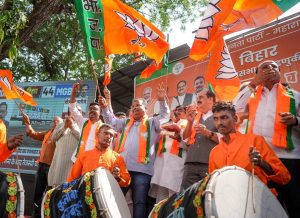
BJP has suspended 58 functionaries from Mumbai and Nagpur for six years due to breach of party discipline ahead of the January 15 municipal polls. The suspended leaders include former mayors, corporators, and key workers accused of rebellion against official candidates, attempts to tarnish the party's image, and failure to cooperate with Mahayuti contestants.
BJP has suspended 58 functionaries from Mumbai and Nagpur for six years due to breach of party discipline ahead of the January 15 municipal polls. The suspended leaders include former mayors, corporators, and key workers accused of rebellion against official candidates, attempts to tarnish the party’s image, and failure to cooperate with Mahayuti contestants.Impact on Maharashtra Civic Polls.

Impact on Maharashtra Civic Polls

The suspensions come at a time when Maharashtra’s civic polls are being closely watched, as they are seen as a reflection of public sentiment after recent political realignments in the state. With alliances shifting and new power equations emerging, local body elections are expected to shape the political narrative in the run-up to future state and national polls.

Political analysts believe that the BJP’s move could have a dual impact. On one hand, it may discourage further rebellion and consolidate the party’s vote base. On the other, the removal of experienced local leaders could temporarily weaken booth-level management in some wards. However, the party appears confident that enforcing discipline will ultimately strengthen its organisational structure.

Reactions Within the Party

While the official party line supports the decision, reactions among grassroots workers have been mixed. Some party members have welcomed the action, arguing that indiscipline damages the credibility of the organisation and demoralises loyal workers. Others feel that local grievances should have been addressed through dialogue rather than suspensions, especially given the influence of some of the expelled leaders in their respective areas.

A few suspended members have reportedly claimed that they were sidelined during ticket distribution and were left with no choice but to contest independently or support other candidates. However, the party leadership has rejected such arguments, stating that organisational decisions must be respected even if they are unpopular.

Opposition Party Reactions

Opposition parties have been quick to seize upon the suspensions, portraying them as evidence of internal conflict within the BJP. Leaders from rival parties have alleged that the action highlights dissatisfaction among grassroots BJP workers and a breakdown in internal coordination.

However, BJP leaders have dismissed these claims, stating that strong action against indiscipline demonstrates organisational strength rather than weakness. They have argued that every major political party faces internal challenges during elections and that decisive leadership is necessary to maintain order.

Organisational Discipline and Future Strategy

The suspensions underline the BJP’s broader strategy of maintaining strict organisational discipline, particularly during elections. Over the years, the party has repeatedly taken action against members accused of anti-party activities, even if they held senior positions in the past.

Going forward, party sources say the BJP will intensify monitoring of election-related activities at the ward and booth levels. Additional measures are expected to ensure coordination between candidates, local leaders and workers, especially in urban areas where factionalism often poses challenges.

What Lies Ahead

The suspended leaders have the option to appeal against the decision through internal party mechanisms, though reinstatement is likely to depend on the outcome of the civic polls and their willingness to comply with party discipline. Meanwhile, the BJP is focusing on mobilising its cadre and highlighting governance issues, development work and local concerns to win voter support.

As Maharashtra’s civic elections progress, the impact of these suspensions on electoral outcomes will become clearer. Whether the move strengthens the BJP’s position or creates short-term organisational gaps remains to be seen, but the message from the party leadership is unmistakable.

Read More: https://channel6network.com/sit-report-false-implication-fadnavis-shinde/

The BJP’s decision to suspend 58 former mayors, corporators and workers from Mumbai and Nagpur marks one of the most significant disciplinary actions taken ahead of the Maharashtra civic polls. By cracking down on indiscipline and alleged anti-party activities, the party has signalled its intent to prioritise unity and organisational control over individual influence. As the civic poll battle intensifies, the suspensions add another layer to the evolving political dynamics in Maharashtra.
Maharashtra: Conspiracy of Falsely Implicating CM Fadnavis, Dy CM Shinde in 2016 Case, Says SIT Report

A Special Investigation Team (SIT) probing the controversial 2016 case has concluded that there was a deliberate conspiracy to falsely implicate Maharashtra Chief Minister Devendra Fadnavis and Deputy Chief Minister Eknath Shinde. According to the findings of the SIT report, key allegations made against the two senior leaders were not supported by credible evidence and were part of a larger attempt to malign them politically.

SIT Flags Fabricated Evidence and False Narratives

The SIT report states that the allegations levelled in the 2016 case were based on fabricated documents, misleading statements and selective presentation of facts. Investigators found inconsistencies in witness testimonies and noted that several claims were made without corroboration from independent or technical evidence. The report further highlights that electronic records and call data, which were cited as crucial proof earlier, did not substantiate the accusations against Fadnavis and Shinde.

According to the SIT, the manner in which the case was built suggested a predetermined narrative aimed at framing the two leaders rather than uncovering the truth. The investigation also pointed to deliberate suppression of material facts that could have weakened the accusations at the time the case was initially pursued.

Political Motive Behind the 2016 Case Alleged

The SIT has indicated that political rivalry and power struggles played a significant role in the events surrounding the 2016 case. The report suggests that attempts were made to use the case as a tool to damage the political credibility of Fadnavis and Shinde, who were holding influential positions during that period. Investigators observed that the timing of certain complaints and the publicity surrounding them coincided with key political developments in Maharashtra.

The findings emphasise that the alleged conspiracy was not an isolated action but involved coordinated efforts to create public suspicion and legal pressure through false implication. The SIT has reportedly identified individuals who were instrumental in pushing the narrative forward despite the lack of substantive evidence.

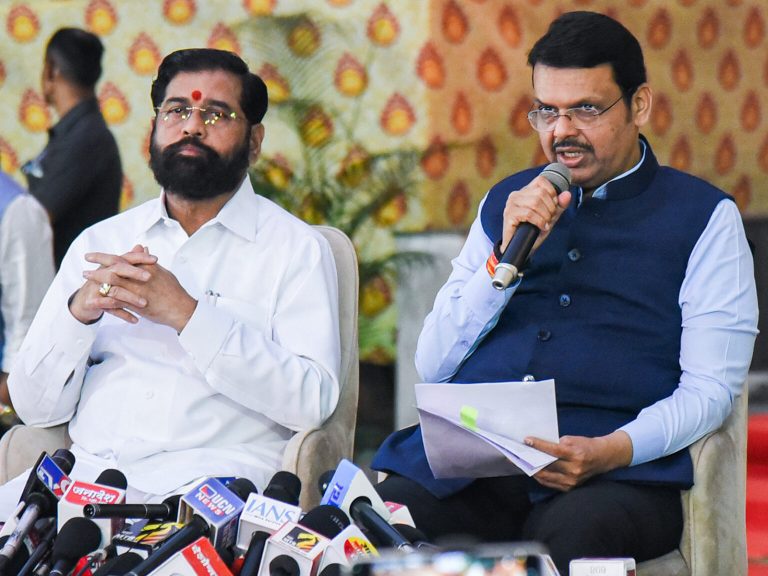
Conspiracy of falsely implicating Maharashtra CM Devendra Fadnavis (L) and Deputy CM Eknath Shinde, says SIT report

Relief for CM Fadnavis and Dy CM Shinde

The SIT report is being seen as a major relief for both Chief Minister Devendra Fadnavis and Deputy Chief Minister Eknath Shinde, who have consistently denied all allegations related to the 2016 case. Both leaders have maintained that the case was politically motivated and intended to tarnish their reputations.

Sources close to the government have said that the SIT findings vindicate their long-standing stand and expose the misuse of investigative processes for political ends. The report also strengthens their argument that the allegations were driven more by political vendetta than by facts or law.

Opposition Reaction and Demand for Accountability

The SIT’s conclusions have triggered sharp political reactions across Maharashtra. While leaders from the ruling alliance have welcomed the report and demanded action against those who allegedly orchestrated the conspiracy, opposition parties have questioned the timing and scope of the findings. Some opposition leaders have called for the SIT report to be debated in the legislature and have sought clarity on whether further legal action will be taken against those named in the investigation.

There have also been demands for accountability from officials who handled the case in its initial stages, with questions raised about why allegedly weak or fabricated evidence was allowed to progress through the legal system.

Next Steps After the SIT Findings

According to sources, the SIT has submitted its report to the state government, and further action will be decided after legal scrutiny. The report may form the basis for initiating proceedings against individuals accused of fabricating evidence or misleading investigators. Legal experts believe the findings could lead to fresh cases related to misuse of authority, false complaints or obstruction of justice.

The government is expected to examine the recommendations carefully before taking a final call on prosecution or disciplinary action. The case is likely to remain in focus as political parties continue to trade charges over accountability and misuse of investigative mechanisms.

Read More: https://channel6network.com/maharashtra-cet-2026-exam-schedule-released/

The SIT report concluding a conspiracy to falsely implicate Chief Minister Devendra Fadnavis and Deputy Chief Minister Eknath Shinde in the 2016 case marks a significant development in Maharashtra’s political and legal landscape. As debates intensify over political vendetta, institutional integrity and accountability, the findings have reopened discussions on the misuse of legal processes for political gains and the need for safeguards to prevent such incidents in the future.

Maharashtra CET 2026 Exam Schedule Released For MBA, MMS, Engineering, Pharmacy, Agriculture

The Maharashtra State Common Entrance Test (CET) Cell has officially published the MAH CET 2026 exam schedule for multiple professional courses, providing crucial dates for aspirants seeking admission into management, engineering, agriculture and pharmacy programmes for the academic year 2026-27. The exam calendar outlines registration windows, exam dates and multiple session opportunities for candidates across the state.

Students aspiring for MBA, MMS, Engineering, Pharmacy and Agriculture courses should mark their calendars as the exam timetable has been released to help them plan preparations and submit applications on time. With Maharashtra introducing a dual-attempt structure similar to national exams like JEE Main, this year’s schedule offers greater flexibility for exam-takers.

Registration Begins in January 2026

The Maharashtra CET Cell opened the online application process on January 10, 2026, allowing eligible candidates to begin registering for the entrance tests across various disciplines. The registration period will remain open until February 12, 2026, giving students approximately five weeks to complete their applications and ensure all details are correct. Applications are being accepted through the official CET Cell portal at cetcell.mahacet.org, where students can also access information brochures and eligibility criteria.

Candidates are required to have a valid Aadhaar card and APAAR ID for registration. Students who have not yet generated their APAAR ID are advised to obtain it via DigiLocker before completing their CET forms to avoid delays or discrepancies in the submission process.

The CET Cell has emphasised that all registered candidates must verify their personal details, including name, date of birth, mobile number and address, as per official documentation to avoid potential issues during the application review and examination process.

Candidates are required to have a valid Aadhaar card and APAAR ID for CET registration.

Timeline and Structure for 2026 Entrance Exams

The 2026 Maharashtra CET schedule introduces a structured timetable for different professional streams. According to the official announcement:

MBA and MMS CET will be held in two sessions.

  • The first session for MBA/MMS CET is scheduled from April 6 to April 8, 2026.
  • The second session is planned for May 9, 2026.

This dual-attempt format enables candidates to take the test twice and utilise the higher score from either session for admissions.

For Engineering, Pharmacy and Agriculture CETs (MHT CET), the exams are also set to be conducted in two attempts.

  • The first attempt runs from April 11 to April 26, 2026 for PCM and PCB groups.
  • The second attempt is scheduled between May 10 and May 17, 2026.

This marks a significant change from previous years when the CET was held only once annually. The new format aims to reduce stress on students and provide opportunities to improve performance across sessions.

The implementation of this two-session strategy is designed to mirror successful models seen in national entrance exams, offering candidates more flexibility and a second chance within the same academic year. Officials assert that this move will improve accessibility and enable aspirants to optimise their scores without losing a year due to one poor performance.

What Aspirants Must Know

Students preparing for the 2026 CET cycle should take careful note of several important details:

  • Registration Deadline: February 12, 2026
  • Exam Dates: April to May 2026 (multiple sessions)
  • Mode of Exam: Computer-Based Test (CBT) in various centres across Maharashtra
  • Best Score Policy: For dual attempts, the highest score of the two sessions will be considered for admissions.

In addition to the core MBA, MMS, Engineering and Pharmacy tests, the CET Cell is expected to announce schedules for other professional and postgraduate entrance examinations, including Law, MCA, M.Ed, B.Ed and allied programmes, as part of the broader common entrance framework. Students should regularly visit the official CET Cell website for updates, detailed syllabi, exam patterns and centre information.

Preparation and Examination Strategy

With the release of the exam schedule, coaching institutes and educators have already begun advising students on effective preparation strategies. Given the dual-attempt structure, experts recommend that candidates focus on understanding core concepts early and use the first attempt as a benchmark to refine their preparation for the second session if needed.

Many coaching centres in Maharashtra have launched specialised preparation modules, including mock tests and revision plans, to help students familiarise themselves with the updated examination format and question patterns expected in 2026. Aspirants are encouraged to engage in regular practice tests and time management exercises to boost confidence ahead of the actual exams.

For MBA and MMS aspirants, combining CET preparation with mock group discussions and basic quantitative analysis exercises can also help strengthen performance across various sections of the test. For engineering, pharmacy and agriculture streams, a robust grasp of PCM and PCB fundamentals remains vital to secure competitive scores.

Implications for Admissions and Career Prospects

The revised Maharashtra CET 2026 schedule not only sets a clear timeline for competitive exams but also aligns with broader educational reforms aimed at enhancing fairness and flexibility in state entrance testing. By providing two attempts at both undergraduate and postgraduate levels, students now have better chances to excel academically without the pressure of a single high-stakes test.

Success in these tests opens doors to admissions in prominent colleges and universities across Maharashtra, including government and private institutions offering courses in engineering, management, agriculture, pharmacy and related professional fields. The CET results will play a central role in the Centralised Admission Process (CAP), which allocates seats based on merit and reservation criteria under Maharashtra’s education policies.

Applicants and guardians are urged to keep track of upcoming notifications regarding admit card releases, examination centre allotments and result announcements as dates approach. Staying updated through official channels will ensure a smooth and timely application and examination journey for all candidates.

Read More: https://channel6network.com/maharashtra-public-holiday-for-civic-polls/

The Maharashtra CET 2026 exam schedule announcement marks a pivotal moment for thousands of students planning their higher education paths. With registration open from January 10 to February 12 and exams spread across April and May, the structured timetable and dual-session format offer both opportunity and challenge. As candidates prepare for these crucial entrance tests, the new system aims to balance fairness, accessibility and academic excellence in the state’s higher education landscape.

Read More: https://channel6network.com/maharashtra-ajit-pawar-ladki-bahin-scheme/

Ladki Bahin Scheme: ‘Lok Sabha Setback Prompted Launch,’ Says Maharashtra Deputy CM Ajit Pawar

Maharashtra’s flagship welfare initiative, the Mukhyamantri Majhi Ladki Bahin Yojana, has once again become the center of political and policy debates across the state, with Deputy Chief Minister Ajit Pawar recently linking its inception to the performance of the Mahayuti government in the 2024 Lok Sabha elections. In an exclusive interview, Pawar said that the scheme was launched following “a jolt” in the general elections, a candid admission that political calculations played a role in shaping the rollout of this high-profile cash transfer programme targeted at economically vulnerable women.

The Ladki Bahin scheme provides a monthly direct cash transfer of ₹1,500 to eligible women between the ages of 21 and 65 whose families earn below a specified income threshold. The government has maintained that the scheme is aimed at empowering women financially and enabling them to participate more actively in household and community economics. However, its introduction and continued expansion have been viewed by many analysts and political opponents as part of an electoral strategy rather than purely a welfare move.

Origins of the Scheme and Political Context

Deputy CM Ajit Pawar explained that after the Mahayuti coalition of the Bharatiya Janata Party, Shiv Sena and his own Nationalist Congress Party secured only 17 out of 48 Lok Sabha seats in Maharashtra, the government reevaluated its approach to governance and voter engagement. Pawar said that the setback prompted discussions on how to regain public trust ahead of subsequent local and state elections. Drawing from similar schemes in other states, such as the Ladli Behna initiative in Madhya Pradesh under then-Chief Minister Shivraj Singh Chouhan, Maharashtra adopted a comparable model to offer regular financial support to women.

“After the Lok Sabha elections, we realised that we had received a setback and needed to reconnect with people, especially women. That is when the Ladki Bahin scheme was introduced.”

Pawar acknowledged that while welfare schemes like Ladki Bahin place strain on state finances, the government remains committed to balancing fiscal responsibilities with the socio-economic needs of its citizens. He pointed to the simultaneous progress of major infrastructure projects—including port construction, metro extensions, and the bullet train corridor—as evidence that development and welfare can proceed in tandem.

The timing of the Ladki Bahin launch in July 2024, months before the state assembly elections later that year, has been a focal point of political debate. The coalition that introduced the scheme went on to secure a landslide victory in the November 2024 elections, winning more than 230 out of 288 seats. Opposition parties and critics have argued that the financial incentive of the cash scheme influenced voter behaviour and contributed significantly to the alliance’s electoral success.

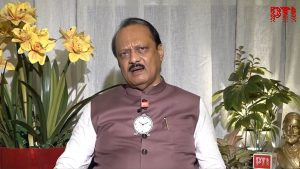
Maharashtra Deputy CM Ajit Pawar on Ladki Bahin scheme

Scheme Implementation and Fiscal Footprint

Since its launch, the Ladki Bahin scheme has aimed to deliver monthly payments directly to beneficiaries’ bank accounts through Aadhaar-linked transfers. The state government reports that millions of women have received the benefit, making it one of the largest cash transfer programmes in Maharashtra’s history. However, the implementation has not been without controversy. Reports and audits have revealed significant irregularities in the beneficiary lists, with tens of lakh accounts flagged for further verification due to eligibility concerns.

A major administrative review found that over 26 lakh ineligible recipients had been temporarily removed from the scheme’s database pending stricter verification, reflecting ongoing challenges in ensuring that the benefits reach their intended targets. The review also underscored the sheer scale of the programme and its impact on the state’s budgetary allocations.

In addition, separate investigations uncovered thousands of cases in which men or government employees were incorrectly recorded as beneficiaries, leading to further scrutiny and corrective actions by authorities. The government has maintained that it will continue to refine eligibility checks and make necessary adjustments to safeguard public funds.

Political Reactions and Opposition Criticism

The revelations concerning the scheme’s origins and execution have drawn sharp reactions from opposition leaders and critics who describe Ladki Bahin as a populist measure that prioritises political gain over sustainable development. Some opposition figures argue that the scheme operates as a form of voter bribe and question its long-term viability given the significant financial burden on the state exchequer. They point to alleged misuse, administrative lapses and the diversion of funds that could otherwise address structural issues like women’s employment, health services, and education.

At the same time, many proponents of the programme stress its role in providing immediate economic relief to women in economically disadvantaged households who might otherwise struggle to meet daily expenses. They argue that direct cash transfers empower women to make independent financial decisions and contribute to improved quality of life for their families. The debate has extended to public forums, legislative sessions, and social media, reflecting the broader national conversation on welfare, governance and electoral strategies.

Chief Minister Devendra Fadnavis has also addressed the scheme in public forums, reaffirming that the government has no intention of discontinuing Ladki Bahin and framing it as a key component of the state’s pro-development agenda. Fadnavis stated that the programme would persist alongside other initiatives aimed at women’s empowerment until his tenure as Chief Minister continues, dismissing opposition claims of imminent withdrawal.

Public Perception and Social Impact

Public response to the Ladki Bahin scheme has been mixed. Beneficiaries and community leaders have publicly welcomed the financial support, noting that the monthly stipend offers a modest but meaningful contribution toward household expenses, education costs, and savings. For many women in rural and urban poor communities, the programme represents a practical step toward financial inclusion. However, critics argue that while the scheme alleviates immediate financial pressure, it does not address deeper systemic challenges such as livelihood opportunities, skill development, and long-term economic security for women.

Some civil society groups have also raised concerns about the administrative process and the need for stronger oversight mechanisms to prevent misuse of funds and ensure transparency. Calls for independent audits and tighter eligibility criteria have gained traction in certain quarters. At the same time, supporters of the government caution against politicising a programme that they view as essential for the welfare of vulnerable populations.

Conclusion: Welfare, Politics and Governance in Focus

The recent remarks by Deputy CM Ajit Pawar acknowledging that the Ladki Bahin scheme was partly shaped by the political realities of the last Lok Sabha elections have intensified public discourse around welfare policy, electoral strategy and fiscal responsibility in Maharashtra. As the state prepares for upcoming municipal, local body and future state elections, the scheme is likely to remain a central issue in political narratives and policy analyses alike.

The Ladki Bahin programme, with its substantial reach and financial implications, continues to highlight the complex interplay between social welfare objectives and political imperatives in contemporary governance. Whether it is celebrated for empowering women or critiqued as an electoral tool, its impact on Maharashtra’s socio-economic landscape will continue to be closely watched in the months and years ahead.

Read More: https://channel6network.com/mumbai-weather-update/

Mumbai Weather Latest Update: Mixed Winter Conditions Grip Maharashtra With Cold Mornings and Warm Days

Winter continues to show its mixed face across Maharashtra as cold mornings and warm afternoons define the weather pattern in Mumbai and the surrounding regions. According to the India Meteorological Department (IMD), the state is experiencing dry winter conditions with low humidity, chilly mornings, and fluctuating temperatures, prompting residents and authorities to adapt to the variable climate. Mumbai weather update mixed winter conditions remains a trending topic as the city balances between cool dawns and pleasant afternoons.

Cold Mornings and Winter Chill Affect Daily Life

Across the state, early morning temperatures have been notably low, especially in inland regions like Nagpur, Gondia, Wardha and Nashik where minimums have dipped below 10°C on several nights. In contrast, Mumbai’s minimum temperatures have been mild by winter standards but still cooler than usual, occasionally dropping to the mid-teens. The IMD’s Santacruz observatory recorded a minimum near 15°C on recent mornings, marking one of the coldest starts of the season.

The IMD has also highlighted widespread dry air and low humidity across the state, contributing to significant radiational cooling overnight and trapping pollutants near the surface. This has led to a notable increase in air pollution levels, with the Mumbai Metropolitan Region seeing the Air Quality Index (AQI) rise from satisfactory to moderate or poor in early January 2026, especially in areas like Sanpada and Nerul.

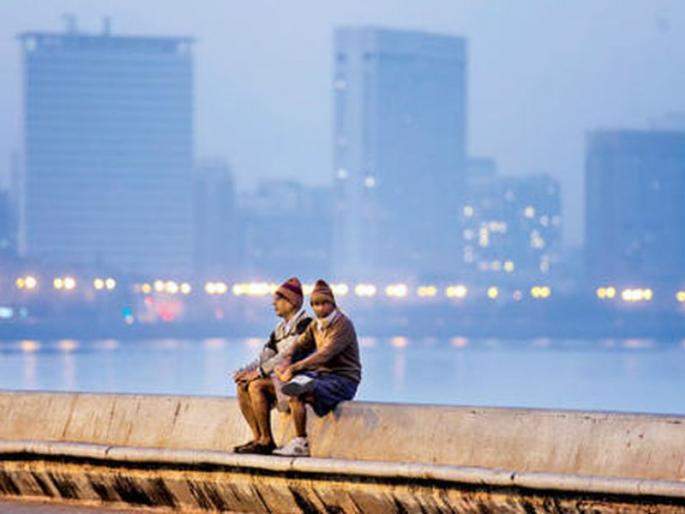
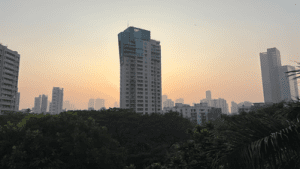
Mumbai experiences mixed winter conditions

Warm Days Despite Winter Chill

Despite cold starts to the day, afternoons in Mumbai have been relatively warm and dry, with sunny skies dominating the forecast. The IMD predicts mostly dry and stable conditions for the next few days, keeping daytime temperatures at comfortable levels ranging between 28°C and 32°C. Mumbai is expected to stay dry with clear skies prevailing, allowing warmth to build by midday even as nights remain chilly.

This pattern of cold mornings followed by warmer afternoons is typical of transitional winter climates in coastal regions but has been more pronounced this season due to persistent high-pressure systems over the Arabian Sea that limit cloud cover.

IMD Forecast: What to Expect in the Next Week

According to the IMD’s latest forecasts, the cold morning conditions are expected to persist for the next several days, though the strength of the chill may vary across districts. While no major rainfall is predicted immediately, isolated showers are possible in parts of Konkan and Western Maharashtra later in the week as humidity increases slightly.

For Mumbai specifically, the IMD anticipates:

  • Minimum temperatures: 15°C to 18°C during mornings
  • Maximum temperatures: 28°C to 32°C during afternoons
  • Rainfall: Mostly dry with low chance of precipitation in the short term
  • Wind conditions: Predominantly mild sea breezes in daytime due to coastal influence

These temperatures are slightly below normal for January in some inland parts of the state, while coastal Mumbai sees typical mild winter ranges.

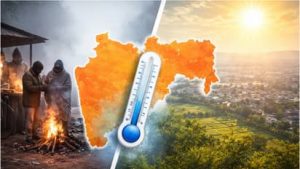
Mumbai weather

Impact on Health and Daily Activities

Meteorologists and health experts warn that such wide temperature swings between morning and afternoon can affect people’s well-being, especially older adults, children, and those with respiratory issues. Cold early mornings combined with stagnant air often trap pollutants near the ground, contributing to mild to moderate air quality concerns.

Residents are being advised to dress in layers, avoid extended exposure during the coldest hours before sunrise, and monitor air quality reports to reduce the risk of coughs, colds, sore throats and other winter-related health issues.

Read More: https://channel6network.com/maharashtra-public-holiday-for-civic-polls/ 

The Mumbai weather latest update shows a classic winter pattern with cold, dry mornings and warm, sunny afternoons dominating the forecast. With the IMD predicting largely stable weather and limited rain, Mumbaikars may continue experiencing this mixed winter regime throughout the coming week. Staying informed on temperature swings and air quality remains crucial for health and comfort as the season progresses.

Read More: 

https://channel6network.com/raj-thackeray-bombay-dhaba-row/

Raj Thackeray Sparks Intense ‘Bombay Dhaba’ Row in Bhiwandi: MNS Tears Down Signboard Over Mumbai Name Objection

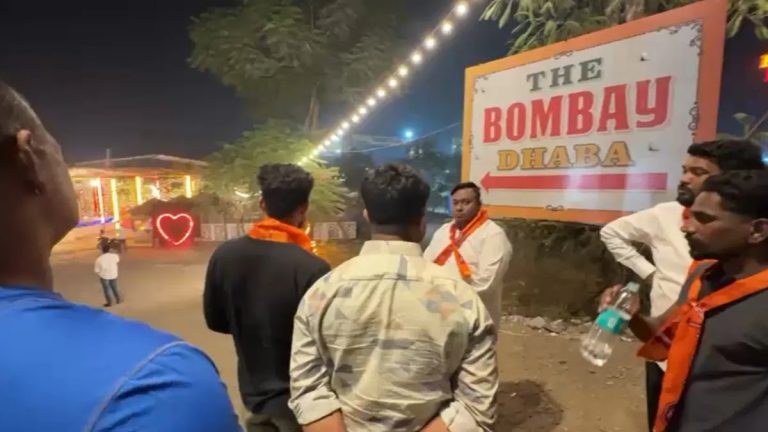
A controversy over the naming of a roadside eatery erupted on Thursday when Maharashtra Navnirman Sena (MNS) activists tore down the signboard of a popular roadside restaurant called “Bombay Dhaba” in Bhiwandi, citing objections to the use of the old city name Bombay instead of Mumbai. The incident, which occurred on the Mumbai–Nashik Highway near the Thane–Bhiwandi border, was triggered after MNS chief Raj Thackeray noticed the sign while travelling and directed party workers to take action.

The dramatic move has sparked a sharp debate about regional identity, cultural pride and political mobilisation as municipal elections draw closer across Maharashtra. Party activists, defending their action, argue that continued use of Bombay undermines Marathi heritage and the official identity of the city and state.

MNS Takes Issue with ‘Bombay’ Signboard

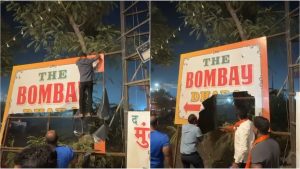
According to eyewitness accounts and party workers at the scene, Raj Thackeray was returning from an election campaign tour when he noticed the “Bombay Dhaba” signboard. Annoyed by the use of the city’s colonial-era name, he allegedly instructed MNS workers to remove the sign. Within minutes, activists gathered at the location, tore down the illuminated board and instructed the restaurant owner to change the name to reflect Mumbai’s official identity within eight days.

The restaurant owner, who was present during the incident, reportedly agreed to the demand and assured party workers that he would comply with the request within the stipulated time.

MNS workers said that the action was not aimed at the establishment itself but was a symbolic assertion of Marathi pride and cultural respect. They argued that retaining Bombay in business names goes against the constitutional and civic identity recognised by the state and should be phased out.

Raj Thackeray sparks 'bombay dhaba' row: MNS tears down signboard

Political Context and Rising Sensitivities

The Bombay Dhaba row has emerged at a politically sensitive time. Across Maharashtra, local body polls and municipal elections are underway, and political parties are increasingly focusing on regional identity and cultural symbolism as part of their campaign narratives.

For Raj Thackeray and the MNS, emphasising Marathi identity has long been a core element of their political brand. The party has historically taken strong stances on language and culture, advocating that Marathi be given prominence in public signage, government communication, and popular usage. This episode, critics claim, reflects an intensification of that stance amid competition for voters who prioritise regional pride.

Opposition parties and political commentators, however, argue that such actions risk alienating business owners and citizens who may view the incident as an overreach or unnecessary provocation. These critics suggest that focusing on cultural symbolism may detract from pressing governance issues such as infrastructure, employment and urban services, which are key concerns for many residents.

Nevertheless, supporters of Raj Thackeray say that symbolic acts reinforce values that matter deeply to a large section of Maharashtra’s electorate. They argue that names, language and public signage are not trivial matters but are tied to a sense of belonging and respect for local heritage.

MNS Response and Public Statements

Following the incident, several MNS officials issued statements defending the action. They emphasised that the party is committed to preserving Maharashtra’s identity and ensuring that public spaces reflect the official names and heritage of the state. The activists reiterated that the restaurant owner was cooperative and promised to comply, showing that there was no intent to harm the business.

In statements to local media, MNS representatives said that such actions are part of a broader cultural movement to ensure that Marathi identity, language and history are respected in public life. They also said that the party will continue to campaign on issues of cultural pride ahead of the election season, urging citizens to support candidates who uphold Maharashtra’s traditions.

Local Reactions and Diverse Views

Reactions among local residents have been mixed. Some passersby and customers at nearby shops said they supported the move, emphasising the importance of respecting local identity and the official name Mumbai that replaced Bombay decades ago. They noted that many people, especially from outside Maharashtra, still refer to the city using the old name despite repeated shifts in official usage.

Others, however, expressed concern that the incident could set a precedent for unnecessary interference in small businesses. Some local business owners, while understanding the sentiment, said they worry such actions could discourage tourism or economic activity if not handled sensitively.

Political analysts also warn that while cultural assertion can energise a party’s base, it may also polarise voters who prioritise economic and civic issues. They suggest that balancing cultural concerns with practical governance challenges will be critical for parties seeking broader electoral support.

Historical and Cultural Background

The name Bombay has long been a subject of political and cultural debate. Originally given during the colonial era, Bombay was officially renamed Mumbai in 1995 by the state government to reflect local Marathi identity and heritage. The change was championed by pro-Marathi organisations and has since been widely adopted in official contexts.

However, many people still use Bombay informally, especially in popular culture and business branding. While some view this as a nostalgic reference, others see it as resistance to change or a reluctance to embrace Marathi identity fully.

The latest action by the MNS brings that debate back into the spotlight, raising questions about how language, history and identity intersect with politics in modern-day Maharashtra.

Impact on Upcoming Elections

With municipal elections and local body polls approaching, the Bombay Dhaba controversy is likely to become a talking point among voters. Parties may use the incident to reinforce broader narratives about cultural respect, administrative priorities and political leadership.

For Raj Thackeray and the MNS, the episode reinforces their longstanding focus on Marathi language and cultural identity — themes that have historically resonated with a segment of the electorate. Despite criticism from some quarters, MNS leaders are expected to continue emphasising these issues as part of their campaign strategy.

Meanwhile, other political parties might seek to counter by highlighting governance issues and development agendas, urging voters to focus on tangible civic problems rather than symbolic debates.

Read More: https://channel6network.com/bjp-maharashtra-repackaged-expired-product/

BJP in Maharashtra Is a ‘Repackaged Expired Product’, Says Sena Mouthpiece Ahead of Critical 2026 Polls

The political temperature in Maharashtra rose sharply after the Shiv Sena (UBT) mouthpiece launched a scathing attack on the Bharatiya Janata Party (BJP), describing it as a “repackaged expired product” that has lost both credibility and relevance in the state’s political landscape. The sharp editorial comes at a time when Maharashtra is heading toward important civic and local body elections, making political narratives and public perception increasingly crucial.

The editorial criticised the BJP’s leadership and functioning in Maharashtra, alleging that the party no longer enjoys genuine public support and is surviving through political manoeuvring rather than grassroots acceptance. Using a strong commercial metaphor, the piece claimed that while the BJP continues to rebrand itself through alliances and power equations, its political appeal among voters has already crossed its expiry date.

Questioning BJP’s Political Strength in the State

The Sena mouthpiece argued that the BJP lacks an independent political base in Maharashtra and has instead relied heavily on breaking rival parties, absorbing leaders, and reshaping alliances to remain in power. According to the editorial, such tactics may help retain administrative control but fail to build long-term trust among voters.

The piece further stated that the BJP’s repeated emphasis on power at the Centre has not translated into meaningful governance outcomes for Maharashtra. It accused the party of prioritising political dominance over addressing pressing state-level issues such as farmer distress, unemployment, rising prices, and urban infrastructure challenges.

Double-Engine Government’ Narrative Challenged

Taking aim at the BJP’s frequently used “double-engine government” slogan, the editorial described it as an outdated narrative that no longer resonates with the people of Maharashtra. It argued that despite being part of both state and central governments at different times, the BJP has failed to deliver tangible benefits that justify such claims.

According to the editorial, voters are increasingly questioning whether the promised development has reached the grassroots or remained limited to announcements and publicity campaigns. The piece suggested that public dissatisfaction is growing, particularly in urban centres and rural belts where economic pressures continue to mount.

Raj Thackeray said that the BJP is on "borrowed mandates".

Allegations of Power Politics and Pressure Tactics

The editorial also accused the BJP of relying on power tactics rather than democratic consensus. It alleged that investigative agencies and administrative pressure have been used to weaken opposition voices and destabilise rival parties in Maharashtra. Such methods, it claimed, damage democratic institutions and erode public faith in fair political competition.

The Sena mouthpiece warned that while these strategies may provide short-term political gains, they carry long-term consequences for democratic values. It stressed that Maharashtra’s political culture has historically been rooted in ideological debate, social reform, and mass movements rather than coercive politics.

Appeal to Maharashtra’s Political Identity

Linking the criticism to the broader idea of Maharashtra’s political and cultural identity, the editorial argued that the state has always valued self-respect, progressive thought, and regional pride. It claimed that voters are becoming increasingly aware of attempts to dilute this identity through opportunistic alliances and centralised decision-making.

The piece positioned regional parties as better equipped to understand and represent Maharashtra’s unique social and cultural fabric. It asserted that political leadership in the state should emerge from local struggles and public engagement rather than being imposed through power arithmetic.

Elections as a Turning Point

With civic and local body elections approaching, the editorial described the upcoming polls as a crucial test of public sentiment. It suggested that voters now have an opportunity to evaluate political claims against lived realities and decide whether they wish to endorse what it termed “expired politics wrapped in new packaging.”

The Sena mouthpiece called on citizens to vote thoughtfully, urging them to assess governance performance, accountability, and respect for democratic values rather than slogans or political branding. It argued that elections should serve as a corrective mechanism when political parties drift away from public welfare.

Read More: https://channel6network.com/maharashtra-dharma-unites-bmc-battle-2026/

Political Reactions Expected

The strong language used in the editorial is expected to provoke sharp reactions from the BJP, further intensifying political discourse in the state. Analysts anticipate that the coming weeks will witness heightened exchanges between rival parties as they attempt to frame narratives and consolidate voter bases.

As Maharashtra enters a politically sensitive phase, statements such as these reflect not only inter-party rivalry but also a broader debate about governance, democracy, and political ethics in the state.:

Read more:

https//channel6network.com/maharashtra-public-holiday-for-civic-polls/


Maharashtra Declares January 15 Public Holiday for Civic Polls; Stock Market, Banks Remain Uncertain

The Maharashtra government has officially declared January 15, 2026, a Maharashtra public holiday as voters across the state prepare to cast their ballots in crucial civic body elections, including the Brihanmumbai Municipal Corporation (BMC) polls. The decision, issued under the Negotiable Instruments Act, aims to remove barriers to voting and encourage broad participation in the democratic process.

In a coordinated announcement on Friday, authorities confirmed that the holiday will apply to government and semi-government offices, public undertakings, banks, educational institutions and several key sectors within the jurisdictions of 29 municipal corporations where polling is scheduled.

Civic elections in Maharashtra are on January 15, with votes to be counted on January 16, marking one of the state’s largest local body polls in recent years. Voting hours for Mumbai extend from 7:30 am to 5:30 pm, during which eligible citizens can visit polling stations across all wards within their respective jurisdictions.

Maharashtra has declared January 15, 2026, a public holiday for local body elections, though clarity on bank and market closures is awaited.

What the Holiday Means for Citizens and Workers?

The government’s notification emphasizes that the Maharashtra public holiday is intended to provide citizens with the time and opportunity to exercise their constitutional right to vote without conflict from work or institutional obligations. By declaring a holiday specifically for civic polls, officials hope to drive higher voter turnout, which has historically varied across regions in previous elections.

For many state employees, school and college students, and business workers in the affected areas, this day off ensures they can participate in the electoral process without sacrificing employment or attendance responsibilities. However, the holiday’s application outside municipal jurisdictions,  particularly in private offices and workplaces may vary, with some employers offering voluntary leave or adjusted schedules.

Banks and Financial Sector: Status Still Unclear

Despite the formal declaration of a Maharashtra public holiday, confusion remains around operations of major financial institutions on January 15. While the holiday mandates closure of government and certain public services in civic poll areas, official pronouncements from the Reserve Bank of India (RBI) regarding bank closures have not yet been issued.

Normally, under the Negotiable Instruments Act, certain regulated markets may shut down on days designated for public holidays within specific jurisdictions. But in the current case, banks and branches outside the directly affected corporate limits may not be subject to compulsory closure without RBI notification.

This has left customers and financial professionals uncertain about whether branches will remain open, particularly in urban centres such as Mumbai and Pune where civic polling areas overlap significantly with commercial activity zones.

Will the Stock Market Be Closed? What Investors Should Know

One of the most frequently asked questions following the holiday announcement has been: Will the Bombay Stock Exchange (BSE) and the National Stock Exchange (NSE) be closed on January 15?

As of now, both major Indian stock exchanges have not formally declared January 15 a trading holiday despite the government’s civic poll holiday order. Market authorities typically issue holiday calendars well in advance, and no such notification has been released regarding a market closure tied to the civic polls.

The date also coincides with the weekly expiry of certain derivative contracts, which adds complexity to traders’ expectations for market operations. Without official confirmation, investors and brokers are keeping a close watch on exchange communications, seeking clarity on whether normal trading sessions will proceed.

Will the Bombay Stock Exchange (BSE) and the National Stock Exchange (NSE) be closed on January 15?

Election Preparedness and Administrative Measures

Alongside the holiday declaration, the State Election Commission has completed extensive logistical preparations for the civic polls. This includes ensuring readiness of Electronic Voting Machines (EVMs) and necessary training for polling staff across all participating municipal corporations.

State Election Commissioner Dinesh Waghmare issued directives emphasizing strict compliance with training schedules for election officials. He noted that officials who fail to complete mandatory preparatory work could face punitive measures under applicable election rules.

Authorities also drew attention to practical arrangements at polling stations, such as provision of drinking water, shade, sanitation facilities, and special considerations for elderly or differently-abled voters. These steps are aimed at streamlining the voting process and minimizing inconvenience on the major polling day.

Voter Mobilization and Public Participation

Officials have urged citizens to make full use of the Maharashtra public holiday by arriving at polling stations and fulfilling what they described as a civic duty critical to local governance and public accountability. Messaging from election authorities highlighted that local body governance plays a direct role in civic services, including sanitation, local roads, public health and community welfare making broad participation particularly relevant.

While voter enthusiasm has shown encouraging signs in many areas, election officials are also monitoring challenges such as identification verification and voter list accuracy in parts of the state. Public awareness campaigns and outreach via local bodies have been underway to ensure that voters are informed about when and where to cast their ballots on January 15.

What Happens Next

As the state counts down to January 15, residents, businesses, and institutions continue to prepare for the Maharashtra public holiday and civic poll day. With banks and financial markets yet to confirm operational status, citizens are advised to stay updated via official channels for any late announcements regarding closures or schedule adjustments.

In the meantime, election machinery across Maharashtra remains in full gear, aiming for a smooth and inclusive polling process that reflects the democratic spirit at the heart of local governance.

Read More: https://channel6network.com/maharashtra-dharma-unites-bmc-battle-2026/

Maharashtra Dharma Takes Centre Stage: Uddhav Thackeray Calls BMC Election a CRITICAL ‘Battle for State Identity’ in 2026

In a candid interview ahead of the upcoming Brihanmumbai Municipal Corporation (BMC) election, Shiv Sena (UBT) president Uddhav Thackeray asserted that the contest is not merely political but a defining struggle for Maharashtra Dharma — a term he used to describe the duty to safeguard the state’s cultural identity and Marathi pride.

“This battle is not about power or positions; it is about Maharashtra Dharma — about protecting the soul, culture and dignity of Maharashtra and the Marathi people,” Thackeray said during the interview.

Thackeray, emphasized that the January 15 municipal polls represent “a battle for survival… not just for us but for the Marathi people in Mumbai,” framing his party’s campaign in terms of preserving local heritage and community interests.


Alliance with Raj Thackeray on Maharashtra Dharma

The Shiv Sena (UBT) leader highlighted his recent political collaboration with cousin Raj Thackeray, head of the Maharashtra Navnirman Sena, as rooted in shared cultural values rather than opportunistic politics. The two leaders have stressed that their alliance reflects a united stand for Maharashtra Dharma — protecting the state’s ethos after years of factional splits and political upheavals.

Both leaders have accused the ruling Mahayuti administration of undermining Marathi identity and neglecting local development, even warning that Mumbai’s cultural character is at risk if proactive measures aren’t taken.


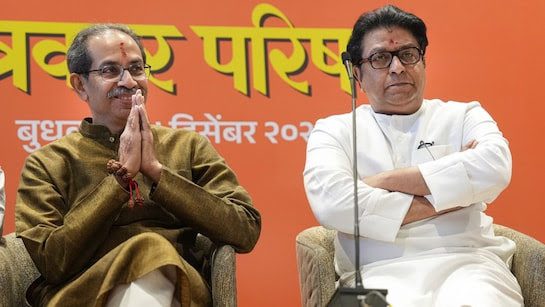
Shiv Sena (UBT) chief Uddhav Thackeray and Maharashtra Navnirman Sena (MNS) founder Raj Thackeray formally united for the Brihanmumbai Municipal Corporation (BMC) elections, framing their alliance as a "Maharashtra Dharma"—a duty to protect the state's pride and the interests of the Marathi people.

Focus on Marathi Pride and Civic Issues

Thackeray’s campaign messaging revolves around prioritizing the interests of Marathi-speaking residents, development of local infrastructure, cleanliness, and asserting Mumbai’s unique identity amid rapid urban change. He also criticized other political parties for driving a wedge between cultural priorities and municipal governance.

Political Context Ahead of BMC Polls

The BMC election is seen as a litmus test for the Shiv Sena (UBT) after major splits in the party and shifting electoral dynamics over the past few years. Opposition parties contend that the Maharashtra Dharma narrative is a strategy to consolidate regional votes, while supporters of Thackeray argue it reflects genuine concern for the state’s heritage.

Read More: https://channel6network.com/ed-vs-tmc-drama-protest-at-amit-shahs-office/

Looking Ahead

With less than a week to go before voting, political debates in Mumbai are intensifying around cultural identity, urban governance, and the future of local leadership. As the campaign enters its final phase, Maharashtra Dharma remains a central talking point among voters and political strategists alike.

Amit Shah Urges Northeast Police to Prioritize Citizens’ Rights Amid New Criminal Law Implementation

Union Home Minister Amit Shah on Sunday reviewed the progress of the three new criminal laws in the Northeast (NE) states, emphasizing that police forces should shift their focus from insurgency to ensuring citizenship rights.

Police Must Prioritize Citizens’ Rights

Addressing a high-level meeting attended by seven Chief Ministers from the region, Shah highlighted the changing role of law enforcement in the Northeast. He noted that while the police have historically focused on counter-insurgency operations, the near-eradication of insurgency now necessitates a shift toward protecting people’s lives, property, and dignity.

In a post on X (formerly Twitter), Shah reiterated his directive to monitor progress and ensure that the police uphold citizens’ rights under the new legal framework.

Implementation of New Criminal Laws in the Northeast

The meeting assessed the progress of implementing the recently introduced laws:

• Bharatiya Nagarik Suraksha Sanhita (BNSS)

• Bharatiya Nyaya Sanhita (BNS)

• Bharatiya Sakshya Adhiniyam (BSA)

These reforms, introduced after 45 months of deliberation, aim to modernize India’s legal system by streamlining justice delivery and enhancing accountability.

During the meeting, each of the eight NE states provided updates on the implementation process. Bureau of Police Research and Development (BPR&D) Director General Rajeev Kumar Sharma made the final presentation, detailing the current status and challenges.

Call for Efficient Prosecution and Crime Registration

Shah emphasized that strengthening the Directorate of Prosecution is crucial for ensuring justice. He urged state governments to avoid political interference in cases related to terrorism, mob lynching, and organized crime.

He directed that:

• 100% police personnel in the Northeast must be trained in the new laws.

• Monthly review meetings should be conducted by Chief Ministers.

• Fortnightly assessments should be carried out by Directors General of Police (DGPs) and Chief Secretaries.

Speeding Up Justice Delivery and Crime Investigation

Shah stressed that new laws will significantly transform law enforcement, ensuring that justice is delivered within three years of an FIR being filed. He praised the Assam government for achieving a 66% charge sheet filing rate within the 60-90 day timeframe, urging other states to adopt a similar approach.

Additionally, he advocated for:

• The implementation of e-Sakshya for digitized evidence management.

• Hiring more scientific officers to improve forensic investigations.

• Utilizing the Trial in Absentia provision to prosecute fugitive criminals.

Reactions from Northeast Leaders

After the meeting, several Northeast Chief Ministers expressed their commitment to the new legal framework:

• Assam CM Himanta Biswa Sarma called the reforms a “watershed moment”, ensuring a justice system rooted in impartiality, efficiency, and modern techniques.

• Arunachal Pradesh CM Pema Khandu hailed the laws as a “historic transformation”, enhancing transparency and efficiency.

• Tripura CM Manik Saha emphasized citizen-centric policing, echoing Shah’s call to prioritize securing citizens’ rights.

The meeting also saw participation from Meghalaya CM Conrad K Sangma, Nagaland CM Neiphiu Rio, Mizoram CM Lalduhoma, and Sikkim CM Prem Singh Tamang.

Central Government’s Commitment to Justice Reforms

Shah reaffirmed that under Prime Minister Narendra Modi’s leadership, the central government is dedicated to building a speedy and transparent justice system. He emphasized that police stations should become centers of justice, urging timely crime registration and community-level engagement.

As a step toward widespread awareness, Shah also launched “New Criminal Laws: Standard Operating Procedures and Rules,” a book published by the Assam CID.

With the Northeast’s legal landscape undergoing a major transformation, Shah’s directives aim to strengthen law enforcement, ensure swift justice, and reinforce citizens’ rights. As states gear up for full-scale implementation, the focus remains on efficient policing, legal training, and eliminating bureaucratic delays to create a safer and more just society.