Wednesday, March 4, 2026
Home Blog Page 5

Mumbai Mayor Suspense Deepens After BMC Polls 2026 as BJP, Shiv Sena and Thackeray Camps Fall Short of Clear Majority

No Clear Winner in BMC, Mayor’s Race Remains Open

The Brihanmumbai Municipal Corporation elections have delivered a fractured mandate, leaving Mumbai without a clear answer on who will occupy the powerful mayor’s office. Despite intense campaigning and high political stakes, no single party or alliance has managed to secure an outright majority in the 227-member civic body. As a result, negotiations, tactical alliances, and political manoeuvring are now at the centre of Mumbai’s civic future.

The mayoral post in Mumbai is not just ceremonial but holds significant administrative and symbolic importance. With control over Asia’s richest municipal corporation, the outcome will shape the city’s governance, infrastructure priorities, and political narrative ahead of future state and national elections.

How the Numbers Stack Up in the BMC

According to the post-poll arithmetic, the Bharatiya Janata Party has emerged as the single largest party but remains short of the halfway mark required to form a stable civic administration on its own. The ruling Shiv Sena faction led by Chief Minister Eknath Shinde has also put up a competitive performance but does not command enough numbers independently.

Meanwhile, the Shiv Sena faction led by Uddhav Thackeray has retained a strong urban base, especially in traditional Sena pockets, but its tally too falls below the majority threshold. Smaller parties and independents now hold the balance of power, making them crucial players in the mayoral decision.

With the majority mark set at 114 corporators, none of the major contenders have crossed this figure, keeping the race wide open.
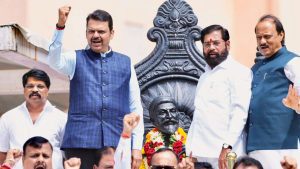
Mumbai mayor suspense
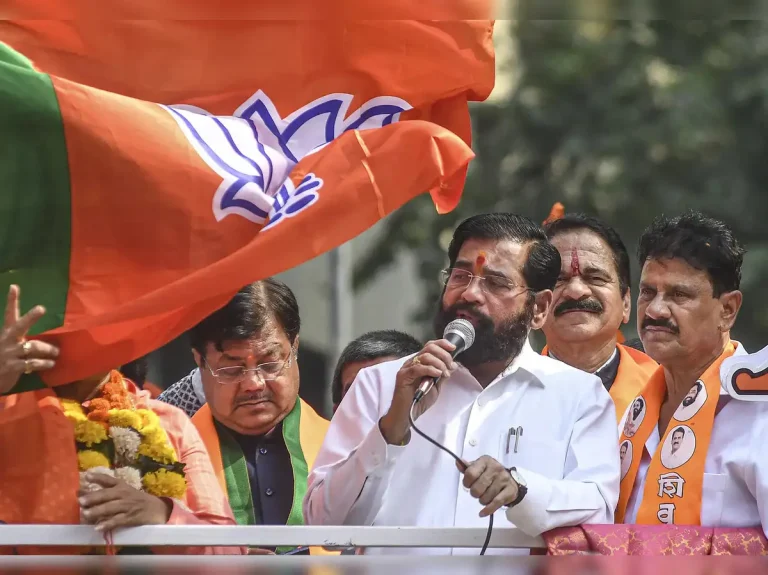
Maharashtra CM Devendra Fadnavis with Deputy CMs Eknath Shinde and Ajit Pawar, and others leaders in Mumbai

BJP’s Strategy: Largest Party, But No Easy Path

The BJP’s position as the single largest party gives it a psychological edge, but translating numbers into leadership is proving difficult. Party leaders argue that as the top performer, the BJP has a legitimate claim to the mayor’s post. However, without post-poll support, numbers alone may not be enough.

The BJP is reportedly exploring options to win over independents and smaller groups while also keeping channels open with like-minded parties. Still, the arithmetic remains tight, and any alliance would need careful negotiation to avoid internal dissent.

Shiv Sena (Shinde) Eyes Power Through Alliances

The Shiv Sena faction led by Eknath Shinde sees the BMC as a critical test of its political legitimacy after the party split. While its tally reflects organisational strength, it lacks the numbers to stake an uncontested claim.

This has pushed the Shinde-led camp to consider post-poll alignments. Leaders within the faction have indicated that stability and governance will be key considerations in any alliance talks, signalling openness to negotiations if it ensures control of the civic body.

Thackeray Camp Banks on Legacy and Urban Support

For the Uddhav Thackeray-led Shiv Sena, the BMC results are being viewed as a reaffirmation of its traditional support base in Mumbai. The party has historically dominated the civic body for decades, and retaining a significant presence has strengthened its claim to the mayoral post.

Leaders from the Thackeray camp argue that Mumbai’s electorate has not abandoned the party’s legacy and grassroots connect. However, like its rivals, it faces the challenge of converting moral claims into numerical strength.

Role of Smaller Parties and Independents

With the big three falling short, smaller parties and independent corporators have emerged as kingmakers. Their combined strength could determine who forms the civic administration. These groups are expected to drive hard bargains, seeking key committee positions, development assurances, or policy commitments in return for support.

Political observers note that such situations often lead to unstable alliances, raising concerns about governance continuity in a city that already faces infrastructure and administrative challenges.

Mayor’s Election Process and What Happens Next

The mayor of Mumbai is elected by corporators through an internal vote, making post-poll alliances crucial. Until the mayor is elected, administrative uncertainty is likely to continue. The process could take weeks as parties assess their options and negotiate support.

Senior leaders across parties have publicly called for respecting the mandate while privately working to consolidate numbers. The delay has also sparked debate about whether Mumbai needs reforms in its civic governance structure to avoid prolonged political deadlock.

Why the Mayor’s Post Matters So Much

Control of the BMC goes beyond civic administration. With an annual budget running into tens of thousands of crores, the municipal corporation plays a key role in shaping Mumbai’s infrastructure, healthcare, education, and urban planning.

Politically, winning the mayor’s post is seen as a statement of dominance in Maharashtra’s most influential city. For parties preparing for upcoming elections, the BMC outcome will influence narratives around leadership, governance capability, and voter trust.

Political Signals Ahead of Bigger Battles

The suspense over Mumbai’s mayor is also being read as a preview of future electoral contests. The fractured verdict suggests that voters are willing to split mandates, prioritising local candidates and issues over party loyalties.

Analysts believe the final outcome will depend not just on numbers but on who can present the most stable and credible governance model for the city.

Uncertain Road Ahead for Mumbai’s Civic Leadership

As talks continue behind closed doors, Mumbai remains without a clear civic leader. Whether the BJP leverages its position as the largest party, the Shinde-led Shiv Sena builds a workable coalition, or the Thackeray camp stages a comeback through alliances, the coming days will be crucial.

For now, the numbers have delivered a clear message: Mumbai’s electorate has kept all sides in check, ensuring that the next mayor will emerge not just from electoral strength, but from political negotiation and compromise.

Read More: https://channel6network.com/congress-maharashtra-mayoral-posts-sapkal/
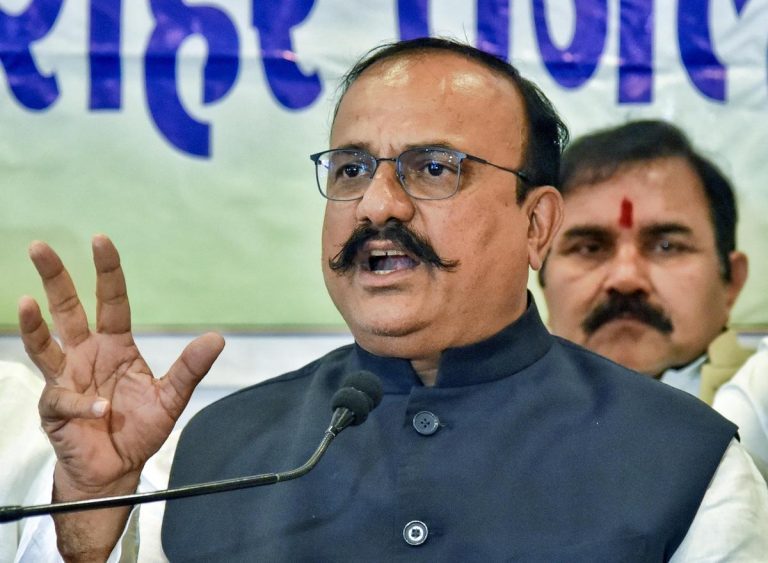
Congress Set to Secure Mayoral Posts in Five Cities, Claims 350 Corporators Across Maharashtra: Sapkal

Congress Claims Strong Civic Poll Performance

The Congress has asserted that it is poised to play a significant role in Maharashtra’s urban governance after the recently concluded civic body elections. According to senior party leader Nana Patole Sapkal, the Congress will have its mayors in five cities and has secured around 350 corporator positions across the state. The claim marks a notable moment for the party, which has been attempting to rebuild its organisational strength at the grassroots level after facing electoral setbacks in recent years.

Sapkal described the outcome as a clear indication that voters in urban areas have begun to re-engage with the Congress, especially on issues of local governance, civic infrastructure, and public services. He said the results reflected the party’s sustained efforts to connect with voters beyond alliance politics.

Five Mayoral Posts as a Symbolic Boost

The Congress leader emphasised that securing mayoral positions in five cities is not merely about numbers but about influence in city administration. Mayors play a crucial role in shaping municipal priorities, from budget allocations to development projects. Sapkal stated that Congress-led mayors would focus on transparency, inclusive development, and improving basic civic amenities.

While the party has not officially announced the names of all five cities at the time of the statement, the leadership suggested that these wins were spread across different regions of Maharashtra, highlighting the party’s broader urban footprint rather than strength in just one belt.

350 Corporators Strengthen Urban Base

Beyond mayoral posts, Sapkal highlighted that the Congress has won approximately 350 corporator seats across various municipal corporations and councils in the state. This figure is significant in the context of Maharashtra’s highly competitive civic politics, where multi-cornered contests often fragment the vote.

He noted that corporators are the backbone of municipal governance, directly interacting with citizens on everyday issues such as water supply, roads, sanitation, and local healthcare facilities. According to Sapkal, the large number of corporators would allow the Congress to influence policy decisions even in civic bodies where it may not be leading the administration.

Focus on Local Issues Over Alliances

Sapkal credited the party’s performance to its decision to prioritise local issues over state-level political equations. He said the Congress campaign focused on unemployment, rising cost of living, deteriorating civic infrastructure, and alleged neglect of urban services. “People voted for those who spoke about their daily problems,” he remarked, adding that voters were looking for accountability at the local level.

The leader suggested that while alliances play a role in state and national elections, civic polls are often decided by the credibility of candidates and their connection with local communities. He argued that Congress candidates benefited from long-standing grassroots work and familiarity with ward-level issues.

Implications for Maharashtra Politics

Political observers see the Congress claim as an attempt to project momentum ahead of future elections. Urban areas have traditionally been challenging for the party in Maharashtra, with regional and national parties dominating municipal politics. If the figures cited by Sapkal hold, they could signal a partial revival of the Congress in cities where it had lost ground over the past decade.

Sapkal said the results would also strengthen the party’s bargaining position in any future political negotiations. He maintained that the Congress remains a relevant force in Maharashtra politics and is capable of contesting elections independently when needed.

Response to Critics and Rivals

Addressing criticism from rival parties, Sapkal dismissed suggestions that the Congress gains were overstated. He said the party would present official data as municipal bodies are formally constituted and mayors elected. “Numbers will speak for themselves,” he said, asserting that the Congress had achieved these results despite limited resources compared to larger parties.

He also rejected claims that voter turnout or fragmented opposition votes were responsible for the Congress performance, insisting that the results reflected genuine public support. According to him, citizens were responding positively to the party’s emphasis on social justice and inclusive governance.

Role of Grassroots Organisation

Sapkal attributed much of the party’s success to its booth-level organisation and the work of local leaders. He said the Congress invested time in identifying credible candidates with a clean image and strong local presence. Training sessions, door-to-door outreach, and issue-based campaigning were highlighted as key strategies.

He added that the party plans to further strengthen its urban units by empowering corporators and ensuring regular engagement with residents. “Winning seats is only the first step; delivering results on the ground is the real challenge,” Sapkal said.

What Lies Ahead for Congress in Civic Bodies

Looking ahead, the Congress leadership has indicated that it will push for collaborative governance where it does not have a majority, while firmly implementing its agenda in cities where it leads. Sapkal said the party would prioritise affordable housing, improved public transport, and better waste management systems.

He also hinted that the civic poll performance could shape the party’s strategy for upcoming elections. The leadership views municipal governance as a platform to demonstrate administrative capability and rebuild public trust.

A Test of Governance, Not Just Numbers

While the Congress claims of five mayors and 350 corporators signal a morale boost, the real test will lie in governance. Urban voters are increasingly demanding efficient service delivery and transparency. Sapkal acknowledged this, stating that the party’s performance in municipal bodies would determine whether the current support translates into sustained political gains.

As Maharashtra’s cities grapple with rapid urbanisation and infrastructure challenges, the Congress now has an opportunity to prove its relevance at the local level. Whether it can convert this claimed mandate into visible improvements on the ground will be closely watched in the months ahead.

Read More: https://channel6network.com/shinde-keeps-sena-flock-together/

Kingmaker Eknath Shinde Keeps Sena Flock Together Amid Poaching Fears at Mumbai Luxury Hotel

Eknath Shinde’s Strategic Move in a Fluid Political Moment

Maharashtra’s political churn has once again brought Deputy Chief Minister and Shiv Sena leader Eknath Shinde to the centre of power negotiations. Amid growing speculation of attempts to woo legislators from rival camps, Shinde has moved his party’s MLAs to a luxury hotel in Mumbai, a step widely seen as a precautionary measure against poaching. The decision underlines the continuing instability in state politics and Shinde’s pivotal role as a kingmaker in any future alignment.

The move comes at a time when alliance equations remain fluid and backchannel talks are believed to be underway among multiple political players. By keeping his legislators together, Shinde aims to project unity and strength while ensuring that his camp remains intact during a sensitive phase.

Why the Fear of Poaching Has Returned

Political poaching, a recurring feature in Maharashtra politics over the past few years, has resurfaced as a concern amid speculation of fresh realignments. Leaders across parties have hinted at attempts to influence legislators through inducements or promises of power. In this context, Shinde’s decision to house his MLAs together is seen as a defensive strategy rooted in recent political memory.

The Shiv Sena split of 2022, which saw Shinde lead a rebellion with a large group of MLAs, reshaped the state’s political landscape and ultimately led to a change in government. That episode has made all sides wary of similar moves, especially during moments of uncertainty. A senior leader from Shinde’s camp was quoted as saying that the objective was to “ensure there is no scope for confusion or mischief.”

Luxury Hotel as a Political Fortress

The choice of a luxury hotel in Mumbai is not incidental. Such locations offer privacy, security, and controlled access, making them ideal for keeping legislators together during politically sensitive periods. Party sources indicated that the MLAs were briefed about the evolving political situation and asked to remain united.

While the exact number of legislators staying at the hotel has not been officially disclosed, Shinde’s faction commands a significant bloc in the Maharashtra Assembly, giving him substantial leverage in any government formation or reshuffle. By keeping his flock together, Shinde signals that his camp cannot be easily fractured.

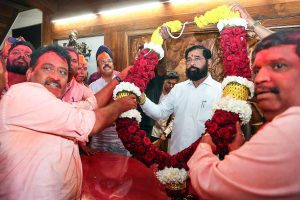
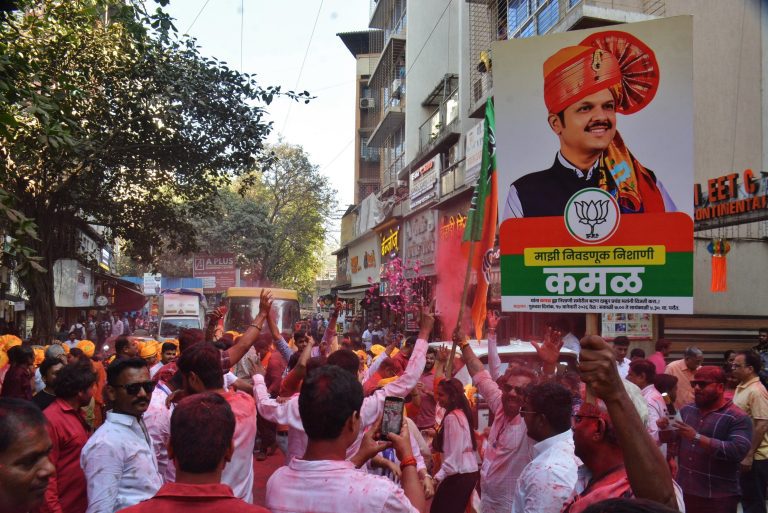
Maharashtra Deputy Chief Minister Eknath Shinde being felicitated as BJP-Shiv Sena combine inched closer to the winning figure on vote counting day of the Maharashtra civic poll results on January 17, 2026.

Shinde’s Kingmaker Status in Maharashtra Politics

Eknath Shinde’s rise from a regional leader to a central figure in Maharashtra politics has been marked by decisive moves and strategic timing. As the leader who split the Shiv Sena and aligned with the BJP to form the government in 2022, Shinde demonstrated his ability to alter political equations dramatically.

Even now, his support base within the Assembly makes him indispensable to any stable coalition. Political observers note that without Shinde’s backing, any alliance would struggle to secure a comfortable majority. This kingmaker status explains why rival camps may be keen to test the loyalty of his legislators, and why Shinde is determined to prevent any erosion of his numbers.

Opposition Leaders and Political Messaging

Opposition leaders have been quick to comment on the hotel move, describing it as evidence of mistrust within alliances and a symptom of unstable politics. Some have accused the ruling coalition of fostering an environment where legislators feel the need to be “guarded” to prevent defections.

Shinde’s camp, however, has dismissed such criticism, arguing that keeping legislators together is a routine political practice during times of intense speculation. A party functionary remarked that “unity meetings” were being misrepresented as defensive manoeuvres, adding that the leadership merely wanted to ensure clear communication within the party.

Numbers, Loyalty, and the Arithmetic of Power

In Maharashtra’s 288-member Assembly, numbers remain crucial. Even small shifts in legislative support can tilt the balance of power. Shinde’s group, which commands dozens of MLAs, forms a critical pillar of the ruling arrangement. Any reduction in this number could have significant consequences for government stability.

This arithmetic explains why Shinde is keen to avoid even the perception of internal dissent. By keeping legislators together, he reinforces the message that his camp remains cohesive and disciplined, a signal aimed as much at allies as at rivals.

Lessons from Past Political Upheavals

Maharashtra’s recent history is replete with dramatic political shifts, from midnight swearing-in ceremonies to high-profile defections. These episodes have normalised practices such as relocating legislators to resorts or hotels to prevent poaching. Shinde himself has been both an architect and a beneficiary of such moves in the past.

Analysts point out that while these tactics may appear dramatic, they reflect deeper structural issues in party systems, including weak ideological commitment and the growing influence of power politics over grassroots mandates.

What This Means for Governance and Stability

While political manoeuvring continues, governance inevitably takes a back seat during periods of uncertainty. Critics argue that repeated episodes of speculation and counter-strategies distract from policy-making and administrative priorities. Supporters of the ruling coalition, however, contend that ensuring political stability is a prerequisite for effective governance.

Shinde’s move is thus framed by his supporters as a step to safeguard stability rather than undermine it. By preventing defections, they argue, the leadership is trying to avoid sudden crises that could derail governance.

Looking Ahead: A Test of Political Endurance

As Maharashtra navigates another phase of political uncertainty, Eknath Shinde’s ability to hold his flock together will be closely watched. Whether the current fears of poaching translate into actual attempts or fade away remains to be seen. What is clear, however, is that Shinde continues to occupy a crucial space in the state’s political matrix.

His decision to keep legislators together at a luxury hotel underscores both the fragility and the high stakes of Maharashtra politics. In a landscape shaped by shifting loyalties and strategic calculations, Shinde’s next moves could once again prove decisive in determining who holds power in the state.

Read More: https://channel6network.com/fadnavis-at-davos-2026-maharashtras-growth/

Fadnavis at Davos 2026: Maharashtra’s Ambitious Growth Roadmap Takes Global Stage

Devendra Fadnavis Heads to Davos for WEF 2026

Maharashtra Chief Minister Devendra Fadnavis is set to represent the state at the World Economic Forum (WEF) Annual Meeting 2026 in Davos, Switzerland, with a strong focus on positioning Maharashtra as one of India’s most attractive destinations for global investment. The visit is aimed at showcasing the state’s long-term development roadmap, policy stability, and sector-specific opportunities to global business leaders, policymakers, and institutional investors.

The Maharashtra government plans to use the Davos platform to project the state’s economic resilience, infrastructure readiness, and reform-oriented governance model. The outreach is part of a broader strategy to deepen international partnerships and attract investments that can accelerate job creation and industrial growth across the state.

‘Magnetic Maharashtra’ Campaign Goes Global

At the core of the state’s pitch at Davos is the ‘Magnetic Maharashtra’ vision, a branding and investment outreach initiative designed to highlight Maharashtra’s strengths as a manufacturing, financial, and innovation hub. The campaign underscores the state’s competitive advantages, including its large consumer market, skilled workforce, strong logistics network, and progressive policy framework.

Officials accompanying the chief minister are expected to hold multiple bilateral meetings with multinational corporations, global funds, and industry leaders across sectors such as automobiles, electronics, renewable energy, fintech, data centres, and advanced manufacturing. The aim is to convert global interest into concrete investment commitments and memoranda of understanding.

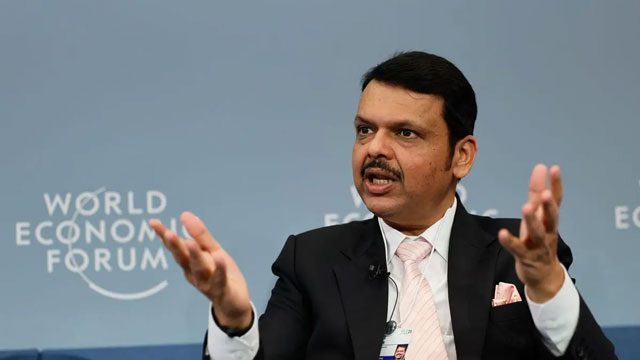
Maharashtra Chief Minister Devendra Fadnavis is set to represent the state at the World Economic Forum (WEF) Annual Meeting 2026 in Davos, Switzerland.

Showcasing Maharashtra’s Development Roadmap

During his interactions at Davos, Fadnavis is expected to outline Maharashtra’s medium- and long-term development roadmap, focusing on infrastructure expansion, industrial corridors, urban transformation, and sustainable growth. Key areas of emphasis include the Mumbai–Nagpur Samruddhi Expressway, metro rail expansion in major cities, port-led development, and the strengthening of logistics and export infrastructure.

The roadmap also highlights policy reforms undertaken to improve ease of doing business, including faster approvals, digital governance systems, and sector-specific incentive schemes. Maharashtra has consistently ranked among the top states in investment inflows, and the government aims to build on this momentum by aligning state priorities with global capital trends.

Focus on Manufacturing, Green Energy and Technology

Manufacturing remains a central pillar of Maharashtra’s growth strategy, with the state positioning itself as a preferred destination for both traditional and high-tech industries. At Davos, the delegation is expected to promote opportunities in electric vehicles, semiconductors, defence manufacturing, and aerospace, supported by industrial parks and dedicated clusters.

Green energy and sustainability are also key themes of the Maharashtra pitch. The state is targeting significant capacity addition in solar, wind, and green hydrogen, in line with India’s climate commitments. Officials are expected to highlight Maharashtra’s renewable energy potential and policy incentives aimed at attracting clean energy investments.

Technology-driven sectors such as fintech, artificial intelligence, and digital services are likely to feature prominently, with Mumbai and Pune being projected as innovation hubs with strong startup ecosystems and access to global talent.

Building on Past Investment Outcomes

Maharashtra’s presence at global investment forums has historically translated into large investment proposals and project announcements. According to government data shared in previous investor summits, the state has attracted investment proposals worth several lakh crore rupees over recent years, with a significant portion already under implementation.

At Davos 2026, the focus is not only on signing new agreements but also on reinforcing confidence among existing investors. The chief minister is expected to highlight successful project executions, policy continuity, and the state’s commitment to resolving investor concerns through proactive governance.

Engagements with Global Leaders and Corporations

The Davos schedule is expected to include meetings with global CEOs, heads of sovereign wealth funds, and representatives of international financial institutions. These interactions are aimed at exploring partnerships in infrastructure financing, industrial expansion, and technology transfer.

Fadnavis is also likely to participate in thematic discussions and panel sessions focused on economic growth, sustainable development, and the role of sub-national governments in driving global investment. Through these platforms, Maharashtra seeks to position itself as a reliable and future-ready partner in the global economy.

Maharashtra’s Economic Significance

Maharashtra is one of India’s largest contributors to national GDP and remains a key driver of industrial and financial activity. The state accounts for a significant share of foreign direct investment inflows into the country and hosts major financial institutions, stock exchanges, and corporate headquarters.

By leveraging the global visibility of the World Economic Forum, the Maharashtra government aims to reinforce the state’s image as an economic powerhouse with policy stability and long-term growth potential. The Davos visit is seen as an extension of the state’s proactive economic diplomacy.

Strategic Timing After Political Stability

The Davos outreach comes at a time when the Maharashtra government is seeking to capitalise on political stability and renewed investor confidence following recent electoral milestones. Officials believe that a stable governance environment strengthens the state’s pitch to global investors looking for long-term certainty and scale.

The chief minister’s engagements are expected to emphasise governance reforms, transparent policymaking, and the state’s readiness to partner with global players across sectors.

Looking Ahead: Converting Interest into Action

While global forums like Davos serve as important platforms for outreach, the Maharashtra government has indicated that follow-up mechanisms are equally critical. Dedicated teams are expected to track investor interactions and facilitate on-ground support to ensure that discussions at Davos translate into actual investments and project launches.

The state’s participation at WEF 2026 is thus positioned not merely as a symbolic presence, but as a strategic exercise to advance Maharashtra’s long-term development goals, strengthen its global economic footprint, and create sustainable employment opportunities.

As Maharashtra takes its growth story to the world stage, the Davos visit underscores the state’s ambition to remain at the forefront of India’s economic transformation while aligning with global trends in sustainability, innovation, and inclusive development.

Read More: https://channel6network.com/maharashtra-leader-raj-k-purohit-passes-away/

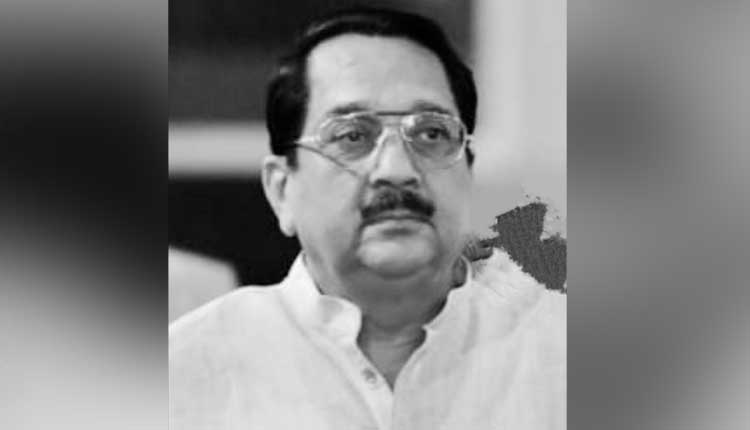
Veteran Maharashtra Leader Raj K Purohit Passes Away at 71, Leaves Lasting Political Legacy

Former Maharashtra Minister Raj K Purohit Dies at 71

Senior Bharatiya Janata Party leader and former Maharashtra minister Raj K Purohit passed away on January 18, 2026, at the age of 71. He died following an illness at a private hospital in Mumbai, leaving behind a legacy of decades of public service in Maharashtra’s political landscape. His death has elicited profound sorrow across political and social circles in the state, with leaders and admirers paying tribute to his contributions to public life.

A Distinguished Political Career Spanning Decades

Born on August 31, 1955, in Sirohi, Rajasthan, Raj K Purohit rose to become one of Maharashtra’s most recognizable political figures. He began his legislative career in 1990 and went on to serve five terms as a Member of the Maharashtra Legislative Assembly, representing the Mumbadevi constituency four times and later winning from the Colaba seat. His political journey spanned more than 25 years, during which he held several influential roles, including serving as the President of the BJP’s Mumbai unit and as chief whip for the party in the Maharashtra Assembly between 2014 and 2019.

Purohit also served as a Cabinet minister in the Maharashtra government, where his tenure was marked by active involvement in urban governance and policy advocacy. Known for his grassroots connect, he championed issues affecting migrant communities in Mumbai and worked tirelessly to address housing and civic concerns faced by residents.

Leader of Migrant Communities and Urban Advocacy

Throughout his career, Raj K Purohit was widely regarded as a powerful voice for north Indian communities in Mumbai, particularly migrant tenants who faced challenges in housing and related issues. His advocacy earned him respect across demographic lines and strengthened his reputation as a community leader deeply connected to urban constituencies. Party workers and civic leaders often referred to him as a mediator who could bridge gaps between government agencies and local communities.

He was also credited with strengthening the BJP’s organisational base in south Mumbai, a region historically significant for the party’s political strategy. His tenure as the BJP’s city president helped consolidate party presence in key wards and expand its outreach efforts in urban Maharashtra.

Tributes Pour In From Political Leaders

Leaders across the political spectrum expressed deep sorrow at Purohit’s passing and highlighted his contributions to Maharashtra’s political fabric. BJP national general secretary Vinod Tawde said he was “pained” to learn of Purohit’s demise, describing him as a popular public representative who maintained a deep connection with the people from his early days as a municipal corporator to his tenure as an MLA and minister. Tawde emphasised that Purohit’s death was an “irreparable loss” for the party and prayed for strength for his bereaved family and admirers.

Maharashtra Chief Minister Devendra Fadnavis paid tribute on social media, mourning the loss of a close friend and senior leader who played a significant role in organisational growth and party expansion. Fadnavis highlighted Purohit’s dedication, positivity and confidence, noting that his commitment to public service and leadership strength made a lasting impact on both the party and the broader community.

Family Legacy and Recent Events

In a poignant turn of events, Purohit’s death came just one day after his son Akash Purohit, also a BJP leader, secured a win in the Brihanmumbai Municipal Corporation elections. Akash Purohit won from ward number 221, continuing the family’s political engagement in Mumbai’s civic and legislative processes. The juxtaposition of celebration and loss marked a deeply emotional moment for the Purohit family and the local political community.

Final Rites and Public Homage

Raj K Purohit’s mortal remains were placed for public homage at Rajhans Building on Marine Drive in Mumbai from 11 am to 1 pm, allowing party workers, well-wishers and citizens to pay their last respects. Funeral arrangements were scheduled with full ceremonial honours, and his final rites were set to be performed at Muktidham in Chandanwadi. These arrangements reflected the deep respect he commanded within political and social circles.

Impact on Maharashtra’s Political Landscape

Purohit’s passing represents a significant moment in the political history of Maharashtra. As a long-serving legislator, cabinet minister and party organiser, his leadership influenced both policy and party dynamics in Mumbai and beyond. His tenure spanned periods of rapid urban change, and his advocacy for migrant communities and housing issues remained central to his public service ethos.

Political analysts note that Purohit’s absence will be felt within the BJP’s organisational ranks, particularly in areas where he had built strong grassroots networks. His contributions to public life extended beyond electoral victories to shaping civic engagement and community advocacy in one of India’s largest cities.

Remembering a Seasoned Leader

Raj K Purohit’s life was defined by commitment to public service, strategic political leadership and a grassroots orientation that connected him with diverse voter groups. From early roles as a local corporator to his later responsibilities as minister and party leader, he embodied a model of political engagement grounded in responsiveness to constituent needs.

His death at 71 has prompted reflection on his legacy and the contributions he made to Maharashtra’s civic and political development. As the state mourns his passing, many remember him as a leader who brought determination and earnest devotion to public life — qualities that will continue to resonate in Maharashtra’s political memory.

Read More: https://channel6network.com/fadnavis-pune-grand-tour-2026/

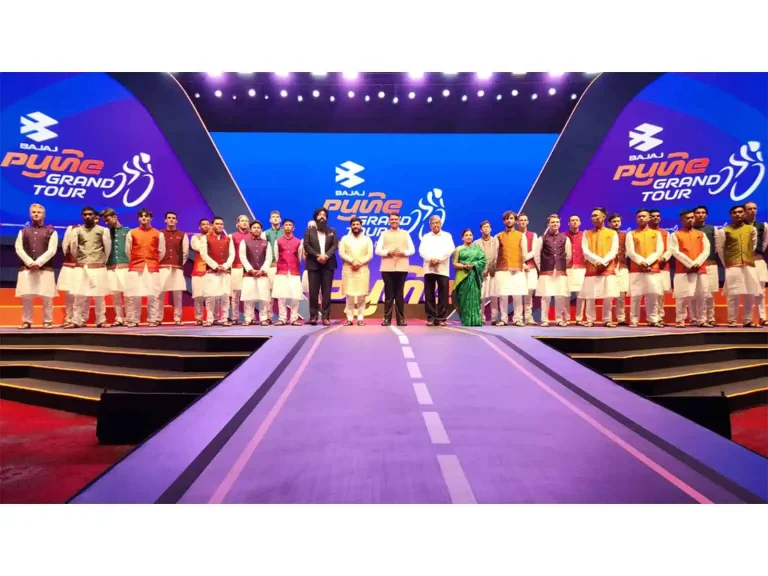
Maharashtra CM Fadnavis Inaugurates Pune Grand Tour 2026, Welcomes Global Cyclists

Historic Cycling Event Kicks Off in Pune

Maharashtra Chief Minister Devendra Fadnavis officially inaugurated the Pune Grand Tour 2026 on January 17, marking the commencement of India’s first-ever UCI 2.2 category multi-stage professional road cycling race. The inauguration ceremony brought together top dignitaries and international athletes in Pune to celebrate what officials described as a landmark moment for the state’s sporting and tourism profile.

The five-day event, scheduled from January 19 to January 23, will feature elite riders competing on a 437-kilometre route that spans diverse terrain across the Deccan Plateau and Sahyadri ranges. The Chief Minister welcomed cyclists from over 35 countries, highlighting the global nature of the competition and its potential to put Pune and Maharashtra on the world sports map.

Massive International Participation Sets New Benchmark

The Bajaj Pune Grand Tour 2026 has drawn 171 elite cyclists from 29 teams representing five continents, bringing a high-level competitive field to Indian roads. Organised by the Pune District Administration in collaboration with the Government of Maharashtra and the Cycling Federation of India, the event showcases the scale and ambition of professional cycling infrastructure being developed in the region.

This multi-stage race is being celebrated as a breakthrough for Indian cycling, with participation that reflects growing global interest in professional cycling events on the subcontinent. Supporters believe this will help build a lasting sporting legacy for India while positioning it as a new destination for elite competitive cycling.

Fadnavis Highlights Record-Breaking Preparation and Legacy Vision

In his address at the inauguration, Fadnavis underscored that preparing 437 kilometres of race-ready roads, complete with safety systems and logistics aligned with international standards, was achieved in record time. He said the pace of execution had not been seen in the last three decades, signalling both administrative efficiency and commitment to international-grade sports infrastructure.

Fadnavis described the event as more than just a competition. “The Bajaj Pune Grand Tour represents the future of Indian sport. What typically takes decades has been accomplished in months,” he said. He emphasised that this race would contribute to a long-term legacy envisioned for decades ahead, enhancing Pune’s global recognition as a destination for world-class sport, tourism and culture.

Maharashtra CM Fadnavis inaugurates Pune Grand Tour 2026, welcomes global cyclists

Route and Stages Designed for Competitive Challenge and Scenic Appeal

The event will open with a 7.5-kilometre prologue in Pune, followed by four challenging stages that include a mix of urban circuits and mountainous terrain. Stage one will feature an 87.2-kilometre course through Mulshi-Maval, allowing cyclists to navigate flat sprints and technical sections. The second stage will span 105.3 kilometres through the Maratha Heritage Circuit, taking riders past historic and scenic points such as Purandar Fort and Khadakwasla Lake. The third stage will challenge riders on 134 kilometres across fast, rolling terrain, while the final stage’s 95 Kilometres Pune Pride Loop will traverse central landmarks before reaching a dramatic city finish.

Organisers see this combination of terrain and route as an opportunity to highlight Pune’s cultural and natural assets, blending athletic prowess with tourism promotion.

Road Upgrades and Local Infrastructure Boosts

Extensive road resurfacing and infrastructure upgrades were completed in preparation for the race, transforming stretches that previously suffered from uneven surfaces and potholes. Local municipal bodies and public works departments have worked together to widen and smooth roads in Pune and surrounding villages, enhancing both safety for cyclists and everyday commuting for residents. These upgrades are expected to benefit the region long after the event concludes, addressing longstanding infrastructure challenges.

Residents have noted the improvements with interest, pointing out that enhanced road quality, fresh tarmac and the removal of speed breakers along key routes have created smoother travel conditions that were lacking for years.

Event’s Cultural and Economic Vision

Officials involved in organising the tour say it will not only elevate professional cycling in India but also strengthen Pune’s broader cultural and economic profile. By bringing international athletes and media attention to the region, authorities expect increased tourism activity and global recognition for Maharashtra’s sporting capabilities. There are hopes that this event will establish a recurring place on the international cycling calendar, creating sustainable interest and economic opportunities for local communities.

Fadnavis emphasised the role of sporting events in promoting healthy lifestyles, campaigning for cycling as both a competitive sport and a solution for urban challenges such as pollution and lifestyle diseases.

Safety, Hospitality and State Support Assurances

The Chief Minister assured full support from the Maharashtra government to ensure the safety, hospitality and overall experience for riders, teams and officials. Safety systems along the route, accommodation logistics and event coordination have been finalised in collaboration with local authorities, federal officials and international cycling bodies. Fadnavis reiterated the administration’s commitment to delivering a world-class event that prioritises athlete welfare and high standards of competition.

He encouraged riders to compete with sportsmanship and highlighted cycling as one of the oldest yet continuously evolving sports that combines tradition with modern competitive excellence.

Read More: https://channel6network.com/maharashtra-fadnavis-credits-modi/

Cycling’s Broader Impact on Urban Life and Environment

Event stakeholders have also pointed to cycling’s potential impact on urban lifestyles, advocating for greater integration of cycling infrastructure in cities as part of sustainable development strategies. Leaders involved in planning the event have drawn attention to how cycling can help tackle pollution, traffic issues and public health concerns, encouraging a shift toward more active and ecologically friendly modes of transport.

The Pune Grand Tour’s success could inspire similar events and initiatives that integrate sport, public health and urban planning goals.

Outlook for International Recognition and Future Editions

With the successful inauguration of the Pune Grand Tour 2026, organisers and officials are optimistic about the race’s future. There are plans to elevate the event’s status in subsequent years, potentially attracting even larger fields of international competitors and higher classification within the global cycling circuit.

As the world’s cycling community watches the unfolding competition in Pune, the event’s legacy potential and impact on Indian sport and tourism remain key talking points among organisers and participants alike.

Conclusion: A Milestone for Indian Sport and Global Cycling

The Pune Grand Tour 2026 stands as a landmark event in India’s sporting history, combining elite cycling competition with cultural celebration and strategic infrastructure development. Maharashtra Chief Minister Devendra Fadnavis’s inauguration highlighted not only the race’s immediate thrill but also its long-term aspirations. With elite athletes from around the world lining up for the challenge, Pune is poised to shine as a new hub of international cycling excellence.

Read More: https://channel6network.com/maharashtra-election-result-win-aimim-tickets/

Fadnavis’ Bold Claim: ‘Maharashtra Relies a Lot on PM Modi’ as Mahayuti Secures 20 Civic Body Wins

Mahayuti Registers Dominant Victory Across Civic Bodies

The BJP-led Mahayuti alliance has emerged with a decisive mandate in Maharashtra’s municipal corporation elections, securing control over several key urban civic bodies. The results marked a significant political moment for the ruling coalition, reinforcing its grip on urban Maharashtra and consolidating its position ahead of future electoral battles.

Following the declaration of results, Deputy Chief Minister Devendra Fadnavis described the verdict as a reflection of public trust in the Mahayuti government’s leadership and governance approach. He emphasised that the alliance’s performance across major cities demonstrated voter confidence in stability, development and effective administration.

‘Maharashtra Relies a Lot on PM Modi’: Fadnavis

Reacting to the sweeping win, Fadnavis said Maharashtra places strong faith in Prime Minister Narendra Modi’s leadership. According to him, the election results showed that voters continue to associate development, decisive governance and national leadership with the Prime Minister.

“Maharashtra relies a lot on PM Modi,” Fadnavis said, adding that the Prime Minister’s vision and policies have had a deep impact on urban voters. He stated that civic poll results reflected the electorate’s approval of both state and central government initiatives, particularly those focused on infrastructure, urban development and welfare delivery.

Maharashtra CM Devendra Fadnavis addresses BJP workers in Mumbai.

BJP Workers Credited for Ground-Level Campaigning

Fadnavis reserved special praise for BJP workers, crediting their extensive ground-level efforts for the alliance’s success. He noted that party workers reached voters ward by ward, addressing local civic concerns while communicating the broader development agenda of the Mahayuti.

According to party leaders, thousands of BJP workers were deployed across municipal wards, focusing on door-to-door outreach, local meetings and coordination with alliance partners. Fadnavis said the results belonged as much to grassroots workers as to the leadership, underlining their role in converting organisational strength into electoral success.

Urban Development Agenda Resonates with Voters

The Mahayuti campaign during the civic elections focused strongly on urban infrastructure, public transport, sanitation, housing and digital governance. Leaders highlighted ongoing and proposed projects in cities such as Mumbai, Pune, Nagpur, Thane and Nashik, positioning the alliance as capable of delivering long-term urban transformation.

Fadnavis said voters responded positively to assurances of coordinated governance between civic bodies, the state government and the Centre. He argued that such coordination is essential for large cities that require massive investments and efficient administrative execution.

Opposition Faces Setback in Key Cities

The civic poll outcome proved challenging for opposition parties, which struggled to match the Mahayuti’s organisational reach and unified campaign narrative. In several municipal corporations, opposition parties were unable to convert local dissatisfaction into electoral gains, resulting in fragmented verdicts or clear Mahayuti dominance.

Political observers noted that divisions among opposition parties and a lack of cohesive messaging weakened their campaign. Fadnavis said the results reflected voters’ preference for clarity and stability rather than political uncertainty at the civic level.

Numbers Reflect Strong Mandate

According to preliminary figures shared by election authorities, the Mahayuti alliance secured a majority or emerged as the single largest bloc in multiple municipal corporations across the state. In several key cities, BJP candidates and alliance partners won a significant share of total wards, strengthening their bargaining position in civic governance.

Party leaders highlighted that the alliance improved its tally compared to previous municipal elections, particularly in urban centres where competition is traditionally intense. The improved performance was cited as evidence of growing support for the Mahayuti’s governance model.

Impact on Maharashtra’s Political Landscape

The civic election results are expected to have broader political implications for Maharashtra. Control over municipal corporations allows parties to influence urban policy, resource allocation and grassroots administration. Analysts believe the Mahayuti’s strong showing will boost its confidence ahead of upcoming state and national electoral contests.

Fadnavis said the mandate would encourage the government to accelerate urban development projects and improve service delivery. He added that civic bodies under Mahayuti leadership would focus on transparency, efficiency and citizen-centric governance.

Role of Leadership and Alliance Unity

Leaders within the Mahayuti alliance stressed that unity among alliance partners played a crucial role in the victory. Coordinated seat-sharing, joint campaigning and consistent messaging helped avoid vote division and confusion among supporters.

Fadnavis acknowledged the role of alliance partners in strengthening the campaign, stating that collective effort and shared goals were essential in achieving the sweeping outcome. He said the alliance would continue to work together to meet public expectations at the civic level.

What Lies Ahead for Civic Governance

With the new municipal councils set to take charge, attention now shifts to governance priorities and policy implementation. Issues such as infrastructure upgrades, waste management, flood control, affordable housing and public transport are expected to dominate civic agendas.

Fadnavis said the government would closely coordinate with newly elected corporators to ensure timely execution of projects. He reiterated that voters would judge parties not just on election promises but on visible improvements in everyday civic life.

Conclusion: A Vote of Confidence in Mahayuti Leadership

The sweeping victory of the BJP-led Mahayuti in Maharashtra’s civic body polls marks a strong endorsement of its leadership and governance approach. Devendra Fadnavis’s assertion that Maharashtra relies heavily on Prime Minister Narendra Modi underscores the central role of national leadership in shaping voter sentiment, even in local elections.

As civic bodies begin a new term, the results have set high expectations for performance and accountability. For the Mahayuti, the mandate offers both political momentum and the responsibility to deliver on promises made to urban voters across Maharashtra.

Read More: https://channel6network.com/maharashtra-election-results-2026-mahayuti-bjp/

AIMIM Breakthrough: Maharashtra Municipal Corporation Election 2026 Result Sees Six Hindus and Buddhists Win on Owaisi’s Tickets

AIMIM Breaks New Ground in Maharashtra Civic Polls

In the 2026 Maharashtra municipal corporation elections, Asaduddin Owaisi’s All India Majlis-e-Ittehadul Muslimeen (AIMIM) achieved a notable milestone by fielding and winning seats with six Hindu and Buddhist candidates across key urban centres in the state. The results mark a significant expansion of the party’s outreach beyond its core support base, reflecting broader voter acceptance and cross-community appeal. AIMIM secured more than 120 seats across multiple municipal corporations, placing itself among the influential players in Maharashtra’s urban political landscape.

Historic Wins by Non-Muslim Candidates

At least three of the six Hindu and Buddhist winners on AIMIM tickets were elected in Aurangabad (also referred to as Chhatrapati Sambhajinagar), two in Nagpur, and one in Mumbai’s Brihanmumbai Municipal Corporation (BMC). In Aurangabad, candidates such as Kakasaheb Kakde won in Ward No. 9 (reserved for Scheduled Caste candidates), while Ashok Ranganath Hiwrale and Vijayshree Jadhav also secured victories under the party banner. Their wins underscore AIMIM’s broader mobilisation strategy and organisational strength at the grassroots level in urban Maharashtra.

In Nagpur, Pawan Koye won from a ward reserved for Scheduled Tribe candidates, and Varsha Dongre also emerged victorious, adding to AIMIM’s growing presence in the 151-member Nagpur Municipal Corporation. These wins demonstrate that the party’s reach was not confined to traditionally expected constituencies, but also extended into areas where diverse voter groups made independent choices.

The lone non-Muslim victor in Mumbai was Vijay Ubale, who secured a seat from Ward No. 140 (Deonar-Govandi area) in the BMC. A mathematics teacher by profession, Ubale is seen as a representative of grassroots leadership with strong local support in a ward marked by diverse demographic representation.

AIMIM Breakthrough: Maharashtra Municipal Corporation Election Result Sees Six Hindus and Buddhists Win on Owaisi’s Tickets

AIMIM’s Broader Electoral Performance

Overall, AIMIM’s performance in the civic elections was impressive and considerably improved compared to previous cycles. The party won around 114 to 125 ward seats across 12 to 13 civic bodies, making it one of the notable gains among urban election results. AIMIM’s best showing came in Chhatrapati Sambhajinagar, where it captured more than 30 seats, followed by significant wins in other cities such as Malegaon, Nanded, Amravati and Dhule. The party also recorded wins in Thane and Jalgaon civic bodies.

Analysts note that AIMIM’s strategy of presenting a combination of social workers, first-time contestants and leaders with deep community engagements contributed to its success. The party’s narrative of inclusive politics, which emphasises representation for all communities, resonated with diverse voter segments across wards.

Significance of Cross-Community Victories

The fact that candidates from Hindu and Buddhist backgrounds won on AIMIM tickets is significant for several reasons. First, it highlights a broadening base for a party often perceived as focused primarily on minority politics. Party leaders including Imtiaz Jaleel have cited these results as proof that AIMIM’s support now extends beyond traditional Muslim voters to include segments such as Scheduled Castes, Scheduled Tribes and other communities.

Second, these victories come in wards that were previously considered strongholds of other political formations, underscoring a shift in voter priorities toward candidates they perceive as responsive to local issues, regardless of party identity. In many areas where these candidates won, voters expressed frustration with established parties and sought alternatives focused on community development, civic services and accessible leadership.

Voices and Leadership Perspectives

Imtiaz Jaleel, AIMIM’s Maharashtra president, stated that the victories of non-Muslim candidates reflect the party’s expanding appeal and its potential to unite diverse communities under a common agenda. According to him, the success of these candidates shows that AIMIM’s base is no longer confined to any single community but spans a wider social spectrum.

For Vijay Ubale, winning in Mumbai was an affirmation of local trust and grassroots connection. His success has been attributed to consistent engagement with residents on civic concerns such as infrastructure, sanitation and public services, which are often the primary issues for urban voters.

Impact on Maharashtra’s Civic Political Landscape

AIMIM’s victories, including those of the six Hindu and Buddhist candidates, have altered the political map in several municipal corporations. In cities like Chhatrapati Sambhajinagar and Malegaon, AIMIM emerged as a key player, finishing ahead of some regional parties and traditional contenders. The diversified representation is expected to influence civic decision-making and coalition dynamics as municipal bodies take shape following the elections.

Political analysts believe that these results could encourage further expansion of AIMIM’s footprint in urban local body politics. The party’s ability to attract support from various communities could make it a potential kingmaker in municipal councils where no single party has an outright majority.

Future Outlook and Implications

The election outcomes signal a shift in Maharashtra’s urban electoral dynamics, where voters increasingly evaluate candidates based on their local impact and leadership qualities rather than mere party affiliation. AIMIM’s cross-community success could have implications for future contests, encouraging other parties to reassess their candidate selection and outreach strategies.

As municipal councils prepare to convene and elect key office bearers, the presence of AIMIM corporators — including the six non-Muslim winners — may introduce new perspectives on civic governance and coalition formation. The results also highlight the evolving nature of urban politics in Maharashtra, where emerging political forces continue to challenge traditional party hierarchies and reshape local political conversations.

Conclusion: A Milestone in Inclusive Urban Politics

The 2026 Maharashtra municipal corporation election results underscored the growing influence of the All India Majlis-e-Ittehadul Muslimeen, with six Hindu and Buddhist candidates winning on the party’s ticket across different cities. These victories illustrate a broader trend of inclusive political engagement and expanding support bases that transcend conventional community lines. As civic governance structures take shape, the presence of diverse representatives from AIMIM is likely to contribute to a more pluralistic urban political environment in Maharashtra.

Read More: https://channel6network.com/maharashtra-election-results-2026-mahayuti-bjp/

Maharashtra Election Results 2026: Raj Thackeray Urges Support for Marathis as Mahayuti Secures Sweeping Victory

Mahayuti Dominates Maharashtra Civic Polls

The 2026 Maharashtra civic election results marked a decisive triumph for the BJP-led Mahayuti alliance, which emerged victorious in a majority of the state’s urban local bodies. According to final tallies released after counting, Mahayuti secured control of 25 out of 29 municipal corporations, demonstrating strong voter support across key cities including Mumbai, Pune and Nashik. The sweeping win signals broad public endorsement of development-oriented governance strategies and organisational strength that underpinned the alliance’s campaign.

In the most high-profile contest for the Brihanmumbai Municipal Corporation (BMC), the alliance secured a clear majority by winning 118 out of 227 seats, comfortably surpassing the 114-seat threshold needed to form the civic body. Within this tally, the BJP won 89 seats and its ally, the Shiv Sena led by Chief Minister Eknath Shinde, secured 29. Opposition parties won smaller shares of seats, reflecting a significant shift in urban political dynamics in the state.

Mahayuti, BJP
BJP workers celebrate their party’s victory in the Nagpur Municipal Corporation (NMC) elections, in Nagpur on Friday.

Breakdown of Key Civic Body Results

In addition to Mumbai, Mahayuti made substantial gains in other major municipal corporations. In Nashik, the alliance retained control by winning 72 of 122 seats, while the BJP emerged as the dominant party in Nagpur with an impressive 102 seats. Other civic bodies also recorded similar patterns, with Mahayuti candidates outperforming rivals across diverse urban regions.

These results marked a rebuke of traditional political forces in some strongholds, especially where established opposition groups had hoped to hold or expand their influence. In many cases, the alliance’s organisational presence and focus on infrastructure and service delivery were credited for its success.

Raj Thackeray’s Response: Call to Stand by Marathis

Despite the setback in the civic polls, Maharashtra Navnirman Sena (MNS) chief Raj Thackeray delivered a spirited response to the results, urging supporters and party workers to remain committed to the cause of the Marathi people. Thackeray described the election as a battle between “immense financial power and the power of authority versus Shivshakti,” emphasising that the contest was not simply a political loss but a deeper struggle for cultural identity and local rights.

He reiterated his party’s core ideological stance, asserting that the fight for the Marathi language, Marathi identity and a prosperous Maharashtra would continue despite the electoral outcome. “Our elected corporators will hold those in power accountable if anything seems to go against the Marathi people,” Thackeray said in his statement, underscoring the long-term nature of the struggle ahead.

Thackeray’s Marathi-centred rhetoric remained firm even as the MNS and its allies registered limited seats in the BMC. While his party secured only a handful of seats, the emphasis on cultural solidarity and community support signals a strategy focused on consolidating voter bases in traditional bastions.

Opposition Landscape and Performance

The results highlight a mixed picture for parties outside the Mahayuti umbrella. Shiv Sena (UBT), aligned with Uddhav Thackeray and the MNS in some areas, managed to retain influence in parts of central and South Mumbai, often referred to as the Marathi heartland, but failed to translate local strength into broader control of the civic body. Analysts note that while the alliance performed respectably in traditional Marathi-speaking wards, its appeal was limited outside these areas.

Congress, which contested in several urban bodies, also recorded modest results, securing wins in select municipalities such as Kolhapur, Latur and Chandrapur, but it did not pose a significant challenge in the major corporations dominated by Mahayuti candidates. Nationalist Congress Party (NCP) factions similarly trailed behind the ruling coalition in most urban centres.

Regional parties and independents had mixed outcomes, with some local leaders claiming victories in wards where community issues and neighbourhood leadership played decisive roles. These results reflect the varied political priorities of urban voters, blending local governance concerns with broader state and national narratives.

Voter Priorities and Electoral Dynamics

Analysts believe that Mahayuti’s success in the civic polls reflects voter prioritisation of infrastructure, development, urban services and administrative continuity. Issues such as road quality, drainage systems, housing redevelopment and public transport appeared to resonate strongly with urban electorates, who viewed delivery of civic services as a key criterion.

In contrast, identity-based campaigns, particularly those centred around Marathi cultural preservation, performed strongly in specific pockets but did not yield widespread appeal across the entire municipal landscape. This divergence underscores the complexity of urban electoral dynamics in Maharashtra, where governance performance and cultural messaging compete for voter attention.

Political Significance of the Results

The 2026 civic poll results carry implications that extend beyond municipal governance. Control of urban local bodies such as the BMC provides political parties with organisational leverage, administrative authority and influence over large budgets that directly affect public services and infrastructure development. By establishing leadership in a majority of municipal corporations, the Mahayuti alliance has reinforced its political footprint ahead of future state and national elections.

For Mahayuti leaders, including Chief Minister Devendra Fadnavis and Deputy Chief Minister Eknath Shinde, the comprehensive victory signifies strong public endorsement of their governance agenda and political strategy. Fadnavis hailed the outcome as an “unprecedented endorsement” of the alliance’s development focus and organisational work, emphasising that the results reflect the electorate’s preference for stability and progress.

Challenges and Future Outlook for Opposition Forces

The opposition, while facing setbacks, remains a presence with pockets of influence that could shape future political alignments. For the MNS and allied factions, the civic poll results provide an opportunity to reassess strategies and strengthen grassroots networks. Raj Thackeray’s call to “stand by Marathis” suggests a renewed focus on cultural advocacy and community mobilisation that could resonate in future elections, particularly in regions where identity politics remains strong.

Similarly, parties like Congress and NCP may evaluate local successes to build momentum in areas where their governance narrative aligns with voter priorities. These outcomes emphasise the multifaceted nature of electoral politics in Maharashtra, where alliances, development agendas and cultural identities intersect to shape voter behaviour.

Conclusion: Mandate Reflects Voter Priorities and Political Realignment

The 2026 Maharashtra civic election results underscore a clear victory for the Mahayuti alliance, which secured control of the majority of municipal corporations including the influential BMC. While this outcome demonstrates strong voter support for governance and development agendas, it also highlights ongoing challenges and opportunities for opposition parties. Raj Thackeray’s emphatic message of cultural solidarity signifies that identity politics will continue to play a role in Maharashtra’s political discourse, even as new political alignments take shape in the urban landscape.

Read More: https://channel6network.com/congress-maharashtra-civic-polls-result/

Congress Shows It Is Still a Force in Maharashtra Civic Polls 2026 Despite Going Solo

Introduction: Congress Proves Its Mettle in Maharashtra Civic Polls

The 2026 Maharashtra civic body election results have delivered a mixed but noteworthy performance for the Indian National Congress, which chose to contest independently without major alliances. While the party struggled to make deep inroads in Mumbai’s Brihanmumbai Municipal Corporation (BMC), its showing across the broader state helped it secure a third-place overall position among political contenders. Competing on relatively few seats compared with larger alliances, the performance underscores the Congress’s continuing relevance in Maharashtra’s complex political landscape and suggests potential avenues for future strategic positioning.

Congress’s Independent Strategy: Limited Seats but Strong Returns

The Congress party took the bold decision to fight solo in the 2026 civic polls — a departure from past practice where it often aligned with larger coalitions in Maharashtra. Contesting only 528 of the total 2,869 seats across the state’s 29 municipal corporations, the party still managed to win or lead in a substantial number of wards. As of mid-election day reporting, Congress had secured 226 seats and was positioned as the third-largest group in the overall tally, behind the Bharatiya Janata Party (BJP) and Shiv Sena (Shinde faction).

This strategic choice to go it alone marked the first such attempt for the party in local civic elections since 1999, signifying a shift in approach following the breakdown of prior alliances such as the Maha Vikas Aghadi. By standing independently, Congress aimed to reclaim political ground and strengthen its brand identity among urban voters.

Congress party supporters during the nomination filing of the party candidates Kumud Gudadhe and two others for the Nagpur Municipal Corporation (NMC) elections, in Nagpur on Tuesday.

Performance in Municipal Corporations Beyond Mumbai

While the party’s performance in the BMC was modest, earning double-digit wins or leads in a handful of wards, its broader impact was more significant in other municipal corporations. Congress maintained leads or secured victories in municipalities such as Bhiwandi-Nizampur, Kolhapur, Amravati, Chandrapur and Latur — the latter where it achieved a clear majority by winning 43 of 70 seats.

These wins reflect localized strengths where the party’s grassroots organisation and candidate selection resonated with voters facing issues such as infrastructure deficits, local development concerns and service delivery challenges. In some areas, the party’s position outperformed that of regional rivals and smaller political formations.

Mixed Results in Urban Strongholds

In major urban bodies beyond the BMC, the Congress registered varied fortunes. In Pune and Nashik, the party made gains in a handful of wards but remained behind dominant alliances led by the BJP and its partners. Trends showed the party leading in several wards in smaller municipal councils and emerging urban areas, suggesting that urban voters still consider the Congress a viable alternative to dominant coalitions in specific contexts.

However, the tally in some other significant urban bodies was lower, with the party struggling to make headway in regions where entrenched rivals or strong local networks provided stiff competition. Nonetheless, even in areas where the party did not secure outright wins, respectable vote shares and narrow margins highlighted its ability to remain competitive in the civic environment.

Legacy and Recent Electoral Performance

The Congress’s efforts in the 2026 civic polls come on the heels of fluctuating fortunes in recent state and national contests. The party’s performance in the 2024 Lok Sabha elections in Maharashtra — where it won 13 seats in alliance with regional partners — had offered a morale boost after a challenging period in state politics.

Its decision to go solo in the civic body elections, despite the lack of an alliance structure, demonstrated a willingness to test its independent electoral strength. While alliances have historically shaped Maharashtra’s political landscape, the 2026 results showed that Congress could still attract significant support on its own, especially outside major megacities.

Where Congress Gained the Upper Hand

In municipalities like Latur, the party not only contested effectively but also achieved a clear majority, capturing 43 out of 70 seats. This outcome underscored an ability to convert localized support into decisive electoral success. Similarly, in Bhiwandi-Nizampur, Kolhapur and other councils, Congress performances outpaced some regional rivals, highlighting pockets of voter confidence in the party’s governance propositions.

These localized victories provided a counterpoint to the dominant narratives of larger alliances sweeping most major civic bodies. Analysts suggest that such results could serve as a foundation for building broader electoral coalitions in future state or national elections.

Struggles and Limitations in Mumbai

In the BMC election specifically, Congress struggled to gain significant traction, securing or leading in only a small number of wards compared with the dominant alliances in the city. Political experts note that Mumbai’s competitive dynamics, including strong organisational presence from other parties and shifting voter priorities, made it difficult for Congress to break through in its solo campaign.

Despite this, its performance across the wider state helped compensate for the Mumbai shortfall. The party’s statewide tally placed it consistently ahead of several regional factions in overall seat counts.

Implications for Future Politics in Maharashtra

The 2026 civic poll results offer several strategic insights for future political contests in Maharashtra. Congress’s ability to secure over 200 seats while contesting fewer than 20 percent of overall seats indicates underlying voter support that remains intact despite organizational challenges. Analysts view this as an opportunity for the party to strengthen grassroots outreach, build targeted alliances and refine its political messaging.

The mixed results also suggest that while Congress may not yet be a dominant force in metropolitan areas like Mumbai, its relevance in regional and municipal politics continues to shape electoral dynamics. As parties recalibrate ahead of assembly and national elections, the civic body outcomes provide valuable metrics for understanding voter behaviour and alliance potential.

Conclusion: Congress Retains Significance in Civic Landscape

The Maharashtra civic election results of 2026 demonstrated that the Congress remains a political force in the state, even when contesting independently. Its performance beyond Mumbai, including major wins in places like Latur and leads in multiple municipal corporations, underscores the party’s enduring appeal among certain voter segments. While challenges remain — particularly in urban strongholds dominated by larger alliances — the results affirm that Congress continues to matter in Maharashtra’s vibrant and competitive political environment.

Read More: https://channel6network.com/bmc-election-results-2026-mumbai/