Wednesday, March 4, 2026
Home Blog Page 6

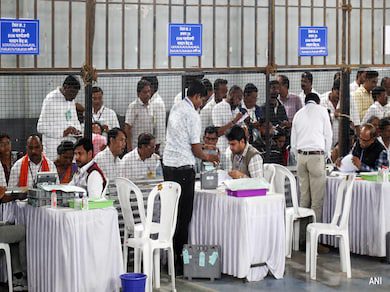
BMC Election Results 2026: BJP-Shiv Sena Mahayuti Faces Uddhav Thackeray Camp in High-Stakes Mumbai Verdict

Mumbai Delivers a Crucial Civic Mandate

The Brihanmumbai Municipal Corporation (BMC) election results 2026 have brought clarity to one of Maharashtra’s most closely watched civic contests. After years without an elected civic body, Mumbai voters finally delivered their verdict, determining who will control Asia’s richest municipal corporation. The election witnessed a multi-cornered fight involving the BJP, Shiv Sena led by Chief Minister Eknath Shinde, Shiv Sena (Uddhav Balasaheb Thackeray), Congress, Nationalist Congress Party factions and smaller regional parties.

The outcome is being closely analysed as it is seen not just as a civic mandate but also as a political signal ahead of future state and national elections. With control over Mumbai’s civic administration comes significant influence over urban infrastructure, public services and local governance.

Mahayuti Alliance Stakes Strong Claim

The BJP-led Mahayuti alliance, which includes the Shiv Sena faction headed by Eknath Shinde, emerged as a dominant force in several key wards of Mumbai. The alliance made major inroads in suburban and eastern parts of the city, traditionally seen as competitive zones. Senior BJP leaders described the performance as a reflection of voter confidence in the alliance’s governance model at both the state and central levels.

The Mahayuti campaign focused on development, infrastructure projects, and administrative stability, themes that appear to have resonated with sections of the urban electorate. The alliance’s performance has positioned it strongly in negotiations and decision-making related to the formation of the civic leadership.

Uddhav Thackeray Camp Holds Strategic Ground

Despite facing a split and intense competition, Shiv Sena (UBT) managed to secure important victories in traditional strongholds such as parts of central Mumbai and pockets of the island city. The party’s campaign emphasised Marathi identity, legacy politics and local issues affecting Mumbai residents, including housing, public transport and environmental concerns.

The results indicate that the Uddhav Thackeray-led faction continues to command loyalty among a significant section of voters. Political observers note that while the party may not have emerged as the single largest force, its presence remains crucial in shaping the overall balance of power within the BMC.

Congress and Other Parties Show Mixed Performance

The Congress recorded selective wins across Mumbai, particularly in certain minority-dominated and traditional bastions. While the party did not dominate the results, its presence adds complexity to the civic arithmetic. Congress leaders maintained that their performance reflected grassroots engagement and sustained support despite challenges in urban politics.

Other parties, including the Maharashtra Navnirman Sena and independent candidates, also secured seats in select wards. These results underline the fragmented nature of Mumbai’s civic politics, where local factors often play a decisive role alongside broader political narratives.

Key Leaders React to Mumbai Verdict

Senior political leaders across parties responded to the BMC results with measured optimism and strategic caution. BJP leaders termed the outcome a validation of their urban governance agenda, while the Shiv Sena (Shinde faction) highlighted the importance of administrative continuity and coordination with the state government.

From the opposition side, leaders from Shiv Sena (UBT) stressed that the results demonstrate the resilience of their support base in Mumbai. They reiterated their commitment to safeguarding the city’s interests and holding the ruling alliance accountable within the civic body.

What the Results Mean for BMC Governance

The BMC plays a critical role in managing Mumbai’s civic infrastructure, including roads, public health, water supply, waste management and disaster response. With an annual budget that surpasses many Indian states, control of the civic body carries enormous administrative and political weight.

The 2026 election results suggest that coalition politics and negotiations may shape the final leadership structure of the BMC. Decisions regarding the mayoral post, standing committee and key civic departments will be crucial in determining how effectively the corporation functions in the coming years.

Voter Participation and Urban Issues

Voter turnout in the BMC elections reflected moderate participation, with variations across wards. Analysts point out that urban voter engagement remains a challenge, despite the high stakes involved in civic governance. Key issues that influenced voting behaviour included infrastructure development, local flooding, road conditions, public transport and transparency in municipal functioning.

The results highlight the need for elected representatives to address everyday civic concerns while balancing long-term development goals for a rapidly growing metropolis.

Political Implications Beyond Mumbai

The BMC election results are expected to have wider implications beyond the city limits. As Mumbai often sets political trends in Maharashtra, the outcome may influence strategies adopted by parties in upcoming municipal, assembly and parliamentary elections.

For the ruling Mahayuti alliance, strong performance in Mumbai strengthens its narrative of stability and governance. For the opposition, particularly Shiv Sena (UBT) and Congress, the results provide insights into areas of strength and opportunities for consolidation.

Conclusion: A New Chapter in Mumbai’s Civic Politics

The BMC election results 2026 mark a significant turning point in Mumbai’s civic and political journey. The verdict reflects a competitive and evolving urban electorate that weighs both development promises and political identity. As the newly elected corporators prepare to assume office, expectations are high for improved governance, accountability and effective delivery of civic services.

The coming months will be crucial in determining how the new power dynamics within the Brihanmumbai Municipal Corporation translate into policy decisions and on-ground outcomes for the city’s residents.

Read More: https://channel6network.com/maharashtra-corporation-election-winners-2026/
Maharashtra Corporation Election Winners 2026: Full Details Reveals BMC, PMC, KDMC, PCMC, NMC, Nashik and VVMC Victors

Overview of Maharashtra Municipal Corporation Election Results 2026

The 2026 Maharashtra municipal corporation elections concluded with winners declared across many major urban civic bodies, including Mumbai’s Brihanmumbai Municipal Corporation, Pune Municipal Corporation, Kalyan-Dombivli Municipal Corporation, Pimpri-Chinchwad Municipal Corporation, Nashik Municipal Corporation, Nagpur Municipal Corporation and Vasai-Virar Municipal Corporation. Voters turned out after years of anticipation to elect local representatives who will oversee civic administration, urban development and essential services. Early trends and official results indicate strong performances by major political parties and alliances, reflecting evolving urban political dynamics in the state

Brihanmumbai Municipal Corporation Winners

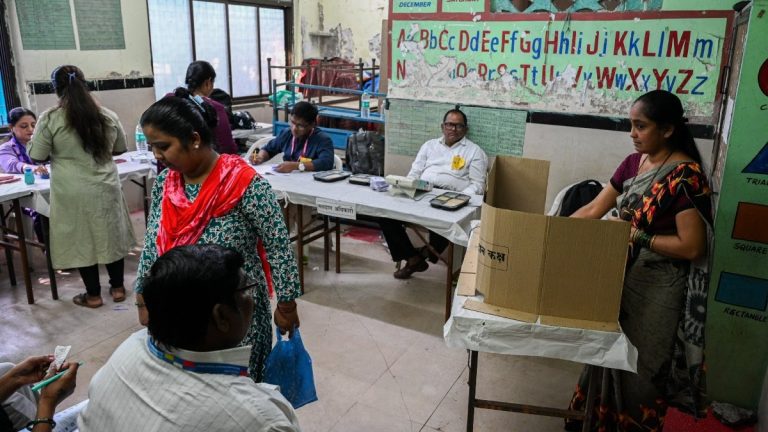
In the BMC election, several candidates from key political parties secured wins across different wards. Results released so far show candidates from the Bharatiya Janata Party, Shiv Sena (both the Shinde faction and the Uddhav-aligned faction), Congress and smaller parties winning seats. For instance, Asha Deepak Kale of Congress won in Ward 183, while Rekha Ram Yadav of Shiv Sena (Shinde faction) secured victory in Ward 1. Other victories include BJP wins for Shovanand Shetty in Ward 9, and Ajay Patil in Ward 214. Candidates from Shiv Sena (UBT) also clinched seats in Vikhroli and Mahim, reflecting a competitive spread of representation across the city’s diverse political landscape.

These results form part of the larger pattern where the alliance led by the BJP and Shiv Sena (Shinde faction) emerged with a substantial share of leads in multiple wards across Mumbai, indicating a strong foothold in the civic body.

Pune Municipal Corporation Winners

In Pune, the municipal corporation results revealed victories for candidates from the BJP, Nationalist Congress Party and Congress across ward-wise contests. Winners in various wards included representatives from these parties who secured significant support in both central and suburban areas. The distribution of seats suggests that Pune’s electorate responded to a mix of governance narratives and local development promises, leading to a competitive civic outcome with seats captured by multiple parties.

Kalyan-Dombivli Municipal Corporation and Thane Region Outcomes

The Kalyan-Dombivli Municipal Corporation election results reflected the dominance of the BJP and Shiv Sena (Shinde faction), who secured leading positions in many wards. Prior political manoeuvres and local alliances contributed to the alliance’s performance, as they were able to capitalise on organisational strength and voter base in this region.

Similarly, in Thane Municipal Corporation, early results showed the Mahayuti alliance performing strongly, with the Shiv Sena (UBT) and BJP securing a combined majority of seats. The alliance’s success in this important urban body highlighted its deep organisational reach and voter appeal in the area.

Pimpri-Chinchwad and Nashik Municipal Corporation Results

In Pimpri-Chinchwad, vote counting indicated wins for candidates from the BJP as well as the Nationalist Congress Party, with leaders securing seats in key wards such as Pradhikaran and Wakad for BJP and others for NCP in areas like Pimpri and Chikhli. These results illustrate the competitive nature of civic contests in one of Maharashtra’s fast-growing urban hubs.

In Nashik, electoral outcomes suggested strong confidence for the BJP-Shiv Sena alliance, with early leads indicating majority possibilities across the municipal corporation. Candidates cited favourable voter responses to development and governance initiatives, contributing to the alliance’s position in many wards.

Vasai-Virar Municipal Corporation Winners

The Vasai-Virar Municipal Corporation election showed a distinct trend, with the local Vasai Virar Aghadi (BVA) securing a dominant number of seats, while major state parties such as the BJP, Shiv Sena, NCP and Congress lagged behind in comparison. This outcome underscores the influence of strong regional groups in certain urban local bodies and the diversity of political preferences across Maharashtra’s civic landscape.

Amravati and Other Urban Bodies

Results from the Amravati Municipal Corporation highlighted a competitive multi-party arena, with BJP candidates leading in multiple wards, followed by the Nationalist Congress Party and Congress. This reflects the broader trend of regional and national parties competing vigorously for control of municipal bodies and addressing urban governance challenges through local leadership.

Significance of the 2026 Municipality Winners List

The comprehensive winners list across major municipal corporations reveals several key insights into Maharashtra’s urban political mood. The outcomes underscore both the strength of established alliances and the resilience of regional parties in certain civic bodies. Winners across Mumbai, Pune, Nashik and Vasai-Virar represent a mix of political ideologies and governance priorities, suggesting that voters evaluated local leadership on issues ranging from infrastructure and services to development strategy and community outreach.

The civic results also carry implications for future electoral battles at the state and national levels. Strong performances by alliances in municipal elections often bolster organisational confidence and grassroots networks, shaping campaign strategies in subsequent contests. Conversely, gains by regional or alternative parties can reflect voter interest in localized governance models that address specific urban challenges.

Conclusion: Civic Leadership Takes Shape Across Maharashtra

The Maharashtra municipal corporation election winners list for 2026 provides a detailed picture of civic leadership across some of the state’s most prominent cities. From the competitive race in the BMC to decisive outcomes in Vasai-Virar and other municipal bodies, these elections have reaffirmed the importance of local governance in shaping the lived experiences of urban residents. As elected representatives take office, their focus will be on addressing civic needs, improving public services and fostering inclusive development that reflects the priorities of Maharashtra’s diverse urban electorate.

Read More: https://channel6network.com/maharashtra-civic-poll-results-who-will-rule/

Maharashtra Civic Poll Results 2026: Who Will Rule Mumbai, Pune, Nagpur? Top Developments So Far

Overview of Maharashtra Civic Poll Results 2026

The Maharashtra civic poll results 2026 have placed the spotlight firmly on Mumbai, Pune and Nagpur, three of the state’s most influential urban centres. These elections are crucial as they determine control over major municipal corporations responsible for governance, infrastructure planning and public services. With vote counting completed, attention has shifted to seat tallies, emerging alliances and the political direction these cities may take over the next five years.

Urban voters participated in significant numbers, reflecting the importance of civic governance issues such as roads, housing, water supply and public transport. The results are expected to have long-term implications not only for city administrations but also for state-level political strategies.

Mumbai Civic Verdict Takes Centre Stage

Mumbai’s Brihanmumbai Municipal Corporation election remains the most closely followed contest. As India’s richest civic body, the BMC controls a substantial budget and plays a critical role in shaping the city’s infrastructure and urban development. The results indicate a fragmented mandate, with major political alliances securing competitive seat shares across wards.

Key battleground areas in the suburbs and island city witnessed tight contests, highlighting voter focus on local governance performance. The final composition of the BMC is likely to influence decisions on redevelopment projects, transport expansion and coastal infrastructure initiatives.

Pune Municipal Corporation Sees Shifting Voter Preferences

In Pune, civic poll results reflect changing voter priorities driven by rapid urbanisation and growing infrastructure demands. The city’s electorate appears to have weighed issues such as traffic congestion, water management and smart city initiatives while casting votes. Seat distribution suggests a competitive environment, with no single political formation enjoying an overwhelming advantage.

Observers note that Pune’s results may lead to coalition-based governance, requiring cooperation among multiple political groups. Such an arrangement could shape policy-making and administrative efficiency in the coming term.

Nagpur Results Highlight Regional Political Dynamics

Nagpur, an important political and administrative centre in Maharashtra, has also delivered closely watched results. The civic polls here underline regional political dynamics and voter expectations regarding urban services and development projects. The outcome reflects both continuity and change, with established political players retaining influence while newer contenders make selective gains.

Nagpur’s municipal leadership will be tasked with addressing infrastructure upgrades, public transport expansion and industrial growth, making the results particularly significant for the city’s future trajectory.

Key Factors Influencing the Civic Poll Outcomes

Several factors shaped the Maharashtra civic poll results 2026 across major cities. Urban development promises, local leadership credibility and past governance performance played decisive roles. Welfare schemes, civic infrastructure plans and responses to everyday issues such as waste management and road maintenance influenced voter sentiment.

Alliance strategies also had a notable impact, especially in closely contested wards. Seat-sharing arrangements and candidate selection affected vote consolidation, ultimately influencing final outcomes in Mumbai, Pune and Nagpur.

Implications for Urban Governance

The new municipal leadership in these cities will face high public expectations. Civic bodies are responsible for essential services that directly affect residents’ quality of life. From improving drainage systems to accelerating housing redevelopment, the incoming administrations will be under pressure to deliver tangible results.

In Mumbai, decisions related to redevelopment and transport infrastructure will be closely scrutinised. Pune’s leadership must manage rapid urban expansion, while Nagpur’s administration will focus on balanced development and regional connectivity.

Political Significance Beyond Municipal Limits

Beyond city governance, the civic poll results carry broader political significance. Control over major municipal corporations strengthens organisational networks and grassroots influence for political parties. The outcomes may shape future electoral strategies and alliances ahead of state and national elections.

Political analysts view the results as a reflection of urban voter sentiment, offering insights into evolving priorities and expectations in Maharashtra’s cities.

What Comes Next After the Results

Following the declaration of results, attention will turn to the formation of municipal administrations. The election of mayors, standing committee members and key office bearers will determine how effectively civic bodies function. In cases where no single group has a clear majority, negotiations and alliances are expected to play a crucial role.

The initial months of the new term will be closely observed as indicators of governance stability and policy direction.

Conclusion: Urban Mandate Shapes Maharashtra’s Civic Future

The Maharashtra civic poll results 2026 have delivered a nuanced verdict across Mumbai, Pune and Nagpur. As new municipal councils take shape, the focus will shift from electoral competition to governance delivery. The choices made by civic leaders in the coming years will significantly influence urban development, public services and the everyday lives of millions of residents across the state.

Read More: https://channel6network.com/maharashtra-civic-poll-result-when-where-watch/

Maharashtra Civic Body Polls 2026: When and Where to Watch BMC and Municipal Election Results

Overview of Maharashtra Civic Body Election Results

The results of the Maharashtra civic body polls, including the high-profile Brihanmumbai Municipal Corporation election, are set to be announced following the completion of vote counting. These elections are considered crucial as they determine the leadership of major urban local bodies that oversee civic administration, infrastructure, and public services. Voters across Mumbai and other cities participated in large numbers, making the outcome closely watched by political observers and citizens alike.

The BMC, being the country’s richest municipal corporation, remains at the centre of public attention. Alongside Mumbai, results for other municipal corporations, councils, and nagar panchayats will also be declared, offering a comprehensive picture of the urban political landscape in Maharashtra.

When Will Vote Counting Take Place

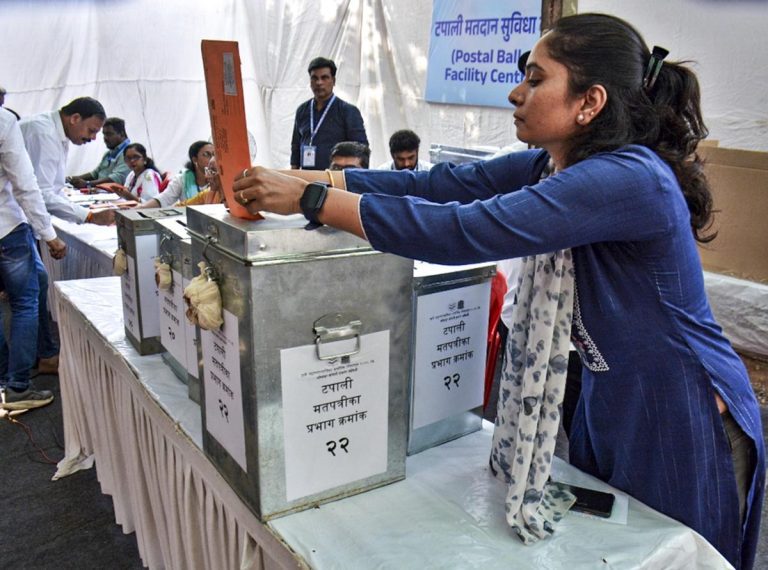
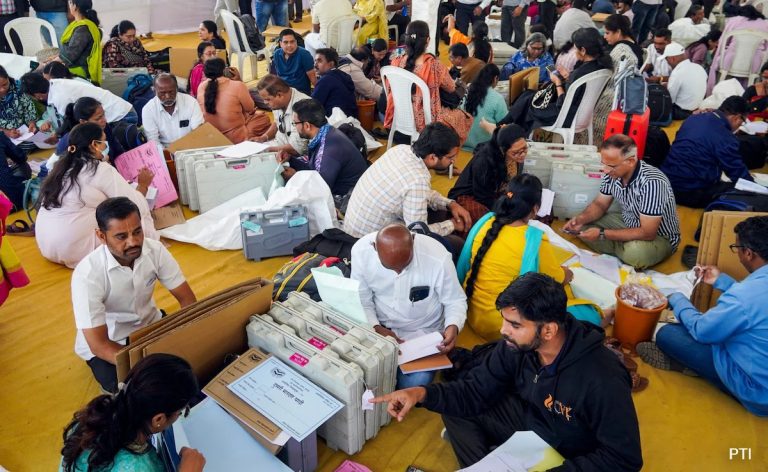
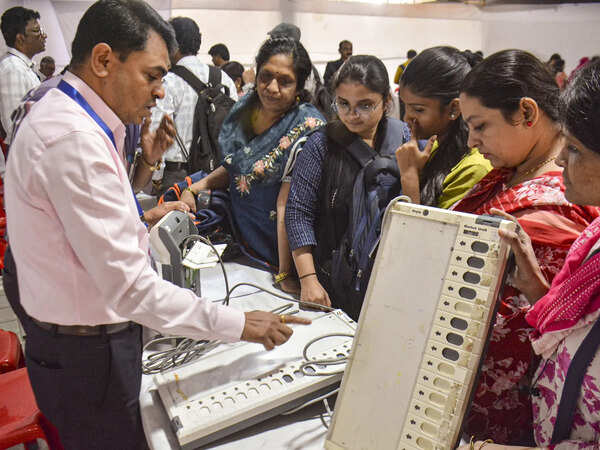
Counting of votes for the Maharashtra civic body polls is scheduled to begin in the morning hours on the designated counting day, following standard election protocols. Election officials will first open postal ballots before proceeding to count votes recorded through electronic voting machines. The process is expected to continue throughout the day, depending on the size of the civic body and the number of wards involved.

For the BMC, which has a large number of seats and wards, counting may extend into the evening. Initial trends are usually expected within the first few hours, while final seat tallies will be confirmed once counting is completed and verified by election authorities.

Where to Check Official Results Online

Citizens can track the Maharashtra civic poll results through official digital platforms operated by the State Election Commission. The commission’s official website will publish real-time updates, including ward-wise results, leading candidates, and final seat counts once declared. These platforms are considered the most reliable source of verified information.

In addition to the commission’s website, results may also be shared through official government portals and authenticated social media handles managed by election authorities. These channels provide timely updates and clarifications, helping voters stay informed without relying on unofficial sources.

The results for the Brihanmumbai Municipal Corporation elections will be available at the official Brihanmumbai Municipal Corporation website (https://portal.mcgm.gov.in/), which will provide ward-wise and constituency-level updates as the counting progresses.

Meanwhile, the results of the remaining 28 civic bodies in Maharashtra will be available at the State Election Commission Maharashtra website: https://mahasecelec.in/

Maharashtra election
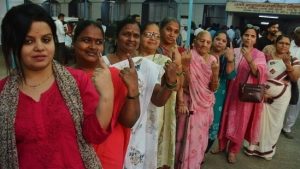
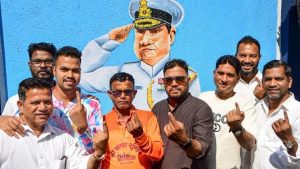
During the ongoing Municipal Corporation general elections in Thane, women were seen showing the ink mark on their fingers after casting their votes at the Kisan Nagar polling centre.

Accessing Results at Counting Centres

Apart from online platforms, results can also be followed at designated counting centres where election officials announce outcomes after each round of counting. Accredited representatives of political parties and authorised observers are present at these centres to ensure transparency. While the general public may not have direct access inside counting halls, updates from these centres are regularly communicated through official bulletins.

Local administrative offices may also display consolidated results for municipal bodies under their jurisdiction once counting is completed. This ensures accessibility for citizens who prefer offline sources of information.

Key Municipal Corporations to Watch

While Mumbai remains the focal point, several other municipal corporations across Maharashtra are also expected to draw attention due to their political and economic importance. Cities such as Pune, Thane, Nagpur, Nashik, and Aurangabad are among those where results will shape urban governance for the coming years.

The outcomes in these cities will influence decisions related to infrastructure development, urban planning, public transport, sanitation, and local welfare initiatives. Collectively, the results will indicate broader political trends in urban Maharashtra.

What to Expect on Result Day

On the day of counting, voters can expect phased updates starting with early trends, followed by clearer patterns as more rounds are completed. Authorities caution against drawing conclusions from initial leads, as margins can shift during the counting process. Final results are officially declared only after all votes are counted and certified.

Election officials have emphasised that strict protocols are in place to ensure accuracy and transparency. Any disputes or objections raised during counting are addressed according to established procedures before results are finalised.

Why Civic Poll Results Matter

Civic body election results play a direct role in shaping daily urban life. Municipal corporations are responsible for essential services such as water supply, waste management, road maintenance, healthcare facilities, and local infrastructure. Leadership changes at this level can significantly impact policy priorities and administrative efficiency.

The BMC results, in particular, are often seen as a political barometer due to Mumbai’s economic significance and large electorate. The outcomes may also influence future political strategies at the state level.

Conclusion: Staying Informed Through Official Channels

As Maharashtra prepares to announce the civic body poll results, voters are encouraged to rely on official platforms for accurate and timely information. With counting set to determine the leadership of key urban local bodies, the results will mark an important moment in the state’s democratic process. By tracking updates through authorised sources, citizens can follow the unfolding electoral outcome with clarity and confidence.

Read More: https://channel6network.com/ink-tampering-maharashtra-civic-polls-sec/

Ink Tampering Claims Rock Maharashtra Civic Polls 2026; State Election Commission Rules Out Re-Voting

Introduction: Controversy Over Ink Marks Emerges During Civic Polling

As voting progressed in the Maharashtra civic polls, a controversy erupted over the integrity of indelible ink used to mark voters’ fingers after casting ballots. Allegations surfaced that the ink could be removed, potentially enabling individuals to vote more than once and undermining the credibility of the election process. The State Election Commission (SEC) responded firmly to these concerns, clarifying that erasing the ink does not permit re-voting and warning that any attempt to commit such malpractice will invite legal action.

Allegations Spark Debate Amid Polling

During polling for municipal corporations including the Brihanmumbai Municipal Corporation and others across the state, some political leaders and voters raised questions about the use of marker pens to apply indelible ink. Videos circulated on social platforms showing the ink apparently fading or being wiped off, leading to claims that this could be exploited to cast multiple votes. Critics suggested that the ink used in local body elections might lack the lasting quality of traditional election ink, sparking concerns about potential manipulation of the electoral process.

Maharashtra civic polls
All concerned officials have once again been instructed to remain vigilant in this matter.

State Election Commission Stands Firm on Voting Integrity

In response to the controversy, the SEC issued a detailed clarification to reassure voters and stakeholders. The commission emphasised that attempting to erase the ink applied after voting is classified as an electoral malpractice and that appropriate legal action will be taken if any individual is found trying to commit such an act. Furthermore, it clarified that the application of ink is only one of several safeguards against repeat voting, and that official records are maintained once a person has cast their vote, making it impossible for that person to vote again by merely erasing the ink mark.

The SEC reiterated that once a voter’s name is recorded as having voted, the system recognises this status, so even if the ink is removed, the person cannot re-enter the polling process. Authorities stated that all election officials have been instructed to remain vigilant and report any suspicious activity immediately.

Marker Pens and Historical Guidelines Explained

According to the SEC, the practice of using marker pens — which leave a visible mark on a voter’s finger — has been in place for local body elections since orders issued in 2011. The ink used in these marker pens is designed to be rubbed multiple times on the nail and surrounding skin to ensure visibility and deterrence against fraud. The commission reaffirmed that these procedures have long been standard in municipal elections and are supported by operational guidelines to maintain polling integrity.

The SEC also highlighted that viral videos showing ink removal or suggesting easy erasure do not reflect the actual safeguards embedded in the electoral process. Officials underscored that the mark left by the marker pen is sufficiently distinct to deter casual tampering, and even if superficial removal occurs, it does not affect official voting records.

Public and Political Reactions to the Clarification

The controversy over ink tampering drew mixed reactions from voters and political activists. Some citizens expressed unease, citing concerns about the perceived fragility of the ink mark and questioning if it offers a robust measure against multiple voting. Others acknowledged the SEC’s clarification but urged stronger communication and demonstration of anti-fraud measures to reassure the electorate.

Political voices also weighed in as allegations were floated about systemic weaknesses. Critics demanded clearer explanations and highlighted what they see as a need for stronger voter confidence measures during pivotal civic polls. Nonetheless, the SEC’s repeated insistence that repeat voting is not possible helps counter these claims by underscoring procedural safeguards and official records that prevent misuse.

Legal and Electoral Safeguards Beyond Ink Marking

Election authorities emphasised that indelible ink is one of several layers of security designed to uphold election integrity. Voter rolls, physical identification checks, electronic voting machine (EVM) records and observer supervision all contribute to ensuring that each eligible voter casts only one ballot. If any irregularities are spotted, these systems help officials confirm voter status and take appropriate action even without relying solely on ink marks.

The SEC’s warning about legal consequences for tampering with ink is intended to deter any attempts at malpractice. Legal experts note that election laws clearly define electoral fraud and prescribe penalties for any attempt to interfere with the voting process, including actions that mislead officials or undermine the established safeguards.

Maintaining Confidence in Democratic Processes

Reaffirming that erasing the ink will not allow re-voting is part of broader efforts to maintain public confidence in the civic election process. The SEC’s announcement sought to prevent confusion among voters and counter misinformation that might spread during a high-stakes polling day. By reminding officials and the public of established procedures and protective measures, the commission aims to reinforce trust in democratic procedures.

As polling continues and counting approaches, the SEC’s clarification serves as a clear message that electoral integrity remains a priority. Voters who have cast their ballot should be assured that safeguards exist to protect their participation and that any attempt to circumvent rules will be addressed according to law.

Conclusion: Election Integrity Affirmed Despite Controversy

The Maharashtra civic polls have drawn increased scrutiny not only for their political significance but also for the procedural conduct of voting. While concerns about ink tampering triggered debate, the State Election Commission’s firm stance highlights that democratic safeguards are in place. By dismissing claims that erased ink could lead to repeat voting and warning against malpractice, the poll panel has reiterated its commitment to preserving the credibility of the electoral process in one of India’s most high-profile civic exercises.

Read More: https://channel6network.com/thackerays-vs-bjp-sena-vs-ncp-mumbai-votes/

Thackerays vs BJP-Sena vs NCP as Mumbai Votes in First Civic Polls Since 2017

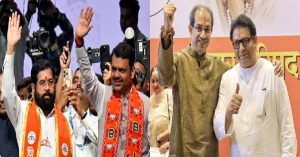
Mumbai, Maharashtra’s most populous and politically significant city, is once again at the forefront of civic politics as voters turn out for the first municipal elections since 2017. The Brihanmumbai Municipal Corporation election has become a high-stakes contest involving three major political forces: the Thackeray factions, the BJP-led Shiv Sena alliance and the Nationalist Congress Party. With urban governance, infrastructure and local services hanging in the balance, the civic polls have drawn considerable public attention and political energy.

The delay in holding municipal elections in Mumbai for nearly a decade stemmed from legal challenges, administrative issues and disputes over reservation and delimitation. With these hurdles now addressed, the December-January election cycle marks a return to routine democratic processes for the city’s civic administration. The contest is widely seen as a barometer of political sentiment in urban Maharashtra ahead of future state and national elections.

Historic Context and Political Stakes

The Brihanmumbai Municipal Corporation is one of the richest civic bodies in India, responsible for managing critical services such as water supply, solid waste management, public health, urban planning and transportation systems. Control of the BMC has traditionally been a symbol of political strength and influence in Maharashtra, making the 2026 polls particularly significant.

Over the years, the political dynamics in Mumbai have undergone notable shifts. The Thackeray surname once synonymous with unified Shiv Sena politics now represents different factions, adding complexity to the electoral landscape. Meanwhile, the BJP-Shiv Sena (Eknath Shinde faction) alliance has emerged as a potent force, and the Nationalist Congress Party has sought to consolidate its base in urban constituencies. Each coalition and party is aiming for a decisive performance that would bolster its standing within the state’s broader political matrix.

Thackerays vs BJP-Sena vs NCP as Mumbai Votes in First Civic Polls Since 2017Thackeray Factions Rally on Regional Identity
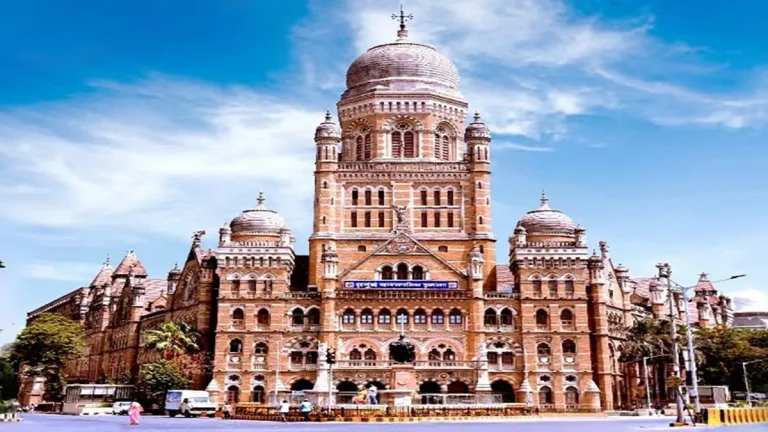
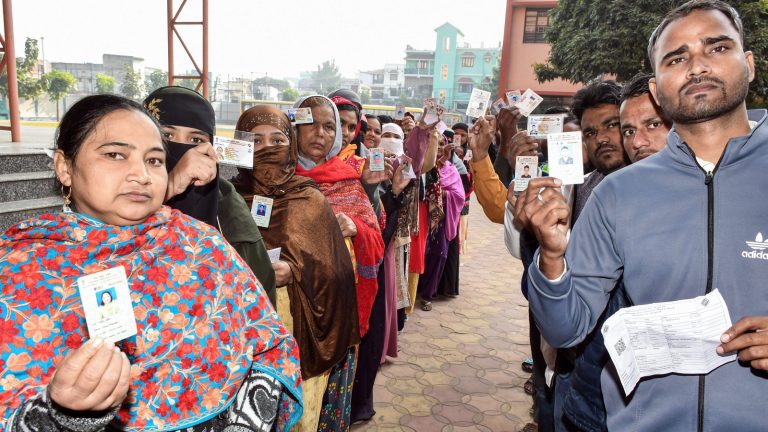
For the Thackeray groups, which include leaders associated with both the Uddhav Thackeray faction and the Maharashtra Navnirman Sena led by Raj Thackeray, the election is as much about cultural identity as it is about governance. Both leaders have campaigned vigorously on issues of Marathi pride and representation, emphasising the importance of protecting local interests in a rapidly evolving metropolis.

Their combined rhetoric has focused on the perceived marginalisation of local communities, rising living costs and urban infrastructure shortcomings. By foregrounding regional identity and community concerns, the Thackeray factions aim to consolidate support among long-standing voters and those who feel left behind by broader economic shifts.

BJP-Shiv Sena Alliance Positions Itself on Governance Record

The BJP-led alliance, which includes the Eknath Shinde faction of Shiv Sena, has adopted a contrasting narrative centred on administrative performance and development outcomes. Under this banner, leaders have highlighted improvements in civic infrastructure, metro expansion, road connectivity and public service delivery as evidence of effective governance.

The alliance has sought to portray itself as capable of bringing sustained policy focus and resources to Mumbai’s complex urban challenges. With its organisational strength and deep roots in the city’s political structure, the coalition is seeking to translate its narrative of growth and governance into electoral success.

NCP Seeks Urban Footprint and Policy Relevance

The Nationalist Congress Party (NCP) is attempting to carve out a meaningful urban presence in these elections. Traditionally stronger in rural and semi-urban regions, the party has intensified its outreach in Mumbai’s wards, focusing on local development issues such as healthcare access, education support and community services.

NCP leaders have emphasised grassroots connection and responsiveness to neighbourhood concerns, aiming to attract voters who prioritise practical civic solutions over ideological considerations. The party’s performance will be closely watched as an indicator of its urban appeal and organisational reach.

Key Issues Driving Voter Decisions

Across Mumbai, several core issues are shaping voter priorities. The city’s infrastructure challenges, including drainage systems, traffic congestion and aging civic utilities, remain top of mind for many residents. Water supply reliability, waste management efficiency and affordable housing are also prominent themes in public discourse.

In addition to physical infrastructure, voters have expressed interest in enhanced transparency, accountability of elected representatives and improved citizen engagement in decision-making processes. Community safety, environmental sustainability and equitable access to public services are further factors influencing voter choices.

Security and Logistics of Election Day

With the polls underway, civic authorities have deployed significant resources to ensure a smooth election process. Security personnel have been stationed at key polling locations to maintain peace and order, while election officials oversee adherence to polling protocols and guidelines.

Measures have been taken to support voters with accessibility needs, including priority lanes, assistance at polling booths and extended support for elderly and differently-abled citizens. The goal is to facilitate broad participation and uphold the integrity of the electoral process.

Looking Ahead: What These Elections Mean for Mumbai

As votes are cast and counting approaches, the results of the Brihanmumbai Municipal Corporation election will reveal not only who governs the city but also how urban voters view competing political narratives. The performance of the Thackeray factions, the BJP-Shiv Sena alliance and the NCP will provide insights into shifting allegiances, pressing civic priorities and the evolving political climate of Maharashtra’s urban electorate.

Beyond immediate governance, the outcome may influence future electoral strategies and alignments. Parties will analyse performance ward by ward, seeking to understand where their messages resonated and where adjustments are needed. For voters, the election represents an opportunity to shape the direction of civic leadership and hold local representatives accountable for delivering on key public needs.

Ultimately, the 2026 municipal elections in Mumbai are a pivotal moment for city politics and public policy. As results unfold, the city will begin a new chapter in its longstanding journey of democratic engagement and urban governance. The elected representatives will inherit the responsibility of addressing deep-rooted urban challenges and driving inclusive growth for one of India’s most complex and dynamic cities.

Read More: https://channel6network.com/maharashtra-election-ink-tampering-allegations/

Breaking: Ink Tampering Allegations Surface as Maharashtra Municipal Corporation Elections 2026 Conclude

Allegations of Ink Tampering Emerge During Voting Process

Voting for the Maharashtra municipal corporation elections concluded after a full day of polling across major urban centres, marking the end of a closely watched civic exercise. Citizens cast their votes to elect representatives for key municipal corporations that play a central role in urban governance, public services, and infrastructure management. Election officials confirmed that polling was completed within the scheduled time across most locations, with orderly queues observed during peak hours in several cities.

As voting progressed, allegations of indelible ink tampering surfaced from a few polling stations, drawing attention from election authorities and political stakeholders. Complaints suggested that the ink applied on voters’ fingers was allegedly removable or faint in certain cases, raising concerns about the sanctity of the voting process. Election officials acknowledged receiving representations related to these claims and stated that preliminary checks were initiated immediately at the affected booths.

Election Commission Responds to Complaints

The State Election Commission clarified that indelible ink is procured through approved suppliers and undergoes quality checks before distribution. Officials stated that any complaint related to ink quality is treated seriously, as it directly affects electoral credibility. Polling officers at concerned booths were instructed to reapply ink where necessary and document the incidents for further review. The Commission assured voters that appropriate action would be taken if procedural lapses were found.

Overall Voting Experience Remains Largely Smooth

Despite isolated complaints, the overall voting process remained largely smooth and peaceful. Polling officials reported that the majority of voters were able to exercise their franchise without difficulty. Security arrangements were maintained throughout the day to ensure law and order, particularly in sensitive wards. Election staff, including presiding officers and observers, were deployed to monitor polling stations and address grievances on the spot.

Voter Turnout and Urban Participation Trends

Urban voter participation varied across regions, with some municipal corporations witnessing moderate turnout while others saw a steady flow of voters through the afternoon and evening. Election authorities noted increased participation during post-work hours, reflecting typical urban voting patterns. Women and senior citizens were seen actively participating, aided by facilitation measures such as priority queues and assistance booths.

Political Stakes in Municipal Corporations

The municipal corporation elections are considered significant as they determine leadership at the grassroots level in cities that drive Maharashtra’s economy. Control over civic bodies influences decisions related to urban development, infrastructure projects, taxation, and public welfare schemes. Political parties had campaigned intensively, focusing on local issues such as road conditions, water supply, waste management, and public transport.

Handling of Complaints and Transparency Measures

Election officials emphasized transparency in addressing complaints related to polling irregularities. Observers appointed by the Commission submitted reports from various booths, including those where ink-related concerns were raised. Officials stated that a detailed assessment would be conducted after polling to determine whether the complaints had any material impact on the voting process. Voters were encouraged to report issues through designated grievance channels.

Security and Administrative Oversight

Police and civic authorities remained on alert throughout the polling period. No major incidents of violence or large-scale disruptions were reported during the latter half of the day. Administrative officials coordinated closely with polling staff to manage crowd movement, ensure accessibility, and prevent any attempts at malpractice. The presence of security personnel helped maintain confidence among voters.

Counting Process and Next Steps

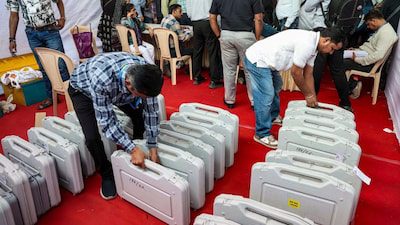
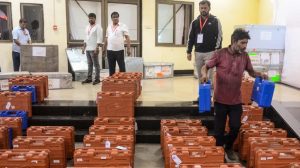
With voting now concluded, attention shifts to the counting of votes, which will be conducted as per the notified schedule. Election authorities confirmed that all electronic voting machines and related materials have been sealed and secured. The counting process is expected to provide clarity on the political composition of municipal corporations and the direction of urban governance for the coming term.

Impact on Urban Governance and Policy Direction

The outcome of these elections will shape policy decisions at the city level, influencing development priorities and administrative approaches. Civic bodies play a crucial role in implementing state and central schemes at the local level, making these elections significant beyond immediate political gains. Analysts believe the results will also offer insights into voter sentiment in urban Maharashtra.

Conclusion: Scrutiny Continues as Results Awaited

The conclusion of voting in the Maharashtra municipal corporation elections marks an important democratic milestone, even as allegations of ink tampering prompt closer scrutiny by authorities. While the polling process remained largely smooth, the handling of complaints will be critical in maintaining public trust. As the state awaits counting day, the focus remains on ensuring transparency, accountability, and confidence in the electoral outcome.

Read More: https://channel6network.com/maharashtra-civic-body-elections-voting-begins/

Maharashtra Civic Body Elections 2026: Low Early Turnout, Scuffles Reported as Voting Begins Across Key Urban Centres

Introduction: High-Stakes Civic Polls Underway Across Maharashtra

Polling for the Maharashtra civic body elections 2026 commenced amid tight security arrangements and heightened political anticipation across urban centres. Voting is being held for 29 civic bodies, including some of the most influential municipal corporations in the state such as the Brihanmumbai Municipal Corporation, Pune Municipal Corporation and Nagpur Municipal Corporation. These elections are seen as a crucial test of political strength in urban Maharashtra, particularly in Mumbai where control of the BMC carries both symbolic and strategic importance.

Early Voter Turnout Remains Low in Morning Hours

Initial voting trends indicated a sluggish start across several cities. As per early official data, overall voter turnout stood at around 6.98 percent by 9:30 am. Mumbai, which traditionally witnesses lower turnout during morning hours, also reported a similar pattern in several wards. Polling officials attributed the slow start to early working hours, winter morning conditions and general voter hesitation during the first phase of polling. Authorities, however, expressed confidence that turnout would improve as the day progressed.

Mumbai Votes for the Brihanmumbai Municipal Corporation

The Brihanmumbai Municipal Corporation election remains the centrepiece of the civic polls. Mumbai voters are electing corporators who will govern India’s richest civic body, responsible for managing infrastructure, public health, transport and disaster response in the country’s financial capital. Several polling booths across the city saw orderly queues, though the overall turnout remained modest in the early hours. Civic officials said all polling stations were functional and no major disruptions were reported during the initial phase.

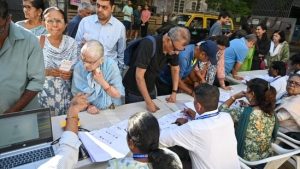
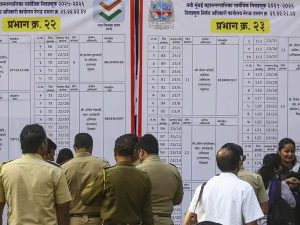
Maharashtra Civic Body Elections Updates: People searching for their name in the voter list outside the Polling station in Dadar, Mumbai.

Pune and Nagpur Join Key Urban Battle

Apart from Mumbai, polling is underway in Pune and Nagpur, both of which play a significant role in Maharashtra’s political and administrative landscape. Pune, known for its educational institutions and IT sector, is voting amid debates around urban congestion, metro expansion, housing and environmental concerns. Nagpur, the winter capital of the state, also witnessed polling amid heightened political contestation. The outcome in these cities is expected to reflect voter sentiment on urban governance and development priorities.

Scuffle in Nagpur Leaves Political Candidate Injured

An incident of violence was reported from Nagpur during the early hours of polling, where a political party candidate was injured during a scuffle. According to officials, the altercation occurred near a polling area and was promptly brought under control by security personnel. The injured individual was shifted for medical treatment, and authorities stated that the situation was stabilised without impacting the polling process. An investigation has been initiated to ascertain the cause of the clash and identify those involved.

Polling Arrangements and Security Measures

The state election administration deployed extensive security arrangements across polling stations to ensure peaceful voting. Police personnel, home guards and local administration officials were stationed at sensitive booths, particularly in densely populated urban areas. Surveillance measures were strengthened to prevent any untoward incidents, and election officials confirmed that voting was proceeding smoothly in most areas despite isolated disturbances.

Maharashtra civic body elections 2026
Security personnel and polling officials during Navi Mumbai Municipal Corporation election, in Navi Mumbai

Scope of Elections: 29 Civic Bodies Across the State

The Maharashtra civic body elections cover 29 municipal bodies, including municipal corporations, municipal councils and nagar panchayats. These elections are critical for grassroots governance as civic bodies directly influence day-to-day urban life through services such as water supply, waste management, roads and public health. The elections also include newly constituted municipal corporations, making this cycle especially significant in terms of administrative expansion.

Political Stakes and Urban Power Equations

The civic polls are widely viewed as a litmus test for political alliances and leadership in Maharashtra’s urban regions. Control of major municipal corporations, particularly the BMC, holds immense financial and political value. Political parties have campaigned aggressively, focusing on local governance issues while also positioning these elections as a reflection of broader public sentiment. Analysts believe the results could shape strategies for upcoming state and national elections.

Voter Issues Dominate Campaign Narratives

Urban voters have raised concerns around infrastructure strain, traffic congestion, water scarcity, air pollution and rising living costs. In Mumbai, redevelopment, flood management and public transport remain key issues. Pune voters are focusing on urban planning and environmental sustainability, while Nagpur residents have highlighted employment generation and civic amenities. These issues are expected to influence voter choices as polling progresses.

Election Commission’s Appeal to Voters

The State Election Commission has repeatedly urged citizens to participate actively in the democratic process. Officials have emphasised that civic elections play a direct role in shaping urban governance and quality of life. Special arrangements have been made for senior citizens, persons with disabilities and first-time voters to ensure inclusive participation.

Women and Youth Participation Under Focus

Election authorities and civic groups have highlighted efforts to increase participation among women and young voters. Awareness campaigns were conducted ahead of polling day to educate voters about the importance of local governance. While early turnout figures remained low, officials said a clearer picture of demographic participation would emerge by evening.

Impact of Turnout on Electoral Outcomes

Political observers note that voter turnout often plays a decisive role in civic elections, where margins can be narrow. Lower turnout can benefit parties with strong grassroots mobilisation, while higher participation may indicate broader public engagement. The final turnout figures will be closely analysed once polling concludes.

Administrative Response to Incidents

Following the reported scuffle in Nagpur, authorities reiterated their zero-tolerance stance on election-related violence. Officials assured voters that strict action would be taken against any attempt to disrupt the democratic process. Additional security deployments were made in sensitive areas to prevent further incidents.

Read More: https://channel6network.com/maharashtra-civic-polls-municipal-corporations/

Counting and Result Timeline

While polling is being conducted today, counting of votes will take place after the completion of the voting process as per the notified schedule. Results are expected to determine the composition of civic bodies for the next term, influencing policy decisions and development priorities in urban Maharashtra.

Conclusion: Civic Polls Set to Shape Maharashtra’s Urban Future

The Maharashtra civic body elections 2026 mark a significant democratic exercise with long-term implications for urban governance. Despite a slow start in voter turnout and isolated incidents, polling is progressing across major cities including Mumbai, Pune and Nagpur. As the day advances, authorities and political stakeholders alike will be watching turnout trends closely. The final outcome is expected to redefine civic leadership and influence the political narrative in the state’s urban centres for years to come.

Read More: https://channel6network.com/maharashtra-board-cancels-107-exam-centres/

Maharashtra Civic Polls 2026: Which Two New Municipal Corporations Are Voting This Year?

Introduction: Civic Polls Gain Added Significance This Year

The Maharashtra civic polls this year carry added political and administrative importance as voters in two newly constituted municipal corporations prepare to elect their first set of representatives. Alongside elections in existing municipal bodies, the inclusion of these new corporations marks a significant step in the state’s urban governance framework. The polls are expected to shape local development priorities and influence political equations ahead of future state-level contests.

Which Are the Two New Municipal Corporations Voting?

The two new municipal corporations voting in this year’s Maharashtra civic polls are Ichalkaranji Municipal Corporation and Sangli-Miraj-Kupwad Municipal Corporation. Both civic bodies were upgraded from municipal councils to municipal corporations after meeting population and urban development criteria set by the state government. This transition grants them greater administrative autonomy, higher budgetary allocations, and expanded responsibilities in managing urban infrastructure and public services.

Ichalkaranji Municipal Corporation: A Textile Hub Steps Up

Ichalkaranji, widely known as one of Maharashtra’s prominent textile centres, has long been an economic driver in western Maharashtra. The formation of the Ichalkaranji Municipal Corporation is aimed at improving urban planning, strengthening civic amenities, and addressing challenges linked to rapid industrial growth. With its first civic election, residents will choose corporators responsible for steering policies on water supply, sanitation, road development, and environmental management. The election is also expected to witness intense competition as political parties seek to establish a strong foothold in the city’s evolving urban landscape.

Civic polls Maharashtra

Sangli-Miraj-Kupwad Municipal Corporation: Strengthening Regional Administration

The Sangli-Miraj-Kupwad Municipal Corporation represents another significant addition to Maharashtra’s urban map. The region is known for its agricultural trade, healthcare facilities, and educational institutions. Civic status as a municipal corporation allows for better coordination of development projects across Sangli, Miraj, and Kupwad. The election will play a crucial role in determining how the civic body balances urban expansion with sustainable growth while improving public services such as transport, waste management, and healthcare access.

Why These Elections Matter for Urban Governance

Elections in newly formed municipal corporations are crucial because they lay the foundation for governance structures that will shape urban development for years to come. The first elected body sets administrative priorities, frames by-laws, and establishes mechanisms for citizen participation. For residents, this election offers an opportunity to voice concerns related to infrastructure gaps, employment opportunities, housing, and quality of life.

Political Stakes and Party Strategies

The civic polls in these new municipal corporations are being closely watched for their political implications. Major political parties see these elections as a testing ground for grassroots strength and organisational reach. Performance in civic polls often influences political momentum ahead of assembly and parliamentary elections. Candidates are expected to focus on local issues such as water scarcity, traffic congestion, industrial support, and urban employment while aligning them with broader political narratives.

Voter Expectations and Key Issues

Voters in Ichalkaranji and Sangli-Miraj-Kupwad are expected to prioritise governance efficiency, transparency, and development-oriented leadership. Improved infrastructure, reliable civic services, environmental protection, and economic growth remain top concerns. The transition to municipal corporation status has raised expectations among residents for faster decision-making and better utilisation of funds.

Election Preparedness and Administrative Measures

The state election machinery has put in place necessary arrangements to ensure smooth polling in the new municipal corporations. Electoral rolls have been updated, polling stations identified, and voter awareness initiatives rolled out to encourage participation. Authorities aim to conduct the elections in a fair and orderly manner, reinforcing public confidence in the democratic process.

Conclusion: A Milestone for Maharashtra’s Urban Governance

The inclusion of Ichalkaranji and Sangli-Miraj-Kupwad in the Maharashtra civic polls marks an important milestone in the state’s urban governance journey. As voters head to the polls, the outcome will not only determine local leadership but also shape the future trajectory of these growing cities. The elections underscore the expanding role of urban local bodies in driving development and strengthening grassroots democracy in Maharashtra.

Read More: https://channel6network.com/niti-aayog-export-maharashtra/

Maharashtra State Board Enforces Firm Measures, Cancels 107 Exam Centres to Ensure Fair Exams

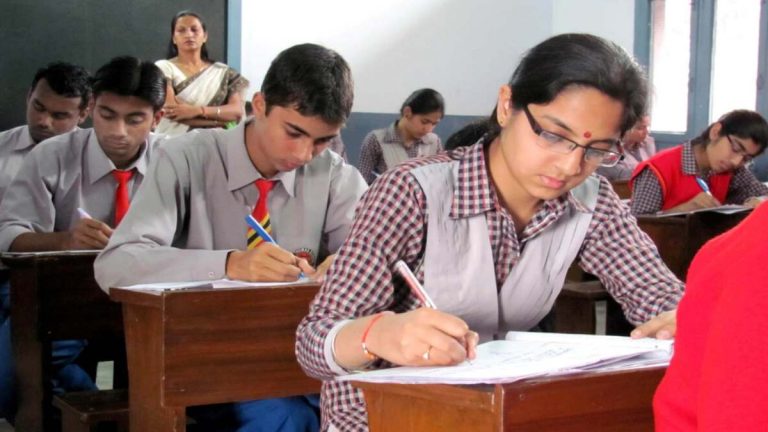
The Maharashtra State Board of Secondary and Higher Secondary Education has cancelled the recognition of 107 examination centres after a comprehensive review of infrastructure, compliance and exam preparedness. The decision, aimed at upholding exam standards and ensuring a fair and secure evaluation environment for students, impacts institutions across several districts in the state. Board officials said the action reflects an ongoing commitment to maintaining integrity in public examinations and protecting students from centres that fail to meet minimum requirements.

In its review, the board found that the affected centres lacked essential facilities such as adequate seating arrangements, proper invigilation plans, safe access and adherence to prescribed safety guidelines. Some centres were also found deficient in basic infrastructure like separate provisions for differently-abled students, sufficient lighting and ventilation or secure storage for exam materials. The removal of recognition means that these centres can no longer host board examinations until required improvements are made and compliance is assured.

Inspection and Compliance Assessment

The decision followed a systematic inspection of registered exam centres by board officials, who assessed compliance with a checklist of mandatory criteria. These criteria included adequate classrooms, sufficient seating capacity to prevent overcrowding, availability of trained staff, secure entry and exit points, fire safety measures and facilities for students with special needs. Centres failing to meet these standards were marked for further review.

Several inspections also revealed procedural lapses such as lack of designated invigilators, improper seating arrangements and failure to provide necessary documentation during surprise visits. In some instances, exam venues were being shared with ongoing academic classes, raising concerns about disturbances during critical examination hours.

Officials said that recognition cancellation is a temporary measure designed to prompt corrective action. Centre authorities have been informed of the deficiencies and given a timeline within which to rectify shortcomings. Only after a follow-up inspection confirms full compliance can recognition be reinstated.

Impact on Students and Institutions

The board’s decision has sparked concern among students and parents, particularly those scheduled to take upcoming examinations. Many students had already made travel and accommodation arrangements based on earlier exam schedules. However, board authorities have clarified that affected students will be accommodated at alternate recognised centres nearby, ensuring minimal disruption to their exam preparation and participation.

Institutions that lost recognition are now tasked with addressing the identified gaps swiftly. School administrators have been urged to work with local authorities and the board’s regional offices to meet compliance requirements. This includes upgrading infrastructure, arranging additional invigilators, enhancing safety measures and ensuring all documentation is in order.

Parents and student representatives have expressed mixed reactions. While some support the board’s stringent approach to uphold examination standards, others have raised concerns about logistical complications, especially for students with mobility or travel constraints. Board officials have assured stakeholders that priority will be given to student convenience when reassigning exam venues.

Reasons Behind Recognition Cancellation

The board emphasised that the cancellations were not punitive but preventive in nature. Ensuring that examination centres meet all required norms is essential to maintain credibility and fairness in board exams. With thousands of students appearing for secondary and higher secondary board examinations every year, any lapse in centre preparedness can lead to unfair advantages, security breaches or compromised exam integrity.

Specifically, the board cited deficiencies in safety arrangements, seating capacities that did not align with registered student numbers, absence of adequate supervisory staff and non-compliance with guidelines for differently-abled students. Centres that repeatedly failed to provide evidence of compliance during inspection were selected for recognition cancellation.

Board Measures to Minimise Disruption

To minimise disruption, the board has released a list of alternate centres and advised students to check their revised exam centre information well ahead of scheduled exams. Dedicated helpline numbers and online support services have been made available to assist students and parents with queries related to centre reassignment, exam timetables and travel logistics.

Board officials stressed that all recognised exam venues are being prepared with strict protocols, including clear signage, adequate seating arrangements, trained invigilators and necessary health and safety measures. Additional supervisory staff are being deployed to ensure smooth conduct of exams at all recognised centres.

Recognising that changes in exam centres can be stressful for students, the board has also extended counselling support through school administrators and regional educational offices. This initiative is intended to help students adjust to new venues and reduce anxiety related to exam day arrangements.

Future Directions and Accountability

Education experts have welcomed the board’s decision as a step toward reinforcing credible and equitable evaluation systems. They noted that regular review of exam centres and compliance assessments are necessary to prevent irregularities and protect student interests. At the same time, they emphasised the need for clear communication and timely support for students affected by such decisions.

The board has indicated that future inspections will be scheduled periodically to ensure continuous compliance. Institutions that regain recognition must maintain required standards consistently to avoid future cancellations.

As Maharashtra prepares for the upcoming board examinations, the emphasis remains on creating a secure, standardised and transparent environment for all students. The cancellation of recognition for non-compliant centres underscores that educational authorities are prioritising quality and fairness in the evaluation process.

Read More: https://channel6network.com/hiv-patients-art-centres-maharashtra/