Thursday, March 5, 2026
Home Blog Page 7

More Than 6,800 HIV Patients Lost to Follow-Up From ART Centres in Maharashtra Over Five Years

Maharashtra has reported that more than 6,800 HIV patients have been lost to follow-up from antiretroviral therapy (ART) centres across the state over the past five years, raising concerns among health experts about treatment adherence, stigma, mobility of patients and the robustness of long-term care systems. Loss to follow-up occurs when patients who have started treatment fail to return for regular medication refills or scheduled check-ups, putting their health and viral suppression at risk.

The data, compiled by the state health department, underscores the ongoing challenge of retaining HIV patients within the continuum of care. Although ART is highly effective in controlling HIV infection and preventing progression to AIDS when taken consistently, irregular attendance at ART centres can lead to treatment interruption and increased risk of drug resistance, transmission and adverse health outcomes.

Public health officials say that understanding the factors behind loss to follow-up is critical to improving HIV care outcomes. These reasons range from migration and economic hardship to stigma and inadequate patient counselling.

Understanding Loss to Follow-Up in HIV Treatment

Loss to follow-up refers to patients who have not returned to collect their ART medicines or attend medical reviews for an extended period. In Maharashtra, ART centres are established in multiple districts to provide free antiretroviral medicines, routine testing and counselling to people living with HIV. These centres play a vital role in preventing disease progression and supporting patients through sustained therapy.

Despite the availability of treatment, a significant proportion of patients disengage from the health system after initial enrolment. Between 2019 and 2024, health records indicate that over 6,800 patients have fallen into the lost to follow-up category, although the exact reasons for discontinuation vary.

Key Factors Behind Treatment Discontinuation

Several factors contribute to treatment interruption and loss to follow-up among HIV patients. One major issue is mobility; patients often move between districts or states in search of employment or family responsibilities, making continuous attendance at a fixed ART centre difficult.

Stigma and discrimination also remain powerful barriers. Individuals living with HIV may choose to avoid regular visits to ART centres out of fear of social ostracism or breaches of confidentiality. Despite efforts to sensitise communities, stigma continues to discourage patients from maintaining treatment schedules.
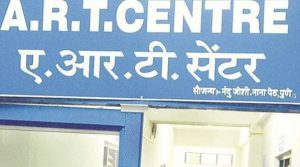
Maharashtra records a sharp rise in HIV patients discontinuing treatment at ART centres, raising concerns over retention and awareness efforts.

Socioeconomic challenges such as loss of income, travel costs to health facilities and competing family obligations further complicate consistent care. For many patients, economic hardship forces prioritisation of immediate needs over routine medical follow-ups.

Health officials also point to gaps in patient tracking systems. While some centres have robust follow-up mechanisms, others struggle with limited staff, incomplete contact information and difficulties in outreach, particularly in rural areas.

Health Risks and Public Health Implications

Loss to follow-up can have serious implications for both individual patients and wider public health goals. Patients who discontinue ART are at greater risk of disease progression, opportunistic infections and reduced quality of life. Without consistent viral suppression, the likelihood of HIV transmission to others also increases.

Drug resistance is another concern. Intermittent treatment can lead to the virus becoming less responsive to standard medications, requiring alternative regimens that may be more costly or have greater side effects.

From a public health perspective, retaining patients in continuous care is fundamental to achieving targets such as the Joint United Nations Programme on HIV/AIDS (UNAIDS) 90-90-90 goals, which aim to diagnose, treat and suppress viral loads effectively. High rates of loss to follow-up threaten progress toward these benchmarks.

Efforts to Improve Retention in Care

To address these challenges, the state health department has initiated several strategies to strengthen patient follow-up and support systems. Health workers are being trained to implement differentiated care models that tailor services to individual patient needs, including community-based ART distribution, extended clinic hours and telemedicine options.

Enhanced counselling and psychosocial support are also being prioritised to help patients cope with stigma and personal barriers to care. Peer support groups, outreach workers and community volunteers are increasingly involved in encouraging consistent treatment adherence.

Some districts have adopted electronic patient tracking systems to flag missed appointments and trigger follow-up actions. By using mobile communication and database alerts, ART centres can reach out directly to patients who have missed visits, offering reminders and support.

Public awareness campaigns emphasise the importance of uninterrupted ART and aim to normalise the discussion around HIV treatment and care. These efforts seek to reduce stigma and make the idea of regular clinic attendance more acceptable within communities.

Voices From the Field

Healthcare workers on the ground highlight the complexities of maintaining patient engagement. Many patients express fear of disclosure, economic pressures and competing priorities that make regular visits challenging. Counsellors emphasise the need for empathetic communication and long-term relationship building to support patients through the treatment journey.

Patients who have managed to stay in care often cite supportive networks, understanding counsellors and flexible clinic arrangements as key enablers. These insights point toward the value of patient-centred approaches in reducing loss to follow-up.

Future Directions and Policy Implications

Experts say that addressing loss to follow-up requires both systemic improvements and community engagement. Strengthening health systems, improving data quality and expanding patient support services are essential. Integrating HIV care with broader primary health services can also make routine follow-up more convenient and less stigmatizing for patients.

As Maharashtra continues to refine its public health response to HIV, collaboration between government agencies, community organisations and patient advocates will be key. Policies that reduce socioeconomic barriers, enhance confidentiality and promote sustained engagement can help stem the tide of patients lost to follow-up.

The state’s experience underscores the importance of adaptive health systems that respond to the lived realities of patients. By prioritising retention in care, Maharashtra can improve the health outcomes of people living with HIV and strengthen its progress toward national and global HIV response goals.

Read More: https://channel6network.com/pmkvy-trainees-maharashtra-funding-fluctuate/
PMKVY 4.0 Sees Sharp Rise in Trainees in Maharashtra, Even as Funding Patterns Fluctuate

Maharashtra has witnessed a sharp increase in trainee enrolments under Pradhan Mantri Kaushal Vikas Yojana (PMKVY) 4.0, highlighting the growing demand for skill development and vocational training across the state. The latest phase of the flagship skilling programme has attracted a large number of participants, particularly from urban and semi-urban areas, driven by aspirations for employability, upskilling and industry-relevant training. However, despite the surge in participation, fluctuations in funding allocation have raised questions about the consistency and long-term impact of the scheme.

PMKVY 4.0 is designed to align skill training with industry needs while supporting India’s broader workforce development goals. In Maharashtra, the programme has gained traction among youth seeking opportunities in sectors such as manufacturing, healthcare, logistics, information technology and services. The rising enrolment figures point to increased awareness of government-led skilling initiatives and their role in enhancing job readiness.

Growing Enrolment Reflects Demand for Employable Skills

The significant rise in trainees under PMKVY 4.0 indicates a strong appetite for vocational training in Maharashtra. Young people, including fresh graduates and those from economically weaker sections, are increasingly viewing skill certification as a pathway to better employment prospects. Training centres across districts have reported higher participation in both short-term and long-term courses.

The emphasis on practical skills, digital literacy and sector-specific training has resonated with participants. Many trainees are opting for courses that offer immediate relevance to the job market, reflecting a shift away from purely academic qualifications toward outcome-oriented learning.

Pmkvy
While ₹12.89 crore was spent in 2022–23, expenditure surged dramatically to ₹65.14 crore in 2023–24, even though the number of trainees was less than half of that recorded in 2024–25

Funding Fluctuations Raise Implementation Concerns

While enrolments have increased, funding trends under PMKVY 4.0 have not followed a steady upward trajectory. Variations in fund disbursement and allocation across phases have affected the pace at which training centres operate and expand capacity. Some centres have reported delays in payments and uncertainty over future allocations, impacting planning and resource management.

Experts note that inconsistent funding can pose challenges to maintaining training quality, instructor availability and infrastructure. For a programme of PMKVY’s scale, predictable financial support is crucial to ensure uninterrupted training and timely certification of candidates.

State-Level Role in Strengthening Skill Ecosystem

Maharashtra’s skill development agencies and training partners have played an important role in driving enrolments under PMKVY 4.0. Outreach campaigns, collaboration with local industries and alignment with state employment initiatives have helped bring more candidates into the skilling ecosystem.

The state’s diverse economic base, which includes manufacturing hubs, service-sector clusters and emerging technology centres, has created demand for a wide range of skills. PMKVY 4.0 has attempted to cater to this diversity by offering courses tailored to regional and sectoral needs.

Industry Linkages and Employability Outcomes

One of the key objectives of PMKVY 4.0 is to improve employability by linking training with industry requirements. In Maharashtra, several training programmes have incorporated on-the-job exposure, apprenticeships and industry interaction to enhance practical learning.

Employers have shown interest in hiring certified candidates for entry-level roles, particularly in sectors facing skill shortages. However, stakeholders emphasise that sustained industry engagement and post-training placement support are essential to translate enrolment numbers into tangible employment outcomes.

Challenges in Ensuring Quality and Coverage

Despite positive enrolment trends, challenges remain in ensuring uniform training quality across centres. Differences in infrastructure, trainer expertise and access to modern equipment can lead to uneven learning experiences. Monitoring and evaluation mechanisms are therefore critical to maintain standards under PMKVY 4.0.

Additionally, reaching candidates in remote and rural areas continues to be a challenge. While urban centres account for a large share of enrolments, expanding coverage to underserved regions will be key to making the skilling programme more inclusive.

Way Forward for PMKVY 4.0 in Maharashtra

To sustain momentum, experts suggest that PMKVY 4.0 needs stable funding, stronger coordination between state and central agencies, and deeper integration with local industry needs. Regular assessment of course relevance and employment outcomes can help refine the programme’s focus.

Digital platforms, data-driven tracking and partnerships with private sector players could further enhance efficiency and transparency. Addressing funding uncertainties will be essential to ensure that training centres can scale operations and maintain quality standards.

Balancing Growth with Sustainability

The sharp rise in trainees under PMKVY 4.0 reflects Maharashtra’s strong demand for skill development and the programme’s relevance in today’s job market. However, funding fluctuations underscore the need for a more stable and predictable financial framework. Balancing enrolment growth with sustainable implementation will determine the long-term success of PMKVY 4.0 in strengthening Maharashtra’s workforce and contributing to broader economic development.

Read More: https://channel6network.com/niti-aayog-export-maharashtra/

Maharashtra Triumphs NITI Aayog’s Export Preparedness Index, Strengthening India’s Global Trade Ambitions

Maharashtra has emerged as the top-performing state in NITI Aayog’s Export Preparedness Index, reinforcing its position as a key driver of India’s export-led growth strategy. The ranking highlights the state’s robust policy framework, advanced infrastructure, efficient trade facilitation mechanisms and strong institutional support for exporters. The achievement places Maharashtra at the forefront of India’s efforts to expand its footprint in global markets amid evolving trade dynamics.

The Export Preparedness Index, developed by NITI Aayog, evaluates states and union territories on their readiness to promote and sustain exports. It focuses on multiple dimensions including policy, infrastructure, business ecosystem, export performance and institutional mechanisms. Maharashtra’s leading position reflects consistent efforts to strengthen its export ecosystem and align state-level strategies with national trade objectives.

Understanding the Export Preparedness Index Framework

The Export Preparedness Index is designed to assess how well states are equipped to drive exports by creating a conducive environment for businesses. It evaluates parameters such as trade-related infrastructure, logistics efficiency, industrial clusters, access to finance, skill development and ease of doing business.

By benchmarking states against these criteria, the index aims to promote healthy competition and encourage best practices in export promotion. Maharashtra’s top ranking indicates strong performance across most indicators, particularly in policy support, industrial base and connectivity with domestic and international markets.

Maharashtra has emerged as the top-performing state in NITI Aayog’s Export Preparedness Index (EPI) 2024, reaffirming its position as India’s leading export hub.

Key Factors Behind Maharashtra’s Top Ranking

Maharashtra’s success in the index can be attributed to its diversified industrial landscape and proactive governance. The state hosts major manufacturing hubs, export-oriented industrial clusters and some of the country’s busiest ports. Strong road, rail and port connectivity has enabled smoother movement of goods, reducing logistics costs for exporters.

The state government’s emphasis on policy reforms, investor-friendly regulations and digital governance has also played a crucial role. Simplified approval processes, incentives for export-oriented units and support for small and medium enterprises have helped strengthen the overall export ecosystem.

Additionally, Maharashtra’s focus on skill development and innovation has supported industries such as pharmaceuticals, engineering goods, automobiles, textiles and information technology, all of which contribute significantly to export earnings.

Role of Infrastructure and Logistics in Export Growth

Infrastructure development has been a cornerstone of Maharashtra’s export strategy. The presence of major ports such as Jawaharlal Nehru Port Authority has provided exporters with direct access to global shipping routes. Industrial corridors, logistics parks and improved warehousing facilities have further enhanced supply chain efficiency.

Investments in multimodal transport networks and last-mile connectivity have reduced transit times and improved reliability, making Maharashtra an attractive destination for export-driven industries. These infrastructure advantages have given the state a competitive edge over others in the index.

Policy Support and Institutional Mechanisms

Strong institutional frameworks have also contributed to Maharashtra’s leadership in export preparedness. Dedicated export promotion bodies, regular engagement with industry stakeholders and alignment with national trade policies have ensured coordinated efforts across departments.

The state has actively promoted sector-specific export strategies, focusing on high-growth industries while also supporting traditional sectors. Initiatives aimed at improving access to finance, export credit and market intelligence have helped businesses expand their international presence.

Efforts to integrate technology into governance have improved transparency and efficiency, enabling exporters to navigate regulatory processes more easily.

Comparison with Other States and National Implications

While several states have made notable progress in improving export readiness, Maharashtra’s top ranking highlights the impact of sustained policy focus and infrastructure investment. The index serves as a tool for other states to identify gaps and adopt best practices to enhance their export potential.

At the national level, stronger export preparedness across states is essential for achieving India’s long-term trade and economic growth goals. Maharashtra’s performance sets a benchmark and demonstrates how state-level initiatives can complement national strategies to boost exports.

Impact on Businesses and Employment

The recognition is expected to further boost investor confidence and attract new export-oriented investments into the state. A strong export ecosystem not only enhances trade performance but also generates employment opportunities across manufacturing, logistics and services sectors.

Small and medium enterprises stand to benefit from improved support systems and greater integration into global value chains. As exports grow, associated industries such as transport, packaging and warehousing are also likely to see increased demand.

Future Outlook and Challenges Ahead

Despite the achievement, experts note that sustaining export growth will require continuous innovation and adaptation. Global trade uncertainties, shifting supply chains and evolving regulatory standards pose challenges that states must address proactively.

Maharashtra is expected to focus on further improving ease of doing business, promoting green and sustainable exports and leveraging technology to enhance competitiveness. Expanding market access and supporting exporters in meeting international quality and compliance standards will be critical for maintaining its leading position.

A Boost to India’s Export Ambitions

Maharashtra topping the Export Preparedness Index underscores the importance of strong state-level frameworks in driving national economic objectives. As India aims to increase its share in global trade, the role of states like Maharashtra becomes increasingly significant.

The ranking not only recognises past efforts but also sets expectations for continued leadership in export promotion. With sustained focus on infrastructure, policy reforms and industry support, Maharashtra is well positioned to remain a key contributor to India’s export growth story.

Read More: https://channel6network.com/maharashtra-vote-january-15-bmc/

Maharashtra Votes on January 15 in High-Stakes Civic Polls as Battle for BMC Intensifies

Maharashtra is set to vote on January 15 in one of the most closely watched civic elections in recent years, with the political spotlight firmly on the Brihanmumbai Municipal Corporation and other major urban local bodies across the state. The civic polls are being viewed as a critical test of political strength for all major parties, especially the BJP-led Mahayuti alliance and the Thackeray cousins, who are seeking to reclaim their traditional influence in Mumbai and other urban centres.

The elections will determine the composition of municipal corporations, councils and nagar panchayats, which play a vital role in urban governance, infrastructure development and delivery of civic services. Among all contests, the battle for the BMC stands out due to its massive budget, administrative power and symbolic importance in Maharashtra’s political landscape.

BMC at the Centre of a Fierce Political Contest

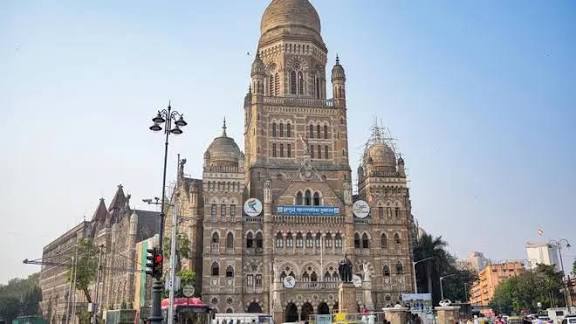
The Brihanmumbai Municipal Corporation, Asia’s richest civic body, has emerged as the focal point of the elections. Control of the BMC is seen as a gateway to political dominance in Mumbai, a city that significantly influences the state’s economy and political narrative. For decades, the undivided Shiv Sena held sway over the BMC, making it a stronghold of Marathi pride politics.

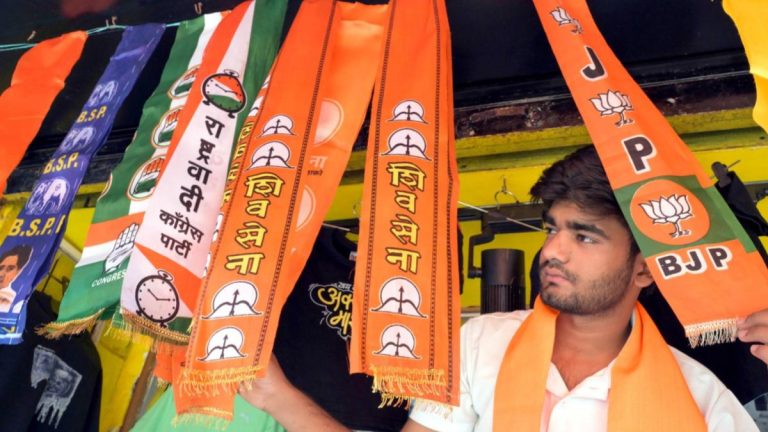
However, the political split within the Shiv Sena and the subsequent realignments have transformed the contest into a triangular battle. The BJP-led Mahayuti alliance, which includes factions of the Shiv Sena and other partners, is aiming to consolidate its hold over urban Maharashtra. On the other side, the Thackeray cousins are attempting to mobilise voters around issues of identity, civic governance and local leadership to regain control of the BMC.

Mahayuti Sees Civic Polls as a Vote of Confidence

For the BJP-led Mahayuti, the civic elections are being projected as a referendum on its governance record at the state level. The alliance has highlighted infrastructure development, metro expansion, road projects and welfare schemes as key achievements. Leaders within the alliance have expressed confidence that voters will reward stability and development-focused governance.

The Mahayuti has also invested heavily in grassroots mobilisation, candidate selection and coordinated campaigning across Mumbai, Pune, Nagpur and other cities. Party strategists believe that winning major municipal bodies will strengthen the alliance ahead of future state and national elections, while also ensuring smoother implementation of development projects.

Thackeray Cousins Seek to Reclaim Urban Influence

For the Thackeray cousins, the civic polls represent a crucial opportunity to reassert political relevance, particularly in Mumbai. Their campaign has focused on issues such as rising living costs, housing concerns, local infrastructure problems and the perceived centralisation of power.

By invoking Marathi identity and the legacy of regional politics, the Thackeray-led formations are attempting to reconnect with traditional voter bases. They have emphasised the importance of local leadership that understands Mumbai’s unique challenges, including congestion, redevelopment, environmental concerns and affordable housing.

The outcome of the BMC election is expected to play a decisive role in shaping the future trajectory of regional politics in Maharashtra, especially within the broader opposition space.

Key Issues Dominating the Civic Election Campaign

Across cities, civic issues have taken centre stage in voter conversations. In Mumbai, redevelopment of old buildings, water supply, waste management and flood mitigation remain major concerns. In Pune, traffic congestion, public transport and urban planning have emerged as key issues, while Nagpur voters are focusing on infrastructure upgrades and civic amenities.

Candidates have also been questioned on transparency in municipal functioning, accountability of elected representatives and the role of technology in improving civic services. The ability of municipal bodies to address everyday urban problems has become a decisive factor for many voters.

Security, Administration and Voter Preparedness

The state administration has made extensive arrangements to ensure smooth polling on January 15. Security has been tightened across sensitive areas, with adequate deployment of police personnel and election officials. Polling booths have been equipped with basic facilities to assist voters, and efforts have been made to encourage higher voter turnout.

Election authorities have appealed to citizens to exercise their democratic right responsibly and follow polling guidelines. Special arrangements have also been put in place to assist senior citizens, persons with disabilities and first-time voters.

Why These Civic Polls Matter Beyond Local Governance

While municipal elections are primarily about local governance, their political implications extend far beyond city limits. The results are expected to influence alliances, leadership equations and campaign strategies ahead of upcoming assembly and parliamentary contests.

A strong showing by the Mahayuti could consolidate its dominance in urban Maharashtra, while a comeback by the Thackeray cousins in the BMC would signal a resurgence of regional forces in the state’s politics. Political observers believe the outcome will offer valuable insights into voter sentiment, alliance dynamics and the evolving priorities of urban electorates.

Awaiting Verdict as Maharashtra Heads to the Polls

As Maharashtra votes on January 15, all eyes will be on Mumbai and the battle for the BMC. The civic polls are not just about electing local representatives but about shaping the political narrative of the state in the years to come. With high stakes, intense campaigning and closely fought contests, the election outcome is expected to have a lasting impact on Maharashtra’s political and administrative landscape.

Read More: https://channel6network.com/maharashtra-election-questions-answered-bmc/

Election Showdown: Maharashtra Civic Polls Tomorrow as Mumbai, Pune and Nagpur Gear Up for Key BMC and Municipal Elections 2026

Maharashtra is all set for a decisive day in its urban political calendar as civic elections for key municipal bodies, including the Brihanmumbai Municipal Corporation, Pune Municipal Corporation and Nagpur Municipal Corporation, will be held tomorrow. These elections are being closely watched as they are expected to shape the political narrative ahead of larger state-level contests. With intense campaigning coming to an end, voters across major cities are preparing to exercise their democratic right.

Maharashtra election
Maharashtra Civic Polls: Top 10 FAQs Answered

Significance of Civic Elections in Maharashtra’s Urban Governance

The civic polls are significant not just because of their scale, but also because urban local bodies play a critical role in governance, public infrastructure, healthcare, sanitation and urban development. In cities like Mumbai, Pune and Nagpur, municipal corporations manage some of the largest civic budgets in the country, making these elections crucial for both political parties and citizens.

Polling Day Timings, Voter Eligibility and Booth Guidelines

One of the most common questions among voters is about polling timings. Voting will take place from early morning and continue till evening, allowing ample time for citizens to cast their votes. Polling stations have been set up across residential areas to ensure accessibility, and voters are advised to check their booth details in advance to avoid last-minute confusion.

Another key concern is voter eligibility. Only those whose names appear on the latest electoral rolls will be allowed to vote. Authorities have repeatedly urged voters to carry a valid photo identity document to ensure smooth verification at polling booths. This is part of a broader effort to maintain transparency and prevent impersonation during the voting process.

Security Arrangements and Code of Conduct Measures

Security arrangements have been tightened across all polling areas, especially in sensitive wards. Police personnel, home guards and other security forces have been deployed to ensure peaceful voting. In some locations, additional surveillance measures have been introduced to deter any attempts at disruption. Election officials have stressed that strict action will be taken against any violations of the model code of conduct on polling day.

The role of first-time voters is also being closely observed in this election. Urban youth participation has steadily increased in recent years, with issues such as public transport, employment opportunities, environmental concerns and digital governance influencing voting choices. Many young voters see civic elections as an opportunity to directly impact their everyday lives through better local governance.

Key Issues Driving Campaigns in Mumbai, Pune and Nagpur

For political parties, these elections are a test of organisational strength and voter outreach. Campaigns in Mumbai, Pune and Nagpur have focused heavily on local issues such as road conditions, water supply, waste management and healthcare facilities. Party leaders have made competing promises, aiming to convince voters that their vision is best suited to address urban challenges.

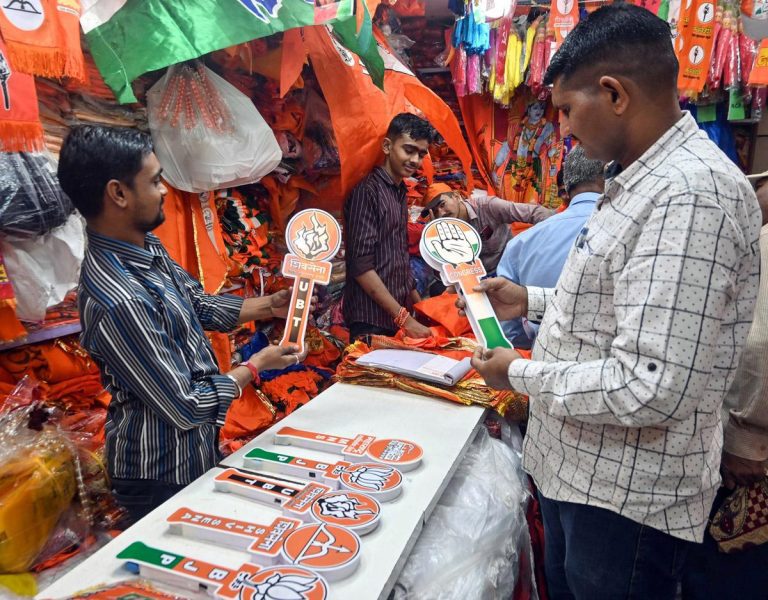
Another frequently asked question relates to what is permitted on polling day. Campaigning of any kind is prohibited near polling stations, and political symbols are not allowed within a specified radius. Voters are expected to follow instructions from polling officials and maintain order while waiting in queues. These measures are meant to ensure a neutral and intimidation-free voting environment.

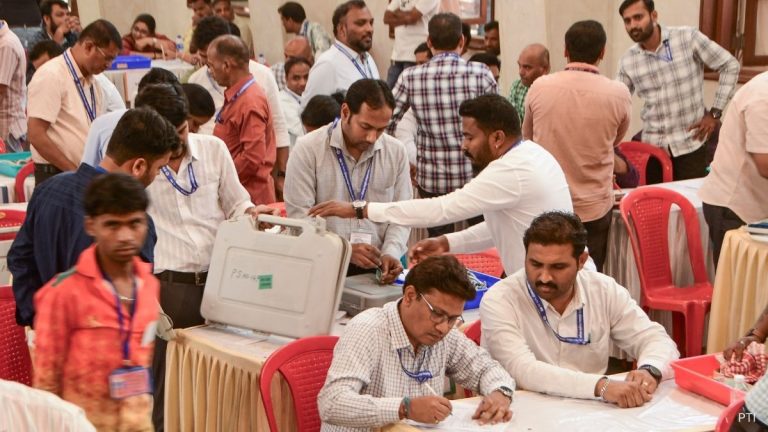
The counting of votes will take place after polling concludes, and results are expected to be declared once counting is completed. While civic elections may not always receive the same level of attention as state or national polls, their outcomes often provide early indicators of shifting political trends, alliances and voter sentiment.

Why the BMC Election Holds Special Political Weight

In Mumbai, the BMC election is particularly significant due to the corporation’s financial strength and administrative influence. Control of the civic body has long been seen as a symbol of political dominance in the city. Pune and Nagpur, too, are emerging as key urban centres where governance performance is increasingly scrutinised by an informed electorate.

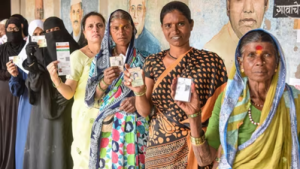
Women voters are also expected to play a crucial role in this election. Issues such as safety, healthcare access, water supply and education have featured prominently in campaign narratives. Many parties have attempted to appeal to women voters through targeted outreach and promises of improved civic services.

Voter Turnout, Counting Process and What Comes Next

As polling day arrives, election authorities have appealed to citizens to turn out in large numbers and vote responsibly. Higher voter turnout is often seen as a sign of public trust in democratic institutions and civic processes. Officials have assured voters that all necessary arrangements have been made to facilitate a smooth and fair election.

The Maharashtra civic polls are more than just a contest for municipal seats. They represent a referendum on urban governance, administrative efficiency and political accountability. For voters in Mumbai, Pune and Nagpur, tomorrow’s election offers a chance to shape the future of their cities through informed participation.

With polling hours approaching, all eyes are now on voter turnout and the eventual results. The outcomes of these elections are expected to influence political strategies, leadership equations and policy priorities in Maharashtra’s urban landscape in the months ahead.

Read More: https://channel6network.com/maharashtra-menopause-clinics-healthcare/

Maharashtra Launches Special Menopause Clinics in Government Hospitals to Strengthen Women’s Healthcare

The Maharashtra government has launched special menopause clinics in select government hospitals, marking a significant step toward addressing an often-overlooked phase in women’s healthcare. The initiative aims to provide comprehensive medical, psychological and lifestyle support to women experiencing menopause, a natural but complex biological transition that affects millions across the state.

Health officials said the clinics are designed to offer focused care for women typically aged between 45 and 55, a group that often faces symptoms such as hot flashes, sleep disturbances, hormonal imbalance, anxiety, depression, joint pain and increased risk of chronic conditions. Despite the scale of the issue, menopause-related healthcare has traditionally received limited attention in public health systems, leading many women to suffer silently or seek fragmented treatment.

National Health Portal for women’s health information

Under the new programme, designated menopause clinics have been set up within existing government hospitals, beginning with major urban centres including Pune, Mumbai and Nagpur. These clinics will operate on fixed days each week and will be staffed by trained gynecologists, physicians, counsellors and nursing staff who have received orientation on menopause-specific care. The government plans to gradually expand the initiative to district hospitals and selected rural healthcare facilities.

Maharashtra public health department launched special menopause clinics across Pune district and other government run hospitals

Officials from the state health department said the objective is not only treatment but also awareness. Many women, particularly from low- and middle-income backgrounds, are unaware that the symptoms they experience are linked to menopause and can be medically managed. The clinics will focus on early identification of symptoms, timely intervention and long-term health planning to improve quality of life.

The services offered at the menopause clinics include detailed medical consultations, hormone evaluation when necessary, screening for osteoporosis, diabetes and cardiovascular risks, and guidance on nutrition and physical activity. Mental health support forms a key component of the initiative, with counselling sessions aimed at addressing mood swings, stress, anxiety and emotional changes that often accompany menopause.

Doctors associated with the programme said that menopause is not a disease but a life stage that requires specialised care. Without proper medical attention, women may face long-term health consequences such as bone loss, heart disease and metabolic disorders. By integrating menopause care into the public healthcare system, the state hopes to reduce preventable complications and encourage women to seek help without hesitation or stigma.

The initiative also places emphasis on lifestyle modification. Women visiting the clinics will receive advice on diet, exercise, sleep hygiene and stress management tailored to menopausal needs. Educational materials in local languages are being developed to ensure accessibility and understanding across diverse communities.

Health experts welcomed the move, calling it a progressive step in women-centric healthcare policy. They noted that while maternal and reproductive health has long been a priority, midlife health issues affecting women have remained underrepresented. Dedicated menopause clinics, they said, help bridge this gap by recognising menopause as a critical public health concern rather than a private or individual issue.

The state government has indicated that the programme aligns with its broader strategy to strengthen preventive healthcare and non-communicable disease management. Since menopause increases vulnerability to conditions such as hypertension and osteoporosis, early intervention through specialised clinics could reduce the burden on tertiary healthcare facilities in the long run.

Officials added that data collected through the clinics will help policymakers understand the prevalence of menopause-related health issues and design future interventions. Patient records, while maintaining confidentiality, will contribute to better planning of women’s health services and targeted outreach programmes.

Women visiting the clinics expressed cautious optimism about the initiative. Many said that having a dedicated space within government hospitals makes them feel acknowledged and more comfortable discussing symptoms that are often dismissed or normalised. The availability of counselling alongside medical treatment was seen as particularly important, given the emotional and psychological impact menopause can have.

The programme also aims to train frontline healthcare workers, including nurses and community health staff, to identify menopause-related concerns and refer patients to the clinics. This is expected to improve outreach in semi-urban and rural areas, where access to specialised gynecological care remains limited.

Public health advocates stressed the need for sustained funding and regular monitoring to ensure the success of the initiative. They cautioned that clinics should not be limited to urban hospitals and must eventually reach smaller towns and villages to truly make an impact. Awareness campaigns, they added, will be crucial to encourage women to utilise these services without fear or embarrassment.

Maharashtra Menopause Clinics Aim to Improve Long-Term Women’s Health Outcomes

The Maharashtra government has said it will review the performance of the menopause clinics over the coming months and make adjustments based on feedback from patients and healthcare providers. If successful, the model could serve as a template for other states looking to strengthen women’s midlife healthcare services.

World Health Organization facts on ageing and menopause care

By launching special menopause clinics, Maharashtra has taken a meaningful step toward recognising and addressing the unique health challenges women face during midlife. The initiative signals a shift toward more inclusive and holistic healthcare, ensuring that women receive support not only during their reproductive years but across every stage of life.

Read More: https://channel6network.com/maharashtra-bmc-election-new-surveys-mumbai/

Who Will Win the Maharashtra BMC Election? New Surveys Reveal a Sharply Divided Mumbai

Opinion Polls Signal Tight Contest Ahead of High-Stakes BMC Election Civic Battle

Mumbai is heading into one of its most closely watched civic elections as new surveys suggest a deeply divided electorate ahead of the Brihanmumbai Municipal Corporation (BMC) polls. The BMC, often described as India’s richest civic body, controls a massive annual budget and plays a decisive role in shaping the city’s infrastructure, public services, and urban planning. With political equations in Maharashtra having changed significantly in recent years, the upcoming election is being seen as a critical test of public sentiment, party strength, and alliance strategies.

According to recent survey data, no single party appears to have a clear upper hand at this stage. Instead, Mumbai’s voters seem split across traditional loyalties, emerging alliances, and local issues, making the contest unpredictable. The findings indicate that the election outcome may depend on ward-level dynamics rather than a sweeping city-wide wave.

Mumbai’s political landscape has long been shaped by strong regional identity, urban aspirations, and governance concerns. For decades, civic politics in the city revolved around a dominant local force that built its base on Marathi pride and grassroots networks. However, splits within parties, the rise of new political alignments, and the entry of national players have altered the balance of power.

The surveys reveal that voters are evaluating parties not only on ideology but also on their record of civic governance. Issues such as road quality, drainage and flood management, housing redevelopment, waste management, and public transport are emerging as decisive factors. Many respondents indicated frustration with persistent civic problems, while others expressed hope that a change in leadership could bring administrative efficiency.

One of the key takeaways from the surveys is the fragmentation of voter preference. A significant portion of voters remains undecided, reflecting uncertainty about which political formation can deliver effective governance. This undecided bloc is particularly visible among young voters and middle-class residents, who are more focused on accountability, transparency, and urban development than traditional party narratives.

The surveys also highlight contrasting moods across different parts of the city. In central and suburban Mumbai, voters appear divided between continuity and change, with some preferring experienced local leadership and others seeking a fresh political alternative. In pockets of South Mumbai, issues like redevelopment, heritage conservation, and traffic congestion are influencing voter choices, while in the eastern and western suburbs, everyday concerns such as water supply, sanitation, and local infrastructure dominate the discourse.

Alliance arithmetic is another factor adding to the uncertainty. The evolving nature of political partnerships in Maharashtra has made it difficult for voters to predict post-election scenarios. Some survey respondents expressed concern about unstable alliances leading to governance paralysis, while others viewed coalitions as a practical necessity in a fragmented political environment.

Campaign strategies are expected to play a crucial role in shaping the final outcome. Door-to-door outreach, local meetings, and ward-specific promises are likely to be more influential than large rallies. Surveys suggest that voters are paying close attention to candidates rather than just party symbols, especially in closely contested wards where margins are expected to be thin.

Civic performance during recent crises has also influenced public perception. Flood management during monsoons, responses to infrastructure failures, and the handling of public health challenges have all left a lasting impression on voters. Many respondents said these experiences would directly affect their voting decision, indicating that governance track record may outweigh rhetoric.

Another notable trend from the surveys is the increasing importance of urban professionals and first-time voters. This group tends to rely on digital platforms and local discussions to form opinions and is less swayed by traditional campaigning. Their preferences appear issue-driven, with an emphasis on long-term planning, sustainability, and efficient service delivery.

The divided mandate indicated by surveys raises the possibility of a closely fought election with no outright winner. Analysts believe this could lead to intense post-poll negotiations and strategic bargaining. While some voters see this as a sign of democratic diversity, others worry it could delay decision-making in a city that requires swift administrative action.

Despite the uncertainty, voter engagement appears high. Survey data suggests strong awareness about the stakes involved in the BMC election, with many citizens recognizing its impact on daily life. This heightened awareness could translate into higher voter turnout, further intensifying competition among parties.

As Mumbai prepares for the polls, the central question remains unanswered: who will ultimately win control of the BMC? The surveys make one thing clear—Mumbai is politically split, and the final verdict will likely be shaped by local issues, candidate credibility, and last-mile campaigning rather than broad ideological narratives.

In the coming weeks, parties are expected to sharpen their messaging, address voter concerns more directly, and attempt to consolidate undecided voters. With the city evenly poised, the Maharashtra BMC election promises to be a defining moment in Mumbai’s civic and political journey.

Read More: https://channel6network.com/maharashtra-civic-polls-door-campaign-curbs/

Maharashtra Civic Polls 2026: Strict Curbs as Microphones and Large Groups Barred During Door-to-Door Campaigns

Election Commission Tightens Rules to Ensure Orderly and Fair Campaigning

The State Election Commission has introduced stricter guidelines for door-to-door campaigning ahead of the Maharashtra civic polls 2026, placing a ban on the use of microphones and restricting the size of groups involved in canvassing activities. The move is aimed at maintaining public order, reducing noise pollution and ensuring a level playing field for all political parties during the crucial final phase of campaigning.

As civic elections approach across major municipal corporations and councils in Maharashtra, election authorities have emphasised the need for disciplined campaigning that does not inconvenience residents or disrupt daily life. Door-to-door campaigns, which are a key outreach method for candidates seeking direct voter interaction, will now have to be conducted without loudspeakers or large entourages.

According to the revised guidelines, candidates and their supporters are permitted to approach voters in small groups, focusing on personal interaction rather than public display. The restrictions apply uniformly to all political parties and independent candidates contesting the civic polls.

What the New Campaigning Rules Say

Under the new norms, political workers engaging in door-to-door campaigning must do so quietly and in limited numbers. The use of microphones, loudspeakers or any sound-amplifying equipment has been explicitly prohibited. Election officials have clarified that the intent is to prevent noise-related complaints and avoid disturbances in residential areas, particularly in densely populated urban localities.

The guidelines also limit the number of people who can accompany a candidate during such campaigns. While exact numbers may vary based on local instructions, the emphasis is on keeping groups small enough to avoid crowding, traffic obstruction or intimidation of voters. Authorities have warned that violations of these norms could invite action under election rules, including warnings, fines or other penalties.

Election officers at the ward and municipal levels have been directed to monitor campaigning activities closely and respond promptly to complaints from citizens.

Reasons Behind the Restrictions

The decision to curb the use of microphones and large groups stems from recurring complaints during previous elections. Residents have often raised concerns about excessive noise, congestion in narrow lanes and disruption of daily routines caused by aggressive campaigning. With civic elections involving hundreds of candidates across urban and semi-urban areas, unregulated campaigning can quickly become chaotic.

Officials have also pointed out that door-to-door campaigning is meant to encourage meaningful dialogue between candidates and voters. Loudspeakers and large entourages, they argue, undermine this purpose by turning a personal interaction into a public spectacle.

By enforcing these restrictions, the Election Commission aims to strike a balance between allowing political outreach and protecting citizens’ right to peace and privacy.

Maharashtra election
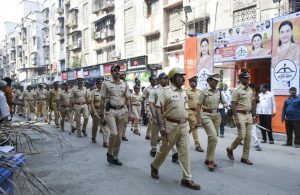
Police personnel carry out a route march amid heightened security on the last day of campaigning for the civic elections, in Mumbai, on January 13, 2026. | Photo Credit: PTI

Impact on Political Campaign Strategies

The new rules are expected to significantly influence how parties and candidates plan their ground campaigns. Traditional methods that rely on visible show of strength may have to be scaled down in favour of more focused, interpersonal engagement. Candidates will need to rely on smaller teams trained to communicate key messages effectively without the aid of amplification.

This shift could benefit candidates with strong local connections and grassroots credibility, as personal rapport with voters becomes more important than large-scale mobilisation. Political parties may also invest more in alternative outreach methods such as pamphlets, small meetings within permitted limits and digital communication to complement door-to-door efforts.

Campaign managers are now recalibrating schedules to ensure compliance with the rules while maximising voter contact within the allowed framework.

Reactions From Political Parties

Reactions from political circles have been mixed. Some parties have welcomed the move, stating that it will reduce unnecessary noise and ensure fair competition. They argue that quieter, smaller campaigns allow voters to engage without feeling pressured or overwhelmed.

Others, however, have expressed concerns that the restrictions could disadvantage parties that rely heavily on volunteer-driven outreach. Smaller groups and newer candidates may find it challenging to cover large areas within limited timeframes. Despite these concerns, most parties have indicated that they will comply with the guidelines to avoid legal complications.

Political observers note that while such rules may initially appear restrictive, they often lead to more civil and issue-focused campaigning.

Role of Election Authorities and Enforcement

To ensure effective implementation, the State Election Commission has instructed local election officers, police personnel and flying squads to keep a close watch on campaigning activities. Citizens have been encouraged to report violations, particularly those related to noise pollution or crowding.

Officials have stressed that enforcement will be uniform and impartial. Any candidate found flouting the rules, regardless of party affiliation, will face action as per the election code. The emphasis, authorities say, is not on punishment but on ensuring compliance and maintaining public confidence in the electoral process.

Clear communication of the rules to candidates and party workers is also being prioritised to prevent unintentional violations.

What Voters Should Know

For voters, the new guidelines mean a quieter and more orderly election atmosphere in residential areas. Citizens can expect door-to-door visits to be brief, less intrusive and focused on conversation rather than slogans or announcements.

Voters are also encouraged to be aware of their rights during campaigning. They are not obligated to engage with campaigners and can report any activities that violate election norms. The Election Commission has reiterated that voter comfort and safety remain central to its approach.

The rules are part of a broader effort to improve the quality of civic elections and ensure that campaigning does not interfere with everyday life.

Significance for the 2026 Civic Polls

The Maharashtra civic polls 2026 are being closely watched as they will shape the governance of major urban centres for the next term. Municipal bodies play a crucial role in managing infrastructure, public health, sanitation and local development.

By tightening campaign norms, the Election Commission aims to create an environment where voters can make informed choices without undue pressure or disruption. The effectiveness of these measures will likely influence how future local body elections are conducted.

As campaigning intensifies in the coming days, adherence to these guidelines will be a key test for political parties and candidates.

Looking Ahead

With polling day approaching, the focus will remain on ensuring a smooth and peaceful election process. The success of the new restrictions will depend on cooperation from political stakeholders and vigilant enforcement by authorities.

If implemented effectively, the ban on microphones and large groups during door-to-door campaigns could set a precedent for more citizen-friendly elections in Maharashtra. For now, candidates are adapting to the new rules as they seek to connect with voters in a more restrained and personal manner.

Read More: https://channel6network.com/raj-thackeray-sec-late-campaigning-2026/

Maharashtra Civic Elections 2026: Raj Thackeray’s Sharp Challenge to SEC Over Controversial Late Campaigning Move

MNS Chief Raises Concerns Over Election Fairness and Democratic Space

Maharashtra Navnirman Sena chief Raj Thackeray has questioned the State Election Commission’s decision related to restrictions on late-stage campaigning ahead of the Maharashtra civic elections 2026, triggering a fresh political debate over electoral fairness and democratic freedoms. Thackeray’s remarks come at a time when political activity across the state has intensified, particularly in urban centres where municipal polls are seen as crucial indicators of voter mood.

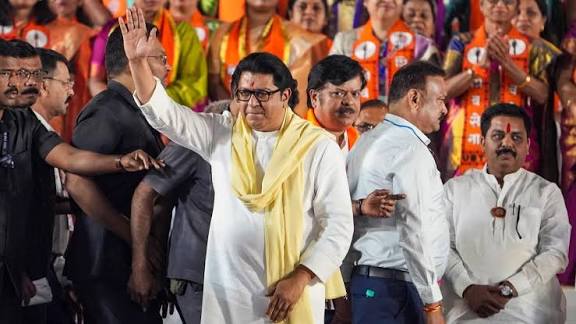
Addressing party workers and supporters, Raj Thackeray expressed concern over what he described as selective enforcement of election norms. He argued that limiting campaigning during the final phase of elections could disadvantage certain parties and candidates, especially those that rely heavily on direct public interaction rather than large-scale organisational machinery. According to him, the decision raises questions about whether all political players are being treated equally.

The civic elections are expected to witness fierce contests across major municipal corporations, including Mumbai, Thane, Pune and Nagpur. In this backdrop, Thackeray’s comments have added a new dimension to the campaign narrative, shifting focus from traditional issues like development and governance to the conduct of the electoral process itself.

What the SEC Decision Means for Campaigning

The State Election Commission’s move pertains to restrictions imposed on campaigning activities during the final hours leading up to polling day. While such measures are generally aimed at maintaining law and order and ensuring a level playing field, Raj Thackeray questioned the timing and interpretation of these rules. He suggested that the restrictions could curb legitimate political expression and outreach efforts, particularly for parties that gain momentum closer to polling day.

Thackeray maintained that campaigning is a vital part of democratic engagement and that voters deserve the opportunity to hear all viewpoints until the legally permitted deadline. He stressed that any ambiguity in rules or uneven implementation could erode public trust in the election process. His party has sought greater clarity from the election authorities regarding how the rules will be enforced on the ground.

Political observers note that restrictions on late campaigning often become contentious during closely fought elections, as even small advantages can influence outcomes in tightly contested wards.

Raj Thackeray’s Broader Political Message

Beyond procedural concerns, Raj Thackeray used the issue to reiterate his party’s broader stance on democracy and transparency. He emphasised that civic elections should be conducted in a manner that encourages participation rather than discouraging it. According to him, municipal polls directly impact citizens’ daily lives, making it essential that the process remains open, fair and inclusive.

He also highlighted the role of smaller and regional parties in civic governance, arguing that restrictions on campaigning disproportionately affect groups without extensive financial or organisational resources. By raising this issue, Thackeray positioned himself as a defender of political plurality and grassroots democracy.

The MNS has been attempting to reassert its relevance in Maharashtra’s urban political landscape, and taking a strong stand on electoral conduct aligns with its strategy of appealing to voters who feel disillusioned with mainstream politics.

Reactions From Political Circles

Thackeray’s comments have drawn mixed reactions from other political parties. While some leaders privately agree that clarity and consistency in election rules are essential, others argue that the SEC’s measures are standard practice designed to prevent last-minute inducements and maintain peace. They point out that similar restrictions have been enforced in previous elections as well.

Election experts have also weighed in, noting that the balance between regulation and freedom is delicate. While the election authority has a mandate to ensure orderly polling, it must also safeguard democratic rights. Any perception of bias or arbitrariness, they say, can undermine the credibility of the electoral process.

As discussions continue, the SEC has maintained that its decisions are guided solely by legal provisions and past precedents, and that all parties are expected to comply equally.

Impact on Civic Election Campaigns

The controversy has the potential to influence how parties approach the final days of campaigning. Some may front-load their outreach efforts, intensifying activities earlier to avoid last-minute restrictions. Others could focus more on digital platforms and indirect communication to stay connected with voters within the rules.

For voters, the debate has highlighted the importance of understanding election regulations and their implications. Civic elections often receive less attention than state or national polls, but they play a crucial role in shaping urban governance. Issues like road maintenance, waste management, water supply and local infrastructure depend heavily on municipal leadership.

Raj Thackeray’s intervention has brought procedural fairness into the spotlight, reminding voters that how elections are conducted is just as important as who wins them.

Why the Issue Matters Ahead of Polling Day

With polling day approaching, the focus is likely to remain on both political messaging and administrative preparedness. Any unresolved concerns over campaigning rules could become flashpoints in the final stretch of the election. Parties may seek formal clarifications or even legal remedies if they believe the rules are being applied unfairly.

The civic elections are seen as a test of organisational strength, voter mobilisation and public perception for all major and regional parties. In such a competitive environment, even procedural decisions can acquire political significance.

Raj Thackeray’s questioning of the SEC move underscores the heightened sensitivity surrounding the 2026 civic polls and reflects broader anxieties about maintaining democratic norms in an increasingly competitive political arena.

Looking Ahead

As Maharashtra moves closer to the civic elections, attention will be on how the election authorities respond to concerns raised by political leaders. Clear communication and transparent enforcement of rules will be key to ensuring a smooth polling process.

For Raj Thackeray and the MNS, the issue provides an opportunity to position themselves as vocal advocates for electoral fairness. For voters, it serves as a reminder that civic participation extends beyond casting a vote to engaging with the democratic process as a whole.

The coming days will reveal whether the controversy over late campaigning leads to any changes or clarifications, or whether it remains another flashpoint in an already intense election season.

Read More: https://channel6network.com/bmc-elections-rise-of-fluid-alliances/

BMC Elections 2026: The Rise of Fluid Alliances Reshaping Mumbai’s Political Landscape

Shifting Coalitions Set the Tone for a High-Stakes Civic Battle

Mumbai is heading into one of its most unpredictable Brihanmumbai Municipal Corporation elections in recent history as political parties abandon rigid alliances and embrace flexible, interest-based partnerships. With the BMC controlling a massive budget and overseeing the civic needs of India’s financial capital, the 2026 election has become a critical battleground not just for local governance but also for broader political influence in Maharashtra. What makes this election different from earlier contests is the emergence of fluid alliances, where traditional friends and foes are rethinking their positions based on electoral arithmetic, voter sentiment and strategic advantage.

For decades, Mumbai’s municipal politics were dominated by stable coalitions built around ideology and long-standing party loyalties. That stability has now given way to a more pragmatic and transactional style of politics. Parties are no longer hesitant to explore short-term alliances, even with rivals, if it helps them secure control over key wards or improve their chances of forming the civic body. This shift reflects both changes in voter behaviour and the growing fragmentation of political power in Maharashtra.

The BMC election is especially important because it offers a glimpse into how political forces are repositioning themselves ahead of future state and national contests. Control over Mumbai’s civic administration provides not only financial resources but also organisational strength, making it a valuable prize for every party involved.

Why Alliances in Mumbai Are Becoming More Flexible

One of the main reasons behind the rise of fluid alliances is the decline of single-party dominance in urban areas. Mumbai’s electorate has become more diverse, with voters prioritising local issues such as infrastructure, housing, cleanliness and transport over rigid party loyalties. This has forced political parties to adapt their strategies, often by teaming up with others who have a strong presence in specific neighbourhoods or communities.

Another factor is the fragmentation within traditional political groups. Splits within parties and the emergence of new factions have reshaped the political map of the city. Instead of clear-cut ideological camps, Mumbai now has multiple power centres, each with its own support base. In this environment, alliances are increasingly shaped by ward-level calculations rather than state-level ideologies.

Leaders are also aware that voters are less tolerant of prolonged political stalemates. Flexible alliances allow parties to negotiate power-sharing arrangements more quickly after results are declared, ensuring that civic governance does not remain paralysed. As a result, many parties are keeping their options open, refusing to commit to any one partner too early in the campaign.

The Role of Regional and Local Parties

Regional and local parties have emerged as key players in this new political order. Their strong grassroots networks and deep understanding of neighbourhood issues make them valuable allies for larger parties seeking to expand their reach. In many wards, these smaller groups can influence outcomes by mobilising specific voter segments, from housing society residents to informal settlement communities.

Rather than aligning themselves permanently with one major party, many regional players are choosing to negotiate issue-based or seat-based agreements. This gives them greater bargaining power and ensures that their local priorities are addressed in any post-election arrangement. For the bigger parties, partnering with these groups can help bridge gaps in areas where their own organisational presence is weak.

This dynamic has made Mumbai’s political landscape far more competitive. Voters are no longer presented with just two or three predictable choices but with a range of alliances that reflect local needs and political realities.

Impact on Campaign Strategies

Fluid alliances have significantly changed how parties conduct their campaigns. Instead of focusing solely on attacking rivals, many leaders are careful to avoid burning bridges that might be useful after the election. Public statements are more measured, and there is a greater emphasis on showcasing governance credentials and development plans.

Candidates are also tailoring their messages to appeal to a broader audience. Since alliances can shift, it is important for individual leaders to maintain a personal rapport with voters that goes beyond party lines. This has led to more community-focused campaigning, with candidates highlighting their track record in addressing neighbourhood problems and working across political divides.

Social media and digital outreach have further amplified this trend, allowing candidates to directly communicate their priorities and negotiate informal understandings with supporters of other parties.

Challenges Posed by Fluid Alliances

While flexible coalitions offer strategic advantages, they also bring challenges. One of the biggest risks is instability in governance. If alliances are formed purely for electoral gain without a shared vision, they may struggle to function effectively once in power. Disagreements over policy, budgets and administrative appointments can lead to frequent conflicts within the civic body.

There is also the risk of voter confusion. When parties that were once rivals come together, some supporters may feel betrayed or unsure about what their chosen party truly stands for. This can affect turnout and trust, especially if alliances change too often.

Moreover, fluid alliances can sometimes prioritise political convenience over long-term urban planning. Critics argue that when coalitions are built on short-term deals, there is less incentive to invest in sustained development projects that require continuity and cooperation.

What This Means for Mumbai’s Governance

For Mumbai, the rise of fluid alliances could be both an opportunity and a challenge. On one hand, it allows for more inclusive governance, bringing together diverse voices and perspectives. This can lead to more balanced decision-making and a greater focus on local needs.

On the other hand, the success of this model depends on how well allied parties work together after the election. Effective leadership and clear agreements will be essential to ensure that civic administration remains stable and responsive.

As Mumbai faces growing pressures from population growth, climate change and infrastructure demands, the ability of the BMC to function smoothly will be critical. Voters will be watching closely to see whether new-style alliances can deliver better results than the old political order.

Looking Ahead to the 2026 BMC Polls

The 2026 BMC elections are shaping up to be a test case for this evolving political culture. Parties are expected to continue exploring multiple alliance options right up until the final stages of the campaign. Post-poll negotiations are also likely to be intense, as no single group may secure an outright majority.

For citizens, this means the election is not just about choosing a party but about deciding which combinations of leaders and groups are most capable of governing Mumbai effectively. The outcome will set the tone for civic politics in the city for years to come.

As the campaign unfolds, one thing is clear: the era of fixed alliances in Mumbai is giving way to a more fluid and dynamic political environment, reflecting both the complexity of the city and the changing expectations of its voters.

Read More: https://channel6network.com/fadnavis-bold-mumbai-maharashtra-bmc-polls/