Thursday, March 5, 2026
Home Blog Page 8

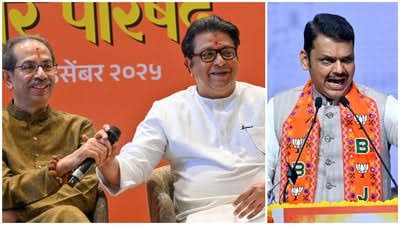
Nobody’s Father Can Separate Mumbai From Maharashtra’: Fadnavis’ Bold and Defiant Hit at Uddhav, Raj Thackeray Ahead of BMC Polls 2026

Maharashtra Chief Minister Devendra Fadnavis has launched a fierce rebuttal to political rivals Uddhav Thackeray and Raj Thackeray, following remarks by the Thackeray cousins that the Brihanmumbai Municipal Corporation elections could be pivotal for the future of Marathi people and their influence in Mumbai. Speaking at a major election rally in Mumbai, Fadnavis asserted that no one, regardless of lineage or political standing, can separate Mumbai from Maharashtra, underscoring the city’s deep cultural and historical ties to the state. His comments marked a significant escalation in the rhetoric ahead of the high-stakes civic polls scheduled for January 15, 2026, where control of India’s richest municipal body is up for grabs.

Fadnavis’s remarks came amid intense campaigning, with parties across the political spectrum amplifying issues like regional pride, identity politics and governance records. The chief minister’s statement was aimed not only at countering the Thackerays’ narrative but also at reassuring Marathi voters and undecided citizens that Mumbai’s future will remain firmly within the fabric of Maharashtra’s political and cultural identity.

Fadnavis Declares Mumbai Inseparable From Maharashtra

Addressing supporters at a rally in Shivaji Park, Fadnavis took aim at the opposition, claiming that attempts to frame the BMC election as a struggle for cultural survival were misleading and emotionally charged for political gain. He argued that Mumbai’s status as part of Maharashtra is unassailable and rooted in the collective will of its residents, not subject to change by any political figure or family legacy.

Fadnavis reiterated that Mumbai’s development and integration with the rest of the state should transcend factional battles and that attempts to create division over identity were distractions from substantive issues like civic infrastructure, public services and administrative efficiency. In his speech, he emphasised that the election should be about governance performance and citizens’ welfare rather than symbolic assertions of regional belonging.
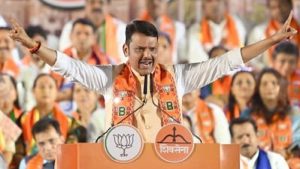
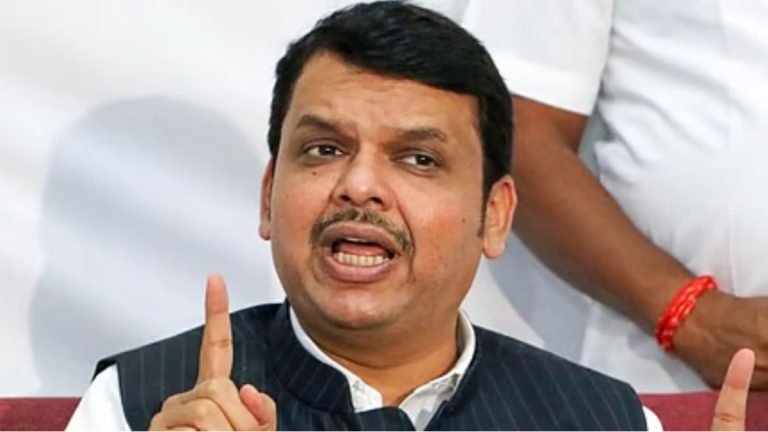
CM Devendra Fadnavis at the rally at Shivaji Park in Dadar on Monday.

Context of the Thackeray Comments

Earlier in the campaign cycle, Uddhav Thackeray and Raj Thackeray had sought to cast the civic polls as a defining moment for Marathi speakers in Mumbai. They raised concerns that the demographic and political dynamics of the city were shifting in ways that could marginalise local Maharashtrian interests if not countered effectively at the ballot box. Critics of the chief minister’s narrative have sometimes described these fears as part of a broader strategy to mobilise voters on cultural lines.

The Thackerays’ focus on identity politics has resonated with segments of the electorate who see Mumbai’s rapid growth and influx of new residents as diluting the influence of traditional Marathi communities. This sentiment has been a recurring theme in Maharashtra politics, particularly in urban centres where economic expansion and migration have transformed social structures.

Political Strategy and Appeal to Marathi Voters

In his rebuttal, Fadnavis also highlighted the importance of inclusive development and inclusive governance. He stressed that policies benefiting all residents, regardless of linguistic or community background, would strengthen Mumbai’s role as a global city while honouring its roots in Maharashtra’s history. Critics argue that such a message also serves to broaden voter appeal beyond narrow identity segments and underscores the ruling alliance’s focus on administrative performance.

The chief minister further noted that while Marathi remains a critical cultural element and is emphasised in educational policy, the political narrative should not devolve into exclusionary rhetoric. He called for substantive dialogues on urban challenges such as infrastructure, sanitation and housing, suggesting that tangible governance outcomes should be central to electoral decision-making.

Reactions From Opposition Leaders

In response to Fadnavis’s comments, leaders from the Thackeray alliance have defended their emphasis on cultural issues, asserting that safeguarding the interests of the Marathi people in Mumbai is not about exclusion but about preserving heritage and ensuring equitable representation. They argue that rapid urban growth and political realignments have left traditional communities feeling overlooked, making identity issues legitimate for electoral debate.

Some opposition voices contend that the ruling party’s response has at times downplayed the emotional and historical significance of such concerns, framing them instead as political tactics rather than genuine grassroots sentiments. However, both sides agree that the upcoming BMC polls will serve as a key indicator of how voters balance identity narratives with governance performance.

Voter Considerations in the BMC Election

As the civic polls approach, voters in Mumbai have been weighing a range of issues. Beyond debates over identity, many residents are focused on practical concerns such as traffic congestion, noise and air pollution, waste management, water supply, housing affordability and public health infrastructure. These everyday challenges form an important backdrop to the political campaigns of all parties, and their prominence in voter priorities suggests that the outcome may hinge on how well candidates articulate solutions to these problems.

Analysts note that while emotive appeals can energise specific voter bases, pragmatic governance issues often drive broader electoral outcomes. In a city as diverse and fast-paced as Mumbai, balancing cultural pride with policy effectiveness could prove decisive in determining which party or alliance gains control of the BMC’s significant budget and administrative authority.

Significance of Mumbai’s Role in Maharashtra Politics

Mumbai’s political importance extends far beyond its municipal boundaries. As India’s financial capital and a hub of economic activity, decisions made at the BMC level can have cascading effects on regional development, investment flows and public policy priorities across Maharashtra. Control of the municipal corporation typically affords considerable influence over urban planning, resource allocation and civic service delivery — factors that underscore why the city’s elections attract heated debate and high-profile interventions.

Fadnavis’s insistence on Mumbai’s inseparability from Maharashtra can thus be seen as both a cultural assertion and a strategic appeal to voters who see the city’s identity as intertwined with their own sense of belonging and future prospects.

Looking Ahead to Polling Day

With election day approaching, both the Mahayuti alliance led by Fadnavis and opposition forces including the Thackeray duo are intensifying their outreach efforts across Mumbai’s wards. Campaigns are focusing on town halls, public meetings, community events and door-to-door engagement as they seek to mobilise supporters on multiple fronts. While debates over cultural identity and political narratives will continue, the practical concerns of urban governance are likely to remain central to voter decision-making.

As Mumbai prepares for voting, the rivalry between different political leaders underscores the competitive nature of civic politics in the city and highlights how elections to local bodies like the BMC can reflect broader currents in state and national discourse.

Read More: https://channel6network.com/wp-admin/post.php?post=66981&action=edit
January 15 BMC Polls 2026: From Schools to Offices, What’s Closed and What’s Open in Mumbai in a Crucial and Smooth Process

Mumbai is set to witness a crucial democratic exercise on January 15 as voters step out to participate in the Brihanmumbai Municipal Corporation elections. With civic polls being held across the city, the Maharashtra government has declared the day as a public holiday in several areas to ensure maximum voter turnout. This has created widespread interest among residents, students, office-goers, and business owners about what will remain open and what will be closed on this important Wednesday. From educational institutions to government offices and essential services, the city’s daily rhythm will see a noticeable shift as polling day approaches.

Public Holiday and Government Office Closures

The declaration of a public holiday applies mainly to government and civic body offices within the Mumbai municipal limits. This means municipal offices, state government departments located in the city, and other public sector establishments will remain closed for routine work. However, emergency services and essential administrative wings will continue to operate to ensure that citizens do not face inconvenience. Private companies are not legally bound to shut down, but many employers have been advised to allow flexible work hours or paid leave so that employees can exercise their right to vote without any pressure.

BMC polls 2025: The civic polls are scheduled to take place across several cities of Maharashtra on January 15.

Schools, Banks and Essential Services on Polling Day

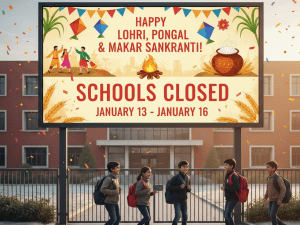
Schools and colleges in Mumbai will remain closed on January 15 as they are commonly used as polling stations. Many educational institutions also serve as counting and security hubs during elections, making it impractical to hold classes on the same day. Parents have been informed in advance to make alternative arrangements for their children. While online classes may be conducted by some private schools, most are expected to observe a full holiday. Universities and professional institutes are also likely to suspend examinations or reschedule them to avoid clashes with polling operations.

Banks and financial institutions have been a point of concern for many residents, especially those who need to complete urgent transactions. Since January 15 has been declared a public holiday for civic polls, public sector banks and cooperative banks in Mumbai will remain closed. However, private banks may operate with reduced staff depending on internal policies. Digital banking services such as mobile apps, net banking, UPI payments, and ATM withdrawals will continue to function normally, allowing people to manage their finances even if physical branches are shut.

Post offices, municipal service counters, and government-run customer service centers will also remain closed for regular operations. This includes facilities related to property tax payments, water bill collection, and document verification. Citizens are advised to complete any urgent official work before January 15 or wait until the next working day. Emergency helplines, disaster management units, and hospitals will operate as usual to ensure public safety and healthcare services are not disrupted.

Public transport will continue to play a crucial role on polling day. BEST buses, suburban local trains, metro services, and taxis will operate normally across Mumbai. In fact, additional transport arrangements are often made on election days to help voters reach polling booths easily. Authorities have indicated that special routes and shuttle services may be introduced in some areas, especially in densely populated wards. Traffic police will also be deployed in large numbers to manage congestion near polling centers and ensure smooth movement of voters.

Markets, grocery stores, pharmacies, and essential retail outlets will remain open. There is no restriction on the operation of shops selling daily necessities, food items, or medicines. Restaurants, malls, and entertainment venues may also remain open, although footfall could be lower due to the public holiday and election-related restrictions. Some areas around polling booths may have temporary security zones where movement is regulated, which could affect nearby businesses for a few hours.

Private offices and corporate workplaces will follow different approaches. While some companies may declare a full-day holiday, others may operate with reduced staff or allow work-from-home options. The key requirement is that employers must give their employees enough time to vote. This means workers cannot be denied leave or penalized for stepping out to cast their ballot. Many firms in Mumbai have already circulated internal notices encouraging employees to participate in the democratic process.

Why January 15 Is Crucial for Mumbai

Security will be tight across the city on January 15. Police, home guards, and central security forces will be deployed at polling stations, sensitive areas, and key junctions. Alcohol sales will be banned in Mumbai from the evening of January 13 until the end of polling on January 15 as part of the dry day regulations. This is a standard practice during elections to maintain law and order and prevent any disturbances.

As Mumbai gears up for this important civic exercise, residents are being urged to check their voter details, locate their polling booths, and plan their day accordingly. While certain services will be unavailable due to the public holiday, most essential facilities will remain functional. January 15 will not only decide the future leadership of the Brihanmumbai Municipal Corporation but will also showcase the city’s commitment to democratic participation.

For many citizens, the day offers a chance to step away from their usual routine and take part in shaping Mumbai’s local governance. Whether you are a student enjoying a day off, an office-goer heading to the polling booth, or a business owner keeping your shop open, the spirit of democracy will be visible across the city. As Mumbai balances civic duty with everyday life, January 15 promises to be a day of both participation and responsibility.

Read More: https://channel6network.com/maharashtra-makar-sankranti-school-holiday/

Breaking Good News: Maharashtra Makar Sankranti Schools Closed — 14 or 15? Latest Update for Mumbai and Other Cities

Makar Sankranti is one of the most widely celebrated festivals in Maharashtra, marking the transition of the sun into Capricorn and symbolizing new beginnings, harvest, and positivity. Every year, families across the state observe the day with traditional sweets, kite flying, and community gatherings. However, as the festival approaches in 2026, a familiar question has once again emerged among parents, students, and school authorities: on which day will schools remain closed, January 14 or January 15?

The uncertainty this year is mainly due to the way the festival date is calculated. Makar Sankranti is not based on the lunar calendar like many other Indian festivals but on the solar calendar. The festival is observed when the sun enters the zodiac sign of Makara or Capricorn. In 2026, this astronomical transition is taking place late on January 14, which has led to confusion over whether the holiday should be declared on January 14 or January 15.

In Maharashtra, school holidays are usually announced by the state education department and local district authorities based on official government calendars. These calendars are prepared well in advance and include holidays for national events, religious festivals, and regional observances. For Makar Sankranti, the holiday date can sometimes vary depending on the time of the solar transition and regional traditions.

Makar Sankranti

For the academic year 2025–26, many schools in Maharashtra had initially listed January 14 as the Makar Sankranti holiday in their tentative calendars. This is because January 14 is traditionally associated with Sankranti in most parts of India, including Maharashtra. Over the decades, people have grown accustomed to celebrating the festival on this date, even if the actual astrological moment occurs late in the day.

However, this year the sun enters Capricorn close to midnight on January 14, making January 15 the first full day of Makara according to astrological calculations. This has prompted discussions among cultural bodies and some educational institutions about whether January 15 should be considered the more accurate festival day.

In Mumbai and several other cities, parents began receiving mixed messages from schools and local groups as the festival approached. Some private schools informed parents that classes would remain suspended on January 14, as per the original academic calendar. Others hinted that January 15 might be observed as a holiday instead, especially if the state government issues a revised circular.

The Maharashtra education department has clarified in recent updates that, unless officially revised, the holiday mentioned in the state school calendar will remain valid. This means that for most government and aided schools, January 14 is expected to be the official Makar Sankranti holiday. Students and teachers in these institutions can therefore plan their festival celebrations without worrying about a sudden change.

Private schools, however, have some flexibility in how they observe holidays, as long as they meet the minimum working day requirements set by education boards. Some private institutions, especially those following certain cultural or astrological guidelines, may choose to give a holiday on January 15 instead of or in addition to January 14. This is why parents are being advised to check directly with their school management for confirmation.

The confusion has also been amplified by social media posts and forwarded messages claiming that the holiday has been shifted to January 15 across Maharashtra. Education officials have urged people not to rely on unverified information and to wait for official communication from their school or the education department.

For students, the holiday is an important break in the middle of the academic term. Makar Sankranti often falls close to exam periods in many schools, making the festival break a welcome opportunity to relax and spend time with family. In rural areas, where the festival is also linked to harvest celebrations, the holiday holds even greater cultural importance.

In Mumbai and other urban centers, Makar Sankranti is marked by kite flying, terrace gatherings, and the exchange of tilgul and other traditional sweets. Schools often organize cultural programs and special assemblies around this time, which further highlights the significance of the festival in the educational environment.

If the holiday remains on January 14 as expected, schools will reopen on January 15 and continue with their regular schedules. If any institution decides to observe the holiday on January 15 instead, January 14 may be treated as a regular working day or used for limited academic activities.

Parents who are planning travel or family gatherings around the festival should keep a close eye on messages from their child’s school. Most schools will send official notices through their communication apps, emails, or diaries to confirm the exact holiday date.

Official Holiday Status for Makar Sankranti and What Parents Should Know

As of now, the latest updates indicate that January 14 will be the primary Makar Sankranti holiday for most schools across Maharashtra, including Mumbai. Any deviation from this will depend on individual school policies and any last-minute directives from local authorities.

With the festival just around the corner, families are hoping for clarity so they can enjoy the celebrations without academic worries. Whether the holiday falls on January 14 or 15, the spirit of Makar Sankranti remains the same, bringing warmth, joy, and a sense of renewal to homes across Maharashtra.

Read More: https://channel6network.com/nhrc-ratnagiri-school-pollution/

NHRC Takes Cognisance of Complaint by Ratnagiri Urdu School Students Over Dust and Noise Pollution From Bauxite Mining

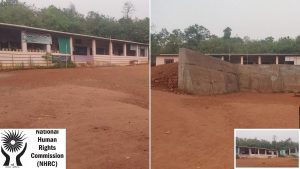
The National Human Rights Commission (NHRC) has taken suo motu cognisance of a complaint filed by students and parents of a local Urdu medium school in Ratnagiri district, raising serious concerns about the impact of dust and noise pollution caused by nearby bauxite mining operations. The move comes amid mounting community distress over environmental degradation and its effect on public health, particularly that of children attending the school.

The complainants allege that the sustained pollution from the mining site has created hazardous conditions, with fine particulate matter settling on school premises and noise levels frequently disrupting classes. The NHRC’s decision to intervene underscores the gravity of the situation and the authorities’ responsibility to address environmental rights alongside human rights obligations.

Students and Parents Raise Alarm Over Pollution Impact

Students from the Urdu school, backed by their parents and local community leaders, submitted written representations to the NHRC detailing their grievances. According to the complaint, dust from the bauxite mining activities drifts directly onto school grounds, covering textbooks, classroom furniture and playground areas. The effect, students say, is not only discomfort but health-related issues such as persistent coughing, eye irritation and breathing difficulties.

Parents have echoed these concerns, asserting that the mining site’s operations have intensified over recent months without adequate mitigation measures. Many families have reported that children have been falling sick more frequently, particularly with respiratory problems and allergic reactions. These complaints highlight the intersection of environmental degradation and children’s right to education and health.

The noise pollution emanating from heavy machinery and blasting operations at the mine has also been cited as a significant disturbance. School authorities claim that the constant clatter makes it difficult for teachers and students to maintain normal classroom functioning, affecting students’ concentration and learning outcomes.

NHRC Orders Response From State Government

In response to the complaint, the NHRC issued notices to the Maharashtra state government and relevant environmental regulatory authorities, asking for a detailed report on the situation. The commission has sought information on the measures taken by state agencies to monitor and control dust and noise pollution stemming from mining activities near the school.

The NHRC’s intervention is significant because it compels the government to justify existing monitoring systems and mitigation efforts. It also places the spotlight on enforcement of environmental norms stipulated under national and state pollution control regulations. The commission is expected to review the responses and may recommend corrective action if the situation is found to violate statutory norms or human rights standards.

Civil society advocates have welcomed the NHRC’s step, saying that it sends a strong message that environmental rights, particularly for vulnerable groups such as children, are inseparable from fundamental human rights. They argue that schools should be safe and healthy spaces, free from pollution that can imperil students’ wellbeing.

NHRC
The National Human Rights Commission has sought reports from Ratnagiri district authorities and the Maharashtra Pollution Control Board over pollution caused by bauxite mining near an Urdu school | File Photo

Bauxite Mining and Environmental Concerns in Ratnagiri

Ratnagiri district, located in the Konkan region of Maharashtra, has natural deposits of bauxite, an ore used in aluminium production. Mining companies have been active in the region for several years, contributing to local employment and economic activity. However, environmental activists and residents have long raised concerns about the ecological impact of extraction processes, including deforestation, soil erosion, water contamination and air pollution.

Bauxite mining typically involves removing topsoil and vegetation cover, which can loosen soil and increase dust dispersion. When mining is close to residential areas or public institutions like schools, the risk of pollution affecting daily life increases significantly. Noise pollution from drilling, blasting and heavy vehicle movement further compounds community grievances.

The Maharashtra Pollution Control Board (MPCB) has set standards to regulate dust emissions and noise levels from industrial activities, including mining. Nevertheless, enforcement of these standards is often a point of contention in areas where economic interests intersect with environmental protection.

Community Voices and Local Response

Local residents and community representatives have been vocal about the urgency of addressing pollution near the school. Many parents have expressed frustration at what they see as slow or insufficient action by local authorities to curb mining-related pollution. Some families have even considered relocating their children to schools in areas perceived to be less polluted, though financial constraints make such moves difficult for many.

Community activists have also urged the district administration to conduct independent environmental assessments around the mining site and the school. Such studies, they argue, would provide empirical data on air quality and noise levels, helping inform appropriate remedial measures.

The conflict highlights a broader challenge faced in many parts of India where industrial activities coexist with residential and public use spaces. Finding a balance between economic development and environmental health is often fraught with competing interests, making regulatory oversight and community engagement all the more important.

The NHRC’s involvement brings heightened scrutiny to these dynamics, potentially leading to stronger oversight and accountability. Residents are hopeful that a sustained focus from national authorities will lead to tangible improvements in pollution control and better protection for local schools and communities.

Experts Weigh In on Environmental and Health Risks

Environmental experts have noted that prolonged exposure to dust and noise pollution can have long-term health consequences, particularly for children whose respiratory systems and nervous systems are still developing. Fine particulate matter can penetrate deep into the lungs and even enter the bloodstream, increasing the risk of chronic respiratory conditions and other health problems.

Noise pollution, meanwhile, has been linked to stress, hearing impairment and cognitive disruption, especially in learning environments where concentration is critical. Experts say that when educational institutions are situated close to industrial sites without adequate buffer zones or pollution control measures, the risks to children’s health and academic performance increase substantially.

These concerns support the arguments made by the students and parents in Ratnagiri, giving additional weight to the NHRC’s decision to examine the matter at a national level.

Way Forward: Recommendations and Expectations

The NHRC has asked the state government to provide responses on mitigation measures, monitoring protocols and any steps taken to protect the school environment. In similar cases, the commission has recommended actions such as installing dust-suppressing systems, imposing noise restrictions during school hours, improving green cover around sensitive zones and ensuring compliance with environmental impact assessment norms.

Stakeholders expect that the NHRC may also suggest regular monitoring and community engagement mechanisms, including periodic reporting on pollution levels and redressal of citizen complaints. If the state’s response is found inadequate, the commission could recommend more stringent actions or direct supervisory measures.

For the parents and students who lodged the complaint, the NHRC’s involvement has offered a sense of validation and hope. Many believe that authoritative oversight is needed to ensure that industrial activities do not compromise children’s rights to health, education and a safe environment.

The outcome of the NHRC’s review could have implications beyond the Ratnagiri case, potentially influencing how environmental and human rights issues intersect in other parts of the country as well.

Read More: https://channel6network.com/thane-thackeray-brothers-marathi-pride-polls/

Maharashtra Civic Polls: Thackeray Brothers Allege Cash-for-Vote, Raise Marathi Pride Plank at Thane Rally

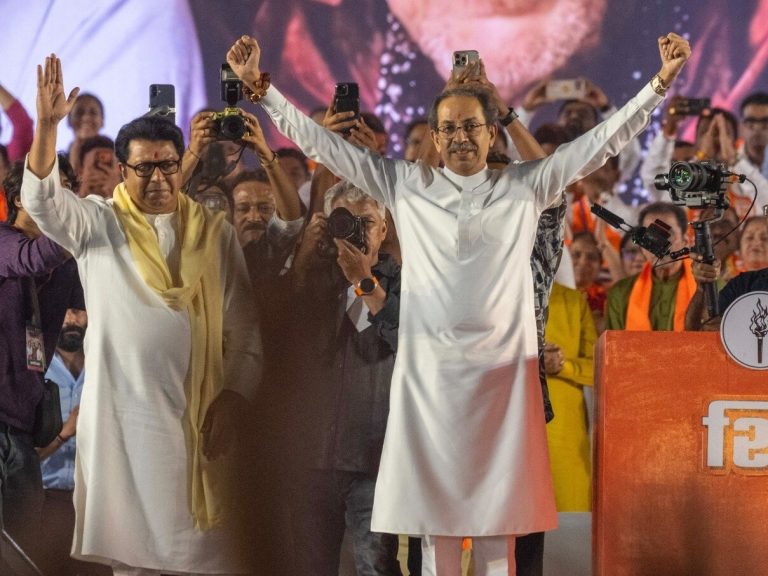
In the lead-up to the January 15 civic polls for municipal bodies across Maharashtra, Shiv Sena (UBT) leader Thackeray brothers, Uddhav Thackeray and Maharashtra Navnirman Sena (MNS) chief Raj Thackeray launched a fierce attack on the ruling alliance, alleging attempts to influence voters through cash-for-vote tactics and raising the issue of Marathi pride and identity at a rally in Thane. The rally, which drew a large crowd of supporters, reflected a strategic emphasis on regional identity and cultural pride as part of the campaign narrative ahead of the high-stakes civic elections.

Addressing the rally, the two Thackeray leaders criticised the ruling coalition, accusing it of using unopposed victories and allegedly favoured candidates to manipulate electoral outcomes. They claimed that democratic rights were being undermined by political manoeuvres that sought to marginalise opposition voices and skew the election process in favour of the ruling alliance. By foregrounding the alleged cash-for-vote claims and issues of Marathi pride, the Thackeray brothers aimed to consolidate support from voters who feel strongly about regional identity and cultural heritage.

Allegations of Cash-for-Vote and Electoral Manipulation

At the Thane rally, both Uddhav and Raj Thackeray spoke passionately about the need to protect democratic norms and ensure a fair electoral process. They alleged that recent elections had seen late-stage financial enticements that could influence voter behaviour, a charge that has intensified political rhetoric in the final days before voting. While specific evidence was not presented at the rally, their accusations have added to the broader debate over electoral ethics and conduct in local body polls.

The Thackeray duo also pointed to instances where candidates aligned with the ruling coalition secured unopposed victories, arguing that this diminished choice for voters and weakened democratic competition. They urged the State Election Commission to take action to ensure that all wards witnessed a fair contest, giving voters the opportunity to choose their representatives freely.

Marathi Identity and Pride as Central Themes

A major component of the Thackeray brothers’ message was a strong appeal to Marathi identity and regional pride. Both leaders highlighted the historic connection between political mobilisation and Marathi cultural heritage, invoking the interests of the Marathi-speaking population in Maharashtra. They asserted that the upcoming civic polls were a critical juncture for safeguarding the rights and cultural identity of local Marathi residents in urban centres such as Thane and Mumbai.

Their speeches underscored the notion that the Brihanmumbai Municipal Corporation (BMC) and other civic bodies should reflect the aspirations of Marathi speakers and protect local interests. This emphasis on “Marathi manoos” (Marathi people) has been a recurring theme in their campaign, aimed at consolidating the regional vote bank and enhancing support among communities that feel their cultural priorities deserve greater visibility and respect in governance.

Thackeray brothers
Raj Thackeray claimed that voters were being offered Rs 5,000 per household and alleged that candidates were being pressured to withdraw nominations in exchange for crores of rupees.

Unity and Strategic Alliance

The rally marked another step in the collaboration between Shiv Sena (UBT) and the Thackeray-led MNS, which have teamed up for the civic polls after years of political differences. The alliance, framed by both leaders as a united front for Marathi empowerment, reflects their shared goal of challenging the dominant ruling coalition in key urban centres.

The Thackeray brothers reiterated their belief that the civic polls represented a decisive moment for local identity politics. Raj Thackeray, in particular, told supporters that the election could be seen as symbolic for the future of Marathi citizens in urban governance, urging voters to view the poll as an opportunity to assert local interests and resist perceived external influences on the political process.

Broader Electoral Context

Maharashtra’s civic polls are significant not only because of their direct impact on urban governance but also because they are seen as an indicator of broader political sentiment ahead of future state and national elections. The Thackeray brothers’ focus on regional pride and alleged irregularities in election conduct taps into longstanding debates about identity, representation and voter influence across Maharashtra’s political landscape.

In emphasising Marathi pride and identity, the alliance is seeking to rally support from voters who prioritise cultural heritage and local interests. This strategy is particularly potent in cities with substantial Marathi-speaking populations, where issues of linguistic and cultural representation resonate strongly with constituents.

Government and Political Reactions

The ruling coalition and other political rivals have disputed the Thackerays’ allegations, arguing that appropriate safeguards and legal frameworks govern election conduct and that claims of cash-for-vote tactics lack substantiation. Supporters of the ruling alliance emphasise their own record on urban governance and contest the idea that civic administration has ignored Marathi identity or local welfare needs.

Political observers note that the intensity of the rhetoric reflects the high stakes of the civic polls, where control of municipal bodies like the BMC can influence urban policy, allocation of resources and grassroots political influence. As parties intensify their campaigning in the final days, narratives around identity, fairness and governance continue to shape voter perceptions and priorities.

Public Response and Voter Sentiment

Among voters and civic activists, reactions to the Thackeray brothers’ campaign have been mixed. Some residents have welcomed the emphasis on Marathi identity and cultural pride, seeing it as a reaffirmation of their community’s historical and political importance. For these supporters, the rally’s focus on local interests resonates in an urban environment where demographic changes and economic pressures have altered traditional social dynamics.

Other voters, however, have expressed concern that identity-driven narratives could overshadow pressing civic issues such as infrastructure, public services, sanitation, housing and traffic management. These residents argue that while cultural identity is important, governance performance and practical solutions to everyday challenges should be central to electoral decisions.

Looking Ahead to Polling Day

As Maharashtra’s civic polls draw closer, the campaign landscape remains highly competitive and charged with emotive appeals. The Thackeray brothers’ rally in Thane solidifies their strategic emphasis on cultural identity and electoral fairness, appealing to core supporters while challenging their rivals to address both governance and identity issues.

With polling day approaching, voters are being presented with distinct political narratives, each seeking to influence how local governance will be shaped in the coming years. Whether regional pride or broader civic concerns carry more weight with the electorate will be revealed when results are announced after the polls.

Read More: https://channel6network.com/maharashtra-supreme-court-polls-extension-2026/

Supreme Court Extends January 31 Deadline by Two Weeks for Completion of Maharashtra Local Body Polls

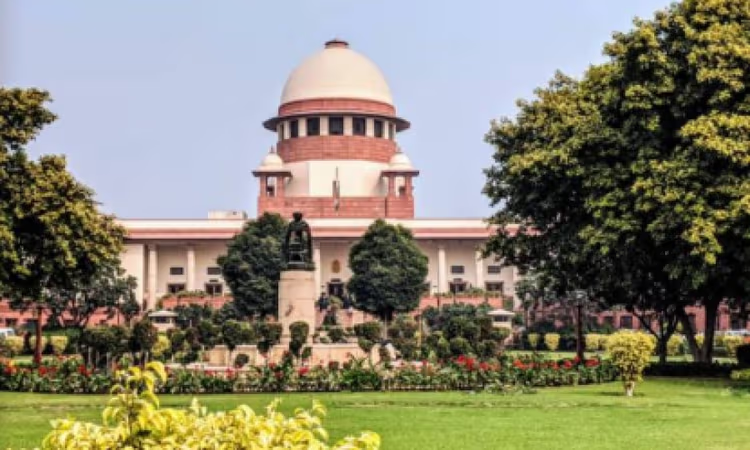
The Supreme Court of India has granted a two-week extension to the Maharashtra State Election Commission (SEC) for completing the state’s long-pending local body elections, moving the deadline beyond the previously set January 31, 2026 cutoff. The extension was approved after the SEC requested additional time to conduct elections for certain zila parishads and panchayats that could not be finalised within the original timeframe. A bench led by Chief Justice Surya Kant and Justice Joyamalya Bagchi emphasised that this extension is a one-time concession and stressed that no further extensions will be granted in the future.

The order represents a significant development in Maharashtra’s electoral timeline, as several local body polls have been delayed since 2022 due to administrative and legal challenges, including disputes over reservation limits for Other Backward Classes (OBCs). By allowing the SEC a short reprieve, the Supreme Court has sought to balance the need for timely elections with the practical difficulties of organising polls across the state’s vast and diverse local governance structures.

Background of Delays and the Court’s Earlier Directives

Local body elections in Maharashtra, covering zila parishads, panchayat samitis and municipalities, have faced repeated delays over the past several years. The Supreme Court initially mandated that all these elections be held by January 31, 2026, after a long period without elected representatives in many local bodies. Earlier orders had also directed the Maharashtra SEC to notify the elections within four weeks and complete the entire process within a four-month period.

The delays were largely attributed to legal disputes over reservation policies, particularly concerns that the OBC reservation limit had exceeded the constitutional ceiling in certain cases. The Bench clarified that while the elections should proceed, their outcome would remain subject to the verdict of pending petitions challenging reservation limits. The state election body also cited logistical challenges such as finalising delimitation for some bodies, availability of electronic voting machines (EVMs) and suitable polling venues as reasons for its request for more time.

Supreme Court’s Firm Stance on Electoral Timelines

While granting the extension, the Supreme Court reiterated its earlier position that the constitutional mandate of periodic elections for local bodies must be respected and upheld. According to the court, the democratic process at the grassroots level is fundamental to governance, and undue delays undermine local self-government. The bench made its position clear that this would be the only extension and that the election commission must proceed without further delay or procedural excuses.

The court also rejected fresh intervention petitions, indicating that attempts to stall the election process would not be entertained until after the polls. This reflects the judiciary’s focus on expediting Maharashtra’s local body election process while ensuring that democratic mandates are fulfilled in a timely manner.

Maharashtra local body supreme court polls extension 2026
Maharashtra local body polls extension 2026

Reservation Dispute and Electoral Challenges

A core issue complicating the electoral process has been the ongoing dispute over reservation limits for OBC candidates in local bodies. Some observers noted that the reservation percentage reportedly exceeded the 50 percent ceiling in certain areas, leading to legal challenges that stalled notifications and polls. Although the Supreme Court has clarified that elections can go ahead regardless of these petitions, the legal complexities have contributed to the delay, necessitating careful judicial and administrative oversight.

Moreover, the SEC has had to balance various technical and logistical demands, including the need to complete ward delimitation, prepare voter lists, secure enough EVMs, and align polling schedules with other state activities such as board examinations. These operational hurdles, while not unique to Maharashtra, have illustrated the difficulties of conducting large-scale elections under tight judicial timelines.

Impact on Local Governance

The delay and subsequent extension have had real implications for local governance across Maharashtra. Many municipal councils, panchayats and zila parishads have been functioning without elected representatives for years, with administrative officials overseeing civic duties in the interim. Prolonged absence of elected local leadership can diminish accountability and weaken public trust in grassroots democracy.

By extending the deadline by two weeks, the court aims to ensure that elections can be completed thoroughly and fairly, enabling communities to regain representative local bodies capable of addressing key civic concerns such as sanitation, infrastructure, water supply, education and healthcare. Once elections are held, these institutions will have the authority to make decisions that directly impact daily life in towns and villages throughout the state.

Political Reactions and Public Response

Political reactions to the extension have been mixed. Some leaders welcomed the court’s decision, noting that conducting accountable and inclusive elections is more important than strictly adhering to procedural timelines. Others stressed the need for improved election preparedness to avoid future delays of a similar nature.

Civil society groups and voter rights organisations have largely supported the extension, citing the need for comprehensive and transparent election procedures that do not compromise democratic integrity for the sake of meeting deadlines. These organisations also emphasised the importance of involving citizens more actively in the electoral process, particularly in rural areas where participation has lagged in previous polls.

Looking Ahead: Completing the Poll Process

With the new deadline now extended into mid-February 2026, attention has shifted to how rapidly the SEC can complete the remaining electoral formalities and logistics. Candidates, political parties and civic groups will have to intensify preparatory work to ensure that voters across all local bodies are able to participate effectively. This includes finalising electoral rolls, setting up polling stations and conducting candidate nominations and campaigning in compliance with legal and regulatory norms.

The Supreme Court’s direction that no further extensions will be granted underscores the urgency of completing the process and restoring democratic governance at the local level. As the state proceeds, there will be an increased focus on administrative coordination and transparent execution of election duties in every district.

Broader Significance of Local Body Elections

Local body elections form the foundation of India’s democratic structure, serving as the primary mechanism through which citizens influence governance at the village, district and municipal levels. These elections decide leadership in institutions that are closest to everyday life, with authority over essential services and community development initiatives.

Ensuring timely elections reinforces democratic norms and empowers citizens with a direct voice in local decision-making. For Maharashtra, completing these polls after years of delay is expected to rejuvenate local governance frameworks and improve public participation in civic affairs across rural and urban areas.

Read More: https://channel6network.com/innovation-fund-maharashtra-startups/

Innovation Boost: Maharashtra to Create a Rs 4,000–5,000 Crore Fund for Funding Innovations and Startups

The Maharashtra government has announced plans to establish a substantial innovation fund worth between Rs 4,000 crore and Rs 5,000 crore to support startups, emerging technologies and high-growth enterprises in the state. This initiative is designed to strengthen the state’s position as a leading hub for entrepreneurship in India and foster a robust ecosystem where innovation, research and commercialisation can thrive. The move is expected to spur economic growth, attract investments and create employment opportunities across key sectors.

The proposed fund is part of the government’s broader strategy to enhance ease of doing business, support homegrown talent and encourage startups to scale. By pooling resources specifically for innovation financing, Maharashtra aims to address one of the critical hurdles that new enterprises often face: access to capital. This fund is intended to work alongside existing incentive schemes, tax benefits and infrastructure support mechanisms that the state has been offering to entrepreneurs over the years.

A Strategic Push for Innovation and Entrepreneurship

Officials involved in formulating the fund say that the financial pool will help bridge the funding gap that many early-stage and mid-stage startups encounter. Traditionally, startups rely on angel investors, venture capital firms and private equity for capital. However, access to these sources can be uneven, especially for founders from non-metropolitan areas or those working on deep tech and research-intensive ventures.

With the establishment of a dedicated government-backed fund, Maharashtra seeks to complement private investment and crowd in additional capital from institutional investors. The state plans to structure the fund in a way that ensures flexibility, enabling it to support a wide range of sectors including information technology, biotechnology, clean energy, agriculture tech, health tech and advanced manufacturing.

According to government advisers, a portion of the fund may be earmarked specifically for startups in strategic areas that align with global challenges and national priorities. These could include climate tech, artificial intelligence, cybersecurity, precision agriculture and healthcare innovations. By focusing on future-oriented industries, Maharashtra hopes to position itself at the forefront of India’s technology and innovation landscape.

Opportunities for Early-Stage and Growth-Stage Startups

The new fund is expected to work on a co-investment model, where the government pool co-invests alongside private investors in promising enterprises. This approach can attract more seasoned venture capital firms to back startups that might otherwise be considered too risky. For early-stage startups, even modest funding rounds can unlock critical milestones such as product development, market validation and team expansion.

Growth-stage startups could also benefit from follow-on funding as they move toward scaling operations, expanding into new markets or investing in research and development. Access to a significant government-supported capital pool may offer these firms a competitive edge, enabling them to pursue longer-term innovation cycles without immediate pressure for profitability.

Entrepreneurs and ecosystem builders in Maharashtra have welcomed the proposal, noting that a well-structured innovation fund can act as a catalyst for broader entrepreneurial culture. They argue that consistent access to capital encourages risk-taking and experimentation, which are essential for disruptive innovation.

Boosting Startup Ecosystem and Job Creation

Maharashtra is already home to several thriving startup clusters, particularly in Mumbai, Pune and Nagpur. These cities have developed vibrant ecosystems with co-working spaces, accelerators, incubators and research institutions. The new innovation fund is expected to expand these ecosystems further by attracting national and international startups to establish operations in the state.

In addition to supporting founding teams, the fund could contribute to job creation across multiple levels — from technical and engineering roles to marketing, sales and administrative positions. As startups grow and scale, they typically recruit heavily, which helps absorb skilled talent and reduce brain drain. Job creation in high-growth sectors also strengthens the broader economy, boosting household incomes and increasing consumer demand.

The fund is likely to encourage cross-sector collaboration between academia, industry and government. Universities and research institutions could play a significant role in incubating early ideas and helping spin them out into commercial ventures. By fostering such collaborations, Maharashtra could see a more seamless flow from research discoveries to marketable products and services.

Innovation and startups

Governance Structure and Implementation Plan

While exact details are still being finalised, authorities have indicated that the fund will be managed through a transparent governance framework, ensuring that capital is allocated based on merit and potential impact. A governing board comprising government representatives, industry experts, venture capital professionals and academic leaders may be constituted to oversee investment decisions and monitor outcomes.

The state government is also exploring mechanisms to ensure that the fund benefits startups across various regions, not just in urban centres. This inclusive approach could help entrepreneurs from tier-II and tier-III cities gain access to resources that would otherwise be concentrated in major metropolitan hubs.

To support this, the government is expected to launch outreach programmes, capacity-building initiatives and mentoring networks that connect startups with experienced founders, investors and domain specialists. These programmes can help startups refine their business models, scale sustainably and access subsequent rounds of capital.

Expected Economic Impact

Analysts believe that the Rs 4,000–5,000 crore fund could significantly enhance Maharashtra’s economic competitiveness. By nurturing innovation and supporting scalable enterprises, the state could see growth in sectors that contribute high value to the GDP. Startups often create high-value jobs and attract foreign direct investment, both of which have multiplier effects on the broader economy.

The ripple effects of a strong startup ecosystem also extend to supply chains, service industries and ancillary businesses that support entrepreneurial activity. From legal and financial services to logistics and software development, a flourishing startup environment tends to generate demand across multiple sectors.

Local investors and industry associations have expressed optimism that the innovation fund could position Maharashtra as a preferred destination for startup capital in India. With neighboring states also vying for investment and talent, a well-supported funding model could help Maharashtra stand out as a leader in empowerment of new enterprises.

Challenges and Considerations

Despite broad enthusiasm, experts caution that the success of the fund will depend on effective execution, clear governance policies and integration with broader economic strategies. It is essential that startups supported by the fund demonstrate growth potential, scalability and social or economic impact. To ensure this, robust evaluation frameworks and performance benchmarks will be critical.

There are also concerns about ensuring transparency and minimizing bureaucratic delays. Startups often require quick decisions to seize market opportunities, and any major bottleneck in the fund’s disbursement process could dilute its effectiveness. Ensuring flexibility in investment decisions while maintaining accountability will be a major test for the fund’s governance architecture.

Stakeholders also note that capital alone is not sufficient. Startups need access to markets, mentorship, domain expertise and infrastructure support. Therefore, the fund is expected to be part of a larger strategy that includes policy reforms, regulatory ease, and ecosystem accelerators to maximize overall impact.

Looking Ahead

The decision to establish a dedicated innovation fund is a bold step towards institutionalising support for startups in Maharashtra. If implemented successfully, the Rs 4,000–5,000 crore pool could transform the entrepreneurial landscape of the state and contribute to India’s larger push toward becoming a global innovation hub.

Startups, investors and industry watchers will be closely monitoring the rollout of this initiative, eager to see how it reshapes funding dynamics and supports the next generation of Indian innovators. With significant resources on the table and a strategic focus on inclusive growth, Maharashtra could be setting a powerful precedent for how states can proactively nurture innovation and long-term economic vitality.

Read More: https://channel6network.com/women-voters-women-first-poll-bet/

From Maharashtra to Tamil Nadu, Have Women Voters Made ‘Women First’ the Best Poll Bet for Parties?

As elections loom across India, political parties are increasingly tailoring their campaigns around women voters, underscoring a shift towards “women first” as a key electoral strategy. From state assemblies to municipal polls, women have emerged as a critical voting bloc whose preferences can sway results, prompting parties to adopt women-centric agendas and welfare promises. This trend highlights how women’s political influence is rising at both local and state levels, turning gender-focused policies and outreach into instrumental components of electoral strategy.

Political analysts describe women as emerging “kingmakers” in elections, with parties seeking to address their aspirations and needs through targeted welfare programmes, promises of economic empowerment and increased political representation. The growing importance of women voters comes amid broader demographic changes and a recognition that women are not only a substantial portion of the electorate but also influential decision-makers within households and communities.

Women Voters as a Strategic Voting Bloc 

In recent years, women’s participation in elections has gained prominence, influencing how political strategies are crafted. Parties increasingly recognise that when women voters turn out in high numbers, their choices can decisively affect outcomes. This shift is particularly visible in states where elections are closely contested and margins of victory are narrow. In such scenarios, engaging women voters through policies aimed at improving their socio-economic conditions can yield significant political dividends.

In states such as Maharashtra and Tamil Nadu, parties are designing messages and welfare proposals that speak directly to women’s concerns. These strategies include promises of financial assistance, improved healthcare access, education support and greater job opportunities. By foregrounding women’s issues, parties hope to forge stronger emotional and political bonds with a critical segment of the electorate.

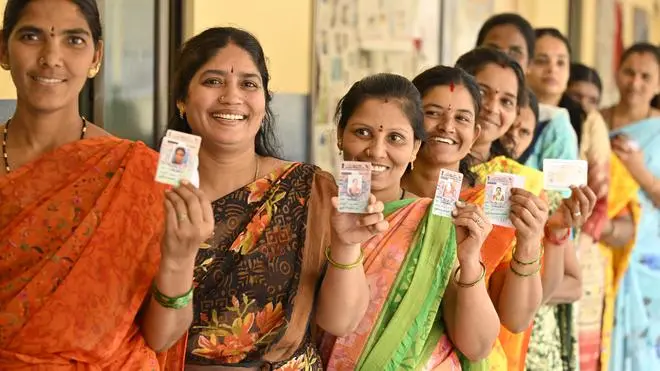
The role of women voters has become crucial in elections.

Welfare Schemes and Women-Centric Policies

Welfare schemes that specifically benefit women have often played a central role in shaping political fortunes. Direct benefit transfer programmes, employment support initiatives and cash assistance plans aimed at women can have both social impact and political resonance. Political strategists contend that tangible benefits lead to visible improvements in daily life, enhancing public perceptions of governance and responsiveness.

Across states, the deployment of women-focused schemes has coincided with electoral cycles, making them a focal point in public discussions about governance effectiveness. This convergence of welfare and politics reflects how governments and political organisations are leveraging gender-targeted programmes to build trust and loyalty among voters, while also showcasing achievements that directly improve women’s quality of life.

Case Studies: Maharashtra and Tamil Nadu

In Maharashtra, the role of women voters has become increasingly significant in both municipal and state elections. Parties have emphasised schemes that support women’s economic participation, social welfare and protection. The narrative around women’s empowerment has been woven into broader electoral campaigns, where women’s issues are highlighted alongside development and infrastructure goals.

Similarly, in Tamil Nadu, political players are paying close attention to women as a voting bloc with specific expectations. Campaign outreach frequently includes commitments to enhance women’s safety, healthcare and economic opportunities, aiming to resonate with female voters across urban and rural constituencies. These states illustrate how gender-sensitive platforms are being integrated into mainstream electoral messaging to appeal to diverse voter groups.

Why Women Voters Are Becoming Central to Elections

Several factors help explain why women voters have become pivotal in electoral politics. Improved literacy rates, mobile connectivity and social awareness have increased women’s access to information, enabling them to make informed electoral choices. Women’s voting patterns often reflect priorities such as family welfare, education, community services and public safety, which in turn influence how parties frame their policy promises.

Furthermore, women’s collective influence is not limited to their own votes but extends to family and community decision-making, amplifying their political impact. As a result, parties view women not simply as a demographic category but as strategic partners whose support can determine electoral success.

Challenges and Criticisms

Despite the growing focus on women voters, some critics argue that rhetoric can sometimes outpace substantive action. While parties may promise benefits and representation for women, the effective implementation and sustainability of such policies remain crucial. There is also a debate over whether gender-centric electoral appeals genuinely address structural inequalities or primarily serve short-term political advantages.

Moreover, experts caution against oversimplifying women voters as a monolithic group. Women represent diverse socio-economic backgrounds, regional identities and ideological perspectives. Tailoring policies with nuance and genuine engagement is essential to address their varied needs and expectations.

Looking Ahead: Women as Decisive Electorate

As electoral contests unfold in 2026 and beyond, the increasing emphasis on women’s issues and voter outreach is likely to continue shaping political narratives. Parties that successfully align their platforms with women’s concerns, while demonstrating credible plans for implementation, may benefit from stronger support at the polls. At the same time, the trend reflects broader democratic dynamics, where inclusive engagement and representation are gaining prominence as cornerstones of electoral success.

Women’s expanded role in the electoral process underscores the evolving nature of democracy in India, where voter priorities are becoming more nuanced and reflective of socio-economic aspirations. Whether this leads to lasting structural changes in governance or remains a cyclical feature of electoral strategy will depend on how well political commitments translate into real-world improvements for women across states.

Read More: https://channel6network.com/ec-stops-ladki-bahin-funds-bmc-2026/

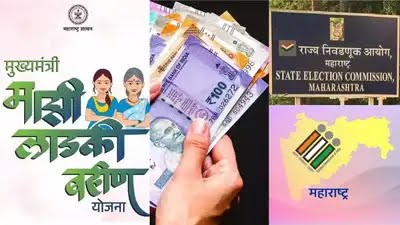
Election Commission Stops Ladki Bahin Money Transfer Ahead of BMC Elections 2026

The Election Commission of India has ordered an immediate halt to the transfer of funds under the Ladki Bahin welfare scheme in Maharashtra as the Brihanmumbai Municipal Corporation elections approach. The decision, taken under the Model Code of Conduct, aims to ensure that no government welfare measure is perceived as influencing voters during the sensitive pre-election period. The move has sparked widespread debate across political and civil society circles, with supporters calling it a necessary safeguard for free and fair elections while critics argue it disrupts financial assistance meant for women from economically vulnerable households.

Why the Election Commission Halted Ladki Bahin

The Ladki Bahin scheme was launched to provide direct cash support to eligible women, particularly those from low-income families, with the goal of improving household security, nutrition, and women’s financial independence. Over the past months, the initiative had been rolled out across multiple districts, and beneficiaries were receiving regular installments directly into their bank accounts through a direct benefit transfer system. With the BMC polls now imminent, the Election Commission has stepped in to prevent any continuation of the payments until the electoral process concludes.

According to officials familiar with the decision, the halt applies only to new or scheduled transfers that would have taken place during the period when the Model Code of Conduct is in force. The Election Commission has clarified that the scheme itself has not been cancelled and that funds will resume once the election process is completed. However, for many beneficiaries who rely on the money for essential expenses such as food, school fees, or medical needs, even a temporary pause has created uncertainty and anxiety.

Political Reactions and Impact on Beneficiaries

The ruling coalition in Maharashtra has defended the Ladki Bahin scheme as a long-term social welfare measure that should not be politicised. Leaders from the government side argue that the initiative was designed well before the BMC elections were announced and that its interruption could hurt women who have come to depend on the financial support. They maintain that welfare schemes are a routine part of governance and should not be automatically viewed as electoral inducements.

Opposition parties, on the other hand, have welcomed the Election Commission’s intervention. They claim the timing of recent transfers and promotional activities surrounding the scheme appeared aimed at boosting the ruling coalition’s prospects in urban civic polls, particularly in Mumbai, where women voters form a significant segment of the electorate. By stopping the transfers, they argue, the Commission has restored a level playing field and upheld the spirit of electoral neutrality.

Legal experts note that the Model Code of Conduct empowers the Election Commission to restrict government actions that could influence voter behavior, even if those actions are part of ongoing schemes. While the Commission generally avoids disrupting essential services, cash transfer programs are often scrutinized more closely because of their potential to be perceived as immediate benefits linked to voting decisions. Past elections in various states have seen similar pauses on new project announcements, subsidies, and financial disbursements once polling dates are declared.

Election Commission Stops Ladki Bahin Money Transfer Ahead Of BMC Elections

For beneficiaries, the impact is both practical and emotional. Many women enrolled in the Ladki Bahin scheme use the funds to manage household budgets in a period marked by rising prices of food, fuel, and utilities. Community groups have reported that some recipients had planned expenses around the expected installment dates and are now being forced to make short-term adjustments. While most understand that the pause is temporary, the lack of a clear timeline for resumption has added to their worries.

Read More: https://channel6network.com/maharashtra-ladli-behna-rs3000-transfer/

In Mumbai, where the BMC elections are being closely watched as a barometer of political strength, welfare schemes like Ladki Bahin have become part of the broader electoral narrative. Civic polls determine who controls one of India’s wealthiest municipal bodies, responsible for crucial services such as water supply, waste management, public health, and urban infrastructure. With high stakes on both sides, every policy move is being closely examined for its potential electoral impact.

The Election Commission has reiterated that its role is not to judge the merits of any welfare program but to ensure that the electoral process remains free from undue influence. Officials have stated that once polling is over and results are declared, the Maharashtra government will be free to resume transfers under the scheme, provided they follow standard administrative procedures. This assurance has been offered to calm fears among beneficiaries and to underline that the pause is procedural rather than punitive.

Political analysts suggest that the controversy could shape campaign messaging in the days leading up to voting. The ruling parties may highlight their commitment to women’s welfare and promise a swift restart of payments after the polls, while the opposition is likely to focus on issues of transparency, timing, and the ethical use of public funds. For voters, especially women who directly benefit from the scheme, the episode underscores how closely social welfare and electoral politics are intertwined.

As the city prepares for voting, the Ladki Bahin pause has become a symbol of the broader tension between governance and campaigning. It raises important questions about how governments can continue delivering welfare without crossing electoral lines and how institutions like the Election Commission can enforce neutrality without causing hardship. The coming weeks will reveal whether the temporary suspension has any lasting impact on public opinion or on the eventual outcome of the BMC elections, but for now, it has firmly placed women’s welfare and electoral integrity at the center of Maharashtra’s political conversation.

Read More: https://channel6network.com/soldier-paternity-leave-death-maharashtra/

32-Year-Old Soldier on Paternity Leave Dies Hours Before Child’s Birth in Maharashtra Tragedy

In a heartbreaking incident that has left a community in mourning, an Indian Army soldier on paternity leave died in a road accident just hours before his daughter was born in Maharashtra’s Satara district. Havildar Pramod Parshuram Jadhav had returned home from his posting in Ladakh to be with his wife as she prepared for the birth of their first child. Instead of joy, the family was struck by tragedy when Jadhav lost his life in a collision, underscoring the unpredictable and painful realities faced by service members and their families.

The 32-year-old soldier, originally from Dare village in Satara taluka, had come home about a week earlier to support his wife, Rutuja, during her pregnancy. On the evening of January 9, 2026, after escorting Rutuja to a private nursing home in Satara for her delivery, Jadhav was returning on his motorcycle when a mini-truck collided with his vehicle at Wadegaon Phata. The impact left him with fatal injuries, and he was declared dead on arrival at a nearby hospital.

A Tragic Turn of Events

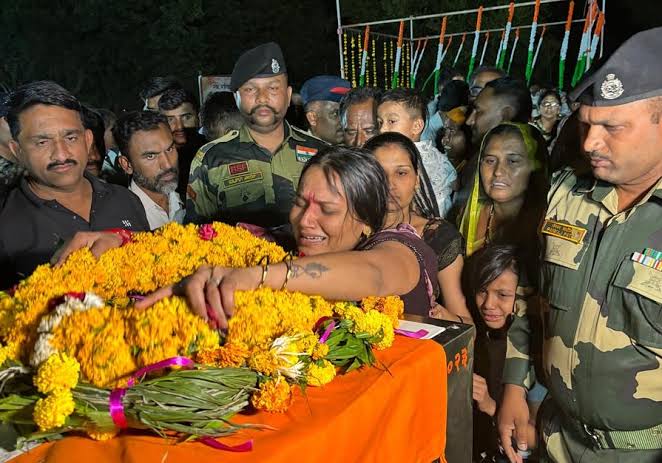
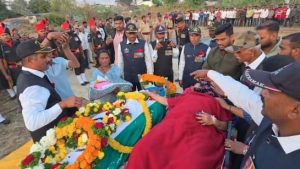
Just hours after Jadhav’s untimely death, Rutuja delivered a healthy baby girl early on January 10, 2026. The stark contrast between life and loss brought an overwhelming emotional weight to the family and local residents. In an emotionally charged scene that was widely shared on social media, Rutuja — still recovering and on a hospital stretcher — was brought to her husband’s funeral procession along with their newborn daughter. Villagers, relatives and officials watched as the grieving mother reached out toward her late husband’s body in a moment that encapsulated both profound sorrow and the fragile beauty of life.

The funeral was conducted with full state and military honours, reflecting Jadhav’s service and sacrifice for the nation. Fellow soldiers, local administrators, villagers and family members gathered to pay their respects as the flag-draped coffin was lowered for the final rites. The poignant sight of an eight-hour-old infant and her mother at the funeral site drew deep emotions, reminding many of the human cost behind military duty.

32 years old soldier's death in accident
His wife was brought from the hospital on a stretcher to bid him farewell.

Life and Service of Pramod Jadhav

Pramod Jadhav joined the Indian Army in 2014 and had been serving as a havildar, a senior non-commissioned rank entrusted with leadership and experience. His posting in the Secunderabad–Srinagar sector involved challenging operational responsibilities in the high-altitude terrain of Ladakh, far from his rural roots in Maharashtra. Despite the distance, he remained deeply connected to his family, ensuring that his wife was well supported throughout her pregnancy.

Colleagues and friends describe Jadhav as a committed soldier who balanced duty with deep family values. Prior to his deployment, he had taken steps to ensure the well-being of his relatives, arranging for his sisters’ futures and remaining a dependable member of his community. His sudden death has left a void among those who knew him, highlighting the sacrifices made not just in battle but in everyday life.

Safety on Roads and Risk to Riders

Road accidents remain a significant cause of fatalities in India, particularly among two-wheeler riders who are vulnerable due to limited protection in collisions. The fatal crash involving Jadhav occurred as he was navigating local traffic on a motorcycle, a common mode of transport in rural and semi-urban areas. Improving road safety measures — including better traffic management, stricter enforcement of vehicle regulations and enhanced public awareness — continues to be an urgent priority to prevent such tragedies.

In Satara district and across Maharashtra, statistics show that a large number of road mishaps involve two-wheelers, often resulting in severe injuries or fatalities. The loss of Jadhav highlights not only the personal grief suffered by his family but also the broader need for targeted interventions to make roads safer for all users.

Family’s Grief and Community Support

The community’s response to the tragedy has been marked by solidarity and shared sorrow. Villagers and local leaders have offered support to Jadhav’s family, ensuring that immediate needs are met as they navigate their grief. Many expressed admiration for Jadhav’s dedication and lamented the cruel timing of his death, arriving just before what should have been a moment of celebration.

Friends recounted how he had been looking forward to welcoming his daughter, reflecting a universal hope shared by parents everywhere. The juxtaposition of life’s beginning and end in such close proximity has resonated deeply, stirring emotions across the community.

Veteran Affairs and Family Assistance

In cases where soldiers die while on duty or during authorised leave, the Indian Army and government provide support to the bereaved family. This support typically includes compassionate allowances, pension benefits, and assistance with education for children, among other measures. The family of Jadhav is expected to receive such benefits, aimed at offering financial stability during a difficult time.

Officials from the defence establishment and local administration have highlighted that processes are underway to ensure that the family’s entitlements are secured without delay. Such support systems are crucial in helping families chart a path forward following the loss of a loved one who dedicated years of service to the country.

Road Ahead for the Newborn and Mother

For Rutuja and her newborn daughter, the weeks ahead will be filled with adjustments and emotional recovery. Being without Jadhav in the early days of their child’s life will pose significant challenges, both practical and emotional. Support from extended family, neighbours and official assistance will be vital in creating a stable environment for mother and child.

Community organisations in Satara are also stepping in to assist, offering help with childcare, medical needs and other essentials. The newborn, whose birth was shadowed by tragedy, represents hope and continuity for the family. Community members have rallied around the family, ensuring that the child receives care and opportunities as she grows older.

Remembering a Life of Service

The tragic incident in Satara serves as a poignant reminder of the inherent uncertainties of life, even in moments filled with anticipation and joy. The story of Havildar Pramod Jadhav — a soldier returning home to celebrate the birth of his child, only to be taken by a sudden accident — encapsulates both the selfless spirit of service and the fragility of human existence.

As Maharashtra mourns the loss of a brave son, husband and father, his legacy will live on through his daughter and the impact he made on those around him. The community’s collective grief is also a tribute to his dedication, reflecting deep respect for soldiers who serve far from home while carrying the dreams of family in their hearts.

Read More: https://channel6network.com/mumbai-bmc-election-2026-full-schedule/