Thursday, March 5, 2026
Home Blog Page 9

Mumbai BMC Election 2026: Full Schedule, Voting Time and Results Announce

The Brihanmumbai Municipal Corporation (BMC) election 2026 has been officially scheduled, marking a significant moment in Mumbai’s civic life as voters prepare to elect representatives to one of the most powerful municipal bodies in India. The State Election Commission (SEC) has announced that polling will take place on January 15, 2026, across all 227 wards of the BMC, with vote counting set for January 16, 2026. This election follows a prolonged period without elected local representatives and is expected to draw intense public and political engagement.

The BMC election holds considerable importance for Mumbai’s governance, as the municipal corporation oversees essential services such as water supply, sewage and sanitation, road infrastructure, public health, and educational institutions. With a vast electorate and high civic expectations, the 2026 poll is seen as a crucial indicator of public sentiment on local governance, quality of life issues and development performance.
BMC election 2026
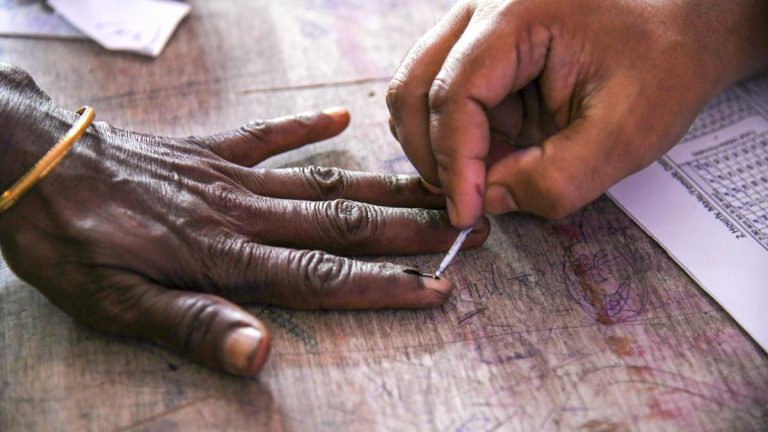
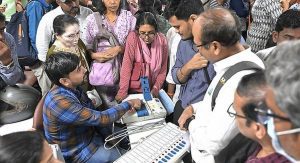
BMC officials at a training camp for the civic polls.

Complete Timeline and Key Dates of BMC election 2026

According to the official election schedule released by the SEC, the BMC election process will follow a structured timetable designed to ensure transparency and orderly conduct of the polls:

  • Nominations Open: December 23, 2025
  • Last Date for Filing Nominations: December 30, 2025
  • Scrutiny of Nominations: December 31, 2025
  • Last Date for Withdrawal: January 2, 2026
  • Final List of Candidates and Symbol Allotment: January 3, 2026
  • Polling Day: January 15, 2026
  • Voting Hours: 7:30 am to 5:30 pm
  • Counting of Votes: January 16, 2026 starting from 10:00 am 

These dates provide voters and candidates with a clear roadmap of the election process, from filing nominations to casting and counting votes. Campaigning is regulated by the Model Code of Conduct, which came into effect from mid-December 2025, restricting certain activities and ensuring a fair environment for all contestants.

What Voters Need to Know

Mumbai’s electorate is large and diverse, with over 10 million eligible voters set to participate in the BMC election. The voter base includes residents from all major demographic groups, reflecting the city’s cosmopolitan makeup. Voters can cast their ballots at designated polling stations located throughout Mumbai, with authorities deploying electronic voting machines (EVMs) and trained poll officials to manage the process efficiently.

On polling day, security and administrative personnel will be present at polling centres to ensure a smooth and safe voting experience. Mobile phones are prohibited inside voting booths to maintain confidentiality and election integrity. Special provisions, such as women-staffed “pink polling stations,” have been introduced in some areas to encourage greater participation.

Why the BMC Polls Are Significant

The Brihanmumbai Municipal Corporation is one of the richest and most influential civic bodies in Asia, managing a multi-crore budget and directing policy on key aspects of urban living. Control over the BMC allows elected representatives to shape initiatives related to urban planning, sanitation, public transport, and citizen services. Outcomes of the BMC elections often reflect public perceptions of governance performance at the municipal level.

Moreover, the 2026 BMC election carries broader political significance because it is one of the first major local elections after significant political realignments in Maharashtra. Voters and political analysts alike see it as a barometer of public opinion that could influence strategies in future state and national polls.

Candidates and Contest Dynamics

A large number of candidates have filed nominations for the 227 seats in the BMC, representing a mix of established political parties, independents and community leaders. Many candidates have deep roots in their respective wards and are campaigning on issues that directly affect local residents, including traffic congestion, waste management, water scarcity, slum infrastructure, and public health services.

In several wards, especially those with large slum populations and economically disadvantaged groups, the number of candidates has surged, reflecting a highly competitive and fragmented contest. Analysts suggest that intense competition in these areas may lead to close outcomes and could influence the overall result margins.

Key Issues Driving Voter Priorities

Mumbai residents are weighing multiple civic concerns as they prepare to vote. Among the top issues highlighted by voters and campaigners are:

  • Traffic and transport challenges: Commuters are seeking better public transit options and reduced congestion.
  • Housing and slum redevelopment: Affordable housing and slum infrastructure remain pressing community priorities.
  • Water supply and sanitation: Consistent access to clean water and efficient waste management are major expectations.
  • Flood control and infrastructure resilience: With monsoon season still fresh in memory, voters are attentive to drainage and flood mitigation efforts.
  • Public safety and health services: Ensuring safer neighbourhoods and quality healthcare facilities continues to rank high on citizen concerns.

These local governance issues are central to the campaign promises of many candidates, shaping how constituencies engage with their choices and what they expect from their future corporators.

Public Participation and Voter Engagement

Election authorities and civic groups are actively encouraging voter participation in the BMC polls. To facilitate a high turnout, the Maharashtra government declared January 15, 2026, a public holiday across multiple urban centres, including Mumbai, prompting schools, offices and institutions to close and making it easier for residents to vote.

Advanced digital tools and voter assistance applications have been introduced to help citizens verify their voter details, locate polling booths and access candidate information ahead of the election. This effort aims to reduce confusion and boost confidence among first-time voters and long-term residents alike.

Counting and Results Day

Once polling concludes on January 15, election officials will begin the vote counting process on January 16, 2026. Counting is expected to start in the morning and continue throughout the day, with results likely to be declared by the evening. The announcement will determine which party or coalition gains control of the BMC and will shape Mumbai’s civic direction for the next five years.

The counting day is anticipated to draw significant public and media attention, as stakeholders and citizens alike await the final verdict. Winning control of the municipal corporation is a coveted political objective due to the authority and resources vested in the BMC.

Challenges and Expectations

While the election schedule has been set and preparations are underway, several challenges remain. Concerns about duplicate voter entries and inaccuracies in the electoral roll have been raised by political parties and civic observers, prompting calls for a thorough review of voter lists to ensure fairness and credibility. The SEC has implemented verification mechanisms to address these issues ahead of polling day.

Additionally, ensuring that elections run smoothly across all 10,000+ polling stations in the city will require meticulous planning and coordination among officials, volunteers and security personnel.

Looking Ahead

The Mumbai BMC election of 2026 stands as a pivotal event in the city’s civic and political calendar. With active voter engagement, diverse candidate representation and intense debate over urban priorities, the election will test how well local governance structures align with citizen aspirations and address pressing urban challenges.

As Mumbai prepares for January 15 polling and January 16 results, voters will play a decisive role in determining the future of their municipal leadership, shaping the policies and services that affect everyday life in one of India’s largest and most dynamic cities.

Read More: https://channel6network.com/bmc-election-2026-marathi-manoos/
BMC Election 2026: ‘Marathi Manoos’ in Focus as Mumbai Heads Toward Crucial Civic Polls

As Mumbai moves closer to the Brihanmumbai Municipal Corporation election in 2026, the issue of Marathi manoos has once again emerged as a central theme in political discourse. With parties sharpening their strategies for one of India’s most powerful civic bodies, appeals to local identity, language and cultural pride are shaping campaign narratives across the city. The BMC, which controls a massive annual budget and plays a key role in urban governance, has always been politically significant, and the renewed emphasis on Marathi interests is adding intensity to the contest.

Mumbai’s political landscape has historically been influenced by issues related to regional identity and the rights of local residents. The term Marathi manoos refers to the native Marathi-speaking population of Maharashtra, especially in Mumbai, who often raise concerns about employment, housing, cultural recognition and political representation in a city that attracts people from across the country. In the lead-up to the 2026 civic polls, these issues are once again becoming rallying points for parties seeking to secure a strong base of support.

Why the BMC Election Matters

The Brihanmumbai Municipal Corporation is not just another civic body. It is India’s richest municipal corporation, with control over key urban services including water supply, sanitation, public health, roads, schools and hospitals. The party or alliance that controls the BMC gains significant administrative power and political influence in Mumbai, making the election a high-stakes battle.

Over the years, control of the BMC has allowed political parties to build strong networks at the grassroots level. Civic contracts, development projects and welfare schemes provide both visibility and influence, which is why every major political force in Maharashtra treats the BMC election as a mini state-level contest.

Marathi Identity Returns to Centre Stage

The renewed focus on Marathi manoos is rooted in long-standing concerns among local residents about migration, job competition and rising living costs. Many Marathi families feel that despite being native to the city, they are being pushed to the margins as housing prices soar and employment becomes more competitive.

Political parties are tapping into these sentiments by promising to protect local interests, ensure greater job opportunities for Marathi youth and promote the Marathi language and culture in public life. Campaign speeches, party manifestos and public meetings are increasingly referring to these themes, making identity politics a defining feature of the election.

For some parties, the Marathi manoos narrative is a way to reconnect with traditional voter bases that may have felt neglected in recent years. For others, it is a strategic tool to challenge rivals by positioning themselves as the true defenders of Mumbai’s original inhabitants.

Bmc election
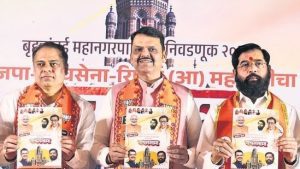
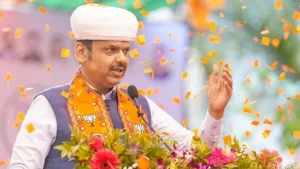
Maharashtra CM Devendra Fadnavis, Dy CM Eknath Shinde and other party leaders take part in the launch of the Mahayuti manifesto.

Key Issues Facing Mumbai Voters

While identity plays a strong role, voters are also deeply concerned about everyday civic issues. Mumbai continues to struggle with traffic congestion, flooding during the monsoon, waste management, air pollution and the availability of affordable housing. The BMC’s performance in addressing these problems will be a crucial factor in how citizens cast their votes.

Local residents want better roads, reliable public transport, improved drainage systems and more green spaces. Slum redevelopment, coastal road projects and metro expansion have also generated debate, with some praising the push for infrastructure and others questioning the impact on communities and the environment.

Against this backdrop, parties must balance emotional appeals with practical governance promises. The focus on Marathi manoos may attract attention, but voters will also judge whether leaders have credible plans to improve quality of life in the city.

Political Strategies Take Shape

Different parties are approaching the election with distinct strategies. Some are emphasising cultural pride and regional rights, while others are focusing on governance, development and efficiency. In many cases, both approaches are being blended to appeal to a broad cross-section of voters.

Campaigns are expected to be highly localised, with ward-level issues and neighbourhood concerns playing a big role. Candidates will likely highlight their work in specific areas, such as fixing roads, improving sanitation or resolving water supply problems, while also aligning with broader party narratives about Mumbai’s future.

The battle for the BMC is also being seen as a test of political strength ahead of future state and national elections. A strong performance in Mumbai can boost morale, resources and public perception, giving parties an edge in subsequent contests.

Voters Caught Between Identity and Development

For many Mumbai residents, the choice is not simple. While they may feel a strong connection to Marathi identity, they are also practical about the need for effective governance. Middle-class voters, in particular, often prioritise infrastructure, safety and cleanliness, while lower-income groups may focus on housing, healthcare and access to basic services.

The challenge for political leaders is to convince voters that they can deliver on both fronts. Appeals to Marathi pride must be matched with clear plans for urban development, or they risk being seen as empty rhetoric.

At the same time, non-Marathi communities in Mumbai are also watching the campaign closely. In a city known for its diversity, parties must be careful not to alienate large sections of the population while addressing the concerns of local residents.

The Road Ahead

As the 2026 BMC election draws nearer, the intensity of political campaigning is set to increase. More rallies, public meetings and debates will focus on what kind of city Mumbai should become in the coming years. The emphasis on Marathi manoos will remain a powerful theme, but it will be tested against the realities of urban governance and development.

Ultimately, the election will reflect how well parties understand the complex identity of Mumbai. It is a city that is both deeply rooted in Maharashtrian culture and proudly cosmopolitan. The political force that best captures this balance may well emerge victorious in one of the most important civic elections in the country.

Read More: https://channel6network.com/maharashtra-ladli-behna-rs3000-transfer/

Maharashtra Govt to Transfer Rs 3,000 to Ladli Behna Accounts on Makar Sankranti as Congress Raises Strong Objection

The Maharashtra government has announced that Rs 3,000 will be credited to the bank accounts of beneficiaries under the Ladli Behna scheme on the occasion of Makar Sankranti, a move that has triggered a political debate just weeks ahead of the upcoming civic and state-level electoral milestones. The scheme, aimed at providing direct financial assistance to women from economically weaker sections, has been projected by the state administration as a key welfare initiative designed to improve household stability and empower women.

Under the plan, eligible women registered under the Ladli Behna scheme will receive a direct cash transfer into their linked bank accounts. The government has said that the transfer has been timed with Makar Sankranti to symbolise a fresh beginning for beneficiary families, many of whom rely on such support to meet daily expenses, healthcare costs and education needs of their children.

However, the opposition Congress has raised strong objections, alleging that the timing of the disbursement is politically motivated and aimed at influencing voters. Party leaders have questioned whether public money is being used to gain electoral advantage rather than being distributed strictly based on administrative schedules and welfare planning.

What is the Ladli Behna Scheme

The Ladli Behna scheme is one of Maharashtra’s flagship women-focused welfare programmes. It provides regular financial support to eligible women, particularly those from low-income households, widows, and single mothers. The scheme is designed to ensure a basic level of economic security for women, allowing them to manage household expenditures and emergencies without depending entirely on others.

The government has stated that the Rs 3,000 payment for Makar Sankranti is part of the scheme’s continued rollout and not an extraordinary or one-time benefit. According to officials, funds have been allocated in the state budget to ensure timely transfers, and the banking system has been instructed to complete the credit process within a fixed window.

Authorities also said that digital monitoring tools are being used to ensure transparency and to prevent duplication or misuse. Beneficiaries are required to have Aadhaar-linked bank accounts to receive the amount, which helps verify identity and eligibility.

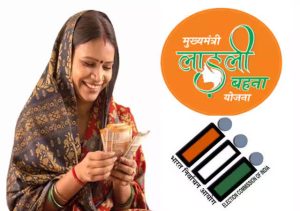
Ladli Behna payout sparks poll code row in Maharashtra

Why the Makar Sankranti Transfer Matters

Makar Sankranti holds cultural and social significance across Maharashtra and many parts of India. It is seen as a festival marking the transition into a brighter phase of the year, often associated with new beginnings and prosperity. By choosing this date for the transfer, the government is aiming to create a positive emotional and financial impact for beneficiaries.

For many families, Rs 3,000 is a meaningful amount. It can help pay for essential groceries, school supplies, utility bills or medical needs. In rural and semi-urban areas, where income can be irregular, such assistance provides a sense of stability.

Government representatives have said that the scheme reflects their commitment to inclusive development and women’s welfare. They argue that empowering women financially has a direct impact on nutrition, education and overall family well-being.

Congress Raises Concerns Over Timing

The Congress party has strongly criticised the announcement, claiming that releasing funds just before crucial elections creates an unfair advantage for the ruling alliance. Party leaders argue that welfare schemes should operate on a fixed calendar rather than being aligned with festivals or politically sensitive periods.

Congress spokespersons have said that while they do not oppose financial assistance to women, they question the intent behind the Makar Sankranti timing. According to them, the move blurs the line between governance and campaigning, and could potentially violate the spirit of election fairness.

The party has also demanded clarity on how many beneficiaries will receive the amount and whether the payments were already scheduled or specially arranged for this date. They have called on the Election Commission and relevant authorities to examine the matter closely.

Government’s Response to Opposition Criticism

In response to the allegations, the Maharashtra government has defended its decision, stating that the Ladli Behna scheme has been operational for months and that regular transfers are part of its design. Officials have insisted that the Makar Sankranti transfer is simply one of the scheduled installments and not an election-driven announcement.

State leaders have also pointed out that welfare schemes should not be stalled or altered because of political calendars. They argue that beneficiaries should not be deprived of their entitled funds simply because elections are approaching.

The government has further emphasised that all financial disbursements are routed through proper administrative channels, audited and monitored to ensure accountability. They have urged opposition parties not to politicise programmes meant to support vulnerable sections of society.

Impact on Beneficiaries

For the women enrolled in the Ladli Behna scheme, the debate in political circles matters less than the actual receipt of money. Many beneficiaries see the Rs 3,000 as crucial support that helps them manage rising costs of living.

Women in rural districts have said that such financial aid allows them to contribute to household decisions and reduce their dependence on male family members. In urban areas, beneficiaries often use the money for school fees, rent supplements or healthcare expenses.

The government has highlighted stories of women who have used the scheme’s benefits to start small businesses, pay for vocational training or invest in their children’s education, underlining the long-term impact of such welfare programmes.

Broader Political Implications

The Ladli Behna payment has become a focal point in Maharashtra’s wider political contest. Welfare schemes targeted at women and lower-income groups have increasingly become a central strategy for parties seeking to expand their voter base.

With multiple elections on the horizon, every major decision is being closely scrutinised for political intent. The opposition sees the Makar Sankranti transfer as part of a larger pattern of using welfare announcements to shape public opinion, while the government maintains that governance should continue uninterrupted.

Analysts note that women voters form a significant and influential segment of the electorate, making schemes like Ladli Behna politically as well as socially important. How voters perceive this latest transfer could play a role in shaping electoral outcomes.

What Comes Next

As the Rs 3,000 transfers begin reaching beneficiary accounts, attention will shift to how smoothly the process is executed. Any technical glitches or delays could affect public perception, while a seamless rollout could strengthen confidence in the scheme.

At the same time, political debate over the timing and intent of the disbursement is likely to continue. The coming weeks will see more scrutiny of government welfare programmes as parties prepare for the electoral battles ahead.

For now, thousands of women across Maharashtra are set to receive financial assistance on Makar Sankranti, a development that underscores both the importance of social welfare and the intensity of the state’s political climate.

Read More: https://channel6network.com/raut-annamalai-mumbai-row/

Mumbai Not in Maharashtra Controversy: Sanjay Raut’s Fierce Attack on Annamalai

Political tensions in Maharashtra escalated sharply this week after a remark by Bharatiya Janata Party leader K Annamalai during campaigning for the forthcoming municipal elections triggered a strong backlash from opposition leaders. Annamalai’s assertion that Mumbai was “not a city of Maharashtra” but instead an “international city” ignited controversy, drawing criticism from senior Shiv Sena (UBT) leader Sanjay Raut, who demanded legal action and accused the BJP of insulting the identity and pride of Maharashtra.

The comments came as Maharashtra prepares for high-stakes municipal polls, including the crucial Brihanmumbai Municipal Corporation elections. Mumbai, as the state capital and India’s financial hub, holds deep emotional and historical significance for citizens across Maharashtra. Any suggestion that it does not belong to the state provoked swift reactions from political circles and civil society groups, highlighting how sensitive regional identity remains in electoral politics.

Remark Sparks Political Firestorm Ahead of Polls

Annamalai’s remarks were made while campaigning in Mumbai’s western suburbs, where he emphasised the city’s global stature and budgetary size compared to other metropolitan centres. He argued that effective administration was necessary to manage such a complex urban environment and that voters should support candidates aligned with strong leadership. However, the phrasing he used — suggesting that Mumbai was not primarily a Maharashtra city — was interpreted by opponents as a challenge to the city’s status and emotional connection to the state.

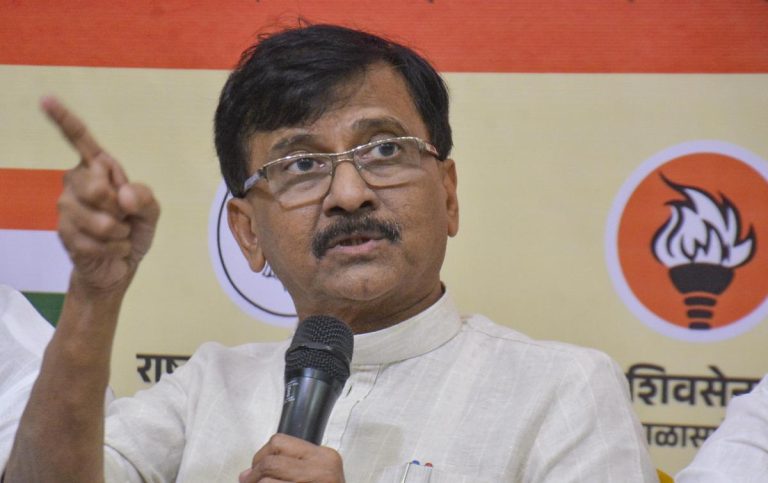
Shiv Sena (UBT) MP Sanjay Raut described Annamalai’s comment as an insult not only to the people of Maharashtra but also to the legacy of the Samyukta Maharashtra Movement, which fought to ensure that Mumbai remained the capital of the state after its reorganisation. Raut demanded that the chief minister file charges against Annamalai and have him arrested, saying such statements could not be taken lightly given their potential to inflame public sentiment.

Raut’s Accusations and Political Context

In his strongly worded response, Sanjay Raut called the BJP leader’s statement disrespectful and asserted that it reflected a broader pattern of undermining Marathi pride. He questioned why neither the chief minister nor the deputy chief minister had publicly clarified the party’s position on the controversy. Raut challenged the ruling alliance to take a definitive stand and disassociate itself from any narrative that appeared to diminish Mumbai’s identity as part of Maharashtra.

The controversy comes just days before the municipal polls, where local identity and governance issues have become central talking points for all parties. Opposition leaders, including those from rival Shiv Sena factions and other regional outfits, have seized on the remark to portray the BJP as disconnected from Marathi aspirations and concerns. They argue that political leaders campaigning in the state should respect local history and sentiments rather than make statements that could alienate voters.

BJP Leaders Respond to Backlash

State BJP leaders have attempted to downplay the controversy, suggesting that Annamalai’s words were taken out of context or misunderstood. They have argued that his emphasis was on Mumbai’s global importance and administrative complexity rather than any intention to challenge its status within Maharashtra.

A senior state BJP functionary stated that political opponents were deliberately distorting the remark to create a narrative for electoral gain. According to this view, framing Mumbai as a globally significant city was meant to highlight the need for competent governance and capable leadership to manage its resources and challenges, not to question its belonging to Maharashtra.

Historical Significance of Mumbai’s Identity

The link between Mumbai and Maharashtra is rooted in decades of political struggle and cultural pride. During the linguistic reorganisation of states in the 1950s and 1960s, the Samyukta Maharashtra Movement mobilised millions of people to ensure that Marathi-speaking regions, including Mumbai, remained unified under one state. That effort culminated in the formation of Maharashtra on May 1, 1960, with Mumbai as its capital. This historical backdrop gives the city particular emotional resonance for residents and political leaders alike.

Opposition leaders have repeatedly invoked this legacy in their critiques, arguing that any suggestion that Mumbai did not belong to Maharashtra was not merely a semantic issue but a symbolic affront to the sacrifices of those who fought for statehood.

Reactions From Other Political Figures

Beyond Sanjay Raut’s criticism, other regional leaders also weighed in on the controversy. Some senior figures in the opposition emphasised that Mumbai’s identity as a Maharashtra city is non-negotiable and central to the state’s cultural and political ethos. They warned that statements perceived as challenging this identity could deepen divisions and distract from substantive civic issues during the election season.

Other critics highlighted that political rhetoric surrounding identity should be handled with care, especially in a diverse urban centre like Mumbai, where economic migrants from across India and abroad have contributed to its dynamic demographic profile. Striking a balance between celebrating the city’s multicultural character and affirming its place in Maharashtra’s history has become a delicate task for political communicators.

Public Sentiment and Civic Response

Among residents and civic observers, reactions to the controversy have been mixed. Some citizens expressed outrage at the remark and supported Raut’s demand for a strong response, emphasising the emotional and cultural importance of Mumbai to Maharashtra. Many social media users and community leaders reiterated that the city’s identity should be upheld without compromise.

Others called for the focus to remain on practical issues affecting urban voters, such as infrastructure, traffic management, housing affordability, sanitation services and local governance. These observers cautioned against allowing symbolic disputes to overshadow essential discussions about quality of life and public services during the municipal election season.

Impact on Municipal Elections

The controversy around Annamalai’s remark and Raut’s response has added an extra layer of political intensity to the upcoming Brihanmumbai Municipal Corporation elections. Municipal polls in Maharashtra have often been influenced by narratives around local identity, language and heritage, as well as governance performance.

Candidates and parties are now likely to address concerns about civic infrastructure, economic opportunity and community representation more prominently, while also navigating the heightened sensitivities stirred by the recent clash over Mumbai’s identity. Supporters of rival parties see this issue as an opportunity to mobilise core voter blocs and galvanise public sentiment ahead of the polls.

Looking Ahead

As election day approaches, Maharashtra’s political environment remains highly charged, with leaders on all sides gearing up for intense campaigning. The controversy over whether Mumbai is primarily a Maharashtra city may continue to reverberate through public discourse, particularly as leaders attempt to translate identity politics into electoral advantage.

The municipal elections will test how voters balance concerns about local identity, governance issues and party promises. In this context, how political parties respond to controversies like the one triggered by Annamalai’s remark could influence voter perceptions and campaign dynamics across urban Maharashtra.

Read More: https://channel6network.com/maharashtra-municipal-election-2026-showdown/

Maharashtra Municipal Election 2026: Parties Gear Up for Showdown on Final Sunday Before Poll

With just days to go before the Maharashtra municipal elections on January 15, 2026, political activity across the state has reached a fever pitch. Elections for 29 municipal corporations, including major urban centres such as Mumbai, Pune, Nagpur and Pimpri-Chinchwad, are set to take place, prompting parties to intensify campaigns and rally their supporters in what is being described as one of the most consequential civic polls in recent years. The state government has declared January 15 a public holiday to ensure maximum voter participation, while political parties make last-minute efforts to woo voters ahead of the final Sunday before polling.

This election marks a critical test for all political formations in Maharashtra. It comes at a time when local governance issues such as infrastructure, water supply, urban planning, sanitation, and public services are dominating public discourse. Parties are striving to strike a balance between broader state political narratives and hyper-local civic issues that affect day-to-day life for millions of urban residents. The rural-urban divide, changing demographic patterns in fast-growing cities, and debates over development versus identity politics have all contributed to a highly charged political landscape.

Election Logistics and Voter Engagement

According to state election notifications, polling will be held on January 15, with votes counted and results to be announced on January 16. The election commission has issued comprehensive schedules and guidelines, ensuring that all procedural requirements, including candidate nominations, withdrawals and campaigning codes, are followed strictly. Voters across Maharashtra’s municipal jurisdictions have been urged to participate actively in the democratic process, with political parties emphasising the importance of turnout in shaping local leadership.

Several cities, including Pimpri-Chinchwad and Nagpur, have seen vigorous party activity, where competing alliances are trying to consolidate their base ahead of the final phase of campaigning. With reservations in various wards for different communities, electoral strategists are focusing on tailored outreach to specific demographic groups. In Nagpur, for example, statutory seat reservations account for over half of the available seats, influencing how parties allocate resources and campaign efforts.

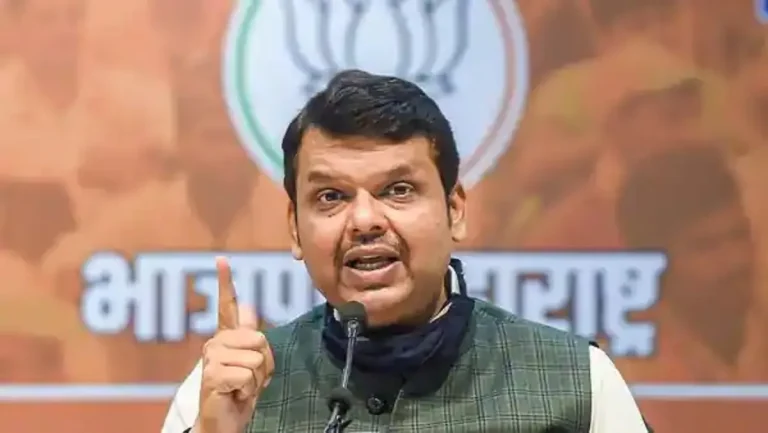
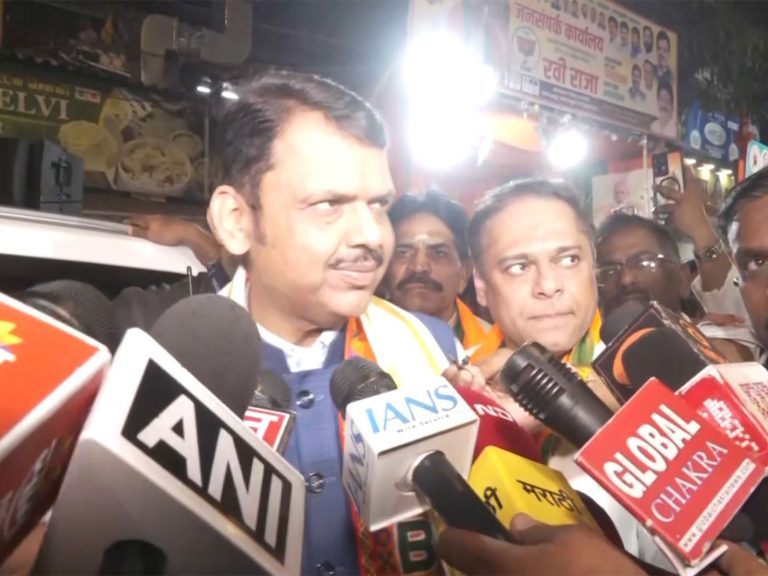
Maharashtra Municipal Election 2026: Fadnavis was speaking at a BJP rally in Akurdi organised as part of the PCMC poll campaign.

Mahayuti’s Early Advantage and Opposition Concerns

One of the most talked-about developments ahead of the election is the early unopposed victories secured by 68 candidates from the ruling Mahayuti alliance, which primarily includes the Bharatiya Janata Party, Eknath Shinde’s Shiv Sena faction and Ajit Pawar’s Nationalist Congress Party faction. These seats were won after rival candidates withdrew their nominations before the deadline, leaving Mahayuti candidates uncontested in some urban localities. While the alliance hailed this as an indication of strong grassroots support, opposition parties have raised concerns about the fairness of the process and alleged pressure tactics in certain areas.

The opposition has accused the ruling coalition of using administrative influence and money power to encourage rival withdrawals, intensifying debates about electoral ethics and campaign conduct. Critics argue that unopposed wins, especially in key municipal bodies, reduce democratic competition and may hurt the credibility of local governance. These debates have become a central talking point in public discussions, debates, and election forums across the state.

Parties’ Campaign Themes and Strategy

Campaign themes across different parties vary widely, reflecting both local civic concerns and broader political narratives. The Mahayuti alliance has been emphasising development, infrastructure, and continuity of governance, focusing on tangible achievements in urban planning, sanitation improvements, and public services. Leaders claim that sustained development work under their watch merits voter trust and support in the municipal polls.

In contrast, opposition parties such as the Congress, Maha Vikas Aghadi formations and regional outfits are pushing narratives related to inclusive governance, accountability and better representation in local bodies. They argue that issues such as housing affordability, traffic congestion, access to healthcare and community-specific needs require more responsive local leadership. These contrasting campaign themes are shaping how parties connect with diverse voter segments.

Local Issues Driving Voter Sentiment

Urban voters today are deeply concerned with everyday issues that directly impact quality of life. In cities like Pune and Mumbai, urban infrastructure, waste management, water scarcity, transportation networks and air quality are top priorities for residents. Similarly, smaller municipal bodies are grappling with issues such as street safety, stormwater drainage, community health facilities and basic civic sanitation.

Poll analysts have noted that these local governance concerns often overshadow larger state or national narratives when it comes to municipal elections. Residents tend to reward candidates or parties with clear, actionable plans that promise practical improvements in public services and community living standards.

Security, Law and Order During Polling

In anticipation of high voter engagement, the state government has implemented security measures to ensure that polling day proceeds smoothly. Law enforcement agencies have been mobilised to maintain public order, manage crowds at polling stations and ensure that voters can exercise their franchise peacefully. The four-day liquor ban imposed prior to polling day aims to minimise the risk of election-related disruptions and bribery through inducements.

Additionally, extensive deployment of police and election observers in sensitive zones reflects a concerted effort to uphold electoral integrity. Voters have been urged to report any violation of election rules, and the election commission has set up hotlines and complaint mechanisms for real-time monitoring of polling day conduct.

Alliance Politics and Strategic Seat Sharing

A noteworthy trend in these elections is the strategic alliances formed by major political factions to enhance their electoral prospects. For instance, the Nationalist Congress Party has seen efforts toward unity between rival factions to contest key municipal bodies like the Pimpri-Chinchwad Municipal Corporation together, aiming to prevent a splintered vote share that could benefit rivals. Such shifts reflect evolving political calculations in the state as parties assess the best possible combinations to secure victory in urban local governance.

These alliances are not merely tactical but often represent deeper negotiations about post-poll arrangements, power sharing in key committees and influence over local administrative appointments. Voters are watching these developments closely, aware that alliance prowess can influence policy priorities and service delivery in their cities.

Candidate Profiles and Campaign Outreach

Across Maharashtra’s urban landscape, a mix of veteran politicians and new faces are contesting the municipal elections. Local leaders with deep community ties and issue-based credibility are being fielded by different parties to appeal to specific demographic groups. Some aspirants are well known in civic activism circles, while others are rising stars with fresh ideas on urban development.

Campaign outreach has taken multiple forms, including traditional rallies, door-to-door canvassing, public meetings and digital engagement. Parties are increasingly using data-driven strategies to tailor messages for localities with distinct needs. For instance, areas struggling with water shortages might see targeted promises on solutions, while densely populated wards receive focused messaging on sanitation and road improvements.

Public Engagement and Voter Awareness

Citizen groups and civil society organisations in various cities have stepped up efforts to raise voter awareness about the importance of municipal governance. Workshops, stakeholder meetings and information drives are helping voters understand not only how to vote but why these elections matter for everyday urban life. Increased public engagement is seen as a positive development in strengthening democratic participation at the grassroots level.

These citizen initiatives often highlight the practical power of local bodies in addressing neighbourhood concerns, encouraging voters to assess candidates on track record, integrity and commitment to community welfare rather than party loyalty alone.

Looking Ahead: What These Elections Could Mean

The outcome of the Maharashtra municipal elections 2026 could shape urban governance for years to come. With municipal corporations playing a direct role in planning, budgeting and service delivery, winning control over these bodies is a major political prize. Successful parties could leverage these victories to build momentum for future state or national contests, while losers may need to recalibrate their organisational strategies.

Analysts stress that these elections are more than a routine democratic exercise; they are a barometer of public sentiment on governance, development and responsiveness of political parties. As voters step into polling booths on January 15, their choices will reflect not just party affiliation but expectations of better urban living and accountable local leadership.

Read More: https://channel6network.com/sambar-deer-rescued-from-40-foot-well/

Sambar Deer Rescued from 40-Foot Well in Maharashtra, Dramatic Operation Saves Animal

In a remarkable rescue operation, a sambar deer was successfully pulled out of a 40-foot-deep well in Maharashtra, bringing relief to local residents and wildlife officials who worked for hours to save the distressed animal. The incident took place in a rural area where the deer is believed to have accidentally fallen into the uncovered well while roaming in search of water or food.

Villagers first noticed the trapped animal after hearing loud noises coming from the well early in the morning. Upon closer inspection, they saw the deer struggling inside the narrow structure, unable to climb out due to the steep and slippery walls. Concerned for the animal’s safety, locals immediately informed the forest department and local authorities, triggering a swift rescue response.

Swift Action by Forest and Rescue Teams

After receiving the alert, a team from the forest department, along with trained rescue workers, reached the spot with ropes, nets and other necessary equipment. Given the depth of the well and the limited space inside, the operation required careful planning to avoid injuring the animal.

Rescue personnel first assessed the condition of the deer and the structure of the well. The sambar deer appeared exhausted but conscious. To prevent panic and further injury, the team worked quietly and steadily, ensuring the animal remained as calm as possible throughout the rescue.

Maharashtra Forest Department wildlife rescue services. https://forest.maharashtra.gov.in

A safety harness was lowered into the well, and one trained rescuer went down carefully to secure the deer. Using strong ropes and coordinated effort, the team slowly lifted the animal upward. After several tense minutes, the deer was brought out of the well and placed safely on the ground.

Sambar deer
The rescue took place in Alme village, Maharashtra from a 40-foot-deep water-filled well.

Medical Examination and Recovery

Once rescued, the deer was immediately examined by veterinary officials. Fortunately, it did not suffer any major injuries, though it showed signs of dehydration and fatigue after being trapped for several hours. The veterinary team administered first aid and fluids to stabilise the animal.

Officials confirmed that the deer would be kept under observation for some time before being released back into its natural habitat. They also ensured that the animal was not harmed during the fall and that it was fit enough to survive on its own in the wild.

Community Support and Awareness

The rescue operation drew a large crowd of villagers who watched anxiously as the teams worked to save the deer. Many locals expressed relief and happiness when the animal was safely pulled out. Some residents also helped by providing water and assisting the rescue team in setting up equipment.

Wildlife officials used the opportunity to raise awareness about the dangers posed by open wells and pits, especially in rural areas close to forest regions. They urged landowners to cover or fence such structures to prevent accidents involving animals and even humans.

Importance of Wildlife Protection

Sambar deer are among the largest deer species found in India and play a vital role in maintaining ecological balance. They are commonly found in forests and grasslands, but due to shrinking habitats and human encroachment, these animals often wander into villages and agricultural lands.

Incidents like this highlight the growing interaction between humans and wildlife, especially in areas near forest boundaries. Experts stress the need for better land management, wildlife corridors and awareness programmes to reduce such accidents and ensure the safety of both animals and people.

Officials Praise Rescue Efforts

Forest department officials praised the rescue team and the villagers for their quick response and cooperation. They said that without timely action, the deer might not have survived the fall or the prolonged stress of being trapped.

Authorities also stated that similar rescue operations have been conducted in the past, but every situation presents unique challenges. They emphasised the importance of having trained personnel and proper equipment ready to deal with wildlife emergencies.

Read More: https://channel6network.com/maharashtra-public-holiday-for-civic-polls/

Steps to Prevent Future Incidents

Following the incident, local authorities have planned to inspect wells and water pits in the surrounding area to identify potential hazards. Landowners will be advised to cover open wells or install protective barriers to prevent animals from falling in.

The forest department also plans to increase patrolling in nearby forest and village areas to monitor wildlife movement and respond quickly to emergencies. Educational drives may be organised to inform villagers about what to do if they encounter wild animals in distress.

A Positive Outcome for Wildlife

The successful rescue of the sambar deer serves as a reminder of the importance of compassion and quick action when it comes to wildlife conservation. It also shows how cooperation between authorities and local communities can lead to positive outcomes.

As the deer prepares to return to the wild, officials hope that such incidents will encourage greater responsibility in maintaining safe environments for both humans and animals. The rescue has been widely appreciated, and it stands as a heartening example of how lives can be saved through timely intervention and teamwork.

Read More: https://channel6network.com/dharavi-redevelopment-350-sq-ft-homes/

Maharashtra CM Announces Dharavi Redevelopment Plan, Promises 350 Sq Ft Homes for Every Eligible Resident

Maharashtra Chief Minister has announced an ambitious plan to redevelop Dharavi, one of Asia’s largest informal settlements, promising that every eligible resident will receive a 350 square foot home under the proposed project. The announcement marks a major step toward transforming the densely populated locality into a modern, well-planned urban neighbourhood while ensuring that current residents are not displaced without rehabilitation.

The redevelopment plan is aimed at improving living conditions in Dharavi, which has long struggled with overcrowding, inadequate sanitation, and lack of basic infrastructure. By guaranteeing a 350 square foot home to eligible families, the government hopes to reassure residents who have historically been wary of redevelopment initiatives that they would lose their homes or livelihoods.

Vision for a Modern Dharavi

According to the Chief Minister, the Dharavi redevelopment project is designed to create a cleaner, safer and more sustainable living environment while preserving the area’s economic and social fabric. Dharavi is not only a residential zone but also a major hub of small-scale industries, leather goods, pottery, recycling units and informal businesses that support thousands of livelihoods.

The redevelopment plan aims to integrate residential buildings with commercial and industrial spaces so that local businesses can continue to function without disruption. The government has said that the project will follow a cluster-based development model, allowing residents to be rehabilitated close to their existing locations rather than being relocated far away.

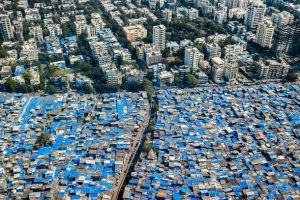
Maharashtra CM announces a major Dharavi redevelopment plan promising every eligible resident a 350 sq ft home
Maharashtra CM announces a major Dharavi redevelopment plan promising every eligible resident a 350 sq ft home.

350 Sq Ft Homes for Eligible Families

A key highlight of the plan is the promise of a 350 square foot home for every eligible resident. This is being seen as a significant improvement over earlier rehabilitation models, which often offered smaller spaces that were not suitable for large families.

The eligibility criteria will be based on established documentation and cut-off dates, ensuring that long-term residents and their families are given priority. Officials have stated that a detailed survey of households will be carried out to verify residency and determine eligibility. Once verified, families will be allotted homes in newly constructed buildings within the redeveloped Dharavi area.

Infrastructure and Amenities

Beyond housing, the redevelopment plan includes the creation of modern infrastructure and civic amenities. This includes proper sewage systems, clean drinking water supply, wider roads, better drainage, electricity, and green spaces. Schools, healthcare centres, community halls and recreational areas are also expected to be part of the new Dharavi.

The Chief Minister emphasised that redevelopment should not only be about buildings but about creating a livable, dignified environment. By integrating public amenities into the master plan, the government hopes to uplift the quality of life for residents who have lived for decades in cramped and unhygienic conditions.

Economic Upliftment and Job Opportunities

Dharavi is known for its thriving informal economy, and the redevelopment project is expected to formalise and strengthen these economic activities. The government has indicated that special zones will be created for small industries and workshops, allowing entrepreneurs to operate in safer, more organised spaces.

The construction phase of the project is also likely to generate thousands of jobs, offering employment opportunities to local residents. Training programmes may be introduced to help workers acquire skills needed for construction, maintenance and new business opportunities that will emerge in the redeveloped area.

Concerns and Public Response

While the announcement has generated optimism, there are also concerns among residents and activists. In the past, redevelopment projects in Mumbai have faced delays, legal disputes and allegations of inadequate rehabilitation. Some residents worry about the implementation timeline, the transparency of eligibility criteria, and whether the promised housing will be delivered on time.

The Chief Minister has sought to address these concerns by assuring that the redevelopment will be carried out in a transparent manner, with continuous dialogue between authorities and the community. He stated that residents would be kept informed at every stage of the project and that their feedback would be considered during planning and execution.

Urban Planning and Long-Term Impact

Urban planners see the Dharavi redevelopment as a critical step in reshaping Mumbai’s future. Located in the heart of the city, Dharavi occupies prime land that connects key business districts and transport corridors. Redeveloping this area in a planned manner could ease congestion, improve connectivity and enhance Mumbai’s overall urban landscape.

If executed well, the project could become a model for redeveloping other informal settlements across the country. By combining rehabilitation, infrastructure development and economic integration, the Dharavi plan has the potential to demonstrate how inclusive urban renewal can be achieved.

Next Steps in the Project

The government is expected to soon release detailed guidelines, timelines and implementation frameworks for the Dharavi redevelopment. Surveys and mapping exercises will begin to identify eligible households and commercial units. Following this, construction of temporary transit housing may start to ensure residents are accommodated while permanent buildings are constructed.

Authorities have also indicated that partnerships with private developers and financial institutions may be explored to ensure sufficient funding and efficient execution. Strict monitoring mechanisms will be put in place to prevent cost overruns and delays.

A Transformational Moment for Dharavi

The Chief Minister described the redevelopment as a transformational moment for Dharavi and its people. By promising a 350 square foot home to every eligible resident, the government has set a clear benchmark for rehabilitation and housing standards.

As Mumbai continues to grow, projects like Dharavi’s redevelopment will play a crucial role in shaping a more equitable and sustainable city. For the thousands of families who call Dharavi home, the plan offers hope for a future with better living conditions, improved opportunities and a stronger sense of security.

Read More: https://channel6network.com/raj-thackeray-strong-maharashtra-statement/

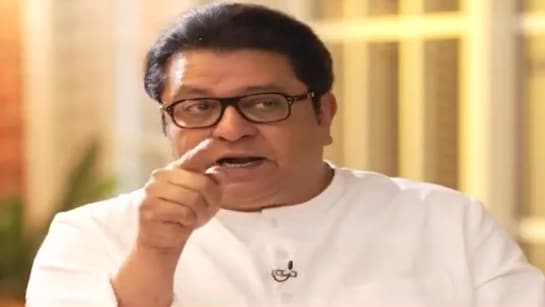
Raj Thackeray Makes Striking Political Remark: ‘Willing to Back Even Trump for Strong Maharashtra’

Maharashtra Navnirman Sena (MNS) chief Raj Thackeray has made a striking political statement, saying he is willing to support even a figure like Donald Trump if it helps build a strong and prosperous Maharashtra. The remark, delivered during an interaction amid ongoing political churn in the state, has sparked fresh debate over leadership, development priorities and the direction of Maharashtra’s politics ahead of crucial elections.

Raj Thackeray’s comment was not meant as a literal endorsement of a foreign leader but as a sharp metaphor underscoring his emphasis on decisive leadership and development-focused governance. By invoking a globally recognised political figure, Thackeray sought to underline his belief that strength, clarity of vision and administrative will are more important than party labels or traditional political alignments when it comes to the progress of Maharashtra.

Focus on Strong Leadership and Governance

Elaborating on his remarks, Raj Thackeray stressed that Maharashtra needs leadership that can take firm decisions, ensure law and order, and push rapid development without being bogged down by political compulsions. He argued that people are increasingly frustrated with political indecision and hollow promises, and are instead looking for results on the ground.

According to Thackeray, infrastructure development, industrial growth, employment generation and urban planning should be the core focus of any political force aspiring to lead the state. He maintained that ideological rigidity should not come in the way of progress, suggesting that support should go to anyone capable of delivering tangible outcomes for the people of Maharashtra.

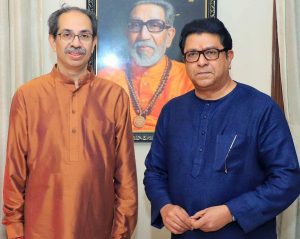
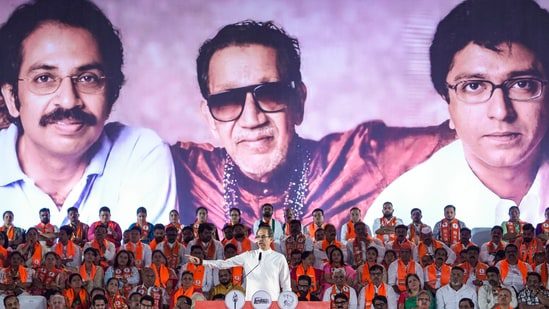
Raj Thackeray and his estranged cousin, Uddhav, have joined hands for the BMC elections.

Criticism of Existing Political Culture

Raj Thackeray also used the opportunity to criticise the prevailing political culture in the state, which he described as overly focused on power struggles rather than public welfare. He said frequent political realignments, internal conflicts and personality-driven politics have distracted leaders from addressing real issues faced by citizens, including rising living costs, traffic congestion, civic infrastructure gaps and unemployment.

The MNS chief reiterated that Maharashtra, with its economic significance and cultural influence, deserves governance that matches its potential. He warned that if politics continues to revolve around short-term gains and symbolism, the state risks losing its competitive edge to other regions aggressively pursuing investment and development.

Positioning of MNS in Maharashtra Politics

Raj Thackeray’s statement is also being viewed as an attempt to reposition the Maharashtra Navnirman Sena within the broader political landscape. While the party has traditionally focused on regional pride and issues concerning Marathi identity, Thackeray has in recent years sought to expand the discourse to include governance, urban planning and economic development.

Political observers believe that such remarks are aimed at projecting Thackeray as a pragmatic leader willing to cross conventional ideological boundaries for the sake of Maharashtra’s growth. By framing his support as conditional on performance rather than party affiliation, he appears to be appealing to voters who are disillusioned with traditional political narratives.

Reactions and Political Implications

The comment has drawn mixed reactions from political circles. Supporters argue that Raj Thackeray is articulating what many voters feel—that leadership effectiveness matters more than ideological purity. They see his remarks as a call for accountability and results-driven governance.

Critics, however, have accused him of making provocative statements to stay politically relevant, questioning whether such rhetoric translates into concrete political action. Some have also pointed out that invoking an international political figure may distract from the need to outline specific policy proposals and roadmaps for Maharashtra’s future.

Development as the Central Theme

Despite the controversy, Raj Thackeray’s central message remained focused on development. He highlighted the need for improved urban infrastructure in cities like Mumbai, Pune and Nashik, better planning to address population pressure, and stronger support for industries that generate employment for local youth.

He also emphasised the importance of administrative efficiency, suggesting that delays in decision-making and lack of coordination between departments have slowed down key projects. According to him, a strong leadership model is essential to cut through bureaucratic inertia and ensure timely execution of development schemes or projects.

Electoral Context and Voter Sentiment

The timing of the remark is significant, as Maharashtra heads toward important electoral battles, including civic and assembly elections. Voter sentiment in urban areas, in particular, is shaped by everyday issues such as transport, housing, water supply and public safety. Raj Thackeray’s focus on strength and governance appears designed to resonate with these concerns.

Analysts note that such statements could help the MNS attract attention from undecided voters who are less attached to traditional party loyalties and more interested in governance outcomes. Whether this translates into electoral gains will depend on how effectively the party can convert rhetoric into a clear political strategy.

Leadership debates often gain momentum ahead of elections, as voters assess governance, accountability and administrative performance. India’s democratic system empowers citizens to choose representatives through free and fair elections conducted under established constitutional norms. These elections play a vital role in shaping policy direction and governance priorities at both state and local levels. Detailed information on the electoral process and democratic framework can be accessed on the Election Commission of India’s official website: https://www.eci.gov.in

Read More: https://channel6network.com/shinde-uddhav-raj-brand-politics/

Looking Ahead

Raj Thackeray concluded by reiterating that his priority remains the welfare and future of Maharashtra. He asserted that political support should be seen as a means to an end, not an end in itself, and that the ultimate goal should be a state that is economically strong, socially stable and administratively efficient.

As political discourse in Maharashtra continues to intensify, statements like these are likely to keep the focus on leadership, development and governance. For now, Raj Thackeray’s remark has succeeded in sparking discussion and placing him back at the centre of the state’s evolving political narrative.

Read More: https://channel6network.com/maharashtra-dharma-unites-bmc-battle-2026/

Shinde’s Sharp Attack on Uddhav-Raj: Says People Cannot Be Influenced by Brands Ahead of Maharashtra Civic Polls

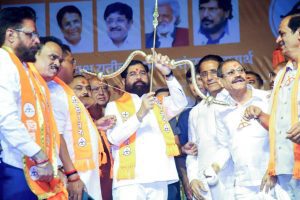
In a major rally ahead of the upcoming municipal corporation elections, Maharashtra Deputy Chief Minister Eknath Shinde launched a sharp critique of political rivals, asserting that voters are no longer swayed by political “brands” but instead support leaders who deliver development and growth. His comments, widely seen as a direct reference to the opposition alliance led by Uddhav Thackeray and Raj Thackeray, marked a significant development in the state’s heated civic poll campaign.

Speaking to a large gathering in Thane district, Shinde underscored the importance of performance politics over personality-driven campaigning, saying that voters have become discerning and will base their choices on tangible results rather than historical political identities. This stance comes as the civic polls approach, with key contests in urban centres such as Kalyan-Dombivli Municipal Corporation, Thane, Pune, and the Brihanmumbai Municipal Corporation capturing public attention.

Shinde’s Rally Message: Work Over Brand Identity

Addressing supporters, Shinde reiterated that the ruling Mahayuti alliance’s emphasis on development and governance distinguishes it from opposition parties that rely heavily on political legacy and branding. By emphasising infrastructure projects, service delivery, and visible improvements in public amenities, Shinde argued that his government has earned the trust of the electorate.

He pointed out that the Mahayuti alliance—comprising his faction of Shiv Sena, the Bharatiya Janata Party (BJP), and allies—has a track record of delivering on promises across urban and rural areas. In contrast, he said that political entities heavily focused on brand identity, such as the Uddhav Thackeray and Raj Thackeray factions, have struggled to present a compelling development agenda that resonates with voters’ everyday concerns.

The deputy chief minister also highlighted that in the Kalyan-Dombivli Municipal Corporation elections, 21 candidates aligned with the ruling coalition secured unopposed wins—an indication, he claimed, of strong public confidence in Mahayuti’s leadership and a lack of viable opposition alternatives.

Political Branding vs Development Focus

Shinde’s remarks about voters not being “influenced by brands” directly challenge the narrative presented by political rivals who have campaigned on lineage, legacy, and regional identity. The term “brand” in this context refers to established political names and alliances that have traditionally commanded loyalty based on historical support bases rather than current performance.

Political analysts suggest that this messaging is aimed at reframing the civic poll discourse around practical governance issues such as public infrastructure, sanitation, water supply, housing, and urban planning. By shifting the focus to these concerns, the ruling alliance hopes to appeal to a broader demographic of urban voters who prioritise delivery over rhetoric.

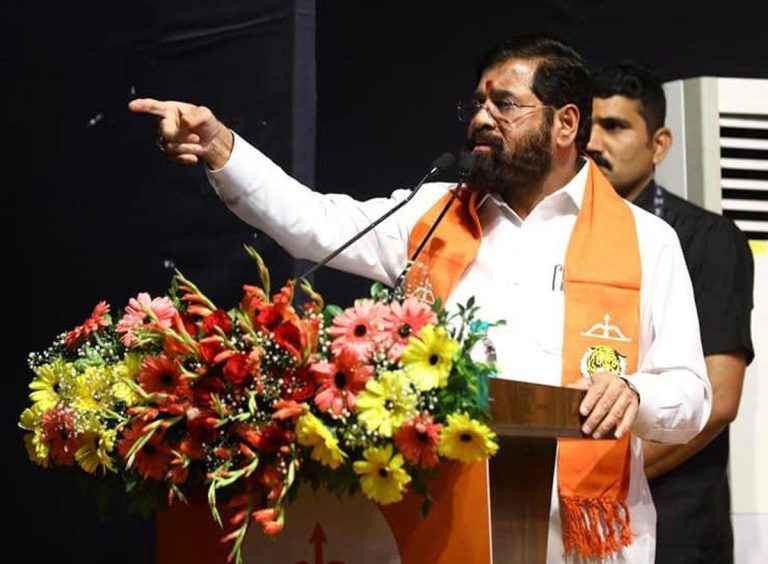
Maharashtra Deputy Chief Minister Eknath Shinde during the meeting organised by the Shiv Sena, in Ulhasnagar on Friday.

Reactions From Opposition Leaders

In response to Shinde’s remarks, opposition leaders have criticised the ruling coalition’s narrative, accusing Mahayuti of diverting attention from pressing civic issues by attacking political rivals’ identities. Leaders aligned with the Uddhav Thackeray and Raj Thackeray factions argue that their political heritage and influence remain deeply rooted in Maharashtra, especially among sections of the electorate with strong regional and cultural ties.

Opposition figures have also pointed to what they describe as gaps in urban governance, including issues related to housing shortages, traffic congestion, public health infrastructure, and equitable access to services. They contend that these matters are more relevant to voters’ daily lives than the debate over political branding. Independent observers have noted that the civic poll landscape is highly competitive, with both sides seeking to sway undecided voters through targeted local campaigning.

The Stakes in Municipal Elections

The municipal elections in Maharashtra are widely regarded as a bellwether for future state and national political trends. With 29 municipal corporations scheduled to go to polls, including major ones like Mumbai, Pune, and Navi Mumbai, the contests will determine control over significant administrative and financial resources.

Control of municipal bodies is seen as critical because these local governments play a direct role in public services and urban development initiatives that affect millions of residents. Winning these elections can provide a party or alliance with the leverage and visibility needed for broader political influence.

Focus on Urban Governance and Public Services

In his campaign speeches, Shinde has stressed the importance of urban governance, citing efforts to improve roads, enhance water infrastructure, modernise public transport, and expand social welfare schemes. Supporters of the Mahayuti alliance have echoed these themes, framing the local polls as a referendum on development and a rejection of what they call “brand politics.”

Additionally, civic infrastructure projects such as sustainable waste management, housing redevelopment, and digital service delivery have been highlighted as priorities for the next term. The ruling coalition asserts that its progress in these areas sets it apart from its political opponents and makes it a preferable choice for urban voters seeking practical solutions to rapidly evolving city challenges.

Municipal elections in Maharashtra are governed by a detailed legal and administrative framework that places responsibility for civic governance, public services and urban development on elected local bodies. These municipal corporations play a crucial role in managing essential services such as water supply, sanitation, roads and public health. The overall structure and functioning of urban local bodies are guided by state policies and constitutional provisions related to decentralised governance. More information on municipal governance in Maharashtra can be found on the official state government portal: https://www.maharashtra.gov.in

Opposition Strategy and Campaign Efforts

Opposition parties, meanwhile, are attempting to consolidate support by focusing on grassroots mobilisation and critiquing the ruling alliance’s performance in areas where challenges persist. Their campaign rhetoric often underscores social welfare concerns, community representation, and public accountability, appealing to segments of voters who feel underserved despite development claims.

Some opposition leaders have also accused Mahayuti of leveraging administrative advantages to influence election outcomes in certain constituencies, although these claims are contested and remain part of the broader political discourse leading up to polling day.

Looking Ahead: Poll Day and Beyond

As the civic elections draw nearer, all political parties are intensifying their campaigning efforts, organising rallies, door-to-door outreach, and community meetings to connect with voters. The debate over political branding versus performance politics is expected to persist as a central theme in public discussions.

Observers believe that voter turnout and engagement levels will offer insights into public sentiment, highlighting whether development-centric appeals resonate more strongly than traditional political loyalties. The results of these elections could influence strategic alignments and policy priorities ahead of future state and national contests.

Read More: https://channel6network.com/nitesh-rane-on-ram-navami-violence/

Nitesh Rane’s Sharp Question: If Eid Can Be Peaceful, Why Stone-Pelting on Ram Navami?

As Maharashtra prepares for key municipal elections scheduled later this month, political tensions in the state have significantly intensified. In an interview, Maharashtra minister and Bharatiya Janata Party leader Nitesh Rane raised pointed questions about communal incidents during recent Ram Navami festivities, contrasting them with the largely peaceful observance of Eid. His remarks have sparked widespread discussion and controversy across the political spectrum.

Rane Questions Communal Conduct During Festivals

Nitesh Rane’s comments came amid growing debate over incidents of stone-pelting and clashes associated with some Ram Navami processions in parts of Maharashtra and beyond. In his interview, Rane questioned why certain communities would engage in violent behaviour during a major Hindu festival when celebrations like Eid have remained peaceful, emphasising what he sees as a troubling trend of unrest. He suggested that such disturbances undermine social harmony and must be addressed firmly by both authorities and community leaders.

Rane’s remarks underscored his criticism of political opponents, whom he accused of failing to prevent violence and of exploiting communal issues for political gain. According to the BJP leader, there is a need for consistent law enforcement and unbiased governance to ensure that all festivals are celebrated without fear or conflict.

What Happened During Ram Navami Celebrations

In several cities across India, including some areas of Maharashtra, Ram Navami processions this year saw sporadic instances of stone-pelting and clashes between groups. These incidents, reported by local media and independent outlets, involved altercations between participants in religious processions and opposing groups. In some cases, reports of injuries and arrests emerged as police and local authorities intervened to restore order.

Authorities in affected areas responded by increasing security deployment and implementing crowd control measures to prevent further escalation. Police forces have filed charges where necessary and have urged communities to refrain from violence and cooperate with law enforcement during religious and cultural events.

Public order and the management of religious processions fall under the jurisdiction of state authorities, with clear guidelines issued by the Ministry of Home Affairs to ensure communal harmony and prevent violence. These guidelines outline preventive policing, crowd control measures and coordination with local administrations during sensitive events. The framework is aimed at balancing the right to religious expression with the need to maintain peace and security in diverse societies. More details on the law and order framework can be accessed on the official Ministry of Home Affairs website: https://www.mha.gov.in

Political Context and Elections

Rane’s interview comes at a crucial time as Maharashtra heads into civic polls, including elections for 29 municipal corporations. Political parties are intensifying their campaigns, and issues related to law and order, governance and community relations have become central to electoral discourse.

In his comments, the BJP leader also criticised rival political figures who, according to him, have failed to curb violence or promote peace during important cultural occasions. He stressed the need for political responsibility, urging leaders across the spectrum to prioritise public safety and societal harmony over partisan interests.

Reactions From Other Leaders and Parties

Rane’s statements drew swift reactions from opposition parties and civil society groups. Several critics argued that the interview could fuel further communal tensions and polarise voters ahead of the civic polls. They called for more measured dialogue and for leaders to avoid inflammatory language that could be interpreted as targeting specific communities.

Some opposition figures maintained that while instances of violence should be condemned, attributing them to entire groups or communities is unhelpful and divisive. They urged authorities to focus on unbiased investigations and to hold individuals accountable based on evidence rather than generalisations.

Other political voices emphasised that festivals like Eid and Ram Navami have historically been celebrated peacefully across much of Maharashtra and the country, and that isolated incidents should not overshadow broader inter-community respect and coexistence.

Calls for Law Enforcement and Peaceful Coexistence

Amid the political debate, police officials and community leaders have reiterated their commitment to maintaining law and order. Authorities have highlighted the importance of adequate policing, dialogue with local stakeholders and prompt action against individuals found violating public peace.

Community organisations have also stepped forward to promote messages of unity and mutual respect during religious events. They have urged citizens to participate in festivities without fear and to reject violence in all forms.

Experts in communal harmony emphasise that incidents of unrest during festivals, when they occur, reflect a complex mix of social, political and administrative factors. They stress the need for responsible leadership, community engagement, and rigorous law enforcement to prevent violence and strengthen social cohesion.

Broader Implications for Society and Politics

The interview by Nitesh Rane and the reactions it has elicited highlight the deep interplay between religion, politics and community relations in contemporary Maharashtra. As the civic polls approach, many analysts believe that public discourse on festivals, peace, and communal behaviour will continue to feature prominently in media coverage and political campaigns.

Some observers argue that leaders must exercise caution in their public statements to avoid exacerbating tensions, particularly in a diverse state like Maharashtra where multiple communities celebrate numerous cultural festivals throughout the year.

Others contend that raising tough questions about violence and accountability is necessary to hold both government and society to account, ensuring that religious celebrations do not become flashpoints for conflict.

Looking Ahead

With civic elections drawing near, the issue of communal harmony remains a key concern for voters and policymakers alike. How political parties address questions of public safety, inter-community relations and governance performance could influence electoral outcomes in several urban centres across the state.

Meanwhile, law enforcement agencies have reiterated their readiness to act swiftly and fairly to maintain peace during all major public events and religious celebrations. Authorities continue to monitor developments closely and have called on citizens to cooperate with police and community leaders to preserve the spirit of unity that underpins India’s diverse cultural fabric.

India’s Constitution guarantees the right to freedom of religion while allowing the state to impose reasonable restrictions in the interest of public order, morality and health. Articles 25 to 28 define the scope of religious freedom and the responsibilities of the state in regulating public religious activities. These provisions often form the basis of administrative decisions during festivals and processions, especially in communally sensitive areas. The full constitutional provisions related to religious freedom are available on the Government of India’s official portal: https://www.india.gov.in/my-government/constitution-india

Read More: https://channel6network.com/bjp-suspends-ex-leaders-in-maharashtra/