
Tuesday, December 16, 2025
Home Blog Page 10

Writers and Activists Condemn Cancellation of Deepa Bhasthi’s Lecture at Karnataka Central University: Outrage 7 Voices

A storm of criticism has erupted following the abrupt cancellation of a scheduled lecture by renowned writer and activist Deepa Bhasthi at Karnataka Central University (KCU). The lecture, which was to focus on contemporary social issues, freedom of expression, and human rights, was reportedly called off by university authorities citing “administrative reasons.” However, academics, writers, and civil society activists have condemned the move as an infringement on academic freedom and an alarming suppression of critical discourse in higher education.

Deepa Bhasthi, widely recognised for her insightful writings and activism on gender equality, social justice, and minority rights, had been invited by the university’s Department of Humanities. The lecture was intended to engage students, faculty, and the local community in a discussion about the role of literature and activism in shaping public discourse. Preparations for the event were reportedly complete, including student registrations and publicity, when the university unexpectedly rescinded the invitation.

Social media quickly became a platform for expressing outrage over the cancellation. Hashtags supporting academic freedom and condemning censorship trended across regional and national platforms. Writers’ associations, journalists’ unions, and civil rights organisations issued statements calling the action “regressive” and “antithetical to the principles of higher education.” Many pointed out that universities are meant to be spaces where ideas, even controversial or challenging ones, can be debated freely.

Students of Karnataka Central University voiced their dismay at the sudden decision. Many expressed that they were looking forward to engaging directly with Bhasthi, whose writings they had studied in literature and social science courses. Some students staged peaceful demonstrations demanding that the lecture be reinstated, arguing that exposure to diverse viewpoints is central to intellectual growth. Faculty members supporting the event also warned that such cancellations could set a dangerous precedent for restricting critical engagement on campus.Writers, activists condemn cancellation of Deepa Bhasthi's lecture at Karnataka  Central University - The Hindu

University officials have come under increasing scrutiny for the lack of transparency surrounding the cancellation. Faculty members have demanded a formal explanation detailing the reasons for calling off the lecture, noting that vague statements citing “administrative reasons” do little to address concerns about censorship. Many argue that clear communication and accountability are essential to maintaining trust between students, staff, and the administration.

The cancellation has also sparked a wider conversation among students about their role in defending academic freedom. Student unions and campus organisations have begun advocating for policies that guarantee the right to host guest lectures, workshops, and debates without undue interference. These movements highlight the growing awareness among young learners of their responsibility to safeguard intellectual openness within educational institutions.

Civil society groups have offered to mediate between the university and the invited speaker to facilitate a rescheduled lecture. They emphasise that collaboration, rather than confrontation, is the best route to resolving conflicts while preserving academic principles. Such efforts are seen as an opportunity to create a constructive dialogue about the limits of administrative authority and the protection of free expression on campus.

Experts warn that if institutions fail to address incidents like this, it could lead to long-term consequences for higher education. Faculty recruitment, student enrolment, and participation in scholarly events may all be adversely affected, reducing the vibrancy of intellectual life on campus. Ensuring that lectures by critical thinkers such as Deepa Bhasthi proceed unhindered is therefore essential for nurturing a culture of inquiry, debate, and critical engagement among the next generation of scholars.

The university administration, in its brief statement, cited “logistical constraints and security concerns” as reasons for the cancellation. However, critics have questioned the credibility of these explanations, pointing out that no similar concerns were raised for previous events, and no prior indication of potential security issues was provided. Observers suggest that the decision may reflect wider political and ideological pressures faced by academic institutions in India.Central University of Karnataka

Condemnation from Writers, Academics, and Activists

Leading writers and academics expressed deep concern over what they see as an erosion of freedom of speech in academic spaces. In an open letter, a coalition of authors stated that “the cancellation of Deepa Bhasthi’s lecture undermines the very purpose of universities, which is to nurture critical thinking and debate. Silencing voices that challenge conventional wisdom or address uncomfortable truths is detrimental to society at large.” The letter called on the university administration to uphold its commitment to academic freedom and reinstate the lecture without delay.

Civil society activists highlighted the broader implications of such censorship. They warned that preventing public engagement with writers and thinkers could contribute to intellectual stagnation, discourage critical inquiry among students, and normalize suppression of dissent. Several NGOs specialising in human rights and freedom of expression argued that university campuses should actively resist external pressures that threaten open dialogue.

Journalists covering the controversy noted that Deepa Bhasthi’s work often addresses systemic inequalities and social injustices, subjects that can attract criticism or opposition from various quarters. By cancelling the lecture, critics argue, the university has indirectly signaled that politically sensitive topics may be off-limits, raising questions about the autonomy of academic institutions and their ability to provide balanced education.

Student groups organised panel discussions on campus to fill the void left by the cancellation. These forums aimed to address themes intended for Bhasthi’s lecture, such as gender dynamics, freedom of expression, and social responsibility. While these initiatives were praised for demonstrating student engagement, activists stressed that they are not a substitute for direct interaction with thought leaders like Bhasthi.

Several prominent literary figures and educators have also urged the Ministry of Education and higher education authorities to intervene. They stressed that universities must remain spaces where critical and independent thought is encouraged, even when discussions challenge political or social orthodoxies. Failure to protect such spaces, they argue, risks undermining the credibility and integrity of academic institutions.

Impact on Academic Freedom and Student Engagement

The cancellation has sparked debate about the state of academic freedom in India’s universities. Analysts point out that incidents like this can have a chilling effect, discouraging scholars, writers, and activists from participating in public discourse on campuses. Students, too, may become hesitant to engage in debates on socially or politically sensitive issues, fearing administrative repercussions. Such a climate, critics argue, is antithetical to the ethos of higher education and intellectual development.

University administrators are facing mounting pressure to clarify the reasons behind their decision. Faculty members assert that transparency is essential not only for restoring confidence in institutional governance but also for demonstrating a commitment to free and open exchange of ideas. They have urged the university to establish clear guidelines to prevent arbitrary cancellations and ensure that future events are conducted without interference.

Writers’ associations have organised solidarity events across Karnataka and other states, emphasising the importance of protecting platforms for critical voices. Speakers at these events highlighted that the role of universities is not to shield students from challenging ideas but to equip them with the skills to analyse, debate, and form informed opinions. They stressed that attempts to suppress discussions only undermine educational objectives.

The controversy has also attracted attention from legal experts. Some have argued that universities, as autonomous educational institutions, have a duty to uphold freedom of expression under the Constitution. While legal recourse may be pursued in certain cases, most academics advocate dialogue and negotiation as the primary route to resolving conflicts between administration and invited speakers.Central University of Karnataka

Calls for Reinstatement and Institutional Accountability

As criticism intensifies, calls for reinstating Deepa Bhasthi’s lecture have grown louder. Students, faculty, writers, and activists argue that the lecture should be held as originally planned, with the university providing assurances regarding logistics and security. They contend that reinstating the lecture would reaffirm the institution’s commitment to fostering debate and defending academic freedom.

Several public intellectuals have pointed out that universities are crucial sites for shaping future citizens who are informed, critical, and engaged. By cancelling the lecture, they argue, the institution missed an opportunity to provide students with a first-hand understanding of the intersections between literature, activism, and social justice. Restoring the lecture, they insist, is essential to uphold these educational values.

The controversy has also prompted wider discussion on policy measures to safeguard freedom of speech in universities. Proposals include establishing independent committees to review lecture cancellations, creating grievance redressal mechanisms for students and faculty, and ensuring that political or ideological considerations do not dictate academic programming. Such measures, experts say, are necessary to prevent similar incidents in the future.

As the debate continues, the public, media, and academic communities are watching closely. The situation at Karnataka Central University has become emblematic of broader tensions between academic freedom and administrative or political pressures. Many hope that by restoring Deepa Bhasthi’s lecture, the university can demonstrate a commitment to intellectual openness, encourage meaningful dialogue, and reaffirm the principles of higher education.

The incident underscores the delicate balance universities must maintain between governance, security, and academic freedom. While administrative responsibilities are important, critics stress that silencing critical voices diminishes the very purpose of higher education. For students, writers, and civil society, the hope is that Karnataka Central University will take steps to protect intellectual engagement, restore trust, and ensure that campuses remain spaces for open, robust, and fearless discourse.

Ultimately, the controversy serves as a stark reminder that the right to speak, debate, and question is fundamental to education. By responding to public criticism, engaging stakeholders, and upholding academic principles, universities can ensure that events like the cancellation of Deepa Bhasthi’s lecture do not become a recurring trend. For now, the focus remains on reinstating the session and reaffirming the values of freedom, dialogue, and critical thinking that form the cornerstone of higher education in India.

Follow: Karnataka Government

Also read: Home | Channel 6 Network – Latest News, Breaking Updates: Politics, Business, Tech & More

Scientists Train Chickens to Produce Human Proteins in Eggs: Revolutionary 5 Breakthrough

In a pioneering development in biotechnology, scientists have successfully trained chickens to produce human proteins inside their eggs, marking a significant leap forward in medical research and pharmaceutical production. The breakthrough, achieved through advanced genetic engineering techniques, allows hens to synthesize proteins that are typically found in the human body, offering a novel method for producing therapeutic compounds at scale. Researchers claim that this innovation could transform the production of life-saving medications, including vaccines, antibodies, and other protein-based treatments, potentially making them more accessible and cost-effective.

The study, conducted by a team of molecular biologists and genetic engineers, involved precise modification of the chicken genome to enable the expression of human protein-coding genes in egg whites. This method, known as “transgenic expression,” allows the protein to accumulate in the egg without affecting the health or reproductive ability of the hens. Scientists have emphasised that the approach represents a significant advancement over traditional production methods, which often rely on cell cultures, mammalian systems, or synthetic manufacturing—processes that are expensive, time-consuming, and prone to contamination.

Chickens, the researchers noted, are particularly suitable for this purpose due to their natural ability to produce large volumes of protein-rich eggs, their relatively short reproductive cycles, and established husbandry practices. Each hen can produce multiple eggs per week, allowing for continuous, scalable protein production. The proteins harvested from eggs are then purified using established biochemical techniques, ensuring they meet stringent safety and quality standards required for medical use.

The implications of this innovation are vast. For patients suffering from conditions that require protein-based therapies, such as clotting disorders, autoimmune diseases, or certain cancers, the ability to produce human proteins in eggs could drastically reduce costs and increase availability. Pharmaceutical companies are exploring partnerships to scale this approach for mass production, potentially revolutionising the way medications are manufactured and distributed globally.

Researchers are now focusing on scaling up the production process to meet potential global demand. While initial studies involved small flocks of hens, commercial-scale operations would require hundreds or thousands of birds to generate sufficient quantities of proteins. Scientists are working on optimising breeding, egg collection, and protein extraction processes to ensure consistency, efficiency, and cost-effectiveness without compromising the welfare of the hens.Hens that lay human proteins in eggs offer future therapy hope

Another area of ongoing research involves expanding the range of human proteins that can be produced in eggs. Early successes have focused on well-characterised therapeutic proteins, but scientists aim to test more complex proteins, including multi-subunit enzymes and glycosylated proteins, which have traditionally been difficult to produce outside mammalian systems. Success in this area could dramatically broaden the scope of treatments available using this method.

Collaboration with pharmaceutical companies is also underway to explore pathways for regulatory approval and commercialisation. These partnerships aim to integrate egg-derived proteins into existing drug development pipelines, ensuring that they meet rigorous standards for clinical use. Companies are assessing how to adapt current purification, storage, and distribution practices to accommodate proteins sourced from eggs while maintaining efficacy and safety.

Environmental scientists have highlighted the potential sustainability benefits of this approach. Compared to traditional cell culture or mammalian systems, using hens requires less energy, water, and specialised infrastructure. Reduced dependence on high-cost bioreactors and laboratory facilities could lower the carbon footprint of protein production, aligning biotechnology practices with broader goals of ecological responsibility and sustainable development.

Public engagement and ethical transparency remain key priorities as the technology advances. Researchers are organising outreach programs, public consultations, and educational campaigns to explain the science, address concerns about genetic engineering, and highlight measures taken to ensure animal welfare. By fostering informed dialogue, scientists aim to build public trust and support for this transformative innovation in medicine.

Scientific Method and Genetic Engineering Approach

The process begins with the identification of the human gene responsible for the target protein. This gene is then inserted into a viral vector, which delivers it into chicken embryos at an early stage of development. Researchers carefully ensure that the gene integrates into the chicken genome in a way that allows it to be expressed specifically in the cells that form the egg white, while avoiding interference with other physiological processes. Once the hens reach maturity, they begin producing eggs containing the desired human protein.

One of the key challenges addressed by the scientists was ensuring that the proteins maintain their functional structure after being produced in eggs. Proteins must fold correctly to be biologically active, and any misfolding can render them ineffective or even harmful. Using advanced molecular biology techniques, the team verified that the egg-produced proteins matched their human counterparts in both structure and function, ensuring therapeutic efficacy. This step was crucial to validate the feasibility of the approach for clinical applications.Why scientists created a human-chicken hybrid embryo

Ethical considerations were also central to the research. Scientists emphasised that the genetic modifications are designed to be specific and stable, causing no harm to the chickens. The hens continue to live normal lives, lay eggs naturally, and exhibit typical behavior. Researchers maintain that the approach adheres to ethical standards for animal research, and that welfare is monitored continuously to ensure humane treatment.

The potential for scalability makes this approach particularly attractive. Unlike traditional mammalian cell culture systems, which require expensive bioreactors and strict sterility, chickens provide a low-cost, high-yield production platform. Experts argue that this could be especially beneficial for low- and middle-income countries, where access to advanced medical therapies is often limited by cost and infrastructure constraints.

Applications in Medicine and Pharmaceuticals

The ability to produce human proteins in eggs opens new avenues for treating a variety of medical conditions. For example, therapeutic antibodies used in cancer treatment or autoimmune diseases could be mass-produced at a fraction of the current cost. Similarly, enzymes required for rare genetic disorders, which are often prohibitively expensive, could become more widely available. Scientists also foresee applications in vaccine development, where protein subunits or antigens can be expressed in eggs and used for immunisation purposes.

Researchers believe this method could also accelerate the response to emerging infectious diseases. By rapidly producing relevant proteins or antibodies in hens, pharmaceutical companies could develop treatments or vaccines more quickly than conventional methods allow. This agility could prove critical during pandemics, reducing the lag between pathogen identification and therapeutic availability.

The technology also has potential implications for personalised medicine. In theory, human proteins tailored to individual patient needs could be produced using specific genetic sequences, enabling customised therapies. While this remains a long-term goal, the successful demonstration of protein production in eggs provides a foundation for further exploration in precision medicine.

Regulatory considerations will play a crucial role in translating this innovation from laboratory to market. Proteins produced in transgenic eggs must undergo rigorous testing to ensure safety, purity, and efficacy. Authorities such as the FDA and EMA are likely to establish specific guidelines for egg-derived therapeutics, covering everything from animal welfare to manufacturing standards. Researchers are optimistic that the technology can meet these requirements, given its controlled methodology and demonstrated reproducibility.

Global Impact and Future Prospects

The breakthrough has attracted international attention, with research institutions and pharmaceutical companies exploring collaborative projects. Experts believe that egg-based protein production could reduce dependency on complex bioreactor facilities, simplify supply chains, and lower environmental impact, as hens require less energy-intensive resources compared to mammalian cell cultures. This could make protein-based therapies more sustainable and globally accessible.Antibodies From Hen Eggs for Human Healthcare · Frontiers for Young Minds

In addition to healthcare, the technology has potential applications in biotechnology research and industrial enzyme production. Proteins with industrial significance, such as enzymes used in food processing, detergents, or biofuels, could be produced in eggs at scale. This versatility underscores the transformative potential of the approach beyond human medicine.

While optimism is high, scientists caution that widespread adoption will require careful planning. Production capacity, quality control, and regulatory approval processes must be meticulously managed. Researchers stress that continued investment in genetic engineering, protein purification, and animal welfare monitoring is essential to ensure that the technology is both effective and ethically responsible.

Public reaction to the development has been largely positive, with advocates highlighting its potential to make life-saving medications more affordable. However, there is ongoing debate around genetic engineering ethics, transparency in scientific communication, and long-term ecological implications. Scientists have responded by emphasising rigorous safety protocols, transparency in reporting, and ethical oversight in all aspects of the research.

In conclusion, the successful production of human proteins in chicken eggs represents a remarkable fusion of genetic engineering, biotechnology, and innovative thinking. By leveraging a natural biological system to produce complex human proteins, researchers have opened the door to more accessible, efficient, and sustainable therapies. As the technology moves toward clinical application, it promises to reshape the landscape of pharmaceuticals, improve patient access to vital treatments, and inspire further breakthroughs in the field of synthetic biology.The world will be watching closely as this innovation advances from experimental studies to large-scale production, potentially redefining the future of medicine and demonstrating the untapped potential of animal biotechnology for human benefit.

The world will be watching closely as this innovation advances from experimental studies to large-scale production, potentially redefining the future of medicine and demonstrating the untapped potential of animal biotechnology for human benefit.

Follow: Karnataka Government

Also read: Home | Channel 6 Network – Latest News, Breaking Updates: Politics, Business, Tech & More

RTC Unions, Karnataka Transport Minister Meet Over Long-Pending Demands: Historic Bold 3 Step Talks

In a significant development for Karnataka’s public transport sector, representatives of the Karnataka State Road Transport Corporation (KSRTC) unions met with the Transport Minister to discuss a host of long-pending demands. The meeting, described by participants as constructive and candid, marked a renewed effort to resolve issues that have lingered for years, affecting the welfare of employees and the operational efficiency of the state-run transport corporation. Unions have been advocating for better working conditions, timely payment of dues, and structural reforms aimed at ensuring the sustainability of public transport services.

KSRTC, which operates hundreds of routes across urban and rural Karnataka, has faced challenges in recent years, including financial deficits, rising fuel costs, and increasing competition from private operators. Employees argue that these systemic pressures have translated into delayed salary payments, irregular allowances, and uncertainty over promotions and benefits. The meeting with the Transport Minister was seen as an opportunity to address these grievances in a formal and structured manner.

Union leaders highlighted key demands, including timely release of salaries and pension contributions, implementation of long-standing service rules, resolution of transfer and posting issues, and increased safety measures for drivers and conductors. Many employees have also called for modernisation of fleets and better maintenance facilities to ensure that public transport remains reliable and safe for commuters. The Transport Minister acknowledged the urgency of the issues while emphasising the need for balanced solutions that consider financial sustainability alongside employee welfare.

During the meeting, the unions stressed the importance of restoring employee morale, which they argue has been adversely affected by repeated delays in addressing grievances. Union representatives also presented data highlighting the role of KSRTC in providing affordable transport, particularly in remote regions, arguing that employee satisfaction directly impacts service quality and public perception. Officials assured that proposals would be reviewed in coordination with the Finance and Personnel departments to expedite decision-making.Karnataka RTC unions meet CM, seek release of arrears and pay revision -  The Hindu

Key Demands and Government Response

One of the primary concerns raised by the unions was the timely settlement of long-pending arrears and allowances. Many employees reported that certain dues, dating back several years, have not been disbursed, affecting financial stability and family welfare. The Transport Minister acknowledged these concerns and assured that a task force would be set up to audit pending claims and expedite payments. This announcement was welcomed by union representatives as a positive step toward resolving longstanding grievances.

The issue of promotions and career progression also dominated discussions. KSRTC employees have repeatedly voiced frustration over delays in seniority-based promotions, with some claiming that procedural bottlenecks have stalled professional growth. The Minister indicated that a comprehensive review of service rules is underway, aimed at simplifying the promotion process while ensuring compliance with government regulations. Such reforms are expected to enhance transparency and boost employee morale.

Safety measures for operational staff were another critical topic. Drivers, conductors, and maintenance personnel face daily challenges, including long hours, hazardous road conditions, and the risk of accidents. The unions proposed enhanced training programs, installation of GPS tracking in buses, and stricter adherence to safety protocols. The Minister acknowledged the importance of these measures, noting that employee safety is integral to maintaining service reliability and protecting public trust.

Financial sustainability of KSRTC was also addressed. Officials pointed out that while employee welfare is a priority, measures need to be balanced against revenue streams and operating costs. Discussions included strategies to optimise fuel consumption, improve route efficiency, and explore additional funding sources. Union leaders emphasised that sustainable operations and employee welfare are not mutually exclusive, advocating for integrated planning that addresses both priorities.

Union representatives welcomed the Minister’s assurance that their demands would be considered seriously and promised follow-up meetings to monitor progress. Employees expressed cautious optimism, noting that constructive dialogue is an essential first step toward addressing decades-old issues that have affected morale and operational efficiency.

Union representatives indicated that one of the immediate priorities is addressing long-pending arrears and allowances, which have been a major source of dissatisfaction among KSRTC employees. They emphasized the need for a clear timeline for disbursement to restore financial stability and morale. Officials assured that a task force would be constituted to audit pending claims and expedite payments, with regular updates to the unions to ensure transparency and accountability.

Another significant area of discussion was workforce safety and well-being. Employees highlighted the physical and mental stress faced by drivers and conductors due to long hours, traffic congestion, and challenging road conditions. The Transport Minister agreed to explore measures such as mandatory rest periods, training on defensive driving, and enhanced medical support to improve occupational safety and health standards across the corporation.

The meeting also touched upon the modernisation of KSRTC operations to reduce workload and enhance efficiency. Proposed initiatives include digitisation of ticketing systems, real-time GPS tracking of buses, and optimisation of routes to minimise delays and fuel consumption. Both the government and unions agreed that technology-driven solutions could complement workforce welfare, making day-to-day operations smoother and more manageable.

Finally, both parties emphasised the importance of continued dialogue and collaboration. Follow-up meetings were scheduled to review progress on key issues, monitor implementation of approved measures, and discuss further reforms. Union leaders expressed cautious optimism that sustained engagement would result in meaningful improvements for employees while ensuring uninterrupted and reliable transport services for Karnataka’s commuters.

Karnataka RTC Strike: 1.15 Lakh Workers Demand 38 Months' Salaries and  Revisions, ETInfra
Impact on Public Transport Services: RTC

The outcomes of these discussions have direct implications for commuters across Karnataka. KSRTC plays a vital role in connecting urban centres with rural hinterlands, offering affordable transport to students, workers, and senior citizens. Employee dissatisfaction and operational disruptions can result in service delays, reduced frequency, and deteriorating vehicle maintenance, impacting thousands of daily passengers. By addressing union demands, the government aims to ensure uninterrupted and high-quality transport services.

Urban transport experts note that employee engagement is crucial for public sector efficiency. Happy and motivated employees are more likely to maintain punctuality, provide courteous service, and proactively manage operational challenges. Conversely, unresolved grievances often lead to strikes, absenteeism, and service disruptions, creating a ripple effect across commuting patterns and economic activity. In this context, the meeting with the Transport Minister is viewed as a strategic intervention to stabilise both workforce morale and public transport reliability.

The discussions also highlighted the importance of modernising KSRTC operations. Digitisation of ticketing, automated fare collection, GPS-based tracking, and real-time route monitoring were suggested as measures to improve efficiency and reduce strain on employees. Union leaders expressed willingness to collaborate on implementing such initiatives, provided adequate training and infrastructure support are provided.

Financial analysts emphasised that KSRTC’s challenges are symptomatic of broader structural issues in public sector transport. Rising fuel prices, competition from private operators, and urban traffic congestion have strained revenues. Addressing employee grievances while simultaneously introducing cost-effective operational reforms is essential for sustaining the corporation over the long term.

Community leaders and daily commuters have expressed hope that the dialogue will translate into tangible outcomes. Many passengers have reported disruptions in services due to strikes or delayed bus schedules, underscoring the importance of resolving labour issues. Enhanced employee welfare is expected to lead to more reliable services, benefiting both urban and rural populations.RTC unions and Transport Minister meet on long-pending demands - The Hindu

Looking Ahead: Steps Toward Resolution

Officials indicated that a detailed action plan will be prepared in consultation with union representatives. This plan is expected to prioritise urgent issues such as pending salaries, allowances, and safety measures, followed by long-term reforms related to promotions, operational efficiency, and digitalisation. Follow-up meetings are scheduled to ensure accountability and track progress.

The Transport Minister emphasised that government intervention is aimed at building a collaborative framework rather than imposing top-down solutions. By engaging unions in decision-making and considering their inputs, authorities hope to foster a sense of shared responsibility and reduce the likelihood of industrial unrest. Union leaders, while cautious, appreciated the approach, noting that participatory problem-solving is more effective than adversarial negotiations.

Employees have welcomed the commitment to improve grievance redressal mechanisms. Suggestions included establishing dedicated helplines, faster processing of claims, and regular review of employee welfare programs. These measures are expected to address long-standing frustrations and improve overall workforce satisfaction.

The meeting has also opened dialogue on strategic reforms for KSRTC’s long-term sustainability. Discussions included fleet modernisation, route optimisation, and enhancing revenue through ancillary services such as bus advertising and cargo transport. The Minister expressed willingness to explore innovative solutions in partnership with unions to ensure the corporation remains financially viable while protecting employees’ rights.

Social observers and transport analysts view the meeting as a pivotal moment in Karnataka’s public transport narrative. By engaging directly with unions, the government demonstrates recognition of employees’ critical role in sustaining a public service that benefits millions. Successful resolution of the demands could set a precedent for cooperative engagement between authorities and public sector employees in other domains.

Union leaders have stressed that continued dialogue, transparent timelines, and clear communication will be key to maintaining trust. Employees have pledged to support constructive reforms that improve service delivery, provided their core welfare concerns are addressed. Commuters, meanwhile, are hopeful that these measures will prevent service disruptions and enhance the reliability of public transport.

As Karnataka continues to expand its public transport infrastructure, including metro and bus rapid transit systems, addressing KSRTC employee concerns remains vital. The meeting between the Transport Minister and unions underscores the importance of employee welfare as an integral component of efficient and sustainable public transport. By prioritising both operational reforms and workforce satisfaction, the state aims to ensure that public transport remains a dependable and accessible option for all residents.

The outcomes of these discussions will be closely watched by policymakers, commuters, and civic stakeholders alike. Timely implementation of agreed measures could strengthen KSRTC, enhance employee morale, and improve service quality, ultimately reinforcing the role of public transport as a backbone of Karnataka’s urban and rural mobility.

Follow: Karnataka Government

Also read: Home | Channel 6 Network – Latest News, Breaking Updates: Politics, Business, Tech & More

Horatti Honoured as Karnataka MLC Milestone Draws Statewide Praise: Celebrating 45 Years of Bold Dedication

Karnataka Chief Minister and political leaders across party lines came together to laud Basavaraj Horatti, the long-serving Chairman of the Karnataka Legislative Council, during a felicitation event marking his 45 years of service as a Member of the Legislative Council (MLC). Horatti, whose political career spans nearly half a century, has earned recognition for his steadfast commitment to legislative processes, social welfare initiatives, and consistent representation of his constituents. The event, attended by senior ministers, legislators, and dignitaries, was a testament to his enduring influence and the respect he commands across the political spectrum.

In his address, the Chief Minister highlighted Horatti’s dedication to the Council and his ability to maintain decorum, balance competing interests, and guide legislative debates with impartiality. “Horatti’s leadership has strengthened the very foundation of our Council,” the Chief Minister remarked, acknowledging his decades-long service and the example he has set for younger legislators. Leaders from opposition parties also expressed admiration, emphasising his ability to rise above partisan divides and contribute to policy-making in a constructive manner.

Horatti’s journey in public life is notable for both its longevity and consistency. Beginning his political career in the 1970s, he steadily rose through the ranks, representing diverse interests and gaining a reputation as a diligent parliamentarian. His tenure as MLC has seen him play a role in shaping legislation across sectors, from education and rural development to health and infrastructure. Many colleagues described him as a mentor whose experience is invaluable in navigating the complexities of legislative procedures.

The felicitation ceremony, held at the Karnataka Legislative Council premises, was attended by a large gathering of current and former legislators, officials, and civic leaders. Speeches, tributes, and presentations highlighted key milestones in Horatti’s career, including his contributions to parliamentary committees, efforts to improve governance, and initiatives aimed at bridging the gap between the legislature and the public. Several attendees shared personal anecdotes, portraying him as approachable, principled, and committed to public service.CM, leaders all praise for Horatti, Chairman of Council felicitated for completing  45 years as MLC - The Hindu

Horatti’s Contributions to the Council and Legislative Governance

Horatti’s tenure as Chairman of the Council has been marked by an emphasis on maintaining procedural fairness, promoting debate, and fostering a culture of respect within the house. His approach has often been cited as a model for other parliamentary bodies in the country. Colleagues noted his ability to balance efficiency with inclusivity, ensuring that all voices, regardless of party affiliation, are heard and considered in legislative discussions.

Under his chairmanship, several key reforms were introduced to streamline legislative procedures. These include initiatives to digitise records, improve accessibility of proceedings to the public, and enhance transparency in committee operations. Horatti has also championed capacity-building measures for legislators, emphasising the need for ongoing training and knowledge-sharing to ensure informed policy-making. His guidance has been credited with strengthening the operational integrity of the Council.

Apart from procedural reforms, Horatti has been actively involved in legislative oversight. He has chaired and contributed to multiple committees examining policies on education, agriculture, health, and social welfare. His leadership has been characterised by thorough scrutiny of government programmes, recommendations for efficiency improvements, and advocacy for evidence-based policy decisions. Legislators from different parties often rely on his insights for balanced perspectives during debates.

Public representatives have lauded his emphasis on bridging gaps between the legislature and citizens. Horatti has facilitated public hearings, consultations, and outreach programs to ensure that legislative processes remain responsive to the people’s needs. His efforts have helped improve citizen engagement, particularly in rural areas where understanding of legislative mechanisms is limited. Many constituents consider his initiatives as steps toward greater participatory democracy.

Colleagues highlight Horatti’s reputation for patience, fairness, and commitment to decorum. Even during highly charged debates, he has been known to maintain neutrality, ensuring that discussions remain focused on policy issues rather than personal attacks. This impartiality has strengthened the credibility of the Council and earned him widespread respect. His tenure has also demonstrated that effective leadership requires both adherence to rules and sensitivity to human dynamics.

Political Legacy and Personal Journey

Horatti’s political journey is a reflection of dedication, perseverance, and public service. Starting his career as a grassroots worker, he has consistently maintained close connections with his constituents, prioritising local development and welfare initiatives. Over the decades, he has witnessed and contributed to Karnataka’s political evolution, navigating changing party dynamics, governance challenges, and shifting socio-economic priorities. His longevity in public service is attributed not just to political acumen but also to integrity, approachability, and commitment to the legislative process.

Leaders across party lines emphasised that Horatti’s experience offers lessons for emerging legislators. They noted that sustained commitment, knowledge of parliamentary procedures, and the ability to negotiate differing viewpoints are essential traits for effective governance. Young politicians present at the ceremony expressed admiration for his mentorship and guidance, seeing him as a bridge between traditional political values and contemporary legislative demands.

Horatti himself, in his speech during the felicitation, acknowledged the contributions of colleagues, staff, and constituents who supported him throughout his journey. He spoke about the importance of public service, ethical leadership, and dedication to democratic principles. Expressing gratitude, he highlighted that longevity in politics comes with responsibility, humility, and continuous learning, urging the next generation of legislators to uphold these values.MLC sings praises of Horatti, literally, on his 45-year run - The Hindu

The event also underscored the role of ceremonial recognition in reinforcing public trust and democratic accountability. By celebrating Horatti’s 45-year tenure, the legislature demonstrated respect for institutional memory, experience, and commitment to governance. Observers noted that such acknowledgements inspire confidence in the system and encourage aspiring public servants to pursue long-term dedication to democratic institutions.

Impact on Legislative Processes and Governance

Horatti’s tenure has coincided with significant developments in Karnataka’s legislative landscape. From navigating complex budgetary discussions to guiding deliberations on social welfare policies, his influence has been evident in ensuring balanced, inclusive, and transparent decision-making. Officials and legislators alike credit his ability to anticipate challenges, mediate differences, and encourage evidence-based debates for the Council’s functionality.

His presence has also strengthened mechanisms of accountability. By emphasising scrutiny in committees, transparency in reporting, and adherence to legislative norms, Horatti has contributed to a culture of responsibility. Members have highlighted his insistence on maintaining decorum, following procedural protocols, and addressing public grievances as integral to the credibility and effectiveness of the Council.

Beyond procedural achievements, Horatti’s leadership has fostered inter-party collaboration. Several landmark bills and policy initiatives passed during his tenure reflect consensus-driven deliberations facilitated by his chairmanship. Observers note that in a political climate often marked by confrontation, his ability to maintain constructive dialogue has been crucial for functional governance.

His mentorship of younger legislators is also noteworthy. By guiding them through complex legislative processes, committee work, and public engagement strategies, he has helped build capacity within the Council. Many emerging leaders credit Horatti with enhancing their understanding of parliamentary norms, negotiation skills, and constituent engagement.Horatti helped develop education in Karnataka, says CM Bommai

Wider Recognition and Societal Appreciation

The felicitation event not only highlighted Horatti’s contributions to legislative governance but also served as an opportunity for broader societal recognition. Civic leaders, educators, and social activists praised his commitment to inclusive policymaking, ethical governance, and public engagement. They emphasised that his career reflects a rare combination of political longevity and integrity, demonstrating that sustained dedication can have a meaningful impact on both governance and society.

Several media outlets covering the event described it as a historic moment, celebrating Horatti as an exemplar of democratic leadership in Karnataka. Commentators noted that such long-standing service in a legislative role is increasingly rare, and that acknowledging institutional memory helps reinforce citizen confidence in governance. Public sentiment, as reflected in social media tributes and local discussions, echoed admiration for his decades-long commitment to public life.

The Chief Minister concluded the felicitation by presenting Horatti with a commemorative plaque and a citation recognising 45 years of service. Opposition leaders, senior bureaucrats, and former legislators joined in extending their felicitations, creating an atmosphere of unity and respect across party lines. Speeches, anecdotes, and presentations underscored not only Horatti’s personal achievements but also the broader value of experience, dedication, and ethical public service.

Horatti’s milestone serves as a reminder of the enduring importance of committed public representatives in sustaining democratic institutions. His leadership has contributed to both the procedural robustness and the cultural credibility of the Karnataka Legislative Council. As political observers and citizens alike reflect on his career, the recognition of 45 years of service reinforces the principle that governance is strengthened by dedication, integrity, and long-term commitment to the public good.

The event concluded with a sense of optimism and inspiration. Attendees expressed hope that Horatti’s example would motivate both current and future legislators to uphold democratic principles, engage meaningfully with constituents, and prioritise ethical public service. For Karnataka, the felicitation marked not just a celebration of one individual’s achievements, but a reaffirmation of the values that sustain effective governance, institutional memory, and public trust.

Horatti’s 45-year journey as an MLC thus stands as a testament to the possibilities of enduring political service marked by integrity, fairness, and commitment. As Karnataka continues to navigate complex governance challenges, his career offers a blueprint for responsible, participatory, and principled legislative leadership, ensuring that the state’s democratic institutions remain resilient, credible, and responsive to the people they serve.

Follow: Karnataka Government

Also read: Home | Channel 6 Network – Latest News, Breaking Updates: Politics, Business, Tech & More

Bengaluru Metro Parking Crisis Hits Residential Areas: Alarming 3 Gridlock of Frustration

Bengaluru’s rapid urbanisation and growing dependence on metro transport have led to a worsening parking crisis around metro stations, spilling into residential lanes and creating chaos for commuters and local residents alike. While the metro has been hailed as a solution to traffic congestion and pollution, inadequate parking facilities and poorly planned infrastructure around stations are undermining its efficiency. Residents report that cars, two-wheelers, and auto-rickshaws now crowd narrow lanes, blocking access and causing daily inconveniences that extend well beyond peak hours.

The pressure on residential lanes has also highlighted the inadequacy of urban planning in accommodating rapid population growth. Many neighbourhoods surrounding metro stations were not originally designed to handle heavy vehicular traffic. Narrow streets, limited entry and exit points, and lack of open spaces exacerbate congestion when commuters park outside designated areas. Planners argue that retrofitting these areas for modern transportation demands is complex but necessary to prevent long-term gridlock.

Residents report that the problem has also affected public safety. Fire trucks, ambulances, and other emergency services struggle to navigate crowded lanes, delaying response times during critical situations. The situation is particularly dangerous during monsoon months, when waterlogged streets further reduce maneuvering space. Civic experts warn that if unchecked, these conditions could lead to serious accidents or loss of life.

The environmental impact of the parking spillover cannot be overlooked either. Idling vehicles in congested lanes contribute to air pollution and carbon emissions, undermining the metro’s role as a cleaner alternative to private transport. Noise pollution has also increased in residential areas, disturbing the daily life of residents. Experts note that without coordinated traffic and parking management, the metro’s environmental benefits may be significantly diminished.

Some neighbourhood associations have taken matters into their own hands, petitioning municipal authorities for immediate intervention. Proposals include temporary parking zones on vacant plots, stricter monitoring of no-parking areas, and installation of automated barriers to prevent encroachment. While these initiatives demonstrate civic engagement, officials caution that long-term structural solutions are required to address the root cause of congestion rather than temporary fixes.

The private sector has begun exploring technology-driven interventions. Apps that provide real-time updates on available parking near metro stations, digital payment systems for paid lots, and automated valet services are being tested in some areas. These solutions aim to reduce search time for commuters and optimise existing space, though scalability remains a challenge given the sheer number of vehicles and stations in Bengaluru.

Public awareness campaigns are also gaining traction. Traffic authorities and metro operators are educating commuters about the consequences of illegal parking, the importance of using designated lots, and the benefits of shared transport options. By appealing to civic responsibility, authorities hope to gradually reduce the habit of encroaching on residential lanes, though behavioural change is expected to take time.

As Bengaluru prepares for the next phases of metro expansion, the parking crisis serves as a cautionary tale for planners and policymakers. The need for integrated transport planning—linking metro stations with safe, sufficient parking, feeder services, and pedestrian-friendly infrastructure—has never been more urgent. Without such measures, the city risks repeating the same congestion patterns, undermining both the utility of public transport and the quality of life in affected neighbourhoods.

The problem has been most pronounced in older parts of the city where metro stations are situated in densely populated areas. Commuters seeking parking spaces often resort to encroaching on sidewalks, public parks, and residential plots. In addition to obstructing traffic, this spillover has led to safety hazards for pedestrians, children, and senior citizens. Local authorities admit that while metro ridership has surged, complementary measures to manage parking have lagged behind, aggravating urban stress points.

Residents of areas such as Jayanagar, Indiranagar, and Whitefield have voiced concerns about the indiscriminate use of residential lanes by commuters. Homeowners complain that vehicles are frequently parked overnight, creating access issues for residents and emergency services. Some have resorted to placing barricades or informal warnings, but such measures have led to conflicts with motorists who argue that they have no alternative.

The issue is compounded by the lack of designated parking lots at metro stations. While several stations were built with limited parking facilities, these are often insufficient for the growing number of vehicles. Public transport experts argue that the absence of structured parking planning undermines the metro’s role as a sustainable commuting alternative, as commuters increasingly rely on private vehicles for first- and last-mile connectivity.

The traffic police have reported that violations around metro stations, including double parking and obstruction of lanes, have risen sharply. Regular fines are imposed, but enforcement is inconsistent due to the sheer volume of vehicles and the narrow width of lanes in residential zones. Authorities admit that traditional traffic management strategies are inadequate to address this hybrid problem of commuter overflow and urban density.Parking chaos worsens around Bengaluru metro stations, spills into  residential lanes - The Hindu

Impact on Residents, Commuters, and Local Economy

The spillover of metro parking into residential lanes has tangible consequences for local residents. Many complain of daily delays, difficulty in accessing their homes, and a constant risk of accidents. The congestion has also affected school transport, delivery services, and emergency vehicles, which face prolonged delays due to blocked lanes. Residents argue that the metro’s success should not come at the expense of their quality of life.

For commuters, the parking challenge has created frustration and unpredictability in daily routines. Many are forced to circle around multiple streets searching for space, sometimes several blocks away from stations. This adds to travel time, fuel consumption, and stress levels, discouraging some potential riders from using the metro altogether. Ironically, the metro, intended to ease traffic on city roads, has indirectly contributed to congestion in peripheral residential areas.

Local businesses in the vicinity of metro stations are also impacted. While increased footfall has benefitted some shops and eateries, the parking chaos often deters customers who drive to the area. Small vendors report that delivery trucks and suppliers face delays due to blocked lanes, affecting operations and profits. The unregulated overflow parking has thus had complex implications for the local economy.

Urban planners note that the issue underscores the need for integrated mobility solutions. While metro expansion continues at a rapid pace, surrounding infrastructure, including parking, pedestrian pathways, and feeder services, has not kept up. Planners argue that a lack of foresight in zoning, coordination between municipal authorities, and adherence to planning norms has created bottlenecks that could have been mitigated with early interventions.

One emerging trend is the use of informal arrangements, such as private parking operators leasing open spaces near metro stations. While this provides temporary relief, it has led to disputes over rates, overcrowding, and security concerns. Citizens and civic groups have called for transparent and regulated parking solutions that balance commuter needs with residential rights.Parking chaos worsens around Bengaluru metro stations, spills into  residential lanes - The Hindu

Proposed Solutions and Steps Ahead

Authorities are reportedly exploring several measures to address the parking crisis. Options under consideration include constructing multi-level parking complexes at major stations, designating nearby vacant plots for commuter parking, and introducing technology-driven solutions such as real-time parking apps. Some metro stations are piloting paid parking models to manage demand and discourage indefinite occupation of spaces.

The traffic police and municipal authorities are also coordinating to identify no-parking zones, widen streets where possible, and improve signage around stations. Officials believe that strict enforcement combined with public awareness campaigns could reduce violations and improve traffic flow. However, success depends on consistent execution and cooperation from commuters.

Feeder services are being emphasised as a long-term solution. Auto-rickshaws, electric shuttles, and bicycle-sharing programs could reduce reliance on private vehicles for station access. Experts argue that integrating metro connectivity with these options would decrease parking pressure while promoting environmentally friendly transport alternatives.

Urban planners have suggested revisiting land-use regulations near metro corridors. By mandating adequate parking in commercial and residential developments and incentivising shared mobility solutions, the city could prevent future congestion. Public consultations are being proposed to ensure that solutions meet the needs of both residents and commuters without compromising safety or convenience.

Meanwhile, residents and commuters continue to adapt to the challenges, often modifying travel timings, using peripheral parking lots, or relying on carpooling. Social media groups have emerged where citizens share updates on available parking spaces and traffic conditions around metro stations. Such community-driven initiatives, while helpful, are considered temporary fixes rather than permanent solutions.

The Bengaluru metro parking crisis reflects the broader challenges of urban mobility in a rapidly growing city. While the metro system represents progress toward sustainable transport, its benefits are constrained if complementary infrastructure is not prioritised. Resolving the crisis will require coordinated planning, investment in multi-modal solutions, and a clear understanding of the needs of all stakeholders—residents, commuters, and businesses alike.Chaos and congestion in front of Bengaluru metro stations - The Hindu

The situation continues to evolve, with authorities under pressure to implement meaningful solutions before the next phase of metro expansion exacerbates the problem. For now, Bengaluru’s residents and commuters navigate a daily balancing act, negotiating narrow lanes, illegal parking, and overflowing streets—reminders that urban growth, if unmanaged, can quickly turn convenience into chaos.

Follow: Karnataka Government

Also read: Home | Channel 6 Network – Latest News, Breaking Updates: Politics, Business, Tech & More
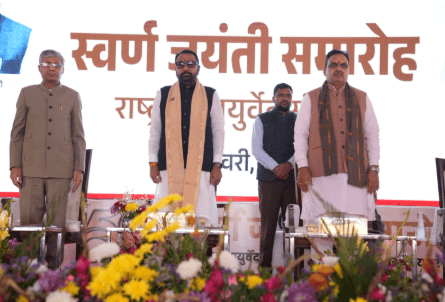
Sangappa Nominated as Executive Council Member of VTU: Bold 1 Moment of Trust

The nomination of Sangappa as an Executive Council Member of Visvesvaraya Technological University (VTU) has been widely welcomed across academic and public circles, with many describing it as a significant moment for higher technical education in Karnataka. The Executive Council is the highest decision-making body of the university, entrusted with shaping policy, governance, and long-term academic direction. Sangappa’s induction into this influential body is being seen as recognition of his experience, credibility, and sustained engagement with education and public service.

Visvesvaraya Technological University, headquartered in Belagavi, oversees hundreds of engineering and technical institutions across the State. Decisions taken by its Executive Council have far-reaching implications, affecting curriculum frameworks, faculty appointments, infrastructure development, research priorities, and student welfare. Against this backdrop, Sangappa’s nomination carries considerable importance, particularly at a time when technical education is undergoing rapid transformation driven by industry needs, technology shifts, and global competition.

Those familiar with Sangappa’s work say his association with education and administration has been marked by a practical approach and sensitivity to institutional challenges. His nomination is expected to bring a grounded perspective to policy discussions, especially in areas such as academic quality, regional balance in development, and access to technical education for students from rural and underrepresented backgrounds. Educationists believe that such representation is essential for ensuring that policy decisions remain inclusive and responsive.

The announcement of the nomination has generated positive responses from teaching communities, academic administrators, and student representatives. Many have expressed hope that Sangappa will act as a bridge between policymakers and institutions on the ground, voicing concerns that often go unheard at higher levels. His role is expected to involve active participation in deliberations on governance reforms, regulatory compliance, and strategic planning for the university.Sangappa nominated as Executive Council Member of Visvesvaraya  Technological University - The Hindu

VTU, named after the renowned engineer and statesman Sir M. Visvesvaraya, has a mandate that extends beyond conventional academic administration. The university plays a key role in shaping Karnataka’s technical workforce, influencing innovation ecosystems and industrial growth. As an Executive Council Member, Sangappa will be part of decisions that directly affect the future readiness of engineering graduates and the relevance of technical education in a changing economy.

Officials associated with the university noted that the nomination comes at a crucial juncture. With increasing emphasis on interdisciplinary learning, research-driven education, and industry collaboration, VTU is in the process of reassessing several of its long-standing practices. The inclusion of experienced members in its Executive Council is seen as vital for steering these reforms with balance and foresight.

For Sangappa, the nomination represents both an honour and a responsibility. In informal interactions, he has reportedly acknowledged the trust placed in him and expressed commitment to contributing constructively to the university’s growth. Observers say his approach is likely to focus on strengthening institutional accountability while safeguarding academic autonomy.

Role of the Executive Council and Expectations from the Nomination

The Executive Council of VTU functions as the apex governing authority, responsible for approving regulations, overseeing financial decisions, and ensuring that the university operates in accordance with its objectives and statutory obligations. Members are expected to bring diverse perspectives, ranging from academic expertise to administrative experience, to guide the institution through complex challenges.

Sangappa’s nomination is expected to add value particularly in discussions around decentralisation and equitable development. VTU’s vast network of affiliated colleges spans urban centres and remote regions alike, creating disparities in infrastructure, faculty strength, and student exposure. Addressing these imbalances has been a recurring concern, and stakeholders hope that the new member will advocate policies that uplift institutions in less-developed regions.

Academic leaders point out that the Executive Council plays a crucial role in curriculum reform. With rapid advancements in artificial intelligence, renewable energy, biotechnology, and data science, engineering education requires constant updating. There is growing pressure on universities to ensure that graduates are industry-ready while retaining strong foundations in theory and ethics. Sangappa’s participation in such deliberations is expected to emphasise relevance without compromising academic rigour.

Faculty welfare and recruitment processes are another area where the Council’s decisions have lasting impact. Delays in appointments, uneven workload distribution, and limited opportunities for professional development have been persistent concerns. Teachers’ associations have expressed hope that the Council, with its renewed composition, will prioritise transparent recruitment, regular promotions, and structured training programmes.VTU Online Class - Home

The nomination has also been viewed through the lens of governance reform. Universities across the country are under scrutiny to improve transparency, financial discipline, and responsiveness. As a member of the Executive Council, Sangappa will be involved in approving budgets, monitoring expenditure, and ensuring that public resources are used effectively. His role is expected to contribute to strengthening institutional credibility.

Student representatives have welcomed the nomination, expressing optimism that student-centric issues will receive greater attention. Concerns related to examination reforms, evaluation fairness, internship opportunities, and mental health support have gained prominence in recent years. While the Executive Council does not engage in day-to-day administration, its policy directions significantly influence how such issues are addressed.

Education analysts note that nominations to bodies like the Executive Council are not merely symbolic. Members can shape long-term vision documents, influence regulatory alignment, and guide collaborations with industry and research institutions. Sangappa’s presence is therefore seen as an opportunity to bring fresh energy and pragmatic thinking into the university’s leadership.

At the same time, expectations are high. Stakeholders are aware that systemic challenges cannot be resolved overnight and require sustained engagement. The effectiveness of any Council member depends not only on intent but also on the ability to navigate institutional structures and build consensus. Observers will be watching closely to see how Sangappa positions himself within these dynamics.

Implications for Technical Education and the Road Ahead

The nomination comes at a time when Karnataka is positioning itself as a hub for technology-driven growth. The State’s demand for skilled engineers and technologists continues to rise, driven by sectors such as information technology, manufacturing, electronics, and clean energy. Universities like VTU play a central role in meeting this demand, making effective governance all the more critical.

Experts believe that the Executive Council must now focus on aligning academic outcomes with evolving industry expectations. This includes promoting project-based learning, encouraging internships, and strengthening research-industry linkages. As a Council member, Sangappa is expected to support initiatives that bridge the gap between classrooms and workplaces.

Another key challenge is balancing expansion with quality. Over the years, the rapid growth of engineering institutions has raised concerns about standards. Ensuring consistent quality across affiliated colleges requires robust monitoring and support mechanisms. Policymakers hope that the Council will take decisive steps to enforce norms while also assisting institutions in capacity building.Visvesvaraya Technological University - Wikipedia

The issue of student employability remains central to discussions on technical education. While enrolment numbers remain high, placement outcomes vary widely. Addressing this gap requires coordinated efforts involving curriculum reform, faculty upskilling, and industry partnerships. Sangappa’s contribution to these discussions is expected to emphasise practical solutions rather than short-term measures.

Research and innovation are other areas demanding attention. VTU has the potential to become a major research-driven university, but this requires sustained investment and supportive policies. Encouraging faculty and students to engage in meaningful research, securing funding, and fostering a culture of innovation are tasks that fall within the strategic domain of the Executive Council.

There is also growing recognition of the need to support students beyond academics. Issues such as mental health, financial stress, and career uncertainty have become more visible in recent years. University policies that address these concerns holistically are increasingly seen as integral to educational success. Stakeholders hope that the Council will adopt a more empathetic and student-focused approach in its policy frameworks.

From a governance perspective, the nomination reinforces the importance of inclusive leadership. Bringing in members with diverse experiences can help universities avoid insular decision-making and remain connected to societal needs. Sangappa’s induction is therefore viewed as part of a broader effort to strengthen institutional leadership through representation and experience.

As Sangappa begins his tenure as an Executive Council Member, expectations are both hopeful and cautious. The role offers an opportunity to contribute meaningfully to shaping the future of technical education in Karnataka. At the same time, it demands commitment, integrity, and sustained engagement with complex issues.

Ultimately, the nomination reflects trust in Sangappa’s ability to serve the larger interests of students, institutions, and the State’s education system. Whether this trust translates into tangible outcomes will depend on how effectively the Executive Council functions in the coming years. For now, the development stands as a significant milestone, signalling continuity, responsibility, and the possibility of thoughtful reform at one of Karnataka’s most influential universities.

Ultimately, the nomination reflects trust in Sangappa’s ability to serve the larger interests of students, institutions, and the State’s education system. Whether this trust translates into tangible outcomes will depend on how effectively the Executive Council functions in the coming years. For now, the development stands as a significant milestone, signalling continuity, responsibility, and the possibility of thoughtful reform at one of Karnataka’s most influential universities.

Follow: Karnataka Government

Also read: Home | Channel 6 Network – Latest News, Breaking Updates: Politics, Business, Tech & More

Iconic South Bengaluru Single Screen Faces Uncertain Future Amid Land Dispute: Bittersweet 50-Year Legacy

An iconic single-screen cinema in south Bengaluru, which has entertained generations of moviegoers for more than five decades, now finds itself at the centre of a prolonged land litigation, casting uncertainty over its future. The theatre, long regarded as a cultural landmark rather than just a movie hall, has been a part of the city’s social and cinematic memory since the early 1970s. Its present predicament has triggered concern among film lovers, residents, and heritage enthusiasts who view the dispute as another sign of Bengaluru’s rapidly changing urban and cultural landscape.

For over 50 years, the theatre has served as a gathering space for families, students, and working professionals, offering affordable entertainment and a sense of community that multiplexes rarely replicate. From first-day-first-show celebrations to late-night screenings and festival releases, the single screen has witnessed the evolution of Kannada, Tamil, Telugu, and Hindi cinema. Its wide balconies, familiar ticket counters, and hand-painted posters are etched into the memories of thousands who grew up around it.

The ongoing litigation has also raised questions about the absence of structured archival documentation for cinema halls that have shaped regional film cultures. Historians point out that while films themselves are preserved and studied, the spaces that exhibited them are often ignored in urban records. This gap makes it difficult to argue for preservation on formal grounds, even when public sentiment strongly favours it. The case has therefore renewed calls for documenting and recognising exhibition spaces as part of the city’s cultural infrastructure.

Younger audiences, many of whom grew up during the multiplex era, have also begun to engage with the debate. For them, the single screen represents an experience they are only now discovering, marked by affordability, spontaneity, and community participation. College students and first-time visitors say the theatre offers a sense of authenticity missing from standardised multiplex formats. Their voices have added a new dimension to public discussions, bridging generational divides around cultural preservation.

Local businesses in the surrounding area are closely watching the outcome of the dispute. Small eateries, tea stalls, and vendors who depend on movie crowds fear a downturn if the theatre shuts down or relocates. For decades, the cinema has functioned as an anchor for the neighbourhood’s micro-economy. Its potential disappearance could alter the character of the area, replacing everyday social activity with more exclusive commercial spaces.

Legal observers note that prolonged uncertainty itself can be damaging, regardless of the final verdict. As maintenance is deferred and investments stall, the physical condition of the theatre risks gradual decline. Even if the dispute is eventually resolved in favour of continued operations, reviving the space may require significant resources. This limbo, they argue, underscores the need for time-bound resolution mechanisms in cases involving functioning public spaces.

As the case progresses, the theatre’s story continues to resonate far beyond south Bengaluru. It has become a reference point in broader conversations about urban memory, cultural continuity, and the cost of unchecked development. Whether the curtains rise on a future of renewal or fall on a long-running legacy will depend on decisions made in courtrooms and boardrooms alike. For now, the iconic single screen endures, holding on to its place in the city’s heart while its fate remains undecided.

Are Urvashi's days too numbered? - The Hindu

The land litigation, currently under consideration by the courts, revolves around ownership and redevelopment rights of the property on which the theatre stands. According to sources familiar with the matter, competing claims have been made over the land, with arguments ranging from inheritance disputes to questions over lease agreements executed decades ago. While the legal process unfolds, the uncertainty has affected both the theatre’s operations and its long-term planning.

Employees associated with the cinema say the dispute has created anxiety about job security and continuity. Many staff members have worked at the theatre for decades, building livelihoods around its steady operations. The possibility that the land could be repurposed for commercial development has heightened fears that the single screen may eventually shut down, ending a chapter of Bengaluru’s cultural life.

Residents of south Bengaluru, particularly long-time locals, see the litigation as symptomatic of a broader trend in the city. As land values soar and redevelopment pressures intensify, older institutions are increasingly vulnerable to legal and commercial forces. For them, the theatre’s struggle represents the clash between nostalgia and modern urban economics.

Cinema historians point out that single-screen theatres once played a crucial role in shaping Bengaluru’s film culture. They were not merely exhibition spaces but social hubs where audiences debated films, stars, and politics. The decline of such theatres, accelerated by multiplex expansion and real estate pressures, has already transformed viewing habits. The current dispute, they argue, threatens to erase one of the few surviving links to that era.

Land Dispute, Urban Pressures, and the Legal Maze

The litigation surrounding the theatre has brought attention to the complex nature of land ownership in Bengaluru, where properties established decades ago often lack clear documentation by present-day standards. Legal experts note that many such disputes stem from ambiguities in title deeds, changes in land use regulations, and generational transfers of ownership without formal partition. Resolving these cases can take years, during which the properties remain in limbo.

In this case, the theatre management has maintained that it is operating lawfully while the matter is sub judice. However, uncertainty over redevelopment rights has limited investments in renovation or technological upgrades. Industry observers say that without clarity on ownership, single-screen theatres struggle to compete with modern multiplexes that offer superior infrastructure and amenities.

The dispute also highlights the pressures exerted by Bengaluru’s real estate boom. South Bengaluru, once known for its quieter residential neighbourhoods, has witnessed rapid commercialisation. Land parcels that once housed community spaces are now seen as high-value assets, attracting developers eager to build malls, offices, or high-rise apartments. In such an environment, cultural institutions often find themselves disadvantaged.Bengaluru's Favourite Single Screen Cauvery Theatre Shuts Down | Kannada -  Times Now

Urban planners argue that the city lacks a clear policy framework to protect culturally significant spaces that are privately owned. While heritage conservation laws exist, they rarely extend to cinemas unless they meet strict architectural or historical criteria. As a result, theatres that are culturally important but not officially protected remain vulnerable to redevelopment pressures and legal disputes.

The legal proceedings have also sparked debate over whether courts should consider cultural value alongside property rights. While ownership and legality remain paramount, some experts believe there is scope for mediation that balances commercial interests with preservation. Such approaches, they argue, could prevent the loss of spaces that contribute to a city’s identity.

Meanwhile, moviegoers continue to visit the theatre, albeit with a sense of uncertainty. Regular patrons say that attending screenings now feels like an act of quiet resistance, a way of keeping the space alive while its fate hangs in the balance. Social media discussions and informal campaigns have emerged, with citizens sharing memories and calling for the theatre’s preservation.

Film industry voices have also weighed in, describing the situation as deeply unfortunate. Directors and actors who attended premieres or fan events at the theatre recall it as a place where cinema felt accessible and communal. They worry that the disappearance of such venues narrows the diversity of viewing experiences and distances films from everyday audiences.

Cultural Loss, Public Sentiment, and the Road Ahead

Beyond legal arguments, the theatre’s predicament has reignited conversations about what Bengaluru stands to lose if such spaces disappear. Single-screen cinemas often serve neighbourhoods that may not easily access multiplexes, both geographically and economically. Their closure can limit cultural participation, particularly for lower-income groups and elderly residents who rely on familiar local venues.

Sociologists note that cinemas like this one function as informal public spaces, fostering shared experiences across social classes. The collective laughter, applause, and emotional reactions inside a single screen create a sense of belonging that is difficult to replicate elsewhere. Losing such spaces, they argue, contributes to the fragmentation of urban social life.

There is also concern about the erasure of intangible heritage. While buildings can be replaced, the memories associated with them cannot. For many Bengaluru residents, the theatre is tied to first movie outings, family traditions, and landmark film releases. Its potential closure would represent not just the loss of a structure, but of a shared emotional history.

Some citizen groups have called for dialogue between stakeholders to explore alternatives that could allow the theatre to survive alongside redevelopment. Suggestions include retaining the cinema as part of a mixed-use project or granting it heritage status based on cultural significance. However, such solutions depend on legal outcomes and the willingness of parties to compromise.

Government officials have so far refrained from commenting directly on the dispute, citing its pendency before the courts. Nonetheless, the case has added to demands for clearer policies on protecting cultural spaces amid urban growth. Advocates argue that without proactive measures, more theatres, libraries, and community halls will face similar fates.

For now, the theatre continues to operate under a cloud of uncertainty, its projector lights still flickering even as legal arguments unfold elsewhere. Each screening carries an unspoken question about how long the doors will remain open. Staff, patrons, and cinema lovers hope that the dispute will be resolved in a way that allows the theatre to continue its role in the city’s cultural life.Housefull boards fade into oblivion as no revival in sight for single  screens in 'Broadway of cinema' - The Hindu

As Bengaluru grapples with balancing development and heritage, the fate of this iconic single screen has come to symbolise a larger dilemma. Whether it emerges from litigation intact or gives way to redevelopment will signal how the city values its cultural past amid relentless change. Until then, the theatre stands as a reminder of an era when cinema was not just consumed, but collectively experienced, cherished, and woven into the rhythm of everyday life.

Follow: Karnataka Government

Also read: Home | Channel 6 Network – Latest News, Breaking Updates: Politics, Business, Tech & More

AIMIM Malda March and Muslim Vote Focus

AIMIM Malda March: The political landscape of West Bengal is undergoing significant shifts as the AIMIM, a Hyderabad‑based party led by Asaduddin Owaisi, sets its sights on Malda district. With a Muslim population of around 52 percent, Malda has long been a stronghold of the Trinamool Congress (TMC) and Congress. AIMIM’s entry, marked by the planned Adhikar Yatra, signals a new attempt to mobilize minority voters and challenge established parties.


AIMIM Malda March: The Adhikar Yatra

The AIMIM has announced a march from December 22 to 25, 2025, covering at least eight Assembly constituencies in Malda.

  • The march aims to highlight issues of minority rights, corruption, and governance failures.
  • District president Rezaul Karim confirmed that 20 offices have already been opened in 10 constituencies.
  • State president Imran Solanki emphasized that AIMIM will also expand into Murshidabad, North Dinajpur, Birbhum, and Nadia.

For official references:


Political Context

Malda has historically been a Congress bastion, later dominated by TMC. In 2021, TMC won 8 of 12 Assembly seats. AIMIM’s entry threatens to fragment the minority vote, potentially benefiting the BJP.

  • AIMIM recently won five Assembly seats in Bihar’s Seemanchal region.
  • Suspended TMC MLA Humayan Kabir has expressed interest in joining AIMIM.
  • Owaisi himself is expected to visit Bengal, focusing on Malda and Murshidabad.

Human Cost and Community Concerns

AIMIM argues that minorities in Bengal have been betrayed:

  • Allegations of corruption in welfare schemes.
  • Complaints of discrimination in education and employment.
  • Concerns about communal polarization and rising insecurity.

Government references:


Governance and Accountability

AIMIM leaders accuse TMC of:

  • Using state funds for temple construction while neglecting mosques.
  • Failing to deliver on promises of minority welfare.
  • Allowing BJP to rise in Bengal through mismanagement.

Historical Context of Malda

Malda’s political history is shaped by:

  • Its role as a Congress stronghold under leaders like A.B.A. Ghani Khan Choudhury.
  • Its demographic composition, with a majority Muslim population.
  • Its strategic location near the Bangladesh border, making it sensitive to migration and security issues.

Broader Implications for Democracy

The AIMIM’s march underscores key issues:

  • Minority representation: Ensuring communities feel politically empowered.
  • Federalism: Balancing regional aspirations with national politics.
  • Electoral competition: New entrants challenge established parties, reshaping alliances.

Global Comparisons

Minority‑focused parties exist worldwide:

  • In the UK, parties like Respect mobilized Muslim voters.
  • In Israel, Arab parties play a role in coalition politics.
  • AIMIM’s strategy mirrors global trends of identity‑based mobilization.

Conclusion

The AIMIM’s planned Adhikar Yatra in Malda is more than a political march—it is a test of Bengal’s democratic inclusivity and electoral dynamics. By focusing on Muslim votes, AIMIM challenges the dominance of TMC and Congress, while raising questions about governance, minority rights, and political accountability.

Also read: Home | Channel 6 Network – Latest News, Breaking Updates: Politics, Business, Tech & More

Southern Students’ Deep Empathy for Wildlife Comes to Light: Revealing 2 Signs of Hope

A recent study has revealed that students from Karnataka and Tamil Nadu demonstrate significantly higher levels of empathy and pro-wildlife attitudes compared to their peers in several other regions. The findings have drawn attention to the role of education, cultural context, and early exposure to nature in shaping young minds toward conservation-oriented values. Researchers involved in the study say the results are encouraging at a time when environmental degradation and human–wildlife conflict continue to pose serious challenges across the country.

The researchers also point out that language and regional context play a subtle but important role in shaping empathy. When conservation concepts are taught in students’ mother tongues and linked to local ecosystems, the ideas become more relatable and emotionally resonant. In Karnataka and Tamil Nadu, locally grounded examples of forests, rivers, and wildlife appear to have helped students connect global environmental concerns with their immediate surroundings. This localisation of learning, the study suggests, strengthens both understanding and emotional engagement.

Another notable observation relates to students’ perceptions of responsibility. A significant number of respondents from the two States expressed the belief that protecting wildlife is not solely the duty of the government but a shared social obligation. This sense of collective responsibility was less pronounced in regions where environmental education was more exam-oriented. Researchers argue that such attitudes are crucial for building long-term conservation movements that rely on public participation rather than enforcement alone.

The study further highlights the positive impact of collaboration between schools and external organisations. Partnerships with forest departments, conservation groups, and universities were associated with higher empathy scores among students. Guest lectures, nature walks, and interactive workshops exposed students to real-world conservation challenges and solutions. These interactions helped demystify wildlife management and presented conservation as a practical, achievable goal rather than a distant ideal.

Technology was also found to play a supportive role in shaping pro-wildlife attitudes. Digital tools such as virtual tours of wildlife habitats, interactive apps, and online citizen science platforms helped sustain interest, especially among urban students with limited access to natural spaces. When used thoughtfully, these tools complemented field experiences and reinforced learning outcomes. The researchers caution, however, that technology should enhance rather than replace direct engagement with nature.

In concluding their analysis, the authors emphasise that the empathy observed among students in Karnataka and Tamil Nadu represents a valuable social asset. Preserving and nurturing this mindset will require consistent policy support, curriculum innovation, and community involvement. As environmental challenges grow more complex, the willingness of young people to care for and protect wildlife may prove to be one of the most decisive factors in shaping a sustainable future.

Karnataka second in country in leopard numbers - The Hindu

The study examined attitudes, perceptions, and emotional responses of students across different age groups, focusing on how young people relate to wildlife and conservation issues. By analysing responses to carefully designed questionnaires and situational scenarios, the researchers assessed empathy levels, willingness to protect animals, and understanding of ecological balance. Students from Karnataka and Tamil Nadu consistently scored higher on parameters linked to compassion for animals and support for conservation efforts.

According to the researchers, empathy toward wildlife is not merely an emotional trait but a crucial foundation for long-term conservation success. Individuals who develop respect and concern for animals at a young age are more likely to support sustainable practices, comply with conservation laws, and participate in environmental protection initiatives later in life. The study suggests that fostering such attitudes during school years can have lasting societal benefits.

One of the striking aspects of the findings is the consistency across urban and semi-urban students in the two States. While exposure to forests and wildlife is often assumed to be higher in rural settings, the study found that even students in cities such as Bengaluru and Chennai displayed strong pro-wildlife sentiments. This challenges the notion that physical proximity to wildlife alone determines empathy, pointing instead to the influence of education systems and cultural narratives.

Researchers attribute part of this trend to the presence of environmental education in school curricula and extracurricular activities. Both Karnataka and Tamil Nadu have a long tradition of integrating nature studies, eco-clubs, and field visits into school programmes. These initiatives, the study notes, help students move beyond textbook knowledge and develop emotional connections with the natural world.

The role of teachers and institutions also emerged as a significant factor. Schools that actively encouraged discussions on biodiversity, climate change, and ethical treatment of animals reported higher empathy scores among students. Educators who framed conservation as a shared responsibility rather than an abstract concept were found to have a particularly strong impact on student attitudes.

Cultural Context, Education, and Exposure to Nature

The cultural landscape of Karnataka and Tamil Nadu appears to play an important role in shaping pro-wildlife attitudes. Both States have rich traditions that emphasise coexistence with nature, reflected in folklore, religious practices, and community rituals. Animals often feature as symbols of protection, strength, and harmony, reinforcing respect for wildlife from an early age. Researchers believe such cultural reinforcement complements formal education in nurturing empathy.Man-animal conflict frays India's wildlife conservation ethos - The Hindu

The study also highlights the influence of public discourse and media. Frequent coverage of wildlife conservation, forest protection, and environmental challenges in regional media has increased awareness among young audiences. Students exposed to documentaries, news reports, and campaigns about endangered species were more likely to express concern for animal welfare and habitat preservation.

Field-based learning emerged as a particularly powerful tool. Students who had participated in nature camps, wildlife sanctuaries visits, or biodiversity surveys showed deeper understanding and emotional engagement. Direct experiences with nature, the researchers argue, allow students to appreciate the complexity of ecosystems and the consequences of human actions. This experiential learning helps transform abstract ideas into personal values.

Interestingly, the study found that fear of wildlife did not necessarily reduce empathy. While some students expressed apprehension about animals such as elephants or snakes, this did not translate into negative attitudes. Instead, many acknowledged the importance of protecting such species despite potential risks. This nuanced understanding suggests that education can help balance safety concerns with conservation ethics.

Parental attitudes were another influential factor. Students from families that discussed environmental issues or practised sustainable habits at home were more likely to exhibit pro-wildlife views. Simple actions such as avoiding harm to animals, conserving water, or participating in community clean-ups reinforced values learned at school. The study emphasises that conservation education is most effective when supported by家庭 environments that model respect for nature.

The findings also shed light on gender differences. While both boys and girls in Karnataka and Tamil Nadu showed high empathy levels, girls tended to score slightly higher on emotional responsiveness toward animals. Researchers caution against overgeneralisation but suggest that socialisation patterns may influence how empathy is expressed. Importantly, the overall trend indicates strong conservation-oriented attitudes across genders.

Implications for Conservation Policy and Future Education

The study’s conclusions carry important implications for policymakers, educators, and conservationists. By demonstrating that empathy and pro-wildlife attitudes can be cultivated through education and cultural engagement, the findings challenge deterministic views that environmental concern is solely shaped by geography or economic factors. Instead, they point to the transformative potential of well-designed educational interventions.

Experts argue that the success seen in Karnataka and Tamil Nadu can serve as a model for other States. Integrating environmental education across subjects, rather than confining it to isolated lessons, could help normalise conservation values. Storytelling, project-based learning, and community involvement are cited as effective strategies for deepening student engagement.

The study also underscores the need to invest in teacher training. Educators play a pivotal role in shaping how students perceive wildlife and environmental issues. Providing teachers with resources, training, and institutional support can amplify the impact of conservation education. When teachers are confident and informed, they are better equipped to inspire empathy and critical thinking among students.Almost 60% of India's elephants are in Karnataka, Assam, Tamil Nadu - The Hindu

For conservation agencies, the findings suggest that youth engagement should be a central pillar of strategy. Young people with strong pro-wildlife attitudes can become advocates within their families and communities, influencing behaviour beyond school boundaries. Programmes that empower students to participate in conservation projects can harness this potential and create grassroots support for wildlife protection.

The research also has relevance in the context of increasing human–wildlife conflict. Empathy-driven education can help foster tolerance and understanding, reducing antagonism toward animals that share human landscapes. By teaching students about ecological roles and coexistence strategies, schools can contribute to more informed and compassionate responses to conflict situations.

However, researchers caution that positive attitudes alone are not sufficient. Structural challenges such as habitat loss, climate change, and policy gaps require systemic solutions. Empathy must be coupled with opportunities for action, enabling young people to translate values into practice. This includes platforms for student-led initiatives, citizen science, and community outreach.

As environmental pressures intensify, the study offers a hopeful narrative amid widespread concern. The demonstrated empathy of students in Karnataka and Tamil Nadu suggests that future generations may be better equipped to address conservation challenges. Nurturing this potential will require sustained commitment from educational institutions, families, and governments.

Ultimately, the study reinforces a simple yet powerful idea: attitudes toward wildlife are shaped, not fixed. By investing in education that fosters empathy, respect, and responsibility, society can lay the groundwork for a more harmonious relationship with nature. The experiences of students in Karnataka and Tamil Nadu stand as a testament to what is possible when conservation values are woven into the fabric of learning and culture.

Follow: Karnataka Government

Also read: Home | Channel 6 Network – Latest News, Breaking Updates: Politics, Business, Tech & More

Karnataka Minister Vows Justice for Victims of Fake Land Grant Scam: Shocking 1 Breach of Trust

The Karnataka government has promised strict action against officials allegedly involved in issuing fake land grant certificates, a revelation that has sparked outrage and renewed concerns about corruption within the land administration system. Making a statement on the issue, a senior Minister said that the government would not hesitate to act against any official found guilty, irrespective of rank or position. The assurance comes amid mounting complaints from citizens who claim they were misled, cheated, or denied their rightful land due to forged or illegally issued documents.

The government is also considering a comprehensive review of past land grant cases over a fixed period to identify patterns of irregularities. Officials said this exercise would focus on high-risk zones where complaints have been frequent and land values have risen sharply in recent years. By mapping trends rather than treating cases in isolation, the administration hopes to uncover organised wrongdoing and prevent repeat offences. Such a review, though resource-intensive, is seen as critical to ensuring that corrective action is systemic rather than symbolic.

Revenue department sources indicated that coordination between departments will be strengthened to avoid gaps in verification. Land grants often intersect with forest, urban development, and local body jurisdictions, creating overlaps that can be exploited. By improving data sharing and joint inspections, the government aims to close loopholes that allow fake certificates to pass undetected. Officials believe this inter-departmental approach will also speed up resolution of disputes and reduce the burden on courts.

The issue has also triggered a wider debate on accountability within the bureaucracy. Senior administrators have privately acknowledged that disciplinary proceedings often move slowly, diluting their deterrent effect. There is now a push to fast-track cases involving forged land documents, with fixed timelines for inquiries and penalties. The Minister has indicated that delays will be viewed seriously and that supervisory officials will also be held responsible for lapses under their watch.

As public scrutiny intensifies, the coming weeks are expected to be crucial in determining the credibility of the government’s response. Citizens and advocacy groups are watching closely for concrete outcomes, such as suspensions, prosecutions, and corrective measures on the ground. For many, this moment represents an opportunity to reset land governance on principles of transparency and fairness. Whether the promise of action results in lasting change will ultimately define the government’s resolve to protect land rights and uphold public trust.Karnataka Minister promises action against officials involved in providing  fake land grant certificates - The Hindu

Land grant certificates are crucial legal instruments, particularly for marginalised communities, small farmers, and landless families who depend on government grants for livelihood security. Any manipulation of this system not only undermines public trust but also strikes at the core of social justice policies. The Minister acknowledged that fake certificates have caused long-term distress to genuine beneficiaries, many of whom have faced legal disputes, eviction threats, or loss of access to credit due to questionable documentation.

According to preliminary assessments shared by the revenue department, irregularities have been detected in multiple cases across districts, where land grant records do not match official registers or survey data. In some instances, certificates were allegedly issued without field verification, while in others, land meant for public or forest use was shown as granted to private individuals. The Minister said such practices amount to a serious abuse of power and would be dealt with firmly.

The issue came to the forefront following representations from affected citizens and legislators, who raised concerns about the growing number of disputes linked to forged grants. Complaints indicate that fake certificates were often used to sell land, secure bank loans, or claim compensation, creating layers of legal complexity. For genuine landholders, the fallout has been severe, with years of litigation and uncertainty becoming a harsh reality.

The Minister clarified that while some beneficiaries may have acted in good faith, relying on documents issued by officials, accountability would rest primarily on those who misused their authority. “No honest citizen should suffer because of the wrongdoing of officials,” the Minister said, adding that the government’s priority was to protect genuine beneficiaries while punishing those responsible for the fraud.

Systemic Lapses, Official Complicity, and the Investigation Process

Officials involved in the inquiry have indicated that the scam appears to be the result of systemic lapses combined with deliberate manipulation. Revenue offices handle vast volumes of records, many of which date back several decades and exist in fragile physical formats. This has created opportunities for tampering, backdating, and insertion of false entries. However, investigators stress that the issuance of fake certificates cannot occur without active or passive complicity of officials.

The government has ordered a detailed probe to identify how such certificates were generated, approved, and entered into official records. This includes scrutiny of village-level offices, taluk revenue staff, and supervisory officials who were responsible for verification and authentication. Digital land record systems are also being examined to trace discrepancies between physical files and online data.

The Minister stated that departmental inquiries would be initiated against officials wherever prima facie evidence emerges. In cases involving criminal intent, the government would not hesitate to pursue police action. Suspension, dismissal, and recovery of losses are among the measures being considered. The message, according to officials, is clear: misuse of public office for personal gain will not be tolerated.Karnataka minister warns of criminal proceedings against those involved in  land scam

Legal experts note that land-related fraud is particularly damaging because it affects multiple stakeholders over long periods. A single fake certificate can trigger disputes involving buyers, banks, government agencies, and courts. Rectifying such cases often requires painstaking verification of historical records, surveys, and legal proceedings, placing an enormous burden on the justice system.

The Minister also highlighted the role of middlemen who exploit loopholes in the system. These intermediaries often approach vulnerable individuals, promising quick land grants or regularisation in exchange for money. Investigators believe that such networks operate in coordination with corrupt officials, making detection difficult unless complaints are pursued persistently.

Opposition leaders have demanded time-bound action and transparency in the investigation process. They argue that previous assurances in similar cases did not always translate into meaningful outcomes. While welcoming the Minister’s statement, they have called for public disclosure of findings and strict monitoring to ensure that inquiries do not lose momentum.

Civil society groups working on land rights have echoed these concerns. They stress that land is not merely a commodity but a source of dignity and security, particularly for rural families. Any manipulation of land records, they argue, perpetuates inequality and erodes faith in governance. These groups have urged the government to involve independent experts in the verification process to enhance credibility.

Impact on Citizens, Reforms Ahead, and Restoring Trust

For affected citizens, the government’s assurance offers cautious hope. Many families have spent years navigating bureaucratic corridors and courts to prove the authenticity of their land holdings. Some have lost access to welfare benefits, agricultural loans, or housing schemes due to disputed records. The promise of action against erring officials is seen as a necessary first step toward relief.

The Minister has indicated that the government is also exploring corrective mechanisms to safeguard genuine beneficiaries. This includes re-verification of land grants, issuance of corrected certificates where required, and legal assistance to those caught in disputes through no fault of their own. Officials say that such measures are essential to ensure that justice is not delayed for innocent citizens.

The controversy has reignited discussions on land record reforms in Karnataka. While digitisation has improved transparency in many areas, experts argue that technology alone cannot eliminate corruption unless accompanied by accountability and regular audits. There is a growing call for periodic verification of land grants, rotation of staff in sensitive positions, and stronger whistleblower protections.

Another proposal under consideration is strengthening grievance redressal mechanisms at the district level. Many victims of fake certificates claim that their complaints were ignored or delayed for years. By empowering district authorities with clear timelines and accountability, the government hopes to prevent such cases from escalating into prolonged disputes.

The issue also has political implications. Land governance has long been a sensitive subject in Karnataka, influencing electoral outcomes and public perception. Any failure to act decisively could have consequences for the government’s credibility. Analysts note that visible action against officials, rather than symbolic gestures, will be key to restoring public trust.Fake Experience Certificate Scam Rocks Karnataka Transport Department;  JD(S) Demands SIT Probe, Government Promises Action | TheBengaluruLive -  Bengaluru/Bangalore News - Read Latest News And Live Updates.  TheBengaluruLive.com And Kannada ...

The Minister’s statement has been welcomed by farmers’ organisations, which have repeatedly flagged irregularities in land administration. They argue that honest farmers often bear the brunt of systemic failures, while those responsible escape scrutiny. Strong action, they say, could deter future malpractice and reassure rural communities.

At the administrative level, senior officials have been instructed to review internal controls and reporting structures. Training programmes focusing on ethical conduct and legal responsibilities are also being discussed. While such measures may not yield immediate results, they are seen as necessary for long-term reform.

As investigations proceed, the spotlight remains firmly on how the government translates its promise into action. For many citizens, this is not just about punishing wrongdoers but about reclaiming faith in the system meant to protect their rights. The outcome of this exercise will likely shape public confidence in land governance for years to come.

Ultimately, the fake land grant certificate issue serves as a stark reminder of the consequences of administrative corruption. When documents meant to empower the vulnerable are misused, the damage extends far beyond individual cases. By pledging action against erring officials, the Karnataka government has signalled its intent to confront this challenge. Whether this intent leads to lasting reform will determine if justice moves beyond words and into reality for those affected.

Follow: Karnataka Government

Also read: Home | Channel 6 Network – Latest News, Breaking Updates: Politics, Business, Tech & More