The domestic equity market ended Thursday’s session, 27 November 2025 on a flat-to-positive note, with the Nifty 50 managing to reclaim the 26,200 mark in the closing minutes despite sharp declines in select mid‑cap names. A strong showing from financials and sustained buying in a clutch of small- and mid-cap gainers helped the benchmark reverse its afternoon losses and finish with a modest uptick.
The Nifty 50 settled around 26,215.55, up about 10 points or 0.04%, after opening near 26,261 and scaling an intraday high of roughly 26,310.45. The index, however, also slipped to a low near 26,141.90 during the day, reflecting intraday volatility as traders alternated between profit‑booking and value buying near record levels.
Financials hold the fort
Support for the benchmark continued to come from financial counters, with the Nifty Financial Services index closing around 27,946, up nearly 0.53% for the session. Bank Nifty also finished firm near 59,737, gaining about 0.35%, underlining steady institutional interest in large banks that remain key drivers of index performance.
Top gainers in broader market
Within the broader market, ATL-RE, Agritech (AGRITECH) and PRITI were among the standout performers, rallying between 20% and about 24% and hitting or nearing upper circuits on the NSE. CREST and Patel Engineering (PATELENG) also surged 12–15%, with Patel Engineering witnessing exceptionally heavy volumes exceeding 22 crore shares, pointing to strong momentum participation from both traders and short-term investors.
Heavy losses in select stocks
On the flip side, Adani RE and Whirlpool of India extended their sharp declines, slipping about 14% and 11.5% respectively, with both counters seeing elevated turnover as investors reacted to valuation concerns and recent corporate actions. BAIDFIN-RE, LPDC and Mangalam also dropped between 10% and 11%, reflecting broad profit‑taking in high‑beta mid- and small-cap names that had run up significantly in previous sessions.
Closing take and outlook: 27 November 2025
Market analysts note that the Nifty’s ability to close above 26,200 despite heavy selling in a few prominent stocks signals underlying strength, with support now seen around 26,100–26,050 and resistance near 26,300–26,350. Going ahead, experts expect the trend to remain positive but range‑bound, advising traders to stay selective in mid‑caps, focus on names with strong earnings visibility and use any dips in financials and quality large‑caps for staggered accumulation.
The Indian equity market gave up early gains on Thursday afternoon, 27 November 2025 with the Nifty 50 slipping into the red and trading just below the 26,200 mark as profit‑booking emerged in heavyweight and mid‑cap counters. Despite the late sell‑off in select stocks, buying support in banking and financial services names helped limit the damage, keeping the broader trend from turning sharply negative.
The Nifty 50 was last seen around 26,182, down nearly 23 points or 0.09%, after opening near 26,261 and briefly scaling an intraday high of about 26,310. The index also tested a low close to 26,141, indicating intraday volatility as traders booked profits near record highs and turned cautious ahead of fresh global cues.
Financials provide key support
Even as the headline index eased, the Nifty Financial Services index stayed firm near 27,918, up about 0.4%, reflecting continued interest in leading lenders and NBFCs. Bank Nifty also traded in the green around 59,656, adding over 0.2%, with market participants positioning around large private banks that remain central to the ongoing domestic growth narrative.
Broader market top gainers
In the broader market, select mid- and small-cap stocks extended strong rallies, with Agritech (AGRITECH) and PRITI locked at the 20% upper circuit and trading near ₹128.9 and ₹66.4 respectively. ATL-RE, Best Agrolife (BESTAGRO) and Prostar Micron (PROSTARM) also surged between roughly 16.8% and 18%, supported by robust volumes that indicated aggressive momentum buying from short‑term traders.
Heavyweight losers drag sentiment
On the downside, Whirlpool of India continued to slide sharply, down nearly 11% around ₹1,069.5 with heavy turnover above 100 lakh shares, as investors reacted to concerns around valuations and recent capital‑raising plans. Adani RE, LPDC, Mangalam and MCLOUD also hit double‑digit percentage losses, each falling around 10% amid broad‑based profit‑taking in previously high‑beta counters.
Market view and conclusion: 27 November 2025
Technical analysts point out that the failure to hold above the intraday high near 26,310 has created a near‑term resistance zone, while support is now seen around 26,100–26,050 on the Nifty 50. As long as this band holds, the prevailing uptrend is expected to remain intact, but traders are advised to stay selective in mid‑ and small‑caps and use dips in quality financials and index heavyweights for staggered accumulation.
The Indian equity market traded in a narrow range on Thursday, 27 November 2025 with the Nifty 50 hovering just above the 26,200 mark, even as sharp stock-specific moves played out in the broader market. While frontline indices showed only modest gains, several small- and mid-cap counters rallied to the upper circuit, contrasting with heavy profit‑taking in names like Whirlpool of India.
The Nifty 50 was seen around 26,268, marginally higher for the session and not far from its recent all‑time high zone of 26,300–26,330, a band that analysts flag as a key resistance area for the index.
Intraday data showed the index opening near 26,261 with a day’s high above 26,300 and a low near 26,208, underscoring an indecisive but still bullish undertone after the recent breakout above 26,000.
Sectoral and index cues
Financials continued to lend support, with the Nifty Financial Services index trading firm around 27,978 and Bank Nifty above 59,700, extending the strong trend highlighted by recent sessions.
In contrast, the Nifty Next 50 index underperformed, slipping to roughly 69,046, signalling profit‑booking in select large mid-cap names even as headline indices remained resilient.
Mid- and small-cap top gainers
Among notable movers in the broader market, PRITI Projects, Indo US Bio-Tech (INDOUS), Patel Engineering, Best Agrolife and DCI gained between 11% and 20%, with PRITI locked at an approximate 20% surge on relatively low volumes.
Heavy activity was visible in Patel Engineering, which recorded volumes of nearly 4.9 crore shares as traders chased momentum in infrastructure and construction plays following the ongoing capex and project award cycle.
Sharp losses in select counters
On the downside, names such as Mangalam Drugs, Magellanic Cloud (MCLOUD), Whirlpool of India, LPDC and KSR were among the top losers, shedding between about 7.5% and 10% in today’s session.
Whirlpool of India was particularly weak, sliding close to 10% on heavy turnover, extending the underperformance seen after its recent rights‑issue–related developments and valuation concerns flagged by analysts.
Market outlook and conclusion: 27 November 2025
Analysts note that the formation of a high‑wave candle near record highs on the Nifty 50 reflects a tug of war between bulls and bears, with 26,090–26,060 seen as a crucial support band and 26,300–26,500 acting as the next resistance cluster.
As long as the index holds above the 26,000 mark, market experts expect a “buy on dips” strategy to prevail, though they caution that the sharp two‑way moves in mid- and small‑caps warrant selective stock picking and disciplined risk management.
Northeast Frontier Railway Winter: Every winter, dense fog blankets large parts of North Bengal and Assam, creating severe challenges for train operations. The Northeast Frontier Railway (NFR), which manages crucial routes across the region, has announced a comprehensive set of Winter Fog Safety Measures 2025. These initiatives aim to ensure safe and reliable travel despite low visibility conditions, reflecting both technological innovation and operational discipline.
2. The Challenge of Fog in Railway Operations
Fog reduces visibility to a few metres, making it difficult for loco pilots to:
Identify signals and track markers.
Judge distances at level crossings.
Maintain punctuality without compromising safety.
Accidents in past winters have underscored the need for systematic safety protocols.
According to Railway Board directives, NFR has implemented:
Fog safety devices in locomotives to help pilots identify signals.
Upgraded automatic signalling systems to revised standards.
Retro‑reflective STOP boards at key points.
LED‑based flasher tail lamps on rear coaches.
These measures enhance visibility and reliability during foggy conditions.
4. Infrastructure Improvements
NFR has undertaken extensive infrastructure upgrades:
Detonators stocked to alert trains in emergencies.
Lime marks applied at critical track locations.
Signal sighting boards repainted with luminous strips.
Level crossing gates enhanced with reflective paint.
Together, these steps create a safer environment for both passengers and railway staff.
5. Operational Strategies
Beyond infrastructure, NFR has introduced operational reforms:
Rationalising train movements to reduce congestion during low visibility.
Crew‑changing points monitored to ensure punctuality.
Training and refresher courses for loco pilots, assistant pilots, and guards with special emphasis on fog operations.
Visibility test objects installed at stations to help managers assess fog intensity.
These strategies combine technology with human vigilance.
6. Human Dimension: Training and Awareness
Safety depends not only on devices but also on human preparedness. NFR has:
Conducted refresher courses for staff.
Emphasised fog‑specific operational drills.
Encouraged loco pilots to prioritise safety over punctuality.
This reflects a culture of safety‑first governance.
7. Governance Challenges
Despite improvements, challenges remain:
Funding constraints for advanced technology.
Coordination issues across zones.
Public impatience with delays caused by safety protocols.
Climate change impacts increasing fog unpredictability.
Addressing these requires systemic reforms in railway governance.
8. Historical Context: Fog and Railways in India
Fog has long disrupted Indian Railways:
Northern zones frequently report delays of 8–10 hours.
Past accidents have highlighted gaps in visibility measures.
NFR’s initiatives reflect lessons learned from decades of winter disruptions.
9. Broader Implications for Indian Railways
The NFR’s measures could serve as a model for other zones:
Standardised fog safety devices across locomotives.
Nationwide refresher training for staff.
Integration of AI‑based weather forecasting into railway operations.
Such reforms would strengthen India’s overall railway safety framework.
10. Recommendations for Policy Reform
Experts suggest:
Investment in GPS‑based signalling systems.
Expansion of fog safety devices to all locomotives nationwide.
Public awareness campaigns to explain delays during fog.
Climate resilience planning for railway infrastructure.
Independent audits of fog safety measures.
11. Human Stories: Passengers and Staff
Passengers often express frustration at delays, but many acknowledge the importance of safety. Railway staff, meanwhile, describe the stress of operating in near‑zero visibility, where every decision carries immense responsibility. These human stories highlight the emotional dimension of railway safety.
12. Conclusion: A Test of Safety and Governance
The Northeast Frontier Railway Winter Fog Safety Measures 2025 represent a proactive approach to one of Indian Railways’ most persistent challenges. By combining infrastructure upgrades, operational strategies, and staff training, NFR aims to ensure safe travel during foggy winters.
Yet, the controversy underscores a larger truth: railway safety is inseparable from governance, investment, and public trust. The success of these measures will determine not only punctuality but also the credibility of Indian Railways as a guardian of passenger safety.
🔗 Government External Links
For further reading and official updates, here are relevant government sources:
The Mamata Banerjee Support for BLOs During SIR 2025 controversy highlights the intersection of governance, democracy, and human rights in West Bengal. Booth Level Officers (BLOs), the frontline workers of India’s electoral system, have been collapsing under the Special Intensive Revision (SIR) workload. Reports of deaths, suicides, and health crises have shaken the state. Against this backdrop, Chief Minister Mamata Banerjee has publicly renewed her support for BLOs, criticising the Election Commission’s approach and calling for reforms.
2. The Special Intensive Revision (SIR): What It Means
The SIR is a comprehensive exercise to update electoral rolls. In Bengal, BLOs are tasked with:
Distributing and collecting millions of voter forms.
Conducting house‑to‑house verification.
Digitising data into the Election Commission’s app.
Correcting errors and handling duplicate entries.
Normally, such work requires two to three years. In 2025, the EC compressed it into two months, sparking chaos.
3. Human Toll: BLOs Under Immense Pressure
Reports from across Bengal reveal:
BLOs working 12–16 hours daily.
Collapses and hospitalisations due to exhaustion.
Suicides linked to workload stress.
Families living in fear for their loved ones.
The crisis has become a humanitarian issue, not just an administrative one.
4. Mamata Banerjee’s Intervention
At a Constitution Day event in Kolkata, Mamata Banerjee declared:
BLOs’ demands are “completely justified.”
Deaths in Bengal, Rajasthan, Uttar Pradesh, Gujarat, Kerala, and Tamil Nadu show the scale of the crisis.
“How can work that requires three years be wrapped up in two months?” she asked.
She wrote to the Chief Election Commissioner urging a halt to the SIR in Bengal.
Her stance reflects both political strategy and genuine concern for frontline workers.
5. Political Context: Bengal’s Volatile Climate
West Bengal’s politics is highly charged:
The BJP and TMC are locked in fierce rivalry ahead of the 2026 Assembly elections.
Electoral roll accuracy is critical for both parties.
BLO protests and deaths have become a political flashpoint, with each side framing narratives around governance and accountability.
6. Mamata Banerjee Support for BLOs: Governance Challenges
The crisis exposes systemic failures:
Unrealistic deadlines imposed by the EC.
Understaffing and lack of support for BLOs.
Technology gaps in the BLO app.
Poor communication between BLOs and supervisors.
Without reforms, electoral integrity itself is at risk.
7. Human Dimension: Families in Fear
Families of BLOs describe:
Sudden collapses from exhaustion.
Panic attacks and high blood pressure.
Anxiety about punitive action if targets are missed.
The crisis is deeply personal and emotional, affecting communities across Bengal.
8. Historical Parallels
India has witnessed similar unrest among electoral staff:
Past revisions saw BLOs complain of underpayment and overwork.
However, the 2025 crisis stands out for its scale and severity, with deaths reported across multiple states.
9. Broader Implications for Democracy
The BLO crisis raises fundamental questions:
Can elections be credible if BLOs are collapsing?
Will errors disenfranchise genuine voters?
Does the EC risk losing legitimacy if protests escalate?
The health and morale of BLOs directly affect the integrity of democracy.
10. Recommendations for Reform
Experts suggest:
Staggered timelines for voter roll revision.
Hiring additional staff to support BLOs.
Improved technology for faster digitisation.
Compensation packages for BLO families.
Policy reform to recognise BLOs as permanent electoral staff.
11. Mamata’s Larger Message: Defending Democracy
Beyond BLOs, Mamata linked the crisis to broader democratic values:
She warned that secularism and federalism are endangered.
She read out the Preamble of the Constitution as a reminder to defend democratic rights.
She accused authorities of “snatching voting rights” and encouraging divisions.
Her intervention situates the BLO crisis within a larger struggle for democracy in India.
12. Conclusion: A Test of Governance and Democracy
The Mamata Banerjee Support for BLOs During SIR 2025 controversy is not just about workload — it is about dignity, recognition, and the survival of democracy’s frontline workers. Unless the Election Commission addresses their demands, the credibility of the 2026 Assembly elections may be at risk.
Mamata’s support underscores the need to balance administrative efficiency with human limits, reminding India that democracy depends on respecting those who safeguard it.
🔗 Government External Links
For further reading and official updates, here are relevant government sources:
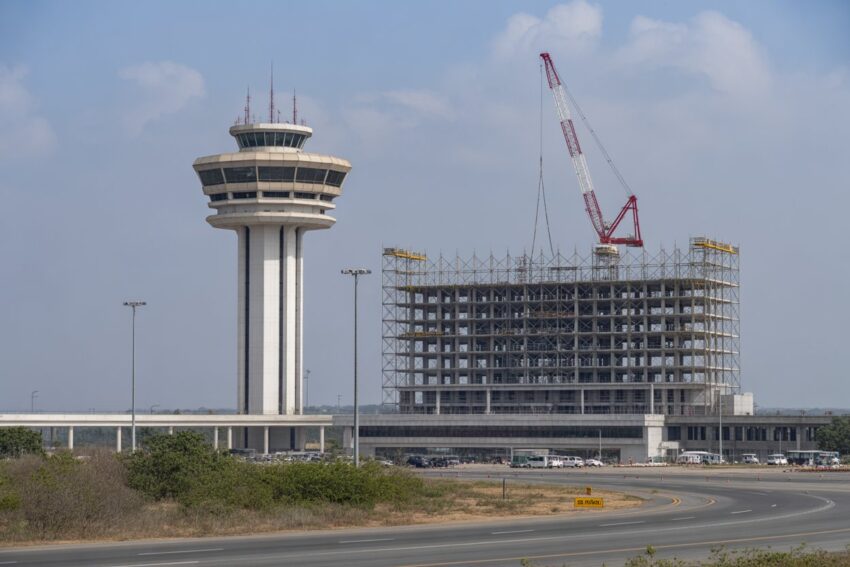
The Airports Authority of India (AAI) has announced plans to construct a new air traffic control (ATC) tower at Kempegowda International Airport (KIA) in Bengaluru to manage the city’s growing air traffic. The proposed tower aims to enhance operational efficiency, reduce congestion, and improve safety standards for both domestic and international flights. Officials highlighted that the new facility will incorporate modern technology, advanced radar systems, and integrated communication infrastructure, ensuring seamless coordination between pilots, ground staff, and air traffic controllers in India’s third-busiest airport.
The current ATC tower at KIA, operational for over a decade, faces limitations due to increasing flight movements, particularly during peak hours. Airport authorities noted that the rising number of flights, coupled with expanding cargo and passenger traffic, necessitated a state-of-the-art facility. The new ATC tower will be taller, equipped with advanced navigation aids, and designed to accommodate multiple radar systems to manage simultaneous arrivals, departures, and ground movements more efficiently. Officials emphasised that this upgrade is critical for maintaining global safety standards and reducing delays.
AAI officials stated that the new tower will be constructed in phases to ensure minimal disruption to ongoing airport operations. The design incorporates modern architecture, energy-efficient systems, and advanced safety features. It will also integrate digital tools for real-time flight monitoring, weather updates, and aircraft tracking, enhancing the ability of controllers to manage complex traffic scenarios. Experts said that such upgrades are essential for high-density airports, allowing smoother operations, faster decision-making, and improved passenger experiences.
Technological Enhancements and Operational Benefits
The new ATC tower is expected to feature multiple advanced radar systems, including primary and secondary surveillance radars, allowing controllers to monitor aircraft at extended ranges with precision. Integrated communication systems will enable continuous contact between pilots and ground staff, reducing response time during emergencies. Officials highlighted that the tower will also include a dedicated space for coordination with other airports in southern India, facilitating smoother regional traffic management and improving overall airspace efficiency.
Airport authorities emphasised that the upgraded tower will incorporate ergonomic design, enabling controllers to operate with maximum efficiency and minimal fatigue. Modern consoles, high-definition displays, and automated tracking tools will improve situational awareness, reduce human error, and allow for better management of complex traffic patterns. Experts noted that enhanced technology combined with training programs will ensure that the tower meets international standards, positioning Bengaluru as a model for future airport expansions across the country.
Officials highlighted the economic and strategic importance of the project, noting that KIA handles a growing volume of cargo, charter, and commercial flights. Improved air traffic management will support faster aircraft turnaround times, reduce delays, and accommodate projected growth in passenger numbers over the next decade. Authorities also noted that enhanced safety protocols will reduce risks during peak traffic hours, improve coordination during adverse weather conditions, and enable smoother handling of emergency situations, ensuring a reliable air transport network for the region.
The new ATC tower is expected to strengthen Bengaluru’s status as a major aviation hub in India. By integrating advanced technology, improved spatial planning, and enhanced monitoring capabilities, the airport aims to meet the rising demands of both domestic and international travelers. Experts observed that such infrastructure upgrades are essential for maintaining competitiveness among global airports, improving efficiency, and ensuring that the region can handle increasing air traffic without compromising safety or service quality.
Authorities confirmed that environmental assessments have been conducted to minimise the impact of construction on surrounding areas, including noise management, energy efficiency, and sustainable building practices. The design incorporates green technologies, energy-efficient lighting, and environmentally responsible materials, aligning with AAI’s broader sustainability goals. Airport planners emphasised that while the tower will be taller and technologically advanced, it will adhere to environmental guidelines and urban planning norms, balancing operational needs with ecological responsibility.
Officials clarified that the construction timeline is expected to span several years, with interim upgrades to existing ATC facilities ensuring continuous operation. Contingency plans are being implemented to prevent any disruption to air traffic during construction. Authorities assured that once completed, the new tower will significantly enhance air traffic flow, reduce congestion, and accommodate future growth in passenger and cargo volumes, reinforcing Bengaluru’s position as a key aviation hub in India.
Impact on Passengers and Airlines
Passengers and airlines are expected to benefit from reduced flight delays, more accurate scheduling, and enhanced safety. Improved communication between controllers and pilots will ensure smoother takeoffs, landings, and taxiing on runways. Airlines operating from KIA have welcomed the announcement, noting that better air traffic management will improve operational efficiency, reduce fuel costs, and enhance passenger satisfaction. Experts highlighted that efficient ATC operations are critical to managing growing air traffic, especially in metropolitan cities with high-density airport networks.
Airport authorities also stressed that the new tower would support future expansions, including additional terminals and runways. By integrating state-of-the-art technology and enhanced spatial planning, the facility will enable controllers to handle higher traffic volumes efficiently. Officials said that increased capacity and improved coordination will facilitate international connectivity, support the region’s tourism and business sectors, and strengthen Bengaluru’s role as a major economic and logistics hub in southern India.
In addition to operational improvements, the project is expected to create employment opportunities, including technical, administrative, and support staff roles. Training programs will be implemented to upskill controllers, engineers, and ground personnel in managing advanced systems and handling high-density traffic. Authorities emphasised that human resource development is an integral part of the project, ensuring that the technology investment translates into operational excellence and long-term efficiency gains.
AAI officials noted that coordination with the Directorate General of Civil Aviation (DGCA) and international regulatory bodies will ensure compliance with global standards for ATC operations. The new tower is designed to meet International Civil Aviation Organization (ICAO) specifications, incorporating safety, operational efficiency, and technological integration benchmarks. Authorities highlighted that such compliance is essential for maintaining international flights, enhancing airspace safety, and improving the overall aviation experience for passengers and airlines alike.
Authorities also highlighted the importance of integrating advanced weather monitoring systems in the new ATC tower. Real-time weather data, radar imagery, and predictive models will help controllers make informed decisions, particularly during adverse conditions such as storms, low visibility, or high winds. Experts emphasised that timely and accurate weather information is critical for flight safety, and the new tower will provide improved situational awareness, reducing the likelihood of weather-related disruptions and improving passenger confidence.
The new ATC tower is expected to strengthen disaster response capabilities at KIA. By integrating advanced communication and tracking systems, authorities will be able to coordinate more effectively with emergency services, including fire, medical, and security teams. Officials noted that in the event of aircraft emergencies or incidents on the runway, the upgraded tower will facilitate faster response times, improved coordination, and better management of on-ground and in-air operations, ensuring safety for passengers and staff.
Strategic Significance and Future Prospects
Officials emphasised that the project reflects Bengaluru’s growing importance in domestic and international aviation. As the city continues to attract business, tourism, and cargo operations, the new ATC tower will play a crucial role in supporting sustained growth. Analysts noted that technological advancements in the tower will enable Bengaluru to accommodate increasing air traffic while maintaining high safety standards, reinforcing the city’s position as a major hub in India’s civil aviation network.
The construction of the new ATC tower is also seen as part of broader infrastructure modernization at KIA, including runway expansions, terminal upgrades, and enhanced cargo facilities. Authorities indicated that these initiatives collectively aim to increase capacity, improve operational efficiency, and provide world-class services to passengers and airlines. Experts noted that investment in such critical infrastructure will position Bengaluru to handle projected traffic growth over the next decade, ensuring long-term competitiveness and regional economic benefits.
Authorities stated that the tower’s design incorporates future-proofing measures to accommodate emerging technologies, including automated aircraft tracking, digital communication platforms, and integration with regional air traffic networks. Officials emphasised that these measures will enhance coordination with nearby airports, improve airspace management, and reduce congestion in Bengaluru’s increasingly busy air corridor. Analysts highlighted that investment in advanced ATC infrastructure is essential for metropolitan airports managing complex and dense flight operations.
The project is expected to have significant implications for passenger experience. By reducing delays, improving flight scheduling, and enhancing safety, the new ATC tower will contribute to smoother travel for millions of passengers annually. Airlines anticipate improved efficiency in ground handling, turnaround times, and operational planning. Experts also noted that efficient air traffic management has a positive economic impact, including reduced fuel consumption, lower operational costs, and enhanced competitiveness for carriers operating in and out of Bengaluru.
Officials stressed that ongoing consultation with airlines, pilots’ associations, and aviation stakeholders will continue throughout the project to ensure that operational needs are fully addressed. Regular updates and collaborative planning are expected to minimise disruptions during construction and align the new tower’s capabilities with current and future requirements. Authorities said that once completed, the tower will be equipped to handle projected passenger and cargo growth, improving reliability, safety, and operational efficiency at Kempegowda International Airport.
The AAI indicated that the new ATC tower project aligns with India’s broader aviation development strategy, including modernization of major airports and integration of advanced air traffic management systems nationwide. Officials highlighted that technology upgrades, capacity expansion, and staff training are essential to support India’s growing aviation sector, which is expected to handle over a billion passengers in the coming decades. The new tower at Bengaluru is seen as a key milestone in this national modernization effort, enhancing operational efficiency and safety.
Finally, authorities emphasised that the new ATC tower represents a commitment to future-ready infrastructure, ensuring that Bengaluru’s aviation hub remains competitive, safe, and efficient. By combining cutting-edge technology, strategic planning, and enhanced operational protocols, the project is expected to improve air traffic flow, reduce congestion, and provide world-class service to passengers and airlines. The new facility is projected to become fully operational within the next few years, reinforcing Bengaluru’s position as a major aviation hub in India and a model for future airport expansions.
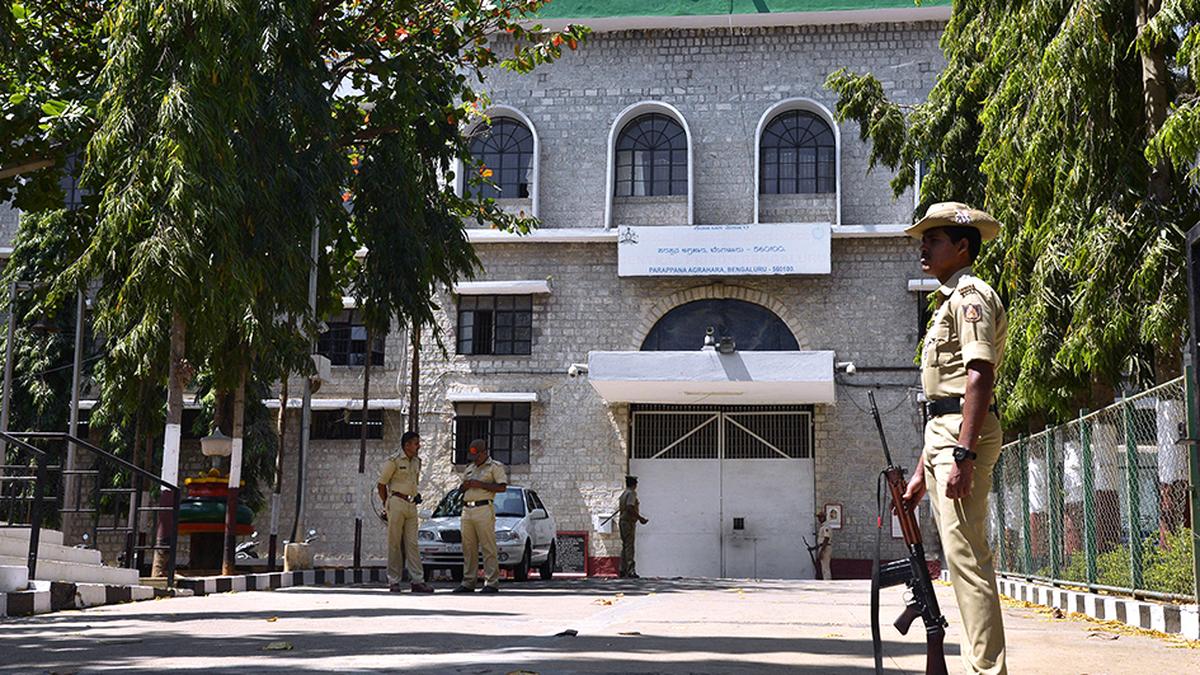
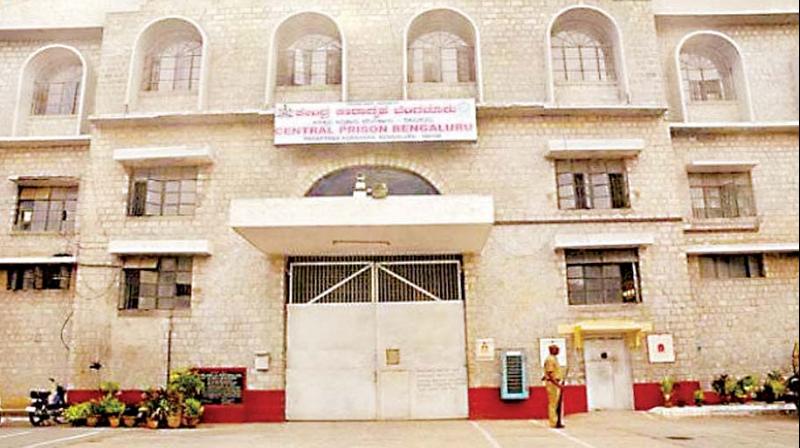
Authorities at Parappana Agrahara Central Prison in Bengaluru have recovered fifteen mobile phones from inmates during a recent security check, raising concerns about lapses in prison monitoring and contraband management. The discovery was made during a routine surprise inspection conducted by senior officials, who also found chargers, SIM cards, and other mobile accessories in the possession of prisoners. Officials said that such recoveries highlight the continuing challenge of preventing unauthorised communication, which can compromise security, facilitate criminal networks, and disrupt rehabilitation efforts within correctional facilities.
The prison administration confirmed that the recovered devices were immediately seized and documented, with details of the inmates involved sent to higher authorities. Disciplinary action, including internal inquiry and potential prosecution, is being considered against those found possessing mobile phones. Officials emphasised that possession of mobile phones by prisoners is strictly prohibited under prison regulations, as it can enable illegal activities, including planning of crimes outside the facility, coordinating with criminal associates, or violating prison discipline.
Security officials said the recovery was the result of improved surveillance measures and coordinated inspections across different blocks of the prison. They noted that contraband management is an ongoing challenge, given the high population density and limited monitoring resources in large correctional facilities. Prison authorities highlighted that routine inspections, coupled with the use of metal detectors and sniffer dogs, have helped uncover hidden devices and prevent misuse. Officials stressed that regular vigilance is necessary to maintain the integrity of the institution and protect the safety of both inmates and staff.
Strengthening Prison Security Measures
Prison authorities said that following the discovery, additional security measures have been initiated, including more frequent cell checks, stricter visitor scrutiny, and enhanced monitoring of staff interactions. Officials emphasised that preventing the smuggling of mobile phones requires a multi-layered approach, combining physical checks, technological surveillance, and staff accountability. Training programs for wardens and guards have been reinforced to ensure that they can detect and respond to contraband possession effectively, reducing risks to institutional security.
The recovery also prompted an internal review of security protocols, with officials analysing how mobile phones and related accessories entered the prison. Preliminary investigations suggested that lapses in visitor checks and oversight during routine deliveries may have contributed. Authorities indicated that corrective steps would include stricter verification of incoming goods, better monitoring of prison staff, and enhanced awareness programs for inmates regarding prison rules. Experts in correctional management noted that technology-enabled contraband is a persistent challenge, necessitating constant vigilance and adaptive strategies.
Inmates found with mobile phones face disciplinary action, including suspension of privileges, internal hearings, and potential legal proceedings. Officials clarified that the objective of such action is both punitive and preventive, aiming to discourage similar violations among other inmates. Legal observers commented that possession of mobile phones in prisons is considered a serious offence under Indian law, particularly when devices are used to facilitate external criminal activity. They noted that consistent enforcement of regulations is crucial to maintaining order and safety within correctional facilities.
Security experts highlighted that mobile phones in prisons pose multiple risks, including the possibility of coordinating illegal activities outside the facility, intimidating witnesses, or accessing sensitive information. Authorities at Parappana Agrahara emphasised that prevention strategies must focus on both physical and procedural measures. The prison administration noted that regular audits, improved surveillance technology, and strict adherence to visitor protocols are essential components of a comprehensive security framework aimed at minimizing the presence and use of contraband devices.
Administrative Challenges and Reforms
Officials acknowledged that the recovery reflects broader challenges faced by correctional institutions nationwide, where mobile phones, drugs, and other contraband frequently enter prisons. Overcrowding, staff shortages, and evolving smuggling techniques make it difficult to maintain absolute control. Authorities said that the Parappana Agrahara administration is working closely with state law enforcement agencies to strengthen security protocols, implement stricter screening of incoming goods, and deploy technological solutions such as signal jammers and CCTV surveillance.
The prison administration also highlighted the need for staff training and accountability, noting that lapses in monitoring can enable contraband circulation. Regular refresher courses, ethical conduct workshops, and supervision protocols are being introduced to ensure that personnel remain vigilant and responsive. Officials said that incentivising good performance and strict penalties for negligence are part of broader reform measures aimed at professionalising prison management and reducing risks associated with contraband smuggling.
Legal and criminal justice experts stressed that recovery of mobile phones, while important, should be accompanied by preventive strategies that address root causes. These include improving visitor screening, controlling supply chains for goods entering the prison, and using technology to detect and block unauthorized communications. Experts argued that without systemic reforms, occasional recoveries would have limited impact on long-term prison security. The administration acknowledged this and pledged to strengthen monitoring while creating awareness among inmates about rules and consequences.
Prison authorities also said that the recovered devices would be catalogued, with data preserved for potential legal investigations. Officers explained that analysis of call logs, SIM registrations, and usage patterns could help identify external criminal networks. They emphasised that such evidence could play a significant role in ongoing investigations related to organised crime and other illegal activities coordinated from inside the facility. Experts noted that disciplined management of seized devices is critical to maintaining institutional credibility and supporting law enforcement efforts outside the prison.
Inmates’ access to unauthorized devices has been linked to several incidents across correctional facilities, including intimidation, planning of crimes, and coordination with external criminal groups. Authorities said that monitoring networks, increasing surveillance, and using intelligence-led inspections are essential to mitigate such risks. Officials stressed that repeat offenders would face strict disciplinary measures, including transfer to higher-security facilities. Experts highlighted that sustained efforts are required to maintain control, given the evolving tactics used to smuggle and conceal mobile devices.
Public Safety and Institutional Integrity
The incident has raised broader concerns about prison security and public safety, with observers noting that contraband in correctional facilities can compromise law enforcement objectives. Officials emphasised that securing the prison environment is crucial not only for inmate safety but also for preventing crimes outside the institution. Authorities indicated that community awareness and vigilance, combined with internal security reforms, are necessary to prevent misuse of mobile devices by inmates with external connections.
Prison authorities said that awareness programs are being conducted to educate inmates about rules, regulations, and consequences of possessing contraband. Officials highlighted that rehabilitation and behavioural correction remain central to the prison system, but adherence to regulations is essential to maintain order. Experts noted that educational and vocational programs, combined with strict enforcement of security rules, can help reduce contraband circulation while supporting inmate reintegration into society.
The administration emphasised that this recovery signals the need for continued vigilance in managing high-density correctional facilities. Officials noted that strategic planning, technological support, and robust monitoring protocols are critical to reducing contraband possession. Analysts suggested that integrating intelligence gathering, proactive inspections, and staff accountability mechanisms would help in creating a safer environment for both inmates and staff. Such measures are expected to reinforce public confidence in the state’s correctional management system.
Authorities confirmed that collaboration with law enforcement agencies is ongoing to identify potential external accomplices involved in supplying mobile phones and other contraband. Police teams and prison intelligence officers are reportedly reviewing patterns of past incidents, visitor records, and communications linked to recovered devices. Officials emphasised that a coordinated approach is necessary to prevent recurrence, strengthen legal action against facilitators, and ensure comprehensive prison security.
Experts noted that the recovery could serve as a catalyst for broader reforms in correctional facilities, including modernised surveillance systems, regular audits, and stricter entry checks. Authorities at Parappana Agrahara stated that they plan to introduce advanced screening techniques, deploy signal jammers, and improve staff accountability mechanisms to minimise contraband circulation. Such measures are expected to maintain institutional integrity, ensure law enforcement effectiveness, and uphold the safety and discipline of inmates.
The prison administration highlighted that the recovered mobile phones are being handled with care to preserve evidence and ensure compliance with legal procedures. Officials confirmed that any data relevant to ongoing investigations would be shared with law enforcement agencies, helping track criminal networks and prevent coordinated crime. Analysts emphasised that such recoveries not only improve security within the facility but also contribute to broader public safety initiatives, reinforcing the importance of strict monitoring and disciplined management in correctional institutions.
Authorities reiterated that the seizure underscores the importance of continuous vigilance, robust security protocols, and staff training in managing high-density prisons. They emphasised that technology-enabled contraband poses persistent challenges, requiring adaptive strategies and proactive inspections. Experts concluded that while the recovery of fifteen mobile phones is a significant achievement, sustained institutional reforms and preventive measures are essential to maintain a secure and orderly prison environment, ensuring that correctional facilities serve both rehabilitation and public safety objectives effectively.
Authorities reiterated that the seizure underscores the importance of continuous vigilance, robust security protocols, and staff training in managing high-density prisons. They emphasised that technology-enabled contraband poses persistent challenges, requiring adaptive strategies and proactive inspections. Experts concluded that while the recovery of fifteen mobile phones is a significant achievement, sustained institutional reforms and preventive measures are essential to maintain a secure and orderly prison environment, ensuring that correctional facilities serve both rehabilitation and public safety objectives effectively.
The Karnataka government has announced a special relief package of ₹1,033.60 crore for farmers affected by recent floods, aiming to provide immediate financial assistance and support rehabilitation efforts. The package, unveiled by the Agriculture Minister, covers crop losses, damaged infrastructure, and compensation for affected farmers across several districts. Officials highlighted that the initiative is part of the state’s broader strategy to mitigate the impact of natural disasters, ensure food security, and support the rural economy. Authorities emphasised that the package will be disbursed promptly to help farmers resume agricultural activities.
The relief package includes direct financial aid to farmers whose crops were damaged, support for replanting, and subsidies for agricultural inputs such as seeds, fertilizers, and equipment. Officials said that assessments of crop loss will be conducted by district-level committees, which will also oversee the distribution of funds. Farmers in the most severely affected areas are expected to receive priority under the scheme, with disbursement timelines set to minimise delays. The package is designed to help farmers recover quickly and sustain livelihoods amidst challenging climatic conditions.
The government clarified that the package also includes support for repair and restoration of damaged farm infrastructure, including irrigation systems, pumps, and storage facilities. Rural roads and farm access routes affected by flooding will be prioritised for repair to ensure smooth transportation of agricultural produce. Officials said that the package aims not only to provide immediate relief but also to strengthen resilience against future disasters. The initiative is expected to boost farmer morale and restore confidence in government support systems for agriculture.
Support Measures and Implementation Strategy
Authorities outlined detailed strategies for implementing the package efficiently. District Collectors have been instructed to coordinate with agriculture officers, local bodies, and banks to ensure quick processing of aid. Special grievance redressal mechanisms will be set up to address complaints and disputes related to compensation. Officials emphasised that transparency and accountability are key priorities, and all beneficiaries will be recorded in a central database to avoid duplication or errors. The government assured that the scheme will be closely monitored to ensure timely delivery of relief to affected farmers.
The package is expected to cover a broad spectrum of agricultural losses, including damage to seasonal and perennial crops, horticulture plantations, and livestock. Farmers who lost irrigation infrastructure or suffered soil erosion due to floods will be eligible for repair grants. Government officials stated that assistance will also extend to cooperative societies and farmer producer organisations to support collective rehabilitation. By including institutional support, the package aims to strengthen agricultural communities and improve resilience to climate-related disasters in the long term.
Experts in agriculture and rural development welcomed the announcement, noting that timely financial aid is crucial to prevent long-term setbacks for farmers. They highlighted that floods not only destroy crops but also impact soil fertility, irrigation facilities, and market access. By providing immediate relief, the government helps farmers replant crops, sustain their income, and stabilise local food supply chains. Analysts suggested that the package could serve as a model for other states facing similar climatic challenges, integrating short-term relief with long-term agricultural resilience strategies.
Farmers themselves expressed cautious optimism about the package. Many said that previous instances of delayed assistance had caused financial strain and uncertainty, affecting their ability to plan for the next planting season. They urged authorities to ensure swift processing and direct transfer of funds to affected accounts. Village-level farmers’ committees have been mobilised to assist authorities in identifying the most needy beneficiaries, ensuring that support reaches the intended recipients. Community involvement, officials said, will be critical to the success of the package.
Officials also emphasised that the package will include support for crop insurance claims, with coordination between state authorities and insurance companies to expedite settlements. Farmers enrolled under the Pradhan Mantri Fasal Bima Yojana (PMFBY) and other state insurance schemes are expected to benefit from accelerated claim processing. By combining direct financial aid with insurance settlements, the government aims to reduce the financial vulnerability of flood-hit farmers. Authorities said that such integrated measures are essential to maintain agricultural productivity in disaster-prone areas.
The special package is expected to have significant economic implications for rural communities. By injecting over ₹1,000 crore into flood-affected regions, the government hopes to stimulate local markets, support agricultural input suppliers, and protect livelihoods. Officials noted that timely assistance will prevent distress sales of produce and livestock, ensuring stable market prices. Analysts pointed out that targeted relief not only benefits farmers but also strengthens the broader rural economy, as agricultural recovery supports ancillary sectors such as transportation, storage, and local trade.
Challenges and Oversight in Distribution
Despite the promise of the package, officials acknowledge potential challenges in implementation. Ensuring accurate assessment of crop and infrastructure losses, preventing duplication of benefits, and avoiding delays in disbursal are among the key concerns. To address these issues, the government has set up monitoring committees at state and district levels, tasked with overseeing verification, fund distribution, and grievance redressal. Digital tracking systems will be deployed to maintain transparency and reduce errors in beneficiary identification.
The government also highlighted plans for post-flood rehabilitation, including strengthening embankments, improving drainage systems, and promoting climate-resilient farming practices. Authorities said that alongside immediate financial support, structural measures are necessary to reduce vulnerability to future floods. Agricultural experts suggested that combining relief with preventive infrastructure development would enhance long-term sustainability, reducing the likelihood of recurring losses. Farmers welcomed this approach, hoping it would protect their livelihoods and investments in the future.
Officials clarified that the package would prioritise small and marginal farmers, who are most severely impacted by floods and have limited financial capacity. Special attention will be given to women farmers, tenant farmers, and those without formal land ownership, ensuring equitable access to assistance. District-level committees will maintain records of beneficiaries, conduct field inspections, and facilitate direct transfers to bank accounts. Authorities stressed that accountability and transparency will be key to maintaining trust among affected communities.
Public reactions to the package have been largely positive, with farmer associations and local leaders applauding the government for its proactive measures. Some expressed hope that timely support would prevent migration from rural areas, sustain agricultural activity, and provide relief during a challenging season. However, observers cautioned that success will depend on swift disbursal, efficient coordination between agencies, and proper monitoring of fund utilisation. Authorities assured that these factors would receive top priority in implementing the package.
The government emphasised that the special package forms part of a broader climate adaptation and disaster management strategy. Officials highlighted the importance of creating early warning systems, improving weather forecasting, and developing resilient crop varieties to reduce the impact of extreme weather events. Alongside financial assistance, capacity-building programs will be conducted to help farmers adopt best practices in flood-prone areas. By integrating immediate relief with long-term planning, Karnataka aims to protect agricultural productivity and rural livelihoods.
Officials also noted that the package will support rehabilitation of livestock and fisheries affected by floods. Compensation and veterinary services will be provided to farmers who lost cattle, poultry, or aquaculture stock. These measures are designed to prevent further economic hardship and stabilise rural income sources. Experts highlighted that livestock and fisheries often form a critical component of diversified rural livelihoods, and timely intervention in these sectors is essential for holistic recovery.
Authorities clarified that the package would include technical assistance for soil restoration and crop replanting, with guidance from agricultural extension officers. Farmers will receive support for fertiliser application, seed selection, and crop management to restore productivity in affected fields. Officials stressed that combining financial aid with technical support would ensure sustainable recovery, prevent further crop failure, and boost confidence among farming communities. Experts agreed that integrated support is critical to maximising the impact of the relief package.
The special package has also been designed to strengthen community-based disaster response mechanisms. Village-level farmer groups and panchayat committees will be involved in monitoring assistance distribution, coordinating field assessments, and raising awareness about available support. Authorities believe that empowering local institutions will ensure efficient implementation, reduce bottlenecks, and enhance accountability. Experts emphasised that involving the community not only facilitates effective relief but also builds resilience against future floods.
Long-Term Outlook and Farmer Resilience
The ₹1,033.60 crore special package underscores Karnataka’s commitment to supporting farmers in the face of climate-induced disasters. Officials emphasised that the initiative is not merely a one-time relief effort but part of a broader strategy to enhance agricultural resilience, improve rural infrastructure, and ensure food security. By combining financial assistance, technical support, and community engagement, the government aims to strengthen the capacity of farmers to recover quickly and prepare for future challenges.
Agricultural experts highlighted that the success of the package will depend on timely disbursal, proper targeting, and integration with broader developmental schemes. They noted that while immediate relief is critical, long-term sustainability requires investments in flood-resistant infrastructure, improved irrigation, and climate-adapted crop varieties. By linking relief with capacity building, Karnataka seeks to create a model for disaster response that balances immediate support with preventive measures, protecting livelihoods and stabilising the rural economy.
Farmers welcomed the announcement, expressing hope that swift action would enable them to resume cultivation without major disruption. Many emphasised that previous delays in disaster assistance had caused financial strain, affecting the next cropping cycle. Village committees have been mobilised to ensure that the most vulnerable households receive priority, and officials have promised transparent monitoring to prevent misuse of funds. The community-driven approach aims to maximise the impact of the package while fostering trust in government support.
Officials also underlined the importance of awareness campaigns to educate farmers about the package, eligibility criteria, and application procedures. Outreach through local panchayats, agricultural offices, and digital platforms is expected to ensure that all eligible beneficiaries are informed. Farmers are encouraged to submit claims promptly and seek guidance from extension officers for technical support. Authorities emphasised that proactive engagement will be key to the package’s success, ensuring timely recovery and reducing the socio-economic impact of floods.
The state government also plans to monitor the use of funds and report outcomes to the public, ensuring transparency and accountability. Officials stressed that beneficiaries will be regularly updated on disbursement status, and any complaints or disputes will be addressed promptly. By maintaining open communication channels, authorities hope to build confidence among farmers and demonstrate the government’s commitment to supporting rural communities effectively. Transparency measures are seen as vital to prevent delays and ensure equitable distribution of resources.
Experts noted that the relief package is expected to have positive multiplier effects across the rural economy. As farmers recover and resume production, demand for seeds, fertilisers, equipment, and transportation will increase, stimulating local markets. Timely financial assistance can prevent distress sales and support stable agricultural pricing. Analysts highlighted that such measures not only benefit individual farmers but also contribute to food security, rural employment, and economic stability in flood-affected regions.
The government reiterated that the special package reflects its commitment to proactive disaster management, farmer welfare, and sustainable agricultural development. Authorities emphasised that integrating financial relief with technical support, community engagement, and long-term planning will ensure a robust recovery process. Officials expressed confidence that this initiative would help farmers bounce back, strengthen agricultural productivity, and mitigate the impact of future floods, reinforcing Karnataka’s resilience to climate-related challenges.
In conclusion, the ₹1,033.60 crore relief package represents a comprehensive effort to support flood-hit farmers, combining financial aid, infrastructure repair, technical guidance, and community involvement. Officials and experts agreed that timely and transparent implementation will be key to maximising impact, ensuring that the state’s agricultural sector recovers efficiently. By prioritising both immediate relief and long-term resilience, Karnataka seeks to safeguard livelihoods, sustain food production, and strengthen rural communities in the aftermath of severe flooding. The initiative underscores the government’s focus on proactive governance, farmer welfare, and climate-resilient agriculture.
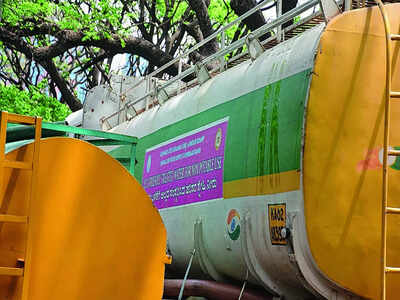
The Karnataka government has announced a One-Time Settlement (OTS) scheme for pending water bills in Bengaluru, aiming to provide financial relief to households and commercial establishments struggling with accumulated dues. The initiative allows citizens to clear outstanding bills by paying a reduced amount within a specified period, encouraging compliance and improving revenue collection for the Bruhat Bengaluru Mahanagara Palike (BBMP) and Bangalore Water Supply and Sewerage Board (BWSSB). Officials highlighted that the scheme seeks to ease the burden on residents while ensuring that water infrastructure and services receive consistent funding and maintenance support.
The OTS scheme applies to all pending bills accumulated up to a pre-determined date, covering both domestic and commercial consumers. Authorities stated that citizens who participate can avail of substantial rebates on interest, penalties, and late fees, effectively reducing their total payable amount. The government has emphasised that this initiative is not a permanent waiver but a limited-time opportunity designed to encourage timely settlement. Officials said the move aims to benefit those genuinely unable to pay due to financial hardship, while also addressing systemic revenue gaps in Bengaluru’s water supply and management.
The government clarified that the OTS scheme will be available for a specific window, after which regular billing and penalty rules will resume. Notices will be sent to eligible consumers via email, SMS, and public announcements, informing them of their outstanding dues and the benefits of early settlement. Authorities emphasised that those who fail to participate within the stipulated period will continue to be liable for the full amount, including interest and penalties, under standard billing procedures. The scheme also allows flexible payment options, including online transactions, bank payments, and designated BBMP counters.
Boosting Revenue While Assisting Citizens
Officials highlighted that the OTS initiative is expected to significantly improve revenue collection for Bengaluru’s water utilities. Pending water bills have historically been a challenge, with many households and commercial establishments delaying payments due to financial difficulties or lack of awareness. By offering rebates and streamlined payment methods, the government aims to recover dues more efficiently while providing relief to citizens. Experts noted that such initiatives balance the twin goals of fiscal responsibility and social welfare, ensuring that public services remain sustainable and accessible.
The BBMP and BWSSB stated that recovered funds will be channelled into improving water infrastructure, reducing non-revenue water losses, and enhancing service delivery. The scheme is part of a broader effort to modernise billing systems, implement metering upgrades, and expand water supply coverage across Bengaluru. Officials said that timely collection of pending dues will also strengthen planning and maintenance activities, ensuring uninterrupted water supply and better sanitation for citizens. The OTS scheme is therefore seen as a win-win for both the government and consumers.
Public response to the announcement has been largely positive, with many residents welcoming the opportunity to clear their dues at reduced rates. Consumer advocacy groups praised the government for providing relief, noting that high water bills have been a source of concern for low- and middle-income households. Citizens expressed hope that the scheme will also bring more transparency to billing, encourage regular payments in the future, and reduce disputes over charges. Many have indicated their intent to participate and take advantage of the financial concessions offered under the OTS scheme.
Officials also clarified that the OTS scheme is voluntary and will not penalise those who choose not to participate immediately. The government encouraged consumers to review their pending bills and settle them before the deadline to avoid higher charges in the future. Authorities also urged citizens to maintain updated contact information to receive timely notices and alerts. Awareness campaigns will be launched through media and community outreach programs to ensure maximum participation and transparency in the settlement process.
The initiative has also sparked discussion among urban policy experts, who highlighted that pending water bills are a common challenge in rapidly expanding cities. Non-payment affects service delivery, infrastructure maintenance, and financial planning for municipal bodies. By introducing a structured settlement option, Bengaluru sets an example for other metropolitan areas grappling with similar challenges. Experts said that OTS schemes not only aid consumers but also reinforce accountability and efficiency in urban water governance.
Consumer groups suggested that the OTS program should be complemented by long-term measures, such as tiered billing, subsidised rates for economically weaker sections, and improved grievance redressal mechanisms. They argued that financial relief alone cannot address systemic challenges like inaccurate metering, billing errors, and lack of awareness about usage-based charges. Authorities indicated that the current OTS is the first step in a series of reforms aimed at ensuring equitable and efficient water management in Bengaluru, including better metering, digital billing, and proactive customer support.
The scheme also addresses commercial establishments, which often accumulate large pending bills, affecting municipal revenue streams. Government officials highlighted that clearing commercial dues will enable investments in infrastructure upgrades, including pipeline maintenance, leak reduction, and modernisation of pumping stations. Businesses that participate in the OTS can benefit from reduced liabilities, avoiding legal proceedings or service interruptions. Authorities said that targeted communication to commercial consumers is underway to encourage timely participation in the scheme.
Implementation, Deadlines, and Citizen Participation
To ensure smooth implementation, the BBMP and BWSSB have outlined clear guidelines for participation. Consumers will be able to calculate dues online, verify their eligibility, and choose suitable payment methods. Special counters and helplines will be set up across the city to assist residents with the settlement process. The government has stressed that the OTS program is a limited-time opportunity, and adherence to deadlines is essential. Officials warned that failure to participate within the stipulated window will result in resumption of standard penalties and interest accruals on pending dues.
Authorities have also highlighted the importance of timely citizen engagement to maximise the scheme’s benefits. Awareness campaigns are expected to target both digital platforms and traditional community networks, ensuring that households in all Bengaluru wards receive information. Residents are encouraged to check their dues, understand the benefits of the scheme, and make payments early to avoid last-minute delays. Officials emphasised that OTS is part of a broader effort to improve municipal finances, sustain water supply infrastructure, and foster responsible water usage among citizens.
The OTS announcement comes at a time when Bengaluru is experiencing rising water demand due to urban growth, climate variability, and seasonal supply challenges. By recovering pending dues, the government aims to strengthen the financial capacity to manage water supply more efficiently, reduce non-revenue water, and expand service coverage. Experts noted that structured recovery measures like OTS are crucial for urban sustainability and ensuring that essential services like water supply remain uninterrupted and accessible to all sections of society.
The government reiterated that participation in the OTS scheme is voluntary but strongly encouraged, as it provides an opportunity for citizens to clear longstanding liabilities while avoiding penalties. Officials also promised transparency and efficiency in processing payments, generating receipts, and updating consumer accounts. With the initiative underway, authorities hope to achieve higher collection rates, reduce outstanding dues, and create a foundation for future billing reforms. The scheme is expected to be a milestone in Bengaluru’s urban water management efforts.
The OTS scheme also reflects the government’s commitment to citizen-centric policies, where financial relief and service continuity are balanced. By reducing pending bills, the state aims to build trust among consumers, encourage timely payments in the future, and foster accountability in municipal service delivery. Officials stressed that this initiative is a model for other cities in Karnataka and across India facing similar challenges with arrears and non-payment of utility bills.
The OTS scheme also reflects the government’s commitment to citizen-centric policies, where financial relief and service continuity are balanced. By reducing pending bills, the state aims to build trust among consumers, encourage timely payments in the future, and foster accountability in municipal service delivery. Officials stressed that this initiative is a model for other cities in Karnataka and across India facing similar challenges with arrears and non-payment of utility bills.
Legal and urban policy analysts have praised the government for launching a structured approach, noting that previous ad hoc recovery efforts often failed due to poor communication and limited incentives. The OTS program, with its defined timelines, rebates, and flexible payment channels, represents a more strategic effort to reconcile citizen interests with municipal revenue needs. Experts believe that success of the scheme could set a benchmark for future utility management programs in Bengaluru and other metropolitan cities.
Finally, the government emphasised that the One-Time Settlement scheme is part of a broader reform agenda aimed at modernising Bengaluru’s water supply, improving financial sustainability, and ensuring equitable access for all residents. Officials expressed optimism that high citizen participation would not only clear longstanding dues but also enhance public confidence in municipal governance. The initiative, they said, reflects a commitment to responsible urban management, social equity, and efficient service delivery in India’s rapidly growing metropolitan centers.
Finally, the government emphasised that the One-Time Settlement scheme is part of a broader reform agenda aimed at modernising Bengaluru’s water supply, improving financial sustainability, and ensuring equitable access for all residents. Officials expressed optimism that high citizen participation would not only clear longstanding dues but also enhance public confidence in municipal governance. The initiative, they said, reflects a commitment to responsible urban management, social equity, and efficient service delivery in India’s rapidly growing metropolitan centers.
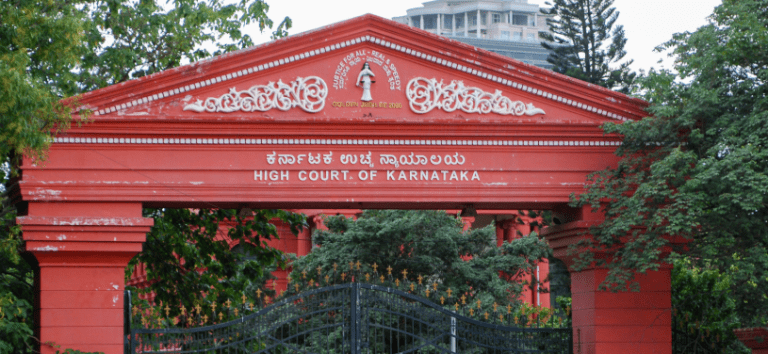
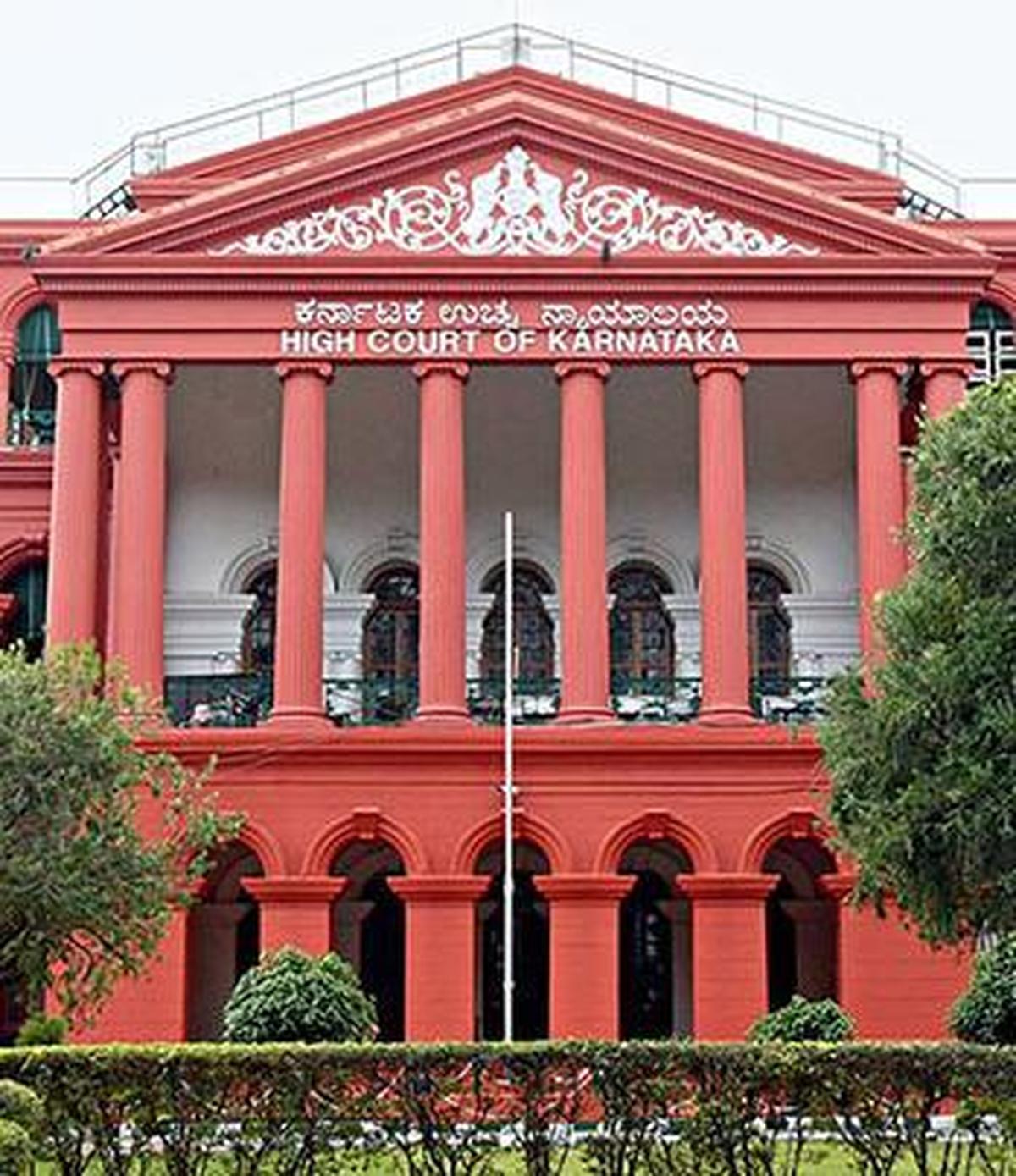
The Karnataka High Court has expressed serious disapproval over the state government’s decision to withdraw the appointment of an advocate within just 24 hours, terming it “unjust and arbitrary.” The bench, hearing a public interest petition, criticised the authorities for undermining the principles of fairness, transparency, and procedural propriety. The case involved the sudden revocation of an appointment letter issued to a qualified advocate, who had been selected through a competitive process conducted by the Karnataka State Legal Services Authority. The court’s observations highlight a growing concern over administrative overreach in matters of employment, especially for positions governed by established legal norms.
The advocate, whose appointment was rescinded, had reportedly cleared all required interviews and submitted necessary documentation, only to be informed the next day that the selection had been cancelled without prior notice or explanation. Petitioners argued that the action demonstrated a lack of institutional checks, procedural lapses, and arbitrariness in government decision-making. They highlighted the psychological and financial impact on the affected individual, who had already begun preparing for duties, relocating, and incurring personal expenses in reliance on the government’s offer.
The court noted that while governments have the authority to review appointments, such decisions must be guided by clear rules, adequate reasoning, and adherence to principles of natural justice. Sudden reversals without explanation, the judges emphasised, undermine confidence in the administration and compromise the credibility of public recruitment processes. Legal experts observing the hearing commented that this judgment could set an important precedent, reinforcing the need for fair administrative conduct and respect for candidates’ rights in government appointments.
Procedural Fairness and Natural Justice Under Scrutiny
During the hearing, the High Court highlighted the importance of procedural fairness in appointments, especially in legal and quasi-judicial roles. The bench remarked that even a government’s internal review must be communicated transparently, and affected individuals must be given an opportunity to respond. Arbitrary actions, the court observed, not only harm the specific candidate but also erode public trust in the integrity of the recruitment system. It further stressed that such lapses could dissuade talented professionals from seeking positions in government service, ultimately weakening institutional efficiency.
Petitioners argued that the abrupt cancellation violated not only statutory provisions but also constitutional principles guaranteeing equality and protection of legitimate expectations. The court examined whether due process had been followed, including the issuance of proper notice, verification of credentials, and adherence to prescribed procedures. It found that the state had acted in haste, without documented justification or consultation with concerned authorities, leaving the decision open to legal and ethical challenge.
The government’s legal team defended the action by citing alleged procedural irregularities in the candidate’s submission. However, the High Court questioned the timing and method of the revocation, noting that any such irregularities should have been addressed through formal communication rather than instant withdrawal. The bench observed that the candidate had not been given any chance to clarify, respond, or remedy perceived discrepancies, violating principles of natural justice. The court categorically stated that administrative discretion does not allow for arbitrary action that disregards fairness and transparency.
The judgment underscored that legitimacy in public appointments rests on adherence to clear rules, procedural checks, and reasoned decision-making. It warned that failure to comply with these principles could open the government to repeated legal challenges and damage the credibility of public institutions. Legal commentators noted that the High Court’s observations might have wider implications, prompting a review of appointment processes in other departments to ensure compliance with fair practice norms.
Impact on Governance and Legal Appointments
The abrupt withdrawal has sparked debate over the treatment of candidates in sensitive appointments, particularly those involving legal or quasi-judicial roles. Many experts argue that such positions require not only professional competence but also confidence in institutional integrity. Sudden reversals, the High Court remarked, compromise both the individual’s career prospects and the public perception of governmental accountability. Legal professionals expressed concern that repeated occurrences of this nature could deter talent from pursuing public service careers, creating long-term challenges for state institutions.
The bench also highlighted that the state must balance administrative control with the rights of individuals. While governments have the responsibility to ensure that appointments are valid and proper, this must not come at the cost of fairness. Sudden actions that disregard due process, the court stated, amount to an infringement of the candidate’s legitimate expectations, causing harm not only to the individual but also to the broader reputation of the recruitment system. Several former public service officials agreed that transparency and notice are fundamental pillars of institutional trust.
Petitioners argued that the withdrawal set a dangerous precedent where arbitrary administrative decisions could override merit-based recruitment. They suggested that the government issue clear guidelines to prevent recurrence of such incidents. The High Court endorsed this perspective, recommending that any revocation of appointments must follow a formal, transparent process with adequate notice and a reasoned explanation. The judgment effectively cautioned authorities against treating appointments as reversible decisions subject to ad hoc whims.
The case also attracted attention among law students, advocates, and civil service aspirants, who viewed it as a reminder of the importance of procedural fairness in public appointments. Academics commented that the judgment reinforces constitutional values such as equality, protection of legitimate expectations, and fairness in administrative action. Several legal forums noted that the ruling might encourage other candidates to challenge arbitrary administrative actions, promoting accountability across various government departments.
Government Response and Future Implications
Following the court’s remarks, government officials reportedly assured the bench that they would review the recruitment procedure and take corrective measures. The administration clarified that the cancellation was not intended to target the individual but was the result of perceived administrative lapses. The High Court, however, insisted that perception alone cannot justify abrupt cancellation without following due process. Officials have since been instructed to revisit internal procedures and establish safeguards to prevent recurrence.
Observers suggest that this case could influence policies related to recruitment in other sectors, including education, healthcare, and law enforcement, where timely appointments are crucial. Governments across departments may be prompted to standardise communication protocols, ensure adequate notice periods, and implement clear guidelines for candidate interaction. Legal analysts predict that adherence to procedural fairness will be scrutinised more closely in future public appointments, reducing the scope for arbitrary decisions.
The ruling also carries implications for the broader administrative culture in Karnataka. By highlighting the need for fairness, transparency, and documentation, the High Court has effectively sent a message that bureaucratic discretion must be exercised responsibly. Officials may now prioritise structured review processes and detailed record-keeping before taking decisions that directly impact individuals’ careers. Experts noted that such systemic changes could strengthen institutional credibility and public confidence in the state administration.
Additionally, the judgment is expected to reinforce candidates’ rights to seek redressal against sudden or arbitrary administrative actions. Legal practitioners say that the precedent could empower aspirants to challenge similar decisions in other government departments, promoting a culture of accountability. By asserting the importance of natural justice, the High Court has effectively reminded authorities that administrative convenience cannot outweigh principles of fairness and equality.
Public reactions to the judgment have been largely supportive of the court’s stance. Advocacy groups, legal associations, and professional bodies praised the ruling for reinforcing the need for responsible governance. Many called for comprehensive training for administrative officers on procedural fairness and ethical decision-making. Commentators suggested that the case serves as a cautionary tale against rushed or opaque actions that can undermine trust in government institutions.
Finally, legal experts emphasised that the ruling could have ripple effects on appointments across India, particularly in cases where temporary or contractual positions are abruptly cancelled. They argued that governments should adopt robust procedural safeguards, provide notice, and document reasons for withdrawal of offers. The High Court’s remarks were viewed as a critical affirmation that administrative discretion must always be balanced with fairness, transparency, and the candidate’s legitimate expectations.
In conclusion, the Karnataka High Court’s censure of the state government’s hasty action highlights a crucial intersection of law, governance, and administrative ethics. By emphasising the principles of natural justice, procedural fairness, and transparency, the judgment reinforces the importance of structured decision-making in public appointments. Moving forward, the state administration is expected to implement corrective measures, ensuring that merit-based recruitment is protected from arbitrary interference and that candidates’ rights are safeguarded. The ruling stands as a reminder that responsible governance requires patience, clarity, and fairness, and that abrupt, unexplained decisions will no longer be tolerated in the state’s administrative framework.
The High Court also urged the government to issue a formal public statement acknowledging the error and to ensure that affected candidates are compensated for any inconvenience or losses incurred due to the abrupt withdrawal. Judges emphasised that such transparency would not only restore the candidate’s trust but also signal the administration’s commitment to ethical governance. By taking corrective action proactively, the state can prevent similar controversies in the future and reinforce public confidence in its recruitment processes, demonstrating that merit, fairness, and accountability remain central to Karnataka’s administrative framework.


 The Nifty 50 settled around 26,215.55, up about 10 points or 0.04%, after opening near 26,261 and scaling an intraday high of roughly 26,310.45. The index, however, also slipped to a low near 26,141.90 during the day, reflecting intraday volatility as traders alternated between profit‑booking and value buying near record levels.
 Within the broader market, ATL-RE, Agritech (AGRITECH) and PRITI were among the standout performers, rallying between 20% and about 24% and hitting or nearing upper circuits on the NSE. CREST and Patel Engineering (PATELENG) also surged 12–15%, with Patel Engineering witnessing exceptionally heavy volumes exceeding 22 crore shares, pointing to strong momentum participation from both traders and short-term investors.
 On the flip side, Adani RE and Whirlpool of India extended their sharp declines, slipping about 14% and 11.5% respectively, with both counters seeing elevated turnover as investors reacted to valuation concerns and recent corporate actions. BAIDFIN-RE, LPDC and Mangalam also dropped between 10% and 11%, reflecting broad profit‑taking in high‑beta mid- and small-cap names that had run up significantly in previous sessions.
 The Nifty 50 was last seen around 26,182, down nearly 23 points or 0.09%, after opening near 26,261 and briefly scaling an intraday high of about 26,310. The index also tested a low close to 26,141, indicating intraday volatility as traders booked profits near record highs and turned cautious ahead of fresh global cues.
 In the broader market, select mid- and small-cap stocks extended strong rallies, with Agritech (AGRITECH) and PRITI locked at the 20% upper circuit and trading near ₹128.9 and ₹66.4 respectively. ATL-RE, Best Agrolife (BESTAGRO) and Prostar Micron (PROSTARM) also surged between roughly 16.8% and 18%, supported by robust volumes that indicated aggressive momentum buying from short‑term traders.
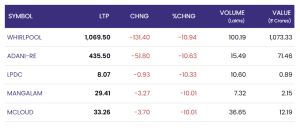 On the downside, Whirlpool of India continued to slide sharply, down nearly 11% around ₹1,069.5 with heavy turnover above 100 lakh shares, as investors reacted to concerns around valuations and recent capital‑raising plans. Adani RE, LPDC, Mangalam and MCLOUD also hit double‑digit percentage losses, each falling around 10% amid broad‑based profit‑taking in previously high‑beta counters.
 The Nifty 50 was seen around 26,268, marginally higher for the session and not far from its recent all‑time high zone of 26,300–26,330, a band that analysts flag as a key resistance area for the index.
 Among notable movers in the broader market, PRITI Projects, Indo US Bio-Tech (INDOUS), Patel Engineering, Best Agrolife and DCI gained between 11% and 20%, with PRITI locked at an approximate 20% surge on relatively low volumes.
 On the downside, names such as Mangalam Drugs, Magellanic Cloud (MCLOUD), Whirlpool of India, LPDC and KSR were among the top losers, shedding between about 7.5% and 10% in today’s session.