Monday, April 27, 2026
Home Blog Page 113

Chuando Tan at 58 Shows a Different Way of Aging That Caught Global Attention

Chuando Tan and the Discipline That Redefined Healthy Aging

Chuando Tan has once again become a global talking point, not because of a new project or viral trend, but because of how consistently he has challenged common ideas about aging. The Singapore-based photographer and influencer continues to surprise people worldwide with his youthful appearance, especially as he approaches his late fifties. While many assume cosmetic treatments or medical enhancements, Chuando Tan has repeatedly clarified that his lifestyle is built on discipline, routine, and long-term consistency rather than shortcuts.How Chuando Tan, famed Singaporean model and photographer, looks half his age at 58 | Fitness News - The Indian Express

Over the years, Chuando Tan’s photos and interviews have circulated widely on social media, sparking discussions around healthy aging. His story stands out because it avoids dramatic claims or miracle solutions. Instead, it reflects a steady commitment to simple habits practiced over decades. This approach has made his journey relatable yet demanding, especially in a time when quick fixes are often promoted as solutions.

Chuando Tan and the Routine That Shaped His Physical Health

Chuando Tan credits most of his physical condition to a strict daily routine that leaves little room for irregular habits. Diet plays a central role in his lifestyle. He follows a controlled eating pattern focused on balance and moderation, avoiding excess sugar and processed foods. Protein intake is prioritized, while late-night meals are strictly avoided. This consistency, according to him, matters more than extreme dieting trends.Chuando Tan looks half his age at 59, check out his diet and fitness secrets: '70% is diet and the other 30% is…' | Fashion Trends

Exercise is another non-negotiable part of his day. Chuando Tan combines strength training with swimming, allowing his body to stay active without excessive strain. Rather than overtraining, his workouts are structured and regular, focusing on maintaining muscle tone and flexibility. Swimming, in particular, helps support joint health and cardiovascular endurance, making it a sustainable choice over the long term.

Sleep discipline is equally important. Chuando Tan follows fixed sleeping and waking hours, even on non-working days. He avoids caffeine, including coffee, believing that natural energy levels should not depend on stimulants. Hydration is maintained throughout the day, with water intake treated as a basic necessity rather than an afterthought. These habits, practiced consistently, form the foundation of his daily life.

Chuando Tan as a Reminder That Aging Is a Long-Term Process

Age 59, Face of a 20-Year-Old — Singaporean Influencer Chuando Tan Reveals His Secret to Staying Young Defying age and expectations, Chuando Tan, a Singapore-based photographer and influencer, continues to stun theChuando Tan has often stated that his appearance is not the result of sudden transformation but years of quiet effort. This perspective has resonated strongly with audiences who are tired of exaggerated promises in the wellness industry. His story does not sell a product or method; instead, it highlights patience and responsibility toward one’s own body.

Public reactions to Chuando Tan’s lifestyle reveal a deeper cultural shift. Many people now recognize that aging well requires discipline rather than perfection. His routine is demanding, not glamorous, and offers no immediate rewards. That honesty is what sets his story apart. It challenges the assumption that youthfulness can be bought or achieved quickly.

While some continue to speculate about hidden treatments, Chuando Tan’s consistent message remains unchanged. He believes that physical health reflects daily choices made over many years. By avoiding extremes and maintaining structure, he has created a lifestyle that supports both appearance and overall well-being. Also Read: AI Model Grok Faces Global Scrutiny After Image Editing Restrictions in 2026

Conclusion

Chuando Tan’s story stands as a calm but powerful example of how discipline shapes long-term health. His approach shows that aging gracefully is not about secrets or trends, but about consistency, patience, and respect for the body over time.
IICA Opens Registrations for 8th Batch of PGIP, Signs MoU with IIIPI–ICAI to Strengthen India’s Insolvency Ecosystem

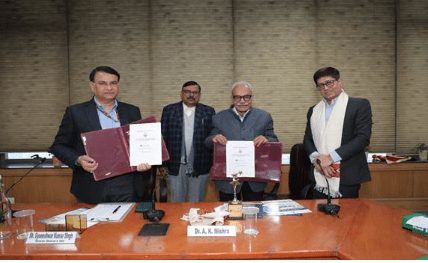
New Delhi, January 16, 2026 — The Indian Institute of Corporate Affairs (IICA), under the aegis of the Ministry of Corporate Affairs, Government of India, marked two significant milestones with the formal opening of registrations for the 8th Batch of the Post Graduate Insolvency Programme (PGIP) and the signing of a Memorandum of Understanding (MoU) with the Indian Institute of Insolvency Professionals of ICAI (IIIPI–ICAI). The developments underscore a strong institutional push towards strengthening India’s insolvency and bankruptcy ecosystem through academic excellence and professional capacity building.


PGIP Emerges as a Flagship National Programme

Addressing the gathering, Shri Gyaneshwar Kumar Singh, Director General & CEO, IICA, highlighted that PGIP has evolved into a flagship national programme for nurturing competent, ethical and industry-ready insolvency professionals.

He noted that the programme is closely aligned with the evolving requirements of India’s insolvency framework and plays a critical role in supporting the effective implementation of the Insolvency and Bankruptcy Code (IBC).

“The signing of the MoU reflects the strong commitment of both institutions towards academic excellence, institutional collaboration and strengthening the insolvency ecosystem in the country,” he said.


MoU to Strengthen Academic Collaboration and Capacity Building

The MoU between IICA and IIIPI–ICAI is aimed at fostering collaboration across multiple areas, including:

  • Academic exchange

  • Capacity building initiatives

  • Joint research in insolvency and bankruptcy

  • Training programmes

  • Knowledge sharing and professional development

This partnership is expected to enhance the quality of education and professional preparedness of insolvency practitioners across the country.


IIIPI–ICAI Reaffirms Commitment to Robust Assessment Framework

Speaking on the occasion, CA Rahul Madan, Managing Director, IIIPI–ICAI, highlighted the continued association between IIIPI–ICAI and IICA’s PGIP programme. He emphasised that the institute plays a crucial role in ensuring a robust, transparent and credible examination and assessment process for PGIP participants.

He further stated that, as a frontline regulator, is well-positioned to support students by sharing modules and preparatory inputs for professional assessments such as the Limited Insolvency Examination and PREC-like preparation, thereby strengthening students’ professional readiness.


Institutional Collaboration Key to Global-Standard Professionals

Dr. Ashok Kumar Mishra, Chairman & Director, IIIPI–ICAI, underlined the critical importance of institutional collaboration in building a strong and future-ready insolvency ecosystem in India.

He noted that such partnerships are essential to:

  • Develop highly trained insolvency professionals

  • Align professional practices with global best standards

  • Strengthen credibility and effectiveness of India’s insolvency framework


Strong Participation from Key Stakeholders

The event witnessed the presence of:

  • Senior officials

  • Faculty members

  • Students

  • Key stakeholders including IBPS, the examination partner for PGIP

Their participation reflected growing institutional and industry support for structured professional development in the insolvency domain.


Conclusion

The launch of registrations for the 8th PGIP batch and the signing of the MoU between IICA and IIIPI–ICAI mark an important step in strengthening India’s insolvency and bankruptcy ecosystem. By combining academic rigour, regulatory expertise and institutional collaboration, the initiative is poised to develop a new generation of well-trained, ethical and globally aligned insolvency professionals, supporting the continued evolution of India’s corporate governance and resolution framework.


For more real-time updates, visit Channel 6 Network.

Source: PIB

ASEAN and India Deepen Digital Partnership at 6th ADGMIN Meeting, Approve ASEAN–India Digital Work Plan 2026

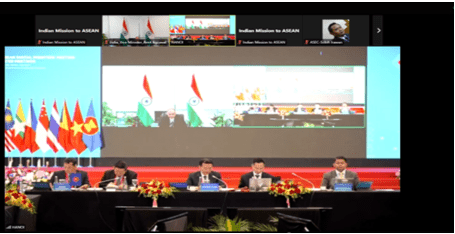
New Delhi, January 16, 2026 — The 6th ASEAN–India Digital Ministers’ (ADGMIN) Meeting was held virtually under the theme “Adaptive ASEAN: From Connectivity to Connected Intelligence”, reaffirming the shared commitment of ASEAN Member States and India to deepen cooperation in the digital domain. The meeting marked a significant milestone with the approval of the ASEAN–India Digital Work Plan 2026, further strengthening regional digital integration, inclusion and innovation.

The meeting was co-chaired by Shri Amit Agrawal, Secretary, Department of Telecommunications, Government of India, and Shri Nguyen Manh Hung, Minister of Science and Technology of Viet Nam.


Strengthening Regional Digital Cooperation

ADGMIN serves as an annual high-level forum bringing together Digital and Telecom Ministers of all 11 ASEAN Member States — Brunei, Cambodia, Indonesia, Lao PDR, Malaysia, Myanmar, Philippines, Singapore, Thailand, Timor Leste and Viet Nam — along with Dialogue Partners including India, the US, UK, EU, Japan, Republic of Korea, Australia, Canada, China, Russia and others.

The discussions focused on:

  • Deepening digital inclusion

  • Strengthening regional connectivity

  • Promoting integration of digital economies

  • Ensuring that digital transformation supports equitable growth


Digital Work Plan 2026 Approved

A key outcome of the meeting was the endorsement of the ASEAN–India Digital Work Plan 2026, which prioritises:

  • ICT training and capacity-building programmes

  • India–ASEAN Regulators’ Conference

  • Deployment of telecom and ICT solutions across ASEAN countries

The meeting also welcomed the operationalisation of a special ‘ASEAN–India Fund for Digital Future’, aimed at supporting sustainable digital cooperation projects.


Progress on Joint Digital Vision

The meeting acknowledged the ASEAN–India Joint Statement on Advancing Digital Transformation, adopted at the 21st ASEAN–India Summit in October 2024 (Vientiane, Lao PDR). This framework strengthens collaboration in:

  • Digital Public Infrastructure (DPI)

  • Financial Technology (FinTech)

  • Cybersecurity

  • Artificial Intelligence (AI)

  • Capacity building and knowledge sharing

  • Sustainable digital investment

Progress under the ASEAN–India 2025 Digital Work Plan, particularly through capacity-building initiatives, was also reviewed positively.


India Showcases Digital Transformation and Indigenous Solutions

Addressing the meeting, Shri Amit Agrawal highlighted India’s rapid digital progress, including:

  • Near-universal 4G coverage

  • The world’s fastest 5G rollout

  • Expansion of rural broadband via BharatNet

  • India’s emergence as a global mobile manufacturing hub

He showcased India’s Digital Public Infrastructure platforms such as:

  • Aadhaar

  • UPI (Unified Payments Interface)

  • DigiLocker

These platforms were presented as scalable, cost-effective solutions that ASEAN partners could adapt for inclusive governance and service delivery.


Sanchar Saathi Offered as Best Practice for User Protection

India also highlighted the Sanchar Saathi initiative, a flagship programme aimed at:

  • Telecom user protection

  • Fraud prevention

  • SIM misuse detection

  • Citizen empowerment

India offered to share best practices and technical learnings from Sanchar Saathi with ASEAN partners to strengthen digital trust and consumer protection.


Collaboration on Artificial Intelligence and Trusted Innovation

Shri Amit Agrawal emphasised the growing importance of AI, noting that the region is transitioning from connectivity to connected intelligence. He outlined India’s IndiaAI Mission, which prioritises:

  • Safe and trusted AI

  • Ethical and transparent innovation

  • Capacity building in AI skills

  • Standards development

  • Practical, socially beneficial AI use cases

“Innovation must be aligned with responsibility, transparency and public trust,” he said, reaffirming India’s readiness to collaborate with ASEAN nations on building responsible AI ecosystems.


Shared Vision for an Inclusive Digital Future

The meeting concluded with a reaffirmation of the shared vision to build an:

  • Open digital ecosystem

  • Secure and trusted digital infrastructure

  • Inclusive digital economy

  • Innovation-driven regional framework

This partnership, participants noted, will be critical to supporting sustainable growth and regional prosperity in an increasingly digital world.


Conclusion

The 6th ADGMIN Meeting marks another strong step forward in ASEAN–India digital cooperation. With the approval of the Digital Work Plan 2026, operationalisation of a dedicated digital fund, and growing collaboration in areas like AI, cybersecurity, DPI and telecom innovation, the partnership is evolving into a strategic pillar of regional development. India’s offer of scalable digital solutions and commitment to inclusive innovation positions it as a key digital partner for its’s future.


For more real-time updates, visit Channel 6 Network.

Source: PIB

Historic Reforms for Farmers: Shivraj Singh Chouhan Unveils Key Features of New Seed Act 2026

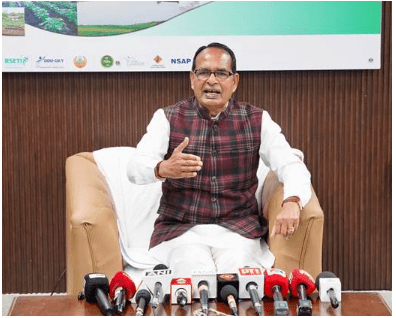
New Delhi, January 16, 2026 — Union Minister for Agriculture and Farmers’ Welfare and Rural Development Shri Shivraj Singh Chouhan today briefed the media on the proposed Seed Act 2026, describing it as a historic reform aimed at protecting farmers’ interests, ensuring seed quality, and introducing transparency and accountability across India’s seed ecosystem.

The Minister emphasised that the new law is designed to eliminate fake and substandard seeds, strengthen farmers’ rights, and modernise the outdated Seed Act of 1966 in line with today’s technological realities.


Nationwide Seed Traceability System to Empower Farmers

Shri Chouhan announced that a comprehensive seed traceability system will be introduced across the country. Every seed packet will carry a QR code, enabling farmers to access complete information about:

  • Where the seed was produced

  • Which company supplied it

  • Which dealer sold it

“Farmers will now know the complete story of every seed,” the Minister said, adding that this digital transparency will help instantly identify fake or poor-quality seeds and ensure swift action against offenders.


Mandatory Registration of Seed Companies

To curb unauthorised operations, the new law will make registration of all seed companies compulsory.

  • Only registered companies will be allowed to sell seeds

  • Unauthorised sellers will be barred from the market

  • Details of registered companies will be publicly available

This move is expected to eliminate fake companies and protect farmers from exploitation.


Strict Action Against Fake and Substandard Seeds

The Minister underlined that the new law adopts a zero-tolerance approach towards seed fraud.

Key proposals include:

  • Penalty up to ₹30 lakh for selling substandard seeds

  • Imprisonment up to three years in cases of deliberate wrongdoing

  • Strong enforcement mechanisms to prevent entry of inferior seeds into the system

“Earlier the maximum penalty was only ₹500. Now we are proposing strong punishment so that farmers get real justice,” Shri Chouhan said.


Traditional Seed Systems to Remain Fully Protected

Addressing concerns raised by some stakeholders, the Minister clarified that the new Seed Act will not restrict traditional seed practices.

Farmers will continue to:

  • Save their own seeds

  • Exchange seeds locally

  • Follow customary community seed-sharing practices

“The traditional system of seed exchange will continue without any interference,” he assured.


Strengthening ICAR, KVKs and Domestic Seed Ecosystem

Shri Chouhan highlighted that the law strengthens the role of:

  • ICAR (Indian Council of Agricultural Research)

  • Agricultural universities

  • Krishi Vigyan Kendras (KVKs)

  • Credible domestic seed companies

Imported seeds will be allowed only after rigorous scientific evaluation and testing, ensuring protection of Indian agriculture and farmers’ livelihoods.


Awareness Campaigns to Educate Farmers

Recognising the importance of awareness, the Minister said initiatives such as Viksit Krishi Sankalp Abhiyan are already underway.
All 731 KVKs across the country will actively educate farmers on:

  • Seed quality

  • Proper selection

  • Use of traceability tools

  • Grievance redressal mechanisms

This grassroots outreach aims to ensure farmers fully benefit from the new law.


Modernising the Outdated 1966 Seed Law

Shri Chouhan noted that the existing Seed Act of 1966 was framed in a time without:

  • Digital systems

  • Traceability tools

  • Advanced data monitoring

The Seed Act 2026 is designed to reflect modern realities by embedding:

  • Digital accountability

  • Transparency

  • Real-time monitoring

  • Strong legal deterrence


States’ Rights to Remain Intact

Reassuring federal concerns, the Minister clarified that:

  • Agriculture will remain a State subject

  • States’ powers will not be diluted

  • Implementation will happen through Centre–State cooperation


Conclusion

The proposed Seed Act 2026 marks a transformative shift in India’s agricultural governance. By introducing traceability, mandatory registration, strict penalties and digital transparency, the law aims to protect farmers from fraud, ensure access to quality seeds, and strengthen trust in the agricultural ecosystem. As Shri Shivraj Singh Chouhan concluded, the goal is simple yet powerful: “The right seed for every farmer, and justice for every wrongdoing.”


For more real-time updates, visit Channel 6 Network.

Source: PIB

C.P. Radhakrishnan Meets UK Lord Speaker on CSPOC 2026, Reaffirms Strong Parliamentary Ties

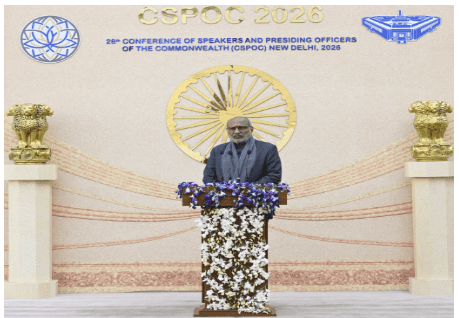
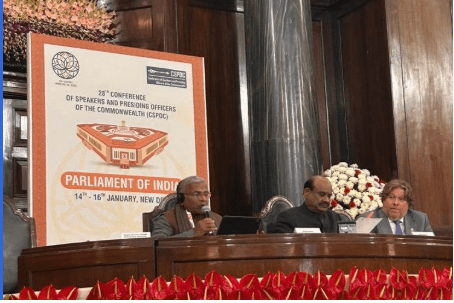
New Delhi, January 16, 2026 (CSPOC) — Hon’ble Vice-President of India and Chairman, Rajya Sabha, Shri C.P. Radhakrishnan held a cordial and substantive meeting with Lord McFall of Alcluith PC, Lord Speaker of the UK House of Lords, at Parliament House, New Delhi. The interaction took place on the sidelines of the 28th Conference of Speakers and Presiding Officers of the Commonwealth (CSPOC), hosted by India from January 14–16, 2026.


Strengthening India–UK Parliamentary Friendship

Welcoming the Lord Speaker to the Rajya Sabha, Shri Radhakrishnan expressed pleasure at his participation in CSPOC 2026 and noted that his presence reflected the enduring friendship and robust parliamentary relations between India and the United Kingdom. He remarked that the visit offered a valuable opportunity to experience India’s democratic ethos, parliamentary traditions and cultural heritage.

The Vice-President highlighted that while India’s parliamentary system has drawn inspiration from the Westminster model, it has evolved organically to reflect India’s unique constitutional and democratic realities.


Shared Commitment to Democratic Values and Responsible Speech

During the discussion, Shri Radhakrishnan underlined the shared commitment of both countries to core democratic principles such as:

  • Rule of law

  • Parliamentary privilege

  • Democratic oversight of the executive

He particularly emphasized the importance of freedom of speech with responsibility, noting that such freedom must not be misused for disruptive activities within legislatures. These shared values, he observed, form a strong foundation for mutual learning and cooperation.


Parliamentary Diplomacy and Exchange Programmes

The Vice-President described parliamentary diplomacy as a cornerstone of Commonwealth cooperation and reaffirmed India’s commitment to inter-parliamentary exchanges. He suggested expanding collaboration through:

  • Joint workshops

  • Training programmes

  • Knowledge-sharing initiatives

  • Parliamentary delegation exchanges

Such efforts, he said, would further deepen institutional understanding between the two democracies.


Digital Innovation in Parliamentary Functioning

Highlighting the transformative role of technology, Shri Radhakrishnan noted that India has adopted advanced digital practices such as:

  • E-Parliament systems

  • Live streaming of proceedings

  • Digitised parliamentary records

He expressed keen interest in learning from the House of Lords’ experience in digital transformation, particularly in areas such as:

  • Enhancing accessibility

  • Promoting transparency

  • Strengthening public engagement

He suggested that collaboration in technology-driven governance could benefit both legislatures in legislative drafting, committee functioning and citizen participation.


Joint Global Priorities within Parliamentary Forums

The Vice-President proposed that India and the UK work together within parliamentary and multilateral platforms to advance shared global priorities, including:

  • Promotion of women’s political participation

  • Strengthening climate resilience through legislative action

  • Cooperation in higher education as a tool of soft power

  • Harnessing technology for inclusive, transparent governance

He observed that the Commonwealth provides a unique platform for parliamentarians to share best practices and uphold democratic standards globally.


Conclusion

Concluding the meeting, Shri Radhakrishnan reaffirmed the shared democratic values that underpin India–UK relations and expressed confidence that continued engagement would further strengthen bilateral parliamentary cooperation. He noted that such interactions have the potential to inspire joint initiatives that could serve as models across the Commonwealth.

Hon’ble Deputy Chairman of Rajya Sabha, Shri Harivansh, was also present during the meeting.


For more real-time updates, visit Channel 6 Network.

Source: PIB

C.P. Radhakrishnan Hosts Commonwealth Presiding Officers, Emphasises Dignity, Dialogue and Democratic Ethos: 2026

New Delhi, January 16, 2026 — Hon’ble Vice-President of India and Chairman, Rajya Sabha, Shri C.P. Radhakrishnan hosted a formal lunch in honour of Speakers and Presiding Officers of Commonwealth Parliaments at Samvidhan Sadan, New Delhi, on the sidelines of the 28th Conference of Speakers and Presiding Officers of the Commonwealth (CSPOC). The gathering underscored the shared responsibility of parliamentary leaders to uphold dignity, decorum and democratic values across legislatures.

Strengthening Parliamentary Bonds through Dialogue

Welcoming the distinguished delegates, Shri Radhakrishnan expressed pleasure at hosting the gathering at Samvidhan Sadan, describing the historic Parliament building as a living symbol of India’s vibrant democratic tradition of over seven and a half decades. He noted that the event reflected the spirit of harmony, cooperation and collective purpose that binds Commonwealth democracies.

He emphasised that meaningful dialogue, mutual respect and cooperation must remain the guiding principles for democracies navigating complex and diverse viewpoints.


Presiding Officers as Guardians of Legislative Dignity

Highlighting the constitutional role of Presiding Officers, the Vice-President stated that facilitating debate and discussion with decorum and dignity, amidst diversity of views, is a shared and primary responsibility. He underlined that despite differences in geography, culture and historical experience, Commonwealth nations remain united by a common parliamentary ethos and commitment to democratic values.

He further observed that Presiding Officers act as the ultimate guardians of legislative dignity and the collective voice of the people, entrusted with balancing freedom of expression with orderly conduct within legislatures.

India’s Democratic Legacy and the Spirit of the Commonwealth

Describing India as the “Mother of Democracy”, Shri Radhakrishnan noted that India views the Commonwealth not merely as a historical association, but as a forward-looking platform for cooperation among equal partners. He stated that platforms like CSPOC enable the exchange of institutional wisdom, best practices and governance experiences, contributing to stronger, more resilient and inclusive legislatures worldwide.

Symbolism of Sahabhojan and Shared Values

Drawing attention to the Indian tradition of Sahabhojan (community dining), the Vice-President highlighted its symbolic meaning in fostering equality, fraternity and collective harmony. Invoking the Sanskrit prayer “Samastha Lokah Sukhino Bhavantu” — May all beings everywhere be happy and free — he reaffirmed the shared commitment of Commonwealth legislatures to work for the welfare of their people.

Conclusion

Expressing confidence in the outcomes of CSPOC 2026, Shri Radhakrishnan stated that such engagements deepen parliamentary cooperation, mutual understanding and democratic resilience across nations. He extended warm wishes to the visiting dignitaries and hoped their visit to India would be both productive and memorable.

The event was attended by Lok Sabha Speaker Shri Om Birla, Deputy Chairman Rajya Sabha Shri Harivansh, senior Union Ministers, President of the Inter-Parliamentary Union Dr. Tulia Ackson, Chairperson of the Commonwealth Parliamentary Association Dr. Christopher Kalila, Secretaries-General of both Houses of Parliament, and Presiding Officers from across the Commonwealth.


For more real-time updates, visit Channel 6 Network.

Source: PIB

India’s Experience of Women’s Leadership Strengthens Democratic Governance: Deputy Chairman Rajya Sabha at 28th CSPOC

New Delhi, January 16, 2026 — Hon’ble Deputy Chairman of Rajya Sabha, Shri Harivansh, highlighted India’s transformative journey of women’s leadership across all three tiers of governance during the Lightning Round Session of the 28th Conference of Speakers and Presiding Officers of the Commonwealth (CSPOC) held in New Delhi. Speaking on the theme “Women’s Contribution to India’s Three-Tier System of Governance”, he underlined that women’s participation has not only enhanced representation but has tangibly improved governance outcomes.

India’s Democratic Framework Enables Inclusive Leadership

Addressing international delegates, Shri Harivansh explained that India’s governance structure — comprising Parliament, State Legislatures, and Local Self-Government institutions — is rooted in vertical power-sharing and inclusive constitutional design. He noted that this framework has gained global relevance due to its sustained institutional inclusion of women, particularly at the grassroots level.

He observed that India’s tradition of participatory decision-making and collective leadership has deep civilisational roots, where women have historically played meaningful roles in deliberative spaces.


Historical Foundations of Women’s Political Participation

Tracing India’s constitutional evolution, the Deputy Chairman noted that women gained voting rights in several provinces as early as the 1920s, well before Independence. With the adoption of universal adult franchise in 1950, India ensured political equality from the inception of the Republic.

He further highlighted the significance of the 73rd and 74th Constitutional Amendments in the 1990s, which mandated one-third reservation for women in rural and urban local bodies. Today, over two-thirds of States provide 50 per cent reservation in Panchayati Raj institutions, reflecting the deepening of India’s commitment to gender equity.

World’s Largest Experiment in Women’s Political Representation

Quoting observations by Prime Minister Shri Narendra Modi, Shri Harivansh noted that nearly 1.5 million women currently serve as elected representatives in local self-governing bodies — making this the largest democratic experiment in women’s political participation anywhere in the world.

For many women, especially from rural and marginalised backgrounds, local governance has become the first entry point into public life. This unprecedented scale of participation, he said, is now translating into measurable improvements in governance quality.

Women-Led Governance Improves Transparency and Accountability

The Deputy Chairman emphasized that studies and field evidence consistently show that women-led local bodies demonstrate higher transparency, stronger accountability, and closer monitoring of public services. Their community-centric approach often reduces leakages and ensures that welfare schemes reach intended beneficiaries more effectively.

He noted that women leaders have prioritised essential development issues such as drinking water, sanitation, healthcare, education, nutrition, and social welfare — reinforcing the shift from women’s development to women-led development.

From Local Leadership to National Representation

Shri Harivansh observed that women’s participation at the grassroots has helped challenge traditional gender roles and created a strong pipeline of experienced leaders. Many have progressed to become Ministers, Speakers, Chief Ministers, and constitutional authorities at the state and national levels.

He highlighted the historic passage of the 106th Constitutional Amendment (Nari Shakti Vandan Adhiniyam), which provides 33 per cent reservation for women in the Lok Sabha and State Legislative Assemblies, calling it a reaffirmation of India’s long-term commitment to gender-balanced representation.

Conclusion

Summing up India’s experience, Shri Harivansh stated that inclusive governance strengthens democracy, women’s leadership improves outcomes beyond symbolic representation, and local governance remains the most sustainable entry point for empowering women leaders. For the Commonwealth nations, he said, India’s journey reinforces the belief that strong democracies are built when women participate equally in governance.


For more real-time updates, visit Channel 6 Network.

Source: PIB

January 16, 2026: Nifty Ends Flat as IT Stocks Rally, Banking Index Outperforms; Infosys, Tech Mahindra Lead Gains

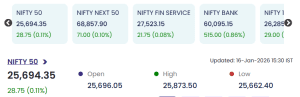
Indian equity markets closed marginally higher on January 16, 2026, with the Nifty 50 settling at 25,694.35, up 28.75 points (0.11%). While headline indices remained largely range-bound, the session was marked by a strong rally in IT stocks and a notable outperformance in the Banking space, with Nifty Bank gaining 0.86%. Select heavyweights in technology provided upside support, even as profit-booking weighed on stocks such as ETERNAL, Jio Financial Services and Asian Paints.

Also Read: January 14, 2026: Nifty Ends Lower at 25,665 as IT and FMCG Weigh; Metals and PSU Stocks Outperform


Market Snapshot

  • Nifty 50: 25,694.35 (+0.11%)

  • Day’s High: 25,873.50

  • Day’s Low: 25,662.40

  • january 16Nifty Next 50: 68,857.90 (+0.10%)

  • Nifty Financial Services: 27,523.15 (+0.08%)

  • Nifty Bank: 60,095.15 (+0.86%)

The broader market showed a mixed trend, with sectoral leadership shifting decisively toward technology and banking.


IT Stocks Power the Rally

The information technology sector emerged as the clear outperformer of the session, with all major IT names closing firmly in the green.

Top gainers among IT stocks included:

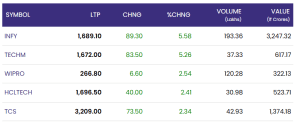
  • Infosys (INFY): ₹1,689.10 (+5.58%)

  • Tech Mahindra (TECHM): ₹1,672.00 (+5.26%)

  • Screenshot 2026 01 17 153712Wipro: ₹266.80 (+2.54%)

  • HCL Technologies: ₹1,696.50 (+2.41%)

  • TCS: ₹3,209.00 (+2.34%)

The rally suggests renewed buying interest in export-oriented technology stocks, likely supported by expectations of improved global demand outlook and stable currency dynamics.


Bank Nifty Outperforms as Financials Show Strength

The Nifty Bank index jumped 0.86%, significantly outperforming the benchmark indices. Buying interest in frontline banking stocks lifted overall sentiment in the financial sector, helping limit downside pressure on the broader market.

Market participants noted that banking strength continues to provide structural support to the indices amid rotational sectoral activity.


Stocks Under Pressure: Profit Booking in Select Heavyweights

Despite strength in IT, several heavyweight stocks witnessed declines, indicating sectoral rotation rather than broad-based buying.

Notable laggards included:

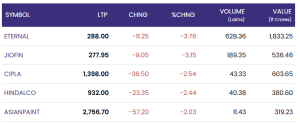
  • ETERNAL: ₹288.00 (−3.76%)

  • Jio Financial Services (JIOFIN): ₹277.95 (−3.15%)

  • Screenshot 2026 01 17 153719Cipla: ₹1,398.00 (−2.54%)

  • Hindalco: ₹932.00 (−2.44%)

  • Asian Paints: ₹2,756.70 (−2.03%)

Analysts attributed the decline to profit-booking at higher levels and stock-specific positioning rather than a deterioration in overall market sentiment.


Market Trend Indicates Sectoral Rotation

The trading pattern suggests that investors are increasingly adopting a selective stock-picking approach, with capital rotating into sectors showing earnings visibility such as IT and banking, while trimming exposure in select consumption and pharma counters.

Volumes remained healthy in key gainers like Infosys and TCS, reinforcing the conviction behind the IT-led rally.


Conclusion: January 16, 2026

The market’s close on January 16 reflected a stable but selective risk environment, with strong buying in IT stocks offsetting weakness in a few large-cap names. With banking and technology emerging as leadership sectors, the near-term trend points towards sectoral stock-specific opportunities rather than broad-based index momentum. Investors are likely to stay focused on earnings performance and global cues to guide further positioning.


For real time stock Updates, visit NSE website

Tom Daley’s Powerful Rise: 1 Olympic Prodigy Becomes a Global Media Force

0

Tom Daley’s Current Net Worth: From Teenage Olympian to Global Sports and Media Powerhouse

Tom Daley’s journey from a prodigious teenage diver to a global sports and media icon is one of the most compelling success stories in modern athletics. Once known primarily for his achievements on the diving board, Daley has evolved into a multifaceted personality whose influence now extends far beyond competitive sport. His current net worth reflects not just medals and prize money, but years of brand-building, media ventures, and cultural impact.cr 1200x1200 240722111947 GettyImages 1334270747

Daley first captured international attention as a teenager when he qualified for the Olympics at just fourteen. His early rise placed him under intense public scrutiny, but it also laid the foundation for a long and resilient career. Over the years, he transformed raw talent into sustained excellence, becoming one of Britain’s most recognisable Olympians.

Olympic Success and Sporting Earnings

At the core of Daley’s financial success lies his decorated diving career. Competing across multiple Olympic Games, he earned medals that cemented his legacy, including a long-awaited Olympic gold that marked a defining moment in British sporting history. Alongside World Championships and European titles, these achievements brought prize money, government funding, and performance-based incentives.

While competitive diving alone does not generate the same earnings as some global sports, Daley’s consistency at the highest level ensured a stable and respected income stream throughout his career. His longevity also made him a familiar face across Olympic cycles, increasing his commercial appeal.

Endorsements and Brand Partnerships

A significant portion of Tom Daley’s net worth comes from endorsement deals and brand collaborations. Known for his clean image, authenticity, and relatability, Daley became a natural choice for global brands in fashion, lifestyle, fitness, and wellness. His partnerships often extended beyond traditional advertising into long-term collaborations, allowing him to maintain creative control and align with brands that matched his values.tom daley diving pool scaled

Daley’s openness about mental health, body image, and personal identity further strengthened his connection with audiences worldwide. This credibility translated into strong engagement across platforms, making him a valuable ambassador in both sports and mainstream culture.

Media Presence and Digital Influence

In recent years, Daley has successfully transitioned into media and digital spaces. His social media presence, marked by millions of followers, has become a powerful revenue channel through sponsored content, collaborations, and personal projects. His relaxed and humorous online persona has broadened his appeal beyond sports fans to a much wider global audience.

Television appearances, documentaries, and hosting roles have also contributed to his growing profile. Daley’s ability to move comfortably between elite sport and entertainment has positioned him as a crossover figure rarely achieved by Olympic athletes.

Entrepreneurial Ventures and Knitting Brand

One of the most unexpected and successful chapters of Daley’s post-Olympic career has been his foray into entrepreneurship. His knitting hobby, which gained attention during international competitions, evolved into a full-fledged lifestyle brand. What began as a personal passion turned into a commercially viable business with global reach, adding a distinctive dimension to his income portfolio.skysports tom daley team gb 6545850

The brand’s success lies in its authenticity, reflecting Daley’s personality rather than a manufactured celebrity venture. This has resonated strongly with fans and consumers alike.

A Modern Definition of Success

Estimates of Tom Daley’s current net worth place him comfortably among the most financially successful Olympic athletes of his generation. However, his real achievement lies in how diversified and future-proof his career has become. By combining sport, media, advocacy, and entrepreneurship, Daley has ensured long-term relevance well beyond competitive diving.

From teenage prodigy to global powerhouse, Tom Daley’s story is not just about medals or money. It is about evolution, resilience, and redefining what success looks like for modern athletes in a connected world.

Also read: https://channel6network.com/rahul-gandhi/

‘Gautam Gambhir Fired the Gun’: Rohit Sharma’s ODI Captaincy Shake-Up Marks 1 Major Leadership Shift

‘Gautam Gambhir Fired the Gun From Ajit Agarkar’s Shoulder’: Ex-India Player on Rohit Sharma’s ODI Captaincy Removal

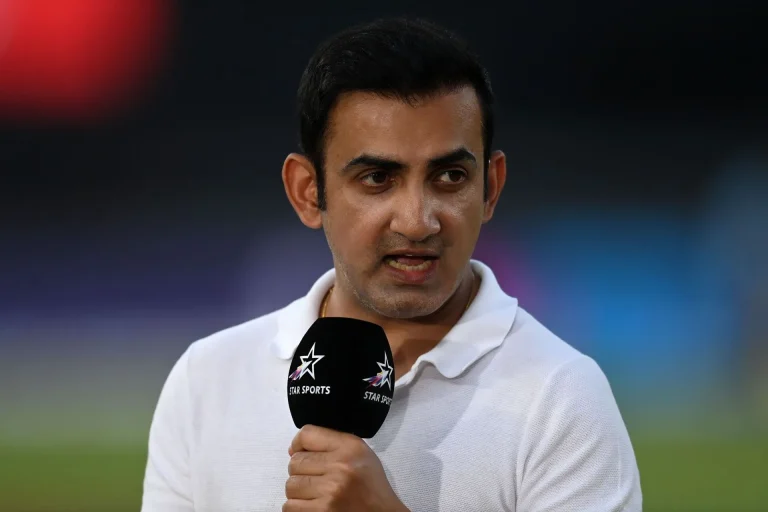
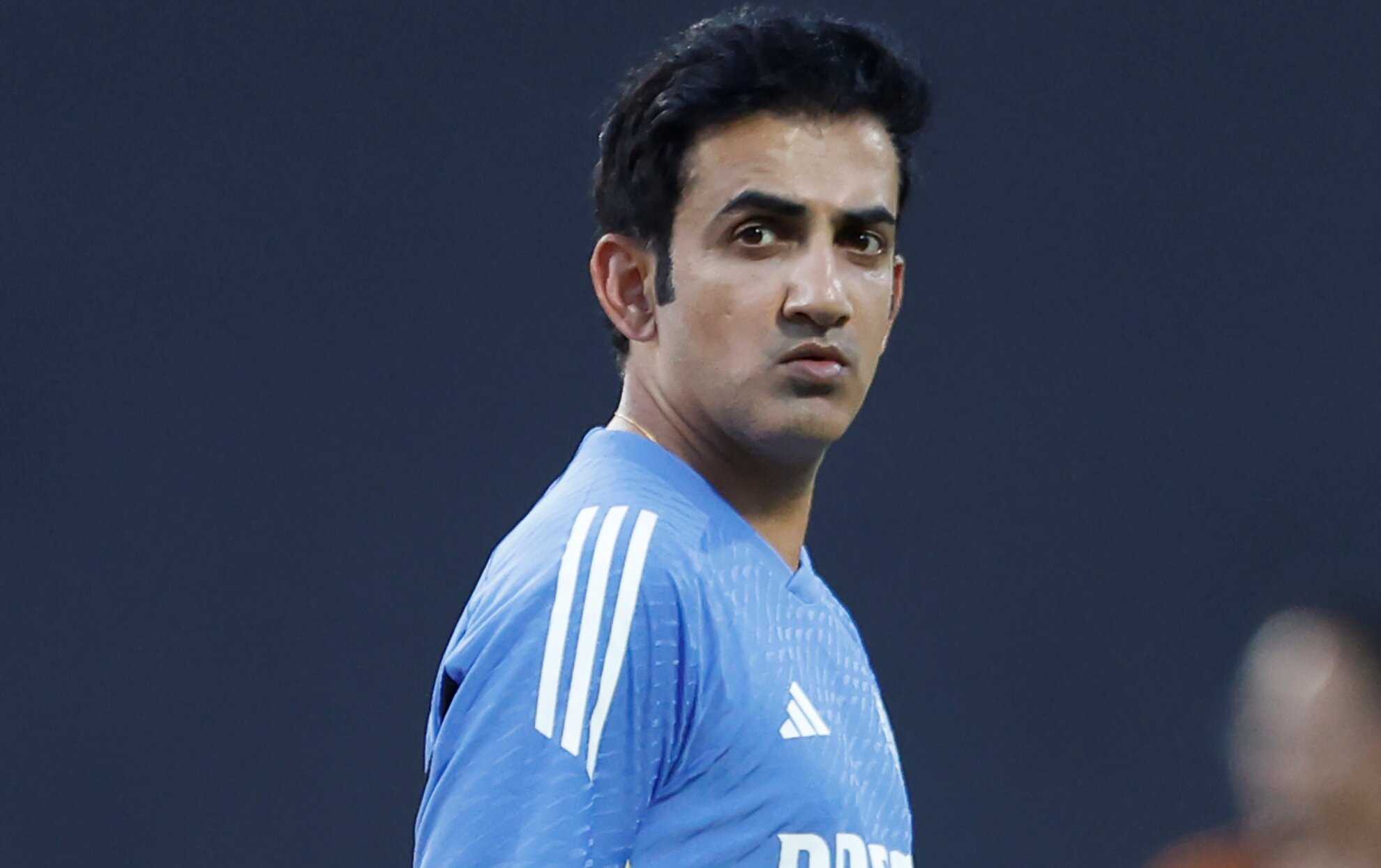
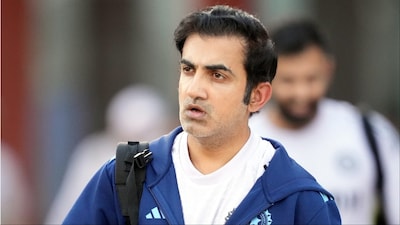
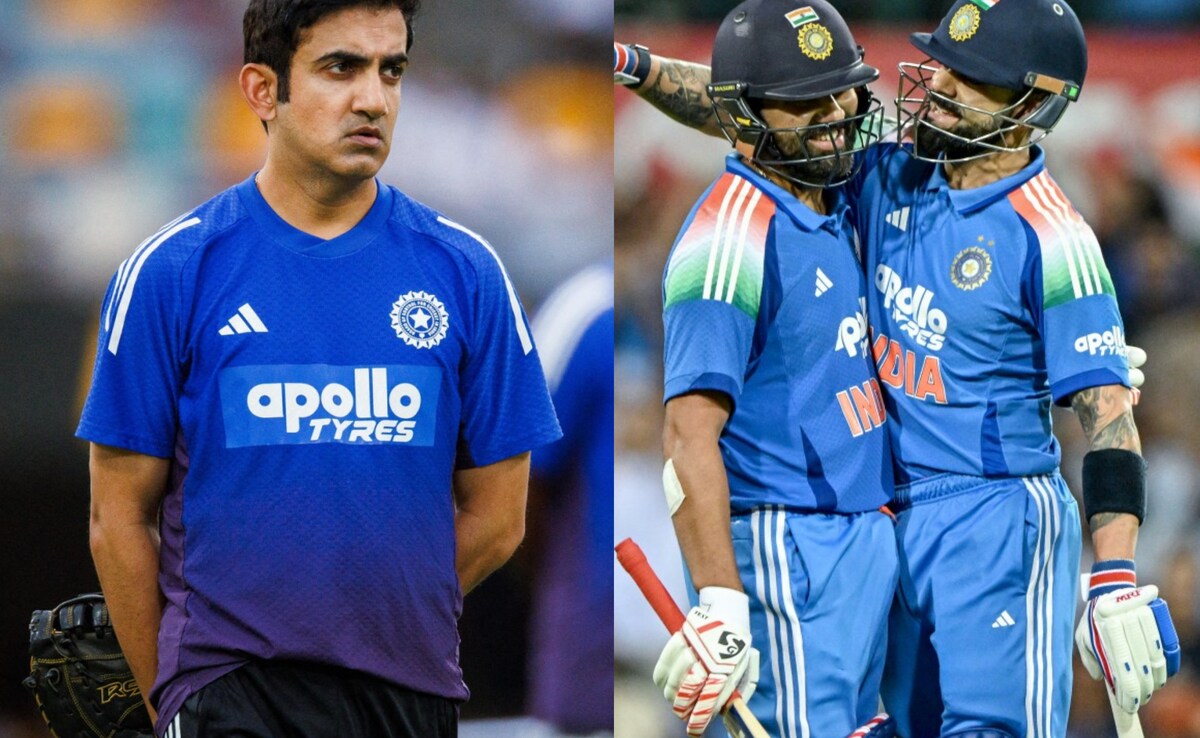
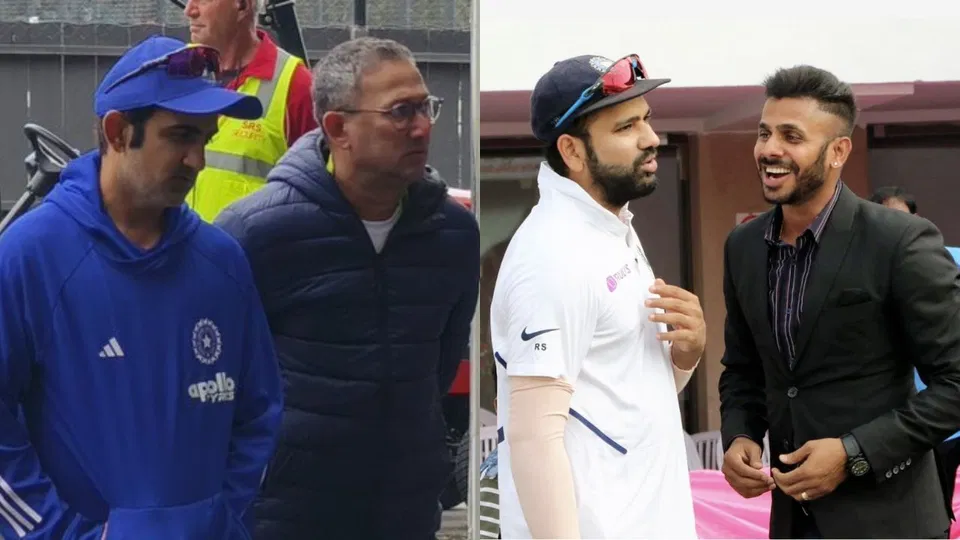
In a candid revelation about Indian cricket’s recent leadership changes, a former India cricketer has shed light on the circumstances surrounding Rohit Sharma’s removal as ODI captain. The source, speaking on condition of anonymity, described the situation using a vivid metaphor: “Gautam Gambhir fired the gun from Ajit Agarkar’s shoulder,” highlighting the behind-the-scenes dynamics that influenced the decision.India head coach Gautam Gambhir

The statement has sparked considerable discussion among cricket fans and analysts, who are now examining the roles of senior figures, both on and off the field, in shaping team leadership. The ex-player’s comment suggests that while Ajit Agarkar may have played a role in the discussions, it was Gautam Gambhir who ultimately drove the decision forward, reflecting the complex hierarchy and decision-making processes within Indian cricket administration.

Rohit Sharma’s Leadership Tenure

Rohit Sharma, widely regarded for his tactical acumen and batting prowess, led the Indian ODI team for several years. Under his captaincy, India achieved significant milestones, including notable series victories and record-breaking performances. Fans and players alike have praised Rohit for his calm demeanor and ability to inspire younger players.BCCI to sack Gautam Gambhir 2025 12 561aebb5481c0f723269f0869adbff1e

Despite his on-field successes, rumors of internal disagreements and shifting strategic priorities had circulated for months. Analysts suggest that concerns about team balance, succession planning, and the desire to inject new leadership perspectives may have influenced the board’s decision.

Behind the Scenes: Gambhir Gambhir and Agarkar

The ex-player’s metaphor points to the involvement of two senior cricket figures in the leadership transition. Gautam Gambhir, a former opening batsman known for his aggressive approach and outspoken nature, is portrayed as the driving force behind the move. Meanwhile, Ajit Agarkar, a former fast bowler and respected team strategist, appears to have played a facilitating or advisory role.v7v6793o gautam gambhir virat kohli rohit

Observers note that such behind-the-scenes interventions are not uncommon in Indian cricket, where former players often hold influential advisory positions and contribute to shaping team strategy and leadership decisions. The metaphor highlights the perceived dynamics: Gambhir as the active agent, Agarkar providing support or a platform.

Reactions from the Cricketing Community

News of Rohit Sharma’s removal and the ex-player’s statement has generated widespread debate on social media and sports forums. Fans are divided, with some criticizing the manner in which the decision was handled, while others view it as a necessary step for renewing team leadership ahead of upcoming international tournaments.

Several former cricketers and analysts have weighed in, emphasizing that while leadership changes are part of professional sports, transparency and clear communication remain crucial to maintain player morale and public trust. The cricketing fraternity has also expressed support for Rohit Sharma, recognizing his contributions and wishing him continued success in other formats of the game.

Implications for Indian Cricket

The leadership change comes at a pivotal time for Indian cricket, with major international series and World Cup preparations underway. The Board of Control for Cricket in India (BCCI) appears focused on fostering a new era of leadership that balances experience with fresh perspectives. Analysts suggest that this transition may also open opportunities for younger players to assume greater responsibilities on and off the field.

Former players note that Rohit Sharma’s experience and insights will remain invaluable to the team, even if he no longer holds the ODI captaincy. His mentoring of emerging talent is expected to continue, providing stability during the leadership transition.

Looking Ahead

As Indian cricket adapts to these changes, attention now turns to how the team performs under new leadership and how internal dynamics evolve. Fans are eager to see the impact of the decision on upcoming series and tournaments, and whether the leadership shift strengthens the team’s overall performance.

For Rohit Sharma, the focus is likely to remain on delivering match-winning performances, supporting his teammates, and continuing to play a vital role in India’s cricketing journey, even without the ODI captain’s armband.

Also read: https://channel6network.com/rahul-gandhi/