Monday, April 27, 2026
Home Blog Page 115

Visa Processing: Major Relief for 15 Countries Amid Trump’s Indefinite Freeze

Washington D.C. – The Trump administration has issued a significant update regarding visa processing after announcing an indefinite suspension that affects people from 75 countries seeking to live and work permanently in the United States. The measure, set to take effect on January 21, has prompted widespread concern among thousands of applicants, but recent clarifications from the State Department have provided crucial relief for specific groups, particularly FIFA World Cup attendees.

Understanding the Visa Processing Freeze

The visa processing suspension announced last week targets immigrant visas for individuals from 75 countries worldwide. This indefinite freeze applies specifically to people seeking permanent residency and work authorization in the United States. However, the Trump administration has clarified that dual nationals holding a passport from a country not affected by the suspension will remain exempt from these restrictions.

Department spokesperson Tommy Pigott explained that the visa processing freeze aims at ending “the abuse of America’s immigration system by those who would extract wealth from the American people.” This justification frames the policy as a protective measure for American economic interests and immigration system integrity.

Critical Clarification for World Cup Participants

When the visa processing freeze was first announced, panic spread among thousands of soccer fans who had already purchased tickets to attend the FIFA World Cup in the US and Mexico this year. The concern was particularly acute because 15 of the 75 affected countries are scheduled to participate in the tournament, raising questions about whether players, staff, and fans would be able to travel.

The State Department has now provided crucial clarification that offers significant relief. A State Department spokesperson confirmed that the visa processing action “applies to the issuance of immigrant visas only, and does not apply to nonimmigrant visas, such as those for tourists, athletes and their families, and media professionals intending to travel for the World Cup.”

Also Read: Nobel Peace Prize: Stunning Revelation About Machado’s Medal Transfer to Trump

This distinction is essential for understanding the scope of the visa processing freeze. While permanent residency applications remain suspended, temporary travel for specific purposes continues to be processed normally.

The 15 World Cup Nations Receiving Relief

Among the 75 countries affected by the visa processing suspension, 15 nations are scheduled to participate in the upcoming FIFA World Cup. These countries have received reassurance that their national teams, support staff, media professionals, and fans can still obtain the necessary travel documentation.

The 15 World Cup-participating countries included in the visa processing freeze list are: Brazil, Morocco, Haiti, Algeria, Cape Verde, Colombia, Cote d’Ivoire (Ivory Coast), Egypt, Ghana, Iran, Jordan, Senegal, Tunisia, Uruguay, and Uzbekistan.

For citizens of these nations, the clarification means that while immigrant visa processing remains frozen, applications for tourist visas, athlete visas, family member accompaniment visas, and media professional visas will continue to be processed for World Cup-related travel.

Comprehensive List of Affected Countries

The visa processing freeze impacts 75 countries across multiple continents, representing a broad geographical scope. The complete list includes nations from Asia, Africa, Europe, the Middle East, Central America, South America, and the Caribbean.

Asian countries affected by visa processing restrictions include Afghanistan, Armenia, Azerbaijan, Bangladesh, Bhutan, Cambodia, Georgia, Kazakhstan, Kyrgyzstan, Laos, Mongolia, Myanmar, Nepal, Pakistan, Thailand, and Uzbekistan.

African nations facing visa processing suspension comprise Algeria, Cameroon, Cape Verde, Congo, Egypt, Eritrea, Ethiopia, Gambia, Ghana, Guinea, Ivory Coast, Liberia, Libya, Morocco, Nigeria, Republic of the Congo, Rwanda, Senegal, Sierra Leone, Somalia, South Sudan, Sudan, Tanzania, Togo, Tunisia, and Uganda.

Middle Eastern countries included in the visa processing freeze are Iran, Iraq, Jordan, Kuwait, Lebanon, Syria, and Yemen.

European and Eurasian nations affected include Albania, Belarus, Bosnia and Herzegovina, Kosovo, Moldova, Montenegro, North Macedonia, and Russia.

Central and South American countries facing visa processing restrictions are Belize, Brazil, Colombia, Cuba, Guatemala, Haiti, Nicaragua, and Uruguay.

Caribbean island nations affected by visa processing suspension include Antigua and Barbuda, Bahamas, Barbados, Dominica, Grenada, Jamaica, Saint Kitts and Nevis, Saint Lucia, and Saint Vincent and the Grenadines.

Pacific island nations include Fiji in the visa processing freeze list.

Implications for Different Visa Categories

The Trump administration’s visa processing policy creates a clear distinction between immigrant and nonimmigrant visa categories. Immigrant visas, which provide permanent residency rights and work authorization, face indefinite suspension for the 75 listed countries.

Nonimmigrant visas, however, continue normal processing. These include tourist visas, business visas, student visas, temporary worker visas, athlete visas, and media professional visas. This differentiation ensures that short-term travel, international events, business operations, and educational exchanges can continue despite the visa processing freeze.

Moving Forward with Visa Processing

As the January 21 implementation date approaches, applicants from affected countries should carefully assess their visa needs. Those seeking permanent residency must prepare for indefinite delays, while those requiring temporary travel documentation can proceed with their applications normally.

The State Department’s clarification regarding nonimmigrant visa provides essential certainty for international travel, particularly for major events like the FIFA World Cup, ensuring that global participation remains possible despite immigration policy changes.
Immigration Agents: Shocking Detention of US Citizen Sparks Nationwide Outrage

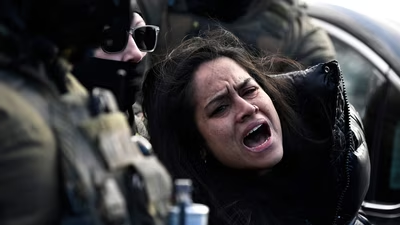
Minneapolis – A disturbing incident involving immigration agents in Minneapolis has drawn millions of views on social media and raised serious questions about enforcement practices. Aliya Rahman, a US citizen, was forcibly removed from her vehicle by immigration agents while en route to a medical appointment, according to a statement released Thursday. The incident highlights the intensifying immigration enforcement operations across the midwestern city and has sparked widespread concern about the tactics employed by federal authorities.

The Detention Incident Involving Immigration Agents

Rahman stated she was traveling to a routine appointment at the Traumatic Brain Injury Center when she encountered immigration agents at an intersection. Video footage shows immigration agents shouting commands over a cacophony of whistles, car horns, and screams from protesters gathered at the scene.

In the dramatic footage, one masked agent is seen smashing Rahman’s passenger side window while other immigration agents cut her seatbelt and drag her out of the car through the driver’s side door. Multiple guards then carried her by her arms and legs toward an ICE vehicle as she protested the treatment.

“I’m disabled trying to go to the doctor up there, that’s why I didn’t move,” Rahman said, gesturing down the street as officers pulled her arms behind her back. Her account contradicts the official narrative provided by federal authorities regarding the circumstances of her detention by immigration agents.

Legal Representation and Conflicting Accounts

Alexa Van Brunt, Rahman’s attorney and director of the MacArthur Justice Center, described Rahman as being caught in a “terrible and confusing position” with “no where to go.” Van Brunt explained that Rahman faced impossible choices when confronted by immigration agents.

“Her only options were to move her car forward in the direction of ICE officers and risk being accused of trying to harm them—which led to Renee Good’s death—or stay stationary, which in the end led to physical violence and abuse,” Van Brunt wrote in a statement.

However, the Department of Homeland Security disputed this account in an emailed statement Thursday. A spokesperson claimed Rahman was an agitator who “ignored multiple commands by an officer to move her vehicle away from the scene.” The immigration agents reportedly arrested Rahman along with six other people classified as agitators, one of whom was accused of jumping on an officer’s back.

The department did not specify whether Rahman was charged or respond to questions about her assertion that she was denied medical treatment while in custody of immigration agents.

Medical Emergency in Detention

Following her detention by immigration agents, Rahman said she was brought to a detention center where she repeatedly requested medical care. According to her statement, masked agents “dragged me from my car and bound me like an animal, even after I told them that I was disabled.”

Also Read: Nobel Peace Prize: Stunning Revelation About Machado’s Medal Transfer to Trump

While in custody, Rahman said she repeatedly asked for a doctor but was instead taken to the detention center without receiving medical attention. “It was not until I lost consciousness in my cell that I was finally taken to a hospital,” Rahman stated.

Rahman was treated for injuries consistent with assault, according to her counsel, and has since been released from the hospital. She thanked the emergency department staff for their care, saying, “They gave me hope when I thought I was going to die.”

Wave of Viral Videos Documents Immigration Agents’ Activities

Rahman’s arrest is one of many incidents involving immigration agents that have garnered millions of views on social media in recent days. These videos have been scrutinized amid conflicting accounts from federal officials and civilian eyewitnesses, revealing an intensifying immigration crackdown across Minneapolis.

Local officials have likened the situation to a “federal invasion” as thousands of immigration agents execute arrests amid ongoing protests. The videos share common themes: protesters blowing whistles, yelling, or honking horns; immigration agents breaking vehicle windows, using pepper spray on protesters, and warning observers not to follow them through public spaces.

Additional Incidents Captured on Video

In one video, heavily armed immigration agents used a battering ram to break through the front door of Garrison Gibson’s Minneapolis home, where his wife and 9-year-old child were inside. The footage captures a woman’s voice asking, “Where is the warrant?” and “Can you put the guns down? There is kids in this house.”

Another video shows immigration agents, including Border Patrol Commander Gregory Bovino, detaining two employees at a Target store in Richfield, Minnesota. Both individuals are US citizens who were later released, according to social media posts from family members.

Community Response to Immigration Agents

Monica Bicking, 40, a nurse leaving the homeless shelter where she works, recorded video appearing to show a federal agent kneeing a man at least five times in the face while several other immigration agents pinned him facedown on the pavement in south Minneapolis.

Bicking noted that encountering immigration agents has “become commonplace in recent weeks.” She now carries a whistle in case she encounters them during her daily routine. “We’re hypervigilant every time we leave our houses, looking for ICE, trying to protect our neighbors, trying to support our neighbors, who are now just on lockdown,” Bicking said, reflecting the community’s heightened awareness of immigration agents’ presence.

Har-ki-Pauri: Controversial Entry Ban Sparks Political Debate in Haridwar

0

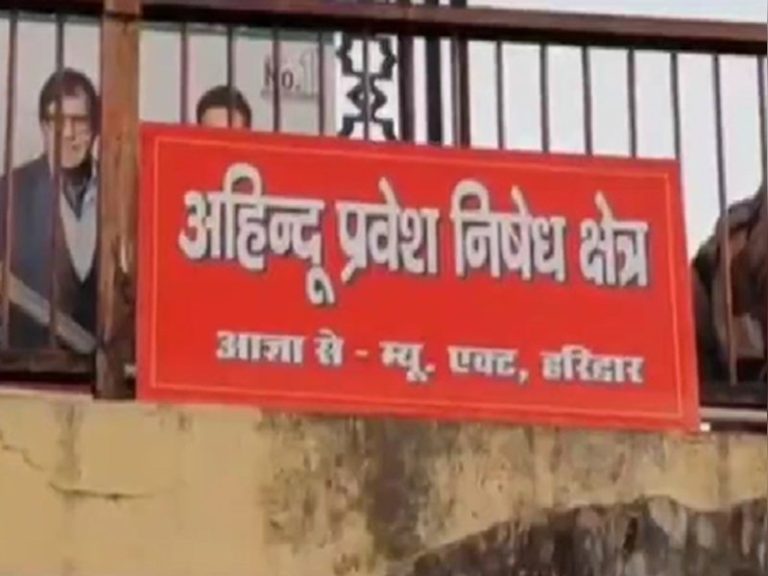
Uttarakhand – The Ganga Sabha, the apex managing body of Brahmakund Har-ki-Pauri and adjoining Ganga ghats in Haridwar, installed hoardings and flex banners Friday prohibiting the entry of non-Hindus at this sacred site in Uttarakhand. The move has ignited a political controversy, with various parties and officials weighing in on the implications of such restrictions at one of Hinduism’s most revered pilgrimage destinations.

Installation of Prohibition Boards at Har-ki-Pauri

Ganga Sabha secretary Ujjwal Pundit supervised the installation of boards at multiple locations around Har-ki-Pauri on Friday. These boards formally inform visitors about the prohibition on non-Hindu entry at this sanctum sanctorum. Pundit emphasized that such restrictions are necessary to “maintain the sanctity” of the Ganga ghats, particularly given the religious significance of Har-ki-Pauri.

Haridwar municipal corporation town commissioner Nandan Kumar acknowledged that the matter had come to their notice but stated that no formal directives had been issued by the state government. “We will act as per government instructions when they are issued,” he said, indicating that official action remains pending.

Historical Bylaws Governing Har-ki-Pauri

Ganga Sabha president Nitin Gautam referenced the Haridwar municipal bylaws enacted in 1916 under the guidance of Pt Madan Mohan Malviya, which reportedly restricted the entry, residence, and commercial activities of non-Hindus in the Har-ki-Pauri area. “Given the increasing influx of visitors and instances of non-Hindus entering this holy site, we are merely adhering to these provisions,” Gautam explained.

The Ganga Sabha had raised this demand last month, seeking a ban on non-Hindu entry not only at Har-ki-Pauri but also at all 105 Ganga ghats in Haridwar to preserve the sanctity and spiritual significance of this ancient Hindu pilgrimage site. Friday’s installation of boards marked the formal implementation of this long-standing demand.

Government officials pointed out that the post-Independence 1954 Haridwar municipal committee bylaws also contain relevant provisions. While non-Hindus are generally prohibited from the island-shaped platform at Har-ki-Pauri and Kushawrat Ghat, these bylaws specifically exempt government employees on duty from such restrictions.

Additional Demands by Ganga Sabha

Beyond the entry restrictions at Har-ki-Pauri, the Ganga Sabha has made additional demands to the state government. The organization has requested that Uttarakhand refrain from deploying non-Hindu government officials and police personnel on duty at Har-ki-Pauri. This demand extends the scope of restrictions beyond visitors to include those serving in official capacities at the sacred site.

Also Read: Chamoli Cloudburst: Devastating 7 Missing in Nandanagar Ghat Disaster

Political Opposition and Criticism

The Congress party has strongly opposed the move to restrict entry at Har-ki-Pauri. Former Haridwar municipal committee chairperson and Sonipat MP Satpal Brahmachari raised practical concerns about the implementation of such restrictions. He noted that the Ganga ghats and Kumbh Mela area extend up to Roorkee, where many non-Hindus reside.

“In today’s multi-religious society, how feasible is such a blanket prohibition? Instead of raising divisive issues, the focus should be on better arrangements for the upcoming Ardh Kumbh,” Brahmachari stated, suggesting that the controversy diverts attention from more pressing organizational needs.

Manglaur MLA Qazi Nizamuddin, while acknowledging that bylaws should be respected, alleged that the issue was being politicized. He claimed the ruling dispensation was using the controversy to “divert attention” from governance issues including law and order, corruption, the Kashipur suicide case, the Vineet Tyagi custodial death, land disputes in Rishikesh, and competitive exam paper leaks.

BJP’s Defense of Har-ki-Pauri Restrictions

The Bharatiya Janata Party strongly defended the restrictions at Har-ki-Pauri, criticizing the Congress for opposing the discussion on limiting non-Hindu entry into the Haridwar Kumbh Mela area. The BJP described the opposition’s stance as part of “appeasement politics.”

BJP president Mahendra Bhatt emphasized that the sentiments of Sanatan Dharma must be respected in matters concerning religious traditions and practices, particularly regarding the Kumbh Mela and Har-ki-Pauri area. He argued that the Congress’s objections were politically motivated rather than based on religious or cultural concerns.

“The rule regarding non-Hindu entry in certain sacred areas of Haridwar is not new; it has been implicitly followed for decades. Everyone should respect and abide by the traditions set by religious leaders and the local priestly community,” Bhatt stated.

Justification for the Entry Ban

Supporting the restrictions, Bhatt questioned the necessity of non-Hindu access to Har-ki-Pauri for religious purposes. “No non-Hindu would come to bathe in the Ganga at Haridwar with the intention of attaining religious virtue. So why should anyone object to following existing traditions?” he added.

The controversy surrounding Har-ki-Pauri continues to evolve as different stakeholders debate the balance between religious traditions, constitutional rights, and practical governance. As the Ardh Kumbh approaches, the issue highlights ongoing tensions between preserving sacred traditions and maintaining inclusive access to public religious spaces in India’s diverse society. The final resolution will likely depend on how state authorities interpret and implement the various bylaws governing Har-ki-Pauri and surrounding areas.

Nobel Peace Prize: Stunning Revelation About Machado’s Medal Transfer to Trump

Washington D.C. – The Norwegian Nobel Committee issued a significant clarification Friday regarding the Nobel Peace Prize after Venezuelan opposition leader Maria Corina Machado presented her 2025 medal to US President Donald Trump. The statement from Oslo addressed growing questions about whether such a transfer affects the official recognition of the award, providing definitive answers about the nature of this prestigious honor.

Nobel Peace Prize Recognition Cannot Be Transferred

The Nobel Committee’s statement made clear that while the physical components of the Nobel Peace Prize—including the medal, diploma, and prize money—can be given away, donated, sold, or otherwise transferred, the honor itself remains permanently tied to the original recipient. This fundamental principle ensures the integrity of the award’s historical record.

“Regardless of what may happen to the medal, the diploma, or the prize money, it is and remains the original laureate who is recorded in history as the recipient of the prize,” the Nobel Committee stated. This clarification emphasizes that the Nobel Peace Prize is an indelible recognition that cannot be revoked, shared, or transferred to others, regardless of what happens to the physical symbols of the award.

Understanding the Physical Medal vs. The Honor

The Nobel Committee’s explanation draws a crucial distinction between the tangible elements of the Nobel Peace Prize and the intangible honor. Even if the medal or diploma comes into someone else’s possession through gift, sale, or any other means, it does not alter the historical record of who received the award.

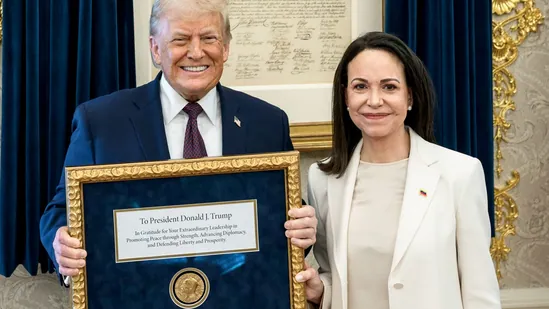
This clarification became necessary after Machado’s presentation of her Nobel Peace Prize medal to Trump during a White House visit. The Committee noted that there are no restrictions on what laureates do with their physical awards, and several Nobel Peace Prize recipients throughout history have chosen to sell or give away their medals.

The Committee’s Neutral Stance

In its statement, the Nobel Committee emphasized its policy of non-interference in political matters involving laureates. The organization stated it would not comment “on Peace Prize laureates or the political processes that they are engaged in.” This neutral position allows the Nobel Peace Prize to maintain its independence while respecting the autonomy of its recipients.

The Committee’s stance reflects its long-standing tradition of avoiding commentary on how laureates choose to use their platform or engage in political activities after receiving the Nobel Peace Prize.

Machado’s Journey to the Nobel Peace Prize

Maria Corina Machado received the 2025 Nobel Peace Prize for “her tireless work promoting democratic rights for the people of Venezuela and for her struggle to achieve a just and peaceful transition from dictatorship to democracy,” according to the official award citation.

Her path to accepting the Nobel Peace Prize was itself dramatic. Machado traveled to Oslo last month to collect the prize after making a daring escape from Venezuela by boat. During her acceptance, she dedicated the honor to Trump, foreshadowing the subsequent medal presentation that would spark international discussion.

Trump’s Campaign for the Nobel Peace Prize

The presentation of Machado’s medal to Trump came against the backdrop of his own campaign for the Nobel Peace Prize. Trump had strongly advocated for the award last year, citing what he described as his efforts to stop eight wars. However, the 2025 Nobel Peace Prize ultimately went to Machado for her work in Venezuela.

After receiving the medal from Machado, Trump confirmed his acceptance on Truth Social, calling it a “Great Honor” to meet the Venezuelan opposition leader. He described Machado as “a wonderful woman who has been through so much” and characterized her gesture as one of “mutual respect.”

The Significance of the Medal Transfer

The transfer of the Nobel Peace Prize medal from Machado to Trump occurred during a White House meeting, following her sidelining by the US president after the ouster of Nicolas Maduro. Trump’s statement acknowledged the symbolic weight of the gesture: “María presented me with her Nobel Peace Prize for the work I have done. Such a wonderful gesture of mutual respect. Thank you María!”

Despite the high-profile nature of this transfer, the Nobel Committee’s clarification ensures that historical records will forever show Machado as the 2025 Nobel Peace Prize laureate, regardless of the medal’s current location.

Historical Precedent for Medal Transfers

The Nobel Committee noted that Machado’s action, while unusual, is not unprecedented. Throughout the Nobel Peace Prize’s history, several laureates have chosen to sell or give away their physical medals for various reasons, including fundraising for causes they support or making symbolic gestures.

These instances demonstrate that while the Nobel Prize represents one of the world’s highest honors, laureates retain complete freedom over the physical manifestations of their award. The Committee’s Friday statement reaffirmed this principle while clarifying that such transfers do not diminish or alter the laureate’s permanent place in Nobel Prize history.

BMC Election Results: Historic BJP Victory Ends Shiv Sena’s 25-Year Dominance

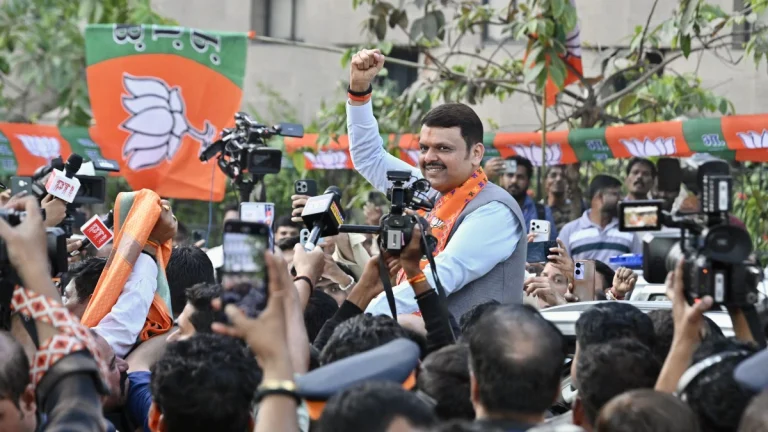
Maharashtra – The BMC election results have ushered in a new political era for Mumbai, with the Bharatiya Janata Party securing a historic victory that marks the end of Shiv Sena’s over two-decade dominance in the city’s civic body. This landmark triumph establishes the BJP as Maharashtra’s most powerful political force, adding municipal governance to its already strong political foothold.

BJP’s Commanding Performance in BMC Election Results

The BMC election results reveal a significant political shift in the 227-member municipal corporation. The BJP emerged as the single largest party with 89 seats, while its ally, the Eknath Shinde-led Shiv Sena, secured 29 seats. The opposition Uddhav Thackeray-led Shiv Sena (UBT) won 65 seats. This marks a dramatic change from the 2017 election when the BJP won 82 seats and the undivided Shiv Sena captured 84 seats.

The combined strength of the Mahayuti alliance gives the BJP and its partners control over Mumbai’s civic administration for the first time in the party’s history. This victory is particularly significant as it wrests power from the Sena, which had maintained its grip on the BMC for more than 25 years.

Senior BJP minister Ashish Shelar, who spearheaded the party’s campaign, celebrated the BMC election results on social media, stating: “A new era of service to Mumbaikars!! We accept with great humility the blessings you have given to the Mahayuti along with the BJP.” He emphasized the party’s commitment to Mumbai’s development and pledged unwavering service to the city’s residents.

The Decline of Shiv Sena’s Traditional Stronghold

The BMC election results represent a day of reckoning for Shiv Sena (UBT) chief Uddhav Thackeray. Beyond mere numbers, the battle for Mumbai’s civic body carried deep emotional significance for Thackeray and the Marathi manoos community. During their campaign, the Sena (UBT)-MNS alliance invoked historical sacrifices, reminding voters how over a hundred people had been martyred to keep Mumbai within Maharashtra.

MNS chief Raj Thackeray characterized the election as the “last fight to finish for the Marathi manoos.” However, his emotional appeal failed to translate into electoral success, with the MNS unable to improve beyond its 2017 tally of seven corporators.

Political analyst Pratap Asbe interpreted the BMC election results as reflecting “the loss of the Marathi manoos in his fight against the North Indian-Gujarati combine voters.” He noted that the North Indian demographic now holds significant influence in the city, partly due to indirect support from the Congress and Vanchit Bahujan Aghadi (VBA).

Impact of Party Split and Alliance Politics

Senior Sena (UBT) leader Sunil Prabhu attributed the BMC election results to the party split engineered by the BJP. “The BJP has won only because they split our party. If you add the numbers of both the Shiv Senas, it adds up to the numbers of the undivided Shiv Sena,” Prabhu explained. He argued that without the split, the BJP would not have achieved its dream of electing its own mayor.

The Sena (UBT) also criticized the Congress for not contesting as an alliance partner. Analysts suggest that had the Congress-VBA combine supported the Thackerays, the BMC election results might have been different, potentially preventing the BJP from wresting control of the municipal corporation.

Strategic Missteps and Future Challenges

Political analyst Abhay Deshpande observed that while the BJP achieved its dream of winning Mumbai, the Thackeray cousins did mount a tough fight. “Uddhav Thackeray’s decision to dump the Congress to go with the MNS backfired badly,” he noted. The BMC election results demonstrate that while Uddhav managed to extend beyond the 32% Marathi vote bank to secure Muslim votes, the MNS failed to expand beyond its core supporters.

Deshpande suggested that the Thackeray brand could bounce back if they adopt a more inclusive strategy beyond their core Maharashtrian vote base, possibly through Uddhav Thackeray’s Mi Mumbaikar campaign.

BJP’s Vision for Mumbai’s Future

Mumbai BJP president Ameet Satam interpreted the BMC election results as a clear rejection of divisive politics. “Those who were trying to spread rumours and create divisions on the basis of languages and regions have been given a reply by Mumbaikars through their votes,” he stated.

Satam expressed confidence that the BMC would have a Mahayuti mayor, declaring that “the ‘saffron’ flag of Hindutva will fly atop the BMC.” The BMC election results signal not just a change in administration but a fundamental shift in Mumbai’s political landscape, ending an era dominated by regional parties and ushering in a new chapter of governance under the BJP-led alliance.

1 Angry Moment Reflects Deep Public Frustration as Krishna Byre Gowda Slams Delay in Hassan Bypass Work

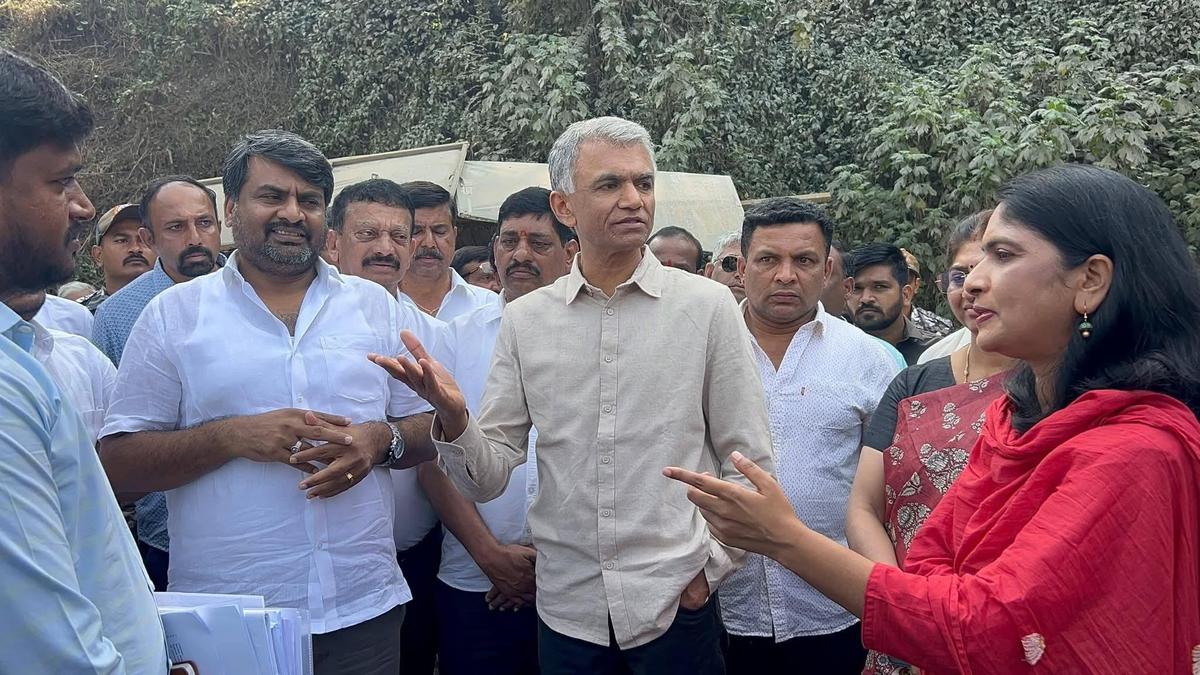
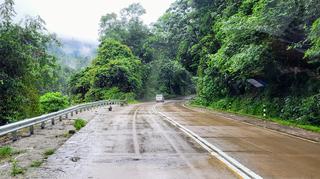
Revenue Minister Krishna Byre Gowda publicly expressed his frustration over the slow pace of work on the long-pending highway bypass project in Hassan along the Bengaluru–Mangaluru National Highway, signalling growing impatience within the government over infrastructure delays. During a site visit, the Minister was visibly upset with officials and contractors, questioning repeated assurances and missed deadlines. His remarks reflected not just administrative displeasure but also the mounting anger of local residents who have endured years of traffic congestion, accidents, and economic disruption due to the unfinished bypass.

Local elected representatives from Hassan have echoed the Minister’s concerns, stating that the bypass delay has become a recurring issue in every public grievance meeting. They pointed out that assurances given during previous inspections failed to materialise into tangible progress. According to them, the credibility of future infrastructure promises depends on how decisively the government handles this project now. Several MLAs have urged the administration to set non-negotiable deadlines and make contractors publicly accountable, arguing that symbolic inspections must be followed by strict administrative action.

From an administrative standpoint, the Hassan bypass delay has highlighted gaps in inter-agency coordination between the National Highways Authority, State departments, and district authorities. Officials admit that overlapping responsibilities often slow decision-making, especially when land acquisition, utility shifting, and environmental clearances intersect. The Minister’s strong remarks have reportedly triggered internal reviews to streamline coordination. Senior bureaucrats suggest that lessons from this project could inform a new framework for managing complex highway works more efficiently across Karnataka.

For commuters and local businesses, the hope is that the renewed focus will finally translate into uninterrupted construction activity. Shop owners along the existing highway say prolonged roadworks have reduced footfall and affected livelihoods. Daily commuters, especially students and office-goers, continue to face delays and unsafe travel conditions. Many now view the Minister’s frustration as a reflection of their own lived reality. They believe sustained political pressure is essential to ensure the Hassan bypass moves from prolonged delay to long-overdue completion.

The Hassan bypass is a critical component of the Bengaluru–Mangaluru corridor, one of Karnataka’s most important arterial highways connecting the State capital with the coastal region. Despite its strategic importance, the project has seen prolonged delays due to land acquisition hurdles, contractor inefficiencies, and coordination issues between agencies. The Minister’s outburst brought renewed attention to these systemic problems, underscoring the gap between project announcements and on-ground execution.Karnataka Minister fails to contain frustration over slow pace of highway  bypass work in Hassan - The Hindu

MINISTERIAL REBUKE AND ADMINISTRATIVE ACCOUNTABILITY

During the inspection, Krishna Byre Gowda reportedly questioned officials on why progress remained sluggish despite funds being sanctioned and clearances being granted. He expressed displeasure over what he described as a lack of urgency and accountability, warning that continued delays would not be tolerated. The Minister stressed that infrastructure projects directly affect public safety and livelihoods, and delays on busy highways like the Bengaluru–Mangaluru route have serious consequences.

Officials briefed the Minister on challenges including utility shifting, contractor mobilisation issues, and intermittent stoppages. However, sources said the explanations failed to satisfy him. He reportedly directed the concerned departments to submit a clear, time-bound action plan and warned of consequences if revised deadlines were not met. The sharp tone of the interaction indicated increasing political pressure on the bureaucracy to deliver visible results.

Local administrators present at the site acknowledged that public dissatisfaction has been growing. Frequent traffic jams, diversions through narrow roads, and accident-prone stretches have become routine for commuters passing through Hassan. The Minister noted that repeated complaints from citizens could no longer be met with assurances alone, emphasising that tangible progress was essential to restore public confidence.

PUBLIC IMPACT AND POLITICAL SIGNALS

The Minister’s frustration resonated strongly with local residents, traders, and transport operators who have long demanded completion of the bypass. Business owners along the existing highway stretch say congestion has reduced footfall and increased transportation costs. Daily commuters complain of lost time and heightened stress, while long-distance drivers describe the stretch as one of the most unpredictable bottlenecks on the Bengaluru–Mangaluru highway.

Political observers view the Minister’s public reprimand as a signal that infrastructure delays are becoming a sensitive issue for the government. With road connectivity playing a crucial role in economic growth and regional integration, prolonged stagnation can quickly turn into a political liability. By expressing frustration openly, the Minister appears to be aligning himself with public sentiment while placing responsibility squarely on executing agencies.Karnataka Minister fails to contain frustration over slow pace of highway  bypass work in Hassan - The Hindu

Experts point out that bypass projects are meant to decongest towns, improve safety, and boost regional development. When such projects stall, the costs extend beyond inconvenience, affecting logistics efficiency and emergency response times. In Hassan’s case, the delay has amplified risks for pedestrians and local traffic forced to mix with heavy vehicles on the existing highway.

As of now, officials have reiterated their commitment to accelerating work and resolving pending issues. Whether the Minister’s stern intervention translates into faster execution remains to be seen. For residents of Hassan and commuters on the Bengaluru–Mangaluru highway, the episode has raised cautious hope that long-standing promises may finally move closer to reality.

Krishna Byre Gowda (@krishnabyregowda.official) • Facebook

The Minister’s reaction has also drawn attention to the broader pattern of infrastructure delays across Karnataka, where ambitious road projects often struggle at the implementation stage. Analysts note that while approvals and funding are announced with speed, execution on the ground remains uneven. In the case of the Hassan bypass, repeated extensions of deadlines have eroded trust among citizens. Krishna Byre Gowda’s frustration highlighted this disconnect, reinforcing the need for stronger monitoring mechanisms and real-time accountability to ensure that nationally significant highways do not remain stuck in prolonged limbo.

For residents living near the proposed bypass alignment, the delays have created uncertainty and daily inconvenience. Many have faced partial land acquisition, dust pollution, and restricted access to their homes and farms without seeing meaningful progress. Some landowners say compensation was paid years ago, yet construction activity has moved at a crawl. The Minister acknowledged these grievances during his visit, stating that citizens who cooperated with the project should not be made to suffer indefinitely due to administrative inefficiency or contractor negligence.

Transporters using the Bengaluru–Mangaluru highway have been among the most vocal critics of the delay. Truck drivers report frequent bottlenecks near Hassan, especially during peak hours and festival seasons. These congestion points increase fuel consumption and travel time, raising costs that are ultimately passed on to consumers. The bypass was envisioned as a solution to streamline long-distance travel, but its incomplete status has instead become a symbol of missed opportunity for improving freight movement and regional trade connectivity.

Road safety experts have repeatedly flagged the Hassan stretch as accident-prone, partly due to mixed traffic conditions. Heavy vehicles, two-wheelers, pedestrians, and local traffic are forced to share limited road space, especially where construction-related diversions exist. The Minister reportedly expressed concern over accident data presented to him, noting that infrastructure delays have a direct human cost. He stressed that completing the bypass was not just a development priority but a safety imperative that could save lives.

Within government circles, the Minister’s remarks are being interpreted as a warning that patience at the political level is wearing thin. Sources indicate that higher-level reviews of delayed highway projects may follow, with stricter scrutiny of contractors’ performance. The Hassan bypass episode could become a test case for how decisively the government enforces timelines and penalties. Officials involved in the project are said to be under pressure to demonstrate visible progress in the coming months.

Opposition leaders, meanwhile, have seized upon the incident to criticise both the State and Central governments, pointing to coordination failures between departments and agencies. They argue that while responsibility is often shifted between authorities, the public continues to bear the consequences. The Minister’s open frustration, they say, indirectly validates these criticisms and underscores the need for clearer lines of responsibility in executing large infrastructure projects.

Civic groups in Hassan have welcomed the Minister’s candid remarks, viewing them as an acknowledgment of long-standing public frustration. Several local organisations have demanded regular progress updates and transparent timelines to keep citizens informed. They argue that public communication is as important as construction itself, as prolonged silence fuels speculation and mistrust. The Minister reportedly agreed that better communication with stakeholders could help manage expectations and rebuild confidence.

Economic planners point out that Hassan’s strategic location makes the bypass crucial for regional development. Improved connectivity could attract investment, boost tourism, and reduce logistical barriers for local industries. The delay, therefore, represents not just a transport issue but a missed economic opportunity. The Minister’s intervention has revived discussions on how infrastructure projects can be better aligned with regional growth strategies rather than treated as isolated engineering tasks.

Senior engineers involved in highway development have emphasised that delays often stem from fragmented responsibility and weak contract enforcement. They suggest that the Hassan bypass would benefit from a single-point authority empowered to resolve disputes quickly and push execution forward. The Minister’s sharp reaction has added weight to these arguments, potentially opening the door for administrative reforms in how large road projects are managed in the State.

As the dust settles on the Minister’s site visit, expectations among the public have risen sharply. Many see this moment as a turning point that could finally break the cycle of delay surrounding the Hassan bypass. Whether the strong words translate into swift action will determine how the episode is remembered. For now, Krishna Byre Gowda’s visible frustration has brought renewed urgency to a project that has long tested the patience of both the government and the people.

Follow: Karnataka Government

Also read: Home | Channel 6 Network – Latest News, Breaking Updates: Politics, Business, Tech & More

1 Emotional Setback as BJP’s Ballari–Bengaluru Padayatra Stalled Awaiting Central Nod: Uncertain March

The Bharatiya Janata Party’s proposed padayatra from Ballari to Bengaluru in Karnataka has been put on hold, with the State unit awaiting formal approval from the party’s central leadership. The planned march, envisioned as a major political mobilisation exercise, was expected to highlight issues related to governance, development, and alleged failures of the ruling dispensation. However, the absence of clearance from the national leadership has led to uncertainty within party ranks, delaying preparations and dampening momentum among cadres who had begun groundwork at the district level.

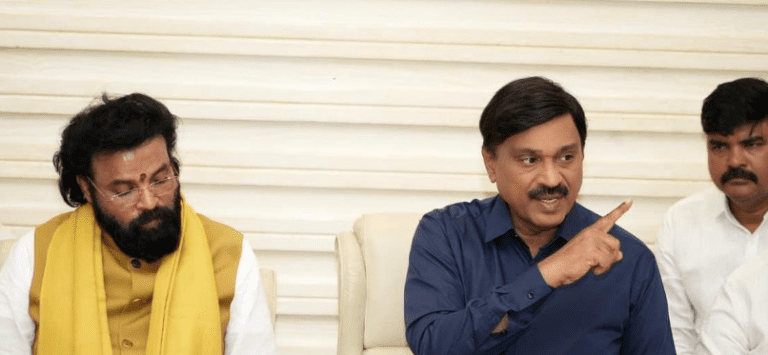
Senior BJP leaders in Karnataka confirmed that while the idea of the padayatra has broad support within the State unit, the final decision rests with the party high command. Sources indicated that the central leadership is assessing the political timing, organisational readiness, and potential impact of the march before giving its consent. Until such approval is granted, the State unit has been advised to refrain from announcing dates or mobilising supporters on a large scale.Why BJP is wary of Ballari to Bengaluru padayatra called by Gali Janardhan  Reddy - The Hindu

STRATEGY, TIMING, AND INTERNAL CALCULATIONS

The proposed Ballari–Bengaluru padayatra is seen as a strategic move to reconnect with grassroots workers and project the BJP as an active opposition force. Party insiders said the march was intended to traverse key constituencies, allowing leaders to engage directly with citizens, address local grievances, and consolidate organisational strength. Ballari, with its political symbolism and history, was chosen as the starting point to send a strong message ahead of future electoral battles.

However, central leaders are believed to be cautious about launching a high-profile padayatra without clear political returns. Factors such as the current political climate, recent electoral outcomes, and the need to avoid fatigue among cadres are reportedly being weighed. Some leaders feel that a large-scale march should coincide with a sharper narrative and unified messaging to maximise its impact.

Within the Karnataka BJP, reactions to the delay have been mixed. While senior leaders have publicly maintained that the pause is procedural, grassroots workers have expressed disappointment. Several district-level leaders had begun outreach efforts, anticipating that the padayatra would energise the cadre and provide a platform to raise local issues. The delay has led to questions about coordination between the State unit and the central leadership.Why BJP is wary of Ballari to Bengaluru padayatra called by Gali Janardhan  Reddy - The Hindu

POLITICAL SIGNALS AND THE ROAD AHEAD

Political observers note that padayatras have historically played a significant role in shaping narratives and reviving party fortunes, but they also carry risks if not carefully planned. A stalled or poorly executed march can be perceived as a sign of internal indecision. In this context, the BJP’s central leadership appears keen to ensure that the proposed yatra aligns with the party’s broader national strategy and does not distract from other priorities.

Opposition parties have been quick to comment on the delay, suggesting it reflects a lack of clarity within the BJP. However, BJP leaders dismissed such criticism, stating that strategic discipline is essential in large national parties. They emphasised that once approval is granted, the padayatra would be rolled out with full organisational strength and clarity of purpose.

For now, the Ballari–Bengaluru padayatra remains in limbo, symbolising both anticipation and restraint within the Karnataka BJP. Whether the central leadership gives its nod in the coming weeks will determine if the march becomes a major political statement or remains an unrealised plan. The decision is likely to shape the party’s mobilisation strategy in Karnataka in the months ahead.

Follow: Karnataka Government

Also read: Home | Channel 6 Network – Latest News, Breaking Updates: Politics, Business, Tech & More

Congress Shows It Is Still a Force in Maharashtra Civic Polls 2026 Despite Going Solo

Introduction: Congress Proves Its Mettle in Maharashtra Civic Polls

The 2026 Maharashtra civic body election results have delivered a mixed but noteworthy performance for the Indian National Congress, which chose to contest independently without major alliances. While the party struggled to make deep inroads in Mumbai’s Brihanmumbai Municipal Corporation (BMC), its showing across the broader state helped it secure a third-place overall position among political contenders. Competing on relatively few seats compared with larger alliances, the performance underscores the Congress’s continuing relevance in Maharashtra’s complex political landscape and suggests potential avenues for future strategic positioning.

Congress’s Independent Strategy: Limited Seats but Strong Returns

The Congress party took the bold decision to fight solo in the 2026 civic polls — a departure from past practice where it often aligned with larger coalitions in Maharashtra. Contesting only 528 of the total 2,869 seats across the state’s 29 municipal corporations, the party still managed to win or lead in a substantial number of wards. As of mid-election day reporting, Congress had secured 226 seats and was positioned as the third-largest group in the overall tally, behind the Bharatiya Janata Party (BJP) and Shiv Sena (Shinde faction).

This strategic choice to go it alone marked the first such attempt for the party in local civic elections since 1999, signifying a shift in approach following the breakdown of prior alliances such as the Maha Vikas Aghadi. By standing independently, Congress aimed to reclaim political ground and strengthen its brand identity among urban voters.

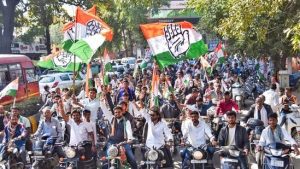
Congress party supporters during the nomination filing of the party candidates Kumud Gudadhe and two others for the Nagpur Municipal Corporation (NMC) elections, in Nagpur on Tuesday.

Performance in Municipal Corporations Beyond Mumbai

While the party’s performance in the BMC was modest, earning double-digit wins or leads in a handful of wards, its broader impact was more significant in other municipal corporations. Congress maintained leads or secured victories in municipalities such as Bhiwandi-Nizampur, Kolhapur, Amravati, Chandrapur and Latur — the latter where it achieved a clear majority by winning 43 of 70 seats.

These wins reflect localized strengths where the party’s grassroots organisation and candidate selection resonated with voters facing issues such as infrastructure deficits, local development concerns and service delivery challenges. In some areas, the party’s position outperformed that of regional rivals and smaller political formations.

Mixed Results in Urban Strongholds

In major urban bodies beyond the BMC, the Congress registered varied fortunes. In Pune and Nashik, the party made gains in a handful of wards but remained behind dominant alliances led by the BJP and its partners. Trends showed the party leading in several wards in smaller municipal councils and emerging urban areas, suggesting that urban voters still consider the Congress a viable alternative to dominant coalitions in specific contexts.

However, the tally in some other significant urban bodies was lower, with the party struggling to make headway in regions where entrenched rivals or strong local networks provided stiff competition. Nonetheless, even in areas where the party did not secure outright wins, respectable vote shares and narrow margins highlighted its ability to remain competitive in the civic environment.

Legacy and Recent Electoral Performance

The Congress’s efforts in the 2026 civic polls come on the heels of fluctuating fortunes in recent state and national contests. The party’s performance in the 2024 Lok Sabha elections in Maharashtra — where it won 13 seats in alliance with regional partners — had offered a morale boost after a challenging period in state politics.

Its decision to go solo in the civic body elections, despite the lack of an alliance structure, demonstrated a willingness to test its independent electoral strength. While alliances have historically shaped Maharashtra’s political landscape, the 2026 results showed that Congress could still attract significant support on its own, especially outside major megacities.

Where Congress Gained the Upper Hand

In municipalities like Latur, the party not only contested effectively but also achieved a clear majority, capturing 43 out of 70 seats. This outcome underscored an ability to convert localized support into decisive electoral success. Similarly, in Bhiwandi-Nizampur, Kolhapur and other councils, Congress performances outpaced some regional rivals, highlighting pockets of voter confidence in the party’s governance propositions.

These localized victories provided a counterpoint to the dominant narratives of larger alliances sweeping most major civic bodies. Analysts suggest that such results could serve as a foundation for building broader electoral coalitions in future state or national elections.

Struggles and Limitations in Mumbai

In the BMC election specifically, Congress struggled to gain significant traction, securing or leading in only a small number of wards compared with the dominant alliances in the city. Political experts note that Mumbai’s competitive dynamics, including strong organisational presence from other parties and shifting voter priorities, made it difficult for Congress to break through in its solo campaign.

Despite this, its performance across the wider state helped compensate for the Mumbai shortfall. The party’s statewide tally placed it consistently ahead of several regional factions in overall seat counts.

Implications for Future Politics in Maharashtra

The 2026 civic poll results offer several strategic insights for future political contests in Maharashtra. Congress’s ability to secure over 200 seats while contesting fewer than 20 percent of overall seats indicates underlying voter support that remains intact despite organizational challenges. Analysts view this as an opportunity for the party to strengthen grassroots outreach, build targeted alliances and refine its political messaging.

The mixed results also suggest that while Congress may not yet be a dominant force in metropolitan areas like Mumbai, its relevance in regional and municipal politics continues to shape electoral dynamics. As parties recalibrate ahead of assembly and national elections, the civic body outcomes provide valuable metrics for understanding voter behaviour and alliance potential.

Conclusion: Congress Retains Significance in Civic Landscape

The Maharashtra civic election results of 2026 demonstrated that the Congress remains a political force in the state, even when contesting independently. Its performance beyond Mumbai, including major wins in places like Latur and leads in multiple municipal corporations, underscores the party’s enduring appeal among certain voter segments. While challenges remain — particularly in urban strongholds dominated by larger alliances — the results affirm that Congress continues to matter in Maharashtra’s vibrant and competitive political environment.

Read More: https://channel6network.com/bmc-election-results-2026-mumbai/

BMC Election Results 2026: BJP-Shiv Sena Mahayuti Faces Uddhav Thackeray Camp in High-Stakes Mumbai Verdict

Mumbai Delivers a Crucial Civic Mandate

The Brihanmumbai Municipal Corporation (BMC) election results 2026 have brought clarity to one of Maharashtra’s most closely watched civic contests. After years without an elected civic body, Mumbai voters finally delivered their verdict, determining who will control Asia’s richest municipal corporation. The election witnessed a multi-cornered fight involving the BJP, Shiv Sena led by Chief Minister Eknath Shinde, Shiv Sena (Uddhav Balasaheb Thackeray), Congress, Nationalist Congress Party factions and smaller regional parties.

The outcome is being closely analysed as it is seen not just as a civic mandate but also as a political signal ahead of future state and national elections. With control over Mumbai’s civic administration comes significant influence over urban infrastructure, public services and local governance.

Mahayuti Alliance Stakes Strong Claim

The BJP-led Mahayuti alliance, which includes the Shiv Sena faction headed by Eknath Shinde, emerged as a dominant force in several key wards of Mumbai. The alliance made major inroads in suburban and eastern parts of the city, traditionally seen as competitive zones. Senior BJP leaders described the performance as a reflection of voter confidence in the alliance’s governance model at both the state and central levels.

The Mahayuti campaign focused on development, infrastructure projects, and administrative stability, themes that appear to have resonated with sections of the urban electorate. The alliance’s performance has positioned it strongly in negotiations and decision-making related to the formation of the civic leadership.

Uddhav Thackeray Camp Holds Strategic Ground

Despite facing a split and intense competition, Shiv Sena (UBT) managed to secure important victories in traditional strongholds such as parts of central Mumbai and pockets of the island city. The party’s campaign emphasised Marathi identity, legacy politics and local issues affecting Mumbai residents, including housing, public transport and environmental concerns.

The results indicate that the Uddhav Thackeray-led faction continues to command loyalty among a significant section of voters. Political observers note that while the party may not have emerged as the single largest force, its presence remains crucial in shaping the overall balance of power within the BMC.

Congress and Other Parties Show Mixed Performance

The Congress recorded selective wins across Mumbai, particularly in certain minority-dominated and traditional bastions. While the party did not dominate the results, its presence adds complexity to the civic arithmetic. Congress leaders maintained that their performance reflected grassroots engagement and sustained support despite challenges in urban politics.

Other parties, including the Maharashtra Navnirman Sena and independent candidates, also secured seats in select wards. These results underline the fragmented nature of Mumbai’s civic politics, where local factors often play a decisive role alongside broader political narratives.

Key Leaders React to Mumbai Verdict

Senior political leaders across parties responded to the BMC results with measured optimism and strategic caution. BJP leaders termed the outcome a validation of their urban governance agenda, while the Shiv Sena (Shinde faction) highlighted the importance of administrative continuity and coordination with the state government.

From the opposition side, leaders from Shiv Sena (UBT) stressed that the results demonstrate the resilience of their support base in Mumbai. They reiterated their commitment to safeguarding the city’s interests and holding the ruling alliance accountable within the civic body.

What the Results Mean for BMC Governance

The BMC plays a critical role in managing Mumbai’s civic infrastructure, including roads, public health, water supply, waste management and disaster response. With an annual budget that surpasses many Indian states, control of the civic body carries enormous administrative and political weight.

The 2026 election results suggest that coalition politics and negotiations may shape the final leadership structure of the BMC. Decisions regarding the mayoral post, standing committee and key civic departments will be crucial in determining how effectively the corporation functions in the coming years.

Voter Participation and Urban Issues

Voter turnout in the BMC elections reflected moderate participation, with variations across wards. Analysts point out that urban voter engagement remains a challenge, despite the high stakes involved in civic governance. Key issues that influenced voting behaviour included infrastructure development, local flooding, road conditions, public transport and transparency in municipal functioning.

The results highlight the need for elected representatives to address everyday civic concerns while balancing long-term development goals for a rapidly growing metropolis.

Political Implications Beyond Mumbai

The BMC election results are expected to have wider implications beyond the city limits. As Mumbai often sets political trends in Maharashtra, the outcome may influence strategies adopted by parties in upcoming municipal, assembly and parliamentary elections.

For the ruling Mahayuti alliance, strong performance in Mumbai strengthens its narrative of stability and governance. For the opposition, particularly Shiv Sena (UBT) and Congress, the results provide insights into areas of strength and opportunities for consolidation.

Conclusion: A New Chapter in Mumbai’s Civic Politics

The BMC election results 2026 mark a significant turning point in Mumbai’s civic and political journey. The verdict reflects a competitive and evolving urban electorate that weighs both development promises and political identity. As the newly elected corporators prepare to assume office, expectations are high for improved governance, accountability and effective delivery of civic services.

The coming months will be crucial in determining how the new power dynamics within the Brihanmumbai Municipal Corporation translate into policy decisions and on-ground outcomes for the city’s residents.

Read More: https://channel6network.com/maharashtra-corporation-election-winners-2026/

South Korean Actor Lee Min Ho Sparks Global Buzz With Wedding Rumour in 2026

0

South Korean Actor Lee Min Ho and the Marriage News That Took Over Social Media

South Korean actor Lee Min Ho became the centre of massive online attention after reports claimed that he had confirmed his marriage to actress YeonWoo. The news spread rapidly across social media platforms and fan communities, creating excitement, emotional reactions, and widespread discussion among his followers around the world. However, the claim was later revealed to be part of a Day of Innocents prank, and no such relationship or wedding is actually taking place.K-drama stars Lee Min-ho and Yeonwoo deny dating rumours - CNA Lifestyle

South Korean actor Lee Min Ho is one of the most recognisable faces of the Korean entertainment industry, with a global fan base built over many years through popular dramas and films. Because of his popularity and carefully maintained private life, any personal update related to him often draws intense public interest. This is exactly what happened when the false marriage news surfaced.

According to the viral posts, Lee Min Ho was said to be preparing for an intimate wedding after several years of a private relationship. The story suggested that the actor had chosen to keep details such as the ceremony date and location confidential, aligning with his known preference for privacy. These claims, though untrue, sounded believable to many fans because Lee Min Ho has previously spoken about wanting stability and a family at the right stage of life.

South Korean Actor Lee Min Ho Fans React as Wedding Rumour SpreadsYeonwoo's agency dismisses rumours of the actress dating Lee Min-ho

The alleged confirmation immediately triggered a flood of reactions from fans across Asia, Europe, the Americas, and the Middle East. Social media timelines were filled with congratulatory messages, emotional posts, and expressions of surprise. Many fans expressed happiness for the actor, while others admitted feeling shocked by the sudden announcement.

Fan pages and entertainment forums analysed every detail of the claim, sharing old interviews and past statements made by Lee Min Ho about relationships and marriage. Some supporters praised him for choosing a quiet and respectful approach, while others expressed mixed emotions, acknowledging his happiness while processing their own disappointment.

The reaction highlighted how deeply connected fans feel to the personal journeys of long-standing celebrities. Lee Min Ho’s image as a reserved and thoughtful public figure made the story even more convincing, allowing it to spread faster before clarification emerged.

South Korean Actor Lee Min Ho Marriage News Confirmed as a Day of Innocents Joke

Later in the day, it was confirmed that the entire story was created as a Day of Innocents prank. The claim about Lee Min Ho marrying YeonWoo was false, and there is no romantic relationship between the two actors. The clarification quickly followed, though not before the story had already reached millions of people.Is Korean actor Lee Min Ho dating former Momoland member Yeonwoo? Agency responds

Once the truth became known, reactions shifted from emotional excitement to laughter and relief. Many fans admitted they were momentarily heartbroken, while others appreciated the humour behind the prank. Some also pointed out how easily misinformation can spread, especially when it involves high-profile figures with global followings.

The incident once again demonstrated how quickly entertainment news can travel online and how important official confirmation is before believing personal announcements. While harmless in this case, false reports can sometimes lead to misunderstandings or unnecessary speculation.


View this post on Instagram


A post shared by FullKorea (@fullkorea)

Despite the prank, Lee Min Ho remains one of the most respected actors in South Korea, admired for his work ethic, professionalism, and ability to maintain a balanced personal life away from public scrutiny. There has been no official statement from his agency regarding marriage plans, and as of now, the actor remains unmarried. Also Read: Sridhar Vembu and a Divorce That Is Reshaping India’s Biggest Private Tech Fortune

Conclusion

South Korean actor Lee Min Ho’s viral wedding rumour turned out to be a playful Day of Innocents joke, but it revealed the strong emotional bond fans share with him worldwide. While no marriage is happening, the episode highlights his lasting influence and the continued curiosity surrounding his personal life.