Wednesday, December 24, 2025
Home Blog Page 1271

Supreme Court to Hear Challenge Against Film Pre-Censorship

0

Veteran actor-director Amol Palekar’s plea challenging several provisions of the Cinematograph (Amendment) Act, 2023, including pre-censorship of films, will be heard by the Supreme Court in January 2025.

The plea, filed in April 2017, argues that pre-censorship is outdated in the digital age and hinders artistic expression. It specifically challenges the definition of “film” under the Act, contending that documentaries should not be subjected to the same level of scrutiny as feature films.

The Supreme Court’s decision to hear the case comes amid growing concerns about the impact of pre-censorship on the film industry and freedom of expression. While the Centre has argued for a more regulated approach to online content, including films, the petitioner maintains that such measures could stifle creativity and innovation.

The outcome of this case could have significant implications for the future of filmmaking in India, particularly for independent filmmakers and documentary makers.

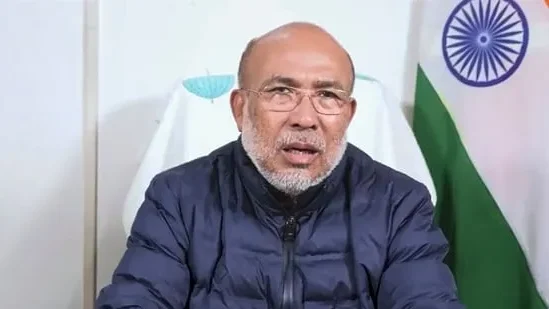
Manipur CM Breaks Silence on Killings: “Terrorists Will Be Brought to Justic”

In the wake of the recent gruesome killings of six individuals in Manipur, Chief Minister N Biren Singh has expressed profound grief and vowed swift justice for the perpetrators. Kuki militants allegedly took three women and three children hostage during a violent attack on November 11, after which they killed the victims.

Speaking out for the first time after the incident, Singh condemned the act, calling it a crime against humanity. He assured the public that search operations are in full swing to capture the militants responsible. “These barbaric acts have no place in any civilized society,” Singh said in a video posted on social media. “We will not rest until they are held accountable for their inhuman actions.”

The killings occurred after a deadly clash between militants and security forces, which left ten insurgents dead. The violence escalated with attacks on internally displaced persons (IDPs) in Jiribam, where a group of 40-50 armed militants targeted relief camps and a police station. However, timely action from the CRPF thwarted further destruction, neutralizing the terrorists and preventing more casualties.

Manipur has been grappling with violent ethnic clashes for nearly 18 months, deepening the divide between the Meitei-majority Imphal valley and Kuki-majority hills. Amid ongoing unrest, the Indian government recently reimposed the Armed Forces Special Powers Act (AFSPA) in certain districts, sparking fresh protests. Calls for the repeal of AFSPA have been mounting, particularly from Meitei civil society organizations, as the state continues to experience widespread tension.

The crisis shows no signs of abating, and as investigations into the killings continue, Singh’s government faces immense pressure to restore peace and bring the situation under control.

Indulge in a Luxurious and Relaxing Facial Spa Experience Right at Home

A facial spa is a luxurious way to pamper your skin and unwind, but it doesn’t have to be an expensive trip to the salon. You can recreate a spa-like experience in the comfort of your own home with just a few simple steps. Here’s a guide to help you achieve glowing, rejuvenated skin without leaving your house.

1. Prepare Your Skin
Begin by removing any makeup and dirt from your face using a gentle cleanser. This is essential to ensure that the treatment products can penetrate deep into your skin. You can use a makeup remover or micellar water followed by a mild cleanser to achieve a fresh base.

2. Steam Your Face
Steaming helps open up your pores and prepares your skin to absorb the next treatments more effectively. You can either use a facial steamer or create a DIY steam session by boiling water and placing your face over the steam, draping a towel over your head to trap the heat. Steam for 5-10 minutes for maximum benefits.

3. Exfoliate
Exfoliating removes dead skin cells, leaving your skin smooth and radiant. Choose a gentle scrub or a chemical exfoliant based on your skin type. Massage it into your skin in circular motions, paying attention to areas that tend to be rough or have clogged pores, like the nose and chin. Rinse thoroughly.

4. Apply a Face Mask
Now that your skin is clean and prepped, apply a face mask suited to your skin type. Whether you go for a hydrating, purifying, or anti-aging mask, make sure to leave it on for the recommended time. You can even opt for a DIY mask using ingredients like honey, yogurt, or avocado for a natural touch.

5. Tone Your Skin
After rinsing off the mask, apply a toner to restore your skin’s pH balance. A toner can also help tighten pores and provide additional hydration. Use a toner with soothing ingredients like aloe vera or rose water for a calming effect.

6. Moisturize
Finish off your facial spa with a rich moisturizer to lock in all the hydration. Choose a product that suits your skin type—whether it’s a light gel for oily skin or a thicker cream for dry skin. Gently massage it into your face and neck for the best results.

7. Relax and Enjoy
The key to a great facial is taking the time to relax and enjoy the process. Consider lighting some candles, playing soft music, or using essential oils to enhance the ambiance and make it a true spa experience.

By following these simple steps, you can give yourself a rejuvenating facial spa treatment at home that leaves your skin looking refreshed and glowing. Treat yourself regularly to keep your skin healthy and to enjoy the soothing benefits of self-care.

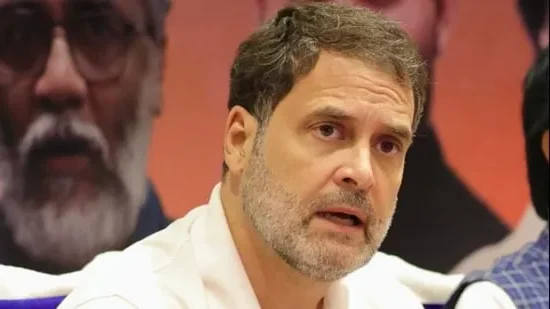
Rahul Gandhi Lauds Telangana’s Gig Workers Bill, Urges for Inclusive Consultations

Congress leader Rahul Gandhi has expressed strong support for Telangana’s draft law aimed at protecting gig workers, emphasizing the need for a collaborative approach. In a letter to Telangana Pradesh Congress Committee President Revanth Reddy, Gandhi urged for widespread consultations with all stakeholders, including workers, companies, and experts, to make the law robust and effective.

The draft law, designed to address exploitative work conditions in the gig economy, comes as Telangana prepares for elections. Gandhi highlighted the urgency of securing fair wages, adequate social security, and an effective grievance redressal mechanism for gig workers. He stated that the absence of such protections perpetuates “21st-century slavery,” leaving workers vulnerable to social and economic insecurities.

During his visit to Hyderabad, Gandhi interacted with gig workers, autorickshaw drivers, and sanitation workers to understand their concerns. Many gig workers shared grievances about declining earnings and the lack of insurance or financial security measures. Gandhi cited Rajasthan’s model gig workers’ law, introduced by the Congress government in 2023, as an example of successful regulation. Under the law, companies must deposit part of earnings into a social security fund, ensuring workers’ pensions and insurance across jobs.

Promising bold reforms, Gandhi assured workers of financial assistance and single-permit solutions for autorickshaw drivers, as outlined in Congress’ manifesto.

He proposed establishing a welfare board for gig workers, ensuring their rights and grievances are efficiently addressed through institutional mechanisms.

Gandhi commended Telangana’s vibrant consultation culture, urging similar dialogue for gig workers’ law to establish a landmark framework for India.

Labor welfare remains central to Congress’ campaign, focusing on championing workers’ rights across informal sectors, emphasizing transformative labor policies nationwide.

With Telangana elections approaching, the proposed gig workers’ law could significantly influence labor welfare debates and national policy developments.

Mumbai Billionaire Harsh Goenka Calls Out Voting Apathy Among Elite Amid Maharashtra Assembly Elections

RPG Enterprises Chairman Harsh Goenka has sparked debate with a sharp critique targeting the Mumbai elite who abstain from voting. In a post on social media platform X, Goenka highlighted how some affluent residents prioritize comfort over their civic duty, despite the critical nature of elections shaping the state’s governance.

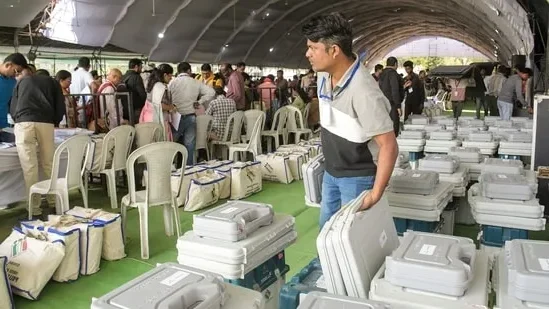
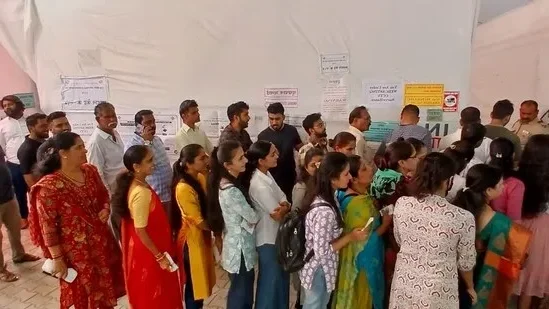
The state is voting today in a single phase to elect representatives for its 288-member legislative assembly. Polling began early this morning, with notable public figures, including cricket icon Sachin Tendulkar and Bollywood actor Akshay Kumar, already casting their votes. Mumbai police have tightened security across the city, focusing on sensitive areas like Dharavi to ensure smooth electoral proceedings.

In his post, Goenka sarcastically noted the excuses often cited by the well-heeled. From fretting over designer footwear to avoiding queues under the sun, he mocked their indifference, emphasizing the importance of participating in democracy over trivial concerns. “Democracy can wait, but the waist cannot,” he quipped, targeting those more focused on personal luxuries than societal responsibilities.

Goenka’s remarks have resonated with many, stirring discussions on voter turnout among different socio-economic groups. He urged citizens, regardless of their status, to step out and vote, challenging the complacency of Mumbai’s wealthiest.

The elections hold critical importance, with major parties battling for control of Maharashtra, India’s wealthiest and most influential state.

Urban voters often show apathy, but public figures like Harsh Goenka are leveraging their platforms to encourage greater civic participation.

More voters are expected at polling stations as the day advances, with authorities emphasizing the significance of every individual’s vote.

Officials hope such critiques will inspire broader engagement across all demographics, ensuring higher participation and strengthening democratic processes in Maharashtra.

Maharashtra, Jharkhand Exit Polls 2024: What to Expect and Where to Watch

The assembly elections in Maharashtra and Jharkhand are underway, with millions of voters participating in this significant political event. Exit polls, a key indicator of public sentiment, will be released after voting concludes on November 20, adhering to Section 126A of the Representation of the People Act.

Key Details:
– Maharashtra: Voting across 288 constituencies involves over 9.7 crore voters. The BJP-led Mahayuti alliance aims to retain power against the Maha Vikas Aghadi (MVA).
– Jharkhand: Polling for 38 seats in the second phase is ongoing. The ruling JMM-led INDIA bloc faces a strong challenge from the BJP-led NDA.

Where to Watch Exit Polls
Exit polls will be available on major TV news channels and platforms like YouTube. Polling agencies like Axis My India and CVoter are expected to release detailed forecasts.

Stay tuned for the results on November 23, as they will shape the future political landscape of both states

Bitcoin Scam Allegations: Supriya Sule Hits Back with Defamation Cases

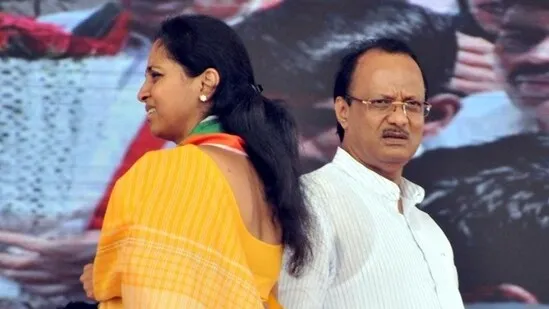
The political landscape in Maharashtra witnessed heated exchanges as Nationalist Congress Party (Sharad Pawar faction) leader Supriya Sule refuted allegations of using funds from a Bitcoin scam to finance elections. The accusations, leveled by former IPS officer Ravindranath Patil, also implicated Maharashtra Congress chief Nana Patole. The controversy intensified with purported audio clips claiming to involve Sule, leading to a war of words between parties.

Sule categorically denied the allegations, terming them baseless. Speaking to ANI, she asserted, “I have filed both criminal and civil defamation cases. I am ready to answer any BJP representative on any platform. These claims are fabricated and politically motivated.” She also lodged complaints with the Election Commission and Maharashtra’s cybercrime department, calling for a probe into the individuals spreading misinformation.

Adding to the dispute, her cousin and Maharashtra Deputy Chief Minister Ajit Pawar admitted he could recognize Sule’s voice in the audio clips. He stated, “The voices appear familiar. A proper investigation will reveal the truth.” However, Sule dismissed his remarks, saying, “He can say anything—Ram Krishna Hari.”

The BJP quickly seized the moment, with spokesperson Sudhanshu Trivedi labeling the development as an exposure of the opposition Maha Vikas Aghadi (MVA). “These revelations show how low the opposition can go for political gains,” Trivedi remarked.

On the other hand, Supriya Sule remains resolute. “This is nothing but a strategy to manipulate voters right before the elections,” she stated. Sule emphasized her commitment to transparency, challenging BJP representatives to an open debate.

Political analysts see this as another chapter in Maharashtra’s turbulent political scene, especially after Ajit Pawar’s rebellion earlier this year, which split the NCP. Sule, however, remains undeterred, voting with her family in Baramati and reiterating her stance against such “manufactured allegations”

Maharashtra Assembly Elections 2024: Early Voting Sees Steady Turnout Amid Technical Glitches

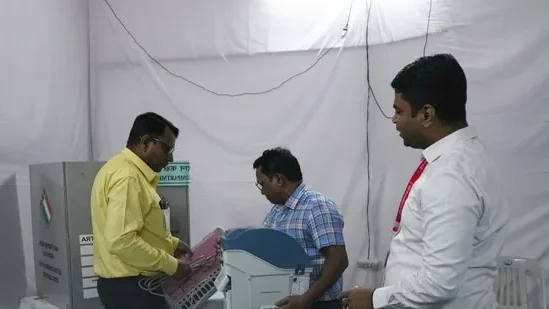
Mumbai: Early voting in Maharashtra’s assembly elections recorded a turnout of 7.25% by 9:30 AM across its 288 constituencies, showing an active start. The state’s voter base has expanded to 97.02 million, reflecting an increase from 2019’s 89.83 million registered voters. Several polling stations reported technical issues that caused brief delays, but officials quickly resolved them to ensure smooth proceedings.

Nagpur remained a focal point, with prominent figures like Deputy Chief Ministers Devendra Fadnavis and Ajit Pawar casting their votes early. Cricket icon Sachin Tendulkar and Bollywood personalities also stepped out to vote, encouraging citizens to participate actively.

The Maoist-affected Gadchiroli district registered the highest turnout in the early hours, reaching 14%, while urban centers like Mumbai city lagged slightly at 6.5%. The Election Commission noted that isolated cases of voter boycotts over unresolved local grievances occurred, including in Kannad, where over 1,400 residents abstained.

Prominent political leaders urged voters to focus on the state’s development. Fadnavis highlighted the government’s progress in infrastructure and welfare schemes, while NCP’s Sharad Pawar expressed optimism about the Maha Vikas Aghadi’s prospects.

Voting will continue until 6 PM, with real-time updates on the turnout and polling issues being monitored closely by the Election Commission.

Election Commission’s Vigorous Crackdown on Inducements: Over Rs. 1000 Crore Seized in Maharashtra and Jharkhand

NEW DELHI: The Election Commission of India (ECI) has reported an extraordinary crackdown on electoral malpractices in the ongoing state legislative elections across Maharashtra, Jharkhand, and several bye-polls. Enforcement agencies have seized over Rs. 1000 crore worth of cash, liquor, drugs, and other inducements in a determined effort to ensure free and fair elections. This massive surge in seizures marks a significant escalation compared to previous years, with Maharashtra and Jharkhand accounting for a record amount of these illegal materials.

As of mid-November 2024, the seizures in these two states alone have reached a staggering Rs. 858 crore, which is approximately seven times the amount seized during the 2019 Assembly elections. In 2019, Maharashtra recorded seizures worth Rs. 103.61 crore, while Jharkhand saw Rs. 18.76 crore in illicit materials confiscated. This year’s figures indicate a far more aggressive and efficient operation by the Election Commission’s enforcement teams.

A significant focus of this crackdown has been on narcotics and psychotropic substances, which have accounted for nearly 45% of all seized materials. These substances, along with cash and liquor, are often used to influence voters, undermining the integrity of elections. The recent data also highlights a sharp rise in the trafficking and consumption of these substances, particularly in states that were previously considered transit zones.

Chief Election Commissioner Rajiv Kumar has underscored the importance of “precise intel-based collaborative efforts” to tackle the nexus of black money and drug trade influencing elections. In addition to traditional law enforcement, the Election Commission has worked closely with agencies such as the Narcotics Control Bureau (NCB), Directorate of Revenue Intelligence (DRI), and local police forces to ensure that illegal inducements are intercepted and removed from the electoral process.

The Election Commission’s actions also encompass other forms of inducements, such as precious metals and expensive gifts, which have been seized across various constituencies. These efforts are aimed not only at protecting the sanctity of elections but also at preventing the misuse of money and resources to sway voters.

With just  a single day left before the conclusion of the elections, the ECI has pledged to maintain heightened surveillance, ensuring that no further attempts to influence voters through illicit means go unnoticed. The crackdown signals a strong commitment by the Election Commission to uphold the democratic process.

For press note released by ECI, Click ” HERE “

Source: ECI, NEW DELHI

Web Team, C6N