Wednesday, December 24, 2025
Home Blog Page 1272

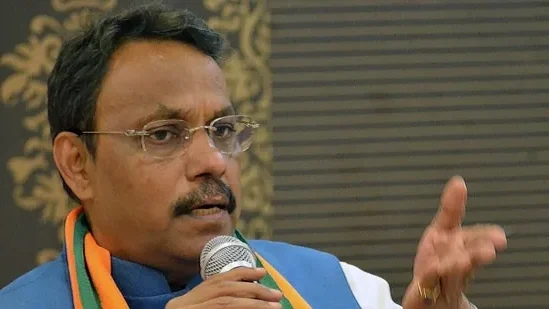
BJP Leader Vinod Tawde Rejects Cash-for-Vote Allegations: Calls for CCTV Verification

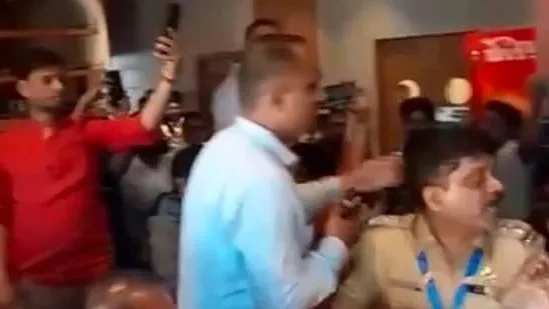
BJP General Secretary Vinod Tawde dismissed the cash-for-vote allegations made by Bahujan Vikas Aghadi leader Hitendra Thakur, suggesting that authorities should verify the claims by reviewing CCTV footage. Thakur accused Tawde of distributing money to influence voters during a meeting in Virar, alleging that BJP leaders informed him of Tawde’s ₹5 crore payout plan.

Tawde clarified that the meeting focused on the Model Code of Conduct and electoral procedures, and denied any wrongdoing. He challenged the accusations, stating, “Let the Election Commission and police inquire and review the CCTV footage.” He also emphasized his long-standing association with the party, claiming his reputation should be enough to dispel such rumors.

Thakur further alleged that the hotel hosting the meeting had deactivated its CCTV cameras to conceal Tawde’s actions, only turning them on after his request. In response, BJP MLC Pravin Darekar accused Thakur of making a publicity stunt, asserting that the Maharashtra Vikas Aghadi (MVA) had already lost the election and was fabricating such stories to deflect attention.

Shiv Sena (UBT) leader Sanjay Raut also criticized the BJP, claiming that the Election Commission should scrutinize the BJP’s actions as thoroughly as they examine opposition parties. He pointed out the discrepancy in how the commission treated both parties.

As the political drama unfolds, the Election Commission’s investigation and the availability of CCTV footage will likely play a pivotal role in determining the outcome of this controversy.

Tech Millionaire Bryan Johnson’s ‘Project Baby Face’ Faces Setback After Severe Allergic Reaction

In the world of anti-aging and longevity, Bryan Johnson, a tech millionaire, is making waves with his bold and unconventional methods to defy the natural process of aging. Known for his audacious goal to extend human lifespan to 150 years, Johnson’s latest venture, Project Baby Face, has taken an unexpected and dramatic turn, attracting widespread attention and scrutiny.

On November 14, Johnson shared a shocking update on Instagram, showcasing the aftermath of his cosmetic experiment aimed at restoring youthful fullness to his face. The procedure involved injecting fat from a donor into his face, a decision taken after Johnson noticed that his rigorous health regimen, including a strict 1,950-calorie daily diet, had left him gaunt and with noticeable facial hollows. Despite his biomarkers showing improvement, his appearance was often described as unhealthy and almost emaciated.

“I got really lean and lost a lot of fat—especially in my face. My biomarkers were improving, but I looked gaunt. People thought I was on the brink of death,” Johnson confessed in his post. His aim with the procedure was to reverse these effects and rejuvenate his face, giving it a fuller, younger appearance.

However, things quickly took a turn for the worse. Within 30 minutes of the injections, Johnson experienced a severe allergic reaction, with his face swelling up drastically. “Immediately following the injections, my face began to blow up. And then it got worse, and worse, and worse until I couldn’t even see,” he revealed. Despite the alarming swelling, Johnson maintained his commitment to his schedule and even met a Bloomberg reporter as planned, warning that his appearance might be unrecognizable.

Fortunately, Johnson’s face returned to normal after about seven days, but the incident raised concerns about the safety and sustainability of his extreme anti-aging methods. Johnson remains undeterred, continuing his quest to blend cutting-edge science with daring experiments. His larger anti-aging project, *Project Blueprint*, has previously involved controversial methods such as blood transfusions from his teenage son—part of a therapy called “young blood” therapy, which has faced significant criticism due to its lack of FDA approval.

This latest setback has only strengthened Johnson’s resolve to push the boundaries of aging science. With a team dedicated to his unconventional methods, Johnson’s pursuit of a longer, healthier life continues, even as his methods remain a subject of public debate.

Web Team, C6N

Madhya Pradesh Farmer’s Death After Video on Fertilizer Black Marketing Sparks Debate

A tragic incident in Madhya Pradesh has brought attention to the ongoing fertilizer crisis in the state. A 36-year-old farmer from Guna died after posting a viral video exposing the alleged black marketing of fertilizers. The farmer, in his video, complained about the shortage of Diammonium Phosphate (DAP) fertilizer, a key input for rabi crops, revealing that people were buying it at government-mandated prices using fraudulent means, only to resell it at exorbitant rates.

In the video that went viral on social media, the farmer accused individuals of exploiting the fertilizer shortage. He stated, “The government rate for DAP is ₹1,350 per bag, but it’s being sold for ₹3,000 by using the Aadhar cards of toddlers.” This claim highlighted the alleged black marketing of fertilizers during a crucial period for farmers. “He urged the government to distribute fertilizers based on the actual landholdings of farmers, claiming that a massive fraud was taking place.

Following his death, the opposition Congress party alleged that the farmer had died by suicide due to the ongoing fertilizer shortage, with some claiming that the authorities pressured the family into cremating the body without a postmortem. Former Union Minister Arun Yadav claimed that the farmer committed suicide due to the unavailability of fertilizer, and he accused the district administration of pressuring the family to cremate the body without a postmortem. Yadav’s statement raised concerns about the administration’s handling of the situation amid the fertilizer shortage crisis.

Farmer leader Rahul Raj echoed these concerns, noting that the farmer had been tirelessly seeking fertilizer for days but had been unable to get any. “The crisis has been ongoing since October, and farmers are still waiting in long queues for fertilizers,” he said.

District authorities insist that the farmer died from a medical condition. District Collector Satendra Singh stated that the farmer entered a hospital in Indore on November 13, where doctors diagnosed him with a blood clot in his brain. The farmer’s family requested his discharge, but he later passed away from chest pain. Singh clarified that the family confirmed his illness, and rumors about suicide were unfounded. Singh emphasized that the farmer’s family confirmed his illness and dismissed rumors of suicide as unfounded.

Farmers have reported a long-standing shortage of fertilizers, particularly DAP, in Madhya Pradesh. They claim that the government has not met the demand, distributing only half of the required 10 lakh metric tons of fertilizer. The shortage has caused black market sales to rise, with sellers inflating DAP prices, which has left farmers struggling to secure the necessary supplies for the sowing season.

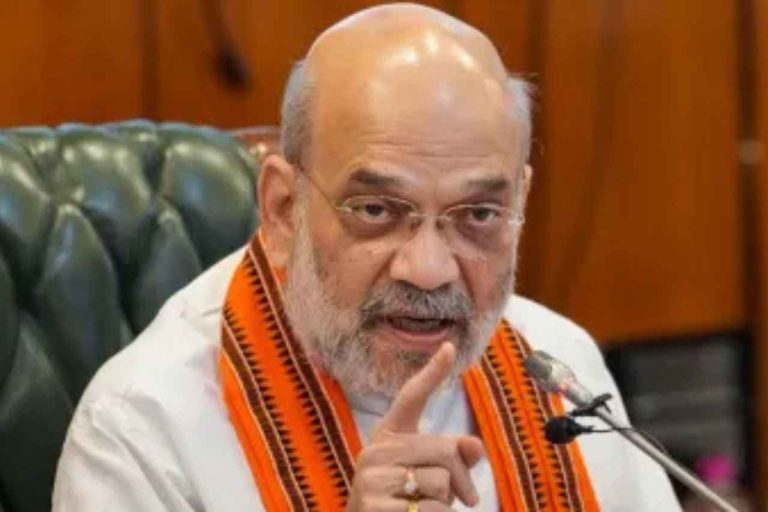
70% Reduction in Violence in J-K, North-East, and Naxal Areas in the Last Decade: Amit Shah

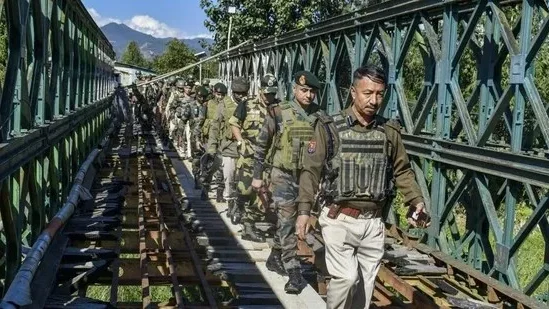
NEW DELHI: Union Home Minister Amit Shah recently highlighted a significant achievement of the BJP-led government’s tenure, noting that violence in Jammu and Kashmir, the North-East, and Naxalite-affected regions has dropped by an impressive 70% over the last decade. This milestone was discussed during his address at the 50th All India Police Science Conference, held at Rashtriya Raksha University, Ahmedabad, on November 19, 2024.

For decades, these three regions—Kashmir, the North-East, and areas impacted by Naxalite insurgency—were deemed highly volatile, plagued by frequent insurgent attacks, violent protests, and security challenges. However, Shah pointed out that the significant reduction in violence over the last 10 years is a testament to the government’s strategic policies, stronger security frameworks, and consistent efforts to restore peace and stability.

Key Factors Behind the Decrease in Violence

The Home Minister attributed this transformation to a combination of factors, including the central government’s robust development-focused initiatives, enhanced security infrastructure, and firm counter-insurgency operations. According to recent reports, the death toll from violent incidents in these regions has dropped by 72%.

Moreover, Shah emphasized the role of the government’s “zero-tolerance” approach towards terrorism and insurgency, along with a strong commitment to fostering socio-economic development in these areas. He further stated that the government’s proactive stance in engaging local communities and addressing their grievances has also played a pivotal role in reducing unrest.

New Criminal Laws for Swift Justice

In addition to security improvements, Shah also spoke about the government’s efforts to reform the criminal justice system. He introduced three new laws—the Bharatiya Nyaya Sanhita (BNS), Bharatiya Nagarik Suraksha Sanhita (BNSS), and Bharatiya Sakshya Adhiniyam (BSA)—which replaced colonial-era legal provisions like the Indian Penal Code (IPC) and the Indian Evidence Act. These laws, which came into effect on July 1, 2024, are designed to modernize the justice delivery system and ensure that cases are resolved swiftly. Shah announced that within the next decade, India’s criminal justice system will become one of the most scientific and efficient in the world.

Looking Ahead

As India moves forward, the government plans to continue building on these gains, ensuring that the country’s security landscape remains stable and the criminal justice system remains fast and fair. With violence in historically troubled areas like Jammu and Kashmir and the North-East significantly reduced, India is poised to secure a peaceful future for its citizens.

WebTeam, C6N

Maharashtra Election 2024: What’s Open and Closed on Polling Day (November 20)

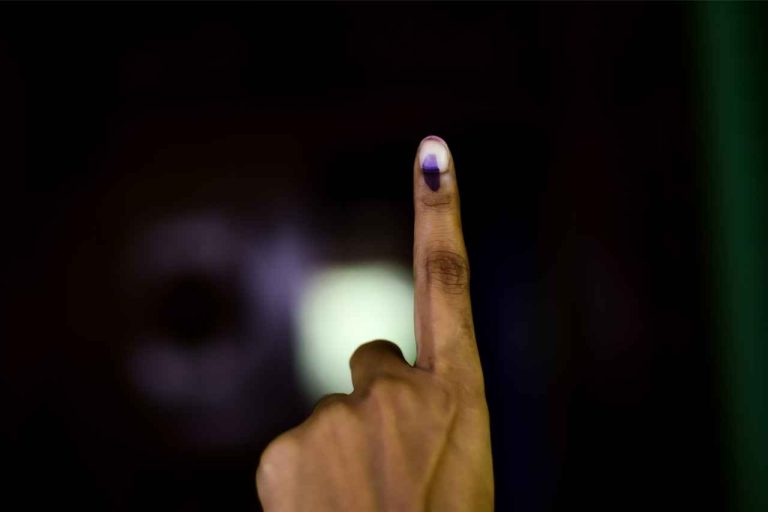
As Maharashtra gears up for its high-stakes assembly elections on Wednesday, November 20, 2024, the state government has declared a public holiday to ensure maximum voter participation. With all 288 assembly seats up for grabs, the day will be crucial for both the ruling Mahayuti alliance and the opposition Maha Vikas Aghadi. Here’s what you can expect regarding services and facilities across Maharashtra on polling day:

1. Public Transport: Public transport, including local trains, Metro, and BEST buses in Mumbai, will continue to run normally, with services extended until midnight. This will ensure voters have easy access to polling stations throughout the day.

2. Educational Institutions: Schools, colleges, and other educational institutions across Maharashtra will remain closed. This allows students and staff to participate in the democratic process.

3. Banks and Financial Services: Both public and private sector banks will remain closed. However, ATMs and online banking services, including UPI platforms, will be operational.

4. Stock Markets: The Bombay Stock Exchange (BSE) and National Stock Exchange (NSE) will also observe a holiday, with no trading on November 20. Trading will resume the following day.

5. Liquor Shops: In line with election regulations, liquor shops across the state will be shut.

6. Government and Private Offices: All government offices in Maharashtra will be closed. The Brihanmumbai Municipal Corporation (BMC) has granted paid leave to private-sector employees in Mumbai to facilitate voter turnout.

7. Healthcare: Emergency services, including hospitals and pharmacies, will remain open to cater to medical needs throughout the day.

This comprehensive closure plan aims to make the voting process as seamless as possible while also ensuring public order during the critical polling day.

How to Check Your Name on Maharashtra’s Voters’ List Ahead of the 2024 Elections

It’s crucial to ensure your name is on the voters’ list. If you’re unsure, here’s a step-by-step guide to check your name online before heading to the polls on November 20.

1. Visit the Official Website: Navigate to the Election Commission of India’s official portal (https://eci.gov.in) or the National Voter Service Portal (www.nvsp.in).

2. Choose Your Search Option: Once on the portal, you’ll find several options to search for your name:
Search by EPIC: If you have your Voter ID number (EPIC), enter it, select Maharashtra as your state, and complete the captcha verification.
Search by Details: Alternatively, you can enter personal information such as your name, father/spouse’s name, date of birth, district, and constituency.
Search by Mobile: If you’ve registered your mobile number, this is another quick way to find your name. Enter your mobile number and receive an OTP for verification.

3. View Your Details: After entering the required information, your name, district, and assembly constituency will appear if you are registered. You can also download or print this information for future reference.

For any issues, double-check the details entered and contact your local electoral office for assistance.

Don’t forget to confirm your registration to avoid any last-minute confusion on election day!

PM Modi Strengthens Global Ties at G20 Summit in Brazil

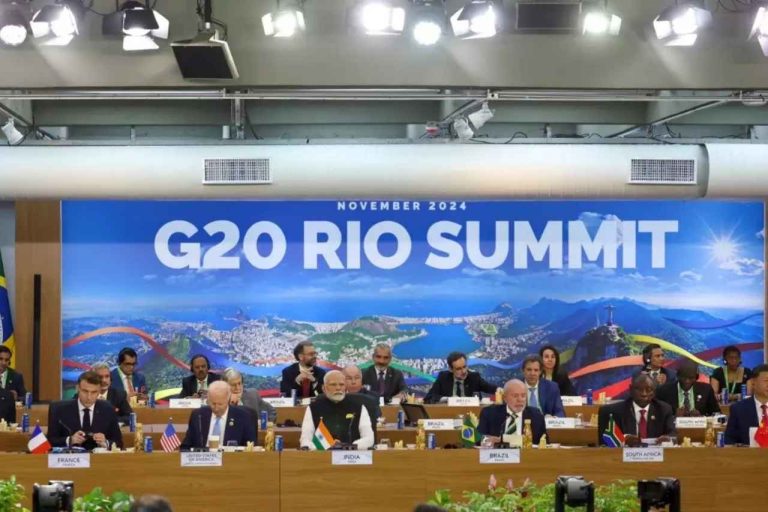
RIO DE JANEIRO: Prime Minister Narendra Modi’s presence at the G20 Summit in Brazil was marked by a series of high-level discussions aimed at reinforcing India’s strategic global position and advancing ties with key international partners. In a flurry of meetings, PM Modi engaged with leaders from Italy, Indonesia, Portugal, Norway, and South Korea, further solidifying India’s diplomatic footprint on the world stage. The summit, hosted by Brazil, provided a significant platform to address pressing global issues such as the digital economy, climate change, and the ongoing geopolitical crisis, including tensions arising from the Israel-Hamas conflict and the ongoing U.S.-China rivalry.

In his meeting with Italian Prime Minister Giorgia Meloni, the focus was on bolstering defense and security cooperation, with both leaders emphasizing the importance of technology and trade in strengthening the bilateral relationship. Modi expressed optimism about the 2025-2029 India-Italy Joint Strategic Action Plan, which is expected to lay the groundwork for an enhanced partnership across multiple sectors. In his statement, Modi remarked, *”India-Italy friendship can greatly contribute to a better planet.”* The two leaders also discussed fostering deeper cultural and educational ties.

Similarly, PM Modi’s interaction with Indonesian President Prabowo Subianto celebrated the 75th anniversary of India-Indonesia diplomatic relations. The discussions spanned various domains, including healthcare, security, and commerce, aimed at further expanding the Comprehensive Strategic Partnership between the two nations. Modi expressed his commitment to India’s full support for Indonesia’s development, with an eye on reinforcing their cooperation in emerging sectors like pharmaceuticals.

The conversation with Portuguese Prime Minister Luis Montenegro centered around enhancing economic collaboration, with a focus on renewable energy and green hydrogen. Both leaders acknowledged the vast potential for joint initiatives in these sectors, which align with global sustainability goals. Modi also highlighted the long-standing ties between India and Portugal, which he described as an important aspect of both nations’ diplomatic and economic strategies.

Norwegian Prime Minister Jonas Gahr Støre and Modi’s discussions revolved around the Arctic region and renewable energy, particularly green hydrogen, alongside trade opportunities following the new India-EFTA Trade and Economic Partnership Agreement (TEPA). The leaders noted the promising prospects of this agreement in creating new avenues for investment and job creation in both countries.

Beyond bilateral dialogues, PM Modi’s meetings with key international figures like IMF Deputy Managing Director Gita Gopinath and European Commission President Ursula von der Leyen reinforced India’s commitment to global cooperation. Gopinath, praising India’s successes in poverty reduction and food security, noted that India’s initiatives are exemplary models for global development. Modi, in return, reiterated India’s resolve to tackle food security and poverty, underscoring India’s pivotal role in global solutions.

The G20 Summit, a critical global event, saw discussions on climate action, trade relations, and conflict resolution. PM Modi’s leadership during this summit highlighted India’s growing influence in shaping the global agenda, with a clear focus on multilateral engagement to address the pressing challenges of the modern world.

Web Team, C6N

Tensions Escalate in Virar as BVA Accuses BJP’s Vinod Tawde of ‘Buying’ Votes

In a dramatic turn of events in Virar East, the Bahujan Vikas Aghadi (BVA) has accused BJP leader Vinod Tawde of attempting to manipulate the ongoing election by offering Rs.5 crore in bribes to BJP candidate Rajan Naik. The incident occurred at Hotel Vivanta, where Tawde was meeting with Naik ahead of the Nalasopara constituency elections. Kshitij and Hitendra Thakur led BVA workers to storm the meeting, accusing BJP leader Vinod Tawde of distributing money to sway voters.

The BVA’s accusations came after they claimed to have found a diary containing records of ₹15 crore worth of transactions linked to Tawde. Hitendra Thakur, the BVA chief, also pointed to a CCTV blackout in the hotel, which he believed was part of a coordinated effort to conceal illicit activities. Thakur demanded that the police and Election Commission take immediate action, holding the hotel management accountable for their involvement in the incident.

The BJP has vehemently denied the allegations. Senior BJP leader Pravin Darekar dismissed the claims as “laughable,” suggesting that the BVA was fabricating the narrative due to its fear of losing the elections. Tawde’s supporters are equally defiant, with BJP representatives calling the accusations politically motivated.

Shiv Sena (UBT) leader Sanjay Raut added fuel to the fire by accusing the BJP of conspiring against Tawde to eliminate him as a future political threat, claiming the BJP’s home department had been monitoring his movements.

Local police forces have deployed to protect Vinod Tawde from an angry crowd, while Palghar district collector Govind Bodke has launched an investigation into Tawde’s presence in Virar, as he is not a registered voter in the area. Authorities are set to file an FIR soon.

This escalating confrontation highlights the deepening rift between the BJP and the BVA as the election day draws near

Rani Lakshmibai: A Beacon of Bravery and Patriotism

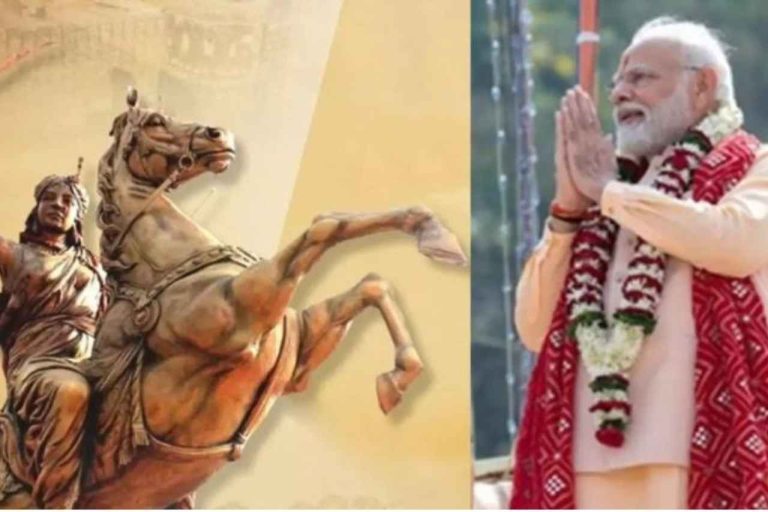
NEW DELHI: Prime Minister Narendra Modi paid tribute to Rani Lakshmibai on her birth anniversary, acknowledging her as a symbol of courage and patriotism. Born on November 19, 1828, Rani Lakshmibai remains an enduring figure in Indian history for her pivotal role in the 1857 rebellion against British colonial rule, famously known as the First War of Independence.

In a heartfelt post on X, the Prime Minister said, “Tributes to the fearless Rani Lakshmibai of Jhansi, a true embodiment of courage and patriotism. Her bravery and efforts in the fight for freedom continue to inspire generations. Her leadership during adversity exemplifies true determination.”

Rani Lakshmibai’s unparalleled valor was instrumental in challenging British oppression. Despite facing immense hardships, she valiantly led her troops, sacrificing her life in 1858 near Gwalior. Other leaders, including Congress President Mallikarjun Kharge and Defense Minister Rajnath Singh, also commemorated her heroism, underscoring her role as a symbol of women’s strength and dedication to the nation.

Her legacy serves as an inspiration for generations, emphasizing resilience and patriotism in the face of adversity. On this significant day, the nation remembers and honors her contributions to India’s freedom struggle.

Sources: PIB, NEW DELHI

Web Team C6N

Manipur Violence: BJP MLAs Demand ‘Mass Operation’ Against Kuki Militants

In a significant political development, 27 MLAs from the BJP-led NDA in Manipur have called for a “mass operation” targeting Kuki militants, in response to the tragic killings of three women and three children in Jiribam district. This resolution, adopted on November 18, aims for immediate and decisive action within seven days. The lawmakers have demanded the militants be declared an “unlawful organization” and for the case to be handed over to the National Investigation Agency (NIA) to ensure swift justice.

The NDA coalition has also raised concerns over the Armed Forces Special Powers Act (AFSPA) in the region, urging the Centre to review its enforcement following the recent unrest. The resolution stipulates a deadline, warning that failure to act within seven days will lead the NDA members to consult with the people of Manipur about further steps.

The meeting held on Monday condemned the recent attacks on properties belonging to ministers and MLAs. The legislators have vowed to take legal action based on the findings of the high-powered committee investigating the incidents.

While the majority of the state’s 60 MLAs attended, seven were absent due to medical reasons, and 11 did not provide any explanation for their absence. The development has added to the already volatile political climate, with Manipur facing increasing tensions between various ethnic groups. Chief Minister N. Biren Singh’s administration has pledged to restore peace, with both state and central governments working in tandem to address the escalating violence.

In a parallel political critique, senior Congress leader Jairam Ramesh criticized the handling of the crisis, questioning the role of Union Home Minister Amit Shah and highlighting the lack of support for Chief Minister Singh, as demonstrated by the limited attendance at a recent NDA meeting.