Wednesday, December 24, 2025
Home Blog Page 1276

Sri Lanka’s Historic Shift: President Dissanayake to Appoint New Cabinet and Prime Minister

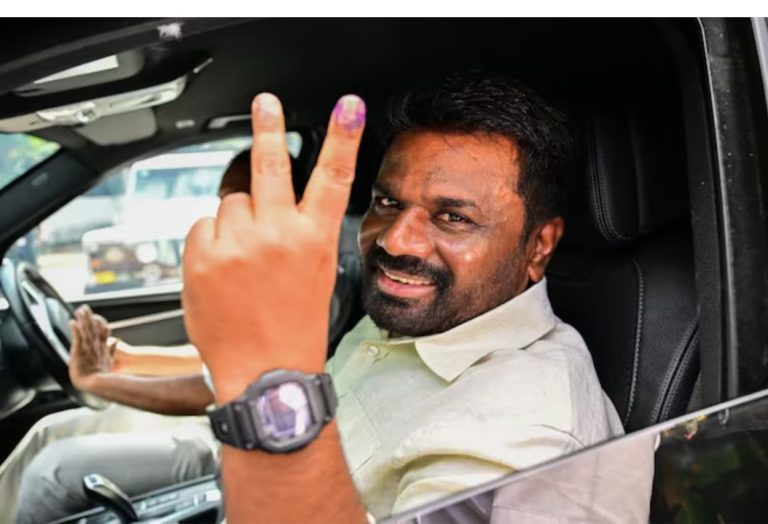
Colombo: Sri Lanka’s newly elected President, Anura Kumara Dissanayake, is set to announce his cabinet and appoint a new Prime Minister on Monday. This move follows the National People’s Power (NPP) alliance’s landmark victory, securing a two-thirds parliamentary majority. Dissanayake’s leadership symbolizes hope for a nation recovering from economic turmoil and political instability.

Key Developments in Leadership and Governance
Dissanayake, elected with over 5.7 million votes, gained widespread support due to his reformist agenda. He pledged a clean political future, emphasizing fairness in implementing IMF austerity measures. Harini Amarasuriya, an influential NPP figure, is rumored to become the first female Prime Minister in two decades, reflecting the administration’s commitment to inclusivity and change.

The new cabinet will consist of no more than 25 members, demonstrating a focus on efficiency and effective governance. The ministries will have scientifically allocated portfolios to streamline decision-making processes.

Challenges and Opportunities Ahead
Dissanayake’s government faces pressing issues, including managing Sri Lanka’s $2.9 billion IMF bailout and navigating the debt restructuring agreements with key creditors like China and India. Additionally, addressing public discontent over austerity measures and rebuilding economic confidence will be pivotal.

International leaders, including India’s Prime Minister Narendra Modi and U.S. President Joe Biden, have congratulated Dissanayake, signaling opportunities for stronger bilateral relations. Sri Lanka’s strategic position in the Indo-Pacific and its partnerships under initiatives like India’s Vision SAGAR and China’s Belt and Road Initiative will be crucial for foreign policy.

Conclusion
As President Dissanayake prepares to unveil his team, Sri Lanka stands at a crossroads of transformation. With a focus on economic recovery, equitable reforms, and international collaboration, the administration aims to rebuild trust and pave the way for a brighter future.

Web Team, C6N

Sukhbir Singh Badal Resigns as Shiromani Akali Dal President Amid Leadership Challenges

Sukhbir Singh Badal has resigned from his position as the president of the Shiromani Akali Dal (SAD), a move confirmed by senior party leader Daljit Cheema. The resignation comes amid internal tensions within the party, following a series of setbacks, including a poor performance in the recent Lok Sabha elections in Punjab. Following a crucial meeting between Sukhbir Singh Badal and senior party members, he announced his resignation as the president of the Shiromani Akali Dal (SAD). Daljit Cheema confirmed that the resignation followed an in-depth discussion between Badal and the leadership. He added that the party had dissolved its core committee, with Badal now tasked with reorganizing the party’s structure. Cheema shared the statement on social media, emphasizing that the restructuring was essential for the SAD’s future growth.

This resignation follows months of unrest within the party. Rebel leaders, including prominent figures such as former MP Prem Singh Chandumajra and former SGPC president Bibi Jagir Kaur, had earlier called for Badal’s resignation, citing dissatisfaction over leadership decisions and the party’s declining influence. Additionally, a faction of party members launched the ‘Shiromani Akali Dal Sudhar Lehar’ (SAD Reform Movement) in an attempt to rejuvenate the party.

In response to the rebellion, Sukhbir Badal had expressed willingness to step down, acknowledging the collective responsibility for the party’s recent losses. However, he has emphasized the need for unity within the party, stating that all leaders must share in the blame for the SAD’s struggles. His decision to dissolve the core committee is seen as a move to address the internal dissent and rebuild the party’s organizational structure.

As SAD works to regroup under new leadership, the focus will likely shift to rebuilding its image and reconnecting with its traditional voter base.

Tensions Rise at Assam Hospital Over Handling of Manipur Encounter Victims’ Bodies

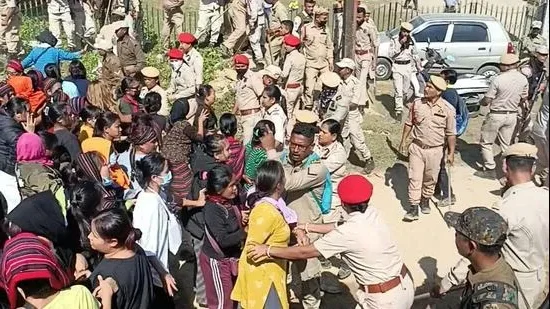
Chaos erupted at Silchar Medical College and Hospital (SMCH) in Assam on Saturday as protests intensified over the handling of the bodies of 10 Manipur residents killed in an encounter with the CRPF on November 11.

Authorities brought the bodies to SMCH for postmortem on November 12, but locals from Jiribam, along with others from Assam, gathered at the hospital and protested, demanding the bodies be handed over locally.

Around 400 protesters had camped outside SMCH since November 12, opposing the government’s decision to airlift the bodies to Manipur’s Churachandpur. They insisted on receiving the bodies at the hospital. However, authorities insisted on sending the bodies to Churachandpur for the final rites. The standoff turned violent around 10 a.m. when police attempted to remove the bodies from the morgue. Protesters blocked the entrance and clashed with law enforcement, leading to a lathicharge. The situation escalated as protesters threw stones, injuring some police officers.

The police attempted to defuse the situation with dialogue. Inspector General of Police (Law and Order) Prasanta Kumar Bhuiyan and Cachar Superintendent of Police Numal Mahatta engaged with the protesters, urging them to cooperate. Mahatta stated, “This is Assam, not Manipur, and we will not tolerate such violence. Higher authorities have directed us to send the bodies to Churachandpur.”If you wish to attend the funeral, you must go there.”

Protests had initially begun on Wednesday evening following delays in the postmortem process.

Authorities cited a DNA test for the bodies, while ITLF demanded road transport to Lamka. Stone-pelters injured four journalists.

Authorities expect more bodies to arrive in the coming days.

Delhi AQI Alert: Smog Worsens, Health Concerns Escalate Amid Severe Pollution

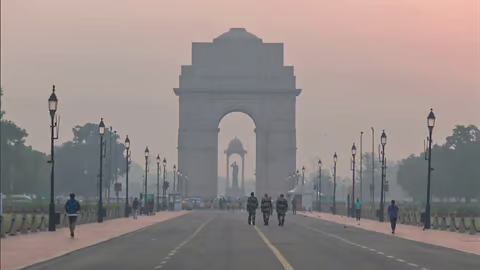
Delhi’s air quality continues to deteriorate as a dense layer of smog enveloped the city for the fourth consecutive day. As of 8 am on Saturday, January 13, the Air Quality Index (AQI) recorded a hazardous level of 406, categorized as “severe,” according to the Central Pollution Control Board (CPCB). The pollution levels remain a serious health threat, with risks of respiratory issues, eye irritation, and heightened cardiovascular concerns.

The thick smog affected various areas, including India Gate, Pragati Maidan, and Kalindi Kunj, with visibility severely reduced. In Pragati Maidan, the AQI was 357, categorized as “very poor,” while India Gate recorded an alarming 414. Local residents, such as Prateek Jain, who tried to run near India Gate, expressed frustration over the deteriorating air quality. “We are getting more tired, need frequent breaks, and our throats hurt due to the pollution,” he said.

Drone footage captured smog blanketing key locations such as AIIMS and Raj Ghat, highlighting the widespread pollution. The severity of the situation extends beyond the air, as sections of the river near Kalindi Kunj and Okhla Barrage showed toxic foam caused by untreated effluents and high phosphate levels from detergents.

The Delhi government has stepped in with measures to curb the pollution.

The Delhi government implemented the Graded Response Action Plan (GRAP-III), banning BS-III petrol and BS-IV diesel four-wheelers, with violators facing a ₹20,000 fine. The plan also ramps up mechanized road sweeping, water sprinkling, and enforces a ban on demolition and excavation activities.

AQI levels have reached hazardous thresholds across various parts of Delhi, including Alipur, Bawana, and Jahangirpuri, with readings surpassing 400. As the city battles high pollution levels, officials urge residents to take precautions and remain indoors as much as possible.

These measures, however, may only offer temporary relief, as the city faces long-term health risks from persistent pollution.

Coldplay’s Ahmedabad Concerts Sell Out in Minutes: Fans Left Exhausted, Demand Soars

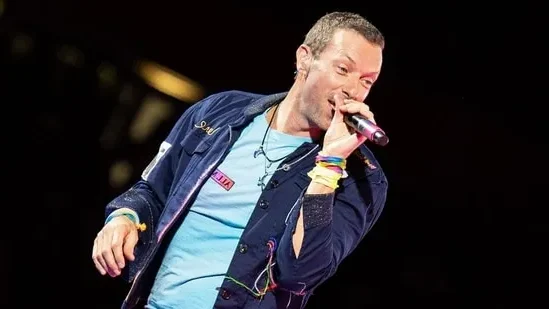
Coldplay’s much-anticipated return to India has left fans in Ahmedabad frustrated yet excited as tickets for both of their upcoming concerts sold out within minutes. Fans snapped up tickets for the first concert, scheduled for January 25, 2025, at the Narendra Modi Stadium, almost immediately after they went live on BookMyShow at noon on Saturday, January 13. The demand was so intense that the platform added a second show for January 26, 2025, to accommodate more fans. However, even this second show sold out just as quickly, leaving many fans exasperated.

At around 12:30 pm, the notification appeared on BookMyShow: “Last few seats left for the show on January 25, 2025. The organizers have added a second show for January 26, 2025, at Narendra Modi Stadium. Queues will begin at 12:45 pm, and ticket sales will start at 1 pm.” Coldplay’s January 25-26 Ahmedabad concerts will draw 1,00,000 fans to the 1.32 lakh-capacity Narendra Modi Stadium. These concerts will mark a milestone in Coldplay’s storied career, as they perform their largest stadium shows to date.

Jaishankar Stresses LAC Disengagement Should Lead to De-escalation and Stability in India-China Relations

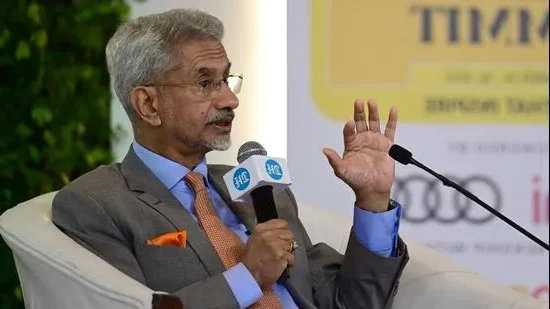
External Affairs Minister S. Jaishankar recently underscored that the disengagement between Indian and Chinese troops along the Line of Actual Control (LAC) is just a step toward a broader goal of de-escalation and resolution of ongoing bilateral issues.

At the 22nd Hindustan Times Leadership Summit, Jaishankar stressed the importance of maintaining stability and peace along the sensitive border areas, even after achieving disengagement. He clarified that although disengagement is a significant step, it does not reset the strategic relationship between India and China. “We focus on disengagement, but the next critical phase is de-escalation—ensuring that troops are no longer massed along the LAC,” he explained. The disengagement agreement, finalized in October 2023, has eased immediate tensions in Eastern Ladakh, where India and China had previously clashed over border disputes.

Jaishankar acknowledged that the disengagement could lead to improved ties but also cautioned that the relationship between the two nations remains complex, due to differing political, social, and economic systems.

Both countries share a deep civilizational history, but their political, economic, and social systems are vastly different, complicating efforts to find long-term equilibrium .

Lookinaishankar noted that any improvement in bilateral relations will require careful navigation. He stated that a constructive approach is necessary, taking into account the broader geopolitical dynamics at play, including the global ambitions of both nations. As India and China continue to manage their differences, regular dialogues between their foreign ministries and national security teams will be key to stabilizing ties.

This caism follows significant diplomatic efforts to stabilize the LAC situation and is indicative of the broader effort to normalize relations between these two powerful nations.

Disha Patani on Anime, K-Pop, and Her Bollywood-South Korean Connection

MUMBAI: Actor Disha Patani, known for her captivating screen presence, is set to venture into Tamil cinema with the much-anticipated film Kanguva, alongside stars like Suriya and Bobby Deol. In a recent interview, she opened up about her deep-seated love for Japanese anime and the burgeoning influence of Bollywood on South Korean content.

Fascination with Anime
Disha revealed her enduring affection for Japanese anime, which began during her childhood. Shows like Dragon Ball Z left a lasting impression on her. “The storytelling in anime, the emotional depth, and the way they express emotions is unparalleled. It’s difficult to replicate that in films,” she remarked. Her affinity for anime extends beyond nostalgia, as she continues to share her binge-watching sessions with fans on social media.

Korean Content’s Bollywood Connect
Disha also expressed her admiration for Korean culture, particularly its music, fashion, and storytelling. She noted striking parallels between Bollywood and South Korean cinema, suggesting that the latter draws significant inspiration from India’s entertainment industry. “Korean dramas excel in romance and filmmaking. A lot of what you see in their narratives resonates with Bollywood’s style,” she said, adding her appreciation for K-pop, especially EXO’s Kai.

Her Selective Filmography
Having recently appeared in the blockbuster Kalki 2898 AD, Disha admitted that her choice of roles is guided by intuition. “I only take on projects that genuinely excite me. It might mean doing fewer films, but the connection to the work is essential,” she shared.

The Journey Ahead
Disha’s debut Tamil project, Kanguva, promises to be a cinematic spectacle. With release on November 14, the movie has attracted massive audiences across India. Reflecting on the experience, she called working with Suriya and Bobby Deol a “beautiful experience” that enriched her craft.

Web Team, C6N

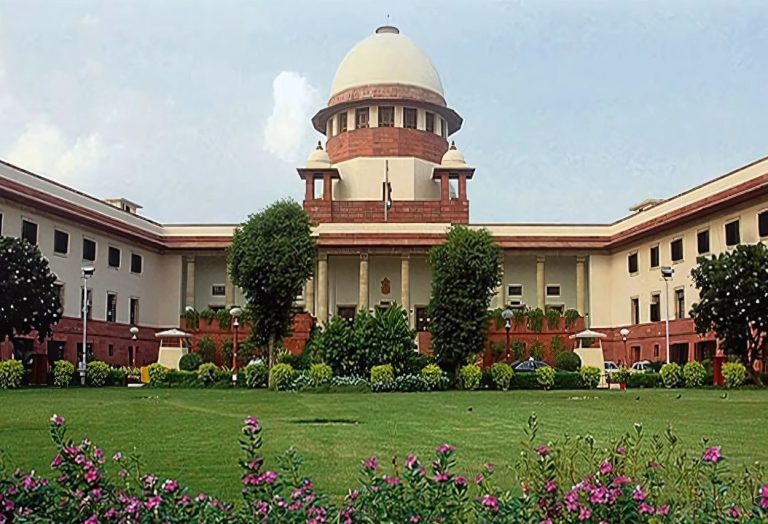
Supreme Court Rejects Vedanta’s Plea: Thoothukudi Copper Plant Closure Stands

NEW DELHI: In a decisive judgment, the Supreme Court of India has dismissed Vedanta’s review petition seeking the reopening of its controversial copper smelting plant in Thoothukudi, Tamil Nadu. This marks the continuation of a closure order initially enforced in May 2018 after allegations of severe environmental violations and a tragic incident in which 13 protesters were killed in police firing.

Background: Decades of Controversy
The Sterlite Copper plant, owned by Vedanta, has been a subject of environmental and public health concerns since its establishment. Over the years, local communities and environmental groups have accused the plant of polluting air, water, and soil, with incidents like a sulfur dioxide leak in 1997 and recurring gas leaks in subsequent years adding to its infamy. Despite these issues, the plant was allowed to operate intermittently until the Tamil Nadu Pollution Control Board and the state government took decisive action in 2018.

Supreme Court’s Observations
The court, in its recent ruling, upheld its February 2024 decision, emphasizing the importance of protecting the health and welfare of Thoothukudi residents. Chief Justice D.Y. Chandrachud and the bench noted “serious and repeated violations,” making the reopening of the plant untenable. The judgment aligns with the 2020 Madras High Court ruling, which had also rejected Vedanta’s appeal for resumption of operations.

Reactions and Future Implications
The decision has been hailed as a victory for environmental justice by activists and local residents. Organizations like the People Rights Protection Centre (PRPC), instrumental in the protests, expressed relief, calling the closure a necessary step for a pollution-free environment. Meanwhile, Vedanta has announced that it will evaluate further legal options, leaving room for potential future appeals.

Web Team, C6N

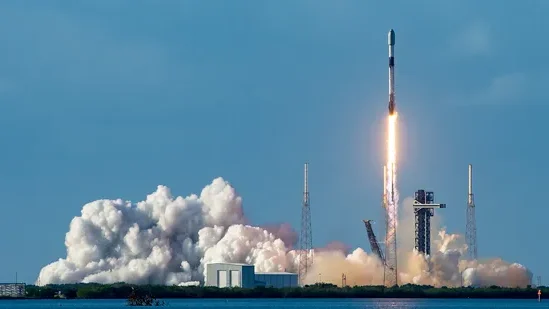
SpaceX to Launch ISRO’s GSAT-20 Satellite in Groundbreaking Deal

India’s space exploration ambitions take a significant leap forward as the Indian Space Research Organisation (ISRO) has contracted SpaceX to launch the GSAT-20 communications satellite. This collaboration, which will see the satellite deployed using SpaceX’s Falcon 9 rocket, marks a key step in strengthening ties between the two space agencies.

The GSAT-20, weighing in at 4,700 kg, is too heavy for ISRO’s own launch vehicles to carry, necessitating the partnership with SpaceX. This satellite will enhance India’s communication infrastructure, providing broadband, in-flight, and maritime communications, particularly benefiting remote regions. The satellite, which boasts high throughput capabilities with 32 beams, will offer pan-India coverage, including the Andaman and Nicobar Islands and Lakshadweep.

Previously, ISRO relied on Arianespace, a French company, for heavy satellite launches. However, with Arianespace facing delays and the geopolitical situation limiting other options, SpaceX has become a reliable partner. SpaceX will launch the GSAT-20 satellite, which is expected to operate for up to 14 years, in early 2024.

This deal, valued between $60-$70 million, is part of a broader trend where ISRO has expanded its reliance on private and international partners for certain advanced missions. The GSAT-20 mission is particularly important for India’s telecommunications needs, and the satellite’s bandwidth will be crucial for improving internet connectivity and supporting cellular backhaul services.

This is just one example of a growing collaboration between the two space giants. As ISRO continues to develop its capabilities, including the Next Generation Launch Vehicle (NGLV), this partnership with SpaceX is likely to set the stage for more joint ventures in the future.

Khawa Palace: Redefining Luxury Amidst Rajasthan’s Royal Grandeur

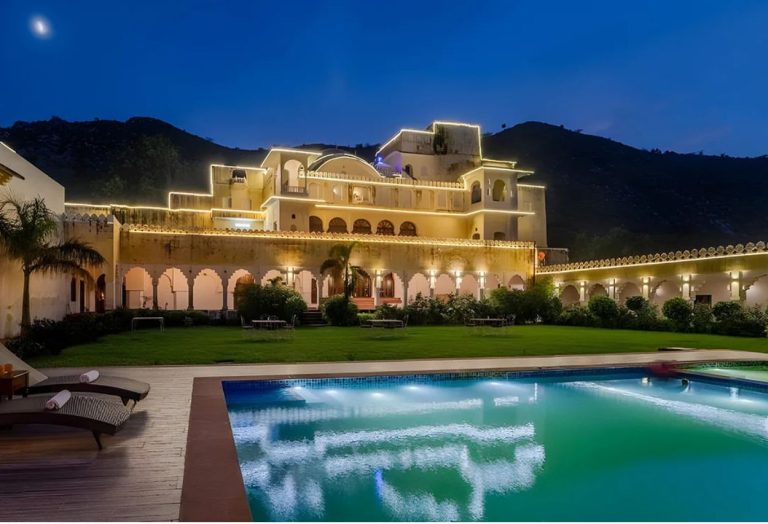
Rajasthan: Khawa Palace, nestled in the tranquil village of Khawaraoji in Dausa, Rajasthan, stands as a testament to the region’s illustrious history. This 370-year-old heritage marvel seamlessly blends traditional architecture with modern luxuries, offering visitors a chance to immerse themselves in the splendor of Rajasthan’s royal past.

Surrounded by the majestic Aravalli Hills, the palace retains its historic charm while catering to contemporary travelers seeking cultural richness, unmatched comfort, and exceptional hospitality.

Exquisite Accommodations Reflecting Heritage and Elegance
Each room and suite at Khawa Palace is a masterpiece, showcasing intricate frescoes, antique furniture, and vibrant mosaics that reflect the royal heritage of Rajasthan. These regal designs are paired with modern amenities, including air conditioning, Wi-Fi, and luxurious bathrooms, ensuring a comfortable and memorable stay.

Guests are greeted with stunning views of the palace gardens and the nearby hills, providing an ideal setting for relaxation. The spacious banquet halls and lawns also make Khawa Palace a favored venue for weddings, corporate events, and cultural celebrations.

A Gateway to Rajasthan’s Rich Culture and Nature
Strategically located in the Golden Triangle region, Khawa Palace is a gateway to many of Rajasthan’s iconic attractions. Visitors can explore:

  • Abhaneri Stepwell (Chand Baori):An architectural marvel located within driving distance.
  • Mehandipur Balaji Temple: A revered religious site.
  • Jaipur and Alwar: Major cities known for their forts, palaces, and markets.

For adventure seekers, the rugged terrains of the Aravallis offer trekking and rock climbing opportunities, while history enthusiasts can explore the rich tales embedded in every corner of the palace.

Commitment to Sustainability and Guest Satisfaction
Khawa Palace prides itself on its eco-conscious practices, from water conservation to promoting local artisans and organic produce in its culinary offerings. Guests can savor traditional Rajasthani dishes at the palace’s dining facilities, accompanied by cultural performances that showcase the vibrant heritage of the region.

Why Choose Khawa Palace?
~ 24/7 customer support for a hassle-free experience.
~ Personalized services tailored to individual preferences.
~ A serene location, far from the chaos of urban life, yet well-connected.

Plan Your Stay Today
Discover an enchanting blend of history, culture, and luxury at Khawa Palace. Whether you are seeking a romantic getaway, a family vacation, or a cultural retreat, Khawa Palace promises an unforgettable journey into Rajasthan’s royal past.