Tuesday, December 23, 2025
Home Blog Page 1278

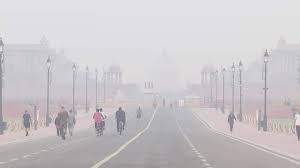
Delhi’s Air Quality Deteriorates to ‘Severe’ GRAP Stage-3 Curbs Imposed, Schools Go Online

Delhi’s air quality plunged to “severe” levels on November 15, prompting stringent measures under Stage-3 of the Graded Response Action Plan (GRAP). With the Air Quality Index (AQI) crossing 400 in many areas, including Anand Vihar and Jahangirpuri, smog blanketed the city and neighboring regions like Gurugram and Ghaziabad.

Key restrictions include a ban on BS-III petrol and BS-IV diesel vehicles, suspension of most construction activities, and daily water sprinkling on major roads. Primary schools have shifted online until further notice. Meanwhile, the Delhi Metro has added 20 weekday trips to mitigate vehicular pollution.

Vehicular emissions and stubble burning remain top contributors to Delhi’s pollution. On Thursday alone, 202 stubble-burning cases were recorded in Uttar Pradesh. Political blame games have also ensued, with opposition parties demanding stronger interventions.

( By Ankita Singh, team at C6N)

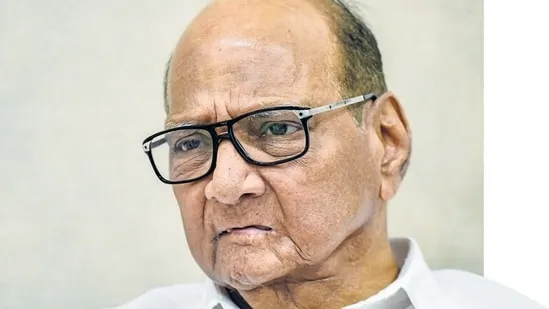
Sharad Pawar Intensifies Attack on ‘Traitors’ Ahead of Maharashtra Assembly Elections

Sharad Pawar, leader of the Nationalist Congress Party (NCP), has escalated his criticism of former allies who joined Ajit Pawar’s faction. Pawar called Dilip Walse Patil a “traitor” during a recent rally, expressing his disappointment over the betrayal. This follows similar accusations against Chhagan Bhujbal for aligning with the rival faction in 2023.

Political observers highlight the intense nature of this election, with key constituencies locked in tight battles. Abhay Deshpande noted that the rift within the Pawar family and among former allies has added a dramatic element to the campaign.

Walse Patil, a long-time Pawar loyalist, now faces off against Devdatta Nikam, a candidate from the Sharad Pawar-led NCP faction. During a rally in Ambegaon, Pawar promised to defeat Walse Patil at the polls, accusing him of betraying the party. In response, Walse Patil announced he would address the allegations during his campaign’s final meeting on November 18.

Pawar also targeted Bhujbal in a rally in Yeola, criticizing his actions and accusing him of damaging the reputation of the area. Bhujbal responded by alleging that Pawar had orchestrated the split within the Shiv Sena, further fueling the ongoing political drama in Maharashtra.

As the election nears, the stakes are high, with Pawar and his allies rallying for support against former members of their own party who have joined the rival camp

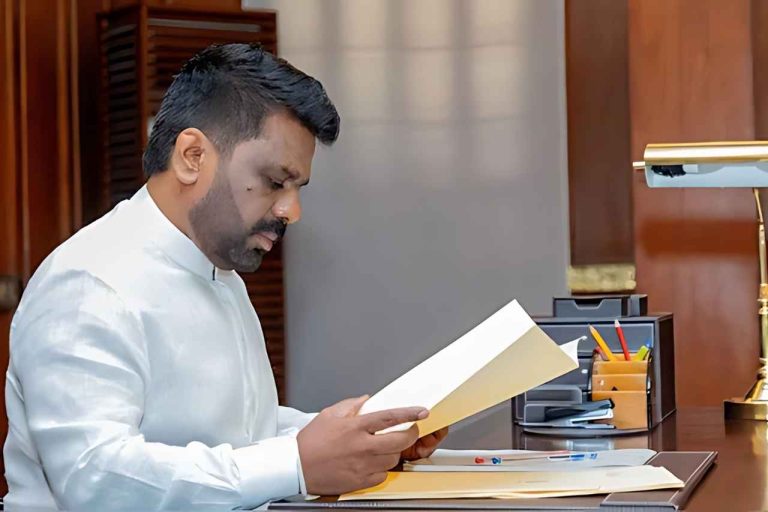
NPP Secures Dominant Lead in Sri Lanka’s 2024 Parliamentary Election

Colombo, Sri Lanka – In a decisive turn of events, the National People’s Power (NPP) party, led by President Anura Kumara Dissanayake, is on track for a commanding victory in the 2024 Sri Lankan parliamentary election. Early results indicate the NPP is likely to secure a significant majority, reflecting a wave of public support for political reform and economic stability.

Electoral Surge for the NPP
Preliminary results reveal the NPP capturing over 62% of the national vote, translating to an estimated 140 seats in the 225-member parliament. This overwhelming lead comes on the back of President Dissanayake’s recent presidential election win, where he pledged transparency, anti-corruption measures, and a new era of governance.

The party’s success appears rooted in its ability to tap into widespread public discontent with the political establishment, particularly following the economic crises and political upheavals that led to the ousting of Gotabaya Rajapaksa in 2022.

Challenges for Opposition Parties
The main opposition, Samagi Jana Balawegaya (SJB), and the United National Party (UNP), led by former President Ranil Wickremesinghe, suffered significant losses. The SJB has managed only around 18% of the vote, while the UNP’s influence continues to dwindle, with both parties failing to connect with a populace eager for change.

Broader Implications
Analysts suggest the NPP’s dominance could lead to a transformative political period in Sri Lanka. However, some caution against the risks of consolidating too much power, with calls for ensuring robust parliamentary checks and balances. Critics have also expressed concerns over the NPP’s potential challenges in balancing progressive policies with the country’s pressing need for economic recovery and international cooperation.

Looking Ahead
The newly elected parliament will convene on November 21, marking the start of the 17th Parliament. The focus will be on the NPP’s legislative agenda, including policies aimed at addressing corruption, unemployment, and economic reform.

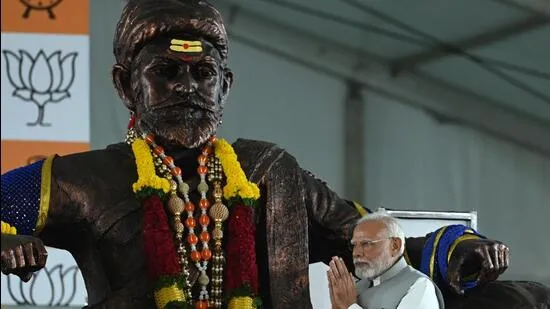
PM Modi Highlights Mahayuti’s Vision for Progress and Development in Raigad

Prime Minister Narendra Modi emphasized his party’s commitment to progress in Raigad, invoking the legacy of Maratha king Chhatrapati Shivaji Maharaj. Speaking at a Kharghar rally, Modi underscored “swaraj” (self-rule) and “suraj” (good governance) as core principles only Mahayuti can achieve.

Outlining transformative projects, he highlighted the ₹30,000-crore Navi Mumbai airport, the Samruddhi Mahamarg expressway, and upcoming investments in data centers, semiconductors, and ports. These initiatives, he argued, are reshaping Maharashtra as India’s growth engine, enhancing infrastructure and employment opportunities across the state.

Modi paid tribute to local icons like Lahuji Raghoji Salve and DB Patil, stating that their legacies fuel his party’s dedication to Maharashtra’s progress. He also emphasized support for coastal communities, citing projects that promote the region’s “blue economy” and bolster fisherfolk livelihoods.

Modi warned against divisive politics, emphasizing that unity is key to Maharashtra’s progress. Modi emphasized the Mahayuti alliance’s commitment to Shivaji Maharaj’s vision, promising infrastructural and economic progress for Maharashtra’s future.

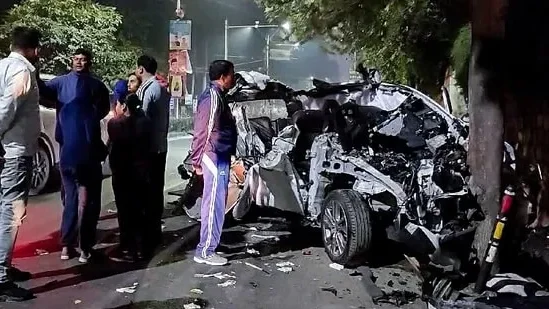
Dehradun Tragedy: Legal Path Sought as 6 Students Die in Car Crash

In Dehradun, a tragic accident at ONGC Chowk claimed the lives of six students returning from a party. The victims, aged under 25, were in a speeding Innova that collided with a container truck, leading to severe injuries and fatalities. CCTV footage revealed the car accelerating suddenly before the collision, with reports indicating no fault of the truck driver.

Though Inspector KC Bhatt mentioned no complaints from victims’ families, police are consulting legal experts on possible actions due to the unusual circumstances. Siddhesh Agrawal, the sole survivor, remains in critical condition at Synergy Hospital, unable to recount the incident due to serious injuries. Eyewitnesses and a local businessman who alerted authorities prior to the crash reported the car’s speeding.

This heartbreaking accident has left mourning families seeking justice as authorities explore legal options.

Rahul Gandhi Criticizes UP Government and UPPSC for Neglecting Competitive Exam Aspirants

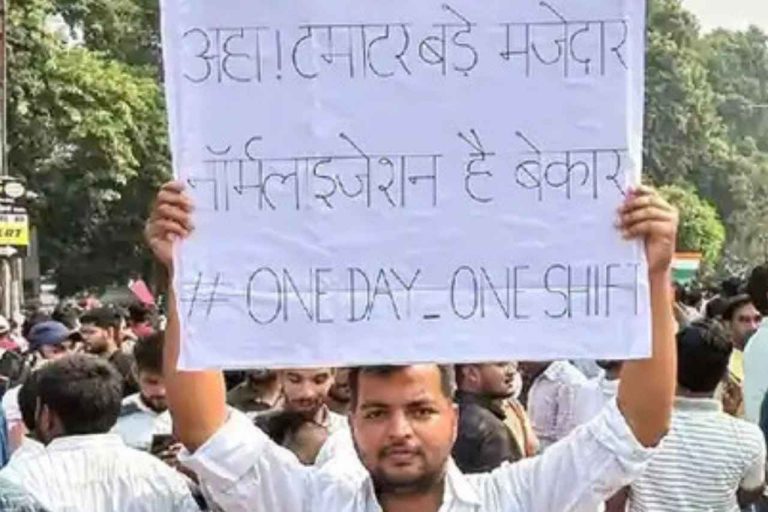
UTTAR PRADESH: Congress leader Rahul Gandhi has sharply criticized the Uttar Pradesh government and the Uttar Pradesh Public Service Commission (UPPSC) for their handling of competitive exams. Gandhi’s remarks came in response to protests from students who are frustrated with repeated rescheduling of exams and the lack of clarity surrounding the process.

UPPSC’s Mishandling of Exam Schedules:
The UPPSC has come under fire for its handling of the Review Officer and Assistant Review Officer exams, which have faced multiple delays. Additionally, the UPPCS exams, scheduled for December 2024, are set to be conducted over multiple shifts, sparking concerns about fairness in the exam process. Students argue that the system, which uses a percentile-based scoring model, could lead to significant disparities in results. Many candidates have expressed frustration over these issues, claiming that such practices disadvantage serious aspirants who are working hard to secure a government position.

Rahul Gandhi’s Strong Criticism:
Rahul Gandhi condemned the UP government’s approach, labeling it as “insensitive” towards the competitive students. He emphasized that these disruptions not only caused stress but also undermined the efforts of young aspirants who look to public service exams as a pathway to stability and success. Gandhi urged the state government to address the growing dissatisfaction among students and ensure a transparent and fair examination process.

Protests and Student Response:
The protests, which began earlier in October, have escalated, with students staging large demonstrations and even organizing candlelight vigils. Students demand that the exams be held in a fair, transparent manner and that exam dates be finalized without further changes. A significant protest took place outside the UPPSC office in Prayagraj, where candidates gathered to voice their grievances, urging the government to take immediate action.

UP Govt’s Response:
In response to the growing protests, Chief Minister Yogi Adityanath intervened by addressing the students’ concerns. After reviewing the situation, the CM announced that the upcoming exams would be conducted in a single shift. This decision was made to alleviate concerns regarding scoring discrepancies and ensure a more uniform testing environment for all candidates. Students have welcomed this decision, hopeful that it will lead to a more equitable exam process.

Conclusion:
As protests continue, the UP government’s swift response to address the concerns of students has brought some relief. With the announcement of single-shift exams, many candidates now hope that the UPPSC exams will be fairer and less disruptive, ensuring that the focus remains on merit and hard work.

Web Team, C6N

Manipur Unrest: Reimposition of AFSPA Amid Ongoing Violence

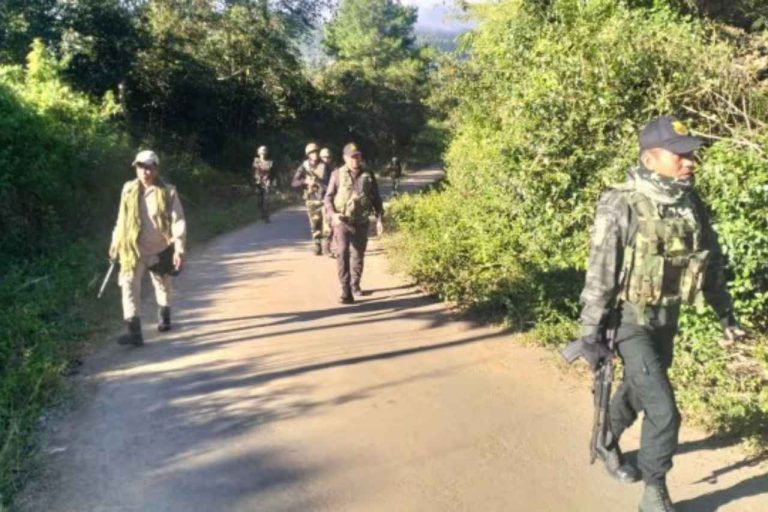
MANIPUR: The Ministry of Home Affairs has extended the Armed Forces Special Powers Act (AFSPA) in six police stations across five districts of Manipur, a move set to remain in place until March 31, 2025, unless withdrawn earlier. This action is in response to the ongoing ethnic violence that has led to significant unrest in the region.

Escalating Ethnic Conflict
AFSPA has been reimposed in six specific police stations: Sekmai and Lamsang in Imphal West, Lamlai in Imphal East, Jiribam in Jiribam, Leimakhong in Kangpokpi, and Moirang in Bishnupur. This extension follows the broader imposition of AFSPA across the entire state on October 1, 2023, with the exception of 19 police stations. These areas were deemed not to require military intervention at that time.

AFSPA grants security forces sweeping powers, including the ability to arrest individuals without a warrant, conduct searches, and use force to quell disturbances. While the move aims to address escalating violence, it has been met with mixed reactions, as certain areas, particularly Meitei-dominated regions, were excluded from its initial implementation.

The Toll of the Violence
The violence, which began in May 2023, has led to the deaths of over 200 people and displaced thousands. The conflict between the Meitei and Kuki-Zo communities continues to ravage the region, with incidents of gunfights, abductions, and attacks on civilians becoming increasingly common. One of the most recent incidents saw 11 suspected militants killed in a gunfight in Jiribam, while armed groups abducted six civilians, including women and children, in a separate attack.

The unrest has spread beyond Imphal Valley into regions that were previously unaffected, such as the ethnically diverse district of Jiribam. The violence was triggered by the discovery of a farmer’s mutilated body in June, sparking further tensions.

National Security Concerns
The reimposition of AFSPA comes at a time when there are growing concerns over national security, especially with insurgent groups operating from both within Manipur and across the Myanmar border. These groups are suspected of receiving support and supplies from Myanmar-based militias. The recent increase in arms smuggling and the active recruitment of local fighters has heightened fears that the violence could escalate further, destabilizing the region.

Security forces have been working to contain the situation, but challenges persist as ethnic groups continue to clash, and militias gain strength. With the state’s security infrastructure stretched thin, the central government has been closely monitoring the situation, hoping to regain control of the law and order situation.

The Road to Peace
Despite the military presence, achieving lasting peace in Manipur remains uncertain. Political efforts to resolve the issues, particularly the Kuki-Zo community’s demands, have been delayed due to the ongoing violence. With elections on the horizon, the state’s political leadership faces a delicate balancing act between addressing security concerns and maintaining public support.

The future of Manipur remains uncertain, with the specter of continued violence and instability hanging over the region. The reimposition of AFSPA is a critical step in the government’s attempt to restore order, but only time will tell if it will lead to a long-term resolution

Uber Expands Features to Enhance Driver Safety and Support e-Shram Registrations

NEW DELHI: Enhanced Safety with SOS Integration and Gender Preferences
Uber recently rolled out several new features tailored for its driver partners in India. Aiming to prioritize driver safety and convenience, the app now includes an SOS button, facilitating direct calls to emergency services in urgent situations. Uber has also introduced a “helmet selfie” feature for two-wheeler drivers, ensuring compliance with helmet usage for enhanced rider safety. Furthermore, women drivers on the platform can opt to be matched exclusively with female riders, offering an added layer of comfort and security for female driver-partners.

These new features reflect Uber’s ongoing commitment to making the driver experience “safer, easier, and fairer.” With the SOS function and gender preference matching, Uber seeks to address specific safety concerns raised by its diverse workforce and ensure a trusted environment for all driver-partners.

Incentives to Drive e-Shram Registration
In line with the Code on Social Security (CoSS) 2020, which aims to extend social security to gig and platform workers, Uber has partnered with the government’s e-Shram portal to promote driver registration. This platform serves as a national database for unorganized and gig workers, offering access to welfare schemes. As an incentive, Uber has announced cash rewards for the first 10,000 drivers who register on the e-Shram portal. This initiative is part of the company’s larger commitment to support gig workers in obtaining benefits like health and accident insurance, aligning with the government’s goal of creating a comprehensive support system for India’s informal workforce.

Government Push for Gig Worker Welfare
The Indian government has intensified its efforts to formalize social protections for gig and platform workers, recognizing their increasing contribution to the economy. The e-Shram portal, which already has over 29.6 crore registered workers, is designed to serve as a one-stop solution to help these workers access social welfare benefits. In September 2024, Labour Minister Dr. Mansukh Mandaviya emphasized the importance of this portal and urged platform companies to onboard their workers for a secure future. This portal integrates with other government programs, including the National Career Service (NCS), Skill India, and PM Suraksha Bima Yojana, ensuring that gig workers have access to holistic support.

Looking Forward
Uber’s proactive approach, coupled with the government’s initiatives, is expected to help millions of gig workers navigate social security options. As Uber drivers increasingly benefit from both platform-specific safety measures and government welfare schemes, the partnership between Uber and the Indian government sets a new standard in supporting the gig economy in India.

Web Team, C6N

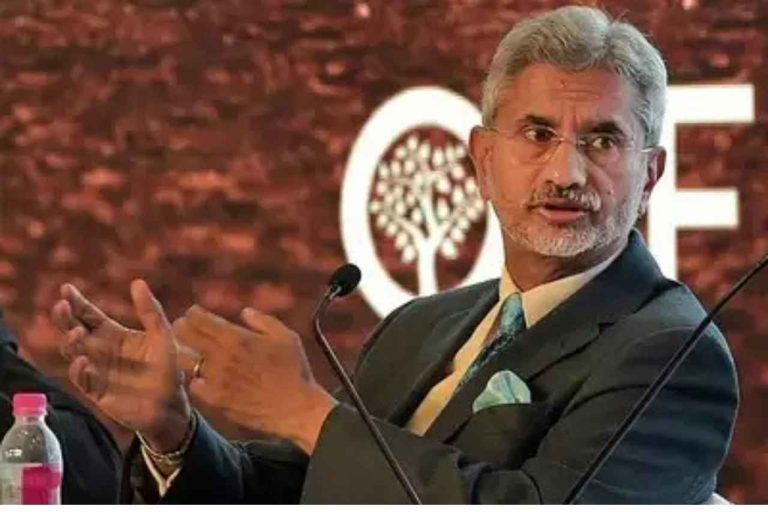
India-UAE Relations Soar: Strategic Cooperation Expands in Key Sectors, says Jaisankar

DUBAI: Strengthening Economic Ties: Trade and Investment
India and the United Arab Emirates (UAE) have witnessed a significant boost in economic ties, making the UAE India’s third-largest trading partner and second-largest export market. In 2022-2023, bilateral trade hit an impressive USD 85 billion, with projections to exceed USD 100 billion in merchandise trade and reach USD 15 billion in services trade within five years. Notably, several Indian enterprises have launched operations in UAE’s Free Trade Zones, exploring new sectors like cement, textiles, consumer electronics, and engineering.

Energy and Financial Collaborations Take Center Stage
Energy security has become a cornerstone of the India-UAE partnership. India’s reliance on the UAE for crude oil is increasingly met through long-term agreements, including new initiatives to explore natural gas and liquefied natural gas (LNG) supplies. Additionally, significant steps in financial integration—such as linking India’s Unified Payments Interface (UPI) with UAE’s digital platform Aani—aim to simplify cross-border transactions. These developments strengthen trade efficiency and expand financial inclusivity.

Advancements in Technology and Infrastructure
The collaboration between India and the UAE has extended to innovative sectors like 5G technology, AI, and cloud computing, with Dubai serving as a launchpad for Indian startups. Agreements on digital infrastructure ensure both nations stay competitive in a tech-driven world, facilitating knowledge exchange and innovation. Infrastructure projects, such as the development of port facilities by India’s RITES Limited and Abu Dhabi Ports, are also set to enhance connectivity and support mutual growth in logistics.

Cultural Diplomacy and Heritage Preservation
Beyond economics, cultural diplomacy plays a significant role in India-UAE relations. The UAE has provided land for the construction of a Hindu temple in Abu Dhabi, a symbol of cultural harmony. Additionally, cooperative efforts in heritage preservation are underway, such as shared protocols for restoring archival materials and enhancing India’s Maritime Heritage Complex at Lothal. These initiatives underscore a shared commitment to fostering cultural understanding and historical preservation.

Future Prospects
The Comprehensive Economic Partnership Agreement (CEPA) continues to open new avenues for collaboration, especially in emerging fields like green energy and sustainable development. The strategic partnership is poised to reach greater heights, with both countries committed to setting benchmarks for international cooperation.

Web Team, C6N