
India’s Vision for Olympics 2036: New Sports Stadium Announced in Jashpur, Chhattisgarh
Youth Empowerment through Sports: India’s Strategic Move
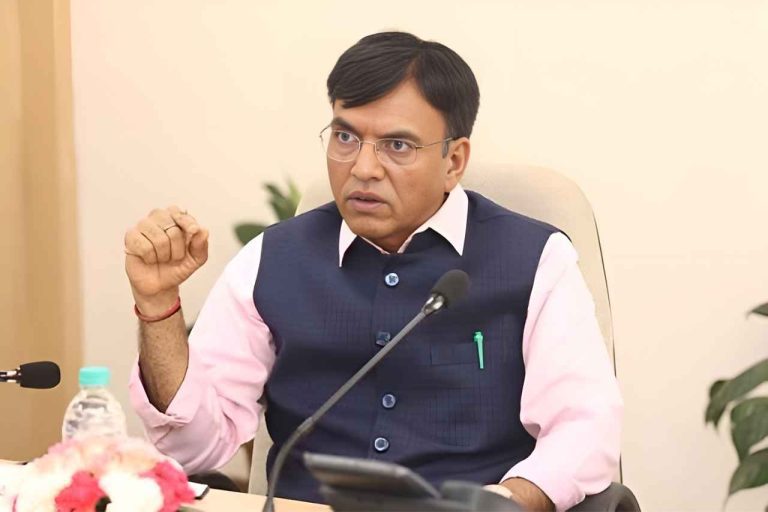
Union Sports Minister Mansukh Mandaviya announced the establishment of a cutting-edge sports stadium in Jashpur, Chhattisgarh, a significant addition aligned with India’s ambitions to host the 2036 Olympics. The announcement took place during the inauguration of the ‘Bhagwan Birsa Munda Mati Ke Veer’ padyatra, a celebration honoring the contributions of tribal athletes. The project is part of a larger initiative aimed at fostering local athletic talent and preparing young athletes to compete on a global stage.
A Platform for Local and National Sporting Talent
The planned stadium is a crucial element in India’s Olympic strategy, designed to nurture sportsmanship and develop skills within Chhattisgarh’s tribal communities. As Mandaviya emphasized, this facility aims to provide the necessary infrastructure and coaching to bring out the best in local athletes, particularly those from underrepresented backgrounds. It also supports the broader goals of the Khelo India scheme, which focuses on sports development at the district level across the country.
2036 Olympics Bid: India’s Roadmap to the World Stage
Following India’s submission of a formal “Letter of Intent” to the International Olympic Committee (IOC) for hosting the 2036 Olympics, this new stadium is viewed as a stepping stone toward making this vision a reality. With ongoing upgrades to sporting facilities nationwide, including new centers and academies, the government is positioning India among the world’s top ten sports nations by providing a strong foundation for athletes.
Beyond Sports: Community and Cultural Development
The stadium is expected to become more than a sports venue; it will be a community hub supporting cultural and educational programs. This aligns with Mandaviya’s broader vision of fostering physical, mental, and social well-being through sports. The stadium and similar facilities will provide resources and training for a new generation of Indian athletes and instill a sense of community pride and achievement.
The initiative reflects the government’s commitment to promoting healthy lifestyles, instilling discipline, and creating pathways for youth from all walks of life to excel in sports. The success of this vision could potentially set the stage for India’s Olympic aspirations and foster nationwide athletic excellence.
Web Team, C6N
Coldplay’s ‘Music of the Spheres’ India Tour Expands with Fourth Ahmedabad Show

Coldplay’s India Tour Receives Overwhelming Demand
Rock band Coldplay and ticketing partner BookMyShow announced a fourth concert date for their highly anticipated ‘Music of the Spheres’ world tour in India. Scheduled for January 25, 2025, at the Narendra Modi Stadium in Ahmedabad, the additional show follows three sold-out performances in Mumbai. This expansion highlights the incredible fan response, with over a million people trying to secure tickets for the original dates in Mumbai, leading to extended tour dates across major cities.
Controversy Over Ticket Resales
Amid the initial surge in ticket sales, issues arose regarding resales and allegations of black-market activity, with some resale platforms listing tickets at exorbitant prices. BookMyShow clarified its stand against ticket scalping, reiterating that it has “no association with any resale platforms” and condemning scalping as a punishable offense in India. As part of the investigation, the Economic Offenses Wing of the Mumbai Police summoned BookMyShow’s CEO to address these complaints. The platform filed an FIR, seeking to identify individuals allegedly involved in unethical ticket sales practices.
Demand for Additional Shows Reflects India’s Enthusiasm for Coldplay
The Narendra Modi Stadium in Ahmedabad, known for its massive capacity, is set to host the band’s fourth show, allowing more fans to experience the global phenomenon firsthand. While the initial Mumbai shows faced challenges with ticket access, Coldplay’s response with a fourth show has provided some relief for Indian fans hoping to attend. Tickets for this new show will be available soon, and fans are encouraged to secure them only from authorized sources to avoid complications with unauthorized sales.
What Fans Can Expect from the Show
Coldplay’s ‘Music of the Spheres’ tour features a setlist of fan favorites and visually stunning performances. The band is expected to incorporate both classics and new hits, creating an immersive concert experience with their hallmark LED wristbands, vibrant visuals, and dynamic stage design.
Sri Lanka Gears Up for Crucial Parliamentary Election Amid Economic Uncertainty
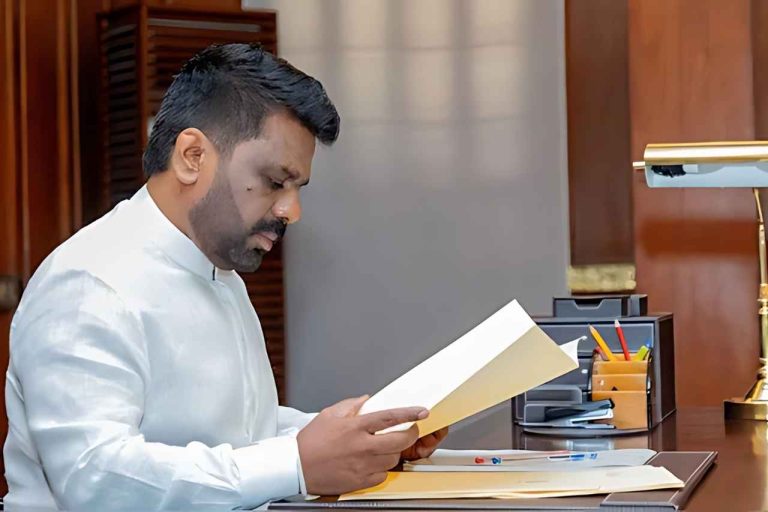
SRILANKA: On November 14, 2024, Sri Lanka will hold a snap parliamentary election, the first since the nation’s economic crisis in 2022 and the recent shift in presidential leadership. Nearly 17 million eligible voters will participate across more than 13,000 polling stations to elect a new 225-member Parliament. Security is a priority, with around 90,000 police and military personnel on duty, underscoring the stakes and ensuring a smooth voting process.
Background of the Election
The parliamentary election follows the recent presidential victory of Anura Kumara Dissanayake from the National People’s Power (NPP) party, a Marxist-oriented coalition that promises change from the conventional political establishment. Dissanayake’s victory was a strong indication of the people’s demand for transparency and economic recovery, setting the stage for this pivotal parliamentary election. By dissolving Parliament soon after his win, he hopes to secure a legislative majority, making it easier to implement reforms and consolidate his mandate amid economic reforms supported by the IMF.
Key Players and Campaigns
The NPP, headed by Dissanayake, has been advocating for significant political and economic reforms, aiming to curb the issues of corruption and mismanagement that have plagued the country. A key aspect of their campaign is an emphasis on reducing the austerity measures established by former President Ranil Wickremesinghe under the IMF’s financial assistance package. In opposition, former President Wickremesinghe and Sajith Premadasa’s Samagi Jana Balawegaya (SJB) party warn that the NPP’s control could destabilize the economy further, pointing to Dissanayake’s stance on reducing IMF-imposed austerity.
Economic Concerns and Public Sentiment
The economic crisis in Sri Lanka, exacerbated by the COVID-19 pandemic, has been a central concern for voters. Many citizens are frustrated with rising inflation, unemployment, and a high cost of living, which has created widespread demand for a political shift. Dissanayake’s campaign highlights a plan to alleviate these issues by reducing debt burdens, although opponents argue that any deviation from the IMF’s plan might hinder future aid. The NPP’s promise to reform governance practices and establish transparency in decision-making has appealed strongly to voters dissatisfied with the current political elite.
Conclusion
This election is a significant step in Sri Lanka’s journey toward economic recovery and political renewal. As the people prepare to cast their votes, the results will likely reflect the broader sentiments of a nation hoping to move past years of economic turmoil. With substantial security measures in place, Sri Lanka is set to witness a defining moment in its modern political history, one that could shape the country’s economic direction and governance for years to come.
Jharkhand Assembly Election 2024: First Phase Voting Sees High Turnout Across 43 Seats
High Turnout Marks First Phase of Jharkhand Assembly Election 2024
The first phase of Jharkhand’s Assembly Election 2024 is witnessing a significant voter turnout, with 59.28% participation recorded as of 3 p.m. on November 13. Voters in 43 of Jharkhand’s 81 constituencies are casting their ballots, setting a vibrant democratic tone. This election phase includes 20 seats reserved for Scheduled Tribes (ST) and six for Scheduled Castes (SC), and a large segment of the voter base has shown enthusiasm, turning out early to participate in the process.
Key Constituencies and Candidates
Among the most closely watched constituencies are Seraikella, Ranchi, Jamshedpur West, Jaganathpur, and Jamshedpur East. The Jamshedpur East seat is particularly notable, with BJP’s Purnima Das Sahu facing a challenge from Congress leader Ajoy Kumar, making it a significant contest as Kumar aims to break the BJP’s long-standing hold in the region. In Jaganathpur, former Chief Minister’s spouse Geeta Koda of the BJP has committed to reopening local mines, a move aimed at boosting employment, as she competes against Congress’s Sona Ram Sinku.
Key Issues: Infiltration and Unemployment
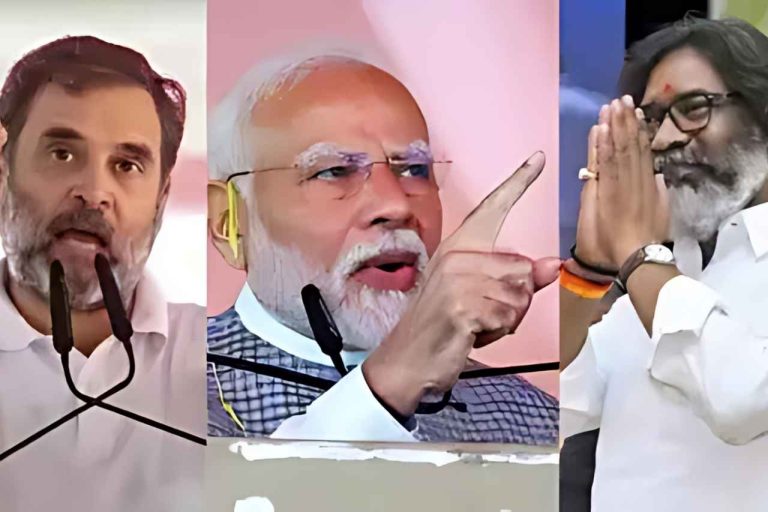
Campaign rhetoric has been intense, focusing on economic and security concerns. Prime Minister Narendra Modi, in a recent rally, raised concerns about the issue of alleged “Bangladeshi infiltration,” which he claims has impacted the tribal population in Santhal Pargana, an area with a strong tribal presence. Modi emphasized the BJP’s commitment to safeguarding local livelihoods and countering the effects of migration. Meanwhile, Chief Minister Hemant Soren and the ruling Jharkhand Mukti Morcha (JMM) continue to stress employment opportunities and democratic rights for locals.
Voting Patterns and Observations
By noon, Khunti district led with a high voter turnout, while Ranchi recorded one of the lowest turnouts. Political leaders from various parties, including Chief Minister Hemant Soren and other senior BJP and Congress leaders, were seen at polling stations, casting their votes and encouraging public participation. Soren highlighted the “importance of protecting democracy” and called on voters to ensure that their voice is heard in shaping the state’s future.
Upcoming Phases and Expectations
With 43 constituencies in the books, the remaining seats will see voting in the subsequent phases scheduled for November 20. Given the heightened competition and substantial voter turnout so far, analysts predict a tight race. Final results will be announced on November 23.
Web Team, C6N
NTPC Green Energy IPO to Fuel India’s Renewable Expansion: Key Details and Dates

NTPC Green Energy’s ₹10,000 crore IPO opens on November 19, 2024, offering shares between ₹102-108 to investors.
Important Dates and Subscription Details
The IPO opens from November 19-22, with listing on BSE and NSE on November 27. 75% allocation goes to QIBs.
Fund Utilization
The IPO proceeds will primarily repay NTPC Renewable Energy’s debts, with the remainder supporting NGEL’s corporate growth and expansion.
Expansion in Renewable Energy
NGEL, part of NTPC’s renewable push, targets 60 GW of renewable capacity by 2032, with major projects in Gujarat, Rajasthan, and Maharashtra.
Jharkhand Assembly Elections 2024: Over 59% Voter Turnout in Phase One Amid Tight Security, High Engagement in Key Districts
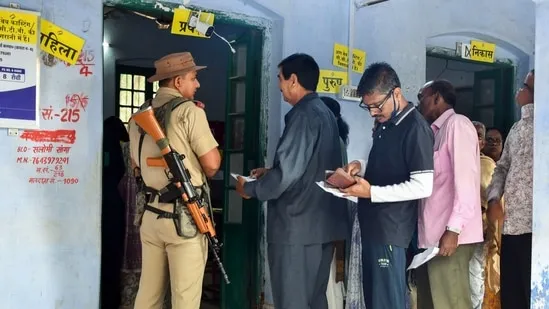
In the latest updates for the 2024 Lok Sabha elections, the sixth phase saw a notable 59% voter turnout across key constituencies. Voters in six states—Haryana, Bihar, Jharkhand, Odisha, Delhi, and West Bengal—turned out in large numbers, with West Bengal leading at 78%. High-profile figures, including Delhi CM Arvind Kejriwal and Congress leader Sonia Gandhi, cast their votes. Political tensions flared in West Bengal as clashes broke out between rival factions. The final polling phase will soon conclude voting for the remaining 57 seats.
Amit Shah Slams Uddhav Thackeray, Labels Maha Vikas Aghadi as ‘Aurangzeb Fan Club’
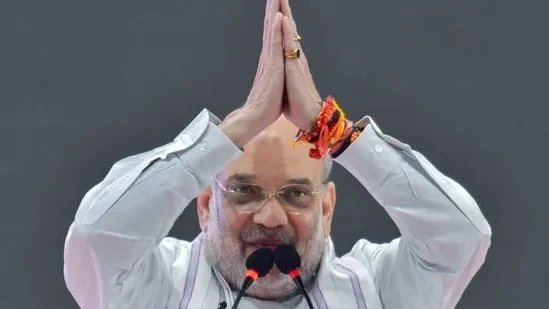
In a heated exchange during a recent rally in Dhule, Maharashtra, Union Home Minister Amit Shah criticized Uddhav Thackeray and the Maha Vikas Aghadi (MVA) alliance, which includes the Shiv Sena (UBT), Congress, and NCP. Shah claimed that Thackeray’s alliance undermines Hindu values by aligning with parties that have historically opposed Hindu nationalist causes. According to Shah, Thackeray has strayed from the principles of his late father, Shiv Sena founder Bal Thackeray. He accused Thackeray of forming a coalition with those who opposed landmark issues, such as the Ram Temple construction in Ayodhya and the abrogation of Article 370, which granted special autonomy to Jammu and Kashmir.
Labeling the MVA as an “Aurangzeb fan club,” Shah stated that the alliance embodies “appeasement politics,” positioning itself in stark contrast to the BJP’s “Mahayuti” coalition, which he described as adhering to the legacies of Chhatrapati Shivaji Maharaj and Veer Savarkar. The home minister also argued that while the Mahayuti focuses on “vikas” (development), the MVA represents “vinash” (destruction), urging voters to choose development over divisiveness in the upcoming Maharashtra assembly election.
The political clash comes ahead of the November 20 Maharashtra assembly elections, with results expected on November 23. Shah also addressed Congress leader Rahul Gandhi, critiquing a recent suggestion from the Ulema community to allocate reservations for Muslims. Shah asserted that such a policy would disrupt the reservation system for Scheduled Castes, Scheduled Tribes, and Other Backward Classes (OBCs), emphasizing that this is unlikely to occur under BJP governance.
Vicky Kaushal’s New Mythological Role as Parashurama in ‘Mahavatar’
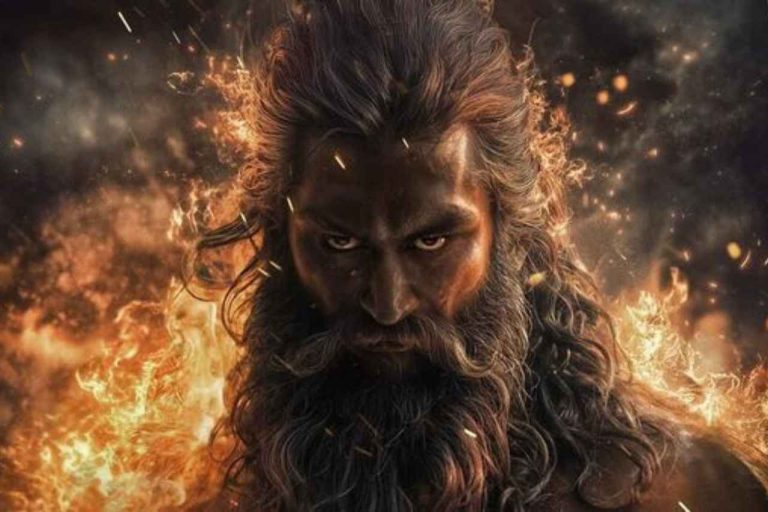
NEW DELHI: A Fierce First Look at Vicky Kaushal as Parashurama
Bollywood is buzzing with excitement over the newly released poster for “Mahavatar,” a mythological drama directed by Amar Kaushik. Vicky Kaushal will play Parashurama, a revered warrior known as the eternal upholder of dharma. The intense poster shows Kaushal in a rugged, battle-ready look, wielding a massive trishul and sporting unkempt, flowing hair that highlights the fierce nature of his character. The first glimpse has already stirred fans, adding to the anticipation of this high-stakes action drama set to release on Christmas 2026.
An All-Star Team for a Legendary Tale
Producer Dinesh Vijan, known for recent successes like Stree and Bhediya, has joined forces with director Amar Kaushik, who also helmed Stree 2, to bring this ambitious vision to life. Kaushik’s experience with horror-comedies now branches out into a mythological adventure, aiming to portray Parashurama with an epic scope and emotional depth. Kaushal’s portrayal as Parashurama—believed to be one of the immortals (Chiranjeevi) in Hindu mythology—sets this film apart from traditional Bollywood action roles, diving deep into themes of dharma and timeless warrior ethos.
Vicky Kaushal’s Expanding Career in Historical Dramas
In addition to Mahavatar, Vicky Kaushal is set to appear in Chhaava, another Maddock production where he stars as Chhatrapati Sambhaji Maharaj, the valiant Maratha ruler. Chhaava, slated for a December 2024 release, sees Kaushal alongside Rashmika Mandanna and Akshaye Khanna in an intense period drama under the direction of Laxman Utekar. This double slate of powerful, historical roles marks a significant era in Kaushal’s career as he explores India’s legendary past.
The Anticipation Builds
With Mahavatar’s Christmas 2026 release, fans are set for a visual treat that promises action, depth, and a unique retelling of mythological lore. Dinesh Vijan’s focus on building powerful mythological tales could spark a new trend in Bollywood, blending traditional heroism with modern cinematic appeal.
WEB TEAM, C6N
PM Modi Prioritizes Protection of Jharkhand’s Identity in Upcoming Elections
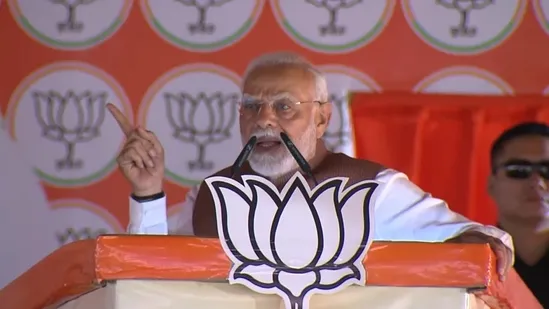
Prime Minister Narendra Modi spotlighted the protection of “roti, beti, and maati” (livelihood, daughters, and soil) as the main election issue, accusing the ruling Jharkhand Mukti Morcha (JMM) of enabling infiltration that jeopardizes Jharkhand’s unique cultural identity. Speaking at a rally in Deoghar’s Sarath, Modi emphasized the threat that infiltration poses to the tribal population and criticized the JMM-Congress coalition for its alleged neglect of Jharkhand’s indigenous communities and interests.
According to Modi, infiltration has led to significant demographic changes, with reports suggesting a concerning decline in tribal populations in areas like Santhal. Modi pledged that, if elected, the BJP would enact stringent laws to curb infiltration and restore tribal land rights, ensuring local resources remain safeguarded for Jharkhand’s people. Modi contended that under JMM’s rule, infiltration had been ignored, even allowing non-tribal settlers to establish permanent residence, thereby displacing local populations and seizing opportunities meant for Jharkhandis.
The prime minister also took aim at Congress, accusing the party of sidelining tribal rights and opposing the BJP’s efforts to empower tribal communities nationally, including the appointment of Droupadi Murmu, a tribal leader, as India’s President. Modi further alleged that Congress’s “vote-bank politics” contradicts its claims of supporting tribal welfare, suggesting the party’s agenda could threaten reservation policies for Scheduled Castes, Scheduled Tribes, and Other Backward Classes.
With Jharkhand voting across two phases, Modi’s rhetoric has intensified, aiming to draw a clear line between the BJP’s commitment to protect Jharkhand’s cultural heritage and what he describes as the current administration’s failure to uphold it. Modi concluded by urging the state’s electorate to prioritize the protection of Jharkhand’s identity in their voting decisions, resonating with the BJP’s broader promise to safeguard “roti, beti, and maati.”