Tuesday, December 23, 2025
Home Blog Page 1285

India’s Political Stability Drives Apparel Growth in U.S. Market

New Delhi: India’s apparel industry has gained significant traction in the global market, particularly in the United States, thanks to its growing reputation for stability, both politically and economically. A recent report from the U.S. International Trade Commission (USITC) reveals that India’s political stability is a driving force behind U.S. buyers’ increasing reliance on the country for high-value fashion apparel. As the global garment supply chain faces numerous challenges, India is emerging as a preferred sourcing destination, with its predictable production timelines and low risk of political disruptions.

India’s Growing Share in U.S. Apparel Imports
India’s presence in the U.S. apparel import market has steadily increased over the past decade. In 2013, India accounted for just 4% of U.S. apparel imports, a figure that has now grown to 5.8% by 2023. This rise is a testament to India’s competitive positioning, particularly in the high-value fashion segment. As U.S. buyers seek to diversify their sourcing options away from China, India has become a reliable alternative, offering both quality and dependability in garment production.

Political Stability: A Crucial Factor in Apparel Sourcing
In the apparel industry, political instability can disrupt supply chains, delaying production and affecting delivery schedules. The USITC report highlights how countries like Bangladesh, plagued by political unrest, have become less appealing to U.S. buyers. On the other hand, India’s relatively stable political environment has made it an attractive option for sourcing apparel. American buyers are increasingly confident in India’s ability to fulfill orders on time and to a high standard, especially for high-end fashion items that demand precision and quality

Key Strengths of India’s Apparel Production
India’s competitive edge in the global apparel market lies in several key factors:

1. Vertical Integration:
India’s textile industry is highly vertically integrated, covering all stages of production from cotton farming to garment manufacturing. This self-sufficiency minimizes dependency on external suppliers, ensuring greater control over production timelines and quality.

2. Skilled Workforce:
India boasts a large and skilled labor force, particularly adept in high-quality garment finishing. This expertise makes India a top choice for producing fashion-forward, premium garments that cater to global trends.

3. Government Support:
The Indian government has rolled out initiatives like the Production Linked Incentive (PLI) Scheme to boost domestic manufacturing. These policies are designed to enhance production capacity, encourage innovation, and strengthen India’s position as a key global apparel supplier.

4. Cotton Production:
India is one of the largest cotton producers in the world, giving it a natural advantage in manufacturing cotton-based garments. The country’s abundant cotton supply helps meet global demand for quality cotton apparel.

5. Growing Exports:
India’s apparel exports to the U.S. reached $4.6 billion in 2023, making it the fourth-largest supplier of apparel to the U.S. market. This growing export value demonstrates the increasing trust U.S. buyers place in Indian-made garments.

Competitive Landscape: India vs. Other Suppliers
The USITC report also compares India with other major suppliers of apparel to the U.S., such as Vietnam, Bangladesh, Indonesia, and Pakistan. While Vietnam holds the largest market share at 17.8%, India remains competitive, with its vertical integration and skilled labor force offering significant advantages. However, challenges like rising labor costs and infrastructure issues could hinder future growth, positioning India as a competitive yet evolving player in the global apparel market.

Supplier U.S. Market Share in Apparel Imports (2023) Key Strengths Challenges
Vietnam 17.8% Expertise in cotton & MMF garments Increasing labor costs, limited domestic cotton production
Bangladesh 6.2% Low labor costs, duty-free access to U.S. Political instability, limited high-value products
India 5.8% Vertical integration, skilled labor, government support Rising labor costs, infrastructure challenges
Indonesia 8.5% High-quality complex garments High production costs, logistical inefficiencies
Pakistan 4.5% Strong cotton sector, quality denim Geopolitical risks, limited diversification

Looking Ahead: India’s Future in Global Apparel Market
With political stability, a robust manufacturing infrastructure, and strong government support, India’s apparel sector is poised for continued growth in the U.S. and global markets. As U.S. buyers increasingly prioritize reliability, India’s ability to deliver high-quality, time-sensitive apparel makes it a standout option for future sourcing needs.

Input from PIB, NEW DELHI

Web Team, C6N

Best 7 Indian Homemade Hair Masks for Naturally Strong and Shiny Hair

Indian homemade hair masks have long been favored for their nourishing, strengthening, and rejuvenating qualities. These masks often include traditional ingredients known for enhancing hair health. Here’s a rundown of the top seven:

1. Aloe Vera and Coconut Oil Mask
Renowned for their soothing and moisturizing properties, aloe vera and coconut oil can work together to deeply hydrate and soften hair. To create this nourishing treatment, simply mix fresh aloe vera gel with a tablespoon of coconut oil. Next, apply the mixture to your scalp and hair, ensuring even coverage. Afterward, leave it on for 30 minutes to allow the ingredients to penetrate deeply. Finally, rinse thoroughly to reveal soft, hydrated hair.

2. Fenugreek (Methi) Seed Mask
Fenugreek seeds are rich in protein and nicotinic acid, which help reduce hair fall and dandruff. To prepare this treatment, soak the fenugreek seeds overnight; then, grind them into a paste. Afterward, apply the paste to your scalp and let it sit for an hour. Finally, rinse thoroughly for optimal results.

3. Amla (Indian Gooseberry) and Yogurt Mask
Amla is rich in Vitamin C, which strengthens hair follicles, while yogurt provides protein. Combine amla powder with yogurt to form a paste, apply it to the scalp and roots, and wash it off after 30 minutes.

4. Banana and Honey Mask
Bananas not only moisturize but also improve hair elasticity, while honey enhances shine. To create this nourishing mask, simply mash a banana and mix it with a tablespoon of honey. Next, apply the blend to your hair and leave it on for 20 minutes. Finally, rinse thoroughly to reveal soft, shiny hair.

5. Neem and Yogurt Mask
Neem’s powerful antibacterial properties can effectively address dandruff and itchiness. To use, simply blend fresh neem leaves with yogurt; then, apply the mixture to your scalp. After leaving it on for 20-30 minutes, wash thoroughly for best results.

6. Henna and Egg Mask
Henna naturally strengthens and conditions, while eggs provide protein for healthy growth. Mix henna powder with one egg to make a thick paste, apply it evenly, and wash after an hour for vibrant, stronger hair.

7. Curry Leaves and Coconut Oil Mask
Curry leaves are rich in antioxidants and help stimulate hair growth. Boil a handful of curry leaves in coconut oil, let it cool, apply to hair and scalp, leave for 30 minutes, and rinse.

These Indian hair masks not only nourish but also effectively address common issues like dryness, dandruff, and hair fall. By adding them to your routine, you can achieve healthier, shinier hair over time.

PM Modi Urges Youth to Lead India’s Path to ‘Viksit Bharat’

At the 200th anniversary of Shree Swaminarayan Mandir in Vadtal, Gujarat, Prime Minister Narendra Modi called on India’s youth to drive the nation’s journey toward a ‘Viksit Bharat’ or developed India. Addressing the event virtually, Modi emphasized the need to inspire young minds to take an active role in achieving this vision, encouraging all citizens to contribute to the goal.

Emphasizing self-sufficiency (Aatma Nirbhar Bharat) as the key to progress, PM Modi asserted that India must transform itself from within, without relying on outside forces. He also warned against divisive actions based on caste and gender, saying these hamper unity and development. Promoting initiatives like ‘Vocal for Local,’ Modi advocated for a united approach to building a resilient economy.

Praising Indian youth as skilled and highly regarded globally, Modi noted that young Indians are becoming problem-solvers not only for the nation but for the world. He also highlighted the Swaminarayan community’s work on de-addiction, urging ongoing efforts to protect youth from drug abuse. Additionally, Modi celebrated cultural renewals in places like Ayodhya and Kashi, and the return of stolen deities to Indian temples, marking a revival of India’s heritage.

The Vadtal temple, with its lotus-shaped structure and intricate carvings, has long served as a spiritual hub for the Swaminarayan Sampradaya, symbolizing harmony and the legacy of Bhagwan Shree Swaminarayan’s teachings.

Copper Futures Dip as Demand Stays Weak, Global Supply Surplus Looms

New Delhi – Copper Futures continue to decline on India’s Multi Commodity Exchange (MCX) as sluggish domestic demand and increasing global supply pressure weigh on the commodity. On Monday, copper prices fell 0.4% to ₹831.10 per kilogram, with speculators trimming positions amid uncertain demand prospects, marking a modest but consistent downward trend.

Demand Struggles in Domestic and Global Markets
In India, copper’s demand for sectors such as construction, power, and electronics has softened recently, leading to reduced speculative interest and declining futures prices on the MCX. According to market analysts, as the November contract settled lower by ₹3.30, domestic copper activity mirrored global trends where demand, particularly in Western economies, remains subdued due to high inflation and interest rates.

Outside India, copper demand has shown mixed signs, with Chinese consumption remaining a bright spot. China, the world’s largest copper consumer, has ramped up usage, largely due to investments in green energy infrastructure. Chinese demand is expected to grow by 4.3% through the end of 2024, offsetting declines elsewhere, yet global copper futures remain under pressure as Western economies pull back on spending and investments.

Global Production Rises, Leading to Oversupply Concerns
The International Copper Study Group (ICSG) recently projected a global surplus in copper for 2024, with refined production set to rise by 4.6% year-on-year. A significant portion of this increase comes from new and expanded smelting capacity in regions like China, Indonesia, and the United States. China alone has seen production grow by 11.5% this year, further intensifying concerns that surplus supply could widen, potentially driving prices down in futures markets worldwide.

The Impact of Copper’s Role in Renewable Energy
Despite current demand challenges, copper maintains a strategic role in renewable energy applications, particularly in electric vehicles (EVs), wind turbines, and solar infrastructure. This long-term demand trajectory provides a safeguard against drastic price declines as global energy transitions accelerate. Analysts suggest that while an immediate recovery in prices may be unlikely, the ongoing energy shift will support copper demand stability over the coming years.

Market Outlook
With November copper futures trading in a narrow range on the MCX and a surplus in global supply expected, market participants are advised to watch for demand trends from China and shifts in Western economies. Near-term price movements are likely to reflect global production adjustments and potential interest rate decisions affecting industrial activity.

Web Team, C6N

Vistara’s Legacy in Indian Aviation Ends: A Farewell and a Look Forward

Tata Sons and Singapore Airlines will conclude operations of their premium airline, Vistara, on November 11, 2024. Following the shutdown, Vistara’s flights, aircraft, and crew will integrate into Air India’s operations, marking the end of nearly a decade for the brand in Indian skies. Over nearly a decade, Vistara brought significant advancements to Indian aviation, including the pioneering introduction of Premium Economy class and the addition of the Boeing 787-9 Dreamliner for international routes.

Reflecting on Vistara’s notable contributions, its Premium Economy class established a new standard in Indian air travel, aiming to cater to passengers seeking a mid-tier experience between economy and business class. This approach influenced Air India’s future plans to reconfigure their fleet to include similar offerings, further broadening choices for travelers seeking elevated comfort.

Vistara also introduced a retro livery, capturing attention and enthusiasm among aviation enthusiasts. The airline became India’s only operator of the 787-9 Dreamliner, further distinguishing itself in the skies and enhancing its appeal in the international market. Yet, despite achieving high service standards, profitability remained elusive. The challenges of the Indian aviation market highlighted the intense competition and cost pressures that even experienced players face.

With the merger approved by the National Company Law Tribunal and regulatory approvals secured, all Vistara flights from November 12 onward will be operated under Air India’s booking system. Frequent flyer members of Club Vistara can expect their accounts to merge with Air India’s Flying Returns program as part of the transition.

While Vistara’s branding will phase out, its legacy continues in Air India’s expanded fleet and premium services, presenting the new entity with both challenges and opportunities to redefine luxury air travel for Indian and global passengers alike.

Top 5 Luxury Bag Brands Redefining Style and Status

Luxury handbags have become more than just accessories; in fact, they’ve evolved into status symbols, crafted with exceptional materials and unparalleled craftsmanship. As a result, they set the gold standard in the fashion world. Here’s a look at the top five luxury bag brands that continue to captivate the hearts and wallets of fashion enthusiasts worldwide.

1. Hermès
Hermès, founded in 1837 in France, has built a reputation for creating luxury items with impeccable craftsmanship and timeless designs. The world covets Hermès’ iconic Birkin and Kelly bags for their exclusivity, craftsmanship, and consistent value appreciation.

2. Chanel
Founded by Coco Chanel in 1910, Chanel is synonymous with classic elegance. The brand’s quilted leather designs, particularly the 2.55 and Classic Flap bags, are icons in the world of high fashion. Furthermore, these timeless pieces have solidified the brand’s legacy in luxury accessories. Each Chanel bag is meticulously crafted, embodying a fusion of functionality and sophistication. Chanel’s heritage, along with its association with timeless style, ensures its continued appeal to fashion enthusiasts who value both history and glamour.

3. Louis Vuitton
Louis Vuitton is one of the most recognizable names in luxury fashion. Founded in 1854, Louis Vuitton’s monogrammed bags, including the Neverfull and Speedy, have earned global acclaim for their durability and style. Crafted with precision, these bags reflect the brand’s commitment to innovation by blending contemporary fashion with a rich heritage of luxury. Known for their timeless quality, Louis Vuitton bags often serve as entry points into the luxury market, offering a blend of lasting value and iconic design.

4. Gucci
Gucci, an Italian brand founded in 1921, has recently redefined itself with bold, eclectic styles under creative director Alessandro Michele. Gucci’s Dionysus and GG Marmont bags blend vintage and modern styles, with their iconic double-G logo appealing to fashion-forward shoppers.

5. Prada
Prada founded in Milan in 1913 is known for its minimalist and understated luxury. The brand’s nylon bags, especially the Re-Edition collection, have seen a resurgence, effectively blending Prada’s iconic aesthetic with sustainability trends. Moreover, Prada’s dedication to simplicity and functional elegance has earned it a loyal following among those who appreciate refined style. Consequently, the brand continues to captivate consumers, appealing to both fashion enthusiasts and those mindful of environmental impact. Prada bags blend practicality with luxury, and these five brands lead the market, symbolizing prestige, style, and artistry.

(By Ankita Singh, Web Team at C6N)

Taylor Swift, BTS’s Jungkook Among Major Winners at 2023 MTV EMAs

The 2023 MTV Europe Music Awards (EMAs) honored its top artists online after the live ceremony, planned for Paris, was canceled due to security concerns surrounding the Israel-Gaza conflict. Despite the absence of an in-person gathering, the event recognized global music stars in a highly anticipated virtual reveal.

Taylor Swift led the award count, taking home three prestigious titles: Best Artist, Best Video for her hit ‘Anti-Hero’, and Best Live, marking her as one of the most celebrated artists of the event. The recognition follows the recent release of ‘1989 (Taylor’s Version)’, which has been a commercial success and fueled Swift’s ongoing dominance in pop music.

Also Read: Jhansi’s Blind Date Trap: Man Kidnapped by Gang, Police Rescue Ensues

Adding to the excitement, BTS’s Jungkook secured two significant wins, marking his solo achievements. He was awarded Best K-pop and Best Song for ‘Seven’ featuring Latto, a track that has garnered international acclaim and expanded his reach beyond K-pop to a wider global audience. This win highlights the continued global influence of K-pop and Jungkook’s successful transition to solo work.

Other notable awardees included Nicki Minaj, who won both Best Hip Hop and Best U.S. Act, showcasing her enduring popularity and impact within the hip-hop genre. Billie Eilish, renowned for her genre-blending sound, took home Best Pop, while Lana Del Rey received the award for Best Alternative. Brazilian star Anitta was awarded Best Latin, continuing her rise as a powerhouse in Latin music.

This year’s MTV EMAs celebrate a diverse array of talent from different genres, despite the somber circumstances that led to the event’s cancellation. The online announcement maintained the spirit of the EMAs, honoring artists who have defined music in 2023 and solidifying its reputation as a global celebration of music.

Muskaan Dwivedi, Web Team C6N

Swiggy IPO Allotment Status Today: How to Check and Key Details

Swiggy, a leading food delivery platform in India, is wrapping up its IPO allotment process today, November 11, 2024, after receiving significant interest from investors. The IPO opened for subscription on November 6 and closed on November 8, ultimately being oversubscribed by 3.6 times overall. This eagerly anticipated IPO includes a price range of Rs.371 to Rs.390 per share, aimed at raising Rs.11,327.43 crore. Here’s how to check your allotment status and other important details about the IPO.

How to Check Your Swiggy IPO Allotment Status
Investors can check the allotment status via Swiggy’s IPO registrar, Link Intime India, or through the BSE and NSE portals. Here’s a step-by-step guide:

1. On Link Intime India:
– Visit the Link Intime website.
– Once the allotment is finalized, start by selecting “Swiggy Limited” from the list. Then, continue by choosing the appropriate details based on your application type.
– Choose to input details via Application Number, Demat Account, or PAN.
– Complete the captcha and submit.

2. On BSE:
– Go to the BSE website and select “Equity” as the issue type.
– Select “Swiggy Limited IPO” from the dropdown.
– Enter your PAN or application number, confirm with “I am not a Robot,” and submit.

3. On NSE:
– Log in on the NSE portal using your PAN.
– Follow the instructions on the allotment page.

IPO Listing and Subscription Insights
Swiggy will list its shares on Wednesday, November 13, 2024. The IPO attracted a robust response across various investor segments: Qualified Institutional Buyers (QIBs) oversubscribed their segment by 6.02 times, Non-Institutional Investors (NII) subscribed at 41%, and Retail Individual Investors (RII) placed bids at 1.14 times. In addition, employees were able to secure 750,000 shares at a discounted price, providing them with an exclusive benefit within the IPO allocation.

Grey Market Premium and Investor Caution
The Grey Market Premium (GMP) for Swiggy’s IPO has fluctuated recently and is around ₹1, showing cautious optimism in the secondary market. Investors should closely monitor GMP trends, as they can offer insights into expected stock performance on listing day.

Justice Sanjiv Khanna Sworn in as 51st Chief Justice of India: Emphasis on Justice and Judicial Accountability

0

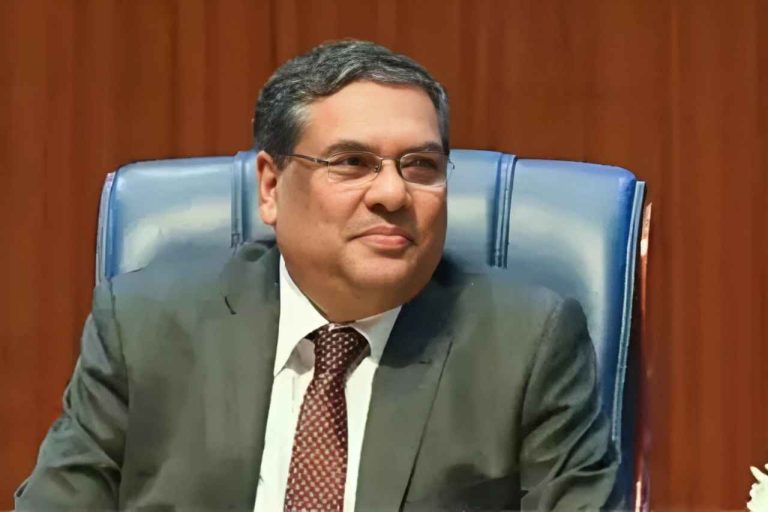
New Delhi: Justice Sanjiv Khanna took the oath as the 51st Chief Justice of India (CJI) at a ceremony held at the Rashtrapati Bhavan, administered by President Droupadi Murmu. Succeeding Justice D.Y. Chandrachud, Justice Khanna is expected to helm the judiciary with a focus on judicial reform, accountability, and expeditious justice delivery, given his long history of judicial contributions and reform-oriented decisions. His tenure will extend until May 13, 2025, concluding just before he reaches the mandatory retirement age of 65.

An Esteemed Judicial Journey
Born on May 14, 1960, Justice Khanna began his career in law in 1983 at the Delhi High Court and quickly gained a reputation for his incisive legal expertise and commitment to justice. His tenure as a Supreme Court judge, which began in January 2019, has seen him contributing to significant and sometimes controversial cases. These include rulings on the electronic voting machine (EVM) integrity, declaring the electoral bond scheme unconstitutional, upholding the abrogation of Article 370, and granting interim bail to prominent political figures in complex cases.

Notable Judgments and Legacy
Justice Khanna’s contributions as a Supreme Court judge reflect his judicial philosophy rooted in constitutional integrity and transparency. His affirmation of EVM reliability reinforced democratic processes, while his role in the Article 370 ruling solidified a turning point in the status of Jammu and Kashmir. In a historic stance, Justice Khanna also helped declare the electoral bond scheme unconstitutional, signaling his commitment to transparency in political financing.

As the new head of the judiciary, Justice Khanna inherits the legacy of his uncle, Justice H.R. Khanna, a stalwart known for his dissenting opinion during the Emergency’s ADM Jabalpur case, which challenged executive overreach. This shared commitment to judicial independence and courage is expected to guide Justice Sanjiv Khanna’s approach in addressing India’s pressing judicial challenges.

Priorities as Chief Justice of India
Justice Khanna has openly expressed his desire to tackle longstanding issues like case pendency and delayed justice. His tenure as the Executive Chairman of the National Legal Services Authority (NALSA) underlines his belief in accessible justice, a priority he aims to strengthen further as CJI. Moreover, his appointment comes at a pivotal moment for India’s judiciary, with the recent reforms and a push towards digitizing court records aimed at easing case management across courts.

A Visionary for the Judiciary’s Future
Justice Khanna’s tenure as CJI is expected to witness significant strides in judicial reform, particularly in enhancing judicial accountability and reinforcing the efficiency of legal processes. As the judiciary grapples with modern challenges, Justice Khanna’s expertise and vision may drive transformative changes aimed at bolstering public trust in the judicial system.

Web Team, C6N

Saali Mohabbat” Featuring Radhika Apte and Divyenndu Set for Global Premiere at IFFI 2024

Manish Malhotra’s debut venture into film production, ‘Saali Mohabbat’, will make its grand premiere at the 55th International Film Festival of India (IFFI) in Goa on November 22, 2024. This suspenseful drama, produced by Malhotra along with Jyoti Deshpande and Stage5 Production, features Radhika Apte and Divyenndu and is directed by acclaimed actor Tisca Chopra, marking her debut as a director. The film is expected to add a thrilling edge to the festival’s lineup, celebrated for showcasing innovative voices in global cinema.

‘Saali Mohabbat’ presents an intense storyline centered on a seemingly unassuming housewife, played by Apte, who narrates a tale filled with infidelity, deceit, and murder to a captivated audience. Through her chilling story, one listener ultimately grasps the hidden message she intended to convey, bringing an unexpected twist to the plot. Chopra’s direction aims to explore complex emotions, with a focus on raw human vulnerability—a perspective she hopes will resonate with audiences attending IFFI.

Also Read: Zomato Introduces ‘Food Rescue’ Feature to Combat Food Waste Amid Surge in Cancellations

For Malhotra, ‘Saali Mohabbat’ represents a significant move from the world of fashion to film production. The designer revealed that the moment he read the script, he was captivated by its gripping narrative and powerful themes. Malhotra extended his gratitude to Jio Studios for supporting this transition, highlighting his intent to craft impactful stories that go beyond his iconic fashion statements.

Both Malhotra and Chopra have expressed enthusiasm about the film’s selection for IFFI, seeing it as an ideal platform to introduce their creative collaboration to a global audience. According to Chopra, this milestone reflects her dedication to storytelling and her appreciation for the supportive backing of her production team.

The premiere of *Saali Mohabbat* is among the highly anticipated events at this year’s IFFI, underscoring India’s rich contributions to world cinema and the exploration of new artistic avenues by established figures like Malhotra.

Muskaan Dwivedi, Web Team C6N