Monday, December 22, 2025
Home Blog Page 1297

Diwali Festivities Shattered by Fatal Shooting in Delhi

New Delhi: Tragedy struck during Diwali celebrations in Delhi’s Shahdara district as a 40-year-old man, Akash Sharma, and his 16-year-old nephew, Rishabh Sharma, were shot dead outside their home on Thursday night. Akash’s 10-year-old son, Krish, was also injured in the attack, which unfolded around 8 p.m. when the family was celebrating the festival near their Farsh Bazar residence. According to witnesses, the attackers approached the group, initially showing respect by touching Akash’s feet before suddenly opening fire.

Following the attack, neighbors and family members scrambled to assist the victims. A distress call was made to the police at approximately 8:30 p.m., prompting a swift response. Officers arrived at the scene to find traces of blood and evidence of the violent ambush, confirming that the three family members had been taken to a hospital for urgent care. Akash and Rishabh succumbed to their injuries, while young Krish remains hospitalized, receiving treatment for gunshot wounds.

Also Read: Chilling Crime in Jodhpur: Woman’s Dismembered Body Found, Suspect on the Run

Delhi law enforcement has started a thorough investigation, interviewing family members and other witnesses to determine the assailants’ identities and the motive behind the seemingly unprovoked attack. Initial findings suggest personal enmity might be at play, as police work to unravel any connections or conflicts that could have led to this deadly confrontation.
Hezbollah’s Deadliest Rocket Strikes on Israel

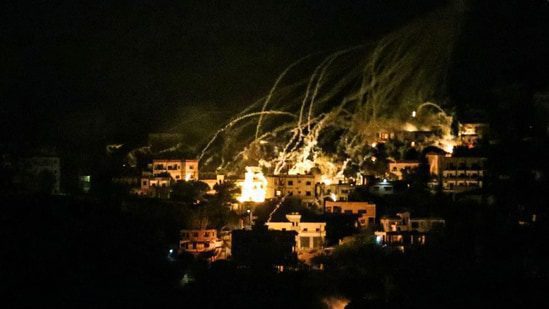
On Thursday, a series of intense rocket attacks launched from Lebanon by Hezbollah struck northern Israel, killing seven people. This was the deadliest day of cross-border violence for northern Israel since the latest round of hostilities began between Israel and Hezbollah. Four foreign workers and three Israeli citizens were among the casualties, with rockets landing in the town of Metula and an agricultural area near Haifa. According to local sources, the strikes caused widespread destruction and several injuries, as Israel scrambled to respond.

In Lebanon, Israeli airstrikes retaliated by targeting Hezbollah strongholds, reportedly killing 24 people. Among the targeted locations were command centers and weapons storage sites linked to Hezbollah’s forces. The Israel Defense Forces (IDF) also took action against the group’s logistics and weapon storage activities, which have expanded into Syria. Israeli drones and fighter jets were seen striking sites near the Lebanese-Syrian border, aiming to disrupt Hezbollah’s supply lines.

Also Read: Suspect Arrested in AP Dhillon’s House Shooting, Gang Allegedly Takes Responsibility

The heightened tensions have also drawn U.S. diplomatic efforts, with senior American officials urging de-escalation. They are currently engaged in discussions with Israeli leaders, including Prime Minister Benjamin Netanyahu, to facilitate potential ceasefire negotiations. This diplomatic push is part of broader efforts to stabilize both the Lebanon-Israel border and the situation in Gaza.

Meanwhile, in Gaza, Israel reportedly struck one of the last operational hospitals, damaging essential medical facilities, including the dialysis unit, and injuring several medics. The World Health Organization condemned the hospital attacks, calling for the protection of medical facilities. This follows recent measures by Israel to restrict operations of the United Nations Relief and Works Agency (UNRWA), citing security concerns.

The unfolding violence highlights the growing complexity of the conflict as it extends across Israel’s northern and southern fronts. International observers remain concerned about the potential for further escalation as both sides intensify their military actions.

(By Ankita Singh, Web Team at C6N)

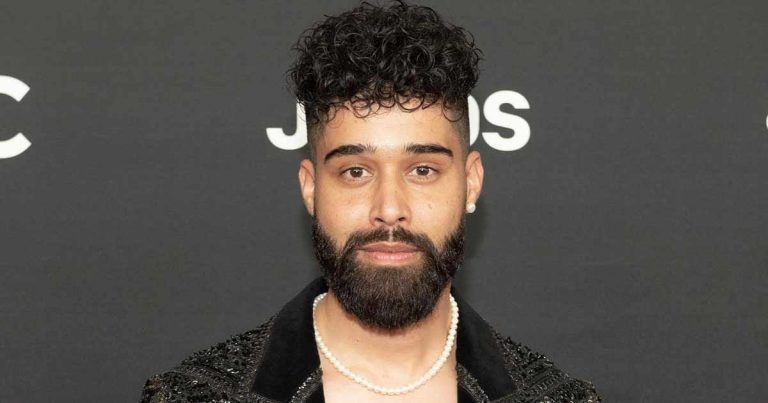
Suspect Arrested in AP Dhillon’s House Shooting, Gang Allegedly Takes Responsibility

Canadian police have detained one suspect linked to the shooting outside the Vancouver Island residence of popular Punjabi singer AP Dhillon, with another suspect believed to have fled to India. Authorities identified the arrested individual as Abjeet Kingra, 25, from Winnipeg, who is now charged with firearm discharge with intent and arson. Kingra was arrested in Ontario and is scheduled for a court appearance.

The second suspect, 23-year-old Vikram Sharma, also from Winnipeg, reportedly escaped to India and faces similar charges, including an unendorsed warrant for firearm discharge with intent and arson. Law enforcement is working with additional information on Sharma’s possible whereabouts to facilitate his capture.

Also Read: Tragic Death of Indian Sikh Teen in Canada

This violent incident, occurring in September, involved gunshots fired at Dhillon’s property and two vehicles outside his home being set ablaze. The attack happened shortly after Dhillon released a music video featuring Bollywood actor Salman Khan, which allegedly attracted gang attention due to Khan’s long-standing disputes with the Lawrence Bishnoi gang. The gang, led by Lawrence Bishnoi and associate Rohit Godara, has claimed responsibility for the shooting, issuing public threats that accused Dhillon of aligning with Khan and cautioning him to avoid crossing boundaries.

Canadian authorities are collaborating on this case with international partners and continue to seek leads, especially regarding Sharma’s location, to resolve the matter fully.

(By Ankita Singh, Web Team at C6N

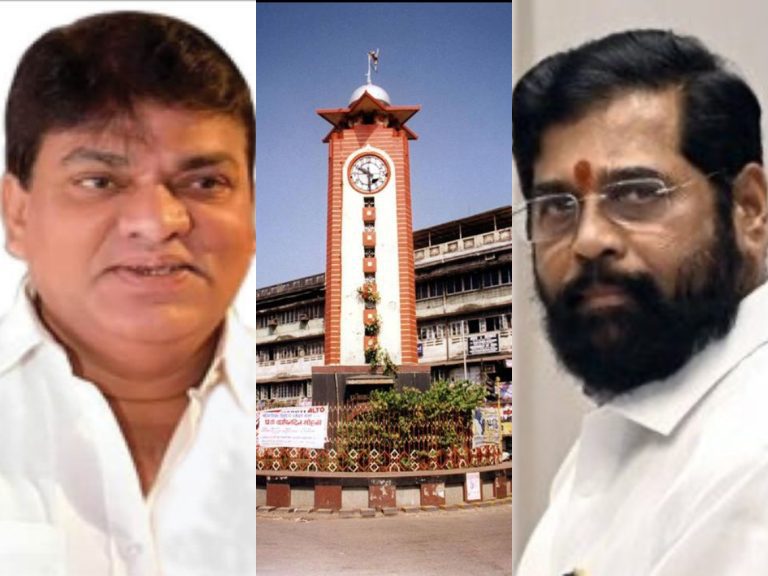
Vishwanath Bhoir: Shinde Faction’s MLA from Kalyan West Faces Challenges and Opportunities in Upcoming Election

Mumbai: Vishwanath Bhoir, the Shiv Sena Shinde faction’s candidate for the 138 Kalyan West constituency, is preparing for a challenging election. He has a strong base of supporters and a proven track record. However, he is entering a complex electoral landscape where local issues and party dynamics play a significant role.

Bhoir has been an active MLA, focusing on infrastructural improvement and sanitation. He has also worked on transportation enhancements. During his previous term, he initiated projects to improve road connectivity. He also worked on sanitation upgrades, aligning with the key needs of Kalyan West residents. These efforts earned him appreciation from his constituency. Despite these achievements, certain challenges remain for Bhoir.

One major challenge for Bhoir is the perception of uneven development. Many parts of Kalyan West still struggle with pothole-ridden roads. Limited public amenities also frustrate voters. This issue has left some residents feeling development has been unbalanced. Addressing this perception will be crucial for Bhoir as he seeks to secure votes.

Additionally, the Shiv Sena’s recent split creates two factions. One is led by Uddhav Thackeray, and the other by Eknath Shinde. This situation adds complexity to his campaign. Bhoir, as a candidate from the Shinde faction, needs to differentiate himself from the opposition. He must emphasize the positive impact he has made.

Kalyan West’s youth presents another challenge. This demographic has specific aspirations for employment and educational facilities. Bhoir has initiated programs aimed at skill development and youth engagement. However, further efforts are essential to resonate with young voters seeking meaningful change.

For Vishwanath Bhoir, the path ahead is demanding. Balancing local development goals with youth expectations will require a nuanced approach. His journey in this election will test his dedication to Kalyan West. It will also assess his ability to deliver on a forward-looking agenda.

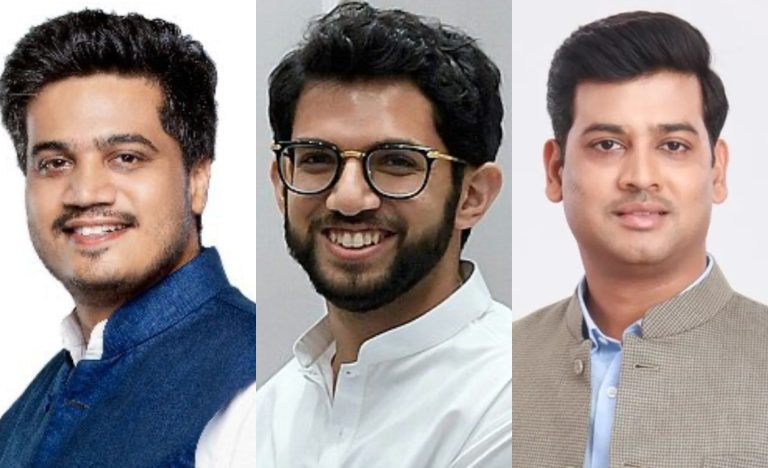
Maharashtra’s Emerging Youth Leaders: Rohit Pawar, Aaditya Thackeray, and Shrikant Shinde

Mumbai: As Maharashtra gears up for the upcoming elections, three young leaders stand out, each bringing distinct approaches to state governance.

Rohit Pawar, Aaditya Thackeray, and Shrikant Shinde have each carved unique paths, embodying different priorities and styles of leadership that resonate with Maharashtra’s youth.

Rohit Pawar:Known for his progressive approach, NCP leader Rohit Pawar has a reputation for addressing agricultural and rural development issues. Representing the Karjat-Jamkhed constituency, he emphasizes modernization in farming and has frequently advocated for advanced irrigation solutions, soil conservation, and the upliftment of farmers. With his background in agribusiness, Pawar’s policies are grounded in sustainable rural economics. His accessibility and practical approach to rural concerns make him a pivotal voice for the agrarian community in Maharashtra. Also the Pawar name itself holds a great value and is seen as an emerging leaders in the NCP Sharad Pawar faction.

Aaditya Thackeray: Aaditya Thackeray, from the Shiv Sena, is a powerful symbol of urban youth leadership. Representing Mumbai’s Worli constituency, Thackeray has pushed policies for environmental protection and urban development. His initiatives, such as the ban on single-use plastics and eco-friendly projects, resonate with environmentally conscious citizens. As a former environment minister in the Maha Vikas Aghadi government, Thackeray gained recognition for championing policies that protect Maharashtra’s ecosystems, while also being open to new-age tourism projects and infrastructure initiatives that promote urban growth. His ability to bridge modern urban concerns with traditional Shiv Sena values has made him a strong voice for sustainable urbanization. He is looked by Shiv Sainiks as a beacon of hope.

Shrikant Shinde: Representing the Shiv Sena (Eknath Shinde faction) and son of the current Chief Minister Eknath Shinde, Shrikant Shinde is known for his robust stance on law and order, prioritizing public safety and infrastructure development. His focus on infrastructure aligns closely with the government’s emphasis on high-speed highways, urban connectivity, and public transport upgrades. Shrikant has been a key figure in his faction’s electoral strategy and is expected to play a crucial role in expanding the Shinde faction’s influence across Maharashtra. His pragmatic, development-oriented stance appeals particularly to young professionals and urban middle-class voters. In his party Shrikant is known as a go getter and an achiever.

Looking Ahead: Each of these young leaders holds promise for Maharashtra’s future, representing the diverse aspirations of the state’s rural, urban, and semi-urban populations. Their collective influence not only inspires Maharashtra’s youth but also ensures a nuanced leadership that can tackle varied issues.

Delhi Faces Post-Diwali Health Crisis: Pollution and Respiratory Hazards likely to Soar

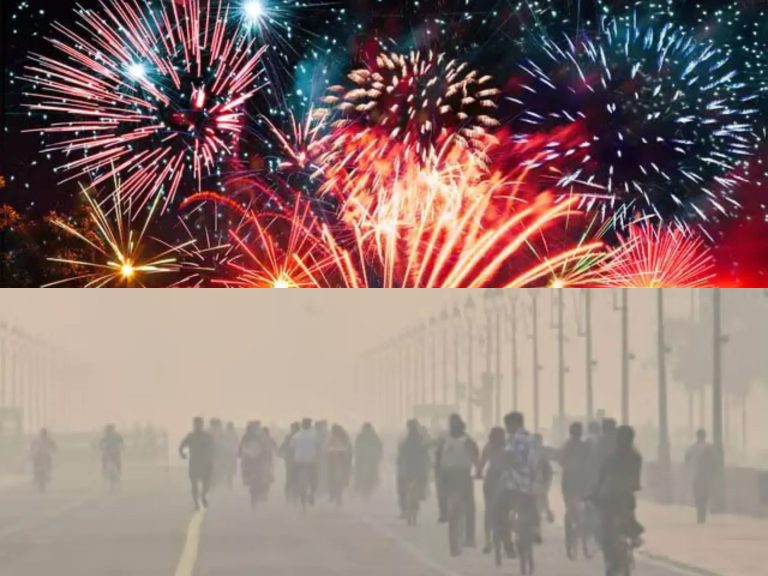
New Delhi: Diwali season has once again highlighted the city’s vulnerability to severe air pollution and the resulting public health crisis. Despite a blanket ban on firecrackers, late-night celebrations left Delhiites under a thick, hazardous smog. By morning, pollution levels spiked as firecracker residue and low overnight temperatures formed a dense layer of smoke. Key monitoring points across the city recorded Air Quality Index (AQI) levels rising into the “very poor” and even “severe” categories, such as 322 in areas like Anand Vihar, where PM2.5 levels surged well beyond safe limits.

PM2.5 particles are especially harmful as they can penetrate deep into lung tissues and even enter the bloodstream, intensifying respiratory and cardiovascular risks. For vulnerable populations, including children, the elderly, and those with preexisting respiratory issues, exposure to such toxic air significantly heightens the risk of asthma attacks, bronchitis, and chronic lung disease. This year’s post-Diwali AQI, ranging between 350 and 400 in certain neighborhoods, also reveals the ongoing impact of stubble burning from nearby states, adding up to 35% of Delhi’s PM2.5 pollution.

As Delhi battles its annual “airpocalypse,” authorities are urged to address pollution sources holistically, offering sustainable solutions to stubble burning. Without these comprehensive measures, Delhi faces a repetitive cycle of worsening air quality and health risks each winter season.

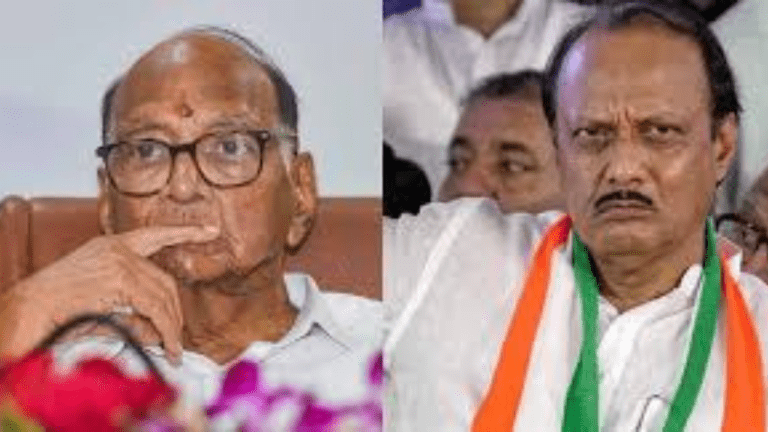
Maharashtra Polls: Pimpri’s Reserved Seat Witnesses Showdown Between Ajit and Sharad Pawar’s NCPs

Pimpri: a reserved constituency in the Pune district, has become a focal point for the rivalry between two factions of the Nationalist Congress Party (NCP). This high-stakes battle pits the Ajit Pawar-led NCP, aligned with the Mahayuti alliance, against the Sharad Pawar-led NCP, which is part of the Maha Vikas Aghadi (MVA) coalition.

Ajit Pawar’s faction has re-nominated sitting MLA Anna Bansode, who is vying for a fourth term. Bansode, known for his local projects, previously won the Pimpri seat in 2019 after narrowly losing to a Shiv Sena candidate in 2014. His tenure has been marked by the expansion of metro infrastructure and road development along the Mumbai-Pune corridor, projects he sees as vital for local growth.

Also Read: PM Modi to Hold Rally in Pune on November 12 Ahead of Maharashtra Assembly Elections

Opposing Bansode is Sulakshna Shilwant from the Sharad Pawar-led NCP, who brings experience as a former corporator. Shilwant, popular in areas such as Vallabh Nagar and Kasarwadi, promises to address safety issues and improve healthcare facilities, advocating for a dedicated cancer hospital and enhancements to the ESI Hospital. She has also vowed to tackle local unemployment by supporting youth entrepreneurship and is focusing on initiatives to improve slum conditions.

Both candidates are addressing longstanding concerns within Pimpri. Bansode emphasizes his achievements in slum rehabilitation, metro approvals, and utility projects. In contrast, Shilwant is pledging stricter crime control, increased police resources, and regulation of private healthcare costs, particularly for economically weaker residents.

This split within the NCP, driven by ideological differences, has created intense competition as each faction seeks to secure support from Pimpri’s 387,868 voters. The results, to be announced on November 23, are expected to be a significant indicator of public sentiment within Maharashtra, especially as the state witnesses a broader “Pawar vs. Pawar” narrative.

PM Modi to Hold Rally in Pune on November 12 Ahead of Maharashtra Assembly Elections

As the Maharashtra Assembly elections approach, Prime Minister Narendra Modi is set to address a significant rally in Pune on November 12. The event, tentatively scheduled at the SP College Ground, is expected to gather around 2 lakh attendees as part of the BJP-led Mahayuti’s state-wide campaign. The Mahayuti alliance, comprising the BJP, Shiv Sena (Eknath Shinde faction), and the Ajit Pawar-led NCP faction, is actively organizing rallies across the state to build momentum leading up to the polls on November 20.

Modi’s visit follows a previously scheduled event in September, during which he was to inaugurate Pune Metro’s underground line and several other development projects. Heavy rains led to the cancellation of that event, which was eventually conducted via video conference. However, this upcoming rally will allow the Prime Minister to directly engage with the public, promoting the alliance’s vision for Maharashtra’s future.

Also Read: PM Modi Urges Vigilance Against ‘Urban Naxalism’ on National Unity Day, Advocates for Unified India

Alongside Modi, Union Home Minister Amit Shah is also expected to campaign in key regions across Maharashtra. Meanwhile, the opposition Maha Vikas Aghadi (MVA), led by figures like Sharad Pawar, Rahul Gandhi, and Uddhav Thackeray, will kickstart their campaign on November 6 with a “common minimum program” as part of their strategy to appeal to voters statewide.

Financial Landscape Shifts: Key Changes Coming from November 1, 2024

Starting November 1, 2024, several significant financial changes will take effect across India, affecting everything from money transfers to credit card terms and LPG cylinder prices. Here’s what to expect:

1. RBI’s New Domestic Money Transfer Rule
The Reserve Bank of India (RBI) is implementing a new framework for Domestic Money Transfers (DMT). This initiative aims to enhance security and compliance with regulations, as highlighted in a July 2024 circular. With the rise in banking outlets and digital payment options, the RBI is keen on streamlining funds transfer processes for users.

2. SBI Credit Card Adjustments
State Bank of India (SBI) will revise its credit card policies, effective December 1, 2024. Unsecured SBI credit card holders will see an increase in finance charges to 3.75% per month. Additionally, a 1% fee will be imposed on utility payments exceeding ₹50,000 within a billing cycle .

3. ICICI Bank Credit Card Changes
ICICI Bank is set to modify its fee structure and rewards program starting November 15, 2024. Changes include the discontinuation of spa benefits, new thresholds for fuel surcharge waivers, and revised late payment fees. Notably, reward points for government transactions will no longer be offered.

4. Fixed Deposit Investments with Indian Bank
Investors have until November 30, 2024, to open special fixed deposit accounts with Indian Bank, offering interest rates up to 8.00% for super senior citizens. This includes options for 300 and 400-day fixed deposits, targeting amounts between ₹10,000 and ₹3 crore.

5. Advance Train Ticket Booking Changes
From November 1, Indian Railways will reduce the advance booking period for train tickets from 120 days to 60 days. This adjustment will not affect passengers who have already secured their tickets .

6. TRAI’s Message Traceability Regulations
The Telecom Regulatory Authority of India (TRAI) will enforce new rules for message traceability to combat spam and fraud. Messages failing traceability standards will be blocked, enhancing consumer protection .

7. LPG Cylinder Price Adjustments
LPG cylinder prices will be revised on November 1, impacting both domestic and commercial consumers. The exact changes in pricing have yet to be disclosed.

These updates reflect an ongoing effort to enhance financial transparency and security while also addressing the needs of consumers in a changing economic landscape.

Gopal Rai Urges Delhi Residents to Celebrate Diwali Responsibly Amidst Pollution Warnings

New Delhi: Delhi Environment Minister Gopal Rai called on residents to celebrate the festival responsibly, emphasizing the importance of avoiding firecrackers in light of rising pollution levels. With the city’s air quality index (AQI) reported at 330—classified as “very poor”—Rai urged citizens to prioritize health over tradition by lighting diyas and distributing sweets instead of bursting crackers.

In an interview with ANI, Rai stated, “Tonight is very important. If we all come together and celebrate Diwali without crackers, we can protect the lives of our children and elders.” He added that the Delhi government had implemented a comprehensive ban on the manufacture, storage, sale, and use of firecrackers to combat air pollution, especially during the festival season.

To ensure compliance, the Delhi government has formed 377 enforcement teams collaborating with resident welfare associations, market bodies, and social organizations to raise awareness about the ban. Police forces are actively deployed to monitor compliance, with legal action threatened against violators under the Bharatiya Nyaya Sanhita (BNS) for breaking government orders.

Former Delhi Chief Minister Arvind Kejriwal echoed Rai’s sentiments, urging citizens to avoid firecrackers and instead embrace the festival’s essence by lighting diyas. He pointed out that courts have supported measures to limit firecracker use due to their contribution to pollution, asserting, “This is a festival of lights, not fireworks.”

With Anand Vihar experiencing an AQI in the “severe” category, the situation underscores the urgency of these appeals. As winter approaches, pollution levels are expected to rise due to various factors, including stubble burning in neighboring states.

Residents are reminded that adverse weather conditions, emissions from vehicles, and other local pollution sources exacerbate the already hazardous air quality in the Delhi-NCR region. The Delhi Pollution Control Committee has indicated that pollution typically peaks between November 1 and 15, aligning with an uptick in stubble-burning incidents in Punjab and Haryana.

The appeal to celebrate Diwali with care aims to strike a balance between cultural traditions and public health, urging Delhiites to reflect on the impact of their celebrations.