Saturday, December 20, 2025
Home Blog Page 1313

Uddhav Thackeray’s Shiv Sena Gets Updated ‘Mashaal’ Symbol for Maharashtra Polls.

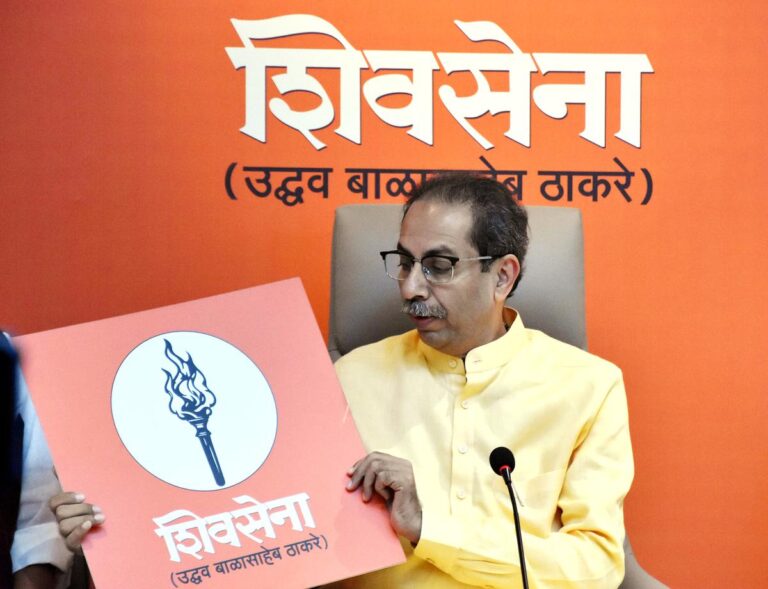
Ahead of the 2024 Maharashtra Assembly elections, the Election Commission of India (ECI) has assigned a revised version of the ‘mashaal’ (flaming torch) symbol to Uddhav Thackeray’s faction, Shiv Sena (Uddhav Balasaheb Thackeray). This adjustment follows criticism during the Lok Sabha elections when the original symbol was mocked by the faction itself for resembling an ice cream cone. The modified design now offers a clearer depiction of a torch to prevent further confusion.

The allocation of election symbols became crucial after the 2022 split in Shiv Sena, which saw Uddhav Thackeray and Eknath Shinde leading two rival factions. The ECI granted the name “Balasahebanchi Shiv Sena” to the Shinde group, while Thackeray’s faction was labeled as Shiv Sena (UBT). The EC also denied both factions symbols such as the ‘Trishul’ (trident) and ‘Rising Sun’ due to their unavailability on the list of free symbols.

Also Read: Maharashtra Polls: Shinde Confident of Rane’s Commanding Lead

Simultaneously, tensions within the opposition Maha Vikas Aghadi (MVA) an alliance of Congress, Shiv Sena (UBT), and NCP (Sharad Pawar) have surfaced over seat-sharing negotiations. Thackeray has urged his allies to avoid internal disputes that could jeopardize their chances in the polls. Seat-sharing agreements are still in progress, with the alliance under pressure to finalize them soon.

The Maharashtra Assembly elections, scheduled for November 20, 2024, will determine control of the state’s 288-member legislature. Both the opposition MVA and the ruling BJP-led coalition, Mahayuti, are working to secure favorable alliances before the polls.
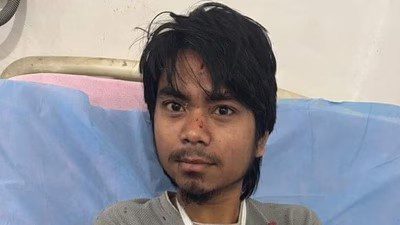

Uttar Pradesh Labourer Injured in Terror Attack in Kashmir’s Tral Amid Surge in Violence Against Non-Locals.

A migrant worker from Uttar Pradesh, Shubam Kumar, was shot and injured by terrorists on Thursday in the Tral area of South Kashmir’s Pulwama district. The attack occurred in Batagund village, where Kumar, a native of Bijnore, was working. He suffered a gunshot wound to his arm and is currently undergoing treatment at a local hospital, with doctors confirming that his condition is stable.

This attack is part of a disturbing pattern of violence targeting non-local workers in Kashmir. It comes days after two fatal incidents. On October 18, Ashok Kumar Chavan, a migrant from Bihar, was found dead with multiple bullet wounds in Shopian. Another shocking attack took place on October 20, when seven people, including six non-local workers, were killed at a construction site in Ganderbal. The assailants, armed with sophisticated weapons, targeted the workers employed at the Z-Morh tunnel project along the Srinagar-Sonamarg highway​.

Also Read: Florida Teen’s Tragic Death Sparks Lawsuit Against AI Chatbot Developer

These targeted attacks have raised concerns about the safety of non-locals working in the region. Authorities have ramped up security measures, including vehicle checks, as police intensify their hunt for the attackers. The recent violence has heightened tensions, prompting calls for greater protection for vulnerable workers and residents in the Valley​.

Spider-Man 4 to Begin Filming in Summer 2025, Confirms Tom Holland

0

Tom Holland has officially confirmed that production for the much-anticipated Spider-Man 4 will commence in the summer of 2025. During his recent appearance on The Tonight Show Starring Jimmy Fallon, the actor shared that preparations for the new film are nearly complete, expressing his excitement about reprising the role of Peter Parker.

This marks Holland’s first major announcement regarding the next installment in the Spider-Man franchise, following ongoing discussions about a potential sequel after the events of Spider-Man: No Way Home (2021). Holland previously hinted that he and Zendaya, who portrays MJ, had already read a draft of the script, fueling anticipation for the project.

While plot details remain under wraps, Holland suggested the new film may take a more personal narrative direction, possibly continuing Peter Parker’s grounded journey following the emotional conclusion of the last film. Fans are also speculating that this could be the film where the MCU introduces Miles Morales, adding a new dimension to the storyline.

The film’s summer 2025 shoot suggests that fans could expect a release sometime in 2026, giving Marvel time to align it with the broader MCU roadmap.
(Inputs – Ankita Singh, A freelancer reporter at C6N)

Maharashtra Polls: Shinde Confident of Rane’s Commanding Lead

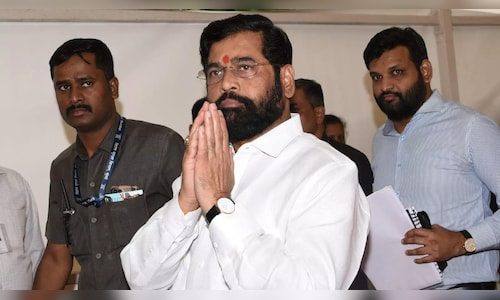
Mumbai: As Maharashtra prepares for its upcoming assembly elections, Chief Minister Eknath Shinde has expressed strong confidence in a significant victory for Nilesh Rane, the BJP candidate contesting from Kudal-Malvan. Shinde predicts Rane will secure a lead of around 52,000 votes, a bold assertion that underscores the ruling alliance’s optimism as they gear up for the polls set for November 2024.

Nilesh Rane, the son of senior BJP leader Narayan Rane, recently made headlines by officially joining Shinde’s faction of the Shiv Sena. His political pedigree and the backing of prominent leaders position him as a formidable candidate in a constituency that holds considerable significance in Maharashtra’s political landscape. At a rally, Shinde stated, “People are aware of the work we have done; they will show their support through the ballot box.” This sentiment reflects the strategy of the Mahayuti alliance to leverage its governance record to win over voters.

Also Read: Uddhav Sena in trouble again…

In recent developments, the BJP released its first list of candidates, announcing 99 nominees, which marks a proactive approach to electoral preparations. This list primarily features sitting BJP MLAs and strong contenders, highlighting the party’s commitment to maintaining its influence in the region. In contrast, tensions are escalating within the opposition Maha Vikas Aghadi (MVA) coalition, particularly between Uddhav Thackeray’s Shiv Sena and the Congress party, over contentious seat-sharing arrangements. Disagreements regarding just a few seats have the potential to fracture the alliance, which may impact their overall electoral strategy.

Political analysts are closely monitoring the dynamics within the Kudal-Malvan constituency, where Rane’s candidacy is expected to galvanize support among BJP loyalists. The region has historically been competitive, and the BJP’s well-organized campaign strategies, combined with Rane’s local connections, could play a crucial role in shaping the election outcome.

As both the ruling alliance and the opposition finalize their candidate lists, the coming weeks will be critical. The elections are not just a test of popularity but also a reflection of the shifting political alliances and voter sentiments in Maharashtra.

Diwali Dazzle: Bollywood Stars Redefine Festive Fashion at Manish Malhotra’s Bash

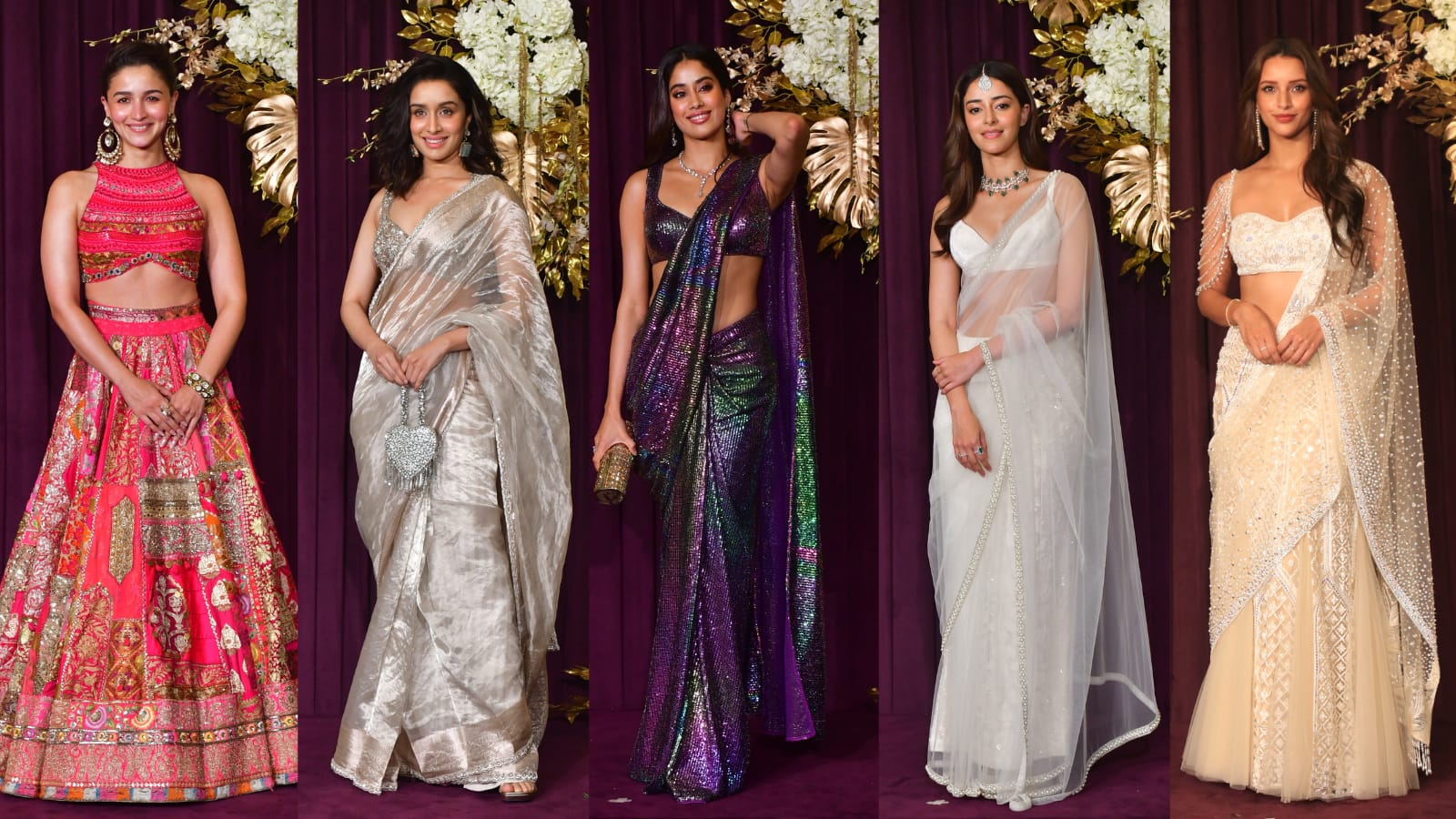
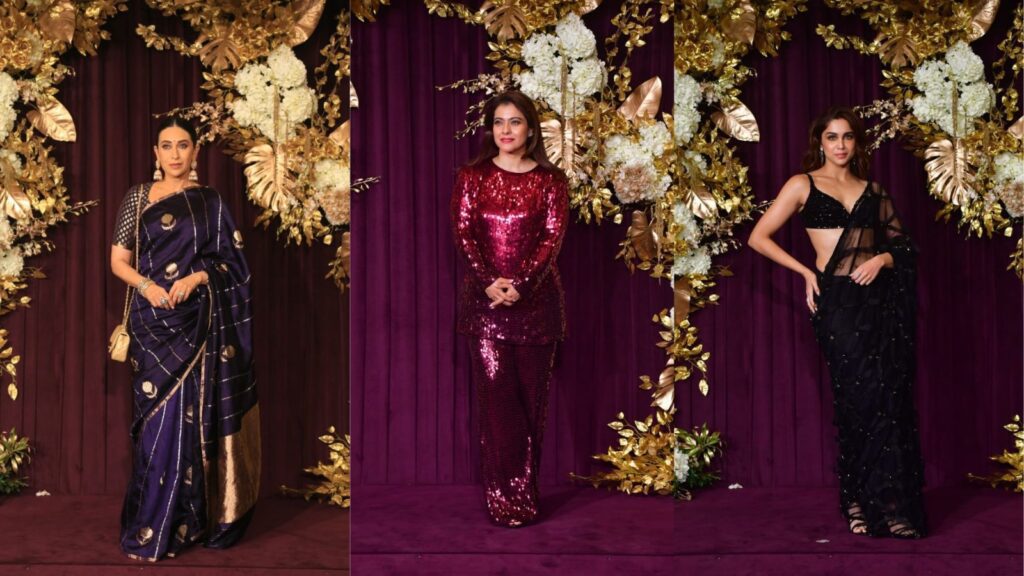
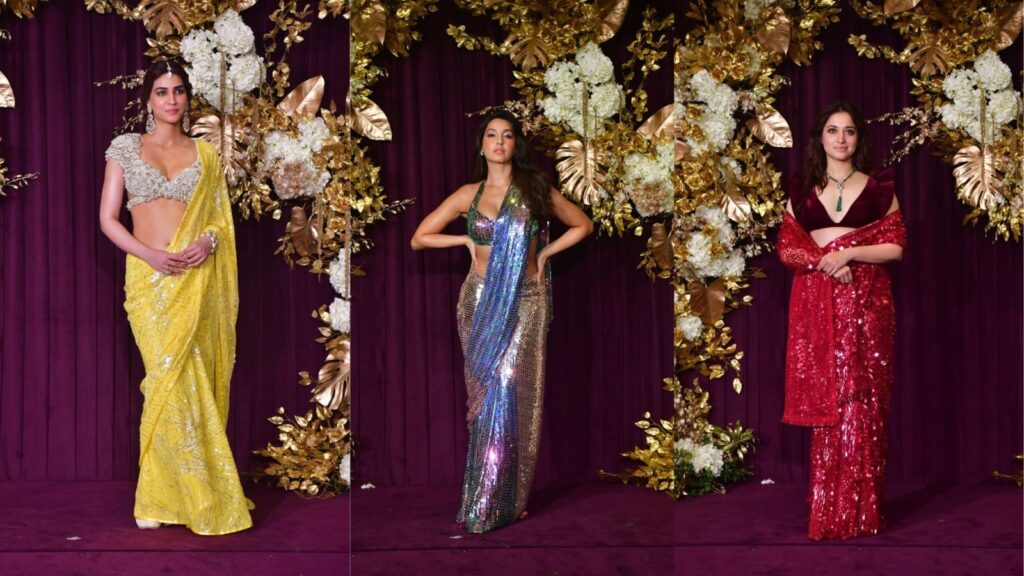
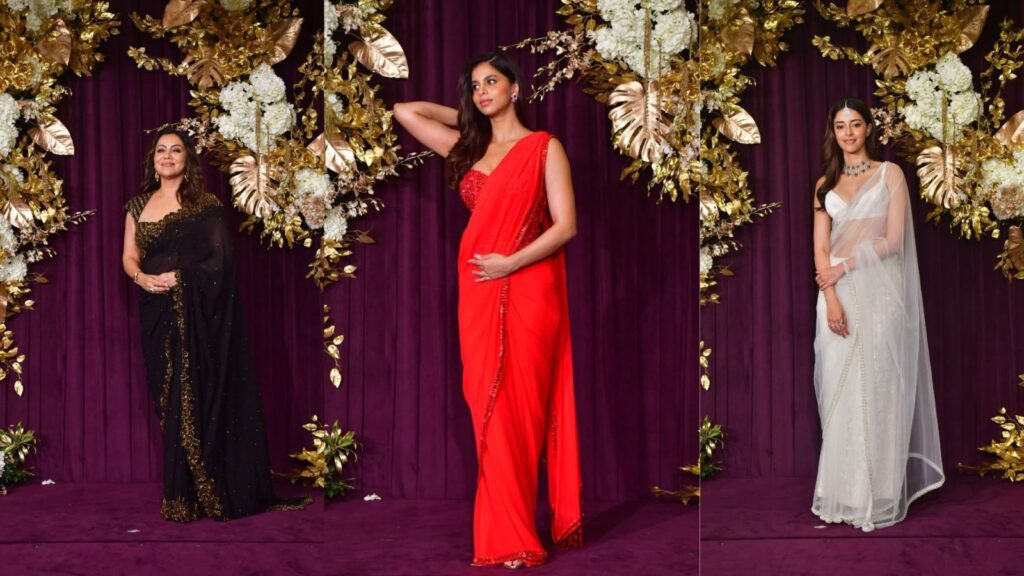
Celebrations call for Fashionable outfits and Bollywood Industry never misses any chance to amaze us with their Glamorous outfits and looks which ignites the fire within us to deck up and we truly adore them. Recently Manish Malhotra hosted a Diwali Bash, from Bollywood which geared up the fashionable divas of the industry and their presentations were remarkable, from Shahid’s Anarkali to Alia’s Sustainable fashion statement, here are the Pictorial representations of the same.

pf

Kiara walked in a Manish Malhotra-designed golden brown saree with a freckle drape made solely out of golden beats, while Siddhart was in a red kurta with gold embroidery. The couple walked in together, hands in hand.

Shahid might have just added a type of cloth that men can wear for Diwali as he entered the residency in an off-white Anarkali. The flowy Anarkali was paired with white pyjamas and a dupatta.

rekhaji

Rekha

The evergreen fashion statement of Bollywood, Rekha proved she can elevate a Saree in ways no one can imagine. The legendary actor smiled in front of the cameras in an orange saree paired with a gajra made of orange marigolds. She also wore Orange, something people generally don’t wear for Diwali.


shp

Shilpa Shetty

Talking about rare colours to wear during Diwali, Shilpa Shetty attended the Bash wearing a Blue one-piece dress. Her outfit was unique to the traditional theme of the Diwali wardrobe, making a fusion between traditional and modern fashion.


aliaa

Alia Bhatt

Actor Alia Bhatt went on to promote her idea of sustainable fashion, as she posed in a Manish Malhotra piece that she wore for her Mehendi Ceremony. She is known to repeat her outfits, and she does it with confidence, giving out a message to her fans that they can wear something old for this Diwali.

shraddha

Shraddha Kapoor

Shraddha Kapoor gives oceanic white resemblance in a white saree decked with silicon fabric commonly called tissue silk sarees which are currently trendy in the markets which executed a graceful charm and the purse gave it a different touch.


tripti

Tripti Dimri

Tripti Dimri has been in the headlines currently and has been rolling publics eyes with the exquisitive fashion sense lets have a view at what she wore in the party with left the viewers eye glued.

nushratt

Nushrratt Bharuccha

Emerald green look of Nushrratt literally left the views in an aw moment she portrayed it royally and the outfit was totally a game changer.

Many other celebrities such as Suhana Khan, Janhvi Kapoor, Kajol Devgn, Karishma Kapoor, Ananya Pandey, Khushi Kapoor , Gauri khan and other stars of the Bollywood joined the party the Photos of the same are:

1

2

3

Tradition vs. Modernity: SCBA Challenges Supreme Court Redesigns

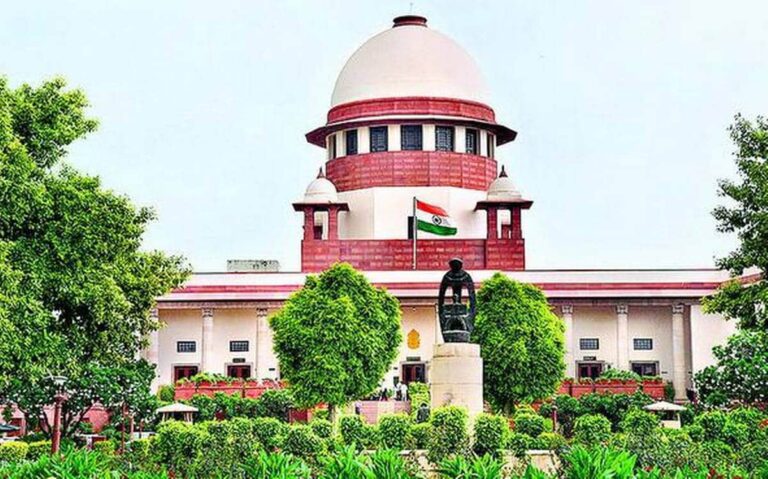
The Supreme Court Bar Association (SCBA) has voiced strong objections regarding the recent changes made to the Supreme Court emblem and the statue of Lady Justice, both unveiled without prior consultation with the legal community. The new statue, commissioned by Chief Justice DY Chandrachud, features Lady Justice clad in a saree, holding the Constitution in one hand while omitting the traditional blindfold and sword. This redesign aims to reflect a more “Indianized” representation of justice but has drawn criticism for undermining the fundamental principle of impartiality in the judicial system.

SCBA President Vikas Singh articulated the association’s concerns, emphasizing the need for consultation with the Bar before implementing such significant changes. He described the process as “unilateral,” warning that these “radical” modifications may not align with the views of legal practitioners across the country. Singh’s statement highlights a crucial aspect of the legal profession: the respect for tradition and the established symbols that represent justice.

Also Read: Supreme Court Criticizes Punjab, Haryana for Failing to Curb Stubble Burning as Delhi Chokes on Pollution

During the unveiling, Chief Justice Chandrachud defended the redesign, stating that the new depiction represents a justice system that sees all its citizens and aims for equality. He expressed that the blindfold traditionally associated with Lady Justice could be interpreted as a form of negligence towards societal realities, insisting that the law should not be blind to the conditions of the people it serves. The statue, designed by artist Vinod Goswami, stands approximately 6.5 feet tall and is crafted from fiberglass, embodying a blend of Indian cultural values and the principles of justice.

The SCBA’s resolution against these changes signifies a broader concern within the legal community regarding the implications of altering such iconic representations. Critics argue that the removal of the blindfold, a longstanding symbol of impartiality, could erode public trust in the judicial system. As debates continue, the SCBA urges for a more inclusive approach to decision-making, stressing that such emblematic representations are not merely aesthetic but hold significant legal and cultural importance.

The ongoing dialogue around the changes reflects the delicate balance between modernization and tradition in India’s legal landscape, and the SCBA remains committed to ensuring that the voices of legal practitioners are heard in future decisions.

Kataria Industries Expands Steel Wire Manufacturing with Ratlam Wires Acquisition

New Delhi: Kataria Industries has announced its acquisition of Ratlam Wires’ wire manufacturing business for ₹30.6 crore, executed through a slump sale. The deal is a strategic move aimed at expanding Kataria’s foothold in the steel wire industry, particularly in sectors requiring specialized products like spring steel wires, PC strand wires, and both galvanized and ungalvanized wires. This acquisition bolsters Kataria’s production capacity, aligning with the company’s plans to cater to the increasing demand for steel wires in infrastructure and construction sectors.

Kataria Industries’ Managing Director stated, “This acquisition aligns with our vision to strengthen our product portfolio and enhance our capacity to serve the growing demands of steel wires across multiple industries.”

The purchase provides Kataria Industries access to Ratlam Wires’ state-of-the-art manufacturing facilities, positioning the company for further growth. The deal reflects a broader trend of consolidation in India’s steel sector as companies focus on boosting efficiencies and expanding market share.

This acquisition is expected to drive competitive pricing and innovative product offerings, making Kataria a stronger player in the Indian steel wire market

Yogi and Bhagwat: A Tactical Alliance for Upcoming Elections

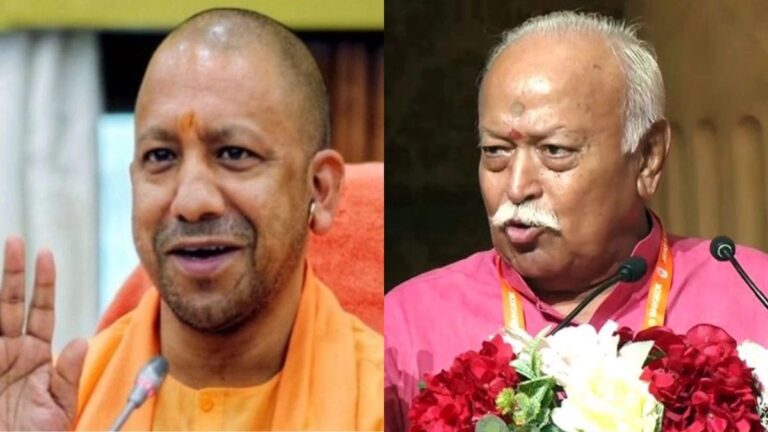
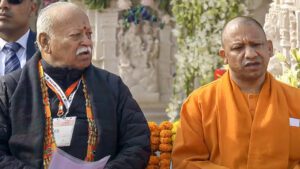
Uttar Pradesh: Uttar Pradesh Chief Minister Yogi Adityanath recently met with Rashtriya Swayamsevak Sangh (RSS) Chief Mohan Bhagwat in Mathura, focusing on strategies for the upcoming Assembly bypolls in the state. This meeting is significant as it marks their first engagement since the Lok Sabha elections, where the BJP faced a sharp decline in its seat count, both nationally and in Uttar Pradesh.

During the meeting, which also included RSS General Secretary Dattatreya Hosabale, discussions revolved around enhancing coordination between the RSS cadre and the BJP, especially in light of the party’s lackluster performance in recent elections. The BJP won only 33 seats in Uttar Pradesh, down from 62 in the previous Lok Sabha elections, while the Congress-Samajwadi Party alliance gained 43 seats. The leaders are working to address organizational issues that were identified as contributing factors to this decline, signaling a commitment to reevaluate their approach ahead of the crucial bypolls.

Also Read: Breaking Glass and Breaking Norms: Banerjee’s Actions Condemned

The timing of this meeting aligns with the upcoming national executive meeting of the RSS, also known as the “Diwali baithak,” scheduled for October 25-26. This annual gathering will focus on the “RSS 100” plan and review previous speeches by Bhagwat, particularly emphasizing Hindu unity and the challenges posed by demographic changes and social discord. Bhagwat’s previous remarks highlighted the need for maintaining dignity and humility within the party, urging members to embody the values of a “true sevak” (servant).

bhagawath and yogiAs the BJP aims to recover from its recent setbacks, this meeting underscores the party’s determination to consolidate its organizational strength and reconnect with grassroots supporters. Adityanath’s proactive engagement with the RSS leadership reflects the urgency with which the BJP is approaching the upcoming electoral challenges, showcasing a unified front in preparation for the bypolls.
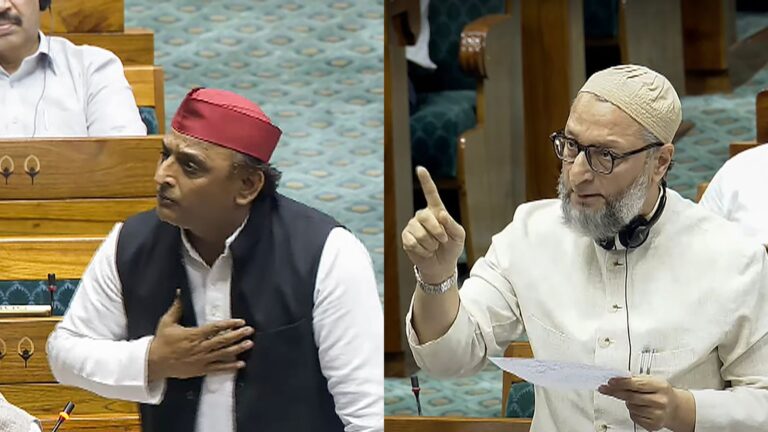
This concerted effort by the BJP and the RSS signals their strategy to regain voter trust and rectify past missteps, setting the stage for a renewed electoral push in Uttar Pradesh.

Breaking Glass and Breaking Norms: Banerjee’s Actions Condemned

The recent proceedings of the Joint Parliamentary Committee (JPC) discussing the Waqf Amendment Bill were marred by chaos, leading JPC Chairman Jagdambika Pal to label the actions of Trinamool Congress (TMC) MP Kalyan Banerjee as “undemocratic” and “anarchist.” This comment follows a tumultuous incident where Banerjee broke a glass bottle during a heated confrontation with BJP MP Abhijit Gangopadhyay, raising concerns about decorum and conduct in parliamentary discussions.

Pal, reflecting on the uproar, remarked, “I escaped by God’s grace,” indicating the volatile nature of the environment during the meeting. Tensions escalated as the committee attempted to deliberate on sensitive issues related to the Waqf Bill, which has been a topic of significant political contention. Opposition MPs, frustrated with what they perceived as biased treatment from Pal, staged a walkout in protest. They subsequently wrote a letter to Lok Sabha Speaker Om Birla, accusing the chairman of failing to maintain parliamentary norms.

Also Read: Back in the Chair: Abdullah’s Return to Jammu & Kashmir

In defense of his actions, Kalyan Banerjee contended that Pal’s leadership reflected a predetermined bias against the opposition, further inflaming the discord within the committee. Following the incident, the BJP called for Banerjee’s suspension, emphasizing the need for maintaining decorum in legislative proceedings.

The JPC’s proceedings have highlighted the growing rift between the ruling BJP and opposition parties, with each side accusing the other of undermining democratic principles. As discussions continue around the Waqf Amendment Bill, the clash serves as a reminder of the challenges inherent in navigating contentious legislative matters, especially in a politically charged atmosphere.

Political analysts suggest that the incident reflects broader issues within Indian parliamentary processes, where decorum and respect for differing viewpoints are often overshadowed by partisan conflicts. The BJP’s assertive stance, coupled with the opposition’s frustration, poses questions about the effectiveness of parliamentary debates and the ability of lawmakers to engage constructively on critical issues affecting society.

As the fallout from this incident unfolds, the implications for both the JPC and the broader political landscape remain to be seen, with all eyes on how parliamentary leaders can address the growing polarization and restore decorum in legislative discussions.

Back in the Chair: Abdullah’s Return to Jammu & Kashmir

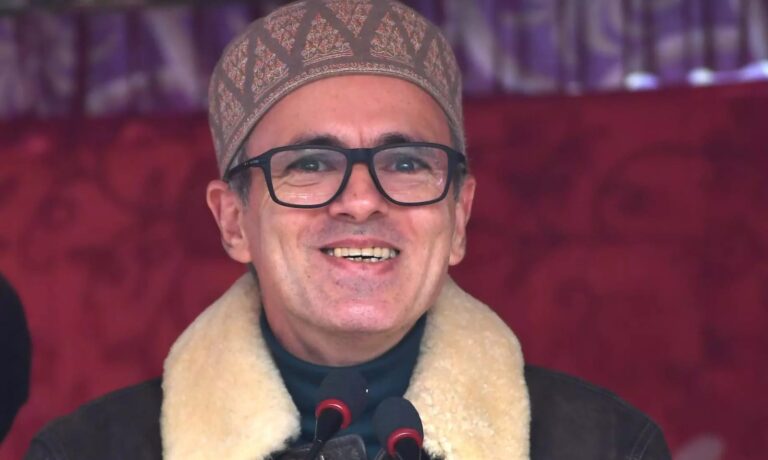
After a decade-long absence, Omar Abdullah has returned to the Chief Minister’s chair of Jammu and Kashmir, inheriting a complex political landscape that he has described as a “crown of thorns.” This metaphor, voiced by his father, Dr. Farooq Abdullah, encapsulates the challenges that come with leading a region still grappling with the ramifications of the abrogation of Article 370 in 2019.

Omar took office on October 16, 2024, following elections held between September and October. His swearing-in ceremony was attended by notable political figures, including Rahul Gandhi and Akhilesh Yadav. In his first address, Omar pledged to prioritize the restoration of statehood for J&K, reflecting widespread public sentiment on the matter. He noted that the new assembly would swiftly pass a resolution demanding this restoration, although critics argue that the Cabinet’s actions have not adequately represented the diverse political opinions of the region.

Also Read: Akali Dal at Crossroads: Can Sukhbir Badal Survive the Revolt?

One of the most significant aspects of his return is the appointment of Surender Choudhary, a Hindu leader from Jammu, as his deputy. This move is seen as an attempt to ensure that Jammu feels included in the governance process, addressing fears of regional isolation. Omar emphasized his commitment to represent all communities in Jammu and Kashmir, aiming to bridge the historical divides that have characterized the region’s politics.

national conference

While he appears optimistic about his leadership role, the obstacles are formidable. Omar’s government operates under the constraints of a Union Territory, which diminishes its authority compared to a full-fledged state. Experts warn that navigating these limitations will be crucial as the government aims to foster healing and stability in a region long marred by conflict.

Reactions to his leadership have been mixed. Former Chief Minister Mehbooba Mufti expressed hopes for healing the wounds inflicted on the people of J&K but cautioned that merely demanding statehood without restoring Article 370 is insufficient. Political analysts suggest that Omar must balance the aspirations of his constituents with the realities imposed by the central government, a challenge that could define his tenure.

As Abdullah steps into this role, he carries not only the expectations of his family legacy but also the hopes of a populace yearning for stability and progress in a historically turbulent region.