Saturday, December 20, 2025
Home Blog Page 1315

Strength in Unity: Modi Highlights BRICS’ Role in Global Peace

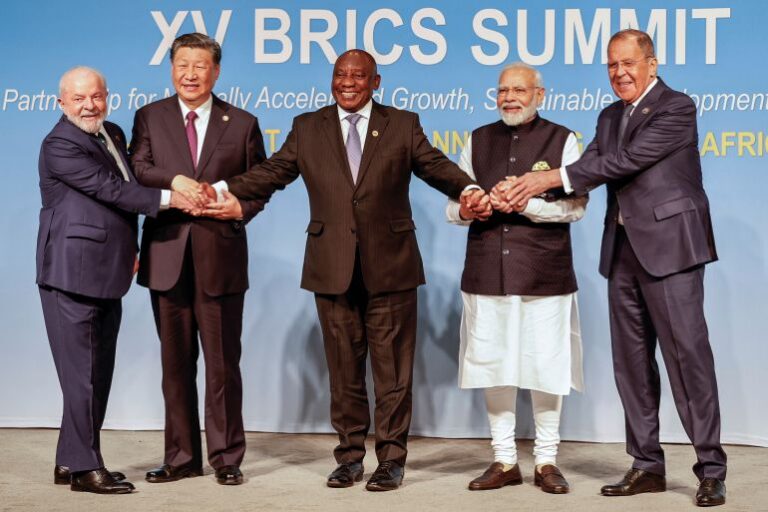
At the recent BRICS Summit held in Kazan, Russia, Prime Minister Narendra Modi reiterated India’s commitment to dialogue and diplomacy over conflict resolution, particularly emphasizing the need for peaceful negotiations regarding the ongoing war in Ukraine. In discussions with Russian President Vladimir Putin, Modi affirmed India’s readiness to play a constructive role in promoting peace and stability amid global tensions.

During the summit, Modi highlighted several pressing global issues, including inflation, food security, and the emerging threats posed by misinformation and cyber fraud. He stated, “Our meeting is taking place at a time when the world is facing several pressing challenges… We must ensure that BRICS is not seen as divisive but as a platform that promotes dialogue”.

Also Read: Delhi Pollution: Atishi Blasts BJP’s ‘Dirty Politics’ in Urgent Appeal

Modi also called for a unified approach among BRICS nations to tackle terrorism and its financing, insisting that there should be no double standards on such serious matters. He stressed the importance of actively preventing the radicalization of youth in member countries.

In his remarks, Modi expressed gratitude to Putin for hosting the summit and for Russia’s leadership within BRICS over the past year. He referred to the partnership between India and Russia as “special and privileged,” underlining the historical ties and strategic cooperation between the two nations.

Additionally, Modi advocated for reforms in global institutions, particularly the United Nations Security Council, emphasizing that these institutions should evolve rather than be replaced. He remarked that BRICS has a vital role to play in shaping a more inclusive global governance structure.

As BRICS expands its membership to include countries like Egypt, Iran, Ethiopia, and the UAE, Modi highlighted the importance of consensus-based decision-making among all member nations. This summit marks a significant moment as it includes all ten BRICS countries, showcasing their collective strength in the global arena.

This summit underscored India’s proactive diplomatic stance, reinforcing its position as a key player in international affairs while promoting a vision of cooperation and dialogue among emerging economies.
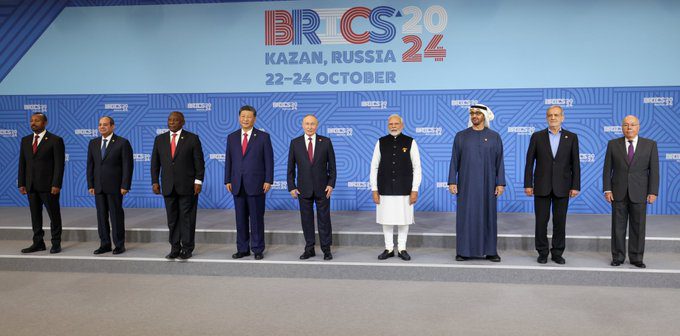
BRICS Expansion: Over 30 Countries Express Interest in Joining, Says Putin

Russian President Vladimir Putin revealed that over 30 countries have expressed a strong desire to join the BRICS bloc, signalling the organisation’s growing global influence. This announcement comes amid heightened geopolitical shifts as BRICS—comprising Brazil, Russia, India, China, and South Africa—continues to expand its reach and importance on the global stage.

According to President Putin, 34 countries are eager to collaborate with BRICS in some capacity. These nations include Türkey, Malaysia, Algeria, Venezuela, and Nigeria, among others, reflecting the bloc’s increasing attractiveness as an alternative to Western-led financial and trade systems. The upcoming BRICS summit, to be held in Kazan, Russia, from October 22 to 24, 2024, will focus on solidifying this expansion and discussing potential pathways for countries interested in joining the organization.

The BRICS group’s significance has grown rapidly in recent years. The bloc currently represents 45% of the global population and about 28% of the world’s nominal GDP. With new members such as Egypt, Ethiopia, Iran, Saudi Arabia, and the UAE joining in 2024, the group’s combined economic output continues to rise, particularly in sectors like oil production and trade.

Also Read: Why Did Zomato Raise Its Platform Fee Ahead of the Festive Season?

While the group is considering expanding its membership, Russian Foreign Minister Sergey Lavrov has suggested a temporary pause on new admissions to prioritize integration of recently joined members. Nonetheless, BRICS is working on creating a “partner country” status, which could act as a stepping stone for full membership, allowing more nations to align with its objectives of economic cooperation and equitable global development.

This expansion is seen as a move to challenge Western dominance and foster a multipolar world, offering new avenues for trade, development, and diplomacy across regions.(Input from agencies)

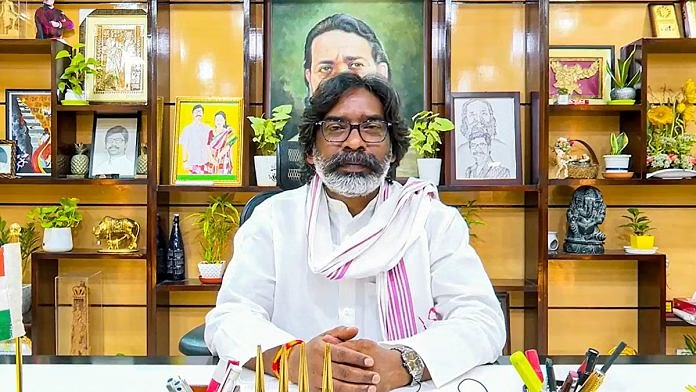
Jharkhand Polls: INDIA Bloc Resolves Seat Sharing, Hemant Soren Set to Lead Again

Ranchi: In the lead-up to the Jharkhand assembly elections, the Indian National Developmental Inclusive Alliance (INDIA) has finalized its seat-sharing formula, confirming that Hemant Soren will remain the Chief Ministerial candidate. The ruling coalition in Jharkhand, led by Jharkhand Mukti Morcha (JMM), includes Congress, the Rashtriya Janata Dal (RJD), and CPI(ML). After overcoming early disagreements, all parties are now aligned for the upcoming polls, which will take place in two phases, on November 13 and 20, 2024.

The JMM will contest 41 seats, Congress 30, RJD 6, and CPI(ML) 4. This consensus came despite earlier cracks in the alliance when Soren unilaterally declared that the JMM and Congress would contest 70 of the total 81 seats. The seat allocation for RJD and CPI(ML) was revised after discussions. Tejashwi Yadav, the RJD leader, confirmed the resolution, asserting that the alliance stands united in its goal to retain power in the state.

Yadav reiterated that the alliance’s priorities are development, social harmony, and defeating the Bharatiya Janata Party (BJP), which ruled Jharkhand for much of its history. He said, “The BJP has ruined Jharkhand. The people will give them a befitting reply. We are confident that Hemant Soren will be the Chief Minister again.” He also highlighted the INDIA bloc’s commitment to secularism and inclusive governance.

Congress released its first list of candidates for 21 seats, while the RJD and CPI(ML) also began declaring their nominees. The RJD will contest six seats and has already announced candidates for key constituencies, including Deoghar and Koderma. CPI(ML) named its candidates for Nirsa, Dhanwar, and Sindri, important constituencies in the state’s political landscape.

Also Read – Chirag Paswan: The Game Is On! NDA Eyes Jharkhand Win

This election marks the continuation of the alliance formed in 2019, which led to a majority victory for the JMM-led coalition, bringing an end to the BJP’s dominance in the state. In the last election, JMM secured 30 seats, Congress 16, and RJD one seat. This time, the alliance is looking to repeat its success by capitalizing on anti-BJP sentiment, focusing on social justice, economic growth, and preserving the state’s tribal identity.

The BJP, in the opposition, is contesting in alliance with the All Jharkhand Students Union (AJSU). The BJP has accused the ruling coalition of failing to deliver on development and infrastructure promises, but the INDIA bloc is banking on its social welfare programs and pro-reservation stance to win over the electorate.

As nominations are being filed and campaign strategies roll out, the election is shaping up to be a critical test for both the ruling coalition and the BJP-led opposition in one of India’s most politically significant states.

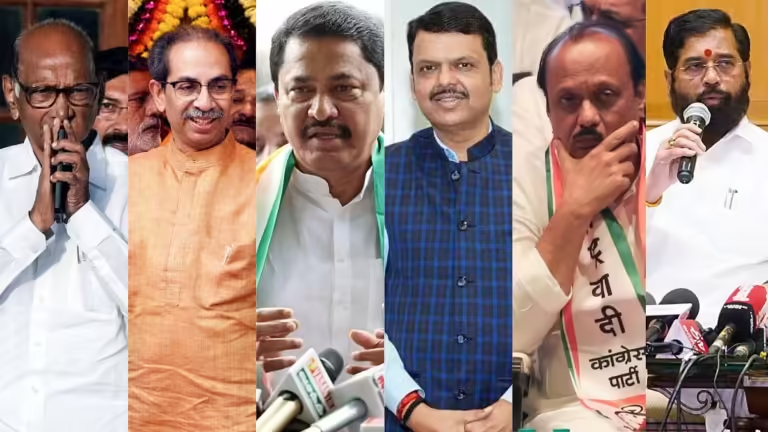
Deciding factors in Maharashtra elections.

The upcoming Maharashtra Assembly elections will be shaped by several critical factors, influencing voter behaviour and electoral outcomes. Here’s a look at five decisive elements expected to play a crucial role:

  • Caste Calculus

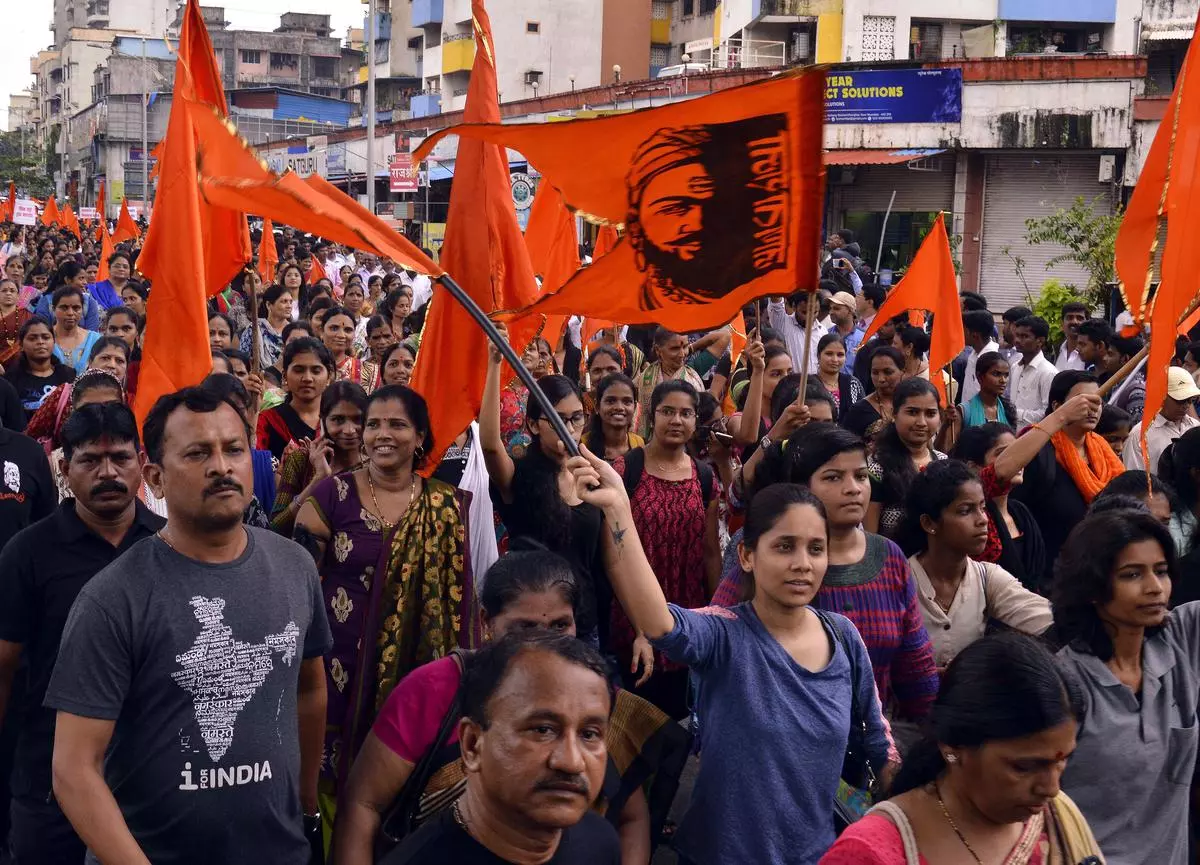
Maratha Silent March New Bombay 3
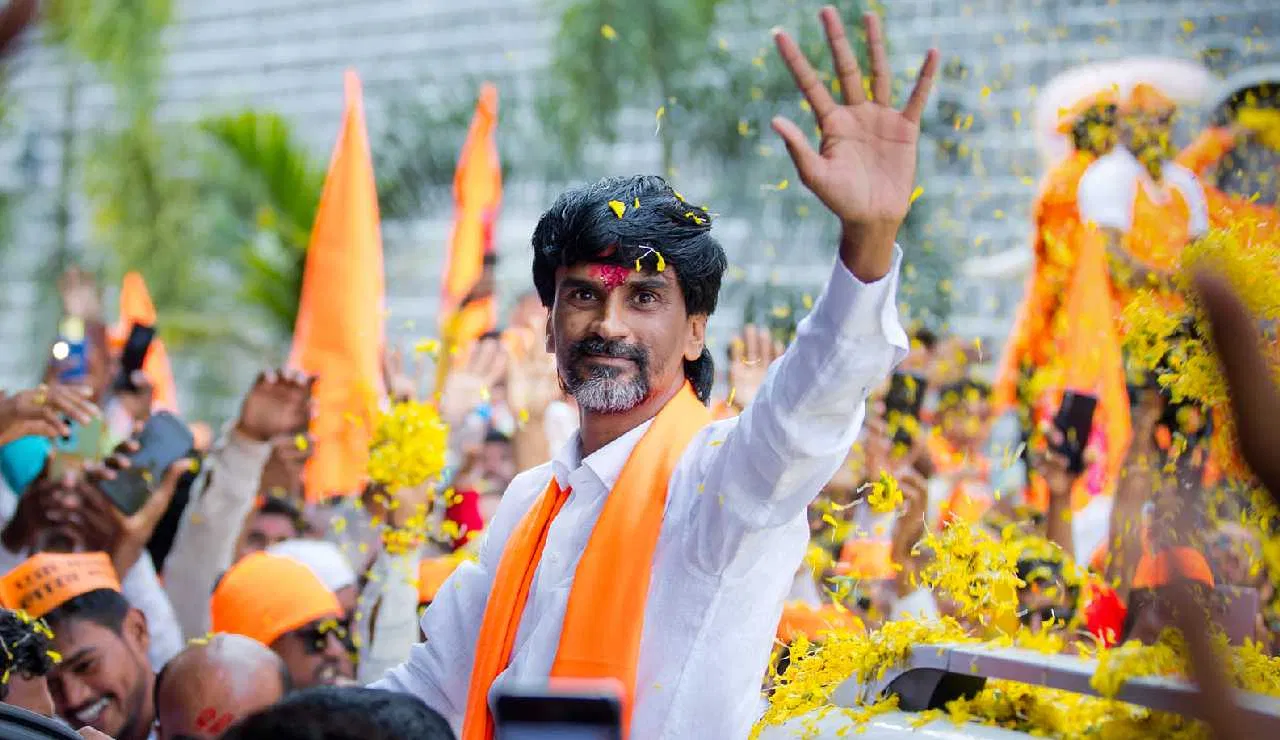
Caste dynamics remain a pivotal factor, particularly with the Maratha and OBC communities. Manoj Jarange Patil, the leader in Maratha reservation movement says ““We will draw up a strategy to ensure we have our say on many fronts. We will field candidates in those constituencies where permutations and combinations work in favour of candidates’ winnability. We will support SC/ST candidates. In some constituencies, we will lend support to candidates who have stood by our cause and ensure the defeat of all those who are against us.” Though he clarified he has no political ambition and is only against those who are opposing OBC status for Maratha. Marathas form an estimated 28 percent of the state’s population and hold immense sway in the state, particularly in the 46 seats in the Marathwada region.

  • Manoj Jarange 7Freebies and Social Schemes

In an effort to attract rural and marginalized voters, political parties have announced a slew of welfare schemes. The BJP is focusing on infrastructure development and targeted welfare programs, following a strategy that proved successful in Haryana. Schemes like toll exemptions and free education for girls aim to strengthen their appeal among diverse communities.

Also Read- BJP Seeks Public Input for Election Manifesto Ahead of Maharashtra Assembly Polls

  • Infrastructure Development

Massive investments in infrastructure projects, such as new highways and metro lines, are being showcased by the BJP to highlight their developmental agenda. Prime Minister Narendra Modi has recently inaugurated several projects in the state, boosting the ruling alliance’s claims of governance focused on progress.

  • The RSS Factor

551660 f17adef8 9736 4f76 bada e411c1732f7fbackgroundThe Rashtriya Swayamsevak Sangh (RSS) continues to play a subtle but influential role in shaping opinion of the Hindus. The organization is expected to focus on its grassroots presence to support BJP’s electoral efforts by engaging with community networks and promoting Hindutva narratives, which could benefit the ruling coalition.
  • Corruption Allegations

Corruption remains a sensitive topic, with the opposition accusing the BJP-Shinde alliance of favoritism in infrastructure contracts. Both alliances are keen to neutralize these narratives, knowing that voter sentiment on clean governance could significantly sway the outcome in key constituencies.

Also Read- Party in Crisis: Uddhav Thackeray Faces Rebellion as Key Leader Walks Out

With all parties vying for strategic voter groups, the ability to balance social welfare, community outreach, and anti-corruption messaging will be critical in deciding the next government in Maharashtra.

Delhi Pollution: Atishi Blasts BJP’s ‘Dirty Politics’ in Urgent Appeal

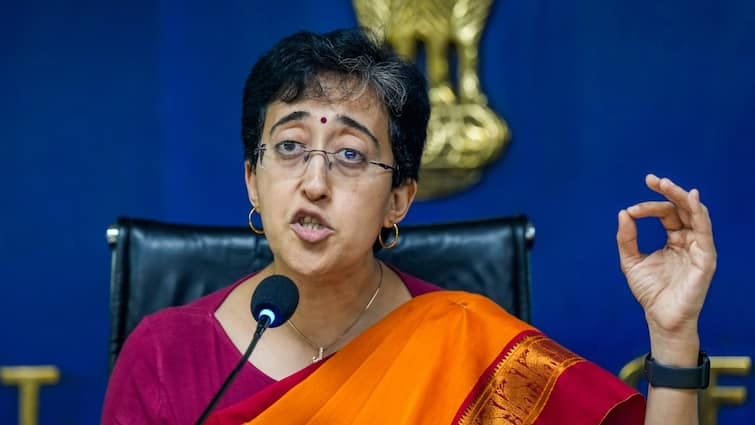
New Delhi: Delhi Chief Minister Atishi has attributed the rising pollution levels in the capital to the “bad politics” of the Bharatiya Janata Party (BJP), urging residents not to succumb to hatred or blame. In a recent statement, Atishi emphasized the need for cooperation among all parties to effectively combat the air quality crisis affecting Delhi, especially as winter approaches and pollution levels typically spike .

Atishi’s remarks came amid increasing criticism from the BJP, which accused her administration of negligence in managing the pollution crisis. Delhi BJP President Virendra Sachdeva has claimed that the Aam Aadmi Party (AAP) government lacks a viable action plan, stating, “The Atishi-led government has made empty promises without implementing any substantial measures.” He cited specific sources of pollution, including stubble burning from neighboring states and dust from construction sites, while accusing the government of failing to collaborate effectively with Punjab to address these issues.

Also read: Wayanad Welcomes Priyanka Gandhi: Roadshow Kickstarts High-Stakes Bypoll

Despite the BJP’s assertions, Atishi defended her government’s efforts, noting that Delhi had maintained good air quality for around 200 days this year before the recent decline. She emphasized that it is critical to focus on solutions rather than finger-pointing. “This is not the time for blame games; it’s a time for collective responsibility,” she said, appealing to the public and political leaders to work together .

The chief minister also announced measures under the Graded Response Action Plan (GRAP) to mitigate pollution, including increased inspections at construction sites and enhanced street cleaning operations. In response to the escalating air quality index, she remarked, “We need to act now, and this requires everyone’s participation” .

As the debate over pollution intensifies, Atishi’s “don’t hate” message aims to shift the focus from political rivalry to community action, encouraging a unified front against the pressing environmental challenges facing Delhi.

Wayanad Welcomes Priyanka Gandhi: Roadshow Kickstarts High-Stakes Bypoll

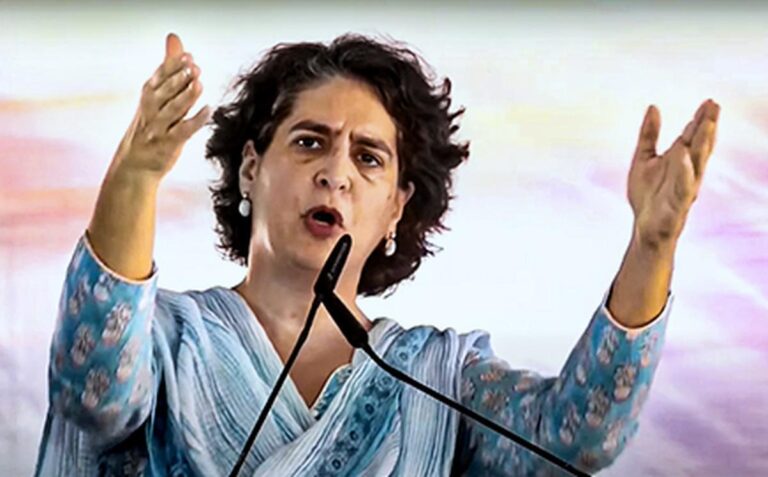
In a significant political move, Congress General Secretary Priyanka Gandhi Vadra officially filed her nomination papers on October 23 for the upcoming Wayanad Lok Sabha bypoll, marking her much-anticipated electoral debut. This by-election, scheduled for November 13, was triggered by her brother, Rahul Gandhi, vacating the seat after being re-elected from Rae Bareli.

Accompanied by Rahul Gandhi, Priyanka held a vibrant roadshow before submitting her nomination papers, signaling the start of an intense campaign. The United Democratic Front (UDF) is banking on her star power and deep connection with the constituency, which Rahul Gandhi won by a significant margin in both 2019 and 2024, despite a slight dip in votes earlier this year. The UDF aims to expand the margin to over 500,000 votes, a claim backed by its leadership.

Also Read: BMC Issues Water Safety Advisory Amid High Turbidity Levels in Mumbai

The bypoll has garnered national attention, with political observers keenly watching Priyanka’s first electoral foray. Her opponent from the Left Democratic Front (LDF) is CPI’s Sathyan Mokeri, while the BJP has fielded Navya Haridas as its candidate.

Rahul Gandhi expressed his confidence in his sister’s ability to represent Wayanad, noting her long-standing connection with the people of Kerala. “Priyanka is the right choice for Wayanad,” he said, emphasizing the Gandhi family’s commitment to the region. Meanwhile, UDF leaders are optimistic about increasing voter turnout and further consolidating their support base under her leadership.

As the election date approaches, the Wayanad constituency is expected to see a high-voltage campaign, with the Congress pulling out all stops to retain this key seat.

Why Did Zomato Raise Its Platform Fee Ahead of the Festive Season?

Zomato has raised its platform fee to Rs.10 from Rs.7, citing the need to maintain operational efficiency during the festive rush. This increase, applicable to all users, was announced through a notification on the Zomato app, stating that the additional charge helps the company “pay its bills” and ensure smooth service amid heightened demand.

This comes after Zomato reported a strong financial performance in Q2 FY24, posting a consolidated net profit of Rs.176 crore, a significant jump from Rs.36 crore last year. The company’s revenue surged to Rs.4,799 crore, reflecting robust growth.

Also Read: Why Is Uttarakhand Police Offering Just Rs. 5 for Criminals’ Arrest?

CEO Deepinder Goyal defended the hike, explaining that Zomato’s operational costs rise substantially during the festive season due to increased orders. “We want to ensure uninterrupted service during this period of high demand, and this small fee helps us manage that,” Goyal said.

However, the decision sparked mixed reactions among users. Some expressed frustration over rising fees, while others acknowledged the importance of reliable service during the holidays. In addition to the fee hike, Zomato’s board also approved raising ₹8,500 crore through equity placements, signaling its intent to fund future growth.

Economic analysts predict the hike could help Zomato cushion the impact of festive season logistics and sustain profitability going forward. Nevertheless, consumer sentiment around the rising costs of food delivery remains an area to watch.

Mukesh Agarwal, a frequent user of Zomato, voiced his concerns: “While I understand the need for reliable service during festivals, constant fee increases are discouraging for regular users.”

Uttarakhand Police Offering Just Rs.5 for Criminals’ Arrest?

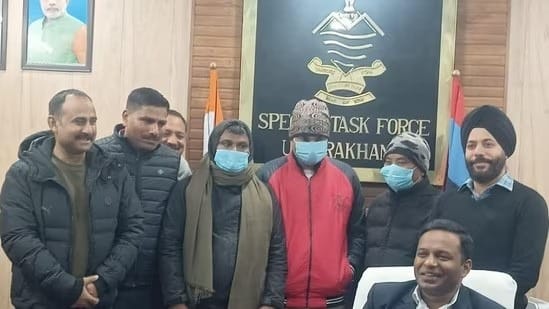
Rudrapur: Uttarakhand Police in Udham Singh Nagar has announced a Rs.5 reward for information on three wanted criminals Sahab Singh, Jasveer Singh, and Manmohan Singh—who fled after an October 12 shootout in Jafarpur village. The gunfight, which injured eight people, saw about 40 rounds fired between rival groups. According to SSP Manikant Mishra, the token reward is meant to highlight how these criminals no longer command fear or influence. “They think they instill fear, but their worth is just ₹5,” Mishra said.

This unusual strategy aims to downplay the criminals’ significance and reduce public fear. Posters featuring the absconders will be distributed widely. The symbolic gesture contrasts with typical bounties, which range from thousands to crores based on the crime’s severity. By placing such a low value on their capture, authorities hope to diminish their status in the eyes of the public.

Also Read: Supreme Court Revives Insolvency Proceedings Against Byju’s, Questions Preferential Treatment of BCCI

Sanjay Juneja, president of Rudrapur’s traders’ union, commended the move, saying it sends a clear message that these criminals are now seen as insignificant. Mukesh Sharma, a local shopkeeper, echoed this sentiment, stating that the initiative reduces fear in the community, which previously associated these offenders with terror.

In 2018, Delhi Police announced Rs.3.6 crore in rewards for help in capturing wanted criminals, showing a stark contrast in approach. Uttarakhand’s low bounty underlines its intent to symbolically strip these fugitives of their standing in society.

BMC Issues Water Safety Advisory Amid High Turbidity Levels

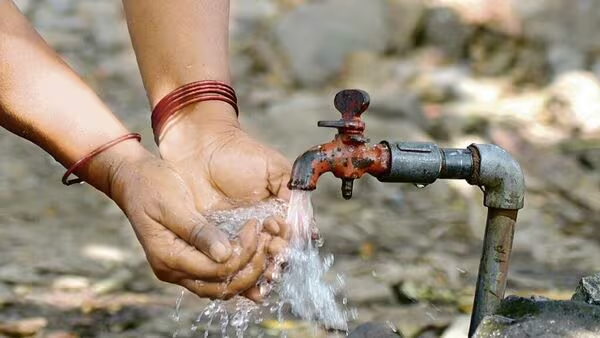
Mumbai: The Brihanmumbai Municipal Corporation (BMC) has advised residents to filter and boil water before consumption due to elevated turbidity levels in the water supply. The rise in turbidity is attributed to continuous rainfall in the Bhatsa reservoir’s catchment area, affecting water clarity since past few days.

Several areas, particularly in Mumbai’s eastern suburbs, have reported receiving cloudy or turbid water. In response, the BMC said- “The Hydraulic Engineering Department is undertaking necessary measures at the water treatment plant to reduce turbidity levels, and adequate chlorine treatment is also being administered to ensure the water is clean and pure enough.”

The BMC’s statement emphasized that the issue is temporary, assuring citizens that the situation is being monitored closely. The advisory urges residents not to panic while these measures are in effect. The BMC also highlighted that Mumbai’s reservoirs, including Bhatsa and others, are currently holding water at over 97% of their storage capacity after the recent rains, securing the city’s water needs.

Turbidity is the measure of the level of particles such as sediment, plankton, or organic by-products in a water body.

Supreme Court Revives Insolvency Proceedings Against Byju’s, Questions Preferential Treatment of BCCI

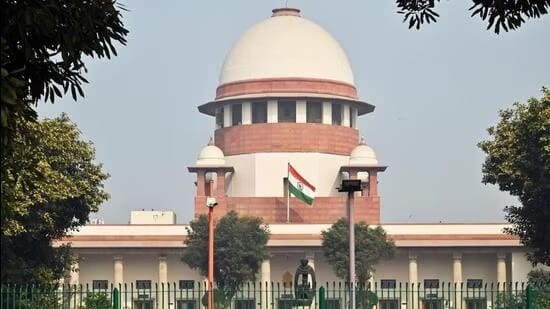
New Delhi: In a major setback for Byju’s, the Supreme Court has overturned the settlement between the ed-tech company and the Board of Control for Cricket in India (BCCI), effectively reopening insolvency proceedings. The court directed that the ₹158 crore paid by Byju’s to the BCCI as part of the settlement be held in an escrow account until further review. The decision allows Byju’s creditors to approach the Committee of Creditors (CoC) for remedies under the Insolvency and Bankruptcy Code (IBC).

The case escalated when Glas Trust, a US-based creditor, raised objections, alleging that Byju’s preferentially settled with BCCI while ignoring other creditors. The Supreme Court supported Glas Trust’s claims, with Chief Justice DY Chandrachud criticizing the ed-tech company for settling a single debt while carrying ₹15,000 crore of liabilities. “Can one creditor (BCCI) walk away while the company is in such massive debt?” Chandrachud questioned, highlighting the need for a more equitable approach to creditor payments.

Also Read: Supreme Court Criticizes Punjab, Haryana for Failing to Curb Stubble Burning as Delhi Chokes on Pollution

Byju’s legal team, led by Abhishek Manu Singhvi, defended the settlement, stating that the funds came from personal resources of Riju Raveendran, co-founder and brother of Byju Raveendran. However, Glas Trust argued that the money used in the settlement was “tainted” and could involve round-tripping.

The Supreme Court’s ruling has reignited concerns about Byju’s financial health, as the company grapples with over $1.2 billion in debt. This decision ensures that the insolvency process continues under strict oversight, leaving it up to the CoC to address all creditors’ claims, including those of BCCI.