Home Blog Page 1509

New Taliban Rule: Women Banned from Praying Aloud Together

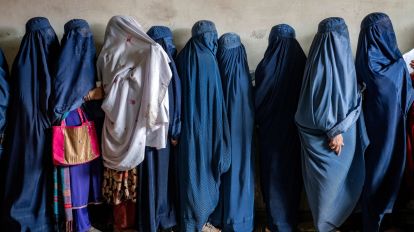
In a move that further curtails the freedoms of Afghan women, the Taliban has issued a decree prohibiting women from praying aloud in the presence of one another. Mohammad Khalid Hanafi, the Taliban’s minister for the propagation of virtue and the prevention of vice, announced that women should not recite the Quran audibly when with other women. This restriction is rooted in the belief that a woman’s voice is deemed “awrah,” which means it should be concealed and not heard in public, even among fellow women.

Hanafi reinforced the severity of this decree, arguing that if women are not allowed to call the Takbir or Azan—the Islamic call to prayer—they certainly cannot sing or listen to music. This ruling raises serious concerns among experts regarding its potential to stifle women’s freedom of expression and further marginalize them in public life.

Also Read: Tensions Rise: Canada Accuses Amit Shah of Authorizing Violence Against Sikh Separatists

Increased Restrictions on Women’s Public Speech

This latest decree adds to a troubling pattern of restrictions imposed on women since the Taliban regained power in 2021. Recently, the regime mandated that women wear full-body coverings, including face veils, while in public. Female healthcare workers, who are among the few Afghan women allowed to work outside the home, face severe limitations on their interactions, particularly with male relatives. A midwife in Herat shared her frustration with Amu TV, stating that they are prohibited from speaking at checkpoints or discussing medical matters with male relatives in clinics.

While the specifics of how this new rule will be enforced remain uncertain, it aligns with the Taliban’s ongoing efforts to suppress women’s rights and freedoms. As these restrictions multiply, the plight of women in Afghanistan becomes increasingly dire, drawing international concern from human rights advocates.

The Taliban’s Ongoing Oppression of Women

The Taliban’s history regarding women’s rights is alarming. Amnesty International has documented several oppressive measures, including:

– Banning girls from attending secondary school
– Limiting women’s access to work and education
– Enforcing stringent dress codes
– Arbitrarily detaining women and girls for alleged “moral corruption”
– Contributing to an increase in child, early, and forced marriages

The continuation of such policies highlights a troubling trajectory for women’s rights in Afghanistan, raising alarms worldwide about the implications for women’s autonomy and safety.

(By Ankita Singh, Web Team at C6N)

Karnataka High Court Grants Interim Bail to Actor Darshan Thoogudeepa in Renukaswamy Murder Case

In a significant development, the Karnataka High Court has granted interim bail for six weeks to actor Darshan Thoogudeepa, who is currently in jail due to his involvement in the Renukaswamy murder case. The decision was made by Justice S. Vishwajith Shetty, who approved the bail to allow the actor to undergo necessary surgery.

The court’s ruling came after hearing detailed arguments from Darshan’s legal representative, senior advocate CV Nagesh, and state public prosecutor P Prasanna Kumar. The state presented medical reports regarding Darshan’s health, submitted in a sealed envelope, from doctors at Ballari Central Prison, where he is incarcerated, and from the head of the neurology department at a local government hospital.

Also Read: Tragic Loss in Malayalam Cinema: Film Editor Nishadh Yusuf Found Dead in Kochi

Nagesh argued that the actor has been suffering from numbness in both feet and requested permission for him to have surgery at a private hospital in Mysuru, assuring the court that he would bear all associated costs. However, Kumar contested the request, pointing out that the medical documents lacked details on the expected duration of Darshan’s hospitalization and suggested that the surgery could be performed at a government facility.

In response, Justice Shetty noted that the state does not have the authority to dictate an undertrial’s medical treatment location, referencing Supreme Court precedents. The court, however, inquired why Mysuru was chosen as the surgery location, suggesting that a doctor in Bengaluru could evaluate the urgency and need for surgery.

Despite the opposition, Nagesh maintained the request for the procedure to occur in Mysuru, while Kumar proposed that Darshan undergo a medical assessment by a state-appointed board.

Darshan’s initial bail application, submitted on September 21, had been denied by a sessions court, prompting him to appeal to the high court for interim relief to receive medical treatment.

The background of the case involves the murder of 33-year-old Renukaswamy, a fan of Darshan, who allegedly sent inappropriate messages to Pavithra Gowda, a co-accused in the case. This incident reportedly incited the anger of Darshan, leading to Renukaswamy’s murder. His body was discovered near a stormwater drain in Sumanahalli on June 9. According to police reports, Raghavendra, another accused associated with Darshan’s fan club, brought Renukaswamy to a shed in Bengaluru under the pretense of a meeting with the actor, where he was subsequently tortured and killed. The post-mortem indicated that Renukaswamy died from shock and hemorrhage caused by multiple blunt force injuries. Police have identified Pavithra as a principal instigator in the murder, claiming her involvement was critical to the planning and execution of the crime.

(By Ankita Singh, Web Team at C6N)

Tensions Rise: Canada Accuses Amit Shah of Authorizing Violence Against Sikh Separatists

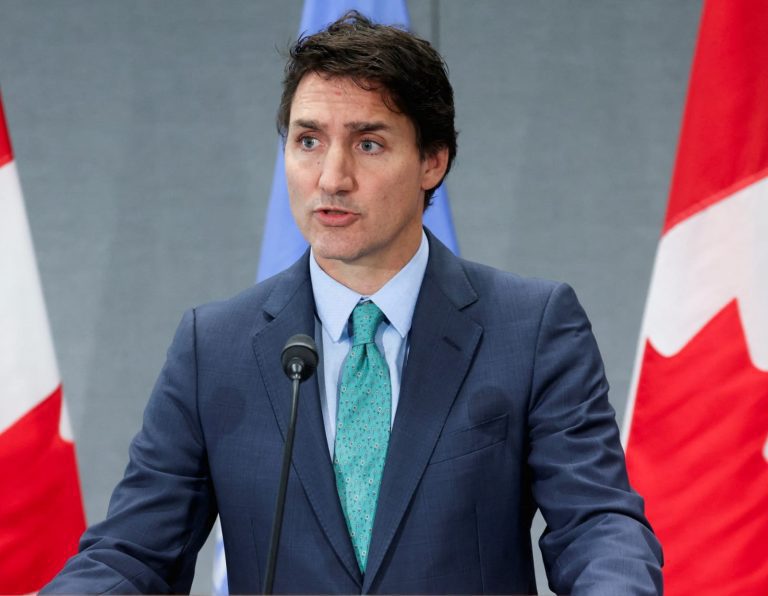
In a developing diplomatic crisis, Canada’s Deputy Foreign Minister David Morrison confirmed to The Washington Post that Indian Union Home Minister Amit Shah allegedly authorized actions against Sikh separatists in Canada. This statement comes amidst escalating tensions between India and Canada following the killing of Hardeep Singh Nijjar, a pro-Khalistani activist, which has led to a severe downturn in bilateral relations.

During his testimony before Canada’s Parliament, Morrison revealed that Canadian security agencies have gathered evidence linking a senior Indian official to operations targeting Sikh separatists. Although he did not provide detailed evidence, he acknowledged that he identified Amit Shah in response to inquiries from a journalist. Morrison’s confirmation adds weight to accusations made by the Royal Canadian Mounted Police regarding Indian government involvement in widespread criminal activities in Canada.

ALSO READ: Kejriwal Slams Modi Over Ayushman Bharat Criticism, Defends Delhi’s Healthcare Model

The Indian government has categorically denied these allegations, branding them as “preposterous.” External Affairs Minister S. Jaishankar condemned the targeting of Indian diplomats by Canada, stating that India has long highlighted the presence of organized crime in Canada without receiving adequate response from Ottawa. Jaishankar asserted, “We completely reject the manner in which the Canadian government targeted our High Commissioner and diplomats,” emphasizing that India will take a strong stance when its national integrity is at stake.

The diplomatic fallout intensified after Canada identified Indian diplomats as “persons of interest” in Nijjar’s killing, prompting India to recall its High Commissioner and five other diplomats. Relations have plummeted, with accusations from New Delhi that Ottawa has failed to act against Khalistani extremists operating within Canada, which New Delhi claims undermines India’s sovereignty.

Nathalie Drouin, National Security Adviser to Canadian Prime Minister Justin Trudeau, testified that evidence presented in a meeting linked Indian agents to criminal activities in Canada. She accused India of breaching a confidentiality agreement made during talks, claiming India went public with accusations against Canada shortly after their discussions.

Amidst these allegations, the U.S. has also intervened, charging an Indian national with directing a foiled plot to assassinate Gurpatwant Singh Pannun, a prominent pro-Khalistani figure, further complicating the international dimensions of the situation.

The unfolding events signify a critical moment in Indo-Canadian relations, with both nations grappling with allegations that could reshape their diplomatic engagements for the foreseeable future.

ALSO READ: “Maharashtra Election Fallout: BJP’s Wins vs. Vote Share”

(INPUTS FROM THE AGENCIES)

Kejriwal Slams Modi Over Ayushman Bharat Criticism, Defends Delhi’s Healthcare Model

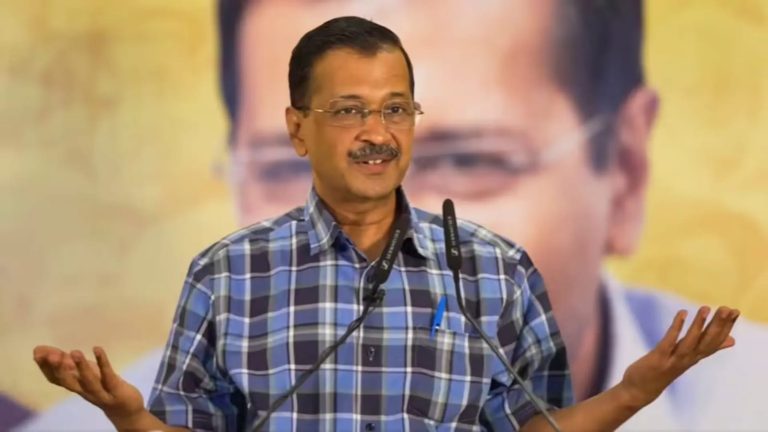
Delhi Chief Minister Arvind Kejriwal has responded sharply to Prime Minister Narendra Modi’s criticism over the non-implementation of the Ayushman Bharat health insurance scheme in Delhi. Modi had recently expressed disappointment with the absence of the scheme in both Delhi and West Bengal, attributing it to “political interests,” and apologized to elderly citizens impacted by the lack of free healthcare in these states.

In his rebuttal, Kejriwal accused Modi of politicizing healthcare, arguing that such issues should not be used for political gain. Highlighting Delhi’s healthcare model, Kejriwal said every resident in the capital is entitled to free medical treatment—whether it’s a simple medicine or a costly surgery. He further suggested that Modi replace the Ayushman Bharat scheme with Delhi’s healthcare model nationwide for better results.

Also Read: “Maharashtra Election Fallout: BJP’s Wins vs. Vote Share”

Kejriwal also pointed to reports from the Comptroller and Auditor General (CAG), alleging irregularities in the implementation of Ayushman Bharat. He claimed to have not met a single beneficiary of the scheme and offered to share a list of beneficiaries from Delhi’s programs to demonstrate its success.

Delhi Health Minister Saurabh Bharadwaj added that Ayushman Bharat has failed to provide adequate healthcare. He argued that patients from other states where the scheme is operational often visit Delhi for treatments, indicating the inadequacy of healthcare in BJP-ruled regions. AAP MP Sanjay Singh also criticized the scheme as impractical, citing eligibility restrictions that exclude many in need.

The exchange reflects the ongoing political friction between state and central governments over public healthcare policies, with both sides championing their respective models as superior solutions for citizens’ health needs.

(By Ankita Singh, Web Team at C6N)
Apple’s Compact Mac Mini Redesign Packs Powerful M4 and M4 Pro Chips

Apple’s latest Mac mini overhaul makes it the most compact and powerful yet, featuring advanced M4 and M4 Pro chips aimed at both power users and gamers. The updated device retains the signature Mac mini portability, with a puck-sized form factor just 5 inches in both width and depth and under 2 inches in height. Despite its small footprint, the Mac mini delivers high-end performance with Apple’s latest in-house silicon, outpacing previous generations in processing power and efficiency.

Both chip options offer enhanced features and compatibility. The base M4 chip provides a 10-core CPU and 10-core GPU, while the M4 Pro model scales up with a 14-core CPU and a 20-core GPU, supporting graphics-intensive tasks like ray tracing—an Apple first for the Mac mini line. Enhanced memory options let users configure up to 64 GB of RAM with the M4 Pro, catering to more demanding workflows like video rendering and complex computational tasks.

Also Read: Apple Intelligence Unveiled: Key AI Features in iOS 18.1 for iPhones

The device also boasts expanded connectivity with three Thunderbolt ports, HDMI, Gigabit Ethernet, and USB-C ports for versatile setup options. Notably, the M4 model offers Thunderbolt 4, while the M4 Pro upgrades to Thunderbolt 5, supporting up to three 6K displays at 60Hz. With Apple’s environmental focus, the new Mac mini is also its first carbon-neutral desktop, reinforcing the company’s commitment to sustainability.

Starting at ₹59,900 in India, the refreshed Mac mini combines impressive power in a miniaturized form, a compelling choice for those needing a powerful, compact desktop that adapts to various environments and high-performance needs.

Congress Press Briefing LIVE| Archana Patil Joins Congress | Maharashtra Assembly Polls

Safety First: Western Railway Enforces Strict Luggage Rules After Bandra Terminus Chaos

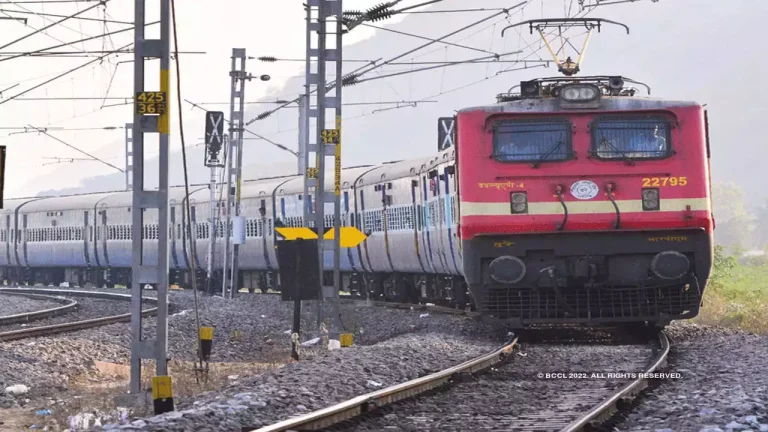
In response to a recent stampede at Bandra Terminus that left ten injured, Western Railway (WR) has announced stringent measures regarding passenger luggage limits and station overcrowding. Effective immediately, a penalty will be imposed on passengers whose luggage exceeds the permissible limits for their travel class. The initiative aims to enhance safety and ensure smoother passenger movement amidst rising congestion, particularly during the festive season.

Passengers are allowed a specific weight of luggage without charge; however, items such as scooters and bicycles, along with consignments exceeding dimensions of 100 cm x 100 cm x 70 cm, are not included in the free allowance. A WR spokesperson stated, “We urge all passengers to familiarize themselves with the luggage rules to avoid penalties and ensure a hassle-free journey.”

http://“Nine Injured in Bandra Station Stampede Amid Festive Travel Surge”

The railway authorities have expressed concern over increasing parcel bookings during this festive period, especially at major stations like Bandra Terminus, Vapi, Valsad, Udhna, and Surat. The rise in parcel volumes has led to stacks of consignments on platforms, further complicating passenger movement. WR has issued a directive prohibiting the stacking of parcels on platforms for extended periods before train departures to enhance safety and accessibility.

In light of the recent incidents, temporary restrictions on platform ticket sales have also been implemented at selected major stations until November 8. “Our priority is the safety and comfort of all passengers. We are taking these steps to manage crowds effectively and prevent any future incidents,” remarked a senior WR official.

The railway has urged passengers to limit their presence at stations to essential travel times and adhere strictly to the luggage guidelines. The measures are part of a broader effort to address overcrowding and enhance safety protocols during one of the busiest travel periods of the year. As the festive season continues, the Western Railway is committed to ensuring a secure and efficient travel experience for all.

“Maharashtra Election Fallout: BJP’s Wins vs. Vote Share”

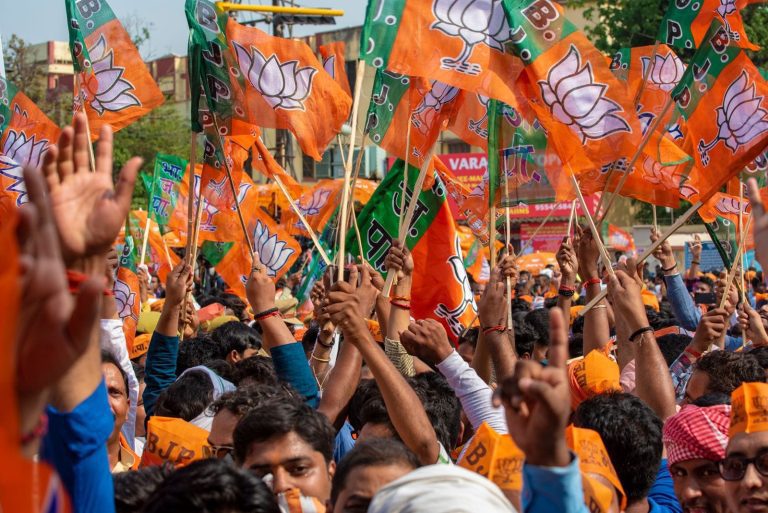
Mumbai: In the recent Lok Sabha elections, the BJP faced significant setbacks in Maharashtra, winning only nine out of the 28 seats it contested, a drastic drop from 23 seats in 2019. Despite this decline, the BJP managed to maintain a commanding 26.2% vote share, placing it well ahead of the Congress, which garnered 16.9% of the votes and won 13 seats—an impressive recovery from its previous tally of just one seat.

The BJP’s performance can be attributed to losses in specific Assembly segments within the contested Lok Sabha seats. Party leaders explained that while they secured a good percentage of the overall votes, losses in critical segments significantly impacted their seat count. For instance, in the Dhule Lok Sabha constituency, BJP candidate Subhas Bhamre performed well across most Assembly segments, but a dismal showing in the Malegaon Central segment cost him the seat. Here, he managed only 4,542 votes against Congress candidate Shobha Bachhav, who received nearly 198,000 votes, illustrating how crucial local dynamics can influence broader electoral outcomes.

ALSO READ: Tragic Loss in Malayalam Cinema: Film Editor Nishadh Yusuf Found Dead in Kochi

The BJP’s coalition partners also faced challenges. The Eknath Shinde-led Shiv Sena secured seven out of 15 contested seats with a 13% vote share, while the Ajit Pawar-led NCP only won one of four seats, securing a mere 3.6% of the votes. This performance raises questions about the durability of the Mahayuti alliance as the BJP prepares for the upcoming Assembly elections.

In response to the election results, Deputy Chief Minister Devendra Fadnavis accepted full responsibility, stating, “The entire responsibility for this is mine… I will prepare a new strategy.” He acknowledged that the party needs to reassess its approach and reconnect with voters to regain lost ground.

The Congress’s resurgence reflects changing political tides in Maharashtra, suggesting that the opposition’s consolidation under the Maha Vikas Aghadi alliance may pose a significant challenge for the BJP in future elections. As both the BJP and the Congress strategize for the upcoming Assembly polls, the dynamics in Maharashtra’s political landscape are set to shift, with voter sentiments potentially favoring new narratives and leadership.

ALSO READ: Priyanka Gandhi Vadra: A Rising Force in Wayanad with Echoes of Indira Gandhi

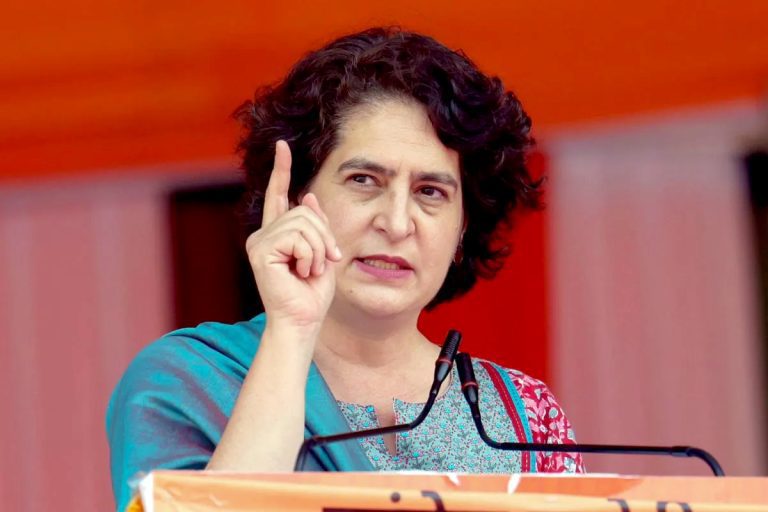
Priyanka Gandhi Vadra: A Rising Force in Wayanad with Echoes of Indira Gandhi

As Priyanka Gandhi Vadra steps into the Wayanad political arena for the upcoming by-election, her candidacy brings a unique blend of historical legacy and strategic promise to the Congress. Her familial DNA to the Nehru-Gandhi dynasty have often invited comparisons to her grandmother, the former Prime Minister Indira Gandhi, whose charisma and political acumen remain an influential factor in Indian politics. In a region traditionally supportive of the Congress, Priyanka’s entry brings both nostalgia and hope, especially for those who view her as embodying Indira’s determined spirit and populist appeal.

Priyanka’s debut in Wayanad symbolizes more than just a quest for Congress to regain a foothold in Kerala; it’s a tactical move aimed at consolidating support in the south. Her campaign leans into themes of development, local empowerment, and countering divisive politics, echoing a strategy that was crucial to Indira’s enduring appeal across diverse constituencies. This symbolism is not lost on her supporters, who see Priyanka’s assertiveness and straightforward messaging as reflective of Indira’s defiant legacy, particularly in her approach to adversaries and her emphasis on grassroots engagement.

From the perspective of the Bharatiya Janata Party (BJP), Priyanka’s candidacy could heighten electoral stakes. Unlike Rahul Gandhi, whose softer public image the BJP has previously leveraged, Priyanka is often seen as more direct and combative. This perceived tenacity may present the BJP with a more formidable challenge, as she engages directly with national issues and criticizes BJP’s governance record on economic and social fronts. The BJP, while strong in parts of Kerala, may find its strategies to counter Priyanka complicated by her growing rapport with voters and her capacity to draw large crowds and media attention.

In Wayanad, where Rahul Gandhi previously won by a large margin, Priyanka’s campaign is geared towards sustaining that momentum and mobilizing younger voters. Her ability to resonate with local concerns while also addressing broader issues of national importance could solidify her position as a fresh but formidable force within Congress. For many, her campaign represents a bridge between the values associated with her grandmother and the new-age political challenges India faces today.

Cipla’s Shares Slide Amid USFDA Concerns and Market Volatility

Mumbai, October 30, 2024 – Cipla Ltd., a leading Indian pharmaceutical company, saw its shares plunge by 5.04%, reaching an intraday low of ₹1,403 on the NSE. This drop marks the sharpest decline among Nifty 50 companies for the day, with investors responding to ongoing regulatory concerns and market pressures.

The decline follows recent updates from the US Food and Drug Administration (USFDA), which conducted a Current Good Manufacturing Practice (cGMP) inspection at Cipla’s Pithampur manufacturing facility. The inspection, concluded earlier this year, resulted in eight observations listed in a Form 483 issued to Cipla. Although the company has committed to addressing the observations promptly, the uncertainty surrounding the outcome has led to significant selling pressure among investors.

Also Read: Rahul Gandhi Renews Criticism of SEBI Chief, Alleges ‘Protection’ of Adani Group’s Interests

Additionally, the broader market volatility in the Indian pharmaceutical sector has impacted Cipla’s stock. Despite analyst projections that Cipla’s diverse portfolio and international market reach should offer resilience, the unresolved USFDA issues remain a short-term risk. Analysts have advised shareholders to monitor the situation, particularly as the company works with regulatory authorities to ensure compliance.

As Cipla moves to address these regulatory hurdles, its performance on the stock market remains uncertain. Shareholders are advised to watch closely for updates on the USFDA’s inspection outcomes and Cipla’s response strategies, which will likely influence the stock’s future trajectory.