Home Blog Page 1514

Harris vs. Trump: A Tight Race Ahead of the 2024 U.S. Presidential Election

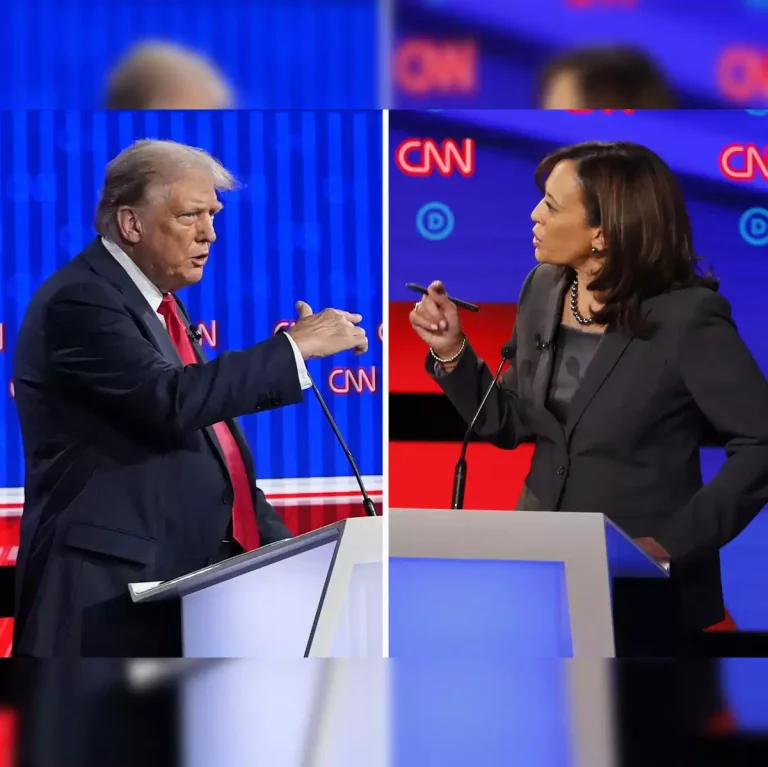
As the U.S. approaches its presidential election on November 5, the race between Kamala Harris and Donald Trump has intensified, with Harris holding a slight edge in national polls since her entry into the race following President Joe Biden’s withdrawal. Harris has garnered significant attention, achieving a lead of nearly four percentage points by late August. However, recent polls indicate that the contest has tightened considerably.

In the battleground it states that, where the election will likely be decided, both candidates are neck-and-neck. Trump has recently regained a slight lead in key states such as Arizona, Georgia, Nevada, and North Carolina. Conversely, Harris has maintained her position in traditionally Democratic strongholds like Michigan and Wisconsin, although she now faces a narrow deficit in Pennsylvania, a crucial state that could determine the election outcome.

Polling averages from 538 indicate that the candidates are within a few percentage points of each other in these pivotal states. “We’re seeing a shift in voter sentiment as both candidates ramp up their campaigns,” noted political analyst Sarah Johnson. She emphasized that the electoral college dynamics mean swing states like Pennsylvania are vital, as they hold the highest number of electoral votes.

Despite the polling insights, there are significant caveats. Historically, polls have underestimated Trump’s support in previous elections, prompting concerns about their accuracy this time around. Polling expert James Lee cautioned, “The challenge remains in predicting turnout and accurately reflecting voter demographics.”

As the election date approaches, both candidates are ramping up their strategies to sway undecided voters. Harris has focused on her achievements as Vice President, while Trump continues to rally his base with promises of economic revival. The outcome remains uncertain, with both candidates poised to make their final appeals to voters in the coming days.

In this highly competitive landscape, every vote will matter, making the upcoming election a pivotal moment in U.S. history.

(Input from the Agencies)
Shaina NC’s Joins Shinde Sena Adds Twist to Maharashtra Polls

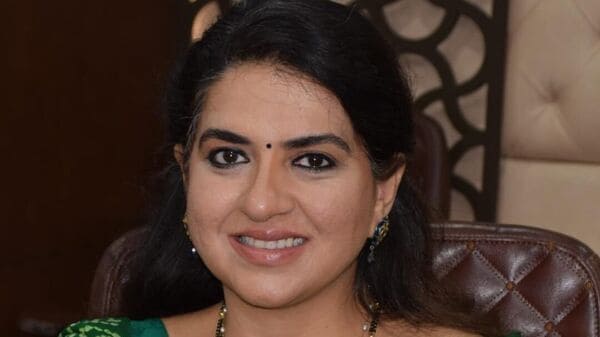
Mumbai: Former BJP spokesperson Shaina NC has switched her political allegiance, joining Maharashtra Chief Minister Eknath Shinde’s Shiv Sena just hours after being announced as the BJP’s candidate for the Mumbadevi Assembly seat in the upcoming Maharashtra elections. Initially, Shaina was among the 15 BJP candidates declared, but her transfer to Shiv Sena introduces fresh dynamics within the Mahayuti coalition’s lineup ahead of the November 20 polls.

Shaina, an established BJP figure with a background in fashion design, had initially shown interest in contesting from the high-profile Worli constituency but was ultimately slated for Mumbadevi. Worli, a competitive seat featuring Aaditya Thackeray as a strong candidate from the rival Shiv Sena (UBT), was later assigned to Milind Deora—a former Congress leader who also recently joined Shinde’s faction. This move signals Shinde’s strategic efforts to strengthen his foothold in high-stakes constituencies.

After her switch, Shaina thanked PM Narendra Modi, CM Eknath Shinde, and other Mahayuti leaders, expressing a strong desire to serve South Mumbai. She underscored her commitment to addressing key civic issues like hygiene, urban development, and green spaces for residents. Emphasizing accessibility, she affirmed her intent to be a “pradhan sewak” (public servant) who is reachable and accountable to her constituents. Shaina also plans a visit to Mumba Devi Temple before formally filing her nomination.

Shaina’s switch isn’t the only recent cross-party move within Mahayuti ranks. Sanjana Jadhav, daughter of BJP’s Raosaheb Danve, also transitioned to Shiv Sena for her candidacy in Kannad, further cementing Shinde’s bid to consolidate allies and resources. With Maharashtra’s Assembly elections just weeks away, these realignments reflect an intensified race to secure key seats under the Mahayuti banner as both Mahayuti and Maha Vikas Aghadi alliances finalize their candidate lists.

Fireworks Accident at Kerala Temple Festival Leaves Over 150 Injured, Eight Critical

A tragic accident during the Moolamkuzhi Chamundi Theyyam festival at the Veerarkavu Temple in Neeleswaram, Kasaragod district, resulted in over 150 injuries, with eight individuals in critical condition. The incident occurred around midnight on Monday when a misfired firecracker struck a building storing explosives, setting off a massive blast. The explosion injured numerous bystanders, including women and children gathered for the festival.

Emergency teams transported the injured to various hospitals in Kasaragod, Kannur, and Mangaluru. Kanhangad District Hospital admitted 33 individuals, five of whom are in critical condition. Other victims are being treated at facilities including Aishal Hospital, Arimala Hospital, and Sanjeevani Hospital. Authorities confirmed that additional patients were sent to Nileshwar Taluk Hospital and Aster MIMS in Kannur, with some receiving specialized care at the Government Medical College Hospital in Pariyaram.

Local officials, including the district collector and police chief, have reached the site and initiated an investigation into the cause of the blast. Early reports suggest that the explosion was triggered by fireworks stored for the festival’s pyrotechnic display. Rescue efforts are ongoing as authorities work to stabilize the critically injured.

The Theyyam festival, a traditional celebration in Kerala, typically draws large crowds, and this tragic incident has deeply shaken the local community. Many residents have come together to offer support to the victims and their families as investigations continue to uncover further details.(Inputs from agencies)

Ankita Singh, Web Team at C6N

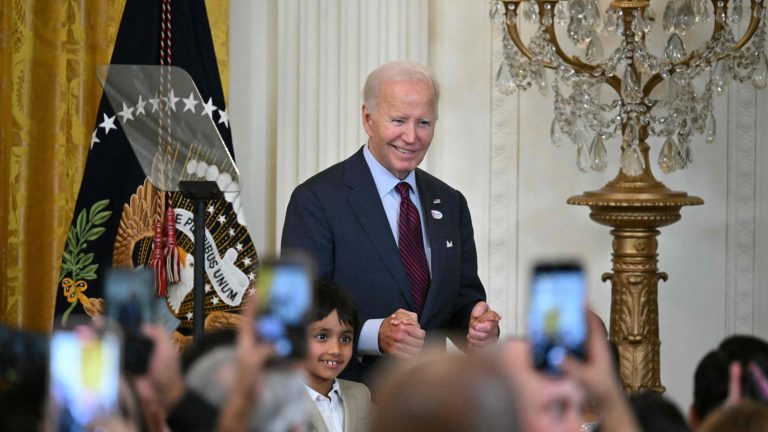
Biden Celebrates Diwali at the White House, Highlights Kamala Harris’ Role

On Monday, President Joe Biden celebrated Diwali at the White House, welcoming over 600 Indian American leaders, executives, and officials. During his remarks, Biden highlighted the vital role of South Asian Americans in shaping U.S. governance and progress. “From Vice President Kamala Harris to Dr. Vivek Murthy, I am proud that my administration reflects the diversity of America,” Biden said, reaffirming his pledge to build an inclusive government.

The event included an introduction by youth activist Shrusti Amula and participation from astronaut Sunita Williams, who shared a video message from space. U.S. Surgeon General Vivek Murthy also spoke at the event. However, both Vice President Harris and First Lady Jill Biden were absent due to campaign-related commitments.

Biden reflected on the history of Diwali celebrations at the White House, pointing out that the festival was first hosted in 2016, but a resurgence of hostility toward immigrants, including South Asians, echoes today. “America’s strength lies in being a beacon of light for all communities,” he added, linking the festival’s spirit to the values of unity and democracy.

As part of the festivities, Biden lit a ceremonial diya in the Blue Room, thanking the South Asian community for their contributions to American society, from economic development to leadership during the pandemic. (Input from the agencies)

(By Ankita Singh, Web Team at C6N)

(Input from the agencies)


Mirzapur: The Film”announced? Pankaj Tripathi, Ali Fazal set to return!

Struggling to Manage Long Covid: Indian Doctors Face a Shortfall in Guidelines and Research

0

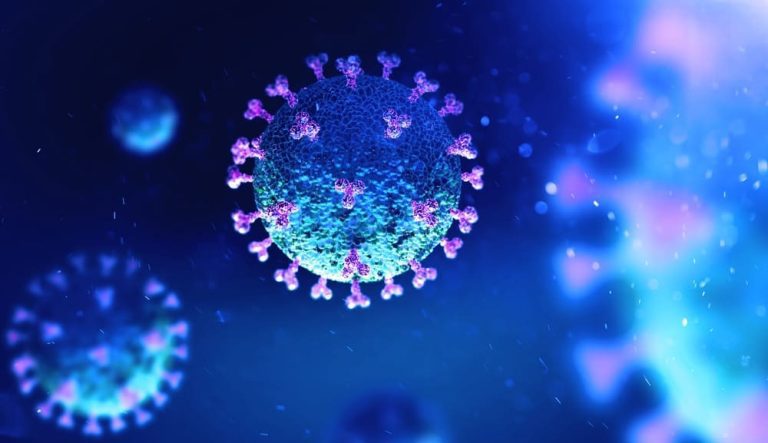
NEW DELHI: As the impact of Covid-19 lingers globally, India’s healthcare system is confronting a significant challenge in diagnosing and treating long Covid cases, where patients experience persistent symptoms months after infection. Despite the World Health Organization’s declaration that Covid is no longer a global emergency, doctors and researchers in India face a daunting task as limited local studies and guidelines hamper effective management of these cases.

In India, estimates suggest that around 45% of recovered Covid patients continue to experience symptoms like fatigue, muscle pain, and brain fog months later. Yet, the lack of dedicated studies and clinical guidelines in the country forces doctors to navigate these cases with minimal resources. This gap contrasts with global efforts—research from Harvard, the University of Oxford, and Shiv Nadar University, for instance, explores potential underlying causes like autoimmune responses and vascular impacts, but India’s local studies remain scarce.

Some promising developments are underway. Shiv Nadar University recently introduced an innovative fluorescent probe to detect cellular changes linked to long Covid. But without more robust, localized data, the path to consistent, evidence-based treatment in India remains challenging. Patients are also finding few dedicated clinics for specialized long Covid care in India, unlike cities in Europe and North America where such services are increasing.

As doctors and researchers push for more research funding and comprehensive guidelines, experts agree that more needs to be done to ease the burden on India’s healthcare system and offer effective treatment for those struggling with long Covid.

C6N Web Team, New Delhi

RBI Tightens Net Worth Norms for Central Counterparties(CCP’s)

MUMBAI: The Reserve Bank of India (RBI) recently introduced updated requirements for central counterparties (CCPs) operating within India, aiming to strengthen the regulatory framework around these critical financial market intermediaries. These updates, which include an increase in the minimum net worth requirement to ₹300 crore, are designed to ensure greater financial stability and resilience within India’s financial markets. The enhanced requirements are part of the RBI’s strategy to minimize systemic risks, especially considering CCPs’ central role in settling trades and managing risks for various financial instruments.

Key Changes and Requirements for CCPs

1. Minimum Net Worth Requirement
The net worth threshold for CCPs has been raised to ₹300 crore. CCPs play a pivotal role by acting as intermediaries between parties in trades, managing risks by guaranteeing settlement in case of a counterparty default. The higher net worth aims to bolster CCPs’ financial standing and risk-bearing capacity, reducing the risk of market disruptions due to financial instability within CCPs themselves.

2. Audited Net Worth Certificate
Each CCP must submit an audited net worth certificate from a statutory auditor within six months of the close of each fiscal year. This requirement emphasizes the RBI’s focus on transparency and accountability, as regular audits enable closer oversight of CCPs’ financial health and adherence to risk management protocols. It also reinforces the credibility of CCPs by ensuring they meet financial standards required to handle large-scale transactions effectively.

3. Corporate Governance Standards
The RBI’s directive further mandates CCPs to establish robust governance structures. It requires boards to appoint directors and key officials based on a “fit and proper” criterion, ensuring that the leadership possesses the necessary expertise in risk management and operational oversight. Additionally, CCPs must constitute a Nomination and Remuneration Committee to oversee management appointments, bringing them in line with global best practices.

4. Risk Management and Reporting
Under the new framework, CCPs must strengthen their internal control and risk management processes. This includes having a dedicated Risk Management Committee that monitors and evaluates potential threats and deviations in real-time. The committee must also inform the RBI of any changes to the CCP’s risk model or significant operational risks. These steps are expected to reduce the likelihood of financial crises by proactively identifying and addressing vulnerabilities.

5. International Alignment
These requirements align with global standards set by organizations like the Bank for International Settlements (BIS) and the International Organization of Securities Commissions (IOSCO). By incorporating these elements, the RBI intends to position Indian CCPs competitively within the global financial ecosystem, while simultaneously increasing investor confidence and regulatory robustness.

C6N Web Team, Mumbai.

Breaking Barriers: The Fight for Women’s Political Voice in India

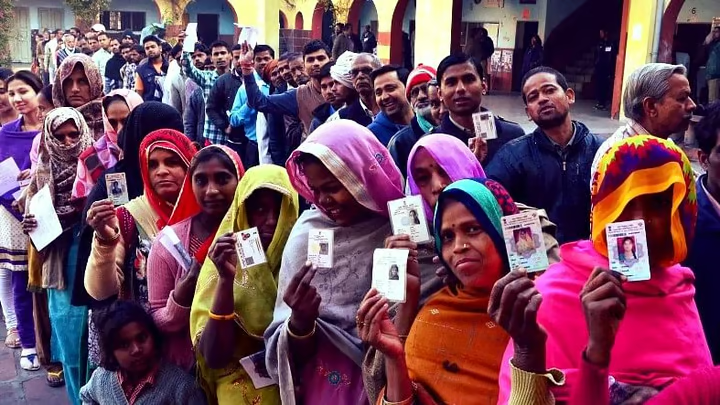
Recent trends in Indian politics highlight a significant rise in female voter turnout, a trend that has seen women’s participation on election day equal that of men for the first time since Independence. Despite this promising shift, a perplexing gap remains: while women are voting in high numbers, their engagement in political activities outside of elections lags behind that of men.

Political scientist Soledad Artiz Prillaman, in her new book, The Patriarchal Political Order: The Making and Unraveling of the Gendered Participation Gap in India, sheds light on this issue. Prillaman recently appeared on the podcast Grand Tamasha, where she discussed her research and its implications for women’s political engagement.

Prillaman argues that traditional household dynamics significantly shape women’s political behavior. “In many cases, women participate in politics when it aligns with the interests of men in their households,” she explains. This perspective suggests that political decisions are often made within the context of household negotiations, mirroring economic decision-making processes. “The beliefs and preferences of everyone in my household influence my political behavior,” she noted, highlighting how power dynamics within families can restrict women’s autonomy.

While acknowledging the progress made, Prillaman cautioned against viewing policy interventions as a one-time solution. “Women’s empowerment cannot be done by Band-Aid. Patriarchy adapts and reasserts itself,” she warned. Despite increases in voter turnout, women’s labor force participation rates have stagnated, demonstrating that the structural barriers to true empowerment remain largely unaddressed.

Prillaman’s insights call for a comprehensive approach to women’s political participation—one that goes beyond immediate electoral gains to challenge and transform entrenched societal norms. As she aptly puts it, “It’s a game of ‘whack-a-mole’ until the fundamental power structures change.”

This ongoing dialogue is critical for understanding how to effectively bridge the gap in political engagement and ensure women’s voices are not just heard on election day but resonate throughout the political landscape.

Gujarat’s Water Management: A Model for India’s Future

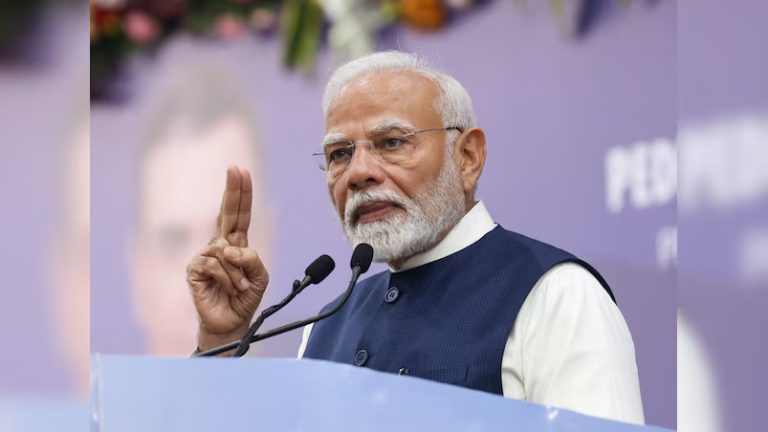
MUMBAI: In recent remarks, Prime Minister Narendra Modi praised Gujarat’s impressive strides in water management, showcasing its sustainable water infrastructure as a blueprint for India. This recognition stems from Gujarat’s long-term strategies, beginning in the early 2000s, to address its chronic water scarcity. Once dependent on external sources to meet basic water needs, the state has since developed a self-reliant and resilient water system that has transformed its landscape and economy.

Key to Gujarat’s success is its innovative multi-layered water distribution system, centered around the Narmada canal network. This system allows for efficient water transfer across regions, including Kutch, Saurashtra, and North Gujarat. Supporting this is the ambitious Saurashtra Narmada Avtaran Irrigation (SAUNI) scheme, which diverts surplus water to replenish regional reservoirs and provide relief during droughts. The state has also established a water grid, enhancing equitable water distribution and improving availability during peak summer months.

Moreover, Gujarat has embraced non-traditional water sources to bolster climate resilience, investing in desalination plants along its coastline, which contribute over 370 million liters daily to the state’s supply. A recent focus on wastewater reuse further reduces dependence on freshwater, with the state’s Reuse of Treated Wastewater Policy facilitating the use of recycled water in industrial operations, making Gujarat a leader in India’s circular water economy.

With these initiatives, Gujarat not only secures water access for its people but also builds a model of sustainability that could serve as a guiding framework for other Indian states facing similar challenges.

C6N Web Team, Mumbai.

Battle of stars: Shadloui vs Naveen in PKL tonight

Pro Kabaddi League season 11 is picking its pace.  Two close battles yesterday- Jaipur Pink Panthers vs Tamil Thalaivas ended in a 30-30 tie, UP Yoddhas beat Gujarat Giants 35-29. Hyderabad is gearing up for a fierce battle between two giants of the game. Dabang Delhi K. C. will lock horns with Haryana Steelers tonight at 8 PM. Naveen Kumar Goyat will be up against Haryana’s Mohammadreza Shadloui.

Haryana Steelers had a rough start to their PKL campaign as Puneri Paltan beat them 35-25. Shadloui managed 4 points against his former team with which he won championship last season. In the next match against 2-time champions Jaipur, Haryana won by 37-25 registering their first win of the season. Shadloui had a tough outing as the Iranian accumulated only 2 points with 4 unsuccessful tackles.

Dabang Delhi has played 3 matches so far and registered wins against U Mumbai and Telugu Titans. They lost their second match against UP Yoddhas 28-23. Naveen, who holds the record for most consecutive super 10s had a scruffy start. The youngster recovering from an injury sustained last year, is yet to find his true consistency. He scored 2 points against U Mumbai, 4 against UP and finally displayed his class against Pawan Sehrawat led Telugu Titans. Famously called ‘Naveen Express’, he scored 15 points without getting tackled even once. Last match, truly showed what he is capable of.

Both the stars after a rough start are looking to find their mojo. It will be one cracker of a match. Naveen raids from right, Shadloui is a left corner defender, there is no one separating them. PKL will deliver a blockbuster evening today. This will not be the only blockbuster. Right after Haryana-Delhi clash, high-player Pawan Sehrawat will be in action against Patna Pirates. Pawan leads the raider’s tally with 47 points in 4 matches ahead of Arjun Deshwal with 44 points.