Wednesday, April 29, 2026
Home Blog Page 153

Karnataka Plans Statewide Public Education Expansion: Bold Vision, 900 Schools, and a Promise of Equity

The Karnataka government has announced plans to establish 900 Karnataka Public Schools across the State, a move aimed at strengthening the public education system and reducing disparities in access to quality schooling. School Education and Literacy Minister Madhu Bangarappa said the initiative is designed to provide affordable, high-quality education to students from diverse socio-economic backgrounds, particularly in rural and semi-urban areas where educational infrastructure remains uneven.

Speaking about the plan, the Minister emphasised that the concept of Karnataka Public Schools is rooted in the idea of offering facilities and academic standards comparable to private institutions, while remaining accessible to all sections of society. The proposed schools are expected to follow a common framework in terms of infrastructure, teaching quality, and curriculum delivery, ensuring uniformity across districts.

According to officials, the project will be implemented in phases, with priority given to educationally backward regions and areas where government schools are currently fragmented across different levels. By consolidating primary, upper primary, and secondary education within a single campus, the government hopes to reduce dropout rates and create a more stable learning environment for students.

The Minister said that the initiative is also a response to growing concerns over the declining enrolment in government schools. Over the years, many parents have shifted their children to private institutions, often at great financial strain, due to perceptions about quality and accountability. Karnataka Public Schools, he said, aim to restore confidence in public education.

Under the proposed model, these schools will be equipped with modern classrooms, laboratories, libraries, sports facilities, and digital learning tools. Officials said special emphasis will be placed on science, mathematics, and language learning, along with co-curricular activities that encourage holistic development. Teacher training and capacity-building will be a key component, ensuring that educators are equipped to meet evolving academic standards.

Minister Bangarappa noted that the schools will follow the State curriculum while also integrating skill-based learning and value education. The aim, he said, is not merely to improve examination results but to prepare students for higher education, employment, and responsible citizenship. The schools are expected to function as community hubs, fostering engagement between parents, teachers, and local bodies.

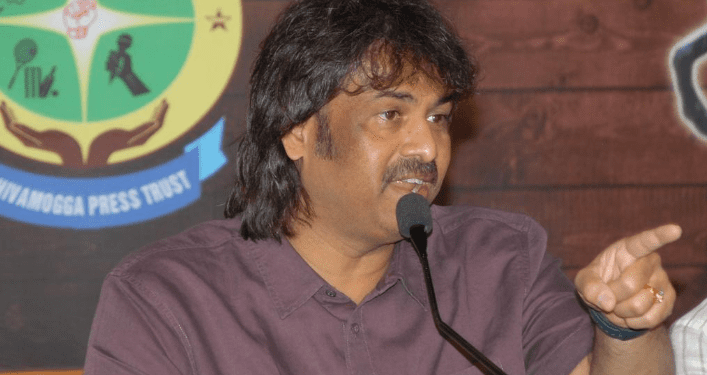
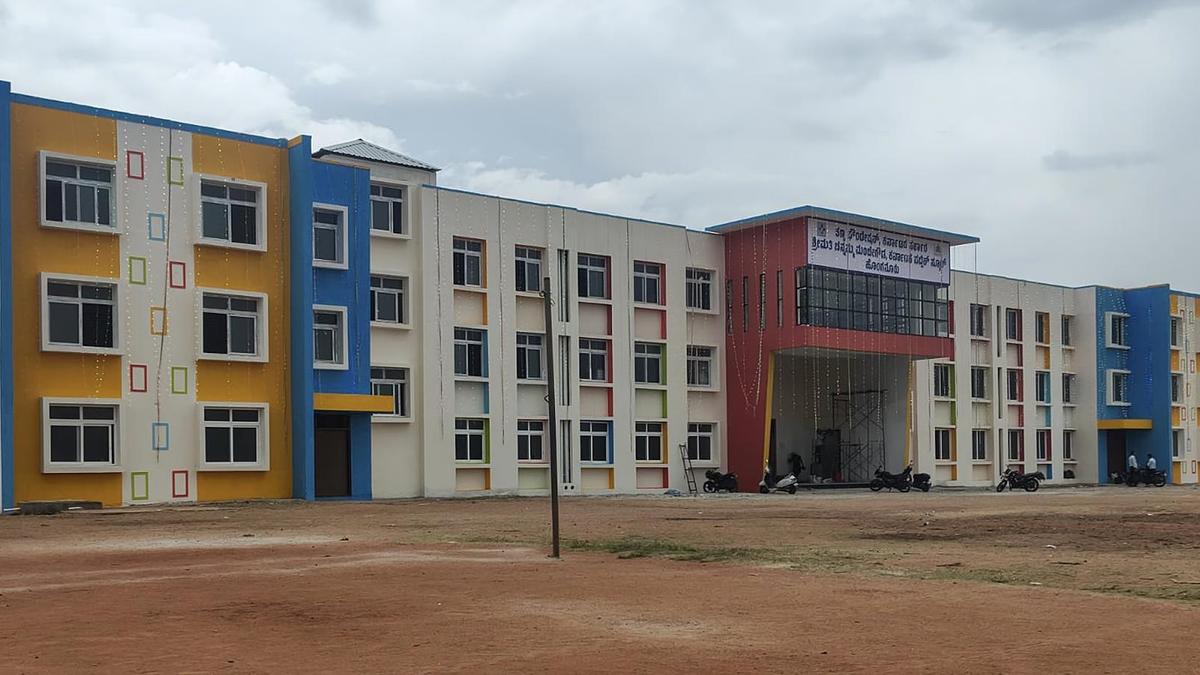
The government has indicated that existing government high schools and pre-university colleges may be upgraded or merged to form Karnataka Public Schools wherever feasible. This approach is expected to optimise resources while avoiding duplication of infrastructure. In areas without adequate facilities, new campuses will be constructed, subject to land availability and administrative approvals.900 Karnataka Public Schools in the pipeline: Minister - The Hindu
Education experts have largely welcomed the announcement, describing it as a step towards addressing long-standing inequalities in the schooling system. Many have pointed out that Karnataka has a strong legacy of public education, but uneven investment over the years has led to gaps in quality. A well-implemented network of public schools, they say, could reverse this trend.

However, experts have also cautioned that the success of the initiative will depend on sustained funding and effective governance. Past experiences with large-scale education reforms show that infrastructure alone is not sufficient. Continuous teacher support, transparent monitoring, and community participation will be crucial to ensuring that the schools deliver on their promise.

Opposition leaders have sought clarity on the financial outlay and timelines for the project. While welcoming the intent, some have questioned whether the State has allocated adequate budgetary support to sustain 900 high-quality institutions in the long term. They have urged the government to place details before the legislature to enable informed debate.

Education observers note that the programme’s long-term impact will be judged not merely by the number of schools established, but by measurable improvements in learning levels, retention rates, and student confidence. Transparent reporting of outcomes, they say, will help build credibility and public trust.

As Karnataka embarks on this ambitious expansion, the Karnataka Public Schools project stands at the intersection of policy intent and public expectation. Its success could serve as a model for other States grappling with similar challenges, reaffirming the idea that strong public education systems remain central to social equity and long-term development.

Responding to such concerns, Minister Bangarappa said the government views education as a long-term investment rather than an expenditure. He stressed that improving public schooling would have far-reaching social and economic benefits, including reduced inequality, improved workforce readiness, and stronger civic engagement. The Minister added that the education department is working closely with the finance and planning departments to ensure phased and sustainable implementation.

Parents’ groups have reacted with cautious optimism. In rural areas, many see the announcement as a potential turning point, especially for students who currently travel long distances or drop out after primary school due to lack of nearby facilities. In urban centres, parents hope that improved government schools could provide a credible alternative to expensive private institutions.

Teachers’ associations have highlighted the need for clarity on recruitment and transfers. With the creation of new schools or expanded campuses, they say, staffing requirements will increase significantly. Ensuring fair recruitment practices and manageable workloads will be essential to maintaining morale and teaching quality.Clustering of schools to transform public education in Karnataka': Minister  Madhu Bangarappa

The Karnataka Public Schools initiative also aligns with broader national conversations on strengthening public education systems. At a time when education outcomes are closely linked to economic mobility, State governments face increasing pressure to deliver quality schooling that is both inclusive and future-ready.

As the government moves from announcement to execution, stakeholders across Karnataka will be watching closely. The scale of the proposal, 900 schools across a diverse State, makes it one of the most ambitious education reforms in recent years. If implemented effectively, it could redefine the role of public schools and reaffirm the State’s commitment to education as a public good.

For now, the announcement has set expectations high. Whether the promise of Karnataka Public Schools translates into tangible change on the ground will depend on careful planning, sustained political will, and the active participation of teachers, parents, and communities across the State.
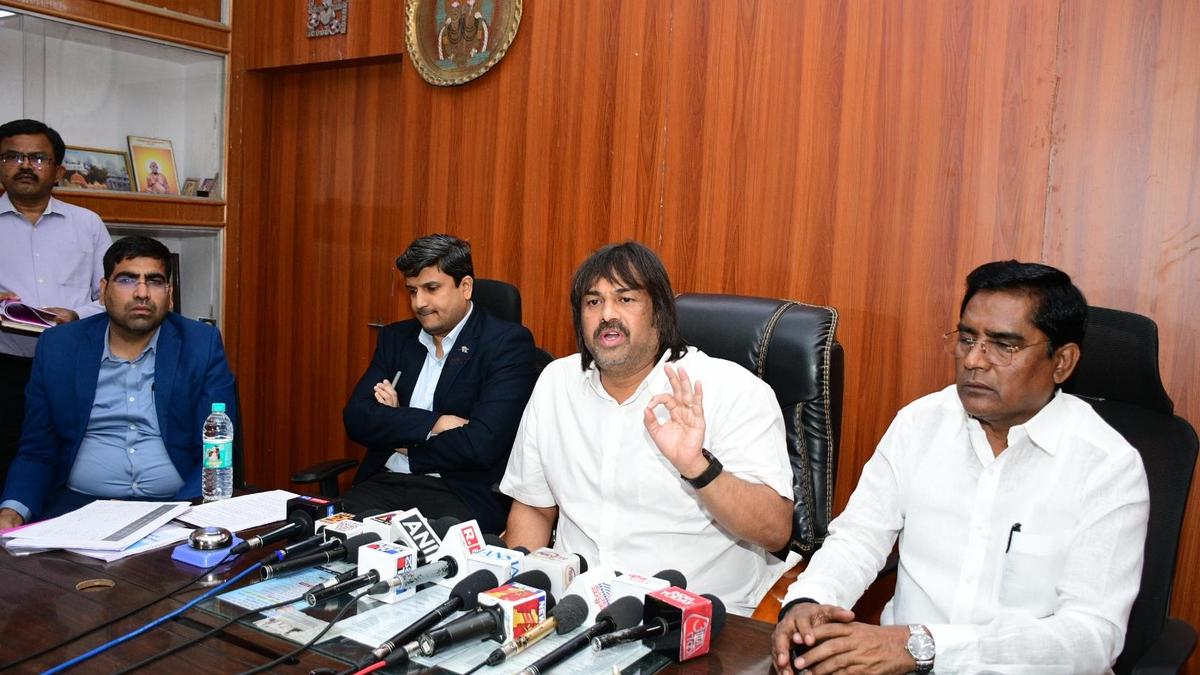
Steps needed to boost enrolment in govt schools in Karnataka: Minister -  The Hindu

IMPLEMENTATION ROADMAP AND DISTRICT-LEVEL STRATEGY

Officials in the education department said the rollout of Karnataka Public Schools will be carefully sequenced to avoid disruption to existing institutions. District-wise mapping is being undertaken to identify clusters where multiple government schools operate with limited enrolment and infrastructure. In such locations, consolidation into a single Karnataka Public School campus is being considered to optimise resources and improve academic continuity for students.

Special focus will be placed on aspirational districts and educationally backward taluks, where access to quality secondary education remains limited. The government plans to prioritise these regions in the first phase, ensuring that rural and marginalised communities are not left behind. Officials stressed that local needs and demographic realities will guide decisions rather than a uniform, one-size-fits-all approach.

The department is also coordinating with local bodies to ensure availability of land, basic utilities, and road connectivity for new campuses. In several districts, unused or underutilised government land is being identified for this purpose. Authorities said such coordination would help reduce project costs and speed up construction timelines.

Monitoring mechanisms are being designed at the district and State levels to track progress. Senior officials will conduct periodic reviews to assess infrastructure development, enrolment trends, and academic outcomes. The government believes that strong oversight will be critical to maintaining quality across a network as large as 900 schools.

CHALLENGES, EXPECTATIONS, AND THE ROAD AHEAD

Despite widespread optimism, educators acknowledge that the initiative faces significant challenges. Ensuring consistent teaching quality across hundreds of schools will require sustained investment in teacher training and mentorship. Experts warn that without continuous academic support, disparities could emerge even within the Karnataka Public Schools system.

Another concern relates to student diversity. With the aim of attracting students from different socio-economic backgrounds, schools will need robust support systems, including counselling, language support, and remedial teaching. Educationists argue that inclusivity must go beyond access and translate into meaningful learning outcomes for all students.

Fiscal sustainability is also expected to test the government’s resolve. Maintaining modern infrastructure, digital tools, and co-curricular programmes across 900 institutions will require steady budgetary commitments over several years. Analysts say political continuity and bipartisan support will be essential to prevent the project from losing momentum.

At the same time, expectations from the public remain high. Parents, particularly from lower- and middle-income groups, see Karnataka Public Schools as a chance to break the cycle of compromised education due to financial constraints. For many families, the success of this initiative could determine whether public education regains its place as a trusted pathway to opportunity.

Education observers note that the programme’s long-term impact will be judged not merely by the number of schools established, but by measurable improvements in learning levels, retention rates, and student confidence. Transparent reporting of outcomes, they say, will help build credibility and public trust.

As Karnataka embarks on this ambitious expansion, the Karnataka Public Schools project stands at the intersection of policy intent and public expectation. Its success could serve as a model for other States grappling with similar challenges, reaffirming the idea that strong public education systems remain central to social equity and long-term development.

Follow: Karnataka Government

Also read: Home | Channel 6 Network – Latest News, Breaking Updates: Politics, Business, Tech & More
12th Century Multi-Lingual Hoysala Inscription Unearthed in Karnataka: Revelation, 800 Years, and a Forgotten Voice

Follow: Karnataka Government

Also read: Home | Channel 6 Network – Latest News, Breaking Updates: Politics, Business, Tech & More
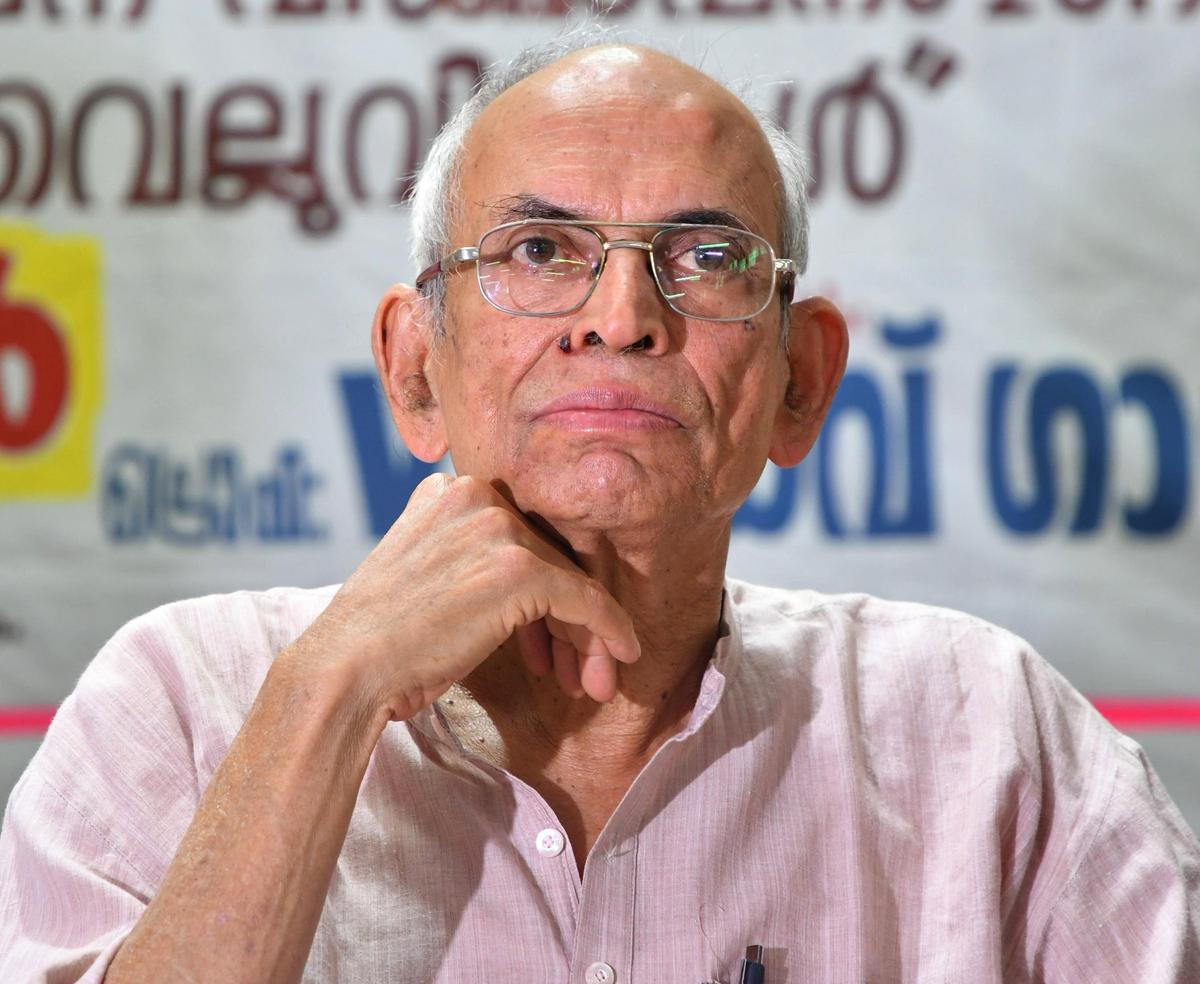
Madhav Gadgil’s Enduring Bond with Karnataka: Legacy, 5 Decades, and a Living Bold Vision

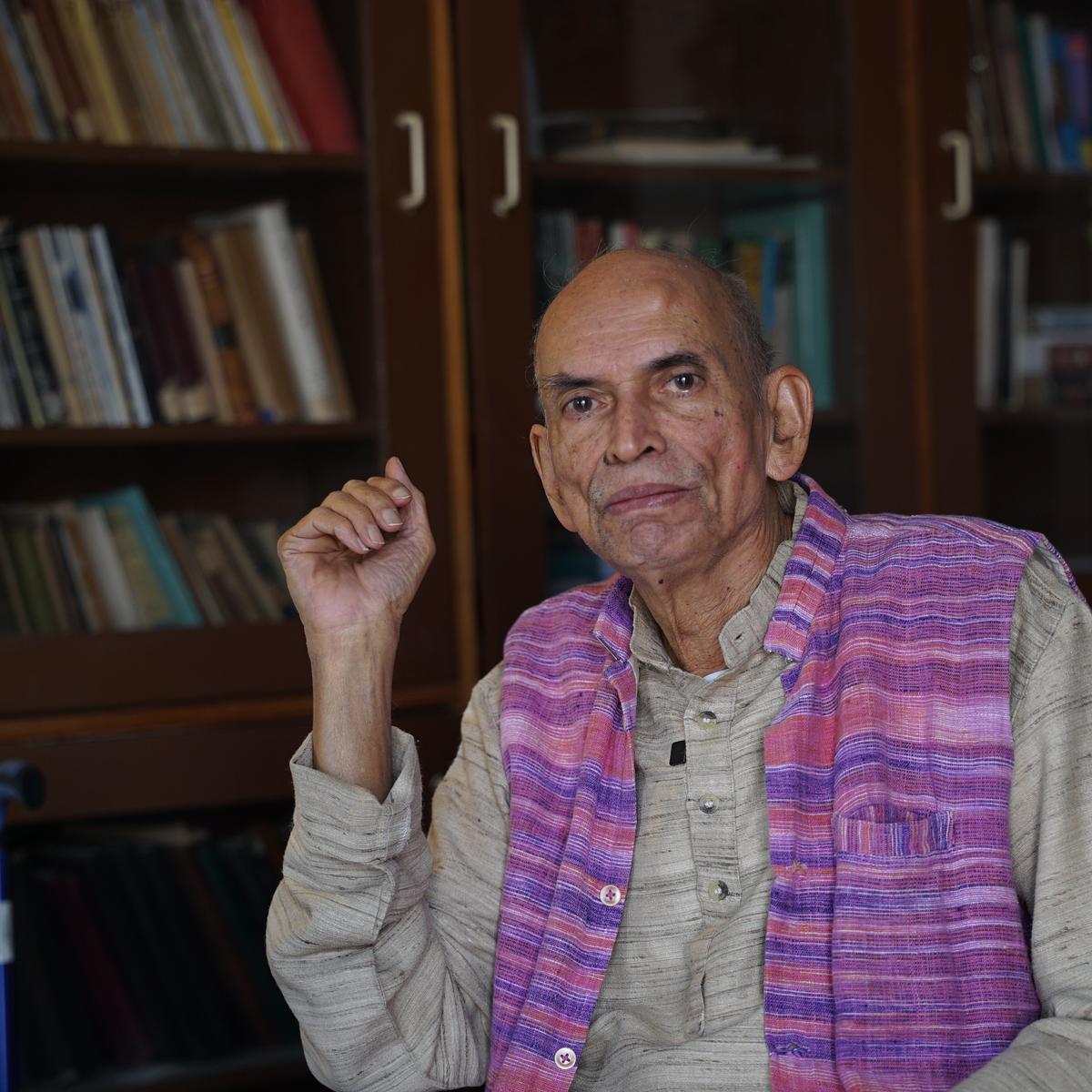
Madhav Gadgil’s association with Karnataka was not confined to a single role, institution, or movement. It spanned more than five decades, cutting across academia, environmental governance, public policy, and grassroots engagement. From heading the Western Ghats Ecology Expert Panel to playing a key role in shaping world-class research centres at the Indian Institute of Science, Bengaluru, Gadgil’s influence on the State’s intellectual and ecological landscape remains profound. Revered by conservationists, debated by policymakers, and remembered fondly by generations of students, Gadgil’s Karnataka years reflect a life devoted to knowledge, ethics, and ecological responsibility.

Born in 1942 into a family deeply rooted in scholarship and public service, Gadgil brought to Karnataka not only his scientific expertise but also a distinctive philosophy that blended rigorous research with democratic participation. His work consistently challenged the idea that conservation must be imposed from above, instead arguing for people-centred environmental governance. Karnataka became both the laboratory and the proving ground for these ideas, shaping his work and, in turn, being shaped by it.

Gadgil first came to prominence in Karnataka through his long association with the Indian Institute of Science, where he served as a professor and later played a pivotal role in establishing interdisciplinary research initiatives. IISc, already a premier institution, found in Gadgil a scholar who pushed boundaries, encouraging collaborations between ecology, sociology, economics, and public policy. His presence at IISc coincided with a period when environmental science was gaining urgency, and he ensured that Karnataka stood at the forefront of this intellectual shift.From heading Western Ghats panel to helping establish world class centres  in IISc, Madhav Gadgil had a long association with Karnataka - The Hindu

At IISc, Gadgil was instrumental in nurturing centres that went on to achieve international recognition. He believed that ecological research should not remain confined to academic journals but must inform governance and public debate. This belief shaped the ethos of several programmes he helped establish, many of which trained researchers who later became influential voices in conservation across India. For Gadgil, Karnataka was not just a workplace but a space where ideas could mature into action.

Beyond institutional walls, Gadgil engaged deeply with Karnataka’s landscapes. His research on biodiversity, community-managed forests, and traditional ecological knowledge drew extensively from regions within the State. He spent years studying the intricate relationships between local communities and natural resources, particularly in forested and semi-forested regions. These studies laid the foundation for his later work on participatory conservation, a concept that would define his legacy.

Gadgil’s philosophy stood in contrast to command-and-control models of environmental regulation. He argued that conservation imposed without local consent was both unjust and ineffective. Karnataka’s diverse socio-ecological settings, from the Western Ghats to the Deccan plateau, provided him with real-world examples of how decentralised decision-making could work. Village-level forest management practices, traditional water harvesting systems, and community norms all featured prominently in his writings and teaching.

WESTERN GHATS PANEL AND A CONTROVERSIAL TURN

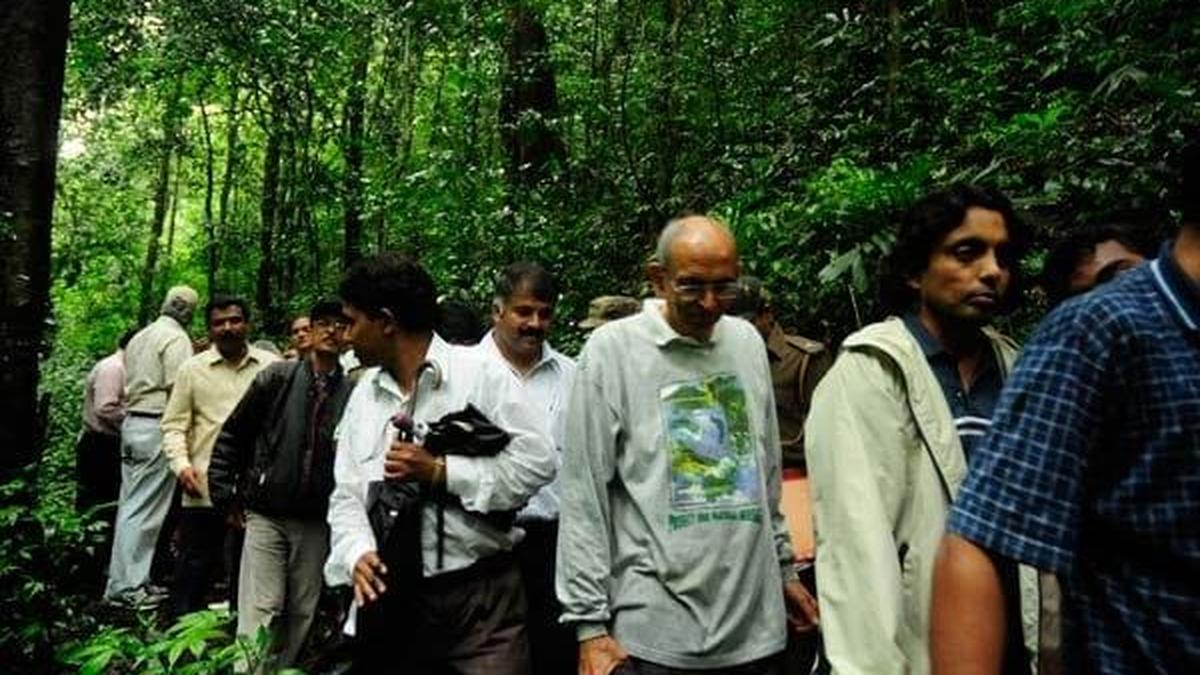
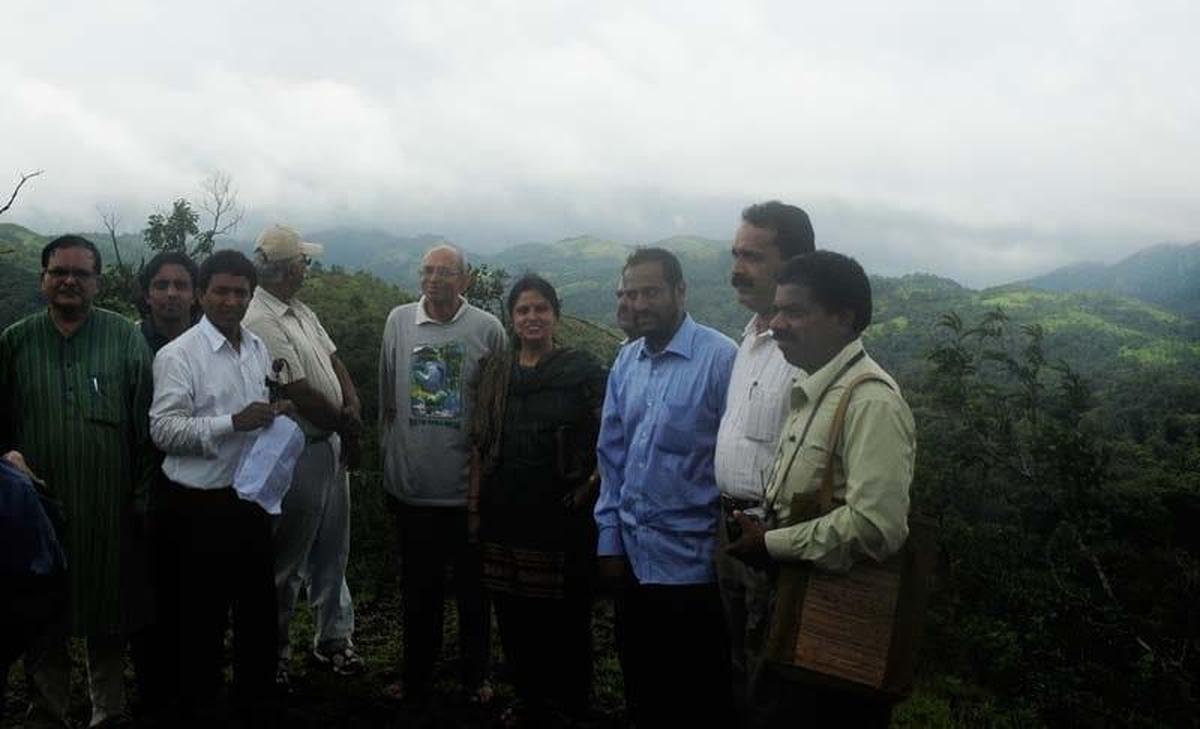
Gadgil’s most publicly visible role came in 2010, when he was appointed chairperson of the Western Ghats Ecology Expert Panel. Tasked with assessing the ecological sensitivity of the Western Ghats, the panel’s mandate was ambitious and politically sensitive. The Western Ghats stretch across six States, but Karnataka, with its extensive Ghats region, was central to the panel’s work. Gadgil approached the task with characteristic thoroughness, grounding recommendations in scientific data while emphasising community participation.

The panel’s report, submitted in 2011, classified the Western Ghats into different ecological sensitivity zones and recommended restrictions on environmentally destructive activities in the most fragile areas. In Karnataka, conservationists welcomed the report as a long-overdue corrective to unregulated mining, deforestation, and infrastructure expansion. Many hailed Gadgil for articulating what scientists had warned about for decades: that unchecked development in the Ghats could have irreversible consequences.

However, the reaction from sections of the public and political establishment was sharply divided. In the foothills of the Western Ghats, especially in parts of Karnataka, farmers, plantation owners, and local residents expressed fear that the recommendations would threaten livelihoods and land rights. The report was portrayed by critics as anti-development, despite Gadgil’s insistence that sustainable livelihoods were central to his vision.Madhav Gadgil's enduring legacy in the Nilgiri Biosphere Reserve - The Hindu

As Karnataka navigates the challenges of climate change, biodiversity loss, and sustainable development, Gadgil’s ideas remain strikingly relevant. His insistence on participatory governance, respect for local knowledge, and ethical restraint offers a framework that goes beyond policy prescriptions. It calls for a reimagining of progress itself.

More than a scientist or administrator, Madhav Gadgil was a public intellectual whose long association with Karnataka helped define the State’s environmental conscience. His work reminds us that true development lies not in conquering nature, but in learning to live within its limits, a lesson Karnataka continues to grapple with, decades after he first articulated it.

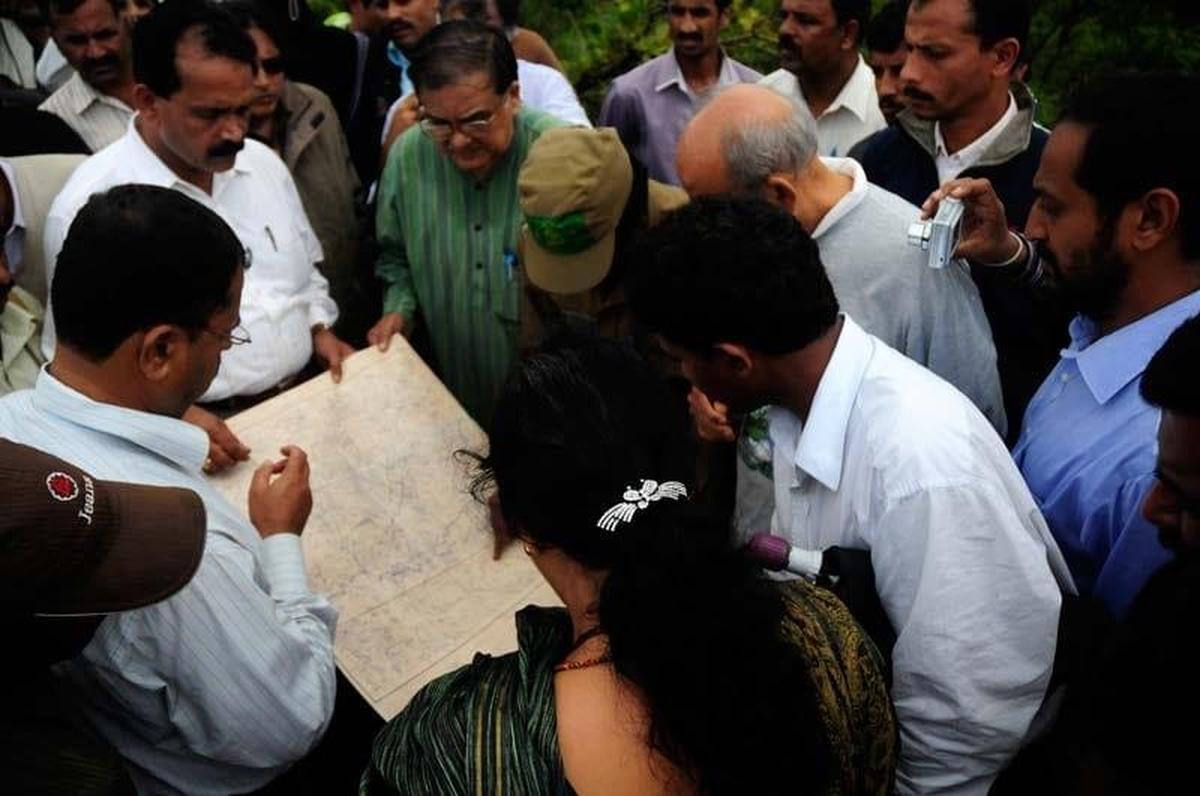
Public consultations became arenas of tension. Gadgil, known for his calm demeanour and willingness to engage, attended meetings where emotions ran high. He repeatedly clarified that the panel did not advocate blanket bans but sought context-specific regulations shaped by local voices. Yet, misinformation and political mobilisation often drowned out these nuances. Karnataka became one of the epicentres of the Gadgil report controversy, shaping public discourse on conservation for years to come.

The State government eventually distanced itself from the report, favouring a more diluted framework proposed by a subsequent committee. For Gadgil, this outcome was disappointing but not entirely unexpected. He later remarked that resistance to ecological regulation often stemmed from a failure to involve communities meaningfully from the outset. Despite the setback, the report left an indelible mark, ensuring that the Western Ghats would remain central to environmental debates in Karnataka.

Importantly, the controversy did not diminish Gadgil’s standing among Karnataka’s conservationists. Many viewed his work as a moral benchmark, a document that spoke truth to power even if it was politically inconvenient. Environmental movements across the State continued to cite the report, drawing on its scientific credibility to challenge environmentally harmful projects.

IISc, PUBLIC INTELLECTUALISM, AND LASTING INFLUENCE

While the Western Ghats panel brought Gadgil into the national spotlight, his quieter, sustained contributions within Karnataka arguably had a deeper impact. At IISc, he championed the idea of universities as public institutions with responsibilities beyond teaching and research. He encouraged students and colleagues to engage with society, write in regional languages, and participate in public debates.

Gadgil’s efforts to bridge the gap between science and policy found fertile ground in Karnataka. He collaborated with State agencies, civil society organisations, and grassroots groups, offering expertise without compromising his independence. His involvement in biodiversity documentation initiatives helped Karnataka become one of the States with the most comprehensive records of flora and fauna, a crucial tool for conservation planning.

Equally significant was Gadgil’s commitment to nurturing young minds. Former students recall a mentor who challenged them intellectually while instilling humility and ethical responsibility. He encouraged questioning, discouraged blind adherence to authority, and emphasised evidence-based reasoning. Many of his students went on to occupy influential positions in academia, government, and non-governmental organisations, carrying forward his ideas in varied forms.Madhav Gadgil's divisive legacy in Western Ghats: Respect from  conservationists, scepticism from local communities - The Hindu

Gadgil also played a role in shaping Karnataka’s approach to biodiversity governance through his involvement in people’s biodiversity registers. These initiatives sought to document local ecological knowledge, recognising communities as custodians of biodiversity rather than obstacles to conservation. Karnataka’s experience with such registers informed national biodiversity policies, reflecting Gadgil’s belief that local action could influence broader frameworks.

Even after formal retirement, Gadgil remained deeply engaged with Karnataka’s intellectual life. He continued to write, speak, and participate in discussions, often from his home but always with a keen awareness of developments in the State. His writings in Kannada and English reached diverse audiences, reinforcing his conviction that knowledge should be accessible and inclusive.

In the later years of his life, Gadgil increasingly reflected on the moral dimensions of science. He warned against the commodification of nature and the erosion of ethical considerations in development planning. Karnataka’s rapid urbanisation, mining pressures, and infrastructure expansion featured prominently in his critiques, not as isolated issues but as symptoms of a deeper imbalance between economic ambition and ecological limits.

Gadgil’s passing prompted an outpouring of tributes from across Karnataka. Academics remembered a rigorous scholar, activists remembered an ally, and students remembered a teacher who believed in their potential. For many, his life represented the possibility of combining scientific excellence with social commitment, a rare blend in an increasingly specialised world.

His association with Karnataka ultimately transcended institutions and controversies. It was rooted in a sustained engagement with the State’s people, landscapes, and ideas. From the classrooms of IISc to the forests of the Western Ghats, Gadgil left behind a legacy that continues to shape debates on development and conservation.

As Karnataka navigates the challenges of climate change, biodiversity loss, and sustainable development, Gadgil’s ideas remain strikingly relevant. His insistence on participatory governance, respect for local knowledge, and ethical restraint offers a framework that goes beyond policy prescriptions. It calls for a reimagining of progress itself.

More than a scientist or administrator, Madhav Gadgil was a public intellectual whose long association with Karnataka helped define the State’s environmental conscience. His work reminds us that true development lies not in conquering nature, but in learning to live within its limits, a lesson Karnataka continues to grapple with, decades after he first articulated it.

Follow: Karnataka Government

Also read: Home | Channel 6 Network – Latest News, Breaking Updates: Politics, Business, Tech & More
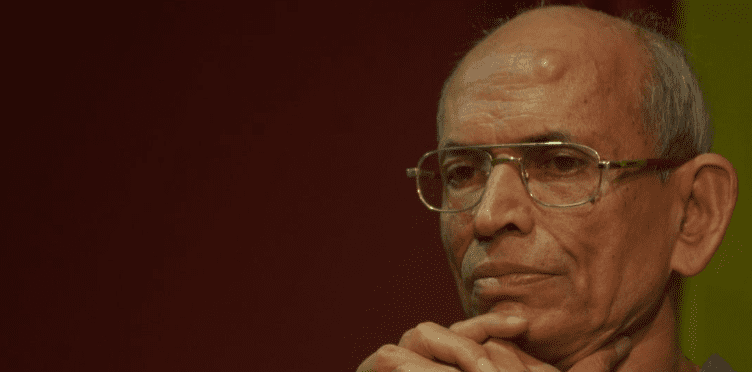
MADHAV GADGIL: CONTROVERSIAL 1 LEGACY AND A DIVIDED GREEN CONSCIENCE IN KARNATAKA

The late Madhav Gadgil, an eminent ecologist and architect of the Western Ghats Ecology Expert Panel report, continues to evoke strong and contrasting responses across Karnataka. While conservationists, environmental scholars, and policy experts regard him as a visionary who prioritised ecological balance and community participation, many residents living in the foothills of the Western Ghats viewed his recommendations with deep scepticism and fear. This divide reflects the complex intersection of conservation, livelihoods, development, and governance in one of India’s most ecologically sensitive regions.

Gadgil’s report, submitted in 2011, proposed strict environmental regulations for large parts of the Western Ghats, classifying them into Ecologically Sensitive Zones with varying degrees of restrictions. For conservationists, the report was groundbreaking, as it combined scientific rigour with decentralised governance and local participation. Gadgil’s emphasis on empowering gram sabhas and local bodies was seen as a progressive step toward sustainable environmental management. Many experts believe the report offered a rare opportunity to address environmental degradation before irreversible damage occurred.

In Karnataka’s conservation circles, Gadgil was widely respected for his integrity, intellectual honesty, and long-standing commitment to ecological science. Environmentalists recall that he consistently warned about the consequences of unchecked mining, deforestation, large infrastructure projects, and unregulated urban expansion in the Western Ghats. His work was often cited in academic forums and policy debates as a model for integrating ecology with democratic decision-making.

The ongoing debate over Gadgil’s legacy has also influenced how future conservation policies are framed in Karnataka. Policymakers have become more cautious, often opting for diluted recommendations to avoid backlash, even when ecological risks are evident. Environmentalists argue that this hesitation has weakened regulatory frameworks and emboldened unsustainable practices, while local communities continue to demand clearer assurances that conservation will not come at the cost of their dignity and survival. This cautious policymaking reflects the lingering impact of the Gadgil controversy on environmental governance in the State.

As Karnataka looks ahead, the lessons from the Gadgil report remain unresolved yet unavoidable. Experts increasingly stress that sustainable solutions must emerge from genuine collaboration between scientists, administrators, and local residents, rather than confrontation or political framing. Gadgil’s vision, though contentious, has ensured that environmental protection cannot be sidelined without debate. His legacy endures not just in conservation circles but in every policy discussion that seeks to balance ecological responsibility with human aspiration in the fragile landscape of the Western Ghats.

However, the reception of the report in the Western Ghats’ foothill regions was markedly different. Farmers, plantation workers, small landholders, and local communities expressed anxiety that the recommendations would severely restrict their livelihoods. Many feared that farming activities, construction of homes, road development, and access to basic infrastructure would become nearly impossible under the proposed regulations. This fear was compounded by widespread misinformation and a lack of effective communication from authorities.

Residents in districts such as Kodagu, Chikkamagaluru, Uttara Kannada, and parts of Shivamogga voiced concerns that the report failed to adequately account for ground realities. For them, the Western Ghats were not just an ecological hotspot but a lived landscape where generations had cultivated land, built homes, and sustained local economies. The perception that an external committee was imposing restrictions without understanding local needs created resistance and distrust.

Political leaders quickly tapped into this unease, framing the Gadgil report as anti-development and anti-farmer. Protests erupted in several districts, with demonstrators demanding that the report be rejected outright. In some areas, copies of the report were publicly burned, symbolising the depth of anger and alienation felt by local communities. For many residents, Gadgil became associated not with conservation but with uncertainty and loss of control over their future.

This sharp contrast in perception underscores a broader challenge in environmental governance: balancing ecological preservation with social and economic realities. While conservationists viewed the report as a necessary intervention to protect fragile ecosystems, local communities feared being made collateral damage in a policy battle shaped by experts and activists far removed from everyday struggles in the hillsMadhav Gadgil's divisive legacy in Western Ghats: Respect from  conservationists, scepticism from local communities - The Hindu

THE CONSERVATIONIST VIEW: SCIENCE, SUSTAINABILITY, AND FORESIGHT

Among Karnataka’s environmentalists, Gadgil’s report is often described as prophetic. Conservationists argue that many of the environmental disasters witnessed in recent years, including landslides, floods, and loss of biodiversity, validate his warnings. They point out that rampant deforestation, quarrying, and unplanned construction in ecologically sensitive zones have destabilised the Western Ghats, increasing vulnerability to extreme weather events.

Experts note that Gadgil’s approach was not one of blanket prohibition but nuanced regulation. The Ecologically Sensitive Zone classification allowed for graded restrictions, with the most fragile areas facing stricter controls while less sensitive regions could continue development with safeguards. Conservationists argue that this scientific zoning was essential to ensure long-term ecological resilience without halting all economic activity.

A key strength of the Gadgil report, according to its supporters, was its emphasis on decentralisation. By proposing a central role for gram sabhas in environmental decision-making, Gadgil sought to democratise conservation. Environmentalists argue that this approach could have empowered local communities rather than marginalised them, provided it was implemented transparently and sensitively. They contend that resistance stemmed not from the report itself but from poor communication and political misrepresentation.

Academics also highlight Gadgil’s insistence on cumulative impact assessment, a concept often neglected in development planning. Instead of evaluating projects in isolation, the report urged authorities to consider the combined impact of multiple activities such as mining, dams, and roads. Conservationists argue that ignoring cumulative impacts has led to irreversible ecological damage across the Western Ghats.

Gadgil’s critics within the scientific community were few, and even they acknowledged the depth of research behind the report. Many conservationists lament that instead of engaging constructively with its recommendations, policymakers chose to sideline it under political pressure. The subsequent Kasturirangan committee report, which diluted several provisions, is often cited as evidence of compromise driven by expediency rather than science.

For environmental advocates, the sidelining of the Gadgil report represents a missed opportunity. They argue that Karnataka, with its rich biodiversity and dependence on monsoon systems influenced by the Western Ghats, had much to gain from proactive conservation. Gadgil’s vision, they say, prioritised long-term sustainability over short-term gains, a perspective often ignored in electoral politics.Madhav Gadgil's divisive legacy in Western Ghats: Respect from  conservationists, scepticism from local communities - The Hindu

FOOTHILL RESISTANCE: LIVELIHOODS, FEAR, AND MISTRUST

In contrast, the scepticism among foothill communities was rooted in lived experience. Farmers and small landowners feared that the report would criminalise everyday activities such as repairing homes, digging wells, or expanding farms. Plantation workers worried about job losses, while local businesses anticipated economic stagnation. These anxieties were amplified by unclear messaging from the government and inconsistent interpretations of the report.

Many residents argued that conservation policies historically imposed disproportionate burdens on rural communities while allowing large corporations and urban centres to continue exploiting natural resources. This perception of unequal enforcement fuelled distrust toward the Gadgil report. For foothill residents, environmental regulation often meant restrictions without adequate compensation or alternative livelihood options.

Local leaders also criticised the report for insufficient consultation at the grassroots level. While the report emphasised community participation, many villagers felt they were not meaningfully engaged during its drafting or dissemination. This disconnect between intent and perception became a major fault line, undermining trust in the process and the people behind it.

The political climate further polarised opinions. Regional leaders portrayed the report as an existential threat to local identity and autonomy, framing the Western Ghats not as a shared ecological heritage but as contested territory. This narrative resonated with communities already grappling with economic uncertainty and administrative neglect.

Over time, the Gadgil report became a symbol of a larger struggle between conservation and development, science and politics, expertise and lived experience. Even residents who acknowledged environmental degradation remained unconvinced that the proposed measures were fair or practical. The lack of clear rehabilitation plans, financial support, and transition strategies reinforced fears of displacement and marginalisation.

Yet, some voices within foothill communities have begun reassessing the report in light of recent environmental crises. Landslides in Kodagu and floods in Uttara Kannada have prompted renewed discussions about unregulated development. A growing number of residents now acknowledge that ecological safeguards are necessary, though they continue to demand locally tailored solutions rather than top-down mandates.Madhav Gadgil's divisive legacy in Western Ghats: Respect from  conservationists, scepticism from local communities - The Hindu

A COMPLEX LEGACY AND UNRESOLVED QUESTIONS

Madhav Gadgil’s legacy in Karnataka is thus both revered and contested. To conservationists, he remains a principled scientist who dared to speak uncomfortable truths about environmental destruction. To many foothill residents, he represents a policy approach that failed to adequately address human realities and socio-economic vulnerabilities. Both perspectives are rooted in legitimate concerns, reflecting the complexity of governing ecologically sensitive regions.

The debate surrounding the Gadgil report highlights the need for better communication, inclusive policymaking, and trust-building between experts, governments, and local communities. Conservation cannot succeed without public support, and development cannot be sustainable without ecological wisdom. Bridging this divide requires acknowledging past failures and fostering genuine dialogue.

As Karnataka continues to grapple with climate change, extreme weather events, and resource pressures, the questions raised by the Gadgil report remain deeply relevant. How can ecological protection be aligned with livelihoods? How can scientific expertise be translated into policies that communities trust? And how can political leadership rise above short-term considerations to prioritise long-term sustainability?

In hindsight, many observers argue that the controversy was not just about Gadgil or his report, but about the broader failure to reconcile conservation with social justice. The Western Ghats, as both a biodiversity hotspot and a human landscape, demand governance models that are sensitive, participatory, and adaptive.

Ultimately, Gadgil’s work continues to serve as a mirror reflecting India’s environmental dilemmas. His ideas challenge policymakers and citizens alike to rethink development paradigms and confront uncomfortable trade-offs. Whether viewed with admiration or scepticism, his report remains a critical reference point in Karnataka’s ongoing struggle to balance nature, people, and progress.

Follow: Karnataka Government

Also read: Home | Channel 6 Network – Latest News, Breaking Updates: Politics, Business, Tech & More
Park Min Young and BTOB Lead a Grounded Romance in “Nine to Six”

0

Park Min Young and BTOB Set the Tone for a Realistic K-Drama Pairing

Park Min Young and BTOB star Yook Sung Jae have officially been cast as the lead pair in the upcoming romantic K-drama Nine to Six, a project that aims to present a grounded and realistic take on modern relationships. The series places its focus on working professionals whose lives revolve around responsibility, routine, and personal ambition rather than dramatic fantasy.Park Min Young and BTOB

Park Min Young plays Kang Yi Ji, a disciplined and career-focused head of a corporate legal team. Her character views romance as secondary, shaped more by biological impulse than emotional depth. Years of professional experience have taught her to rely on logic, structure, and control, leaving little room for emotional vulnerability. This mindset defines her daily life until she crosses paths with Han Sun-woo.

Yook Sung Jae, a member of BTOB and an established actor, takes on the role of Han Sun-woo, a jewelry designer who also holds a law degree. His character is described as emotionally intelligent, observant, and adaptable, balancing creative work with a solid academic background. Unlike Kang Yi Ji, Han Sun-woo approaches life with warmth and openness, creating a clear contrast between the two leads.

Their interaction forms the emotional core of Nine to Six, where routine office life slowly gives way to personal change. The drama avoids exaggerated conflict and instead builds its narrative around small, believable moments that reflect real adult relationships.

Park Min Young and BTOB Highlight Career, Choice, and Emotional Growth

Park Min Young and BTOB come together in a story that emphasizes transformation through everyday encounters. Kang Yi Ji’s professional success has come at the cost of emotional distance, and her rigid worldview is gradually challenged through her interactions with Han Sun-woo. The drama portrays this shift carefully, showing change as a process rather than an instant transformation.Min Young THANK YOU … you are so cute 😭 I love you… 😭🙇🏻‍♀️I saw you with my own eyes... now l can die in peace 2024 PARK MIN YOUNG ASIA FANMEETING

Han Sun-woo’s character brings balance rather than disruption. His background as both a designer and a trained legal professional allows him to understand Kang Yi Ji’s world without competing with it. This balance makes their relationship feel realistic, rooted in mutual respect rather than idealized romance.

The series explores how people from different emotional and professional backgrounds influence each other’s growth. Rather than presenting one character as a solution to the other’s problems, Nine to Six focuses on shared learning. Each character becomes a part of the other’s past and future, shaping decisions, priorities, and emotional awareness over time.

Park Min Young’s casting reinforces the drama’s mature tone. Known for her ability to portray intelligent and self-reliant characters, she brings credibility to the role of a senior legal professional. Her performance is expected to highlight internal conflict through subtle expressions rather than dramatic outbursts.

Yook Sung Jae continues to expand his acting range with this role. Moving away from youthful or comedic characters, his portrayal of Han Sun-woo reflects emotional stability and quiet confidence. His performance is positioned to complement Park Min Young’s restrained approach, creating a balanced on-screen dynamic.

Park Min Young and BTOB Anchor a Shift Toward Relatable Storytelling

Park Min Young and BTOB leading Nine to Six reflects a broader shift in Korean television toward stories that mirror everyday adult life. The drama places emphasis on work culture, personal boundaries, and emotional responsibility, themes that resonate with viewers navigating similar realities.

The title Nine to Six itself reflects structured routines and professional commitments, framing romance as something that develops within, not outside, daily responsibilities. This approach sets the drama apart from fantasy-driven narratives, focusing instead on emotional realism. Also Read: Farmley Rs. 400 Crore Growth Shows a Steady Shift in India’s Healthy Snacking Market

Production sources indicate that the series will maintain a calm visual tone, with storytelling driven by dialogue and character interaction rather than spectacle. This choice aligns with the drama’s focus on authenticity and emotional depth.


View this post on Instagram


A post shared by Koreanophiles (@koreanophiles)

The pairing of Park Min Young and Yook Sung Jae also brings together experience and versatility. Their combined fan bases and professional credibility position Nine to Six as a highly anticipated release among viewers seeking mature romance.

Conclusion

Park Min Young and BTOB actor Yook Sung Jae headline Nine to Six, a romantic K-drama centered on career-driven lives and gradual emotional change. With its realistic characters and grounded storytelling, the series aims to reflect modern relationships shaped by work, choice, and personal growth, offering a calm and relatable viewing experience.

Arunachal Pradesh Athlete Rupa Bayor’s Rise Marks a Defining Sporting Moment in 2025

0

Arunachal Pradesh Witnesses a Rare Global Sporting Breakthrough

Arunachal Pradesh has produced a landmark achievement in Indian sport through taekwondo athlete Rupa Bayor, who has reached World No. 6 and Asia No. 1 in international rankings. This milestone places her as the highest-ranked Indian athlete in the sport to date, setting a new benchmark for Indian taekwondo on the global stage.THE INDIANS THINGS ™ | Rupa Bayor from Arunachal Pradesh has scripted history by becoming the first Indian taekwondo athlete to achieve World Rank 6 in the... | Instagram

Rupa Bayor’s rise is significant not only because of the rankings she has achieved, but also because of the background she comes from. Raised by a widowed mother in a rural part of Arunachal Pradesh, her early life involved basic living conditions and physical labour, including working in paddy fields. These circumstances did not provide access to elite sports infrastructure, making her achievement stand out within India’s competitive sports environment.

Her journey reflects a slow and demanding progression rather than a rapid breakthrough. Years of consistent training, participation in domestic and international tournaments, and gradual improvement in performance contributed to her current global standing.

Arunachal Pradesh Athlete’s Journey Built on Discipline and Exposure

Rupa Bayor’s path into professional taekwondo began at the grassroots level, where access to coaching and facilities was limited. Training often involved basic equipment and long travel for competitions. Despite these challenges, she continued to compete at the national level, steadily earning selection for international events.Arunachal Pradesh's Rupa Bayor, raised by a widowed mother and once working in paddy fields, has scripted history in Indian sport. She becomes the first Indian taekwondo athlete to achieve World No.

Her performances in Asian championships and international ranking tournaments played a key role in improving her global standing. Each competition added ranking points, eventually placing her at the top position in Asia and within the top ten globally. Reaching World No. 6 required consistent podium finishes and disciplined performance against athletes from countries with far stronger taekwondo systems.

The support structure around her evolved gradually. While early years depended heavily on personal effort and family support, later stages saw backing from sports authorities and federations. This combination of personal resilience and institutional support allowed her to train and compete at a higher level.

Rupa Bayor’s rise also highlights the increasing importance of international exposure for Indian athletes. Competing regularly outside the country helped her adapt to different fighting styles, judging standards, and tournament pressure.

Arunachal Pradesh’s Growing Presence in National Sports

Arunachal Pradesh has traditionally remained underrepresented in mainstream Indian sports coverage. However, Rupa Bayor’s achievement draws attention to the sporting potential emerging from the Northeast region. Her success adds to a growing list of athletes from the region making an impact in disciplines such as boxing, weightlifting, and athletics.Taekwondo: How Arunachal's Rupa Bayor fought odds to become Taekwondo champion - The Economic Times

Sports officials have acknowledged that her rankings could influence greater investment in martial arts training facilities in the region. Taekwondo, while popular at school and state levels, has lacked consistent international success from India. Rupa Bayor’s performance challenges that pattern.

Her journey also brings attention to the role of family support in athlete development. Raised by a single parent, her progress required financial restraint, emotional strength, and long-term commitment from her family. These factors played a critical role during periods when competitive success did not translate into immediate recognition or income.

Arunachal Pradesh Athlete’s Achievement and Its Wider Impact

By reaching Asia No. 1, Rupa Bayor has positioned herself as a leading contender in upcoming global competitions. Her current ranking places her in a strong position for qualification events and major international tournaments. It also increases expectations around medal prospects at multi-sport events.Taekwondo Star Rupa Bayor | Became an international Athlete

Sports administrators see her achievement as proof that talent from remote regions can reach global levels when given sustained exposure and opportunity. Her progress strengthens the case for decentralised sports development, particularly in disciplines that do not require expensive infrastructure.


View this post on Instagram


A post shared by Onevision Media (@onevisionmedia.in)

At the national level, her ranking adds credibility to India’s taekwondo programme, which has struggled to produce consistent global results. Coaches and selectors believe her experience can help mentor younger athletes entering the international circuit. Also Read: Farmley Rs. 400 Crore Growth Shows a Steady Shift in India’s Healthy Snacking Market

Conclusion

Arunachal Pradesh has found a global sporting representative in Rupa Bayor, whose rise to World No. 6 and Asia No. 1 marks a defining moment for Indian taekwondo. Her journey is a result of years of discipline, competition, and gradual progress rather than sudden success. As she continues to compete internationally, her achievement stands as a concrete example of how sustained effort and opportunity can produce results at the highest level of sport.

Neha Byadwal and the Quiet Discipline Behind an IAS Rank

0

Neha Byadwal’s Path Built on Focus, Not Shortcuts

Neha Byadwal did not reach the civil services through sudden success or attention-driven preparation. Her journey reflects long-term discipline shaped by family values, repeated attempts, and deliberate personal choices. Coming from a household where her father served as a senior income tax officer, she grew up observing structure, accountability, and the responsibilities tied to public service. These early influences played a strong role in shaping her decision to aim for the Indian Administrative Service.Neha Byadwal IAS: Youngest Officer Inspiring UPSC Aspirants (2022)

Unlike many aspirants who balance preparation with constant digital engagement, Neha Byadwal made a conscious decision to remove distractions. During her UPSC preparation years, she stayed away from mobile phone usage for nearly three years. This choice was not symbolic but practical, allowing uninterrupted study and mental clarity. Her routine was designed around consistency rather than intensity, focusing on steady progress over quick wins.

Neha Byadwal’s Decision to Stay the Course Despite Other Successes

Neha Byadwal cleared the Staff Selection Commission examinations multiple times, an achievement many candidates would consider sufficient to secure a stable career. However, she chose not to settle. Instead of accepting a comfortable position, she continued preparing for the civil services, keeping her long-term goal clear. This decision involved uncertainty, repeated examination cycles, and the pressure of expectations.

Meet Neha Byadwal – One of India's Youngest IAS Officers! Stayed Off Social Media & Phones for 3 Years, Cracked UPSC 2021 with AIR 569, Her Story Still Inspires the Youth ✨ . . . .Her preparation phase included multiple UPSC attempts, each bringing lessons rather than discouragement. She refined her approach with every attempt, adjusting strategy, improving answer writing, and strengthening her understanding of administrative subjects. There was no dramatic turnaround moment. Progress came gradually, built on analysis and correction rather than motivation alone.

Family support played a steady role, but the responsibility of execution remained hers. The discipline learned at home translated into self-regulation during preparation, especially during periods when results did not meet expectations.

Neha Byadwal Achieves IAS Rank Through Persistence

Neha Byadwal finally cleared the UPSC Civil Services Examination with an All India Rank of 569. With this result, she became one of the youngest officers to enter the Indian Administrative Service in her batch. The achievement was the outcome of years of focused effort rather than a single breakthrough year.Youngest IAS Officer: IAS Neha Byadwal Failed 3 Attempts. Then Broke Up With Mobile For 3 Years

Her journey highlights an important aspect of competitive examinations: success often depends more on the ability to remain consistent than on early performance. Clearing the exam after multiple attempts reinforced the value of patience and adaptability. Each failure was treated as feedback rather than a verdict.

After selection, her story gained attention among aspirants, not because of dramatic claims, but because of the practical choices she made during preparation. Avoiding distractions, accepting delayed success, and continuing despite alternate career options became key points of discussion among candidates preparing for civil services.

Neha Byadwal’s Journey and Its Broader Message

Neha Byadwal represents a growing group of civil servants whose journeys challenge the idea of quick success. Her experience underlines that clearing UPSC is less about extraordinary talent and more about sustained effort over time. The absence of shortcuts, combined with deliberate sacrifice, shaped her path to selection.Meet IAS Officer Neha Byadwal, Who Cracked UPSC At 24 | Education and Career News - News18

Her approach also highlights the importance of mental discipline in long preparation cycles. Staying focused without constant digital stimulation helped her maintain clarity during demanding phases of study. This aspect of her journey resonates strongly with aspirants facing burnout and distraction.


View this post on Instagram


A post shared by Visionary Indians (@visionaryindians)

Today, as an IAS officer, Neha Byadwal’s background in disciplined preparation continues to influence her professional outlook. Her story is often cited as an example of how steady effort, supported by clear priorities, can lead to meaningful outcomes in public service. Also Read: Farmley Rs. 400 Crore Growth Shows a Steady Shift in India’s Healthy Snacking Market

Conclusion

Neha Byadwal reached the Indian Administrative Service not through speed, but through persistence. Her journey reflects the reality of competitive exams where patience, focus, and consistency matter more than early success. For aspirants, her path serves as a clear reminder that dedication, when sustained long enough, does deliver results.

Meet Kanika Tekriwal and the Rs 420 Crore Rise of India’s Private Aviation Shift

0

Meet Kanika Tekriwal Behind a New Chapter in Indian Aviation

Meet Kanika Tekriwal, the founder of JetSetGo, a company that has quietly built one of India’s most recognised private aviation platforms. From starting with just ₹5,600 to leading a business valued around ₹420 crore, her journey reflects long-term execution rather than overnight success. In an industry dominated by established players and high entry barriers, JetSetGo’s rise signals a clear change in how private flying is being approached in India.Kanika Tekriwal: The jet setterJetSetGo operates in a space once limited to ultra-wealthy individuals and large corporations. By focusing on flexible charter services, transparent pricing, and asset-light operations, the company opened private aviation to a wider group of business travellers and professionals. This shift helped the company scale without owning every aircraft it operates.

Meet Kanika Tekriwal and the Early Struggles That Shaped JetSetGo

Meet Kanika Tekriwal and the story begins far from boardrooms and runways. Early in her career, she faced serious personal and professional setbacks, including health challenges that forced her to pause and rethink her direction. Instead of stepping away from ambition, she redirected it toward building something practical and sustainable.Kanika Tekriwal JetSetGo: Taking Wings with Purpose – Skybound Stories

JetSetGo was founded with a simple goal: to make private flying more efficient and accessible. Rather than purchasing jets outright, the company partnered with aircraft owners and operators. This model reduced capital pressure and allowed faster expansion across Indian cities. It also helped JetSetGo manage costs in an industry where maintenance, fuel, and compliance expenses are high.

Breaking into aviation was not easy. Regulatory processes were slow, credibility took time to build, and being a woman founder in a male-dominated sector added another layer of challenge. Progress came through consistent delivery, not publicity.

Meet Kanika Tekriwal and JetSetGo’s Business Model Evolution

Meet Kanika Tekriwal at the centre of a business that adapted as it grew. JetSetGo expanded from charter services into aircraft management, maintenance coordination, and technology-driven scheduling. This helped improve utilisation rates for aircraft owners while ensuring reliable service for clients.Meet 'The Sky Queen', Kanika Tekriwal who owns 10 private jets

The company built a network of private jets and helicopters across India, serving corporate leaders, government officials, medical emergencies, and high-net-worth individuals. Instead of focusing on luxury branding alone, JetSetGo positioned itself as a dependable aviation partner.

Revenue growth followed operational discipline. Over time, JetSetGo reached a valuation close to ₹420 crore, backed by demand for time-efficient travel and growing acceptance of charter aviation. The company’s growth reflects rising business travel needs in tier-one and tier-two cities.

Meet Kanika Tekriwal and a Broader Impact on Women in Business

Meet Kanika Tekriwal not as a symbol, but as an operator who proved that leadership in aviation is not limited by gender. Her presence in the sector has encouraged more women to consider roles in aviation management, operations, and entrepreneurship.

JetSetGo’s journey also reflects a broader trend in Indian startups, where founders are focusing on sustainable models instead of fast-burning expansion. The company did not grow by chasing attention but by solving clear problems in logistics, scheduling, and cost efficiency. Also Read: Farmley Rs. 400 Crore Growth Shows a Steady Shift in India’s Healthy Snacking Market

Kanika Tekriwal’s role today extends beyond JetSetGo’s daily operations. She is often involved in discussions around aviation policy, startup leadership, and business resilience, based on real experience rather than theory.

Conclusion

Meet Kanika Tekriwal and the story is not about instant success, but steady execution. From a modest beginning to building a ₹420 crore aviation business, JetSetGo’s growth shows how focused strategy, patience, and operational clarity can create lasting value in even the toughest industries.

Farmley Rs 400 Crore Growth Shows a Steady Shift in India’s Healthy Snacking Market

0

Farmley ₹400 Crore Rise Driven by Strong Sales Discipline

Farmley ₹400 crore has become the closest milestone for the Noida-based healthy snacking brand as it reported operating revenue of ₹394 crore in FY25. This marked a sharp rise from ₹230 crore in FY24, reflecting a 71 percent year-on-year growth. More importantly, the company managed to grow revenue faster than expenses, a sign of improving financial control in a highly competitive food market.Farmley Nears Rs 400 Cr Revenue in FY25 with Improved Financials - Indian Retailer

The company’s total income stood at ₹396 crore in FY25, supported by strong performance across online platforms, quick commerce channels, and a wider offline retail presence. While expenses remained high, Farmley showed better efficiency in how money was spent to generate revenue. For every rupee earned, the company spent ₹1.06, improving from ₹1.12 in the previous year.

This improvement highlights a shift from aggressive expansion to more balanced growth, where scale and sustainability are being managed together.

Farmley ₹400 Crore Journey from Bulk Supply to Consumer Brand

 did not happen overnight. Founded in 2017 by IIT alumni Akash Sharma and Abhishek Agarwal, the company started as a bulk supplier of dry fruits and nuts. Over time, the founders realised that selling directly to consumers would allow better margins and stronger brand connection. This shift proved critical to Farmley’s current scale.Farmley Raises $6.7 Mn in Pre-Series B Funding Led by BC Jindal Group - APN News | Authentic Press Network News

Today, Farmley offers more than 100 products, including almonds, cashews, raisins, dates, roasted nuts, seeds, trail mixes, makhana snacks, and date-based items. The company sources raw materials directly from over 5,000 farmers in India and abroad, helping maintain quality while managing supply costs.

Farmley now sells across major platforms such as Amazon, Flipkart, Blinkit, Zepto, BigBasket, and through more than 22,000 physical stores. It has also expanded exports to markets like the United States, Australia, Singapore, and the Middle East, adding another layer to its revenue stream.

Farmley ₹400 Crore Costs, Loss Control, and Funding Support

Farmley ₹400 crore growth still comes with high operational costs. The biggest expense remains raw material procurement, especially nuts and dry fruits, which stood at ₹281 crore in FY25. Advertising expenses increased to ₹52 crore as the company continued to invest in brand visibility. Employee costs reached ₹27 crore, while logistics expenses were recorded at ₹20 crore.Retail India News: Farmley Elevates Healthy Snacking Space with Innovative Munchies Snack Sticks - Indian Retailer

Despite these costs, Farmley reduced its net loss to ₹22.5 crore in FY25 from ₹26.5 crore in FY24. The operating loss margin improved to -3.68 percent, showing that losses are narrowing as scale improves. The company ended the year with cash reserves of ₹22 crore and current assets worth ₹163 crore, providing some financial cushion.

Farmley has raised around $55 million, roughly ₹456 crore, in funding so far. This includes a $40 million Series C round in May 2025 led by L Catterton, with participation from DSG Consumer Partners and the BC Jindal Group. The founders continue to hold about 52 percent of the company, retaining control as the business grows.

Farmley ₹400 Crore and a Clear Pattern of Long-Term Growth

Farmley ₹400 crore is part of a longer growth pattern rather than a one-year spike. Over the last four years, the company’s revenue has grown from ₹204 crore in FY22 to ₹394 crore in FY25. During the same period, losses have consistently declined, indicating better cost management and operational discipline.


View this post on Instagram


A post shared by Startup Pedia (@startup.pedia)

This trend matters more than headline numbers. Many consumer brands grow fast but struggle to control spending. Farmley’s recent performance suggests a more measured approach, focusing on steady demand, supply efficiency, and gradual improvement in margins. Also Read: Farakka Barrage Project: DoWR, RD & GR Secretary V. L. Kantha Rao proudly Undertakes 2-Day Review

Conclusion

Farmley ₹400 crore revenue puts the company close to a major milestone, but the real story lies in controlled growth and declining losses. With rising demand for healthy snacks and better cost discipline, Farmley appears to be moving toward a more stable phase of expansion without relying on hype or unsustainable spending.

11 Years at TCS Changed His Life, But Leaving It Changed His Health and Future

0

11 Years at TCS and a Quiet Health Crisis

11 years at TCS gave Jitender Mann what many professionals chase for decades. A steady salary, respected corporate role, and postings across Bengaluru, Noida, and Chennai. On paper, everything looked successful. In reality, his body was slowly giving up. Long hours, constant pressure, and a sedentary routine resulted in severe back pain, breathing problems, constant fatigue, and poor digestion. None of these appeared overnight. They built up quietly while the job continued to look “safe.”TCS to freeze senior hiring, pause annual salary hikes - The Economic Times

Like many corporate professionals, Jitender ignored the warning signs at first. Medical reports showed no dramatic illness, yet his energy levels dropped and recovery became slow. The work kept going, but health was being traded every day without notice. The salary compensated for comfort, not wellbeing. That imbalance eventually became impossible to ignore.

11 Years at TCS and a Small Habit That Sparked a Big Shift

11 years at TCS did not end with a dramatic resignation letter. The shift began with something simple. A friend offered Jitender fresh moringa leaves grown on a terrace in Delhi. There was no business plan, no ambition behind it. He consumed the leaves daily, without expectations. Within weeks, the changes were clear. Digestion improved. Energy returned. Breathing felt easier. The improvement was steady, not magical, but real enough to raise an important question.'Joined & Resigned On Same Day': TCS Employee Forced To Quit After Refusal To Accept Change In Terms

If a natural plant could bring visible change where years of routine could not, then what else had he been ignoring? That clarity forced a deeper look at lifestyle, food, and priorities. Health was no longer something to be adjusted around work. It became the reason to rethink work itself.

11 Years at TCS Led to a Risky Exit, Not an Easy One

11 years at TCS finally ended in 2017. Jitender resigned and, along with his wife Sarla, moved to their ancestral village in Haryana. This was not a romantic escape story. They invested ₹35 lakh of personal savings into organic moringa farming with no external funding. The land had potential, but the process was slow. No chemicals. No pesticides. Only organic methods, which meant lower yields initially and higher effort.Top Quotes by Ratan Tata to Inspire Future Generations: A Tribute to His Legacy - Indian Retailer

For nearly two years, there was no income. The couple invested time, labour, and patience while learning how the soil responded. Winters brought almost zero output. Labour costs kept increasing. The idea of “quick returns” never existed. Many would have returned to corporate work at this stage. They did not.

11 Years at TCS to Building a Business from the Ground

11 years at TCS had taught structure and discipline, which quietly helped in farming. They launched Husband Wife Farm and focused only on chemical-free moringa products. No aggressive marketing. No exaggerated health claims. The demand grew slowly through trust and word of mouth. Customers returned because the quality stayed consistent.Also Read: Farakka Barrage Project: DoWR, RD & GR Secretary V. L. Kantha Rao proudly Undertakes 2-Day Review

Over time, the product line expanded to moringa powder, capsules, and beetroot powder. Orders started coming from across India and later from the USA and the UAE. Growth was controlled, not rushed. They hired locally, employing 20 rural women, creating steady income in the village instead of chasing urban scale.

11 Years at TCS and the Reality of Slow Success

11 years at TCS did not prepare Jitender for how long stability would take outside corporate life. It took nearly six years for the business to feel secure. In FY24, the farm recorded a turnover of ₹30 lakh. This was not overnight success. There were no shortcuts, no viral stories, and no external hype.


View this post on Instagram


A post shared by Startup Decoding (@startup.decoding)

What changed first was health, not income. Wealth followed slowly, with discipline and consistency. The journey replaced stress with responsibility, pressure with patience, and routine meetings with real outcomes on the ground.

Conclusion

11 years at TCS gave stability, but leaving it restored health and purpose. Jitender Mann’s journey shows that real change is rarely dramatic. It is built through small choices, long waiting periods, and quiet persistence. Health came first. The business followed, slowly and steadily