TVK SOP on Party Meetings Draws Sharp Criticism From Party Leaders
TVK SOP on party meetings has come under strong criticism from the Tamilaga Vettri Kazhagam, which has accused the Tamil Nadu government of framing discriminatory rules that restrict the activities of emerging political parties. The party has alleged that the Standard Operating Procedure issued for conducting political meetings unfairly favours recognised political parties while placing excessive restrictions on newer entrants like the TVK.
Senior party leaders said the SOP has created unnecessary hurdles for organising public meetings and claimed that permissions are being selectively denied under the guise of administrative reasons. According to the party, such practices go against democratic principles and limit the right of political groups to reach out to the public.
The issue came to the forefront after the TVK was denied permission to hold a public meeting, prompting the party to openly question the intent behind the government’s guidelines.
TVK SOP on Party Meetings Raises Concerns Over Unequal Treatment
TVK propaganda general secretary K G Arunraj said the party had followed all required procedures while seeking permission for a public meeting in Vellore scheduled for February 8. However, the request was rejected on the grounds that a government programme involving the Chief Minister was planned at the same location.
He argued that such explanations were being used repeatedly to block the party’s events, while established political parties continue to receive approvals without similar obstacles. According to him, the SOP clearly prioritises recognised parties, leaving new political movements at a disadvantage.
Party leaders said the SOP contains a clause that explicitly gives preference to recognised political parties when granting permission for public meetings. They alleged that this clause has been framed in a way that directly affects the functioning of the TVK and restricts its political outreach.
The party also pointed out that permission for a public meeting in Salem was denied earlier, adding to their claim that the authorities are deliberately limiting their activities.
TVK SOP on Party Meetings Places Heavy Burden on Organisers
Another major concern raised by the TVK relates to the responsibilities imposed on event organisers under the SOP. The party alleged that the government and police authorities are shifting their duties onto political organisers by making them responsible not only for the meeting venue but also for surrounding areas.
Arunraj said this approach allows authorities to avoid their responsibilities related to crowd management and security. He claimed that such conditions make it extremely difficult for parties to conduct public meetings, especially those without the organisational strength or resources of larger parties.
The SOP also mandates that applications for permission must be submitted at least 30 days in advance if the expected crowd exceeds 50,000 people. The TVK described this requirement as unrealistic and impractical, stating that political mobilisation often depends on current events and public sentiment, which cannot always be predicted a month in advance.
According to the party, these rules effectively limit spontaneous public engagement and weaken grassroots political participation. Leaders said that while law and order considerations are important, the SOP appears to prioritise control over democratic access.
The TVK leadership maintained that their leader’s interaction with the public cannot be restricted through administrative measures. They said alternative arrangements would be made to ensure continued public engagement, despite repeated denials of permission.
Party representatives also accused authorities of selectively interpreting the SOP in a manner that disadvantages certain political groups while benefiting others.
TVK SOP on Party Meetings Seen as Test of Democratic Fairness
Political observers noted that the controversy surrounding the SOP has raised broader questions about equal treatment of political parties in Tamil Nadu. The TVK’s allegations have added to ongoing debates about how administrative rules are applied during politically sensitive periods.
The party has urged the government to review the SOP and remove clauses that create unequal conditions. It has also called for transparent and uniform guidelines that apply equally to all political parties, regardless of their recognition status.
The dispute over the TVK SOP on party meetings highlights growing concerns about fairness and access in political processes. As the TVK continues to challenge the existing guidelines, the issue is likely to draw wider attention to how administrative rules impact political participation in the state.
The Jalpaiguri road accident 2026 has shaken the district and reignited debates on road safety in Bengal. Three young students lost their lives when their bike collided with a truck, leaving families devastated and the community in mourning.
This tragedy underscores the intersection of youth vulnerability, governance accountability, and public safety, where road accidents are not just statistics but deeply human losses.
2. Jalpaiguri Road Accident 2026: The Incident
Location: Jalpaiguri district, West Bengal.
Victims: Three students riding a bike.
Cause: Collision with a truck.
Immediate response: Police rushed to the spot, bodies sent for post‑mortem.
Impact: Shockwaves across schools, families, and the wider community.
3. Why This Case Matters
Youth safety: Students are among the most vulnerable road users.
Infrastructure gaps: Poor road conditions and lack of enforcement worsen risks.
Governance accountability: Citizens expect proactive measures from authorities.
Public trust: Handling of such tragedies influences confidence in institutions.
4. Political and Social Reactions
Local administration: Promised investigation and stricter enforcement.
Civil society: Expressed concern about rising road accidents in Bengal.
Opposition voices: Criticised government for failing to improve road safety.
Observers: Noted potential for incident to reshape narratives on governance and youth protection.
5. Governance Challenges
The Jalpaiguri accident reflects systemic governance issues:
Traffic enforcement: Helmets and speed limits often ignored.
Infrastructure: Roads lack proper signage and lighting.
Administrative accountability: Transparency in accident data is essential.
Judicial oversight: Courts may intervene if constitutional provisions on right to life are violated.
6. Community Concerns
Families: Grieve loss of children and demand justice.
Youth: Fear unsafe roads and demand awareness campaigns.
Civil society groups: Call for participatory governance in road safety policy.
Opposition voices: Warn of marginalisation if rural districts remain neglected.
Judicial oversight protects fairness in road safety governance.
11. Future Outlook – Road Safety Governance in India
India must move towards:
Digitised monitoring systems for traffic enforcement.
Public dashboards showing accident statistics.
Independent audits of road safety measures.
Educational campaigns linking safe driving with civic responsibility.
✅ Conclusion
The Jalpaiguri road accident 2026 is more than a tragic collision—it is a test of India’s democratic resilience and governance credibility. As families mourn, governments promise action, and civil society demands accountability, ordinary citizens await clarity on whether governance will deliver transparency, fairness, and respect for youth dignity. For India, the lesson is clear: democracy thrives when governance delivers inclusivity and accountability in road safety management.
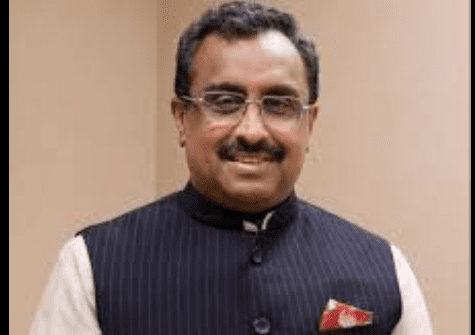
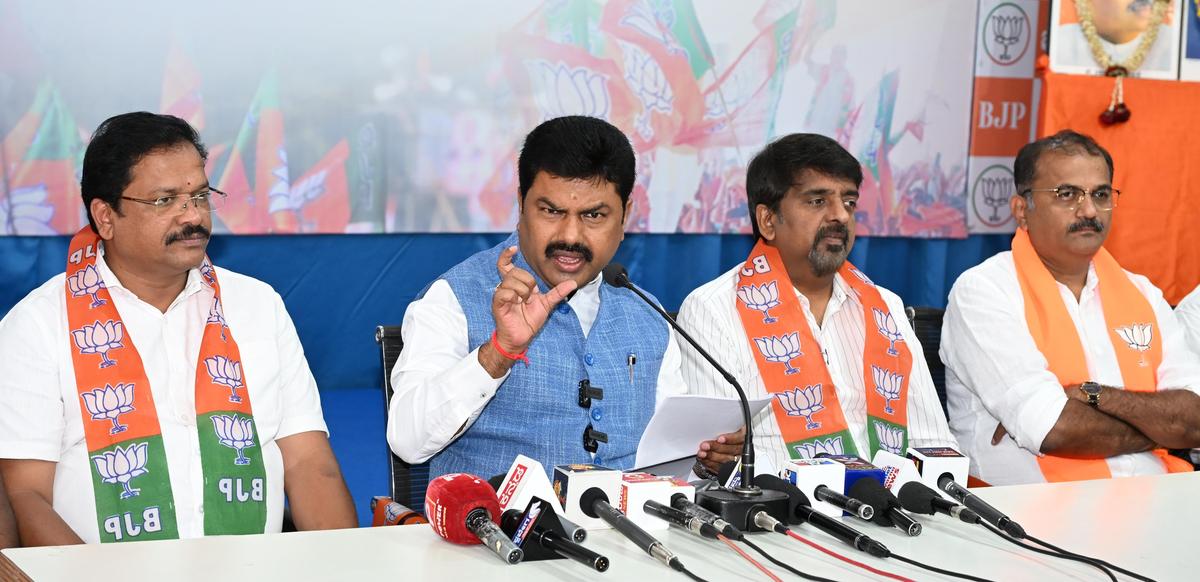
Ram Madhav’s first official meeting related to the Greater Bengaluru Authority elections has set the tone for what many within the Bharatiya Janata Party perceive as a tightly high command-driven campaign, triggering visible unease among several city-based MLAs. The meeting, held with key organisational functionaries and select leaders, is being interpreted as an assertion of central leadership control over the strategy, messaging, and candidate management for the upcoming civic polls. While party insiders acknowledge Ram Madhav’s organisational experience and proximity to the national leadership, the manner in which the initial interactions unfolded has reportedly left many local legislators feeling marginalised and sidelined.
According to sources familiar with the developments, the meeting focused heavily on disciplined messaging, centralised decision-making, and adherence to a uniform campaign narrative designed by the party’s top brass. Emphasis was placed on showcasing governance at the national level, leadership stability, and ideological coherence rather than hyper-local civic issues traditionally associated with municipal elections. Several MLAs, particularly those representing Bengaluru constituencies, are said to have expressed discomfort privately, arguing that civic polls demand ward-level sensitivity and deep engagement with local grievances such as infrastructure, waste management, and public transport.
The episode has also revived memories of past civic elections where internal coordination, or the lack of it, played a decisive role in shaping outcomes. Senior party observers recall that urban voters in Bengaluru tend to scrutinise not just manifestos but also the coherence and credibility of the campaign on the ground. Any visible disconnect between MLAs and the central leadership could translate into muted grassroots mobilisation, even if it does not erupt into open rebellion. For a party that prides itself on booth-level management, sustaining motivation among local leaders will be critical in the final stretch.
Ultimately, the success of the high command-driven approach will depend on whether it can accommodate local realities without diluting central authority. If the leadership manages to integrate MLAs’ inputs discreetly while maintaining strategic control, the initial unease may be remembered as a passing phase. If not, the discontent could linger beneath the surface, affecting campaign energy in subtle but consequential ways. As Bengaluru prepares for the GBA polls, the BJP’s internal balancing act may prove just as decisive as its contest with rival parties.
The timing of Ram Madhav’s intervention has added to the political tension. With the Greater Bengaluru Authority polls expected to be closely contested, many MLAs were anticipating a greater role in shaping candidate selection and campaign priorities. Instead, the early signals from the meeting suggest that strategic control will remain firmly with the high command, with state and local leaders expected to function primarily as executors rather than decision-makers. This has reignited a long-standing debate within the party about balancing central leadership authority with grassroots autonomy.
Party functionaries present at the meeting said Ram Madhav stressed the importance of unity and discipline, cautioning against internal dissent or parallel power centres during the campaign. He reportedly underlined that the GBA elections would be viewed as a political barometer for urban governance and party cohesion, making it imperative to avoid mixed signals. While such messaging aligns with the BJP’s organisational culture, critics within the party argue that it risks alienating MLAs who have cultivated local networks and voter bases over years.
The discontent among legislators is particularly pronounced among those who feel their performance and local popularity may not translate into influence over ticket distribution or campaign planning. Some MLAs have reportedly conveyed that decisions appear to be “pre-scripted” by the central leadership, leaving little room for contextual adjustments. Though no public dissent has emerged so far, the undercurrent of dissatisfaction has become a talking point within political circles in Bengaluru.
For the BJP leadership, however, the stakes are high. The Greater Bengaluru Authority is not merely a civic body but a symbol of urban governance and political dominance in the State’s capital. A strong showing in the polls would help the party counter narratives of erosion in urban support and reinforce its claim of administrative competence. It is in this context that Ram Madhav’s role is being seen as that of a strategic enforcer, tasked with ensuring coherence and discipline across factions.
Centralised Strategy Versus Local Realities
The unfolding dynamics around the GBA polls highlight a familiar tension in Indian political parties, particularly those with strong central leadership structures. Bengaluru’s civic politics has historically been shaped by micro-level issues, from potholes and flooding to water supply and zoning disputes. MLAs argue that voters in urban wards respond more to tangible, local interventions than to broad ideological narratives. By centralising the campaign, they fear the party may miss nuances that could prove decisive in closely fought wards.
Several senior leaders privately concede that the resentment among MLAs stems not from opposition to the high command’s authority, but from the perceived lack of consultation. They point out that many legislators have invested significant political capital in their constituencies and expect their assessments to carry weight. The concern is that a one-size-fits-all campaign may undermine the very local strengths that have sustained the party’s urban presence.
At the same time, supporters of the high command-driven approach argue that decentralised campaigns often lead to inconsistent messaging and factionalism. They cite past instances where internal rivalries weakened the party’s prospects in civic elections. From this perspective, Ram Madhav’s emphasis on discipline and central coordination is seen as a corrective measure rather than an overreach. Ensuring that all candidates and campaigners speak in one voice, they argue, is essential to project stability and confidence.
The role of MLAs in such a framework remains a contentious issue. While they are expected to mobilise cadres and voters, their limited say in strategic decisions has led to frustration. Some legislators have reportedly expressed concern that being reduced to campaign foot soldiers could weaken their authority at the constituency level. This is particularly sensitive in urban areas like Bengaluru, where political loyalty is fluid and performance-driven.
Political analysts observe that the BJP’s organisational model has increasingly favoured centralised control, especially in high-stakes elections. The GBA polls, though civic in nature, carry symbolic importance that extends beyond municipal governance. A victory would bolster the party’s narrative of urban development and administrative efficiency, while a setback could be interpreted as a warning sign ahead of larger electoral battles. This calculus explains the high command’s reluctance to delegate too much autonomy.
The opposition has been quick to seize upon reports of internal discontent. Rival parties have portrayed the developments as evidence of disconnect between the BJP’s central leadership and local representatives. They argue that a party unable to accommodate its own MLAs’ perspectives may struggle to address citizens’ concerns effectively. Whether this narrative gains traction among voters remains to be seen, but it adds another layer of complexity to the campaign.
Despite the murmurs of discontent, public displays of unity are likely to continue. BJP leaders are acutely aware that open dissent could harm the party’s image and electoral prospects. Most MLAs are expected to fall in line, at least outwardly, while hoping that their concerns will be addressed informally as the campaign progresses. The challenge for the leadership will be to manage these internal dynamics without diluting its strategic objectives.
Political Implications and the Road Ahead
The initial signals from Ram Madhav’s engagement have set expectations for how the BJP intends to approach the GBA polls. A tightly controlled campaign, driven by the high command, suggests a focus on overarching themes of governance, leadership, and ideological clarity. Whether this approach resonates with Bengaluru’s diverse and demanding electorate will be a key test for the party.
For the MLAs, the coming weeks will determine the extent to which their apprehensions translate into tangible consequences. Much will depend on how candidate selection unfolds and whether local inputs are accommodated at critical junctures. If the high command demonstrates flexibility in addressing constituency-specific concerns, the current unease may subside. Conversely, a rigid approach could deepen resentment and affect campaign enthusiasm at the grassroots level.
Observers note that civic elections often serve as a rehearsal for larger political contests. The strategies adopted, alliances forged, and internal conflicts managed during the GBA polls could influence the party’s approach in future Assembly and parliamentary elections. In this sense, the present episode is as much about organisational learning as it is about immediate electoral outcomes.
The broader question raised by the developments is about the balance of power within political parties in an era of centralised leadership. While strong command structures can deliver electoral success, they also risk alienating local leaders whose legitimacy rests on direct voter engagement. Navigating this balance requires not just authority, but political sensitivity and adaptability.
As campaigning intensifies, the BJP leadership faces the task of converting organisational discipline into electoral momentum. Ram Madhav’s role will be closely watched, both within the party and by its opponents, as a litmus test of the effectiveness of high command-driven strategies in complex urban landscapes. His ability to manage dissent, energise cadres, and align local aspirations with central narratives will shape the trajectory of the campaign.
In the final analysis, the unease among MLAs following Ram Madhav’s first meeting is a reminder that elections are as much about internal cohesion as they are about external competition. The BJP’s handling of this moment will determine whether centralised control emerges as a strength or a liability in the Greater Bengaluru Authority polls. As the contest unfolds, the interplay between command and consensus is likely to define not just the outcome of the civic elections, but the party’s urban political strategy in Karnataka going forward.
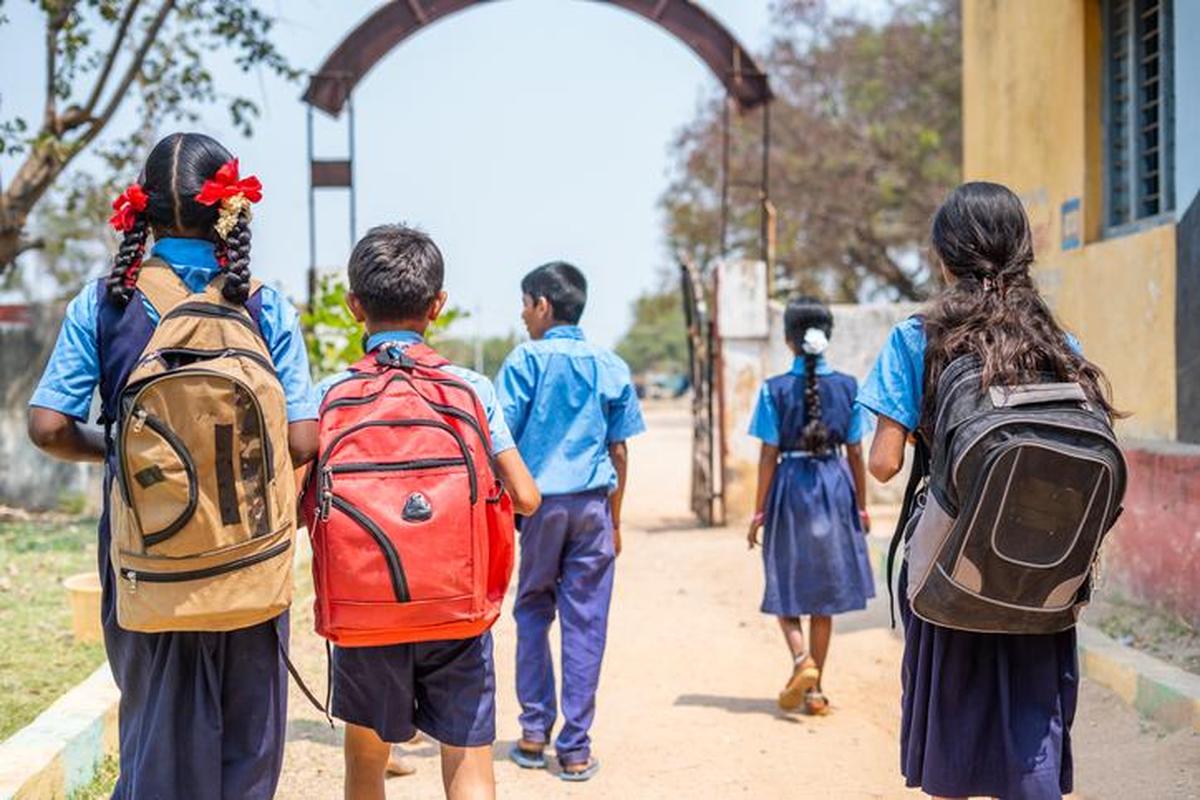
The closure of 3,617 government schools in Karnataka between the academic years 2020–21 and 2025–26 has triggered widespread concern among educators, parents, and policy observers, raising uncomfortable questions about access, equity, and the future of public education. Data placed in the public domain shows that hundreds of villages and urban habitations have either lost their only government school or seen nearby institutions merged or shut down due to declining enrolment, administrative rationalisation, and policy-driven consolidation. While the State government maintains that the move aims to improve efficiency and learning outcomes, critics argue that the closures risk deepening educational exclusion, particularly among rural, Dalit, tribal, and economically weaker communities.
Officials from the Department of School Education have stated that most of the closures were the result of school mergers rather than abrupt shutdowns. According to them, schools with extremely low enrolment were combined with nearby institutions to ensure better infrastructure, teacher availability, and academic exposure for students. The government has consistently maintained that maintaining thousands of single-teacher or zero-enrolment schools is neither pedagogically sound nor financially sustainable. However, ground-level realities suggest that access to the “nearby” merged schools is not always easy, especially for young children.
Educationists point out that the period between 2020 and 2022, marked by the COVID-19 pandemic, saw a sharp disruption in schooling patterns. Many students dropped out temporarily or permanently, migrant families moved away, and online education widened existing inequalities. Several government schools recorded drastic falls in enrolment during this time, making them vulnerable to closure. Critics argue that instead of revival efforts post-pandemic, the State opted for consolidation, which may have permanently weakened the public education network.
Parents in rural areas have expressed anxiety over increased travel distances for children following school closures. In many cases, students now have to walk several kilometres or rely on irregular transport to attend the merged schools. For younger children, especially those in primary sections, this has led to irregular attendance and, in some cases, complete withdrawal from formal schooling. Women’s groups have warned that such trends disproportionately affect girls, who are often pulled out of school first due to safety concerns and domestic responsibilities.
From the government’s perspective, officials insist that no child has been left without access to education. They cite schemes such as free bicycles, uniforms, midday meals, and transport allowances as measures to offset the impact of school mergers. Authorities also argue that consolidating resources allows for better classrooms, digital facilities, and subject teachers, which are difficult to provide in sparsely populated schools. Yet, the scale of closures has led many to question whether efficiency has come at the cost of inclusivity.
Rationalisation or Retreat: The Policy Debate Over School Closures
The closure of thousands of government schools has reignited a long-standing debate over rationalisation versus the State’s constitutional obligation to provide accessible education. Policy planners argue that Karnataka, like many other states, inherited a fragmented school network with several underutilised institutions. Maintaining buildings, staff, and facilities for schools with negligible enrolment, they say, diverts funds from improving quality elsewhere. In this view, consolidation is presented as a pragmatic response to demographic shifts, urbanisation, and changing parental preferences.
The data has also sparked debate among economists and planners about the long-term social costs of shrinking public education infrastructure. They caution that while short-term budgetary savings may appear attractive, the erosion of accessible schooling can have ripple effects on workforce participation, health outcomes, and social cohesion. Studies have consistently shown that early disruptions in education disproportionately affect children from poorer households, limiting their future earning potential and increasing dependence on welfare mechanisms. In this context, the closure of government schools is being viewed not merely as an administrative adjustment, but as a decision with generational consequences.
Women’s rights groups have flagged another dimension of concern: the impact on female literacy and empowerment. Government schools have historically played a crucial role in bringing girls into the education system, particularly in conservative or remote areas where private schooling is either unaffordable or socially discouraged. With local schools shutting down, families may be reluctant to send girls to distant institutions, leading to early dropouts or child marriages. Activists argue that any policy on school consolidation must be evaluated through a gender lens to prevent the rollback of hard-won gains.
There have also been calls for innovative revival strategies instead of outright closures. Education reformers have suggested converting low-enrolment schools into community learning centres offering foundational literacy, vocational exposure, and adult education alongside regular classes. Others have proposed partnerships with local self-governments and civil society organisations to revitalise schools through contextual curricula linked to local livelihoods. Such approaches, they argue, could transform struggling schools into assets rather than liabilities.
As Karnataka continues to grapple with competing demands on its education budget, the debate over school closures is unlikely to fade. The challenge before policymakers is to ensure that rationalisation does not translate into exclusion, and that efficiency does not override the constitutional promise of equitable education. The coming years will reveal whether the State can recalibrate its approach, strengthening government schools as inclusive spaces of learning while adapting to changing demographic and economic realities.
However, education activists counter that low enrolment is often a symptom of neglect rather than a justification for closure. They argue that inadequate infrastructure, teacher shortages, and poor monitoring pushed parents toward private schools, especially during the pandemic. Closing government schools, they say, legitimises this shift instead of correcting systemic failures. Several activists have described the trend as a “silent retreat” of the State from its responsibility to provide free, universal education.
Teacher associations have also raised concerns about the impact on staff. While the government has assured that no permanent teacher has lost employment due to closures, many educators have been transferred far from their original postings. This has disrupted family lives and, in some cases, affected morale. Guest teachers and temporary staff, however, have reportedly borne the brunt of the rationalisation process, with contracts not renewed in several merged schools.
The geographical distribution of closures has further fuelled the debate. Data indicates that a significant proportion of the shut schools were in rural and semi-urban areas, including regions with high concentrations of Scheduled Castes and Scheduled Tribes. Experts warn that weakening the local school presence in such areas could reverse gains made in enrolment and retention over the past two decades. They emphasise that for marginalised communities, proximity to schools is often the single most important factor determining attendance.
Political reactions have been sharply divided. Opposition parties have accused the government of undermining public education while indirectly encouraging the growth of private schools. They argue that closures contradict official claims of strengthening government institutions and question why revitalisation funds were not used to upgrade struggling schools. The ruling establishment, in turn, has dismissed these allegations as politically motivated, insisting that student welfare, not numbers, guides policy decisions.
Civil society groups have demanded greater transparency in the decision-making process. They have called for public consultations before school closures, social impact assessments, and the publication of clear criteria for mergers. According to them, involving local communities could help identify alternatives such as multi-grade teaching, cluster schools with transport support, or targeted incentives to revive enrolment.
Impact on Students, Communities, and the Future of Public Education- Schools
The human impact of the closures is perhaps most visible at the community level. In several villages, government schools were not just centres of learning but also spaces for social interaction, nutrition through midday meals, and public engagement. Their absence has left a vacuum, with anganwadis or community halls attempting to fill some roles but lacking the institutional support of a full-fledged school. Elders in these communities have described the closures as symbolic of declining state presence in rural life.
Students transitioning to merged schools often face adjustment challenges, including language barriers, overcrowded classrooms, and reduced individual attention. Teachers admit that managing larger class sizes with diverse learning levels is demanding, particularly when students arrive after long commutes. Psychologists warn that such stressors can affect learning outcomes and emotional well-being, especially among first-generation learners.
At the same time, there are instances where consolidation has yielded positive results. Some merged schools reportedly offer better facilities, exposure to extracurricular activities, and improved peer learning. Officials cite such examples to argue that the policy should be judged on outcomes rather than numbers alone. However, critics maintain that these successes are uneven and depend heavily on local implementation and infrastructure.
Looking ahead, education experts stress that Karnataka stands at a crossroads. With demographic changes, digital learning tools, and shifting aspirations, the role of government schools must be reimagined rather than reduced. They advocate for hybrid models that combine physical access with digital support, flexible staffing, and community participation. Strengthening early childhood education and primary schooling, they argue, is crucial to preventing future enrolment decline.
The issue has also acquired urgency in the context of the National Education Policy, which emphasises foundational learning and universal access. Analysts note that closing neighbourhood schools runs counter to the spirit of this vision unless accompanied by robust alternatives. They urge the State to conduct longitudinal studies on the impact of closures, tracking dropout rates, learning outcomes, and social mobility over time.
In conclusion, the closure of 3,617 government schools over five years is not merely a statistic but a reflection of deeper tensions within Karnataka’s education system. It raises fundamental questions about how the State balances efficiency with equity, consolidation with access, and fiscal prudence with social responsibility. Whether these closures represent a strategic reorganisation or a worrying contraction of public education will ultimately be judged by their long-term impact on children’s lives, especially those who rely most on the government school system for a chance at a better future.
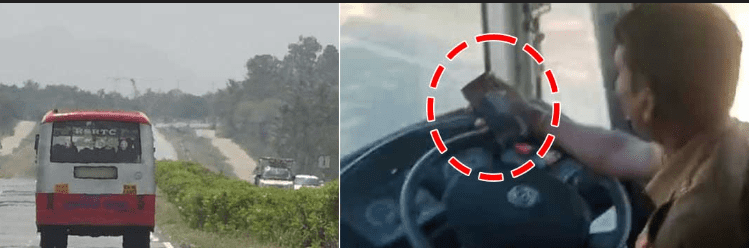
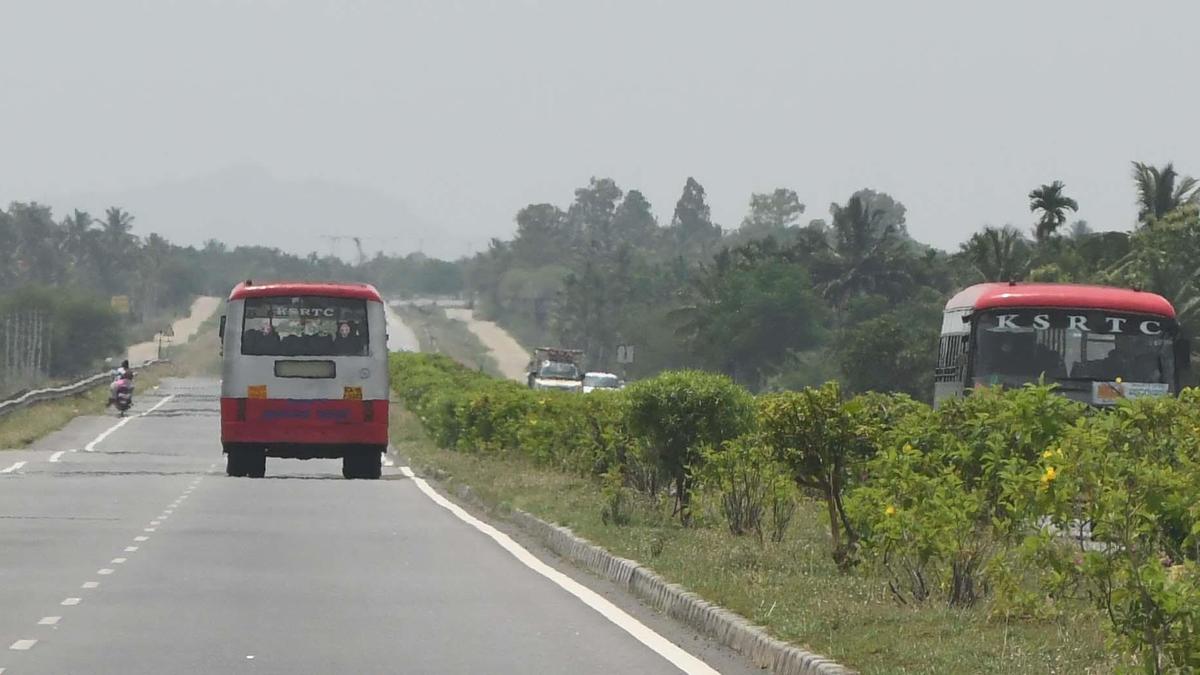
A disturbing incident involving a Karnataka State Road Transport Corporation driver allegedly watching reels on a mobile phone while driving has sparked outrage, concern, and renewed debate over passenger safety and discipline within public transport services. The incident, which came to light after a video clip circulated widely, showed the driver glancing repeatedly at his phone instead of focusing on the road, even as the bus was in motion with passengers on board. The KSRTC swiftly responded by suspending the driver, stating that such behaviour amounted to gross negligence and posed a serious threat to public safety.
Officials confirmed that the incident occurred on a scheduled route within Karnataka, though the precise location and date were subject to internal verification. The video, reportedly recorded by a passenger, captured the driver scrolling through short video reels while navigating traffic. The clip quickly spread, triggering sharp reactions from commuters, transport unions, and road safety advocates. Many questioned how such conduct could occur in a public transport system entrusted with thousands of lives daily.
KSRTC authorities said the suspension was immediate and preliminary, pending a detailed departmental inquiry. Senior officials stressed that the corporation maintains a zero-tolerance policy toward mobile phone usage while driving. They added that the act violated service rules, safety protocols, and basic professional ethics expected from drivers operating heavy passenger vehicles. The incident has been described as not just an individual lapse, but a reflection of the growing distraction culture driven by smartphone addiction.
The incident has also reached the corridors of policymaking, with calls for a statewide review of safety protocols in public transport services. Some legislators have suggested mandatory periodic audits of driver behaviour, including random checks and psychological assessments, to ensure fitness for duty. There is growing consensus that traditional disciplinary frameworks must be updated to address new-age challenges such as digital distraction. The episode has thus become a reference point in discussions on how governance must adapt to behavioural risks emerging from technology-driven lifestyles.
For KSRTC, the coming weeks will be crucial in shaping public perception. How transparently the inquiry is conducted and how clearly its findings are communicated will determine whether the corporation can turn this lapse into a moment of reform. Passengers and safety advocates alike are watching closely, not just for punitive outcomes, but for systemic changes that reassure commuters. The hope is that this case will lead to stronger safeguards, ensuring that public transport remains a space of trust, responsibility, and safety rather than a casualty of digital negligence.
Passengers who regularly use KSRTC services expressed shock and fear, stating that such behaviour erodes trust in public transport. Several commuters said they rely on state-run buses precisely because they expect trained drivers and regulated systems, unlike some private operators. The idea that a driver could be distracted by entertainment content while at the wheel has raised anxieties about road safety, especially on highways and congested urban routes.
Transport experts pointed out that even a few seconds of distraction can have catastrophic consequences when driving a large vehicle. Watching reels, they said, is not a momentary glance like checking mirrors, but an active cognitive distraction that diverts attention from the road. In a country where road accidents claim thousands of lives annually, the incident has renewed calls for stricter enforcement and monitoring mechanisms within public transport systems.
KSRTC’s action has been welcomed by many as a necessary step, though some have argued that suspension alone may not be sufficient. They have called for structural reforms, regular counselling, and technological interventions to prevent such incidents in the future. As the inquiry proceeds, the case has become a symbol of the broader challenge of ensuring discipline and accountability in the age of smartphones.
Public Safety, Digital Distraction, and Institutional Accountability
The incident has reignited discussion around digital distraction and its growing impact on road safety. Mobile phone usage while driving has long been identified as a major risk factor, but the rise of short-form video platforms has added a new dimension to the problem. Unlike calls or messages, reels are designed to capture and retain attention, making them particularly dangerous when consumed behind the wheel.
Road safety campaigners argue that professional drivers should be held to higher standards than private motorists. KSRTC drivers undergo training and are bound by strict service rules, which explicitly prohibit the use of mobile phones while driving. The fact that a driver allegedly violated these rules in full view of passengers has led to questions about enforcement gaps and supervision mechanisms.
KSRTC officials acknowledged that while rules exist, ensuring compliance at all times remains a challenge. They said the corporation relies on a combination of surprise checks, passenger feedback, and internal vigilance to monitor driver behaviour. However, they admitted that the incident exposed vulnerabilities in the system. Officials hinted that the corporation may consider introducing additional measures such as in-cabin monitoring or stricter penalties to deter misconduct.
The role of passengers in bringing the incident to light has also been widely discussed. Many have praised the passenger who recorded the video, arguing that citizen vigilance plays a crucial role in accountability. At the same time, some have raised ethical questions about filming and circulating videos instead of immediately alerting authorities. Safety experts counter that without such visual evidence, many incidents would go unaddressed.
Within KSRTC’s workforce, the incident has triggered mixed reactions. Some drivers expressed embarrassment and concern that the actions of one individual could tarnish the image of the entire organisation. They stressed that the vast majority of drivers adhere to rules and prioritise passenger safety. Others pointed to long working hours, stress, and fatigue as contributing factors that may lead to lapses in judgment, though they emphasised that this could never justify dangerous behaviour.
Transport unions have urged the corporation to balance disciplinary action with support systems for drivers. They called for regular awareness programmes on digital addiction, mental health counselling, and refresher safety training. According to union representatives, addressing the root causes of distraction is as important as punitive measures, especially in a profession that demands sustained concentration.
The incident has also drawn attention to the broader regulatory framework governing road safety in Karnataka. Legal experts noted that using a mobile phone while driving is a punishable offence under motor vehicle laws, with provisions for fines and suspension of licences. In the case of public transport drivers, departmental action often runs parallel to legal consequences. Whether criminal or traffic charges will be pursued in this case remains to be seen.
For passengers, the episode has served as a reminder of the fragility of safety on the roads. Several commuters said they would be more vigilant and willing to report unsafe practices in the future. Some even suggested displaying helpline numbers prominently inside buses to enable quick reporting of violations. The conversation has shifted from outrage to introspection about shared responsibility in ensuring safe travel.
Reforms, Technology, and the Road Ahead for Public Transport Safety- KSRTC
As the KSRTC inquiry continues, attention is turning toward long-term solutions to prevent similar incidents. Experts argue that technology, if used wisely, can be part of the answer. Installing driver monitoring systems that detect mobile phone usage or distracted behaviour is one option being discussed. Such systems, already in use in some private fleets, can alert control rooms in real time, enabling swift intervention.
Another proposal involves stricter disciplinary frameworks with graduated penalties. While suspension sends a strong message, repeat offences could invite harsher consequences, including termination of service. Clear communication of these consequences, experts say, can act as a deterrent. However, they caution that punitive measures must be accompanied by preventive strategies to be truly effective.
Training and sensitisation programmes are also seen as crucial. Regular workshops highlighting the dangers of distracted driving, coupled with real-life case studies, could reinforce safe practices. Psychologists suggest incorporating modules on attention management and digital self-control into driver training curricula. Given the addictive design of many apps, awareness alone may not suffice without structured support.
The incident has prompted comparisons with safety standards in other states and countries. Some transport corporations have implemented strict no-phone policies backed by random checks and surveillance. Others have introduced incentives for safe driving, rewarding drivers with clean safety records. Karnataka’s policymakers may now face pressure to evaluate and adopt best practices to restore public confidence.
Public trust, observers say, is the most significant casualty of such incidents. State-run transport systems are not just service providers; they are symbols of governance and public welfare. Any compromise on safety undermines this trust. KSRTC’s swift suspension of the driver has been seen as a positive step, but rebuilding confidence will require sustained effort and transparency.
The case has also sparked a broader societal debate about smartphone usage and self-discipline. If a trained professional can succumb to the lure of reels while driving a bus, critics ask, what does it say about collective digital habits. The incident has been cited as evidence of how deeply smartphones have penetrated daily life, often at the cost of attention and responsibility.
As the inquiry report is awaited, KSRTC has reiterated its commitment to passenger safety. Officials said lessons from the incident would be incorporated into future policies and training programmes. They urged passengers to cooperate by reporting unsafe behaviour and assured them that complaints would be taken seriously.
In the final analysis, the suspension of the KSRTC driver is more than a disciplinary action against an individual. It is a stark reminder of the dangers of distraction, the responsibilities that come with public service, and the need for constant vigilance in an increasingly digital world. Whether this incident becomes a turning point for stronger safety culture in Karnataka’s public transport system will depend on the actions that follow, not just the outrage it has generated.
The Karnataka High Court’s decision to stay the First Information Report registered against a private drone development firm has triggered wide debate across legal, technological, and administrative circles. The court’s move, coupled with its directive seeking an explanation from the concerned police inspector, has brought the spotlight on how emerging technology firms are investigated and regulated.
The High Court’s intervention has also prompted renewed discussion within policy circles about the need for a specialised regulatory interface for emerging technologies such as drones, artificial intelligence, and robotics. Policy analysts argue that without clearly defined escalation mechanisms, local enforcement agencies may continue to act independently, increasing the risk of conflicting interpretations of the law. They suggest that a single-window coordination system involving police, aviation regulators, and state technology departments could prevent premature criminalisation while still addressing legitimate security concerns in a timely manner.
Within the legal fraternity, the case is being seen as another instance where courts are being compelled to step in due to administrative ambiguity rather than deliberate wrongdoing. Several senior lawyers have pointed out that FIRs registered without robust preliminary inquiry often fail to withstand judicial scrutiny, leading to unnecessary litigation and burdening the justice system. They note that such cases consume valuable court time that could otherwise be devoted to serious crimes, underscoring the importance of internal checks before invoking criminal provisions.
The episode has also had a ripple effect on Karnataka’s startup ecosystem, with founders privately expressing concern about regulatory unpredictability. Entrepreneurs say that while they acknowledge the importance of national security and compliance, they seek consistency and transparency in enforcement. Some have called for regular sensitisation programmes for police officers on startup laws and sector-specific regulations, arguing that mutual understanding between innovators and enforcers is essential for a healthy innovation climate.
As the matter awaits further hearing, the High Court’s insistence on a detailed explanation from the police inspector is expected to set the tone for subsequent proceedings. Observers believe the court may use the opportunity to lay down broader guidelines on how police should approach cases involving specialised technology sectors. Such guidance, if issued, could serve as a reference point across the State, helping align policing practices with constitutional principles and the evolving demands of a technology-driven economy.
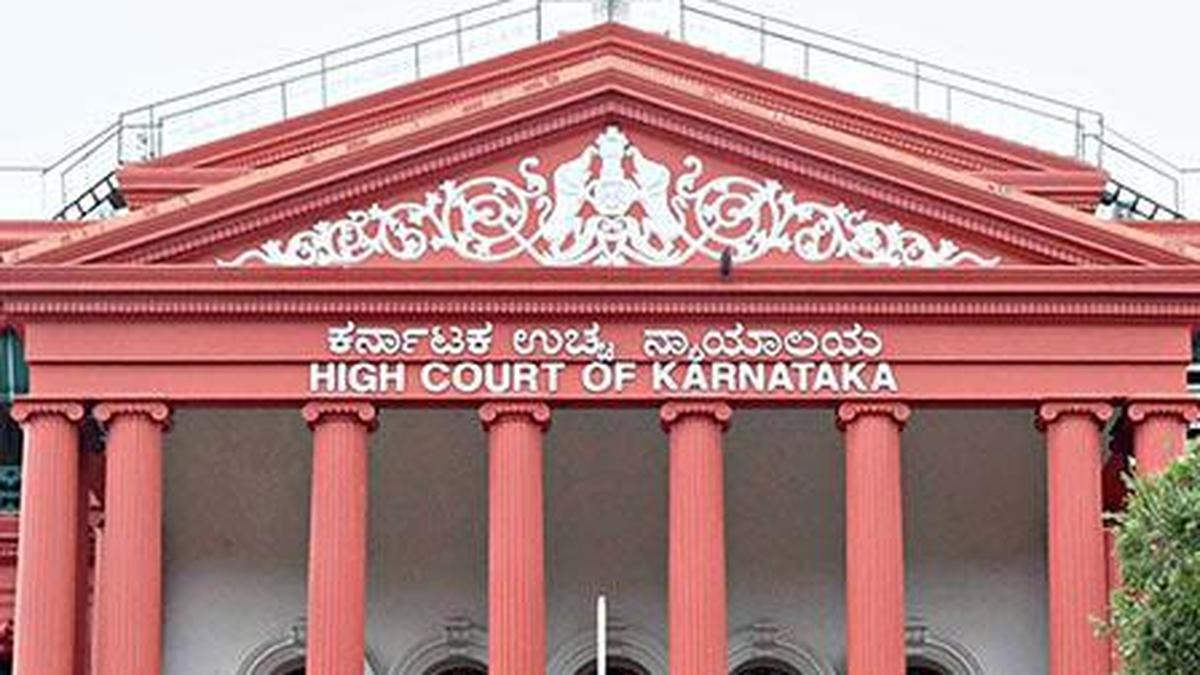
KARNATAKA HIGH COURT
At the heart of the matter lies a complex intersection of national security concerns, innovation governance, and procedural accountability within the police machinery. The case has assumed significance not merely because it involves a drone company, but because it raises broader questions about due process, proportionality of state action, and the treatment of technology-driven enterprises in India.
According to the petition placed before the High Court, the drone development firm alleged that the FIR was registered in haste, without adequate preliminary verification or consultation with competent authorities governing aviation and unmanned aerial systems. The firm argued that its activities were being conducted within the legal framework and under necessary permissions, and that the police action had caused reputational damage and operational disruption. The High Court, after hearing preliminary submissions, found merit in examining whether established procedures had been followed before invoking criminal law, leading to the interim stay on the FIR.
The court’s order has drawn attention to the expanding use of drones in sectors such as agriculture, infrastructure inspection, disaster management, and defence research. As drones increasingly become dual-use technologies, capable of both civilian and military applications, regulatory clarity and enforcement discipline become critical. The judiciary’s intervention in this case signals a cautious approach, ensuring that innovation is not stifled by arbitrary action, while also recognising the legitimate concerns of law enforcement agencies tasked with maintaining security.
Senior advocates observing the proceedings noted that the High Court’s insistence on an explanation from the police inspector reflects judicial concern over accountability at the operational level. Rather than merely staying the FIR, the court has sought to understand the rationale behind the decision to register the case, including whether higher authorities were consulted and whether statutory guidelines were adhered to. This aspect of the order has been seen as a reminder that investigative powers must be exercised responsibly, especially in sensitive domains involving advanced technology.
From the State’s perspective, officials have maintained that the registration of the FIR was driven by inputs suggesting potential violations related to drone usage and data handling. They argued that in an era where drones can pose security risks if misused, the police cannot afford complacency. However, the High Court’s intervention underscores the need to balance vigilance with fairness, ensuring that suspicion is supported by credible material before initiating criminal proceedings.
Judicial Scrutiny and the Question of Due Process
The High Court’s stay order has been widely interpreted as a reaffirmation of the principle that criminal law should not be the first resort in regulatory or technical disputes. Legal scholars point out that the Supreme Court and various High Courts have repeatedly cautioned against the misuse of FIRs to address issues that may be better handled through administrative or civil mechanisms. In the present case, the court’s observations suggest that it is keen to examine whether the alleged violations, if any, fell within the jurisdiction of specialised regulatory bodies rather than the local police station.
During the hearing, the bench reportedly questioned whether the police inspector had the technical expertise or statutory mandate to assess compliance issues related to drone development and testing. This line of inquiry highlights a systemic challenge faced by law enforcement agencies as technology evolves faster than institutional capacity. Without adequate training and coordination with domain experts, there is a risk of overreach, leading to legal setbacks and erosion of public confidence.
The requirement for the police inspector to submit an explanation has also been viewed as an assertion of judicial oversight over investigative discretion. By demanding accountability from the officer concerned, the court has signalled that procedural lapses will not be overlooked. This approach aligns with a growing judicial trend of scrutinising not just the legality of actions, but also the manner in which power is exercised by state functionaries.
For the drone firm, the stay on the FIR offers temporary relief, allowing it to continue operations without the immediate shadow of criminal proceedings. Company representatives have stated that the order vindicates their stand that the allegations were premature and unfounded. They have expressed hope that a detailed judicial examination will ultimately lead to the quashing of the FIR, restoring confidence among investors and partners.
At the same time, the case has sparked a conversation within the startup and technology ecosystem about regulatory engagement. Industry bodies have reiterated the need for clear channels of communication between innovators and enforcement agencies. They argue that misunderstandings often arise due to ambiguity in rules or lack of awareness, which can be resolved through dialogue rather than coercive action.
The State government, meanwhile, faces the delicate task of defending its agencies while respecting judicial directions. Officials are expected to place relevant records before the court, detailing the basis on which the FIR was registered. The outcome of this process could have implications beyond the immediate case, potentially shaping internal guidelines for police action in matters involving specialised technologies.
Implications for Innovation, Policing, and Governance
The broader implications of the High Court’s order extend into the realms of innovation policy and governance. As Karnataka positions itself as a hub for technology and startups, the manner in which regulatory and enforcement issues are handled becomes a factor in sustaining investor confidence. The perception that firms can be subjected to abrupt criminal action without due process may deter experimentation and risk-taking, which are essential for technological advancement.
Experts in technology law have observed that drones occupy a particularly sensitive regulatory space, governed by a mix of civil aviation rules, defence considerations, and data protection norms. Effective enforcement in this area requires coordination among multiple agencies, including aviation authorities, defence establishments, and civil administration. The present case highlights the pitfalls of fragmented oversight, where local-level action may not always align with broader regulatory intent.
For the police, the episode serves as a reminder of the need for capacity building. Training officers to understand emerging technologies and the legal frameworks governing them is crucial to avoid errors that invite judicial censure. The High Court’s demand for an explanation from the inspector could prompt introspection within the department, leading to clearer protocols and supervisory mechanisms.
Civil liberties advocates have welcomed the court’s intervention, viewing it as a safeguard against the criminalisation of legitimate business activity. They argue that the power to register an FIR carries serious consequences and must be exercised with restraint. In their view, the judiciary’s role in checking executive excess is especially important in cases involving novel technologies, where fear and unfamiliarity can drive disproportionate responses.
Conversely, security analysts caution against reading the stay order as a dilution of vigilance. They stress that drones have been used in hostile activities, including smuggling and surveillance, and that law enforcement agencies must remain alert. The challenge, they say, lies in distinguishing between genuine threats and lawful innovation, a task that requires both technical knowledge and procedural fairness.
As the case progresses, the High Court’s final decision will be closely watched by multiple stakeholders. Whether the FIR is ultimately quashed or allowed to proceed after procedural corrections, the reasoning adopted by the court is likely to influence future interactions between technology firms and enforcement agencies. The emphasis on accountability and due process could set a benchmark for handling similar disputes.
In conclusion, the Karnataka High Court’s stay of the FIR against the private drone development firm is more than an interim relief in an isolated case. It reflects deeper tensions between innovation and regulation, security and liberty, discretion and accountability. By seeking an explanation from the police inspector, the court has underscored that the rule of law applies as much to the exercise of power as to its objectives. The unfolding of this case will not only determine the fate of the firm involved but may also shape the contours of governance in an increasingly technology-driven society.
In a case that shocked Karnataka and drew national attention for its brutality, a court has convicted three accused in the Hampi gang rape and murder case, bringing a long and painful chapter closer to closure for the victim’s family and the wider community. The verdict marks a significant moment in the pursuit of justice in a crime that exposed deep-rooted issues of gender violence, public safety, and systemic accountability. While the convictions offer a measure of legal resolution, they have also reopened difficult conversations about crime prevention, victim protection, and the enduring trauma faced by survivors and families long after court proceedings conclude.
The conviction has been welcomed by women’s rights groups and civil society organisations, who described the verdict as a significant step toward justice in a case that had shaken public conscience. Activists said the judgment sent a strong message that crimes involving sexual violence and brutality would be dealt with firmly, regardless of how long the legal process takes. They also reiterated the need for faster trials in cases of sexual offences, pointing out that prolonged proceedings often deepen the trauma of survivors’ families and weaken public trust in the justice system.
Legal experts noted that the court’s reliance on forensic evidence, witness testimonies, and circumstantial links highlighted the importance of meticulous investigation in such complex cases. They said the judgment could act as a precedent for future prosecutions involving gang crimes, especially in tourist destinations like Hampi. Experts also called for stronger preventive measures, including better policing, improved lighting, and awareness campaigns, to ensure that heritage sites remain safe for visitors and local residents alike.
Background of the Case
The Hampi gang rape and murder case dates back to an incident that occurred in and around the heritage town of Hampi, a globally recognised tourist destination. The crime involved the sexual assault of a woman by multiple accused, followed by the murder of her companion, sending shockwaves across the State. The brutality of the act, coupled with its occurrence in a public and culturally significant area, intensified public outrage. The case quickly became emblematic of concerns surrounding women’s safety, especially in tourist hubs where visitors often assume a sense of security that reality does not always guarantee.
Initial Investigation and Arrests
Following the crime, local police launched an extensive investigation under intense public and media scrutiny. The accused were identified, arrested, and charged after a combination of witness statements, forensic evidence, and circumstantial proof was gathered. Investigators faced pressure to ensure that the case was handled with precision, given past instances where procedural lapses weakened prosecutions in crimes of sexual violence. Authorities repeatedly stated that the investigation would be thorough and uncompromising, recognising the broader implications of the case beyond individual culpability.
Trial Proceedings and Evidence
The trial unfolded over an extended period, marked by detailed examination of evidence and testimonies. Prosecutors presented forensic reports, medical findings, and eyewitness accounts to establish the sequence of events and the involvement of the accused. The defence sought to challenge the credibility of witnesses and the interpretation of evidence, a common strategy in such cases. Legal observers noted that the court proceedings underscored the importance of meticulous documentation and adherence to procedure, as even minor inconsistencies can influence outcomes in serious criminal trials.
Verdict and Conviction
The court’s decision to convict three accused was based on what it described as compelling and corroborated evidence. The judgment held the accused guilty of gang rape and murder, affirming the prosecution’s argument that the crime was committed with shared intent and extreme brutality. The verdict was welcomed by many as a reaffirmation of the justice system’s capacity to deliver accountability in heinous crimes, even amid delays and complexities. Sentencing details, while awaited or delivered separately, were expected to reflect the gravity of the offences.
Impact, Reactions, and Larger Questions
Response from the Victim’s Family
For the victim’s family, the conviction brought a sense of grim vindication rather than relief. Family members expressed that no verdict could undo the loss or erase the trauma inflicted by the crime. However, they acknowledged that the court’s decision validated their prolonged struggle for justice. Advocates supporting the family emphasised that the legal battle had exacted an emotional toll, requiring repeated recounting of painful details. The verdict, they said, was a recognition of resilience in the face of unimaginable grief.
Public and Political Reactions
The conviction triggered widespread reactions across Karnataka. Civil society groups, women’s organisations, and legal activists welcomed the judgment, describing it as a necessary step toward deterrence. Political leaders across party lines issued statements condemning the crime and praising the judiciary for delivering justice. At the same time, some voices cautioned against viewing convictions alone as sufficient, arguing that systemic reforms are essential to prevent similar crimes. The case once again placed the spotlight on the intersection of law enforcement, governance, and social attitudes toward gender violence.
Women’s Safety and Tourist Destinations
The Hampi case reignited debates about safety in tourist destinations, particularly for women and couples. Experts noted that heritage sites often attract visitors but lack adequate policing, lighting, and surveillance, especially after dark. The crime shattered the perception of Hampi as a uniformly safe space, prompting calls for comprehensive safety audits of tourist locations across the State. Authorities have since reiterated commitments to strengthen patrols and infrastructure, but critics argue that reactive measures must give way to proactive planning.
Legal Significance of the Judgment
From a legal perspective, the conviction is significant for reinforcing principles related to collective culpability in gang rape cases. Legal experts highlighted that establishing shared intent among multiple accused is often challenging, making convictions harder to secure. The court’s reliance on consistent evidence and corroboration sets an important precedent for future prosecutions. It also underscores the judiciary’s role in interpreting laws on sexual violence in a manner that prioritises victim testimony while upholding standards of proof.
Psychological Trauma and Long-Term Effects
Beyond the courtroom, the case draws attention to the long-term psychological impact of sexual violence and associated crimes. Survivors, families, and even communities often carry invisible scars long after verdicts are delivered. Mental health professionals stress that legal justice must be accompanied by sustained psychosocial support. In many cases, counselling and rehabilitation services remain inadequate, leaving families to navigate grief and trauma largely on their own. The Hampi case highlights the need for holistic responses that extend beyond punishment.
Systemic Challenges and the Road Ahead
Policing and Preventive Measures
The crime and subsequent conviction have prompted renewed scrutiny of policing strategies in sensitive and high-traffic areas. Experts argue that preventive policing, including regular patrols, community engagement, and technology-enabled surveillance, is critical. The case revealed gaps in night-time security and rapid response mechanisms. While authorities have announced improvements, observers caution that implementation and monitoring are key. Preventive measures, they say, are more effective and humane than relying solely on punitive responses after crimes occur.
Judicial Delays and Access to Justice
Although the conviction is seen as a positive outcome, the time taken to reach the verdict has drawn criticism. Judicial delays are a persistent concern in India’s criminal justice system, often compounding the suffering of victims and their families. Legal scholars argue that fast-track courts for sexual violence cases must be strengthened with adequate resources and personnel. Speedy trials, they say, are not just about efficiency but about dignity and faith in the justice system.
Role of Society and Cultural Attitudes
Many commentators emphasise that crimes like the Hampi case cannot be addressed through law enforcement alone. Deep-seated cultural attitudes toward gender, consent, and power play a significant role in shaping behaviour. Activists argue that education, community dialogue, and sustained awareness campaigns are essential to challenge misogyny and normalisation of violence. The conviction, while important, is only one component of a broader societal responsibility to create safer spaces.
Media Responsibility and Ethical Reporting
The extensive media coverage of the case has also sparked debate about ethical reporting. While media attention can drive accountability, it can also risk sensationalising trauma. Media ethicists stress the importance of respecting victims’ dignity and avoiding graphic or speculative narratives. The Hampi case serves as a reminder that responsible journalism must balance the public’s right to know with sensitivity toward those affected.
Support Systems for Victims and Families
Another critical issue highlighted by the case is the adequacy of support systems for victims and families navigating the legal process. Compensation, legal aid, and counselling are often fragmented and difficult to access. Experts call for integrated victim support frameworks that provide assistance from the moment a crime is reported through trial and beyond. Such systems, they argue, would reduce secondary victimisation and help families rebuild their lives.
Deterrence and Public Confidence
Whether convictions act as a deterrent remains a subject of debate. Criminologists suggest that certainty of punishment, rather than severity alone, influences behaviour. The Hampi conviction contributes to this certainty by demonstrating that perpetrators can be held accountable. However, sustaining public confidence requires consistent outcomes across cases, not isolated successes. Ensuring that justice is not the exception but the norm remains a central challenge.
Conclusion
The conviction of three accused in the Hampi gang rape and murder case represents a significant assertion of justice in the face of a crime that deeply scarred Karnataka’s collective conscience. It affirms the judiciary’s role in holding perpetrators accountable and offers a measure of closure to those who endured years of anguish. Yet, the verdict also serves as a sobering reminder that justice after the fact cannot substitute for safety before the crime. As Karnataka reflects on this case, the true test lies in translating legal outcomes into systemic reform — strengthening prevention, supporting victims, and reshaping societal attitudes — so that such tragedies are not repeated.
Education systems rooted narrowly in degrees, marks, and examinations are increasingly failing to prepare students for real-world challenges, experts asserted at the Development Dialogue held in Hubballi. Academicians, policy thinkers, industry professionals, and social leaders gathered to deliberate on the future of learning, arguing that education must evolve into a holistic, skill-oriented, and life-centric process. Speakers emphasised that while formal qualifications still hold value, an excessive focus on exams has reduced learning to rote memorisation, stifling creativity, critical thinking, and social responsibility. The dialogue underscored the urgency of reimagining education to meet the demands of a rapidly changing society and economy.
Context of the Development Dialogue
The Development Dialogue in Hubballi was organised as a platform to discuss long-term social and economic transformation, with education emerging as a central theme. Participants highlighted that India stands at a demographic crossroads, with a large young population whose potential can only be unlocked through meaningful learning experiences. Against the backdrop of technological disruption, climate challenges, and shifting labour markets, experts argued that the existing education model is outdated. The Hubballi dialogue sought to move beyond policy rhetoric and examine ground realities, especially in semi-urban and rural contexts where education often remains exam-driven and disconnected from lived experiences.
Voices from Students and Educators
Students and teachers who attended the Development Dialogue echoed the experts’ concerns, sharing first-hand experiences of an exam-driven system. Several students spoke about feeling reduced to ranks and scores, with little space to explore interests or social issues. Educators acknowledged that rigid curricula and assessment pressures often limit their ability to innovate in classrooms. They stressed that giving teachers academic freedom and trusting students’ curiosity could transform learning environments. These testimonies reinforced the argument that meaningful reform must be grounded in lived experiences, not just policy frameworks.
Sustaining Momentum Beyond Dialogue
Speakers concluded by emphasising that dialogues and conferences must translate into sustained action. They proposed forming working groups to pilot alternative assessment methods, community-linked learning projects, and teacher training programmes in the region. By committing to follow-up initiatives, participants hoped to ensure that the ideas discussed do not remain aspirational. The Hubballi dialogue, they said, should serve as a starting point for continuous engagement, demonstrating how conversations on education can evolve into practical, long-term transformation.
Critique of Degree-Centric Education
A recurring concern raised by speakers was the obsession with degrees as the sole marker of intelligence and success. Experts noted that degrees have become transactional credentials rather than reflections of competence. This mindset, they argued, pressures students into choosing fields based on perceived prestige rather than aptitude or interest. As a result, many graduates struggle to adapt to workplaces that demand problem-solving, collaboration, and adaptability. The speakers stressed that education should be a process of discovery and capability-building, not merely a race to accumulate certificates.
Exam Culture and Its Consequences
The examination-centric structure of education was criticised for narrowing the purpose of learning. According to experts, exams often reward memory over understanding, creating anxiety-driven environments that discourage curiosity. Students, they said, are trained to perform under time pressure rather than to think deeply or creatively. This culture disproportionately affects students from disadvantaged backgrounds, who may lack access to coaching and resources. Several speakers pointed out that the exam system often measures conformity rather than originality, limiting innovation and self-expression among learners.
Disconnect Between Education and Society
Participants at the dialogue highlighted a growing disconnect between education and societal needs. While communities grapple with issues such as unemployment, environmental degradation, and social inequality, classrooms often remain insulated from these realities. Experts argued that education must be rooted in local contexts, encouraging students to engage with real problems around them. Such an approach, they said, would not only make learning relevant but also foster empathy and civic responsibility. Hubballi, as a growing educational hub in North Karnataka, was cited as a potential model for community-linked learning initiatives.
Reimagining Learning for the 21st Century
Skill-Based and Experiential Education
Experts unanimously advocated for a shift towards skill-based and experiential learning. This includes integrating internships, apprenticeships, project-based work, and field exposure into curricula from an early stage. They argued that skills such as communication, teamwork, digital literacy, and emotional intelligence are as important as academic knowledge. Experiential education, they said, allows students to learn by doing, making mistakes, and reflecting — processes essential for lifelong learning. Such models, already gaining traction globally, were presented as crucial for India’s future workforce.
Role of Teachers as Facilitators
The dialogue also focused on redefining the role of teachers. Rather than being mere transmitters of information, teachers should act as facilitators and mentors who guide students in exploring ideas and developing independent thought. Experts stressed the need for continuous professional development for educators, enabling them to adapt to new pedagogies and technologies. They argued that empowering teachers is central to transforming education, as no reform can succeed without their active participation and confidence.
Integrating Technology with Purpose
While acknowledging the transformative potential of technology, speakers cautioned against viewing digital tools as a panacea. They argued that technology should support learning objectives rather than dictate them. Online platforms, artificial intelligence, and digital resources can personalise learning and expand access, but only if used thoughtfully. Experts warned that without proper guidance, technology could exacerbate inequalities and reduce human interaction in classrooms. The focus, they said, should be on using technology to enhance understanding, collaboration, and creativity.
Valuing Multiple Intelligences
Another key theme was the recognition of multiple forms of intelligence. Experts criticised the narrow academic benchmarks that prioritise linguistic and mathematical skills while neglecting artistic, social, and practical abilities. They called for assessment systems that value diverse talents, including craftsmanship, caregiving, leadership, and innovation. Such recognition, they argued, would create a more inclusive education system that respects individual differences and reduces the stigma associated with non-traditional career paths.
Mental Health and Well-Being
The pressure of exams and career uncertainty has taken a toll on student mental health, experts noted. Rising stress, anxiety, and burnout among students were cited as warning signs of a system in crisis. Speakers advocated for integrating well-being, mindfulness, and life skills into education. They stressed that education should nurture resilient, emotionally balanced individuals rather than merely producing high scorers. Addressing mental health openly within educational institutions was described as both a moral and practical necessity.
Policy, Practice, and the Road Ahead
Rethinking Assessment and Evaluation
A major takeaway from the dialogue was the need to reform assessment systems. Experts suggested moving towards continuous and formative evaluation methods that focus on progress rather than one-time performance. Portfolio-based assessments, peer evaluations, and real-world projects were proposed as alternatives to high-stakes exams. Such systems, they argued, would encourage consistent engagement and reduce the fear associated with failure. Importantly, failure was reframed as a learning opportunity rather than a stigma.
Bridging Education and Employment
Industry representatives at the dialogue stressed the widening gap between education and employment. Employers, they said, increasingly value adaptability, ethics, and problem-solving over textbook knowledge. To bridge this gap, experts recommended stronger partnerships between educational institutions and industry, civil society, and local governments. These collaborations could help align curricula with evolving needs while preserving education’s broader social purpose. Hubballi’s growing industrial and entrepreneurial ecosystem was cited as fertile ground for such partnerships.
Equity and Access in Educational Reform
Experts warned that any transformation of education must prioritise equity. Rural students, first-generation learners, and marginalised communities often bear the brunt of systemic shortcomings. Reforms that rely heavily on technology or private investment risk excluding those without access. Speakers called for strong public investment in education, ensuring that innovative models reach government schools and colleges as well. Education reform, they argued, must be inclusive to be meaningful.
Cultural Shift and Parental Mindsets
Beyond policy, speakers emphasised the need for a cultural shift in how society perceives education. Parents, they said, often equate success with degrees and ranks, unintentionally reinforcing exam pressure. Changing this mindset requires sustained dialogue and awareness. Experts suggested involving parents and communities in educational reform, helping them understand the value of holistic learning. Without societal buy-in, they warned, even the best-designed reforms may falter.
Local Innovations and Scalable Models
The dialogue highlighted several local initiatives that are already experimenting with alternative education models. From community libraries and skill centres to project-based learning in schools, these examples demonstrated that change is possible even within existing constraints. Experts stressed the importance of documenting and scaling such innovations, adapting them to different contexts rather than imposing one-size-fits-all solutions. Hubballi was positioned as a potential hub for piloting and refining such models.
Role of Government and Institutions
Government institutions were urged to act as enablers rather than controllers of education reform. Experts called for regulatory flexibility that allows institutions to innovate while maintaining quality standards. They emphasised that reform should be gradual and consultative, involving educators, students, and communities. Top-down mandates, they cautioned, often fail to capture classroom realities and may provoke resistance rather than change.
Conclusion
The Development Dialogue in Hubballi made a compelling case for transforming education beyond degrees and exam-centric models. Experts agreed that the challenges of the 21st century demand learners who are curious, adaptable, and socially conscious — qualities that cannot be cultivated through rote learning alone. While degrees and exams may continue to play a role, they must no longer dominate the educational landscape. The discussions in Hubballi highlighted both the urgency and the possibility of change, calling for collective action from policymakers, educators, parents, and society at large. As India seeks to harness its demographic dividend, reimagining education may be not just desirable, but essential for sustainable and inclusive development.
A sharp political controversy has erupted after Shivamogga Member of Parliament B.Y. Raghavendra alleged that Congress leader Rahul Gandhi attempted to harm India’s relations with China through his public statements and political conduct. The accusation has added fuel to the already intense national debate over foreign policy, national security, and the role of opposition leaders in shaping international perceptions of India. Raghavendra’s remarks, made in the context of border tensions and diplomatic sensitivity, have drawn strong reactions across the political spectrum, raising fundamental questions about dissent, responsibility, and patriotism in a democracy.
Strategic Communication and Political Signalling
Political strategists believe that allegations involving foreign relations often serve as tools of strategic communication aimed at reinforcing ideological positioning. By raising concerns about statements made by opposition leaders, ruling party figures attempt to highlight differences in approach to national security and diplomacy. Analysts note that such signalling is designed to reassure supporters about strong leadership while placing opponents on the defensive. However, critics argue that repeated reliance on such messaging risks normalising diplomatic issues as partisan tools, potentially complicating the conduct of foreign policy in the long run.
Youth and Public Discourse on National Security
The controversy has also drawn significant attention among younger citizens, particularly students and first-time voters who actively engage with political debates through social platforms. Many youth groups have begun discussing the balance between freedom of expression and responsibility in matters of national security. Political educators observe that such controversies, while polarising, often spark deeper civic awareness among younger generations. Discussions around how leaders should address sensitive international matters are gradually becoming part of public discourse, shaping future expectations from political leadership.
Implications for India’s Global Image
Foreign policy observers note that internal political debates, when widely reported internationally, can influence perceptions about a country’s political climate. While democratic disagreement is generally viewed positively, sustained public disputes over sensitive diplomatic matters may create impressions of political discord. However, experts also point out that India’s democratic tradition, where diverse viewpoints coexist, is often regarded globally as a strength. The long-term impact on India’s global image, therefore, depends on how responsibly political leaders and institutions manage such debates.
Possibility of Clarifications or Escalation
Political watchers suggest that controversies of this nature sometimes lead to demands for formal clarifications from the leaders involved. While Rahul Gandhi has, in previous instances, defended his right to question government policy, further responses or rebuttals could either calm or escalate the situation. Similarly, additional statements from ruling party leaders may keep the issue alive in public debate. The trajectory of the controversy will likely depend on whether political actors choose dialogue and explanation or continued confrontation.
Continuing Debate on Democratic Boundaries
The episode ultimately contributes to an ongoing national conversation about the boundaries of dissent and patriotism. Scholars and commentators emphasise that democracies evolve by constantly negotiating these boundaries, especially during periods of geopolitical tension. The allegation by the Shivamogga MP and the subsequent reactions illustrate how sensitive issues can quickly transform into broader debates about political ethics, governance accountability, and national identity. As India navigates complex international challenges, such debates are likely to remain an enduring feature of its democratic landscape.
Context of the Allegation
The allegation comes against the backdrop of strained India-China relations following years of military standoffs along the Line of Actual Control. During this period, statements by political leaders have been closely scrutinised, both domestically and internationally. Raghavendra accused Rahul Gandhi of making remarks that, according to him, undermined India’s negotiating position and provided ammunition to hostile narratives abroad. He claimed that such statements risked weakening India’s diplomatic stance at a time when unity and caution were essential.
Basis of the Claim
According to Raghavendra, Rahul Gandhi’s repeated criticism of the Union government’s handling of China, especially on border issues, crossed the line from political opposition into actions that could damage national interest. The MP argued that while questioning the government is legitimate in a democracy, doing so in a manner that allegedly echoes adversarial talking points could harm India’s global standing. He maintained that internal political debates should not become tools that foreign powers can exploit to question India’s resolve or sovereignty
Congress Response and Counterarguments
The Congress party strongly rejected the allegation, asserting that raising concerns about national security lapses or foreign policy failures is part of democratic accountability. Party leaders defended Rahul Gandhi, stating that his remarks were intended to demand transparency and stronger action from the government, not to undermine the country. They accused the ruling party of conflating criticism of the government with criticism of the nation, arguing that such an approach stifles legitimate debate and weakens democratic institutions.
Political Strategy and Messaging
Political analysts view Raghavendra’s statement as part of a broader strategy to frame national security as a key electoral issue. By positioning the opposition leader’s comments as harmful to foreign relations, the ruling party seeks to project itself as the sole custodian of national interest. This narrative resonates strongly with sections of the electorate that prioritise security and sovereignty. However, critics argue that such framing risks oversimplifying complex diplomatic challenges and reducing them to partisan talking points.
National Security, Dissent, and Democratic Boundaries
Foreign Policy as a Political Battleground
Foreign policy, traditionally an area of bipartisan consensus, has increasingly become a site of political contestation. Raghavendra’s allegation reflects this shift, where statements on international relations are weaponised in domestic politics. Experts warn that while political debate is inevitable, excessive politicisation of foreign policy may constrain future governments and diplomats, who require flexibility and broad support to navigate complex global relationships.
The Line Between Criticism and Harm
A central question raised by the controversy is where to draw the line between constructive criticism and actions perceived as harmful to national interest. Supporters of Raghavendra argue that sensitive issues like Indo-China relations demand restraint and responsibility from all political actors. On the other hand, civil liberties advocates insist that questioning the government’s handling of security matters is essential to prevent complacency and ensure accountability. The absence of a clear consensus makes such debates highly polarising.
Impact on Diplomatic Perception
Former diplomats note that statements by prominent political leaders are often monitored by foreign governments and media. While such statements rarely alter official diplomatic positions, they can influence narratives and public opinion abroad. However, diplomats also point out that mature states understand the distinction between government policy and opposition rhetoric. Whether Rahul Gandhi’s remarks had any tangible impact on Indo-China relations remains a matter of interpretation rather than verifiable evidence.
Role of Parliament and Institutional Debate
Institutional mechanisms such as Parliament are designed to host debates on foreign policy in a structured manner. Opposition leaders have repeatedly demanded discussions on China within Parliament, arguing that this provides a legitimate forum for scrutiny. Raghavendra’s allegation implicitly suggests that public remarks outside such forums are more problematic. This raises broader questions about how and where sensitive national issues should be debated in a democracy.
Political Reactions and Broader Implications
Opposition Unity and Resistance
Opposition parties rallied behind Rahul Gandhi, viewing the allegation as an attempt to delegitimise dissent. Leaders from allied parties argued that branding criticism as anti-national sets a dangerous precedent. They warned that such accusations could discourage open discussion on crucial issues like border security and defence preparedness. The controversy has, in some ways, strengthened opposition unity by framing the issue as one of democratic rights rather than individual remarks.
Public Opinion and Polarisation
Public reaction to the allegation has been deeply divided along political lines. Supporters of the ruling party largely accepted Raghavendra’s claims, interpreting them as a defence of national interest. Others viewed the allegation as politically motivated, arguing that patriotism should not be monopolised by any one party. Social commentators observe that such polarisation reflects a broader trend in Indian politics, where nuanced debate is often replaced by binary narratives.
Media and Narrative Amplification
Media coverage has played a significant role in amplifying the controversy. Television debates, opinion columns, and political commentary have dissected every aspect of the allegation, often reinforcing partisan viewpoints. Media analysts caution that sensational framing can overshadow substantive discussion about India-China relations, reducing complex geopolitical realities to sound bites and accusations. The challenge, they note, lies in maintaining focus on policy rather than personality.
Electoral Calculations
With elections never far from the political horizon, allegations related to national security carry significant electoral weight. Analysts suggest that invoking Indo-China relations serves to consolidate voter bases by appealing to emotions of pride and fear. Raghavendra’s statement, therefore, may have as much to do with political mobilisation as with genuine diplomatic concern. Whether this strategy resonates beyond core supporters remains to be seen.
Historical Precedents
India’s political history includes several instances where opposition leaders have criticised foreign policy decisions without being accused of harming national interest. Comparisons are being drawn with past debates over wars, peace talks, and international agreements. Historians argue that democratic resilience lies in the ability to accommodate dissent while safeguarding core interests. The current controversy highlights the tension between these two imperatives.
Expert Views on Responsible Opposition
Political theorists emphasise the concept of a responsible opposition — one that critiques policy while remaining mindful of national sensitivities. At the same time, they stress that responsibility is subjective and often defined by those in power. The Shivamogga MP’s allegation underscores how easily this concept can be contested and politicised, making it a recurring flashpoint in India’s democratic discourse.
Conclusion
B.Y. Raghavendra’s allegation that Rahul Gandhi tried to harm Indo-China relations has opened a wider debate on the limits of political criticism, the nature of patriotism, and the role of opposition in a democracy. While the claim has energised political supporters and sharpened partisan lines, it has also raised important questions about how India conducts internal debate on sensitive international issues. As the controversy unfolds, its lasting impact may lie less in diplomatic consequences and more in how it shapes norms of political discourse. In a complex geopolitical environment, balancing national unity with democratic accountability remains one of India’s most enduring challenges.
Over 500 below poverty line patients in Karnataka have received free, life-saving organ transplants since 2019, marking a significant yet understated public health achievement by the State. The milestone reflects years of policy planning, institutional coordination, and sustained public funding aimed at ensuring that access to advanced medical care is not limited by income. For hundreds of families who once faced the certainty of loss due to unaffordable treatment, the programme has transformed despair into survival, redefining the role of the State in delivering high-end healthcare to its most vulnerable citizens.
Health economists point out that the benefits of free organ transplants extend well beyond individual patients and families. By restoring patients to functional health, the State reduces long-term expenditure on repeated hospitalisations, emergency care, and chronic supportive treatments such as dialysis. Many transplant recipients are able to rejoin the workforce, contribute economically, and reduce dependency on welfare support. Over time, this creates a cycle where public investment in high-cost treatment yields broader economic returns through productivity, reduced healthcare burden, and improved quality of life for entire households.
Gender and Social Equity Dimensions
Data emerging from the programme also reveals important gender and social equity dimensions. A significant proportion of beneficiaries belong to marginalised communities that traditionally face barriers in accessing advanced healthcare. Women recipients, in particular, have benefited from the scheme, challenging long-standing patterns where women’s health needs are often deprioritised in low-income families. Public health advocates argue that such outcomes demonstrate how universal healthcare interventions can correct structural inequities that go beyond income alone.
Training and Skill Development in Medicine
The sustained volume of transplants has also contributed to skill development within the medical ecosystem of Karnataka. Young surgeons, nurses, and transplant coordinators trained under the programme gain exposure to complex procedures and post-operative management. Medical colleges linked to government hospitals report improved academic and clinical outcomes due to this hands-on experience. Experts believe this will have long-term benefits, creating a pool of highly skilled professionals capable of strengthening transplant programmes across the country.
Public Confidence in Government Healthcare
Another notable outcome has been the gradual strengthening of public confidence in government-run and government-supported healthcare systems. Successful high-profile treatments among BPL patients challenge the perception that quality care is only available in expensive private hospitals. Beneficiaries’ stories, often shared within communities, have encouraged more people to seek early diagnosis and treatment at public institutions, potentially improving health outcomes even beyond transplant-related cases.
A Model for Future Health Policy
Policy analysts suggest that Karnataka’s free organ transplant initiative could serve as a blueprint for future healthcare reforms in India. By combining financial protection, institutional capacity building, ethical governance, and community engagement, the programme demonstrates a scalable model for delivering complex medical care equitably. As healthcare costs continue to rise nationwide, the lessons from this initiative may influence how states and the Centre design policies that prioritise both medical excellence and social justice.
Background of the Programme
The free organ transplant initiative was strengthened in Karnataka after 2019 as part of a broader effort to expand tertiary healthcare access for economically weaker sections. Traditionally, organ transplantation — involving kidneys, liver, heart, and other vital organs — has been one of the most expensive medical procedures, placing it far beyond the reach of BPL families. Recognising this gap, the State integrated transplant coverage into its public health framework, enabling eligible patients to undergo complex surgeries at government-empanelled hospitals without bearing the financial burden.
Scope and Scale of Transplants
Since the programme’s expansion, more than 500 BPL patients have benefited from free transplants, with kidney transplants accounting for the largest share, followed by liver and, in fewer cases, heart transplants. Medical authorities note that many recipients were young adults or sole earning members of families, making the social impact of each transplant far-reaching. Each successful surgery not only saved a life but also prevented families from slipping deeper into poverty due to catastrophic healthcare expenditure.
Funding and Institutional Support
The programme is funded through State health schemes and supported by a network of government and private hospitals authorised to perform transplants. Costs covered include pre-transplant evaluation, surgery, post-operative care, and essential immunosuppressive medication for a defined period. Officials emphasise that sustained funding has been critical, as organ transplantation is not a one-time expense but requires long-term medical follow-up. The State’s ability to absorb these costs has been central to the programme’s success.
Challenges Faced by BPL Patients
Before the introduction of free transplant coverage, BPL patients with end-stage organ failure faced limited options. Dialysis, often the only interim solution for kidney failure, was physically exhausting and financially draining even when subsidised. Liver and heart failure patients had even fewer alternatives. Many families resorted to borrowing heavily or discontinuing treatment altogether. Health experts say the free transplant programme addressed this ethical and public health crisis by recognising organ failure as a condition requiring collective societal intervention.
Healthcare Equity and Systemic Impact
Strengthening the Public Health System
The transplant initiative has had a ripple effect on Karnataka’s public health infrastructure. Government hospitals have upgraded surgical facilities, trained specialised staff, and improved intensive care capacity to meet transplant requirements. This capacity building has benefited not just transplant patients but also others requiring advanced critical care. Health administrators argue that investments made for transplantation have strengthened the system as a whole, improving outcomes across multiple departments.
Organ Donation Awareness and Coordination
A key factor enabling the programme has been improved organ donation coordination. Karnataka has invested in awareness campaigns encouraging organ donation, particularly deceased donation, and streamlined procedures for retrieval and allocation. State-level coordination mechanisms ensure that organs are allocated transparently based on medical urgency and compatibility. Officials note that increased public awareness has gradually reduced stigma and hesitation around organ donation, contributing to the growing pool of available organs.
Role of Medical Professionals
Doctors and transplant coordinators play a pivotal role in the programme’s success. Many medical professionals highlight that treating BPL patients under the scheme has been professionally rewarding, as it aligns medical expertise with social justice. Surgeons point out that outcomes among BPL patients have been comparable to those of paying patients, countering myths that economic background influences medical success. Their experiences underline the argument that equitable access, rather than income, determines health outcomes.
Post-Transplant Care and Sustainability
One of the programme’s ongoing challenges is ensuring continuity of post-transplant care. Immunosuppressive drugs must be taken lifelong to prevent organ rejection, and interruptions can be fatal. The State currently supports medication costs for a defined period, after which patients may need additional assistance. Health officials acknowledge this gap and say discussions are ongoing to extend long-term support, recognising that the true success of transplantation lies not just in surgery but in sustained survival.
Social Impact on Families
For families of recipients, the impact has been transformative. Many beneficiaries report returning to work, resuming education, or regaining the ability to care for dependents. The psychological relief of escaping a terminal diagnosis without incurring crippling debt has been profound. Social workers involved in the programme observe that families often become advocates for organ donation and public healthcare, sharing their stories to encourage others to trust and utilise State health services.
Policy Lessons and the Road Ahead
Comparisons with Other States
Public health experts note that Karnataka’s performance compares favourably with many other states, where free transplant coverage remains limited or inconsistently implemented. While some states offer partial subsidies, few have managed the scale and continuity seen in Karnataka since 2019. Analysts caution, however, that demand still far outstrips supply, and success should be measured not only by numbers achieved but by the system’s capacity to expand further.
Ethical Dimensions and Governance
The programme also raises important ethical questions about prioritisation, transparency, and consent. Authorities emphasise that strict protocols govern beneficiary selection, donor consent, and organ allocation to prevent misuse. Regular audits and oversight mechanisms are in place to maintain public trust. Governance experts argue that maintaining ethical standards is essential, as any lapse could undermine confidence in organ donation and jeopardise the programme’s long-term viability.
Addressing Regional Disparities
Despite overall success, regional disparities persist. Most transplants are performed in urban centres with advanced hospitals, requiring rural patients to travel long distances. While costs are covered, logistical and emotional challenges remain significant. The State has acknowledged this issue and is exploring ways to decentralise certain aspects of care, such as follow-up consultations and routine tests, to district-level facilities to reduce patient burden.
Future Expansion and Innovation
Looking ahead, health officials say the focus will be on expanding eligibility, improving donor rates, and strengthening post-transplant support. Innovations such as telemedicine for follow-up care and better integration of district hospitals into transplant networks are under consideration. There is also discussion around creating a dedicated long-term fund to support lifelong medication for BPL transplant recipients, recognising it as an essential component of healthcare equity.
Voices from the Healthcare Community
The healthcare community largely views the programme as a model for inclusive healthcare. Doctors, administrators, and public health scholars argue that Karnataka’s experience demonstrates that even resource-intensive treatments can be delivered equitably with political will and administrative planning. They stress that such programmes challenge the notion that advanced medicine is inherently elitist, proving instead that it can be a public good when embedded within a robust policy framework.
Conclusion
The fact that over 500 BPL patients have received free, life-saving organ transplants in Karnataka since 2019 stands as a powerful testament to what sustained public commitment can achieve. Beyond the numbers, the programme represents restored lives, preserved families, and renewed faith in the promise of public healthcare. While challenges remain in scaling up, ensuring long-term care, and addressing regional inequities, the initiative has laid a strong foundation. As Karnataka moves forward, this quiet revolution in organ transplantation may well become one of its most enduring legacies — a lifeline extended not by wealth, but by collective responsibility and compassion.