Monday, March 2, 2026
Home Blog Page 18

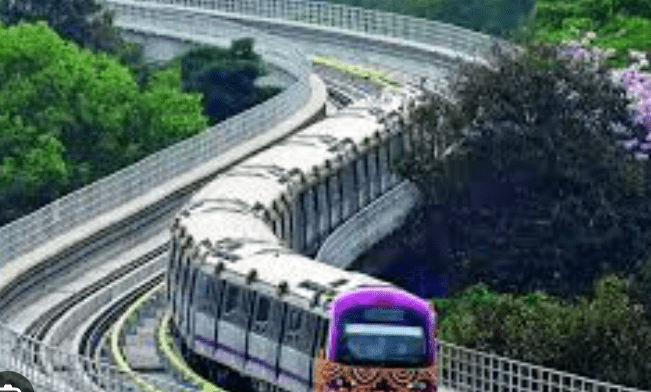
Bengaluru Metro Revision Triggers Political Slugfest: 1 Fare Hike and Public Anger

The recent revision of Bengaluru Metro fares has ignited a sharp political slugfest, with ruling and opposition parties trading blame as commuters voice widespread anger over increased travel costs. What was projected by authorities as a rational adjustment to ensure financial sustainability has quickly snowballed into a larger debate on affordability, urban mobility, and governance. As daily commuters struggle to absorb the impact of higher fares, the issue has emerged as a flashpoint in the city’s already fraught transport discourse.

The fare revision, which affects a large section of regular metro users, has come at a time when Bengaluru residents are grappling with rising costs of living. For many office-goers, students, and low-income workers who depend on the metro as a relatively affordable and reliable mode of transport, the hike has disrupted carefully balanced monthly budgets. Social media platforms and commuter forums have been flooded with complaints, comparisons, and calls for rollback.

Opposition parties were quick to seize on the public mood, accusing the government of being insensitive to the needs of ordinary citizens. Leaders alleged that the fare hike reflects poor financial planning and a failure to prioritise public welfare. They questioned why commuters should bear the burden of inefficiencies or losses in the metro system, especially when public transport is meant to reduce congestion and pollution.

The government, however, has defended the decision, arguing that the fare revision was inevitable given operational costs, expansion expenses, and the need to maintain service quality. Officials have stressed that metro fares in Bengaluru remain competitive when compared to similar systems in other major cities. They also pointed out that the revision followed established procedures and recommendations, rather than being an arbitrary political move.

As tempers rise, the metro fare issue has moved beyond a technical discussion into a symbol of larger governance challenges. For many residents, it reflects the gap between policy decisions and lived realities in a city where mobility is both a necessity and a daily struggle.Bengaluru metro fare hike sparks public outrage and political tension

Government’s Defence, Opposition’s Attack and Commuter Backlash

The ruling establishment has maintained that the fare revision is a financially prudent step aimed at ensuring the long-term viability of the metro network. Officials have cited increasing costs related to electricity, maintenance, staff salaries, and system upgrades. With the metro network expanding rapidly, they argue that revenue generation must keep pace to avoid compromising safety and reliability.

Government spokespersons have also highlighted that fare structures are periodically reviewed and revised in most mass transit systems. According to them, delaying such revisions could result in heavier financial stress, eventually leading to steeper hikes in the future. They have appealed to commuters to view the increase in the context of sustained service delivery and future expansion benefits.

The opposition, however, has rejected these arguments, accusing the government of poor timing and inadequate consultation. Leaders have alleged that the revision disproportionately affects middle-class and working-class commuters who rely on the metro daily. They have demanded transparency on the financial health of the metro corporation and questioned whether alternative revenue streams were adequately explored before resorting to a fare hike.

Commuter groups and civil society organisations have echoed these concerns, pointing out that even modest increases can accumulate significantly for daily users. Students and contract workers, in particular, have expressed frustration, saying the fare revision undermines the metro’s role as an inclusive public service. Some groups have also criticised the lack of clear communication prior to implementation, arguing that sudden changes erode public trust.

The political back-and-forth has further fuelled commuter resentment. Many residents feel caught between competing narratives, with little clarity on whether their concerns will translate into policy adjustments. Calls for discounted passes, income-based concessions, or phased implementation have grown louder as the debate intensifies.

Urban Mobility Questions, Fiscal Realities and the Road Ahead

Beyond immediate political exchanges, the fare revision has reopened deeper questions about Bengaluru’s urban mobility strategy. Transport experts note that public transit systems worldwide face the challenge of balancing affordability with financial sustainability. While fares contribute to operational revenue, over-reliance on commuter payments can undermine the broader goals of reducing private vehicle usage and easing congestion.

Urban planners argue that metro systems should be supported through a mix of government subsidies, land value capture, and non-fare revenue sources. Advertising, commercial development around stations, and integrated ticketing systems are often cited as ways to reduce pressure on fares. Critics of the hike question whether these avenues have been sufficiently leveraged in Bengaluru’s case.Bengaluru Metro revises fares by 5 per cent from February 9 - Public TV  English

The political slugfest has also drawn attention to the need for stronger institutional autonomy and communication. Analysts suggest that fare revisions, even when technically justified, require careful public engagement to explain rationale and address concerns. Without this, decisions risk being framed as political failures rather than administrative necessities.

Within the legislature, the issue is expected to trigger heated debates, with opposition parties pressing for a review or partial rollback. Some ruling party members have privately acknowledged the public anger, suggesting that targeted relief measures may be considered if the backlash persists. Whether such measures materialise remains uncertain.

For commuters, the immediate concern is practical. Many are reassessing travel choices, calculating costs, and considering alternatives such as buses or shared transport. However, with Bengaluru’s chronic traffic congestion, the metro often remains the fastest option despite higher fares, leaving users with limited flexibility.

As the controversy continues, the metro fare revision stands as a test of how urban policy decisions are communicated and contested. Whether the political slugfest results in meaningful recalibration or fades into routine controversy will depend on how responsively authorities engage with public concerns. In a city where mobility shapes daily life, the outcome of this debate will resonate far beyond ticket counters and turnstiles.

Several economists have weighed in on the fare revision, noting that public transport pricing is as much a political decision as an economic one. While operational sustainability is important, they argue that metros function as public goods whose benefits extend beyond fare-paying passengers. Reduced congestion, lower pollution, and improved productivity serve the entire city, justifying greater public subsidy rather than heavier reliance on commuter fares.

The controversy has also sharpened scrutiny of the metro corporation’s financial management. Opposition leaders have demanded detailed disclosures on expenditure patterns, loan servicing, and cost overruns in ongoing expansion projects. They argue that without such transparency, commuters cannot be expected to accept fare increases on trust alone. The ruling side has countered that audited accounts are available and that financial strain is a reality for infrastructure-heavy projects.

Labour unions representing metro staff have entered the debate, expressing concern that public anger could be misdirected towards frontline employees. They have emphasised that staff salaries and working conditions are often cited as cost drivers without acknowledging the essential role workers play in ensuring safety and punctuality. Unions have urged political leaders to keep the discourse focused on policy rather than personnel.

The fare hike has also sparked comparisons with bus services operated by the State-run transport corporation. Commuters have pointed out that while buses remain cheaper, overcrowding and inconsistent schedules often make them unreliable alternatives. Transport planners warn that pushing metro fares too high could lead to a shift back to private vehicles, undermining years of investment aimed at encouraging public transport use.

Student organisations have organised small demonstrations and online campaigns, arguing that the revision disproportionately affects young commuters. Many students rely on the metro for daily travel to colleges and coaching centres, and the increase has strained limited allowances. They have demanded expanded concession schemes and monthly passes tailored to educational needs.Bengaluru Metro fare hike sparks political blame game between the ruling  Congress and BJP | Bengaluru

From a governance perspective, the episode has highlighted gaps in coordination between urban transport agencies. Experts suggest that fare decisions should be integrated with broader mobility policies, including last-mile connectivity, bus–metro integration, and unified ticketing. Isolated decisions, they argue, risk creating inefficiencies and public frustration.

Within political circles, the issue is being seen as a potential electoral liability in urban constituencies. Leaders across parties are closely monitoring public sentiment, aware that transport costs directly affect middle-class voters. Some analysts believe the slugfest could intensify as elections approach, with fare policy becoming a recurring campaign issue.

The debate has also revived discussions on differential pricing models. Suggestions include peak and off-peak fares, distance-based caps, and income-linked concessions. While such models are complex to implement, experts argue they could make the system fairer and more responsive to commuter needs if designed carefully.

As pressure mounts, the government may face calls to constitute a review committee or initiate stakeholder consultations. Even a symbolic gesture of dialogue, observers say, could help defuse tensions and signal responsiveness. However, reversing or modifying fare decisions carries its own political risks, potentially projecting indecision.

In the longer term, the metro fare controversy underscores the challenges of managing rapid urban growth. Bengaluru’s transport needs are expanding faster than its governance mechanisms can adapt, leading to frequent flashpoints. Whether this episode becomes a catalyst for more inclusive and transparent transport policymaking, or merely another chapter in the city’s political slugfest, will depend on how leaders move beyond rhetoric to address commuter realities.

Follow: Karnataka Government

Also read: Home | Channel 6 Network – Latest News, Breaking Updates: Politics, Business, Tech & More
Former Union Minister Seeks Probe into Forest Watcher’s Death: 1 Tragic Death and Rising Anguish

Follow: Karnataka Government

Also read: Home | Channel 6 Network – Latest News, Breaking Updates: Politics, Business, Tech & More

CM to Decide on Belagavi District Bifurcation, Says Satish Jarkiholi: 1 Future and Regional Hope

The long-pending and politically sensitive demand for the bifurcation of Belagavi district has once again come into focus, with Karnataka Minister Satish Jarkiholi stating that the final decision rests with the Chief Minister CM. His remarks have revived debate across the district, where opinions on bifurcation remain deeply divided along administrative, cultural, and political lines. While supporters argue that splitting the vast district would improve governance and service delivery, opponents fear it could disrupt regional harmony and create fresh administrative challenges.

Belagavi, one of Karnataka’s largest districts in terms of geographical spread and population, has for years been at the centre of discussions around administrative reorganisation. The district’s size, diversity, and strategic importance have often been cited as reasons for considering bifurcation. Jarkiholi’s statement signals that the issue, though dormant at times, continues to be under active consideration within the government.

Speaking to reporters, Jarkiholi acknowledged the complexity of the matter, emphasising that such a decision cannot be taken lightly. He indicated that the Chief Minister would weigh multiple factors, including administrative feasibility, public opinion, and long-term regional interests, before arriving at a conclusion. His remarks have been interpreted as an attempt to manage expectations while keeping the political door open.

The renewed attention to the issue has sparked fresh reactions from local leaders, civil society groups, and residents. For some, the statement offers hope that longstanding grievances related to administration and development may finally be addressed. For others, it raises concerns about the political motivations behind reviving the demand and the potential consequences of redrawing district boundaries.

Belagavi’s unique position, bordering Maharashtra and having a linguistically diverse population, adds layers of sensitivity to the debate. Any administrative reorganisation in the region inevitably intersects with broader questions of identity, representation, and regional balance within Karnataka. This makes the Chief Minister’s eventual decision not just an administrative one, but a politically and socially significant call.CM will decide bifurcation of Belagavi district: Satish Jarkiholi - The  Hindu

Administrative Rationale, Political Signals and Ground-Level Demands

Supporters of bifurcation argue that Belagavi district’s sheer size makes governance inefficient. With far-flung taluks and a large population dependent on a centralised district administration, they say residents in remote areas often face delays in accessing government services. Proponents believe that creating a new district would bring administration closer to the people, improve responsiveness, and accelerate development.

Local leaders backing the move point to disparities in infrastructure and investment within the district. They argue that certain regions have lagged behind due to administrative overload and that a smaller, focused district administration could address local needs more effectively. For them, bifurcation is less about politics and more about equitable development.

On the political front, Jarkiholi’s remarks are being closely analysed. As a senior leader with influence in the region, his statement is seen as a calibrated message rather than an off-the-cuff comment. By placing the decision squarely with the Chief Minister, he has underscored the seriousness of the issue while avoiding a definitive stance that could alienate either side.

Opposition parties have responded cautiously, with some leaders accusing the government of reviving the issue for political convenience. They argue that repeated discussions without resolution create uncertainty and distract from pressing governance challenges. Others, however, have welcomed the renewed focus, urging the government to initiate structured consultations before making any announcement.

Public opinion within Belagavi district remains divided. While some residents view bifurcation as a pathway to better governance, others fear it could lead to competition for resources and administrative confusion. Traders, farmers, and professionals have expressed differing views, reflecting how the impact of bifurcation may vary across sectors.

Civil society groups have called for transparency in the decision-making process. They argue that any move towards bifurcation should be preceded by detailed studies, public hearings, and clear communication about administrative structures, budget allocations, and long-term implications. Without such clarity, they warn, the decision could deepen divisions rather than resolve existing issues.

Chief Minister’s Role, Regional Sensitivities and the Way Forward- CM

With Satish Jarkiholi emphasising the Chief Minister’s authority in the matter, attention has now shifted to the State leadership. The Chief Minister’s decision will need to balance administrative logic with political stability, especially in a region where identity and regional pride play a significant role in public discourse.Satish Jarkiholi Pushes for Belagavi District Bifurcation, Says CM to Hold  Crucial MLA Meet - Belgaum Mirror

Experts note that district bifurcation is not merely a bureaucratic exercise. It involves reallocating resources, redefining administrative hierarchies, and ensuring continuity in service delivery during the transition. Any misstep could lead to short-term disruptions that may outweigh the intended benefits, at least initially.

The long-pending and politically sensitive demand for the bifurcation of Belagavi district has once again come into focus, with Karnataka Minister Satish Jarkiholi stating that the final decision rests with the Chief Minister. His remarks have revived debate across the district, where opinions on bifurcation remain deeply divided along administrative, cultural, and political lines. While supporters argue that splitting the vast district would improve governance and service delivery, opponents fear it could disrupt regional harmony and create fresh administrative challenges.

The Belagavi case is also being viewed in the context of similar demands across Karnataka. Several large districts have, over the years, seen calls for division on grounds of governance and development. How the government handles Belagavi could set a precedent for responding to such demands elsewhere in the State.

Regional sensitivities add another layer of complexity. Belagavi’s proximity to Maharashtra and its history of linguistic debates mean that administrative changes are often scrutinised through a broader political lens. The government will need to ensure that decisions are framed firmly within administrative and developmental objectives, avoiding any perception of identity-based politics.

For residents, clarity remains the key demand. Many have expressed fatigue over recurring discussions that do not translate into concrete outcomes. Whether the decision ultimately favours bifurcation or status quo, stakeholders say a clear, reasoned explanation from the government would help manage expectations and reduce speculation.

As discussions continue, residents await clarity with a mix of hope and apprehension. For many, the outcome represents not just a change in administrative maps but a statement about how responsive the government is to regional concerns. Whether the Chief Minister opts for bifurcation or maintains the status quo, the decision is expected to leave a lasting imprint on Belagavi’s governance and political discourse.

As the issue awaits the Chief Minister’s call, political observers expect internal consultations within the ruling establishment to intensify. Inputs from district officials, ministers, and party leaders are likely to shape the final decision. The timing of any announcement will also be crucial, given the political calendar and the potential for the issue to influence local sentiments.Satish says CM replacement debate over, eyes 2028 for Karnataka's top post

In the end, the question of bifurcating Belagavi district goes beyond administrative boundaries. It touches on governance efficiency, regional aspirations, and political responsibility. Satish Jarkiholi’s statement has brought the issue back into public conversation, but the outcome now depends on whether the government can translate debate into a decision that balances development with unity. Whatever the Chief Minister decides, it is a choice that will shape Belagavi’s administrative and political future for years to come.

Administrative officials point out that any bifurcation proposal would require a detailed feasibility study, including assessments of revenue potential, infrastructure readiness, and manpower availability. Creating a new district is not merely about drawing new boundaries but also about ensuring that the new administrative unit can function independently without straining State resources. These technical considerations are expected to weigh heavily in the Chief Minister’s final assessment.

There is also discussion around where the headquarters of a proposed new district would be located, a factor that has triggered quiet competition among different regions. Such decisions often influence local economies, real estate values, and political relevance, making them highly sensitive. Past experiences suggest that disagreements over headquarters location can intensify opposition even among those broadly supportive of bifurcation.

Within the bureaucracy, opinions remain cautious. Senior officials have indicated that while decentralisation can improve governance, frequent restructuring can disrupt administrative continuity. They stress that district-level reforms should ideally be accompanied by investments in digital governance and decentralised service delivery to maximise impact.

The demand for bifurcation has also found resonance among youth groups and local organisations who argue that administrative proximity translates into better access to education, employment schemes, and grievance redressal. They believe that a smaller district administration could be more responsive to local aspirations, particularly in backward taluks that feel marginalised within the existing structure.

At the same time, cultural organisations have urged political leaders to handle the issue sensitively, given Belagavi’s diverse social fabric. They caution that administrative changes should not reopen old fault lines or be framed in ways that sharpen regional or linguistic identities. Inclusive dialogue, they argue, is essential to preserve social harmony.

Political analysts observe that the government’s approach to the Belagavi issue will be closely watched by both supporters and critics. A decisive move could be seen as strong leadership, while prolonged indecision may invite criticism of dithering. The balance between consultation and decisiveness, they say, will define the political narrative around the issue.

As discussions continue, residents await clarity with a mix of hope and apprehension. For many, the outcome represents not just a change in administrative maps but a statement about how responsive the government is to regional concerns. Whether the Chief Minister opts for bifurcation or maintains the status quo, the decision is expected to leave a lasting imprint on Belagavi’s governance and political discourse.

Follow: Karnataka Government

Also read: Home | Channel 6 Network – Latest News, Breaking Updates: Politics, Business, Tech & More

Veteran Journalist K.V. Srinivasan Passes Away: 1 Lifetime of Integrity and Collective Grief

Follow: Karnataka Government

Also read: Home | Channel 6 Network – Latest News, Breaking Updates: Politics, Business, Tech & More

Fire Guts Makeshift Sheds in Parappana Agrahara: 12 Lives Disrupted but Bold Hope Intact

A major fire incident gutted 12 makeshift sheds in Bengaluru’s Parappana Agrahara area, triggering panic among residents but fortunately resulting in no casualties. The blaze, which broke out in the early hours of the day, rapidly spread through the closely packed temporary structures, reducing them to ashes within minutes. Though no loss of life was reported, the incident has once again highlighted the vulnerability of informal settlements in the city and raised questions about safety, preparedness, and long-term rehabilitation measures for marginalised communities living in such conditions.

According to preliminary accounts, residents were alerted to the fire by thick smoke and crackling sounds emanating from one of the sheds. Many occupants were asleep when the fire started, but quick reactions and loud warnings helped ensure that everyone managed to escape in time. Fire and emergency services rushed to the spot after receiving distress calls and worked to contain the blaze, preventing it from spreading to nearby residential areas and commercial establishments.

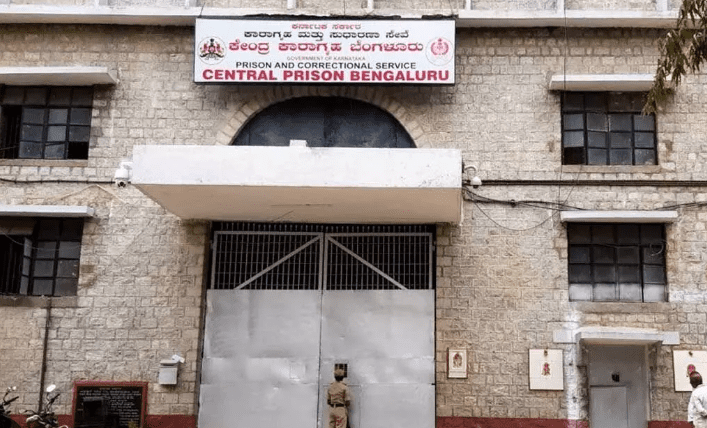
Parappana Agrahara, located in southeast Bengaluru, is home to several clusters of makeshift sheds occupied by daily wage workers, migrants, and low-income families. These settlements often lack proper electrical wiring, fire safety mechanisms, and access to basic civic amenities, making them particularly susceptible to such accidents. The latest incident has renewed concerns over the living conditions in these areas and the recurring risks faced by residents.Inside Parappana Agrahara: Striving to equip inmates for life on the  outside | Bengaluru News - The Times of India

Fire officials said that the sheds, constructed largely of tin sheets, plastic, wood, and tarpaulin, provided ample fuel for the flames. Once the fire took hold, it spread swiftly from one structure to another due to their close proximity. By the time firefighters managed to bring the situation under control, all 12 sheds had been completely destroyed, leaving families without shelter and basic belongings.

Local authorities and civic officials visited the site soon after the fire was extinguished to assess the damage. Temporary relief measures, including food packets and basic essentials, were arranged for the affected families. Officials assured residents that further assistance would be extended after a detailed assessment of losses.

Civic activists have urged the Bengaluru civic body to treat the Parappana Agrahara incident as a warning rather than an isolated mishap. They argue that mapping vulnerable settlements and conducting periodic safety inspections could help authorities identify high-risk zones before disasters occur. Proactive interventions, they say, would cost far less than repeated emergency responses and post-incident relief.

There have also been calls for better coordination between departments handling housing, electricity supply, and urban welfare. Activists point out that informal settlements often fall through administrative cracks, with no single agency taking responsibility for safety upgrades. A coordinated framework, they argue, could ensure safer wiring, regulated power connections, and improved access roads for emergency vehicles.

Women and children, who form a significant portion of residents in such settlements, are among the most affected after fires. Loss of shelter disrupts schooling, healthcare access, and basic hygiene, compounding long-term vulnerabilities. Child rights groups have emphasised the need for special attention to continuity of education and nutrition support in the aftermath of such incidents.

The incident has also renewed debate on rehabilitation timelines. Past fire victims in the city have often waited months for compensation or alternative housing, eroding trust in institutional promises. Experts stress that clearly defined timelines and transparent processes are essential to prevent affected families from slipping deeper into poverty.

As investigations continue and relief efforts progress, the Parappana Agrahara fire is likely to remain a reference point in discussions on urban safety and inclusive development. Whether it leads to structural changes or fades into statistics will depend on how decisively authorities act in the coming weeks, and whether lessons from yet another close call are finally translated into lasting reform.

Firefighting Efforts, Immediate Relief and Official Response

Fire department officials stated that multiple fire tenders were deployed to control the blaze, and the operation continued for over an hour before the fire was fully doused. The narrow access roads and congested layout of the settlement posed challenges for emergency vehicles, slowing down initial response efforts. Despite these obstacles, firefighters managed to prevent the fire from engulfing adjacent structures.

Preliminary investigations suggest that the fire may have been triggered by an electrical short circuit, a common cause in informal settlements where makeshift wiring is often used. However, officials said that the exact cause would be confirmed only after a detailed inquiry. Residents reported frequent power fluctuations in the area and said that many sheds relied on improvised electrical connections to run basic appliances.

Civic authorities acknowledged the difficulties faced by emergency responders in such densely populated localities. Officials noted that unplanned settlements not only pose risks to residents but also complicate rescue and relief operations during emergencies. They emphasised the need for coordinated planning between urban development agencies and welfare departments to address these challenges.

The Bruhat Bengaluru Mahanagara Palike and local ward officials arranged for temporary shelter for those affected, with community halls and nearby facilities being identified for immediate accommodation. Basic necessities such as blankets, drinking water, and cooked food were distributed. Officials also initiated steps to document the losses suffered by each family, which is expected to form the basis for compensation or rehabilitation assistance.SJCL :

Residents, while relieved that no lives were lost, expressed anguish over the loss of their belongings. Many families lost clothing, documents, utensils, and savings accumulated over years. For daily wage workers, the destruction of tools and materials used for work added to their distress, raising fears about how they would resume livelihoods in the coming days.

Local elected representatives who visited the spot assured residents that the matter would be taken up with higher authorities. They emphasised the need for long-term solutions rather than temporary relief, pointing out that similar incidents have occurred in other parts of the city with alarming regularity. The representatives called for urgent measures to improve safety standards and explore relocation options where feasible.

Social workers and volunteers from nearby areas also stepped in to provide assistance, collecting clothes and essentials for the affected families. Several community organisations highlighted that while immediate relief is crucial, sustained support is necessary to help families recover from such shocks. They urged authorities to ensure that rehabilitation efforts are not delayed by bureaucratic procedures.

Recurring Risks, Urban Inequality and the Question of Rehabilitation

The Parappana Agrahara fire is the latest in a series of incidents involving fires in informal settlements across Bengaluru. Such incidents underscore the broader issue of urban inequality and the precarious living conditions faced by thousands of migrant workers and low-income families who form the backbone of the city’s economy. Despite contributing significantly to construction, sanitation, and service sectors, many of these workers continue to live in unsafe and unregulated environments.

Urban planners note that the proliferation of makeshift settlements is closely linked to the shortage of affordable housing in the city. With rising rents and limited access to formal housing, migrant workers often have little choice but to settle in temporary structures on vacant land. These areas typically lack basic infrastructure, including safe electrical connections, sanitation facilities, and access roads, making them vulnerable to disasters.

Experts argue that frequent fires in such settlements are not merely accidents but symptoms of systemic neglect. They point out that while post-incident relief is often swift, preventive measures receive far less attention. Regular safety audits, community awareness programmes, and provision of basic infrastructure could significantly reduce risks, but these measures require sustained political and administrative commitment.

The incident has also raised questions about disaster preparedness at the local level. While fire services respond promptly, residents often lack knowledge about basic fire safety practices or access to simple safety equipment such as fire extinguishers. Community-based training and early warning systems, experts suggest, could empower residents to respond more effectively during emergencies.

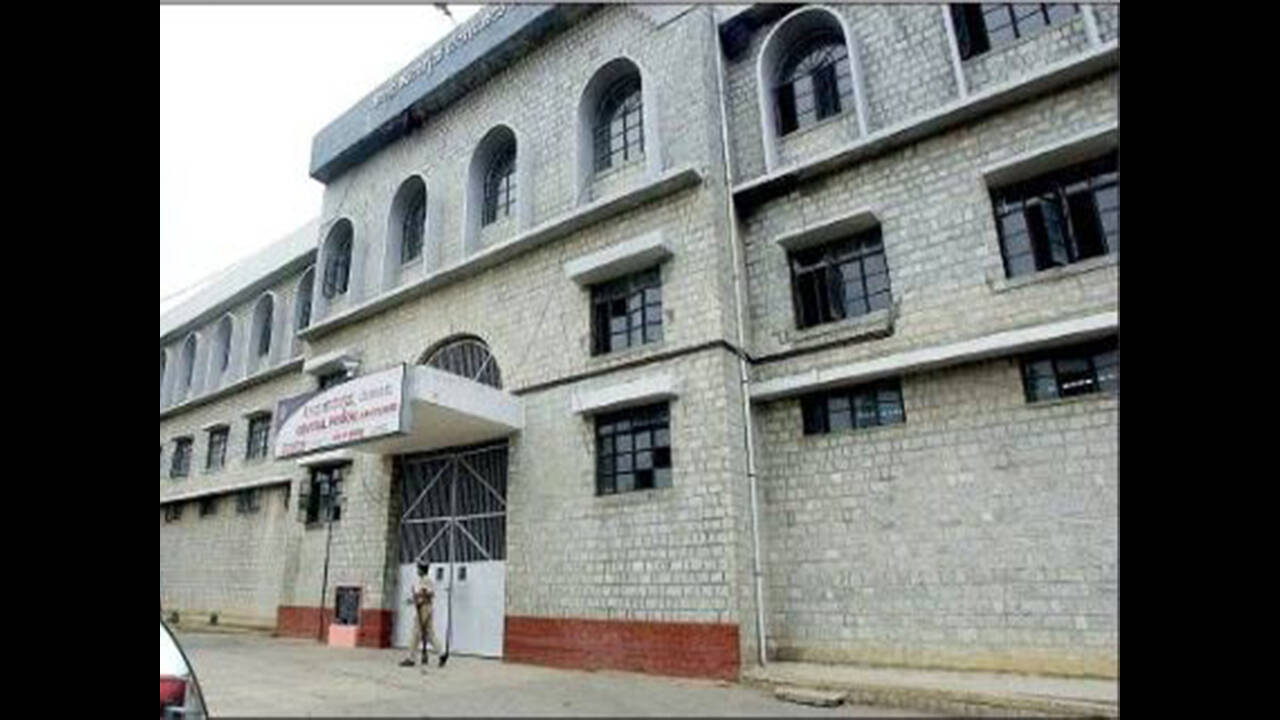
For the affected families in Parappana Agrahara, the immediate concern remains rebuilding their lives. Many have appealed to authorities for assistance in reconstructing their shelters or providing alternative accommodation. However, past experiences have made some residents sceptical, as rehabilitation efforts following similar incidents have often been delayed or limited in scope.Karnataka: Visit to Parappana Agrahara Prison to meet Death Row Convicts –  Human Rights Clinic

Policy analysts stress that addressing the root causes of such tragedies requires a comprehensive approach. This includes expanding affordable housing projects, ensuring inclusive urban planning, and integrating informal settlements into the city’s development framework. Without such measures, they warn, fires and other disasters will continue to disproportionately affect the most vulnerable sections of society.

As the city grows and attracts more migrant workers, the challenge of providing safe and dignified housing will only intensify. The Parappana Agrahara fire serves as a stark reminder that urban growth must be accompanied by social responsibility and foresight. Ensuring that no lives were lost is a relief, but preventing such incidents in the future will require moving beyond reactive responses to proactive and inclusive solutions.

In the aftermath of the blaze, the resilience of the affected families stands out. Despite losing nearly everything, many residents expressed gratitude for their safety and the support received from neighbours and volunteers. Their resilience, however, should not become a justification for inaction. The incident has once again placed the spotlight on the urgent need for policies that prioritise safety, equity, and dignity for all of Bengaluru’s residents.

Follow: Karnataka Government

Also read: Home | Channel 6 Network – Latest News, Breaking Updates: Politics, Business, Tech & More

IISc Raises Undergraduate Programme Costs: 1 Fee Hike and Hopeful Academic Anxiety

The Indian Institute of Science (IISc), Bengaluru, has announced a revision in the fee structure for its undergraduate Bachelor of Science (Research) programme, triggering discussion and concern among students, parents, and academic observers. The increase, which comes into effect for the upcoming academic year, marks a significant change for a programme that has long been associated with academic excellence and relatively moderate costs compared to private institutions of similar stature. While IISc has justified the hike as a necessary step to sustain quality and infrastructure, critics argue that it could affect access and diversity within the country’s premier science institution.

The Bachelor of Science (Research) programme at IISc attracts some of the brightest students from across India, many of whom clear highly competitive entrance examinations to secure admission. For years, the programme has symbolised a balance between world-class education and affordability at a publicly funded institution. The decision to raise fees, therefore, has sparked debate not only within academic circles but also in the broader conversation on the affordability of higher education in India.

According to officials familiar with the decision, the revised fee structure reflects rising operational costs, expanding academic facilities, and the need to remain globally competitive. IISc has significantly expanded its research infrastructure over the past decade, investing in laboratories, hostels, digital resources, and student support services. The institute maintains that sustaining these standards requires periodic financial adjustments, even in publicly funded institutions.

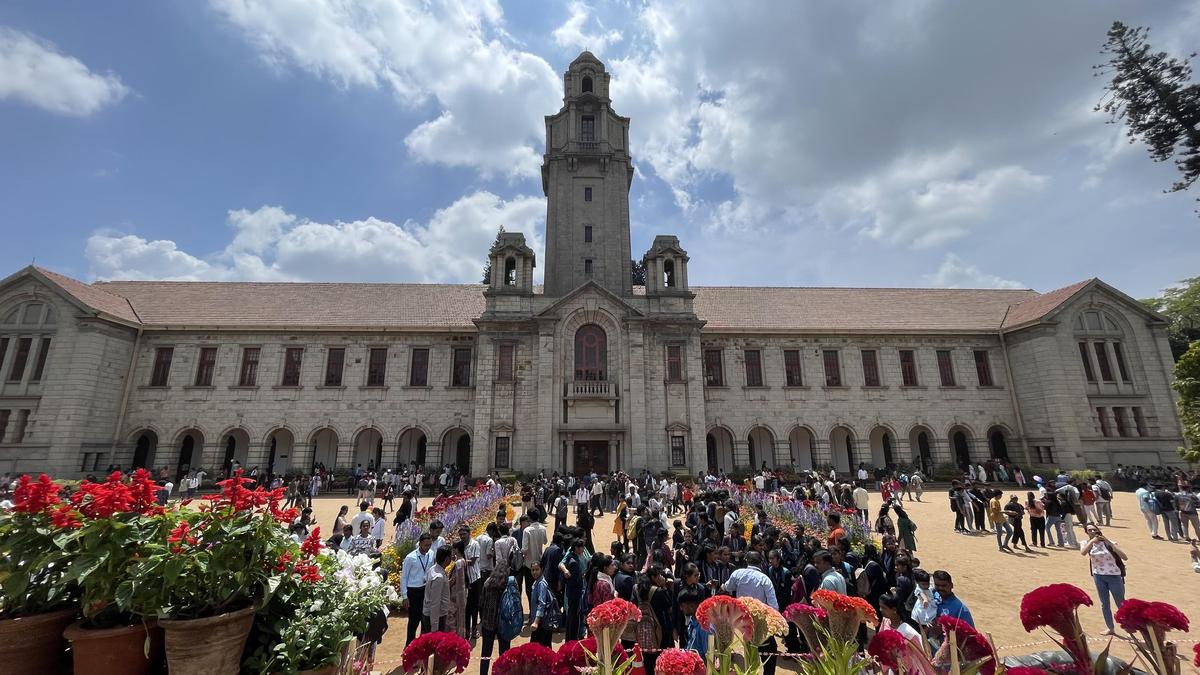
However, the announcement has led to unease among prospective students and their families, particularly those from middle-income and economically weaker backgrounds. Many aspirants prepare for years with the understanding that IISc offers a comparatively affordable route to elite science education. The sudden increase has raised fears that financial considerations may now play a larger role in determining who can access such institutions.IISc raises fee for undergraduate Bachelor of Science (Research) programme  - The Hindu

Faculty members, while largely supportive of the institute’s long-term vision, have acknowledged the sensitivity of the issue. Several have pointed out that undergraduate education differs from postgraduate and doctoral programmes, where stipends and fellowships often offset costs. For undergraduate students, higher fees translate directly into increased financial pressure on families, making support mechanisms all the more critical.

Observers note that the timing of the fee revision is also significant, coming amid a period when households are already grappling with rising education and living costs. With competitive examinations, coaching fees, and relocation expenses forming a substantial part of a student’s journey to IISc, the cumulative financial load is becoming heavier. This context has intensified scrutiny of the institute’s decision, even among those who acknowledge its academic rationale.

Some educationists have pointed out that undergraduate programmes serve as the first point of contact between elite institutions and young students. Any perception of exclusivity at this stage could have long-term consequences on the diversity of talent entering advanced research ecosystems. They argue that affordability at the undergraduate level is critical to ensuring a broad and representative pipeline of future scientists and innovators.

Within policy circles, the development has prompted renewed calls for a more predictable funding framework for institutions of national importance. Experts suggest that ad hoc fee revisions could be avoided if long-term public funding commitments were aligned with inflation and institutional growth. Stable funding, they argue, would reduce pressure on institutes to transfer operational costs to students.

The issue has also drawn attention to the need for transparent cost breakdowns. Student groups and parents have sought clearer explanations on how revised fees will be utilised and which areas of expenditure have driven the increase. Such transparency, they say, could help build trust and allow stakeholders to better appreciate the financial realities faced by the institution.

For aspirants preparing to apply, the announcement has introduced an element of recalibration. While IISc’s academic prestige continues to outweigh concerns for many, some students are now more actively comparing options across public and private institutions, factoring in long-term affordability alongside academic reputation.

As discussions continue, the IISc administration is expected to engage further with stakeholders to address concerns and clarify support mechanisms. How effectively the institute balances financial sustainability with its public mandate will shape perceptions well beyond this admission cycle, influencing how India’s top institutions navigate the evolving economics of higher education.

Rationale Behind the Revision and Institutional Perspective

IISc authorities have emphasised that the fee revision was not taken lightly and followed internal reviews of expenditure and future requirements. The institute’s leadership has underlined that maintaining low student-to-faculty ratios, upgrading laboratory equipment, and attracting top global faculty members involve substantial recurring costs. With government funding often tied to specific projects or limited by budgetary constraints, institutes are increasingly exploring internal revenue generation to bridge gaps.

Officials have also pointed out that the Bachelor of Science (Research) programme has expanded in scope over the years. Students now have access to advanced interdisciplinary courses, cutting-edge research facilities, and international exposure opportunities that were limited or unavailable earlier. The revised fees, they argue, are aligned with the enhanced academic experience and support services provided to students.

Another factor cited is inflation and the rising cost of living in Bengaluru. Hostel maintenance, utilities, security, and student welfare services have all seen cost escalations. The institute maintains that without revising fees periodically, it would be difficult to sustain the quality of campus life and academic support that students expect from a premier institution.

At the same time, IISc has reiterated its commitment to inclusivity. Officials have stated that existing and new scholarship schemes, fee waivers, and financial aid options will continue and, where possible, be strengthened. The administration has stressed that no deserving student should be denied admission solely due to financial constraints, a principle it claims remains central to the institute’s mission.

Despite these assurances, student representatives argue that clarity on the extent and accessibility of financial aid is crucial. They have called for transparent communication on how many students are likely to benefit from scholarships and whether aid will keep pace with rising fees. Without such clarity, they warn, the fee hike could deter talented students from applying in the first place.

Education policy experts see the development as part of a broader trend. Across India, even public universities and institutes of national importance are revisiting their funding models amid constrained government budgets. The challenge, they note, lies in balancing financial sustainability with the constitutional and social commitment to accessible education.IISc faces protests, controversy over strict new attendance and work-hour  rules

Student Reactions, Equity Concerns and the Road Ahead

Reactions among students and aspirants have been mixed. While some accept the institute’s explanation and view the hike as manageable given IISc’s reputation, others see it as a worrying precedent. Online forums and student groups have been abuzz with discussions on whether premier public institutions should increasingly resemble private ones in terms of cost, even if the quality remains unmatched.

Current students have expressed concern for future batches, noting that even a moderate increase can significantly affect families budgeting for four years of undergraduate education. For students from rural areas or first-generation learners, the psychological barrier of higher fees can be as impactful as the financial burden itself. Several students have urged the administration to involve student bodies in discussions on fee-related decisions to ensure greater trust and transparency.

Parents, too, have voiced apprehension. Many view IISc as a once-in-a-lifetime opportunity for their children and are willing to make sacrifices, but they worry about the cumulative impact of tuition, hostel fees, and living expenses. Some have questioned whether public institutions should explore alternative funding avenues, such as enhanced alumni contributions or industry partnerships, before passing costs on to students.

Alumni responses have varied. While a section supports the institute’s need to evolve and invest in future-ready infrastructure, others have called on alumni networks to play a stronger role in supporting scholarships and endowments. They argue that a robust alumni-funded support system could help buffer students from frequent fee hikes while allowing the institute to maintain high standards.Tata IISc Medical School – Indian Institute of Science, Bengaluru

The fee hike has also reignited debate on the broader direction of higher education policy in India. As the country aspires to build globally competitive universities, questions arise about who bears the cost of this ambition. Policymakers face the challenge of ensuring that excellence does not come at the expense of equity, particularly in publicly funded institutions that serve as gateways for social mobility.

For IISc, the coming months will be crucial in managing perceptions and implementation. Clear communication on financial aid, timely disbursal of scholarships, and responsive grievance redressal mechanisms could help ease concerns. The institute’s credibility rests not only on academic excellence but also on its ability to uphold fairness and inclusivity.

As the new fee structure takes effect, the focus will remain on its real-world impact. Whether the hike proves to be a manageable adjustment or a barrier for aspiring scientists will depend on how effectively support systems are deployed. In a country where education is both an aspiration and a ladder of opportunity, decisions on affordability resonate far beyond campus boundaries, shaping trust in institutions and the future of talent development.

Follow: Karnataka Government

Also read: Home | Channel 6 Network – Latest News, Breaking Updates: Politics, Business, Tech & More
1 Bold Rule and Students’ Creative Future: Transformative Push

Follow: Karnataka Government

Also read: Home | Channel 6 Network – Latest News, Breaking Updates: Politics, Business, Tech & More

194 Forgotten Corners and Bengaluru’s Collective Bold Dream

In an ambitious move aimed at reshaping the city’s urban fabric, the Greater Bengaluru Authority has announced plans to revive 194 unused public spaces across the city, signalling a renewed focus on inclusive urban development and community-driven transformation. The initiative seeks to breathe life into neglected corners of Bengaluru that have long remained underutilised, turning them into vibrant spaces for recreation, culture, and civic engagement. Officials describe the effort as both a practical intervention and an emotional reconnection with the city’s shared spaces.

The announcement comes against the backdrop of Bengaluru’s rapid urbanisation, where open spaces have steadily diminished under pressure from real estate expansion and infrastructure growth. Many of the identified locations include abandoned playgrounds, defunct civic plots, vacant lots near residential areas, and unused spaces beneath flyovers. Over time, these areas have often become dumping grounds or encroached upon, contributing to safety concerns and urban decay.

According to the GBA, the revival plan is rooted in the idea that public spaces play a crucial role in fostering social cohesion and improving quality of life. Rather than viewing land solely through the lens of development potential, the authority aims to reposition these spaces as community assets. By activating them for public use, the city hopes to address multiple challenges simultaneously, including lack of recreational areas, rising stress levels, and the need for inclusive environments that serve diverse populations.

Urban planners involved in the initiative emphasise that the project is not about uniform beautification, but context-specific redesign. Each of the 194 spaces will be assessed based on location, surrounding demographics, and local needs. Some may be converted into parks or play areas, while others could become open-air libraries, cultural plazas, markets, or spaces for senior citizens and youth activities. This flexibility, officials say, is key to ensuring relevance and long-term use.

The proposal has been welcomed by civic groups and resident welfare associations, many of whom have long demanded better utilisation of public land. For years, citizens have raised concerns about the shrinking availability of accessible open spaces, particularly in densely populated neighbourhoods. The GBA’s plan has therefore been seen as a response to these demands, offering hope that urban planning can be both people-centric and sustainable.Bengaluru governance reshaped with formation of GBA

However, the scale of the initiative also raises questions about execution, funding, and maintenance. Past attempts at public space development in Bengaluru have faced challenges ranging from bureaucratic delays to lack of upkeep. The success of this revival effort will depend not just on design and construction, but on sustained governance and community participation.

By placing unused public spaces at the centre of urban discourse, the GBA has set the stage for a broader conversation about what kind of city Bengaluru wants to become. Whether the initiative marks a turning point or joins a list of unrealised plans will depend on how effectively vision translates into action.

Mapping Neglect, Planning Renewal

Officials involved in the project said the identification of 194 unused public spaces followed extensive surveys and data collection across different zones of the city. Many of these sites are owned by civic agencies but had fallen through administrative cracks over the years. In some cases, land records were unclear; in others, projects had stalled midway due to funding or legal issues. The revival initiative seeks to bring these spaces back into the planning framework.

The initiative is also expected to influence how future urban projects are conceptualised in Bengaluru. Planners believe that if the revival of these 194 spaces succeeds, it could encourage policymakers to prioritise adaptive reuse over fresh construction in other sectors as well. This shift in approach may help the city address space constraints more creatively, while also preserving neighbourhood character and reducing environmental impact associated with large-scale development.

For residents, the coming months will be crucial in determining whether the promise of revival translates into everyday change. Community members are likely to judge the effort not by official announcements but by visible improvements on the ground — cleaner surroundings, safer environments, and spaces that invite regular use. If these outcomes materialise, the revival programme could strengthen civic trust and set a precedent for collaborative urban governance in Bengaluru.

The GBA has indicated that the first phase will focus on spaces that can be revived quickly with minimal structural intervention. These include plots that require basic cleaning, landscaping, lighting, and seating. By prioritising such locations, authorities hope to demonstrate early results and build public confidence in the programme. More complex sites, such as those requiring redesign or resolution of encroachment issues, will be taken up in later phases.

A key component of the plan is community consultation. Officials say local residents will be involved in deciding how nearby spaces should be used, ensuring that development reflects neighbourhood needs. This participatory approach marks a shift from top-down planning models that have often drawn criticism for ignoring ground realities. By giving communities a stake in design and usage, the GBA hopes to foster a sense of ownership that will aid long-term maintenance.GBA launches interactive map to show new corporation boundaries

Funding for the revival is expected to come from a mix of government allocations, corporate social responsibility contributions, and partnerships with non-governmental organisations. While officials have not disclosed detailed budgets, they emphasise that the initiative is being designed to be cost-effective. Reusing existing land, rather than acquiring new plots, significantly reduces financial and environmental costs.

Urban designers associated with the project note that reviving small, scattered spaces can have a cumulative impact on city life. While each site may be modest in size, together they form a network of accessible public areas within walking distance of homes. This decentralised approach contrasts with large, centralised parks that may be difficult for many residents to access regularly.

The plan also incorporates safety and inclusivity as core principles. Adequate lighting, clear sightlines, and universal design features are expected to be integrated into all revived spaces. Special attention is being given to ensure that women, children, senior citizens, and persons with disabilities can use these areas comfortably and safely.

Despite the optimism, experts caution that revival must be accompanied by clear accountability mechanisms. Without defined responsibilities for upkeep, revived spaces risk slipping back into neglect. The GBA has stated that maintenance models, including partnerships with local groups and periodic audits, are being explored to prevent this outcome.

Urban Life, Civic Trust, and the Road Ahead

The decision to revive 194 unused public spaces has broader implications for Bengaluru’s urban identity. Public spaces are often seen as the soul of a city, places where social boundaries blur and civic life unfolds. In a metropolis increasingly shaped by private developments and gated communities, reclaiming shared spaces is both a symbolic and practical act.

Urban sociologists argue that accessible public spaces contribute to mental well-being, social interaction, and democratic engagement. For children, they provide room to play; for elders, places to gather; for artists and performers, platforms to express. By investing in such spaces, the city invests in its social capital. The GBA’s initiative has therefore been framed as an effort to rebuild not just infrastructure, but trust between citizens and civic institutions.

The project also intersects with environmental concerns. Green spaces help mitigate urban heat, improve air quality, and support biodiversity. Even small parks or tree-lined plazas can make a difference in dense neighbourhoods. If environmental considerations are integrated thoughtfully, the revival effort could contribute to the city’s resilience against climate-related challenges.

At the same time, the initiative will be tested by Bengaluru’s complex governance landscape. Multiple agencies, overlapping jurisdictions, and legacy issues have historically slowed urban projects. Coordination between departments will be critical to ensure timely approvals and smooth execution. The GBA’s ability to act as a unifying authority will play a decisive role in overcoming these hurdles.Greater Bengaluru Authority unveils ₹7,977 crore interim budget for city  corporations

Public expectations are high, but tempered by past experiences. Citizens have seen well-intentioned plans falter due to lack of follow-through. Transparency in timelines, clear communication, and visible progress will be essential to maintain momentum. Civic groups have already indicated their willingness to collaborate, provided their inputs are genuinely considered.

There are also concerns about commercialisation. While partnerships and sponsorships can bring in resources, residents worry that public spaces may be overtaken by advertising or exclusive activities. Officials have assured that the primary purpose of these spaces will remain public use, and that any commercial elements will be carefully regulated.

As the city grows, the pressure on land will only intensify. The revival of unused public spaces offers a way to expand livable areas without further encroachment. It reflects a planning philosophy that values renewal over expansion, and inclusion over exclusivity.

In the long run, the success of the initiative will be measured not by the number of spaces revived, but by how they are used. A park that remains empty or a plaza that feels unsafe fails its purpose. Conversely, a modest space filled with everyday life can become a neighbourhood’s heart.

The GBA’s plan to revive 194 unused public spaces is, at its core, an attempt to reimagine Bengaluru’s relationship with its commons. It acknowledges past neglect while pointing toward a more participatory and humane urban future. If executed with care, consistency, and community involvement, the initiative could transform forgotten corners into places of connection, memory, and belonging—quietly reshaping the city, one space at a time.

Follow: Karnataka Government

Also read: Home | Channel 6 Network – Latest News, Breaking Updates: Politics, Business, Tech & More

2 Crucial Questions for drones and a Firm’s Fight for Fairness: Judicial Shield

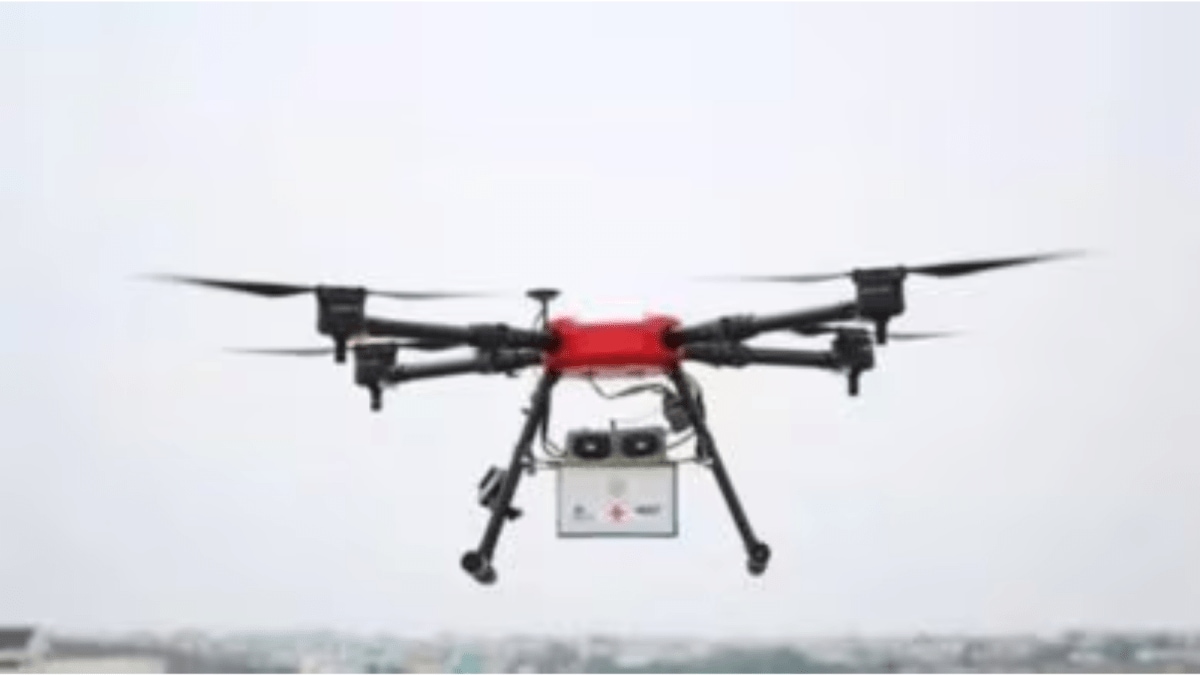
The Karnataka High Court has stayed the registration of an FIR against a private drone development firm and sought an explanation from the police inspector who initiated the case, marking a significant intervention in a matter that sits at the intersection of law enforcement, emerging technology, and regulatory clarity. The court’s order has drawn attention to how investigative powers are exercised in cases involving specialised sectors such as drone research and development, where legal frameworks are still evolving.

The case arose after a private firm engaged in drone development was booked by the police on allegations that were not immediately made public in detail. The registration of the FIR triggered concern within the company, which maintained that it was operating within the bounds of existing laws and permissions. Arguing that the action was arbitrary and lacked proper application of mind, the firm approached the High Court seeking relief.Karnataka High Court stays FIR against private drone development firm; seeks  explanation from police inspector - The Hindu

After hearing preliminary submissions, the High Court decided to stay further proceedings pursuant to the FIR. At the same time, it directed the concerned police inspector to submit an explanation, indicating that the court was not merely examining the complaint itself, but also the manner in which the police exercised their authority. Legal observers note that such directions often signal judicial unease with procedural lapses or disproportionate use of criminal law.

The case has also revived conversations around the use of criminal law in regulatory disputes. Legal commentators argue that civil or administrative remedies are often more appropriate in sectors governed by technical compliance frameworks. Invoking criminal provisions at an early stage, they say, can escalate matters unnecessarily and burden courts. The High Court’s decision to pause proceedings reinforces the idea that criminal law should remain a measure of last resort, especially where intent and harm are not immediately evident.

Within the technology community, the order is being viewed as a confidence-building measure. Start-ups and research firms operating in emerging domains often function at the edge of regulatory interpretation, where guidelines may lag behind innovation. Judicial oversight in such cases reassures entrepreneurs that there are institutional safeguards against abrupt or ill-informed enforcement actions. This reassurance is particularly important in capital-intensive sectors like drone development, where regulatory risk can influence investment decisions.

The episode has also highlighted the need for clearer dissemination of regulatory norms at the field level. While policies and rules may be notified at the central or State level, their interpretation often depends on local authorities. Experts suggest that regular workshops, updated manuals, and dedicated technical support units for police could reduce misunderstandings. Better-informed enforcement, they argue, benefits both security objectives and legitimate businesses.

From an administrative standpoint, the High Court’s scrutiny may prompt internal reviews within the police department. Senior officials could issue clarifications or advisories on handling cases involving specialised technologies, ensuring consistency across jurisdictions. Such steps would not only reduce litigation but also protect officers from judicial criticism arising from procedural lapses or misinterpretation of rules.

As the matter awaits further hearing, the focus will remain on the explanation submitted by the police inspector. The court’s response to that explanation will likely determine the next phase of the case and set the tone for similar disputes in the future. For now, the stay serves as a reminder that as technology evolves, enforcement practices must evolve alongside it, guided by clarity, competence, and respect for due process.

The order has resonated beyond the immediate parties, particularly within Karnataka’s growing technology and start-up ecosystem. As drones find increasing applications in agriculture, logistics, surveillance, and research, companies operating in this space are closely watching how regulatory enforcement unfolds. The High Court’s intervention has therefore been seen as a reminder that innovation-driven sectors require nuanced handling rather than reflexive criminalisation.

From the State’s perspective, the case has reopened questions about coordination between regulators and police authorities. Drone operations are governed by a mix of central guidelines, aviation rules, and local enforcement practices. When these layers are not aligned, enforcement actions can become contentious. The present case has highlighted the potential consequences of such gaps.

The police, on their part, have so far refrained from making detailed public statements. Officials indicated that they would place their explanation before the court as directed. The High Court is expected to examine whether the FIR was registered after due verification of facts and applicable regulations, or whether it reflected a misunderstanding of the legal regime governing drone development.

Public interest in the case has also been fuelled by broader debates around ease of doing business and protection of legitimate enterprises. Stakeholders argue that while regulation is necessary, especially in sensitive domains like unmanned aerial systems, enforcement must be predictable and legally sound. The High Court’s order has thus been interpreted as an attempt to restore balance between oversight and fairness.Karnataka HC stays probe in criminal case against firm after research drone  lands in residential area | Legal News - The Indian Express

Questions of Procedure, Authority, and Regulatory Clarity

At the heart of the High Court’s order lies the issue of procedural propriety. The judiciary has repeatedly emphasised that registration of an FIR is a serious step that can have lasting consequences for individuals and businesses. In this case, the court’s decision to stay the FIR suggests prima facie concerns about whether the threshold for invoking criminal law was met.

Legal experts point out that police officers are expected to familiarise themselves with sector-specific regulations before initiating action. Drone development, unlike casual recreational use of unmanned devices, often involves controlled testing, research permissions, and compliance with aviation norms. A failure to distinguish between unauthorised flying and legitimate development activity can lead to overreach.

The High Court’s direction to the police inspector to explain his actions is particularly significant. Such a direction implies that the court is scrutinising not only the complaint but also the decision-making process of the officer. If the explanation is found unsatisfactory, it could have implications beyond the present case, potentially prompting internal reviews or guidelines for handling similar matters in the future.

The firm involved has maintained that it followed applicable rules and possessed necessary approvals for its activities. Its counsel argued that the FIR was registered without adequate verification and caused reputational harm. In technology-driven sectors, where investor confidence and credibility are critical, even the initiation of criminal proceedings can have disproportionate effects.

Regulatory ambiguity has been flagged as a recurring issue in drone-related cases. While central authorities have issued frameworks governing unmanned aircraft systems, ground-level enforcement often depends on local police, who may not always have specialised training. This mismatch can result in confusion, inconsistent application of rules, and avoidable litigation.

The State government has, in recent years, promoted Karnataka as a hub for innovation and advanced manufacturing, including aerospace and drone technology. Incidents such as this risk sending mixed signals to entrepreneurs. Observers argue that clearer standard operating procedures and better coordination between departments could prevent such conflicts.

At the same time, security concerns associated with drones cannot be ignored. Law enforcement agencies have legitimate reasons to monitor and regulate drone activity, given potential misuse. The challenge lies in ensuring that vigilance does not translate into indiscriminate action. The High Court’s intervention appears aimed at reinforcing this distinction.

Impact on Innovation, Enforcement, and Legal Precedent

The High Court’s stay of the FIR has temporarily relieved the firm from the immediate burden of criminal proceedings, but the broader implications of the case are likely to unfold over time. For technology companies, the order offers reassurance that courts are willing to step in when enforcement appears excessive or poorly grounded in law.Unique Crime Against Inanimate Object': Karnataka High Court Stays Criminal  Trespass FIR Against Drone

Industry representatives have welcomed the court’s emphasis on accountability. They argue that innovation thrives in environments where rules are clear and enforcement is fair. Fear of arbitrary action, they say, can deter experimentation and slow down research and development. The present case has therefore become a reference point in discussions about regulatory certainty.

For the police, the episode underscores the importance of continuous training and awareness, especially as new technologies emerge. Traditional policing frameworks are often ill-equipped to deal with complex technical domains. Without adequate guidance, officers may rely on broad provisions that do not fully capture the nuances of specialised activities.

The judicial scrutiny may also influence how FIRs are handled in future cases involving emerging technologies. Courts have increasingly cautioned against the mechanical application of criminal law in commercial and technical disputes. If the High Court ultimately finds fault with the registration of the FIR, it could strengthen this trend.

From a governance perspective, the case highlights the need for institutional mechanisms that bridge the gap between innovation and regulation. Dedicated nodal officers, inter-departmental coordination, and clear communication channels could help ensure that enforcement actions are informed and proportionate.

The outcome of the police inspector’s explanation will be closely watched. If the court accepts the justification, it may limit the scope of the stay or allow proceedings to continue with modifications. If not, it could lead to quashing of the FIR and possible directions aimed at preventing recurrence.

Public confidence in both law enforcement and the judiciary is at stake in such matters. While police are entrusted with safeguarding security, courts serve as a check against misuse of power. The present case illustrates this balance in action, with the High Court stepping in to examine whether authority was exercised responsibly.

In the larger narrative, the stay of the FIR is not merely about one firm or one police action. It reflects the growing pains of a legal system adapting to rapid technological change. As Karnataka positions itself as a leader in innovation, how it resolves such tensions will shape perceptions among entrepreneurs, investors, and citizens alike.

Ultimately, the High Court’s order has reaffirmed a fundamental principle: that enforcement must be guided by law, reason, and fairness. As the case progresses, it may offer valuable lessons on aligning security concerns with the needs of a dynamic, innovation-driven economy.

Follow: Karnataka Government

Also read: Home | Channel 6 Network – Latest News, Breaking Updates: Politics, Business, Tech & More
496 Lifesaving Drugs and a System’s Promise to Care: Urgent Push

The Karnataka State Medical Supplies Corporation Limited has initiated priority procurement of 496 essential drugs in an effort to address shortages across government hospitals and public health institutions, a move that has brought renewed focus on the State’s healthcare supply chain. The decision comes amid reports of inconsistent availability of medicines, raising concerns among patients, doctors, and health administrators. By fast-tracking procurement, KSMSCL aims to stabilise supplies and restore confidence in the public healthcare system.

Officials said the decision was taken after a detailed assessment of stock levels and consumption patterns across districts. Several commonly prescribed medicines were found to be running low due to delayed tenders, supply disruptions, and rising demand. Priority procurement, they explained, allows the corporation to bypass routine timelines and ensure quicker replenishment, especially for critical drugs required in emergency care, maternal health, and chronic disease management.KSMSCL initiates priority procurement of 496 drugs to address shortages -  The Hindu

Healthcare professionals have welcomed the move, noting that medicine shortages directly affect treatment outcomes and patient trust. In many government hospitals, doctors are often forced to prescribe alternatives or ask patients to purchase medicines from private pharmacies, undermining the principle of free public healthcare. The procurement of 496 drugs is therefore seen as a necessary corrective step rather than an extraordinary measure.

The procurement drive has also prompted renewed attention to coordination between different levels of the health system. District officials have been instructed to closely monitor stock positions and communicate requirements in real time, reducing the lag between consumption and replenishment. Health administrators say this tighter feedback loop is essential to ensure that the newly procured drugs are distributed efficiently and reach facilities where shortages are most acute, rather than accumulating unevenly across districts.

Patient groups have cautiously welcomed the announcement, noting that consistent medicine availability is often the most tangible measure of public healthcare effectiveness. For many patients with chronic conditions such as diabetes, hypertension, and asthma, interruptions in medication can have serious consequences. The priority procurement of commonly used drugs is therefore expected to ease anxiety among regular users of government health services, provided the supplies are maintained beyond the immediate crisis phase.

The initiative has also brought procurement staff under pressure to deliver results quickly. KSMSCL officials acknowledge that accelerated processes demand greater vigilance, as errors or lapses can have far-reaching consequences. Internal audits and supervisory checks have reportedly been strengthened during the procurement cycle to minimise risks, reflecting lessons learnt from earlier episodes where rushed decisions attracted criticism.

Experts in public health management point out that medicine shortages are rarely the result of a single failure. Instead, they stem from a chain of small delays and mismatches that accumulate over time. From production schedules to transportation and last-mile delivery, each link in the chain needs alignment. The current effort, they argue, should be used as an opportunity to map these vulnerabilities and introduce corrective mechanisms across the system.

As supplies begin to stabilise, attention is likely to turn to measuring the effectiveness of the priority procurement. Indicators such as reduction in stock-out days, patient satisfaction, and hospital-level availability will be closely watched. Whether KSMSCL can translate this emergency response into a sustained improvement will shape perceptions of the State’s commitment to public healthcare. For now, the initiative stands as a critical intervention, offering relief while highlighting the ongoing challenge of ensuring uninterrupted access to essential medicines.

The initiative also highlights the scale and complexity of Karnataka’s public health system. With thousands of government hospitals, primary health centres, and community health facilities dependent on centralised procurement, even minor disruptions can have widespread consequences. KSMSCL’s action reflects an acknowledgement of these vulnerabilities and an attempt to respond before shortages deepen further.

Officials emphasised that the procurement drive is not limited to urban centres. Special attention is being paid to rural and remote facilities, where access to private pharmacies is limited and patients rely almost entirely on government supplies. Ensuring availability in these areas, they said, is central to the State’s commitment to equitable healthcare.

The move has also sparked questions about systemic issues that lead to recurrent shortages. While priority procurement offers immediate relief, experts argue that long-term solutions require better forecasting, timely tendering, and stronger coordination between procurement agencies and healthcare institutions. The current effort, they say, must be accompanied by structural reforms to prevent similar situations in the future.Karnataka hospitals face medicine shortage as KSMSCL delays procurement

Inside the Shortage and the Procurement Strategy

According to officials familiar with the process, the shortage of medicines emerged from a combination of administrative delays and external pressures. Tender finalisation for certain drugs took longer than expected, while supply chains were affected by manufacturing constraints and logistical challenges. In parallel, patient footfall in government hospitals has increased, driven by rising healthcare costs in the private sector, placing additional strain on existing stocks.

KSMSCL’s priority procurement mechanism is designed to respond to such situations swiftly. Under this approach, drugs identified as critical are procured through accelerated processes, with reduced timelines for supplier selection and delivery. The list of 496 drugs includes antibiotics, analgesics, cardiovascular medicines, anti-diabetics, maternal health drugs, and paediatric formulations, reflecting a broad spectrum of healthcare needs.

Officials said the selection of drugs was based on inputs from district health officers, hospital administrators, and clinical experts. Consumption data from recent months was analysed to identify medicines that were either out of stock or projected to run out soon. This data-driven approach, they said, ensures that procurement targets real needs rather than arbitrary quotas.

Suppliers have been instructed to adhere to strict quality standards despite the expedited process. KSMSCL officials stressed that speed would not come at the cost of safety, and that all procured medicines would undergo mandatory quality checks. Past controversies over substandard drugs have made quality assurance a sensitive issue, and authorities are keen to avoid any compromise that could erode public trust.

The financial implications of the procurement drive are also significant. Procuring 496 drugs on priority requires substantial allocation of funds, often at short notice. Officials indicated that the government has assured support to ensure that financial constraints do not delay deliveries. This backing is seen as crucial, given the competing demands on the State’s budget.

For frontline healthcare workers, the initiative offers some relief but also highlights ongoing challenges. Many doctors and pharmacists say that shortages disrupt clinical routines and increase workload, as they must constantly check availability and counsel patients on alternatives. Restoring steady supplies, they argue, is essential for smooth functioning and morale within public hospitals.Paediatric ICU ambulance donated to childrens' hospital - The Hindu

Broader Impact on Public Healthcare and Accountability

The priority procurement drive has broader implications for Karnataka’s public healthcare system. Medicine availability is often seen as a basic indicator of system efficiency, and shortages can quickly become a political and administrative flashpoint. By acting decisively, KSMSCL and the government appear keen to demonstrate responsiveness and accountability.

Public health advocates have noted that free medicine schemes play a critical role in reducing out-of-pocket expenditure, especially for low-income families. Any disruption disproportionately affects vulnerable groups, who may delay treatment or incur debt to buy medicines privately. Ensuring uninterrupted supply is therefore not just an administrative task, but a social responsibility.

At the same time, the episode has renewed scrutiny of procurement planning and oversight. Experts argue that reliance on emergency measures like priority procurement indicates weaknesses in routine systems. Better demand forecasting, timely tendering, and buffer stocks could reduce the need for such interventions. Transparency in procurement processes is also seen as key to maintaining credibility.

The role of digital inventory management has come under discussion as well. While KSMSCL has systems in place to track stocks, gaps in real-time data and reporting can delay responses. Strengthening these systems could enable earlier identification of potential shortages and more proactive action.

Opposition parties have already begun questioning how shortages were allowed to arise in the first place. While welcoming the procurement initiative, they argue that accountability must extend beyond corrective steps to include explanations and responsibility. The government, for its part, has framed the move as evidence of its commitment to addressing problems promptly rather than ignoring them.

The Karnataka State Medical Supplies Corporation Limited has initiated priority procurement of 496 essential drugs in an effort to address shortages across government hospitals and public health institutions, a move that has brought renewed focus on the State’s healthcare supply chain

Looking ahead, officials say the current procurement is only one part of a broader effort to stabilise supplies. Once immediate shortages are addressed, attention will shift to strengthening long-term procurement cycles and supplier engagement. The aim, they say, is to reduce dependence on emergency measures and build a more resilient supply chain.

Ultimately, the initiation of priority procurement for 496 drugs represents both a response to an urgent problem and a test of the system’s capacity to learn from it. If executed effectively, it can restore confidence among patients and healthcare workers alike. However, its true success will depend on whether it leads to sustained improvements rather than temporary relief. In a public healthcare system that millions rely upon daily, consistency and reliability matter as much as speed.

Follow: Karnataka Government

Also read: Home | Channel 6 Network – Latest News, Breaking Updates: Politics, Business, Tech & More