Indian equity markets traded with a positive bias on the last trading day of 2025, NIFTY 50 reflecting cautious optimism among investors amid selective sectoral buying. Benchmark indices hovered near record levels, supported by gains in metals, power, and select large-cap stocks, even as IT and financial heavyweights faced mild pressure. The session highlighted a clear divergence in sectoral performance, underscoring a stock-specific approach by market participants.
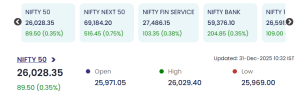
The NIFTY 50 closed at 26,028.35, gaining 89.50 points (0.35%), after opening at 25,971.05. The index touched an intraday high of 26,029.40 and a low of 25,969.00, indicating a narrow trading range and consolidation near elevated levels.
Broader market sentiment remained supportive as the NIFTY Next 50 outperformed, rising 0.75% to 69,184.20, suggesting sustained interest in large and mid-cap growth stocks.
Sectoral indices also reflected stability:
NIFTY Bank advanced 0.35% to 59,376.10
NIFTY Financial Services rose 0.38% to 27,486.15
Metal and Infrastructure Stocks Lead the Rally
Metal and infrastructure-linked stocks emerged as the session’s top performers, driven by strong volumes and renewed buying interest.
JSW Steel surged 4.91% to ₹1,166.20, with robust trading value indicating institutional participation.
Tata Steel gained 2.39% to ₹180.00, tracking strength across the metal space.
Titan rose 2.17% to ₹4,060.30, supported by continued optimism around discretionary consumption.
Power Grid Corporation added 1.63% to ₹264.60, benefiting from defensive buying and infrastructure focus.
Bharat Electronics (BEL) advanced 1.42% to ₹398.90, reflecting sustained interest in defence and PSU stocks.
The strong performance of these stocks reinforced the market’s preference for cyclical and capex-linked themes as the year closed.
IT and Financial Majors Face Mild Selling Pressure
In contrast, information technology stocks remained under pressure, acting as a drag on the benchmarks.
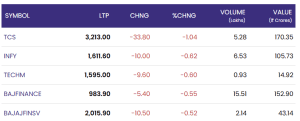
TCS declined 1.04% to ₹3,213.00
Infosys fell 0.62% to ₹1,611.60
Tech Mahindra eased 0.60% to ₹1,595.00
The weakness in IT was attributed to profit booking and lingering concerns over global demand visibility.
Financial heavyweights also traded lower:
Bajaj Finance slipped 0.55% to ₹983.90
Bajaj Finserv declined 0.52% to ₹2,015.90
Despite these losses, the broader financial sector remained resilient, preventing any sharp downside in the indices.
Market Outlook and Investor Sentiment
Overall market breadth remained balanced, with gains in cyclical and PSU stocks offsetting weakness in IT and select financials. The steady close near the day’s high reflected investor confidence and a wait-and-watch approach ahead of the new year, global cues, and upcoming macroeconomic data.
Conclusion
Indian equity markets wrapped up 2025 on a stable and optimistic note, with the NIFTY 50 consolidating above the 26,000 mark. Strength in metals, power, and select consumption stocks highlighted improving risk appetite, while muted IT performance signaled ongoing sectoral rotation. As markets step into 2026, investors appear focused on fundamentals, earnings visibility, and policy direction, setting the tone for a measured yet opportunity-driven start to the new year.
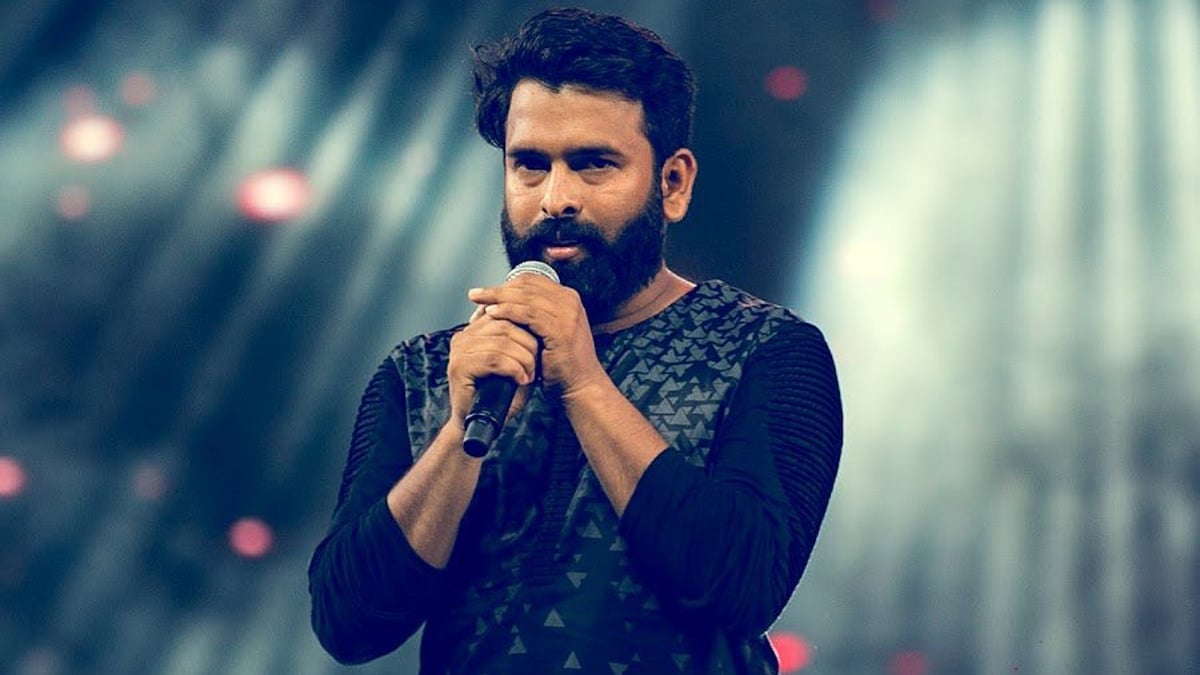
Santosh Narayanan on migrant attack: Blanket hate against outsiders, films glorifying violence, politicians and caste groups enabling it sparks serious debate in Tamil Nadu
Santosh Narayanan on migrant attack: Blanket hate against outsiders, films glorifying violence, politicians and caste groups enabling it has drawn wide attention after the noted Tamil music composer spoke openly about rising violence and hostility toward people from other States living and working in Tamil Nadu. His comments came in the wake of a recent assault on a young migrant worker from Odisha on a local train in the State.
In a strongly worded social media post shared late Tuesday night, Santosh Narayanan reflected on what he described as a disturbing pattern of growing intolerance and aggression. He said such incidents were no longer isolated acts but part of a wider problem involving social attitudes, political influence, and the normalisation of violence.
The composer shared personal experiences from the area of Chennai where he has lived for more than a decade. He described the locality as extremely unsafe during night hours, pointing to the presence of criminal elements and repeated incidents of violence. According to him, substance abuse and lawlessness have become common, creating fear among residents and workers.
Santosh Narayanan on migrant attack highlights everyday violence and fear
Santosh Narayanan also spoke about incidents near his studio site, where construction workers have allegedly been attacked multiple times. He recalled one incident where an accused individual reportedly showed no fear even during police action, claiming the person appeared heavily intoxicated. The composer said such behaviour reflects how deeply violence has been normalised in some sections of society.
He further alleged that many attackers openly display hatred toward people from other States. According to him, migrants are often seen as easy targets and face abuse simply because of their identity. He said this blanket hatred against outsiders is dangerous and goes against basic human values.
Narayanan also criticised the role played by local political factions and caste-based groups. He alleged that instead of discouraging violence, some of these groups step in to support offenders, especially young men involved in such attacks. He said this support system emboldens criminals and ultimately destroys multiple lives, including those of the attackers themselves.
The composer did not limit his criticism to society alone. He also reflected on the entertainment industry and admitted that cinema plays a role in shaping behaviour. He said the boundary between violence shown on screen and violence in real life has become increasingly unclear. According to him, repeated glorification of aggression can influence young minds and create a false sense of pride around brutality.
Santosh Narayanan on migrant attack linked to recent Tiruttani train incident
The comments came days after a violent incident involving a 20-year-old youth from Odisha, Suraj, who was attacked while travelling on a Chennai–Tiruttani EMU train. According to police records, the young man was allegedly forced off the train by four minor boys and taken to abandoned quarters, where he was assaulted with sharp weapons. The attack was reportedly filmed and later circulated on social media, adding to public outrage.
Police officials later stated that investigations did not find evidence of racial motivation or drug influence in the Tiruttani case. The four accused minors were apprehended the following day and booked under attempt to murder provisions of the Bharatiya Nyaya Sanhita. They were produced before the Juvenile Justice Board, which sent three of them to a place of safety, while one was handed over to his parents.
Suraj was initially admitted to a government hospital in Chennai for treatment. After receiving medical care, he later left the hospital and returned to his hometown in Odisha.
Santosh Narayanan’s comments have added a strong voice to the ongoing debate on violence, migrant safety, and social responsibility in Tamil Nadu. As investigations continue and public discussions grow, the focus remains on addressing the deeper causes of hatred and preventing such incidents in the future.
Woman Gang-Raped In Moving Van In Faridabad For 2 Hours, Thrown Out On Road exposes serious safety concerns for women travelling at night
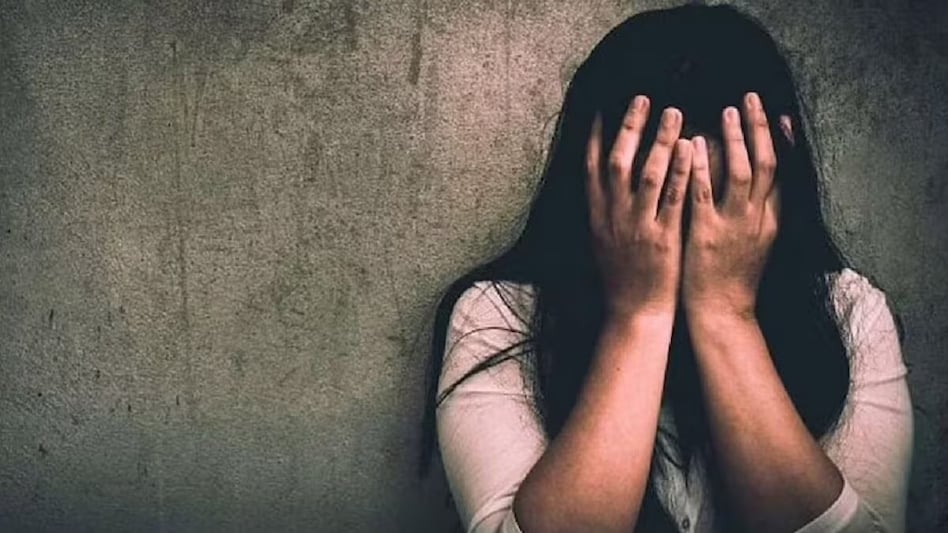
Woman Gang-Raped In Moving Van In Faridabad For 2 Hours, Thrown Out On Road is a disturbing incident that has shocked residents of the city and raised urgent questions about women’s safety during late-night travel. A 28-year-old married woman was allegedly abducted, sexually assaulted for several hours inside a moving vehicle, and later thrown onto the road in an injured condition during the early hours of Tuesday.
The incident took place on the intervening night of Monday and Tuesday in Faridabad. According to preliminary information, the woman was waiting by the roadside at night to return home. A van approached her, and two men inside offered to drop her safely. Trusting their assurance, she entered the vehicle. Instead of taking her home, the van reportedly moved towards Gurgaon Road.
Once inside the vehicle, the woman realised something was wrong. She was allegedly assaulted repeatedly while the van continued to move through different areas. Despite resisting and pleading with the men to stop, the accused reportedly threatened her and continued the assault for nearly two-and-a-half hours.
Woman Gang-Raped In Moving Van In Faridabad For 2 Hours, Thrown Out On Road highlights brutal sequence of events
In the early hours of the morning, around 3 am, the accused allegedly pushed the woman out of the moving van near Raja Chowk in the SGM Nagar area. She fell onto the road and suffered serious facial injuries. Passersby later noticed her condition and alerted her family.
The woman managed to contact her sister despite her injuries. When her sister called back, she learned about the assault and immediately rushed to the spot along with other family members. The woman was taken to a nearby hospital, where doctors confirmed that she had sustained severe injuries to her face. Medical staff had to apply multiple stitches, indicating the seriousness of the physical harm she suffered.
Doctors stated that although her condition is currently stable, she remains deeply traumatised and in shock. Due to her mental and physical state, her detailed statement has not yet been recorded. Police officials said her statement will be taken once doctors confirm she is fit to speak.
During the investigation, police also recorded the statement of the victim’s sister. According to her complaint, the woman had called her the previous evening and mentioned a family disagreement. She had informed her sister that she planned to visit a friend and would return home later that night. However, she never reached her destination.
The woman is married and has three children. She was reportedly living separately from her husband due to a domestic dispute. Police clarified that these personal circumstances are part of the background information and do not affect the seriousness of the crime or the investigation.
Woman Gang-Raped In Moving Van In Faridabad For 2 Hours, Thrown Out On Road draws swift police action
Police launched a search operation soon after receiving the complaint. Based on the woman’s description of the vehicle and the accused, teams were formed to track down the suspects. Both men were arrested within hours, and the van used in the crime was recovered.
Officials said strict legal action will be taken against the accused under relevant sections of the law. Senior police officers stated that crimes of this nature will not be tolerated and assured that the case will be fast-tracked to ensure justice for the survivor.
The incident has once again highlighted concerns over women’s safety, especially during night travel. Residents and women’s rights groups have called for stronger patrolling, better public transport safety measures, and faster response systems to prevent such crimes. Also Read: Woman Gang-Raped, Thrown Out of Car in Faridabad; 2 Held
Conclusion
The Faridabad incident serves as a painful reminder of the dangers women continue to face in public spaces. As investigations move forward, the focus remains on the survivor’s recovery and ensuring strict punishment for those responsible. The case has renewed calls for stronger safety measures and accountability to prevent such crimes in the future.
Swiggy, Zomato, Amazon delivery staff go on nationwide strike before New Year. What are their demands and why workers say change is urgent
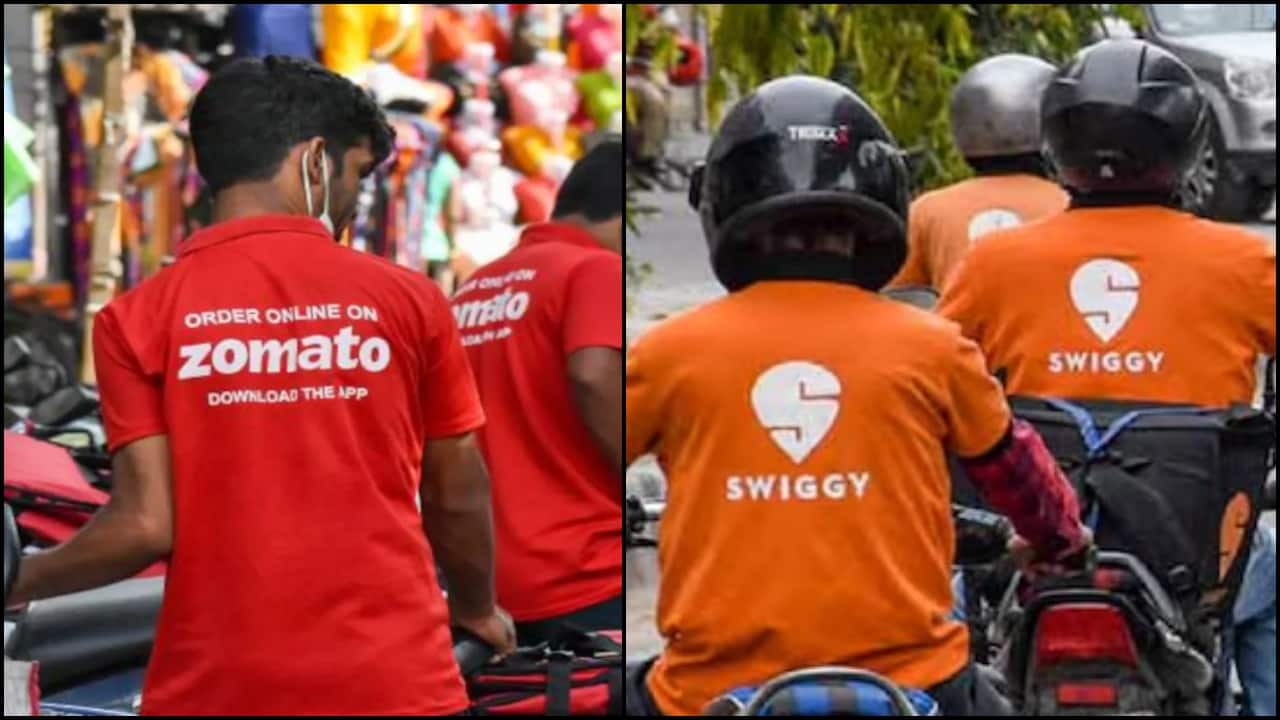
Swiggy, Zomato, Amazon delivery staff go on nationwide strike before New Year. What are their demands became a major talking point across India as thousands of gig and platform workers stopped work on December 31. The strike came just a day before New Year celebrations, a period usually marked by high demand for food delivery and online shopping services.
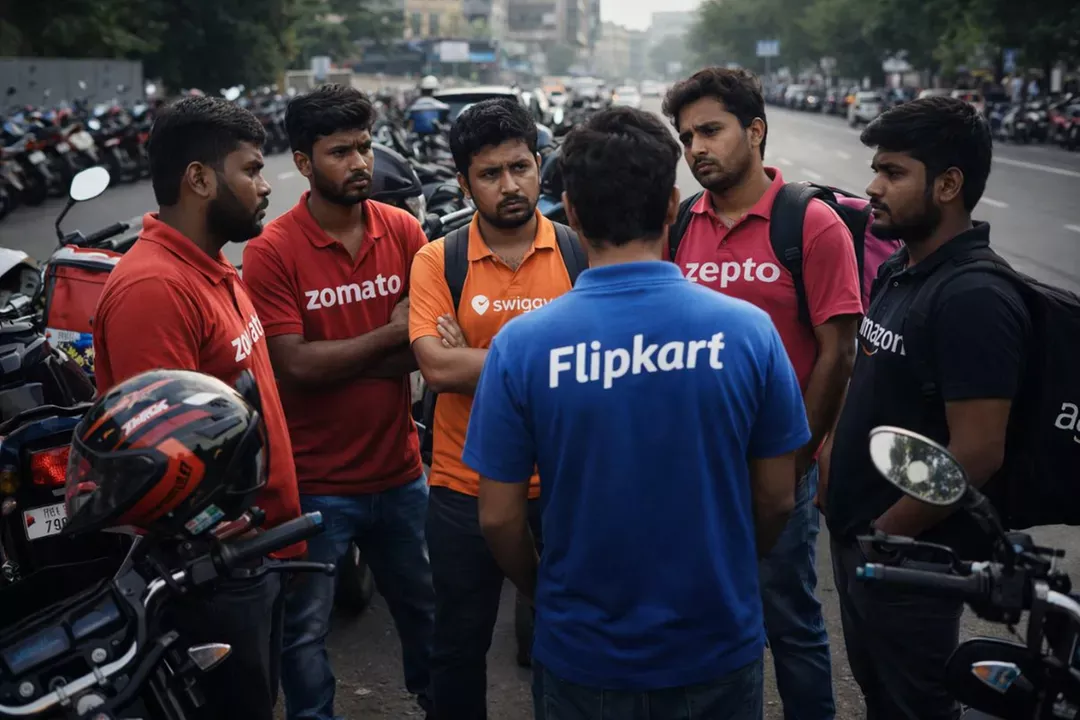
Delivery workers associated with platforms such as Swiggy, Zomato, Zepto and Amazon took part in the nationwide protest. The strike was organised under the banner of the Indian Federation of App-Based Transport Workers, following a call given by the Telangana Gig and Platform Workers Union. Workers from several states joined the action to highlight what they describe as unfair work policies, unstable income systems and the absence of basic social security.
The protest was planned as a flash strike to draw immediate attention from both platform companies and policymakers. Workers said they had raised their concerns many times earlier but received no meaningful response, forcing them to take collective action.
Swiggy, Zomato, Amazon delivery staff go on nationwide strike before New Year amid growing pressure
Gig workers said that app-based companies depend heavily on their labour, especially during peak seasons, but continue to reduce earnings and increase pressure through strict delivery timelines. According to union representatives, recent changes in payout structures have made incomes unpredictable and difficult to manage.
Many workers pointed out that earlier payment systems offered clearer and more stable earnings. Festival seasons such as Diwali, Dussehra and Bakrid once provided fair incentives that helped workers cover rising expenses. Over time, these systems were replaced with algorithm-based models that workers say are difficult to understand and often reduce take-home pay.
Another major issue raised during the strike was the introduction of ultra-fast delivery models. Workers argued that 10-minute delivery targets push them to take risks on busy roads, increasing the chances of accidents. They said safety is being compromised in the race to meet unrealistic timelines set by apps.
The strike also highlighted concerns over sudden account deactivations. Delivery workers said that IDs are often blocked without proper explanation or warning. Once deactivated, workers lose their only source of income and have no clear grievance system to appeal the decision. This lack of transparency has created fear and insecurity among gig workers.
Swiggy, Zomato, Amazon delivery staff go on nationwide strike before New Year seeking basic protections
A key demand of the protest focused on social security. Despite forming a large and growing part of India’s workforce, gig workers remain outside most labour protections. Workers said they are not covered by health insurance, accident compensation or long-term welfare schemes.
Delivery partners spend long hours on the road, often in difficult weather conditions, yet medical expenses and accident risks are fully borne by them. The union demanded insurance coverage, welfare benefits and recognition of gig work as a form of employment that deserves protection under labour laws.
Workers also expressed concern over how algorithms control their work. Incentives, order allocation and ratings are decided by automated systems, leaving workers with little control over their earnings. Many said that even small changes in app algorithms can drastically reduce income, making financial planning impossible.
The nationwide strike has brought renewed attention to the challenges faced by gig and platform workers in India. As Swiggy, Zomato, Amazon delivery staff go on nationwide strike before New Year, their demands reflect deeper concerns about fair pay, safety, transparency and social security. Whether companies and policymakers respond meaningfully to these concerns may shape the future of platform-based work in the country.
BTS V official tour reference sparks renewed focus on India
BTS V official tour discussion has gained momentum after a brief but powerful remark that instantly caught the attention of fans worldwide. Though no dates or locations have been confirmed, the mention alone has revived long-standing hopes among Indian ARMY members who have waited years to see the group perform in person.
The statement, shared during recent public interactions, was short and open-ended. Still, it was enough to reignite speculation about future plans connected to BTS’s next comeback phase. For Indian fans in particular, the possibility of a live appearance holds emotional weight, as the country has consistently ranked among the group’s strongest global audiences despite never hosting an official BTS concert.
Over the years, BTS has acknowledged India’s growing presence through streaming numbers, chart rankings, and social media engagement. However, an actual tour stop has remained absent. This is why even a subtle reference connected to touring has been taken seriously by fans, who see it as recognition rather than casual talk.
BTS V official tour mention strengthens comeback expectations
BTS V official tour speculation is closely tied to the group’s upcoming return after individual schedules and mandatory service commitments. Fans believe that any future tour would logically align with a full-group comeback, making the timing of such hints especially important.
Industry observers note that large-scale tours require long-term planning, venue coordination, and regional logistics. India, with its massive population and rapidly expanding live music market, is increasingly seen as a viable destination for international acts. BTS’s influence alone would justify such planning, given their proven ability to draw audiences across continents.
Despite the excitement, there has been no confirmation from official management channels. This absence of details has not reduced enthusiasm but instead created a slow, steady build-up of anticipation. Online discussions continue to analyze past interviews, concert patterns, and global tour histories to understand where India might fit into future plans.
For Indian fans, the hope is not driven by fantasy alone. The country’s fanbase has demonstrated consistent support through albums, merchandise, and digital engagement, strengthening the argument that India is no longer a peripheral market.
BTS V official tour hope reflects India’s growing global presence
BTS V official tour anticipation also reflects a larger shift in how global entertainment views India. International artists are increasingly recognizing the country as more than just a streaming base, but as a destination capable of hosting large-scale live events.
Fans have responded with patience rather than pressure. Many have openly stated that clarity matters more than speed, preferring a well-planned visit over rushed announcements. This mature response has helped keep the conversation grounded, avoiding exaggerated claims or misinformation.
Until any official statement is released, expectations remain controlled but optimistic. The continued silence from official sources has not dampened belief but has instead allowed anticipation to grow steadily, fueled by trust built over years of consistent engagement between BTS and their audience. Also Read: Hrithik Roshan 51 Shows Why Age Has Little Meaning in Modern Relationships
Conclusion
BTS V official tour speculation has revived long-held hopes among Indian fans without crossing into confirmation. Until details emerge, the excitement remains steady, focused, and rooted in expectation rather than assumption.
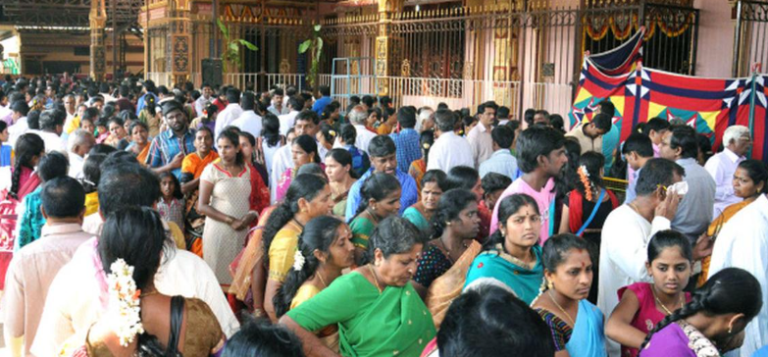
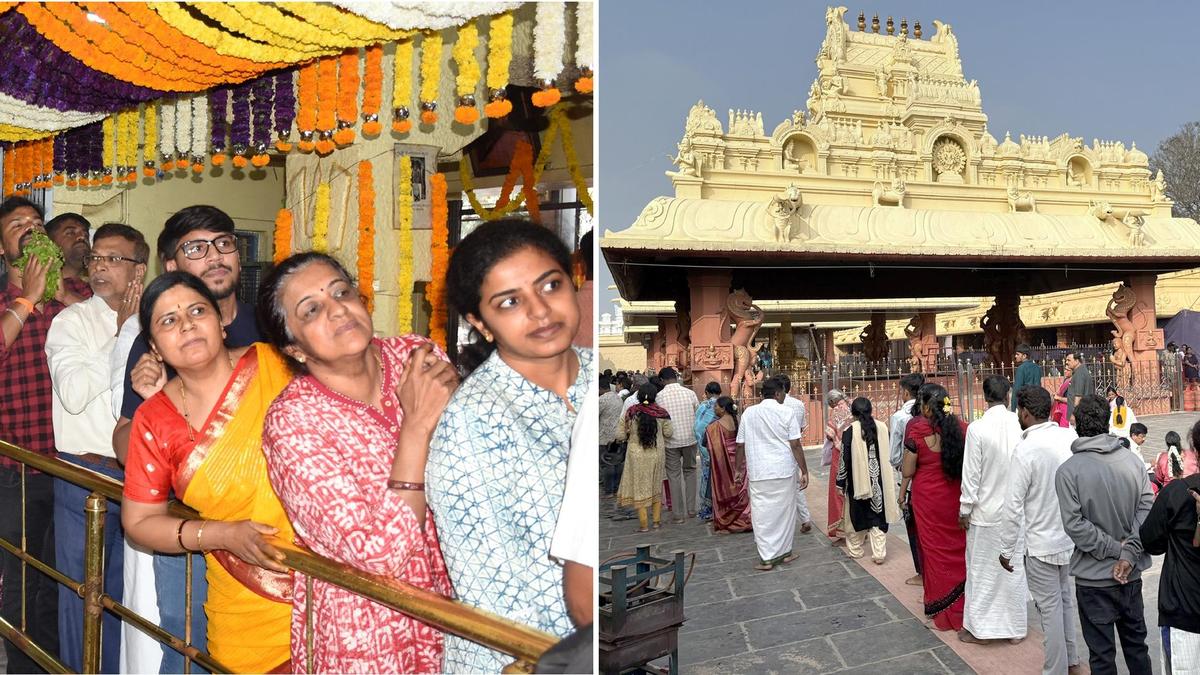
Mysuru witnessed an overwhelming outpouring of faith as large crowds thronged Vaishnava temples across the city on the occasion of Vaikunta Ekadasi, one of the most sacred days in the Vaishnava calendar. From the early hours of the morning, devotees lined up outside temples, chanting hymns and waiting patiently for darshan, turning the city into a vibrant landscape of devotion and spiritual fervour. The festival, believed to mark the opening of the Vaikunta Dwara or the gateway to heaven, drew people from across Karnataka and neighbouring States.
Major Vaishnava shrines, including the historic Cheluvanarayana Swamy Temple, Prasanna Krishnaswamy Temple, and several neighbourhood temples, saw unprecedented footfall. Temple authorities reported that preparations had begun days in advance to manage the surge of devotees. Elaborate floral decorations, special alankaras of the presiding deities, and extended darshan hours were arranged to accommodate the crowds. The atmosphere was marked by the rhythmic recitation of Vishnu Sahasranama and Divya Prabandham, creating a deeply immersive spiritual experience.
The influx of devotees also prompted several social and charitable organisations to step forward with support services. Temporary shelters were arranged near select temples for pilgrims who had travelled overnight and needed rest. Volunteers distributed drinking water, buttermilk, and light refreshments, particularly to elderly devotees and those standing in queues for extended periods. These acts of service were widely appreciated and were seen as an extension of the spiritual ethos associated with Vaikunta Ekadasi.
Temple priests noted that the festival has increasingly become an occasion for introspection rather than mere ritual observance. Many devotees spent time in silent prayer after darshan, reflecting on personal conduct and spiritual discipline. Priests observed that conversations around the festival now often include discussions on ethical living, compassion, and social responsibility, indicating a broader understanding of devotion beyond ceremonial worship.
Educational institutions with Vaishnava traditions also marked the occasion with special programmes. Students participated in bhajan sessions, essay writing, and discussions on the philosophical significance of Vaikunta Ekadasi. Teachers said such activities help younger generations connect with cultural heritage in a meaningful way, especially in an era dominated by digital distractions and fast-paced lifestyles.
City administrators highlighted that festivals of this scale require months of planning, even if the visible arrangements are limited to a single day. Officials said lessons learned from previous years, including crowd flow analysis and peak-hour management, were applied to improve this year’s arrangements. The relatively smooth conduct of the festival, they noted, demonstrated the value of coordination between religious institutions and civic authorities.
Environmental considerations also featured subtly in this year’s celebrations. Some temples encouraged devotees to avoid plastic bags and opt for eco-friendly offerings. A few shrines used reusable plates for prasada distribution and minimised decorative waste. While these measures were modest, environmental groups viewed them as positive steps toward aligning religious practices with sustainability.
For many devotees, the journey to Mysuru itself was part of the spiritual experience. Groups travelled together by bus and train, singing devotional songs along the way. Pilgrims from rural areas described the visit as a rare opportunity to step away from daily struggles and immerse themselves in a collective expression of faith, even if only for a few hours.
Cultural historians point out that Mysuru’s Vaikunta Ekadasi celebrations reflect centuries-old traditions shaped by royal patronage and temple networks. The city’s historical association with Vaishnavism continues to influence its religious calendar, drawing devotees who view Mysuru not just as a tourist destination but as a sacred landscape.
As night fell and temples gradually closed after the final rituals, a sense of quiet satisfaction settled over the city. Streets that had echoed with chants and footsteps returned to calm, while devotees carried home memories of devotion and fulfilment. For Mysuru, Vaikunta Ekadasi was not just a festival day but a reaffirmation of faith’s enduring place in public life.
Devotees began arriving as early as 3 a.m., many observing fasting rituals and following traditional practices associated with the day. Families, elderly devotees, youth groups, and children could be seen standing together in long queues, united by faith and tradition. For many, the physical strain of waiting for hours was secondary to the belief that passing through the symbolic Vaikunta Dwara on this day brings spiritual liberation and divine blessings.
Looking ahead, temple authorities said efforts would be made to further streamline arrangements in future years as crowds continue to grow. Proposals include better use of technology for queue management, improved amenities for senior citizens, and enhanced coordination with transport agencies to ease pilgrim movement. For devotees, however, the essence of Vaikunta Ekadasi remains unchanged — a day when faith transcends inconvenience, drawing thousands together in a shared pursuit of spiritual grace and inner renewal.
Temple administrations coordinated closely with district officials to ensure smooth conduct of the festivities. Barricades were set up to regulate queues, volunteers guided devotees, and medical teams were stationed at key points. Despite the massive turnout, the overall arrangements were largely orderly, with devotees cooperating with authorities and adhering to instructions.
Devotion, Rituals, and the Spirit of Vaikunta Ekadasi
Vaikunta Ekadasi holds immense religious significance in Vaishnavism, commemorating the day when Lord Vishnu opened the gates of Vaikunta for devotees. In Mysuru, the occasion is marked not only by temple visits but also by elaborate rituals that begin before dawn. Priests performed special abhishekas, followed by grand alankaras using flowers, jewels, and silk garments, transforming temple sanctums into dazzling spaces of worship.
One of the central rituals observed was the Vaikunta Dwara Darshan, where a specially designated entrance within the temple is opened exclusively on this day. Devotees believe that entering through this doorway absolves them of past sins and brings spiritual upliftment. The moment the doors opened, chants of “Govinda Govinda” and “Narayana” resonated through temple corridors, reflecting the emotional intensity of the occasion.
Many devotees spoke of personal vows and prayers associated with Vaikunta Ekadasi. Some prayed for good health and prosperity, while others sought inner peace or solutions to personal struggles. Elderly devotees recalled attending the festival for decades, noting that while crowds have grown over the years, the essence of devotion has remained unchanged. Younger devotees, too, expressed a sense of connection to tradition, seeing the festival as a link between generations.
In several temples, discourses on the significance of Vaikunta Ekadasi were organised throughout the day. Scholars and priests spoke about the spiritual symbolism of the festival, emphasising values such as humility, devotion, and compassion. These talks attracted attentive audiences, many of whom remained seated for hours, listening intently despite the crowded conditions.
The festival also had a strong communal dimension. Free prasada was distributed at many temples, prepared by volunteers who worked through the night. Simple yet sacred offerings were shared among devotees, reinforcing the spirit of equality and collective worship. For many visitors, the act of eating prasada together was as meaningful as the darshan itself.
Crowd Management, Civic Coordination, and Public Response
Given the scale of attendance, crowd management emerged as a key focus for authorities. The city police deployed additional personnel around major temples to regulate traffic and ensure public safety. Traffic diversions were put in place near prominent shrines, and parking arrangements were made at designated locations to prevent congestion. Despite minor delays in some areas, traffic movement remained largely manageable throughout the day.
Health and emergency services were kept on standby, with ambulances stationed near crowded zones. A few devotees reportedly experienced fatigue due to long waiting hours, but prompt medical assistance ensured that no serious incidents occurred. Volunteers, including members of religious organisations and local youth groups, played a crucial role in guiding devotees, offering water, and assisting the elderly and children.
Temple authorities acknowledged the challenges posed by the sheer volume of devotees but expressed satisfaction with the overall conduct of the festival. They noted that coordination between civic agencies, police, and temple staff had improved compared to previous years, allowing for better crowd flow and reduced waiting times in some temples.
Residents living near major temples shared mixed experiences. While some welcomed the festive atmosphere and considered the crowds a symbol of Mysuru’s spiritual heritage, others expressed concerns about noise and temporary inconvenience. However, many acknowledged that such disruptions were part of living in a city known for its religious and cultural traditions.
Shopkeepers and street vendors near temple areas reported brisk business, selling flowers, coconuts, lamps, and religious souvenirs. For them, Vaikunta Ekadasi provided an important economic opportunity, adding a livelihood dimension to the religious celebration. At the same time, authorities kept a close watch to prevent overcharging and ensure unobstructed pathways for devotees.
As the day progressed, the crowds gradually thinned, but the sense of fulfilment among devotees remained palpable. Many described a feeling of calm and spiritual satisfaction after completing their darshan, despite the physical exertion involved. For first-time visitors, the experience was both overwhelming and deeply moving, leaving a lasting impression.
Vaikunta Ekadasi in Mysuru once again underscored the enduring power of faith to draw people together across age, class, and background. Beyond rituals and numbers, the festival reflected a collective yearning for hope, peace, and transcendence. As temples closed their doors late at night after an intense day of worship, the city settled back into routine, carrying with it the quiet afterglow of devotion and shared belief.
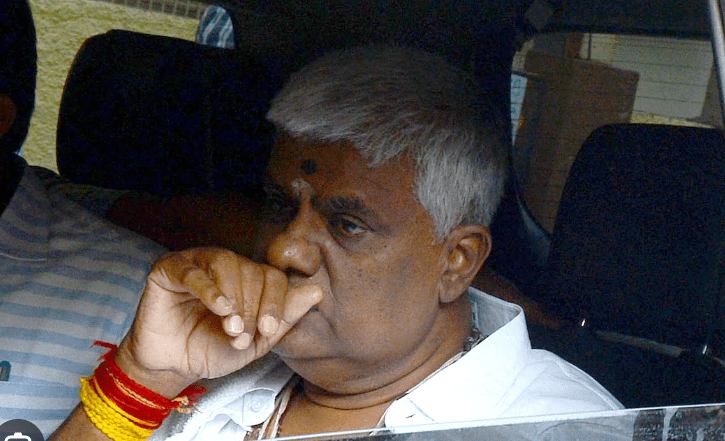
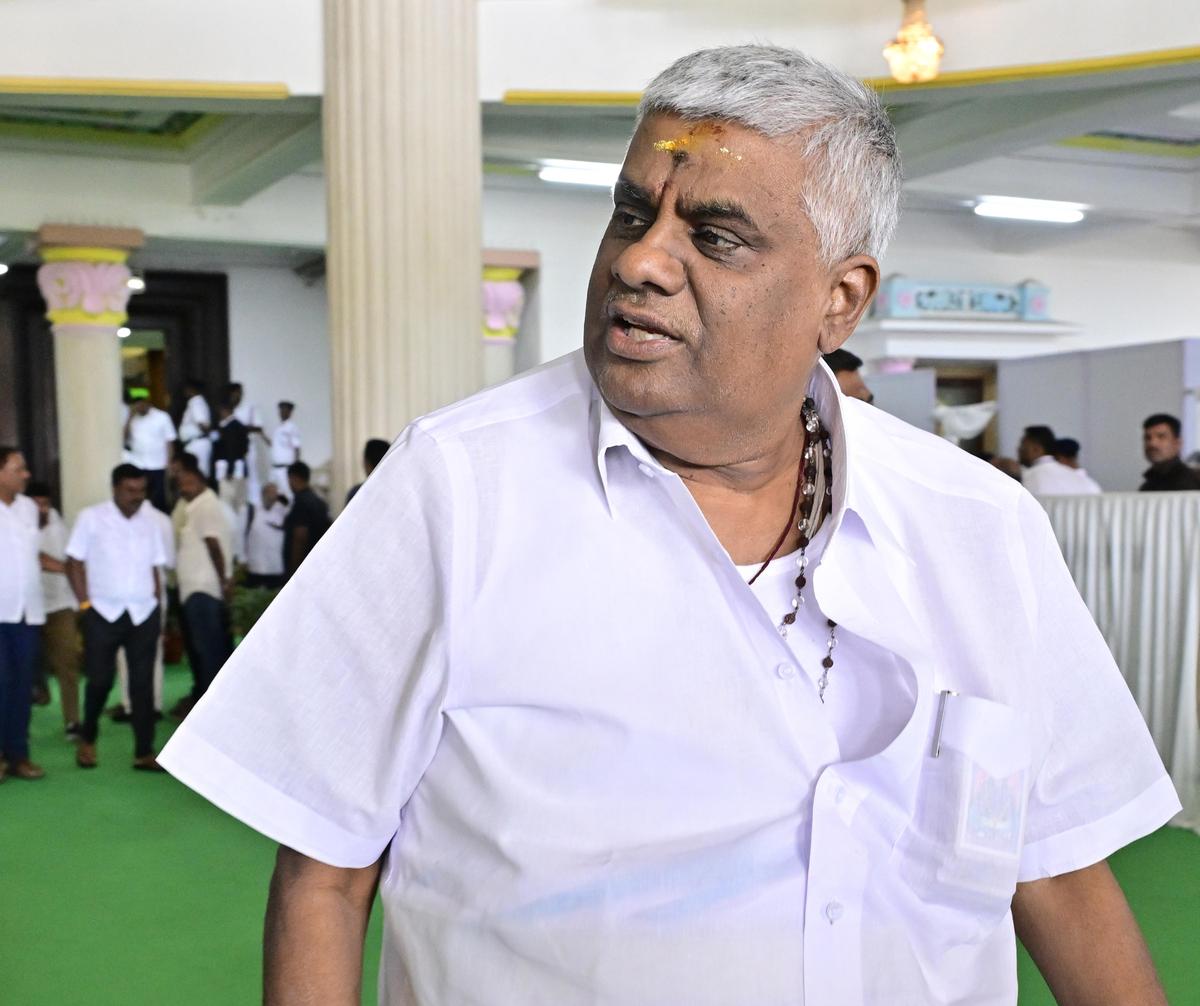
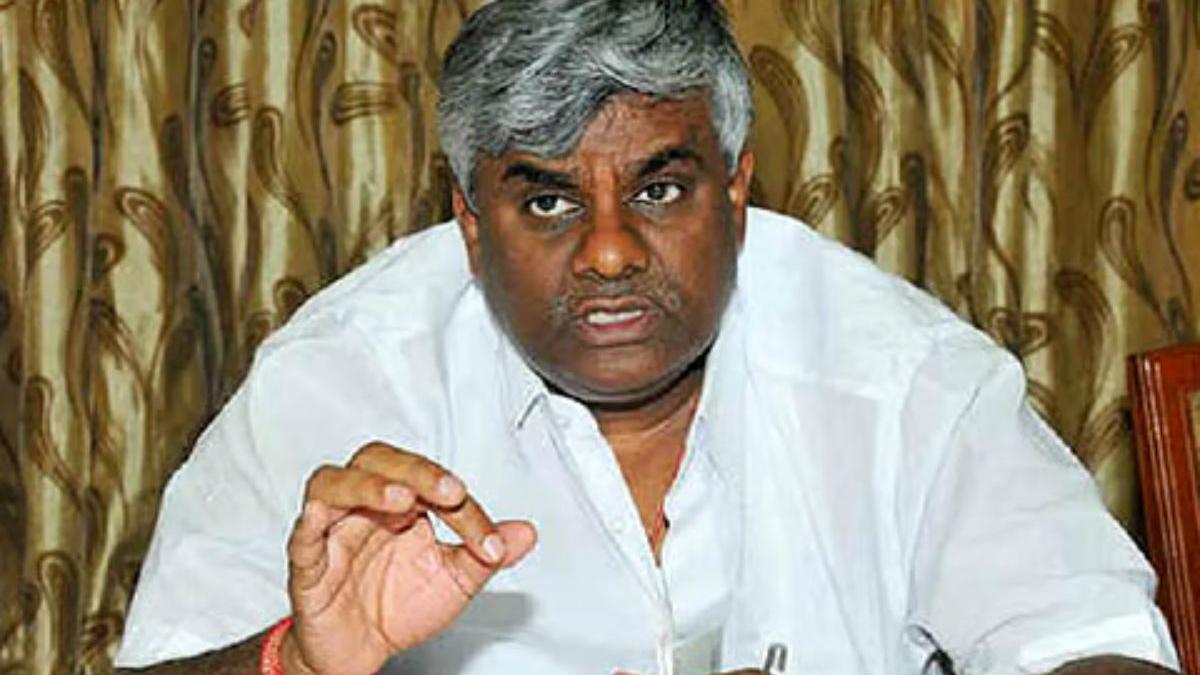
A special court in Bengaluru has discharged former Minister and senior JD(S) leader H.D. Revanna from a sexual harassment case, citing an unexplained delay of more than four years in the filing of the complaint. The ruling has reignited intense debate around judicial standards, survivor credibility, and the balance courts must strike between procedural fairness and substantive justice. While Revanna’s supporters have termed the order a vindication, critics argue that the decision reflects deeper systemic challenges faced by complainants in cases involving powerful public figures.
The court, while pronouncing the discharge, observed that the prolonged delay in lodging the complaint was not supported by convincing reasons. It noted that criminal law requires timely reporting to ensure fairness to the accused and to preserve the integrity of evidence. In the absence of a satisfactory explanation for the four-year gap, the court held that proceeding with the case would amount to an abuse of the legal process. The order effectively ends the criminal proceedings against Revanna in this matter.
The case had drawn public attention due to Revanna’s political stature and the sensitive nature of the allegations. Filed several years after the alleged incident, the complaint accused him of sexual harassment during his tenure in public life. The defence consistently argued that the delay itself undermined the credibility of the accusations, while the prosecution maintained that fear, social pressure, and power imbalance often prevent victims from approaching authorities promptly.
The ruling has also led to introspection within political parties about how allegations of misconduct are handled internally. Analysts note that parties often respond defensively when senior leaders are accused, focusing on legal strategy rather than ethical accountability. This approach, critics argue, can discourage complainants from coming forward early, reinforcing cycles of delay that later prove detrimental in court.
Judicial experts have suggested that clearer jurisprudential guidelines on evaluating delay could help reduce uncertainty in future cases. While courts currently assess delay on a case-by-case basis, more consistent principles, they say, could bring predictability without compromising judicial discretion. Such clarity may benefit both complainants and accused persons by setting realistic expectations about legal thresholds.
Ultimately, the broader significance of the case lies in the questions it raises about access to justice in a hierarchical society. The tension between procedural rigor and social context remains unresolved, highlighting the need for systemic solutions rather than case-specific reactions. How institutions respond to this tension will shape public confidence in the justice system’s ability to deliver fairness with sensitivity.
Legal observers note that the court’s decision rests firmly on procedural principles rather than a detailed examination of the merits of the allegations. The ruling underscores the judiciary’s emphasis on timely invocation of criminal law, particularly in cases where delay may prejudice the defence. At the same time, it has raised questions about whether existing legal frameworks sufficiently account for the realities of reporting sexual offences in hierarchical and politically charged environments.
Delay, Due Process, and the Court’s Reasoning
In its detailed order, the special court highlighted that criminal jurisprudence places significant weight on prompt reporting of offences, especially when the allegations are serious and personal in nature. The judge observed that unexplained delay creates room for doubt, fabrication, or exaggeration, thereby weakening the foundation of a criminal case. The court emphasised that while delay is not always fatal, it must be adequately explained to justify continuation of proceedings.
The prosecution, according to the court, failed to present compelling material to explain why the complainant waited over four years to approach the authorities. The order noted that the complaint did not clearly establish circumstances such as immediate threat, prolonged coercion, or other exceptional factors that could justify such a long silence. In the absence of these elements, the court concluded that subjecting the accused to trial would be unjust.
The defence had argued that Revanna was being targeted due to political rivalry and that the belated complaint was motivated by extraneous considerations. While the court refrained from commenting on political motives, it accepted the argument that the delay seriously compromised the prosecution’s case. The discharge, therefore, was granted at the preliminary stage itself, without framing charges.
Senior lawyers point out that the ruling aligns with established precedents where courts have stressed the need for caution in delayed complaints. They note that discharge orders do not amount to declarations of innocence but reflect a judicial assessment that the case does not meet the threshold required for trial. Nonetheless, such orders often carry significant public and political implications.
The judgment has also brought renewed attention to the legal distinction between moral culpability and legal proof. Courts, experts explain, are bound by evidentiary standards and procedural safeguards designed to protect against wrongful prosecution. When these standards are not met, even serious allegations may not survive judicial scrutiny.
Political Reactions and Wider Implications: Justice
The court’s decision has elicited strong reactions across Karnataka’s political spectrum. Leaders from the JD(S) welcomed the discharge, describing it as confirmation that the allegations were baseless and politically motivated. They accused opponents of using sensitive issues to tarnish reputations and demanded accountability for what they termed a malicious prosecution.
Opposition parties, however, have expressed concern over the broader message sent by the ruling. Some leaders argued that excessive emphasis on delay could discourage survivors from coming forward, particularly when allegations involve influential individuals. They cautioned that fear of dismissal on technical grounds might deepen the culture of silence surrounding sexual misconduct.
Women’s rights groups and activists have also weighed in, calling the judgment a reminder of structural barriers within the justice system. They point out that social stigma, power imbalance, and fear of retaliation often delay reporting in sexual harassment cases. From this perspective, they argue, delay should be assessed with greater sensitivity rather than treated as a neutral procedural lapse.
Legal scholars, however, caution against oversimplifying the issue. They note that criminal courts must operate within the bounds of law, ensuring that accused persons are not subjected to prolonged uncertainty and reputational harm based on weak or stale accusations. The challenge, they say, lies in reforming investigative and reporting mechanisms so that survivors feel safe to come forward earlier, rather than diluting procedural safeguards.
The ruling has also revived discussion on the need for clearer legislative guidance on handling delayed complaints in sexual offence cases. Some experts advocate statutory presumptions or guidelines that recognise common reasons for delay, while others warn that such measures could undermine the rights of the accused if not carefully crafted.
Beyond the courtroom, the case has implications for public trust in institutions. For some, the discharge reinforces faith in judicial independence and due process. For others, it underscores perceived gaps between legal reasoning and social realities. This divergence in perception reflects the complexity of adjudicating cases that sit at the intersection of law, power, and personal trauma.
As H.D. Revanna emerges legally unencumbered from this case, the political and social discourse it has generated is unlikely to fade quickly. The judgment serves as a stark illustration of how procedural timelines can decisively shape outcomes in criminal law. Whether it prompts introspection and reform or deepens polarisation will depend on how institutions, lawmakers, and society respond to the uncomfortable questions it raises about justice, delay, and credibility.
The case has also prompted reflection within legal circles on the role of investigative agencies in cases involving delayed complaints. Several senior advocates have pointed out that even when a complaint is filed late, investigators bear a responsibility to gather corroborative material that can independently support the allegations. In this instance, the court’s observations suggest that the investigation did not sufficiently bridge the evidentiary gap created by the delay, reinforcing the importance of thorough and sensitive policing in such matters.
There is growing discussion on whether institutional mechanisms within workplaces and political organisations are robust enough to address complaints at an early stage. Experts argue that if internal grievance redressal systems were trusted, accessible, and effective, complainants might be more willing to report incidents promptly. The absence or weakness of such mechanisms, they say, often pushes victims into prolonged silence, eventually complicating the legal process when complaints reach criminal courts.
The judgment has also sparked debate on media responsibility in reporting sexual harassment cases involving public figures. Some commentators have urged caution against framing discharge orders as definitive exonerations, stressing that legal outcomes based on procedural grounds do not necessarily resolve moral or ethical questions. They argue that nuanced reporting is essential to prevent either the vilification of complainants or the premature glorification of accused individuals.
Within civil society, the ruling has renewed calls for legal literacy and support systems for survivors. Activists emphasise that many complainants are unaware of legal timelines, evidentiary requirements, or available support structures when incidents occur. Strengthening access to legal counselling and psychological support, they argue, could empower survivors to make informed decisions earlier, reducing the risk of cases collapsing due to technical deficiencies.
At the same time, organisations working on criminal justice reform caution against narratives that portray procedural safeguards as obstacles to justice. They contend that such safeguards are fundamental to the rule of law and protect against misuse of the criminal justice system. The challenge, they say, lies in ensuring that these safeguards coexist with survivor-centric processes that encourage timely reporting without coercion.
As the discourse continues, the Revanna case is likely to be cited in future legal arguments and academic discussions on delayed reporting in sexual harassment cases. It stands as a reminder that justice systems operate within defined legal frameworks, but those frameworks must continually evolve to reflect social realities. Whether this episode leads to meaningful reform in law, investigation, or institutional culture will determine its lasting impact beyond the immediate courtroom outcome.
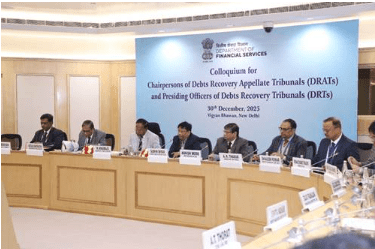
The Department of Financial Services (DFS), under the Ministry of Finance, organised a high-level colloquium of Chairpersons of Debts Recovery Appellate Tribunals (DRATs) and Presiding Officers of Debts Recovery Tribunals (DRTs) on December 30, 2025, at Vigyan Bhavan, New Delhi. The event focused on enhancing the efficiency, transparency, and effectiveness of the debt recovery framework through digitisation, legal reforms, and capacity building.
Senior Officials and Stakeholder Participation
The colloquium was addressed by the Secretary, DFS, and witnessed participation from senior officers of the Department of Financial Services, representatives from public and private sector banks, and officials from the Indian Banks’ Association (IBA). The gathering provided a platform for judicial officers and banking stakeholders to deliberate on systemic challenges and solutions related to recovery through DRTs.
Push for Digitisation of Tribunals
In his address, the Secretary, DFS highlighted key initiatives undertaken by the Department to deepen digitisation across tribunals in order to streamline processes and improve efficiency. These initiatives include:
Mandatory e-filing of cases
Increased use of video conferencing
Adoption of hybrid hearing models
These measures aim to reduce procedural delays, enhance accessibility, and ensure faster resolution of cases.
Key Areas of Discussion
The colloquium featured wide-ranging discussions on improving the recovery ecosystem. Major focus areas included:
Strengthening monitoring and oversight mechanisms of banks to enhance recovery through DRTs
Focused attention on high-value cases to optimise recovery outcomes
Optimum utilisation of Lok Adalats as an effective Alternative Dispute Resolution (ADR) mechanism for speedy disposal of cases
Process reforms to improve case disposal rates in DRTs
Capacity building initiatives, including structured training programmes for Presiding Officers, Recovery Officers, Registrars, and authorised officers of banks
Deliberations on Legal Reforms
Participants also deliberated on proposed amendments to key legislations governing recovery proceedings, including:
The Recovery of Debts and Bankruptcy Act, 1993
The Securitisation and Reconstruction of Financial Assets and Enforcement of Security Interest (SARFAESI) Act, 2002
The discussions focused on further strengthening these laws to enhance their effectiveness in addressing evolving recovery challenges.
Sharing Best Practices Across Tribunals
During the colloquium, DRTs were encouraged to learn from best practices adopted by other tribunals that have demonstrated impressive disposal rates. Emphasis was laid on replication of successful models to improve overall tribunal performance nationwide.
Conclusion The DFS-organised colloquium marks a significant step towards strengthening India’s debt recovery framework through digitisation, legal reform, and capacity enhancement. By fostering collaboration between tribunals, banks, and policymakers, the initiative aims to ensure faster resolution of cases, improved recovery outcomes, and a more robust financial ecosystem.
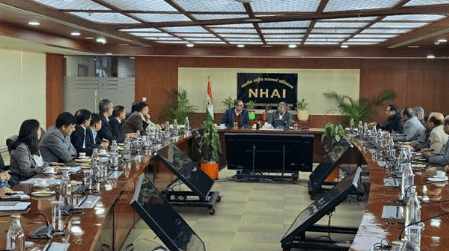
In a significant step towards enhancing quality, transparency, and reliability in India’s highway infrastructure, the National Test House (NTH) has signed a Memorandum of Understanding (MoU) with the National Highways Authority of India (NHAI). The agreement aims to strengthen quality control mechanisms and third-party testing in national highway and allied infrastructure projects, in line with the Government of India’s push for world-class infrastructure.
MoU Signing and Key Officials Present
The MoU was signed on December 30, 2025, at the NHAI Headquarters in New Delhi. The signing ceremony was held in the presence of senior officials from both organisations, including:
Shri Bharat Khera, Additional Secretary, Department of Consumer Affairs
Shri Santosh Kumar Yadav, Chairman, NHAI
Dr. Alok Kumar Srivastava, Director General, National Test House
Senior officials from NTH and NHAI were also present during the occasion.
Scope of Collaboration
Under the agreement, NTH will be empanelled as a recognised laboratory for NHAI, enabling the authority to send samples related to highway construction and allied works for independent testing and inspection.
Samples will be tested at NTH’s regional laboratories and satellite centres located across the country, including Ghaziabad, Kolkata, Mumbai, Chennai, Jaipur, Guwahati, Bengaluru, and Varanasi. NTH will deliver scientific, impartial, and timely test results through its online Management Information System (MIS) portal, along with physical reports where required.
Digital Integration and Capacity Building
The MoU also introduces several process enhancements, including:
Online submission of test requests and digital payments
Coordination through designated nodal officers from both organisations
Participation of NTH experts in NHAI technical committees
In addition, both NTH and NHAI will jointly organise training programmes, workshops, and capacity-building sessions for NHAI officials. NTH will also extend technical support to strengthen testing facilities in NHAI laboratories wherever required.
Strengthening Quality Infrastructure
Established in 1912, the National Test House, functioning under the Department of Consumer Affairs, Ministry of Consumer Affairs, Food & Public Distribution, is one of India’s oldest and most trusted scientific testing and quality assurance institutions with a pan-India presence.
The collaboration is expected to significantly improve transparency, standardisation, and efficiency in quality assurance processes for national highway projects. By ensuring rigorous third-party testing and inspection, the partnership will contribute to safer, more durable, and higher-performing national highways.
Conclusion The MoU between NTH and NHAI marks a crucial milestone in strengthening India’s highway quality assurance framework. By leveraging NTH’s scientific expertise and nationwide laboratory network, the collaboration will enhance accountability and standards in highway construction, supporting the Government of India’s vision of building robust, safe, and world-class infrastructure.
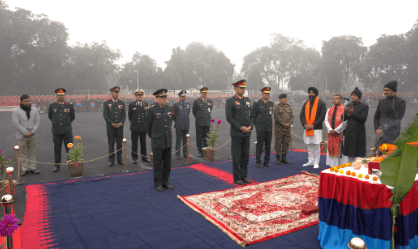
The National Cadet Corps (NCC) Republic Day Camp (RDC) 2026 commenced on December 30, 2025, at the Cariappa Parade Ground, Delhi Cantt, with the solemn observance of a Sarv Dharm Pooja, symbolising unity, harmony, and national integration. The month-long camp marks one of the most prestigious annual events of the NCC calendar, bringing together cadets from across India and abroad.
Record Participation from Across India and Abroad
This year’s RDC has witnessed record participation, with a total of 2,406 cadets, including 898 girl cadets, drawn from 28 states and 8 Union Territories, making it the highest participation in the history of the camp.
In addition to Indian cadets, cadets and officers from 25 Friendly Foreign Countries (FFCs) are also participating under the Youth Exchange Programme (YEP), adding an international dimension to the celebrations and fostering cross-cultural understanding.
Key Events and Competitions at RDC 2026
The Republic Day Camp 2026 will feature a wide range of competitive and ceremonial activities, including:
Best Cadet Competition
Small Arms Firing
Marching Contingent participation in the Republic Day Parade at Kartavya Path
Flag Area Designing and cultural events
These activities aim to test and enhance the cadets’ leadership qualities, discipline, physical endurance, and teamwork.
DG NCC Addresses Cadets
Addressing the cadets on the inaugural day, Lieutenant General Virendra Vats, Director General NCC, welcomed the participants and congratulated them on their selection for the prestigious camp. He urged the cadets to uphold the highest standards of character, integrity, selfless service, comradeship, and teamwork, while transcending barriers of religion, language, and caste, in line with the spirit of ‘Nation First’.
Promoting Unity, Discipline and Leadership
True to its motto ‘Unity and Discipline’, the NCC Republic Day Camp serves as a platform for cadets from diverse backgrounds to come together for rigorous training and cultural exchange. The camp plays a vital role in nurturing patriotism, leadership, discipline, and national integration, while preparing cadets to become responsible citizens and future leaders.
Conclusion The commencement of the NCC Republic Day Camp 2026 with Sarv Dharm Pooja reflects India’s enduring values of unity in diversity. With record participation from across the country and strong international representation, RDC 2026 stands as a celebration of youth leadership, discipline, and national pride, reinforcing the NCC’s role in nation-building.


 NIFTY Bank advanced 0.35% to 59,376.10
 NIFTY Bank advanced 0.35% to 59,376.10
 Power Grid Corporation added 1.63% to ₹264.60, benefiting from defensive buying and infrastructure focus.
 Bajaj Finance slipped 0.55% to ₹983.90