Tuesday, March 3, 2026
Home Blog Page 24

KHATA: MASSIVE 1.2 LAKH HOMEOWNER HOPE SURGES

Follow: Karnataka Government

Also read: Home | Channel 6 Network – Latest News, Breaking Updates: Politics, Business, Tech & More
Karnataka Information Commission: REMARKABLE 5-POINT ACHIEVEMENT SPARKS PRIDE

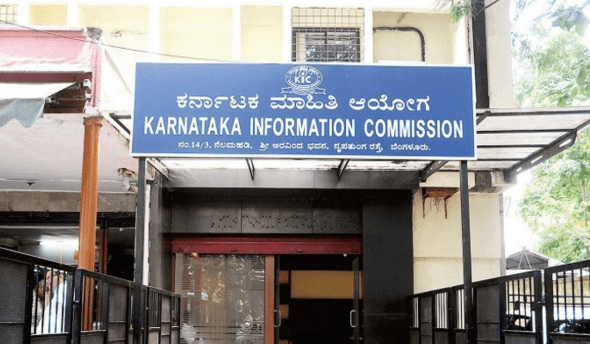
The Karnataka Information Commission’s claim that it is the fastest in the country in disposing of second appeal petitions has drawn attention to the functioning of transparency institutions and the growing demand for timely access to information. Second appeals under the Right to Information framework often represent the final stage for citizens seeking disclosure after earlier responses are denied or delayed. Efficient handling at this level is crucial because it determines whether the spirit of transparency laws translates into practical outcomes. The Commission’s assertion highlights efforts to streamline procedures and reduce waiting periods that have historically burdened information seekers across many regions.

Officials associated with the Commission state that focused administrative reforms, improved case management, and better coordination among commissioners have helped accelerate the disposal process. Backlogs in second appeals are a persistent challenge nationwide, often leading to long delays that dilute the effectiveness of the transparency mechanism. By prioritising older cases and adopting structured scheduling systems, the Commission aims to ensure that petitions do not remain pending for extended periods. This approach reflects an understanding that timely decisions are as important as fair decisions in upholding the right to information.

The Commission’s reported efficiency also underscores the importance of public institutions adapting to changing information ecosystems. As governance becomes more data-driven and records increasingly digitised, the nature of information requests evolves. Applicants often seek electronic records, datasets, and correspondence that require different handling compared to traditional paper files. Appellate bodies that understand these shifts and update their procedures accordingly are better positioned to deliver timely outcomes. Modernising processes in line with record-keeping practices ensures that the right to information remains meaningful in a digital administrative landscape.

Another dimension relates to public confidence in grievance redressal systems. When citizens see that appeals are heard and decided within reasonable timeframes, it reinforces the perception that institutions are accessible and responsive. This confidence can encourage constructive engagement rather than confrontation. People are more likely to use formal channels when they believe those channels function effectively. Over time, this can strengthen rule-based interactions between citizens and authorities, reducing reliance on informal or opaque methods to obtain information.

The Commission’s pace of disposal may also have a preventive effect on disputes. Public authorities aware of an active and efficient appellate mechanism may invest greater effort at the initial stages of information handling. Better training of public information officers, clearer communication of exemptions, and timely replies can reduce the number of cases escalating to second appeals. In this way, the Commission’s performance indirectly promotes improved compliance at lower levels of administration, creating a virtuous cycle of transparency and accountability.

Observers further point out that transparency mechanisms contribute to institutional learning. Patterns emerging from appeals often reveal recurring areas of confusion or resistance within departments. By analysing trends in petitions, commissions can issue advisories or recommendations that clarify obligations and standardise practices. Such feedback loops help address systemic issues rather than treating each case in isolation. Over time, this can lead to more consistent information disclosure practices, reducing friction between citizens and the state.

Ultimately, the significance of faster disposal lies not only in numbers but in its contribution to democratic functioning. Access to information supports participation, oversight, and informed debate. When appellate bodies operate efficiently and fairly, they strengthen the infrastructure of accountability that underpins governance. Sustaining this momentum will require continued commitment to resources, training, and procedural refinement. If these elements remain in place, the Commission’s achievement can translate into lasting benefits for transparency and citizen empowerment across the state.

The Commission’s performance is also being viewed in the context of rising public awareness about transparency rights. Citizens increasingly use information laws to seek details on welfare schemes, recruitment processes, local development projects, and administrative decisions. As applications rise, the number of appeals also grows, placing pressure on quasi-judicial bodies responsible for adjudication. Faster disposal rates therefore suggest that institutional capacity is being aligned with expanding public demand. Observers note that responsiveness at the appeal stage strengthens confidence in the overall system and encourages continued citizen engagement.

Legal experts explain that second appeals involve examining whether information was wrongly denied, whether exemptions were applied correctly, and whether public authorities followed due process. These are not merely clerical tasks but require careful interpretation of legal provisions and precedents. Balancing speed with thoroughness is therefore a delicate exercise. The Commission’s claim implies that it has found ways to maintain legal rigour while avoiding procedural delays. Such balance is essential to ensure that decisions remain credible and withstand scrutiny, especially in cases involving sensitive or contested information.KIC claims to be fastest in country in disposing of second appeal petitions  - The Hindu

STREAMLINING PROCESSES FOR QUICKER JUSTICE

Administrative reforms are believed to be at the core of the Commission’s improved performance. Digital record management, standardised notice procedures, and clearer timelines for hearings can significantly reduce delays. When documentation is easily accessible and parties are informed promptly, adjournments become less frequent. Some officials point to the use of technology in scheduling hearings and tracking case progress as a factor contributing to efficiency. Even incremental improvements in workflow can have cumulative effects when dealing with large volumes of petitions over time.

Capacity building among staff and commissioners also plays a role. Training programmes focused on legal updates, case law, and best practices can enhance decision-making speed without compromising quality. When officials are well-versed in precedents and procedural requirements, hearings become more focused and orders can be issued promptly. Institutional memory, built through experience and knowledge sharing, further supports consistent handling of similar issues. These factors together create an environment where efficiency becomes part of routine functioning rather than an occasional achievement.

Another aspect influencing disposal rates is the approach to alternative resolution. In some cases, information disputes can be resolved through clarification or partial disclosure before reaching a full hearing. Encouraging dialogue between applicants and public authorities at early stages may reduce the number of contested appeals. While not all matters can be settled informally, even a modest reduction in contested cases eases pressure on formal proceedings. This allows commissioners to devote more time to complex petitions requiring detailed legal examination.

Transparency advocates note that faster disposal of appeals strengthens the deterrent effect of information laws. When public authorities know that delays or unjustified refusals will be reviewed quickly, compliance tends to improve. Timely oversight reinforces accountability by ensuring that denial of information is not a low-risk option. Over time, this can lead to cultural changes within departments, where proactive disclosure becomes more common and disputes decrease. Thus, the impact of efficient appellate functioning extends beyond individual cases to broader administrative behaviour.

However, observers caution that speed should not overshadow the need for reasoned orders. Each decision sets a precedent and shapes how public authorities interpret their obligations. Well-structured rulings that explain legal reasoning contribute to clarity and reduce future disputes. If disposal is achieved at the cost of detailed examination, the quality of transparency enforcement may suffer. Sustaining both speed and depth requires careful workload management and continued institutional support.Hearing of Second Appeal Video Conference Karnataka Information Com g of  Second Appeals through Conference in taka Informati

IMPACT ON CITIZENS AND GOVERNANCE

For citizens, quicker resolution of second appeals means faster access to information that may affect livelihoods, rights, or public participation. Many applicants seek data related to benefits, land records, or local services where delays can have practical consequences. When appellate decisions are delivered promptly, individuals can act on the information in a timely manner. This enhances the real-world value of transparency provisions, turning legal entitlements into usable knowledge that empowers communities.

Civil society organisations working on governance issues view the Commission’s performance as a positive signal for democratic accountability. Information obtained through appeals often feeds into social audits, research studies, and advocacy initiatives. These activities depend on reliable access to official records. Efficient appellate mechanisms ensure that such efforts are not stalled by procedural bottlenecks. As a result, public debate and oversight can proceed on the basis of verified facts rather than speculation.

From a governance perspective, the claim reflects an attempt to align administrative practice with constitutional values of openness. Transparency bodies serve as bridges between citizens and the state, translating abstract rights into enforceable outcomes. When they function effectively, they reinforce trust in public institutions. Conversely, prolonged delays can create frustration and erode confidence. By highlighting faster disposal, the Commission positions itself as responsive and committed to strengthening participatory governance.

Comparisons with other states also bring competitive motivation. When one commission reports improved performance, it can inspire similar reforms elsewhere. Sharing best practices and learning from successful models contribute to overall strengthening of the transparency ecosystem. National networks of information commissioners often exchange experiences on case management and procedural innovations. Such collaboration helps standardise improvements and reduce disparities in how information rights are enforced across regions.

At the same time, maintaining performance levels requires sustained resources. Adequate staffing, infrastructure, and technological support are essential to prevent new backlogs from forming. If application volumes continue to rise without proportional capacity, efficiency gains could be reversed. Long-term planning must therefore accompany short-term achievements, ensuring that institutional strength grows alongside public demand for information.

The Commission’s claim may also influence public expectations. As awareness spreads about quicker disposal, more citizens may feel encouraged to pursue appeals rather than abandoning requests. While this reflects confidence in the system, it also increases workload. Balancing openness to appeals with proactive disclosure by departments can help manage this dynamic. When public authorities release information voluntarily, fewer disputes escalate to appellate stages.

Experts emphasise that transparency is not an end in itself but a tool supporting better governance outcomes. Information enables informed participation, evidence-based policy discussions, and effective monitoring of public programmes. Efficient appellate mechanisms ensure that this tool remains sharp. By reducing procedural delays, the Commission contributes indirectly to improved decision-making across sectors where informed citizens can engage constructively with authorities.

Looking ahead, the durability of the Commission’s achievement will depend on continuous evaluation and adaptation. Periodic reviews of disposal statistics, user feedback, and quality of orders can help identify areas for improvement. Institutional cultures that value learning and innovation are more likely to sustain gains over time. Transparency bodies operate in dynamic environments where legal interpretations, technology, and public expectations evolve.8 Out Of 10 Information Commissioner Posts Lying Vacant In Karnataka

In conclusion, the Karnataka Information Commission’s assertion of being the fastest in disposing of second appeal petitions highlights a significant administrative milestone in the realm of transparency. While the claim underscores efficiency, its broader significance lies in reinforcing timely access to information, strengthening accountability, and nurturing public trust. If supported by sustained resources and attention to quality, this performance can serve as a model for responsive governance where citizens’ rights to know are upheld with both speed and seriousness.

Follow: Karnataka Government

Also read: Home | Channel 6 Network – Latest News, Breaking Updates: Politics, Business, Tech & More

COURT: CRUCIAL 7-POINT JUDGMENT BRINGS BOLD RELIEF

The Karnataka High Court’s observation that courts cannot examine the correctness of the route selected for a metro rail line has drawn attention to the balance between judicial oversight and executive decision-making in large infrastructure projects. The remark came while the court was hearing petitions challenging aspects of a proposed metro alignment, with petitioners questioning the choice of route and its local impact. The court clarified that matters involving technical feasibility, planning expertise, and policy considerations fall primarily within the domain of the executive and specialised agencies, unless there is a clear violation of law or fundamental rights.

The ruling may also influence how future petitions are framed before courts. Legal practitioners are likely to focus more on procedural lapses, statutory compliance, and rights-related issues rather than contesting technical alignments. This could streamline litigation, narrowing disputes to questions that courts are institutionally equipped to address. Over time, such clarity can reduce prolonged legal uncertainty around major infrastructure ventures, enabling agencies to plan timelines and budgets with greater confidence while still remaining accountable to established legal standards.

Urban governance specialists note that judicial restraint in technical matters does not weaken democratic checks but redistributes them. Legislative oversight, administrative audits, and regulatory approvals continue to serve as layers of scrutiny. Public agencies must justify decisions through documentation, impact assessments, and transparent tendering processes. When these mechanisms function effectively, they provide robust safeguards even without direct judicial evaluation of planning merits. The court’s position therefore places greater emphasis on strengthening internal accountability systems within the executive framework.

The decision also highlights the importance of expert bodies in shaping urban futures. Committees of engineers, planners, and environmental specialists often conduct feasibility studies that inform route choices. Their findings carry significant weight, and the credibility of such institutions becomes crucial. Ensuring independence, technical competence, and transparency in expert evaluations can reinforce public trust. When communities believe that assessments are objective and evidence-based, acceptance of outcomes tends to improve, even when not everyone agrees with the final alignment.

From an administrative perspective, the judgment may encourage agencies to maintain comprehensive records of consultations and clearances. Detailed documentation of surveys, public notices, and mitigation plans can help demonstrate that decisions were not arbitrary. Such preparedness becomes important if legal challenges arise regarding procedure or compliance. Strong record-keeping not only supports legal defence but also promotes better governance by creating an institutional memory that informs future projects and policy adjustments.

In the wider urban development narrative, the case reflects the growing complexity of balancing rapid expansion with institutional roles. Cities require swift infrastructure responses to meet mobility demands, yet these must unfold within constitutional and legal frameworks. By affirming limits on judicial review while preserving oversight on legality, the High Court has articulated a model of governance where expertise, accountability, and rule of law operate in parallel. How effectively these elements interact will shape the pace and inclusiveness of urban transformation in the years ahead.

The bench emphasised that infrastructure planning involves complex assessments, including engineering constraints, financial viability, environmental factors, and long-term urban development goals. Such determinations, the court noted, are typically made after detailed studies by expert bodies and government authorities. Judicial intervention, it observed, is limited to reviewing the legality of the decision-making process rather than substituting the court’s opinion for that of technical experts. This principle reflects long-standing jurisprudence that courts should not step into policy choices unless those choices are arbitrary, discriminatory, or procedurally flawed.Court Can't Decide Station, Number Of Stops On Metro Line: Karnataka High  Court

Petitioners had argued that the selected metro route would adversely affect certain neighbourhoods, raise concerns about displacement, and alter existing traffic patterns. They sought judicial scrutiny of whether an alternative alignment might be more suitable. However, the court stated that evaluating which route is “better” involves comparative technical analysis beyond the scope of judicial review. It reiterated that unless there is evidence of mala fide intent, violation of statutory provisions, or denial of due process, the court cannot reassess planning decisions taken after expert consultation.

Legal observers say the ruling reinforces the doctrine of separation of powers, under which the judiciary reviews legality while the executive frames and implements policy. Metro rail projects, in particular, involve coordination among multiple agencies, including urban development authorities, transport departments, and environmental regulators. Decisions are often based on feasibility reports, traffic demand projections, and cost-benefit analyses. By limiting its role, the court signalled respect for institutional boundaries, while still preserving the right of affected individuals to challenge procedural irregularities if they arise.

LIMITS OF JUDICIAL REVIEW IN INFRASTRUCTURE POLICY

The court’s stance aligns with previous rulings in cases involving highways, airports, and other public works, where judges have underscored that technical policy decisions should not be lightly interfered with. Infrastructure development requires specialised knowledge and long-term planning perspectives that courts are not structured to provide. Judicial review, therefore, focuses on whether authorities followed proper procedures, conducted required impact assessments, and adhered to statutory safeguards. This approach seeks to ensure accountability without paralysing development through repeated litigation over technical preferences.

Urban transport experts note that metro alignments are determined after extensive surveys, soil testing, ridership modelling, and integration studies with existing road and bus networks. Even minor route adjustments can significantly affect cost, travel time, and connectivity. Trade-offs are inevitable, and planners aim to maximise public benefit within financial and physical constraints. When courts recognise these complexities, it provides agencies greater confidence to proceed with projects, while still being mindful of compliance with environmental and rehabilitation norms that remain subject to legal scrutiny.

At the same time, the court’s observations do not shut the door on legitimate grievances. Residents and stakeholders retain the right to challenge lapses in land acquisition procedures, inadequate compensation, or failure to conduct mandatory clearances. Legal experts explain that the distinction lies between questioning the wisdom of a policy choice and alleging illegality in its implementation. The former is generally outside judicial purview, while the latter remains open for examination. This distinction attempts to balance democratic accountability with administrative efficiency.Karnataka HC refuses to hear PIL seeking station at Chikkajala on Bengaluru  Metro's Blue Line | Bangalore News - The Indian Express

The judgment comes amid increasing public interest in urban mobility projects, especially in rapidly growing cities where congestion and pollution have become pressing concerns. Metro rail systems are often seen as long-term solutions that reshape commuting patterns and urban growth. However, such projects also involve construction disruptions and land-use changes, leading to local resistance. Clear judicial guidelines on the scope of review can help manage expectations, clarifying that courts are not forums for re-planning routes but can ensure fairness and legality in execution.

Government officials have welcomed the clarity provided by the court, saying it will help prevent delays caused by challenges that question technical merits rather than legal compliance. Delays in infrastructure projects often escalate costs and inconvenience the public. When projects remain stuck in litigation over route choices, broader mobility goals can suffer. The ruling may therefore contribute to smoother implementation, provided authorities continue to engage with communities and address concerns through consultation and mitigation measures.

BALANCING DEVELOPMENT WITH PUBLIC CONCERNS

Community engagement remains crucial even when courts defer to executive expertise. Urban planners emphasise that transparency in sharing project details, expected impacts, and compensation mechanisms can reduce mistrust. Public hearings, information campaigns, and grievance redressal systems allow residents to voice concerns outside the courtroom. When people feel heard and see their issues addressed through administrative channels, the need for legal intervention may decrease. Effective communication thus complements legal principles by building social acceptance for large projects.

Environmental aspects also play a significant role in metro planning. Alignments may pass through ecologically sensitive areas or require tree felling, triggering concerns from environmental groups. While courts may not evaluate route correctness, they can examine whether environmental laws and clearance conditions are followed. This dual approach ensures that development proceeds within regulatory frameworks designed to protect natural resources. Agencies must therefore maintain rigorous compliance records and monitoring systems to withstand potential legal scrutiny on environmental grounds.

The judgment also highlights the evolving role of the judiciary in an era of rapid urbanisation. As cities expand, conflicts between development needs and local interests become more frequent. Courts are increasingly called upon to mediate these tensions. By delineating boundaries, the High Court reaffirmed that it is not a planning authority but a guardian of legality. This clarity can help streamline dispute resolution, directing technical debates to expert bodies while reserving judicial forums for issues of rights and statutory adherence.

For citizens, the ruling underscores the importance of participating early in planning processes. Once a project reaches advanced stages backed by official studies, overturning route decisions through courts becomes unlikely. Engaging during consultation phases, submitting objections, and interacting with planning agencies may prove more effective avenues for influence. Civil society organisations often play a role in facilitating such participation, helping communities understand technical documents and articulate their concerns constructively.

Transport economists argue that timely infrastructure development has long-term social and economic benefits, including reduced travel times, lower emissions, and improved productivity. However, these gains must be balanced against short-term disruptions and local impacts. Institutional mechanisms that address grievances fairly can help maintain this balance. The High Court’s position does not diminish the importance of public welfare considerations but channels them through appropriate administrative and regulatory processes rather than judicial re-evaluation of technical choices.Karnataka HC refuses to interfere with Bengaluru metro fare hike; says  issue belong to domain of experts and not courts - The Hindu

Looking ahead, the decision may serve as a reference point in future challenges to infrastructure alignments across the state. As more metro corridors and transport projects are proposed, similar disputes could arise. A consistent judicial approach provides predictability, allowing planners to operate within known legal parameters. At the same time, authorities must recognise that legal deference carries a responsibility to act transparently, responsibly, and in accordance with statutory duties toward affected communities.

In conclusion, the Karnataka High Court’s observation clarifies that courts are not venues for second-guessing technical route selections in metro projects. Instead, their role is to ensure legality, fairness, and procedural integrity. By respecting the expertise of planning agencies while upholding legal safeguards, the judgment seeks to maintain equilibrium between development imperatives and rule-of-law principles. As urban infrastructure needs grow, such clarity may help align institutional roles, supporting projects that aim to improve mobility while ensuring that rights and regulations remain firmly protected.

Follow: Karnataka Government

Also read: Home | Channel 6 Network – Latest News, Breaking Updates: Politics, Business, Tech & More
TRAFFIC CENSUS: MAJOR 3-STEP RELIEF PLAN BRINGS HOPE

Follow: Karnataka Government

Also read: Home | Channel 6 Network – Latest News, Breaking Updates: Politics, Business, Tech & More
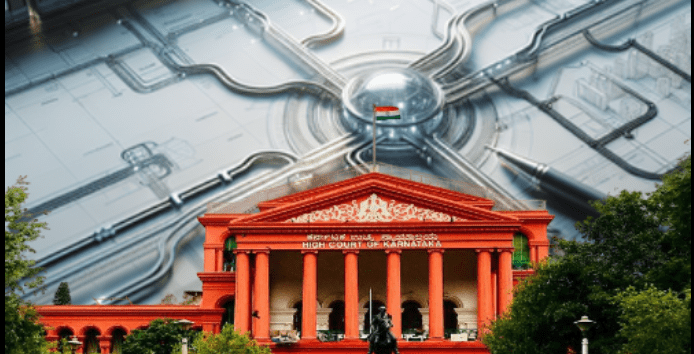
Karnataka Legislature: Historic 2 Resolutions Reflect Deep Concern

In a significant development marked by strong political messaging, the Karnataka Legislature passed a resolution opposing what members described as VB-G RAM G related measures and simultaneously demanded the reinstatement and strengthening of the Mahatma Gandhi National Rural Employment Guarantee Act implementation framework. The twin resolutions reflect a broad expression of concern within the House over issues linked to rural livelihoods, governance approaches, and the perceived impact of recent administrative or policy shifts on vulnerable communities. Legislators across party lines spoke about the importance of safeguarding social welfare mechanisms that directly support rural households facing economic uncertainty.

The debate in the Legislature underscored the continuing relevance of employment guarantee programmes in a State where agriculture, seasonal work, and informal labour remain critical sources of income for millions. Members noted that MGNREGA has long functioned as a safety net, providing wage employment during lean agricultural periods, drought conditions, or economic slowdowns. By passing a resolution demanding reinstatement or strengthening of its implementation, the House sought to send a collective message emphasising the programme’s role in sustaining rural economies and preventing distress migration.

Speakers highlighted that rural workers, especially women, marginal farmers, and landless labourers, depend on timely work allocation and wage payments under the scheme. Any disruption, delay, or reduction in scope can have immediate consequences for household stability. Legislators argued that beyond income support, the programme contributes to asset creation such as water conservation structures, rural roads, and land development works, which strengthen long-term resilience in villages. The resolution was framed as both an economic and social necessity.

The other part of the resolution, opposing VB-G RAM G related concerns, was presented as an assertion of the State’s position on matters perceived to affect local priorities and governance autonomy. Members expressed that decisions influencing rural development and welfare delivery should consider regional realities. The debate reflected a broader theme of federal balance, with legislators stressing the importance of consultation and sensitivity to ground conditions in States with diverse socio-economic profiles.Karnataka Assembly Passes Resolution Against VB-G RAM G

The House proceedings saw emotional interventions from several members who recounted experiences from their constituencies. They described families relying on employment guarantee wages to meet basic needs such as food, education expenses, and healthcare. For many, the programme serves as a buffer against debt and financial vulnerability. Legislators warned that weakening such support systems could widen inequalities and deepen distress in already fragile regions.

The resolution has also drawn attention to the broader question of how cooperative federalism functions during periods of policy disagreement. State leaders have argued that welfare schemes linked to rural livelihoods should remain insulated from political or administrative disruptions, as their suspension directly affects vulnerable communities. By formally recording its position, the Legislature has attempted to elevate the matter from a procedural issue to one of rights and entitlements. Such moves often signal to central authorities that states expect structured dialogue and timely responses when programme implementation faces hurdles that affect large sections of the population.

Rural development experts point out that employment guarantee schemes serve not only as social protection measures but also as stabilisers for local economies. Wages earned through public works tend to circulate within villages, supporting small shops, services, and agricultural activities. Interruptions in fund flow or project approvals can therefore create ripple effects beyond individual households. Legislators supporting the resolution have emphasised that continuity in implementation is essential to prevent seasonal migration spikes and income shocks. They argue that predictable access to work strengthens long-term resilience in regions already facing climatic and market uncertainties.

The debate has also highlighted administrative dimensions, including data management, verification procedures, and coordination between state and central agencies. Officials note that discrepancies or delays in digital records can sometimes trigger broader operational issues, underlining the need for robust technical systems. Strengthening grievance redressal mechanisms, improving training at local levels, and ensuring clear communication channels are seen as steps that can reduce friction. By linking its demand with procedural improvements, the Legislature has indicated that accountability and efficiency should go hand in hand with the protection of workers’ entitlements.

Civil society organisations working in rural areas have welcomed the discussion for bringing worker voices into the policy spotlight. Many groups have documented how timely access to employment under the scheme supports women’s financial participation and strengthens household decision-making power. They stress that beyond income, the programme often enables the creation of assets such as water conservation structures and rural connectivity works, contributing to long-term development. The resolution, they believe, reinforces the idea that livelihood security and local infrastructure growth are interconnected goals rather than separate policy tracks.

Going forward, observers expect continued engagement between different levels of government to address the concerns raised. Legislative resolutions, while not binding on their own, carry symbolic and political weight, especially when they reflect cross-party sentiment. If negotiations lead to restored implementation and smoother coordination, the episode could set a precedent for resolving similar disputes through institutional channels. Ultimately, the focus remains on ensuring that rural households dependent on wage employment receive stable opportunities, while administrative systems evolve to support transparent and uninterrupted delivery of benefits.

Officials associated with rural development programmes have previously noted that demand for employment under MGNREGA often rises during periods of climatic stress, crop failure, or economic disruption. The Legislature’s call for reinstatement or reinforcement reflects recognition of these patterns. Ensuring adequate funding, timely approvals, and administrative support were cited as essential to maintaining the programme’s effectiveness.

The resolution also carries symbolic weight. Legislative resolutions represent the collective will of elected representatives and often serve to articulate State perspectives in national policy dialogues. By passing the motion, the Karnataka Legislature positioned itself as a voice advocating for continuity and strength in employment guarantee mechanisms, aligning with the interests of rural communities that form a substantial segment of the electorate.

RURAL LIVELIHOODS AND SOCIAL SECURITY IN FOCUS

The discussions placed rural livelihoods at the centre of governance priorities. Agriculture in many districts remains dependent on rainfall, making incomes uncertain and seasonal. Employment guarantee schemes offer supplementary work that reduces vulnerability during off-season months. Legislators argued that this predictable source of wages helps families avoid high-interest borrowing and stabilises consumption patterns, indirectly supporting local markets and small businesses.

Women’s participation under MGNREGA received particular attention during the debate. Members pointed out that the scheme has historically enabled large numbers of women to enter paid work close to their homes. This not only provides income but also enhances financial independence and decision-making within households. Reduced opportunities under the programme could disproportionately affect women, reversing gains made in rural workforce participation.Karnataka Legislature passes resolution against VB-G RAM G Act; BJP calls  it illegal

Another theme was the creation of durable rural assets. Works undertaken through employment guarantee initiatives often focus on water harvesting, soil conservation, and minor irrigation. These assets can improve agricultural productivity over time, offering benefits beyond immediate wage payments. Legislators emphasised that investment in such infrastructure contributes to climate resilience, an increasingly urgent priority amid changing weather patterns.

The House also heard arguments about migration patterns. In the absence of local employment, workers may migrate to urban areas under difficult conditions, sometimes accepting low wages or insecure work. Strengthening rural employment options can reduce forced migration and associated social challenges. The resolution’s supporters described this as essential to balanced regional development.

Administrative efficiency emerged as a related concern. Timely release of funds, prompt wage disbursal, and streamlined approvals are crucial for programme credibility. Delays can erode trust among workers who rely on regular payments. Legislators urged that operational issues be addressed to ensure that policy commitments translate into effective implementation on the ground.

Some members framed the debate within a broader vision of inclusive growth. Welfare schemes, they argued, should not be viewed merely as expenditure but as investments in human security and rural stability. By supporting livelihoods, such programmes contribute to social cohesion and reduce long-term economic risks.

POLITICAL AND POLICY IMPLICATIONS

The passage of the resolution carries implications beyond immediate administrative concerns. It signals how State legislatures can engage with national policy frameworks by expressing formal positions. Such resolutions, while not binding in themselves, can influence dialogue between different levels of government and shape public discourse.

Politically, the issue resonates strongly with rural voters. Employment, wage security, and development projects are tangible concerns that often outweigh abstract debates. By foregrounding these issues, legislators align themselves with everyday realities faced by constituents. The debate may therefore have electoral as well as policy significance.

Observers note that the Legislature’s action reflects the continued centrality of social protection in governance discussions. Even as economies modernise and diversify, safety nets remain crucial in cushioning vulnerable populations. Employment guarantee programmes, in particular, represent a rights-based approach to welfare, linking support to work while creating public assets.

The resolution may also prompt administrative reviews within the State to assess how effectively existing schemes are being implemented. Identifying bottlenecks, enhancing transparency, and improving monitoring systems could strengthen outcomes. Legislative attention often acts as a catalyst for bureaucratic focus.K'taka Assembly passes resolution against VB-G RAM G, wants MNREGA back |  India News - Business Standard

Civil society organisations working in rural areas have long advocated for robust employment guarantee implementation. They argue that the scheme’s legal framework and community involvement make it a powerful tool for accountability. The Legislature’s stance may encourage continued engagement between government bodies and grassroots groups to address implementation challenges.

The broader conversation touches on the evolving nature of cooperative federalism. States frequently seek to tailor national programmes to local needs, while the Centre balances uniform policy with regional flexibility. Resolutions like this one highlight ongoing negotiations within this framework.

For rural households, the practical outcome they seek is simple: access to reliable work and timely wages. Legislative debates, while procedural, connect directly to these expectations. The emotional tone of the discussion reflected awareness that policy decisions translate into lived experiences in villages across the State.

In conclusion, the Karnataka Legislature’s twin resolutions encapsulate a moment of collective concern over rural welfare and governance priorities. By opposing certain measures and demanding reinforcement of employment guarantee implementation, the House emphasised its commitment to protecting livelihoods and social security. The move underscores the enduring importance of programmes that link work, income, and development, and signals that issues affecting the most vulnerable remain at the forefront of legislative attention.

Follow: Karnataka Government

Also read: Home | Channel 6 Network – Latest News, Breaking Updates: Politics, Business, Tech & More
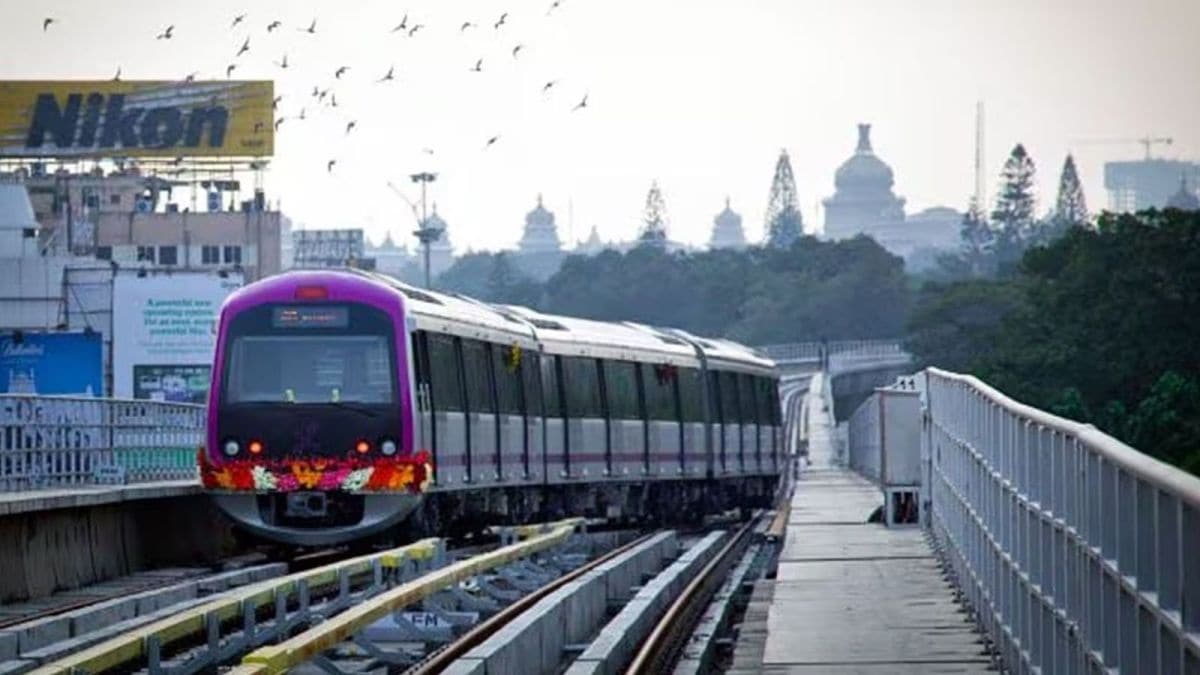
Karnataka BJP: Explosive 3 Claims Stir Uneasy Emotions

Follow: Karnataka Government

Also read: Home | Channel 6 Network – Latest News, Breaking Updates: Politics, Business, Tech & More

Vantamuri Case: Bold 12 Convictions Bring Justice and Healing

Follow: Karnataka Government

Also read: Home | Channel 6 Network – Latest News, Breaking Updates: Politics, Business, Tech & More
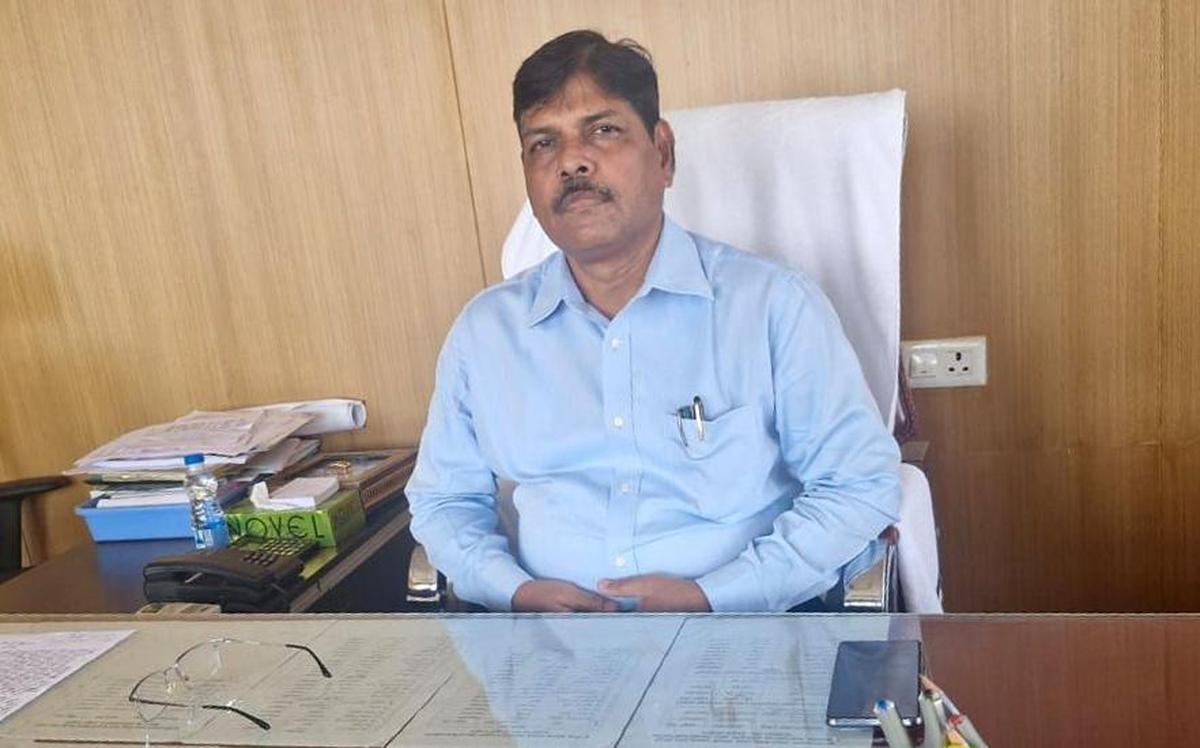
Women Entrepreneurs in Karnataka: Transformative 50 Acres Ignite Dreams

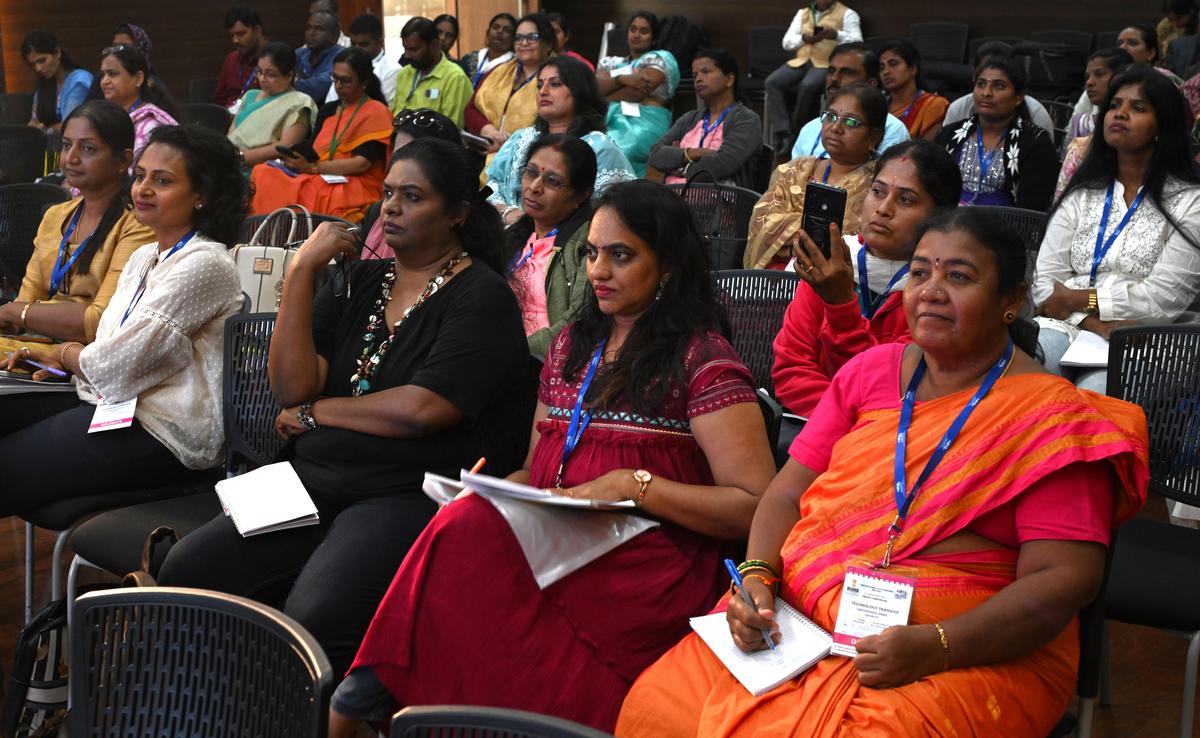
In a significant step toward strengthening women-led enterprise, the FICCI Ladies Organisation has opened a 50-acre industrial park dedicated exclusively to women entrepreneurs in Gauribidanur, Karnataka. The initiative is being viewed as a landmark effort to create an ecosystem where women can establish, expand, and sustain businesses with institutional support and modern infrastructure. The park aims to bridge gaps in access to land, facilities, and networks that have traditionally limited women’s participation in industrial sectors, especially in semi-urban and rural regions.

In the long term, the industrial park could evolve into a knowledge and innovation hub where women entrepreneurs experiment with new ideas and technologies. As businesses mature, there may be opportunities to introduce incubation centres, research partnerships, and collaborations with academic institutions. Such linkages can help enterprises upgrade processes, improve product quality, and adapt to changing market demands. Encouraging innovation ensures that units in the park remain competitive and are not limited to traditional sectors alone, opening doors to higher-value industries.

Transport connectivity and logistics support will play a vital role in the park’s growth. Efficient movement of raw materials and finished goods determines how smoothly businesses can operate. Efforts to strengthen links with nearby highways and commercial centres can reduce delays and costs. Shared logistics services within the park may also be explored, allowing smaller units to benefit from collective arrangements that would otherwise be expensive to manage independently.

Marketing support is another area where collective action can make a difference. Participation in trade fairs, buyer-seller meets, and exhibitions can increase visibility for products manufactured in the park. A common identity associated with quality and women-led enterprise could become a strong branding element. Over time, such recognition can build trust among customers and create steady demand, supporting the stability of businesses operating within the industrial cluster.

Community engagement around the park may further enhance its impact. Outreach programmes that inform local women about employment and entrepreneurship opportunities can widen participation. Skill training initiatives linked to the park’s units may prepare aspiring workers for roles in production, packaging, or administration. By creating pathways for skill development, the project can extend benefits beyond entrepreneurs to a larger section of society.

As the initiative progresses, regular evaluation will help refine its approach. Feedback from entrepreneurs about infrastructure, training, and market access can guide improvements. Adaptive management ensures that the park remains responsive to real needs rather than static plans. If lessons from this model are documented and shared, similar parks could be established elsewhere, multiplying opportunities for women entrepreneurs and strengthening inclusive industrial growth across regions.

The industrial park is designed to host a diverse range of units, including manufacturing, food processing, textiles, handicrafts, and small-scale engineering enterprises. By providing ready-to-use plots and shared infrastructure, the project reduces the initial barriers faced by first-generation women entrepreneurs. Organisers say the location in Gauribidanur was chosen strategically to encourage decentralised industrial growth beyond major urban centres, while still maintaining connectivity to Bengaluru and other commercial hubs.

Women entrepreneurs often cite access to space and capital as major hurdles in starting industrial ventures. Leasing or purchasing industrial land in established zones can be financially daunting, particularly for those without inherited business backgrounds. The dedicated park addresses this challenge by offering an enabling environment where women can operate among peers, share resources, and benefit from collective growth. The initiative reflects a broader push to ensure that economic development includes gender equity at its core.

The project also emphasises skill development and mentorship. Plans include training programmes, workshops, and partnerships with industry experts to equip women with knowledge in production techniques, quality standards, marketing, and digital tools. Such support is essential for small enterprises to compete in increasingly demanding markets. By integrating capacity building with infrastructure, the park seeks to move beyond symbolic empowerment and deliver practical, sustainable outcomes.

Local officials and industry representatives have described the park as a model for inclusive industrialisation. They believe it will not only generate employment for women entrepreneurs but also create job opportunities for local residents, particularly women seeking work close to home. The multiplier effect could benefit families and communities, as increased income and economic participation often lead to better education, health, and social outcomes.

Gauribidanur’s selection also aligns with regional development goals. Industrial activity in smaller towns can ease pressure on large cities, reduce migration stress, and stimulate local economies. The presence of a dedicated women’s industrial park may attract ancillary services such as logistics, packaging, and supply chains, further boosting economic activity in the area. Over time, the region could emerge as a cluster known for women-led industries.

The FICCI Ladies Organisation has long worked to promote women in business through networking, advocacy, and training. This industrial park represents a tangible extension of that mission, translating advocacy into infrastructure. Members say the project embodies the belief that when women are provided with the right environment, they can contribute significantly to industrial growth and innovation.

INFRASTRUCTURE AND SUPPORT FORM THE BACKBONE

The industrial park is equipped with essential infrastructure such as internal roads, power supply, water facilities, and common service areas. Shared amenities are expected to reduce operational costs for small units, allowing entrepreneurs to focus more on production and market development. Reliable utilities are particularly crucial for manufacturing and processing industries, where disruptions can affect quality and delivery timelines.

A key feature of the park is the emphasis on safety and accessibility. Secure premises, well-lit areas, and basic facilities aim to create a comfortable working environment. For many women, especially those balancing family responsibilities, such considerations influence decisions about entering industrial sectors. A supportive physical environment can encourage more women to take the step into entrepreneurship.

Financial linkages are also being explored. Representatives indicated that efforts are underway to connect entrepreneurs with banks, microfinance institutions, and government schemes that offer credit support. Access to affordable finance remains a critical factor in scaling operations. By facilitating these connections within the park ecosystem, the initiative hopes to simplify procedures and improve the chances of business sustainability.First-of-its-kind women-led Industrial Park inaugurated in Karnataka

Networking opportunities within the park are expected to foster collaboration. Women operating in different sectors can share experiences, pool orders, and form partnerships that strengthen their market presence. Collective branding or participation in exhibitions may further enhance visibility for products emerging from the park. Such cooperation can be particularly beneficial for small enterprises that lack the scale to compete individually.

Training initiatives are likely to cover areas such as compliance, taxation, and export procedures. Many first-time entrepreneurs find regulatory requirements complex and intimidating. Providing guidance on documentation, certifications, and standards can prevent costly errors and delays. Knowledge support is therefore seen as equally important as physical infrastructure in ensuring long-term success.

Digital integration is another area of focus. Encouraging the use of e-commerce platforms, digital marketing, and online payment systems can open wider markets for women entrepreneurs. In an increasingly connected economy, digital literacy enhances competitiveness. Workshops and mentoring in this area may help businesses from the park reach customers far beyond the local region.

Environmental considerations are also part of planning discussions. Responsible waste management, efficient resource use, and adherence to environmental norms are essential for sustainable industrial growth. Integrating such practices from the outset can position the park as a responsible industrial cluster and align with evolving regulatory expectations.FICCI Ladies Organisation opens a 50-acre industrial park for women in  Karnataka - The Hindu

EMPOWERMENT WITH ECONOMIC AND SOCIAL IMPACT

Beyond economic metrics, the industrial park carries social significance. Women’s participation in industry challenges traditional perceptions that often confine them to limited roles. Visible success stories from the park could inspire others to consider entrepreneurship as a viable path. Role models emerging from such initiatives can shift attitudes within families and communities.

Employment generated by women-led enterprises often benefits other women, creating supportive work environments and flexible opportunities. This can increase female workforce participation, which remains lower than desired in many regions. As more women gain financial independence, households may experience improved decision-making dynamics and greater investment in children’s education and well-being.

Experts note that clustering women entrepreneurs together can build confidence. Shared spaces reduce isolation and provide a sense of community. Informal exchanges of advice and encouragement can be as valuable as formal training. Such networks often sustain motivation during challenging phases of business growth.

The park may also encourage innovation rooted in local strengths. Women entrepreneurs often draw on traditional skills in crafts, food processing, and textiles, blending them with modern techniques. This combination can create unique products with strong cultural identity and market appeal. With proper branding and quality control, such products can access national and even international markets.

Policy observers view the initiative as aligned with national and state-level goals to promote women-led development. Supporting women in productive sectors contributes to inclusive growth and diversifies the industrial base. As more women enter entrepreneurship, the economy benefits from broader participation and varied perspectives.

Challenges remain, including ensuring sustained demand, navigating competition, and managing operational risks. Continuous support from institutions, access to mentorship, and adaptive training will be important to address these issues. The success of the park will depend not only on initial enthusiasm but on long-term engagement and responsiveness to entrepreneurs’ evolving needs.FICCI Ladies Organisation opens a 50-acre industrial park for women in  Karnataka - The Hindu

Local communities stand to gain from improved livelihoods and economic vibrancy. Increased industrial activity can stimulate service sectors such as transportation, catering, and maintenance. When growth is anchored in inclusive initiatives, benefits tend to spread more widely, strengthening the social fabric.

The opening of the 50-acre industrial park marks a hopeful chapter in Karnataka’s journey toward gender-inclusive development. By combining land, infrastructure, training, and networks, the initiative seeks to create conditions where women’s entrepreneurial aspirations can flourish. If nurtured effectively, the park could become a symbol of what targeted support and collective effort can achieve, demonstrating that when women are empowered with opportunity and resources, they drive progress that resonates far beyond industrial boundaries.

Follow: Karnataka Government

Also read: Home | Channel 6 Network – Latest News, Breaking Updates: Politics, Business, Tech & More

Alarming 7 Realities Bengaluru’s Struggling Soul

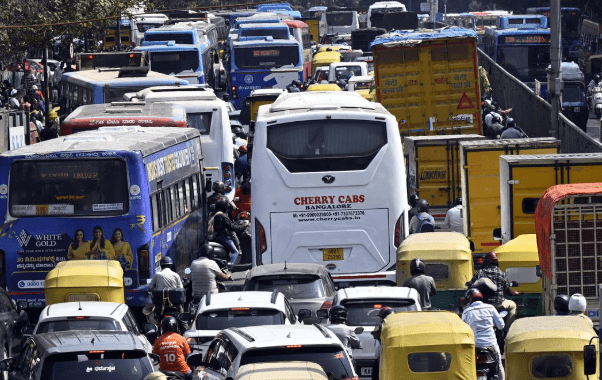
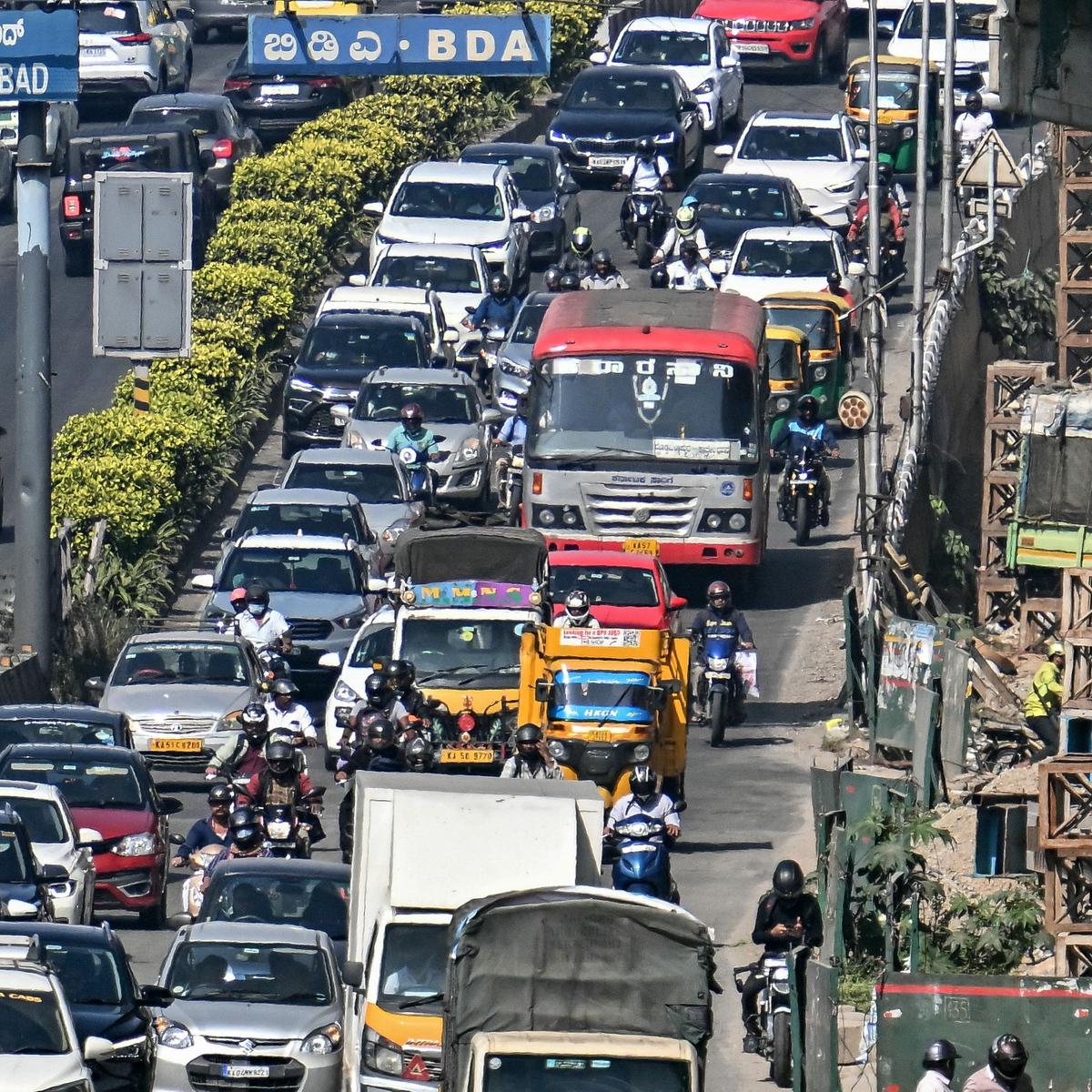
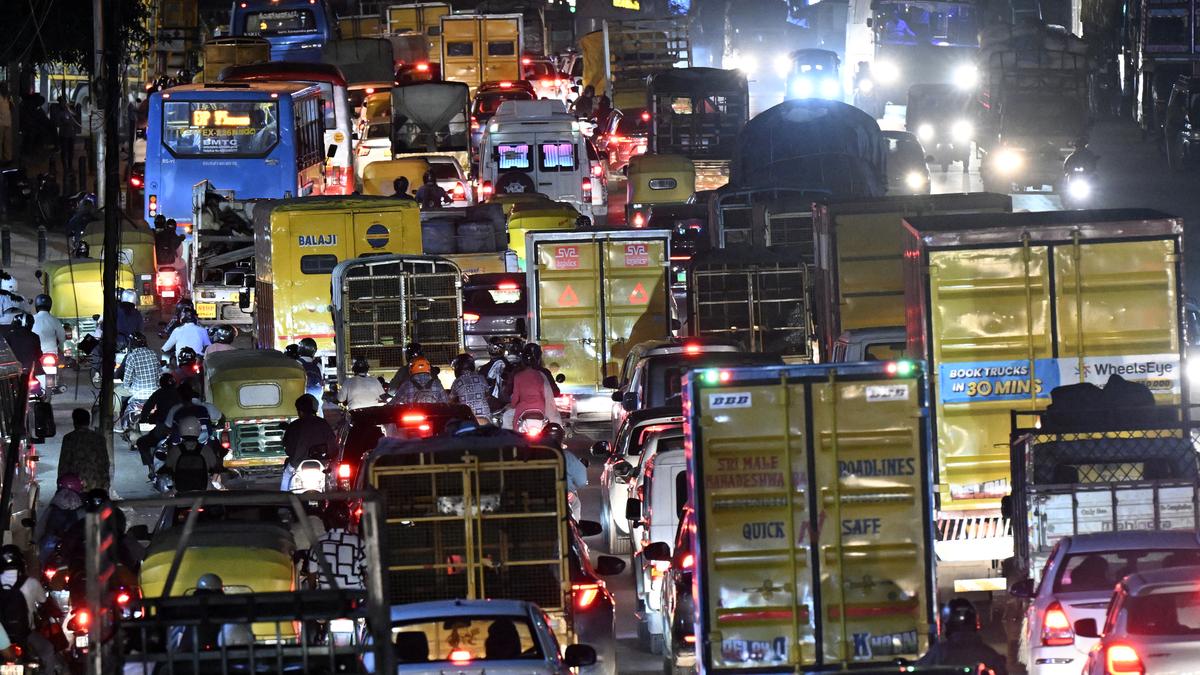
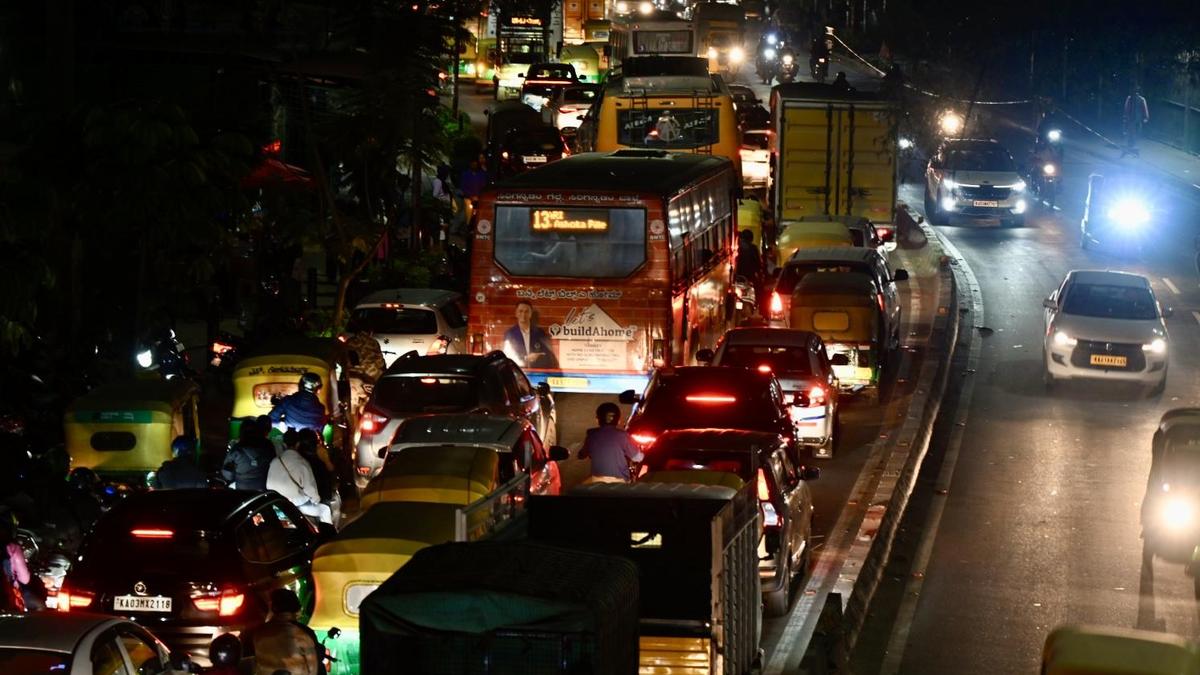
Bengaluru, once celebrated as India’s garden city and global technology hub, now finds itself increasingly defined by another identity: a city caught in relentless gridlock. Long traffic snarls, stalled vehicles, and frustrated commuters have become a routine part of daily life. What was once an occasional inconvenience has evolved into a structural urban crisis that affects productivity, mental health, air quality, and overall quality of life. The phrase “stranded in traffic” is no longer an exaggeration but a lived reality for lakhs of residents navigating roads that struggle to cope with explosive growth.

Over the past two decades, Bengaluru has witnessed rapid expansion driven by the IT sector, educational institutions, and real estate development. This growth has drawn people from across the country, transforming the city into a diverse and dynamic metropolis. However, infrastructure development has not kept pace with this population boom. Narrow roads, limited alternative routes, and unplanned layouts in many areas have created bottlenecks that choke vehicle movement, especially during peak hours when office-goers and school traffic overlap.Bengaluru, a city gridlocked and stranded - The Hindu

Daily commuters describe journeys that once took thirty minutes now stretching to ninety minutes or more. Two-wheelers weave cautiously between cars and buses, while pedestrians search for safe spaces to cross chaotic intersections. Public buses inch forward amid a sea of private vehicles, often unable to maintain schedules. The unpredictability of travel times disrupts routines, forcing people to leave home much earlier than necessary and return late, eating into family time and personal rest.

Urban planners point to a fundamental imbalance between the number of vehicles and available road space. Vehicle registrations in the city have surged, with personal cars and two-wheelers dominating the streets. Many residents rely on private transport due to gaps in last-mile connectivity and the perception that public options are insufficient or inconvenient. This dependence compounds congestion, creating a cycle where more vehicles lead to slower movement, which in turn pushes people toward private solutions rather than shared mobility.

The impact extends beyond inconvenience. Prolonged exposure to traffic congestion contributes to increased fuel consumption and higher emissions, worsening air pollution. Idling engines release pollutants that affect respiratory health, particularly among children, the elderly, and traffic police personnel who spend long hours on the roads. Noise pollution from constant honking adds another layer of stress, making even short trips physically and mentally exhausting for commuters.

Businesses also feel the strain. Delivery schedules are disrupted, logistics costs rise, and employees arrive fatigued after battling traffic. Companies in the technology and service sectors, which depend on punctuality and efficiency, often adjust work hours or promote remote work to cope. While such measures offer temporary relief, they do not address the underlying mobility challenges. The city’s reputation as a business-friendly destination risks being overshadowed by stories of gridlock and lost hours.

Residents express a mix of frustration and resignation. Social conversations frequently revolve around traffic experiences, with people sharing alternate routes, peak congestion timings, and coping strategies. Some choose to relocate closer to workplaces despite higher rents, while others adjust lifestyles around travel constraints. The emotional toll is evident, as commuting becomes a daily source of anxiety rather than a simple transition between home and work.

GROWTH WITHOUT PLANNING STRAINS URBAN SYSTEMS

Experts argue that Bengaluru’s traffic crisis is rooted in patterns of urban expansion that prioritised development over integrated planning. Large residential layouts and commercial zones have emerged in peripheral areas without adequate public transport links. As these neighbourhoods matured, residents became dependent on personal vehicles to access workplaces, schools, and healthcare facilities located across the city. This spatial mismatch between living and working areas intensifies cross-city travel demand.

Public transport, though expanding, struggles to cover the city’s vast and evolving geography. The metro network has brought relief along certain corridors, significantly reducing travel time where available. However, many areas remain far from stations, requiring additional travel by bus, auto-rickshaw, or private vehicle. Inadequate feeder services and limited pedestrian infrastructure make seamless transitions difficult, discouraging some commuters from fully adopting public transport.Bengaluru in gridlock - The Hindu

Road infrastructure projects such as flyovers and underpasses have been introduced to ease congestion at key junctions. While they offer localised improvements, critics say they often shift bottlenecks rather than eliminating them. Increased road capacity can also encourage more vehicle use, a phenomenon urban researchers describe as induced demand. Without parallel efforts to strengthen mass transit and manage vehicle growth, such projects risk providing only temporary relief.

Encroachment on footpaths and poor pedestrian facilities further complicate mobility. In many areas, sidewalks are either absent or obstructed, forcing pedestrians onto busy roads. This not only endangers lives but also slows traffic as vehicles navigate around people. Safe, continuous pedestrian networks are essential in dense urban environments, yet they remain an underdeveloped aspect of the city’s infrastructure strategy.

Traffic management practices face challenges as well. Signal coordination, lane discipline, and enforcement vary across locations. Intersections often become choke points when vehicles block junctions or disregard lane markings. Although technology-driven monitoring systems are being introduced, consistent behavioural change among road users remains a hurdle. Effective management requires both enforcement and public awareness, ensuring that rules are respected as part of everyday driving culture.

Urban flooding during heavy rains exacerbates congestion. Waterlogged roads and potholes reduce usable road space, slow vehicles, and increase the risk of breakdowns and accidents. The city’s drainage challenges intersect with mobility issues, demonstrating how interconnected urban systems are. A single spell of rain can transform an already slow commute into hours of immobility, highlighting the vulnerability of existing infrastructure.

The economic cost of congestion is significant. Time lost in traffic translates into reduced productivity and increased stress-related health issues. Fuel wastage adds to personal expenses and environmental burdens. For lower-income workers who rely on daily wages, delays can directly affect earnings. Thus, traffic is not merely a transport issue but a socio-economic concern that touches multiple layers of urban life.

SEARCH FOR SOLUTIONS AMID RISING PRESSURE

Authorities have acknowledged the seriousness of the situation and initiated multiple measures to address congestion. Expansion of the metro network remains a central strategy, with new lines expected to connect more residential areas to employment hubs. If integrated effectively with buses and feeder services, the system could shift a substantial share of commuters from private vehicles to public transport, easing pressure on roads.

Bus services are also being modernised with the introduction of new fleets and route rationalisation efforts. Dedicated bus lanes in select corridors have been discussed as a way to improve reliability and speed, making buses a more attractive option. However, implementing such lanes in already crowded road spaces requires careful planning and public cooperation to ensure they are not encroached upon by other vehicles.

Promotion of non-motorised transport is gaining attention. Cycling tracks, pedestrian-friendly streets, and last-mile connectivity initiatives are being considered to reduce dependence on short vehicle trips. Encouraging walking and cycling not only eases congestion but also supports healthier lifestyles and cleaner air. For these measures to succeed, infrastructure must be safe, continuous, and well-maintained, inspiring confidence among users.India's traffic chokehold: Bengaluru ranks second; Pune fifth in global  congestion index for 2025 - The Hindu

Technology is playing a growing role in traffic management. Intelligent traffic systems, real-time monitoring, and adaptive signal control aim to optimise flow and respond to changing conditions. Data analytics can help identify congestion patterns and inform targeted interventions. While technology cannot replace infrastructure, it can enhance efficiency and provide decision-makers with tools to plan more effectively.

Workplace policies are evolving as well. Flexible hours, staggered shifts, and remote work options reduce peak-hour pressure on roads. Educational institutions adjusting timings can also spread travel demand more evenly. These behavioural and organisational changes complement physical infrastructure improvements, demonstrating that solutions must extend beyond construction projects.

Citizen participation is increasingly recognised as vital. Carpooling, use of public transport, and adherence to traffic rules depend on individual choices. Awareness campaigns and community initiatives can foster a sense of shared responsibility. When residents see mobility as a collective challenge rather than a personal inconvenience, cooperation becomes more likely.

Despite the challenges, there remains a strong desire among Bengaluru’s residents to see their city thrive. The same energy that fuels its innovation and cultural vibrancy can drive solutions if channelled effectively. Addressing gridlock requires sustained commitment, coordination across agencies, and long-term vision that balances growth with liveability.

Bengaluru’s story is not unique among rapidly expanding global cities, but its scale and pace make the challenge urgent. Traffic congestion has become a symbol of deeper planning and infrastructure gaps, yet it also presents an opportunity to rethink urban mobility. With integrated strategies that prioritise public transport, sustainable design, and responsible behaviour, the city can move toward a future where movement is smoother and daily life less strained.

For now, the image of vehicles stretching endlessly along arterial roads serves as a reminder of the work ahead. Each commuter caught in the slow crawl carries hopes of a city that matches its promise with practical ease. The path forward may be complex, but the collective aspiration is simple: a Bengaluru where journeys are not battles, and where the rhythm of urban life flows with greater harmony and care.

Follow: Karnataka Government

Also read: Home | Channel 6 Network – Latest News, Breaking Updates: Politics, Business, Tech & More

Karnataka’s Food System: Decisive 4 Actions Spark Hope for Fairness

Follow: Karnataka Government

Also read: Home | Channel 6 Network – Latest News, Breaking Updates: Politics, Business, Tech & More