Wednesday, May 6, 2026
Home Blog Page 241

Child Labour Rescue in Malda Foxnut Units

Child Labour Rescue: Child labour remains one of the most pressing social challenges in India, despite decades of legislation, activism, and awareness campaigns. The recent rescue of eight boys from foxnut (makhna) processing units in Malda district, West Bengal, has once again brought the issue into sharp focus. Conducted by the state labour department and the district child protection unit, the operation highlights both the persistence of exploitative practices and the urgent need for systemic reforms.

This essay expands on the incident, situating it within the broader context of child labour in India, the socio‑economic realities of Malda, the legal frameworks in place, and the cultural and political dimensions of the problem.

Child Labour Rescue


The Incident

On December 12, 2025, officials led by Deputy Labour Commissioner Sheikh Noushad Ali conducted surprise inspections across makhna processing centres in Harishchandrapur I and II blocks. Eight boys, all minors from Bihar, were found engaged in processing work. They were immediately shifted to a safe home in South Dinajpur.

Officials noted that the boys had migrated with their families from Bihar’s Darbhanga and Madhubani districts, drawn by seasonal employment opportunities. Allegations of torture and abuse prompted the raid.

For official references:


Human Cost of Child Labour

The rescued boys represent thousands of children across India who are trapped in exploitative labour:

  • Loss of childhood: Instead of education and play, children endure hazardous work.
  • Health risks: Exposure to boiling, frying, and chemical processes damages lungs and skin.
  • Psychological trauma: Abuse and coercion leave lasting scars.
  • Cycle of poverty: Families depend on child labour to supplement income, perpetuating deprivation.

Government references:


Socio‑Economic Context of Malda

Malda is a hub for makhna production, with nearly 8,000 producers and processors operating in Harishchandrapur. Seasonal migration from Bihar fuels the industry. Families bring children along to supplement income, often unaware of legal prohibitions.

The makhna trade is lucrative, but its dependence on cheap labour creates conditions ripe for exploitation.


Child Labour Rescue: Legal Framework

India has robust laws against child labour:

  • Child Labour Act (1986, amended 2016) prohibits employment of children below 14 in hazardous industries.
  • Right to Education Act (2009) mandates free and compulsory education for children aged 6–14.
  • Juvenile Justice Act (2015) criminalizes exploitation of minors.

Yet enforcement remains weak, especially in informal sectors like agriculture and cottage industries.

Government references:


Political Dimensions

The rescue operation has political undertones:

  • Labour officials insist they will continue monitoring makhna units.
  • Unit owners deny employing minors, claiming children “help parents.”
  • Activists accuse authorities of ignoring systemic exploitation until media pressure mounts.

Cultural and Migration Factors

Child labour in Malda is tied to migration patterns:

  • Families from Bihar migrate seasonally for work.
  • Children accompany parents, often working informally.
  • Poverty, lack of education, and cultural acceptance of child labour perpetuate the practice.

Global Comparisons

Child labour is not unique to India:

  • In Bangladesh, garment factories have faced similar scandals.
  • In Africa, cocoa plantations rely on child workers.
  • In Latin America, agriculture often employs minors.

India’s challenge is to balance economic realities with human rights obligations.


Broader Implications for Democracy

The incident underscores key issues:

  • Integrity of governance: Laws must be enforced consistently.
  • Transparency in labour practices: Informal industries need monitoring.
  • Public trust: Citizens must believe that children are protected.

Conclusion

The rescue of eight boys from Malda’s foxnut units is more than a local incident—it is a symbol of India’s ongoing struggle against child labour. Protecting children requires not just raids but systemic reforms: education, poverty alleviation, community awareness, and strict enforcement of laws.

Also read: Home | Channel 6 Network – Latest News, Breaking Updates: Politics, Business, Tech & More
Mamata Banerjee Defence of Bengal Ethos Against Communal Violence

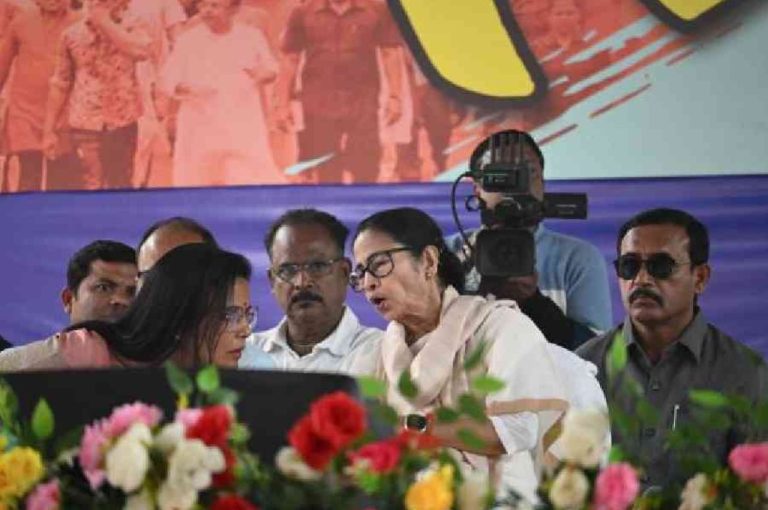
Mamata Banerjee Defence: West Bengal Chief Minister Mamata Banerjee has once again positioned herself as the defender of Bengal’s pluralistic ethos. Following the attack on Muslim vendors at a Bhagavad Gita recitation event in Kolkata, Banerjee condemned the violence and declared that Bengal would never tolerate “gaddari” (treachery) or communal division. Her fiery speech in Krishnanagar reaffirmed her commitment to protecting minority rights, freedom of choice, and the state’s cultural inclusivity.

This incident, which saw vendors assaulted and accused of being “Bangladeshi infiltrators,” has sparked debate about communal harmony, political polarization, and the role of governance in safeguarding diversity.


Mamata Banerjee Defence: The Incident

Three men were arrested for attacking Muslim vendors selling snacks at the Gita event. They were soon released on bail, and BJP leader Suvendu Adhikari publicly felicitated them as “brave Hindu warriors.” Banerjee responded with sharp criticism, insisting that Bengal would never replicate the divisive politics of Uttar Pradesh.

For official references:


Mamata Banerjee’s Defence of Pluralism

Banerjee’s speech emphasized:

  • Bengal’s ethos of religious coexistence.
  • Freedom of personal choice, including dietary habits.
  • Rejection of communal politics imported from other states.

She declared: “This is Bengal, not Uttar Pradesh. Your orders don’t work here. Your treachery is unwelcome.”

Government references:


Historical Context of Bengal’s Ethos

Bengal has long been a land of cultural synthesis:

  • The Bhakti and Sufi movements promoted tolerance.
  • Figures like Rabindranath Tagore and Kazi Nazrul Islam embodied pluralism.
  • Bengal’s cuisine, festivals, and literature reflect Hindu‑Muslim coexistence.

Political Context

The incident highlights Bengal’s polarized politics:

  • BJP leaders celebrated the attackers, framing them as defenders of Sanatan Dharma.
  • TMC positioned itself as the guardian of secularism and inclusivity.
  • The clash reflects broader national debates on identity and citizenship.

Government references:


Human Cost of Communal Violence

The attack on vendors illustrates the vulnerability of marginalized communities:

  • Economic loss as food items were destroyed.
  • Psychological trauma from being branded “infiltrators.”
  • Social stigma that deepens divisions.

Freedom of Choice and Dietary Politics

Banerjee defended the right to eat non‑vegetarian food, noting that 99.3% of Bengal’s population consumes meat, fish, or poultry. She argued that dietary choices cannot be politicized.

Government references:


Technology, Media, and Polarization

The incident was amplified by viral videos and social media debates. Technology has become a double‑edged sword:

  • It exposes violence quickly.
  • It also spreads misinformation and deepens polarization.

Government references:


Constitutional and Legal Framework

India’s Constitution guarantees:

  • Article 14: Equality before law.
  • Article 19: Freedom of speech and expression.
  • Article 21: Right to life and personal liberty.

Attacks on vendors violate these fundamental rights.

Relevant government link:


Broader Implications for Democracy

The incident underscores key issues:

  • Integrity of governance in protecting minorities.
  • Transparency in law enforcement when attackers are celebrated.
  • Public trust in democracy depends on inclusivity.

Conclusion

Mamata Banerjee’s defence of Bengal’s ethos is more than a political speech—it is a pledge to protect pluralism, freedom of choice, and minority rights. The attack on Muslim vendors is a reminder that communal harmony requires constant vigilance. Bengal’s identity as a land of coexistence must be preserved through strong governance, legal accountability, and cultural solidarity.

Also read: Home | Channel 6 Network – Latest News, Breaking Updates: Politics, Business, Tech & More
Mamata Banerjee Assurance to Matuas on Voting Rights

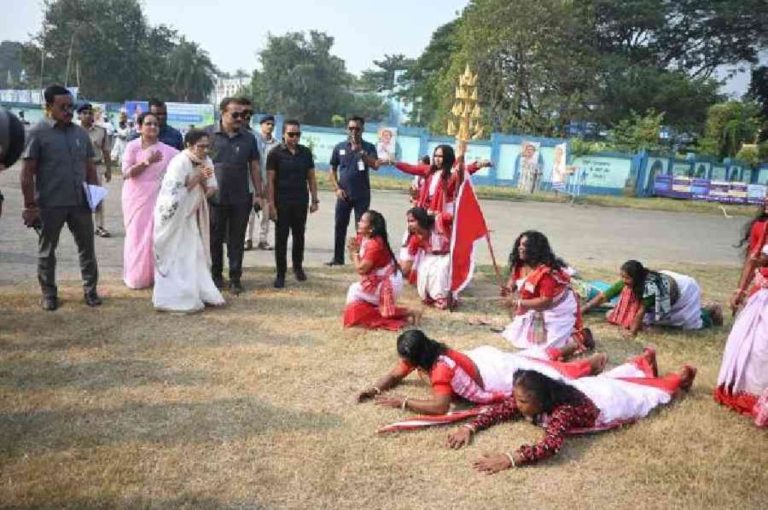
Mamata Banerjee Assurance: The political atmosphere in West Bengal has been charged with tension following the Special Intensive Revision (SIR) of electoral rolls. Amid fears of disenfranchisement, Chief Minister Mamata Banerjee assured the Matua community that no one would lose their voting rights or citizenship. Her statement came at a rally in Krishnanagar, where she declared that Bengal would not allow detention camps or deportations. This assurance is significant, given the Matua community’s historical migration from Bangladesh and their central role in Bengal’s electoral politics.


Mamata Banerjee Assurance: The Incident

Banerjee’s remarks were made against the backdrop of allegations that the SIR was being used to delete names from voter lists. She accused the Election Commission of acting under pressure from the Union government and warned that she would stage a dharna (sit‑in protest) if even one genuine voter’s name was struck off.

For official references:


Assurance to the Matua Community

The Matua community, comprising largely Namasudra migrants from Bangladesh, has long faced questions about citizenship. Banerjee’s assurance included:

  • No detention camps in Bengal.
  • No deportations of Matua families.
  • Protection of voting rights for all eligible citizens.

Government references:


Historical Context of the Matua Community

The Matuas migrated from Bangladesh (then East Pakistan) during and after Partition. Their settlement in Bengal created a large voter base, especially in North and South 24 Parganas.

  • They practice a reformist sect of Hinduism founded by Harichand Thakur.
  • Their population is estimated at several million.
  • They have been politically courted by both TMC and BJP.

Political Context

Banerjee’s assurance comes ahead of Prime Minister Narendra Modi’s scheduled visit to Ranaghat, a Matua stronghold. The BJP has promised citizenship rights under the Citizenship Amendment Act (CAA), while TMC insists that Matuas are already citizens. This tug‑of‑war has made the community a decisive factor in Bengal’s elections.

Government references:


Human Cost of Electoral Exercises

The SIR process has imposed burdens on ordinary citizens:

  • Families fear losing voting rights due to documentation gaps.
  • Elderly voters face harassment during verification.
  • Communities feel stigmatized as “outsiders” despite decades of residence.

Technology and Transparency Issues

The use of apps and AI tools to identify duplicate voters has raised concerns:

  • Lack of transparency in data collection.
  • Fear of misuse to target specific communities.
  • Questions about accountability of officials.

Government references:


Border Security and Federal Concerns

Critics argue that Bengal is being unfairly targeted compared to other border states. While Assam underwent NRC, Bengal faces SIR scrutiny. Banerjee insists that border security is the responsibility of central forces like BSF, not voter verification drives.

Government references:


Constitutional and Legal Framework

The Constitution guarantees the right to vote for all citizens. Any attempt to disenfranchise genuine voters violates Article 326. Banerjee’s assurance reflects her commitment to uphold constitutional rights.

Relevant government link:


Broader Implications for Democracy

The incident underscores key issues:

  • Integrity of electoral rolls is fundamental to democracy.
  • Transparency in technology use is essential for public trust.
  • Protection of marginalized communities strengthens democratic inclusivity.

Conclusion

Mamata Banerjee’s assurance to the Matua community is more than a political statement—it is a pledge to protect citizenship and voting rights in Bengal. The controversy over the SIR highlights the need for transparent electoral processes, stronger accountability mechanisms, and humane implementation of verification drives. Democracy thrives not on bureaucratic exercises alone but on the trust of citizens in the fairness of elections.

Also read: Home | Channel 6 Network – Latest News, Breaking Updates: Politics, Business, Tech & More

Darjeeling MELOtea Fest Music and Tea Celebration

Darjeeling MELOtea Fest: Darjeeling, known worldwide for its tea and Himalayan charm, has added a new feather to its cultural cap with the MELOtea Fest. The festival, launched in December 2025, blends melody and tea—two defining aspects of the region’s identity. Organized by the Darjeeling police with support from the Gorkhaland Territorial Administration (GTA), the event is designed to promote heritage, tourism, entrepreneurship, and community spirit.


Darjeeling MELOtea Fest: The Festival Concept

The name “MELOtea” combines melody (music) and tea (Darjeeling’s global brand). The festival is not just about entertainment—it is a community policing initiative aimed at strengthening ties between citizens and institutions.

Key features include:

  • Music contests with Nepali and English rock bands.
  • Marathon (D‑Run) with over 4,000 runners, including international athletes.
  • Hiking (D‑Hike) along the historic Tenzing Norgay trail.
  • Birdwatching (D‑Birdwatch) to highlight Darjeeling’s biodiversity.
  • Mountain biking (D‑MTB) to attract adventure enthusiasts.
  • Startup stalls showcasing 40 new local businesses.
  • Content creator competitions to encourage digital entrepreneurship.

For official references:


Music and Cultural Dimensions

Music is central to the festival:

  • D‑Rock competition offers ₹28 lakh in prize money.
  • Performances by Purna Rai, Mantra, and Chakra electrified audiences.
  • Over 100 bands from across India registered, making it one of the largest rock contests in the region.

Government references:


Sports and Adventure

Adventure sports are a major attraction:

  • The Darjeeling marathon (D‑Run) is held in one of India’s cleanest air zones.
  • Mountain biking (D‑MTB) offers a prize pool of ₹2 lakh.
  • Hiking routes boost rural economies by drawing trekkers to remote villages.

Government references:


Entrepreneurship and Startups

The festival provided free stalls to 40 startups, encouraging young entrepreneurs from Kalimpong, Darjeeling, and surrounding areas. This initiative highlights the role of festivals in promoting local economic development.

Government references:


Environmental Awareness

Events like birdwatching and hiking emphasize sustainability:

  • Darjeeling’s biodiversity is showcased as a tourism asset.
  • Eco‑friendly practices are promoted to balance tourism with conservation.

Government references:


Community Policing and Governance

The festival is also a community policing initiative:

  • Strengthens trust between citizens and law enforcement.
  • Promotes tourism as a tool for peace and prosperity.
  • Encourages youth participation in constructive activities.

Government references:


Broader Implications for Darjeeling

The MELOtea Fest reflects Darjeeling’s ambition to position itself as a hub for:

  • Music and cultural tourism.
  • Adventure sports.
  • Entrepreneurship and digital creativity.
  • Sustainable development.

Conclusion

The Darjeeling MELOtea Fest is more than a festival—it is a celebration of identity, heritage, and innovation. By blending music, tea, sports, and entrepreneurship, the event strengthens community bonds and projects Darjeeling as a global tourism destination.

Also read: Home | Channel 6 Network – Latest News, Breaking Updates: Politics, Business, Tech & More
Sherpas Honored by Himalayan Mountaineering Institute

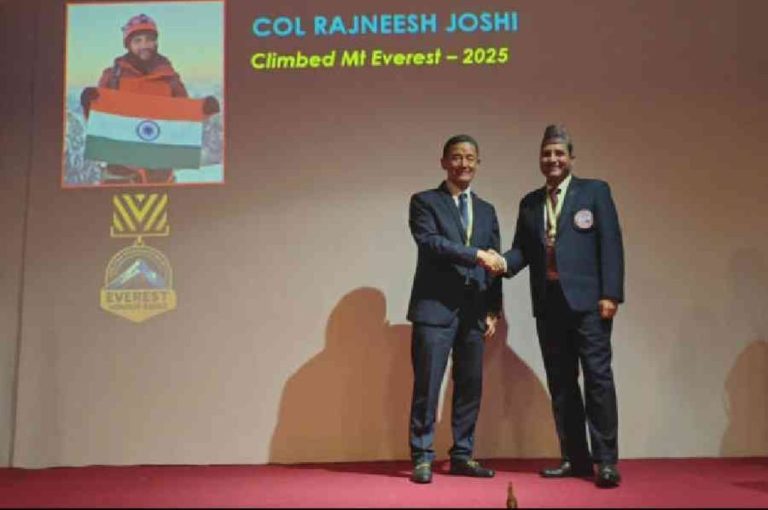
Sherpas Honored by Himalayan: The Himalayan Mountaineering Institute (HMI) in Darjeeling recently honored the Sherpa community, recognizing their indispensable role in Himalayan expeditions. On International Mountain Day, Sherpas were awarded the Everest Honour Badge, a symbolic gesture that acknowledges decades of sacrifice, courage, and resilience. For too long, Sherpas have remained the unsung heroes of mountaineering, often risking their lives so others could achieve glory. This recognition is not just ceremonial—it is a step toward justice, dignity, and cultural preservation.


The Ceremony and Its Significance

HMI principal Col. Rajnesh Joshi emphasized that Sherpas are the backbone of every expedition:

  • They fix ropes and open routes in treacherous terrain.
  • They carry supplies, oxygen cylinders, and food at extreme altitudes.
  • They pitch tents in blizzards and storms, ensuring climbers’ survival.

The ceremony honored 31 Everesters from Darjeeling, including Jamling Tenzing Norgay Sherpa, son of the legendary Tenzing Norgay, and Migma Sherpa, who has scaled Everest eight times.

For official references:


Historical Context of Sherpas in Mountaineering

The Sherpa legacy began with the 1953 Everest expedition, when Tenzing Norgay and Sir Edmund Hillary became the first to reach the summit. While Hillary received global fame, Norgay became a symbol of Sherpa resilience. Since then, Sherpas have been integral to every major Himalayan climb.

Government references:


Sherpas Honored by Himalayan: Human Cost of Mountaineering

Sherpas often face life‑threatening risks:

  • Avalanches, crevasses, and altitude sickness claim many lives.
  • Families are left without breadwinners.
  • Insurance and compensation are often inadequate.

Despite their sacrifices, Sherpas rarely receive the same recognition as foreign climbers.


Ecological and Social Dimensions

Mountaineering affects both communities and ecosystems:

  • Sherpas balance tradition with modern tourism.
  • Increased expeditions strain fragile Himalayan environments.
  • Waste management and ecological preservation are pressing concerns.

Government references:


Institutional Role of HMI

Founded in 1954 after Tenzing Norgay’s triumph, HMI has trained thousands of climbers. It also serves as a cultural institution preserving Himalayan heritage. By honoring Sherpas, HMI reaffirms its mission to recognize those who make mountaineering possible.

Government references:


Economic Dimensions of Sherpa Work

Sherpas are not just guides—they are economic contributors:

  • Expeditions generate income for local communities.
  • Tourism in Darjeeling and Nepal depends heavily on Sherpa labor.
  • Yet, wages remain low compared to the risks involved.

Global Comparisons

Indigenous guides play similar roles worldwide:

  • Quechua porters in the Andes support climbers in Peru.
  • Alpine guides in Switzerland and France have historic recognition.
  • Sherpas, however, face harsher conditions and greater risks.

Cultural Identity and Recognition

Sherpas are more than climbers—they are custodians of Himalayan culture:

  • Their language, traditions, and rituals enrich mountaineering.
  • Recognition strengthens their cultural identity.
  • Honoring Sherpas ensures their legacy is preserved for future generations.

Broader Implications for Democracy and Justice

The recognition of Sherpas reflects larger themes:

  • Equity in recognition: True heroes must be acknowledged, not just figureheads.
  • Cultural justice: Indigenous communities deserve respect for their contributions.
  • National pride: Honoring Sherpas strengthens India’s mountaineering legacy.

Conclusion

The HMI’s decision to honor Sherpas is more than symbolic—it is a step toward justice, dignity, and recognition. Sherpas are the backbone of Himalayan expeditions, and their courage deserves a permanent place in history. Protecting their legacy requires not just badges but policies for welfare, safety, and sustainable tourism.

Also read: Home | Channel 6 Network – Latest News, Breaking Updates: Politics, Business, Tech & More
Rajbanshi Kamtapuri and Kurmali Languages Demand Constitutional Recognition

Rajbanshi Kamtapuri and Kurmali Languages: Language is more than a medium of communication—it is a vessel of identity, culture, and heritage. In India, the Eighth Schedule of the Constitution recognizes 22 languages, granting them official status and ensuring their promotion. Recently, Samirul Islam, a Trinamool Congress MP, urged the Union government to include Rajbanshi‑Kamtapuri and Kurmali in this list. His demand reflects the aspirations of millions of speakers across Bengal, Assam, Jharkhand, Odisha, and Bihar, and highlights the ongoing struggle for linguistic justice in India.


Rajbanshi Kamtapuri and Kurmali Languages: The Parliamentary Demand

Speaking during Question Hour in the Rajya Sabha, Islam emphasized:

  • Rajbanshi‑Kamtapuri is spoken across North Bengal, Assam, Meghalaya, and Bihar.
  • Kurmali is widely spoken in Jangalmahal (West Bengal), Jharkhand, Odisha, and Assam.
  • Both languages received official recognition in 2018 from the Bengal Assembly.
  • Cultural academies and development boards were established to preserve them.

For official references:


Historical Context of Rajbanshi‑Kamtapuri

The Rajbanshi community has a rich history in North Bengal:

  • The language evolved from Indo‑Aryan roots, with influences from Assamese and Bengali.
  • It is spoken by both Hindu and Muslim Rajbanshis, including the Nashya Sheikh community (around 60 lakh people).
  • Leaders like Panchanan Barma championed Rajbanshi identity in the 20th century.

Government references:


Historical Context of Kurmali

Kurmali is the language of the Kurmi community, spread across eastern India:

  • It belongs to the Indo‑Aryan family, with dialectal variations across states.
  • It is used in folk songs, oral traditions, and community rituals.
  • Recognition in 2018 by the Bengal Assembly boosted its visibility.

Government references:


Political Context

The demand for inclusion has electoral implications:

  • In North Bengal, Rajbanshi votes are crucial. The BJP gained ground in 2019 and 2024 Lok Sabha polls.
  • Mamata Banerjee’s government has promoted language academies to regain support.
  • The Greater Cooch Behar People’s Association has demanded political representation tied to linguistic recognition.

Human Cost of Non‑Recognition

Without constitutional recognition:

  • Speakers feel marginalized and excluded from mainstream education.
  • Students lack textbooks and formal instruction in their mother tongue.
  • Communities fear cultural erosion and loss of identity.

Constitutional and Legal Framework

The Eighth Schedule currently includes 22 languages. Adding new ones requires parliamentary approval. Recognition ensures:

  • Use in competitive exams.
  • Promotion in schools and universities.
  • Preservation through government funding.

Relevant government link:


Broader Implications for Democracy

The demand underscores key issues:

  • Linguistic diversity is central to India’s identity.
  • Federalism requires respecting regional aspirations.
  • Cultural justice strengthens democracy by empowering marginalized groups.

Conclusion

The call for constitutional recognition of Rajbanshi‑Kamtapuri and Kurmali is more than a linguistic demand—it is a struggle for dignity, identity, and inclusion. Recognizing these languages would honor India’s pluralism and ensure that millions of speakers feel represented in the nation’s constitutional framework.

Also read: Home | Channel 6 Network – Latest News, Breaking Updates: Politics, Business, Tech & More
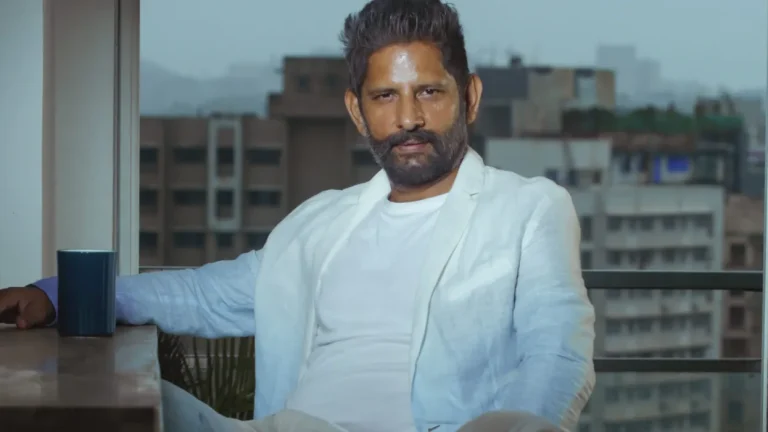
A Father and Two Dreams Shaped by Silence and Strength

A Father Finds His Purpose Through a Daughter’s Rising Light

A father does not always walk ahead. Sometimes, he walks behind, learning, observing, and slowly understanding that destiny can change roles without warning. This story is not about fame or milestones alone. It is about a father and an artist whose life was shaped deeply by the presence of his daughter, Sarah, and by a journey where growth moved in both directions.Raj Arjun (@rajarjunofficial) • Instagram photos and videos

From the early years, Sarah was not merely growing up under his care. She was shaping him. Her discipline, commitment, and inner strength were quietly influencing his creative life. What began as a parent guiding a child slowly transformed into a shared emotional and spiritual path. The father found himself becoming a deeper artist, not through ambition, but through observation and connection.

This was never a one-sided achievement. Every small step forward carried the weight of shared effort. Sarah’s growth was not just her success. It reflected a partnership rooted in trust and silent understanding. Their bond was not defined by loud moments but by consistent presence.

A Father Witnesses Destiny Shift Through Everyday Moments

A father often believes he is the one providing direction. In reality, life sometimes teaches through subtle reversals. In 2016, a seemingly ordinary day changed everything. A visit to an office for an audition became a turning point neither of them had planned.A Father

While Sarah went inside, the father waited outside. There was nothing dramatic about that moment. A small fishpond stood nearby, glass-covered, filled with colorful fish moving calmly in their own world. The father sat there, watching, detached yet thoughtful. That quiet pause became symbolic. It was during this stillness that an unexpected opportunity emerged.

The casting director stepped out and spoke directly to him, opening a door that was initially meant for Sarah but ultimately expanded to include him. It was not competition. It was alignment. Destiny adjusted its course without explanation.

This moment highlighted a deeper truth. Sometimes, a child’s path creates space for a parent’s growth. A father may arrive at his next chapter not by pushing forward, but by standing still and allowing life to unfold.

A Father Learns Strength From His Daughter’s Calm

As years passed, Sarah’s role in his life evolved further. She was no longer just a daughter. At times, she became a grounding force. Her clarity, emotional maturity, and spiritual simplicity brought balance during moments of internal conflict.Raj Arjun (@rajarjunofficial) • Instagram photos and videos

There were times when words were unnecessary. A look was enough. Silence carried reassurance. Her presence offered stability in ways that traditional roles do not often acknowledge. A father found calm through his daughter’s composure, learning that strength can exist quietly.

When Sarah stood confidently in front of the world, showcasing her talent and determination, it stirred something deeper than pride. It was recognition. The realization that the child he once supported was now providing support in return.

The relationship had come full circle. Earlier, he protected her from the weight of the world. Now, she steadied him as he navigated his own creative and emotional responsibilities.

A Father Redefines Success Beyond Applause

A father’s pride does not always seek attention. It settles into silence. Watching Sarah grow into her own identity, facing the world with confidence, did not demand celebration. It demanded reflection.

Success, in this journey, was never loud. It was written softly, through shared sacrifices and mutual respect. The father understood that real achievement is not measured by recognition alone, but by the ability to walk together through change.


View this post on Instagram


A post shared by Raj Arjun (@rajarjunofficial)

The common belief says daughters hold their father’s hand while walking forward. In this story, the direction reversed. The father reached his destination by holding his daughter’s hand, guided by her strength and belief. Also Read: Goa Nightclub Fire Case Brings Legal Trouble for Owners After Court Decision in 2025

Conclusion

A father’s journey does not end with raising a child. Sometimes, it begins there. This story stands as a reminder that growth is not hierarchical. Support moves both ways. In silence, love deepens. In shared light, destinies align. And sometimes, the most powerful force in a creator’s life is the child who quietly teaches him how to stand.

Tangled Live Action 2026 Sparks Curiosity With a Fresh Cinematic Vision

0

Tangled Live Action 2026 Brings a Familiar Fairy Tale Into a New Spotlight

Tangled Live Action 2026 has become a major talking point after a fan-made concept trailer began circulating online, offering a reimagined version of Disney’s well-known animated film Tangled. The trailer presents a realistic visual style while keeping the emotional core of the original story intact. Though not an official Disney release, the project has managed to capture attention because of its thoughtful presentation and strong casting imagination.Disney's 'Tangled' Live-Action Movie in Development With 'The Greatest Showman' Director Michael Gracey - WDW News Today

The concept trailer envisions Amanda Seyfried as Rapunzel and Chris Evans as Flynn Rider, two actors whose on-screen presence aligns well with the characters’ personalities. The idea of blending a classic fairy tale with grounded performances has sparked discussion among film followers and Disney fans alike. Tangled Live Action 2026 does not attempt to rewrite the story entirely, but instead explores how the same narrative could feel in a realistic cinematic setting.

The trailer focuses on atmosphere, character emotions, and visual storytelling rather than heavy dialogue. This approach helps audiences imagine how the animated world could transition into live action without losing its charm. The familiar elements such as Rapunzel’s tower, the open landscapes, and the lantern-filled sky are presented in a more natural tone, giving the story a mature yet accessible feel.

Tangled Live Action 2026 Reflects Growing Interest in Live-Action Adaptations

Tangled Live Action 2026 arrives at a time when live-action adaptations of animated classics continue to dominate discussions in the entertainment industry. Disney has already experimented with similar projects, and audience reactions have varied based on how closely these adaptations respect the original material. This concept trailer appears to understand that balance.Tangled: Live Action Movie - Teaser Trailer | Florence Pugh (2026) - YouTube

Instead of relying on spectacle alone, Tangled Live Action 2026 focuses on emotional connection. Rapunzel’s curiosity, isolation, and desire for freedom are central to the trailer’s tone. Flynn Rider’s charm and confidence are shown without exaggeration, making the character feel believable rather than cartoonish.

The casting imagination plays a major role in why this trailer stands out. Amanda Seyfried’s expressive acting style suits Rapunzel’s emotional journey, while Chris Evans brings a calm confidence that aligns with Flynn Rider’s personality. These choices feel intentional rather than random, which adds credibility to the concept.

Another reason Tangled Live Action 2026 has gained attention is its visual restraint. The environments are magical but not overwhelming. The fantasy elements are grounded in realism, allowing viewers to focus on character development rather than visual excess. This reflects a growing preference for storytelling that prioritizes depth over spectacle.

Tangled Live Action 2026 Shows How Fan Creativity Shapes Film Conversations

Tangled Live Action 2026 also highlights how fan-made content influences modern film discussions. While the trailer is unofficial, its quality and thoughtful execution have encouraged viewers to imagine what an official adaptation could look like. Fan creativity often fills gaps where studios remain silent, especially for stories that audiences still feel connected to.Tangled: Live Action Movie - First Look Trailer | Florence Pugh (2026)

The trailer does not promise confirmed production or release plans. Instead, it functions as a creative exploration. That honesty works in its favor. Viewers understand it as a concept rather than a confirmed project, which allows them to engage without unrealistic expectations.

The response to Tangled Live Action 2026 suggests there is still strong interest in the story and its characters. It also shows that audiences value respectful reinterpretations that do not rely on drastic changes. Familiar stories can feel new when handled with care and clarity.

From a broader perspective, the trailer reflects how storytelling evolves. Audiences now actively participate in shaping ideas, sharing opinions, and imagining possibilities. Tangled Live Action 2026 fits into this space where creativity, nostalgia, and modern cinematic taste meet. Also Read: Goa Nightclub Fire Case Brings Legal Trouble for Owners After Court Decision in 2025

Conclusion

Tangled Live Action 2026 stands out not because it is official, but because it understands the heart of the story it reimagines. By combining thoughtful casting, grounded visuals, and emotional clarity, the concept trailer offers a believable vision of how Tangled could work in live action. Whether or not it becomes reality, it has already succeeded in reminding audiences why the story continues to matter.

Nokia CEO’s One Statement Still Signals a Hard Truth About Change

0

Nokia CEO Reflects a Turning Point That Redefined Success and Failure

Nokia CEO became a talking point again after a widely reported statement from the company’s leadership echoed across business circles. The words, often recalled as “we didn’t do anything wrong, but somehow we lost,” continue to hold weight far beyond Nokia’s decline in the mobile phone market. Nokia CEO’s reflection was not an excuse or an emotional remark. It was a calm admission that success alone does not guarantee survival in a fast-changing world.we didn't do anything wrong, but somehow, we lost”: Nokia CEO | by Akiraa PS | Medium

Nokia was once a market leader, trusted globally for durability, innovation, and reliability. Its phones dominated shelves, networks relied on its technology, and consumers saw the brand as unbeatable. Yet, within a few years, the same company lost its position as smartphones reshaped the industry. Nokia CEO’s words captured a reality many businesses struggle to accept: doing well in the past does not protect a company from future failure.

The statement gained attention because it was honest. There was no denial of effort or talent. Nokia had skilled engineers, strong distribution, and loyal customers. But the world changed faster than Nokia adjusted. The rise of touchscreens, software-driven ecosystems, and app-based user experience created a shift Nokia did not respond to in time.

Nokia CEO’s Experience Highlights the Cost of Slow Adaptation

Nokia CEO’s reflection points to a deeper issue faced by many established organizations. The problem was not poor leadership or lack of innovation, but delayed decision-making. While competitors focused on software and user experience, Nokia remained rooted in hardware strength and familiar systems. This approach worked for years, which made change seem unnecessary.Nokia CEO: Many people will put down smartphones in 2030

The mobile industry did not wait. Smartphones redefined consumer expectations, and platforms like Android and iOS changed how people interacted with technology. Nokia’s existing strengths became limitations. Internal structures, fear of disrupting successful products, and comfort with past wins slowed transformation.

Nokia CEO’s words resonated because they reflected a pattern seen across industries. Companies often believe consistency equals stability. In reality, consistency without evolution leads to decline. The statement serves as a reminder that markets reward adaptability, not history.

Employees, entrepreneurs, and leaders continue to reference this moment because it shows how quickly relevance can disappear. Talent alone is not enough. Strategy must evolve with customer behavior, technology, and competition.

Nokia CEO’s Lesson Extends Beyond Business

The impact of Nokia CEO’s statement goes beyond corporate discussions. It applies to careers, skills, and personal growth. Many professionals rely on what once worked, assuming experience will always carry value. But industries evolve, tools change, and expectations shift.Nokia CEO Rajeev Suri just made a big unexpected announcement | Fortune

Just as Nokia relied on its past success, individuals often rely on outdated skills. The lesson is not about fear but awareness. Learning, adapting, and questioning existing methods are necessary to stay relevant.

Nokia CEO’s reflection also challenges the idea that failure always comes from mistakes. Sometimes, failure comes from hesitation. Choosing not to change can be as risky as making the wrong decision. The company did not collapse overnight. It slowly lost ground while believing its position was secure.

Today’s business environment moves even faster. Artificial intelligence, automation, and digital platforms are reshaping industries at a pace faster than the mobile revolution. The Nokia story is often cited because it shows what happens when adaptation lags behind innovation.

The statement continues to circulate because it is simple and uncomfortable. It removes excuses and places responsibility on awareness and action. Comfort, once achieved, can quietly become the biggest threat. Also Read: Goa Nightclub Fire Case Brings Legal Trouble for Owners After Court Decision in 2025

Conclusion

Nokia CEO’s words remain a powerful reminder that success is temporary without evolution. Nokia’s decline was not caused by failure to work hard, but failure to change fast enough. In a world driven by constant innovation, survival belongs to those who keep learning, adapting, and moving forward before change becomes unavoidable.

SS Rajamouli’s Next Big Vision Signals a Mythological Turn With Mahabharat Plans in 2025

0

SS Rajamouli Emerges With Fresh Buzz Around a Grand Mahabharat Plan

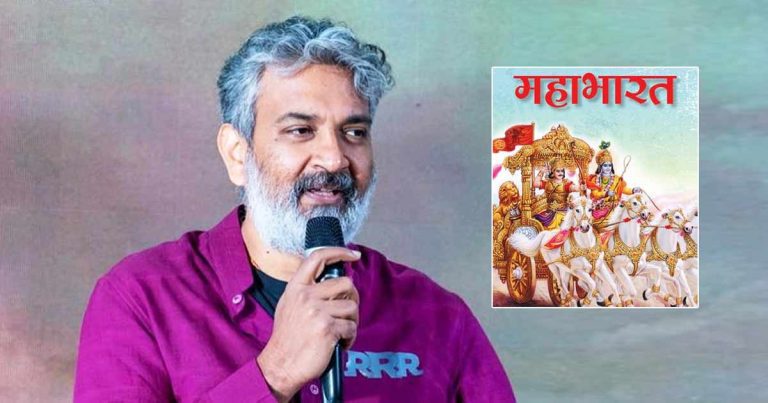
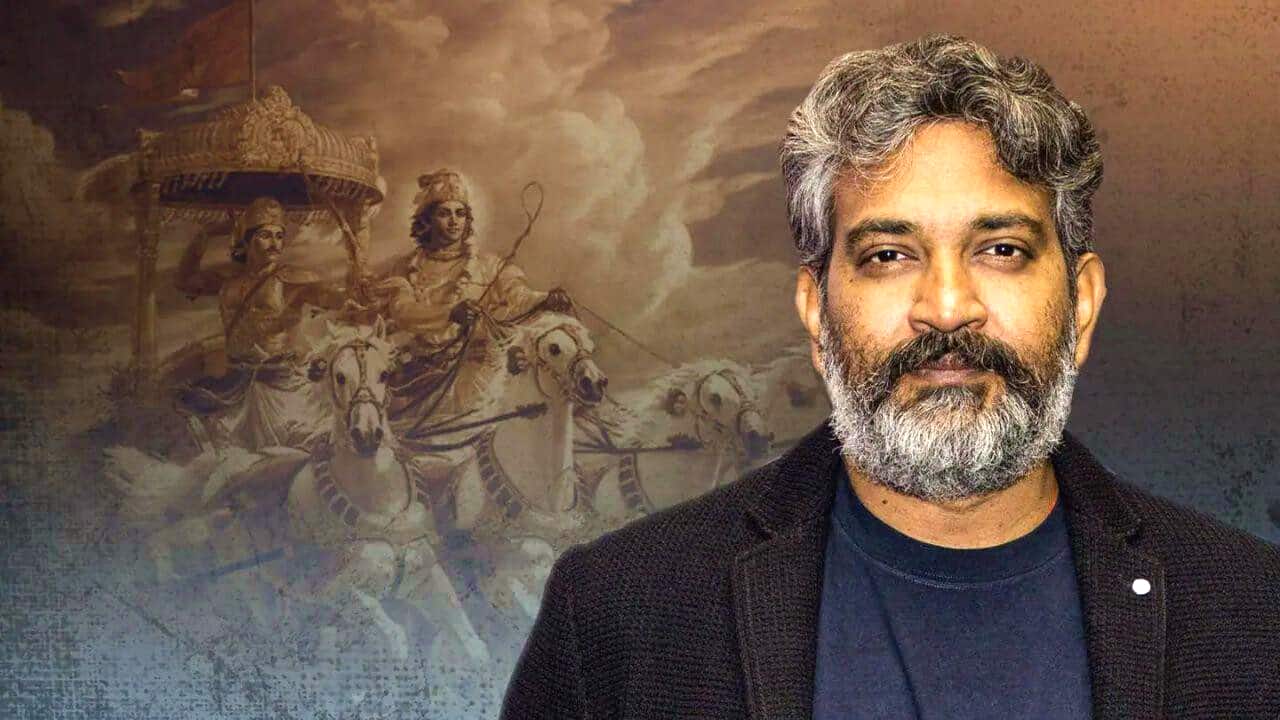
SS Rajamouli has once again become the centre of discussion in film circles as reports suggest that the filmmaker is preparing to begin work on Mahabharat after completing his much-awaited Varanasi project. SS Rajamouli has spoken in the past about his deep interest in adapting the Indian epic, and the latest buzz indicates that this vision may finally move closer to execution. Adding to the excitement is the strong speculation that Mahesh Babu could be considered for the role of Lord Krishna, a casting idea that has already sparked wide interest among audiences.SS Rajamouli 's dream project 'Mahabharata' moves ahead. Markedly, there isn't any director in Indian cinema better suited and equipped to handle Hindu mythological action epic Mahabharata than SS Rajamouli. Veteran filmmaker

SS Rajamouli is known for planning his projects years in advance, and Mahabharat has often been described by him as a dream venture rather than a routine film. Unlike conventional productions, this project is expected to be built on extensive preparation, cultural sensitivity, and large-scale storytelling. The discussions around casting and timelines suggest that groundwork may already be underway, even if official announcements are still awaited.

The mention of Mahabharat immediately raises expectations because of the scale and responsibility involved. For SS Rajamouli, whose previous works have redefined visual storytelling in Indian cinema, such an epic would demand not just technical excellence but also emotional depth and narrative clarity. Film circles see this as a natural progression for a director who has consistently pushed boundaries.

SS Rajamouli’s Mahabharat Idea Gains Momentum After Varanasi

SS Rajamouli’s current focus remains on Varanasi, a project that itself carries significant anticipation. However, industry discussions suggest that Mahabharat is positioned as the next major chapter in his career once Varanasi is completed. This sequencing is important because it shows that the director is not rushing into the epic but treating it as a carefully timed milestone.SS Rajamouli Mahabharat Film: 'बाहुबली' डायरेक्टर एसएस राजामौली अब 'महाभारत' पर बनाएंगे फिल्म, कहा- दुनिया को दिखाना चाहता हूं भारतीय कहानियां - RRR and Baahubali ...

The possibility of Mahesh Babu portraying Lord Krishna has drawn attention for specific reasons. Mahesh Babu’s screen presence, composed style, and calm authority align with how many imagine the character. While there is no confirmation, the idea itself reflects the kind of thoughtful casting that SS Rajamouli is known for. He has often chosen actors based on how naturally they fit a role rather than relying only on star power.

Mahabharat is not expected to be a single-film project. Film circles believe it could span multiple parts, allowing the story to unfold without compromise. This approach would also match SS Rajamouli’s belief that such epics cannot be compressed into limited screen time without losing depth. The director has previously indicated that Mahabharat deserves a format that respects its scale and complexity.

What also stands out is the timing. Indian cinema is currently witnessing renewed interest in culturally rooted stories presented with modern filmmaking tools. SS Rajamouli’s entry into this space could set a new benchmark, much like his earlier works reshaped audience expectations across regions.

SS Rajamouli’s Approach Signals Careful Storytelling Over Speed

SS Rajamouli’s strength has always been his patience. He spends years developing scripts, visuals, and emotional arcs before stepping onto a set. The Mahabharat discussions reflect the same mindset. Rather than making quick announcements, the director appears to be letting the idea mature, allowing discussions, research, and internal planning to take priority.After Mahesh Babu's film, SS Rajamouli may finally adapt 'Mahabharata'

Casting Lord Krishna is one of the most sensitive aspects of the epic. The role requires restraint, wisdom, and subtle power. Speculation around Mahesh Babu highlights the seriousness with which the team may be approaching character selection. Even rumours are being closely watched, showing how invested audiences already are.

Another key point is scale management. Mahabharat involves numerous characters, timelines, and philosophical layers. SS Rajamouli’s experience with handling complex narratives and large ensembles places him in a strong position to attempt this. Film circles believe that his storytelling style, which balances emotion with spectacle, suits the epic format.

While excitement is high, expectations are also cautious. Audiences understand that such a project cannot be rushed or casually executed. SS Rajamouli’s reputation for discipline and long-term planning is what keeps confidence steady despite the lack of official confirmation. Also Read: Goa Nightclub Fire Case Brings Legal Trouble for Owners After Court Decision in 2025

Conclusion

SS Rajamouli’s reported plans to begin Mahabharat after Varanasi have reignited discussions around one of Indian cinema’s most ambitious possibilities. With speculation around Mahesh Babu as Lord Krishna and the director’s proven commitment to scale and storytelling, interest continues to grow. Even at this early stage, the idea signals a carefully planned cinematic journey rather than a hurried announcement.