Wednesday, May 6, 2026
Home Blog Page 243

India Visa Rules: Game-Changing Updates for Chinese Business Professionals

Beijing, China – India has implemented significant modifications to its visa policy framework, specifically targeting the expedited processing of business visas for Chinese professionals. This strategic adjustment in India visa rules comes as Beijing welcomes the move as a “positive step” toward enhanced bilateral cooperation and people-to-people exchanges between the two Asian giants.

Beijing’s Positive Response to India Visa Rules Changes

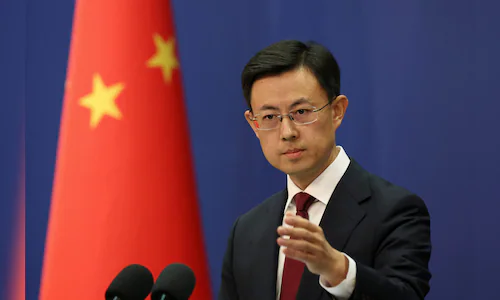
China has officially welcomed the recent changes to India visa rules that facilitate faster approval for Chinese business professionals seeking entry into the country. Foreign ministry spokesperson Guo Jiakun, addressing a media briefing, acknowledged the development by stating, “We’ve noted this positive move.” His comments reflect Beijing’s appreciation for India’s efforts to streamline visa procedures and enhance business connectivity between the two nations.

The Chinese official emphasized that easing cross-border travel through improved India visa rules “serves the common interests of all parties.” Furthermore, Jiakun confirmed that China will maintain ongoing communication and consultation with India to further facilitate people-to-people exchanges, signaling a commitment to strengthening bilateral ties through practical measures.

Key Changes in India Visa Rules for Chinese Nationals

The modified India visa rules now allow Chinese nationals visiting for business purposes to apply under the business visa category, in addition to the existing employment visa category. This represents a fundamental shift in how India processes visa applications from Chinese business professionals and short-term visitors.

Under the previous India visa rules framework, Chinese nationals visiting for business trips were typically issued employment visas valid for six months or longer periods. However, the government has now decided to grant them business visas, also known as ‘B’ visas, which are specifically designed for short-term stays. This category better suits the needs of business professionals making brief visits for meetings, conferences, or commercial discussions.

Processing Timeline Under New India Visa Rules

One of the most significant improvements in the revised India visa rules involves the processing timeline for applications. According to informed sources, the government has committed to granting these visas within three to four weeks of application submission. This expedited timeline represents a substantial improvement over previous processing periods and demonstrates India’s commitment to facilitating legitimate business travel.

While these changes to India visa rules will technically apply to nationals of all countries, Chinese nationals are expected to benefit most significantly from these modifications due to the growing volume of visa applications from Chinese business professionals seeking short-term entry to India.

Rising Demand Prompting India Visa Rules Revision

The decision to revise India visa rules stems from a growing number of visa applications from Chinese nationals planning short business visits to India. This surge in applications reflects increasing business engagement between the two countries and the need for a more efficient visa processing mechanism to accommodate legitimate commercial activities.

The modification of India visa rules acknowledges the practical reality that many Chinese business professionals require short-term access to India for purposes such as attending trade fairs, conducting business negotiations, exploring investment opportunities, or providing technical consultations. The employment visa category, designed for longer-term work assignments, was often an imperfect fit for these brief business engagements.

Historical Context of India-China Relations

The recent adjustments to India visa rules occur against a backdrop of gradually improving bilateral relations between India and China. Relations between the two countries had significantly deteriorated in 2020 following border tensions along the Line of Actual Control in eastern Ladakh. These military standoffs had far-reaching consequences for various aspects of bilateral engagement, including visa policies and people-to-people exchanges.

Also Read: Thailand Cambodia Airstrikes: Shocking Violations Continue After Trump Truce

The thawing of relations began after a crucial meeting between Prime Minister Narendra Modi and Chinese President Xi Jinping on the sidelines of the BRICS summit in Kazan, Russia. This high-level engagement set the stage for gradual normalization of bilateral ties and paved the way for subsequent policy adjustments, including changes to India visa rules.

Recent Diplomatic Developments

The two leaders met again in Tianjin during the SCO summit in August, further consolidating the improving relationship. Following this meeting, several positive developments unfolded, including the first batch of Indian pilgrims visiting Kailash Manasarovar in Tibet after a prolonged hiatus. Additionally, direct flights connecting various cities in both countries resumed after more than five years of suspension.

In July of this year, India resumed issuing tourist visas to Chinese nationals after a gap exceeding five years, marking another major milestone in normalizing relations between the two countries. The current modifications to India visa rules for business travelers represent a continuation of this broader trend toward enhanced engagement.

Strategic Implications of India Visa Rules Changes

The revised India visa rules carry significant strategic implications for both countries. By facilitating smoother business travel, India positions itself as a more accessible destination for Chinese investment and commercial cooperation. Simultaneously, the changes enable Indian businesses to more effectively engage with Chinese partners, suppliers, and clients who need to visit India for short-term business purposes.

These adjustments to India visa rules demonstrate a pragmatic approach to bilateral relations, recognizing that economic cooperation and business connectivity can proceed alongside ongoing efforts to resolve other areas of tension between the two nations.
H-1B Visa Fee: Explosive Legal Battle as 19 States Challenge Trump

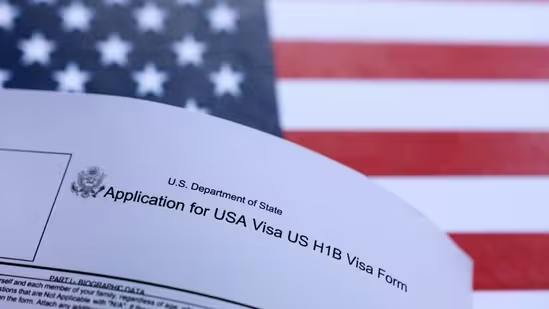
Washington D.C. – California and 18 other US states are preparing to mount a significant legal challenge against President Donald Trump’s administration over its controversial decision to dramatically increase the H-1B visa fee to $100,000. This coordinated multi-state effort represents one of the most substantial pushbacks against the administration’s immigration policies, with far-reaching implications for American businesses and the technology sector.

19 States Unite Against H-1B Visa Fee Hike

The coalition of states filing the lawsuit includes California, New York, Massachusetts, Illinois, New Jersey, and Washington, among others. Led by California Attorney General Rob Bonta, these states are seeking to block the implementation of the new H-1B visa fee through legal action in Massachusetts federal court. The lawsuit specifically targets the fee imposed on new H-1B visas for highly skilled foreign workers, a program that has become essential to numerous American industries.

This multi-state legal challenge against the H-1B visa fee represents the third lawsuit filed since Trump announced the fee increase in September this year. The coordinated nature of this effort underscores the widespread concern among state governments about the economic and social implications of such a dramatic fee increase.

Massive Increase from Current Fee Structure

The new H-1B visa fee of $100,000 represents an astronomical increase from current rates. Employers currently pay between $2,000 and $5,000 in fees to sponsor H-1B visa holders. This means the new H-1B visa fee would represent a 20 to 50-fold increase over existing costs, fundamentally altering the economics of hiring skilled foreign workers in the United States.

The dramatic escalation of the H-1B visa fee has sent shockwaves through industries that rely heavily on foreign talent, particularly the technology sector. Companies that routinely sponsor multiple visa holders would face millions of dollars in additional costs, potentially forcing significant changes to their hiring practices and business models.

Legal Arguments Against the H-1B Visa Fee

California Attorney General Bonta’s office has outlined specific legal arguments challenging the H-1B visa fee increase. Central to their case is the assertion that President Trump did not have the constitutional authority to unilaterally impose such a fee on H-1B visas, which allow US employers to hire foreign workers in specialty fields requiring advanced knowledge and skills.

Furthermore, the states argue that the H-1B visa fee violates federal law governing immigration fees. According to their legal position, federal law permits immigration authorities to collect fees only to the extent necessary to cover the actual costs of administering visa programs. The $100,000 H-1B visa fee far exceeds any reasonable calculation of administrative costs, they contend, making it an unauthorized revenue-generating mechanism rather than a legitimate cost-recovery measure.

California’s Stake in the H-1B Visa Fee Battle

California holds a particularly significant interest in challenging the H-1B visa fee due to its position as the headquarters state for numerous major technology companies. Silicon Valley and the broader California tech ecosystem have been heavily reliant on workers who receive H-1B visas to fill critical positions in software development, engineering, data science, and other specialized fields.

Attorney General Bonta, a Democrat, emphasized that the $100,000 H-1B visa fee could create unnecessary financial burdens for employers providing vital services across multiple sectors, including education and healthcare. These industries often operate on tight budgets and may find the increased H-1B visa fee prohibitively expensive, potentially leading to staffing shortages in critical areas.

Previous Legal Challenges to the Fee

The lawsuit filed by California and its partner states joins earlier legal efforts challenging the H-1B visa fee. The US Chamber of Commerce, America’s largest business lobby organization, filed a separate lawsuit opposing the fee increase. Additionally, a diverse coalition comprising unions, employers, and religious groups has mounted its own legal challenge.

This array of lawsuits against the H-1B visa fee demonstrates the breadth of opposition to the policy, spanning business interests, labor organizations, state governments, and advocacy groups. The convergence of such diverse stakeholders suggests that concerns about the fee transcend typical partisan or ideological divisions.

Also Read: India-US Trade Talks: Critical Negotiations Begin to Resolve Tariff Disputes

White House Defense of the H-1B Visa Fee

In response to the earlier lawsuits challenging the H-1B visa fee, the White House has defended the policy as a necessary measure to discourage employers from abusing the H-1B visa program. Administration officials have characterized the H-1B visa fee as a lawful exercise of presidential powers, arguing that the president possesses broad authority over immigration policy matters.

The administration’s position suggests that the high H-1B visa fee is intended as a deterrent mechanism, designed to ensure that employers only sponsor foreign workers when truly necessary and cannot find qualified American workers. This framing presents the H-1B visa fee as a policy tool rather than simply a revenue measure.

Implications for Skilled Foreign Workers

The outcome of these legal challenges to the H-1B visa fee will have profound implications for highly skilled foreign workers seeking opportunities in the United States. If the fee is upheld, many employers may become far more selective about sponsoring H-1B visas, potentially limiting career opportunities for international talent and affecting America’s competitiveness in attracting global expertise.

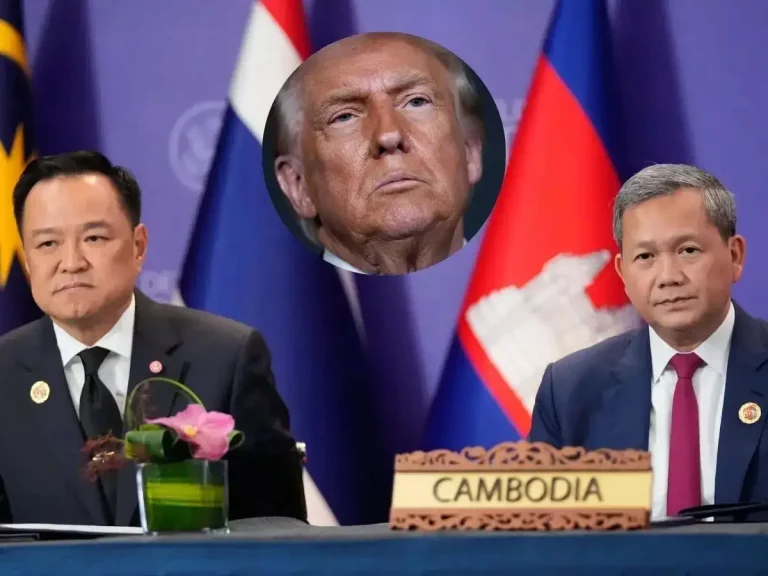
Thailand Cambodia Airstrikes: Shocking Violations Continue After Trump Truce

Thailand – In a dramatic escalation of tensions between two Southeast Asian neighbors, Cambodia has accused Thailand of conducting fresh Thailand Cambodia airstrikes just hours after US President Donald Trump announced that both nations had agreed to halt hostilities. The allegations, made public through an official statement by the Cambodian defence ministry, have cast serious doubt on the durability of the newly brokered truce and raised questions about regional stability.

Fresh Thailand Cambodia Airstrikes Despite Ceasefire

On December 13, 2025, Cambodia’s defence ministry released a statement on X (formerly Twitter) detailing new Thailand Cambodia airstrikes that allegedly occurred earlier that day. According to the official account, Thai military forces deployed two F-16 fighter jets to drop seven bombs on multiple locations inside Cambodian territory. This represents a significant breach of the ceasefire agreement that Trump had just announced to the international community.

The timing of these Thailand Cambodia airstrikes has proven particularly controversial, occurring mere hours after the US President publicly declared that both nations had committed to ending their conflict. The Cambodian defence ministry emphasized in its statement that despite the truce announcement, “Thai military aircraft have not stopped bombing yet,” suggesting a pattern of continued military operations rather than isolated incidents.

Details of the Alleged Military Operations

The specifics of the Thailand Cambodia airstrikes paint a concerning picture of ongoing military activity. The Cambodian defence ministry’s statement specified that two F-16 fighter jets were used in the operation, indicating a deliberate and coordinated military action rather than an accidental border incident. The seven bombs were reportedly dropped across multiple locations within Cambodia, though the exact targets and extent of damage have not been fully disclosed.

These Thailand Cambodia airstrikes represent a continuation of hostilities that the international community, led by President Trump, believed had been resolved through diplomatic channels. The use of advanced fighter jets for bombing operations suggests a sustained military campaign rather than defensive border actions.

Trump’s Truce Announcement and Its Aftermath

President Donald Trump had announced that Thailand and Cambodia had agreed to stop fighting, presenting this diplomatic achievement as a success for American mediation in Southeast Asian affairs. The announcement was intended to bring an end to escalating tensions between the two neighboring nations. However, the alleged Thailand Cambodia airstrikes that followed have undermined the credibility of this agreement.

The swift violation of the announced truce, if confirmed, raises serious questions about the effectiveness of international diplomatic efforts in the region. It also suggests potential communication breakdowns between political leadership and military command structures, or possibly indicates that one or both parties never genuinely committed to the ceasefire terms.

Historical Context of Border Tensions

The Thailand Cambodia airstrikes occur against a backdrop of longstanding border disputes between the two nations. Historical tensions have centered around disputed territories, including ancient temple sites that both countries claim as their own. The Prasat Ta Muen Thom temple complex, located along the Cambodian-Thai border, has been a focal point of previous confrontations between the neighbors.

These territorial disagreements have periodically erupted into military confrontations over the years, with both nations deploying troops to contested areas. The current Thailand Cambodia airstrikes represent a potentially dangerous escalation from ground-based confrontations to aerial bombardment campaigns.

International Response and Diplomatic Implications

The alleged Thailand Cambodia airstrikes carry significant implications for regional diplomacy and international relations. The apparent failure of Trump’s mediation effort, announced just hours before the reported violations, could damage American credibility as a mediator in Southeast Asian conflicts. It also raises concerns among regional neighbors about the potential for wider instability.

As of the statement’s release, Thai authorities had not issued an immediate response to Cambodia’s allegations regarding the Thailand Cambodia airstrikes. This silence from Bangkok has left the international community without Thailand’s perspective on the accusations, creating an information vacuum that could further inflame tensions.

Regional Security Concerns

The continuation of Thailand Cambodia airstrikes despite announced ceasefires threatens regional stability in Southeast Asia. Both nations are members of the Association of Southeast Asian Nations (ASEAN), and prolonged military conflict between member states could undermine the organization’s effectiveness and cooperative spirit.

The use of F-16 fighter jets in the Thailand Cambodia airstrikes demonstrates the serious military capabilities being deployed in this conflict. Such advanced weaponry raises the stakes considerably and increases the potential for significant casualties and infrastructure damage.

Looking Ahead

The international community now awaits Thailand’s official response to these serious allegations. The credibility of future diplomatic efforts to resolve the conflict may depend on how both nations address these reported Thailand Cambodia airstrikes and whether they can genuinely commit to peaceful resolution of their differences.

Luthra Brothers Deportation: Critical Update on Thailand Detention After Goa Fire

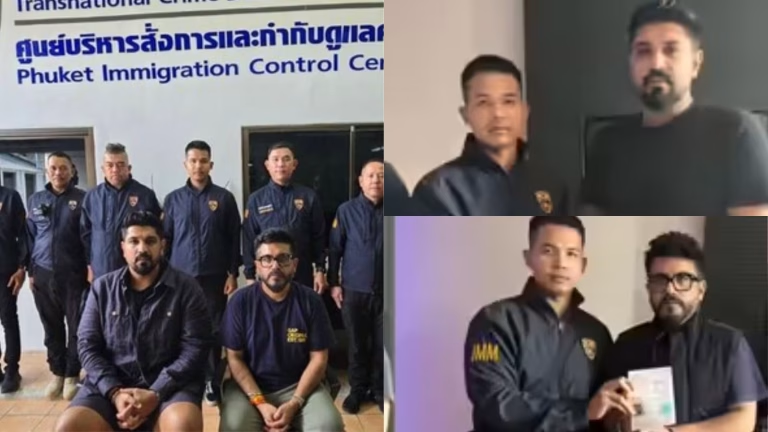
Goa – The Luthra brothers deportation process is currently underway as Indian authorities work tirelessly to bring Gaurav and Saurabh Luthra back from Thailand. The Delhi-based co-owners of the fire-ravaged Goa nightclub fled India just hours after a devastating blaze claimed 25 lives at their establishment, Birch by Romeo Lane in north Goa’s Arpora.

Current Status of Luthra Brothers Deportation

The Indian embassy in Bangkok maintains active communication with Thai officials regarding the Luthra brothers deportation. Following their detention by local authorities in Phuket, the brothers have been moved to Bangkok as deportation procedures advance. Goa Police expects to secure custody of the Luthra brothers by early next week, marking a significant development in this high-profile case.

According to official statements, the Luthra brothers deportation procedures are currently under process, with Goa Police maintaining continuous coordination with central agencies. The state police released a statement confirming these ongoing efforts to expedite their return to face charges related to the tragic incident that occurred on the intervening night of December 6 and 7.

How the Luthra Brothers Fled to Thailand

Gaurav Luthra, 44, and his brother Saurabh Luthra, 40, took a flight from Delhi to Phuket immediately after the fire broke out at their nightclub, anticipating arrest. The brothers’ escape was swift and calculated, occurring within hours of the tragedy that left at least 25 people dead. Their flight demonstrated a clear attempt to evade law enforcement, which later became a critical factor in their bail rejection.

The duo’s actions following the incident raised serious questions about their accountability and willingness to cooperate with investigations. Their immediate departure from Indian soil complicated the initial investigation and forced authorities to pursue international cooperation for their apprehension.

Deportation vs. Extradition: The Faster Route

The Luthra brothers deportation is being executed through a strategic approach that bypasses the lengthy extradition process. The Indian government utilized the passport route, with the Ministry of External Affairs suspending their passports. This suspension rendered them undocumented foreigners in Thailand, creating grounds for their removal under Thai immigration laws.

This method proves significantly faster than formal extradition, which would require proving “double criminality” – demonstrating that their alleged crimes are punishable under both Indian and Thai laws. The extradition process has historically proven time-consuming, as seen in cases involving businessmen accused of financial frauds who spent years fighting deportation.

Charges Against the Luthra Brothers

The Luthra brothers face severe charges including “injury causing death, manslaughter and murder” for organizing a fire show without proper safety precautions. Authorities determined that electrically detonated pyroguns used during a belly dancing programme likely triggered the deadly blaze.

Multiple factors intensified the fire’s devastation: inadequate exit points, use of pyroguns, a thatched roof, and stacks of alcohol stored on the premises. These safety lapses allowed flames to engulf the 300-square meter establishment within minutes, trapping patrons inside. Initially attributed to a cooking gas cylinder blast, the investigation now focuses on the use of firecrackers and heavy deployment of flammable decorative materials, alongside numerous fire safety norm violations.

Failed Bail Attempt in Delhi Court

Before their detention abroad, the brothers attempted securing four-week transit anticipatory bail from a Rohini court in Delhi. Their lawyers argued they would face “irremediable and irreversible prejudice” if arrested immediately upon return. They even claimed potential “lynching in Goa” without bail protections.

However, the Delhi court rejected their plea, citing the “grave and serious nature of the offence.” The court noted that the brothers concealed their ticket bookings to Phuket made after the fire started, indicating premeditated escape plans. This revelation significantly weakened their bail application and demonstrated consciousness of guilt.

Multi-Agency Collaboration for Return

The Luthra brothers deportation involves extensive collaboration between multiple agencies. The operation includes the Ministry of External Affairs, Central Bureau of Investigation, Indian embassy in Thailand, and Goa Police, all coordinating with Thai local police and government officials.

Goa Chief Minister Pramod Sawant confirmed that a joint team from Goa Police and CBI would bring the brothers back “as soon as possible.” This multi-agency approach ensures proper legal procedures are followed while expediting their return to face justice.

The successful detention and impending return of the Luthra brothers represents a significant victory for Indian law enforcement agencies working across international borders to ensure accountability for this devastating tragedy.

Bengal BLO Protest Over SIR Deadline Extension

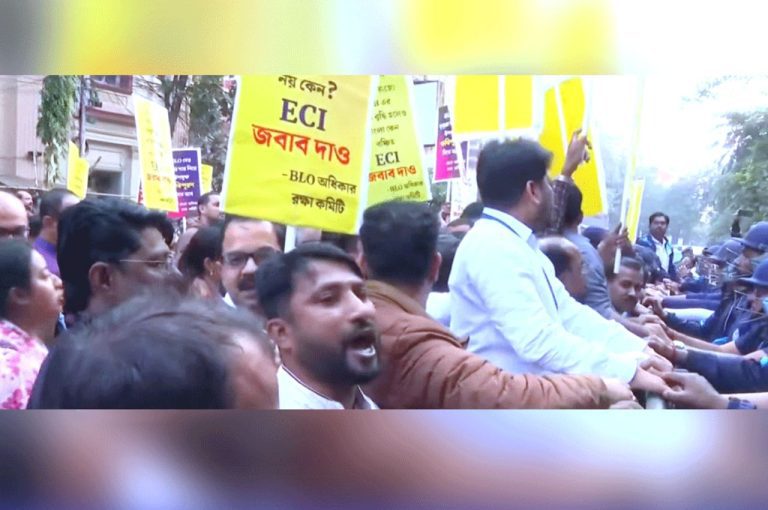
Bengal BLO Protest: The Booth Level Officers (BLOs) of West Bengal, the backbone of India’s electoral machinery, staged a dramatic protest outside the office of the Chief Electoral Officer (CEO) in Kolkata. Their grievance centered on the Election Commission’s (EC) refusal to extend the deadline for the Special Intensive Revision (SIR) of electoral rolls in Bengal, even though other states were granted extensions. This incident highlights the immense pressure faced by BLOs, the human cost of electoral exercises, and the broader implications for democracy and governance in India.


Bengal BLO Protest:  The Incident

On December 12, 2025, BLOs gathered outside the CEO’s office, demanding answers. They argued that the EC’s decision was unfair, given that Bengal’s BLOs were already under tremendous workload. Protesters claimed:

  • The SIR deadline ended on December 11, yet new guidelines were issued late on December 12.
  • BLOs had already endured intense physical and mental stress during the exercise.
  • Several BLOs had reportedly fallen ill or even died due to the workload.

For official references:


Human Cost of Electoral Exercises

The protest underscored the human toll of electoral roll revisions:

  • BLOs reported collapsing during training sessions.
  • Families of deceased BLOs demanded compensation, similar to election‑duty casualties.
  • Officers felt demoralized and overburdened, especially compared to colleagues in other states who received deadline extensions.

For BLO guidelines:


Political Context

The issue quickly became political:

  • BLOs accused the EC of discrimination against Bengal.
  • The Governor of West Bengal, C.V. Ananda Bose, urged the state government to protect BLOs and ensure smooth SIR operations.
  • Opposition parties seized the moment to criticize both the EC and the ruling Trinamool Congress (TMC).

Technology and Transparency Issues

The use of an AI app to identify duplicate voters has raised questions:

  • Who developed the app?
  • Was there a transparent tender process?
  • How secure is the data being processed?

For IT governance:


Border Security and Federal Concerns

Critics questioned why SIR was being conducted in Bengal, Assam, and Kerala but not in other border states like Meghalaya, Mizoram, and Nagaland. They argued that border security is the responsibility of central forces such as the BSF and ITBP, not state‑level voter verification drives.

Government references:


Constitutional and Legal Framework

The Election Commission is a constitutional body under Article 324 of the Indian Constitution, mandated to conduct free and fair elections. Denying deadline extensions in Bengal while granting them elsewhere raises questions about equal treatment.

Relevant government link:


Ecological and Social Dimensions

Electoral roll revisions affect communities deeply:

  • Migrants and marginalized groups often face exclusion due to documentation gaps.
  • Transgender citizens report difficulties in mapping identities.
  • Urban poor risk disenfranchisement when addresses change frequently.

Broader Implications for Democracy

The incident underscores key issues:

  • Integrity of electoral rolls is fundamental to democracy.
  • Transparency in technology use is essential for public trust.
  • Security of election officials must be prioritized to prevent intimidation and manipulation.

Conclusion

The BLO protest in Bengal is more than a labor dispute—it is a test of governance, fairness, and democratic accountability. Protecting BLOs, ensuring transparent electoral processes, and maintaining constitutional integrity are vital for the health of India’s democracy.

Also read: Home | Channel 6 Network – Latest News, Breaking Updates: Politics, Business, Tech & More

Bengal Voter List Deletions and Election Commission SIR Data 2026

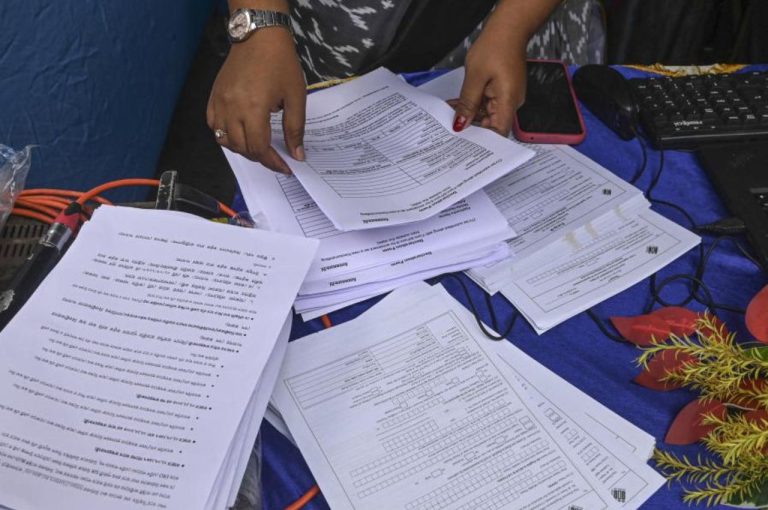
Bengal Voter List Deletions: The Election Commission of India (ECI) has released startling data from the Special Intensive Revision (SIR) of electoral rolls in West Bengal, revealing that more than 58 lakh names have been deleted across the state. The figures show wide variations across constituencies, with Chief Minister Mamata Banerjee’s Bhowanipore constituency recording nearly 44,787 deletions, four times higher than Opposition Leader Suvendu Adhikari’s Nandigram seat, which saw 10,599 deletions. This revelation has triggered intense political debate, raising questions about transparency, governance, and the integrity of electoral processes in Bengal.


Bengal Voter List Deletions: The Incident

The deletions were classified under standard categories such as deaths, relocation, and duplication of entries. However, the sheer scale of removals has shocked political circles. Constituencies like Kolkata Port (63,730 deletions), Ballygunge (65,171), and Chowringhee (74,553) recorded some of the highest figures. At the district level, South 24 Parganas topped the list with over 8.16 lakh deletions, a region considered a stronghold of the Trinamool Congress.

For official references:


Human Cost of Electoral Exercises

The SIR process has imposed significant burdens:

  • Citizens face uncertainty about whether their names remain on the rolls.
  • Daily wage workers and farmers lose income while standing in queues for verification.
  • Block Level Officers (BLOs) face immense stress, with reports of burnout and protests against tight deadlines.

For BLO guidelines:


Political Context

The deletions have become a flashpoint in Bengal’s political battle:

  • TMC leaders argue that the scale of deletions is disproportionate and politically motivated.
  • BJP claims the process is necessary to remove fake voters and ensure clean rolls.
  • Opposition parties like CPI(M) and Congress demand transparency and independent monitoring.

Technology and Transparency Issues

The use of an AI app to identify duplicate voters has raised questions:

  • Who developed the app?
  • Was there a transparent tender process?
  • How secure is the data being processed?

For IT governance:


Border Security and Federal Concerns

Critics questioned why SIR was being conducted in Bengal, Assam, and Kerala but not in other border states like Meghalaya, Mizoram, and Nagaland. They argued that border security is the responsibility of central forces such as the BSF and ITBP, not state‑level voter verification drives.

Government references:


Constitutional and Legal Framework

The Election Commission is a constitutional body under Article 324 of the Indian Constitution, mandated to conduct free and fair elections. Erroneous voter roll deletions undermine this mandate and raise questions about the legitimacy of past and future elections.

Relevant government link:


Ecological and Social Dimensions

Electoral roll revisions are not just administrative exercises—they affect communities deeply:

  • Migrants and marginalized groups often face exclusion due to documentation gaps.
  • Transgender citizens report difficulties in mapping identities.
  • Urban poor risk disenfranchisement when addresses change frequently.

Broader Implications for Democracy

The incident underscores key issues:

  • Integrity of electoral rolls is fundamental to democracy.
  • Transparency in technology use is essential for public trust.
  • Security of election officials must be prioritized to prevent intimidation and manipulation.

Conclusion

The revelation of 58 lakh deletions in Bengal’s voter rolls is more than a statistical anomaly—it is a test of governance, fairness, and democratic accountability. Protecting electoral integrity requires transparent processes, stronger accountability mechanisms, and humane implementation of verification drives. Democracy thrives not on bureaucratic exercises alone but on the trust of citizens in the fairness of elections.

Also read: Home | Channel 6 Network – Latest News, Breaking Updates: Politics, Business, Tech & More

Ministry of Education Holds Workshop to Strong Reviewal of Implementation of National Means-cum-Merit Scholarship Scheme: 2025

New Delhi, December 12, 2025:
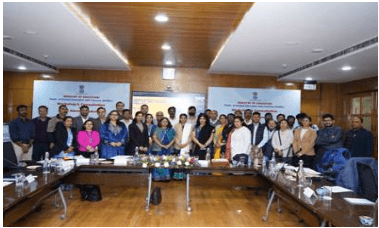
The Department of School Education and Literacy (DoSEL), Ministry of Education, conducted a one-day workshop on 6 December 2025 with officials from States and Union Territories to review the implementation of the National Means-cum-Merit Scholarship Scheme (NMMSS) and formulate strategies for improving its delivery and outreach.

The workshop served as a platform for collaborative discussions between the Centre and State/UT administrations to strengthen one of the Ministry’s most significant scholarship programmes aimed at reducing dropout rates and supporting meritorious students from economically weaker sections (EWS).


Ministry Highlights Features and Impact of NMMSS

Opening the session, the Ministry presented an overview of the National Means-cum-Merit Scholarship Scheme, a flagship Central Sector Scheme offering one lakh fresh scholarships each year.

The scheme is designed to:

  • Support meritorious students from EWS backgrounds

  • Reduce dropouts after Class VIII

  • Encourage completion of schooling up to Class XII

Students studying in Government, Government-aided, and local body schools are eligible for support.

The scholarship is awarded to Class IX students and is renewable for Classes X–XII, ensuring continued financial assistance throughout secondary and higher secondary education.


Key Eligibility Criteria and Scholarship Benefits

Under the scheme:

  • Parental income must not exceed ₹3,50,000 per annum

  • Students must secure at least 55% marks in Class VII

    • 5% relaxation is provided for SC/ST candidates

  • The scholarship amount totals ₹12,000 per annum (correct interpretation from scheme guidelines)

  • The scheme mandates a selection test conducted by States/UTs

(Note: PIB text contains a typographical error reading “7,12,000 per annum,” but the official NMMSS scholarship amount is ₹12,000 per year.)


Workshop Reviews Performance from 2021–22 to 2024–25

A detailed presentation was made covering:

  • Scheme performance over four academic years

  • State-wise quota utilisation

  • Conduct of the NMMSS examination

  • Challenges faced during scholarship renewals

  • Gaps in beneficiary identification and timely disbursal

Following the presentation, State and UT Nodal Officers participated in stakeholder consultations held in hybrid mode, discussing operational improvements and best practices.


Focus on Strengthening Delivery and Expanding Outreach

Officials emphasized the need for strong coordination between Central and State governments to:

  • Improve scheme awareness among eligible students

  • Address administrative bottlenecks

  • Strengthen monitoring mechanisms

  • Ensure timely examination, verification, and scholarship disbursal

DoSEL urged all participants to adopt innovative outreach strategies, especially in rural and underserved areas, so that maximum eligible beneficiaries can avail the scholarship.


Conclusion

The workshop reinforced the Ministry of Education’s commitment to ensuring that the National Means-cum-Merit Scholarship Scheme reaches all deserving students, providing them with academic stability, financial support, and motivation to pursue higher education.

By reviewing performance and identifying implementation challenges, the Ministry and States/UTs aim to streamline processes and enhance the impact of NMMSS in reducing dropouts and enabling equitable learning opportunities nationwide.


For more real-time updates, visit Channel 6 Network.

Source: PIB

Aatmanirbharta in Defence Means Indigenous Design, Upgradation Capability & Full Control: Secretary (Defence Production)

New Delhi, December 12, 2025:
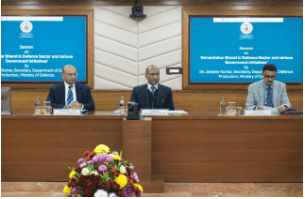
Secretary (Defence Production) Shri Sanjeev Kumar underscored the importance of achieving true self-reliance in India’s defence manufacturing ecosystem, noting that Aatmanirbharta is not merely about reducing imports but about gaining complete autonomy in design, development, upgradation, and lifecycle control of defence equipment. He was delivering a lecture on ‘Aatmanirbhar Bharat in Defence Sector and Various Government Initiatives’, organised by the Comptroller and Auditor General of India in New Delhi.


Aatmanirbharta: Beyond Import Reduction

In his address, Shri Sanjeev Kumar explained that self-reliance must be understood holistically. According to him, Aatmanirbharta includes:

  • Indigenous design & development of defence platforms

  • Capability to upgrade systems independently

  • Full control over manufacturing, technology, and lifecycle management

  • Minimal dependence on foreign suppliers

He stated that such autonomy is essential to address both conventional threats and the rapidly evolving unconventional challenges posed by modern warfare.


Government Initiatives Strengthening Defence Manufacturing

The Secretary highlighted the transformative impact of several government-led initiatives that have strengthened India’s defence production ecosystem:

◼ Srijan Portal

Promotes indigenisation by enabling domestic industry to design and manufacture items previously imported.

◼ Positive Indigenisation Lists

Mandates phased restrictions on imports of key defence equipment, opening opportunities for Indian manufacturers and startups.

◼ Make Procedures

Encourage industry participation through development funding, simplified procurement, and faster acquisition pathways.

◼ iDEX (Innovations for Defence Excellence)

Supports startups and innovators in developing cutting-edge defence technologies under the Aatmanirbhar Bharat vision.

Shri Kumar stressed that these initiatives are collectively shifting India from a buyer to a developer and producer of advanced defence technologies.


Audit Agencies Crucial for Transparency & Accountability

Acknowledging the role of oversight bodies, the Secretary emphasised that audit institutions such as the CAG play a vital part in:

  • Ensuring procedural transparency

  • Identifying gaps and inefficiencies

  • Strengthening procurement integrity

  • Boosting public trust in defence reforms

He noted that accountability mechanisms are essential as India scales up domestic production and manages complex defence acquisitions.


Conclusion

Reaffirming India’s long-term defence vision, Shri Sanjeev Kumar said that true Aatmanirbharta will emerge from technological independence, industrial capability, and transparent institutional frameworks. With ongoing reforms, innovation-led programmes, and a committed domestic industry, India is rapidly advancing toward becoming a global hub for indigenous defence manufacturing.


For more real-time updates, visit Channel 6 Network.

Source: PIB

Ministry of Education Celebrates Bharatiya Bhasha Utsav 2025: “Many Languages, One Emotion” Theme Highlights India’s Linguistic Harmony

New Delhi, December 12, 2025:
The Ministry of Education’s Department of School Education and Literacy (DoSEL) celebrated the valedictory function of Bharatiya Bhasha Utsav (BBU) 2025 at National Bal Bhavan, New Delhi, marking the culmination of a week-long national celebration dedicated to India’s linguistic heritage and multilingual identity. The event was graced by Shri Sanjay Kumar, Secretary, DoSEL, and Prof. M. Jagadesh Kumar, former Chairperson of the University Grants Commission.

Organised annually to promote the values of multilingualism, cultural harmony, and language-based learning, this year’s Utsav carried the theme “भाषाएँ अनेक, भाव एक / Many Languages, One Emotion,” commemorating the birth anniversary of noted poet, freedom fighter, and reformer Subramania Bharati.


Honouring Subramania Bharati and Vision of NEP 2020

In his address, Shri Sanjay Kumar reflected on the three-year journey of Bharatiya Bhasha Utsav, recalling the life and legacy of Subramania Bharati — celebrated for his contributions to literature, nationalism, women’s rights, and linguistic harmony.

He emphasized the transformative role of the National Education Policy (NEP) 2020, which advocates learning in the mother tongue during foundational years. He encouraged students and teachers to embrace multiple languages, expand their vocabulary, and communicate with clarity.

Calling language a bridge of unity, he noted that respecting all languages strengthens India’s cultural fabric.


Multilingual Learning Builds Innovation and Critical Thinking

Prof. M. Jagadesh Kumar, in an interactive session with students, highlighted the cognitive and creative benefits of multilingualism. He explained that learning multiple languages enhances:

  • Critical thinking

  • Creativity and innovation

  • Cognitive flexibility

  • Appreciation for diverse perspectives

He remarked that these skills prepare India’s youth to contribute meaningfully to Viksit Bharat 2047, India’s vision for a developed nation.


Cultural Performances Showcase India’s Linguistic Diversity

A vibrant cultural programme formed the heart of the celebration, featuring performances by students from:

  • Kendriya Vidyalaya Sangathan (KVS)

  • Navodaya Vidyalaya Samiti (NVS)

  • Eklavya Model Residential Schools (EMRS)

  • National Bal Bhavan (NBB)

The programme included:

  • Classical and folk dances

  • Multilingual patriotic songs

  • Poetry recitations

  • Nukkad natak

  • Thematic language showcases

These performances celebrated India’s linguistic plurality and highlighted the artistic talent of young learners.


Interactive Learning Through Stalls & Language Games

Stalls displayed teaching and learning materials in multiple Indian languages, offering students hands-on exposure to linguistic tools and educational innovations.

Language games and interactive sessions witnessed enthusiastic participation and reinforced the joy of learning diverse languages.


Nationwide Celebrations from 4–11 December

Schools across India conducted week-long activities to celebrate the Utsav, including:

  • Multilingual assemblies

  • Language appreciation workshops

  • Storytelling sessions

  • Translation and vocabulary-building activities

  • Cultural exhibitions

These activities strengthened the message that India’s unity is rooted in the harmonious coexistence of diverse languages and cultural traditions.


Strengthening India’s Linguistic Future

Bharatiya Bhasha Utsav 2025 reaffirmed DoSEL’s commitment to preserving and promoting India’s rich linguistic heritage. The event further advanced NEP 2020’s vision of nurturing multilingual citizens equipped with creativity, empathy, and cultural awareness.

The celebration was attended by senior officials including Shri Dheeraj Sahu, Shri Anandrao V. Patil, Smt. Archana Awasthi, Smt. A. Srija, Prof. Dinesh Prasad Saklani, Shri Pankaj Arora, Shri Rajesh Lakhani, and Shri Vikas Gupta, along with teachers, academicians, and students from across the country.


Conclusion

The Ministry of Education’s Bharatiya Bhasha Utsav 2025 celebrated India’s linguistic richness while encouraging young learners to embrace multilingualism as a pathway to unity, identity, and intellectual growth. With its theme of “Many Languages, One Emotion,” the Utsav strengthened India’s cultural bonds and reinforced the importance of linguistic diversity in nation-building.


For more real-time updates, visit Channel 6 Network.

Source: PIB

India Post Signs Landmark MoU With BSE to Expand Mutual Fund Access Nationwide: 2025

New Delhi, December 12, 2025:
In a major push toward strengthening financial inclusion and democratizing access to investment products, the Department of Posts (DoP) under the Ministry of Communications and BSE, Asia’s oldest stock exchange, signed a landmark Memorandum of Understanding (MoU) in New Delhi today. The agreement aligns with the Union Budget 2025–26 vision of transforming India Post’s vast network into an engine of economic activity and financial empowerment, especially in rural and semi-urban India.


India Post to Become Mutual Fund Distributor Across Its Nationwide Network

Under this strategic partnership, India Post will now be able to distribute mutual fund products through its extensive network of post offices. By integrating India Post’s unparalleled last-mile connectivity with BSE StAR MF, India’s largest mutual fund distribution platform, the initiative seeks to bridge longstanding gaps in investment accessibility.

This collaboration directly supports India’s financial inclusion goals by enabling citizens — including those in underserved and remote regions — to explore wealth-creation opportunities through mutual funds.


MoU Signed by Senior Leaders; Three-Year Partnership Framework Finalized

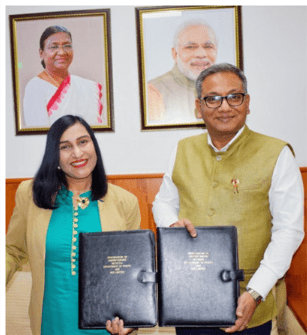
The MoU was formally signed by:

  • Ms. Manisha Bansal Badal, General Manager (CCS & RB), Department of Posts

  • Shri Sundararaman Ramamurthy, MD & CEO, BSE

Senior officials from both institutions witnessed the signing, signaling strong institutional commitment.

The agreement is valid for three years (12.12.2025 to 11.12.2028), with scope for renewal.


Training Postal Employees as Certified Mutual Fund Distributors

To ensure credible and compliant investor services, selected postal employees will undergo:

  • NISM Mutual Fund Distributor Certification

  • Specialized training to guide investors

  • Access to the BSE StAR MF platform

BSE will generate Employee Unique Identification Numbers (EUINs) for certified officials, ensuring transparency and regulatory compliance.

Once trained, these officials will be able to:

  • Assist customers with informed fund selection

  • Execute mutual fund purchase and redemption transactions

  • Provide investor support at the grassroots level


Expanded Financial Services and a Modernized Postal Network

This partnership enhances India Post’s growing role in financial service delivery. The postal network, traditionally focused on savings schemes, now adds mutual funds, providing customers with modern investment options.

The move supports DoP’s broader vision to:

  • Diversify its financial offerings

  • Strengthen service delivery

  • Promote financial literacy and awareness

Meanwhile, BSE gains a strengthened distribution network, enabling deeper outreach and a more inclusive mutual fund ecosystem.


Impact: Transforming Rural Investment Participation

The initiative is expected to have wide-ranging benefits, including:

  • Increased mutual fund penetration in Tier-2, Tier-3, and rural areas

  • Improved accessibility to formal investment avenues

  • Strengthened investor education and awareness

  • Enhanced financial empowerment for households across India

By merging technology-driven solutions with India Post’s deep-rooted community presence, the partnership aims to create a financially aware, confident, and investment-ready population.


Conclusion

The DoP–BSE MoU marks a milestone in India’s journey toward democratizing financial markets. As postal staff become certified mutual fund distributors and post offices evolve into gateways for investment information and services, millions of citizens will gain unprecedented access to wealth-building opportunities — reinforcing India Post’s position as a cornerstone of inclusive financial growth.


For more real-time updates, visit Channel 6 Network.

Source: PIB