Mumbai, 11 December 2025: The Italy–India Business Forum 2025 concluded in Mumbai with a strong emphasis on enhancing bilateral trade, strengthening supply chains, and expanding cooperation in high-technology sectors. Held during the visit of H.E. Mr. Antonio Tajani, Deputy Prime Minister and Minister of Foreign Affairs & International Cooperation of Italy, the Forum marked a significant milestone in reinforcing the India–Italy Strategic Partnership.
Organised with participation from senior government delegations, unicorn founders, leading industry associations and over 150 Indian and Italian companies, the Forum showcased the growing synergy between the two nations across priority sectors.
High-Level Meeting Between Shri Piyush Goyal and DPM Antonio Tajani
Union Minister of Commerce and Industry Shri Piyush Goyal and Italian Deputy Prime Minister Mr. Antonio Tajani held a bilateral meeting in Mumbai. Discussions focused on:
Expanding bilateral trade and investments
Enhancing supply chain resilience
Strengthening collaboration in clean mobility, renewable energy, advanced manufacturing, and food processing
Advancing technology partnerships between the two innovation ecosystems
Both leaders reaffirmed the commitment to deepen industrial ties and foster mutually beneficial economic engagement.
Sectoral Roundtables and Pitching Sessions Drive Innovation Dialogue
The Forum began with parallel sectoral roundtables and pitching sessions in key areas:
Automotive & Clean Mobility
Waste-to-Energy & Renewables
Sports Technologies & Sports Textiles
Agri-food & Food Processing
These sessions facilitated structured interactions, enabling companies to explore joint ventures, co-development partnerships, R&D opportunities, and value-chain integration. Italian companies presented innovative solutions, while Indian firms highlighted opportunities in one of the world’s fastest-growing markets.
Plenary Session Highlights Strategic Outcomes
The Plenary Session, attended by both Ministers, featured presentations from sector leads summarizing outcomes of the day’s dialogues. Speakers included representatives from:
CDP, SIMEST, SACE
Invest India, FICCI, CII, ASSOCHAM
Confindustria
Italian Trade Agency
H.E. Mr. Antonio Tajani delivered Special Remarks, followed by Closing Remarks from Shri Piyush Goyal, who reiterated India’s commitment to shaping a future-ready bilateral economic partnership.
Engagement with Unicorns and Startups
Both delegations also interacted with leading Indian unicorns to explore cooperation in:
Digital innovation
AI & DeepTech
FinTech
Industrial technology solutions
Startup ecosystem collaborations
These engagements emphasized the role of emerging technology in driving next-generation economic partnerships.
Over 100 B2B Meetings Fuel Commercial Collaborations
A large B2B matchmaking session facilitated 100+ business interactions across:
Manufacturing
Renewables
Transportation systems
Sports innovation
Food processing
The session created immediate commercial opportunities and laid the groundwork for long-term partnerships.
Signing of the Agreed Minutes of the 22nd JCEC
One of the most significant outcomes was the signing of the Agreed Minutes of the 22nd India–Italy Joint Commission for Economic Cooperation (JCEC). This document formalizes the discussions held and sets a concrete roadmap for future collaboration in trade, investment, and industrial growth.
The achievement builds upon the momentum generated since March 2023, when bilateral ties were elevated to a Strategic Partnership during Italian Prime Minister Giorgia Meloni’s visit to New Delhi.
Key MoUs Signed During the Forum
Several landmark MoUs were formalized, demonstrating expanding commercial engagement:
SIMEST & ICC signed a strategic MoU to strengthen support for Italian companies investing in India.
SAIL awarded three major steel plant technology projects to Danieli Group worth approximately €500 million, covering a Blast Furnace, Slab Caster, and Hot Strip Mill.
PRADA S.p.A., LIDCOM & LIDKAR partnered to develop a limited-edition sandal line blending Kolhapuri craftsmanship with Italian design.
Kuvera S.p.A. & Neopolis Brands entered an agreement to expand Carpisa retail in India, with a goal to open 100 stores by 2045.
Cavagna Group announced a €5 million joint venture, Cavagna Group Ace Brass Tech Pvt. Ltd., with a 51% Italian stake.
Conclusion
The Italy–India Business Forum 2025 concluded on an optimistic and forward-looking note, reaffirming the shared ambition to build resilient supply chains, promote sustainable industrial growth, and strengthen cooperation in high-technology sectors. With renewed political commitment, concrete MoUs, and strong industry participation, the Forum has further elevated the India–Italy Strategic Partnership and set the stage for deeper economic linkages in the years ahead.
Panaji, 11 December 2025: The All-India Institute of Ayurveda (AIIA), Goa, celebrated its 4th Foundation Day today, marking another milestone in its emergence as a premier national institution for Ayurvedic education, research, and patient care. Established in 2022 and inaugurated by Prime Minister Shri Narendra Modi, the institute has rapidly expanded its clinical services, academic programmes, and research capabilities.
AIIA Goa’s Growth: Over 5.25 Lakh OPD Visits and NABH Accreditation
Addressing the occasion, Prof. Pradeep Kumar Prajapati, Director of AIIA Goa, outlined the institute’s remarkable growth trajectory. He noted that AIIA now operates 25 specialized OPDs, serving over 800 patients daily, all receiving Ayurvedic medicines free of cost. Since its inception, AIIA Goa has recorded:
5.25 lakh OPD visits
31,000+ IPD admissions
77,200 Panchakarma procedures
1.35 lakh radiology and laboratory investigations
He emphasized that crossing 800 daily OPD patients is a major achievement and projected further growth in the coming years.
Prof. (Dr.) Sujata Kadam, Dean of AIIA Goa, announced that the institute has earned NABH accreditation, reflecting AIIA’s commitment to high-quality care and patient safety. Academically, AIIA currently hosts:
400 undergraduate students
49 postgraduate scholars across multiple Ayurvedic disciplines
Specialized programmes in Ayurveda Dietetics and Panchakarma Therapy
Strengthening Academic and Research Ecosystems Through Collaborations
The institute continues to expand its interdisciplinary ecosystem through collaborations with leading institutions, including:
Department of Tourism, Government of Goa
CSIR–NIO
BITS Pilani
Goa State Biodiversity Board
Goa Institute of Management
ACTREC–Tata Memorial Centre
These partnerships enhance AIIA’s research in integrative oncology, wellness tourism, biodiversity studies, and healthcare innovation, strengthening its role in advancing evidence-based Ayurvedic healthcare.
National Workshop on Integrative Protocol for Cancer Treatment
To commemorate its Foundation Day, AIIA Goa hosted a two-day national workshop focused on developing an integrative protocol for colorectal carcinoma. The workshop brought together leading clinicians, researchers, and oncology experts to formulate evidence-informed frameworks that combine Ayurvedic principles with modern cancer care.
This initiative aligns with India’s larger push toward integrative healthcare, merging the strengths of classical Ayurveda with scientifically validated modern treatments.
Inauguration of New Facilities
The Foundation Day celebrations also included the launch of several new clinical and academic infrastructure upgrades, such as:
Assessment Screening OPD
Dental OPD
Two Panchakarma theatres
Expanded inpatient care services
Students participated actively in the occasion with a presentation on Ayurvedic dietetic principles, showcasing it’s commitment to holistic learning.
Conclusion
AIIA Goa’s 4th Foundation Day reflects its rapidly expanding role as an institution of national importance in the field of Ayurveda. With NABH accreditation, strengthened collaborations, expanded clinical outreach, and a national focus on integrative oncology, the institute continues to shape the future of holistic healthcare in India.
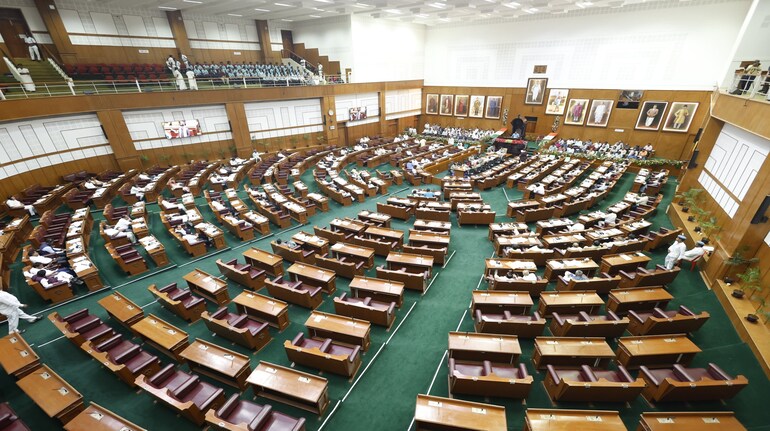
Karnataka’s newly proposed Hate Speech Bill has ignited intense public debate, political scrutiny, and legal discussion across the state, prompting many to seek clarity on what the legislation actually contains and why it has attracted such strong reactions. The Bill, introduced as part of the government’s wider push to maintain public order and curb rising incidents of communal provocation, aims to define hate speech more precisely while expanding the scope of punishment for those who engage in inflammatory communication. Supporters hail it as a necessary step to protect vulnerable communities, while critics warn of its potential misuse. The debate reflects broader national anxieties around speech, identity, and public safety.
At its core, the Bill seeks to formally codify hate speech as a specific category of offence rather than treating it as a combination of multiple penal provisions as is currently the case. Karnataka officials argue that existing laws — particularly those under the IPC — are too broad and outdated, often failing to secure convictions because they require complex interpretations of intent and harm. The proposed law aims to offer clear definitions of what constitutes hate speech, who can be held accountable, and how enforcement should occur. This clarity, the government asserts, will help police act swiftly during sensitive situations and curb provocation before it escalates into violence.
Early reactions to the Bill have highlighted a tension between free expression and community safety. Supporters argue that the rise of social media, rapid circulation of provocative content, and increasing polarisation require stronger legal tools to prevent targeted verbal attacks. They believe the Bill acknowledges the growing seriousness of speech-driven conflicts that have, in several instances, spilled into physical violence. On the other hand, civil liberties groups caution that even well-intentioned legislation may be weaponised against dissent or criticism of the government. The central question is whether the Bill can balance the twin priorities of protecting communities and safeguarding democratic freedoms.
Key Provisions: Definitions, Punishments, and Expanded Scope
One of the bill’s most significant contributions is its attempt to offer a comprehensive definition of hate speech. It classifies hate speech as any statement, gesture, publication, digital post, or public act intended to insult, provoke, or inflame hostility against individuals or groups based on religion, caste, language, gender identity, sexual orientation, ethnicity, or region. Importantly, the Bill seeks to bridge gaps in older statutes that did not explicitly recognise newer forms of identity-based discrimination. This expanded scope has been widely acknowledged as a progressive shift that reflects the evolving nature of social interactions and conflicts.
The Bill proposes graded punishment depending on the nature and severity of the offence. First-time offenders may face imprisonment along with substantial fines, while repeat offenders can incur harsher penalties designed to serve as a strong deterrent. A key distinction introduced by the Bill is between “reckless hate speech” — statements made without direct intent to cause harm but which still inflame tensions — and “malicious hate speech,” which involves premeditation. By differentiating between these categories, the legislation seeks to make enforcement more nuanced and proportional, addressing concerns that overly broad laws can criminalise unintentional or misinterpreted statements.
Another major feature is the inclusion of digital and social media platforms. Recognising the central role that online communication now plays in shaping public sentiment, the Bill mandates stricter accountability for individuals who circulate or amplify hate speech through messaging platforms, videos, posts, or comments. It empowers authorities to trace the origin of inflammatory content and hold creators, forwarders, and organisers of targeted campaigns responsible. Officials say this provision is essential to curb coordinated online harassment and ensure that the internet does not remain a loophole through which hate-driven narratives spread unchecked.
Legal and Political Context Behind the Bill
The introduction of the Bill comes at a moment when several states and the Supreme Court are examining the broader issue of hate speech and its implications for national stability. Karnataka, with its diverse communities and history of sharp political contestation, has witnessed several incidents in recent years involving provocative speeches, communal appeals during campaigns, and targeted online abuse. Government officials argue that the Bill is a pre-emptive and preventive measure aimed at strengthening the legal framework before tensions escalate into larger conflicts. They position the Bill as part of a modern legal response to emerging challenges.
Opposition parties, however, have voiced strong concerns that the Bill could become a political tool. They argue that without robust safeguards, authorities may selectively invoke the law to suppress criticism or target political rivals under the guise of maintaining harmony. Some leaders contend that the definition of hate speech, though comprehensive, still leaves room for subjective interpretation, which could result in inconsistent or biased enforcement. They call for independent oversight mechanisms, clear guidelines for police, and strong protections for journalists, activists, and political speakers who engage in legitimate public debate.
Constitutional experts are divided on the Bill’s implications. Some say that the proposed law aligns with constitutional principles that allow reasonable restrictions on speech in the interest of public order, decency, and protection of marginalised communities. Others caution that even reasonable restrictions require precise drafting and implementation standards to avoid chilling effects on free expression. The debate reflects the ongoing struggle within Indian law to reconcile freedom of speech with the need to prevent speech that incites violence or discrimination. The Bill, they argue, will likely face judicial scrutiny once enacted.
As public debate intensifies, educators and student groups have raised concerns about how the Bill may impact campus discourse. Universities and colleges, often hubs of political expression, worry that the law’s broad scope might discourage open debate on socially sensitive issues. Some student leaders say that while they support curbing inflammatory rhetoric, they fear that provocative or critical academic discussions might be misinterpreted as hate speech. They call for detailed guidelines that draw clear boundaries between harmful speech and legitimate critique, ensuring that campuses remain spaces of intellectual freedom.
Journalists, too, have expressed apprehension. Media organisations emphasise that reporting on communal tensions often requires quoting inflammatory statements made by political actors, community leaders, or protestors. Without clear exemptions or contextual provisions, journalists worry that they may face legal consequences simply for doing their job. They recommend explicit safeguards in the Bill acknowledging the role of the press, including provisions that protect responsible reporting undertaken in public interest. Failure to include such protections, they caution, may result in self-censorship that weakens public awareness and democratic accountability.
Civil society organisations have called attention to the need for training and sensitisation among law enforcement agencies who will implement the Bill. They argue that without systematic training on distinguishing harmful speech from protected expression, the law may be applied inconsistently. Some NGOs suggest that human rights commissions should play an oversight role, reviewing grievances related to misuse or overreach. They emphasise that laws designed to protect vulnerable groups must also be implemented with sensitivity to avoid inadvertently marginalising dissenting voices.
At the same time, several community leaders, particularly those representing marginalised groups, have welcomed the Bill with cautious optimism. They recount frequent instances of targeted abuse, derogatory references, and online trolling that go unpunished under existing laws. For them, the Bill represents an overdue acknowledgement of the pain and harm inflicted by hate speech, which they say has become increasingly normalised. They argue that legal protection is essential not only for dignity but also for safety, as verbal attacks often precede physical threats or exclusionary actions.
Business and technology groups have also stepped into the conversation, noting that the Bill’s digital provisions may require companies to enhance monitoring mechanisms. Social media platforms may need to respond to takedown requests more quickly and strengthen detection of harmful content. Industry representatives argue that while they support curbing hate speech, compliance mechanisms must be clearly outlined, technologically feasible, and respectful of user privacy. They stress the need for collaborative frameworks between government, platforms, and civil society to ensure effective, fair, and transparent implementation.
The Bill has already triggered shifts in public discourse, with many recognising that the rise of polarising content has created a climate of distrust and hostility. Psychologists and sociologists point out that hate speech contributes to the erosion of social cohesion by normalising stereotypes and encouraging group-based antagonism. They argue that the law, if properly implemented, could help restore a culture of respectful dialogue. However, they caution that legal measures alone cannot eliminate deeply rooted biases; broader social efforts in education, media responsibility, and political leadership are equally necessary.
As Karnataka evaluates public feedback, officials say they are open to incorporating changes suggested by stakeholders before finalising the Bill. They emphasise that the aim is not to restrict legitimate expression but to build a protective legal architecture that safeguards vulnerable communities and preserves peace. Authorities suggest that public consultations and committee reviews will refine definitions, clarify enforcement processes, and embed safeguards against misuse. Such steps, they hope, will enhance public confidence and ensure that the law serves its intended purpose.
Opposition parties continue to demand transparency and broader deliberation. They insist that the government must release a detailed explanation of how the law will be operationalised, what oversight bodies will be empowered, and how grievances against misuse will be addressed. Without such clarity, they argue, the Bill’s implementation may undermine democratic freedoms rather than strengthen social harmony. Several leaders have warned that if adequate safeguards are not integrated, they may challenge the law in court.
Teachers, parents, and community elders across the state are discussing the Bill in local meetings, curious about its impact on everyday interactions. Many believe that if implemented responsibly, the law could reduce the spread of provocative rumours, inflammatory speeches at community gatherings, and harmful narratives that target specific groups. However, they also worry about misinterpretations, particularly in rural regions where legal awareness is limited. Some call for awareness programmes that explain citizens’ rights and responsibilities under the new legislation.
Ultimately, Karnataka’s Hate Speech Bill marks an important moment in the state’s legal and political landscape. It reflects an attempt to address rising social tensions through a stronger, more structured legal framework. Whether it becomes a powerful tool for protecting communities or a contested instrument of political control will depend on careful drafting, transparent implementation, and continued public engagement. As the Bill moves through the legislative process, the hope is that Karnataka can craft a law that strengthens harmony without compromising the fundamental right to free expression.
Bengaluru’s Kempegowda International Airport has introduced overstay parking charges at Terminal 2 beginning December 11, marking a significant operational shift for one of India’s busiest aviation hubs. The new system aims to streamline vehicle movement, reduce congestion, and ensure disciplined use of arrival lanes, which frequently witness long queues and stalled traffic during peak hours. Airport officials say the charges are designed to encourage quicker pickups and drop-offs, enabling smoother passenger flow. While the policy aligns with global airport practices, it has triggered mixed reactions from frequent travellers, cab operators, and local commuters navigating the bustling terminal.
The newly implemented measures focus on discouraging prolonged stoppages in front of the terminal, where vehicles often wait well beyond the permitted time to pick up arriving passengers. These delays affect lane discipline, slow down shuttle services, and create bottlenecks for taxis and private vehicles alike. Airport authorities argue that in a high-volume setting like Bengaluru’s, managing curbside traffic is essential to safety and efficiency. With Terminal 2 handling a substantial share of domestic operations, officials believe the overstay fee will restore order and help maintain predictable traffic patterns at the entry and exit lanes.
According to officials, the concept is not new; Terminal 1 has had a similar system in place for years. However, the expansion to Terminal 2 was considered necessary as footfall increased rapidly after operations scaled up. The terminal’s infrastructure relies on continuous vehicular movement to prevent choke points. Airport administrators observed that despite designated short-term parking areas and waiting zones, many vehicles preferred to idle near the arrival gates, contributing to congestion. After repeated advisories, the decision to introduce overstay penalties at T2 was finalised to ensure consistent enforcement across both terminals.
The announcement has led to a range of public responses, especially from airport-bound taxi operators who argue that fluctuating flight schedules often make pickups unpredictable. They claim that delays in baggage delivery, security checks, or passenger movement sometimes force drivers to remain longer at arrival bays than anticipated. With the new policy in place, many fear that any unforeseen delay will directly impact their earnings. Representatives of driver associations have expressed concern that drivers may be compelled to absorb the charges or increase fares, potentially affecting customers during late-night or busy-hour pickups.
Smoother Traffic Flow the Primary Aim, Say Airport Authorities
Airport authorities, however, insist that clear distinctions exist between genuine delays and avoidable curbside waiting. They emphasise that dedicated parking spaces, holding areas, and multi-level parking facilities remain available for those expecting longer waits. Officials argue that the problematic pattern arises when private vehicles or cabs choose convenience over procedure, parking right outside the terminal doors instead of using designated areas. This disrupts regulated traffic lanes and increases risks for pedestrians, airport buses, and emergency vehicles attempting to navigate the area efficiently.
To support the implementation, the airport has deployed additional signage, ground staff, and traffic marshals to guide drivers to appropriate zones. Digital displays have been placed at approach roads to inform motorists about real-time vehicle movement, suggested wait times, and availability of short-term parking. The objective, authorities clarify, is not to penalise users but to encourage compliance with a system already followed in major international airports. Bengaluru, being one of the fastest-growing aviation hubs in Asia, requires coordinated traffic management to match the pace of expansion in passenger numbers and flight operations.
Passengers, too, have expressed differing opinions on the new regulations. Some travellers welcome the discipline the policy is expected to bring, saying congested curbside lanes have long been a problem during morning and evening rush hours. Many recall missing pickup vehicles or struggling to move through blocked pathways because of stationary cars occupying the arrival lanes. They argue that orderly traffic movement could enhance the overall travel experience, reducing stress for both incoming passengers and those waiting at the terminal. However, others worry that the additional charges may indirectly raise transportation costs, particularly for solo travellers.
Cab Drivers, Families, and Frequent Flyers Adjust to the New Norm
Cab drivers who service airport routes daily note that the new fee structure may require them to adjust pickup timing and coordination with passengers. Many say they will now encourage travellers to call them only after reaching the pickup point to avoid overstay charges. This shift, drivers argue, could be challenging during periods of overcrowding or when passengers struggle with multiple bags. Some fear that communication gaps, especially with first-time flyers or elderly passengers, may increase confusion and lead to unintended penalties.
Families and individuals who frequently pick up relatives from the airport also share concerns about managing wait times. They point out that unpredictable delays—ranging from aircraft parking issues to baggage belt slowdowns—sometimes make precise timing impossible. Several Bengaluru residents say they will now have to rely more on real-time flight tracking apps to determine the exact pickup moments. Others believe that using the short-term parking area, though an added expense, may become necessary for hassle-free pickups, particularly during peak seasons such as festivals or long weekends.
Airport officials maintain that the broader goal is behavioural change. They note that travellers often treat airport drop-offs like any other public place, ignoring the specialised traffic patterns essential for aviation infrastructure. Bengaluru Airport’s rapid growth has made it imperative to adopt smarter, efficient curbside controls. The overstay fee is part of a larger plan to introduce intelligent traffic systems, automated barriers, and digital monitoring to maintain lane discipline. Officials believe that as users become accustomed to the updated system, congestion will decrease significantly, enriching the terminal experience.
Stakeholders in the travel and tourism sector are closely watching how the new policy influences passenger flow. Many believe that efficient curbside management is essential to maintaining punctuality in airport shuttle services, hotel pickups, and group travel logistics. Tour operators argue that delays caused by stalled vehicles often lead to missed schedules or extended waiting times. They expect that regulated movement will help maintain predictability, an essential component of tourism planning. However, they also urge the airport to ensure that the charges do not disproportionately affect vulnerable service providers.
Several aviation experts say that Bengaluru’s decision mirrors trends seen in global airports where high passenger volumes require stringent curb management. Airports like Singapore, Dubai, and London Heathrow have similar penalty structures to discourage unnecessary idling. They argue that as Bengaluru aligns with these practices, it signals its maturity as an international hub. Experts highlight that such policies strengthen safety protocols by ensuring that emergency vehicles and security personnel can move uninterrupted through densely packed airport roads.
Transport analysts observe that the new charges may influence traffic patterns beyond the airport campus. Ride-hailing platforms could modify fare calculations for airport trips, factoring in the likelihood of overstay charges during peak hours. Analysts forecast that some drivers may choose to wait in extended holding areas rather than risk driving closer to arrival lanes too early. This change, they argue, could reduce curbside congestion but may also increase waiting times for passengers depending on demand and supply imbalances.
Local police officials involved in traffic coordination say they support the airport’s move, noting that vehicular discipline around the airport perimeter has long been difficult to enforce. With the new fee structure, they believe drivers will be more cautious about curbside stoppages, reducing instances of illegal parking and lane blockages. Police authorities also note that the clarity offered by the new system will help them focus on monitoring safety instead of constantly intervening in traffic disputes.
Meanwhile, environmental groups suggest that streamlined movement could indirectly reduce emissions from idling vehicles. They note that thousands of cars passing through the terminal daily contribute significantly to local pollution levels, especially when engines remain running in congested lanes. A disciplined traffic flow, they argue, may help reduce unnecessary fuel consumption and promote cleaner air quality around the airport campus. These groups hope the airport will complement the new system with incentives promoting electric vehicles and sustainable mobility options.
Passengers who frequently use Bengaluru Airport acknowledge that the transition may require a period of adjustment. Regular fliers note that despite initial difficulties, such reforms often improve efficiency in the long run. They believe that if the airport ensures clear communication, transparent guidelines, and consistent enforcement, public acceptance will grow. Some travellers have suggested that the airport provide grace periods for elderly passengers or those with accessibility needs, ensuring that the policy does not inconvenience vulnerable groups.
Taxi unions continue to press for discussions with airport management to clarify how the charges will apply during unavoidable delays. They argue that while they support smoother traffic flow, drivers should not be penalised for operational delays beyond their control. Union leaders have requested a flexible grace period when flights arrive late or when passengers face extended wait times inside the terminal. They are also seeking exemptions during severe weather, heavy fog, or other force majeure events that make immediate pickups challenging.
Ultimately, the implementation of overstay parking charges at Terminal 2 marks a significant shift in how Bengaluru Airport manages its ever-growing traffic load. While the policy has sparked debate, airport authorities maintain that it is essential for ensuring safety, efficiency, and a modern travel experience. As passengers, drivers, and service providers adapt to the new norms, the coming months will reveal how effectively Bengaluru can balance convenience with order. The airport remains confident that disciplined curbside conduct will enhance the overall journey for millions who pass through Terminal 2 each year.
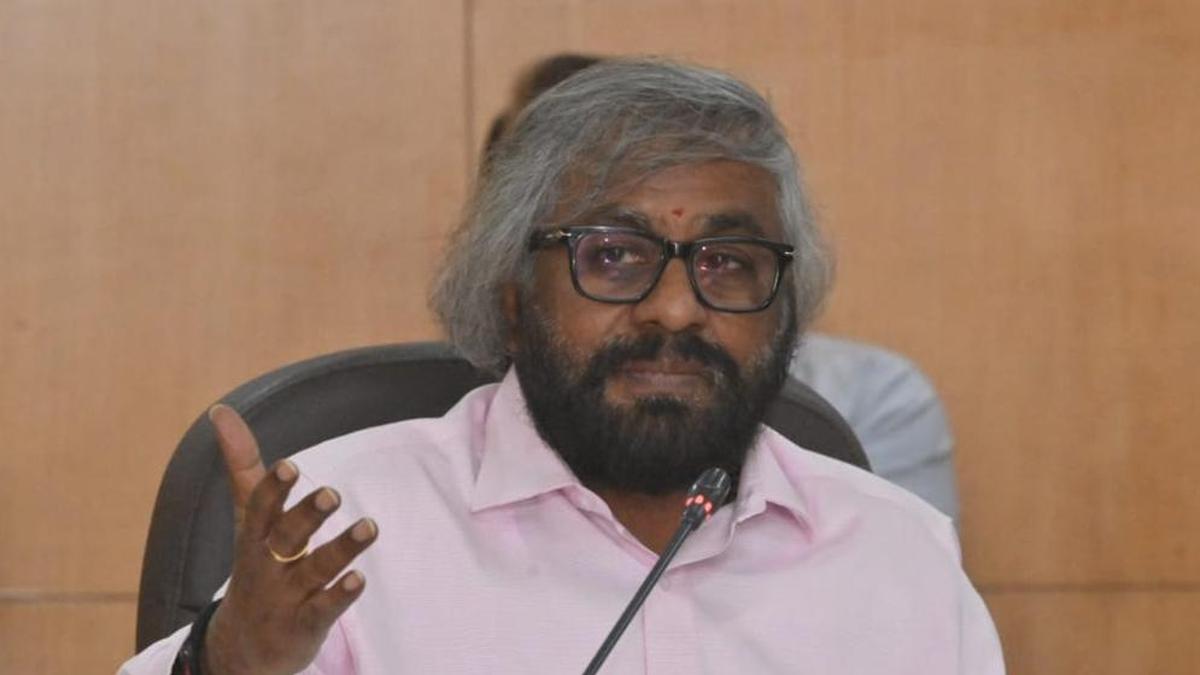
Karnataka’s Forest, Ecology and Environment Minister Eshwar Khandre has announced the formation of a dedicated committee to reassess the total extent of deemed land across the state, marking a significant step in resolving one of Karnataka’s most contentious environmental and developmental questions. The committee, composed of senior officials, legal experts, and representatives from revenue and land management departments, has been tasked with submitting its findings within six months. The announcement has generated widespread public interest, as the categorisation of deemed directly influences conservation priorities, land ownership issues, and community livelihoods in multiple districts.
Minister Khandre stated that the committee would undertake a thorough, ground-level, science-backed review of areas currently classified as deemed forests, many of which have been the subject of disputes for decades. In several regions, residents have long claimed that lands marked as deemed forests are actually agricultural fields or wastelands used by families for generations. The government believes that a systematic reassessment is essential to clarify records, prevent legal conflicts, and ensure that genuine forest areas receive the protection they require. Environmentalists, however, caution that the review must not dilute safeguards meant to prevent further ecological degradation.
The issue of deemed forests has been a politically sensitive one, particularly as Karnataka continues to balance development needs with conservation responsibilities. The Supreme Court’s broad definition of deemed forests—based on vegetation density, ecological value, and historical usage—created ambiguity in the state’s land classification records. Over time, thousands of hectares were listed under this category, sometimes without clear documentation. This has led to stalled infrastructure projects, restrictions on land use in rural regions, and tensions between local communities and forest officials. The newly formed committee aims to address these grey areas through a transparent, data-driven process.
Officials involved in the committee say the review will rely on satellite imagery, GIS mapping, ecological assessments, and cross-verification with historical land records. The goal is not only to identify which areas qualify as deemed forests under legal and ecological criteria, but also to determine which areas have been incorrectly labeled due to outdated or incomplete documentation. The government hopes that a structured methodology will bring clarity to a long-standing administrative challenge that has affected governance, agricultural activity, and conservation efforts throughout Karnataka.
Balancing Environmental Protection with Community Concerns
The government’s decision has brought relief to thousands of villagers who have long argued that the deemed forest tag has restricted their ability to cultivate, build homes, or access basic services. In districts such as Shivamogga, Chamarajanagar, Kodagu, and Uttara Kannada, community leaders have welcomed the initiative, saying it gives residents hope that long-pending disputes may finally be resolved. Many families who rely on land for farming have been unable to obtain documents or government benefits due to its forest classification. The revised review process may restore legal clarity and offer them long-awaited security.
At the same time, environmental groups remain cautious about the potential implications of the reassessment. They argue that Karnataka’s forest cover, already under pressure from urban expansion, mining activity, and infrastructure development, requires strong legal protection. Many environmentalists fear that if the review prioritises community and developmental concerns over ecological criteria, large landscapes with significant biodiversity may lose their protected status. They argue that ecological value should not be compromised during the review, especially in regions that function as critical wildlife corridors, water catchments, or carbon sinks.
Forest department officials emphasise that the committee’s mandate includes maintaining strict adherence to ecological principles. They assert that no genuine forest area—whether recorded or unrecorded—will be removed from protection. The review aims to distinguish between true forest landscapes and lands that were inaccurately categorized as such. Authorities note that the goal is not to reduce forest cover but to eliminate confusion. In fact, the government believes that clearer classification will strengthen forest conservation by identifying areas that need urgent protection and enabling better resource allocation for monitoring and restoration.
Local governments and panchayats have also expressed interest in contributing to the process. Several panchayat heads say previous lists of deemed forests were compiled without adequate consultation with local communities, leading to misunderstandings and mistrust. Minister Khandre’s assurance that community voices will be included in the review has been well received. Officials plan to conduct field visits and public hearings in affected regions, ensuring that ecological assessments are supplemented with ground-level knowledge about historical land use and cultural landscapes.
A Step Toward Long-Term Policy Stability and Governance
For years, the lack of clarity around deemed forests has posed challenges for policymakers, administrators, and courts. The absence of a precise, scientifically validated map has resulted in contradictory reports, administrative delays, and dependence on interim judicial directions. The new committee, with its multidisciplinary expertise, is expected to create a unified database that can guide future decisions without ambiguity. Minister Khandre noted that once the report is submitted, the state will finally have a reliable framework to differentiate forest land from non-forest land, reducing future litigation.
The committee’s findings may also influence Karnataka’s long-term development strategies. Major infrastructure projects—including highways, transmission lines, and tourism corridors—have faced delays due to unclear forest boundaries. Authorities expect that streamlined records will allow for faster clearance processes while ensuring that environmental safeguards remain intact. Urban expansion plans in Bengaluru, Mysuru, and Belagavi may also be impacted, as the reassessment could redefine the availability of land for public works, housing, and industrial growth. Officials emphasise that planned development cannot proceed without legal clarity.
Meanwhile, the revenue department has begun coordinating with forest officers to prepare preliminary documentation for the committee’s use. This includes digitisation of old maps, locating historical survey documents, and verifying land titles. Many of these records date back decades and require significant archival work. Administrators say that while the task is complex, the outcome will create long-term stability in land governance. Clearer records will also help streamline compensation processes for people displaced by conservation projects or land reclamation activities.
The government expects that the six-month timeline will ensure both urgency and depth. Previous attempts to review the extent of deemed forests have stalled due to administrative delays and disagreements between departments. However, this time the Forest Minister has underscored the need for interdepartmental coordination and accountability. Regular review meetings will be held to track the committee’s progress, and preliminary findings may be shared with the public to maintain transparency. The decision to set a clear deadline reflects the government’s resolve to settle the issue without prolonged bureaucratic hurdles.
Many rural communities have shared stories that highlight the lived realities of the deemed forest classification. In several villages, even minor construction activities—such as building toilets, repairing houses, or installing electricity poles—require permissions that are difficult to obtain due to the land’s legal status. This has slowed development and created frustration among residents who feel they are being penalised for administrative errors made decades ago. Schools and anganwadis located in such areas also face challenges in upgrading buildings or expanding facilities due to compliance restrictions.
Social activists working in tribal regions say the reassessment must be sensitive to the concerns of forest-dependent communities. While some villages dispute their inclusion in the deemed forest category, others fear that a bureaucratic review might ignore their customary rights or overlook the importance of community-managed forest areas. Activists emphasise that tribal communities should not be forced to choose between land rights and ecological preservation. They argue that policies must recognise their traditional role as protectors of forest landscapes, particularly in biodiversity-rich zones.
Legal experts note that the review offers Karnataka a chance to align its forest governance with national-level policies and court directives. They highlight that deemed forests exist within a complex legal environment shaped by multiple Supreme Court judgments, Forest Conservation Act provisions, and state-level notifications. The committee’s work, therefore, must balance legal compliance with ground realities. Experts recommend that the report lay down clear, standardised criteria that can guide identification of deemed forests in future decades, reducing the possibility of inconsistent interpretations.
Environmental scientists involved in advisory roles say that the review has the potential to update Karnataka’s ecological datasets. Many current forest maps are outdated or fail to capture nuances such as species diversity, canopy density, and ecological corridors. Scientists hope the committee will integrate modern ecological tools such as drone surveys, biodiversity indexing, and climate-resilience mapping. A more detailed ecological profile could help the state prioritise reforestation, wildlife protection, and watershed conservation, creating a long-term environmental strategy rooted in accurate data.
The committee’s outcome may also influence Karnataka’s climate commitments. Forests play a major role in carbon sequestration, soil health, and water cycle regulation. Accurately identifying forest areas could help the government design policies aligned with national climate adaptation and mitigation goals. Environmentalists believe that strengthening forest governance systems is essential for tackling future climate challenges, including erratic rainfall, rising temperatures, and drought impacts. The reassessment therefore carries implications not only for local land rights but also for Karnataka’s broader ecological resilience.
As discussions continue, policymakers and experts agree that the reassessment represents an opportunity to rebuild public trust. For years, the lack of clarity around deemed forests has created tension between citizens and administration. A transparent, science-based process could help bridge this gap, ensuring that forest protection and human development coexist rather than clash. Minister Khandre has reiterated that the government remains committed to both ecological preservation and community welfare, and the committee’s task reflects this dual responsibility.
Ultimately, the six-month review will shape how Karnataka manages its natural landscapes for generations to come. The report is expected to influence legislation, judicial decisions, administrative guidelines, and developmental planning. For communities living in uncertainty and for conservationists seeking stronger safeguards, the committee’s findings may bring long-awaited clarity. As the state embarks on this crucial reassessment, stakeholders hope that the process will produce a balanced, holistic, and forward-looking framework that ensures sustainable coexistence between people and forests.
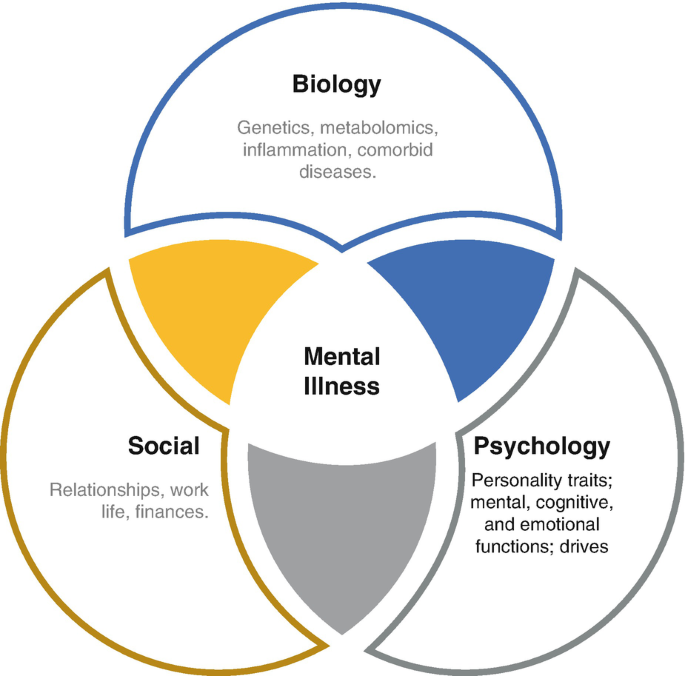
A recent paper by the National Institute of Mental Health and Neurosciences has placed renewed focus on the growing need to strengthen mental health systems across educational campuses, emphasising how digital tools can play a transformative role in early detection, support delivery, and long-term mental wellbeing. At a time when student stress levels, anxiety, and academic pressures continue to rise, the findings arrive as a crucial reminder that mental health infrastructure must evolve in step with the changing needs of India’s young population. The paper highlights digital interventions as accessible, flexible, and scalable pathways that can complement traditional counselling models.
Digital Platforms Emerge as Key Bridges in Addressing Student Distress
The NIMHANS researchers note that colleges and universities across the country are witnessing heightened psychological distress among students, often compounded by academic workloads, financial pressures, social isolation, and career-related anxieties. Traditional counsellor-led systems, though necessary, are frequently overstretched, with many institutions lacking trained staff or adequate budgets. In this context, digital tools—including mobile apps, tele-counselling platforms, augmented screening systems, and behavioural assessment portals—provide an opportunity to close gaps in access.
According to the paper, digital mental health tools can support three essential outcomes: early identification, timely interventions, and continuous monitoring. Early identification mechanisms, such as AI-assisted screening surveys or self-assessment apps, can help students recognise emotional shifts and seek help sooner. Tele-counselling sessions via secure platforms allow students to reach certified professionals despite schedule constraints or stigma fears. Continuous monitoring tools, including mood trackers and wellbeing dashboards, help students and counsellors maintain long-term insight into behavioural patterns that may require intervention.
The researchers highlight that digital tools must not replace human counsellors but rather enhance their efficiency. With large student populations and limited mental health staff, technology becomes an essential support structure. Institutions that have already adopted hybrid models report better engagement, shorter waiting times, and higher follow-through rates. Students accustomed to using digital platforms for daily activities find the interface intuitive, reducing barriers to seeking help.
The paper also underlines that anonymity provided by digital tools often encourages students to report symptoms more openly. Fear of judgment or visibility remains a persistent deterrent in traditional settings, particularly among first-year students adjusting to new environments. Digital forms and helplines provide privacy, making the first step toward help-seeking less intimidating. This, researchers note, is vital in detecting early signs of depression, anxiety, or self-harm ideation.
As campuses increasingly adopt blended learning models and digital academic platforms, the paper notes that integrating mental health tools into existing student ecosystems becomes far more achievable. When wellbeing resources are placed alongside learning portals, attendance systems, and assignment dashboards, students encounter them naturally as part of their routine. This embedded approach reduces the sense of mental health being a “separate” domain and encourages continuous engagement rather than crisis-driven use.
The researchers also highlight the importance of ensuring that digital tools are accessible to students with disabilities. Features such as screen-reader compatibility, voice-guided navigation, colour-blind friendly interfaces, and simplified layouts are crucial for inclusivity. Mental health services must not inadvertently exclude visually impaired, neurodivergent, or physically challenged students. By designing tools with universal accessibility principles, institutions can uphold equity while strengthening their overall support network.
Furthermore, the paper calls attention to the need for state-level coordination. While individual institutions may adopt digital platforms independently, a unified mental health framework led by education departments, health ministries, or university commissions could ensure consistency and quality. Such a standardised approach would allow institutions to share resources, access common training modules, and develop collective protocols, reducing duplication of efforts and ensuring higher reliability across campuses.
Financial sustainability is another consideration emphasised in the study. Many private campuses can afford premium digital tools, but smaller colleges, government institutions, and rural universities often face budget constraints. The researchers suggest subsidised models, government-backed digital wellbeing programs, or public–private partnerships that allow cost-effective adoption without compromising quality. If mental health is to be prioritised, they argue, financial accessibility must be built into policy design from the outset.
Ultimately, the extended discussion reinforces the central message of the NIMHANS paper: that digital tools are not mere add-ons but essential components of a future-ready mental health ecosystem. With thoughtful integration, robust privacy safeguards, and strong institutional commitment, campuses can transform how they detect distress, support students, and build resilient communities. The paper positions digital mental health systems not simply as technological upgrades but as investments in the emotional strength and long-term wellbeing of India’s youth.
Institutions Urged to Build Comprehensive, Tech-Integrated Systems
Beyond immediate interventions, the NIMHANS paper calls for colleges to create institutional frameworks where digital care is systematically integrated. For instance, embedding wellbeing modules into student portals, linking academic systems with mental health alerts, or incorporating routine digital screenings during admissions or semester evaluations can normalise mental health monitoring. Policies, too, must evolve to safeguard data privacy and ensure that information collected from students is used ethically and securely.
The researchers stress that campus mental health strategies must include training faculty and administrative staff to recognise digital reports or alerts. Teachers often interact with students daily and may be best placed to notice behavioural changes. Combined with digital updates, this creates a stronger early-warning ecosystem. Institutions that invest in training and infrastructure can establish multi-layered support networks capable of responding swiftly to crises.
The paper emphasises that digital interventions should be culturally responsive and linguistically inclusive. Students across India come from varied backgrounds, and tools must address this diversity. Offering multi-language features, simple instructions, low-data versions, and region-sensitive content ensures equitable access. Developers are encouraged to collaborate with mental health professionals, ensuring that tools are clinically reliable and sensitive to student needs.
To encourage adoption, NIMHANS highlights the importance of destigmatising digital mental health systems through orientation sessions, awareness programs, and student-led initiatives. When campus communities openly discuss mental wellness and digital support, students feel more comfortable engaging with available tools. Regular workshops, seminars, and peer-counselling modules can further strengthen acceptance.
The paper also calls for structured partnerships between educational institutions and mental health organisations. Such collaborations enable access to expert-designed platforms, research-backed content, and professional guidance. Institutions with limited resources benefit greatly from these networks, gaining tools that are otherwise cost-prohibitive to develop independently.
Digital platforms can also support group therapy and community discussion forums. Virtual peer spaces provide comfort in shared experiences, while moderators ensure healthy interactions. These digital communities help reduce loneliness and build resilience among students struggling silently.
Notably, researchers point out that digital tools generate valuable anonymised data that can inform institutional policy. Trends related to stress peaks, exam-related anxiety, or hostel-based concerns can guide administrative decisions. Understanding collective mental health patterns allows campuses to tailor interventions to real needs.
In addition, the paper stresses on the value of gamified wellbeing apps, which present mental health exercises in engaging formats. Students who are reluctant to engage with conventional counselling may respond better to interactive tasks, mood challenges, or guided breathing sessions presented with engaging visuals and rewards.
Another key recommendation includes integrating mental health check-ins into routine administrative processes. For example, linking semester registrations with a brief digital wellbeing survey ensures universal coverage without singling out students. This normalisation helps reduce stigma and improves institutional preparedness.
The researchers also emphasise that digital platforms can serve as round-the-clock first responders. Crisis moments often occur outside regular office hours, and automated helplines or chatbots can provide immediate guidance until human assistance is available. While not replacements for professionals, these tools can prevent escalation during critical moments.
The paper recognises that internet connectivity and device access remain barriers for some students. It recommends that campuses create digital wellbeing kiosks or resource centres where tools can be accessed privately without personal devices. This ensures inclusivity even for economically disadvantaged students.
Cybersecurity, too, is a major focus. Since mental health data is deeply personal, NIMHANS urges institutions to implement strict encryption, limited access controls, and transparent consent systems. Students must trust the platform before they engage fully. The paper emphasises that safeguarding data is fundamental to ethical implementation.
Training student volunteers as “digital wellbeing ambassadors” is another proposed strategy. These ambassadors can assist peers in using platforms, answering basic queries, and promoting awareness. Peer-led approaches historically work well in student communities, fostering openness and relatability.
The study also notes that faculty burnout is a real challenge, especially when teachers are expected to handle academic responsibilities alongside emotional support. Digital tools can lighten this load by providing preliminary assessments and structured reporting systems, allowing faculty to intervene more strategically.
The researchers reiterate that no digital tool is effective without human follow-up. A seamless referral system—where digital alerts trigger appointments with counsellors—is essential. A well-coordinated system ensures that technology does not operate in isolation.
Institutions are also advised to conduct regular audits of their digital mental health tools. Just as academic systems require updates, wellbeing platforms must stay current with evolving psychological needs and technological advancements. Feedback loops from students ensure continuous improvement.
The paper encourages campuses to adopt hybrid models, where digital and offline support work together. For instance, tele-counselling may complement in-person therapy, and digital exercises may supplement detailed counselling sessions. This flexibility caters to varied comfort levels among students.
Another significant point is the need for campus leadership to champion mental health openly. When senior administrators endorse digital initiatives and participate in awareness events, students perceive mental wellbeing as a legitimate priority rather than a peripheral concern.
Digital interventions can also support transitional phases—such as the first month of college—where students are vulnerable. Automated check-ins, welcome modules, and stress-management guides can ease these early anxieties, setting a positive foundation for the academic journey.
The NIMHANS paper concludes by stating that India’s campuses stand at a critical juncture. With rising student populations and complex emotional demands, mental health cannot depend solely on traditional counselling centres. Digital tools, when integrated responsibly, offer a pathway to scalable, inclusive, and preventive care. As educational institutions embrace these recommendations, they have the opportunity to reshape wellbeing systems into structures that are modern, compassionate, and resilient—ultimately empowering students to thrive academically and emotionally.
KVN Productions Moves Forward With Plans That Hint at Strong Creative Intent
KVN Productions has become the center of attention after reports surfaced about a possible new collaboration between actor Sivakarthikeyan and director Sudha Kongara. The news has created steady buzz within the Tamil film industry, especially because the pair already worked together on the upcoming film Parasakthi, which is yet to release. Early speculation indicates that the new project is planned as a solo-hero venture, focusing entirely on Sivakarthikeyan in a performance-driven role. Though the team has not issued an official confirmation, the consistent discussions around the project suggest that preparations may begin once Parasakthi completes its release cycle and response analysis.
The involvement of KVN Productions has increased expectations because the production house has been selective with its recent projects, choosing scripts that balance commercial value with clear narrative focus. Their interest in backing another Sivakarthikeyan–Sudha Kongara collaboration signals confidence in the combination. Sudha Kongara is known for her controlled storytelling style, which gives actors room to perform without excessive dramatic build-up. Sivakarthikeyan, on the other hand, is at a point in his career where he is moving toward roles that require maturity and depth rather than relying only on humor or light-hearted characterization.
Industry sources suggest that the production house may greenlight the project only after assessing the public and critical response to Parasakthi. This approach is common when a director–actor pair works on consecutive films, as the reception of the first project often influences the momentum of the second. If Parasakthi receives strong reviews and clear audience support, KVN Productions is expected to make a formal announcement soon after.
The idea of a solo-hero format also adds another layer of interest. It implies that the narrative will revolve around one central character, giving Sivakarthikeyan a concentrated role rather than placing him in a multi-star environment. This matches Sudha Kongara’s style, as her films usually rely on strong character arcs and grounded emotional development. For viewers, this combination creates the possibility of a performance-heavy film that avoids unnecessary side tracks.
KVN Productions Drives Attention Toward a Promising Collaboration
The partnership between Sivakarthikeyan and Sudha Kongara has already drawn attention due to their contrasting strengths. Sudha’s direction often emphasizes realism, emotional detail, and straightforward storytelling, while Sivakarthikeyan has previously focused on commercial entertainment. Their collaboration represents a shift toward more balanced cinema, blending reach with clarity. This is one of the main reasons the industry is monitoring updates from KVN Productions, as the production house appears committed to supporting films that aim for wider appeal without sacrificing content.
The latest buzz also indicates that early internal discussions have begun regarding script direction. While nothing has been finalized, the tone of the film is expected to follow Sudha Kongara’s usual approach: steady pacing, character-driven scenes, and selective use of dramatic moments. For Sivakarthikeyan, this serves as an opportunity to refine his on-screen presence and explore roles that demand controlled performance rather than broad acting choices.
Another aspect creating curiosity is the timing. If the official announcement is linked to the outcome of Parasakthi, then the film’s post-release period will decide how quickly the new project moves into pre-production. This approach reduces risk for the producers and ensures a better understanding of audience expectations. It also helps the team plan budget, casting, and marketing strategies based on the momentum created by their previous collaboration.
KVN Productions is known for maintaining a disciplined production schedule, which further suggests that once they commit, the film is likely to move ahead without delay. Industry observers believe that if the response to Parasakthi is positive, the next announcement could come sooner than expected.
KVN Productions Fuels Industry Interest With Steady Developments
The growing curiosity around this project shows how strongly the industry views the Sivakarthikeyan–Sudha Kongara pairing. Their first collaboration has already raised expectations, and the possibility of a second film adds a sense of continuity. While there are no official details yet about the genre, supporting cast, or technical crew, the involvement of KVN Productions is considered an indicator of careful planning.
What stands out is the steady manner in which the information is emerging. There is no excessive promotion or grand reveal; instead, updates are arriving quietly through reliable sources. This style matches both the director and the production house, as they tend to avoid unnecessary noise until the project reaches a stable stage. It also keeps the audience focused on the core expectation: a film built on strong writing, clear direction, and grounded performance.
If the project materializes, it may also mark a significant moment for Sivakarthikeyan’s career. Working repeatedly with a director known for emotional clarity and realistic portrayals can help him shift into more complex roles. This step could strengthen his long-term position in the industry by allowing him to expand beyond familiar formats. Also Read: Bandana Girl Turns Her Sudden Viral Moment Into a Meaningful Step With a Remarkable New Update
Conclusion
KVN Productions has created notable anticipation with the emerging talks of another Sivakarthikeyan–Sudha Kongara film. While the official announcement is still pending, the steady buzz and early signals point toward a promising collaboration that may move ahead soon.
Undercover Misfit Shows a Character Transformation That Builds Early Buzz
Undercover Misfit has released its first set of stills, and the transformation captured in these images immediately caught attention. The production unveiled a sharp, confident version of the character known as “Mitsut,” presenting a completely different energy from previous roles. With neatly styled hair, a clean office look, and a subtle white-rose motif symbolizing calmness and precision, the stills introduce a character who blends quietly into a workplace setting while hiding a deeper purpose.
This early preview sets a clear tone for the upcoming retro office comedy, hinting at humor, disguise, and an unusual approach to storytelling. The premiere is scheduled for January 17 at 9:10 pm, and these images have already set expectations for a refreshing narrative centered on workplace infiltration and identity shifts.
The newly released visuals highlight the dramatic shift in tone for the series. Instead of dramatic or action-heavy scenes, the stills focus on small, expressive details that convey personality. The character appears confident, almost mischievous, with a sharp smile that suggests he knows more than he lets on. His posture and styling reflect someone who has adapted to the corporate environment while maintaining an undercover purpose beneath the surface.
This transformation is one of the reasons why the series is drawing early interest. Viewers notice when a performer steps into a role that challenges their usual screen image, and the production has leaned into this by emphasizing subtle comedy over loud theatrics. The clean styling, the neatly arranged workspace, and the quiet mannerisms all work together to create a character who blends in but stands out through behavior rather than visual exaggeration. It’s a refreshing shift for a retro-themed workplace narrative.
The design team behind Undercover Misfit also appears to have focused on authenticity. Instead of creating an overly polished or dramatic environment, the setting looks lived-in and realistic. This approach helps the humor land naturally, allowing the series to rely on human behavior, timing, and interaction rather than outrageous setups.
Undercover Misfit Builds Its Setting With a Retro Tone and Workplace Energy
The series leans heavily on a retro atmosphere, with muted color palettes and traditional office props that ground the narrative in a familiar work setting. The lighting is intentionally soft, giving the stills a timeless look. This choice supports the comedic tone, as retro styling often enhances workplace humor by highlighting everyday routines and expectations.
Undercover Misfit uses this environment to create contrast between the character’s outward appearance and his hidden purpose. The idea of someone taking on a corporate job as a disguise has always been a strong comedic foundation, and this series appears to use it in a grounded way. Instead of relying on slapstick, it builds humor through reactions, misunderstandings, and small disruptions that occur when someone with an unusual background enters a structured environment.
The stills also suggest that the series gives attention to character depth. The protagonist is not portrayed as a caricature but as someone adapting to a role that doesn’t fit naturally. His subtle expressions and composed posture reveal the challenge of trying to act “ordinary” while carrying a hidden mission. This duality is expected to give the show a steady rhythm between comedy and emotional insight. Bandana Girl Turns Her Sudden Viral Moment Into a Meaningful Step With a Remarkable New Update
Undercover Misfit Gains Attention Through Its Fresh Approach to Comedy
The response to the stills has been quick and positive, with viewers appreciating the understated tone. Many dramas rely on heightened expressions or exaggerated behavior to build comedic impact, but Undercover Misfit takes a cleaner, more restrained approach. The character’s quiet smirk, calm demeanor, and neatly arranged workspace all signal a comedy style built on timing and subtle tension rather than forced humor.
This approach is also part of what makes the series stand out. The production seems to trust the story and the cast instead of depending on loud or flashy tactics. The calm visuals provide space for the narrative to develop naturally, allowing viewers to focus on the character’s internal changes and the unusual situation he has placed himself in.
The release of the white-rose detail is particularly symbolic. While small, it adds meaning by representing a quiet transformation. It gives insight into the tone of the character disciplined, reserved, but carrying something meaningful beneath the surface. Details like this help shape the audience’s expectations and invite curiosity about how the character balances workplace routines with hidden motives.
Conclusion
Undercover Misfit has generated strong early interest through its simple yet effective first look. The quiet transformation, retro setting, and understated comedic tone all point to a series that relies on character depth and natural humor. The preview images set a solid foundation, giving viewers a clear sense of the story’s direction without revealing too much.
Dylan Wang and the Emotional Reunion That Highlighted His Humble Past
Dylan Wang returned to his hometown of Leshan while filming a variety show, and what began as a simple visit turned into an emotional moment that revealed a rare, unfiltered side of the actor. During the shoot, he walked into his old elementary school, unaware that a reunion was waiting for him. The quiet, familiar hallways of the school set the tone, but nothing prepared him or anyone watching for the intensity of what followed.
When he unexpectedly came face-to-face with his former teacher, someone he had not seen for more than ten years, the emotional weight hit him instantly. His eyes reddened within seconds, and he couldn’t hold himself back, breaking down in a way that felt raw and deeply human. It was a powerful moment that connected his present success with the humble beginnings that shaped him.
The encounter was brief but filled with meaning. For someone constantly in the spotlight, Dylan Wang rarely shows vulnerability on camera, which made this moment stand out even more. The teacher, who had once guided him through his earliest school years, recognized him immediately. Her expression softened as she walked closer, and Dylan, unable to compose himself fully, moved toward her as if the years had collapsed in an instant. He wasn’t the celebrity millions admire; he was simply a former student reconnecting with someone who once shaped his childhood.
The teacher gently held his face and wiped his tears, treating him exactly the way she had when he was young. That single gesture carried a sense of continuity that fame cannot erase. Their interaction reminded viewers that no matter how far someone rises, the influence of early mentors remains rooted in their identity. It also reflected the deep respect Dylan Wang carries for the people who guided him long before he entered the entertainment industry.
Dylan Wang Shares Memories of His School Days and Personal Growth
After regaining composure, Dylan Wang walked through the school grounds with a noticeably quieter demeanor. He pointed out his old classroom, the playground where he used to spend breaks, and the path he walked every morning. As he shared these memories, it became clear that success hadn’t detached him from his roots. Instead, it strengthened his appreciation for the people and places that shaped his early years.
Viewers also got a closer look at how disciplined and determined he was even as a child. His teacher recalled that he was energetic but attentive, always eager to participate yet respectful of structure. These early traits aligned with the work ethic he is known for today. The visit subtly highlighted how his grounded upbringing played a key role in the stability he demonstrates as an actor, despite the unpredictability of celebrity life.
Dylan Wang’s Genuine Reaction Resonates With Fans Across Social Media
The emotional reunion quickly spread across social platforms, where fans expressed admiration for his authenticity. Many noted that it was refreshing to see a celebrity showing sincere emotion without performance or pretense. The clip circulated widely because it captured something rare: a genuine human moment in an industry that often prioritizes image over honesty.
People responded strongly to his humility. He didn’t try to hide his tears or control the narrative. Instead, he let the moment unfold naturally. This sincerity strengthened his connection with viewers and reminded them why he remains one of the most relatable faces in entertainment. His reaction also encouraged conversations about the value of teachers and the lasting impact they leave on students long after they step into adulthood. Also Read: Bandana Girl Turns Her Sudden Viral Moment Into a Meaningful Step With a Remarkable New Update
Conclusion
The reunion between Dylan Wang and his former teacher wasn’t planned, rehearsed, or polished. It was sincere, emotional, and grounded in real history. The moment emphasized the importance of remembering where one comes from and honoring the people who helped shape the journey. In a world where public personas often overshadow genuine emotion, this incident stood out as a simple yet powerful reminder of gratitude and humility.
Bandana Girl Moves Into a New Phase of Purpose After Her Rapid Social Media Growth
Bandana Girl became a widely recognized face after a brief two-second makeup clip on X crossed over one hundred million views within days, transforming an ordinary moment into an unexpected viral wave. Identified later as Priyanga from Chennai, her rise was one of those rare online events where simplicity, timing, and curiosity aligned. What stood out later, however, was not just the speed of her online fame but what she chose to do with the sudden earnings that followed. Instead of leaning into personal gain, she redirected most of the income toward a meaningful cause, a decision that caught the attention of many who had followed her story from its beginning.
Her donation went to the Swabhimaan Trust in Chennai, an organization dedicated to supporting adolescents and young adults with autism. For many viewers, this shift from viral popularity to mindful action demonstrated a sense of clarity and purpose that is not always seen in the fast pace of online fame. She shared proof of the donation publicly, not as an attempt to invite praise, but to maintain transparency and to encourage trust among those who were following her journey. This gesture created a respectful impression, showing a grounded approach during a moment when attention could have easily pushed her in a different direction.
Bandana Girl Creates Strong Interest With Her Decision to Support a Chennai-Based Charity
Her announcement included details about how she hopes to support the cause even further. Priyanga stated that she intends to organize a fundraiser to extend the reach of the support she has already provided. This step has led many to view her not simply as a viral personality but as someone who is using visibility to impact a community that often relies on consistent advocacy. The sincerity of her message and the calm tone of her update helped build stronger public appreciation.
As attention around her continued, many observers noted how her quiet and responsible response contrasted with the usual cycle of fleeting viral fame. Instead of shifting toward more sensational content, she remained focused on meaningful work, allowing viewers to see a grounded individual behind the viral moment. Her story reminded many that visibility can be turned into something larger than entertainment alone. The fact that she acted so quickly and directly has encouraged conversations about how young creators can shape positive outcomes through their platforms, even when fame arrives unexpectedly.
Bandana Girl Continues to Draw Attention With Her Responsible Approach to Sudden Fame
Her connection to the Swabhimaan Trust highlights broader discussions around support for people with autism in India. The organization works on improving life skills, independence, and confidence for adolescents and young adults, and her choice to contribute there has given more people reason to explore the work the trust is doing. Some followers expressed surprise that she chose a cause not often highlighted in mainstream narratives, which added to the respect she received. Her approach has subtly widened awareness of the trust and encouraged more people to consider supporting related programs.
The simplicity of her original clip made the contrast with her current efforts even more striking. What began as a casual moment evolved into an example of how viral culture can intersect with acts of thoughtful responsibility. She has also mentioned how she plans to manage upcoming opportunities carefully, aiming to balance new visibility with personal integrity. Many supporters appreciated this steadiness, interpreting it as a sign that she intends to build her future with long-term clarity rather than relying on short bursts of attention. Also Read: Actress Hyeri Earns a Major Honor in 2025: A New Step in Her Fight Against Cyberbullying
Bandana Girl Strengthens Public Warmth Through Her Plans for a Larger Community Effort
As conversations around her story continue, Priyanga has shown that sudden publicity can become a starting point rather than an end. With her planned fundraiser and continued public interest, she has set a tone of intention and community awareness. Her next steps will likely draw attention not because of the viral origin but because of how she has chosen to navigate everything that followed.
CONCLUSION: Bandana Girl has shifted her viral rise into a purposeful direction, focusing on meaningful support and responsible action, giving her story a thoughtful and lasting impact.




















![[1st Trailer] Undercover Miss Hong (2026) | Park Shin Hye {ENG SUB}](https://i.ytimg.com/vi/Oy3G2xdyNNA/hq720.jpg?sqp=-oaymwEhCK4FEIIDSFryq4qpAxMIARUAAAAAGAElAADIQj0AgKJD&rs=AOn4CLBv9lQh_Cr82BRPJDRA4-K7Nkrcbw)