Tuesday, March 3, 2026
Home Blog Page 25

Vigilant 25 Cameras Bring Hope for Safer Journeys on Mysuru–Bengaluru Highway

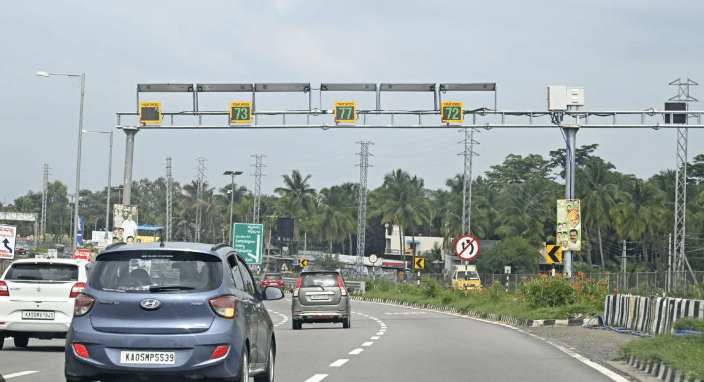
The installation of 25 Intelligent Traffic Management System cameras along the Mysuru–Bengaluru highway marks a significant step in Karnataka’s ongoing efforts to improve road safety and enforce traffic discipline on one of the State’s busiest corridors. Authorities say the system is designed to automatically detect violations such as over-speeding, lane indiscipline, and failure to wear seat belts, while also assisting in monitoring traffic flow. The move comes amid growing concern over frequent accidents and congestion on the highway, which serves thousands of daily commuters, tourists, and commercial vehicles traveling between two major urban centres.

Officials from the transport and police departments stated that the cameras are strategically positioned at high-risk stretches, toll plazas, and junctions where traffic violations are most common. These locations were identified after analysing accident data and vehicle movement patterns over the past few years. The system functions round the clock, capturing high-resolution images and videos that can be used as evidence for issuing electronic challans. Authorities believe the visibility of surveillance infrastructure itself will act as a deterrent, encouraging drivers to adhere more strictly to speed limits and traffic regulations.

The Mysuru–Bengaluru highway has undergone significant upgrades in recent years, including widening and improved road engineering, but safety concerns have persisted. Increased vehicle speeds on smoother road surfaces have often led to severe crashes, especially during weekends and holiday seasons when traffic volumes surge. Police officials note that human enforcement alone is insufficient to monitor such a long stretch continuously. The introduction of automated systems is therefore seen as a necessary evolution, combining technology with traditional policing to create a more reliable and consistent enforcement environment.25 ITMS cameras capturing traffic violations on Mysuru-Bengaluru highway -  The Hindu
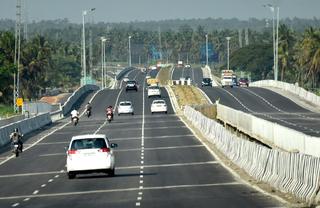
The ITMS cameras are integrated with a central control room that processes real-time data. Using advanced analytics, the system can identify vehicle registration numbers through automated number plate recognition technology. Once a violation is confirmed, a digital notice is generated and sent to the registered vehicle owner. Authorities say this method reduces disputes and enhances transparency, as photographic evidence accompanies each penalty notice. The system also keeps a record of repeat offenders, allowing stricter action against habitual violators who pose a higher risk to public safety.

Commuters who regularly use the highway have expressed mixed reactions. Many welcome the move, saying stricter enforcement is necessary to curb reckless driving, particularly by heavy vehicles and high-speed cars. Others have raised concerns about the accuracy of automated detection and the possibility of wrongful fines. In response, officials have assured that every recorded violation undergoes verification before penalties are issued. They also highlighted the availability of grievance redressal mechanisms where motorists can contest fines if they believe an error has occurred.

Beyond enforcement, the ITMS infrastructure is expected to assist in traffic management during emergencies. In the event of accidents, breakdowns, or unusual congestion, live feeds can help authorities deploy response teams more quickly. This capability is especially important on long highway stretches where delays in assistance can worsen the impact of incidents. Real-time monitoring also enables better coordination between traffic police, highway patrol units, and medical emergency services, potentially reducing response times and improving survival rates in serious accidents.

TECHNOLOGY DRIVEN ENFORCEMENT GAINS MOMENTUM

Experts in road safety say the deployment of intelligent camera systems aligns with a broader national push toward technology-driven traffic management. Similar initiatives in other parts of the country have reportedly led to measurable reductions in speeding and red-light violations. By minimising direct interaction between motorists and enforcement personnel, such systems also reduce opportunities for disputes and ensure that penalties are applied uniformly. This consistency is seen as crucial for building a culture of compliance, where rules are followed not out of fear alone but as a norm.

The cameras on the Mysuru–Bengaluru highway are capable of detecting multiple types of violations simultaneously. Apart from speed monitoring, they can identify vehicles using mobile phones while driving, riding without helmets, and improper lane changes. Authorities note that these behaviours contribute significantly to accidents, yet are often difficult to catch through manual checks. Automated surveillance provides a wider and more continuous watch, capturing violations that might otherwise go unnoticed. This comprehensive approach is intended to address not just major offences but also everyday risky habits.

Data collected through the ITMS will also be used for long-term planning. Traffic density patterns, peak hour flows, and vehicle type distribution can help planners identify where additional infrastructure or regulation may be needed. For instance, persistent congestion at certain points might indicate the need for better signage, additional lanes, or improved merging zones. In this way, the system serves both enforcement and developmental functions, turning raw traffic movement into actionable insights that can shape future upgrades on the corridor.25 ITMS cameras capturing traffic violations on Mysuru-Bengaluru highway -  The Hindu
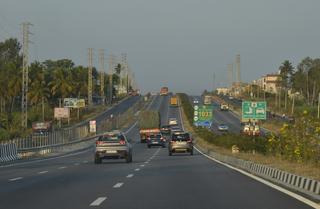
However, the growing use of surveillance technology has also sparked discussions about privacy and data security. Civil society observers stress the importance of clear policies governing how long images and vehicle data are stored, and who has access to them. Officials have stated that the data is used strictly for traffic management and law enforcement purposes, and is stored under secure protocols. They emphasised that the goal is public safety, not intrusive monitoring, and that safeguards are in place to prevent misuse of information gathered through the system.

Transport department representatives argue that technological interventions must go hand in hand with public awareness. Signboards have been installed along the highway informing drivers about the presence of ITMS cameras and reminding them of speed limits. Awareness campaigns through media and social platforms are also planned to educate motorists about common violations and the consequences. Officials believe that when drivers understand that monitoring is continuous and automated, they are more likely to maintain safe speeds and follow rules consistently, even in the absence of visible police presence.

ROAD SAFETY AT THE HEART OF THE INITIATIVE

Road safety advocates have long highlighted the Mysuru–Bengaluru highway as a critical area for intervention. The mix of private cars, buses, trucks, and two-wheelers creates complex traffic conditions, especially near urban entry points. Sudden lane changes, over-speeding, and fatigue among long-distance drivers have been identified as recurring risk factors. The new camera network is expected to help address these challenges by ensuring that violations are recorded and acted upon promptly, reinforcing the message that unsafe driving carries real and immediate consequences.

Officials also pointed out that the ITMS can support investigations after accidents. Footage from nearby cameras can help reconstruct events, identify vehicles involved, and clarify circumstances leading to a crash. This can be valuable for both legal proceedings and safety analysis. Understanding patterns in accident causes enables authorities to design targeted interventions, such as improved lighting, better road markings, or additional warning systems at specific locations. Thus, the system’s value extends beyond punishment to learning and prevention.

Commercial vehicle operators have been advised to sensitise their drivers about the new monitoring measures. Logistics companies, bus services, and transport associations play a key role in shaping driver behaviour, as their vehicles cover long distances daily. Authorities have held meetings with industry representatives to explain the system and encourage compliance. Many operators acknowledge that disciplined driving not only avoids fines but also reduces fuel consumption, vehicle wear, and accident-related losses, making safety a matter of economic sense as well.

For daily commuters, especially those traveling between Mysuru and Bengaluru for work, the promise of a safer highway offers reassurance. Several commuters noted that while journey times might increase slightly if everyone adheres strictly to speed limits, the trade-off is worthwhile if it reduces the risk of severe accidents. Families traveling with children or elderly members also expressed relief at the enhanced monitoring. The emotional dimension of road safety, the desire to reach destinations without incident, underpins public support for such measures.

As the system becomes fully operational, authorities plan periodic reviews to assess its impact. Statistics on accident rates, types of violations, and compliance trends will be analysed to determine effectiveness. Adjustments in camera placement or enforcement focus may follow based on findings. Officials stress that the initiative is not a one-time installation but part of an evolving strategy to make highways safer through evidence-based decision-making. Continued cooperation from motorists, they say, will be crucial in realising the full benefits of the technology.

Ultimately, the deployment of 25 ITMS cameras on the Mysuru–Bengaluru highway represents more than a technological upgrade; it signals a shift toward a more accountable road culture. By combining surveillance, data analysis, and public outreach, authorities aim to create an environment where safe driving becomes the default behaviour. While challenges related to adaptation and perception remain, the overarching goal is clear: fewer accidents, smoother traffic flow, and greater confidence among those who travel this vital route every day.
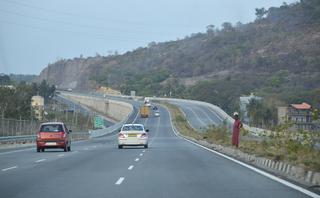
25 ITMS cameras capturing traffic violations on Mysuru-Bengaluru highway -  The Hindu

In the coming months, authorities are also expected to explore linking the highway’s ITMS network with broader State-level traffic databases, creating a more unified enforcement system. Such integration could help track inter-district vehicle movement patterns and identify repeat violators across regions, not just on a single corridor. Officials believe this would strengthen accountability and encourage consistent adherence to traffic norms, regardless of location. The Mysuru–Bengaluru stretch could serve as a model for similar deployments on other major highways, especially those witnessing rapid growth in traffic volume and accident rates due to urban expansion and economic activity.

Ultimately, the success of the initiative will depend not only on technology but on behavioural change among road users. Authorities emphasise that cameras are tools to guide safer conduct rather than merely instruments for collecting fines. If drivers respond by maintaining disciplined speeds, wearing safety gear, and respecting lane rules, the highway could see a meaningful decline in serious accidents over time. The broader hope is that sustained enforcement, combined with awareness and infrastructure improvements, will foster a culture where safety is viewed as a shared responsibility, benefiting every person who uses the road.

Follow: Karnataka Government

Also read: Home | Channel 6 Network – Latest News, Breaking Updates: Politics, Business, Tech & More

Malda Narcotics Raid 2026 – Five Arrested With Drugs Worth ₹17 Crore, Law Enforcement Challenges, and Governance Lessons in Anti‑Trafficking Policy

The Malda narcotics raid 2026 has once again placed Bengal’s border districts under the spotlight. Police seized drugs valued at ₹17 crore and arrested five individuals in a major operation. Malda, already notorious as a hub for cross‑border smuggling, has become a focal point in India’s fight against narcotics trafficking.

This incident underscores the intersection of law enforcement, governance accountability, and community safety, where narcotics are not just a criminal issue but a threat to public health and national security.


2. The Raid

  • Location: Malda district, West Bengal.
  • Seizure value: Drugs worth ₹17 crore.
  • Arrests: Five individuals taken into custody.
  • Operation details: Conducted by local police with intelligence inputs.
  • Significance: One of the largest seizures in recent months in Bengal.

3. Why This Case Matters

  • Border vulnerability: Malda’s proximity to Bangladesh makes it a hotspot for smuggling.
  • Public health: Narcotics trafficking fuels addiction crises in rural and urban Bengal.
  • Governance accountability: Citizens expect transparency in anti‑drug operations.
  • National security: Smuggling networks often overlap with other illegal activities.

4. Political and Social Reactions

  • State government: Praised police for swift action.
  • Opposition voices: Criticised administration for failing to curb recurring smuggling.
  • Civil society: Expressed concern about rising drug abuse among youth.
  • Observers: Noted potential for incident to reshape narratives on governance and law enforcement in Bengal.

5. Governance Challenges

The Malda raid reflects systemic governance issues:

  • Law enforcement capacity: Police need better training and resources.
  • Federal cooperation: Coordination with central agencies like NCB is essential.
  • Administrative accountability: Transparency in seizures and prosecutions is vital.
  • Judicial oversight: Courts must ensure speedy trials to deter traffickers.

6. Community Concerns

  • Families: Fear youth addiction and social breakdown.
  • Youth: Demand rehabilitation and awareness programs.
  • Civil society groups: Call for participatory governance in anti‑drug policy.
  • Opposition voices: Warn of marginalisation if border districts remain neglected.

7. Government External Links for Assistance


8. Historical Context of Narcotics in Malda

  • Colonial era: Malda was a hub for opium cultivation.
  • Post‑independence: Smuggling routes expanded due to porous borders.
  • 2000s: Rise in synthetic drugs and cross‑border trafficking.
  • 2026: Current raid reflects continuity of challenges in narcotics governance.

9. Malda Narcotics Raid 2026: Global Comparisons

Similar narcotics controversies worldwide:

  • Mexico: Border towns plagued by cartel violence.
  • USA: Opioid crisis linked to trafficking networks.
  • South Asia: Nepal and Bangladesh face similar cross‑border smuggling issues.

India’s case mirrors these global struggles where narcotics governance collides with politics, community welfare, and accountability.


10. Governance Lessons

The Malda narcotics raid teaches:

  • Transparency in law enforcement builds credibility.
  • Community engagement ensures legitimacy of reforms.
  • Balanced vigilance strengthens governance legitimacy.
  • Judicial oversight protects fairness in anti‑drug governance.

11. Future Outlook – Anti‑Narcotics Governance in India

India must move towards:

  • Digitised monitoring systems for narcotics seizures.
  • Public dashboards showing progress of prosecutions.
  • Independent audits of law enforcement operations.
  • Educational campaigns linking drug awareness with civic responsibility.

✅ Conclusion

The Malda narcotics raid 2026 is more than a police operation—it is a test of India’s democratic resilience and governance credibility. As five suspects are arrested with drugs worth ₹17 crore, ordinary citizens await clarity on whether governance will deliver transparency, fairness, and respect for community dignity. For India, the lesson is clear: democracy thrives when governance delivers inclusivity and accountability in anti‑narcotics management.

Also read: Home | Channel 6 Network – Latest News, Breaking Updates: Politics, Business, Tech & More
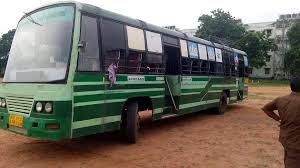
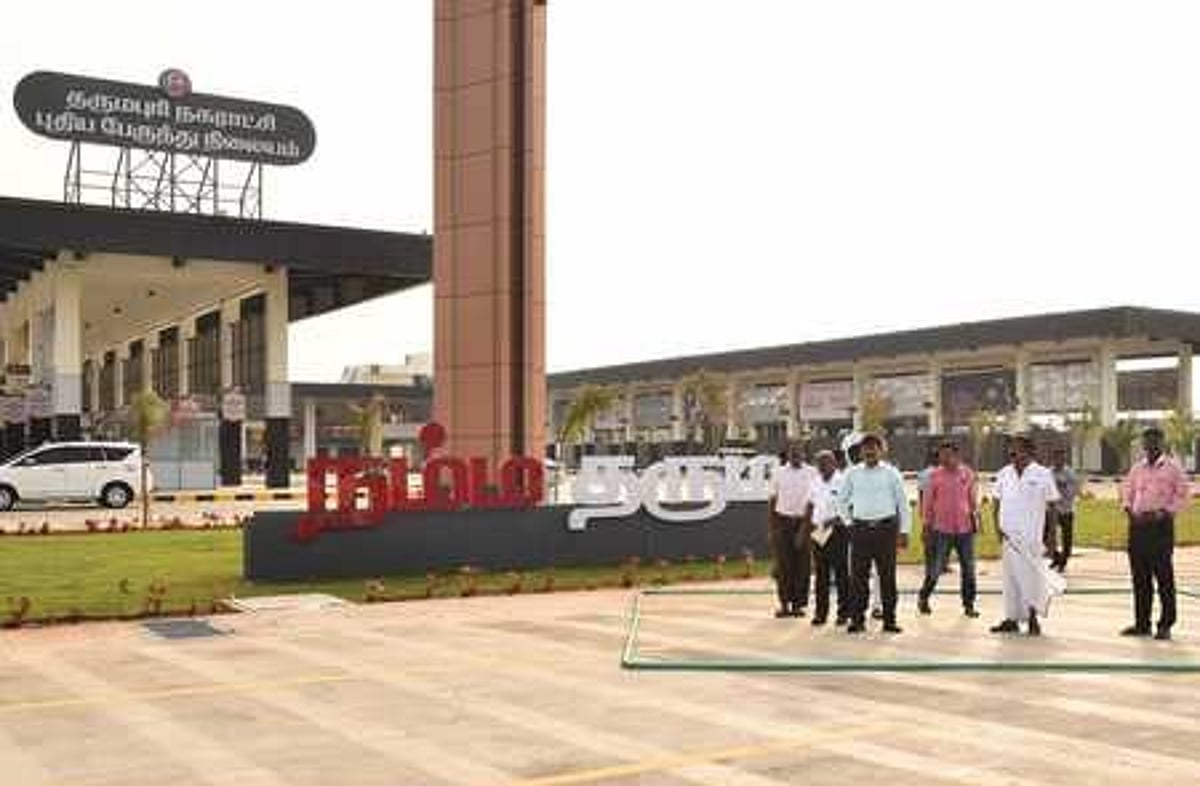
New Moffusil Bus Stand Marks a Major Transport Shift in Dharmapuri in 2026

0

New Moffusil Bus Stand Opens a New Chapter in Dharmapuri Transport

New Moffusil bus stand in Dharmapuri is set to become operational with its formal inauguration scheduled for Thursday, marking a significant change in the town’s transport system. The newly constructed facility near Sogathur is expected to ease traffic congestion within the town and provide better travel access for passengers arriving from multiple districts.New Moffusil bus stand to be inaugurated in Dharmapuri

New Moffusil bus stand has been developed at a cost of ₹39.14 crore and is designed to handle both government and private buses. From the day of inauguration, all buses entering Dharmapuri will be routed through this new terminal as part of a planned shift in traffic movement.

The inauguration will be carried out through video conference by the Chief Minister of Tamil Nadu. District authorities stated that the decision to divert all incoming buses through the new bus stand aims to streamline operations and reduce pressure on key junctions within the town.

New Moffusil Bus Stand Brings Revised Routes and Trial Operations

With the opening of the New Moffusil bus stand, several bus routes across Dharmapuri district will follow revised paths. Buses operating from Tirupattur, Tiruvannamalai, Harur, Pappireddipatti, Bommidi, and Kadathur will continue using existing town routes before entering the new bus stand through Pennagaram road.Set up omni bus stand in Dharmapuri along NH to alleviate passenger woes

Buses coming from Krishnagiri will travel along National Highway 44 and reach the New Moffusil bus stand via the A Jettihalli link road and Pennagaram road. This route has been planned to allow smoother entry without disrupting traffic in residential areas.

For buses arriving from Palacode, the approach will be through National Highway 844, entering the bus stand via the Sogathur junction. Services operating along the Pennagaram route will continue to use the same road network while entering and exiting the terminal.

Buses arriving from Salem will follow a different approach route, passing through Nallampalli, Adhiyamankottai, Oddapatti, Avvaivali, Kakkangipuram, and Thadangam overbridge before reaching the New Moffusil bus stand. However, return services to Salem will operate through an alternate route covering Pennagaram overbridge, Four Roads junction, and other key points.

These route changes are being implemented as part of a 30-day trial period. Officials have clarified that feedback from passengers and transport operators will be reviewed before finalising the routes permanently.

New Moffusil Bus Stand Aims to Ease Traffic and Improve Connectivity

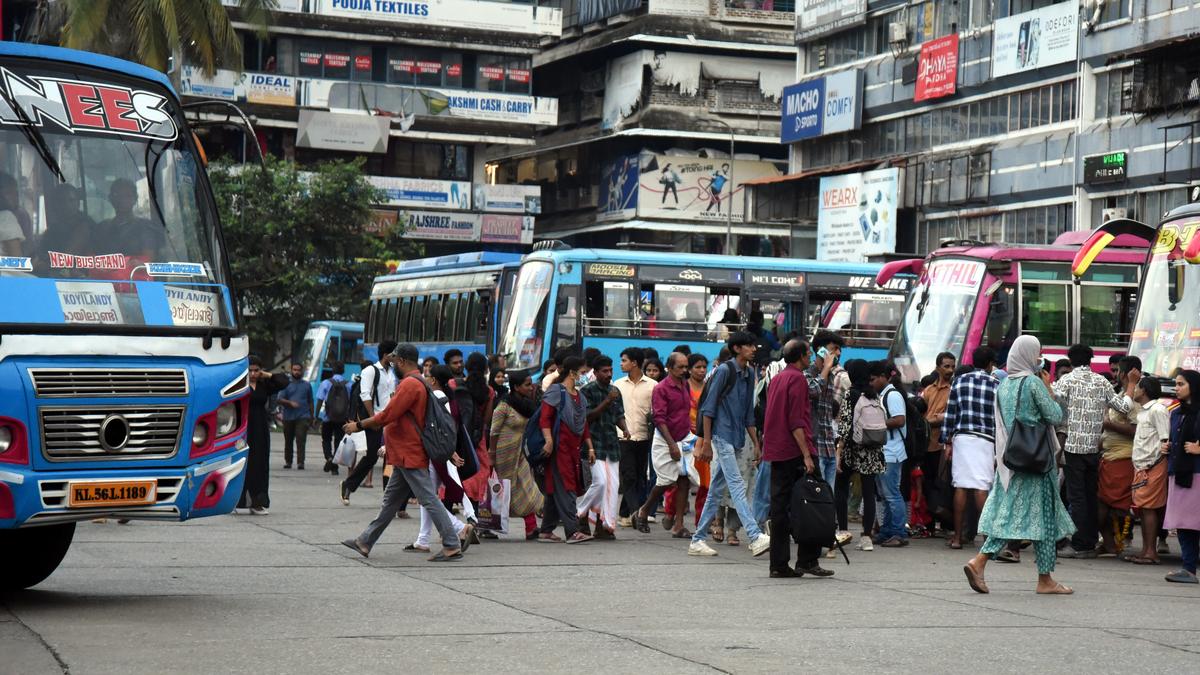
As part of the new operational plan, fare structures will largely remain unchanged up to the Four Roads junction. However, passengers travelling beyond this point to the New Moffusil bus stand will see a small additional charge.Lack of safety measures turns mofussil bus stand into danger zone for pedestrians - The Hindu

An extra ₹3 will be collected for ordinary bus services, while superfast bus services will have an additional charge of ₹4. Officials explained that this adjustment accounts for the extended distance covered under the new routing system.

Authorities stated that the fare increase has been kept minimal to avoid burdening daily commuters while still supporting the revised operations.

New Moffusil Bus Stand Expected to Benefit Daily Commuters

The New Moffusil bus stand is expected to reduce congestion in central Dharmapuri by diverting heavy bus traffic away from crowded junctions. Transport officials believe this will improve road safety and reduce delays caused by bottlenecks during peak hours.


View this post on Instagram


A post shared by Rasathi❣️ (@vanakkam_dharmapuri)

The new terminal has been planned with better entry and exit points, wider access roads, and improved passenger facilities. Officials noted that concentrating long-distance buses at a single location will also make route management easier for transport authorities. Also Read: Justin Bieber New Back Tattoo Draws Attention for Its Personal Meaning in 2026

Passengers have been advised to familiarise themselves with the revised routes during the trial period. Signboards and staff assistance will be provided initially to help commuters adjust to the changes.

Conclusion

New Moffusil bus stand in Dharmapuri represents a major step towards organised and efficient public transport in the district. With revised routes, controlled traffic flow, and a trial-based approach, authorities aim to ensure smoother operations while addressing commuter concerns before final implementation.

Erode Thanthai Periyar Sanctuary Records a Notable Rise in Birds of Prey Diversity

0

Erode Thanthai Periyar Sanctuary Emerges as a Key Habitat for Birds of Prey

Erode Thanthai Periyar sanctuary has drawn fresh attention after a detailed wildlife survey confirmed the presence of twenty-five species of birds of prey within its forest ranges. The findings come from a two-day state-level raptor census conducted as part of a coordinated conservation effort across Tamil Nadu.25 raptor species recorded at Thanthai Periyar Wildlife Sanctuary in Erode  - The Hindu

Erode Thanthai Periyar sanctuary was covered under the Raptor Assessment 2026 programme, which aimed to document birds of prey using a uniform and scientific approach. The survey marked the first time such a synchronised census was carried out across the state, bringing together forest officials, wildlife experts, and conservation volunteers.

The results from Erode Forest Division indicate that the sanctuary supports a healthy mix of raptor species, reflecting stable forest conditions and good availability of prey. Raptors are known to sit at the top of the food chain, and their presence often reflects the overall health of an ecosystem.

Erode Thanthai Periyar Sanctuary Survey Reveals Strong Ecological Balance

The census in Erode Thanthai Periyar sanctuary covered forest ranges including Anthiyur, Bargur, Thattakarai, Chennampatti, and surrounding reserve areas. Each location was surveyed using standard methods to ensure accuracy and consistency across regions.Periyar Tiger Reserve adds 12 species to its faunal checklist - The Hindu

Observers carried out night-time point counts, daytime vehicle-based searches, and walking surveys along forest trails. GPS tracking was used to record exact sighting locations, and photographs were taken to support species identification. This approach helped reduce errors and ensured that the data collected could be verified independently.

A major highlight of the survey was the sighting of the grey-headed fish eagle along the Palar River basin in the Chennampatti range. This species is listed as near threatened and is rarely seen in large numbers. Its presence is considered an important sign of healthy river systems, clean water, and sufficient fish populations.

The observation confirms that water-linked habitats inside Erode Thanthai Periyar sanctuary continue to support sensitive species that depend on minimal human disturbance. Forest officials note that such sightings strengthen the case for protecting riverine areas within forest boundaries.

Erode Thanthai Periyar Sanctuary Gains Recognition Through Scientific Assessment

Wildlife experts involved in the census explained that raptors respond quickly to environmental changes. A decline in these birds often points to habitat damage, pollution, or reduced prey availability. The presence of twenty-five species suggests that forest management practices in the region are helping maintain balance.Periyar Wildlife Sanctuary

The survey was conducted under the supervision of senior forest officials, with active participation from trained staff, bird specialists, and non-government organisations. More than seventy individuals took part in the exercise, covering large forest areas within a short period.

Forest officials believe that repeated assessments like this will help track long-term trends in bird populations. It also allows authorities to identify areas that need stricter protection or habitat restoration.

Erode Thanthai Periyar Sanctuary Supports Future Wildlife Planning

Data from the raptor census will be used to guide future conservation planning in Erode Thanthai Periyar sanctuary. Raptors require large territories and undisturbed nesting sites, making them vulnerable to forest fragmentation and human activity.

Officials stated that understanding where these birds are found helps in planning patrol routes, regulating tourism activity, and managing water resources inside the sanctuary. It also supports awareness efforts among nearby communities about the importance of protecting birds of prey. Also Read: Justin Bieber New Back Tattoo Draws Attention for Its Personal Meaning in 2026

The findings further strengthen the sanctuary’s role as an important wildlife zone within Tamil Nadu. With growing pressure on forest land across the state, scientifically backed data helps justify stronger conservation measures.

Conclusion

Erode Thanthai Periyar sanctuary’s record of twenty-five raptor species highlights the ecological value of its forests and river systems. The census results show that careful monitoring and protection can sustain sensitive wildlife even as environmental challenges increase. Continued surveys and focused conservation efforts will be key to preserving this balance in the years ahead.

Railways to Enhance Elephant Safety Through New Underpasses in Madukkarai Forest Stretch

0

Railways to Enhance Elephant Safety in the Madukkarai Forest Corridor

Railways to enhance elephant safety has become a key focus in the Madukkarai forest stretch as authorities move forward with plans to build two additional underpasses on the Tamil Nadu side of the railway line. This step comes after years of concern over repeated train-elephant collisions in one of the most sensitive wildlife corridors of the Western Ghats.Tamil Nadu's AI Initiative Is A Step Forward, The Fight To Protect Elephants Far From Over

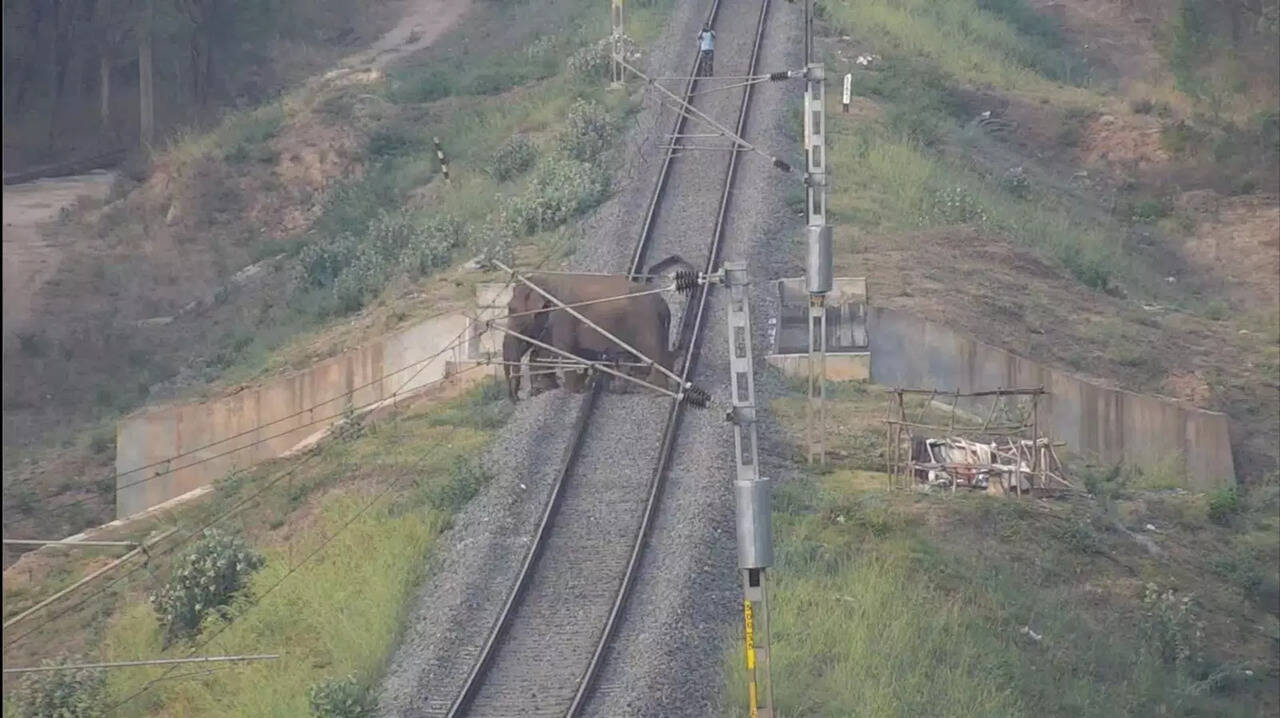
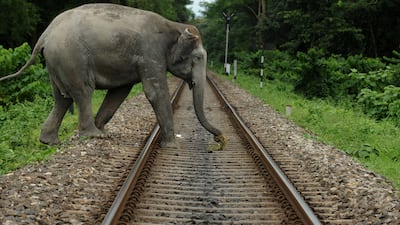
Railways to enhance protection efforts aim to reduce accidents while allowing elephants to move freely between forest areas in search of food and water. The railway corridor between Palakkad and Podanur passes directly through reserve forests, making it a crucial passage not just for trains but also for wildlife. Despite safety measures already in place, the risk to elephants remains high, pushing officials to expand infrastructure support.

Railways to Enhance Wildlife Movement With Additional Underpasses

Railways to enhance elephant movement will now focus on constructing two new underpasses in the Madukkarai forest range. These will be added to the two underpasses already functioning between Walayar and Ettimadai. Although the existing structures have helped, forest and railway officials acknowledge that they are not sufficient to fully prevent accidents.AI-based warning systems facilitated 2,500 safe elephant crossings in Coimbatore | Chennai News - The Times of India

The earlier underpasses were built at a cost of nearly ₹9.8 crore. The proposed new structures are expected to cost more than ₹10 crore. Final locations will be identified after consultation with the Tamil Nadu forest department, based on areas where elephant movement is most frequent.

This collaborative planning reflects a growing understanding that wildlife protection cannot be handled by a single department. Railways to enhance safety are now working closely with forest authorities to ensure that infrastructure decisions are based on animal behaviour rather than convenience.

Railways to Enhance Monitoring Through Technology and Speed Control

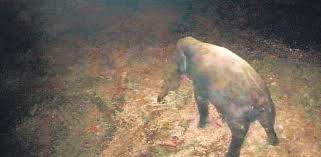
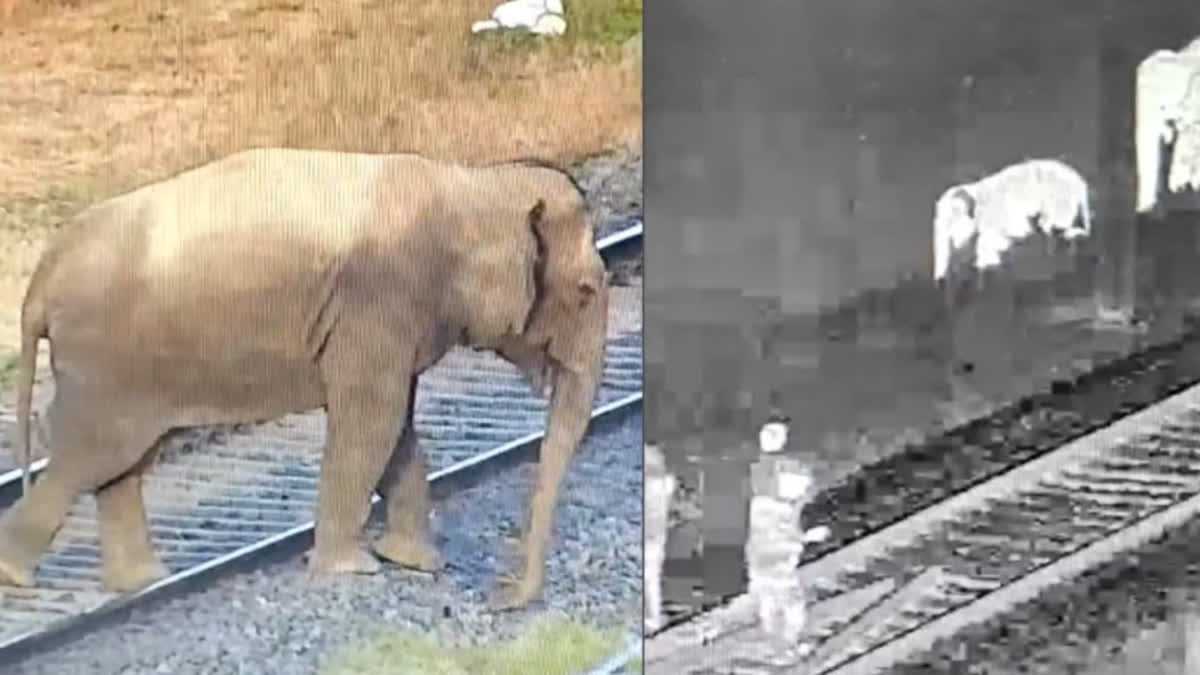
Railways to enhance real-time monitoring have installed CCTV cameras in existing underpasses. These cameras track elephant movement and send alerts directly to railway officials. If elephants are detected near the tracks, alarms are triggered at the Walayar railway station, allowing station managers to warn locomotive pilots immediately.Watchful AI saves India's endangered wild elephants from speeding trains | The National

This system helps drivers reduce speed and proceed cautiously through vulnerable sections. Continuous monitoring has become a critical tool in preventing sudden collisions, especially during early morning and late evening hours when visibility is low.

Railways to Enhance Track Safety With Lights and Detection Systems

Railways to enhance night-time visibility have installed solar lights along key sections between Kanjikode and Ettimadai. These lights help train drivers spot elephants from a distance, reducing reaction time during emergencies.

In addition, work is underway to introduce the Elephant Intrusion Detection System. This system is designed to sense animal movement near tracks and issue automated warnings. Combined with fencing, ramps, and signage, these efforts represent a layered approach to safety rather than reliance on a single solution.

Railways to Enhance Conservation in a Sensitive Elephant Corridor

The stretch between Kottekkad in Kerala and Madukkarai in Tamil Nadu is recognised as an important elephant corridor within the Western Ghats. Over the years, this region has recorded multiple elephant deaths due to train accidents. Since 2002, nearly thirty elephants have been killed on this route, including a young elephant hit earlier this year near Walayar.


View this post on Instagram


A post shared by Donatekart | India (@donatekart)

Railways to enhance safety have already imposed speed restrictions in this zone, limiting trains to 65 kmph during the day and 45 kmph at night. Fencing has been installed along certain sections, and long ramps have been created to guide elephants toward safer crossing points.

Wildlife activists and public representatives continue to urge long-term solutions, including the construction of elevated railway corridors. Such structures would allow animals to pass freely underneath without ever coming close to moving trains. While these proposals require central approval and significant funding, they reflect the growing demand for sustainable infrastructure planning. Also Read: Justin Bieber New Back Tattoo Draws Attention for Its Personal Meaning in 2026

Conclusion

Railways to enhance elephant safety in the Madukkarai forest corridor marks a steady shift toward responsible development. By combining underpasses, technology, speed control, and inter-department coordination, authorities are taking meaningful steps to protect wildlife while maintaining essential rail connectivity. Though challenges remain, these measures show progress toward reducing human-wildlife conflict in one of India’s most sensitive ecological zones.

Quarrying at Sivarakottai Raises Deep Concerns Over Irrigation Future

0

Quarrying at Sivarakottai Threatens Key Water Source for Farmland

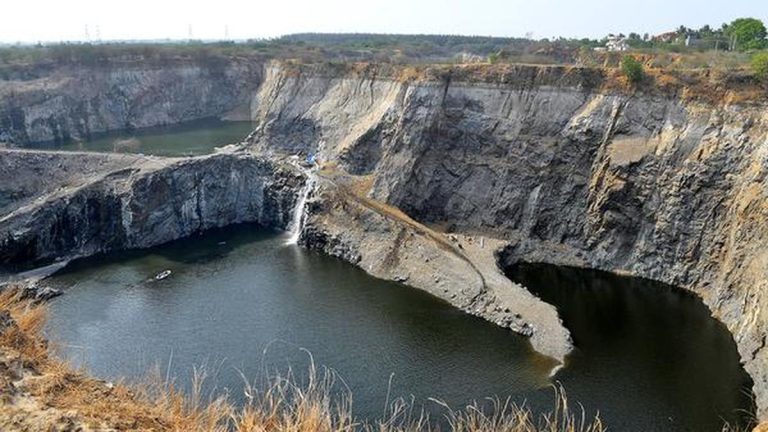
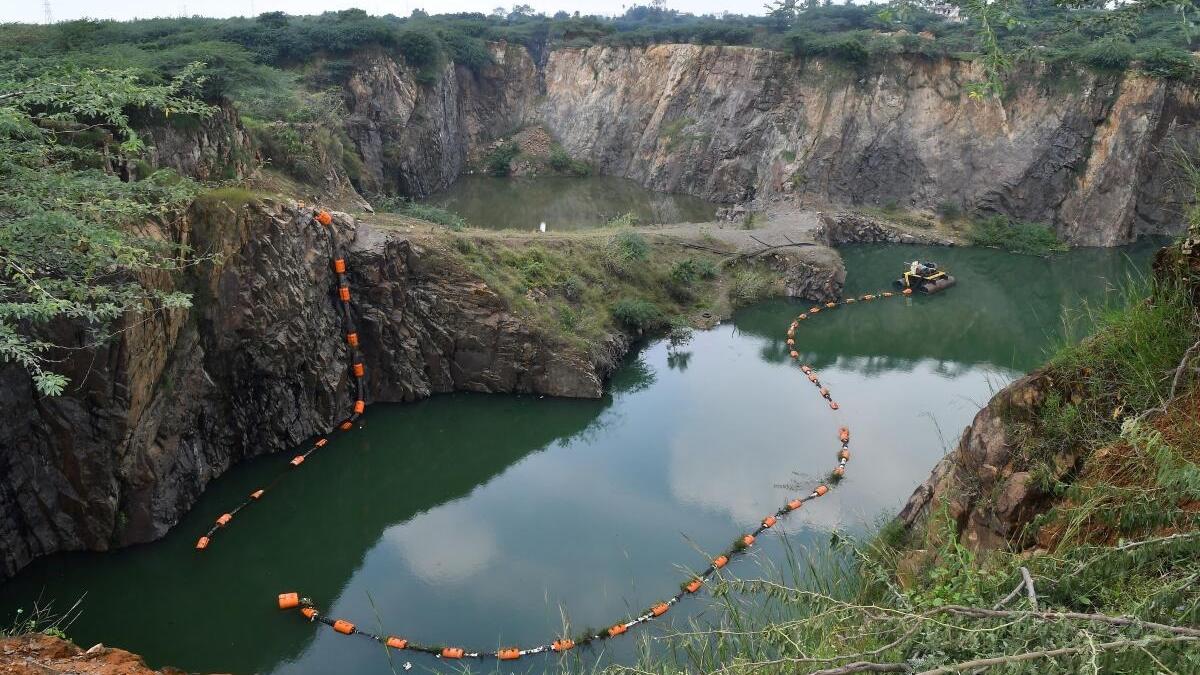
Quarrying at Sivarakottai has triggered strong concern among farmers who depend on the Sivarakottai Karisal Kulam tank for irrigation. The tank, located near Kallikudi in Madurai district, serves as the main water source for nearly 127 acres of agricultural land. Farmers allege that excessive soil excavation has reduced the tank’s water-holding capacity, raising fears of water scarcity in the coming seasons.Cluster of abandoned quarries to be networked to form a significant storage  structure for Chennai's water supply - The Hindu

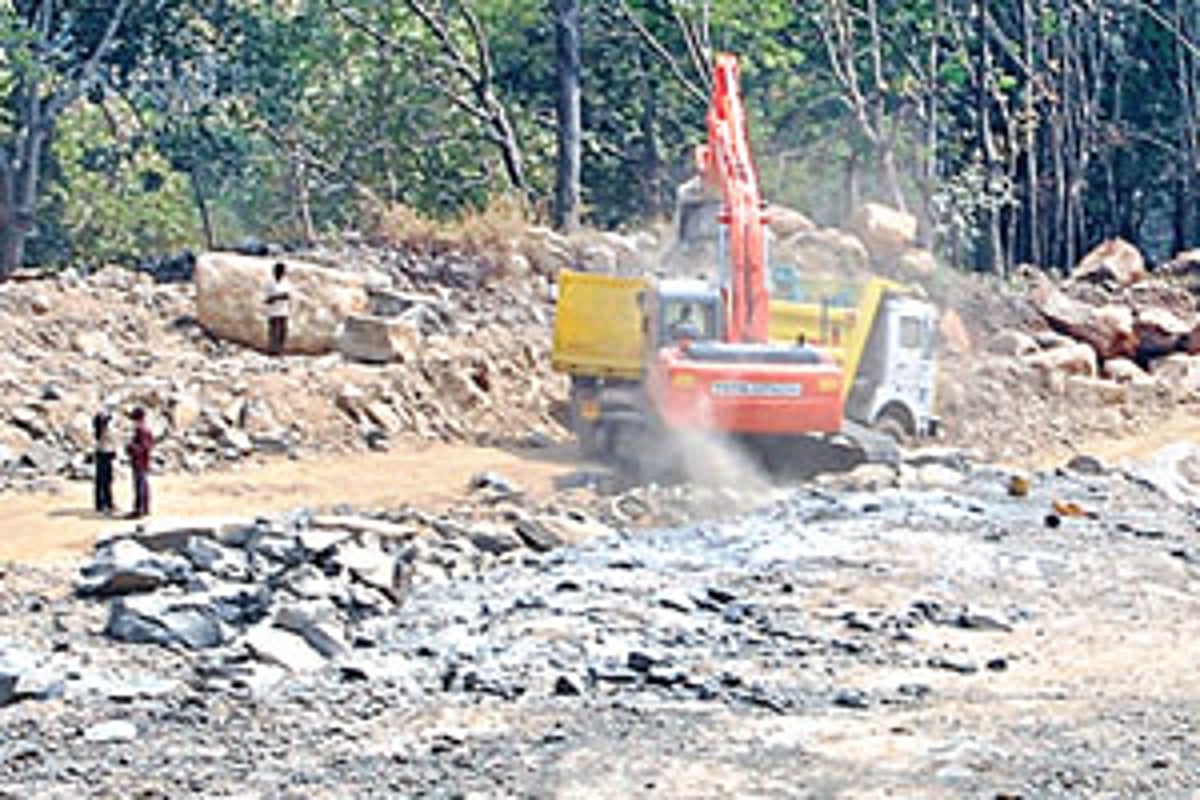
Quarrying at Sivarakottai is currently being carried out inside the tank area with official permission, but local farmers say the work has gone far beyond the approved limits. They believe the depth of excavation has crossed safe levels, which could disturb natural water flow and weaken the tank’s ability to store rainwater.

The Sivarakottai tank plays a crucial role in supporting agriculture in this dry region. Any reduction in its capacity could directly affect crop irrigation, especially during monsoon failures or delayed rainfall.

Quarrying at Sivarakottai Alarms Farmers Dependent on Tank Water

Farmer representatives from Sivarakottai have raised serious objections, stating that the quarrying activity does not match what was originally approved. According to local leaders, permission was granted only for shallow soil removal, mainly to improve surface conditions.Indiscriminate quarrying led to flood peril: Experts - The Hindu

However, farmers claim that excavation has gone as deep as 21 feet in some areas. They fear that such deep digging will permanently reduce the tank’s storage volume and disturb the channels that carry water to farmlands.

Farmers say that once the tank bed is damaged, it will not be easy to restore its original structure. Reduced storage means less water for irrigation, directly affecting crop yields and farm income. Paddy, pulses, and other seasonal crops grown in the area rely heavily on water released from the tank.

There is also concern that deep quarrying could alter groundwater recharge patterns. Tanks like Sivarakottai Karisal Kulam not only store surface water but also help recharge wells in surrounding villages. Farmers fear that continued excavation may dry up nearby borewells over time.

Quarrying at Sivarakottai Adds to Regional Water Body Damage

Farmers have pointed out that Sivarakottai is not an isolated case. Quarrying activities are reportedly ongoing in nearby villages such as Nesaneri, Karisalkalampatti, and Suppalapuram. According to farmers, similar excavation in those areas has already damaged water bodies and reduced irrigation reliability.Farmer launches hunger strike seeking closure of stone quarry in Kangeyam

They say repeated quarrying across villages could create a chain effect, weakening the region’s traditional water storage system. Tanks have historically acted as flood buffers and irrigation lifelines, and their damage could increase both water scarcity and flood risk.

Another concern raised by farmers is the lack of monitoring at the Sivarakottai tank site. They allege that there are no CCTV cameras or proper inspection mechanisms in place to ensure that quarrying stays within permitted limits. This, they say, allows unchecked excavation to continue.

Farmers have urged district authorities to conduct an immediate field inspection, measure excavation depth accurately, and halt work if violations are found.

Quarrying at Sivarakottai Defended by Officials

Officials from the Kallikudi block administration have responded to the allegations by stating that quarrying at Sivarakottai is being carried out under proper supervision. They said the soil being excavated is required for a bridge construction project in the village and that permissions were granted after careful consideration.

According to officials, the work is monitored regularly to ensure that it does not harm the water body. They maintain that excavation is within permissible limits and deny claims of excessive digging.

Officials also stated that the district administration is aware of the farmers’ concerns and will continue to monitor the situation. They assured that steps would be taken if any deviation from approved guidelines is found. Also Read: Justin Bieber New Back Tattoo Draws Attention for Its Personal Meaning in 2026

However, farmers remain unconvinced and say that visible changes in the tank structure already indicate damage. They argue that once the tank loses depth in certain areas, uneven water storage and poor canal flow become unavoidable.

Conclusion

Quarrying at Sivarakottai has become a point of tension between farmers and authorities, highlighting the fragile balance between development work and water security. As agriculture in the region depends heavily on tank irrigation, farmers say protecting Sivarakottai Karisal Kulam is essential to safeguard their livelihoods and long-term water needs.

New Jalpaiguri Station Expansion: Two New Platforms Built to Ease Passenger Movement and Boarding

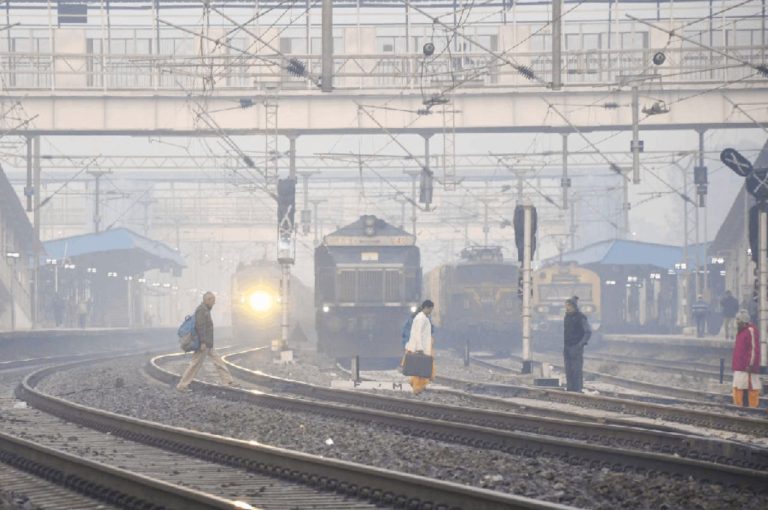
New Jalpaiguri Station Expansion: Two new platforms have been constructed at New Jalpaiguri (NJP) railway station to ease passenger movement and boarding, marking a major infrastructure upgrade for North Bengal’s busiest rail hub. This development is expected to reduce congestion, improve train handling capacity, and enhance passenger comfort at one of India’s most strategic junctions.


1. New Jalpaiguri Station Expansion: Introduction

The NJP station platform expansion 2026 is a significant milestone in Indian Railways’ modernization drive. Located in Siliguri, New Jalpaiguri is the gateway to the Northeast and the Darjeeling hills, handling thousands of passengers daily. The addition of two new platforms is designed to streamline boarding, reduce overcrowding, and improve operational efficiency.


2. Details of the Project

  • Number of new platforms: 2
  • Purpose: To ease passenger movement and boarding, especially during peak travel seasons.
  • Location: NJP station, Siliguri, North Bengal.
  • Impact: Enhances train handling capacity, reduces delays, and improves passenger safety.
  • Complementary works: Upgraded tracks, signaling systems, and passenger amenities.

3. Why This Matters

  • Passenger convenience: NJP is a critical junction for trains to Assam, Sikkim, Darjeeling, and Bhutan border areas.
  • Tourism boost: Easier boarding benefits tourists heading to Darjeeling, Gangtok, and Dooars.
  • Economic impact: Improved logistics for freight and passenger trains strengthens regional trade.
  • Safety: Reduced overcrowding lowers risks of accidents during boarding.

4. Political and Social Reactions

  • Railway officials: Highlighted the project as part of modernization under the Ministry of Railways.
  • Local residents: Welcomed the move, citing reduced chaos during boarding.
  • Civil society: Called for further improvements in sanitation, waiting halls, and digital ticketing.
  • Observers: Noted that NJP’s expansion reflects Centre’s focus on Bengal’s infrastructure.

5. Governance Challenges

  • Execution delays: Railway projects often face land acquisition and funding hurdles.
  • Maintenance: Platforms must be kept clean and functional to sustain benefits.
  • Integration: Coordination with state government needed for last‑mile connectivity.
  • Transparency: Public dashboards could track progress of railway upgrades.

6. Community Concerns

  • Families: Seek better waiting halls and child‑friendly facilities.
  • Youth: Demand digital ticketing kiosks and Wi‑Fi access.
  • Civil society groups: Call for participatory governance in railway policy.
  • Opposition voices: Warn of tokenism if projects remain incomplete.

7. Government External Links for Assistance


8. Historical Context of NJP Station

  • 1960s: NJP established as a junction to connect Bengal with Assam and Darjeeling.
  • 2000s: Passenger traffic surged due to tourism and migration.
  • 2010s: NJP became one of the busiest stations in Eastern India.
  • 2026: Current expansion reflects continuity of modernization efforts.

9. Global Comparisons

Similar railway station upgrades worldwide:

  • Japan: Shinkansen stations expanded to handle high‑speed trains.
  • China: Mega‑stations built to manage urban passenger surges.
  • Europe: Modernized hubs integrate rail with metro and bus systems.

India’s case mirrors these global practices where railway infrastructure is framed as a growth driver but often sparks debates on regional fairness.


10. Governance Lessons

The NJP station expansion teaches:

  • Transparency in project planning builds credibility.
  • Community engagement ensures legitimacy of reforms.
  • Balanced vigilance strengthens governance legitimacy.
  • Judicial oversight protects fairness in infrastructure governance.

11. Future Outlook – Railway Governance in India

India must move towards:

  • Digitised monitoring systems for railway projects.
  • Public dashboards showing progress of construction.
  • Independent audits of infrastructure spending.
  • Educational campaigns linking connectivity with civic responsibility.

✅ Conclusion

The NJP station platform expansion 2026 is more than a construction project—it is a test of India’s democratic resilience and governance credibility. As two new platforms open to ease passenger movement, ordinary citizens await clarity on whether governance will deliver transparency, fairness, and respect for regional dignity. For India, the lesson is clear: democracy thrives when governance delivers inclusivity and accountability in infrastructure management.

Here’s a strong headline and authoritative external links you can use for your article on the New Jalpaiguri (NJP) station platform expansion:


🔗 Relevant External Links

Also read: Home | Channel 6 Network – Latest News, Breaking Updates: Politics, Business, Tech & More
TWAD to Divert Water for Tiruchendur Signals Relief for Temple Town

0

TWAD to Divert Water Brings New Drinking Supply Plan for Tiruchendur

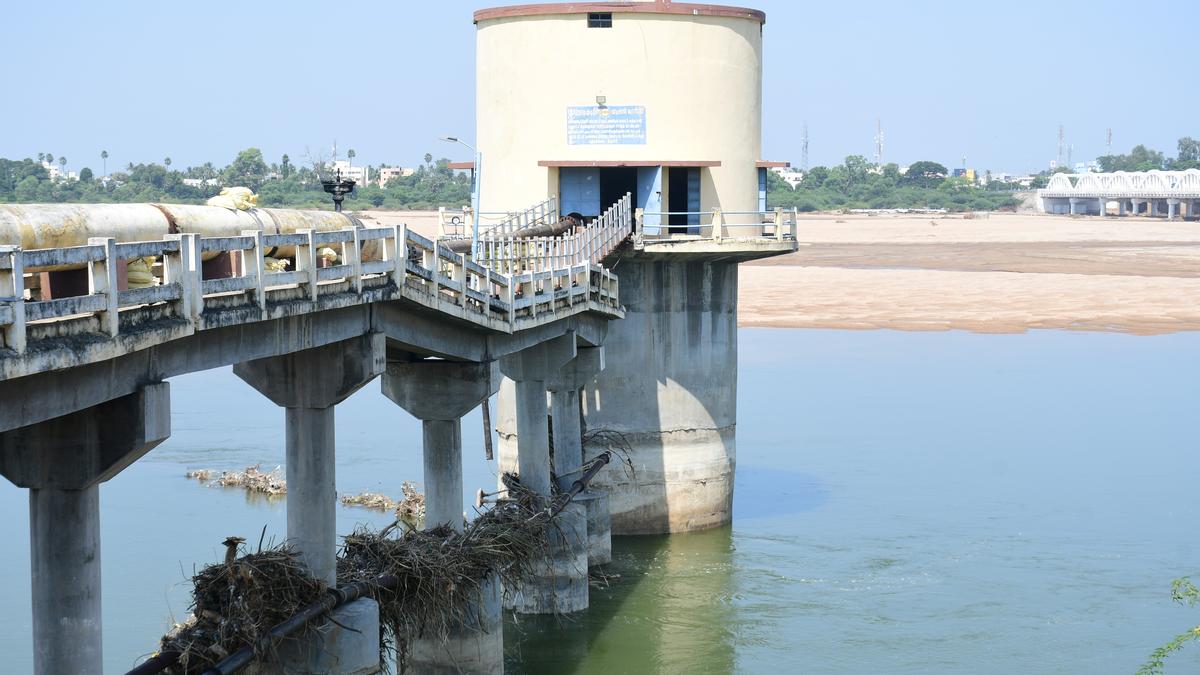
TWAD to divert water from an industrial supply scheme marks an important step in addressing the growing drinking water shortage in Tiruchendur municipality. The Tamil Nadu Water Supply and Drainage Board has planned to reroute unused water from an existing industrial pipeline to strengthen domestic water availability in the temple town, which sees heavy inflow of devotees and tourists throughout the year.TWAD Board partially resumes water supply to parts of Tiruchi and  Thuvakudi; but troubles far from over - The Hindu

TWAD to divert water involves reallocating 2.86 million litres per day from a larger industrial water system that draws water from the Thamirabarani river at the Srivaikuntam anicut. Officials clarified that the water being diverted is surplus and currently not utilised by industries, making it suitable for drinking water use without affecting industrial operations.

Tiruchendur’s water demand has increased steadily over the years due to population growth and constant pilgrim movement to the Murugan temple. Existing drinking water schemes have struggled to keep up with the pressure, especially during festival seasons and summer months.

TWAD to Divert Water from Industrial Scheme to Public Use

The industrial water supply scheme was commissioned in the early 2000s with a capacity of 20 million gallons per day. It was originally intended exclusively for major industrial units such as SIPCOT industries, thermal power stations, and chemical plants in Thoothukudi district.

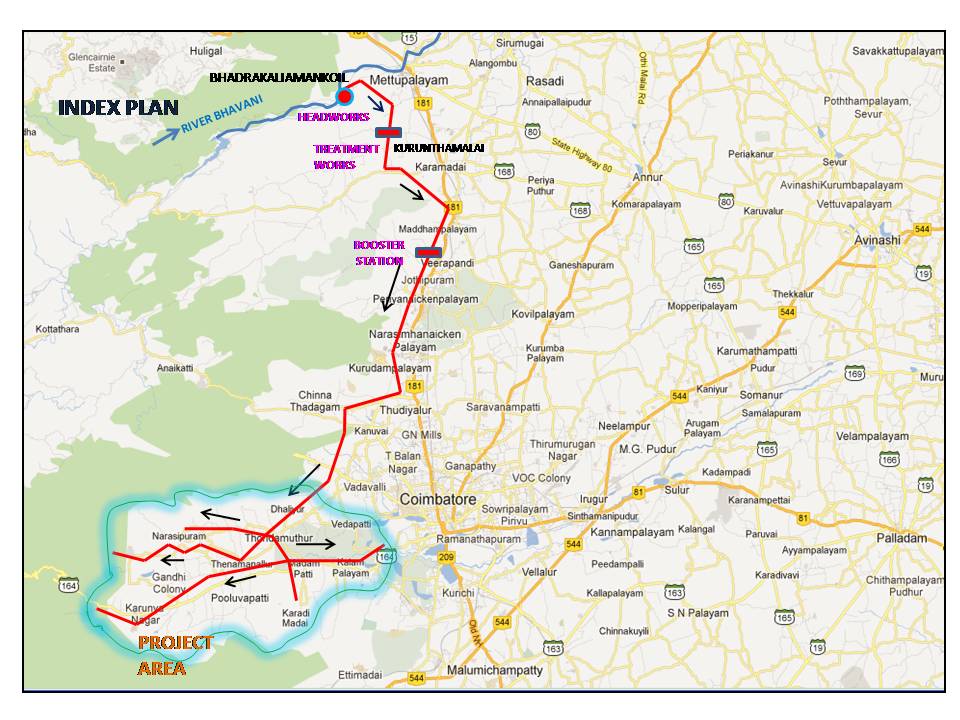
Over time, industrial consumption from this scheme has reduced due to changes in water sourcing and efficiency measures. TWAD officials said this has resulted in unused water that can now be safely redirected to meet domestic needs.Major Water Supply Schemes 32 | TWAD

Under the new plan, water will be diverted from the Manjalneerkayal water treatment plant and routed to the Authoor water treatment facility through a newly proposed underground pipeline. This connection will strengthen Tiruchendur’s drinking water network and reduce dependence on limited existing sources.

To execute the plan, TWAD has applied for permission from the Union Ministry of Road Transport and Highways to lay a 5.03-kilometre pipeline along the Thoothukudi–Tiruchendur–Kanyakumari National Highway. The pipeline will be laid underground using the open trench method to ensure quick installation and minimal disruption.

TWAD to Divert Water to Increase Daily Supply in Tiruchendur

At present, Tiruchendur municipality receives around 1 million litres of water per day from the Authoor water treatment plant. With the proposed diversion, the daily supply is expected to rise to 3.86 million litres per day, which officials say will be sufficient to meet current drinking water requirements.TWAD to regularise illegal water supply to Thoothukudi industries?

The increased supply is expected to improve distribution frequency, reduce water shortages, and ensure more consistent availability for households, businesses, and pilgrims. TWAD officials noted that the project is designed as a quick-response solution to immediate needs rather than a temporary fix.

The project has received administrative approval following discussions involving district authorities, state ministers, and industrial stakeholders. Industrial units were consulted before the decision, and officials confirmed that the diversion will not impact their water availability.Drinking water availability, supply reviewed in Tiruchendur Assembly  constituency - The Hindu

TWAD has allocated ₹7.30 crore for the project, and work is expected to be completed within a month once final permissions are obtained. Officials believe the short timeline reflects the urgency of Tiruchendur’s water situation.

TWAD to Divert Water Aligns with Long-Term Planning

Senior officials pointed out that the industrial water scheme may eventually become redundant once a large desalination plant meant exclusively for industries becomes operational. This would allow freshwater sources like the Thamirabarani river to be prioritised for drinking and agricultural needs.

Local leaders and residents have welcomed the move, stating that additional water supply could ease long-standing issues faced by the town. Water scarcity has often affected daily life, especially during peak pilgrimage periods, leading to increased reliance on private water sources. Also Read: Justin Bieber New Back Tattoo Draws Attention for Its Personal Meaning in 2026

The diversion plan is also seen as a practical example of resource optimisation, where unused infrastructure is repurposed to meet public needs without new extraction from natural sources.

Conclusion

TWAD to divert water for Tiruchendur reflects a focused effort to balance industrial planning with public welfare. By redirecting surplus water, the project offers immediate relief while supporting sustainable water management for the temple town’s future needs.

Mamata Banerjee Reaches Supreme Court Ahead of Hearing on Bengal Electoral Roll SIR Petitions

Mamata Banerjee Reaches Supreme Court: West Bengal Chief Minister Mamata Banerjee personally appeared at the Supreme Court in New Delhi ahead of a crucial hearing on petitions challenging the Special Intensive Revision (SIR) of electoral rolls in the state. Her presence underscores the political and legal gravity of the issue, which has sparked controversy over voter rights, governance, and federal accountability.


1. Background of the Case

  • The Special Intensive Revision (SIR) of electoral rolls in West Bengal has been at the center of political disputes.
  • Allegations include harassment of genuine voters, wrongful exclusions, and deaths linked to stress during hearings.
  • The Trinamool Congress (TMC) argues that the Election Commission of India (ECI) is acting under political pressure, while the BJP insists the revision is necessary to weed out fake voters and infiltrators.

2. Mamata Banerjee’s Supreme Court Move

  • Mamata Banerjee reached the Supreme Court premises in Delhi ahead of the scheduled hearing.
  • Her legal team filed petitions questioning the legality and fairness of the SIR process.
  • The petitions argue that the SIR violates provisions of the Representation of the People Act, 1950 and the Registration of Electors Rules, 1960.
  • The CM’s presence signals that the issue is not just administrative but a political battle over democratic rights.

3. Mamata Banerjee Reaches Supreme Court: Political Reactions

  • TMC stance: Frames the SIR as an attack on Bengal’s voters and democracy.
  • BJP response: Claims Mamata’s move is an attempt to shield fake voters.
  • Civil society: Expressed concern about ordinary citizens being harassed during verification hearings.
  • Observers: Noted that Mamata’s personal appearance at the Supreme Court is rare and highlights the seriousness of the matter.

4. Governance Challenges

  • Electoral fairness: Ensuring rolls are accurate without disenfranchising genuine voters.
  • Federal balance: State leaders expect cooperation and respect from central institutions.
  • Administrative accountability: Transparency in EC proceedings is essential.
  • Judicial oversight: The Supreme Court’s role is critical in maintaining balance between Centre and state.

5. Community Concerns

  • Families: Fear harassment during verification hearings.
  • Youth: Demand transparency in democratic processes.
  • Civil society groups: Call for participatory governance in electoral reforms.
  • Opposition voices: Warn of marginalisation if voters are unfairly excluded.

6. Historical Context of EC–State Clashes

  • 2000s: Occasional disputes over election scheduling.
  • 2010s: Political debates intensified over EC neutrality.
  • 2020s: State leaders increasingly challenged EC decisions.
  • 2026: Current Supreme Court petition reflects continuity of tensions in Centre–state relations.

7. Global Comparisons

Similar electoral controversies worldwide:

  • USA: State governors often clash with federal election authorities.
  • EU: Member states sometimes dispute EU election monitoring.
  • Africa: Election commissions face accusations of bias in several countries.

India’s case mirrors these global struggles where electoral governance collides with politics, community welfare, and accountability.


8. Governance Lessons

The Mamata Banerjee Supreme Court petition teaches:

  • Transparency in electoral processes builds credibility.
  • Respectful engagement ensures legitimacy of reforms.
  • Balanced vigilance strengthens governance legitimacy.
  • Judicial oversight protects fairness in electoral governance.

9. Future Outlook – Electoral Governance in India

India must move towards:

  • Digitised monitoring systems for electoral roll revisions.
  • Public dashboards showing progress of voter verification.
  • Independent audits of EC decisions.
  • Educational campaigns linking electoral literacy with civic responsibility.

✅ Conclusion

The Mamata Banerjee Supreme Court SIR case 2026 is more than a legal petition—it is a test of India’s democratic resilience and governance credibility. As Mamata Banerjee challenges the Election Commission in the apex court, ordinary citizens await clarity on whether governance will deliver transparency, fairness, and respect for electoral dignity. For India, the lesson is clear: democracy thrives when governance delivers inclusivity and accountability in electoral management.

Here are some relevant external government and institutional links you can use when writing or publishing around Mamata Banerjee’s Supreme Court appearance in the SIR electoral roll case:

🏛️ Government & Legal Institutions

📊 Contextual Resources

These links provide authoritative references for readers who want to explore the legal, administrative, and governance aspects of the SIR controversy.

Also read: Home | Channel 6 Network – Latest News, Breaking Updates: Politics, Business, Tech & More
First Tiger Census in Madurai Marks a New Step in Wildlife Tracking in 2026

0

First Tiger Census in Madurai Highlights Expanding Wildlife Presence

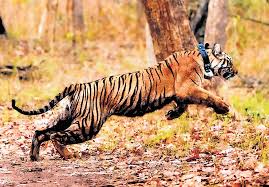
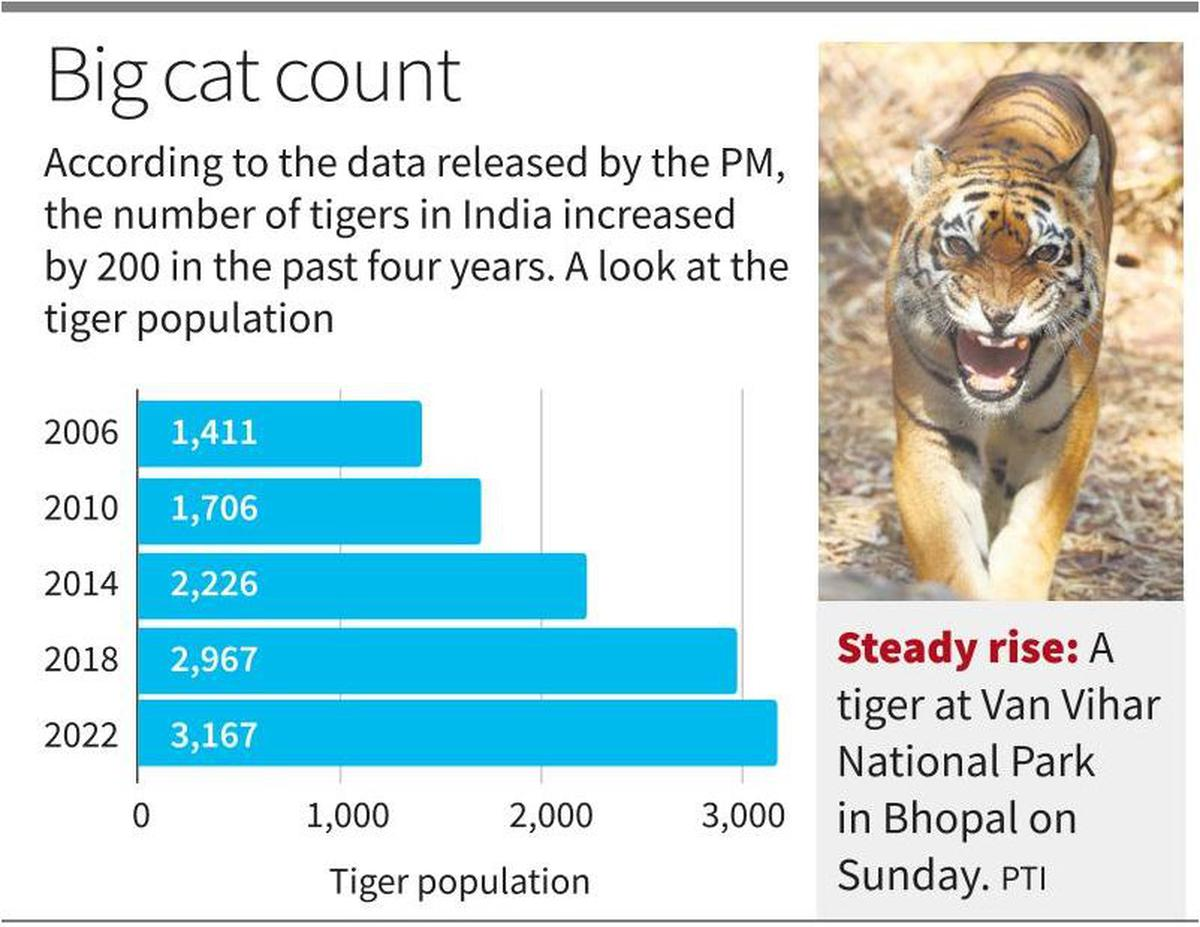
First tiger census in Madurai marks an important milestone in wildlife monitoring in Tamil Nadu, as forest officials complete Phase I of the All India Tiger Estimation in the Madurai Forest Division. This survey is the first of its kind in this division, which lies outside the well-known tiger reserves, signalling a broader effort to understand tiger movement beyond protected forest boundaries.India's next tiger census begins: Why it's a critical wildlife management  task - India Today

First tiger census in Madurai is part of a nationwide exercise carried out by the Tamil Nadu Forest Department along with the National Tiger Conservation Authority. The initiative aims to assess not just tiger numbers, but also habitat quality, prey availability, and conservation outcomes in regions where tigers are increasingly being sighted outside traditional reserves.

Unlike earlier surveys that focused mainly on designated tiger reserves, this census includes forest areas that were previously not part of large-scale tiger monitoring programmes. Officials say this shift reflects changing wildlife patterns, where tigers move into non-protected forests due to habitat fragmentation, water scarcity, and expanding human activity.

First Tiger Census in Madurai Conducted Outside Tiger Reserves

The Madurai Forest Division falls outside the Srivilliputhur Megamalai Tiger Reserve, making this survey especially significant. The census is being conducted under the Tigers Outside Tiger Reserves project, which focuses on understanding tiger presence in landscapes shared with human settlements.Tiger Census 2022

Forest officials believe that documenting tiger movement in such regions is crucial for reducing human-animal conflict. When tigers travel beyond protected zones, encounters with people, livestock loss, and safety concerns tend to increase. By gathering data early, authorities hope to plan preventive measures instead of reacting to incidents after they occur.

The Phase I survey involved fieldwork across 11 selected forest beats in the Usilampatti and Sholavandan ranges. These areas were chosen based on ecological indicators and previous wildlife movement reports. Forest staff conducted ground-level surveys, carefully documenting signs of tiger presence without disturbing the habitat.

First Tiger Census in Madurai Uses Ground Evidence and Digital Mapping

During the survey, forest personnel recorded indirect evidence such as pug marks, scat, fur samples, and scratch marks left by tigers. Signs of other wildlife species including Indian gaur, sloth bear, jungle cat, wild dog, and deer were also documented to understand the overall health of the ecosystem.Tiger population at Nilgiris' MTR increases 28% in one year

All observations were recorded using the MSTrIPES Ecological App, a digital tool that allows real-time data collection and mapping. This method improves accuracy and helps officials track animal movement patterns across large landscapes.

The information collected in Phase I will serve as the foundation for the remaining stages of the census. Phase II will focus on mapping forest landscapes using satellite data and geographic information systems. Phase III will include camera trapping to identify individual tigers, while Phase IV will involve long-term monitoring at the reserve level.

Officials stated that the full four-phase survey is expected to be completed by July 2026. The final findings will help authorities understand whether Madurai’s forest areas are emerging as permanent habitats or temporary corridors for tigers moving between larger reserves.

First Tiger Census in Madurai Strengthens Conservation Planning

Forest officials supervising the exercise noted that early data suggests increased wildlife activity in parts of the Madurai Forest Division. While no final conclusions have been drawn yet, the presence of prey species and forest cover indicates potential for supporting large carnivores.

The census also helps forest departments plan better land use policies, improve forest connectivity, and guide local communities on coexistence strategies. By identifying movement routes, officials can strengthen patrolling, prevent illegal activities, and reduce accidental encounters. Also Read: Justin Bieber New Back Tattoo Draws Attention for Its Personal Meaning in 2026

Conservation experts say such surveys are essential as wildlife landscapes change rapidly due to climate pressure and human expansion. Monitoring areas outside reserves ensures that conservation planning remains realistic and inclusive of changing animal behaviour.

Conclusion

First tiger census in Madurai represents a shift in wildlife conservation strategy, recognising that tigers no longer remain confined to protected reserves alone. By expanding monitoring to new forest divisions, authorities aim to balance conservation needs with human safety and long-term ecological stability.