Kpop Girl group ChoA steps into a hopeful new chapter
Kpop Girl group ChoA has shared a meaningful update with her followers, confirming that she is expecting twins after four years of marriage and two years of recovering from a serious health battle. The announcement has drawn attention across Korean entertainment circles, as many have followed her journey since her early days in Crayon Pop, her departure from the group, and her quiet life after facing major personal challenges. Her message carried a sense of relief and gratitude, showing how much this moment means to her and her family.
Kpop Girl group ChoA steps into a hopeful new chapter
ChoA wrote that the “precious life we have long awaited has finally come to us,” describing the pregnancy as a blessing that arrived after years of patience and emotional strain. Her supporters have often spoken about her resilience, especially after she stepped away from the spotlight to focus on her health and recovery. This new step marks a shift from uncertainty to stability, and her announcement shows that she is in a place where she feels ready to share her happiness with the public again.
Kpop Girl group ChoA opens up about her long-awaited joy
Her marriage, which happened quietly without major publicity, was followed by a period where she focused on rebuilding her strength. During interviews in the past, she mentioned the difficulties she faced, including the fear and pressure that came with her health condition. The confirmation that she is now expecting twins is seen by many as the result of steady healing and personal determination. This makes the news emotionally significant not only for her but also for those who have watched her journey from a distance.
Fans and the general audience have responded warmly, expressing joy at her update. Many long-time followers of Crayon Pop remember her strong vocals, bright stage presence, and the energy she brought during the height of the group’s popularity. Seeing her return with such positive news has strengthened the connection between her and her supporters, who continue to cheer for her stability and happiness.
Kpop Girl group ChoA receives strong support from fans
The comments and reactions across social platforms show a mix of relief, pride and appreciation for her honesty. Fans who admired her during her active career have expressed gratitude that she shared this personal milestone directly, without dramatic presentation. Her communication has always been clear and sincere, and her announcement fits that pattern. As more people revisit her earlier performances and interviews, her long-term impact as part of the industry becomes more visible.
Kpop Girl group ChoA reflects on her journey to this moment
Her story carries elements of hardship, recovery and quiet strength. ChoA stepped away from activities at a time when her career was still active, something that rarely happens in the entertainment industry. Her decision was rooted in her need to protect her health and emotional well-being, and her later openness about her experience helped many understand the seriousness of her situation. Reaching a stage where she can celebrate the start of a new family underscores how far she has come.
This phase also shows a shift in how former idols rebuild their lives after stepping out of the spotlight. ChoA has maintained privacy while sharing only what she felt comfortable revealing, and her balanced approach has earned respect. Her twin pregnancy is not just an update, it represents a milestone reached after years of doubt, treatment and rebuilding. Also Read: Tata Motors makes an unexpected move with a new budget bike launch in India in 2025
Conclusion:
The news from Kpop Girl group ChoA has brought a wave of warmth and encouragement from fans, marking a meaningful moment in her life. Her announcement reflects a journey shaped by resilience, patience and steady recovery, opening a hopeful new chapter for her and her growing family.
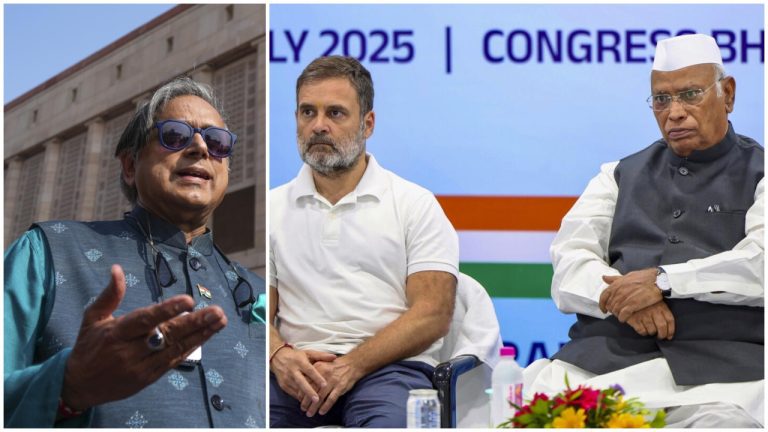
New Delhi – A significant political controversy has erupted over the Putin dinner invitation list for the state banquet hosted at Rashtrapati Bhavan on Friday evening. While Congress MP Shashi Tharoor received an invitation to the dinner honoring Russian President Vladimir Putin, the Leaders of the Opposition in both Houses of Parliament—Rahul Gandhi and Mallikarjun Kharge—were notably excluded from the guest list, raising questions about diplomatic protocol and political considerations.
Opposition Leaders Excluded from State Banquet
The Putin dinner invitation controversy centers on the conspicuous absence of key opposition leaders from the prestigious state banquet hosted by President Droupadi Murmu at her official residence. Rahul Gandhi, who serves as the Leader of Opposition in the Lok Sabha, and Mallikarjun Kharge, the Leader of Opposition in the Rajya Sabha, were not extended invitations to the dinner celebrating Russian President Vladimir Putin’s two-day visit to India for annual summit talks with Prime Minister Narendra Modi.
Sources within the Congress party confirmed that neither Gandhi nor Kharge received invitations to attend the Putin dinner invitation event at Rashtrapati Bhavan. This exclusion has been interpreted by many as a departure from traditional diplomatic protocol, which typically includes opposition leaders in state functions involving foreign dignitaries of Putin’s stature.
Shashi Tharoor Confirms Attendance
In a development that has added another layer to the Putin dinner invitation controversy, Congress MP Shashi Tharoor confirmed that he was invited to the dinner and announced his intention to attend. Tharoor, a four-term Member of Parliament and former Union Minister, accepted the invitation despite the exclusion of his party’s top leadership from the same event.
The selective nature of the Putin dinner invitation—including a Congress MP while excluding the party’s highest-ranking leaders—has sparked debate about the criteria used for determining the guest list and whether political considerations played a role in these decisions.
Rahul Gandhi’s Earlier Allegations
The Putin dinner invitation controversy comes just a day after Rahul Gandhi publicly alleged that the Modi government is going against “tradition” and deliberately preventing him or any representative of the Opposition from meeting Vladimir Putin. Gandhi attributed this exclusion to what he termed the government’s “insecurity” regarding opposition engagement with visiting foreign leaders.
Gandhi’s comments, made before the dinner guest list became public, now appear prescient given the actual invitations issued. His allegations about breaking with tradition have gained additional weight following the confirmation that opposition leaders were indeed excluded from the state banquet.
Congress Party’s Response
Reacting to the Putin dinner invitation extended to Tharoor while senior leaders were ignored, Congress spokesperson Pawan Khera issued a pointed statement questioning both the invitation and its acceptance. “Those who extended such an invitation raise questions, and those who accepted are also open to scrutiny,” Khera said, making clear the party’s disapproval of the situation.
Khera further elaborated on the party’s position, stating, “Everyone has their own conscience, their own inner voice. Had we been invited instead of our leaders, it is clear that we would not have accepted it.” This statement suggests that Congress members believe the Putin dinner invitation to Tharoor was designed to create divisions or embarrassment within the party rather than representing genuine diplomatic outreach.
The Putin dinner invitation controversy occurs against the backdrop of Shashi Tharoor’s recent history of taking positions that have left the Congress leadership uncomfortable. Over the past few months, the Thiruvananthapuram MP has made several public statements that diverged from or directly challenged party positions.
In February, Tharoor came under fire from the Congress party’s Kerala unit after he authored an article highlighting the start-up boom in Kerala during Left rule. He praised Kerala as “beginning to stand out as a model of economic innovation and sustainable growth,” comments that were seen as politically inconvenient given the Congress party’s opposition to the ruling Left government in the state.
Dynasty Politics Article Creates Friction
More recently, last month, Tharoor antagonized the Congress leadership with an article addressing dynasty politics in India. In the piece, he wrote that the Nehru-Gandhi family “cemented the idea that political leadership can be a birthright.” He characterized dynastic politics as posing a “grave threat to Indian democracy” and called for trading “dynasty for meritocracy.”
These comments were particularly sensitive given that Rahul Gandhi, one of the leaders excluded from the Putin dinner invitation, is himself a member of the Nehru-Gandhi family that Tharoor critiqued in his article.
Questions About Diplomatic Protocol
The Putin dinner invitation controversy has raised broader questions about diplomatic protocol and the role of opposition leaders in engaging with visiting foreign dignitaries. Traditionally, state banquets and official dinners for visiting heads of state include representatives from across the political spectrum, recognizing that foreign relations transcend domestic political divisions.
The selective exclusion of opposition leaders from the Putin dinner invitation list while including a rank-and-file Congress MP has been viewed by critics as politicizing what should be a non-partisan diplomatic occasion.
Political Implications and Scrutiny
As the Putin dinner invitation controversy continues to generate discussion, both the government’s decision-making process and Tharoor’s acceptance of the invitation face scrutiny. The incident highlights ongoing tensions between the ruling establishment and the opposition, as well as internal dynamics within the Congress party regarding individual members’ independence versus collective party positions.
The controversy surrounding the Putin dinner invitation ultimately raises fundamental questions about inclusivity in diplomatic protocol, the treatment of opposition voices, and the balance between individual choice and party solidarity in India’s political landscape.
Maharashtra – The Reserve Bank of India has announced a significant shift in its RBI Monetary Policy stance, cutting the repo rate by 25 basis points to 5.25% in a move that reflects confidence in the Indian economy despite external pressures. The decision comes as the monetary policy committee attempts to balance India’s record-low inflation against a weakening rupee and robust GDP growth exceeding 8%, marking a pivotal moment in India’s economic trajectory.
Strategic Rate Cut Decision
The RBI Monetary Policy committee’s decision to reduce the benchmark repurchase rate by a quarter point to 5.25% on Friday was anticipated by a majority of economists surveyed ahead of the announcement. Out of 44 economists polled, most expected this rate cut given that inflation has remained well below the central bank’s 4% target level, creating room for monetary easing.
However, the decision was not without complexities. With the Indian economy expanding at a faster pace and the rupee dropping to a record low below 90 to the dollar, several prominent financial institutions including Citigroup Inc., Standard Chartered Plc, and State Bank of India had forecast that the RBI might pause rate cuts instead. The central bank’s choice to proceed with the reduction signals its prioritization of supporting economic growth while managing inflationary pressures.
Revised Inflation Forecast Shows Confidence
A key highlight of the RBI Monetary Policy announcement was the significant downward revision in the inflation forecast. The Reserve Bank of India has lowered its inflation projection to 2.0% from the earlier estimate of 2.6%, reflecting increasing confidence that price pressures remain under control despite global uncertainties.
This substantial reduction in the inflation forecast—a 60 basis point decrease—provides the monetary policy committee with greater flexibility to pursue accommodative policies. The record-low inflation environment has been a critical factor enabling the RBI Monetary Policy shift toward rate cuts, as it allows the central bank to stimulate economic activity without triggering price instability.
The current inflation rate being well below the 4% target creates a comfortable buffer for the RBI to support growth-oriented measures while maintaining price stability, which remains the primary mandate of the central bank.
Upward Revision in GDP Growth Forecast
In a positive development that underscores the resilience of the Indian economy, the RBI Monetary Policy announcement included an upward revision of the GDP growth forecast to 7.3% for FY26, compared to the earlier estimate of 6.8%. This 50 basis point increase reflects the central bank’s optimism about India’s economic prospects despite global headwinds.
The Indian economy has been expanding at an impressive rate exceeding 8%, demonstrating robust momentum across various sectors. The RBI Monetary Policy committee’s decision to raise growth projections suggests that domestic demand remains strong, investment activity is picking up, and the overall economic fundamentals are solid.
This upgraded growth forecast provides additional justification for the rate cut decision, as it indicates that the economy can absorb monetary easing without overheating or triggering excessive inflation.
Balancing Act: Growth, Inflation, and Currency Pressures
The RBI Monetary Policy decision represents a delicate balancing act between multiple competing priorities. On one hand, record-low inflation and strong growth prospects support an accommodative monetary stance. On the other hand, the rupee’s decline to unprecedented levels below 90 to the dollar presents challenges that typically warrant a more hawkish approach.
The rupee remains under significant pressure in the absence of a comprehensive India-US trade deal, creating concerns about imported inflation and external sector stability. Currency depreciation typically prompts central banks to maintain higher interest rates to attract foreign capital and support the domestic currency.
However, the RBI Monetary Policy committee appears to have determined that supporting domestic growth takes precedence over currency concerns at this juncture, particularly given the substantial cushion provided by below-target inflation.
Implications for the Indian Economy
The RBI Monetary Policy rate cut to 5.25% is expected to have multiple positive implications for the Indian economy. Lower borrowing costs should stimulate investment activity, support consumer spending, and provide relief to borrowers across segments including home loans, vehicle loans, and business financing.
The banking sector will likely transmit this rate cut to lending rates, making credit more affordable for businesses looking to expand operations and consumers planning major purchases. This monetary easing could further accelerate the already strong GDP growth trajectory.
Market and Expert Reactions
The RBI Monetary Policy announcement comes at a time when financial markets have been closely watching the central bank’s moves. The decision to cut rates despite rupee weakness demonstrates the RBI’s confidence in managing inflation while supporting growth, even as it navigates external sector challenges.
The fact that prominent institutions like Citigroup, Standard Chartered, and State Bank of India had expected a pause makes the actual rate cut more significant, suggesting that the RBI sees compelling reasons to pursue accommodative policy at this stage.
Future Policy Trajectory
Looking ahead, the RBI Monetary Policy stance will continue to be shaped by evolving inflation dynamics, growth momentum, and currency movements. The Reserve Bank of India expects softer inflation and faster economic growth in the coming quarters, even as the rupee remains under pressure without resolution of trade-related uncertainties.
The central bank’s revised forecasts—2.0% inflation and 7.3% GDP growth—provide a roadmap for future policy decisions. If these projections materialize, there may be scope for additional monetary easing. However, any further deterioration in the rupee or unexpected inflation spikes could alter the policy trajectory.
The RBI Monetary Policy committee will continue monitoring domestic and global developments closely, maintaining flexibility to adjust its stance as economic conditions evolve while keeping its primary focus on sustainable growth and price stability.
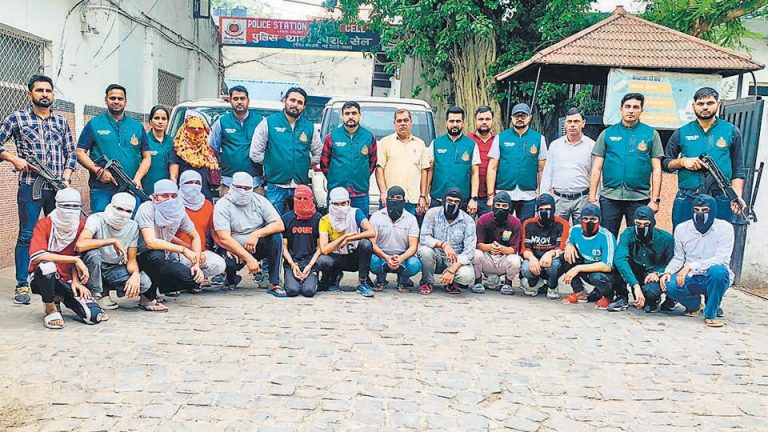
New Delhi – A massive Delhi Police crackdown conducted overnight on Thursday resulted in the arrest of 16 gangsters and criminals, marking one of the most significant operations against organized crime in the national capital region. Nearly 850 Delhi Police personnel participated in the coordinated action across Delhi and Haryana, targeting notorious gang members and their criminal networks that have been operating in the Delhi-NCR area.
Scale and Scope of the Operation
The Delhi Police crackdown involved comprehensive raids on 152 premises and hideouts across Delhi and Haryana. Senior police officers described the operation as a strategic initiative aimed at curbing organized gangs and street criminals who have been actively involved in various illegal activities throughout the region. The nightlong exercise demonstrated the force’s commitment to dismantling criminal enterprises that threaten public safety.
Joint Commissioner of Police (Northern Range) Vijay Singh confirmed that personnel from Rohini, Outer-North, and North-West police districts participated in the coordinated effort. The scale of deployment—850 officers working simultaneously—ensured comprehensive coverage and minimized the possibility of suspects evading capture.
Notorious Gang Members Apprehended
The Delhi Police crackdown specifically targeted members of three prominent criminal gangs that have long operated in the Delhi-NCR region. According to police officials, 14 of the 16 arrested individuals are associated with the Gogi gang, Tillu Tajpuria gang, and Kala Jatheri gang—criminal organizations known for their involvement in serious crimes including extortion, arms trafficking, and violent offenses.
The breakdown of arrests reveals the operation’s targeted approach: eight members of the Gogi gang were apprehended, five individuals associated with the Tillu Tajpuria gang were taken into custody, and one member of the Kala Jatheri gang was arrested. Additionally, premises of eight other gang members were raided, and these individuals were detained for questioning.
Joint Commissioner Singh emphasized the significance of the operation, stating, “This coordinated action has significantly disrupted criminal networks and curtailed organized criminal activities.” The Delhi Police crackdown represents a major blow to these criminal organizations that have operated with relative impunity in certain areas.
Substantial Arsenal and Assets Seized
The Delhi Police crackdown resulted in the seizure of a substantial cache of weapons, vehicles, and cash that provides insight into the operational capabilities of these criminal networks. The confiscated items paint a picture of well-equipped criminal organizations with significant resources at their disposal.
Among the seized items were 18 pistols accompanied by 43 cartridges, demonstrating the armed nature of these criminal groups. The recovery of 122 mobile phones suggests sophisticated communication networks used for coordinating criminal activities. Five button-actuated knives were also confiscated, along with over ₹10 lakh in cash—evidence of the financial gains from illegal operations.
Bulletproof Vehicles Raise Serious Concerns
Perhaps most alarming among the seizures during the Delhi Police crackdown were two bulletproof four-wheelers—a Mahindra Thar and a Mahindra Scorpio-N. The possession of such vehicles by criminal elements raises significant security concerns and questions about how these gangs acquired military-grade protective equipment.
Police also recovered two wireless communication sets, indicating that these criminal organizations had access to equipment typically reserved for security and law enforcement agencies. A senior police officer stated that authorities are now investigating how and from where the arrested individuals procured these bulletproof vehicles and wireless sets.
“We are interrogating the people from whose possessions these items were recovered to ascertain the source,” the officer confirmed. This investigation is crucial for understanding the supply chains that enable criminal gangs to access such sophisticated equipment.
Legal Proceedings and Charges
The Delhi Police crackdown has resulted in multiple legal cases being registered against the arrested individuals. Police officials confirmed that the suspects have been booked under 16 cases related to violations of the Arms Act, reflecting the serious nature of illegal weapons possession among gang members.
Additionally, two cases have been registered under the Narcotic Drugs and Psychotropic Substances (NDPS) Act, indicating involvement in drug trafficking operations. Two cases under the Excise Act have also been filed, suggesting illegal alcohol-related activities.
Addressing Organized Criminal Activities
The Delhi Police crackdown specifically targeted activities that have plagued the Delhi-NCR region, including extortion, illegal possession of arms, drug trafficking, robbery, and snatching incidents. Joint Commissioner Singh emphasized that the initiative was designed to comprehensively address these interconnected criminal activities that often operate under the umbrella of organized gangs.
The operation demonstrates law enforcement’s evolving approach to tackling organized crime—moving beyond reactive responses to individual incidents and instead conducting proactive, intelligence-led operations that target entire criminal networks simultaneously.
Impact on Criminal Networks
Senior police officers assert that the Delhi Police crackdown has significantly disrupted the operational capabilities of these criminal gangs. By simultaneously arresting key members, seizing weapons and communication equipment, and confiscating financial resources, the operation has weakened these organizations’ ability to continue their illegal activities.
The coordinated nature of the Delhi Police crackdown—involving nearly 850 personnel across multiple districts and states—ensured that gang members could not warn each other or escape to alternate hideouts. This comprehensive approach represents a blueprint for future operations against organized crime in the region.
As investigations continue, authorities are working to map out the complete structure of these criminal networks and identify any remaining members who may have evaded capture during this operation.
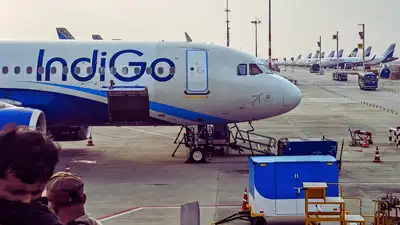
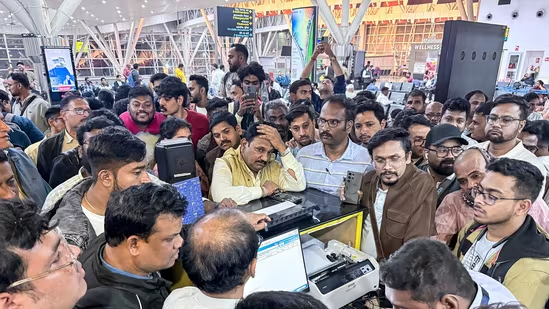
New Delhi – Scenes of unprecedented chaos have engulfed airports nationwide as IndiGo flights cancelled over the past four days have exceeded 1,000, creating India’s most severe airline crisis in recent memory. Long queues, frayed tempers, and anxious passengers have become the norm at major hubs as the country’s largest carrier struggles to maintain operations. The crisis, now entering its fourth day, has exposed critical vulnerabilities in airline management and regulatory oversight.
The Scale of Disruption
The magnitude of IndiGo flights cancelled is staggering by any measure. More than 1,000 flights have been scrapped over four consecutive days, with major hubs bearing the brunt of the disruption. Delhi Airport alone witnessed 135 departures and 90 arrivals cancelled on Friday. Bengaluru Airport reported 52 arrivals and 50 departures scrapped, while Hyderabad logged 92 cancellations the same day.
Nationwide, more than 600 flights were cancelled in just 48 hours—a record-breaking collapse for the 20-year-old airline that has built its reputation on reliability and punctuality. On Wednesday, IndiGo’s on-time performance plummeted to 19.7%, a catastrophic fall from its industry-leading standards.
Root Cause: New Flight Duty Time Limitations
While IndiGo has attributed the chaos to “multitude of unforeseen operational challenges” including minor tech glitches, winter schedule changes, congestion, and weather, aviation insiders and regulators identify a different culprit. The real blow behind IndiGo flights cancelled came from the implementation of Flight Duty Time Limitations (FDTL)—new crew rest and duty-hour rules designed to prevent pilot fatigue.
Initially introduced in January 2024 but not enforced until recently, these rules mandate several critical changes. Weekly rest requirements for crew increased from 36 hours to 48 hours. The night duty window expanded from 00:00 to 06:00. Most significantly, pilots are now limited to only two night landings per week, with a cap of 8 flying hours during night operations.
These restrictions forced a substantial portion of IndiGo’s pilots into compulsory rest periods just as the airline expanded its frequency for the winter schedule on October 26. The timing proved catastrophic.
The Perfect Storm
The crisis intensified when an Airbus A320 software advisory triggered weekend delays, pushing numerous flights past midnight. Under the new rest rules, these delays cascaded into cancellations as pilots hit their duty time limits. What began as minor disruptions snowballed into the massive wave of IndiGo flights cancelled that has paralyzed operations.
IndiGo’s Scale: Double-Edged Sword
IndiGo operates over 2,200 flights daily—nearly double that of Air India. This dominant market position, typically a competitive advantage, has become a vulnerability. Even a 10% operational disruption translates to 200-400 affected flights and thousands of stranded passengers. The airline’s high-frequency, low-cost model leaves minimal buffer for absorbing shocks, meaning IndiGo flights cancelled have a disproportionate impact on India’s aviation ecosystem.
The airline carried 118 million passengers last financial year, and its struggles have exposed a harsh reality: aggressive scaling and high-frequency operations are incompatible with tighter fatigue-control norms unless staffing grows proportionately.
DGCA Intervention and Rule Rollback
In a significant development addressing the IndiGo flights cancelled crisis, the Directorate General of Civil Aviation (DGCA) issued an order on Friday withdrawing a strict provision in the new FDTL rules. The regulator removed the clause stating “no leave shall be substituted for weekly rest,” implemented with immediate effect.
This marks the first rollback of an FDTL clause since enforcement began, signaling government acknowledgment that the airline industry, especially IndiGo, was caught unprepared for the transition. The change offers breathing room for carriers to re-roster crew and restart flights, potentially easing the crisis.
Management Failures and Pilot Accusations
Pilot unions have placed blame squarely on IndiGo management for the IndiGo flights cancelled crisis. The Federation of Indian Pilots alleges the airline ignored warnings and failed to prepare adequate staffing rosters despite knowing new rules were imminent.
Specific criticisms include a prolonged hiring freeze, lean manpower strategy implemented for years to cut costs, non-poaching pacts and pay freezes that prevented talent acquisition, and schedule planning that failed to factor in new rest norms. Unions claim other airlines prepared better and remain largely unaffected by the same regulatory changes.
Some aviation experts suspect the disruptions could represent a pressure tactic to secure relaxations in FDTL rules—a claim pilots warn could compromise safety. Critics also targeted DGCA for approving winter flight schedules without verifying pilot availability under the new norms.
Passenger Nightmare
The human cost of IndiGo flights cancelled has been severe. Stranded passengers report being told “just two more hours” for 12 hours straight, without hotel accommodation or food provisions. Others spent entire nights at airports before learning their flights were cancelled. The operational breakdown has destroyed travel plans, disrupted family obligations, and caused significant financial losses.
Path to Recovery
IndiGo has sought time until February 10, 2026, to fully stabilize operations and has begun cutting flights to contain the damage. The airline has repeatedly apologized and urged passengers to check flight status before departing, carry essential supplies, and consider flexible or refundable bookings.
As IndiGo flights cancelled continue disrupting travel nationwide, pilots have urged DGCA to approve schedules only after airlines prove adequate crew strength, ensuring safety-driven policies aren’t undermined by commercial pressures. For now, India’s largest airline faces the toughest operational challenge in its history.
New Delhi – A massive wave of IndiGo cancellations has plunged airports across India into unprecedented chaos over the past three days, leaving thousands of passengers stranded, distressed, and desperate for answers. The widespread disruption has created emotional situations ranging from families unable to perform final rites to couples missing weddings, exposing systemic failures in communication and crisis management.
Nationwide Chaos Unfolds at Major Airports
The scale of IndiGo cancellations has triggered nationwide anxiety, affecting diverse groups of travelers including families with elderly and differently-abled members, foreign tourists racing against international flight timings, and individuals with time-sensitive personal commitments. The airline’s inability to provide adequate support or clear communication has compounded the distress experienced by stranded passengers.
Airports from Bhubaneswar to Bengaluru, Hyderabad to Goa, and Chennai to Siliguri have witnessed scenes of frustration and helplessness as thousands struggle to find alternative arrangements. The crisis has revealed significant gaps in the airline’s customer service infrastructure during emergency situations.
Father’s Final Rites Jeopardized in Bengaluru
One of the most heart-wrenching stories emerging from the IndiGo cancellations crisis involves Namita, who was stranded at Bengaluru’s Kempegowda International Airport while traveling to perform her father’s final rites. Carrying her father’s mortal remains, she faced an impossible situation when her flight was cancelled without prior notification.
“I have my father’s ‘Asthi’ with me. I have to reach Delhi from Bengaluru, board a flight to Dehradun, and then reach Haridwar. The ‘Asthi Visarjan’ has to be done tomorrow,” Namita explained, highlighting the religious and emotional urgency of her journey. The airline’s response—suggesting she book with other carriers at rates exceeding ₹60,000 per person—was financially impossible for her.
She appealed directly to the government for assistance, stating that all her money had been wasted and only a partial refund would be received after a week, with unclear deductions. Her plea underscored how IndiGo cancellations were not merely inconveniences but were disrupting sacred family obligations and causing immeasurable emotional distress.
Special Needs Travelers Face Additional Hardships
In Bhubaneswar, Odisha, frustration reached critical levels as passengers with special circumstances struggled to receive basic support. One traveler highlighted the particular vulnerability of their situation: “We are travelling with a differently abled kid and a senior citizen.”
The IndiGo cancellations crisis was exacerbated by non-functional customer care numbers, leaving vulnerable passengers without any recourse. Adding insult to injury, when passengers attempted to cancel their tickets, they discovered non-refundable policies applied despite the fault clearly lying with the airline. Meanwhile, alternative flight prices had skyrocketed, making rebooking financially prohibitive for most affected passengers.
Confusion and Miscommunication in Hyderabad
The situation in Hyderabad revealed another troubling dimension of the IndiGo cancellations crisis—systemic miscommunication and potential overbooking issues. One passenger described an unprecedented experience that began at 5 AM when they arrived at the airport.
“I went to the IndiGo counter. They told me the flight is cancelled. When actually it wasn’t cancelled,” the passenger recounted, expressing disbelief at being sent home only to discover later that their flight had operated normally. The passenger questioned whether this represented deliberate misinformation to accommodate stranded passengers from previous days or indicated overbooking problems.
This incident highlighted how IndiGo cancellations and the airline’s handling of the crisis had created situations where passengers couldn’t trust basic information provided by official counters.
Weddings Missed, Plans Destroyed
In Goa, passengers shared experiences of being abandoned without updates or adequate support during the IndiGo cancellations crisis. One family, awake since 5 AM and waiting for two hours at the airport, learned their flight was cancelled without prior notification.
“We have a wedding to attend. So, it’s a total mess,” the traveler explained. The airline refused to provide accommodation despite offering a replacement flight only the following day—too late for the wedding. The family expressed deep disappointment with IndiGo’s crisis management.
Similar complaints emerged from Chennai, where passengers reported cancelled flights, exorbitant alternative fare prices, and the airline’s failure to provide even basic amenities like food or accommodation.
International Travelers Left Without Options
The IndiGo cancellations also severely impacted international travelers, creating particularly complex situations for foreign tourists unfamiliar with Indian geography and alternative transportation options. At Siliguri in West Bengal, a passenger from Tel Aviv, Israel, described the uncertainty of being stranded far from their international departure point in Kolkata.
“We came here for five days. Now we have to get back to Kolkata because our flight back to Israel is from there. I don’t know why they cancelled,” the Israeli tourist explained, emphasizing their unfamiliarity with the region and limited options for reaching Kolkata in time for their international connection.
Systemic Failures Exposed
The ongoing crisis of IndiGo cancellations has exposed critical weaknesses in India’s largest domestic carrier’s operational resilience and customer service protocols. The combination of massive flight disruptions, non-functional customer service channels, inadequate compensation policies, and poor communication has left thousands of passengers in impossible situations.
As the IndiGo cancellations continue, passengers demand greater accountability, immediate compensation, and systemic reforms to prevent such widespread disruption in the future.
New Delhi – Prime Minister Narendra Modi‘s carefully curated selection of presents for Russian President Vladimir Putin during his December 4–5 summit visit to India showcased the country’s remarkable diversity and deep-rooted civilisational heritage. Modi’s gifts to Putin spanned multiple regions of India, from the Kashmir valley to Bengal’s artistic traditions, each item carrying profound symbolic meaning and representing centuries of craftsmanship and cultural significance.
Kashmiri Saffron: The Red Gold from the Himalayas
Among the most precious items in Modi’s gifts to Putin was Kashmiri saffron, locally known as Kong or zafran. This prized spice is cultivated in the highlands of the mountainous Kashmir region and is renowned worldwide for its rich colour, distinctive aroma, and exceptional flavour. Protected by Geographical Indication (GI) recognition, Kashmiri saffron represents one of India’s most valuable agricultural treasures.
Often referred to as “red gold” due to its immense value and rarity, this saffron is celebrated not only for its culinary applications but also for its numerous health benefits. The inclusion of this precious gift underscored the premium nature of India-Russia relations and the desire to share India’s finest produce with a valued partner.
Assam Black Tea: A Taste of the Brahmaputra Plains
Modi’s gifts to Putin included premium Assam Black Tea, grown in the fertile plains of the Brahmaputra River. This tea variety is internationally prized for its robust malty flavour, bright liquor, and traditional processing methods that have been perfected over generations. The Assam tea received its GI tag in 2007, certifying its unique regional characteristics and quality.
Beyond its distinctive taste profile, Assam tea is also valued for its potential health benefits, making it both a cultural ambassador and a wellness product. This gift represented the northeastern region of India and highlighted the country’s position as one of the world’s leading tea producers.
West Bengal’s Ornate Silver Tea Set
Complementing the Assam tea, Modi’s gifts to Putin featured an exquisite Murshidabad silver tea set from West Bengal. This ornate set showcases intricate engravings that reflect the rich artistry and craftsmanship traditions of the region. The tea set carries multiple layers of symbolism, acknowledging the deep cultural importance of tea in both Indian and Russian societies.
Interestingly, the tea set also serves as a subtle reminder of Prime Minister Modi’s personal journey—from his humble beginnings selling tea at a railway station to becoming the leader of the world’s largest democracy. This gift beautifully merged personal narrative with national pride and bilateral friendship.
Maharashtra’s Handcrafted Silver Horse
A stunning handcrafted silver horse from Maharashtra featured prominently in Modi’s gifts to Putin. This exquisite piece symbolizes dignity and valour, qualities celebrated in both Indian and Russian cultures. The accompanying note explained that the artwork reflects shared heritage and mutual respect between the two nations.
The horse’s poised, forward-moving stance serves as a powerful metaphor for the enduring and ever-advancing India-Russia partnership. This gift encapsulated the dynamic nature of bilateral relations and the shared commitment to progress and cooperation.
The Bhagavad Gita in Russian: Spiritual Wisdom Transcending Borders
Perhaps the most personally significant among Modi’s gifts to Putin was a special copy of the Srimad Bhagavad Gita translated into Russian. Prime Minister Modi personally handed this sacred text to President Putin, emphasizing its importance in the gift collection. The Bhagavad Gita, part of the Hindu epic Mahabharata, contains Lord Krishna’s guidance to Arjuna on fundamental concepts of duty, the eternal soul, and spiritual liberation.
The accompanying note highlighted that the Gita’s timeless wisdom inspires ethical living, mind control, and inner peace. By providing a Russian-language translation, the gift ensured accessibility and demonstrated respect for Putin’s ability to engage with the text in his native language. This gesture reflected the spiritual and philosophical dimensions of India-Russia relations.
Uttar Pradesh’s Marble Chess Set from Agra
Modi’s gifts to Putin also included a handcrafted marble chess set from Agra in Uttar Pradesh, blending exceptional craftsmanship with functional elegance. This masterpiece highlights the region’s renowned stone inlay heritage, a tradition that has flourished for centuries in the city famous for the Taj Mahal.
The chess set features individually inlaid motifs, contrasting stone chessmen, and a chequered marble board framed by elaborate floral designs. Crafted from a combination of marble, wood, and semi-precious stones, it exemplifies North Indian artistry at its finest. The choice of a chess set—a game of strategy and intellect—symbolically represents the strategic nature of India-Russia diplomatic relations.
Diplomatic Significance of Cultural Gifts
Modi’s gifts to Putin were not merely ceremonial items but carefully selected cultural ambassadors representing India’s geographical diversity, artistic traditions, and civilisational depth. Each gift told a story—of regional craftsmanship, agricultural excellence, spiritual wisdom, and shared values. Together, they painted a comprehensive picture of India’s multifaceted identity.
The thoughtful curation of Modi’s gifts to Putin demonstrated India’s soft power diplomacy, using cultural heritage to strengthen bilateral ties and create lasting impressions that transcend formal political discourse.
New Delhi – Domestic air travel in India has become significantly more expensive as IndiGo cancellations continued for a third consecutive day on Friday, creating unprecedented chaos across major airports. With hundreds of flights grounded and thousands of passengers desperately seeking alternative travel options, last-minute airfares have surged to extraordinary levels, with some tickets crossing the ₹80,000 mark on popular routes.
Unprecedented Price Surge Across Major Routes
The impact of IndiGo cancellations on ticket pricing has been dramatic and immediate. Travelers attempting to book urgent flights witnessed fares rising almost instantly across all major travel platforms. The Delhi–Bengaluru route, one of India’s busiest corridors, exemplifies this crisis with the cheapest available flight on December 6 priced above ₹40,000, while premium options have crossed ₹80,000.
The Delhi–Mumbai sector has not been spared either. Passengers booking for December 6 now face minimum fares of ₹36,107, with prices escalating beyond ₹56,000 for certain flights. Return journeys to the national capital show similar patterns, with the lowest available fare hovering around ₹23,000 and peak prices exceeding ₹37,000.
Southern and Eastern Routes Hit Hard
The IndiGo cancellations have affected routes across the country uniformly. Last-minute bookings for Delhi–Chennai flights are displaying prices in the staggering ₹62,000–82,000 range, making what is typically an affordable route prohibitively expensive for most travelers. The Delhi–Guwahati sector shows prices ranging between ₹23,998 and ₹35,015, representing a significant markup from normal fares.
These price increases reflect the severe supply-demand imbalance created by the sudden withdrawal of hundreds of IndiGo flights from the market. As India’s largest domestic carrier, IndiGo’s operational troubles have left a substantial gap in available seats, forcing remaining carriers to adjust their pricing accordingly.
International Flights Cheaper Than Domestic
Perhaps the most striking aspect of the current crisis triggered by IndiGo cancellations is the price comparison with international routes. A Delhi–Dubai flight on December 6 costs approximately ₹25,855, making it cheaper than many domestic options. This anomaly highlights the severity of the domestic aviation crisis, where flying internationally has become more economical than traveling within India.
A Bengaluru–Dubai ticket is available for around ₹15,000, while a Delhi–Bangkok fare stands at roughly ₹18,747. These international fares are significantly lower than comparable domestic routes, underscoring how IndiGo cancellations have distorted the usual pricing dynamics in Indian aviation.
Scale of Operational Disruption
The IndiGo cancellations have affected more than 500 flights nationwide, creating a ripple effect across the entire aviation ecosystem. Delays and cancellations have led to overcrowded airports, with frustrated passengers waiting for hours without clear communication from airline officials. All IndiGo departures from Delhi Airport were suspended until midnight on Friday, though other airlines continued operating normally.
The operational breakdown has been attributed to staff shortages and implementation of new crew rules, which have severely impacted the airline’s ability to maintain its flight schedule. Passengers across multiple airports have reported deep frustration over the lack of communication and assistance during this crisis period.
Regulatory Response and Relief Measures
Recognizing the severity of the situation caused by IndiGo cancellations, the Directorate General of Civil Aviation (DGCA) has taken proactive steps to facilitate the airline’s recovery. The regulatory body has authorized IndiGo to redeploy pilots currently on deputation with DGCA as inspectors back to flying duties, effectively increasing the airline’s operational capacity.
Additionally, DGCA has granted IndiGo a one-time temporary exemption from two critical rules governing late duty and late-night operations. This exemption, valid until February 10, 2026, is designed to support the airline’s recovery efforts and minimize further disruption to passengers. The regulatory flexibility aims to help IndiGo restore normal operations while maintaining safety standards.
Relief in Sight for Future Bookings
Despite the current crisis triggered by IndiGo cancellations, there are indications that the situation may normalize in the coming days. Travel platforms show significantly lower prices already visible for flights scheduled between December 9–12 on multiple Delhi routes. This suggests that as IndiGo gradually restores its operations and the immediate supply shortage eases, fares should return to more reasonable levels.
However, the current disruption serves as a reminder of how dependent India’s domestic aviation market is on IndiGo, which controls a substantial market share. The airline’s troubles have exposed vulnerabilities in the system and raised questions about contingency planning for such large-scale operational failures.
Impact on Passengers and Travel Plans
The IndiGo cancellations have forced thousands of passengers to either pay exorbitant fares, postpone their travel plans, or seek alternative transportation modes. Business travelers with urgent commitments and families with planned vacations have been particularly affected by this unprecedented situation. The crisis has highlighted the need for better passenger protection mechanisms and more transparent communication protocols during such disruptions.
As the aviation sector works toward stabilization, passengers are advised to monitor fare trends and consider flexible booking options for the immediate future.
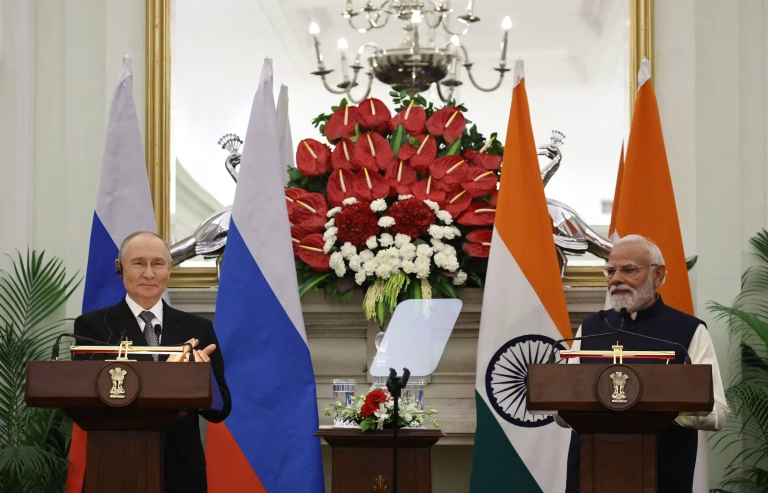
New Delhi – Russian President Vladimir Putin’s two-day state visit to India concluded with significant agreements spanning trade, energy, and tourism sectors. The Putin India visit marked a crucial milestone in strengthening the long-standing diplomatic relationship between the two nations, with both leaders emphasizing their commitment to deepening cooperation across multiple domains.
Ceremonial Welcome and Diplomatic Protocol
The second day of the Putin India visit began with a ceremonial welcome at Rashtrapati Bhawan, where President Droupadi Murmu and Prime Minister Narendra Modi received the Russian leader. Putin was accorded a tri-services guard of honour, reflecting the significance of this state visit. The day concluded with a state banquet hosted by President Murmu in honour of the visiting dignitary, after which Putin departed for Russia on Friday night.
India’s Stance on Ukraine Conflict
Ahead of his bilateral meeting with Putin, Prime Minister Modi clarified India’s position on the ongoing Ukraine conflict. Modi emphasized that India is not neutral but stands firmly on the “side of peace.” He reiterated India’s consistent support for peaceful solutions to conflicts through dialogue and diplomacy. This statement during the Putin India visit underscored India’s balanced approach to international conflicts.
Putin expressed gratitude for India’s attention to peace efforts regarding Ukraine, acknowledging the constructive role India could play in conflict resolution. He highlighted that Russia and India maintain strong relations across multiple sectors, including military cooperation, space development, and artificial intelligence.
The 23rd Russia-India Summit
The Putin India visit featured the 23rd Russia-India Summit, where both leaders engaged in extensive discussions on bilateral and multilateral issues. Modi pushed for ending the Ukraine war through dialogue and diplomacy, while Putin indicated Russia’s willingness to work toward a peaceful solution to the conflict. This summit reinforced the diplomatic framework that has characterized India-Russia relations for decades.
Trade and Economic Cooperation
A major highlight of the Putin India visit was the announcement of an expanded economic cooperation program extending until 2030. Modi declared that India and Russia have agreed to significantly boost bilateral trade, stating, “Taking India-Russia economic partnership to new heights is our common priority.”
Both nations signed a Memorandum of Understanding (MoU) on cooperation in the port and shipping sector. The countries also committed to deepening cooperation in building stable and efficient transport corridors, with particular focus on the International North-South Transport Corridor (INSTC), the Chennai–Vladivostok (Eastern Maritime) Corridor, and the Northern Sea Route.
Discussions have commenced on a Free Trade Agreement between India and the Eurasian Economic Union. Both leaders expressed their ambition to increase annual bilateral trade volume to USD 100 billion, marking a substantial expansion in economic ties during this Putin India visit.
Tourism and Visa Initiatives
In a significant move to boost people-to-people connections, Modi announced during the Putin India visit that India will soon launch a free 30-day e-tourist visa for Russian citizens. Additionally, a 30-day group tourist visa will be introduced, making travel more accessible for Russian tourists and strengthening tourism ties between the nations.
Energy Security and Cooperation
Amid international pressure, Putin made a strong statement on energy cooperation during the Putin India visit. He affirmed that Russia would continue “uninterrupted shipments” of fuel to India, describing Russia as a reliable supplier of oil, gas, coal, and other energy resources essential for India’s development.
“We are ready to continue uninterrupted shipments of fuel for the fast-growing Indian economy,” Putin declared at the business forum. This commitment addresses India’s energy security concerns and reinforces the strategic partnership between the two nations.
Infrastructure and Connectivity Enhancement
The joint statement released after the summit outlined plans to expand logistics links and enhance infrastructure capacity. The focus remains on improving connectivity through major transport corridors, which will facilitate smoother trade flows and strengthen economic integration between India and Russia.
Cultural Tribute
During the Putin India visit, the Russian President visited Rajghat, where he paid tributes to Mahatma Gandhi. Putin laid a wreath and offered floral tributes at the memorial, signing the visitors’ book—a gesture acknowledging the shared values of peace and non-violence that both nations cherish.
Conclusion
The Putin India visit successfully reinforced the multifaceted partnership between India and Russia. With agreements spanning trade, tourism, energy, and infrastructure, both nations demonstrated their commitment to deepening bilateral ties. The visit concluded with concrete outcomes that will shape Indo-Russian cooperation for years to come, positioning both countries for enhanced strategic and economic collaboration in an evolving global landscape.
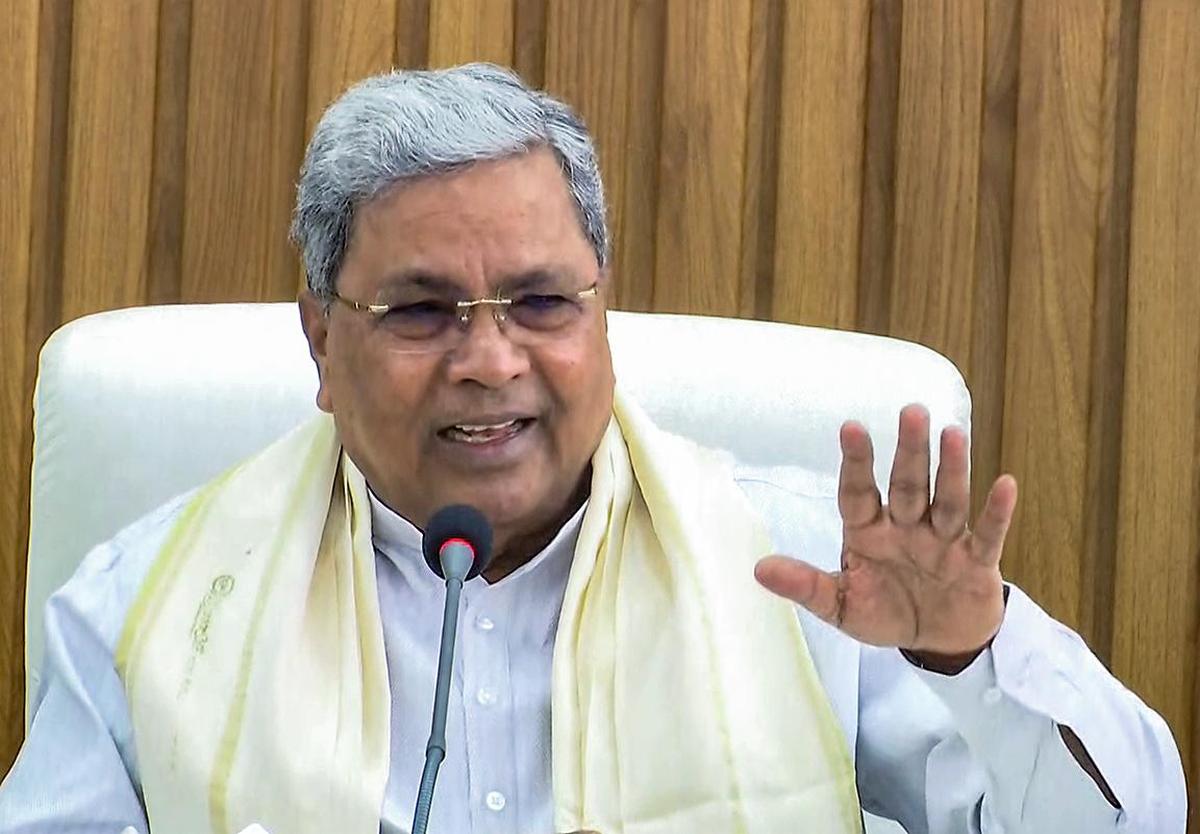
Karnataka Chief Minister Siddaramaiah has urged the Union Government to compensate States for revenue losses caused by slower Goods and Services Tax (GST) growth. Speaking at a high-level review meeting, the CM highlighted that Karnataka, like several other States, has witnessed a shortfall in projected GST collections, adversely impacting developmental and welfare initiatives. He emphasised that consistent revenue streams are crucial for ongoing infrastructure projects, social schemes, and fiscal stability. Siddaramaiah stressed that Centre’s timely intervention is necessary to bridge the gap and ensure that States can continue public service delivery without compromising financial health.
The slowdown in GST growth has emerged as a key concern for State governments across India. Karnataka’s finance department reports that despite an uptick in economic activity, GST collections have lagged behind projections due to structural issues, delayed reimbursements, and compliance challenges. Siddaramaiah noted that failure to address these gaps could limit Karnataka’s ability to fund welfare programs and capital investments. The CM urged the Centre to release compensation promptly and review revenue-sharing mechanisms to ensure fiscal predictability for States navigating post-pandemic economic pressures.
The Chief Minister pointed out that slower GST growth directly affects key social welfare schemes, including health, education, and rural development programs. Karnataka has ambitious plans for expanding public infrastructure, upgrading healthcare facilities, and supporting low-income households, all dependent on stable revenue inflows. Siddaramaiah underscored that delayed or reduced compensation from the Centre could force States to curtail essential spending, undermining developmental goals. The appeal reflects growing concerns among States regarding fiscal autonomy and the need for predictable resource flows under the GST framework.
Officials in Karnataka note that GST revenue shortfalls have also strained allocations for urban and rural infrastructure projects. Delayed payments impact ongoing metro expansions, road construction, and water supply initiatives. CM Siddaramaiah highlighted that these projects are critical for citizen welfare and economic growth. He argued that the Centre must acknowledge the structural challenges contributing to lower GST growth and adopt measures to ensure timely compensation. Analysts say that effective collaboration between Centre and States is key to maintaining development momentum without compromising fiscal stability.
Several States have echoed Karnataka’s concerns in recent meetings with Union finance officials. Observers note that while GST has simplified indirect taxation and improved compliance, discrepancies in projected versus actual revenue remain a challenge. Siddaramaiah’s appeal highlights the need for a transparent mechanism that balances Centre-State fiscal responsibilities, ensures timely compensation, and addresses structural limitations. Political analysts suggest that resolving these revenue issues is essential for maintaining cooperative federalism and sustaining growth across all regions.
Economic Implications of Lower GST Growth
Economists warn that prolonged shortfall in GST revenue may affect the States’ fiscal health. Reduced collections can limit budgetary allocations, delay infrastructure projects, and constrain social welfare schemes. In Karnataka, the CM emphasised that compensatory payments from the Centre are crucial for maintaining financial stability. Analysts also note that slower GST growth reflects broader economic trends, including changing consumption patterns, compliance challenges, and inflationary pressures. Ensuring predictable revenue flows is vital to mitigate potential disruptions in governance and economic planning at the State level.
The Chief Minister underscored that revenue shortfalls disproportionately affect programs targeting vulnerable populations. Health insurance schemes, subsidies for education, and rural livelihood initiatives depend on timely funding. Siddaramaiah highlighted that any delay in GST compensation can undermine the effectiveness of these programs, potentially affecting millions of beneficiaries. The appeal calls on the Centre to maintain transparency in allocation and expedite payments to ensure that developmental priorities remain uninterrupted, reinforcing the commitment to inclusive growth.
Karnataka’s finance officials have suggested that structural reforms in GST collection and reconciliation could improve revenue predictability. Enhanced data analytics, timely audits, and improved compliance monitoring may bridge gaps in projected and actual collections. Siddaramaiah emphasised that while administrative improvements are ongoing, the Centre’s support in providing compensatory funds remains indispensable. Experts highlight that fiscal collaboration and proactive policy adjustments are essential to address revenue volatility while sustaining State-led development initiatives.
The slowdown in GST growth also affects investment and business planning. Private enterprises rely on predictable taxation policies and timely reimbursements to plan operations, expansions, and employment generation. Siddaramaiah pointed out that revenue uncertainty could indirectly impact investor confidence in Karnataka, a State traditionally seen as an industrial and technological hub. Centre’s swift intervention in compensating revenue shortfalls would reassure stakeholders, maintain economic stability, and support long-term growth trajectories across sectors.
The Chief Minister’s appeal has prompted discussions among States and Union finance officials on revising revenue-sharing formulas. Delays in GST compensation have been a recurring concern, with States advocating for more predictable disbursement schedules. Siddaramaiah stressed that collaborative mechanisms must be strengthened to ensure timely payments, reducing fiscal stress and enabling uninterrupted governance. Analysts argue that addressing this issue is critical for sustaining cooperative federalism and reinforcing public trust in the taxation framework.
Officials report that Karnataka has faced lower-than-expected GST inflows in multiple tax categories, including central and state levies on goods and services. Siddaramaiah noted that these shortfalls impact both recurring expenditure and capital projects, limiting the State’s ability to implement new schemes. By urging the Centre for immediate compensation, the CM aims to stabilise the State’s financial position and maintain continuity in critical development programs. Economists emphasise that such interventions are essential to preserve macroeconomic stability at the regional level.
Political observers suggest that Siddaramaiah’s proactive stance underscores Karnataka’s assertive approach toward fiscal federalism. By highlighting the impact of revenue shortfalls, the CM seeks to strengthen the State’s negotiating position with the Centre. Analysts note that this approach is likely to resonate with other States facing similar challenges, potentially prompting coordinated efforts to ensure timely GST compensation nationwide. The emphasis on transparency, predictability, and fairness forms the core of this appeal.
Centre-State Coordination and Policy Measures
The Union finance ministry has acknowledged concerns regarding GST revenue growth but cites structural factors and compliance delays as contributing causes. Karnataka’s CM reiterated that while States are improving collection efficiency, timely compensation remains critical to ensure continuity of public services. Officials suggest that policy measures, including revised disbursement schedules, automated reconciliations, and improved monitoring, could address revenue shortfalls and reduce future discrepancies. Effective Centre-State coordination is central to sustaining fiscal stability and enabling uninterrupted developmental progress.
Siddaramaiah’s government has undertaken several internal measures to enhance GST compliance and revenue efficiency. These include strengthening audit mechanisms, digital monitoring of tax filings, and outreach to taxpayers to reduce default rates. While these efforts have yielded incremental gains, the CM emphasised that structural support from the Centre in the form of timely compensation remains indispensable. Analysts argue that a balanced approach combining administrative improvements and compensatory frameworks can ensure fiscal stability and sustained public service delivery.
The appeal also underscores the impact on social and welfare schemes. Karnataka has ambitious plans for public health, education, and rural development initiatives, all requiring predictable funding. Siddaramaiah stressed that lower-than-expected GST inflows can jeopardise these programs. Compensatory payments from the Centre are crucial to ensure that developmental objectives continue without disruption. Analysts note that predictable revenue streams reinforce governance credibility and help maintain public confidence in the State administration.
Experts highlight that delayed GST compensation can have long-term implications for investment and economic growth. States rely on timely revenue to fund infrastructure projects, attract private investment, and support employment generation. Siddaramaiah pointed out that a stable fiscal environment is essential for Karnataka’s industrial, IT, and manufacturing sectors. Centre’s cooperation in compensating revenue shortfalls will not only stabilise finances but also create a favourable climate for business and economic expansion across the State.
The CM’s appeal has drawn attention to broader concerns regarding the GST framework. While GST has unified indirect taxation, revenue volatility continues to affect State budgets. Analysts argue that revisiting mechanisms for compensation, ensuring predictable schedules, and strengthening monitoring are critical steps. Karnataka’s initiative may prompt similar appeals from other States, signalling the need for a nationwide review of revenue-sharing and compensation protocols to safeguard fiscal stability.
Karnataka’s finance department continues to monitor GST inflows, identifying sectors contributing to shortfalls. Siddaramaiah emphasised the importance of accurate data collection and transparent reporting to ensure accountability. Early identification of gaps allows both State and Centre to address issues proactively, preventing compounding fiscal stress. Economists argue that such a data-driven approach, combined with timely compensation, can enhance financial planning and mitigate the impact of slower GST growth on governance and development projects.
The Chief Minister has highlighted the social impact of revenue shortfalls, noting that welfare programs for marginalised communities depend on uninterrupted funding. Health schemes, educational initiatives, and rural livelihood programs require predictable budgets. By urging the Centre to provide compensation, Siddaramaiah seeks to protect vulnerable populations from disruptions caused by fiscal gaps. Analysts observe that fiscal cooperation between Centre and States is not only a financial necessity but also a moral imperative to sustain inclusive development.
Officials report that Karnataka has consistently maintained compliance with GST norms, improving filing and reporting systems. Despite these efforts, compensatory delays continue to affect financial planning. Siddaramaiah emphasised that timely intervention by the Centre will provide fiscal stability, enable smooth execution of development projects, and maintain public confidence in governance. Experts suggest that strengthening institutional frameworks for compensation can prevent future bottlenecks and ensure sustainable State finances.
The CM’s appeal comes at a crucial time as States plan budgets for upcoming fiscal years. Predictable revenue inflows from GST are essential to finalise allocations for infrastructure, health, education, and social welfare programs. Siddaramaiah’s proactive engagement with the Centre reflects Karnataka’s commitment to maintaining fiscal discipline while ensuring uninterrupted public service delivery. Analysts highlight that coordinated action between State and Union governments is central to addressing structural challenges and fostering economic stability.
Political analysts note that Karnataka’s approach could set a precedent for other States facing similar GST revenue shortfalls. Coordinated appeals, transparency in financial data, and collaborative dialogue with the Centre are essential for long-term fiscal stability. Siddaramaiah’s emphasis on timely compensation reflects a broader call for strengthening mechanisms that balance Centre-State responsibilities and ensure uninterrupted governance. The focus on financial predictability underlines the importance of cooperative federalism in sustaining India’s economic development.
In conclusion, Karnataka CM Siddaramaiah’s appeal to the Centre for compensating revenue shortfalls due to slower GST growth underscores the State’s commitment to fiscal stability and public service continuity. Timely intervention is crucial for sustaining infrastructure development, social welfare schemes, and economic growth. Coordination between Centre and States, transparent mechanisms, and proactive policy measures will determine the effectiveness of this initiative. Karnataka’s stance highlights the importance of predictable revenue flows, cooperative governance, and fiscal prudence in maintaining both State development objectives and public confidence.