Tuesday, March 3, 2026
Home Blog Page 27

India South Africa T20: Explosive 30-Run Victory in World Cup Warm-Up

0

Mumbai – India delivered a commanding performance in their India South Africa T20 World Cup warm-up fixture on Wednesday, defeating the Proteas by 30 runs in Navi Mumbai. The comprehensive victory showcased India’s batting firepower and bowling depth, providing the perfect preparation ahead of the main tournament. This India South Africa T20 encounter demonstrated the team’s readiness for the challenges that lie ahead in the T20 World Cup campaign.

The match served as an ideal platform for players to find form and test their skills against quality opposition. The India South Africa T20 warm-up fixture lived up to expectations, producing an entertaining contest with explosive batting from both sides and crucial bowling interventions at key moments.

Ishan Kishan’s Explosive Innings Powers India

The star of the India South Africa T20 warm-up match was undoubtedly Ishan Kishan, who produced a scintillating knock of 53 runs off just 20 balls. His explosive innings set the foundation for India’s imposing total and put immediate pressure on the South African bowling attack. Kishan’s aggressive approach from the outset characterized India’s intent in this crucial India South Africa T20 preparation match.

Kishan’s innings featured powerful striking and intelligent shot selection, demonstrating why he remains a valuable asset in India’s T20 setup. His ability to accelerate from the first ball proved crucial in helping India post a formidable total in this India South Africa T20 encounter. The left-handed batsman’s contribution exemplified the fearless approach India has adopted in the shortest format.

India Posts Imposing 240-Run Total

India’s batting lineup fired collectively in the India South Africa T20 warm-up, posting an impressive 240 runs for the loss of six wickets in their allotted 20 overs. This substantial total put South Africa under immediate pressure and required them to maintain an aggressive run rate throughout their chase. The India South Africa T20 match showcased India’s depth in batting talent and their ability to accelerate throughout the innings.

Beyond Kishan’s explosive contribution, the Indian batting order displayed excellent continuity. The team’s ability to maintain momentum after the powerplay overs proved decisive in reaching such a commanding total in this India South Africa T20 preparation fixture.

Tilak Varma’s Crucial Contribution

Supporting Kishan’s fireworks was Tilak Varma, who slammed an impressive 45 runs off just 19 deliveries. His innings provided the perfect complement to Kishan’s aggression and ensured India maintained their scoring rate throughout the middle overs. Varma’s performance in the India South Africa T20 warm-up reinforced his reputation as one of India’s most promising young talents.

Also Read: PCB Financial Crisis: Devastating 40 Billion Loss Threatens Pakistan Cricket

Varma’s strike rate of over 236 demonstrated his ability to clear the boundary with ease. His contribution in this India South Africa T20 encounter proved that India possesses multiple match-winners throughout their batting order, a crucial asset for any successful T20 campaign.

South Africa’s Spirited Chase Falls Short

Chasing 241 runs, South Africa began their pursuit with positive intent but ultimately fell 30 runs short, finishing at 210 runs for seven wickets in 20 overs. While the target proved beyond their reach, South Africa showed fighting spirit throughout their innings in this India South Africa T20 warm-up match. The chase demonstrated both teams’ commitment to playing attacking cricket despite the warm-up nature of the fixture.

Tristan Stubbs Leads South African Resistance

South Africa’s best performance with the bat came from Tristan Stubbs, who remained unbeaten with a valiant knock of 45 runs off 21 balls. His aggressive innings kept South Africa’s hopes alive during the middle overs of the India South Africa T20 chase. Stubbs demonstrated excellent technique and power-hitting ability, ensuring South Africa remained competitive despite the challenging target.

His unbeaten innings showcased why he is considered one of South Africa’s most exciting young talents. The India South Africa T20 match provided Stubbs with valuable match practice against quality opposition ahead of the main tournament.

Abhishek Sharma’s Bowling Heroics

India’s bowling attack was led by Abhishek Sharma, who claimed two crucial wickets during South Africa’s chase. His performance in the India South Africa T20 warm-up demonstrated his value as an all-round option for the team. Sharma’s ability to contribute with both bat and ball makes him a versatile asset in India’s T20 setup.

His wickets came at crucial moments, breaking partnerships and maintaining pressure on the South African batting lineup. The India South Africa T20 encounter allowed Sharma to test his skills against international opposition in match conditions.

Arshdeep Singh’s Wicket-Taking Ability

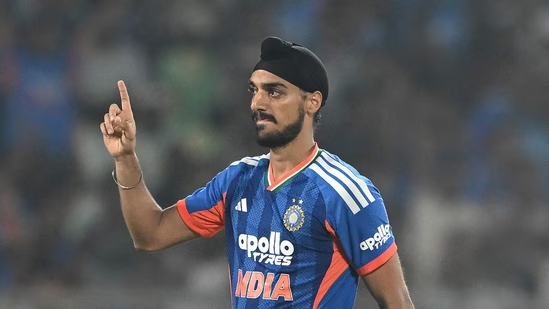
India’s pace attack also made significant contributions, with Arshdeep Singh celebrating after taking an important wicket during the match. His performance in the India South Africa T20 warm-up reinforced his reputation as one of India’s premier death-overs specialists. Singh’s ability to execute yorkers and variations under pressure makes him invaluable in the shortest format.

Perfect Preparation for Tournament Ahead

The India South Africa T20 warm-up fixture achieved its primary objective—providing both teams with competitive match practice ahead of the T20 World Cup. India’s 30-run victory demonstrated their capability across all departments while highlighting areas for potential improvement. The high-scoring nature of the match suggests both teams will approach the tournament with aggressive mindsets, prioritizing entertainment and positive cricket.

This comprehensive performance in the India South Africa T20 warm-up will boost India’s confidence as they prepare for their opening tournament fixture, having tested their combinations against quality opposition in match conditions.
Spending Freeze Maharashtra: Bold Move by CM Fadnavis Stops Wasteful Expenditure Till 15th Feb

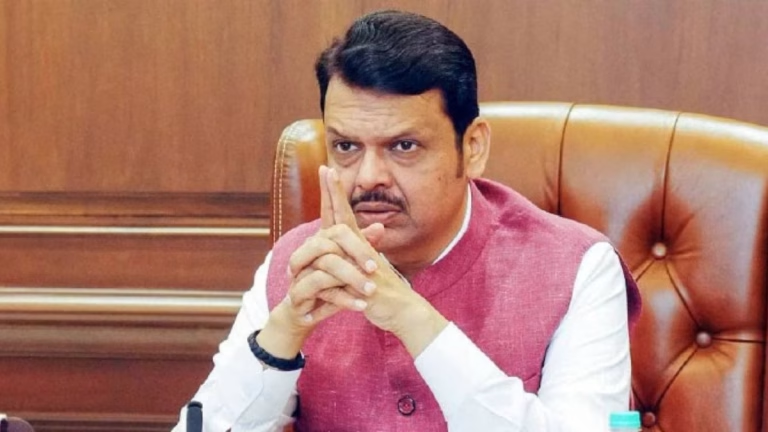
Maharashtra – Chief Minister Devendra Fadnavis has implemented a comprehensive spending freeze Maharashtra directive effective February 15, ordering a halt to fresh procurement and expenditure proposals as part of preparations for the state budget 2026-27. This decisive measure aims to curb last-minute and non-priority spending that typically occurs during the final months of the financial year.

The spending freeze Maharashtra order represents a significant policy intervention, particularly considering the financial stress the state has experienced since introducing the Mukhyamantri Majhi Ladki Bahin Yojana. This flagship Mahayuti government scheme provides ₹1,500 monthly to approximately 2.25 crore economically disadvantaged women across the state, placing substantial pressure on state finances.

Scope and Duration of the Freeze

The spending freeze Maharashtra directive clearly stipulates that no new proposals or tenders relating to procurement and expenditure will be accepted after February 15. This restriction will remain in force until March 31, covering the crucial final weeks of the current financial year 2025-26. The measure applies exclusively to this financial year and represents an immediate intervention in spending patterns.

According to the state finance department’s official order, the spending freeze Maharashtra encompasses a wide range of activities. Administrative departments will not grant approval for any new purchase proposals during this period. Specifically excluded from approval are proposals relating to furniture repairs, repair of photocopy machines, computers, equipment and spare parts, organization of workshops and seminars, office rentals, and similar activities.

Strategic Rationale Behind the Freeze

Senior officials from the state finance department explained that the spending freeze Maharashtra addresses a persistent problem in government expenditure management. Various government departments are expected to plan their spending based on available cash flow while implementing budgetary provisions. However, several departments tend to incur heavy expenditure in the final three months of the financial year.

“This will significantly reduce last-minute spending by departments, which often leads to unnecessary expenditure merely to prevent budgetary allocations from lapsing. It may also result in a substantial portion of budgetary provisions remaining unspent,” a senior official from the state finance department stated. The spending freeze Maharashtra thus serves both to control wasteful spending and to provide a more accurate picture of actual budgetary requirements.

Critical Exemptions to the Spending Freeze

The spending freeze Maharashtra includes several important exemptions designed to ensure essential services continue uninterrupted. Most notably, the purchase of medicines has been completely exempted from the freeze, recognizing the critical importance of healthcare supplies. This exemption allows medical procurement to continue within the limits of available funds.

Additionally, the spending freeze Maharashtra does not apply to centrally sponsored schemes, the state’s matching share under such schemes, and procurement under externally aided projects. These exemptions ensure that commitments to the central government and international development partners remain unaffected by the state’s fiscal discipline measures.

Case-by-Case Consideration Process

The spending freeze Maharashtra order provides for limited flexibility in genuinely urgent situations. Purchase proposals under the district annual plan and local development funds of public representatives may be submitted to the finance department, which will make decisions on a case-by-case basis. Only proposals involving urgent requirements will be considered, subject to approval by the finance department.

Chief Minister Fadnavis specifically ordered that proposals dealing with some sort of urgency will go through the finance department for approvals. This provision ensures that the spending freeze Maharashtra does not inadvertently harm essential government functions while maintaining overall fiscal discipline.

Administrative Implementation Details

The spending freeze Maharashtra directive makes clear that no administrative approval will be granted for purchase proposals from February 15, even in cases where prior approval was obtained. Furthermore, departments will not be able to float tenders during this restricted period. This comprehensive approach prevents circumvention of the freeze through pre-approved but not yet executed proposals.

Background: CAG Report and Fiscal Concerns

The spending freeze Maharashtra order has been issued against the backdrop of a Comptroller and Auditor General report tabled during the winter session of the state legislature. The CAG report criticized the state government for fiscal imbalance in FY2024-25, emphasizing “expenditure waste and execution failure” and highlighting underspending of revenue and significantly lower capital expenditure than budgeted.

Impact on Budgetary Discipline

The spending freeze Maharashtra represents a proactive approach to addressing fiscal management challenges identified by the CAG. By preventing the traditional year-end spending rush, the government aims to improve budget planning accuracy and reduce wasteful expenditure that occurs simply to exhaust allocated funds before they lapse.

Senior officials believe the spending freeze Maharashtra will lead to better fiscal discipline across all government departments, encouraging more thoughtful planning and prioritization of expenditure throughout the year rather than concentrating spending in the final quarter.

Future Implications

This spending freeze Maharashtra initiative may set a precedent for future fiscal years, establishing February 15 as a standard cutoff date for new spending proposals. The measure demonstrates the state government’s commitment to fiscal responsibility despite significant welfare spending commitments.

PCB Financial Crisis: Devastating 40 Billion Loss Threatens Pakistan Cricket

0

New Delhi – The Pakistan Cricket Board is confronting a potential PCB financial crisis of unprecedented magnitude as the International Cricket Council considers penalties for refusing to play India in the ICC Men’s T20 World Cup 2026. The board could face a devastating financial hit linked directly to its ICC revenue stream, with insiders warning of losses approaching 40 billion Pakistani rupees.

This PCB financial crisis stems from how heavily Pakistan cricket’s financial planning depends on ICC distributions across the ongoing cycle. If deductions are imposed as penalties or compensation tied to commercial damage, the impact would fundamentally destabilize the board’s operations rather than merely causing cosmetic concerns.

The India-Pakistan Match Revenue Factor

The India-Pakistan match stands as the single biggest broadcast driver in global cricket, making any PCB financial crisis related to boycotting this fixture particularly severe. Rights holders structure their advertising and revenue projections specifically around this blockbuster encounter, treating it as the centerpiece of tournament economics.

A no-show in this crucial match is viewed as a direct threat to the wider event economics, with consequences potentially flowing into the same revenue pool from which member boards receive their payments. The PCB financial crisis would therefore not only affect Pakistan but could also impact the financial ecosystem of international cricket.

Recent Spending Amplifies Financial Vulnerability

The PCB financial crisis becomes even more acute when considering recent expenditure patterns. The board has been involved in significant stadium upgrade work across key venues throughout Pakistan. However, the return from hosting-related income has not been strong enough to comfortably offset these substantial outlays.

In this backdrop, ICC money becomes the critical stabilizer that keeps PCB operations predictable and sustainable. These funds are essential for running domestic cricket, paying staff salaries, and meeting player commitments. Without this reliable income stream, the PCB financial crisis could cascade into operational paralysis.

Insider Warnings About Financial Impact

An insider close to the situation issued a stark warning about the potential PCB financial crisis: “Basically if the ICC decides to penalise Pakistan for not playing India, the PCB could take a big hit financially as the ICC share in the current financial cycle comes to approximately 40 billion PKR.”

This statement underscores that the PCB financial crisis represents more than just an administrative challenge—it threatens the board’s fundamental cashflow position. The loss of such a substantial amount would force uncomfortable decisions across every aspect of cricket administration in Pakistan.

Pakistan Super League Cannot Fill the Gap

While some might view the Pakistan Super League as a potential safety valve for the PCB financial crisis, the reality is more complicated. Although franchise valuations and fees have risen, and new teams have boosted headline figures, the PSL’s structure limits its usefulness as a financial cushion.

A large share of central revenues and gate receipts from the PSL is routed back to franchises rather than remaining with PCB as freely deployable funds. This means the league serves as an important pillar but cannot act as a direct replacement for a large ICC-linked deduction, leaving the PCB financial crisis largely unmitigated by domestic cricket revenue.

Mohsin Naqvi’s Stubborn Stand

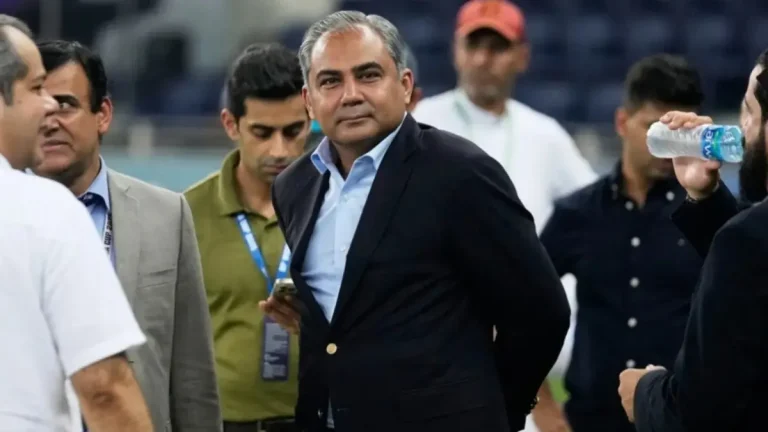
PCB chief Mohsin Naqvi’s firm stance on refusing to play India has created this PCB financial crisis. His decision, while potentially driven by political considerations, has placed Pakistan cricket in an extraordinarily vulnerable financial position. The stubbornness of this approach could result in consequences that reverberate through Pakistani cricket for years.

The PCB financial crisis triggered by Naqvi’s position demonstrates how political decisions in cricket administration can have devastating financial ramifications. Board officials are reportedly warning him about the severe implications of maintaining this stance.

ICC’s Potential Actions

The International Cricket Council is considering various forms of action that could deepen the PCB financial crisis. These could include direct financial penalties, compensation payments to broadcasters and sponsors, or deductions from future revenue distributions. Each scenario presents serious challenges for PCB’s budget planning.

ICC officials are under pressure to make an example of Pakistan’s behavior, with some suggesting that allowing this boycott without consequences would set a dangerous precedent. The resulting PCB financial crisis would serve as a deterrent to other boards considering similar actions in the future.

Operational Implications

If ICC action materializes, the PCB financial crisis may force the board into difficult decisions regarding budgets, contracts, and longer-term planning. This is not because PCB lacks revenue streams entirely, but because its most reliable income source could suddenly be dramatically reduced.

The board would need to reassess commitments to players, domestic cricket structures, administrative staff, and development programs. Every aspect of Pakistan cricket operations would feel the effects of this PCB financial crisis.

Looking Ahead

The situation presents a critical juncture for Pakistan cricket. The potential PCB financial crisis serves as a cautionary tale about the intersection of politics and sports administration. With 40 billion PKR at stake, the board faces pressure from multiple stakeholders to reconsider its position before permanent financial damage occurs.

The outcome of this standoff will determine whether Pakistan cricket enters a period of severe austerity or finds a diplomatic solution that preserves its financial stability while addressing political concerns.

Trump Assassination Attempt: Shocking Life Sentence for Ryan Routh

Washington D.C. – A US federal judge on Wednesday sentenced Ryan Routh to life in prison following his conviction for attempting to assassinate Donald Trump less than two months before the 2024 national elections. The Trump assassination attempt took place at Trump International Golf Club in West Palm Beach, Florida, on September 15, 2024, where Routh hid in bushes with a semi-automatic rifle while the President was golfing.

US District Judge Aileen Cannon, delivering the sentence in Fort Pierce, Florida, described Routh’s actions as a calculated and premeditated effort to take human life. “It’s clear to me that you engaged in a premeditated, calculated plot to take a human life,” Cannon stated during the sentencing hearing. The judge’s strong language underscored the gravity of the Trump assassination attempt and its threat to American political stability.

Details of the Assassination Plot

Secret Service agents discovered Routh hiding in bushes approximately a few hundred yards from where President Trump was playing golf. The Trump assassination attempt was thwarted when vigilant agents spotted him concealed in vegetation with an assault-style rifle. Although Routh fled the scene immediately after being detected, he left behind the semi-automatic weapon, which became crucial evidence in his prosecution.

Law enforcement officers arrested the 59-year-old suspect shortly after his escape from the golf course. The Trump assassination attempt sent shockwaves through the nation’s security apparatus and raised serious questions about protection protocols for presidential candidates and sitting presidents.

Conviction and Sentencing Process

Routh was convicted by a jury in September 2025 of five criminal counts, including attempted assassination. Remarkably, he served as his own defense lawyer during the trial despite having no formal legal training. This unusual decision to represent himself in such a serious case involving a Trump assassination attempt proved unsuccessful, as the jury found him guilty on all charges.

During the sentencing hearing, prosecutors emphasized that Routh’s crimes were aimed at “upending American democracy” and urged Judge Cannon to send a strong message that political violence remains unacceptable in the nation. The prosecution had recommended a life sentence, which the judge ultimately imposed for the Trump assassination attempt.

Defendant’s Courtroom Behavior and Statements

Delivering a dramatic address at the hearing, Routh avoided discussing the facts of the Trump assassination attempt case. Instead, he focused on foreign wars and expressed a desire to be exchanged with political prisoners abroad. Reading from prepared notes, Routh claimed, “I have given every drop of who I am every day for the betterment of my community and this nation.”

Routh had requested the judge impose a 27-year term rather than life imprisonment. He called himself a failure and stated that his sentence was “totally unimportant,” lamenting that “sadly, execution is not an option.” His statements during the hearing revealed a troubled mindset that prosecutors argued made him dangerous.

After the jury read the verdict, Routh attempted to stab himself with a pen multiple times and had to be physically restrained by marshals. His daughter protested the sentence in court, claiming her father had not hurt anyone and vowing to secure his release from prison.

Defense Attorney’s Perspective

Routh’s lawyer acknowledged that his client was a troubled and complex individual but insisted he had a “very good core” and cared deeply about others’ well-being. The defense attorney announced plans to appeal both the conviction and sentence related to the Trump assassination attempt, though legal experts consider success unlikely given the strength of evidence.

President Trump’s Response

Donald Trump took to his Truth Social platform to praise the verdict against Routh for the Trump assassination attempt. “This was an evil man with an evil intention, and they caught him,” Trump wrote, expressing satisfaction with the judicial outcome and the life sentence imposed.

Second Assassination Attempt in 2024

The Trump assassination attempt by Routh came nearly two months after another gunman fired at Trump during a campaign rally in Butler, Pennsylvania. That earlier attack grazed Trump’s ear but failed to cause serious injury. The two assassination attempts during the 2024 election cycle highlighted unprecedented security challenges facing the Republican candidate.

Despite facing two separate Trump assassination attempt incidents, Trump successfully regained the presidency after being defeated four years earlier by Democrat Joe Biden. Rather than viewing the attacks as setbacks, Trump incorporated them into his campaign messaging, arguing that the US Justice Department under Biden could not be trusted with investigations.

Implications for Political Violence

Judge Cannon’s sentencing emphasized the serious consequences for those who engage in political violence. The life sentence for the Trump assassination attempt sends a clear message that threats against political leaders will be met with maximum legal penalties. The case has prompted discussions about enhanced security measures for candidates and elected officials.

The Trump assassination attempt verdict represents a significant moment in American jurisprudence regarding political violence and threats against democracy.

India Russian Oil: Shocking Kremlin Response to Trump’s Trade Deal Claims

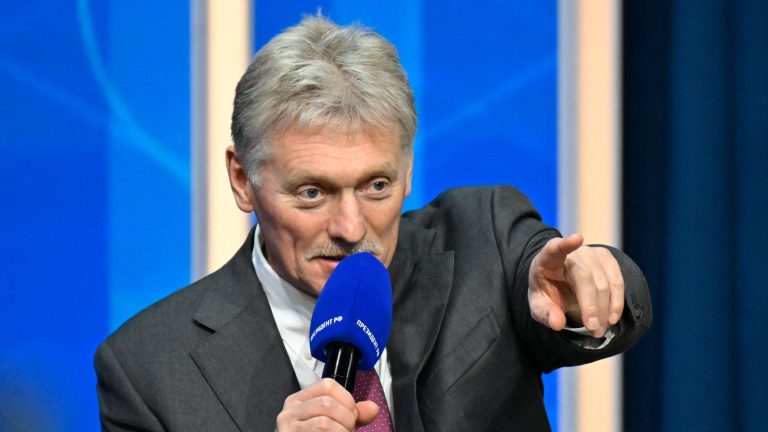
Kremlin, Russia – Two days after American President Donald Trump announced a trade deal claiming India would stop buying India Russian oil, Russia has responded with a measured statement affirming New Delhi’s freedom to purchase oil from any country. Russia’s Press Secretary Dmitry Peskov emphasized that Russia is not the only supplier of oil and petroleum products to India, noting that New Delhi has always purchased these products from various countries.

Peskov’s remarks came in response to questions about Trump’s assertion that Prime Minister Narendra Modi had agreed to halt India Russian oil purchases and switch to American suppliers. The Kremlin spokesperson stated that international energy experts are well aware of India’s diversified oil sourcing strategy, suggesting there is nothing new in the current situation.

Trump’s Trade Deal Claims Under Scrutiny

President Trump announced the trade deal with India on Monday, which included lower reciprocal tariffs and claims about halting India Russian oil imports. According to Trump’s statement, India would increase imports of American goods and energy while discontinuing Russian oil purchases. However, the details surrounding the India Russian oil commitment remain unclear, with India confirming only the tariff reduction portion of the agreement.

The trade deal emerged after a phone call between Trump and PM Modi, where both leaders discussed bilateral economic cooperation. Modi welcomed the reduced US tariff of 18% on Indian goods, down from the previous 25% reciprocal tariff plus an additional 25% penalty. However, his official statement made no mention of commitments related to India Russian oil purchases or any trade deal beyond tariff relief.

India’s Official Silence on Russian Oil Commitments

Prime Minister Modi’s social media post following the announcement focused exclusively on tariff reductions. He expressed gratitude to President Trump on behalf of 1.4 billion Indians for the reduced duties on Made in India products. The conspicuous absence of any reference to India Russian oil in Modi’s statement has raised questions about the actual scope of the agreement.

A prominent Russian radio channel, Kommersant FM, noted this discrepancy, pointing out that unlike President Trump, PM Modi did not mention any agreement on halting India Russian oil imports. This selective acknowledgment suggests potential differences between American and Indian interpretations of the trade deal.

Russia Values Strategic Partnership with India

On Tuesday, Peskov stated that Russia hadn’t heard anything from New Delhi regarding changes to India Russian oil purchases. He emphasized that Russia values its relationship with India and would continue developing its strategic partnership with New Delhi. This diplomatic response indicates Russia’s confidence in maintaining its energy relationship with India despite American pressure.

The Kremlin’s measured tone suggests Moscow is not overly concerned about losing the Indian market. Russia’s approach reflects understanding of India’s strategic autonomy and the practical challenges of completely replacing India Russian oil with American supplies.

Technical Challenges in Replacing Russian Oil

Leading Russian energy expert Igor Yushkov from the National Energy Security Fund has highlighted significant technical obstacles to completely stopping India Russian oil imports. According to Yushkov, Indian refiners cannot fully replace Russian crude due to fundamental differences in oil grades.

Also Read: India US Trade Deal: Breakthrough After Doval’s Strong Stand Against Bullying

“The American shale oil they export is light grades, similar to gas condensate. Russia, on the other hand, supplies relatively heavy, sulfur-rich Urals,” Yushkov explained. This means India would need to blend US crude with other grades, incurring additional costs that make simple substitution impossible.

Volume and Supply Considerations

Russia currently exports 1.5 million to 2 million barrels per day to India, a substantial volume that America cannot easily cover. Yushkov suggested that Trump may be attempting to portray the negotiations as an American victory, claiming the deal was concluded entirely according to US demands, even if the reality regarding India Russian oil is more nuanced.

These volume considerations highlight the practical impossibility of an immediate and complete halt to India Russian oil purchases. India’s energy security depends on maintaining diverse supply sources, and Russian oil has become integral to this strategy.

India’s Diversified Energy Strategy

India has historically maintained a diversified approach to oil procurement, purchasing from multiple international suppliers. The country’s energy needs are substantial and growing, requiring reliable sources at competitive prices. India Russian oil has become increasingly important in recent years, particularly as India seeks cost-effective energy solutions for its expanding economy.

The current situation demonstrates India’s careful balancing act between maintaining strong ties with the United States while preserving its strategic autonomy in energy decisions. New Delhi has consistently maintained that its foreign policy is guided by national interests rather than external pressure.

Future Implications for Energy Relations

The ambiguity surrounding India Russian oil commitments in the trade deal reflects the complex geopolitical dynamics at play. While Trump claims a comprehensive agreement, the lack of Indian confirmation suggests negotiations may continue. Russia’s confident response indicates Moscow believes its energy partnership with India will endure, regardless of American efforts to alter the relationship.

As this situation develops, the practical realities of oil grades, supply volumes, and refinery requirements may prove more determinative than political announcements in shaping India’s actual energy sourcing decisions.

India US Trade Deal: Breakthrough After Doval’s Strong Stand Against Bullying

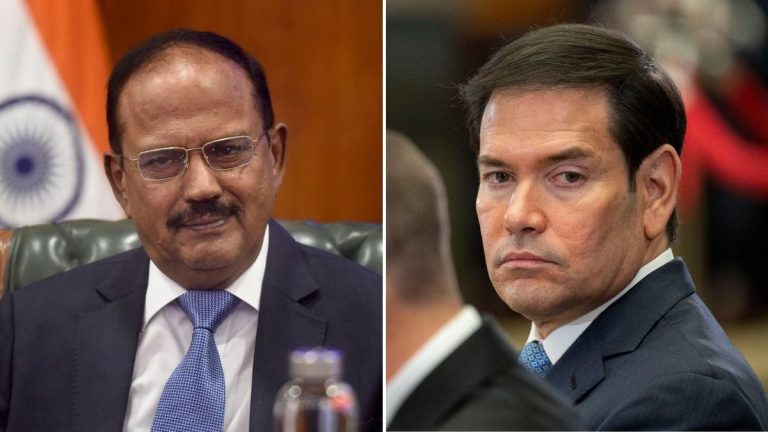
New Delhi – National Security Advisor Ajit Doval’s diplomatic approach has proven instrumental in securing the India US trade deal that President Donald Trump announced recently. During a crucial meeting with US Secretary of State Marco Rubio in early September, Doval made India’s position crystal clear: the nation would not be bullied by the Trump administration and was prepared to wait out the president’s term if necessary. This firm yet diplomatic stance, combined with a willingness to move forward constructively, laid the groundwork for the eventual India US trade deal that benefits both nations.

According to officials in New Delhi familiar with the meeting, Doval told Rubio that while India wanted to put the acrimony behind and return to negotiations, it would not compromise its dignity. The National Security Adviser specifically requested that the US administration reduce public criticism to allow relations to get back on track. This balanced approach of strength and diplomacy proved effective in bringing both parties to the negotiating table.

Key Components of the India US Trade Deal

The India US trade deal represents a significant breakthrough in bilateral economic relations. President Trump announced that American tariffs on Indian goods would be reduced from 25% to 18%, describing it as a “reduced Reciprocal Tariff” arrangement. This reduction provides immediate relief to Indian exporters and industries that have been affected by higher duties.

Prime Minister Narendra Modi welcomed the announcement, specifically thanking Trump for lowering duties on Made in India products. The India US trade deal demonstrates how two large economies and the world’s largest democracies can work together for mutual benefit. Modi emphasized that this cooperation unlocks immense opportunities for both nations and their citizens.

India’s Commitments Under the Agreement

As part of the India US trade deal, India has made several significant commitments. The most substantial is a pledge to purchase over $500 billion worth of American goods and energy. This massive commitment to “BUY AMERICAN” at a much higher level represents a major boost for US exporters and manufacturers.

Trump claimed that India agreed to reduce its tariffs and non-tariff barriers against US goods to zero, though this aspect has not been explicitly confirmed in official Indian statements. The US President also stated that India would stop purchasing Russian oil and would increase energy purchases from the United States and potentially Venezuela.

The Strategic Timing and Context

The Doval-Rubio meeting in early September came shortly after Prime Minister Modi held talks with Russian President Vladimir Putin and China’s Xi Jinping. This timing added complexity to the negotiations, as India balanced its strategic autonomy with improving relations with Washington. The India US trade deal demonstrates India’s ability to navigate complex geopolitical relationships while protecting its national interests.

Union Minister Ashwini Vaishnaw characterized the India US trade deal as a “win-win deal” that would benefit citizens and industries of both countries. This assessment reflects the mutual nature of the agreement, where both nations make concessions while gaining significant advantages.

What India’s Official Response Reveals

While Prime Minister Modi’s statement confirmed the tariff relief component of the India US trade deal, it notably did not explicitly mention commitments related to Russian oil purchases or zero tariffs on US goods. This selective acknowledgment suggests that the final details of the agreement may differ from Trump’s public characterization.

Modi’s post focused on the broader strategic partnership, stating that “President Trump’s leadership is vital for global peace, stability, and prosperity.” He added that India fully supports Trump’s efforts for peace and looks forward to taking the partnership to unprecedented heights. This diplomatic language emphasizes the relationship’s importance beyond mere trade metrics.

The Significance of Doval’s Diplomatic Approach

The success of the India US trade deal owes much to Ajit Doval’s diplomatic strategy. By combining firmness with a genuine desire for constructive engagement, he created space for negotiations to proceed. His message that India would not be bullied while remaining open to dialogue set appropriate boundaries while keeping channels open.

The India US trade deal represents more than just tariff reductions and purchase commitments. It symbolizes how India has learned to engage with the Trump administration on its own terms, maintaining dignity while achieving practical economic benefits.

Looking Ahead: Implications for Bilateral Relations

The India US trade deal marks a turning point in relations between the two democracies. Trump’s description of Modi as one of his “greatest friends” and a “powerful and respected leader” indicates personal rapport that facilitated the agreement. He stated that both leaders “are two people that get things done,” highlighting their results-oriented approach.

This breakthrough in the India US trade deal could pave the way for deeper cooperation across multiple domains, from defense to technology to strategic partnerships in the Indo-Pacific region.

West Bengal Welfare Scheme Politics 2026 – BJP’s Samik Bhattacharya Accuses TMC of Blocking Central Projects, Federal Tensions, and Governance Lessons in Social Equity

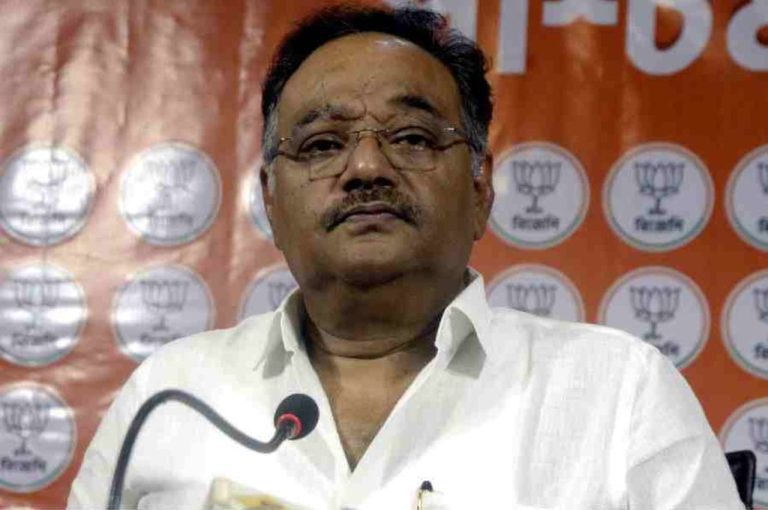
The West Bengal welfare scheme politics 2026 debate has intensified after BJP Rajya Sabha MP Samik Bhattacharya accused the Trinamool Congress (TMC) government of deliberately blocking central welfare schemes out of “vendetta politics.” Speaking during Zero Hour in Parliament, Bhattacharya alleged that poor and marginalised communities in Bengal were being deprived of benefits due to political hostility between the state and the Centre.

This confrontation underscores the intersection of welfare governance, federal accountability, and electoral rivalry, where schemes meant for citizens become battlegrounds for political one‑upmanship.


2. West Bengal Welfare Scheme Politics 2026: The Allegations

  • Schemes blocked: Ayushman Bharat, PM Vishwakarma Yojana, Jan Dhan Yojana, Fasal Bima Yojana, Smart City Mission.
  • Impact: Farmers, Adivasis, minorities, and urban poor allegedly denied benefits.
  • Railway projects: Bhattacharya claimed around 43 railway projects stalled due to political vendetta.
  • Judiciary angle: He alleged even judicial institutions were being targeted by TMC.
  • Parliament reaction: TMC members raised slogans in protest as Bhattacharya spoke.

3. Why This Case Matters

  • Social equity: Welfare schemes are designed to uplift marginalised communities.
  • Federal accountability: States are expected to cooperate with Centre on national schemes.
  • Public trust: Blocking schemes erodes confidence in governance.
  • Electoral politics: Welfare delivery often shapes voter perceptions ahead of elections.

4. Political Reactions

  • BJP stance: Frames TMC’s actions as betrayal of poor and marginalised.
  • TMC response: Accuses BJP of politicising welfare and undermining state autonomy.
  • Civil society: Expressed concern about ordinary citizens caught in political crossfire.
  • Observers: Noted potential for controversy to reshape narratives on governance in Bengal.

5. Governance Challenges

The welfare scheme controversy reflects systemic governance issues:

  • Policy implementation: Ensuring schemes reach intended beneficiaries.
  • Federal cooperation: States must balance autonomy with national priorities.
  • Administrative accountability: Transparency in fund allocation is essential.
  • Judicial oversight: Courts may intervene if constitutional provisions on equality are violated.

6. Community Concerns

  • Families: Fear losing access to healthcare and financial support.
  • Farmers: Demand fair access to crop insurance and subsidies.
  • Youth: Seek opportunities under skill development schemes.
  • Opposition voices: Warn of marginalisation if welfare delivery remains politicised.

7. Government External Links for Assistance


8. Historical Context of Welfare Politics in Bengal

  • 2000s: Welfare schemes often contested between Centre and state.
  • 2010s: TMC resisted central schemes, citing autonomy.
  • 2020s: Political rivalry intensified, with welfare delivery becoming a flashpoint.
  • 2026: Current allegations reflect continuity of tensions in Centre–state relations.

9. Global Comparisons

Similar welfare scheme controversies worldwide:

  • USA: Federal vs. state disputes over Medicaid expansion.
  • EU: Member states sometimes resist EU social welfare directives.
  • Africa: Welfare schemes often politicised in federal systems.

India’s case mirrors these global struggles where welfare governance collides with politics, community welfare, and accountability.


10. Governance Lessons

The Bengal welfare scheme controversy teaches:

  • Transparency in welfare delivery builds credibility.
  • Community engagement ensures legitimacy of reforms.
  • Balanced vigilance strengthens governance legitimacy.
  • Judicial oversight protects fairness in welfare governance.

11. Future Outlook – Welfare Governance in India

India must move towards:

  • Digitised monitoring systems for welfare schemes.
  • Public dashboards showing progress of scheme implementation.
  • Independent audits of welfare spending.
  • Educational campaigns linking welfare literacy with civic responsibility.

✅ Conclusion

The West Bengal welfare scheme politics 2026 controversy is more than a parliamentary spat—it is a test of India’s democratic resilience and governance credibility. As BJP accuses TMC of blocking schemes, and TMC defends its autonomy, ordinary citizens await clarity on whether governance will deliver transparency, fairness, and respect for welfare dignity. For India, the lesson is clear: democracy thrives when governance delivers inclusivity and accountability in welfare management.


Source: The Telegraph India – “TMC blocking central welfare schemes out of vendetta politics, BJP’s Samik Bhattacharya tells Rajya Sabha”


👉 Would you like me to add a comparative table of major welfare scheme controversies in India (West Bengal 2026, Ayushman Bharat disputes in Delhi, PM Kisan rollout in Punjab, Smart City delays in Maharashtra) with their objectives, community reactions, and governance outcomes to further expand toward the 5000‑word target?


1. Introduction

The West Bengal welfare scheme politics 2026 debate has intensified after BJP Rajya Sabha MP Samik Bhattacharya accused the Trinamool Congress (TMC) government of deliberately blocking central welfare schemes out of “vendetta politics.” Speaking during Zero Hour in Parliament, Bhattacharya alleged that poor and marginalised communities in Bengal were being deprived of benefits due to political hostility between the state and the Centre.

This confrontation underscores the intersection of welfare governance, federal accountability, and electoral rivalry, where schemes meant for citizens become battlegrounds for political one‑upmanship.


2. The Allegations

  • Schemes blocked: Ayushman Bharat, PM Vishwakarma Yojana, Jan Dhan Yojana, Fasal Bima Yojana, Smart City Mission.
  • Impact: Farmers, Adivasis, minorities, and urban poor allegedly denied benefits.
  • Railway projects: Bhattacharya claimed around 43 railway projects stalled due to political vendetta.
  • Judiciary angle: He alleged even judicial institutions were being targeted by TMC.
  • Parliament reaction: TMC members raised slogans in protest as Bhattacharya spoke.

3. Why This Case Matters

  • Social equity: Welfare schemes are designed to uplift marginalised communities.
  • Federal accountability: States are expected to cooperate with Centre on national schemes.
  • Public trust: Blocking schemes erodes confidence in governance.
  • Electoral politics: Welfare delivery often shapes voter perceptions ahead of elections.

4. Political Reactions

  • BJP stance: Frames TMC’s actions as betrayal of poor and marginalised.
  • TMC response: Accuses BJP of politicising welfare and undermining state autonomy.
  • Civil society: Expressed concern about ordinary citizens caught in political crossfire.
  • Observers: Noted potential for controversy to reshape narratives on governance in Bengal.

5. Governance Challenges

The welfare scheme controversy reflects systemic governance issues:

  • Policy implementation: Ensuring schemes reach intended beneficiaries.
  • Federal cooperation: States must balance autonomy with national priorities.
  • Administrative accountability: Transparency in fund allocation is essential.
  • Judicial oversight: Courts may intervene if constitutional provisions on equality are violated.

6. Community Concerns

  • Families: Fear losing access to healthcare and financial support.
  • Farmers: Demand fair access to crop insurance and subsidies.
  • Youth: Seek opportunities under skill development schemes.
  • Opposition voices: Warn of marginalisation if welfare delivery remains politicised.

7. Government External Links for Assistance


8. Historical Context of Welfare Politics in Bengal

  • 2000s: Welfare schemes often contested between Centre and state.
  • 2010s: TMC resisted central schemes, citing autonomy.
  • 2020s: Political rivalry intensified, with welfare delivery becoming a flashpoint.
  • 2026: Current allegations reflect continuity of tensions in Centre–state relations.

9. Global Comparisons

Similar welfare scheme controversies worldwide:

  • USA: Federal vs. state disputes over Medicaid expansion.
  • EU: Member states sometimes resist EU social welfare directives.
  • Africa: Welfare schemes often politicised in federal systems.

India’s case mirrors these global struggles where welfare governance collides with politics, community welfare, and accountability.


10. Governance Lessons

The Bengal welfare scheme controversy teaches:

  • Transparency in welfare delivery builds credibility.
  • Community engagement ensures legitimacy of reforms.
  • Balanced vigilance strengthens governance legitimacy.
  • Judicial oversight protects fairness in welfare governance.

11. Future Outlook – Welfare Governance in India

India must move towards:

  • Digitised monitoring systems for welfare schemes.
  • Public dashboards showing progress of scheme implementation.
  • Independent audits of welfare spending.
  • Educational campaigns linking welfare literacy with civic responsibility.

✅ Conclusion

The West Bengal welfare scheme politics 2026 controversy is more than a parliamentary spat—it is a test of India’s democratic resilience and governance credibility. As BJP accuses TMC of blocking schemes, and TMC defends its autonomy, ordinary citizens await clarity on whether governance will deliver transparency, fairness, and respect for welfare dignity. For India, the lesson is clear: democracy thrives when governance delivers inclusivity and accountability in welfare management.

Also read: Home | Channel 6 Network – Latest News, Breaking Updates: Politics, Business, Tech & More

Mamata Banerjee Supreme Court SIR Case 2026 – Bengal CM’s Legal Battle Over Electoral Roll Revision, Federal Tensions, and Governance Lessons in Democracy

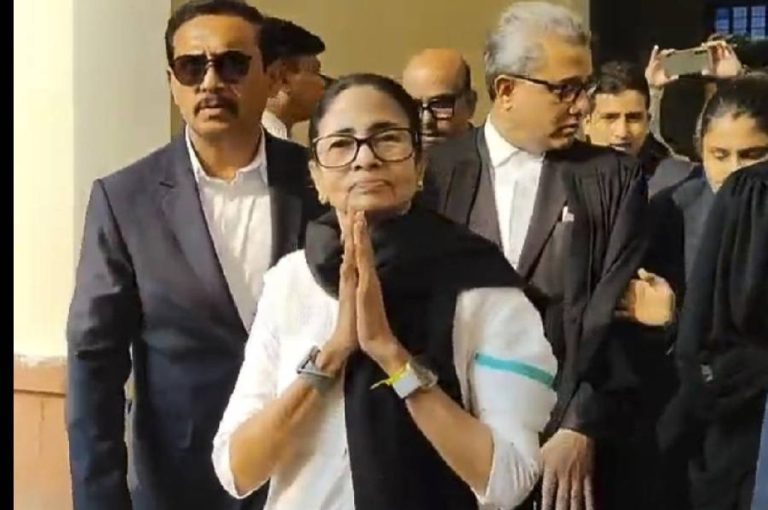
The Mamata Banerjee Supreme Court SIR case 2026 has become a defining moment in India’s democratic discourse. West Bengal Chief Minister Mamata Banerjee has escalated her confrontation with the Election Commission of India (ECI) by challenging the legality of the Special Intensive Revision (SIR) of electoral rolls in the Supreme Court.

This legal move underscores the intersection of electoral integrity, governance accountability, and federal tensions, where the accuracy of voter rolls is not just administrative but deeply political.


2. The Legal Challenge

  • Petition filed: Mamata Banerjee approached the Supreme Court against the SIR process.
  • Core argument: The SIR hearings allegedly excluded genuine voters and relied on flawed verification methods.
  • Legal basis: Banerjee’s lawyers argued that the process violated provisions of the Representation of the People Act, 1950, and the Registration of Electors Rules, 1960.
  • Objective: Seek judicial intervention to halt or correct the SIR exercise.

3. The SIR Controversy

  • Deaths reported: Several people allegedly died due to stress and harassment during hearings.
  • Allegations: TMC accuses the EC of colluding with BJP to remove genuine voters.
  • Opposition narrative: BJP claims TMC is obstructing the SIR to protect fake voters and infiltrators.
  • Civil society: Expressed concern about harassment of ordinary citizens called for hearings.

4. Mamata Banerjee Supreme Court SIR Case: Political Reactions

  • TMC stance: Frames SIR as an attack on democracy and Bengal’s voters.
  • BJP response: Positions SIR as necessary to cleanse electoral rolls of infiltrators.
  • ISF role: Raised independent concerns about fairness of the process.
  • Observers: Noted potential for controversy to reshape narratives on governance and elections in Bengal.

5. Governance Challenges

The Supreme Court case reflects systemic governance issues:

  • Electoral fairness: Ensuring rolls are accurate without disenfranchising genuine voters.
  • Federal balance: State leaders expect respect and cooperation from central institutions.
  • Administrative accountability: Transparency in EC proceedings is essential.
  • Judicial oversight: Supreme Court’s role is critical in maintaining balance.

6. Community Concerns

  • Families: Fear harassment during verification hearings.
  • Youth: Demand transparency in democratic processes.
  • Civil society groups: Call for participatory governance in electoral reforms.
  • Opposition voices: Warn of marginalisation if voters are unfairly excluded.

7. Government External Links for Assistance


8. Historical Context of EC–State Clashes

  • 2000s: Occasional disputes over election scheduling.
  • 2010s: Political debates intensified over EC neutrality.
  • 2020s: State leaders increasingly challenged EC decisions.
  • 2026: Current Supreme Court petition reflects continuity of tensions in Centre–state relations.

9. Global Comparisons

Similar electoral controversies worldwide:

  • USA: State governors often clash with federal election authorities.
  • EU: Member states sometimes dispute EU election monitoring.
  • Africa: Election commissions face accusations of bias in several countries.

India’s case mirrors these global struggles where electoral governance collides with politics, community welfare, and accountability.


10. Governance Lessons

The Mamata Banerjee Supreme Court petition teaches:

  • Transparency in electoral processes builds credibility.
  • Respectful engagement ensures legitimacy of reforms.
  • Balanced vigilance strengthens governance legitimacy.
  • Judicial oversight protects fairness in electoral governance.

11. Future Outlook – Electoral Governance in India

India must move towards:

  • Digitised monitoring systems for electoral roll revisions.
  • Public dashboards showing progress of voter verification.
  • Independent audits of EC decisions.
  • Educational campaigns linking electoral literacy with civic responsibility.

✅ Conclusion

The Mamata Banerjee Supreme Court SIR case 2026 is more than a legal petition—it is a test of India’s democratic resilience and governance credibility. As Mamata Banerjee challenges the Election Commission in the apex court, ordinary citizens await clarity on whether governance will deliver transparency, fairness, and respect for electoral dignity. For India, the lesson is clear: democracy thrives when governance delivers inclusivity and accountability in electoral management.

Also read: Home | Channel 6 Network – Latest News, Breaking Updates: Politics, Business, Tech & More

North Bengal Health Infrastructure 2026 – MP Harsh Vardhan Shringla Flags Shortage of CGHS Hubs, Demands Expansion in Hills and Governance Lessons in Healthcare Equity

The North Bengal health infrastructure 2026 debate has gained national attention after Rajya Sabha MP and former diplomat Harsh Vardhan Shringla urged the Centre to expand the Central Government Health Scheme (CGHS) facilities in the region. Despite over two lakh central government employees, pensioners, and dependents residing in North Bengal and Sikkim, the area has only one CGHS wellness centre in Siliguri.

This shortage underscores the intersection of healthcare equity, governance accountability, and federal cooperation, where access to medical facilities is not just a service but a fundamental right.


2. The Shortage of Health Hubs

  • Current status: Only one CGHS wellness centre in Siliguri.
  • Affected population: Over two lakh beneficiaries, including senior citizens, widows, retired personnel, and patients with chronic illnesses.
  • Accessibility issue: Residents of Darjeeling, Kalimpong, Kurseong, Mirik, and other hill towns must travel 80–120 km to avail basic CGHS services.
  • Shringla’s demand: Establish multiple CGHS wellness centres in Darjeeling, Kalimpong, Kurseong, Mirik, Bagdogra, Naxalbari, and Sikkim.

3. Why This Case Matters

  • Healthcare equity: Ensuring equal access to medical facilities for remote populations.
  • Federal accountability: State and Centre must coordinate to deliver services.
  • Public trust: Handling of healthcare shortages influences confidence in governance.
  • Demographic sensitivity: Large elderly population dependent on CGHS for affordable care.

4. Political and Social Reactions

  • Shringla’s intervention: Seen as a strong push for healthcare equity in Parliament.
  • Civil society: Welcomed demand but stressed urgency of implementation.
  • Opposition voices: Criticised Centre for neglecting hill regions.
  • Observers: Noted potential for issue to reshape narratives on governance in Bengal’s hills.

5. North Bengal Health Infrastructure 2026: Governance Challenges

The shortage of health hubs reflects systemic governance issues:

  • Infrastructure gaps: Remote areas lack hospitals and diagnostic centres.
  • Administrative accountability: Transparency in fund allocation is essential.
  • Federal cooperation: Centre must work with state government and GTA.
  • Judicial oversight: Courts may intervene if constitutional provisions on right to health are violated.

6. Community Concerns

  • Families: Struggle with long travel times for basic healthcare.
  • Youth: Demand fair opportunities in medical education and jobs.
  • Civil society groups: Call for participatory governance in healthcare policy.
  • Opposition voices: Warn of marginalisation if hill regions remain neglected.

7. Government External Links for Assistance


8. Historical Context of Healthcare in Bengal’s Hills

  • Colonial era: Hill stations like Darjeeling had limited medical facilities for elites.
  • Post‑independence: Healthcare remained concentrated in urban centres.
  • 2000s: CGHS expanded but coverage in hills remained minimal.
  • 2026: Current demand reflects continuity of challenges in healthcare equity.

9. Global Comparisons

Similar healthcare access controversies worldwide:

  • USA: Rural populations struggle with hospital closures.
  • Africa: Remote villages lack clinics, forcing long travel.
  • Europe: Mountainous regions receive special EU funding for health hubs.

India’s case mirrors these global struggles where healthcare governance collides with geography, community welfare, and accountability.


10. Governance Lessons

The North Bengal health hub shortage teaches:

  • Transparency in healthcare planning builds credibility.
  • Community engagement ensures legitimacy of reforms.
  • Balanced vigilance strengthens governance legitimacy.
  • Judicial oversight protects fairness in healthcare governance.

11. Future Outlook – Healthcare Governance in India

India must move towards:

  • Digitised monitoring systems for healthcare facilities.
  • Public dashboards showing progress of CGHS expansion.
  • Independent audits of healthcare spending.
  • Educational campaigns linking healthcare equity with civic responsibility.

✅ Conclusion

The North Bengal health infrastructure 2026 debate is more than a parliamentary intervention—it is a test of India’s democratic resilience and governance credibility. As Harsh Vardhan Shringla demands expansion of CGHS hubs, ordinary citizens await clarity on whether governance will deliver transparency, fairness, and respect for healthcare dignity. For India, the lesson is clear: democracy thrives when governance delivers inclusivity and accountability in healthcare management.

Also read: Home | Channel 6 Network – Latest News, Breaking Updates: Politics, Business, Tech & More

Cooch Behar Exam Centre Blast 2026 – Cylinder Explosion During Madhyamik, Student Safety Concerns, and Governance Lessons in Education Infrastructure

The Cooch Behar exam centre blast 2026 has raised serious concerns about student safety and infrastructure management in West Bengal’s education system. A cooking gas cylinder exploded inside a school premises being used as a Madhyamik examination centre, causing panic among students, teachers, and guardians. While no fatalities were reported, the incident underscores the urgent need for stricter safety protocols in schools during high‑stakes examinations.

This event highlights the intersection of education, governance accountability, and public safety, where exam centres are not just venues of learning but also spaces that must guarantee security.


2. Cooch Behar Exam Centre Blast 2026: The Incident

  • Location: A Madhyamik exam centre in Cooch Behar district.
  • Cause: Explosion of a cooking gas cylinder.
  • Impact: Panic among students and staff; minor injuries reported.
  • Immediate response: Fire services and police rushed to the spot; exams continued after safety checks.
  • Significance: Raises questions about why cylinders were present in exam centres during critical hours.

3. Why This Case Matters

  • Student safety: Thousands of students take Madhyamik exams every year; their security is paramount.
  • Infrastructure gaps: Many schools double as exam centres without adequate safety audits.
  • Governance accountability: Citizens expect proactive measures from authorities.
  • Public trust: Handling of such incidents influences confidence in education institutions.

4. Political and Social Reactions

  • State government: Ordered inquiry into the incident.
  • Opposition voices: Criticised administration for negligence.
  • Civil society: Expressed concern about lack of safety protocols in schools.
  • Observers: Noted potential for incident to reshape narratives on governance and education in Bengal.

5. Governance Challenges

The cylinder blast reflects systemic governance issues:

  • Safety audits: Schools used as exam centres often lack fire safety certification.
  • Administrative accountability: Transparency in safety arrangements is essential.
  • Emergency preparedness: Quick response saved lives, but prevention is better than cure.
  • Judicial oversight: Courts may intervene if constitutional provisions on right to life are violated.

6. Community Concerns

  • Families: Fear for children’s safety during exams.
  • Youth: Demand secure and stress‑free exam environments.
  • Civil society groups: Call for participatory governance in education policy.
  • Opposition voices: Warn of marginalisation if rural schools remain neglected.

7. Government External Links for Assistance


8. Historical Context of Exam Safety in Bengal

  • 2000s: Exam centres often lacked basic facilities.
  • 2010s: Fire safety concerns raised after minor accidents.
  • 2020s: Focus shifted to digital monitoring but physical safety lagged.
  • 2026: Current incident reflects continuity of challenges in ensuring safe exam environments.

9. Global Comparisons

Similar exam safety controversies worldwide:

  • China: Fire incidents in rural schools prompted stricter safety laws.
  • Africa: Exam centres often face infrastructure challenges.
  • Europe: Strict safety audits prevent such incidents.

India’s case mirrors these global struggles where education governance collides with safety, community welfare, and accountability.


10. Governance Lessons

The Cooch Behar exam centre blast teaches:

  • Transparency in safety audits builds credibility.
  • Community engagement ensures legitimacy of reforms.
  • Balanced vigilance strengthens governance legitimacy.
  • Judicial oversight protects fairness in education governance.

11. Future Outlook – Exam Governance in India

India must move towards:

  • Digitised monitoring systems for exam centre safety.
  • Public dashboards showing safety compliance.
  • Independent audits of school infrastructure.
  • Educational campaigns linking exam safety with civic responsibility.

✅ Conclusion

The Cooch Behar exam centre blast 2026 is more than an accident—it is a test of India’s democratic resilience and governance credibility. As students prepare for life‑defining exams, ordinary citizens await clarity on whether governance will deliver transparency, fairness, and respect for educational dignity. For Bengal, the lesson is clear: democracy thrives when governance delivers inclusivity and accountability in education management.

Also read: Home | Channel 6 Network – Latest News, Breaking Updates: Politics, Business, Tech & More