New Delhi – Air India has confirmed that its operations have returned to normal following a significant technical disruption caused by a third-party system failure that affected check-in processes at multiple airports late on Tuesday. The Air India check-in glitch resulted in delays across several airlines, creating inconvenience for thousands of passengers before the issue was fully resolved.
Third-Party System Fully Restored
In an official statement posted on social media platform X, Air India announced the complete restoration of services. “The third-party system has been fully restored, and check-in at all airports is functioning normally. All our flights are operating as per schedule. We thank our passengers for their understanding,” the airline confirmed.
This announcement brought relief to passengers who had been experiencing delays and disruptions at various airports across the country. The Air India check-in glitch had created significant operational challenges during peak travel hours, affecting the carrier’s ability to process passengers efficiently.
Multiple Airlines Affected by Disruption
The technical failure was not isolated to Air India alone. The carrier had earlier acknowledged that the Air India check-in glitch had resulted in delays across multiple airlines, indicating a widespread system failure affecting the broader aviation ecosystem. This suggested that the third-party system provider serves several airlines operating in Indian airports.
The airline’s airport teams worked diligently throughout the disruption period to ensure a smooth check-in experience for all passengers. “Our airport teams are working diligently to ensure a smooth check-in experience for all passengers,” Air India had stated in an earlier post on X while the crisis was ongoing.
Progressive System Restoration Process
During the resolution phase, Air India had informed passengers that the system was being restored progressively. However, the carrier warned that some flights would continue to experience delays “until the situation fully normalizes.” This gradual restoration approach meant that while some airports saw quicker recovery, others took longer to return to normal operations.
The Air India check-in glitch forced the airline to implement contingency measures at affected airports. Ground staff had to manage increased passenger volumes and longer queues while working with limited system functionality, creating additional pressure on airport operations.
Passenger Advisory and Precautionary Measures
In response to the Air India check-in glitch, the carrier issued advisories requesting passengers to check their flight status before leaving for the airport. The airline also recommended that travelers reach the airport earlier than usual for their journeys to accommodate potential delays in the check-in process.
These precautionary measures were essential to manage passenger expectations and prevent overcrowding at airports during the system restoration period. The airline’s proactive communication helped minimize confusion among travelers dealing with the unexpected disruption.
Similar Technical Failure Last Month
This incident follows a similar technical disruption that occurred last month at Delhi’s Indira Gandhi International Airport. In that instance, over 400 domestic and international flights were delayed after a technical issue affected the Automatic Message Switching System (AMSS), causing massive disruption at one of India’s busiest airports.
The November incident impacted major airlines including Air India, Indigo, and SpiceJet, leading to longer queues and significantly slower operations. The technical issue was detected in the IP-based AMSS system, prompting an immediate review meeting conducted by the Secretary of the Ministry of Civil Aviation with the Chairman of Airports Authority of India, Member ANS, and other officials.
Manual Processing Complications
During the AMSS system failure last month, air traffic controllers were forced to manually prepare flight plans using available data. This time-consuming process resulted in substantial flight delays as controllers worked through each flight’s requirements without automated system support.
The recurring nature of these technical issues raises concerns about the reliability of aviation technology infrastructure and the need for robust backup systems to prevent widespread disruptions.
Impact on Airport Operations
The Air India check-in glitch demonstrated the critical dependence of modern aviation operations on integrated technology systems. When these systems fail, even temporarily, the cascading effects can disrupt thousands of passengers’ travel plans and create operational bottlenecks at airports.
Ground handling staff, check-in personnel, and airline officials had to coordinate closely to manage the situation effectively while the technical teams worked on resolving the Air India check-in glitch.
Looking Forward
While Air India has confirmed that normal operations have resumed and all flights are operating on schedule, the incident highlights the vulnerability of airline operations to third-party system failures. The aviation industry continues to rely heavily on interconnected technology platforms, making system redundancy and rapid response protocols essential for maintaining service reliability.
Passengers are advised to remain vigilant about checking flight status information before traveling and to allow extra time for airport procedures, especially during periods when technical issues have been recently reported. The complete resolution of the Air India check-in glitch marks a return to normalcy, but serves as a reminder of the complex technological infrastructure supporting modern air travel.
Tamil Nadu – Educational institutions across Chennai will remain shut on December 3 as authorities respond to severe weather conditions triggered by the remnants of Cyclone Ditwah. The Indian Meteorological Department has issued multiple alerts warning residents of very heavy rainfall expected to continue battering Tamil Nadu throughout Wednesday due to which the update of Chennai schools closed was issued by IMD.
IMD Issues Orange and Yellow Alerts for Tamil Nadu
The meteorological department has issued a series of yellow and orange alerts across various districts in Tamil Nadu, signaling potentially dangerous weather conditions. The IMD predicted heavy rainfall accompanied by thunderstorms and lightning in several key districts, including Chennai, Cuddalore, Kancheepuram, and Thanjavur. These warnings have prompted education officials to announce that Chennai schools closed as a precautionary measure to ensure student safety.
Light to moderate rainfall is also expected on Wednesday in districts such as Coimbatore, Madurai, Theni, Tiruppur, and Nilgiris, extending the weather system’s impact across the state.
Cyclone Ditwah’s Current Position and Movement
Cyclone Ditwah weakened into a depression on Tuesday after making its presence felt across the region. At 5:30 pm IST on December 2, the depression lay centered over the southwest Bay of Bengal and adjoining areas, moving southwestwards at a speed of 3 kilometers per hour.
The system was positioned approximately 60 kilometers northeast of Puducherry and 80 kilometers south of Chennai. The minimum distance of the depression’s center from the Indian mainland was about 25 kilometers from the Tamil Nadu-Puducherry coasts, placing it dangerously close to heavily populated areas.
Widespread Impact Across Tamil Nadu Districts
The decision to keep Chennai schools closed on December 3 follows similar closures on Tuesday when schools in Chennai, Tiruvallur, and Kanchipuram remained shut as heavy rain continued from morning hours. The persistent downpour has caused significant disruption across multiple districts.
Heavy rainfall lashed Madurai on Tuesday, resulting in severe waterlogging across several areas, including South Masi Street. The widespread precipitation led to inundation in numerous parts of Chennai, Chengelpet, and Kanchipuram, severely affecting normal life and daily activities.
Agricultural Losses and Infrastructure Damage
Revenue Minister KKSSR Ramachandran revealed the extensive damage caused by the relentless rainfall. Several acres of crops have been destroyed, dealing a significant blow to local farmers already struggling with seasonal challenges. The minister reported that 1,601 tenements suffered damage due to rain-related incidents.
Tragically, four people lost their lives in rain-related incidents across the state, highlighting the serious nature of the weather emergency that necessitated Chennai schools closed orders.
Record Rainfall Figures in Chennai
Chennai experienced exceptionally heavy precipitation during the 24-hour period from December 1 to December 2. According to official data, the city received an average of 15 centimeters of rainfall during this period, contributing to the widespread flooding and waterlogging that prompted authorities to announce Chennai schools closed for safety reasons.
This substantial rainfall has overwhelmed drainage systems in several areas, leading to significant accumulation of water on roads and residential neighborhoods.
Emergency Response and Relief Measures
The Greater Chennai Corporation has mobilized extensive resources to manage the crisis. Approximately 22,000 personnel, including officials and workers, have been deployed across the city to carry out rain-related work. Their primary responsibilities include removing clogs from drains, clearing waterlogged areas, and ensuring that drainage systems function effectively.
These emergency teams are working round-the-clock to mitigate the impact of the heavy rainfall and restore normalcy to affected areas as quickly as possible.
Precautionary Measures and Public Safety
The announcement that Chennai schools closed reflects the administration’s priority on public safety during extreme weather events. Educational authorities acted swiftly to prevent students from traveling through potentially hazardous conditions, including flooded roads and compromised infrastructure.
Residents have been advised to stay indoors unless absolutely necessary and to avoid traveling through waterlogged areas. The continuing rainfall and unstable weather patterns make outdoor activities particularly risky during this period.
Weather Outlook for Coming Days
As the depression continues its southwestward movement, authorities remain vigilant about changing weather patterns. The IMD continues to monitor the system closely and will issue updated alerts as conditions evolve. With Chennai schools closed and emergency services on high alert, the focus remains on minimizing casualties and property damage while the region weathers this significant meteorological event.
Residents are urged to stay informed through official channels and follow all safety guidelines issued by local authorities until weather conditions stabilize across Tamil Nadu.
Indian equities ended the December 2, 2025 session on a weak note, with the Nifty 50 slipping further into negative territory even as a few high-beta smallcaps notched hefty gains. The close reflected persistent pressure on financials and select consumption names, offset partly by targeted buying in travel, pharmaceuticals, and logistics stocks.
By the closing bell, the Nifty 50 stood at 26,032.20, down 143.55 points or 0.55%, as profit booking dominated the final hour of trade. The index moved between a high of 26,154.60 and a low of 25,997.85, while Nifty Next 50, Nifty Financial Services, and Nifty Bank all finished in the red, confirming broad-based weakness in frontline segments.
Steep Losses Among Laggards
On the downside, INDO-RE2 again topped the losers list with a 40.26% plunge, signalling sustained bearishness and low conviction buying. Other notable laggards included PRITI (-10.53%), RETAIL (-10.08%), VIJIFIN (-8.86%), and ATL-RE (-8.34%), each shedding high single- to double-digit percentages on modest volumes, pointing to risk aversion in select small and midcap counters.
Strong Outperformance in Select Gainers
Despite the weak headline indices, a set of outperformers showcased robust investor interest. TIPSFILMS and SPARC hit the 19.99% upper circuit, supported by steady accumulation and improving sentiment around media and pharma themes. EASEMYTRIP rallied 19.92% with volumes of about 3,363 lakh shares and a traded value of roughly ₹281.18 crores, while SHYAMCENT and JETFREIGHT gained 12.46% and 11.64% respectively, highlighting traction in manufacturing and logistics plays.
Conclusion: December 2, 2025
The day’s trade underlined a familiar pattern of index weakness alongside stock-specific outperformance, as market participants rotated capital from vulnerable mid- and small-cap laggards into select high-growth stories. With financials dragging the benchmarks and themed stocks drawing aggressive flows, traders are likely to remain selective and event-driven in the near term.
Indian equities weakened further in the afternoon session on December 2, 2025, with the Nifty 50 index sliding over half a percent even as a clutch of midcap counters rallied sharply. The trend highlighted persistent selling in frontline financials alongside brisk buying in select pharma, travel, and media names.
The Nifty 50 was quoted at 26,042.70, down 133.05 points or 0.51%, reflecting broad-based profit booking in large caps. The index traded between a high of 26,154.60 and a low of 26,028.65, while Nifty Next 50, Nifty Financial Services, and Nifty Bank indices also remained in the red, signalling weakness across key sectors.
Deep Cuts in Top Losers
Among the worst-performing stocks, INDO-RE2 plunged 40.26%, extending its sharp slide with limited value participation. VJIJFIN, SECMARK, SHRENIK, and BAJAJHFL fell between 7.78% and 9.23%, indicating sustained selling pressure in select financial and small-cap counters. BAJAJHFL stood out with an exceptionally high traded value of ₹3,984.26 crores and volumes of over 4,151 lakh shares, pointing to heavy institutional and retail churn in the counter.
Midcaps and Thematic Plays Rally
In contrast, a group of midcap and thematic stocks posted strong gains, capping the broader market fall. TIPSFILMS and SPARC hit the 19.99% upper circuit, supported by firm buying interest, while EASEMYTRIP, SHYAMCENT, and PROSTARM advanced between 13.27% and 18.93% on robust volumes. EASEMYTRIP recorded volumes of around 2,778 lakh shares with a turnover of ₹231.16 crores, underscoring heightened activity in travel and tourism-related plays.
Conclusion: December 2, 2025
The mixed market action on December 2 underscores a clear rotation, with investors trimming exposure to large financials while selectively accumulating high-conviction midcaps. As indices consolidate near record levels, the divergence between benchmark weakness and stock-specific rallies is likely to remain a key theme for traders in the near term.
On December 2, 2025, Indian equity markets saw divergent movements with the benchmark Nifty 50 experiencing a slight decline while several midcap stocks made impressive gains. Trading volumes revealed heightened activity in select financial and infrastructure sectors, reflecting investor sentiment amid ongoing macroeconomic developments.
The Nifty 50 index closed at 26,090.95, down by 84.80 points or 0.32%, indicating cautious trading across blue-chip stocks. The session’s high was 26,154.60 with a low of 26,046.85, marking a consolidative phase following recent rallies. The Nifty Fin Service and Nifty Bank indices also traded lower, signaling broader sectoral correction within financials.
Sharp Movements in Key Stocks
Several stocks registered significant price fluctuations:
Biggest Losers: INDO-RE2 (-40.26%), BAJAJHFL (-6.52%), SHRENIK (-6.45%), ADVENTHTL (-5.44%), and ANIKINDS (-5.20%) bore steep losses, with INDO-RE2 seeing a drastic intraday drop. Notably, BAJAJHFL recorded the highest traded value at ₹3,366.87 crores, reflecting institutional repositioning.
Strong Gainers: TIPSFILMS (+19.99%), INDOUS (+13.78%), CREATIVEYE (+11.69%), HCC (+10.20%), and OILCOUNTUB (+9.99%) surged, driven by robust volume and investor optimism. HCC notably attracted heavy trading, with nearly 989.85 lakh shares and a turnover of ₹259.44 crores, underscoring infrastructure sector interest.
Sectoral Highlights and Market Sentiment
Midcap stocks outperformed giants, especially in film production, oil, and creative sectors. The marked divergence between index heavyweights and nimble midcaps highlights a market favoring stock-specific action over broad-based indices. Financials remained under pressure, while select sectors delivered double-digit percentage gains to shareholders.
Conclusion: December 2, 2025
December 2nd’s trading session underscored a cautious yet opportunistic approach among Indian investors, balancing blue-chip volatility with selective midcap growth. As macroeconomic factors continue to influence sentiment, market participants appear poised for sector-specific opportunities heading into year-end.
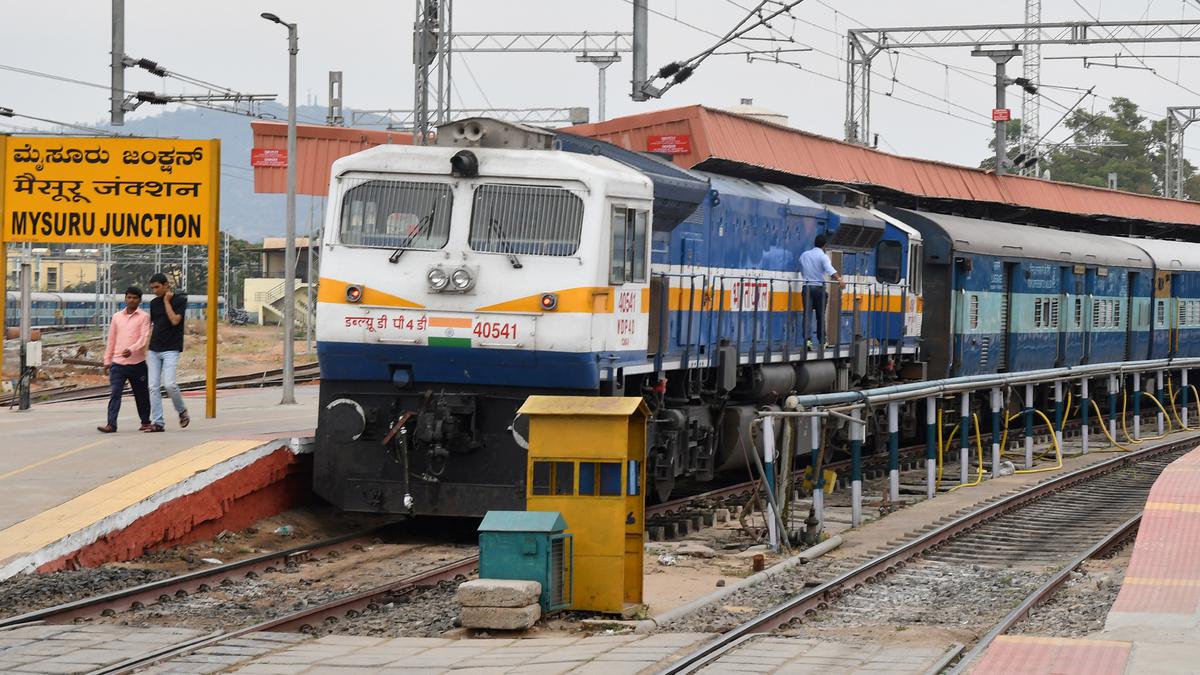
The South Western Railway (SWR) has recorded a landmark achievement with its freight revenue crossing ₹451 crore in the latest fiscal period, highlighting both operational efficiency and strategic growth in cargo transportation. This milestone reflects the growing importance of railway freight in supporting industrial supply chains, agricultural logistics, and inter-state trade. The impressive revenue demonstrates SWR’s ability to manage increasing freight demand while maintaining service quality, safety, and timely deliveries across Karnataka and adjoining states.
Rail freight has long been considered the backbone of India’s logistics ecosystem, enabling cost-effective movement of bulk goods such as coal, cement, fertilizers, agricultural produce, and industrial raw materials. The recent growth underscores how railways continue to play a vital role in bridging production hubs with markets, especially as road transportation faces congestion, higher costs, and environmental constraints. SWR’s performance in freight revenue is also a reflection of strategic planning in network utilization, wagon management, and customer engagement.
Officials indicate that the rise in revenue stems from multiple factors: efficient scheduling of freight trains, increased utilization of dedicated freight corridors, dynamic pricing, and targeted service offerings for industrial clients. This growth comes at a time when Indian Railways is focusing on strengthening its freight operations, modernizing infrastructure, and incorporating technology to optimize logistics. The ₹451 crore milestone serves as both a symbolic and practical marker of SWR’s operational resilience and contribution to regional economic activity.
Several key factors have contributed to the remarkable performance of South Western Railway’s freight segment. First and foremost is the strategic prioritization of industrial and agricultural freight. Karnataka, along with parts of Maharashtra, Andhra Pradesh, and Tamil Nadu served by SWR, has experienced significant growth in sectors such as cement, steel, food processing, and bulk commodities. Efficient alignment of freight services to meet industrial demands has played a pivotal role in revenue growth.
Improved scheduling of freight trains and better network utilization have also been instrumental. By optimizing train timings, routes, and wagon allocation, SWR has reduced transit delays, ensured timely deliveries, and enhanced reliability for clients. The introduction of modern logistics management systems has helped track consignments, plan resource allocation, and improve overall service efficiency. This has resulted in increased customer satisfaction, repeat business, and higher freight revenue.
Another factor is dynamic pricing models that take into account seasonal demand, commodity type, and distance. By adopting flexible pricing and incentivizing large-volume shipments, SWR has attracted higher freight volumes from industrial customers. The strategy encourages consistent usage of railway freight services, reducing reliance on road transport and increasing revenue inflow.
Dedicated freight corridors and specialized freight terminals have further strengthened operational capacity. By creating hubs for loading and unloading bulk cargo, SWR has minimized congestion at key stations, reduced turnaround time for wagons, and enhanced productivity. These initiatives have directly translated into higher freight movement efficiency and revenue.
Finally, collaborative engagement with industrial associations, trade bodies, and cooperative societies has helped SWR understand customer needs and tailor services accordingly. Feedback mechanisms, priority handling, and transparent pricing models have reinforced trust, ensuring sustained growth in freight business. The ₹451 crore achievement is therefore not only a result of increased cargo volumes but also of systemic improvements across operations, management, and customer engagement.
Economic Impact and Regional Significance — Freight as a Growth Driver
The revenue milestone of ₹451 crore has broader implications beyond the confines of South Western Railway. Efficient freight transportation plays a critical role in regional economic growth, connecting production centers with urban markets, ports, and export hubs. Karnataka’s industrial belt, including Bangalore, Hubli, Mysore, and Tumkur, relies heavily on SWR’s freight services to move raw materials and finished goods efficiently.
Agriculture, too, benefits from robust freight operations. Bulk transportation of grains, sugarcane, fruits, vegetables, and other commodities ensures timely delivery to processing units, markets, and export points. Reduced logistical costs and faster transit times translate to better price realization for farmers and traders, contributing to the rural economy. SWR’s operational success thus has a multiplier effect across multiple sectors.
Industries such as cement, steel, textiles, chemicals, and fertilizers have reported improved supply chain efficiency due to consistent freight services. Reliable rail transport enables manufacturers to plan production schedules better, reduce storage costs, and optimize inventory management. For exporters, freight rail provides an economical and dependable alternative to road transport, supporting competitiveness in global markets.
Moreover, freight growth contributes significantly to employment and ancillary economic activity. Operations at loading and unloading terminals, wagon maintenance, logistics planning, and administrative support generate direct and indirect jobs. Freight revenue also strengthens government finances, enabling further investment in infrastructure, safety upgrades, and technology-driven enhancements. The achievement reflects how SWR’s operational success translates into tangible economic benefits for both industry and society.
SWR’s growth in freight revenue also aligns with national priorities such as promoting environmentally sustainable transport. Railways are inherently more energy-efficient than road transport, reducing carbon emissions and fuel consumption per ton-kilometer. Higher freight movement via rail directly supports India’s climate goals and contributes to reducing the environmental footprint of logistics operations.
Future Prospects — Expanding Freight Operations and Enhancing Efficiency
With the momentum of ₹451 crore revenue, SWR is poised to expand freight operations further. Plans include increasing capacity for high-volume commodities, enhancing infrastructure at key freight terminals, and integrating advanced technology for better tracking and resource allocation. Automated booking systems, digital monitoring tools, and data-driven scheduling are expected to make operations even more efficient, minimizing delays and optimizing wagon utilization.
The introduction of modernized freight terminals at industrial clusters will enhance loading and unloading efficiency, reduce dwell time for wagons, and increase turnaround speed. Specialized corridors for bulk cargo, improved signaling systems, and real-time logistics monitoring will enable SWR to handle higher volumes without compromising service quality. These steps are likely to attract new industrial clients and retain existing ones, further boosting revenue.
Collaborations with private logistics providers, large industrial houses, and cooperative consortia are also part of the growth strategy. Public-private partnerships can support investment in infrastructure, technology, and training, ensuring seamless operations while distributing risk and responsibilities. By creating a customer-focused approach, SWR aims to become a preferred choice for bulk and industrial cargo transportation.
Additionally, integrating freight operations with digital platforms allows for better planning, transparency, and client communication. Clients can track shipments in real time, schedule consignments efficiently, and reduce dependency on intermediaries. Digital invoicing, e-payments, and automated documentation further streamline operations, making SWR a model for modern railway freight management.
Key Challenges and Strategic Considerations
Despite remarkable achievements, SWR faces operational challenges. Infrastructure constraints, congestion at certain terminals, maintenance of aging tracks, and availability of rolling stock remain ongoing concerns. Weather disruptions, seasonal demand fluctuations, and administrative bottlenecks can also affect efficiency and revenue. Strategic planning and proactive problem-solving will be critical to sustain growth and capitalize on emerging opportunities.
Maintaining high service standards while expanding operations requires investment in workforce training, technology adoption, and resource optimization. Freight operations demand meticulous scheduling, monitoring of wagon movement, and timely maintenance to prevent delays. Enhancing staff capacity, improving technical skills, and embedding performance metrics are necessary for sustaining high levels of operational excellence.
Balancing freight growth with passenger service priorities is another challenge. SWR operates mixed traffic corridors, where passenger trains and freight trains share tracks. Prioritizing freight without compromising commuter convenience requires advanced scheduling, real-time monitoring, and robust communication systems between departments. Innovative solutions such as dedicated freight corridors or optimized time slots for freight movement may be explored.
Competition from road transport and other logistic modes also remains a factor. While rail offers cost efficiency and environmental benefits, speed and flexibility offered by road logistics attract certain cargo segments. SWR must continue to innovate, maintain reliability, and provide value-added services to retain and grow its client base.
Stakeholder Reactions — Industry, Government and Public Perspective
Industry representatives have welcomed the growth in SWR’s freight revenue, viewing it as a positive signal for economic stability and logistical reliability. Manufacturers, exporters, and traders emphasize the importance of dependable freight services in managing costs, ensuring timely deliveries, and maintaining competitiveness. Several industries have expressed optimism that SWR’s operational improvements will support larger production targets and expansion plans.
Government officials have highlighted the milestone as evidence of successful public-sector management and efficiency. Freight revenue contributes substantially to the overall financial health of Indian Railways and strengthens State and central revenue collection. The achievement demonstrates how operational reforms, strategic planning, and technological integration can yield tangible results.
Citizens, too, are indirectly affected by efficient freight operations. Reliable freight transport ensures availability of goods, reduces supply chain costs, and stabilizes prices in markets. It also encourages industrial growth and job creation, contributing to overall economic prosperity. Communities located near freight terminals benefit from employment opportunities and improved infrastructure.
Media and analysts have observed that the revenue achievement reinforces the strategic importance of railway freight in India’s transport ecosystem. It highlights the need for continued investment in infrastructure, modernization of rolling stock, adoption of technology, and customer-focused service delivery. The milestone of ₹451 crore is therefore not just a financial figure, but a marker of operational excellence and economic impact.
Conclusion — Sustaining Momentum and Building a Future-Ready Freight Network
The crossing of ₹451 crore in freight revenue by South Western Railway is a testament to strategic planning, operational efficiency, and commitment to service excellence. As freight transport remains a critical enabler of regional economic growth, the State and Indian Railways must focus on sustaining momentum, addressing operational challenges, and expanding capacity for future demands.
Investments in infrastructure, digital monitoring, customer engagement, and specialized corridors will ensure that SWR can continue to deliver high-quality freight services. Efficient freight movement contributes to industrial growth, agricultural stability, employment generation, and sustainable development, reinforcing the railway’s central role in Karnataka’s economy.
As SWR sets its sights on future milestones, the focus will remain on optimizing operations, expanding capacity, maintaining service reliability, and supporting broader economic growth objectives. With technology integration, operational reforms, and stakeholder collaboration, South Western Railway is well positioned to consolidate its achievements and deliver sustained value to industries, citizens, and the government.
The revenue milestone of ₹451 crore thus represents not just a financial achievement, but a broader narrative of operational excellence, strategic foresight, and a commitment to transforming freight transport in Karnataka. For industries, citizens, and the State, this is a reminder of the critical role of railways in enabling growth, connectivity, and economic resilience. SWR’s journey forward will be watched closely by all stakeholders as it navigates challenges, leverages opportunities, and continues to redefine the freight landscape in Southern India.
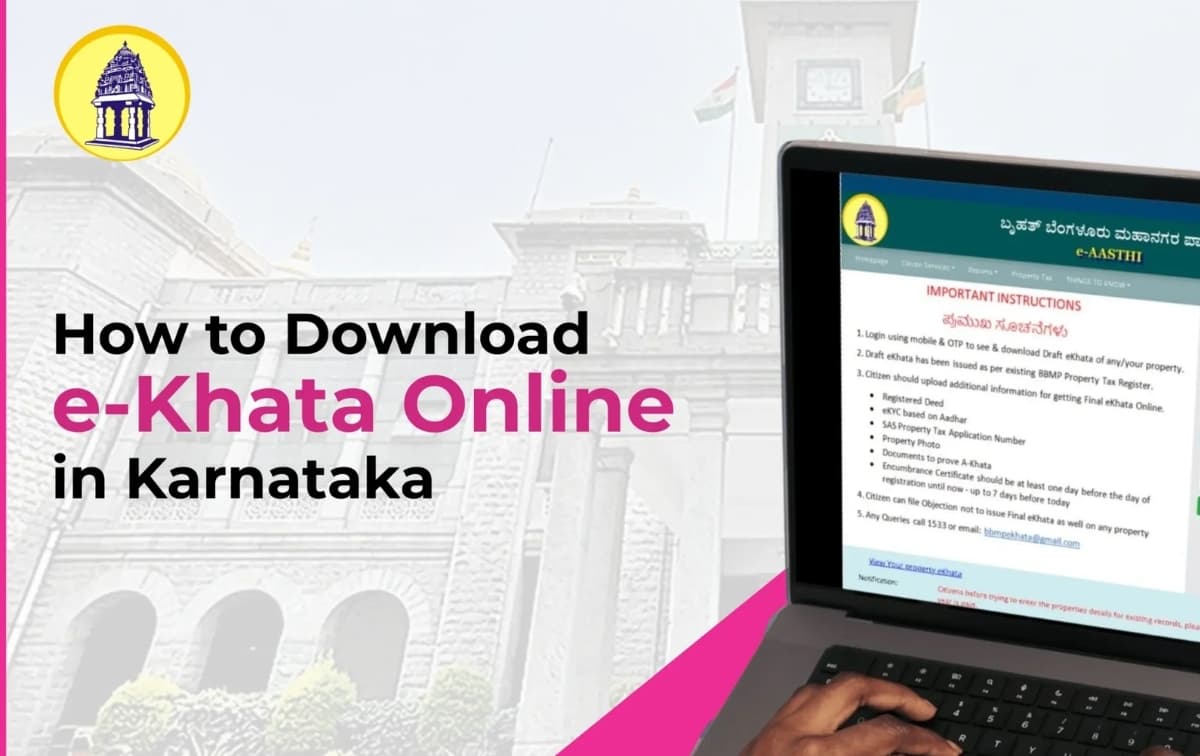
Karnataka is preparing for a significant administrative transformation as the State government gears up to make digital e-stamping mandatory across departments and public transactions involving documentation, agreements, registrations, and contractual procedures. This upcoming shift signals a major reform aimed at enhancing transparency, reducing paperwork, minimizing fraud, and simplifying official processes for millions of citizens. With land transactions, affidavits, licenses, and financial agreements dependent on stamping procedures, the decision is expected to have a wide social and economic impact across the State.
The move reflects a growing need for efficiency within administrative systems. Traditional stamp papers have long been associated with delays, shortages, risks of forgery, and a heavy dependency on physical infrastructure. By transitioning to a digital system, the government aims to bring long-pending reforms into action while ensuring security and ease of access for the public. The rollout comes at a time when Karnataka seeks to modernize its governance pipeline, improve transparency in revenue departments, and minimize loopholes that allow fraud in the purchase and use of stamp papers.
Officials believe that migrating to a fully digital platform will create faster processing systems for documentation, strengthen safety mechanisms against counterfeit papers, improve revenue tracking, and help both government and citizens avoid legal setbacks caused by invalid or fraudulent stamp usage. As a result, the administrative landscape of the State is set to experience a critical transformation. The transition, expected to be implemented shortly, is being observed keenly by departments and public stakeholders who depend heavily on stamping processes for daily operations.
Why Mandatory Digital E-Stamping Matters for Karnataka’s Administrative Future
The decision to make digital e-stamping compulsory reflects a larger movement towards modernizing government operations across India. In Karnataka, the shift assumes particular importance due to the sheer volume of land-related transactions, government service applications, and legal documentation that take place every single day. Stamping is at the heart of countless activities: property sales, gift deeds, rental agreements, declarations, affidavits, licensing procedures, loan processing, and commercial contracts. Any disruption or inefficiency in the stamping ecosystem affects not just individuals but entire sectors of the economy.
Historically, citizens have had to visit designated centres or authorized vendors to purchase physical stamp papers or use franking machines. These systems come with multiple limitations — inconsistent availability, manual errors, delayed processing, potential misuse, and the ever-present risk of dealing with fraudulent documents. Karnataka, like several states before it, has recognized the urgent need to eliminate these vulnerabilities. Digital e-stamping promises to streamline processes by allowing users to generate stamps online, verify authenticity immediately, and reduce the dependency on physical intermediaries.
From the government’s perspective, this shift is crucial for tackling revenue leakage. Stamp duty is a major contributor to State finances, and any form of mismanagement or fraud directly impacts public resources. Digital systems offer real-time monitoring, automated verification, and traceable records — which together prevent manipulation and strengthen overall revenue governance. The new system is expected to allow easier auditing, simpler reconciliation, and more reliable tracking of stamp-related payments across departments.
Additionally, mandatory e-stamping supports the broader digital-governance mission of Karnataka, which has been steadily embedding technology into public services through online portals, mobile applications, real-time dashboards, and automated systems. Digital ecosystems reduce opportunities for corruption, promote transparency, and ensure smoother interactions between citizens and the state. For residents of rural areas, where stamp paper access often meant long travel and dependence on middlemen, digital stamping will be particularly beneficial.
However, the transition is not merely about technology. It demands widespread awareness, training, infrastructural readiness, and maximum coordination across government offices, banks, registration departments, and service centres. As the deadline for implementation approaches, the State must ensure that every department, local body, and authorized service provider is prepared to adopt the new system without confusion or disruption. Digital literacy gaps, technological access issues, and procedural clarity will be key points requiring attention.
Challenges Ahead — Implementation, Access, Training and Public Readiness
The decision to make digital e-stamping mandatory is ambitious, but not without challenges. Karnataka, with its urban-rural diversity, varied technological access, and differing levels of digital literacy, must ensure a smooth shift that accommodates all sectors of society. For many rural residents, especially those who rely on manual processes, adapting to digital platforms may feel intimidating. Without strong support systems, they risk depending on intermediaries, contradicting the very purpose of the reform.
To prevent such issues, the State must ensure that training programmes are launched for staff, village-level operators, registration officials, notaries, and service-centre personnel. Clear guidelines, multilingual user instructions, demonstration videos, and help desks will be necessary to make the platform accessible. Government officials must also address concerns about network outages, server downtime, and the need for robust cybersecurity measures to secure sensitive documents.
The transition will also require addressing legal and procedural clarity. Specific circulars, notifications, and instructions must define how digital stamps will be validated, how errors will be corrected, and what mechanisms exist for grievance redressal. Without standardised processes, users may face confusion or hesitate to use the platform. Banks, financial institutions, real-estate companies, and legal practitioners must also be aligned so that they adopt digital stamping seamlessly in all transactions.
Infrastructure preparedness is equally important. While urban centres enjoy strong internet access and familiarity with digital payments, many rural regions experience slower connectivity and limited device availability. To overcome this, the State will need to enhance digital infrastructure, strengthen access at gram panchayat offices, and ensure that citizen-service centres are equipped with adequate resources to handle large user volumes.
Public awareness campaigns will be essential. Citizens need to understand the advantages of digital stamping — instant availability, secure records, faster processing, and reduced risk of fraud. They must be informed of the deadline, the process, the portal details, and the required documentation. The government’s ability to communicate effectively will decide how smoothly the mandatory system is adopted.
A Step Toward Transparency — Benefits for Citizens, Businesses and Governance
Once implemented, mandatory digital e-stamping is expected to simplify documentation procedures significantly. For citizens, this will eliminate the need to search for stamp vendors, deal with shortages, or risk buying invalid papers. The process becomes as easy as selecting the denomination, making a digital payment, and downloading the authenticated stamp. The new system ensures instant verification, providing citizens with confidence and security.
Businesses, particularly those involved in real estate, finance, and legal services, stand to benefit greatly. Property developers, banks, and legal firms often handle large volumes of documentation and are frequently pressed for time. Digital stamping promises faster turnaround, reduced paperwork, safer transactions, and smoother compliance. It also lowers administrative costs by minimizing manual handling.
For government departments, the advantages are transformative. Automated documentation creates reliable databases, ensures consistency, and reduces errors caused by manual entries. Real-time monitoring allows departments to track revenue instantly, identify discrepancies, and prevent leaks. Digital stamping reduces bureaucratic dependency and makes the governance process more resilient.
Furthermore, the shift aligns with Karnataka’s broader reform agenda, which includes digitizing public records, enhancing service delivery, and reducing corruption. It supports integration with other digital systems, such as property records, registration platforms, financial transaction portals, and verification mechanisms. Over time, this interconnected framework can create a more efficient public ecosystem, improving governance quality and public satisfaction.
Cybersecurity will remain a top priority. The State must invest in secure servers, multi-layer authentication, encryption techniques, and regular audits. Citizens must feel confident that their documents are safe, their transactions secure, and their identity protected.
What Comes Next — Roadmap, Expectations and Future Integration
As Karnataka prepares to roll out mandatory digital e-stamping, related departments are expected to release detailed notifications explaining the structure, procedures, deadlines, and implementation steps. These will clarify how physical stamp papers will be phased out, how existing unused physical papers will be handled, and how digital documents will be authenticated for legal processes.
Future phases may include integrating e-stamping with land-records databases, online registration systems, municipal platforms, and financial institutions. Such integration can significantly reduce documentation duplication, prevent fraudulent property transactions, and streamline verification for loans, licenses, and registrations.
In the longer run, Karnataka may explore blockchain-based record-keeping, automated tracking of registered agreements, and technology-driven verification systems that minimise human intervention. The move toward mandatory digital e-stamping may become a cornerstone step in a series of reforms designed to transform governance.
Expectations from the public remain high. Citizens hope for simplicity, speed and transparency. Legal experts expect fewer fraudulent transactions. Businesses anticipate reduced delays. Government officials expect smoother coordination and stronger revenue protection. With so many expectations converging, Karnataka must ensure that the transition is not abrupt but well executed.
The coming months will reveal the practical challenges on ground — from user adoption to system stability. If the transition succeeds, Karnataka could emerge as a leading model for digital governance reforms, inspiring similar initiatives in other states.
Conclusion — A Transformational Leap Toward a Safer, Faster and Transparent Future
Karnataka’s decision to make digital e-stamping mandatory marks a defining step in the evolution of public administration in the State. The reform strengthens transparency, enhances governance, reduces fraud, and positions Karnataka as a leader in digital transformation. Though the shift demands careful planning, robust infrastructure, and public support, the long-term benefits promise a safer, faster, and more reliable documentation ecosystem.
As the rollout progresses, Karnataka will face challenges of training, accessibility, awareness, and system preparedness. Yet, with strong political intent and institutional coordination, the digital transition can pave the way for a more accountable and citizen-friendly administrative landscape. The move represents not just a technological update but a commitment to cleaner systems and efficient public service — bringing hope for a future where bureaucratic hurdles reduce, digital empowerment expands, and citizens engage with governance more easily and confidently.
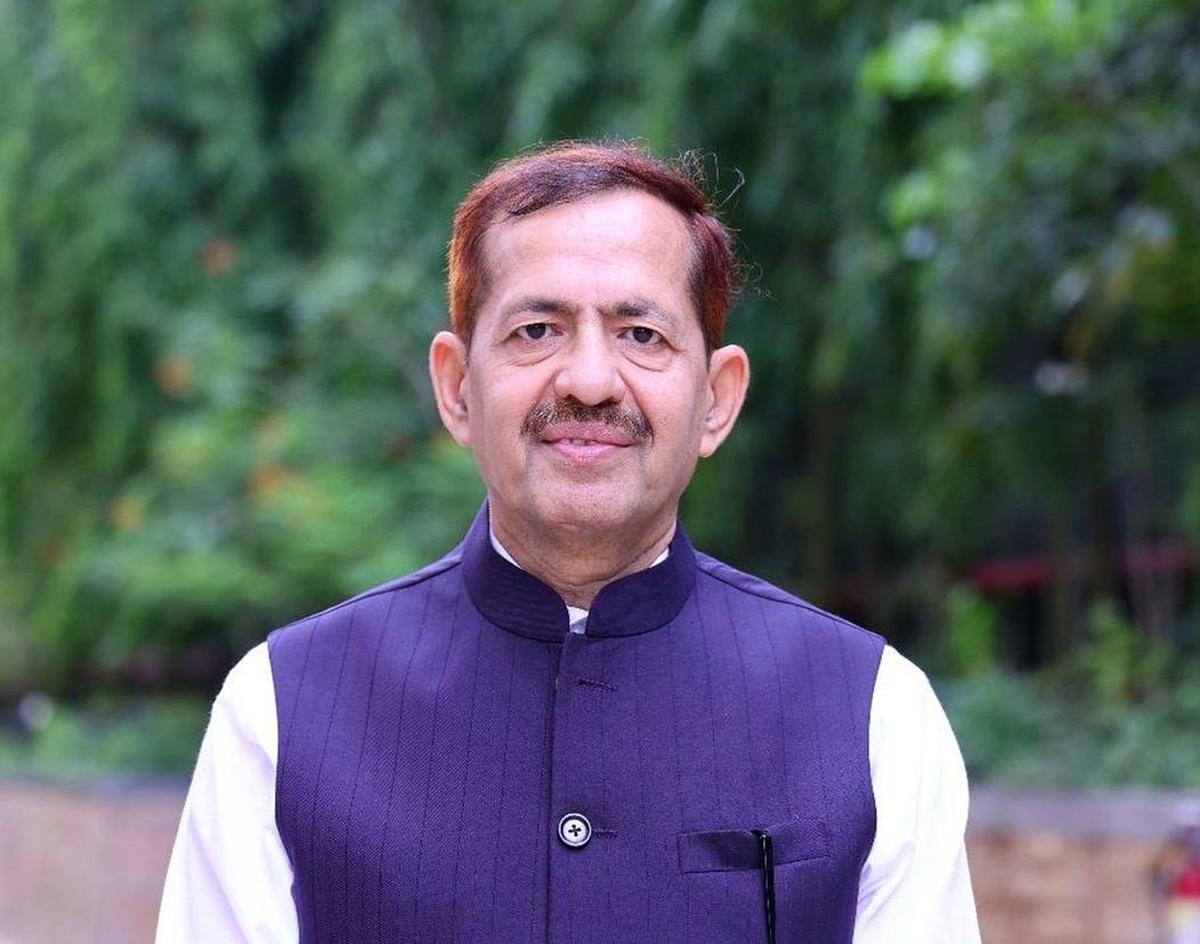
Lakshman Singh has officially assumed the role of Managing Director of K-RIDE — the nodal agency responsible for executing several high-profile infrastructure and public-transport projects in Karnataka. The appointment marks a significant shift in leadership for K-RIDE and signals a renewed push by the state government to accelerate urban infrastructure development, especially for suburban and satellite towns. With multiple pending projects and public expectations riding high, Lakshman Singh’s tenure begins under both opportunity and pressure to deliver results.
As he takes charge, many are watching closely — from civic planners and public-transport advocates to ordinary commuters who hope to see faster roads, better connectivity, and improved amenities. The change in management is being viewed as a strategic move by the state government to inject fresh energy and direction into K-RIDE’s operations. But with complex projects, bureaucratic hurdles, and urban-rural divides at play, the road ahead for the new MD promises to test both his vision and execution abilities.
Why The Leadership Change Matters — K-RIDE’s Role and Expectations
K-RIDE is tasked with planning and implementing infrastructure and transport projects aimed at easing urban congestion, improving suburban connectivity, enabling sustainable growth, and managing regional development. Over the years, the agency has been entrusted with ambitious initiatives — including ring roads, suburban rail networks, improved road links, and integrated urban planning schemes. Given rapid urbanisation, population growth, and rising demand for efficient public services across Karnataka, K-RIDE’s mandate has become increasingly critical.
The decision to appoint Lakshman Singh as Managing Director arrives at a juncture when several of K-RIDE’s key projects are either underway, delayed, or awaiting clearance. Sources say his selection reflects the government’s desire to bring in a leader who can navigate complex administrative challenges, coordinate among multiple departments, and steer stalled projects toward completion. The move is also intended to reassure stakeholders — citizens, contractors, urban planners — that the projects will be revived with renewed accountability and oversight.
Public expectation attached to this leadership change is high. Many urban residents, especially commuters in suburban belts and satellite towns, view this as their chance for improved infrastructure: smoother roads, better public transport, reliable connectivity, and less traffic. For many businesses, industries, and developers dependent on infrastructure to expand, K-RIDE’s efficient functioning impacts growth, investment, and quality of life. For rural-urban migrants, improved transport and connectivity can mean access to jobs, education, and services — raising hopes for a better future.
At the same time, K-RIDE’s mandate faces numerous challenges: land acquisition disputes, environmental clearances, bureaucratic red tape, inter-departmental coordination issues, resource constraints, and political pressure. Given these hurdles, the appointment of Lakshman Singh is being seen as more than a routine administrative change — it is being treated as a test of intent, will, and administrative competence by the state government. Observers hope his leadership will bring clarity in timelines, transparency in processes, and tangible progress on ground.
Challenges Ahead & What Needs to be Addressed — Infrastructure, Governance and Public Trust
For Lakshman Singh, stepping into the role of MD of K-RIDE comes with a long to-do list and high expectations. A critical challenge will be to balance ambitious infrastructure plans with socio-economic realities, environmental safeguards, and public sensitivity. Projects under K-RIDE often involve land acquisition, relocation of affected families, and ecological impacts; ensuring fair compensation, transparent processes, and inclusive planning will be vital.
Another significant hurdle lies in administrative coordination. Infrastructure projects under K-RIDE require collaboration across multiple departments — urban development, transport, environment, local governance, revenue, and sometimes central agencies. Delays and miscommunication among different wings have in the past contributed to slow progress or stalled projects. As new MD, Lakshman Singh must establish stronger inter-departmental coordination, clear timelines, and greater accountability to overcome these structural bottlenecks.
Financial sustainability is another concern. Large-scale infrastructure and transport projects demand significant funding — for construction, maintenance, technology, manpower, and future upgrades. Given competing priorities in state budgets, it will be essential for K-RIDE to manage funds efficiently, explore alternate financing models (public-private partnerships, bonds, central assistance), and ensure cost-effectiveness. Mismanagement or delayed funding could derail even well-planned projects.
Public trust and transparency will also be a test. Past infrastructure initiatives in many parts of India have been marred by delays, cost overruns, substandard execution, legal hurdles, or incomplete deliverables — eroding public faith. To avoid such pitfalls, the new leadership should prioritise open communication: regular public updates, transparent tendering processes, community consultations, environmental-impact disclosures, and grievance redressal mechanisms.
Equally important will be the focus on sustainability and long-term benefits. Infrastructure developed without considering social and environmental impacts can lead to long-term problems — loss of habitat, urban sprawl, inequitable growth, and social displacement. K-RIDE under Lakshman Singh must balance immediate development needs with sustainable urban planning, equitable growth, and climate-sensitive policies.
Finally, given political dynamics and changing public expectations, delivering results on ground in a timely manner will be critical. Success or failure of high-profile projects under his watch will influence public opinion, electoral outcomes, and the credibility of the government’s infrastructure agenda. The pressure will be high — but so will the opportunity to make lasting, positive impact.
What Citizens and Stakeholders Expect — Bridges, Roads, Connectivity and Better Lives
With the leadership transition, various segments of society have pinned hopes on swift progress. Commuters expect better roads, less congestion, improved public-transport options. Residents of suburban and satellite towns look forward to reliable connectivity to urban centres, supporting their daily commute to workplaces, schools, markets, and services.
Small businesses, traders, and transport operators see possibilities for growth — smoother logistics, better access to markets, improved supply chains, and expansion opportunities. For developers, investors, and real-estate stakeholders, improved infrastructure under K-RIDE may mean increased land value, better prospects for housing/ commercial projects, and enhanced urban expansion prospects — which may bring economic activity, jobs, and prosperity to many regions.
For socially and economically vulnerable populations — informal workers, migrants, rural residents seeking urban opportunities — better connectivity can translate to access to employment, education, health-care, and social services. Affordable and efficient public transport can reduce commuting costs and improve mobility. Infrastructure development under K-RIDE, if implemented with equity and sensitivity, could become a vehicle for inclusive growth.
For civic-society groups, urban planners, environmentalists, and activists — K-RIDE under new leadership represents a chance to embed principles of sustainable development, equitable planning, and public interest. Many expect that future projects will prioritise green infrastructure, proper environmental clearances, inclusive planning, pain-free resettlement for affected communities, and transparent public engagement.
Because of this, the new MD’s actions will be watched closely — not just by administrators, but by citizens, civil society, and media. Stakeholders expect more than glossy announcements: they want ground-level delivery, timely execution, fair processes, and visible improvement in daily life.
Looking Forward — Success Will Require Vision, Integrity and Strong Execution
As Lakshman Singh settles into his role, the coming months will be pivotal. If he manages to steer K-RIDE with vision, transparency, accountability, and citizen-centric focus, his tenure could mark a transformational phase in Karnataka’s urban and regional development. Starting with prioritising key pending projects, addressing land-acquisition bottlenecks, fast-tracking clearances, ensuring community involvement, and establishing robust monitoring systems — the roadmap must be pragmatic and inclusive.
Further, to build sustained trust, the administration must institutionalize mechanisms for public feedback, regular progress audits, environment and social impact assessments, and periodic public reporting. Without consistent oversight, even well-intentioned efforts may falter under political or bureaucratic pressure.
K-RIDE’s success under new leadership will also depend on engaging local communities meaningfully — ensuring that affected people are heard, compensated fairly, rehabilitated properly. Transparency, timely compensation, and genuine consultation can prevent conflict, resistance and project delays. This will require humane policies, empathy, effective grievance resolution, and long-term planning.
Financial discipline and pragmatic funding strategies will matter. Exploring public-private partnerships, central government schemes, financial institutions, and community funding models may help mobilise resources without burdening the state budget. Prioritising projects based on need — not political expediency — and focusing on impactful, high-utility initiatives can ensure cost-effectiveness.
Lastly, K-RIDE must navigate political pressures, public expectations, and changing governance dynamics carefully. Delivering results quickly — without compromising quality or equity — will be a tough balancing act. But if managed well, this period can define a new era of urban growth, inclusive development, and infrastructure-driven transformation in Karnataka.
Conclusion: New Beginning, Huge Stakes — Karnataka’s Infrastructure Future Under Lens
The appointment of Lakshman Singh as Managing Director of K-RIDE is more than an administrative shuffle; it signals a renewed push by Karnataka’s government toward infrastructural reform, urban-rural integration, and public-service delivery. For citizens, commuters, communities, businesses, and planners — this leadership change raises hope for better roads, improved transport, enhanced connectivity, and inclusive growth. For K-RIDE, it is an opportunity to shed past delays, deliver on promises, and build institutional credibility.
Yet, the stakes are high. The path ahead demands strong vision, committed execution, transparent governance, social sensitivity, and resilience against bureaucratic inertia. The success of K-RIDE’s forthcoming projects will depend on how well these elements come together under the new MD’s stewardship.
If Lakshman Singh manages to steer K-RIDE toward timely, equitable, and sustainable development, the impact will be felt across Karnataka — not just in urban centres, but in suburban towns, rural peripheries, and among communities long waiting for progress. If he falters, delays may linger, public frustration may grow, and trust may erode.
For now, the appointment brings a sense of cautious optimism. The public will watch closely as plans turn into action, blueprints turn into roads, and promises turn into tangible change. K-RIDE’s journey under Lakshman Singh has begun — and Karnataka’s infrastructure future hangs in balance.
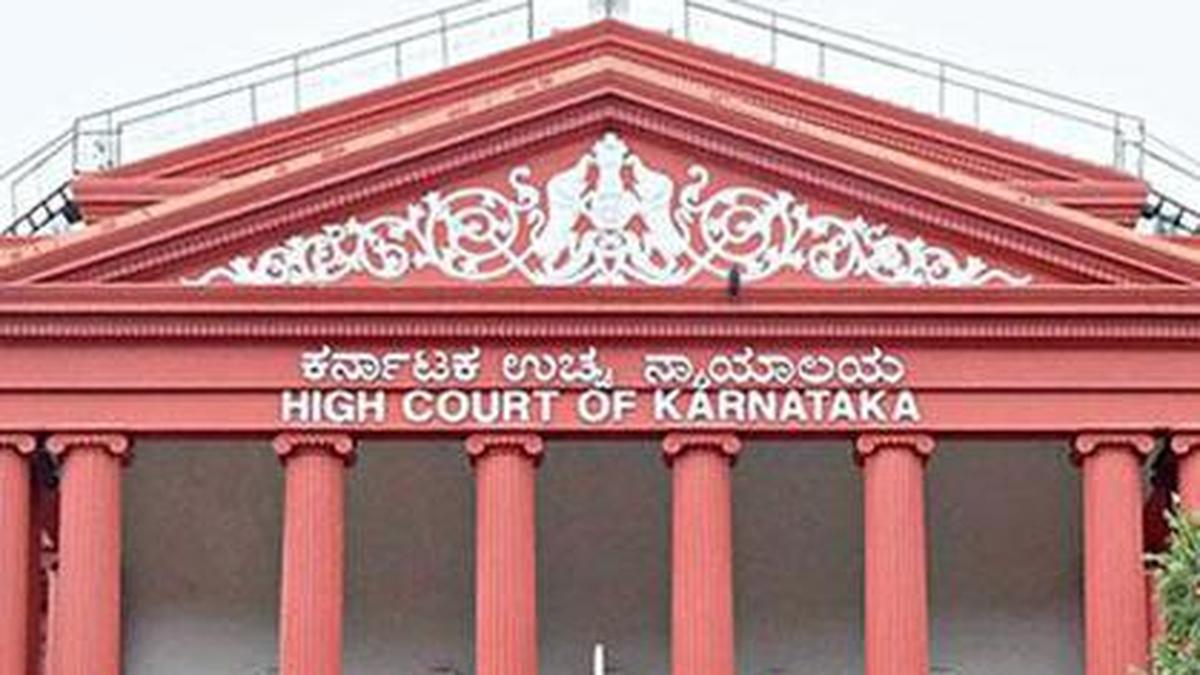
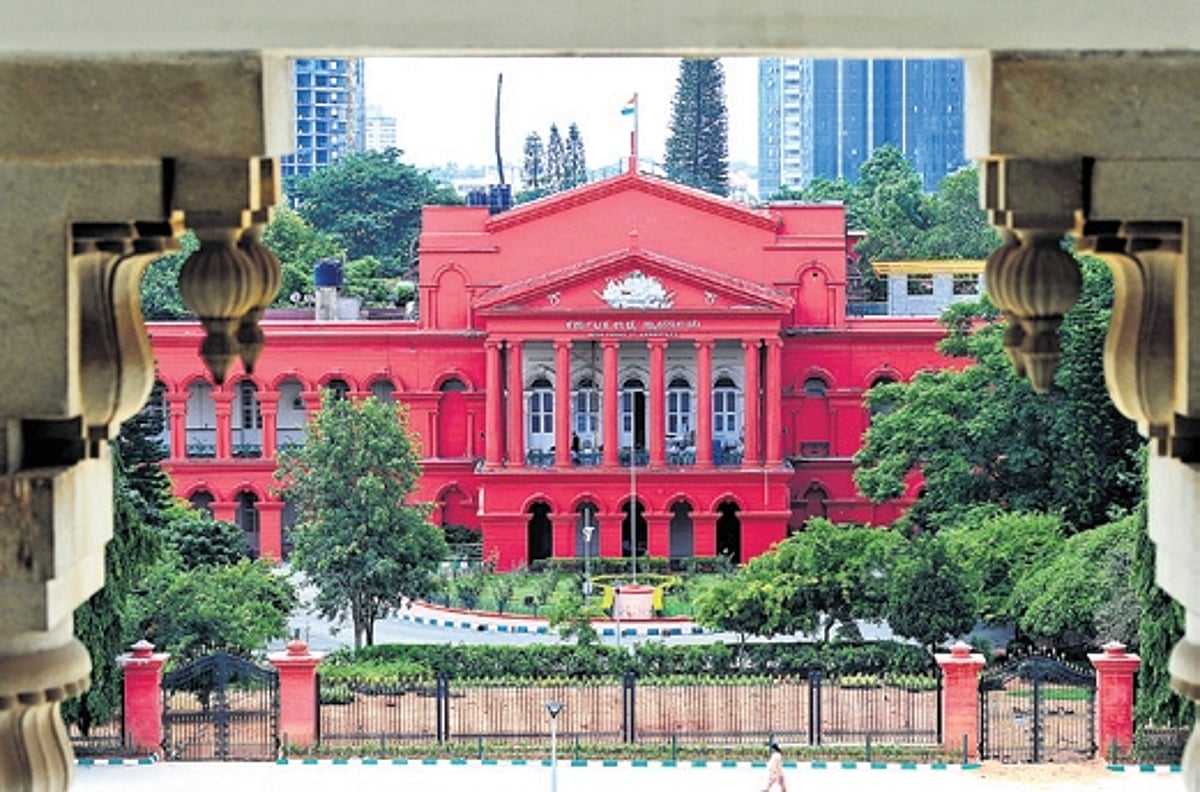
In a decisive judicial intervention, the Karnataka High Court (KHC) has directed the state government not to issue any fresh recruitment notification that includes increased reservation percentages for Scheduled Castes (SCs) and Scheduled Tribes (STs). The court’s order has sent a strong message that any alteration in reservation policy must be rooted in a constitutional and legal review — not simply enacted by executive notification. The ruling has immediate implications for thousands of pending job aspirants, ongoing recruitment processes, and the broader politics of reservation and social justice in Karnataka.
The verdict has triggered a wave of responses — from relief among some government-job hopefuls to frustration and concern among political groups and social-justice advocates. At its core lies a complex debate on fairness, quota policy, equality before law, and the binding nature of constitutional safeguards. The High Court’s stay on fresh notifications reflects the delicate balance between social justice aspirations and the rule of law, as interpreted by the judiciary.
Background and the High Court’s Decision
In recent months, the Karnataka government had prepared to roll out a recruitment drive with enhanced reservation quotas for SCs and STs in various government posts, aiming to bolster representation of historically marginalised communities. The proposal envisaged increasing the share of reserved posts beyond existing norms, a step justified by the government as part of its commitment to social justice and inclusion. Many aspirants — from both reserved categories and general categories — had anticipated the new notifications, hopeful that wider quota might improve their chances.
However, a petition was filed before the High Court challenging the proposed increase in reservation percentages. The petitioners — representing aspirants potentially affected by quota change — argued that the proposed increase did not follow constitutional or statutory mandate, lacked normative basis, and would lead to unfairness to other applicants. They contended that reservation changes cannot be made arbitrarily and must undergo legislative process or proper constitutional review, rather than executive-driven orders.
After hearing the arguments, the Court accepted the petitioners’ contentions. It concluded that the State government does not have unfettered discretion to raise reservation quotas via executive notification. The Court emphasized that any change in the system of reservation must comply with constitutional provisions, precedents, and ensure equality and fairness for all applicants. On these grounds, the High Court directed the State not to issue any fresh recruitment notification incorporating the proposed increased reservation for SCs/STs, at least until a full legal and constitutional review is completed.
The order immediately halts all ongoing preparations by the recruitment boards for a fresh notification. It effectively places a moratorium on issuing new job advertisements with revised quotas — creating uncertainty for both candidates planning to apply, and the administration that had begun structural arrangements.
In its verdict, the Court underscored the importance of upholding constitutional safeguards — not only for reserved categories but for all citizens seeking opportunities under government employment. It warned that altering reservation norms without proper legal foundation could set a dangerous precedent, undermining the principles of fairness, transparency, and meritocracy. The judgment thus seeks to protect the sanctity of the recruitment process and ensure that any shift in reservation policy is deliberated, justified, and constitutionally valid.
Implications: Aspirants, Politics, and Social Justice Debate
The High Court’s decision carries wide-ranging consequences — immediate, medium-term, and long-term — affecting aspirants, the government, and social justice discourse across Karnataka.
Impact on Job Aspirants: For many candidates eagerly awaiting a new recruitment drive, the verdict comes as a blow. Those from SC/ST backgrounds who hoped for increased quota — potentially improving their chances — may feel disappointed. Their expectations of better representation in government jobs will now be deferred. Simultaneously, aspirants from general or other backward categories may view the order as a safeguard against quota expansion that could have reduced their opportunities. The uncertainty may lead to frustration among both groups, as the timeline for any new recruitment remains undefined.
Administrative and Governmental Challenge: The state government now faces a dilemma — whether to reconsider its policy, push for a legislative amendment, or withdraw its plan altogether. Officials may need to weigh the political costs of deferring the quota expansion against the legal and constitutional risks flagged by the Court. The recruitment boards will need to place recruitment processes on hold, restructure their policies, and await further clarity. This could delay filling of many vacant posts — potentially affecting administrative efficiency and public service delivery across departments.
Political Fallout and Social Justice Debate: The ruling invites renewed debate on the purpose, scope, and future of reservation. Proponents of quota expansion argue that increased reservation is essential to ensure social justice, representation for marginalised groups, and rectify historical inequalities. For many social-justice advocates, the Court’s decision might seem like a setback in efforts to widen inclusion. On the other hand, critics of expanded quotas — and supporters of strict merit-based recruitment — will welcome the judgment as an affirmation of fairness and equality under law.
The judgment may influence future politics in Karnataka. Political parties and leaders advocating for stronger representation for SC/ST communities may be compelled to recalibrate their strategies. Conversely, groups concerned about reservation overreach may find a legal endorsement for their stance. Election manifestos, candidate appeals, and public discourse may now pivot on how reservation policies should evolve, and whether legislative overhaul is needed.
Legal and Constitutional Precedent: The High Court’s order reinforces the principle that reservation policies — which directly affect citizens’ right to fair opportunity — cannot be changed on impulse. They require careful constitutional and legislative backing. The verdict may serve as a precedent not only for Karnataka but other states where similar executive-driven quota expansions are proposed, encouraging courts and petitioners to challenge arbitrary policy shifts. It strengthens judicial oversight over reservation matters and reiterates the need for law-based decision-making.
Potential Delay in Filling Vacancies: Human-resources departments across government services may face staffing shortfalls, as recruitment processes stall. Long-pending vacancies in critical sectors — education, health, administration, local bodies — might remain unfilled, affecting service delivery to citizens, especially in rural and underserved regions. The government may need to devise interim arrangements or expedited legislative paths to resume recruitment.
Uncertainty for Future Recruitment Plans: Aspirants, job-seekers, and recruitment boards are now in a limbo. It is unclear when — and if — revised reservation quotas will take effect. The Government may choose to abandon its plan, redefine quotas within constitutionally acceptable limits, or propose legislation to seek court approval for changes. Until then, recruitment planning remains uncertain.
Broader Context: Reservation Policy, Social Equity, and Institutional Trust
To appreciate the significance of this ruling, it helps to view it in the larger context of India’s complex history with reservation, social equity, and the tension between affirmative action and meritocracy. Reservation policies were introduced to correct historical injustices, provide representation to historically marginalised communities, and ensure equal opportunity. Over decades, they have helped many individuals access education, employment, and social mobility that might otherwise have been denied.
Yet, reservation remains a contentious and evolving issue — especially when expansions are proposed. Opponents argue that unchecked quota growth can erode meritocracy, lead to reverse discrimination, and strain public resources. Proponents insist that social inequality persists, and that greater representation of SC/ST communities is essential for justice and equitable development. The High Court’s order reflects this tension: while it does not oppose reservation per se, it insists that changes to quota must be grounded in law and constitutional safeguards.
In Karnataka — a state that has long been at the intersection of caste dynamics, social justice movements, and political mobilizations based on identity — the ruling underscores the fragility and sensitivity of reservation policy. It reaffirms that shifts in such policy cannot be arbitrary or politically expedient. Instead, they require careful deliberation, legal scrutiny, and transparent debate.
The decision also has implications for institutional trust. By stepping in, the judiciary has reinforced its role as a guardian of constitutional rights and fairness. For citizens — across communities — the ruling may enhance confidence that legal processes can check executive overreach. For the administration, it serves as a reminder that governance actions must respect constitutional boundaries, and that social-justice initiatives must be implemented with legal and ethical rigor.
Looking Ahead: What Happens Next — Legal, Administrative, Political Paths
Following this ruling, several possible courses of action emerge for the State government, political stakeholders, and civil society.
1. Legislative Amendment or Policy Redraft: The state could choose to introduce a bill in the legislature seeking to amend reservation quotas, with proper justification, data on backwardness or representation gaps, and constitutional compliance. If passed, this could provide the legal grounding needed to resume recruitment with revised quotas.
2. Judicial Review and Public Consultation: The government might commission studies to assess the socio-economic status of SC/ST communities, gaps in representation, and the need for quota expansion. These findings could strengthen any future proposal for increased reservation. Alternatively, the government may engage in public consultations or dialogues with community representatives before attempting any quota change.
3. Resumption of Recruitment with Existing Quotas: Until any lawful change is enacted, recruitment boards may proceed with notifications — but only under existing reservation quotas. This would mean that aspirants must apply under the status-quo rules, and the system would continue without expanded quotas for the time being.
4. Possible Political Fallout and Mobilization: Social-justice groups, political parties, and civil society may lobby for quota expansion, organise protests, or push for legislative change. The ruling could energize debates on reservation policy and social equity ahead of future elections.
5. Administrative Replanning and Workforce Management: Departments awaiting staff recruitment may need to revise their hiring plans, fill critical posts through other means (temporary staff, contract workers), or wait until the legal and legislative process resolves. This could impact public services, especially in sectors reliant on government staffing.
6. Long-term Policy Review and Institution Building: The ruling could prompt the state to consider more systematic approaches to representation and social equity — including targeted welfare schemes, skill development, educational upliftment, and measures to address structural inequality beyond reservation alone.
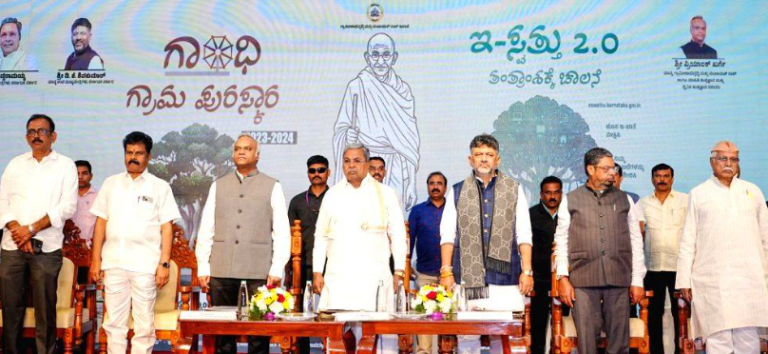
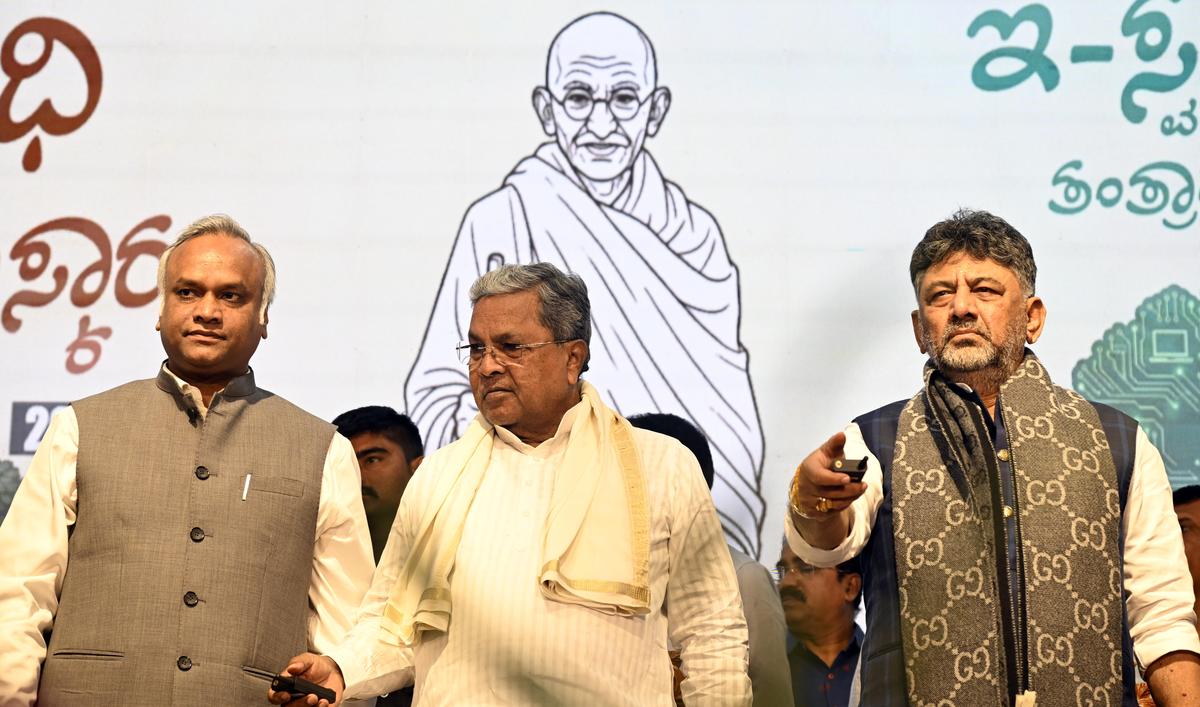
The Government of Karnataka has unveiled a major digital initiative — e-Swathu 2.0 — aimed at simplifying and streamlining land and property documentation for rural property owners. Launched by the state’s leadership, the new software promises to reduce bureaucratic hurdles, improve access to property records, and bring transparency to rural land ownership processes. The move is widely seen as part of broader efforts to modernize rural governance and ensure that citizens in remote villages can access essential services with ease.
By offering quicker, easier and more transparent access to property-related documents, e-Swathu 2.0 could significantly impact the lives of rural residents. For many small landowners — often dependent on agriculture or ancestral land — documentation issues have long been a source of anxiety, disputes, and delays. The new rollout seeks to change that, delivering digital convenience and legal clarity where it was previously lacking.
What Is e-Swathu 2.0 — And Why Karnataka Launched It
e-Swathu 2.0 is described by the state government as a software system designed to facilitate issuance and retrieval of property and land-related documents for rural residents in Karnataka. Under the new system, property owners in villages — including those under gram panchayats — can access essential documents through a streamlined digital interface, thereby avoiding lengthy paperwork, repeated visits to offices, and bureaucratic red tape. The goal is to make the process more citizen-friendly, especially for those who may lack time, resources, or mobility to navigate traditional administrative channels.
The launch of e-Swathu 2.0 took place at a public function in Bengaluru where the state government also awarded the Gandhi Grama Puraskara to 238 gram panchayats across Karnataka for the year 2023–2024. The presence of top-level leadership at the event — including Siddaramaiah (Chief Minister), D. K. Shivakumar (Deputy Chief Minister), and Priyank Kharge (Rural Development and Panchayat Raj Minister) — underscored the government’s commitment to rural welfare, digital governance, and land-administration reforms.
The rationale behind e-Swathu 2.0 responds to long-standing challenges faced by rural landowners: ambiguous land records, delays in issuing documents, difficulty in accessing government offices, and dependence on intermediaries. For marginalized or less-educated farmers and small landholders, these challenges often lead to exploitation or loss of land rights. By digitizing the system, the government aims to reduce such risks, make record-keeping transparent, and strengthen legal ownership for vulnerable communities.
Officials say that the system will allow users to apply for — and in many cases receive — official property documents digitally, reducing the need for physical visits and mitigating long wait times. The software is expected to integrate with existing rural land-record and panchayat data systems, ensuring that records remain consistent, updated, and verifiable across departments.
Expected Benefits: Simplified Access, Transparency, and Inclusion
Proponents of e-Swathu 2.0 argue that the software will bring multiple, tangible benefits to rural populations and the state’s governance system. One of the primary advantages is ease of access: property owners no longer need to travel long distances or navigate complex paperwork to get essential documents. This is particularly significant in a geographically large and diverse state like Karnataka, where many villages remain remote and underserved.
Second, the platform promises faster processing times. Under the manual system, delays — caused by backlog, staff shortages, or inefficiency — were common. With e-Swathu 2.0, applications may be processed more quickly, reducing wait times and giving landowners quicker clarity about their titles, records, or ownership certificates. This speed could prove vital to those needing documents for loans, land sales, inheritance, or statutory compliance.
Third, the move enhances transparency and accountability. With digital records, every document request, every decision, and every record update becomes traceable. This minimizes opportunities for corruption, forgery, or manipulation of land records — issues that have historically plagued rural land administration. It also gives government officials less leeway to demand bribes or force delays, thus helping build trust among rural communities.
Fourth, e-Swathu 2.0 promotes inclusion and equal access. Small landowners, marginalized communities, and economically weaker sections often face the greatest barriers under manual systems. By enabling remote or digitally mediated access, the state aims to democratize land documentation and ensure that even disadvantaged residents can secure their land rights legally and easily.
Finally, the system has long-term governance benefits. Accurate, up-to-date land records are essential for planning, taxation, rural development, infrastructure projects, and disaster management. With digital property databases, the state will be better equipped to plan resource allocation, deliver benefits, and execute public-works projects — while ensuring fair distribution of benefits and avoiding land-related disputes.
Challenges, Concerns, and What Needs Careful Oversight
Despite its promise, the rollout of e-Swathu 2.0 also raises some concerns and potential challenges that need careful management. First is the question of digital divide and accessibility. Many rural residents may lack smartphones, computers, or internet connectivity, or may be unfamiliar with using digital platforms. For such users, accessing online services could be difficult, thereby limiting the benefit of digitization. The government must therefore ensure alternate offline support — perhaps local help-desks at panchayat offices — to assist those who cannot access or use the system independently.
Second, there is a risk of errors, mismatches, or data inaccuracies. Digitizing records requires accurate data entry and careful verification. Mistakes in recording land boundaries, ownership details, or previous transfers — if digitized incorrectly — could lead to disputes or legal complications. It is vital that the database be audited, backed by ground-level verification, and regularly updated.
Third, data privacy and security are potential concerns. Land records contain sensitive personal and financial information. If the system lacks robust safeguards, there could be risks of data leaks, unauthorized access, or misuse. The state must commit to strong cybersecurity measures, transparent data-management policies, and strict controls on who can access or modify records.
Fourth, there may be resistance or inertia from within administrative structures. Employees accustomed to the manual system, or local intermediaries who benefited from delays and red-tape, might resist change or attempt to exploit loopholes. Institutional resistance could hamper the effectiveness of the reform unless the government ensures training, accountability, and motivation for officials.
Fifth, ensuring legal validity and acceptance of digitally issued documents will be crucial. Courts, banks, and other institutions must accept e-Swathu-issued documents as legitimate. Without broad acceptance, the benefit to citizens may remain limited. The government may need to issue notifications or legal backing for digital documents to be universally accepted.
Political and Administrative Significance: What This Means for Karnataka’s Leadership
The rollout of e-Swathu 2.0 also carries broader political and administrative implications. For the current government leadership, the move demonstrates a commitment to rural welfare, digital governance, and reform — all areas under frequent scrutiny by voters and political opponents. Launching the platform during a public event where many gram panchayats received awards ties the reform to a narrative of rural upliftment and inclusive governance.
The presence of top leaders at the unveiling — including the Chief Minister, the Deputy Chief Minister, and the Minister of Rural Development — signals strong political backing. It may also help in drumming up public confidence, especially among rural communities who are often wary of government promises. The timing suggests the government is keen to deliver tangible, visible outcomes ahead of upcoming electoral cycles, thereby strengthening its rural base.
Administratively, e-Swathu 2.0 could streamline land administration across hundreds of panchayats. It may lead to reduction in workload for local offices, fewer disputes over land records, faster resolution of queries, and easier coordination between departments. Over time, it could set a template for other states looking to digitize rural land records and property services — making Karnataka a model for rural e-governance in India.
Moreover, this reform — by formalizing land documentation — may help reduce informal landholding practices prevalent in rural areas. Legal clarity over land ownership can encourage more residents to invest in their property, seek loans against land, or plan development activities without fear of disputes. This may stimulate rural economy, build asset value, and contribute to long-term socio-economic stability.
Voices from the Ground: Hopes, Expectations, and Realities
Initial reactions from rural property owners and panchayat-level leaders suggest cautious optimism about e-Swathu 2.0. Many welcomed the promise of easier access to documents, especially those who had struggled for years with paperwork, delays, and administrative challenges. For elderly farmers, women landowners, and marginalised groups, the digital platform offers hope for security and empowerment.
Some have expressed relief at the possibility of saving time and money. Under the earlier system, gaining ownership certificates or land-transfer documents often required multiple trips to district offices, expense on travel, and sometimes payments to intermediaries — adding to the burden of already economically vulnerable families. A digital, simplified process could eliminate those costs and reduce undue dependence.
Local panchayat leaders have said that they will need some time to adapt. Many admitted that staff training, infrastructure for digital access, and sensitisation of villagers will be necessary for the system to work effectively. Some raised concerns that without proper guidance, elders or villagers with low literacy may struggle to use the software on their own. Several suggested that panchayat offices set up help desks or support centres to assist applicants.
Some community activists have welcomed the move but voiced caution. They argued that while digitization is a step forward, it must be backed by strong oversight and legal safeguards — especially for vulnerable communities prone to land disputes. They also stressed the need for robust grievance redressal mechanisms, ensuring that disputed records or reconfirmation of ownership can be handled fairly and transparently.
From civil-society groups focusing on land rights and social justice, there is hope that e-Swathu 2.0 may help protect marginalised landowners — especially women, dalits, and small farmers — against exploitation. Digitally recorded, legally valid documents can offer stronger protection than informal or verbal land claims, which are often disregarded in disputes.
However, some also caution that unless government commitment continues — in training, oversight, and support — the benefits may remain partial or skewed. They warn that simply digitizing a flawed paper-based system may not resolve underlying issues such as unequal access, outdated land records, or historical injustices related to land distribution.
What’s Next: Implementation, Monitoring, and the Road to Impact
With e-Swathu 2.0 now formally launched, the next few months will be critical. The government and panchayat bodies will need to focus on implementation, ensuring that the software becomes functional across all rural areas and is integrated with existing records. This involves training staff, setting up user-friendly access points, and educating rural populations about the services.
A parallel task will be monitoring and feedback. Authorities must track how many applications are processed, the average time taken, error rates, user satisfaction, and any grievances raised. Transparency reports — perhaps public dashboards showing progress — could help build trust. Civil-society organisations might also participate in oversight, verifying whether the system truly helps marginalised communities.
The government will likely need to invest in infrastructure and digital literacy. Since rural areas vary widely in terms of connectivity and resources, additional support — such as local kiosks, mobile help desks, or offline-to-online facilitation — may be necessary to ensure inclusive access. Panchayat offices, local NGOs, and community groups could play a role in bridging the digital divide.
Legal and institutional work will matter too. For e-Swathu-issued documents to be effective, they must be accepted by courts, banks, revenue departments, and other institutions that handle land and property matters. Clarifying the legal status and validity of digital records — through state notifications or amendments if needed — will be essential to ensure that users truly benefit.
Longer-term, the success of e-Swathu 2.0 could influence wider reforms. If it proves effective, the model could be expanded to include other rural services — such as tax records, welfare entitlements, water and electricity connections, or agricultural subsidies — making governance more accessible and responsive. It may also inspire other Indian states to adopt similar systems, accelerating India’s transition to digital rural administration.

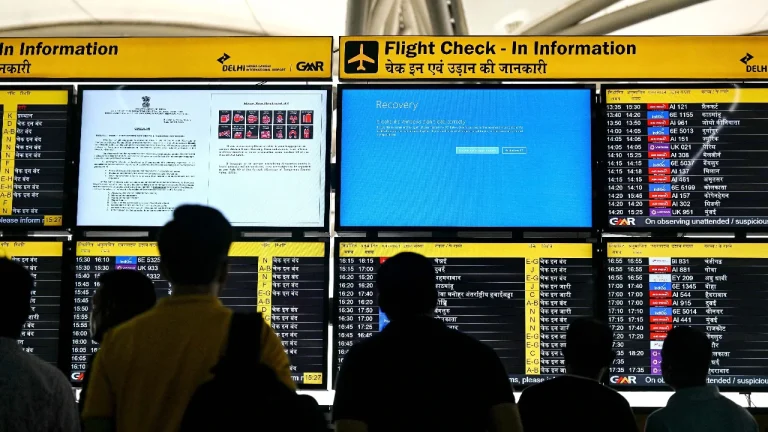
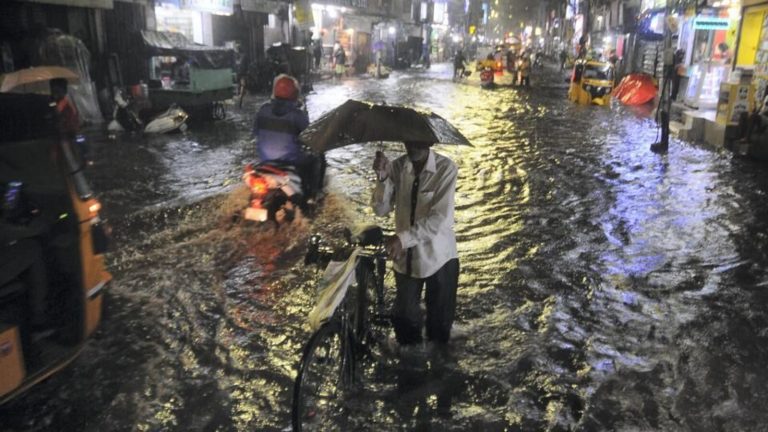

 By the closing bell, the Nifty 50 stood at 26,032.20, down 143.55 points or 0.55%, as profit booking dominated the final hour of trade. The index moved between a high of 26,154.60 and a low of 25,997.85, while Nifty Next 50, Nifty Financial Services, and Nifty Bank all finished in the red, confirming broad-based weakness in frontline segments.
 On the downside, INDO-RE2 again topped the losers list with a 40.26% plunge, signalling sustained bearishness and low conviction buying. Other notable laggards included PRITI (-10.53%), RETAIL (-10.08%), VIJIFIN (-8.86%), and ATL-RE (-8.34%), each shedding high single- to double-digit percentages on modest volumes, pointing to risk aversion in select small and midcap counters.
 Despite the weak headline indices, a set of outperformers showcased robust investor interest. TIPSFILMS and SPARC hit the 19.99% upper circuit, supported by steady accumulation and improving sentiment around media and pharma themes. EASEMYTRIP rallied 19.92% with volumes of about 3,363 lakh shares and a traded value of roughly ₹281.18 crores, while SHYAMCENT and JETFREIGHT gained 12.46% and 11.64% respectively, highlighting traction in manufacturing and logistics plays.
 The Nifty 50 was quoted at 26,042.70, down 133.05 points or 0.51%, reflecting broad-based profit booking in large caps. The index traded between a high of 26,154.60 and a low of 26,028.65, while Nifty Next 50, Nifty Financial Services, and Nifty Bank indices also remained in the red, signalling weakness across key sectors.
 Among the worst-performing stocks, INDO-RE2 plunged 40.26%, extending its sharp slide with limited value participation. VJIJFIN, SECMARK, SHRENIK, and BAJAJHFL fell between 7.78% and 9.23%, indicating sustained selling pressure in select financial and small-cap counters. BAJAJHFL stood out with an exceptionally high traded value of ₹3,984.26 crores and volumes of over 4,151 lakh shares, pointing to heavy institutional and retail churn in the counter.
 In contrast, a group of midcap and thematic stocks posted strong gains, capping the broader market fall. TIPSFILMS and SPARC hit the 19.99% upper circuit, supported by firm buying interest, while EASEMYTRIP, SHYAMCENT, and PROSTARM advanced between 13.27% and 18.93% on robust volumes. EASEMYTRIP recorded volumes of around 2,778 lakh shares with a turnover of ₹231.16 crores, underscoring heightened activity in travel and tourism-related plays.
 The Nifty 50 index closed at 26,090.95, down by 84.80 points or 0.32%, indicating cautious trading across blue-chip stocks. The session’s high was 26,154.60 with a low of 26,046.85, marking a consolidative phase following recent rallies. The Nifty Fin Service and Nifty Bank indices also traded lower, signaling broader sectoral correction within financials.
 Biggest Losers: INDO-RE2 (-40.26%), BAJAJHFL (-6.52%), SHRENIK (-6.45%), ADVENTHTL (-5.44%), and ANIKINDS (-5.20%) bore steep losses, with INDO-RE2 seeing a drastic intraday drop. Notably, BAJAJHFL recorded the highest traded value at ₹3,366.87 crores, reflecting institutional repositioning.
 Strong Gainers: TIPSFILMS (+19.99%), INDOUS (+13.78%), CREATIVEYE (+11.69%), HCC (+10.20%), and OILCOUNTUB (+9.99%) surged, driven by robust volume and investor optimism. HCC notably attracted heavy trading, with nearly 989.85 lakh shares and a turnover of ₹259.44 crores, underscoring infrastructure sector interest.