

Sunday, December 21, 2025
Home Blog Page 28

Karnataka Minister Vows Justice for Victims of Fake Land Grant Scam: Shocking 1 Breach of Trust

The Karnataka government has promised strict action against officials allegedly involved in issuing fake land grant certificates, a revelation that has sparked outrage and renewed concerns about corruption within the land administration system. Making a statement on the issue, a senior Minister said that the government would not hesitate to act against any official found guilty, irrespective of rank or position. The assurance comes amid mounting complaints from citizens who claim they were misled, cheated, or denied their rightful land due to forged or illegally issued documents.

The government is also considering a comprehensive review of past land grant cases over a fixed period to identify patterns of irregularities. Officials said this exercise would focus on high-risk zones where complaints have been frequent and land values have risen sharply in recent years. By mapping trends rather than treating cases in isolation, the administration hopes to uncover organised wrongdoing and prevent repeat offences. Such a review, though resource-intensive, is seen as critical to ensuring that corrective action is systemic rather than symbolic.

Revenue department sources indicated that coordination between departments will be strengthened to avoid gaps in verification. Land grants often intersect with forest, urban development, and local body jurisdictions, creating overlaps that can be exploited. By improving data sharing and joint inspections, the government aims to close loopholes that allow fake certificates to pass undetected. Officials believe this inter-departmental approach will also speed up resolution of disputes and reduce the burden on courts.

The issue has also triggered a wider debate on accountability within the bureaucracy. Senior administrators have privately acknowledged that disciplinary proceedings often move slowly, diluting their deterrent effect. There is now a push to fast-track cases involving forged land documents, with fixed timelines for inquiries and penalties. The Minister has indicated that delays will be viewed seriously and that supervisory officials will also be held responsible for lapses under their watch.

As public scrutiny intensifies, the coming weeks are expected to be crucial in determining the credibility of the government’s response. Citizens and advocacy groups are watching closely for concrete outcomes, such as suspensions, prosecutions, and corrective measures on the ground. For many, this moment represents an opportunity to reset land governance on principles of transparency and fairness. Whether the promise of action results in lasting change will ultimately define the government’s resolve to protect land rights and uphold public trust.Karnataka Minister promises action against officials involved in providing  fake land grant certificates - The Hindu

Land grant certificates are crucial legal instruments, particularly for marginalised communities, small farmers, and landless families who depend on government grants for livelihood security. Any manipulation of this system not only undermines public trust but also strikes at the core of social justice policies. The Minister acknowledged that fake certificates have caused long-term distress to genuine beneficiaries, many of whom have faced legal disputes, eviction threats, or loss of access to credit due to questionable documentation.

According to preliminary assessments shared by the revenue department, irregularities have been detected in multiple cases across districts, where land grant records do not match official registers or survey data. In some instances, certificates were allegedly issued without field verification, while in others, land meant for public or forest use was shown as granted to private individuals. The Minister said such practices amount to a serious abuse of power and would be dealt with firmly.

The issue came to the forefront following representations from affected citizens and legislators, who raised concerns about the growing number of disputes linked to forged grants. Complaints indicate that fake certificates were often used to sell land, secure bank loans, or claim compensation, creating layers of legal complexity. For genuine landholders, the fallout has been severe, with years of litigation and uncertainty becoming a harsh reality.

The Minister clarified that while some beneficiaries may have acted in good faith, relying on documents issued by officials, accountability would rest primarily on those who misused their authority. “No honest citizen should suffer because of the wrongdoing of officials,” the Minister said, adding that the government’s priority was to protect genuine beneficiaries while punishing those responsible for the fraud.

Systemic Lapses, Official Complicity, and the Investigation Process

Officials involved in the inquiry have indicated that the scam appears to be the result of systemic lapses combined with deliberate manipulation. Revenue offices handle vast volumes of records, many of which date back several decades and exist in fragile physical formats. This has created opportunities for tampering, backdating, and insertion of false entries. However, investigators stress that the issuance of fake certificates cannot occur without active or passive complicity of officials.

The government has ordered a detailed probe to identify how such certificates were generated, approved, and entered into official records. This includes scrutiny of village-level offices, taluk revenue staff, and supervisory officials who were responsible for verification and authentication. Digital land record systems are also being examined to trace discrepancies between physical files and online data.

The Minister stated that departmental inquiries would be initiated against officials wherever prima facie evidence emerges. In cases involving criminal intent, the government would not hesitate to pursue police action. Suspension, dismissal, and recovery of losses are among the measures being considered. The message, according to officials, is clear: misuse of public office for personal gain will not be tolerated.Karnataka minister warns of criminal proceedings against those involved in  land scam

Legal experts note that land-related fraud is particularly damaging because it affects multiple stakeholders over long periods. A single fake certificate can trigger disputes involving buyers, banks, government agencies, and courts. Rectifying such cases often requires painstaking verification of historical records, surveys, and legal proceedings, placing an enormous burden on the justice system.

The Minister also highlighted the role of middlemen who exploit loopholes in the system. These intermediaries often approach vulnerable individuals, promising quick land grants or regularisation in exchange for money. Investigators believe that such networks operate in coordination with corrupt officials, making detection difficult unless complaints are pursued persistently.

Opposition leaders have demanded time-bound action and transparency in the investigation process. They argue that previous assurances in similar cases did not always translate into meaningful outcomes. While welcoming the Minister’s statement, they have called for public disclosure of findings and strict monitoring to ensure that inquiries do not lose momentum.

Civil society groups working on land rights have echoed these concerns. They stress that land is not merely a commodity but a source of dignity and security, particularly for rural families. Any manipulation of land records, they argue, perpetuates inequality and erodes faith in governance. These groups have urged the government to involve independent experts in the verification process to enhance credibility.

Impact on Citizens, Reforms Ahead, and Restoring Trust

For affected citizens, the government’s assurance offers cautious hope. Many families have spent years navigating bureaucratic corridors and courts to prove the authenticity of their land holdings. Some have lost access to welfare benefits, agricultural loans, or housing schemes due to disputed records. The promise of action against erring officials is seen as a necessary first step toward relief.

The Minister has indicated that the government is also exploring corrective mechanisms to safeguard genuine beneficiaries. This includes re-verification of land grants, issuance of corrected certificates where required, and legal assistance to those caught in disputes through no fault of their own. Officials say that such measures are essential to ensure that justice is not delayed for innocent citizens.

The controversy has reignited discussions on land record reforms in Karnataka. While digitisation has improved transparency in many areas, experts argue that technology alone cannot eliminate corruption unless accompanied by accountability and regular audits. There is a growing call for periodic verification of land grants, rotation of staff in sensitive positions, and stronger whistleblower protections.

Another proposal under consideration is strengthening grievance redressal mechanisms at the district level. Many victims of fake certificates claim that their complaints were ignored or delayed for years. By empowering district authorities with clear timelines and accountability, the government hopes to prevent such cases from escalating into prolonged disputes.

The issue also has political implications. Land governance has long been a sensitive subject in Karnataka, influencing electoral outcomes and public perception. Any failure to act decisively could have consequences for the government’s credibility. Analysts note that visible action against officials, rather than symbolic gestures, will be key to restoring public trust.Fake Experience Certificate Scam Rocks Karnataka Transport Department;  JD(S) Demands SIT Probe, Government Promises Action | TheBengaluruLive -  Bengaluru/Bangalore News - Read Latest News And Live Updates.  TheBengaluruLive.com And Kannada ...

The Minister’s statement has been welcomed by farmers’ organisations, which have repeatedly flagged irregularities in land administration. They argue that honest farmers often bear the brunt of systemic failures, while those responsible escape scrutiny. Strong action, they say, could deter future malpractice and reassure rural communities.

At the administrative level, senior officials have been instructed to review internal controls and reporting structures. Training programmes focusing on ethical conduct and legal responsibilities are also being discussed. While such measures may not yield immediate results, they are seen as necessary for long-term reform.

As investigations proceed, the spotlight remains firmly on how the government translates its promise into action. For many citizens, this is not just about punishing wrongdoers but about reclaiming faith in the system meant to protect their rights. The outcome of this exercise will likely shape public confidence in land governance for years to come.

Ultimately, the fake land grant certificate issue serves as a stark reminder of the consequences of administrative corruption. When documents meant to empower the vulnerable are misused, the damage extends far beyond individual cases. By pledging action against erring officials, the Karnataka government has signalled its intent to confront this challenge. Whether this intent leads to lasting reform will determine if justice moves beyond words and into reality for those affected.

Follow: Karnataka Government

Also read: Home | Channel 6 Network – Latest News, Breaking Updates: Politics, Business, Tech & More
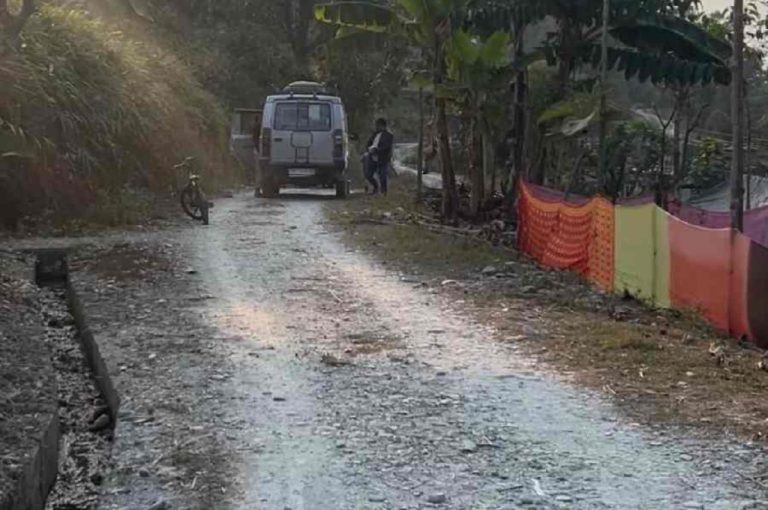
BSF Bamboo Cutting Sparks Bengal Border Village Protest

BSF Bamboo Cutting: The borderlands of West Bengal are often sites of tension, where local communities, security forces, and political actors intersect. A recent incident in South Dinajpur district, near the Bangladesh border, has brought these tensions into sharp focus. Villagers erupted in protest after the Border Security Force (BSF) cut down bamboo plants along the border fencing. For the villagers, bamboo is not just a plant—it is a source of livelihood, cultural identity, and ecological balance. For the BSF, bamboo groves are seen as potential cover for illegal crossings and smuggling.

This clash highlights the complex relationship between border security and community rights, raising questions about governance, ecology, and democracy in India’s frontier regions.


BSF Bamboo Cutting: The Incident

According to reports, BSF personnel cut down bamboo plants along the fencing near the Bangladesh border in South Dinajpur.

  • Villagers claimed the bamboo groves were their property and essential for daily life.
  • The BSF argued that bamboo thickets obstruct visibility and provide cover for smugglers.
  • The incident triggered protests, with villagers demanding compensation and accountability.

For official references:


Human Cost of the Incident

The cutting of bamboo plants has real consequences for villagers:

  • Economic loss: Bamboo is used for construction, handicrafts, and fuel.
  • Cultural disruption: Bamboo plays a role in rituals, festivals, and community life.
  • Psychological impact: Villagers feel alienated and marginalized when their resources are destroyed.

Political Context

The incident quickly became political:

  • Local leaders accused the BSF of overstepping its mandate.
  • Opposition parties criticized the ruling government for failing to protect villagers.
  • The episode reflects broader tensions between central security forces and state governments in border management.

Government references:


Ecological Dimensions

Bamboo is not just an economic resource—it is an ecological asset:

  • Prevents soil erosion in flood‑prone border areas.
  • Provides habitat for birds and small animals.
  • Acts as a carbon sink, contributing to climate resilience.

Government references:


Governance and Accountability

The incident raises questions about governance:

  • Should BSF have consulted villagers before cutting bamboo?
  • What compensation mechanisms exist for affected communities?
  • How can border security be balanced with local rights?

Historical Context of Border Tensions in Bengal

West Bengal’s border with Bangladesh has long been contested:

  • Issues of smuggling, migration, and fencing have created friction.
  • Villagers often feel caught between security imperatives and livelihood needs.
  • Similar protests have occurred in Malda, Murshidabad, and Nadia districts.

Broader Implications for Democracy

The incident underscores key issues:

  • Citizen rights: Villagers must be treated as stakeholders, not obstacles.
  • Federalism: Coordination between central forces and state governments is essential.
  • Trust in institutions: Public confidence depends on transparency and accountability.

Global Comparisons

Other countries face similar challenges:

  • In Mexico, border communities protest against militarization.
  • In Africa, villagers resist conservation projects that restrict traditional land use.
  • India must learn from global best practices in balancing security with community rights.

Conclusion

The bamboo‑cutting incident near the Bangladesh border is more than a local dispute—it is a symbol of the complex interplay between security, ecology, and community rights. Protecting borders is essential, but so is protecting the dignity and livelihood of citizens. The path forward requires dialogue, compensation, and sustainable policies that respect both national security and local identity.


Also read: Home | Channel 6 Network – Latest News, Breaking Updates: Politics, Business, Tech & More
AI Centre of Excellence for Healthcare Takes Shape at IISc Bengaluru: Transformative 1 Leap of Hope

The establishment of an Artificial Intelligence Centre of Excellence for Healthcare at the Indian Institute of Science in Bengaluru marks a major milestone in India’s efforts to integrate advanced technology with public health outcomes. Envisioned as a hub for cutting-edge research, innovation, and collaboration, the centre is expected to play a pivotal role in developing AI-driven solutions that can address some of the most persistent challenges in healthcare delivery. With Bengaluru already recognised as a global technology capital, the initiative reinforces the city’s position at the intersection of science, medicine, and innovation.

The Centre of Excellence has been designed to bring together experts from diverse disciplines, including computer science, biomedical engineering, data science, clinical medicine, and public health. Officials associated with the initiative say the goal is to create a collaborative ecosystem where technology does not operate in isolation but is shaped by real-world medical needs. By embedding AI research within a healthcare context, the centre aims to ensure that innovations remain patient-centric, ethical, and clinically relevant.

Healthcare systems across India face complex challenges such as uneven access to care, shortage of skilled professionals, rising costs, and increasing burden of non-communicable diseases. The new centre seeks to address these issues by developing AI tools that can support early diagnosis, improve treatment planning, enhance disease surveillance, and optimise healthcare workflows. Researchers believe that such technologies have the potential to significantly reduce the gap between demand and capacity in the healthcare sector.

The initiative also reflects a growing recognition that AI is no longer a futuristic concept but an essential component of modern healthcare systems. From radiology and pathology to genomics and personalised medicine, AI applications are rapidly transforming how medical decisions are made. By institutionalising this focus within a premier research institution like IISc, the Centre of Excellence is expected to act as a catalyst for both innovation and responsible deployment.

For IISc, the centre aligns with its long-standing mission of advancing science and engineering for societal benefit. University leaders have emphasised that the initiative is not merely about technological sophistication but about creating solutions that are affordable, scalable, and accessible. In a country where healthcare disparities remain stark, this emphasis on inclusivity and impact is particularly significant.AI Centre of Excellence for Healthcare established at IISc in Bengaluru -  The Hindu

Building an Interdisciplinary Ecosystem for AI-Driven Healthcare

One of the defining features of the Centre of Excellence is its interdisciplinary structure. Unlike conventional research units that operate within narrow domains, the centre encourages sustained interaction between technologists and healthcare professionals. Clinicians are expected to play a key role in identifying problem statements, validating algorithms, and guiding translational research. This approach aims to bridge the gap that often exists between laboratory innovation and bedside application.

Research areas identified for focus include medical imaging analysis, predictive diagnostics, clinical decision support systems, hospital resource optimisation, and population health analytics. By leveraging large datasets and advanced machine learning techniques, researchers hope to build models that can detect diseases earlier, predict patient outcomes more accurately, and assist doctors in making informed decisions. Such tools are particularly valuable in settings where specialist expertise is limited.

Another priority area is the use of AI in managing chronic diseases such as diabetes, cardiovascular disorders, and cancer. These conditions require long-term monitoring and personalised care, placing immense strain on healthcare systems. AI-driven platforms developed at the centre could help track patient data over time, identify risk patterns, and recommend timely interventions. Experts argue that this could lead to better outcomes while reducing hospital admissions and treatment costs.

The centre is also expected to work on strengthening public health surveillance systems. AI models can analyse vast amounts of data from multiple sources to identify emerging health trends, predict disease outbreaks, and support policy planning. In a post-pandemic world, such capabilities are seen as critical for preparedness and rapid response. Researchers at IISc believe that integrating AI with public health data can significantly enhance the State’s ability to anticipate and manage health crises.

Ethics and data governance form another cornerstone of the centre’s agenda. As AI systems increasingly rely on sensitive health data, concerns around privacy, consent, and bias have become more pronounced. The Centre of Excellence aims to embed ethical considerations into every stage of research and development. This includes creating transparent algorithms, ensuring representative datasets, and adhering to strict data protection protocols.

Training and capacity building are also central to the initiative. The centre plans to offer specialised courses, workshops, and fellowships to train the next generation of researchers and practitioners in AI for healthcare. By nurturing talent that understands both technology and medicine, IISc hopes to create a skilled workforce capable of sustaining innovation beyond the campus.

Collaborations with hospitals, research institutions, and industry partners are expected to play a crucial role in the centre’s success. Such partnerships can provide access to real-world clinical data, facilitate pilot testing, and accelerate the translation of research into practice. Industry engagement, in particular, can help scale successful solutions and bring them to market, ensuring that innovations reach patients in a timely manner.

Implications for Healthcare, Policy, and SocietyIndian Institute of Science

The establishment of the AI Centre of Excellence at IISc has broader implications for healthcare policy and governance. Policymakers view the initiative as an opportunity to align technological innovation with national health priorities. AI-driven tools developed at the centre could inform evidence-based policymaking by providing insights into disease patterns, healthcare utilisation, and resource allocation. This data-driven approach is increasingly seen as essential for efficient and equitable health systems.

For clinicians, the centre represents a shift toward augmented decision-making rather than automation. Doctors are not expected to be replaced by AI, but supported by tools that enhance accuracy and efficiency. By reducing routine workloads and providing decision support, AI systems can allow healthcare professionals to focus more on patient interaction and complex clinical judgment. This balance between technology and human expertise is a recurring theme in discussions around the centre.

Patients stand to benefit significantly from innovations emerging from the initiative. Early diagnosis, personalised treatment plans, and improved access to care can lead to better health outcomes and reduced financial burden. In rural and underserved areas, AI-enabled telemedicine platforms and diagnostic tools could help overcome geographical barriers and bring quality care closer to communities.

The centre also highlights Bengaluru’s growing role as a hub for health technology innovation. The city’s ecosystem of startups, research institutions, and hospitals provides fertile ground for experimentation and collaboration. By anchoring AI healthcare research at IISc, the initiative strengthens this ecosystem and positions Karnataka as a leader in health technology development.

Academic experts note that the centre could also influence curriculum design and research priorities across universities. As AI becomes integral to healthcare, interdisciplinary education will become increasingly important. The Centre of Excellence is likely to serve as a model for integrating AI into medical and engineering education, fostering a new generation of professionals fluent in both domains.

The initiative is also expected to attract global attention and collaboration. International research partnerships can bring diverse perspectives, advanced methodologies, and access to global datasets. Such collaborations can enhance the quality and relevance of research while positioning India as a contributor to global health innovation rather than merely a consumer of technology.

Challenges, however, remain. Translating AI research into clinical practice requires rigorous validation, regulatory approval, and acceptance by healthcare professionals. There is also the risk of technological solutions outpacing regulatory frameworks, creating gaps in oversight. Leaders associated with the centre have acknowledged these challenges and emphasised the need for continuous dialogue with regulators, clinicians, and the public.

Another concern is the digital divide that persists across regions and socio-economic groups. While AI tools hold promise, their benefits may not reach everyone equally unless accompanied by investments in digital infrastructure and literacy. The centre’s emphasis on scalability and affordability is therefore crucial in ensuring that innovations do not exacerbate existing inequalities.

As the Centre of Excellence begins its work, expectations are high. Success will be measured not only by academic publications or technological breakthroughs but by tangible improvements in healthcare delivery and outcomes. Stakeholders across sectors are watching closely to see how the initiative translates vision into impact.Ministry of Education establishes AI Centre of Excellence for Healthcare,  TANUH, at IISc

In the long term, the AI Centre of Excellence for Healthcare at IISc represents a hopeful step toward reimagining healthcare in India. By harnessing the power of artificial intelligence with scientific rigour, ethical responsibility, and social purpose, the centre aspires to create solutions that are both innovative and humane. Its journey will likely shape the future of healthcare research and practice, offering a glimpse of how technology can be harnessed in service of life, dignity, and well-being.

In the long term, the AI Centre of Excellence for Healthcare at IISc represents a hopeful step toward reimagining healthcare in India. By harnessing the power of artificial intelligence with scientific rigour, ethical responsibility, and social purpose, the centre aspires to create solutions that are both innovative and humane. Its journey will likely shape the future of healthcare research and practice, offering a glimpse of how technology can be harnessed in service of life, dignity, and well-being.

Follow: Karnataka Government

Also read: Home | Channel 6 Network – Latest News, Breaking Updates: Politics, Business, Tech & More

Basanti Highway Crash and CBI Probe on Alim Molla

The tragic Basanti Highway crash in West Bengal has become a focal point of political, legal, and social debate. The accident, which killed Satyajit Ghosh, son of key CBI witness Bholanath Ghosh, and driver Sahanur Molla, has raised suspicions of foul play. Investigators suspect that the crash was not merely accidental but part of a larger conspiracy to silence witnesses in the ongoing cases against suspended Trinamool Congress (TMC) strongman Sheikh Shahjahan.

The purported driver of the truck, Alim Molla, has reportedly eluded the CBI for months, intensifying questions about law enforcement, political influence, and witness protection in Bengal.


Basanti Highway Crash: The Incident

On December 10, 2025, a 16‑wheel truck collided with the car carrying Bholanath Ghosh, his son, and their driver.

  • The truck dragged the car and dumped it into a roadside waterbody near Boyramari petrol pump.
  • Bholanath survived with injuries, but his son and driver died.
  • Police issued an arrest warrant against Alim Molla, but he remained absconding.

For official references:


Alim Molla’s Profile

Alim Molla, the purported driver of the truck, has a controversial background:

  • Named in the Sandeshkhali ED assault case of January 2024.
  • Allegedly involved in intimidation of traders and women in Sandeshkhali.
  • Linked politically to Sheikh Shahjahan and his wife, Roshanara Biwi, a local panchayat member.

Government references:


Human Cost of the Crash

The tragedy highlights the vulnerability of witnesses in high‑profile cases:

  • Families face fear, trauma, and loss of livelihood.
  • Survivors like Bholanath Ghosh endure both physical injuries and psychological scars.
  • Communities worry about the safety of those who testify against powerful figures.

Political Context

The crash has political undertones:

  • Opposition parties allege foul play and demand independent investigation.
  • TMC insists the crash was accidental, not linked to politics.
  • The incident revives debates about witness protection in politically sensitive cases.

Government references:


Witness Protection in India

India’s witness protection framework remains fragile:

  • The Witness Protection Scheme, 2018 provides guidelines but lacks full implementation.
  • Witnesses in rural and politically volatile areas face greater risks.
  • Cases like Shahjahan’s highlight the urgent need for stronger safeguards.

Government references:


Governance and Accountability

The Basanti Highway crash raises questions about:

  • Law enforcement capacity to protect witnesses.
  • Judicial oversight in politically sensitive cases.
  • Public trust in governance when accidents coincide with high‑profile trials.

Historical Context of Political Violence in Bengal

Bengal has a long history of political clashes and intimidation:

  • From the Naxalite movement to party cadre violence, witnesses and activists have often faced threats.
  • The Shahjahan case fits into this broader narrative of contested governance.

Broader Implications for Democracy

The incident underscores key issues:

  • Integrity of investigations depends on witness safety.
  • Rule of law must prevail over political influence.
  • Public confidence in democracy requires transparent accountability.

Global Comparisons

Other countries have faced similar challenges:

  • In Italy, mafia witnesses were protected under strict state programs.
  • In the US, the Federal Witness Protection Program provides relocation and identity change.
  • India’s system remains underdeveloped in comparison.

Conclusion

The Basanti Highway crash that killed the son of a key witness against Sheikh Shahjahan is more than a tragic accident—it is a test of governance, justice, and democracy in Bengal. Protecting witnesses is essential to ensure fair trials and uphold the rule of law. The incident calls for stronger implementation of witness protection schemes, transparent investigations, and accountability mechanisms that safeguard citizens from political intimidation.

Also read: Home | Channel 6 Network – Latest News, Breaking Updates: Politics, Business, Tech & More

Sharnbasva University’s Convocation Celebrates Dreams, Dedication, and Destiny: Momentous 7 Milestone

Sharnbasva University is set to host its seventh convocation ceremony on December 14, marking a significant academic milestone for hundreds of graduating students and the institution alike. The event, to be held on the university campus, is expected to bring together students, parents, faculty members, and distinguished guests for a day that symbolises years of perseverance, learning, and transformation. As one of the key academic events on the university calendar, the convocation reflects not only the achievements of individual students but also the evolving academic identity of the institution.

The convocation will also feature a formal presentation of the university’s annual academic report, highlighting key achievements, student outcomes, and institutional milestones over the past year. Officials say the report will document progress in curriculum development, research publications, faculty recruitment, and student placement initiatives. Such transparency, they note, is essential in strengthening trust among stakeholders and reinforcing the university’s commitment to continuous improvement and accountability.

Special arrangements have been made to ensure that doctoral scholars receive due recognition during the ceremony. The conferment of PhD degrees is expected to underscore the university’s growing research profile and its emphasis on original scholarship. Faculty members have pointed out that nurturing research talent not only enhances academic credibility but also contributes to regional and national knowledge ecosystems. The recognition of research scholars is seen as a signal of the institution’s long-term academic ambition.

Attention has also been given to inclusivity and accessibility during the convocation. University authorities have stated that arrangements have been made to assist elderly guests, persons with disabilities, and outstation attendees. Volunteers will be stationed across the campus to guide participants, manage seating, and ensure that the event proceeds smoothly. These measures reflect the institution’s effort to make the ceremony welcoming and respectful for all.Sharnbasva University to hold 7th convocation on December 21 - The Hindu

Cultural elements are expected to add warmth and tradition to the formal proceedings. Performances or ceremonial practices rooted in local heritage may be incorporated to reflect the university’s cultural identity and values. Such elements help ground the academic celebration in a broader social and cultural context, reminding graduates of their roots even as they prepare to move forward in diverse directions.

The convocation has also prompted reflections among junior students, many of whom view the event as a glimpse into their own future. Witnessing seniors receive degrees often serves as motivation, reinforcing the importance of perseverance and academic discipline. Faculty members believe that convocation ceremonies play an educational role in themselves, inspiring continuity and aspiration within the student community.

As the university concludes preparations, the focus remains on ensuring that the seventh convocation leaves a lasting impression on all who attend. For graduates, it will be a day etched in memory; for the institution, a reaffirmation of purpose. Together, these moments contribute to the living history of Sharnbasva University, shaping its legacy as a space where knowledge, values, and ambition converge.

Established with the aim of providing inclusive and quality higher education, Sharnbasva University has steadily expanded its academic footprint over the years. The seventh convocation arrives at a time when the university is consolidating its position as a multidisciplinary centre of learning, offering programmes across arts, science, commerce, management, education, and professional studies. University officials have stated that the ceremony will honour students who have successfully completed their undergraduate, postgraduate, and doctoral programmes.

For graduating students, the convocation represents the formal culmination of their academic journey. Clad in ceremonial robes, they will receive their degrees in the presence of peers, mentors, and family members who have supported them through years of study. Many students describe the occasion as emotionally significant, marking the transition from campus life to professional or research careers. For parents, the ceremony is equally meaningful, serving as a moment of pride and validation of years of sacrifice and encouragement.

Preparations for the event have been underway for several weeks, with the university administration focusing on logistical arrangements, security, seating, and ceremonial protocols. Officials have emphasised that the convocation will adhere to academic traditions while ensuring a smooth and dignified experience for all attendees. The campus has been readied to accommodate a large gathering, with arrangements made for orderly entry, degree distribution, and interactions with dignitaries.Congratulations to all the rank holders of BBA-Tourism and Travel/  MBA-Tourism and Travel on your outstanding achievement at the Sixth Annual Convocation  Sharnbasva University Kalaburagi

Academic Achievements and Institutional Growth Take Centre Stage

The seventh convocation also provides an opportunity for the university to reflect on its academic progress and future direction. Over the past few years, Sharnbasva University has introduced new programmes, strengthened research initiatives, and enhanced infrastructure to support modern teaching and learning needs. University authorities have highlighted improvements in laboratories, libraries, digital learning platforms, and student support services as part of a broader effort to align with evolving educational standards.

During the ceremony, meritorious students are expected to be recognised for outstanding academic performance. Gold medals and special awards will be conferred on those who have demonstrated exceptional dedication and excellence in their respective fields. Faculty members note that such recognition not only rewards individual effort but also motivates younger students to strive for academic distinction. The acknowledgment of research scholars is seen as particularly important, reflecting the university’s growing emphasis on knowledge creation and innovation.

The convocation is also a moment for faculty members to witness the outcomes of their mentorship. Teachers who have guided students through coursework, research projects, and examinations see the ceremony as a shared achievement. Many faculty members describe convocation day as one of the most fulfilling moments in academic life, as it brings closure to years of classroom interaction and scholarly engagement.

University leaders are expected to address the gathering, outlining the institution’s vision and encouraging graduates to uphold ethical values, social responsibility, and lifelong learning. Such addresses traditionally emphasise the role of education in nation-building and personal growth. Graduates are urged to use their knowledge and skills not only for individual success but also for the betterment of society.

The presence of distinguished guests adds significance to the occasion. Their participation underscores the university’s connection with the wider academic and professional community. Addresses by invited dignitaries often provide graduates with broader perspectives on leadership, resilience, and adaptability in a rapidly changing world. For many students, these messages resonate long after the ceremony concludes.

The convocation also highlights the diversity of the student body. Graduates from different regions, socio-economic backgrounds, and disciplines come together, reflecting the inclusive ethos of the institution. University officials have noted that this diversity enriches campus life and contributes to a dynamic learning environment where multiple perspectives coexist.Winners at Smart India Hackathon awarded - The Hindu

A Day of Reflection, Responsibility, and Forward Vision

Beyond celebration, the convocation serves as a moment of reflection for the university community. It invites introspection on the challenges faced and lessons learned during the academic journey. Students who navigated demanding coursework, examinations, and personal obstacles see the ceremony as affirmation of their resilience. The shared experience fosters a sense of belonging and collective accomplishment.

For many graduates, the ceremony also marks the beginning of new responsibilities. As they step into professional roles, higher studies, or entrepreneurial ventures, they carry with them the values imparted during their time at the university. Alumni often recall convocation day as a defining moment that reinforced their confidence and sense of purpose.

The university administration has reiterated its commitment to maintaining strong alumni relations. Graduates are encouraged to stay connected with their alma mater, contribute to academic and mentoring initiatives, and support future students. Alumni engagement is increasingly viewed as a vital component of institutional growth, creating networks that benefit both the university and its graduates.

Local communities, too, view the convocation as a significant event. The university’s role in regional development through education, employment, and social initiatives is widely acknowledged. Convocation day highlights the institution’s contribution to producing skilled and socially conscious graduates who can positively impact their communities.

As higher education faces rapid changes driven by technology, globalisation, and evolving workforce demands, universities are under pressure to adapt. Sharnbasva University’s leadership has emphasised the importance of continuous curriculum review, industry engagement, and research collaboration. The convocation offers a platform to reaffirm these priorities and communicate future plans to stakeholders.

Students graduating this year do so at a time of both opportunity and uncertainty. While new career paths and academic possibilities are emerging, competition and expectations are also increasing. University officials have expressed confidence that the education and exposure provided will equip graduates to navigate these challenges with competence and integrity.

The emotional resonance of convocation day is evident in the interactions between students and their mentors. Farewell conversations, photographs, and shared memories create lasting impressions. For many, it is a bittersweet moment, signalling the end of a formative chapter while opening the door to new beginnings.

As December 14 approaches, anticipation continues to build across the campus. The seventh convocation stands not merely as a ceremonial event but as a testament to the collective effort of students, teachers, administrators, and families. It symbolises the enduring power of education to transform lives and shape futures.

In celebrating this milestone, Sharnbasva University reinforces its commitment to academic excellence, social responsibility, and holistic development. The degrees conferred represent more than academic credentials; they embody years of discipline, curiosity, and aspiration. As graduates step forward to receive their degrees, they do so carrying hope, gratitude, and the promise of contributing meaningfully to the world beyond the university gates.

Follow: Karnataka Government

Also read: Home | Channel 6 Network – Latest News, Breaking Updates: Politics, Business, Tech & More
West Bengal Governor Report on Messi Event Ticket Prices

West Bengal Governor Report: Lionel Messi’s visit to Kolkata in December 2025 was supposed to be a historic celebration of football. Instead, it turned into a controversy over ticket pricing, crowd management, and governance accountability. Fans who had waited for years to see Messi were left disappointed, while the West Bengal Governor C.V. Ananda Bose demanded a report from the state government on the event’s arrangements. The incident has sparked debates about transparency, fairness, and the commercialization of sports in India.


The Incident

Messi’s tribute event at Salt Lake Stadium featured music, dance, and an exhibition match. However, tickets were priced between ₹4,000 and ₹41,000, making them unaffordable for ordinary fans.

  • Thousands of supporters complained to the Governor’s office.
  • Bose questioned why a private organizer was allowed to profit at the expense of public sentiment.
  • Fans clashed with police after being denied proper access to see Messi.

For official references:


Governor’s Intervention

Governor Bose wrote to the state government demanding:

  • A detailed report on the role of organizers.
  • Clarification on why ticket prices were so high.
  • Accountability for fans being denied access.

He declared: “Why are the common people barred from seeing Messi? Why is a private person earning from their emotions?”


Human Cost of Mismanagement

The Messi event had real consequences:

  • Fans who paid exorbitant prices felt cheated.
  • Families, including children, faced trauma during clashes.
  • Police personnel sustained injuries.
  • Vendors and small businesses around the stadium lost revenue due to chaos.

West Bengal Governor Report: Political Context

The incident quickly became political:

  • Opposition parties accused the ruling Trinamool Congress (TMC) of mismanagement.
  • BJP alleged that the event was turned into a political spectacle.
  • The Governor’s intervention added pressure on the state government.

Government references:


Technology and Transparency Issues

Questions were raised about:

  • Ticketing transparency and inflated prices.
  • Lack of digital crowd management systems.
  • Poor communication with fans about Messi’s limited appearance.

Government references:


Governance and Accountability

The spotlight fell on organizers and officials:

  • Why were fans not informed about Messi’s short stay?
  • Why was stadium security inadequate?
  • Why were dignitaries prioritized over ordinary fans?

Historical Context of Mega Events in Bengal

This was not the first time Bengal faced embarrassment during major events:

  • In 2011, chaos erupted during a cricket match at Eden Gardens.
  • In 2017, stampedes occurred during Durga Puja pandal visits.
  • In 2023, mismanagement marred a cultural festival in Kolkata.

Meme Fest and Cultural Response

Social media exploded with memes:

  • Fans joked about “₹41,000 for a wave.”
  • Memes compared Messi’s visit to a magician’s disappearing act.
  • Humor became a coping mechanism for disappointment.

Global Comparisons

Other countries have faced similar challenges:

  • In Brazil, mismanagement marred World Cup events.
  • In South Africa, crowd control failures led to stadium tragedies.
  • India must learn from global best practices in sports governance.

Broader Implications for Democracy

The incident underscores key issues:

  • Public trust: Citizens expect fairness and transparency in public events.
  • Cultural pride: Mismanagement damages Bengal’s reputation as a cultural hub.
  • Political accountability: Leaders must balance visibility with responsibility.

Conclusion

Lionel Messi’s visit to Kolkata was supposed to unite fans in celebration of football. Instead, it united them in anger over hefty ticket prices and poor management. The Governor’s demand for a report is a step toward accountability, but the incident serves as a wake‑up call for governance, transparency, and professionalism in event management.

Also read: Home | Channel 6 Network – Latest News, Breaking Updates: Politics, Business, Tech & More
Arogya Sanjeevini Push Rekindles Hope for Mandya Patients: Critical 12-Step Relief

In a significant move aimed at strengthening public health access and expanding affordable treatment options, authorities have asked 12 private hospitals in Mandya district to seek empanelment under the State-run Arogya Sanjeevini health insurance scheme. The directive comes amid growing concerns over limited hospital choices for beneficiaries and repeated complaints from patients who have been forced to travel to neighbouring districts for treatment. Officials say the step is intended to widen the treatment network, reduce out-of-pocket expenses, and ensure that the scheme delivers its intended benefits to vulnerable sections of society.

The empanelment push has also drawn attention to the role of district-level monitoring committees in ensuring the scheme functions effectively. Officials say these committees will be tasked with tracking hospital participation, patient feedback, and claim settlement timelines once new institutions come on board. Regular reviews are expected to identify bottlenecks early and prevent disputes from escalating. Strengthening local oversight, authorities believe, will make the scheme more responsive to the specific healthcare needs of Mandya’s population.

Another concern highlighted during discussions is the need for emergency preparedness within the empanelled network. Health administrators stress that hospitals joining Arogya Sanjeevini must be equipped to handle trauma cases, obstetric emergencies, and critical care referrals without delay. Given Mandya’s proximity to highways and agricultural zones where accidents and work-related injuries are common, ensuring round-the-clock emergency services is seen as essential to the scheme’s real-world impact.

The initiative has also renewed debate on integrating primary healthcare with insurance-based treatment. Experts argue that while Arogya Sanjeevini focuses on secondary and tertiary care, its effectiveness depends on strong referral systems from primary health centres. Coordinated digital records, pre-authorisation processes, and follow-up care can prevent treatment gaps and reduce readmissions. Officials have indicated that efforts are underway to improve coordination between government facilities and empanelled private hospitals.Arogya Sanjeevini: 12 private hospitals in Mandya asked to seek empanelment  - The Hindu

From a social perspective, women’s health advocates have welcomed the potential expansion, noting that limited hospital choices often discourage women from seeking timely care. Procedures related to maternal health, gynaecology, and non-communicable diseases are frequently postponed due to cost or distance. With more private hospitals available locally under the scheme, activists believe that women and elderly patients will be more likely to access necessary treatment without delay.

As Mandya awaits the outcome of the empanelment drive, the broader expectation is that the move will serve as a template for other districts facing similar challenges. If successful, the approach of proactively identifying capable hospitals and addressing their concerns could be replicated statewide. For now, the focus remains on translating policy intent into tangible relief, ensuring that Arogya Sanjeevini evolves from a safety net on paper into a dependable lifeline for those who need it most.

The Arogya Sanjeevini scheme, designed as a low-cost health insurance initiative, offers coverage for a wide range of medical and surgical procedures. While government hospitals form the backbone of the programme, private hospital participation is crucial for addressing capacity gaps, specialised care requirements, and emergency services. In Mandya, despite a sizeable population and a steady demand for healthcare services, the number of empanelled private hospitals has remained limited, prompting the administration to intervene.

Health department officials have stated that the identified hospitals possess the infrastructure, staffing, and service capabilities required under the scheme’s guidelines. However, many have so far remained outside the empanelment process, citing procedural hurdles, reimbursement concerns, and administrative delays. By formally urging these institutions to apply, the government hopes to bridge the gap between policy intent and on-ground availability of healthcare services.

For residents of Mandya, the announcement has sparked cautious optimism. Patients and families have long voiced frustration over the lack of nearby empanelled facilities, especially for surgeries and advanced diagnostics. Many beneficiaries under the scheme belong to lower- and middle-income groups, for whom private healthcare costs can be crippling. The expansion of the empanelled network is therefore seen as a step toward restoring faith in the promise of universal health coverage.

Access Gaps, Hospital Hesitation, and Administrative PushArogya Sanjeevini: 12 private hospitals in Mandya asked to seek empanelment  - The Hindu

Mandya district, though well-connected and agriculturally prosperous in parts, continues to face uneven healthcare access, particularly in semi-urban and rural pockets. Government hospitals often grapple with overcrowding, staff shortages, and limited specialised services. As a result, private hospitals play a vital role in complementing public healthcare delivery. Yet, their limited participation in Arogya Sanjeevini has meant that insured patients are frequently denied cashless treatment locally.

Officials involved in the empanelment drive have acknowledged that private hospitals have genuine concerns. Delays in claim settlements, fixed package rates, and documentation requirements are frequently cited reasons for hesitation. Hospital administrators argue that reimbursement amounts under public insurance schemes often fail to match actual costs, particularly for procedures involving advanced equipment or prolonged hospital stays. Some institutions have also pointed to bureaucratic processes that discourage timely participation.

In response, the health department has assured hospitals that efforts are underway to streamline approvals and expedite payments. Authorities have emphasised that empanelment under Arogya Sanjeevini not only expands patient reach but also ensures steady case flow, particularly in districts where public schemes account for a large share of healthcare utilisation. Officials have held preliminary meetings with hospital representatives to clarify guidelines, address operational doubts, and encourage participation.

The directive to the 12 hospitals is also part of a broader effort to make district-level healthcare more self-sufficient. Senior officials note that dependence on hospitals in Mysuru or Bengaluru for even routine procedures places unnecessary financial and emotional strain on patients. By strengthening Mandya’s healthcare ecosystem, the administration hopes to reduce patient migration and improve outcomes through timely treatment.

Public health experts have welcomed the move but caution that empanelment alone is not enough. They argue that continuous monitoring, grievance redressal mechanisms, and regular audits are essential to ensure that empanelled hospitals adhere to scheme norms. Instances of beneficiaries being turned away or asked to pay despite coverage have been reported in other districts, highlighting the need for strict enforcement.

For patients, awareness remains another challenge. Many eligible families are unaware of the full scope of treatments covered under Arogya Sanjeevini or the process of availing cashless services. Health activists have urged the government to accompany empanelment expansion with outreach campaigns, help desks, and clear communication at hospital entry points to prevent confusion and exploitation.Arogya Sanjeevini: 12 private hospitals in Mandya asked to seek empanelment  - The Hindu

Broader Implications for Public Healthcare and Patient Trust

The Mandya initiative has wider implications for Karnataka’s public health strategy. Arogya Sanjeevini was conceived as a bridge between government-funded care and private sector capacity, particularly for those who fall outside poverty-based schemes but still struggle with medical expenses. Ensuring adequate hospital participation is therefore central to the scheme’s credibility and effectiveness.

Policy analysts point out that district-level disparities in empanelment undermine the principle of equitable access. While urban centres often have multiple empanelled hospitals, smaller districts lag behind, creating a two-tier experience for beneficiaries. By proactively identifying and engaging capable private hospitals, the government signals its intent to address these imbalances.

Doctors working in government hospitals in Mandya have also expressed support for the move. They say that overcrowding in public facilities often compromises quality of care and increases waiting times. With more private hospitals coming under the scheme, patient load can be distributed more evenly, allowing government institutions to focus on critical and emergency cases.

At the same time, patient rights groups stress the importance of transparency. They argue that beneficiaries must be informed clearly about which hospitals are empanelled, what procedures are covered, and how to report violations. Without strong oversight, they warn, the expansion could remain symbolic rather than transformative.

The empanelment drive has also revived discussions on healthcare financing and sustainability. While schemes like Arogya Sanjeevini ease the burden on families, their long-term success depends on timely funding, realistic package rates, and cooperation between the State and private sector. Experts suggest that periodic revision of rates and stakeholder consultations can help maintain balance and trust.

For private hospitals, joining the scheme represents both an opportunity and a responsibility. Participation brings access to a large patient base and reinforces social responsibility, but it also requires compliance with regulatory standards and ethical practices. Hospital associations in the district have indicated willingness to engage with authorities, provided their concerns are addressed in good faith.

As the 12 hospitals consider seeking empanelment, attention now turns to implementation. Officials have set timelines for application submission and verification, and have hinted at further steps if participation remains low. While coercive measures are not officially on the table, the administration has made it clear that expanding healthcare access is a priority that cannot be indefinitely delayed.

For Mandya’s residents, the outcome of this push will be measured not in policy announcements but in lived experience. If beneficiaries can walk into nearby hospitals, receive timely treatment, and return home without financial distress, the scheme will have fulfilled its promise. If not, scepticism toward public insurance initiatives is likely to deepen.

Ultimately, the directive to empanel private hospitals under Arogya Sanjeevini reflects a broader truth about healthcare governance: policies succeed only when institutions, professionals, and patients move together. The coming months will determine whether Mandya’s healthcare landscape takes a meaningful step forward or remains caught between intent and execution.

Follow: Karnataka Government

Also read: Home | Channel 6 Network – Latest News, Breaking Updates: Politics, Business, Tech & More
Magadi Road Accident Sparks Anguish and Demands for Justice: Tragic 1 Loss

A fatal road accident on Magadi Road has triggered widespread grief and public outrage after a youth was killed when his two-wheeler was allegedly hit by a vehicle linked to the son of former Karnataka minister H.M. Revanna. The incident has not only devastated the victim’s family but has also reignited debates around road safety, accountability, and the influence of political power in cases involving serious accidents. As details continue to emerge, the case has drawn intense scrutiny from citizens, civil society groups, and political circles alike.

According to preliminary information shared by the police, the accident occurred late at night when the victim, a young man in his early twenties, was riding his two-wheeler along Magadi Road. Eyewitness accounts suggest that a speeding car rammed into the vehicle, throwing the youth onto the road and causing severe injuries. Despite being rushed to a nearby hospital, he succumbed to his injuries, leaving his family shattered and the local community in shock.

The vehicle involved in the accident was later found to be linked to the son of former minister H.M. Revanna, a revelation that quickly escalated the matter beyond a routine road accident case. While officials have clarified that investigations are ongoing and responsibility is yet to be legally established, the political association has intensified public attention. The police have registered a case and initiated inquiries to determine the exact sequence of events, including who was driving the vehicle at the time of the accident.

Residents of the area describe Magadi Road as a stretch notorious for speeding vehicles, poor lighting in certain sections, and frequent accidents. Many locals claim that despite repeated appeals for better traffic regulation and enforcement, little has changed over the years. The latest fatality has once again brought these concerns to the forefront, with residents demanding immediate safety measures to prevent further loss of life.

Investigation, Political Overtones, and Public Anger

The police investigation has focused on collecting CCTV footage from nearby establishments, examining call records, and questioning witnesses who were present near the accident site. Officials have stated that the vehicle was identified based on registration details and physical evidence recovered from the scene. Forensic teams are also examining whether the car was being driven at excessive speed or in violation of traffic norms.Bengaluru Crash Probe: Youth Killed in Car Linked to Ex-Minister's Son |  Bengaluru Accident News | H M Revanna son accident

The involvement of a politically connected family has led to allegations of preferential treatment, even as the police insist that due process is being followed. Opposition leaders have accused the government of attempting to shield influential individuals, while demanding an independent probe to ensure transparency. They argue that justice must be seen to be done, particularly in cases where ordinary citizens lose their lives in accidents involving the powerful.

Supporters of the former minister have urged restraint, stating that conclusions should not be drawn until the investigation is complete. They maintain that linking the incident directly to political influence without established facts could undermine the legal process. Nonetheless, the optics of the case have fuelled public scepticism, especially given past instances where accident cases involving influential individuals have faced delays or inconclusive outcomes.

Public anger has been palpable, with protests breaking out near the accident site and outside local police stations. Youth groups and road safety activists have demanded the immediate arrest of those responsible and strict action under relevant sections of the law. For many protesters, the issue goes beyond a single accident, symbolising a broader failure to ensure accountability and equality before the law.

Legal experts note that cases involving fatal accidents hinge on establishing negligence, culpability, and intent. If it is proven that the vehicle was driven rashly or under the influence, stringent charges could follow. However, they also point out that delays in investigation or gaps in evidence can weaken cases, making swift and thorough inquiry essential.

The case has also sharpened focus on how accident investigations are communicated to the public when influential individuals are involved. Legal observers note that a lack of timely, clear information often fuels speculation and mistrust. In the Magadi Road incident, conflicting accounts and gaps in official updates have created space for rumours, further distressing the victim’s family and the local community. Experts argue that transparent briefings at every stage of the investigation could help counter misinformation and reinforce confidence in the process.

Another issue raised by the incident is the accountability of vehicle ownership versus actual driving responsibility. Investigators are reportedly examining whether the registered owner’s son was present in the vehicle, who was driving at the time, and under what circumstances the car was being used. Legal precedents indicate that while ownership alone does not establish guilt, it can carry responsibility if negligence in permitting vehicle use is proven. This aspect is likely to play a crucial role as the case progresses.Youth killed after being hit by vehicle linked to son of former Karnataka  minister - The Hindu

The tragedy has also sparked conversations about the social divide between the powerful and the powerless in the justice system. Many citizens have expressed concern that families without political or financial influence often struggle to secure swift justice in accident cases. Activists argue that this perception, whether accurate or not, undermines faith in law enforcement and courts. They insist that visibly impartial handling of high-profile cases is essential to reassure ordinary citizens that the law applies equally to all.

In response to public pressure, senior police officials have indicated that the investigation will be closely monitored at higher levels. Special teams have been tasked with ensuring that evidence collection, witness statements, and forensic analysis are conducted without delay. Authorities have also hinted that disciplinary action would be taken against any officer found compromising the integrity of the probe. These assurances, however, are being watched closely by civil society groups.

The incident has renewed calls for stricter deterrents against rash driving, particularly involving high-powered vehicles. Road safety experts argue that fines and penalties alone are insufficient unless accompanied by consistent enforcement and swift prosecution. They point out that young drivers from privileged backgrounds often underestimate the consequences of reckless driving, a mindset that needs to be addressed through both legal and social interventions.

Educational institutions and youth organisations have also weighed in, urging greater emphasis on responsible driving culture. Campaigns promoting empathy, awareness of consequences, and respect for road rules are being proposed as long-term solutions. Several groups have suggested mandatory refresher courses and counselling for drivers involved in serious accidents, regardless of their social standing.

As the community awaits further developments, the memory of the young victim continues to galvanise public sentiment. Candlelight vigils and silent marches held in the area reflect a collective demand for justice that transcends political affiliations. For many, the hope is that this case will not end as another statistic but will instead serve as a turning point—one that reinforces accountability, strengthens road safety measures, and affirms that every life lost on the road matters equally, irrespective of who is involved.My son was not driving': Karnataka ex-min's SUV mows down man; victim's  family alleges Revanna's son at wheel | Bengaluru News - The Times of India

Grief, Road Safety Concerns, and the Larger Questions

At the heart of the controversy lies the personal tragedy of a young life cut short. The victim’s family, overwhelmed by grief, has demanded justice and accountability. Relatives describe him as the sole earning member of the family, with aspirations that now remain unfulfilled. Their pain has resonated with many citizens who see their own vulnerabilities reflected in the incident.

The accident has also reignited discussions on Karnataka’s rising road fatality numbers, particularly involving two-wheeler riders. Experts point out that inadequate enforcement of speed limits, poor road design, and lax penalties contribute to a culture of reckless driving. They argue that unless systemic issues are addressed, such tragedies will continue to occur regardless of who is involved.

Traffic police officials have acknowledged the need for stricter monitoring on Magadi Road and similar high-risk stretches. Proposals under consideration include increased night patrols, installation of speed cameras, improved lighting, and public awareness campaigns targeting young drivers. However, residents remain sceptical, citing past promises that failed to translate into sustained action.

The political dimension of the case has further complicated matters. While the former minister has not been accused directly, his name being linked to the incident has drawn him into the public discourse. Political analysts note that such cases can have long-term repercussions, influencing public perception and trust in governance. They stress that transparent handling of the investigation is crucial to maintaining institutional credibility.

Civil society groups have called for reforms that ensure independence of investigations in cases involving politically connected individuals. Suggestions include mandatory transfer of such cases to special investigation teams or oversight by higher judicial authorities. Activists argue that these measures could help restore public confidence and deter attempts to influence proceedings.

As the investigation progresses, the spotlight remains firmly on the authorities to demonstrate impartiality and resolve. For the grieving family, justice is not merely a legal outcome but a moral necessity that acknowledges their loss. For the wider public, the case serves as a reminder of the fragile line between power and accountability in everyday life.

Ultimately, the Magadi Road accident has become more than a single tragic event. It has evolved into a symbol of collective anguish, raising uncomfortable questions about road safety, privilege, and the value placed on human life. Whether the case leads to meaningful change or fades into another unresolved controversy will depend on the actions taken in the days ahead. For now, the silence left by a young life lost continues to echo loudly across Karnataka’s conscience.

Follow: Karnataka Government

Also read: Home | Channel 6 Network – Latest News, Breaking Updates: Politics, Business, Tech & More

Aland Voter Fraud Case Sends Ripples of Disbelief Across Karnataka: Shocking 1 Betrayal

The Aland Assembly constituency has been thrust into the political spotlight following revelations of alleged large-scale voter fraud, with a former BJP MLA and his son named as the prime accused. The development has triggered intense political debate, raised serious questions about the integrity of electoral processes, and deepened public anxiety over the misuse of power in democratic institutions. Investigating agencies have stated that the case involves systematic manipulation of voter data, allegedly aimed at influencing electoral outcomes, turning what might have appeared as isolated irregularities into a matter of grave public concern.

The case has also prompted renewed discussions on the need for electoral literacy among citizens. Experts argue that while administrative safeguards exist, voters must be better informed about how electoral rolls are prepared, revised, and challenged. Awareness about procedures for filing objections, seeking corrections, and tracking changes in voter lists can act as a deterrent to manipulation. In Aland, several residents have admitted that they were unaware of these mechanisms until the controversy brought them into focus, revealing a gap that authorities may now be compelled to address.

Legal analysts have pointed out that the progress of the case will depend heavily on the quality of digital and documentary evidence presented in court. With voter databases increasingly digitised, forensic examination of access logs, time stamps, and data modification trails will be critical. Establishing who accessed the system, under what authority, and for what purpose will determine whether the allegations stand judicial scrutiny. The outcome could set an important precedent for how future cases involving digital electoral data are investigated and prosecuted.

There is also growing pressure on the Election Commission to conduct a comprehensive audit of electoral rolls in sensitive constituencies. While officials maintain that existing processes are robust, the Aland episode has renewed demands for independent third-party audits and randomised verification exercises. Such measures, experts suggest, could strengthen institutional credibility and reassure voters that irregularities, if any, are promptly detected and corrected without political interference.

At the grassroots level, political engagement in Aland has taken on a cautious tone. Campaign meetings and public interactions are now accompanied by questions about transparency, ethics, and accountability. Candidates across party lines are being asked to clarify their stance on electoral reforms, reflecting a shift in voter priorities. Observers note that this heightened scrutiny may influence future elections, as voters increasingly link governance credibility with the integrity of the electoral process.

As investigations continue, the broader lesson emerging from the controversy is the fragility of public trust in democratic systems. Rebuilding that trust will require more than legal action alone; it will demand consistent institutional reforms, political responsibility, and active citizen participation. Whether the Aland voter fraud case results in convictions or acquittals, its impact on public consciousness is likely to endure, serving as a reminder that democracy must be continually protected from both overt and subtle threats

Karnataka Police's SIT has named former BJP MLA S. Guttedar and his son  Harshananda Guttedar as prime accused in a voter fraud case linked to the  2023 Assembly election in Aland. #VoteChori

According to preliminary findings, the alleged fraud relates to the creation, alteration, and misuse of voter identities during recent electoral exercises in the constituency. Officials probing the matter claim that the scale of manipulation suggests coordinated planning rather than clerical error. The naming of a former legislator and his immediate family member has added a deeply emotive dimension to the case, as it touches on public trust placed in elected representatives and their moral responsibility to safeguard democratic values.

The controversy has revived memories of earlier complaints from voters in Aland, many of whom had reported discrepancies in electoral rolls, missing names, and unexpected changes in polling booth assignments. While such complaints are not uncommon during elections, the current investigation indicates that these anomalies may have been part of a deliberate strategy rather than administrative oversight. For residents of the constituency, the revelations have reinforced long-standing suspicions that their electoral voice may have been compromised.

Political observers note that the case has come at a sensitive time, with Karnataka witnessing heightened political activity and preparations for future elections. Allegations of voter fraud strike at the heart of democracy, making the issue far more consequential than routine political controversies. The involvement of a former MLA, once entrusted with legislative authority, has intensified demands for accountability and transparency from all political parties.

Allegations, Investigation, and the Expanding Scope of the Case

Investigators have indicated that the case emerged following a formal complaint lodged by local activists and rival political workers, who submitted documentary evidence pointing to irregular voter registrations. This prompted a detailed verification exercise by election officials, which allegedly uncovered patterns inconsistent with normal demographic changes. Duplicate voter IDs, questionable address entries, and sudden shifts in voter lists across specific polling stations reportedly raised red flags.

As the probe deepened, attention turned toward individuals with access to voter data and influence over local administrative processes. The former BJP MLA, along with his son, allegedly surfaced during this phase of the investigation. Officials claim that call records, digital trails, and witness statements suggest their involvement in coordinating or facilitating the alleged manipulation. While investigators have refrained from making definitive public assertions, they maintain that the evidence gathered so far justified naming them as prime accused.

The accused have denied all allegations, asserting that the case is politically motivated and aimed at tarnishing reputations ahead of crucial electoral contests. Their supporters argue that voter list discrepancies are a long-standing administrative issue and should not be selectively attributed to political figures without conclusive proof. The BJP leadership, while distancing itself from the individuals involved, has called for a fair and impartial investigation, stating that the law must take its course.

Legal experts point out that voter fraud cases are particularly complex, as they involve overlapping jurisdictions of election authorities, local administration, and law enforcement agencies. Establishing criminal intent requires clear evidence that discrepancies were deliberately engineered rather than arising from procedural lapses. The inclusion of a former legislator as an accused, however, elevates the seriousness of the case, potentially inviting scrutiny from higher judicial bodies.

Meanwhile, opposition parties have seized upon the developments to question the BJP’s commitment to democratic principles. Leaders from rival parties have staged protests, demanding immediate arrests, disqualification from political life, and a comprehensive audit of electoral rolls not just in Aland but across the State. They argue that the case may represent only the visible tip of a larger, more systemic problem.Aland voter fraud: Chargesheet names former BJP MLA and his son as prime  accused ✍️@adibharadwaja

Election officials, for their part, have emphasised that safeguards exist within the electoral system to detect and rectify irregularities. They have reiterated that voter roll revisions involve multiple levels of verification, including public objections and corrections. However, the Aland case has exposed vulnerabilities that could be exploited if political influence intersects with administrative weaknesses, prompting calls for tighter oversight.

The investigation has also brought attention to the role of technology in electoral management. While digital databases and online applications have streamlined voter registration, experts warn that these systems are not immune to misuse. The alleged fraud underscores the need for stronger cybersecurity measures, regular audits, and accountability mechanisms to prevent unauthorised alterations.

Political Fallout and the Emotional Undercurrent Among Voters

Beyond the legal dimensions, the case has generated a profound emotional response among voters in Aland. Many residents have expressed feelings of betrayal, particularly those who have participated faithfully in elections over decades. For them, the possibility that electoral outcomes could be manipulated by powerful individuals strikes at the core of their democratic identity. Elderly voters, first-time voters, and marginalised communities have voiced fears that their participation may be rendered meaningless.

Civil society groups have stepped in to organise awareness drives, encouraging citizens to verify their voter details and report discrepancies. Activists argue that public vigilance is the strongest defence against electoral manipulation. They have called upon election authorities to conduct special camps in Aland to rebuild trust and ensure that every eligible voter is accurately represented.

The political fallout has extended beyond the constituency, affecting the broader discourse in Karnataka. The case has become a talking point in legislative debates, press conferences, and public rallies. Lawmakers across party lines have acknowledged that allegations of voter fraud, if left unaddressed, could erode faith in democratic institutions. Some have proposed legislative reforms to strengthen penalties for electoral offences and enhance the independence of election monitoring bodies.

Within the BJP, the developments have sparked internal discussions about candidate selection, ethical standards, and damage control. Party insiders suggest that leadership is keen to avoid being seen as shielding individuals accused of undermining democracy. At the same time, there is concern about the potential political cost if the allegations are perceived as indicative of broader organisational practices.Aland voter fraud: Former BJP MLA, son named prime accused - The Hindu

The opposition, meanwhile, has framed the case as evidence of moral decay in politics, urging voters to demand higher standards of accountability. They have promised to push for judicial oversight and independent inquiries if elected to power. While such rhetoric is expected in a charged political environment, analysts caution against prejudging the outcome of an ongoing investigation.

Media scrutiny has further amplified the issue, with detailed analyses of voter roll processes and past precedents. Comparisons have been drawn with earlier cases in other States, some of which led to convictions while others collapsed due to insufficient evidence. These examples highlight both the challenges and the importance of pursuing electoral integrity cases to their logical conclusion.

As the legal process unfolds, the focus remains on whether investigators can substantiate the allegations with robust evidence. The naming of a former MLA and his son as prime accused has undoubtedly raised the stakes, ensuring that the case will be closely watched by the judiciary, political parties, and the public alike.

Ultimately, the Aland voter fraud case represents more than a criminal investigation; it is a test of Karnataka’s democratic resilience. The outcome will influence not only the fate of the accused but also public confidence in the electoral system. For voters who believe that democracy is sustained by trust as much as by law, the hope is that truth, transparency, and accountability will prevail, restoring faith in the simple yet powerful act of casting a vote.

Follow: Karnataka Government

Also read: Home | Channel 6 Network – Latest News, Breaking Updates: Politics, Business, Tech & More

Sheikh Shahjahan Case Witness Family Tragedy

Sheikh Shahjahan Case Witness: West Bengal politics was shaken when a tragic road accident on the Basanti Highway claimed the life of Satyajit Ghosh, son of Bholanath Ghosh, a key witness in the CBI and ED cases against suspended Trinamool Congress (TMC) leader Sheikh Shahjahan. The crash, which also killed driver Sahanur Molla, has raised suspicions of foul play, given the sensitive nature of the witness’s role in ongoing investigations. Police arrested one person linked to the accident, intensifying debates about governance, law enforcement, and witness protection in Bengal.


Sheikh Shahjahan Case Witness: The Incident

On December 10, 2025, a 16‑wheel truck collided with the car carrying Bholanath Ghosh, his son Satyajit, and driver Sahanur.

  • The truck dragged the car and dumped it into a roadside waterbody near Boyramari petrol pump.
  • Bholanath survived with injuries, but his son and driver died.
  • Police arrested one suspect from Sarberia in Baruipur subdivision, citing evidence of involvement.

For official references:


Sheikh Shahjahan’s Background

Sheikh Shahjahan, once a powerful TMC convenor in Sandeshkhali, was arrested in February 2024 after being on the run for 55 days.

  • Accused of sexual abuse, land grab, and ration scam involvement.
  • Arrested for assaulting Enforcement Directorate (ED) officers during a raid.
  • His political influence in North 24 Parganas made him a controversial figure.

Government references:


Human Cost of the Crash

The tragedy highlights the vulnerability of witnesses in high‑profile cases:

  • Families face fear, trauma, and loss of livelihood.
  • Survivors like Bholanath Ghosh endure both physical injuries and psychological scars.
  • Communities worry about the safety of those who testify against powerful figures.

Political Context

The crash has political undertones:

  • Opposition parties allege foul play and demand independent investigation.
  • TMC insists the crash was accidental, not linked to politics.
  • The incident revives debates about witness protection in politically sensitive cases.

Government references:


Witness Protection in India

India’s witness protection framework remains fragile:

  • The Witness Protection Scheme, 2018 provides guidelines but lacks full implementation.
  • Witnesses in rural and politically volatile areas face greater risks.
  • Cases like Shahjahan’s highlight the urgent need for stronger safeguards.

Government references:


Governance and Accountability

The Basanti Highway crash raises questions about:

  • Law enforcement capacity to protect witnesses.
  • Judicial oversight in politically sensitive cases.
  • Public trust in governance when accidents coincide with high‑profile trials.

Historical Context of Political Violence in Bengal

Bengal has a long history of political clashes and intimidation:

  • From the Naxalite movement to party cadre violence, witnesses and activists have often faced threats.
  • The Shahjahan case fits into this broader narrative of contested governance.

Broader Implications for Democracy

The incident underscores key issues:

  • Integrity of investigations depends on witness safety.
  • Rule of law must prevail over political influence.
  • Public confidence in democracy requires transparent accountability.

Global Comparisons

Other countries have faced similar challenges:

  • In Italy, mafia witnesses were protected under strict state programs.
  • In the US, the Federal Witness Protection Program provides relocation and identity change.
  • India’s system remains underdeveloped in comparison.

Conclusion

The Basanti Highway crash that killed the son of a key witness against Sheikh Shahjahan is more than a tragic accident—it is a test of governance, justice, and democracy in Bengal. Protecting witnesses is essential to ensure fair trials and uphold the rule of law. The incident calls for stronger implementation of witness protection schemes, transparent investigations, and accountability mechanisms that safeguard citizens from political intimidation.

Also read: Home | Channel 6 Network – Latest News, Breaking Updates: Politics, Business, Tech & More