Thursday, May 7, 2026
Home Blog Page 280

Siddhant Chaturvedi’s 1st Look as V Shantaram for Legendary Filmmaker Biopic Unveiled

A First Glimpse Into a Legend’s Life

The very first look of actor Siddhant Chaturvedi as the legendary filmmaker V. Shantaram has been revealed and fans across India are buzzing with excitement. The poster captures a moment frozen in time — a respectful nod to the golden age of Indian cinema. Siddhant appears transformed in traditional period attire: a simple dhoti-kurta, a classic Nehru cap and a look of quiet resolve. He stands beside a vintage-era film camera, evoking the spirit of early filmmaking. The mood of the image is nostalgic yet powerful promising a cinematic journey that aims to honor a true pioneer of film.ANI 20251201180653

Why This Look Matters

More than just a striking image this first look carries weight because it embodies respect for the past and reverence for a man whose work shaped Indian cinema. V. Shantaram is remembered not just as a filmmaker but as a visionary who redefined storytelling and pushed boundaries in a time when the medium itself was young and evolving. For younger generations who may know little about those early years this poster offers a bridge to a legacy that helped build the foundations of Indian film. For longtime cinephiles it signals the resurgence of a story long waiting to be told — a story about ambition art and courage.

Siddhant’s Dedication and Emotional Connection

For Siddhant, this role is far more than another project — it is a deeply personal and humbling experience. He has described playing V. Shantaram as one of the greatest honors of his life believing that stepping into the filmmaker’s world will challenge him creatively and emotionally. As he delved into Shantaram’s life, from his earliest days in silent films to his evolution into a trailblazer of sound and color cinema, Siddhant was reportedly moved by the sheer passion persistence and vision that defined Shantaram’s journey. The actor seems determined to approach this transformation with sincerity and respect hoping to do justice to the legacy and the man behind it.Siddhantttt

What the Film Promises

Titled V. Shantaram — with the evocative subtitle The Rebel of Indian Cinema — the biopic aims to trace Shantaram’s extraordinary journey. From the silent era to the birth of talkies and eventually the arrival of color films the story will traverse decades of cinematic evolution. The film is designed as an ode not just to Shantaram’s films but to his daring choices his social consciousness and his willingness to break away from conventional norms in favor of meaningful cinema. It aims to bring alive the context of a changing nation through the lens of one man’s unshakeable creative spirit.122643286

A Revival of Memory and Legacy

This first look poster is more than a promotional image — it is a statement that some stories from our past deserve to be revisited remembered and celebrated. In a time when cinema often chases trends and commercial success sometimes at the cost of nuance it feels heartening to see a project centered around a man whose films stood for principle storytelling and bold ideas. The biopic presents an opportunity for audiences — both old and new — to reconnect with the roots of Indian cinema to reflect on its journey and to appreciate the visionaries who built it brick by brick.tamannaah bhatia joins siddhant chaturvedi in v shantaram biopic

What Lies Ahead

As anticipation builds around this film viewers will be keen to see more — glimpses of the screenplay the look of the sets the cast the music and above all how faithfully the story honors the man. For Siddhant the challenge will be to channel not just the appearance but the heart soul and conviction of a legend. For audiences it will be a chance to rediscover a chapter of film history often overshadowed by time and modernity. If the poster is any indication the film promises to be a heartfelt tribute a cinematic time machine and a celebration of artistry that once dared to dream big.

Also read: https://channel6network.com/modi-on-cyclone-ditwah-widespread-destruction/
8th Pay Commission: Critical Update on DA-Basic Pay Merger Plans

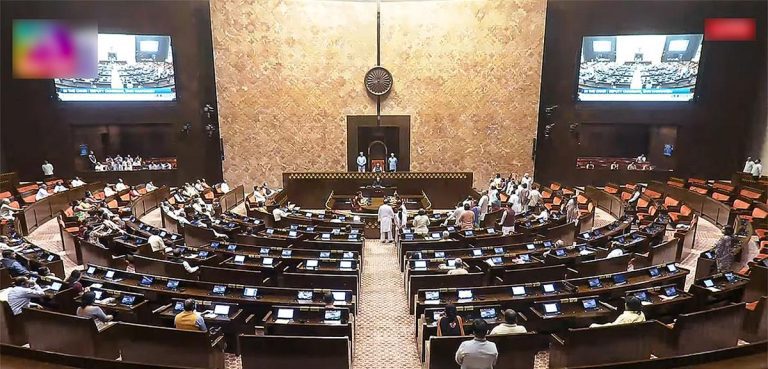
New Delhi – The central government has officially confirmed that it is not examining any proposal to merge dearness allowance (DA) with the basic pay of central government employees under the 8th Pay Commission framework. This significant clarification was provided to Parliament on Monday, addressing widespread speculation and concerns among employee unions regarding potential changes to the salary structure.

Minister of State for Finance Pankaj Chaudhary delivered this clarification in a written response to the Lok Sabha on December 1, as the Winter Session of Parliament commenced. The statement comes just days after the government issued the Terms of Reference (ToR) for the 8th Pay Commission, which will undertake comprehensive review of compensation structures for central government employees.

Official Parliamentary Statement on DA Merger

“No proposal regarding merger of the existing dearness allowance with the basic pay is under consideration with the government at present,” Chaudhary stated categorically in his written reply. This definitive statement aims to dispel rumors and provide clarity to approximately 50 lakh central government employees who have been closely monitoring developments related to the 8th Pay Commission.

The minister further elaborated on the government’s rationale for maintaining the current DA structure. “In order to adjust the cost of living and to protect Basic Pay/Pension from erosion in real value on account of inflation, the rates of DA/DR are revised periodically every 6 months on the basis of All India Consumer Price Index for Industrial Workers (AICPI-IW) released by Labour Bureau, Ministry of Labour and Employment,” the parliamentary reply stated.

Understanding the DA Revision Mechanism

The current system of dearness allowance serves as a crucial buffer against inflation for central government employees. Under the existing framework, DA rates are revised every six months based on the All India Consumer Price Index for Industrial Workers. This periodic adjustment mechanism ensures that employees’ purchasing power remains protected despite fluctuations in the cost of living.

The bi-annual revision system has been instrumental in maintaining the real value of salaries and pensions, providing automatic adjustments that respond to changing economic conditions without requiring legislative intervention or extended negotiations.

Employee Unions’ Demands for DA Merger

Despite the government’s clarification regarding the 8th Pay Commission, several employee unions have been actively campaigning for an immediate merger of 50 percent of the dearness allowance with basic pay. These unions argue that such a merger would significantly increase the base salary, which would subsequently result in higher DA calculations in future revisions.

Also Read: Parliament Winter Session: PM Modi Urges Opposition Against Drama

With the 8th Pay Commission recommendations expected to be implemented only after 2027, employee groups have been advocating for an early DA-basic pay merger as an interim measure to improve their overall compensation structure. The unions contend that merging a portion of DA into basic pay would have cascading positive effects on various other allowances and retirement benefits that are calculated as percentages of basic salary.

Terms of Reference for 8th Pay Commission

The Union Cabinet approved the Terms of Reference for the 8th Pay Commission on October 28, marking a significant milestone in the periodic review of central government employee compensation. The commission will undertake a comprehensive examination of salary structures and benefits for nearly 50 lakh central government employees across various departments and ministries.

Former Supreme Court judge Ranjana Prakash Desai has been appointed as the chairperson of the 8th Pay Commission, bringing extensive judicial experience and understanding of constitutional matters to this crucial role. Her leadership is expected to ensure thorough and balanced consideration of all stakeholders’ interests.

Implementation Timeline and Expected Impact

According to Information and Broadcasting Minister Ashwini Vaishnaw, who addressed the media at a Cabinet briefing, the 8th Pay Commission panel will submit its recommendations within 18 months of its constitution. The recommendations are likely to come into effect from January 1, 2026, providing a clear timeline for employees anticipating salary revisions.

The government announced the formation of the 8th Pay Commission in January 2025 to examine and recommend changes in salaries and other benefits for central government employees. This periodic review represents a continuation of the established practice of constituting pay commissions to address evolving compensation needs.

Historical Context of Central Pay Commissions

Central Pay Commissions are constituted periodically to comprehensively review various aspects of the emoluments structure, retirement benefits, and other service conditions of central government employees. These commissions are tasked with making detailed recommendations on changes required to ensure fair and competitive compensation packages.

The recommendations of pay commissions are traditionally implemented after a gap of every ten years, allowing sufficient time for economic conditions to evolve and necessitate comprehensive salary structure reviews. This decadal pattern has been followed consistently to maintain relevance and adequacy of government employee compensation.

Future Implications for Government Employees

The government’s clear statement regarding the 8th Pay Commission and DA merger provides certainty to employees while the commission undertakes its comprehensive review. As the commission progresses with its work over the coming months, employees can expect detailed examination of all aspects of their compensation structure, even if immediate DA merger is not on the agenda.

Cyclone Ditwah: Devastating Storm Weakens After Causing Widespread Destruction

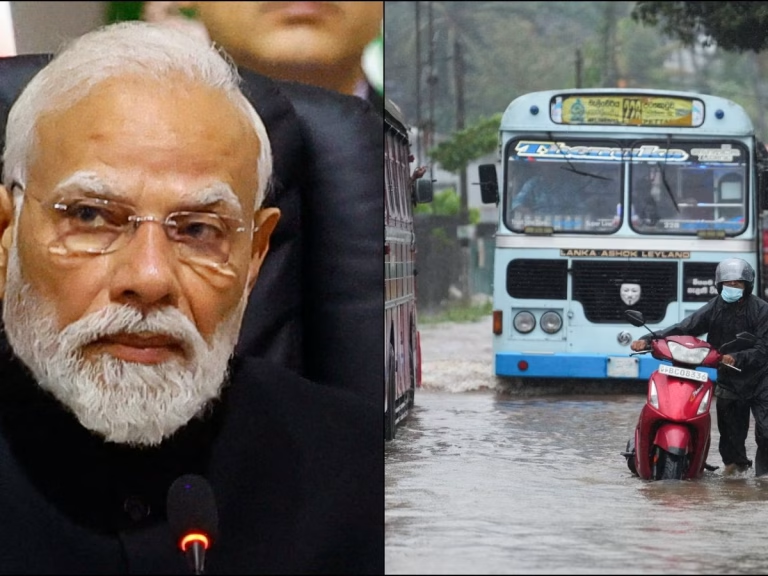
New Delhi – Cyclone Ditwah has weakened into a deep depression and now lies over the southwest Bay of Bengal, off the north Tamil Nadu-Puducherry coast and south coastal Andhra Pradesh, according to IMD Amaravati director Stella Samuel. The storm system, which caused catastrophic devastation in Sri Lanka before approaching India’s eastern coastline, continues to bring heavy rainfall and strong winds to several regions.

According to the latest India Meteorological Department update, Cyclone Ditwah was centered near 13.0 degree north and 80.6 degree east latitudes, positioned approximately 50 km east of Chennai, 140 km northeast of Puducherry, 160 km north-northeast of Cuddalore, and 170 km south-southeast of Nellore. The weather system is expected to remain stationary for the next 24 hours before further weakening.

Heavy Rainfall Predictions Across Tamil Nadu Districts

The IMD has predicted heavy to very heavy rain at several locations over Tiruvallur, Ranipet, Kancheepuram, Chennai, Chengalpattu, and Vellore districts. The continued downpour associated with Cyclone Ditwah has already led to widespread waterlogging across Chennai and surrounding areas, severely disrupting normal life and transportation systems.

Heavy rain is also likely to occur at isolated places over Tirupathur, Tiruvannamalai, and Villupuram districts, along with the union territory of Puducherry. The weather office has warned residents in these areas to remain vigilant and take necessary precautions as the storm system maintains its intensity over the region.

Strong Wind Warnings and Safety Concerns

Strong winds with speeds reaching up to 60-70 kmph, gusting to 80 kmph, are expected over the north coastal areas of Tamil Nadu and Puducherry, as well as the south coastal Karaikal area. According to M Mohapatra, director general of the India Meteorological Department, Cyclone Ditwah is not likely to cross the Indian coast but will pass offshore.

“These wind speeds are not that high but they can have large-scale impact on standing crops. There can be inundation of low-lying areas,” Mohapatra stated, emphasizing the potential agricultural and infrastructural damage despite the relatively moderate wind speeds.

Casualties and Infrastructure Impact in Tamil Nadu

At least three people have lost their lives in rain-related incidents in Tamil Nadu caused by Cyclone Ditwah, according to state revenue and disaster management minister KKSSR Ramachandran. The continuous rainfall has led to waterlogging in numerous parts of Chennai, with roads and highways becoming inundated, making travel extremely difficult for residents.

The Chennai Airport announced the cancellation of ten flights due to adverse weather conditions, further highlighting the operational challenges posed by Cyclone Ditwah. Tamil Nadu Chief Minister Stalin held a comprehensive review meeting to assess the situation and coordinate relief efforts across affected districts.

Devastating Impact on Sri Lanka

Before approaching India’s coast, Cyclone Ditwah caused massive devastation in Sri Lanka, which lay directly in the storm’s path. The cyclonic storm killed at least 334 people and left nearly 370 missing in the island nation. Approximately 20,000 homes were destroyed, and over 100,000 people have been relocated to government shelters, representing one of the worst natural disasters to hit Sri Lanka in recent years.

India’s Humanitarian Response to Sri Lanka

The Indian Air Force intensified its humanitarian assistance efforts to Sri Lanka under Operation Sagar Bandhu. The IAF evacuated 57 stranded persons initially and subsequently brought back more than 400 stranded Indians from Colombo using two transport aircraft. Over 2,000 stranded Indians have been successfully evacuated from Sri Lanka as part of the comprehensive rescue operations.

Sri Lanka’s minister publicly thanked India for its aid amid the ongoing disaster response operations, acknowledging the critical support provided during the nation’s hour of crisis.

PM Modi’s Diplomatic Outreach

Prime Minister Narendra Modi spoke with Sri Lankan President Dissanayake in the aftermath of Cyclone Ditwah, expressing condolences for the lives lost and offering India’s continued support during the recovery phase. This diplomatic engagement underscores the strong bilateral relationship between the two nations and India’s commitment to regional humanitarian assistance.

Disaster Response Deployment

In anticipation of Cyclone Ditwah’s impact, the Tamil Nadu government deployed around 38 disaster response teams, including State Disaster Response Force (SDRF) and National Disaster Response Force (NDRF) personnel, on standby. Additionally, 22 NDRF teams were deployed in Tamil Nadu, with three teams positioned in Puducherry to respond to any emergency situations.

Ten more teams from other states joined the relief and rehabilitation work, strengthening the state’s capacity to handle the crisis. Schools were closed in Puducherry and several Tamil Nadu districts as a precautionary measure to ensure student safety.

Origin and Naming of the Storm

The name ‘Ditwah’ was suggested by Yemen and refers to a lagoon, likely deriving from Detwah Lagoon, a large saline lagoon located on Socotra’s northwest coast. This naming convention follows the standard protocol established by the World Meteorological Organization for tropical cyclones in the region.

As Cyclone Ditwah continues weakening into a depression, authorities remain alert, monitoring the situation closely and maintaining readiness to respond to any emerging challenges.

GRAP 4 Revoked: Dramatic Air Quality Improvement Brings Relief to Mumbai

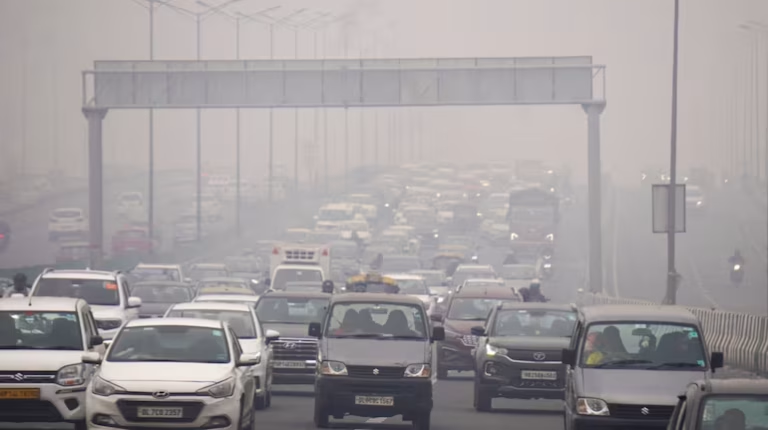
Maharashtra – The Brihanmumbai Municipal Corporation (BMC) on Monday announced that GRAP 4 revoked following substantial improvement in the city’s air quality over the weekend. The strict emergency measures, which were implemented on November 27 to combat deteriorating air pollution levels, are no longer necessary as Mumbai’s Air Quality Index (AQI) has consistently improved across multiple monitoring stations.

The decision to have GRAP 4 revoked came after careful monitoring of air quality parameters throughout the weekend, with officials noting sustained improvement that justified lifting the emergency restrictions. This marks a positive development for Mumbai residents who had been grappling with poor air quality conditions that prompted the initial enforcement of stringent pollution control measures.

Timeline of Air Quality Improvement Leading to GRAP 4 Revoked

The air quality situation in Mumbai showed remarkable improvement following the implementation of emergency measures. On November 27, when restrictions were first imposed, the overall AQI stood at 167. However, several pockets across the city had crossed the 300 mark, falling into the ‘Poor’ category, which necessitated immediate action through GRAP 4 implementation.

The subsequent days witnessed consistent improvement in air quality readings. On November 28, the AQI dropped to 128, followed by a further decline to 124 on November 29. By Sunday, monitoring stations registered an overall AQI of 103, and on Monday, when GRAP 4 revoked was officially announced, the reading stood at 114. This steady downward trend in pollution levels demonstrated the effectiveness of the implemented restrictions and favorable weather conditions.

Understanding GRAP Implementation Guidelines

According to the central government’s Commission for Air Quality Management rules, the Graded Response Action Plan must be implemented when overall air quality in a city breaches the 200 mark for three consecutive days. The framework includes progressively stringent measures depending on the severity of pollution levels.

Under the regulations, when air quality at individual monitoring stations crosses the 300 mark, all polluting sources must cease operations. This includes ready-mix concrete plants, bakeries, and construction sites, which are identified as significant contributors to urban air pollution. The decision to have GRAP 4 revoked indicates that Mumbai’s air quality has improved sufficiently to no longer warrant these emergency restrictions.

Factors Contributing to Air Quality Improvement

BMC officials attributed the improvement in air quality to multiple factors. “The AQI started improving over the last week after restrictions were imposed. However, the weather conditions were also favourable for the improvement of air quality,” explained a civic official. The combination of strict enforcement measures and conducive meteorological conditions created an optimal scenario for pollution levels to decline.

Also Read: Navi Mumbai AQI Builders: Urgent Notices Issued As Pollution Soars

Officials also identified the primary pollutants currently affecting the city as carbon monoxide and nitrogen dioxide, both primarily emitted from vehicular sources. This identification helps in formulating targeted strategies for long-term air quality management, even after GRAP 4 revoked status has been achieved.

Intensive Monitoring and Enforcement During GRAP 4 Period

During the period when GRAP 4 was in effect, construction sites across Mumbai faced intensive scrutiny. The BMC deployed 95 flying squads throughout the city to monitor compliance with pollution control guidelines and flag any irregularities or violations. These squads ensured that construction activities adhered to the mandatory 28-point charter of guidelines designed to minimize dust and particulate matter emissions.

The civic body’s Mumbai Air Pollution Action Plan (MAPAP) had previously identified dust displacement from construction sites as a primary contributing factor to the city’s declining air quality. This recognition led to focused enforcement efforts at construction locations during the emergency period preceding GRAP 4 revoked announcement.

Enforcement Actions and Compliance Measures

BMC officials have maintained strict vigilance over construction activities, sending notices to builders requiring the installation of air quality sensors at project sites. The enforcement drive resulted in significant punitive actions against non-compliant sites. “We are sending stop work notices to sites which are not following the rules. So far, we have issued show cause notices to 482 construction sites and stop-work notices to 264 projects across the wards,” confirmed a civic official.

These stringent enforcement measures are expected to continue even after GRAP 4 revoked status, ensuring that construction activities maintain compliance with environmental regulations to prevent future air quality deterioration.

Future Preparedness and Monitoring

While celebrating the improvement that led to GRAP 4 revoked decision, officials remained cautious about future air quality scenarios. “If the air quality deteriorates later in the season, we will implement GRAP again as and when required,” stated a BMC official, emphasizing the administration’s commitment to protecting public health.

The civic body continues monitoring air quality parameters across all stations, ready to reinstate emergency measures if pollution levels rise again. This proactive approach ensures Mumbai remains prepared to respond swiftly to any deterioration in air quality conditions.

Conclusion

The announcement that GRAP 4 revoked represents a victory for coordinated pollution control efforts in Mumbai. However, sustained vigilance and continued compliance with environmental regulations remain essential to maintaining healthy air quality levels throughout the city.

Ukraine Peace Talks: Optimistic White House Announces Major Breakthrough Progress

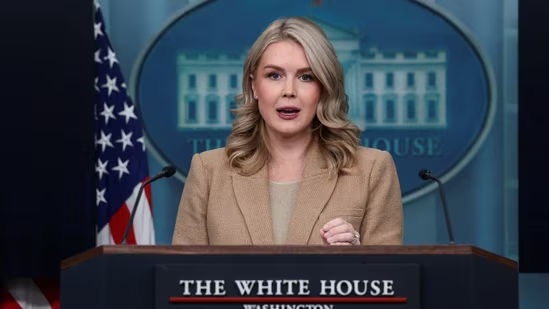
Washington D.C. – The Trump administration has delivered a notably positive update regarding ongoing Ukraine peace talks, with White House Press Secretary Karoline Leavitt declaring that officials feel “very optimistic” about reaching a comprehensive peace deal to end the protracted Russia-Ukraine conflict. This encouraging assessment comes as US Special Envoy Steve Witkoff prepares to travel to Moscow for crucial discussions with Russian President Vladimir Putin.

Speaking at a White House press briefing, Leavitt emphasized that President Trump and his team have been “working very hard” to bring the devastating war to a conclusion. Her statements signal a potentially significant shift in the diplomatic landscape surrounding one of the most consequential conflicts in recent decades.

Recent Diplomatic Developments Fuel Optimism

The optimism surrounding Ukraine peace talks stems from recent productive diplomatic engagements on multiple fronts. Leavitt revealed that “just yesterday, they had very good talks with the Ukrainians in Florida,” highlighting the intensive diplomatic efforts underway to forge a path toward peace. The Florida discussions represent a crucial component of the administration’s strategy to broker an agreement acceptable to all parties involved in the conflict.

Following these productive conversations with Ukrainian representatives, Special Envoy Witkoff is now traveling to Russia to continue the Ukraine peace talks directly with President Putin. This sequential approach—engaging first with Ukraine and then with Russia—demonstrates a methodical diplomatic strategy designed to build consensus and identify areas of potential agreement.

Ukrainian President’s Response to Peace Initiatives

Ukrainian President Volodymyr Zelensky has responded cautiously but constructively to the accelerated peace efforts. On Monday, Zelensky indicated his expectation to discuss “key issues” with President Trump as the US-led initiative to end the war gains momentum. This willingness to engage directly with American leadership suggests Ukraine’s recognition of the critical role the United States plays in facilitating Ukraine peace talks.

However, Zelensky also issued a stark reminder of ongoing battlefield realities, stating that Russia had intensified missile and drone strikes on his country in an apparent attempt to “break” the will of the Ukrainian people. This escalation underscores the urgent need for successful Ukraine peace talks while highlighting the challenges negotiators face in achieving a sustainable ceasefire.

Significant Progress Reported by Ukrainian Negotiators

Rustem Umerov, representing Ukraine in the negotiations, provided an encouraging assessment of the recent Ukraine peace talks, stating that “significant progress” was achieved during two days of intensive discussions with US officials regarding Trump’s proposed plan to end the war. This characterization suggests that concrete advances have been made in identifying potential frameworks for peace.

Also Read: Venezuela Maduro: Explosive US Offer to Flee Sparks Regional Crisis

Nevertheless, Umerov acknowledged that considerable work remains on “challenging” issues, indicating that while progress has been substantial, critical obstacles still require resolution. This balanced assessment reflects the complex nature of Ukraine peace talks, where multiple stakeholders have divergent interests and non-negotiable positions that must be carefully navigated.

Intensive Diplomatic Engagement in Florida

The recent round of Ukraine peace talks held in Florida over the weekend marked a significant milestone in the negotiation process. US and Ukrainian negotiators engaged in hours of discussions that both sides characterized as “productive,” suggesting genuine forward movement rather than merely ceremonial diplomatic exchanges.

President Trump himself weighed in on the Ukraine peace talks while aboard Air Force One, declaring optimistically that “there’s a good chance we can make a deal.” This direct presidential involvement and public endorsement of the negotiation process signals the administration’s high-level commitment to achieving a breakthrough in ending the conflict.

Strategic Sequencing of Diplomatic Missions

The Trump administration’s approach to Ukraine peace talks demonstrates careful strategic planning. By first conducting extensive discussions with Ukrainian representatives in Florida and subsequently dispatching Special Envoy Witkoff to Moscow, the administration appears to be building a foundation for potential trilateral agreements or understandings.

This sequenced diplomatic engagement allows American negotiators to understand Ukrainian priorities and concerns before presenting proposals to Russian leadership. Such an approach may increase the likelihood of finding common ground that addresses core interests of both conflicting parties.

Challenges Ahead for Peace Negotiations

Despite the optimistic tone surrounding current Ukraine peace talks, significant challenges remain. The ongoing intensification of Russian military operations against Ukrainian targets complicates the negotiating environment and may reflect Moscow’s attempt to strengthen its bargaining position before entering serious peace discussions.

The reference to “challenging” issues requiring additional work suggests that fundamental disagreements persist on critical matters such as territorial integrity, security guarantees, and the future geopolitical alignment of Ukraine. Successfully navigating these contentious topics will determine whether the current optimism translates into a sustainable peace agreement.

International Stakes of Successful Negotiations

The outcome of these Ukraine peace talks carries profound implications extending far beyond the immediate conflict zone. A successful resolution would mark a significant foreign policy achievement for the Trump administration while potentially reshaping European security architecture and international relations more broadly.

As Special Envoy Witkoff heads to Moscow for this critical phase of Ukraine peace talks, the international community watches with cautious hope that diplomatic efforts may finally yield the breakthrough necessary to end this devastating conflict.

Bihar Assembly Speaker: Veteran BJP Leader Prem Kumar Poised for Unopposed Victory

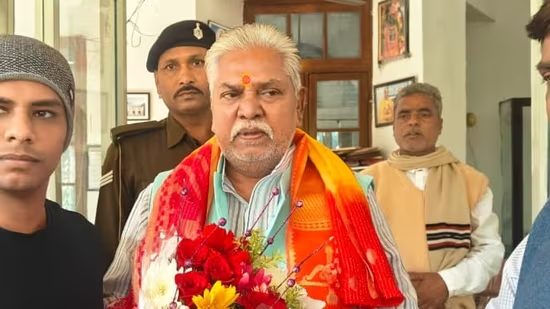
Bihar – Veteran BJP leader Prem Kumar on Monday filed his nomination papers for election to the prestigious post of Bihar assembly speaker, marking a significant political development in the state’s legislative proceedings. The eight-term MLA from Gaya Town emerged as the sole candidate for this coveted position, virtually guaranteeing his unopposed election to one of the most important constitutional posts in the state assembly.

The nomination filing ceremony took place before the secretary in-charge of the Vidhan Sabha, Khyati Singh, with several prominent NDA leaders present to show their support. Deputy Chief Ministers Samrat Choudhary and Vijay Kumar Sinha attended the proceedings, along with senior JD(U) leader and parliamentary affairs minister Vijay Kumar Chaudhary, underscoring the political significance of this appointment.

JP Movement Veteran Poised for Key Constitutional Role

Prem Kumar represents one of the few leaders in Bihar who began their political journey during the historic JP Movement, lending considerable experience and gravitas to the Bihar assembly speaker position. His long association with Bihar politics, spanning eight consecutive terms as an MLA, has established him as a seasoned parliamentarian well-versed in legislative procedures and constitutional matters.

The election for the Bihar assembly speaker is scheduled for Tuesday, with Prem Kumar expected to assume the role without facing any electoral contest. His unopposed election became certain after the Mahagathbandhan, comprising the RJD, Congress, and the Left parties, decided against fielding a candidate for this crucial position.

NDA’s Commanding Majority Ensures Smooth Election

The NDA’s formidable strength in the 243-strong Bihar assembly has played a decisive role in determining the outcome of the Bihar assembly speaker election. With 202 seats firmly in the alliance’s control, the selection of Prem Kumar for this constitutional position is being viewed as a foregone conclusion by political observers across the state.

The BJP, which commands 89 MLAs in the current assembly, successfully asserted its claim to the Bihar assembly speaker post, demonstrating its growing influence within the NDA coalition in Bihar. This number gives the party a slight edge over its coalition partner JD(U), which has 85 MLAs in the house.

Behind-the-Scenes Coalition Negotiations

Political insiders familiar with the developments preceding Prem Kumar’s nomination reveal that JD(U) had lobbied vigorously for appointing one of its 85 MLAs as the new Bihar assembly speaker. The regional party presented a compelling argument, contending that since Chief Minister Nitish Kumar had already ceded the crucial home portfolio to his deputy from the BJP, the party deserved to secure the speaker’s position as a balancing measure.

However, the BJP, leveraging its marginally superior numerical strength in the assembly, firmly rejected this proposal. The saffron party’s leadership put its foot down on the matter, ultimately securing the Bihar assembly speaker position for Prem Kumar, thereby strengthening its hold on key constitutional posts in the state.

Historical Context of Speaker Position in Bihar

The JD(U), which has remained in power continuously since 2005, had maintained control over the Bihar assembly speaker position throughout its first three consecutive tenures. This precedent made the party’s expectation of retaining the post understandable from a political standpoint. However, the changing political dynamics and the BJP’s assertiveness within the NDA coalition have altered this established pattern.

Also Read: SIR Schedule Extended: Election Commission Revises Electoral Roll Timeline

The shift in control of the Bihar assembly speaker position from JD(U) to BJP reflects the evolving power equations within the ruling alliance. It signals the BJP’s determination to consolidate its position in Bihar’s political landscape and secure key institutional positions that come with significant constitutional authority and influence over legislative proceedings.

Significance of Unopposed Election

The decision by the Mahagathbandhan not to contest the Bihar assembly speaker election represents a pragmatic acknowledgment of the NDA’s overwhelming majority in the house. With 202 members supporting the ruling coalition against the opposition’s 41 seats, any electoral contest would have been merely symbolic, with the outcome predetermined in favor of the NDA candidate.

The unopposed nature of Prem Kumar’s election to the Bihar assembly speaker position also suggests a degree of cross-party respect for his experience and capability to manage the assembly’s proceedings impartially. Despite political differences, the opposition’s decision not to field a candidate indicates acceptance of his suitability for this important constitutional role.

Looking Ahead: Implications for Bihar Politics

Prem Kumar’s assumption of the Bihar assembly speaker position will have significant implications for the functioning of the state legislature. As speaker, he will be responsible for maintaining order in the house, interpreting rules and procedures, and ensuring that legislative business proceeds smoothly while protecting the rights of both treasury and opposition benches.

His extensive parliamentary experience, coupled with his political journey beginning from the JP Movement era, positions him well to handle the responsibilities of this crucial constitutional office effectively and maintain the dignity and decorum of the Bihar assembly.

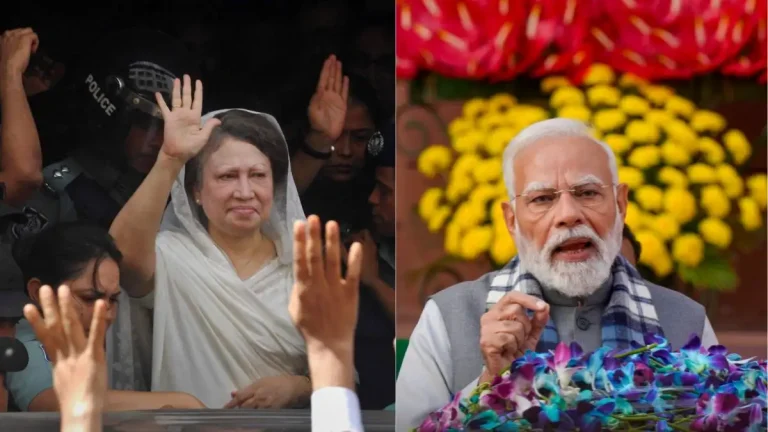
Khaleda Zia Health: Urgent Support Pledged by PM Modi Amid Crisis

New Delhi – Prime Minister Narendra Modi on Monday expressed profound concern regarding the deteriorating Khaleda Zia health situation, pledging India’s readiness to “extend all possible support in whatever way we can.” The Indian Prime Minister’s statement came as the former Bangladesh leader continues to battle severe medical complications at a private hospital in Dhaka.

PM Modi’s remarks followed reports from Zia’s party leaders indicating that the 80-year-old Bangladesh Nationalist Party (BNP) chairperson is “extremely unwell” and has been placed on ventilation support. The development has sparked widespread concern across South Asia, given Khaleda Zia’s significant role in Bangladesh’s political landscape over several decades.

India’s Commitment to Support Bangladesh Leader

In a post on social media platform X, PM Modi acknowledged Khaleda Zia’s substantial contributions to Bangladesh’s public life spanning many years. “Deeply concerned to learn about the health of Begum Khaleda Zia, who has contributed to Bangladesh’s public life for many years. Our sincere prayers and best wishes for her speedy recovery. India stands ready to extend all possible support, in whatever way we can,” the Prime Minister wrote.

This gesture underscores the diplomatic ties and humanitarian concerns that transcend political boundaries between India and Bangladesh, particularly regarding respected political figures who have shaped the region’s history.

Critical Medical Situation Unfolds in Dhaka

The Khaleda Zia health crisis intensified significantly when she was admitted to a private hospital on November 23 after developing a severe chest infection that affected both her heart and lungs. The three-time former Bangladeshi Prime Minister’s condition has progressively worsened, necessitating increasingly intensive medical intervention.

Four days after her initial admission, Khaleda Zia was transferred to the coronary care unit as several of her health complications deteriorated. The escalation of her medical emergency prompted doctors to place her on ventilation support, indicating the gravity of her current situation.

Party Leaders Confirm Severity of Condition

BNP Vice-chairman Advocate Ahmed Aazam Khan provided a sobering update on the Khaleda Zia health situation, confirming that her condition had significantly deteriorated. Speaking to reporters outside Evercare Hospital in Dhaka, Khan stated, “She is in a very critical condition. There is nothing more to do except seek prayers from the whole nation.”

Also Read: Parliament Winter Session: PM Modi Urges Opposition Against Drama

BNP Secretary General Mirza Fakhrul Islam Alamgir also confirmed the critical nature of Khaleda Zia health complications, emphasizing that she continues receiving treatment from both local and international medical specialists. “She is extremely unwell. The entire nation is praying for her recovery… She is seriously ill, and our doctors are making every possible effort. Local and foreign specialists are involved in her treatment. They are trying their best,” Alamgir stated.

Complex Medical History and Ongoing Challenges

The current Khaleda Zia health emergency is compounded by her history of multiple serious medical conditions. The former Prime Minister has been battling liver and kidney issues, diabetes, arthritis, and various eye-related illnesses. This combination of chronic conditions has made her treatment particularly challenging and requires specialized care from multiple medical disciplines.

Earlier this year, Khaleda Zia returned to Bangladesh from London after spending four months in the British capital receiving advanced medical treatment. The extended stay abroad highlighted the complexity of her medical needs and the necessity for specialized international healthcare expertise.

Family Concerns and Political Implications

The Khaleda Zia health crisis carries significant emotional weight for her family members. Her only surviving son and BNP’s acting chairman, Tarique Rahman, has been residing in London since 2008. Tragically, her other son, Arafat Rahman, passed away from cardiac arrest earlier this year, adding to the family’s grief.

On Sunday, Tarique Rahman indicated uncertainty regarding his return to Bangladesh despite his mother’s critical condition. In a Facebook post, he wrote that his return to Bangladesh was “not entirely” in his control, sparking speculation about potential political or legal obstacles preventing his presence during this critical time.

Medical Team’s Intensive Efforts

The medical team attending to the Khaleda Zia health emergency comprises both Bangladeshi and international specialists working collaboratively to stabilize her condition. The involvement of foreign medical experts demonstrates the serious nature of her health complications and the need for diverse medical expertise in managing her multiple conditions.

The team continues monitoring her vital signs closely as she remains on ventilation support in the coronary care unit. The coming hours and days will be crucial in determining the trajectory of her recovery and the effectiveness of the intensive medical interventions currently being administered.

Regional Solidarity in Times of Crisis

PM Modi’s statement regarding the Khaleda Zia health situation reflects broader regional solidarity during medical emergencies involving prominent political figures. This humanitarian approach transcends bilateral political differences and emphasizes the shared concern for human life and dignity across South Asian nations.

Sanchar Saathi App: Revolutionary Mobile Security Mandate for All Smartphones

New Delhi – The Department of Telecommunications (DoT) has issued a groundbreaking directive mandating the pre-installation of the Sanchar Saathi app on all new mobile handsets manufactured or imported for sale in India. This significant move, announced on Monday, targets all original equipment manufacturers (OEMs) and importers, marking a pivotal shift in India’s approach to mobile security and fraud prevention.

The directive ensures that the Sanchar Saathi app will be readily visible and accessible to end users during their first device use or setup. Manufacturers must guarantee that the app’s functionalities remain enabled and unrestricted, making it an integral part of every smartphone user’s experience from day one.

Understanding the Sanchar Saathi App and Its Purpose

Established in May 2023, the Sanchar Saathi app serves as a comprehensive portal for mobile security and fraud prevention. This innovative platform allows users to report and block lost or stolen mobile phones, identify malicious web links, and monitor the number of mobile connections registered in their name. Additionally, users can verify trusted contact details of banks and financial institutions, creating a robust defense against telecommunications fraud.

According to DoT officials, the Sanchar Saathi app will significantly streamline fraud reporting processes. Previously, users had to navigate to websites to report fraud or stolen devices, creating delays and complications. The app eliminates these barriers, offering immediate access to critical security features directly from users’ smartphones.

Key Features and Capabilities

The Sanchar Saathi app offers an advanced suite of features designed to protect users. One of its most significant advantages is the elimination of IMEI number memorization requirements when reporting fraud. The portal’s sophisticated technology handles this automatically, simplifying the reporting process considerably.

Users can access multiple essential services through the Sanchar Saathi app, including verification of mobile connections issued in their name and authentication of handset genuineness. The platform also enables reporting of suspicious communications, spam, and international calls displaying Indian numbers. Notably, the app operates without requiring OTP verification on the phone, ensuring accessibility even when devices are lost or stolen.

Impressive Impact Statistics

The Sanchar Saathi app has already demonstrated remarkable effectiveness since its launch. More than 42.14 lakh mobile devices have been blocked through the platform, while over 26.11 lakh lost or stolen handsets have been successfully traced and recovered. These numbers underscore the initiative’s significant impact on reducing mobile-related crimes.

Also Read: Elon Musk Praises Indian Talent, Talks About Immigration Benefits to America In Nikhil Kamath’s Latest Podcast

The platform has received over 288 lakh requests from individuals seeking information about mobile connections registered in their names, with more than 254 lakh requests resolved successfully. The app’s popularity is evident in its user base, boasting more than 1.14 crore registrations, over 1 crore downloads from Google Playstore, and more than 9.5 lakh downloads from the Apple Store.

Implementation Timeline and Compliance Requirements

Major OEMs including Apple, Oppo, Vivo, Xiaomi, and Samsung have been given 90 days to comply with the Sanchar Saathi app pre-installation requirement. Manufacturers must submit compliance reports within 120 days, ensuring accountability and timely implementation across the industry.

For devices already manufactured and present in sales channels, the government has instructed manufacturers and importers to push the Sanchar Saathi app through software updates. This comprehensive approach ensures that both new and existing devices benefit from enhanced security features.

Government’s Vision for Citizen Protection

The DoT has emphasized that this mandate aims to “safeguard citizens from buying non-genuine handsets, enabling easy reporting of suspected misuse of telecom resources and to increase effectiveness of the Sanchar Saathi initiative.” This multi-pronged approach addresses several critical issues simultaneously: counterfeit device proliferation, telecommunications fraud, and resource misuse.

Enhanced User Experience and Accessibility

The mandatory pre-installation of the Sanchar Saathi app represents a significant step toward democratizing mobile security in India. By making these features immediately available to all users, regardless of their technical expertise, the government ensures that every smartphone owner has access to powerful protective tools from the moment they activate their device.

The initiative’s success depends not only on installation but also on user awareness and adoption. With the Sanchar Saathi app pre-installed and prominently displayed, users will naturally discover its features, leading to increased utilization and, consequently, enhanced protection against mobile-related fraud and theft.

Conclusion

The mandatory installation of the Sanchar Saathi app marks a transformative moment in India’s telecommunications security landscape. By combining advanced technology with government oversight and manufacturer cooperation, this initiative promises to create a safer mobile ecosystem for millions of Indian users, significantly reducing fraud and improving device security nationwide.

IUCN Recognises Sikkim Khangchendzonga Park UNESCO World Heritage 2016

The IUCN Recognises Sikkim’s Khangchendzonga Park UNESCO World Heritage 2016 story is a landmark in India’s conservation history. In July 2016, UNESCO inscribed Khangchendzonga National Park (KNP) as a World Heritage Site, making it the first mixed heritage site in India recognized for both natural and cultural significance. The International Union for Conservation of Nature (IUCN) played a pivotal role in evaluating the park’s biodiversity, landscapes, and cultural traditions before granting recognition.


2. The Park’s Location and Significance

Khangchendzonga National Park is located in North Sikkim, covering an area of 1,784 square kilometers.

  • It includes the world’s third‑highest peak, Mount Khangchendzonga (8,586 m).
  • The park is home to glaciers, lakes, and alpine meadows.
  • It represents a unique blend of Himalayan biodiversity and cultural heritage.

This makes KNP a global conservation hotspot.


3. Biodiversity Richness

The park hosts diverse flora and fauna:

  • Snow leopard, Himalayan tahr, red panda, musk deer.
  • Over 500 species of birds, including blood pheasant and Himalayan monal.
  • Rich vegetation zones: temperate broadleaf forests, alpine scrub, and rhododendron valleys.

This biodiversity underscores the park’s ecological importance.


4. IUCN Recognises Sikkim: Cultural Heritage

KNP is not only about nature but also culture:

  • It is sacred to the indigenous Lepcha and Bhutia communities.
  • Local myths describe Mount Khangchendzonga as a guardian deity.
  • Rituals and festivals integrate conservation with spirituality.

This cultural dimension made UNESCO classify KNP as a mixed heritage site.


5. UNESCO Recognition in 2016

In July 2016, UNESCO granted World Heritage status to KNP.

  • It became India’s first mixed heritage site.
  • Recognition was based on both natural and cultural criteria.
  • The decision followed IUCN’s detailed evaluation.

This recognition elevated KNP’s global profile.


6. Role of IUCN

The International Union for Conservation of Nature (IUCN):

  • Conducted biodiversity assessments.
  • Highlighted conservation challenges.
  • Recommended sustainable tourism practices.

IUCN’s recognition validated KNP’s global ecological and cultural value.


7. Governance and Conservation Efforts

The Government of Sikkim emphasized:

  • Eco‑friendly tourism policies.
  • Community participation in conservation.
  • Strict anti‑poaching measures.

This reflects governance commitment to biodiversity protection.


8. Challenges Ahead

Despite recognition, challenges remain:

  • Risk of climate change impacts on glaciers.
  • Human–wildlife conflict in buffer zones.
  • Need for balanced tourism development.
  • Ensuring inclusive benefits for local communities.

9. Broader Implications for Democracy and Development

The recognition raises broader questions:

  • Can heritage status strengthen democracy by empowering communities?
  • Will eco‑tourism balance conservation and livelihoods?
  • How can governance integrate cultural traditions with modern policies?

10. Recommendations for Reform

Experts suggest:

  • Detailed biodiversity monitoring.
  • Eco‑friendly tourism guidelines.
  • Community cooperatives to manage tourism revenue.
  • Integration with national conservation policies.

11. Comparative Lessons from Other States

Other states have undertaken similar initiatives:

  • Uttarakhand promotes conservation in Kedarnath Wildlife Sanctuary.
  • Himachal Pradesh integrates trekking with village homestays.
  • Sikkim’s case reflects a national trend of heritage‑based conservation.

12. Human Stories: Local Communities

Villagers described:

  • Pride in global recognition of their sacred landscapes.
  • Hope for eco‑tourism opportunities.
  • Fear of cultural dilution if tourism expands unchecked.

These stories highlight the human dimension of conservation.


13. Scientific and Environmental Impact

Researchers emphasized:

  • Recognition strengthens conservation funding.
  • Structured tourism reduces risks of accidents.
  • Eco‑friendly camping protects fragile ecosystems.

The findings enrich scientific knowledge and conservation databases.


14. Conclusion: A Model for Inclusive Governance

The IUCN Recognises Sikkim’s Khangchendzonga Park UNESCO World Heritage 2016 is more than a heritage recognition — it is a model for inclusive governance, sustainable development, and cultural preservation. Unless systemic reforms are undertaken, challenges will persist. But the recognition underscores the urgency of balancing heritage preservation, community empowerment, and national security.


🔗 Government External Links

For further reading and official updates, here are relevant government sources:

Also read: Home | Channel 6 Network – Latest News, Breaking Updates: Politics, Business, Tech & More

Indian Army Gifts Sikkim Youth Adventure Tourism Kits 2025

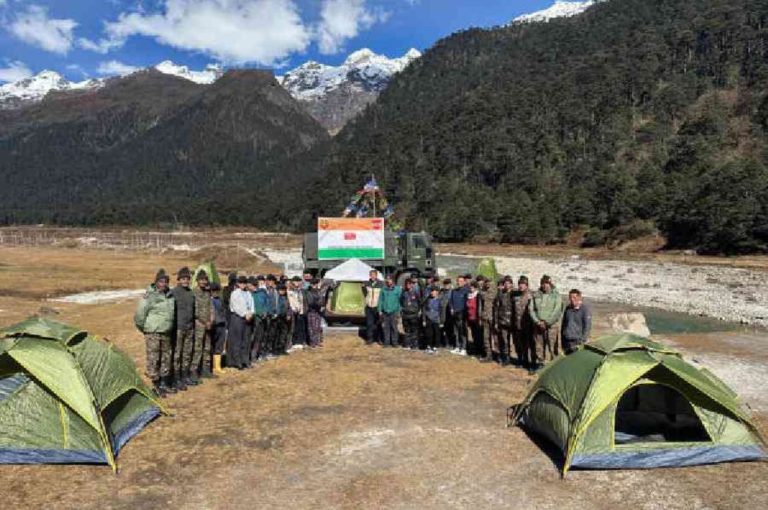
The Indian Army Gifts Sikkim Youth Adventure Tourism Kits 2025 initiative marks a significant step in blending national defense outreach with local economic empowerment. On November 28, 2025, the Army distributed specialized high‑altitude adventure kits to villagers in Yumthang Valley, North Sikkim. This program aims to strengthen community‑led tourism, promote responsible adventure activities, and create sustainable livelihoods in one of India’s most picturesque regions.


2. Yumthang Valley: A Natural Jewel

Yumthang Valley, located at 11,800 feet above sea level, is famous for:

  • Vast rhododendron landscapes (Sikkim’s state tree).
  • Snow‑capped Himalayan peaks.
  • Natural hot springs.
  • Trekking and camping opportunities.

Tourism has grown steadily, with 20–25 visitors daily, but infrastructure remained limited until now.


3. Indian Army Gifts Sikkim Youth: The Kits Provided

The Army’s kits included:

  • Camping gear (tents, sleeping bags).
  • Climbing essentials (ropes, harnesses, helmets).
  • Safety kits (first aid, oxygen support).
  • Cooking sets for outdoor expeditions.

These resources enable villagers to host tourists with professional standards of safety and comfort.


4. Voices from the Community

Local leaders and villagers expressed gratitude:

  • Pema Dorjee, Pipon of Lachung Dzumsa, praised the initiative for empowering youth.
  • Hoteliers in Lachung noted tourists often wish to stay overnight in Yumthang, and the kits make this feasible.
  • Villagers saw opportunities for guided trekking and eco‑tourism.

5. Governance and Army Outreach

Senior Army officials explained:

  • The initiative aligns with Ranbhoomi Darshan, a program promoting border‑area tourism.
  • It strengthens civil‑military relations in Sikkim.
  • It contributes to economic growth and responsible tourism.

This reflects the Army’s role beyond defense, supporting community resilience and development.


6. Historical Context: Tourism in Sikkim

Sikkim has long promoted eco‑tourism:

  • Lachung and Yumthang are popular destinations.
  • Rhododendron festivals attract visitors.
  • Adventure tourism has grown but lacked structured support.

The Army’s intervention marks a new chapter in tourism infrastructure.


7. Challenges Ahead

Despite optimism, challenges remain:

  • Risk of environmental degradation if tourism expands unchecked.
  • Need for training youth in safety and hospitality.
  • Balancing security concerns in border areas.
  • Ensuring inclusive benefits for all villagers.

8. Broader Implications for Democracy and Development

The initiative raises broader questions:

  • Can defense institutions play a role in local development?
  • Will eco‑tourism strengthen democracy by empowering communities?
  • How can governance balance national security with local livelihoods?

9. Recommendations for Reform

Experts suggest:

  • Skill‑development programs for youth in adventure tourism.
  • Eco‑friendly guidelines for camping and trekking.
  • Community cooperatives to manage tourism revenue.
  • Integration with state tourism policies.

10. Comparative Lessons from Other States

Other states have undertaken similar initiatives:

  • Uttarakhand promotes adventure tourism in Kedarnath.
  • Himachal Pradesh integrates trekking with village homestays.
  • Sikkim’s case reflects a national trend of defense‑supported tourism.

11. Human Stories: Families and Communities

Villagers described:

  • Joy at receiving professional kits.
  • Hope for new income sources.
  • Pride in showcasing Sikkim’s natural heritage.

These stories highlight the human dimension of governance and tourism.


12. Scientific and Environmental Impact

Researchers emphasized:

  • Structured tourism reduces risks of accidents.
  • Eco‑friendly camping protects fragile ecosystems.
  • Community‑led tourism fosters sustainable conservation.

13. Conclusion: A Model for Inclusive Governance

The Indian Army Gifts Sikkim Youth Adventure Tourism Kits 2025 is more than a tourism initiative — it is a model for inclusive governance, sustainable development, and civil‑military cooperation. Unless systemic reforms are undertaken, challenges will persist. But the program underscores the urgency of balancing heritage preservation, community empowerment, and national security.


🔗 Government External Links

For further reading and official updates, here are relevant government sources:

Also read: Home | Channel 6 Network – Latest News, Breaking Updates: Politics, Business, Tech & More