Wednesday, May 13, 2026
Home Blog Page 292

Govind Karjol’s Stark Claim Stirs Karnataka Politics: 1 CONTROVERSY UNLEASHED

In a statement that has rocked Karnataka’s political discourse, senior leader Govind Karjol asserted that the Indian National Congress will never appoint a Dalit as Chief Minister. The comment, made recently in an interview with a local media outlet, was delivered with blunt clarity: according to Karjol, despite various claims and promises around social justice and representation, the Congress party is unlikely to elevate a Dalit to the state’s highest elected executive post. The remark has revived long-standing debates over caste, representation, and political calculations in Karnataka’s power corridors.

Karjol, a prominent face of the Bharatiya Janata Party (BJP) from the state, said his observation is based on decades of political practice and past patterns under Congress rule. He argued that though Dalits form a significant chunk of the electorate and have consistently supported the Congress, the party has repeatedly neglected to grant them the top leadership spot. By voicing this as a matter of fact, Karjol has turned what has often been whispered speculation into a loud public assertion — one calculated to sting and stir political conversation, especially among Dalit communities and progressive activists.

His statement comes at a time when the question of caste-based representation in Karnataka’s leadership remains a live issue. Despite repeated calls from Dalit organisations, civil society groups and some internal party voices, no Chief Minister from a Scheduled Caste has ever been appointed in Karnataka since the state’s formation. Many see this gap as a failure of political will, rather than a reflection of merit or capability. Karjol’s blunt claim — that Congress will never choose a Dalit CM — escalates the rhetoric, polarising opinions and raising the stakes for all parties involved.

The reaction has been swift and varied. Opposition leaders and Dalit rights groups have condemned the statement as backward and conspiratorial, accusing Karjol and his party of attempting to deepen caste divisions for electoral gain. Within Congress circles, several leaders have protested, calling the claim defamatory and false, and stressing that decisions about leadership — including who becomes Chief Minister — rest solely with the party high command. Nonetheless, the remark has reportedly caused discomfort among senior Congress members, who are now scrambling to frame a response that addresses both caste sensitivities and internal power dynamics.

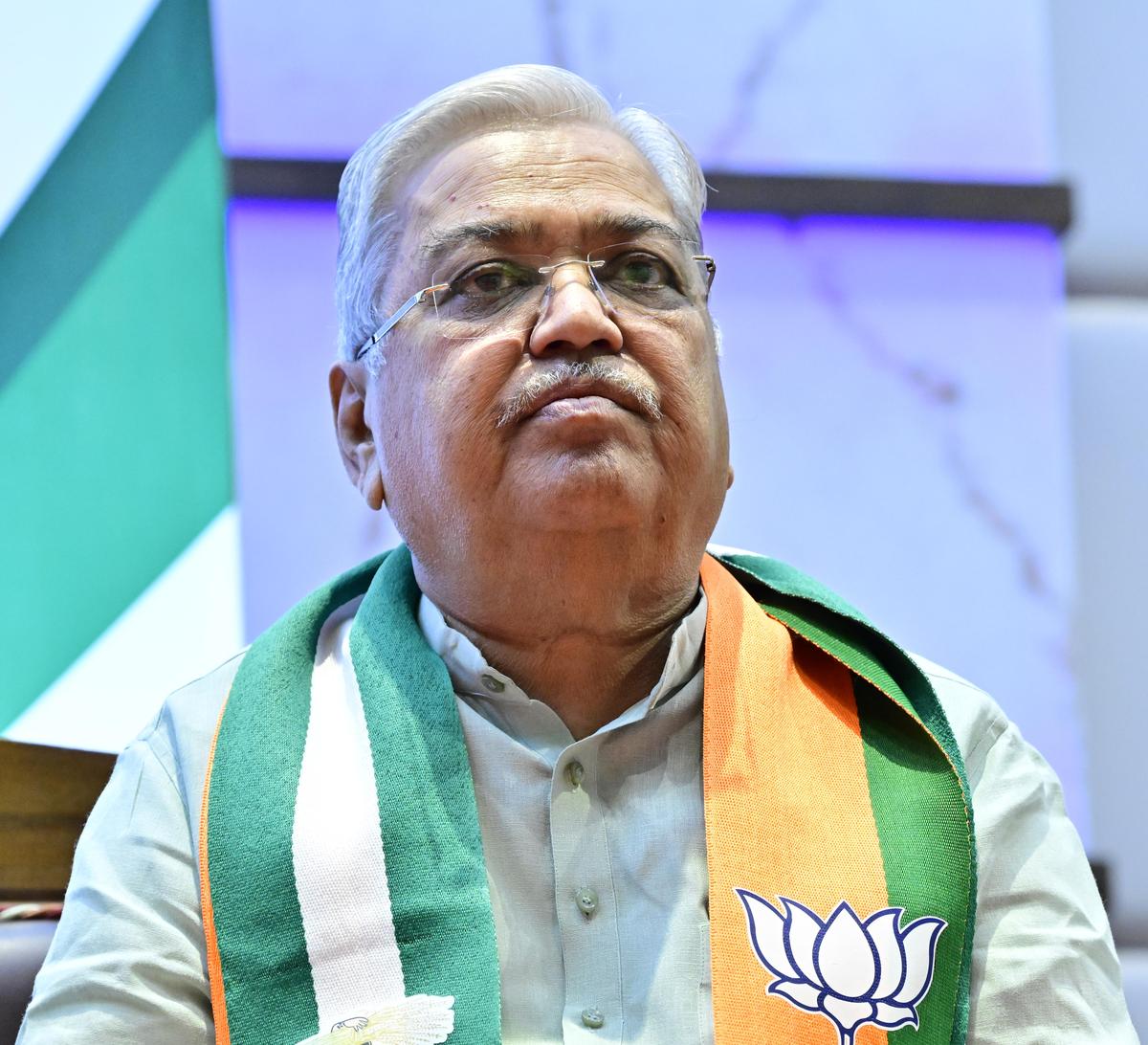
Amid the uproar, many Dalits in Karnataka — historically ignored in terms of top-level political representation — are once again demanding concrete action rather than symbolic gestures. Calls have surged for a clear public commitment from all major political parties to ensure that eligible Dalit leaders are considered fairly when it comes to the top post. Activists argue that mere inclusion of Dalit MLAs or ministers is insufficient; representation must reach the very top, where decisions are made, so structural inequalities can be challenged from within.Congress will never make a Dalit Chief Minister, says Govind Karjol - The Hindu
Meanwhile, insiders in the Congress suggest that Karjol’s comment may be more than mere provocation — a strategic move by BJP to exploit fissures in Congress over caste loyalties and leadership ambitions. According to some analysts, such statements are part of a broader plan to consolidate support among Dalit and marginalized communities by highlighting alleged inaction and broken promises by Congress. The move seems designed to influence public perception, especially as Karnataka prepares for future elections and caste-based mobilisation becomes a key electoral tool.

Yet, many political veterans caution that the statement may backfire. By categorically ruling out a Dalit Chief Minister under Congress, Karjol risks alienating a significant portion of the electorate — one whose support both major parties covet. Experts note that in a democracy, such blanket pronouncements about excluding a community from leadership positions may strengthen calls for representation elsewhere, increase social unrest, and damage the credibility of the party making such claims.


Caste, Politics and the Missing Dalit CM: Historical Context and Present Stakes

Karnataka has a long history of caste-based political power — with dominant communities often alternating the Chief Ministership among themselves. Despite several capable Dalit politicians holding important posts over decades, no Dalit has ever been appointed as Chief Minister. Political analysts attribute this to entrenched caste hierarchies, vote arithmetic, intra-party power equations, and reluctance among party elites to challenge the existing status quo.

Over the years, several Dalit leaders have emerged as strong candidates for top posts. But each time, caste calculations, political convenience and alliances have thwarted those ambitions. For example — as noted by historians and observers — Dalit aspirants were reportedly overlooked in favour of candidates from dominant castes, despite comparable seniority and credentials.

Within parties, including the Congress, Dalit representation has often been confined to reserved ministries or symbolic roles, rarely touching the highest leadership. Many believe this reflects a systemic unwillingness to share core power, rather than absence of capable leaders. The perception of exclusion has long contributed to distrust and disillusionment among Dalit voters. Karjol’s statement, by stating that Congress will never make a Dalit CM, reinforces this longstanding perception in explicit terms — and turns frustration into anger for some sections.

In recent months, pressure from Dalit organisations has mounted, demanding that major parties seriously consider caste dynamics in leadership selection. Calls for a Dalit Chief Minister have grown louder, especially in the light of internal party discussions, minority demands, and claims of under-representation.

At the same time, political parties face a complex balancing act: satisfying numerical strength, managing caste equations, regional representation, and electoral arithmetic — all while projecting a commitment to social justice. This sometimes leads to a reluctance to break from established patterns. Karjol’s comment brings this tension into the open, forcing political actors to articulate their stance on caste and leadership openly.

For the Dalit community, the stakes are high. Beyond the question of representation lies deeper issues of dignity, social justice, and equal opportunity. A Chief Minister from a Dalit background could trigger symbolic and structural change — influencing policy priorities, governance style, outreach to marginalized communities, and social equity. Many believe that genuine inclusion requires more than token gestures; it requires real sharing of power at the highest level.

Observers also fear that attempts to turn the issue into a political weapon could deepen social divisions. If the debate becomes polarised along caste lines, it could create social tension, identity-based politics, and instability. For a society already grappling with inequalities, such developments may not lead to constructive reform but deepen alienation.Congress will never make a Dalit Chief Minister, says Govind Karjol - The Hindu


Political Calculus, Electoral Stakes, and the Future of Representation

With Karnataka’s political climate already volatile due to leadership tussles, the fresh controversy around a Dalit CM injects another dimension into upcoming electoral calculations. For parties, the question becomes whether they treat this as a genuine representational demand or as an element for vote-bank politics.

The BJP, which is often accused of caste-based polarization, may seek to extract political advantage by echoing Dalit grievances and positioning Dalit leaders in visible roles — without necessarily committing to the CM post. As one senior BJP observer reportedly told party insiders, statements like Karjol’s serve to provoke anger against Congress and force them into defensive postures. The aim may not be to install a Dalit CM immediately, but to stir dissent and highlight alleged hypocrisy.

For Congress, the challenge is to manage internal expectations, caste dynamics, elite interests, and electoral strategy — all while keeping the broader coalition together. With many aspirants from backward or dominant communities jockeying for power, any move towards selecting a Dalit CM may trigger dissent, defections, or rebellion. The party may prefer to avoid that risk, even if it disappoints Dalit voters and activists.

At the same time, Dalit communities and social justice groups may intensify pressure. Through protests, open letters, and mobilization efforts — as already seen in recent weeks — they may force parties to respond. This could shape not only leadership selection but also manifestos, policy priorities, and candidate lists for upcoming local, state, and national elections. The demand for representation may transform into a broader demand for systemic equity.

Political analysts suggest that for real change to happen, two conditions must be met: first, major parties need to genuinely commit to inclusive leadership rather than treat it as a bargaining tool; second, Dalit leaders must consolidate across caste-subgroups to present a unified front. Fragmentation within Dalit communities has often prevented emergence of a consensus candidate acceptable to all — reducing their bargaining power within parties.

Observers also warn that while representation matters, it must be backed by substantive policy change. Appointing a Dalit CM is symbolically powerful, but without ensuring empowerment, justice reforms, economic support, and administrative autonomy, it may remain symbolic. Thus, the call for a Dalit Chief Minister should align with demands for structural transformation in governance, social equity, and opportunity.


Can Congress — or Any Party — Still Evade the Demand?

Govind Karjol’s categorical claim that Congress will never make a Dalit Chief Minister tries to draw a line in the sand. If taken at face value, it suggests that regardless of public sentiment, caste equations, or demand from social justice activists, the party intends to maintain traditional caste-based power structures.

But in a changing India, where caste consciousness among voters is rising, where social justice debates find resonance, and where younger generations expect equality, such a claim may not sustain. The pressure may build from within and outside the party for genuine power-sharing.

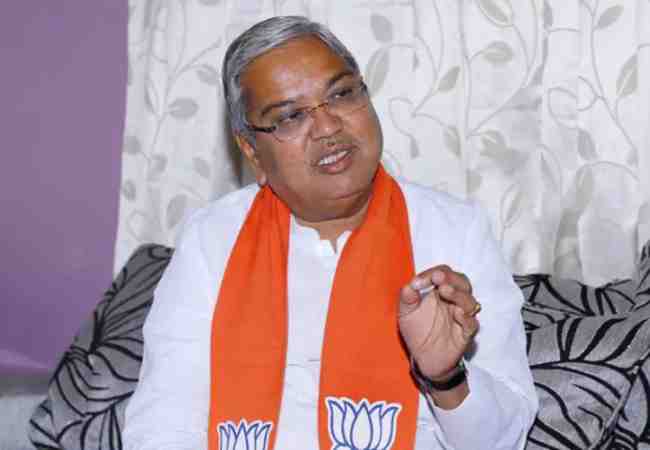
Moreover, if Congress continues to avoid addressing representation, it may lose support among sections of its traditional base — especially Dalit voters who may feel taken for granted. For a party that has long positioned itself as a champion of social justice and equality, ignoring this demand repeatedly may erode its credibility and electoral prospects.Congress will never make Satish Jarkiholi Chief Minister: Govind Karjol
It remains to be seen how much of this debate remains symbolic and how much translates into real political change. For now, the statement by Karjol has stirred the pot — prompting demands, distrust, and renewed political mobilization. But whether this leads to a Dalit Chief Minister, or deeper systemic reforms, depends on choices by political leadership, pressure from civil society, and assertiveness of marginalized communities.

This controversy — more than any election or alignment — may prove to be a referendum on Karnataka’s commitment to equality, representation, and justice. The coming months will reveal whether political parties see Dalit leadership as an asset worth embracing, or continue to treat it as a dangerous concession compromising established power.

Follow: Karnataka Government

Also read: Home | Channel 6 Network – Latest News, Breaking Updates: Politics, Business, Tech & More

Taragiri, fourth Project 17A stealth frigate, Proudly delivered to Indian Navy

The Indian Navy has taken delivery of Taragiri, the fourth Nilgiri‑class (Project 17A) advanced stealth frigate and the third such ship built by Mazagon Dock Shipbuilding Ltd (MDL), marking a major step in India’s quest for self‑reliance in complex warship design and construction. Handed over at MDL, Mumbai, on 28 November 2025, Taragiri is a reincarnation of the erstwhile INS Taragiri, a Leander‑class frigate that served the nation for 33 years from 1980 to 2013.​

Advanced design, stealth and propulsion

Designed by the Navy’s Warship Design Bureau and overseen by the Warship Overseeing Team (Mumbai), Project 17A frigates represent a generational leap over the earlier Shivalik‑class (P17) ships, with improved stealth shaping, survivability and combat systems. Built using integrated construction techniques, Taragiri meets its envisaged timeline and features a Combined Diesel or Gas (CODOG) propulsion system with diesel engines and gas turbines driving controllable‑pitch propellers on twin shafts, all monitored by a state‑of‑the‑art Integrated Platform Management System.​


Weapons and sensors suite

Taragiri is equipped with a potent mix of indigenous and advanced weapons, including BrahMos supersonic surface‑to‑surface missiles, the MF‑STAR multi‑function radar and the MRSAM area‑defence missile complex. Its armament also includes a 76 mm Super Rapid Gun Mount, 30 mm and 12.7 mm close‑in weapon systems, as well as rockets and torpedoes for anti‑submarine warfare, making it a versatile multi‑mission platform for surface, air and sub‑surface threats.​

Compressed build time and remaining ships

Taragiri is the fourth Project 17A frigate delivered to the Navy within the last 11 months, reflecting significant learning‑curve gains at Indian yards. Experience from the first two ships has allowed the build period to be reduced to 81 months, compared with 93 months for lead ship INS Nilgiri, and the remaining three vessels (one at MDL and two at GRSE) are slated for progressive delivery by August 2026.​

Indigenisation and economic impact

The frigate has an indigenisation level of about 75%, with more than 200 MSMEs contributing systems, equipment and services, underscoring the depth of India’s domestic defence industrial ecosystem. Project 17A has generated direct employment for roughly 4,000 people and indirect work for over 10,000, while showcasing the Navy’s sustained focus on Aatmanirbharta in both warship design and shipbuilding.​

For more real-time updates, visit Channel 6 Network.

Source: PIB

Operation Sindoor held up as model of civil–military synergy, governance reform and ethical public service: 2025

At the valedictory ceremony of the 100th Common Foundation Course at LBSNAA, Mussoorie, Raksha Mantri Rajnath Singh described Operation Sindoor as “a brilliant example of civil-military fusion,” emphasising how the administrative machinery worked seamlessly with the Armed Forces to communicate critical information and build public confidence during a national security crisis. He told young probationers that, just like soldiers on the front lines, civil servants must remain alert, mission‑oriented and ready to shoulder responsibility when the country faces critical situations.

Civil–military fusion and Viksit Bharat: Operation Sindoor

Rajnath Singh underlined that during Operation Sindoor, the Armed Forces delivered a balanced, non‑escalatory response by destroying terror camps in Pakistan and Pakistan‑occupied Kashmir, while civil administration ensured effective information flow and mock drills across the country. He argued that such coordination between governance and national security is essential for achieving the vision of a Viksit Bharat by 2047, where internal resilience and external deterrence go hand in hand. He urged officers to see themselves as integral to national security, not just as managers of routine administration.


Role of civil servants in Reform–Perform–Transform

Linking his message to the Prime Minister’s mantra of “Minimum Government, Maximum Governance” and “Reform, Perform & Transform”, the Raksha Mantri reminded trainees that India has moved from the 11th‑largest to the fourth‑largest economy within a decade and is projected to reach the third spot soon. He said such growth raises expectations from the civil services, who must act as “people’s servants” and facilitators of empowerment rather than remote “platonic guardians”. He stressed incorruptible character, integrity and creating a culture where honesty is normal, not exceptional.

Technology as an enabler, not an end

Calling this a technology‑driven era, Rajnath Singh asked officers to embrace innovation to solve everyday problems, citing initiatives like Jan Dhan, Direct Benefit Transfer, Ayushman Bharat Digital Mission and faceless income‑tax assessment as examples of tech-enabled, citizen‑centric reforms. He highlighted the Ministry of Defence’s SAMPURNA system—an AI‑driven platform for automating procurement and payments—as a model of transparent, data‑based decision‑making. However, he cautioned that technology must remain a means to increase accessibility, outreach and inclusivity, not an end in itself.

Empathy, inclusion and women’s leadership

The Minister stressed that effective administration requires empathy towards citizens, especially the underprivileged and vulnerable, whose struggles are shaped by wider social and economic constraints. He urged officers to be people‑centric and compassionate in every interaction. Noting the rising presence of women in the civil services—illustrated by recent UPSC toppers—he expressed confidence that by 2047 many women will serve as Cabinet Secretaries and lead India’s development trajectory, further strengthening inclusive governance.

Legacy of Lal Bahadur Shastri and LBSNAA’s role

Rajnath Singh described the Foundation Course as a commitment to building an efficient, capable and sensitive governance system, praising LBSNAA’s comprehensive training ecosystem for shaping generations of administrators. Reflecting on Lal Bahadur Shastri’s legacy—from leadership during the 1965 war to the spirit of “Jai Jawan, Jai Kisan”—he said the academy stands for courage, simplicity and integrity, values that must guide every officer. He also recalled the long partnership between UPSC and LBSNAA as the backbone of India’s governance architecture and inaugurated an ODOP pavilion, symbolising the link between local enterprise and national progress.

For more real-time updates, visit Channel 6 Network.

Source: PIB

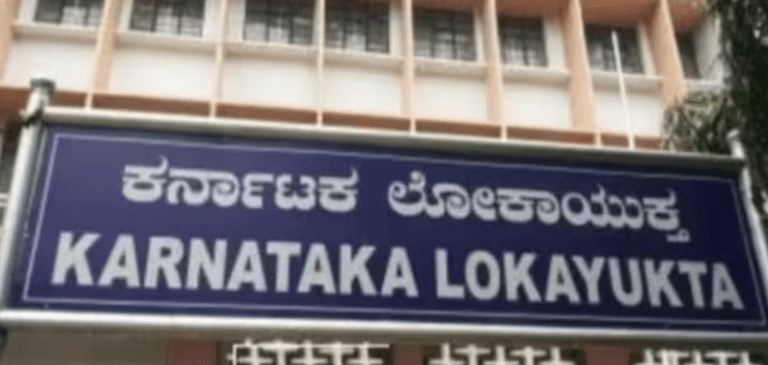
Lokayukta Cracks Down on Khata Bribery Network in Karnataka: 10 Bold Raids Expose Deep Rot

The Lokayukta’s sweeping raids across multiple revenue offices in Karnataka have triggered a major political and administrative storm, exposing what investigators describe as a deeply entrenched bribery network linked to khata issuance and property documentation. The crackdown, conducted after weeks of surveillance, revealed widespread irregularities, unexplained cash flows, and alleged collusion among officials responsible for maintaining land and property records. For thousands of property owners and applicants across Karnataka, the raids have reignited concerns over corruption in local administration and highlighted the long-standing complexities of routine documentation services.

The operation began early in the morning when Lokayukta teams simultaneously stormed several revenue offices across different districts. Officials seized documents, digital records, cash bundles, and files suspected to have been used for illegal khata transfers. According to preliminary estimates, a network of middlemen and frontline staff may have been colluding to demand bribes ranging from a few thousand rupees to several lakhs, depending on the size and urgency of the khata application. The raids also reportedly exposed a pattern of deliberately delaying files to pressure applicants into making illicit payments.

Witness accounts from within the offices describe scenes of shock and confusion as investigators inspected cupboards, computer systems, and cash drawers for evidence. Several employees were questioned on the spot, while others were instructed to submit detailed explanations regarding suspicious entries in digital databases. Lokayukta officers said the department had been receiving multiple complaints for months, most involving allegations that applicants were forced to pay bribes even for routine updates such as change of ownership, bifurcation, or issuance of new khata certificates.

Citizens who had struggled with property documentation for years expressed mixed reactions to the crackdown. Some welcomed the raids as long overdue, saying corruption in khata applications had become almost normalised. Others said the system was so deeply entrenched that only continuous monitoring would create lasting reforms. For many urban homeowners, the khata is essential for tax payments, utility connections, bank loans, and property sales, making delays and bribery an enormous burden. The raids have therefore triggered widespread discussions on the need for procedural transparency.

Investigators also discovered several unofficial registers maintained alongside official records. These registers allegedly contained names of applicants who were willing to pay bribes and the corresponding “service charges” collected by intermediaries. In some offices, investigators found multiple versions of the same land records with conflicting entries, indicating possible manipulation for personal gain. The Lokayukta teams seized the documents and sealed certain sections of the offices to prevent tampering. Early reports suggest that more arrests could follow as evidence is examined.

Lokayukta raids revenue offices in khata bribery case - The Hindu


SYSTEMIC CORRUPTION UNDER THE SCANNER

The Lokayukta’s focus now appears to be expanding beyond individual bribe-taking incidents to examining systemic failures within the khata issuance framework. Officials believe that the bribery network could not have operated without support across multiple levels of administration. Some investigators suspect that mid-level supervisors may have turned a blind eye to irregularities in exchange for a share of the collected bribes. The possibility of collusion with external agents and document writers is also being examined, raising concerns about long-standing institutional weaknesses.

Sources within the investigative team indicated that the raids were planned after a whistleblower provided critical evidence, including audio recordings and screenshots of conversations allegedly involving revenue officials. The whistleblower claimed that bribes were openly discussed using coded language. The Lokayukta registered a formal complaint based on this testimony and began covert surveillance of multiple offices. Officials said the whistleblower may receive protection due to the sensitivity of the case and the risk of retaliation from powerful interest groups.

The raids have sparked renewed debate about the effectiveness of past government initiatives aimed at curbing corruption in property documentation. Despite the introduction of online khata services, many applicants still depend on physical paperwork, giving officials discretionary power over verifications and approvals. Critics argue that while digital systems have reduced some irregularities, loopholes still allow manipulation. For example, certain stages of approval still require offline verification, which becomes a fertile ground for bribery. The Lokayukta’s findings are expected to reignite the demand for full automation of documentation processes.

Revenue department officials have maintained that they will fully cooperate with the investigation, stating that the misconduct of a few staff members should not reflect on the entire department. However, political opposition leaders have accused the government of failing to strengthen anti-corruption mechanisms. They claim the bribery network has been flourishing due to weak oversight and insufficient disciplinary action against officials involved in previous complaints. The issue is expected to be raised in the upcoming legislative session, potentially leading to a heated political confrontation.


IMPACT ON PUBLIC, POLICYMAKERS AND FUTURE REFORMS

For thousands of property owners who have pending khata applications, the raids have created uncertainty about the status of their documents. Some fear delays as offices undergo scrutiny, while others hope the crackdown will clear the backlog once corruption is weeded out. Lokayukta officials assured the public that essential services will not be halted and that only officers directly involved in wrongdoing will be removed from administrative duties. Citizens have been encouraged to report demands for bribes, and a dedicated helpline is expected to be announced soon.

Policy experts believe the raids present an opportunity for the government to introduce stronger administrative reforms. Suggestions include mandatory digital timestamps for each stage of the khata application, random audits of land records, and direct monitoring by senior officers. Some experts advocate for decentralised service centers with strict surveillance measures, arguing that bringing the khata process closer to citizens while reducing discretionary powers can curb corruption. The government is reportedly reviewing these proposals and may convene a committee to study long-term solutions.

Lokayukta officers have also begun assessing whether the bribe money collected was being funneled into larger financial networks. Early indications suggest that some officials may have invested illicit earnings into real estate or unregistered financial schemes. If proven, these transactions could lead to charges under additional laws related to disproportionate assets. Investigators are now examining bank statements, transaction histories, and property documents belonging to officials under the scanner. More searches may take place in the coming days as the inquiry widens.Lokayukta raids revenue offices in khata bribery case - The Hindu

The raids have also placed a spotlight on the role of middlemen who operate outside revenue offices and frequently offer to “speed up” khata approvals. Many applicants, frustrated by delays, rely on these intermediaries without realising that they are part of an illegal network. Lokayukta officials said efforts are underway to identify and arrest these agents, who may have been instrumental in collecting bribes on behalf of officials. By targeting both internal and external players, the investigation aims to dismantle the entire bribery ecosystem.

Several civic groups have planned protests demanding accountability and transparency. Activists argue that corruption in property documentation affects ordinary citizens the most, especially those from lower-income backgrounds who lack the resources or influence to challenge officials. They are demanding strict penalties for those found guilty and immediate reforms to ensure that property-related services are delivered in a time-bound and corruption-free manner. Social media has also been flooded with stories of harassment and bribery, indicating that the issue resonates widely.

The raids have also brought renewed attention to the importance of whistleblowers. Advocacy groups are urging the government to introduce stronger protections and incentives for individuals who expose corruption. They argue that without robust support systems, potential whistleblowers may remain silent out of fear. The case has strengthened the call for a state-level whistleblower protection law, which activists say could significantly reduce corruption and enhance public trust in the administration.

Citizens and property lawyers believe the case could become a landmark moment in Karnataka’s fight against administrative corruption. If the investigation leads to significant disciplinary action and long-term reforms, it may set a precedent for future crackdowns. However, many also caution that without consistent monitoring and structural redesign, corruption may eventually resurface in different forms. They emphasise that the solution lies not only in punitive actions but in redesigning administrative processes to eliminate human discretion.

Senior officials involved in the investigation said the raids represent only the beginning of a larger effort to clean up the khata system. Teams are expected to revisit several revenue offices, collect additional evidence, and verify anomalies in land records. Investigators have warned that employees who attempt to destroy or alter evidence will face strict legal consequences. The Lokayukta plans to submit a preliminary report to the government within weeks, detailing the extent of corruption uncovered so far.Karnataka: Lokayukta raids 13 officials, finds assets worth Rs 35 crore

As Karnataka watches closely, the raids have ignited a broader conversation about the integrity of public institutions. The findings may push the government to develop a long-term blueprint for reforming property documentation, reducing public dependency on intermediaries, and ensuring transparency at every step. For now, the Lokayukta’s actions have struck a powerful chord across the state, offering hope for cleaner governance and fairer services—while reminding the administration that public trust is built only through accountability and sustained reform.

Follow: Karnataka Government

Also read: Home | Channel 6 Network – Latest News, Breaking Updates: Politics, Business, Tech & More

EIMA Agrimach India 2025 ends with strong push for green-fuel farm machinery and gender-friendly equipment

The 9th edition of EIMA Agrimach India, an international exhibition and conference on agri‑machinery and agri‑tech solutions, concluded in New Delhi with the Agriculture Ministry urging industry to prioritise green‑fuel‑based technologies and gender‑friendly farm equipment. Organised by FICCI and Italian industry body FederUnacoma in association with the Ministry of Agriculture & Farmers Welfare, the three‑day event at IARI, Pusa drew around 20,000 farmers, more than 4,000 domestic dealers and over 180 Indian and foreign companies, alongside 100‑plus overseas buyers from Africa, Asia and Europe.​

Green fuels and mechanisation vision for 2047

In his keynote address, Agriculture Secretary Dr Devesh Chaturvedi called on manufacturers to align with India’s Vision 2047 by shifting agri‑machinery towards green fuels over the next 5–10 years. He highlighted opportunities in electrically operated tractors and equipment running on compressed biogas from rural CBG plants, arguing that such technologies can cut both maintenance and operating costs while benefiting from government schemes that will increasingly favour green‑fuel solutions.​


Focus on women farmers and gender budgeting

Dr Chaturvedi stressed that women farmers are central to achieving the 2047 vision and pointed out that the UN has declared 2026 as the International Year of Women Farmers. He urged industry to move beyond symbolic gender budgeting and design genuinely gender‑friendly machinery—manual or motorised—that reduces the heavy drudgery women currently bear in farm operations, instead of merely transferring ownership of existing equipment in name.​

International participation and India–Italy cooperation

The exhibition featured a broad range of agri‑machinery and services, offering B2B opportunities across the farm value chain, with farmers coming largely from Uttar Pradesh, Punjab, Haryana and Odisha. Italy served as partner country, with participation from nations including the Netherlands, Japan, the United States and Poland; Italian Ambassador Antonio Bartoli expressed hope of appointing an agricultural attaché in New Delhi to deepen bilateral cooperation.​

Agriculture as a service and growth outlook

Organising Committee Chair T.R. Kesavan argued for promoting “agriculture as a service”, noting that many farmers cannot afford expensive implements like seeders that are used only for a few days, whereas shared service models can improve access and economics. FederUnacoma Director General Simona Rapastella cited Italian Trade Agency figures projecting India’s agri‑machinery market to grow from about USD 13.7 billion in 2023 to USD 31.6 billion by 2033, an annual rate near 9%, while a FICCI–PwC report titled “Farm Mechanisation: The Path Towards a Future‑Ready India” was released to map this transition.​

Productivity, technology adoption and next edition: EIMA

FICCI National Agriculture Committee Co‑Chair Subroto Geed of Corteva Agriscience said raising productivity is vital for food security and called for better access to quality seeds, crop solutions and mechanisation backed by technology and reforms. Italian Trade Agency officials noted rising adoption of modern mechanical solutions in India, from tillage and sowing to irrigation and threshing, and organisers confirmed that the 10th edition of EIMA Agrimach will be held in Italy next year, further cementing India–Italy collaboration in farm technology.​

For more real-time updates, visit Channel 6 Network.

Source: PIB

India builds strong large-scale chip design ecosystem across universities with ChipIN Centre and SCL Mohali: 2025

The Government of India is rapidly democratising semiconductor design by giving universities and start‑ups access to industry‑grade Electronic Design Automation (EDA) tools and multi‑project wafer (MPW) fabrication runs through the ChipIN Centre and Semiconductor Laboratory (SCL) Mohali. Union IT Minister Ashwini Vaishnaw, handing over 28 freshly fabricated student‑designed chips at SCL Mohali, said this large‑scale design ecosystem is “unique to India” and central to the country’s ambition of becoming a major global semiconductor power while remaining self‑reliant in strategic sectors.​

ChipIN Centre and C2S programme

The ChipIN Centre at C‑DAC Bengaluru functions as a national design hub, hosting advanced EDA tools, compute and hardware infrastructure, IP cores and expert mentorship for academic institutions and start‑ups under the Chips to Start‑up (C2S) programme of the IT Ministry. Designs created by students are collected every three months, checked for fab compliance and then aggregated into MPW shuttles for fabrication at SCL Mohali on 180 nm technology, dramatically cutting time and cost by placing multiple designs on a single mask.​


MPW shuttle performance and student output

Over the past year, ChipIN Centre has organised five MPW shuttle runs at SCL, receiving 122 design tape‑outs from 46 institutions nationwide. From these, SCL has already fabricated and delivered 56 student‑designed chips, including the 28 devices (600 bare dies and 600 packaged chips) handed over during the Minister’s November 28 visit.​

Massive EDA usage and start-up support

Teaching, research and project work at participating institutions have involved more than one lakh students, who together consumed over 125 lakh EDA tool hours in the last year. In parallel, around 90 supported start‑ups used an additional 50 lakh EDA hours, taking total usage beyond 175 lakh hours and making ChipIN Centre one of the world’s largest centrally managed chip‑design user facilities.​

Strategic vision and role of SCL Mohali Ecosystem

Shri Vaishnaw said this surge in design activity reflects Prime Minister Narendra Modi’s directive that India must build semiconductor capabilities of sufficient scale to become a major global player while eliminating external dependence for critical needs. SCL Mohali is expected to play a pivotal role in this strategy as a government‑run fab supporting student projects, start‑ups and strategic requirements, with its modernisation and planned capacity expansion aligned to the broader goal of using indigenous chips across high‑security and mission‑critical applications.​

For more real-time updates, visit Channel 6 Network.

Source: PIB

India to Proudly host global Ayurveda meet on integrative solutions for obesity and metabolic syndrome: 2025

India is stepping up evidence-based integrative approaches to tackle obesity and metabolic disorders, with the Central Council for Research in Ayurvedic Sciences (CCRAS) set to host a two-day International Conference on Ayurveda and Integrative Approaches to Obesity & Metabolic Syndrome at IISc Bengaluru on 1–2 December 2025. The event, organised through CCRAS’s Central Ayurveda Research Institute (CARI) and aligned with its 57th Foundation Day, aims to connect traditional Ayurvedic insights with modern biomedical science to address one of the world’s fastest‑growing public-health challenges.​

Vision of integrative, research-driven healthcare

The conference is being held in collaboration with the Indian Institute of Science (IISc) and NIMHANS, reflecting a strong emphasis on rigorous, interdisciplinary research. Ayush Minister of State (IC) and MoS for Health & Family Welfare Prataprao Jadhav said the government is committed to integrative healthcare where Ayurveda plays a central role, stressing that obesity and metabolic disorders require evidence-based strategies that blend classical knowledge with modern medical science.​


Scientific agenda and thematic focus

The academic programme includes plenary lectures, parallel scientific sessions and a symposium on translational science and integrative management of type‑2 diabetes, obesity and dyslipidaemia, bringing together experts from Ayurveda, allopathic medicine, life sciences and public health from India and abroad. A dedicated workshop on nanotechnology and molecular biology at the TCS Smart‑X Hub in IISc, along with a health‑screening camp run by Samatvam, PathShodh and CARI, will provide hands‑on exposure to cutting‑edge tools and clinical assessment approaches.​

Research outputs and knowledge sharing

CCRAS Director General Dr Rabinarayan Acharya said the meet is designed to bridge Ayurvedic concepts with contemporary biomedical research through evidence‑based dialogue, feeding into integrative care frameworks and global health policy. Organising Secretary Dr Sucholachana Bhatt noted that a special issue of CCRAS’s journal JDRAS on Obesity & Metabolic Disorders, plus ten additional books, will be released during the conference, showcasing the depth of ongoing research in lifestyle and metabolic health.​

Scale of participation and expected impact

More than 700 delegates are expected to attend, with 267 oral presentations, 120 virtual papers, 70 posters and 16 keynote and plenary talks by leading scientists and clinicians. By convening such a large body of researchers and practitioners, the conference seeks to strengthen global collaborations, generate robust clinical and translational evidence, and support India’s broader vision of holistic, accessible and scientifically validated healthcare for metabolic diseases.​

For more real-time updates, visit Channel 6 Network.

Source: PIB

International organic conclave in Shillong showcases Northeast India’s Strong green potential: 2025

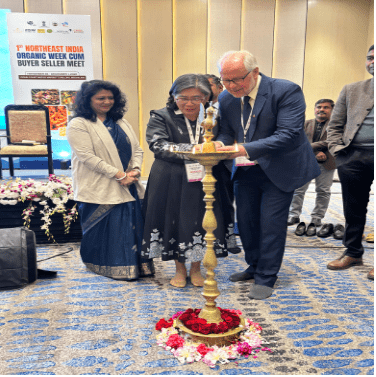
A four-day international organic event combining the APEDA Buyer–Seller Meet, the first Northeast India Organic Week and the 4th IFOAM World Organic Youth Summit has opened in Shillong, bringing global buyers, experts and youth delegates to Meghalaya from 28 November to 1 December 2025. The programme, inaugurated at Courtyard by Marriott, is designed to spotlight the organic strengths of Meghalaya and the wider North Eastern Region while deepening global market linkages.​

Organisers and key dignitaries

The event is organised by the Meghalaya Department of Agriculture & Farmers’ Welfare in collaboration with MEGNOLIA, APEDA and IFOAM–Organics Asia, with NERAMAC providing support. The inaugural session was attended by senior officials from the North Eastern Council and Government of Meghalaya, APEDA leadership, IFOAM Asia representatives and industry stakeholders including CRISIL, reflecting strong institutional backing for the region’s organic push.​


Focus on global visibility and market access

APEDA Chairman Abhishek Dev said the first Northeast India Organic Meet has drawn stakeholders from 22 countries, signalling growing international interest in the region’s organic value chains. He emphasised plans to turn the conclave into an annual event rotating across Northeast states and urged farmers and FPOs from Meghalaya to participate in BIOFACH, where India is a partner country, to further showcase their products globally.​

Youth, sustainability and regional branding: Shillong

Alongside B2B buyer–seller sessions, the programme includes cultural events, field visits and the IFOAM World Organic Youth Summit to nurture youth leadership in sustainable and regenerative agriculture. Organisers say the initiative will help build long‑term international partnerships, strengthen organic branding for the Northeast and create new livelihood opportunities for farmers and agri‑entrepreneurs in Meghalaya and neighbouring states.​

For more real-time updates, visit Channel 6 Network.

Source: PIB

Chennai MTC digital shift draws attention as monthly bus pass becomes fully app-based in 2025

0

Chennai MTC introduces app-only monthly pass system

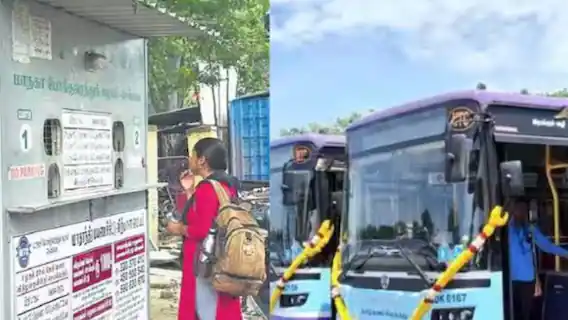
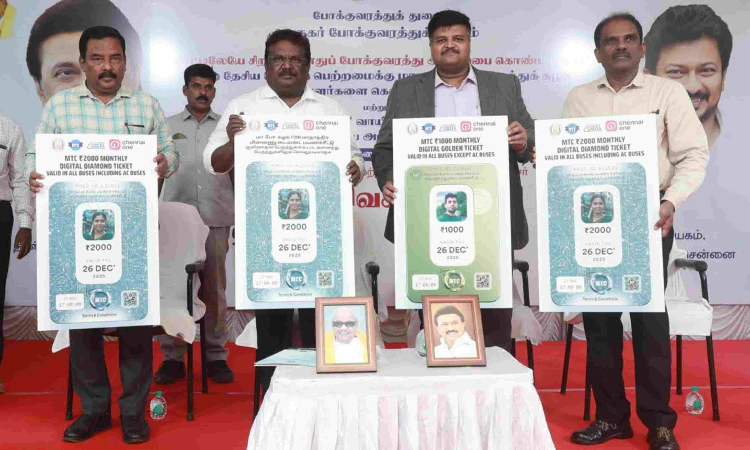
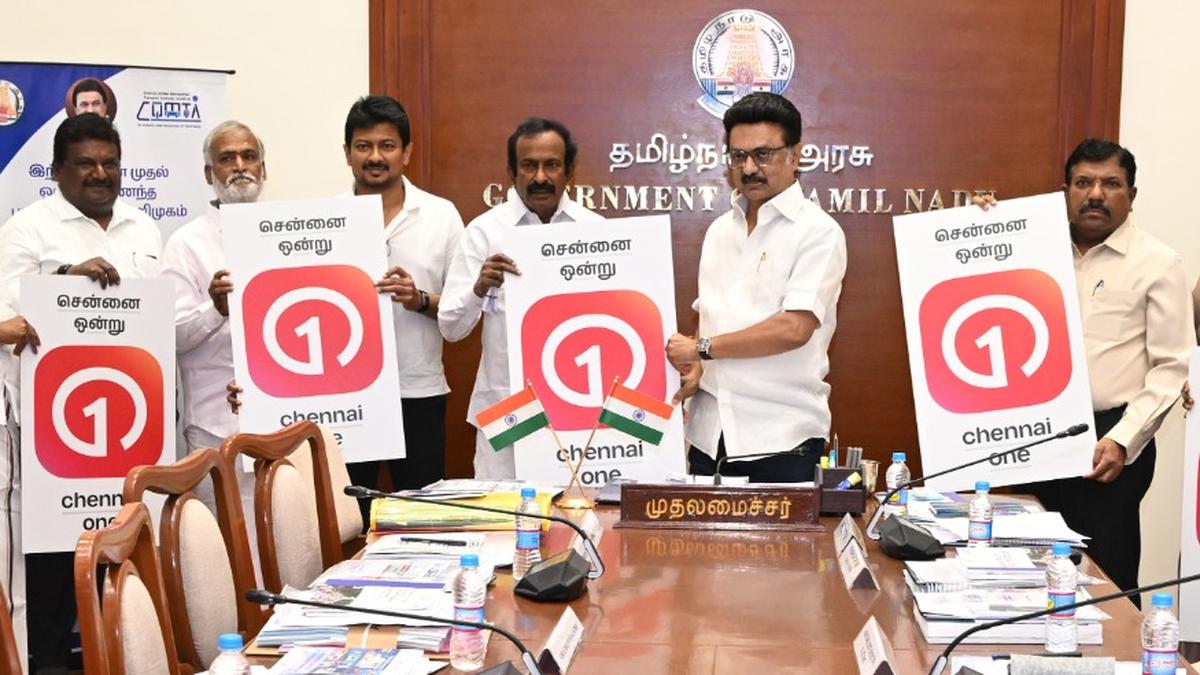
chennai MTC has moved another step into digital public transport by launching a fully app-based monthly bus pass on the Chennai One platform. This change is designed to cut down queues at depots and make everyday travel more direct for passengers who rely on Metropolitan Transport Corporation services. Instead of carrying paper passes or visiting physical counters, users can now complete the entire process from buying to activating their pass inside the mobile app. The transition signals a push toward a more streamlined and paperless system for city travel.MTC launched monthly digital passes via Chennai One app

The new feature builds on the steady growth of the Chennai One app, which has gained substantial traction among commuters since its launch. With lakhs of passengers already using digital tickets daily, integrating monthly passes is expected to increase app engagement and encourage more people to shift towards dependable public transport. The authorities are positioning this upgrade as a long-term step toward smoother urban mobility.

Chennai MTC expands digital services with new pass options

The digital pass system includes two categories meant to cover the needs of different types of commuters. The Gold pass, priced at ₹1,000, allows unlimited monthly travel on ordinary, deluxe, and express buses. The Diamond pass, priced at ₹2,000, extends this access to all services, including air-conditioned routes. Both options are available through the same app interface, allowing users to select, pay, and activate their preferred pass without visiting a depot.Live Chennai: Chennai One App to Offer Monthly Travel Pass Facility,Chennai One App to Offer Monthly Travel Pass Facility, Chennai One app, Chennai transport news, MTC monthly bus pass, Buy MTC bus

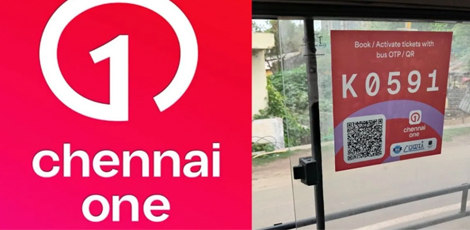
Activation is straightforward. After purchasing, commuters can either enter a one-time password or scan the QR code displayed inside the bus. Even though the pass is digital, passengers must still show it to the conductor on every trip to validate the ride. The goal here is to maintain accountability while removing the need for physical documentation.

Chennai Unified Metropolitan Transport Authority (CUMTA) and MTC have stated that this initiative is intended to simplify processes that have traditionally involved long waits and manual verification. By shifting to the Chennai One app, officials expect the adoption rate to increase steadily, especially among daily office-goers and frequent travellers who prefer predictable monthly expenses.

Chennai MTC sees rising app usage as travel patterns shift

Since its introduction, the Chennai One app has recorded impressive usage numbers. It was launched in 2025 and quickly crossed more than 6.8 lakh registered users. Over 14 lakh digital tickets have already been booked, along with significant growth in journey searches and route planning activities. This behaviour indicates a strong shift toward digital tools for everyday commuting.

Chennai One app: How to plan commute within city and book tickets - The HinduThe “One Rupee Ticket” campaign announced earlier played a role in drawing initial attention to the platform. That limited-time offer encouraged many first-time users to download and try the app. With the new monthly pass feature now included, authorities believe the adoption will continue to rise, driven by convenience and cost-saving opportunities.
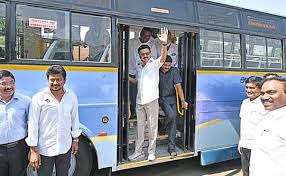
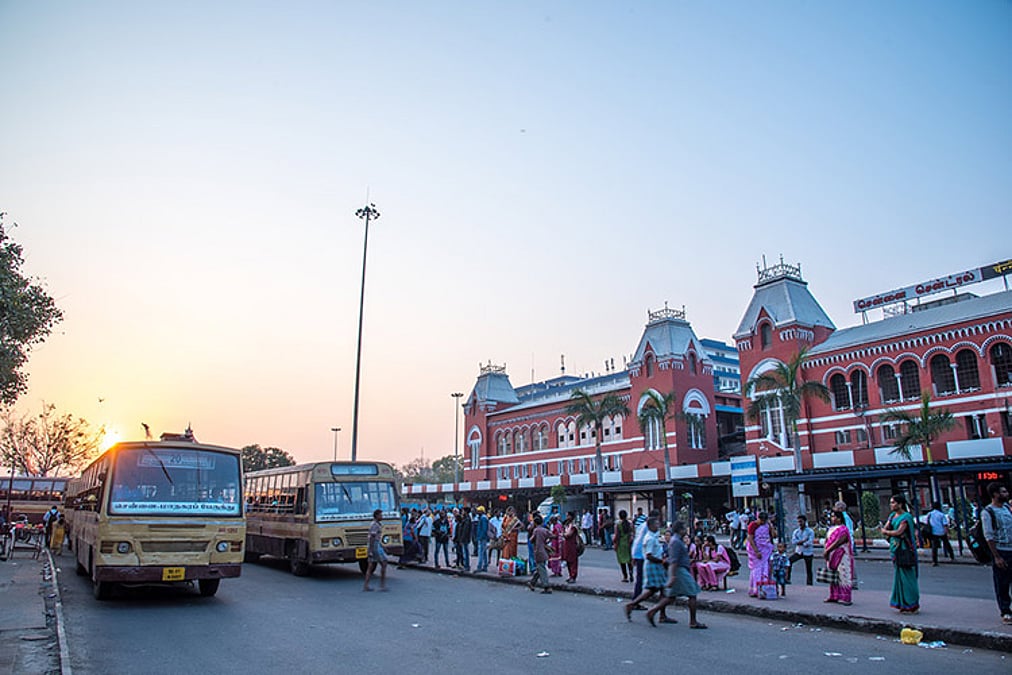
A promotional incentive has also been introduced. Passengers who pay for their monthly pass through the BHIM app receive a ₹50 cashback. While the amount is modest, it may still attract regular commuters who prefer even small savings on monthly travel expenses. This incentive is part of a broader strategy to make digital transactions more common among public transport users. Also Read: Chennai One Serves Commuters Better as MTC Launches Fully Digital Monthly Pass in 2025

Chennai MTC aims for a smoother and more reliable commuter experienceTravel across Chennai for just Re 1: City introduces cashless public  transport offer

The Chennai One app functions as a single platform for route searches, live tracking, ticket booking, and now monthly pass management. For many commuters, the ability to handle everything in one place reduces uncertainty during peak hours. Instead of worrying about counters being crowded or passes running out, users can complete all steps from their phone in minutes.

Officials believe that a fully digital pass system will eventually reduce operational pressure on physical depots, freeing staff for other responsibilities and improving overall service efficiency. For passengers, the biggest advantage is predictability no last-minute hassles, no delays, and no dependency on intermediaries.

Conclusion

The new digital monthly pass marks a clear shift in how chennai MTC manages and delivers its services. With simple steps, app-based access, and growing user adoption, the system is set to make urban travel more manageable. As more commuters transition to the app, the city’s public transport network could gradually become more organised and user-friendly.

Chennai One Serves Commuters Better as MTC Launches Fully Digital Monthly Pass in 2025

0

Chennai One Serves as a Key Step Toward a Complete Shift to Paperless Bus Travel

Chennai One serves as the centre of a major digital push in the city’s public transport system, with the Metropolitan Transport Corporation rolling out a fully digital monthly bus pass for all regular commuters. The move aims to remove the need for passengers to visit depots, wait in queues or carry physical passes. Instead, the new system allows users to purchase, store and activate their monthly pass directly within the Chennai One app, creating a more organised and faster daily travel experience.Why Chennai One digital ticketing app calls for higher transparency from MTC

The introduction of digital passes marks a noticeable shift in how Chennai is approaching urban mobility. Launched in September 2025, the Chennai One app has already achieved strong usage numbers with 6.8 lakh registered users. More than 14 lakh digital tickets have been generated since its debut, showing that commuters quickly adapted to the new digital environment. With this latest update, authorities expect a further rise in regular users who depend on public transport for work, education and daily errands.

Under the new system, passengers can choose between two types of monthly passes. The ₹1,000 Gold Pass provides unlimited travel on ordinary, deluxe and express services, which cover most MTC routes. The ₹2,000 Diamond Pass offers full access to every category of bus including air-conditioned services. Both options are available directly in the app and come with a digital activation method to ensure a smooth entry into any bus.

Chennai One Serves Growing Demand with Simple Activation and Cashback Support

Once a commuter purchases the pass, Chennai One serves a simple method for activation. The user can either enter a one-time password or scan a QR code placed inside the bus. This ensures that the pass is tied to an actual journey and prevents misuse. However, passengers still need to show the activated pass to the conductor on every trip to complete verification. This keeps the process familiar while still reducing dependency on paper documentation.Chennai One app to be a reality as TN agrees to bear 1.39% platform fee

To encourage more commuters to test the digital pass, authorities have added a cashback benefit. Those who pay through the BHIM app receive a ₹50 cashback as part of the promotional campaign. This offer aims to improve early adoption and make passengers comfortable with digital payments. Earlier, CUMTA launched the ‘One Rupee Ticket’ offer for Chennai One app users, which saw strong responses from students, office workers and occasional travellers.

The Chennai One platform itself has expanded quickly due to its clear layout and its single-window approach to urban travel needs. In its first month, the app crossed 5.5 lakh registered users and witnessed 14 lakh journey searches. It also recorded more than 8 lakh tickets booked during the same period. These early achievements showed that Chennai’s commuters are willing to depend on digital systems when they are designed to be simple and reliable.

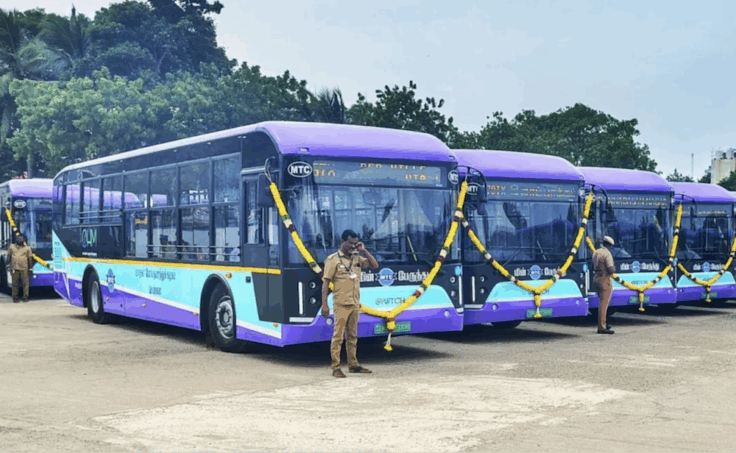
Chennai One Serves as an Integrated System That Strengthens Public Transport GrowthHow Chennai, India is Jump-Starting its Transition to E-Buses - Institute  for Transportation and Development Policy

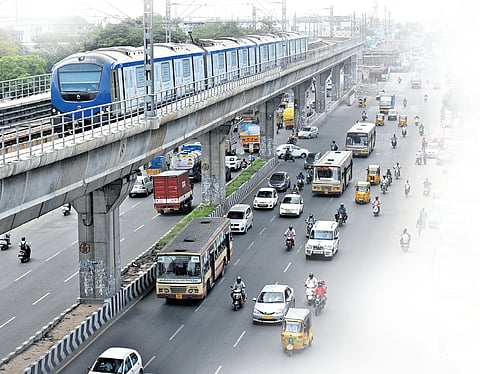
Chennai One serves as more than a digital wallet for tickets; it has become an integrated commuter platform that supports various aspects of the city’s transport network. By introducing the digital monthly pass, MTC and CUMTA are taking a long-term step toward reducing paper usage, improving efficiency and bringing more people back to public transport. The platform centralises ticket purchases, route searches and real-time updates, allowing commuters to manage their travel without switching between different applications or physical counters.

This shift is expected to influence overall bus usage in the coming months. When people have easier access to monthly passes, they tend to use public transport more frequently. The digital approach also speeds up the boarding process, reducing delays caused by cash payments or physical ticket checks. As buses remain one of the most affordable modes of transport in Chennai, improving convenience is essential to keeping passengers loyal to the system. Also Read: An Indian company Meesho Moves Toward a $606 Million IPO, Marking a Bold Moment in India’s E-Commerce Story

Chennai One Serves a Broader Vision of Seamless Urban MobilityChennai One Serves

Officials view the digital monthly pass as part of a broader vision in which Chennai One serves every daily commuter through a unified platform. By reducing the dependency on physical interactions, the app supports a more modernised transport environment. It also aligns with efforts to make mobility predictable, transparent and easier for passengers across age groups. As the city grows, digital systems are expected to play a bigger role in linking various transport modes under one platform.

Conclusion

Chennai One serves the city’s push toward a more efficient and paperless public transport system. With the fully digital monthly bus pass gaining traction, commuters now have a simpler and faster option for daily travel, strengthening the long-term growth of Chennai’s urban mobility network.