Thursday, May 14, 2026
Home Blog Page 299

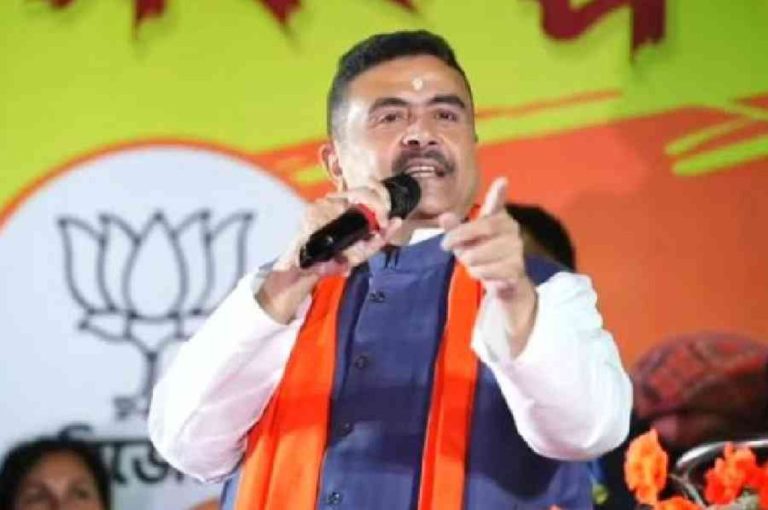
Suvendu Adhikari Taunts Mamata Banerjee Over CAA 2025: No Matua and Namosudra Votes for TMC Chief Minister, Citizenship Debate, Governance Challenges, and Electoral Reform Needs in West Bengal

The Suvendu Adhikari Taunts Mamata Banerjee Over CAA 2025 controversy has reignited Bengal’s most sensitive political debate — the question of citizenship, refugee rights, and electoral integrity. On November 25, 2025, Leader of the Opposition Suvendu Adhikari addressed a rally in Birbhum’s Sainthia, declaring that the Matua and Namosudra communities would never vote for Mamata Banerjee because she opposed the Citizenship Amendment Act (CAA). His remarks came as Mamata held a counter‑meeting in Bongaon, a Matua stronghold, promising protection for refugee families.


2. The Citizenship Amendment Act (CAA): Background

The CAA, passed in 2019, amended India’s citizenship law to provide fast‑track citizenship to persecuted minorities from Bangladesh, Pakistan, and Afghanistan — specifically Hindus, Sikhs, Buddhists, Jains, Parsis, and Christians.

  • Supporters argue it fulfills long‑standing demands of refugee communities like the Matuas, who migrated from Bangladesh.
  • Critics, including Mamata Banerjee, claim it discriminates on religious grounds and undermines secularism.
  • The law has become a polarising issue in Bengal, where refugee votes are crucial.

3. Suvendu’s Taunts in Birbhum

At the rally, Suvendu declared:

  • “Why did you go to Bongaon? You will never get votes from the Matua or Namosudra community.”
  • He accused Mamata of betraying refugees by opposing CAA.
  • He claimed that Prime Minister Narendra Modi and Home Minister Amit Shah had fulfilled promises by granting citizenship certificates to thousands of refugees.
  • He alleged Mamata had to “apologise” to the Matuas for her anti‑CAA stance.

His remarks were designed to undermine Mamata’s credibility among refugee voters.


4. Mamata’s Counter‑Rally in Bongaon

On the same day, Mamata Banerjee held a rally in Bongaon, assuring refugee families:

  • She would protect them from exclusion during the Special Intensive Revision (SIR) of electoral rolls.
  • She accused the EC of acting as a “BJP poll panel.”
  • She promised that no refugee would face deportation under her watch.

Her rhetoric sought to reclaim trust among the Matua community, a decisive voting bloc in North 24‑Parganas.


5. The Matua and Namosudra Communities: Historical Context

The Matuas and Namosudras are Dalit refugee communities who migrated from Bangladesh during Partition and later waves of migration.

  • They settled in districts like North 24‑Parganas, Nadia, and Malda.
  • Their votes are crucial in at least 30 Assembly constituencies.
  • Leaders like Harichand Thakur and Guruchand Thakur founded the Matua Mahasangha to protect their community’s rights.

Their demand for citizenship has been a decisive electoral issue for decades.


6. Suvendu Adhikari Taunts Mamata Banerjee: Governance Challenges

The controversy exposes governance challenges:

  • Balancing refugee rights with electoral integrity.
  • Ensuring BLOs (Booth Level Officers) are not pressured during SIR.
  • Preventing politicisation of citizenship laws.
  • Maintaining communal harmony amid polarising rhetoric.

7. Political Fallout

The incident has political consequences:

  • BJP positions itself as the champion of refugee rights through CAA.
  • TMC frames itself as protector of secularism and democratic rights.
  • Refugee families are caught between promises and fears.

The controversy may shape the 2026 Assembly elections.


8. Human Dimension: Refugee Families in Anxiety

Refugee families express mixed emotions:

  • Some welcome citizenship certificates as long‑awaited recognition.
  • Others fear exclusion if they lack documents linking them to the 2002 voter roll benchmark.
  • Families worry about losing voting rights and facing harassment.

Their voices reflect the human cost of political battles over citizenship.


9. Historical Parallels: NRC in Assam

The controversy echoes the National Register of Citizens (NRC) in Assam, where:

  • Millions were excluded due to documentation gaps.
  • Families faced uncertainty despite living in India for decades.
  • Bengal’s refugees fear similar exclusion under SIR and CAA implementation.

10. Broader Implications for Democracy

The incident raises fundamental questions:

  • Can democracy be credible if voter rolls are politicised?
  • Will refugee families trust institutions if disenfranchised?
  • Does governance risk losing legitimacy if citizenship laws are weaponised?

11. Recommendations for Reform

Experts suggest:

  • Transparency in citizenship procedures.
  • Independent monitoring of voter roll revisions.
  • Community awareness campaigns to reduce panic.
  • Compensation and protection for BLOs under stress.
  • Policy reforms to safeguard refugee rights.

12. Conclusion: A Test of Governance and Democracy

The Suvendu Adhikari Taunts Mamata Banerjee Over CAA 2025 controversy is more than a war of words — it is a test of governance, law enforcement, and democracy in West Bengal. Unless systemic reforms are undertaken, refugee families will remain vulnerable, and public trust in institutions will erode.

Suvendu’s taunts and Mamata’s counter‑promises underscore the urgency of balancing electoral integrity with human dignity.


🔗 Government External Links

For further reading and official updates, here are relevant government sources:

Also read: Home | Channel 6 Network – Latest News, Breaking Updates: Politics, Business, Tech & More
Mamata Banerjee Anti SIR Rally Bongaon 2025: Chief Minister Accuses Election Commission of Acting as BJP Poll Panel, Promises Protection for Refugee Families, Governance Challenges, and Electoral Reform Needs in West Bengal

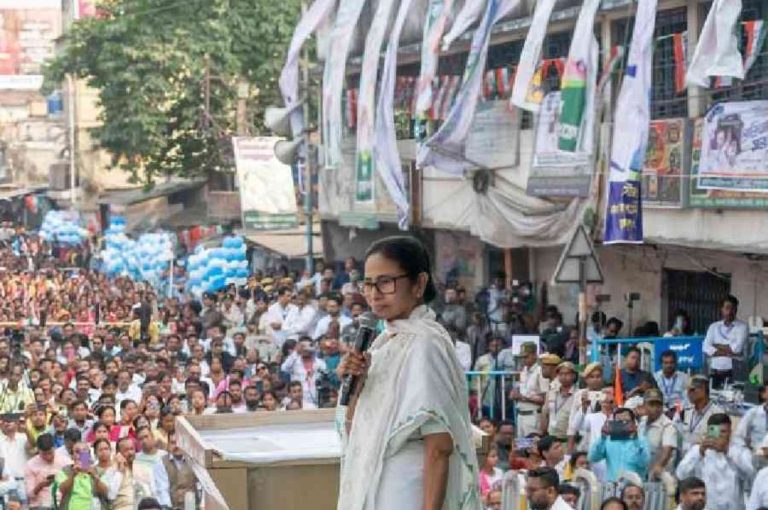
Mamata Banerjee Anti SIR Rally: The Mamata Banerjee Anti‑SIR Rally Bongaon 2025 has become a defining moment in West Bengal’s political landscape. On November 25, 2025, Chief Minister Mamata Banerjee addressed thousands at Trikone Park in Bongaon, a refugee stronghold, accusing the Election Commission (EC) of functioning as a “BJP poll panel.” She alleged that the Special Intensive Revision (SIR) of voter rolls was designed to disenfranchise genuine voters and manipulate Bengal’s electoral process.


2. The Special Intensive Revision (SIR): What It Means

The SIR is a voter roll update exercise ordered by the EC.

  • It requires BLOs (Booth Level Officers) to verify voter identities against the 2002 electoral roll benchmark.
  • Families without proper linkage risk exclusion.
  • Refugee communities, especially the Matua population, fear disenfranchisement.

Mamata argued that the SIR was selectively imposed in Bengal while other poll‑bound states were exempted, calling it a deliberate attempt to weaken her party’s base.


3. Mamata’s Allegations Against the EC

Banerjee accused the EC of:

  • Acting under BJP’s instructions.
  • Using AI to “clone voter identities” and manipulate rolls.
  • Targeting Bengal to silence the Bengali language and refugee voices.
  • Planning an NRC‑like exercise under the guise of SIR.

Her rhetoric framed the SIR as a political weapon rather than an administrative exercise.


4. Promise of Protection for Refugees

Mamata assured refugee families:

  • Her government would stand by them if the Centre attempted deportation.
  • She would resist removal of genuine voters.
  • She urged people not to panic, promising to be their “paharadar (protector), not jomidar (landlord).”

This message resonated strongly with the Matua community, many of whom migrated from Bangladesh and rely on voter rights for security.


5. Political Context: Bengal’s Volatile Climate

The rally reflects Bengal’s volatile political climate:

  • BJP seeks to expand influence in refugee belts.
  • TMC positions itself as defender of marginalized communities.
  • The SIR controversy has become a flashpoint ahead of the 2026 Assembly elections.

6. Governance Challenges Exposed

The controversy highlights governance failures:

  • Opaque procedures in voter roll revision.
  • Weak communication between EC and citizens.
  • Health crises among BLOs due to workload.
  • Fear and confusion among refugee families.

7. Human Dimension: Refugee Anxiety

Refugee families expressed fear:

  • Many lack documents linking them to the 2002 roll.
  • Rumors of deportation spread panic.
  • Families worry about losing voting rights and citizenship claims.

Mamata’s assurances sought to calm these anxieties.


8. Historical Context: NRC and CAA

The SIR controversy echoes past debates:

  • The National Register of Citizens (NRC) in Assam excluded many genuine residents.
  • The Citizenship Amendment Act (CAA) promised relief but created confusion.
  • Bengal’s refugee communities fear similar exclusion under SIR.

9. Broader Implications for Democracy

The incident raises fundamental questions:

  • Can elections be credible if voter rolls are manipulated?
  • Will refugee families trust institutions if disenfranchised?
  • Does democracy risk losing legitimacy if electoral processes are politicized?

10. Recommendations for Reform

Experts suggest:

  • Transparency in SIR procedures.
  • Independent monitoring of voter roll revisions.
  • Community awareness campaigns to reduce panic.
  • Compensation and protection for BLOs under stress.
  • Policy reforms to safeguard refugee rights.

11. Political Fallout

The rally has political consequences:

  • TMC consolidates refugee support.
  • BJP accuses Mamata of fear‑mongering.
  • Civil society debates the balance between electoral integrity and human rights.

12. Conclusion: A Test of Governance and Democracy

The Mamata Banerjee Anti‑SIR Rally Bongaon 2025 is more than a political event — it is a test of governance, law enforcement, and democracy in West Bengal. Unless systemic reforms are undertaken, voter roll controversies will continue to erode public trust.

Mamata’s promise to protect refugees underscores the urgency of balancing electoral integrity with human dignity.


🔗 Government External Links

For further reading and official updates, here are relevant government sources:

Also read: Home | Channel 6 Network – Latest News, Breaking Updates: Politics, Business, Tech & More

Malda Infant Kidnapping Rescue Case 2025: 10‑Day‑Old Baby Girl Abducted from Rural Hospital Found Within 24 Hours, Law and Order Challenges, Governance Failures, and Policy Reform Needs in West Bengal

The Malda Infant Kidnapping Rescue Case 2025 has shaken West Bengal’s conscience. On November 24, 2025, a 10‑day‑old baby girl was abducted from the premises of a rural hospital under the Mothabari police station area in Malda district. Within 24 hours, police rescued the infant from a nearby village and arrested the woman responsible. The incident highlights both the vulnerability of healthcare facilities and the resilience of law enforcement when responding to crises.


2. The Incident: How the Baby Was Taken

The baby’s mother, Munni Bibi, arrived at the hospital with her newborn and mother‑in‑law.

  • While the mother‑in‑law went to consult a doctor at his residential quarters, Munni waited outside with the crying infant.
  • A woman seated nearby offered to soothe the baby.
  • Taking advantage of Munni’s trust, she slipped away with the child.
  • CCTV footage later showed her walking out of the hospital’s main entrance carrying the baby.

The abduction sparked panic, with Munni breaking down and alerting hospital authorities.


3. Malda Infant Kidnapping Rescue Case 2025: Hospital Response

Block Medical Officer of Health (BMOH) Koushik Mistri, in charge of the hospital, immediately informed police.

  • CCTV footage was handed over to investigators.
  • Hospital staff cooperated with police to reconstruct the timeline.
  • Authorities admitted the family had come to a doctor’s quarters instead of the outpatient department, complicating monitoring.

The incident exposed security lapses in rural hospitals, where patient inflow is high but surveillance is minimal.


4. Police Investigation and Rescue

Police launched a swift search:

  • Checkpoints were monitored intensively.
  • Teams questioned locals and reviewed CCTV footage.
  • Acting on a tip‑off, police raided Damodartola village under the same police station.
  • The baby was found with the woman who abducted her.

During questioning, the woman confessed she had taken the infant because she was regularly taunted for being childless.


5. Arrest and Legal Action

The woman was arrested, and formalities were initiated to hand the baby back to her parents.

  • Police withheld her identity for legal reasons.
  • A case was registered under relevant sections of the Bharatiya Nyaya Sanhita (BNS) for kidnapping and wrongful confinement.
  • The investigation continues to determine if others were involved.

6. Human Dimension: The Mother’s Trauma

For Munni Bibi, the ordeal was devastating:

  • She entrusted her crying baby to a stranger, only to see her vanish.
  • The emotional trauma of losing a newborn, even briefly, is immeasurable.
  • Her relief after the rescue underscores the fragile trust between patients and healthcare systems.

7. Governance Challenges

The case highlights governance failures:

  • Weak hospital security in rural areas.
  • Lack of awareness among families about risks.
  • Delayed monitoring of hospital premises.
  • Insufficient coordination between health and police departments.

8. Law and Order Concerns in Malda

Malda has witnessed multiple law and order challenges:

  • Incidents of theft, trafficking, and abduction have been reported in recent years.
  • Border proximity adds complexity, with cross‑border crime networks sometimes active.
  • The infant kidnapping underscores the need for stronger policing in vulnerable districts.

9. Historical Context: Child Abduction Cases in India

India has faced several child abduction cases:

  • Infants stolen from hospitals for trafficking.
  • Children kidnapped for illegal adoption.
  • Vulnerable families targeted due to poverty and lack of awareness.

The Malda case fits into this broader pattern, highlighting systemic risks.


10. Recommendations for Reform

Experts suggest:

  • Enhanced hospital security with guards and CCTV monitoring.
  • Awareness campaigns for families about child safety.
  • Community policing to build trust in rural areas.
  • Fast‑track courts for child abduction cases.
  • Support systems for childless women to prevent desperation.

11. Broader Implications for Democracy and Development

The incident raises broader questions:

  • Can healthcare be trusted if infants are unsafe in hospitals?
  • Will families avoid hospitals due to fear of abduction?
  • How can governance balance healthcare delivery with security?

The answers will shape the future of both public health and law enforcement in Bengal.


12. Conclusion: A Rare Rescue, A Larger Lesson

The Malda Infant Kidnapping Rescue Case 2025 is more than a local incident — it is a reminder of the fragile balance between healthcare, security, and community trust. While police acted swiftly to rescue the baby, systemic reforms are needed to prevent recurrence.

The baby’s safe return is a victory for law enforcement, but also a call for accountability, vigilance, and compassion in governance.


🔗 Government External Links

For further reading and official updates, here are relevant government sources:

Also read: Home | Channel 6 Network – Latest News, Breaking Updates: Politics, Business, Tech & More
Indian Army Martial Arts Training Sikkim 2025: Brave Hearts of Trishakti Corps Undertake Intensive AMAR Combat Drills on Snowy Peaks to Boost High‑Altitude Preparedness, Governance Challenges, and Policy Reform Needs

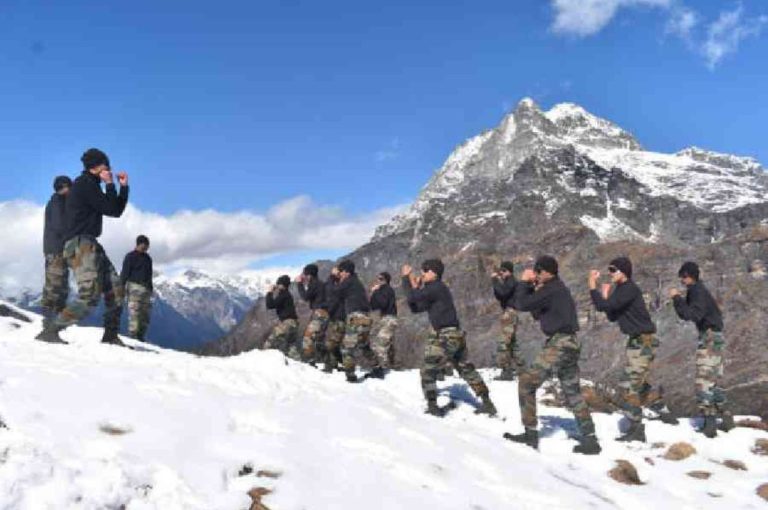
The Indian Army Martial Arts Training Sikkim 2025 initiative has captured national attention. Conducted by the Trishakti Corps, headquartered in Sukna near Siliguri, the program involved soldiers braving sub‑zero temperatures, rarefied air, and rugged terrain at 14,000 feet in the upper reaches of Sikkim. The training, known as the Army Martial Arts Routine (AMAR), integrates traditional Indian martial arts with modern combat techniques, preparing soldiers for close‑quarters battle in extreme conditions.


2. The AMAR Program: A Fusion of Tradition and Modernity

The AMAR system is designed to make every soldier a “weapon in himself.”

  • Traditional martial arts like Kalaripayattu, Gatka, and Thang‑Ta are incorporated.
  • Modern techniques include unarmed combat, weapon engagement, and stress‑response control.
  • Training emphasizes reflexes, balance, stamina, situational awareness, and controlled aggression.

This fusion reflects India’s effort to blend heritage with contemporary military science.


3. Indian Army Martial Arts Training: High‑Altitude Challenges

Training at 14,000 feet presents unique difficulties:

  • Thin air reduces oxygen intake, testing stamina.
  • Snowy terrain demands balance and agility.
  • Extreme cold requires mental resilience.
  • Soldiers must remain calm under pressure, confident even without weapons.

Such conditions simulate real combat scenarios along India’s northern borders.


4. Strategic Importance of Sikkim

Sikkim’s location makes it a critical training ground:

  • It borders China, Bhutan, and Nepal, making it geopolitically sensitive.
  • High‑altitude warfare preparedness is essential for border defense.
  • The Trishakti Corps plays a key role in securing these frontiers.

5. Governance and Policy Dimensions

The training highlights governance challenges:

  • Resource allocation for specialized training.
  • Integration of traditional knowledge into modern military doctrine.
  • Balancing secrecy with public awareness of military preparedness.

Policy reforms may be needed to expand such training across other corps.


6. Human Dimension: Soldiers’ Voices

Soldiers described the training as transformative:

  • It boosted confidence in handling threats without weapons.
  • It enhanced camaraderie and morale.
  • It instilled pride in India’s martial traditions.

Their voices reflect the emotional and psychological impact of AMAR.


7. Historical Context: Martial Arts in Indian Military

India has a rich martial heritage:

  • Ancient warriors practiced Kalaripayattu in Kerala.
  • Sikh soldiers trained in Gatka.
  • Northeastern tribes developed Thang‑Ta and other combat styles.

The AMAR program revives these traditions, adapting them for modern warfare.


8. Broader Implications for National Security

The initiative strengthens India’s defense posture:

  • Soldiers gain confidence in close‑quarters combat.
  • Training enhances readiness for border skirmishes.
  • It signals India’s commitment to innovation in military preparedness.

9. Recommendations for Reform

Experts suggest:

  • Expanding AMAR to other high‑altitude corps.
  • Integrating AI and simulation tools for martial training.
  • Collaboration with sports authorities to refine techniques.
  • Public awareness campaigns to highlight India’s martial heritage.

10. Comparative Lessons from Other Nations

Other countries also emphasize martial training:

  • China’s PLA integrates martial arts in drills.
  • South Korea incorporates Taekwondo.
  • Japan’s Self‑Defense Forces use Judo and Karate.

India’s AMAR program situates the nation within this global trend.


11. Human Stories: Pride and Sacrifice

Families of soldiers expressed pride in their loved ones’ resilience. Communities in Sikkim celebrated the training, seeing it as a symbol of India’s strength. These human stories highlight the social dimension of military preparedness.


12. Conclusion: Brave Hearts of Sikkim

The Indian Army Martial Arts Training Sikkim 2025 is more than a military drill — it is a statement of resilience, heritage, and national pride. By combining tradition with modernity, the AMAR program ensures that soldiers are prepared for any challenge, anytime, anywhere.


🔗 Government External Links

For further reading and official updates, here are relevant government sources:

Also read: Home | Channel 6 Network – Latest News, Breaking Updates: Politics, Business, Tech & More

Trinamool Worker Death Malda Suspected Bullet Injury Case 2025: Family Smells Murder, Law and Order Crisis, Political Fallout, and Governance Challenges in West Bengal

Trinamool Worker Death: On November 25, 2025, the body of Trinamool Congress worker Wabaidulla Khan, also a coal trader and brick‑kiln owner, was discovered near a mango orchard in Katagar, under Englishbazar police station, Malda district. His family suspects foul play, pointing to a grievous head injury that may have been caused by a bullet. The incident has triggered political controversy, highlighting Bengal’s fragile law and order situation.


2. The Victim: Wabaidulla Khan

Khan, aged 32, hailed from Sultanganj Bathan area of Kaliachak.

  • He left home on his two‑wheeler around 4 p.m. on November 24.
  • By evening, he was unreachable, prompting his wife Tanjila Khatun to lodge a missing diary at Kaliachak police station.
  • The next morning, his body was found, sparking grief and suspicion.

His family insists he had no known enmity, deepening the mystery around his death.


3. Trinamool Worker Death: The Suspected Bullet Injury

Police sources confirmed a grievous injury on the back of Khan’s head.

  • Family members suspect it was a bullet wound.
  • Police have not yet confirmed the cause, awaiting the post‑mortem report.
  • The ambiguity has fueled speculation and political debate.

4. Trinamool Worker Death: Family’s Allegations

Khan’s wife, Tanjila Khatun, stated:

  • “He had no enmity with anyone. We tried to contact him, but he was unreachable. Later, we were told his body was found. We suspect murder.”
    Her words reflect the anguish of families caught in sudden tragedy, demanding justice and accountability.

5. Political Reactions

  • Sabina Yeasmin, Minister of State for North Bengal Development, visited Malda Medical College & Hospital. She urged caution, saying: “It would be irresponsible to comment on murder merely based on suspicion. Police must investigate thoroughly.”
  • Biswajit Roy, BJP’s Malda South district general secretary, accused the Trinamool government of failing to protect its own workers: “If TMC workers are unsafe, how can common people be safe?”

The incident has thus become a political flashpoint.


6. Law and Order Concerns in Malda

Malda has witnessed multiple political killings in 2025:

  • Dulal Sarkar, a prominent Trinamool leader, was gunned down earlier this year.
  • Two other TMC workers were murdered in separate incidents.
    The pattern suggests a deteriorating law and order situation, with political workers increasingly vulnerable.

7. Police Investigation

Senior police officers confirmed:

  • A probe is underway.
  • Post‑mortem results will determine the cause of death.
  • Efforts are being made to trace suspects.

The investigation will be crucial in determining whether Khan’s death was a political killing, personal enmity, or criminal conspiracy.


8. Broader Governance Challenges

The case highlights governance challenges in Bengal:

  • Weak policing in rural districts.
  • Political interference in investigations.
  • Fear among citizens about safety.
  • Delayed justice eroding public trust.

9. Human Dimension: Families in Mourning

Khan’s family is devastated:

  • His wife and children face economic uncertainty.
  • Community members expressed shock, demanding justice.
  • The incident has created a climate of fear in Kaliachak and Englishbazar.

10. Historical Context: Political Violence in Bengal

West Bengal has a long history of political violence:

  • Clashes between rival parties often turn deadly.
  • Workers at grassroots levels are most vulnerable.
  • Malda, with its volatile political climate, has been a hotspot for such incidents.

11. Recommendations for Reform

Experts suggest:

  • Strengthening rural policing with better resources.
  • Independent monitoring of political violence cases.
  • Fast‑track courts for political killings.
  • Community policing initiatives to build trust.
  • Compensation schemes for families of victims.

12. Conclusion: A Test of Governance and Democracy

The Trinamool Worker Death Malda Suspected Bullet Injury Case 2025 is more than a local tragedy — it is a test of governance, law enforcement, and democracy in West Bengal. Unless systemic reforms are undertaken, political workers will remain vulnerable, and public trust in institutions will erode.

Khan’s death symbolises the urgent need for accountability, justice, and stronger law and order mechanisms in Bengal.


🔗 Government External Links

For further reading and official updates, here are relevant government sources:

Also read: Home | Channel 6 Network – Latest News, Breaking Updates: Politics, Business, Tech & More
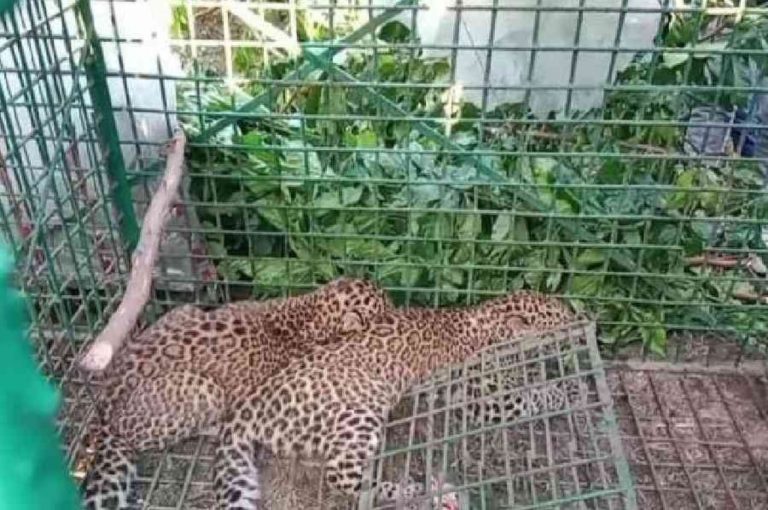
Two Adult Leopards Caught in Single Cage at Nepuchapur Tea Garden Jalpaiguri 2025: Rare Wildlife Rescue, Human‑Animal Conflict, Forest Department Response, and Policy Reform Needs in West Bengal

The Two Adult Leopards Caught in Single Cage at Nepuchapur Tea Garden Jalpaiguri 2025 incident has captured public imagination across West Bengal. On November 26, 2025, forest officials successfully trapped two adult leopards in a single cage at the Nepuchapur Tea Estate in Malbazar block, Jalpaiguri. This rare occurrence highlights both the thriving leopard population in the Dooars region and the growing challenges of human‑wildlife conflict in tea garden belts.


2. The Incident: Leopards in the Tea Garden

For months, workers at Nepuchapur Tea Garden reported leopard sightings.

  • Leopards were allegedly preying on calves and pigs from workers’ quarters.
  • Fear spread among plantation workers, especially during early morning and late evening shifts.
  • The management alerted the West Bengal Forest Department, which set up a cage with bait.
  • On November 25, two adult leopards entered the same cage simultaneously — a rare event in wildlife management.

Hundreds of villagers gathered to witness the extraordinary sight, reflecting both awe and anxiety.


3. Two Adult Leopards Caught in Single Cage: Forest Department’s Response

A team from the Gorumara Wildlife Division reached the garden and took custody of the leopards.

  • Additional Divisional Forest Officer Rajib De confirmed the rarity of two leopards being trapped together.
  • The animals were transported for observation before being released back into the wild.
  • Officials emphasised that such rescues are critical to balancing conservation with community safety.

4. Human‑Wildlife Conflict in the Dooars

The incident underscores the intensifying human‑wildlife conflict in North Bengal:

  • Tea gardens border dense forests, creating overlapping habitats.
  • Leopards often stray into plantations in search of food.
  • Workers face risks while plucking tea leaves or tending livestock.
  • Fear and resentment grow among communities, sometimes leading to retaliatory violence against animals.

5. Rare Occurrence: Two Leopards in One Cage

Wildlife experts noted the rarity of two adult leopards entering a single cage:

  • Leopards are solitary by nature, avoiding each other except during mating.
  • Simultaneous capture suggests either competition for food or unusual behavioural patterns.
  • Such events provide valuable insights into leopard ecology and behaviour.

6. Governance Challenges

The incident exposes governance challenges in wildlife management:

  • Insufficient monitoring of leopard movements.
  • Delayed response to community complaints.
  • Limited resources for rescue operations.
  • Weak awareness campaigns about coexistence strategies.

Without systemic reforms, human‑wildlife conflict will continue to escalate.


7. Human Dimension: Workers’ Voices

Tea garden workers expressed relief after the capture:

  • Many feared for their children’s safety.
  • Livestock losses had strained household economies.
  • Workers demanded permanent solutions, including fencing and patrols.

Their voices reflect the daily struggles of communities living at the edge of forests.


8. Historical Context: Leopards in North Bengal

Leopards have long been part of North Bengal’s ecology:

  • The Dooars region, with its tea gardens and forests, is a hotspot for leopard encounters.
  • Past incidents include leopards entering villages, attacking livestock, and even injuring humans.
  • Forest officials regularly conduct rescues, but simultaneous capture of two adults is unprecedented.

9. Conservation vs. Community Safety

The incident highlights the delicate balance between conservation and safety:

  • Leopards are protected under the Wildlife Protection Act, 1972.
  • Communities demand safety and compensation for losses.
  • Forest departments must balance ecological protection with human concerns.

10. Policy Recommendations

Experts suggest:

  • Community awareness programs on leopard behaviour.
  • Compensation schemes for livestock losses.
  • Strengthened rescue infrastructure in tea garden belts.
  • Habitat management to reduce leopard straying.
  • Collaboration with NGOs for coexistence strategies.

11. Broader Implications for Democracy and Development

The incident raises broader questions:

  • Can development be inclusive if frontline communities remain vulnerable?
  • Will conservation succeed without community trust?
  • How can governance balance ecological protection with human dignity?

The answers will shape the future of both North Bengal’s tea industry and India’s wildlife conservation.


12. Conclusion: A Rare Capture, A Larger Lesson

The Two Adult Leopards Caught in Single Cage at Nepuchapur Tea Garden Jalpaiguri 2025 is more than a rare wildlife event — it is a reminder of the fragile coexistence between humans and nature. While forest officials managed a successful rescue, the incident underscores the urgent need for policy reforms, community engagement, and sustainable coexistence strategies.


🔗 Government External Links

For further reading and official updates, here are relevant government sources:

Also read: Home | Channel 6 Network – Latest News, Breaking Updates: Politics, Business, Tech & More
Udayan Guha Land Fraud Controversy 2025: Minister Berates Government Officials in Cooch Behar, Governance Failures, Political Fallout, and Policy Reform Needs in West Bengal

The Udayan Guha Land Fraud Controversy 2025 has become one of the most talked‑about governance scandals in West Bengal. On November 25, 2025, North Bengal Development Minister and Dinhata MLA Udayan Guha stormed into the office of the Block Land and Land Reforms Officer (BL&LRO) in Dinhata‑I block, Cooch Behar, and berated officials over an alleged land deed registered in the name of a deceased person. His confrontation exposed deep flaws in Bengal’s land administration system and sparked political debate across the state.


2. The Incident: Minister Confronts Officials

Guha accused officials of registering a land deed in the name of Chuni Lal Roy, who had died before 1991. Shockingly, the deed carried his photograph, showing him “alive” in 2025.

  • Guha demanded to know how the khatian (legal land record of ownership) could be changed under such circumstances.
  • He accused the BL&LRO’s office of complicity in a “blatant scam.”
  • He called the District Magistrate, urging immediate investigation.
  • He warned that unless action was taken, ordinary people would suffer from fraudulent land transactions.

The confrontation was dramatic, with Guha openly berating officials in front of staff and visitors.


3. Governance Failures Exposed

The incident highlights systemic governance failures:

  • Weak verification mechanisms in land registration.
  • Collusion between officials and unscrupulous individuals.
  • Lack of transparency in khatian changes.
  • Poor accountability structures in sub‑registrar offices.

Such failures erode public trust in land administration, one of the most sensitive governance areas in Bengal.


4. Political Fallout

The BJP quickly seized on the controversy:

  • District vice‑president Biraj Basu accused Guha of trying to “save his image” before elections.
  • He alleged that under Trinamool rule, “everything happens if one pays a bribe.”
  • Opposition leaders framed the incident as proof of corruption in Bengal’s governance.

The controversy has thus become a political flashpoint, with ruling and opposition parties trading accusations.


5. Human Dimension: Citizens at Risk

Land fraud directly affects ordinary citizens:

  • Families lose ancestral property to fraudulent transactions.
  • Farmers face dispossession due to manipulated khatians.
  • Legal battles drag on for years, draining resources.
  • Vulnerable communities lack the means to fight corruption.

The incident underscores the human cost of governance failures in land administration.


6. Historical Context: Land Scams in Bengal

West Bengal has a long history of land controversies:

  • Illegal land transfers during political transitions.
  • Encroachment and fraud in border districts like Cooch Behar.
  • Collusion between officials and local strongmen.

The Udayan Guha case fits into this broader pattern of land scams undermining governance.


7. Legal Framework: Land Records in India

Land administration is governed by:

  • Registration Act, 1908 – mandates proper registration of deeds.
  • West Bengal Land Reforms Act, 1955 – regulates ownership and tenancy.
  • Digital India Land Records Modernization Programme (DILRMP) – aims to digitise records.

Despite these frameworks, fraud persists due to weak enforcement and corruption.


8. Governance Challenges in Land Administration

Key challenges include:

  • Outdated records not synchronised with digital databases.
  • Political interference in land offices.
  • Insufficient staff training on modern verification tools.
  • Limited grievance redressal mechanisms for citizens.

The Guha incident highlights the urgent need for reform.


9. Recommendations for Reform

Experts suggest:

  • Digitisation of all land records with biometric verification.
  • Independent audits of sub‑registrar offices.
  • Strict penalties for fraudulent registrations.
  • Community awareness campaigns on land rights.
  • Transparency portals for public access to khatian records.

10. Broader Implications for Democracy

The controversy raises fundamental questions:

  • Can governance be credible if land records are manipulated?
  • Will citizens trust institutions if fraud goes unchecked?
  • Does democracy risk losing legitimacy if property rights are insecure?

Land administration is central to economic stability and democratic trust.


11. Udayan Guha Land Fraud Controversy 2025: Human Stories: Victims of Land Fraud

Across Bengal, families recount stories of dispossession:

  • Elderly farmers losing land to forged deeds.
  • Widows fighting legal battles against powerful encroachers.
  • Migrant workers returning to find ancestral plots sold without consent.

These stories highlight the human suffering behind statistics.


12. Conclusion: A Call for Accountability

The Udayan Guha Land Fraud Controversy 2025 is more than a local incident — it is a test of governance, law enforcement, and democracy in West Bengal. Unless systemic reforms are undertaken, citizens will remain vulnerable, and public trust in institutions will erode.

Guha’s dramatic confrontation symbolises the urgency of reform. His words — “How can it happen?” — echo the frustration of millions of citizens demanding accountability in land administration.


🔗 Government External Links

For further reading and official updates, here are relevant government sources:

Also read: Home | Channel 6 Network – Latest News, Breaking Updates: Politics, Business, Tech & More

Malda Headmaster Eve Teasing Attack Case 2025: School Safety Crisis, Governance Failures, Women’s Rights Challenges, and Policy Reform Needs in West Bengal

The Malda Headmaster Eve Teasing Attack Case 2025 has shaken West Bengal’s education and governance systems. On November 25, 2025, Mohammad Badiuzzaman, headmaster of Enayetpur High School in Manikchak block, was brutally assaulted by a group of local youths after he confronted them for harassing female students. The attack, which left him bleeding profusely, has sparked outrage and renewed debates about school safety, women’s rights, and law enforcement accountability.


2. The Incident: Courage Meets Violence

For days, a group of youths had been loitering near the school gate, making lewd remarks at girls and disrupting the academic environment.

  • On Tuesday morning, Badiuzzaman reprimanded them and asked them to leave.
  • Most dispersed, but three youths on a motorcycle became aggressive.
  • One attacker stabbed him on the forehead with the bike’s ignition key, which got lodged in his head.
  • He collapsed, bleeding heavily, while terrified students and staff looked on.

A security guard and a shopkeeper managed to catch one of the assailants, while the others fled. Police later arrested one youth and seized the motorcycle.


3. Malda Headmaster Eve Teasing Attack: Immediate Aftermath

The headmaster filed a written complaint with police, demanding strict action. He also urged authorities to deploy civic volunteers at the school gate during working hours to prevent recurrence. Police confirmed one arrest and promised to trace the remaining attackers.


4. Human Dimension: Teachers Under Threat

The incident highlights the vulnerability of educators:

  • Teachers are expected to safeguard students, but often lack protection themselves.
  • Confronting miscreants exposes them to retaliation.
  • The trauma of such attacks affects not only victims but also students who witness violence.

Badiuzzaman’s courage underscores the moral responsibility of educators, but also the systemic failure of governance to protect them.


5. Malda Headmaster Eve‑Teasing Attack: Women’s Safety in Schools

The attack reflects broader challenges of women’s safety in educational spaces:

  • Eve‑teasing remains rampant in many parts of Bengal.
  • Girls often face harassment on their way to and from school.
  • Fear of harassment contributes to drop‑outs among female students, undermining education goals.

Ensuring safe school environments is thus critical for gender equality and empowerment.


6. Governance Failures

The case exposes governance gaps:

  • Weak policing in rural areas.
  • Delayed preventive measures despite repeated complaints.
  • Lack of community policing to deter miscreants.
  • Failure to prioritise school safety in policy frameworks.

Without systemic reforms, such incidents will continue to erode trust in institutions.


7. Political Context

The incident has political implications:

  • Opposition parties accuse the ruling government of failing to protect teachers and students.
  • Civil society groups demand stronger enforcement of women’s safety laws.
  • The case may become a flashpoint in Bengal’s volatile political climate, especially ahead of the 2026 Assembly elections.

8. Historical Parallels

West Bengal has witnessed similar incidents:

  • Teachers assaulted for resisting harassment.
  • Students attacked outside schools.
  • Communities protesting against weak law enforcement.

The Malda case fits into this troubling pattern of violence against educators and students.


9. Broader Implications for Democracy

The incident raises fundamental questions:

  • Can education thrive if teachers are unsafe?
  • Will girls pursue schooling if harassment persists?
  • Does governance risk losing legitimacy if schools become unsafe zones?

The health and dignity of educators and students directly affect the integrity of democracy and development.


10. Recommendations for Reform

Experts suggest:

  • Deployment of civic volunteers at school gates.
  • Community policing initiatives to deter miscreants.
  • Awareness campaigns against eve‑teasing.
  • Fast‑track courts for crimes against educators and students.
  • Mental health support for victims of school violence.

11. Human Stories: Students in Fear

Students described the trauma of witnessing their headmaster’s assault. Many expressed fear of returning to school, worried that miscreants might return. Parents demanded stronger security, emphasising that education cannot continue in an unsafe environment.


12. Conclusion: A Call for Accountability

The Malda Headmaster Eve‑Teasing Attack Case 2025 is more than a local incident — it is a test of governance, law enforcement, and community responsibility. Unless systemic reforms are undertaken, educators will remain vulnerable, students will suffer, and public trust in institutions will erode.

The courage of Badiuzzaman must not be forgotten. His stand against harassment symbolises the fight for dignity, education, and democracy in Bengal.


🔗 Government External Links

For further reading and official updates, here are relevant government sources:

Also read: Home | Channel 6 Network – Latest News, Breaking Updates: Politics, Business, Tech & More

27 November 2025: Nifty 50 closes marginally higher; Adani RE, Whirlpool slump while ATL‑RE, Agritech, PRITI hit upper circuit

The domestic equity market ended Thursday’s session, 27 November 2025 on a flat-to-positive note, with the Nifty 50 managing to reclaim the 26,200 mark in the closing minutes despite sharp declines in select mid‑cap names. A strong showing from financials and sustained buying in a clutch of small- and mid-cap gainers helped the benchmark reverse its afternoon losses and finish with a modest uptick.​​

Also Read: 27 November 2025 (mid-cap): Nifty 50 slips below 26,200 in late trade; financials cushion downside as Whirlpool, Adani RE hit lower circuit

Benchmarks end off the day’s high

27 November 2025The Nifty 50 settled around 26,215.55, up about 10 points or 0.04%, after opening near 26,261 and scaling an intraday high of roughly 26,310.45. The index, however, also slipped to a low near 26,141.90 during the day, reflecting intraday volatility as traders alternated between profit‑booking and value buying near record levels.​​

Financials hold the fort

Support for the benchmark continued to come from financial counters, with the Nifty Financial Services index closing around 27,946, up nearly 0.53% for the session. Bank Nifty also finished firm near 59,737, gaining about 0.35%, underlining steady institutional interest in large banks that remain key drivers of index performance.​​

Top gainers in broader market

Screenshot 2025 11 27 231652Within the broader market, ATL-RE, Agritech (AGRITECH) and PRITI were among the standout performers, rallying between 20% and about 24% and hitting or nearing upper circuits on the NSE. CREST and Patel Engineering (PATELENG) also surged 12–15%, with Patel Engineering witnessing exceptionally heavy volumes exceeding 22 crore shares, pointing to strong momentum participation from both traders and short-term investors.​​

Heavy losses in select stocks

Screenshot 2025 11 27 231658On the flip side, Adani RE and Whirlpool of India extended their sharp declines, slipping about 14% and 11.5% respectively, with both counters seeing elevated turnover as investors reacted to valuation concerns and recent corporate actions. BAIDFIN-RE, LPDC and Mangalam also dropped between 10% and 11%, reflecting broad profit‑taking in high‑beta mid- and small-cap names that had run up significantly in previous sessions.​​

Closing take and outlook: 27 November 2025

Market analysts note that the Nifty’s ability to close above 26,200 despite heavy selling in a few prominent stocks signals underlying strength, with support now seen around 26,100–26,050 and resistance near 26,300–26,350. Going ahead, experts expect the trend to remain positive but range‑bound, advising traders to stay selective in mid‑caps, focus on names with strong earnings visibility and use any dips in financials and quality large‑caps for staggered accumulation.​

For real time stock Updates, visit NSE website.

27 November 2025 (mid-cap): Nifty 50 slips below 26,200 in late trade; financials cushion downside as Whirlpool, Adani RE hit lower circuit

The Indian equity market gave up early gains on Thursday afternoon, 27 November 2025 with the Nifty 50 slipping into the red and trading just below the 26,200 mark as profit‑booking emerged in heavyweight and mid‑cap counters. Despite the late sell‑off in select stocks, buying support in banking and financial services names helped limit the damage, keeping the broader trend from turning sharply negative.​​

Also Read: 27 November 2025 (opening): Nifty 50 holds above 26,200 amid mixed broader market; select midcaps hit 20% upper circuit, Whirlpool slides 10%

Benchmarks reverse intraday gains

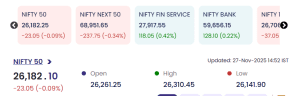
27 November 2025The Nifty 50 was last seen around 26,182, down nearly 23 points or 0.09%, after opening near 26,261 and briefly scaling an intraday high of about 26,310. The index also tested a low close to 26,141, indicating intraday volatility as traders booked profits near record highs and turned cautious ahead of fresh global cues.​​
Financials provide key support

Even as the headline index eased, the Nifty Financial Services index stayed firm near 27,918, up about 0.4%, reflecting continued interest in leading lenders and NBFCs. Bank Nifty also traded in the green around 59,656, adding over 0.2%, with market participants positioning around large private banks that remain central to the ongoing domestic growth narrative.​​


Broader market top gainers

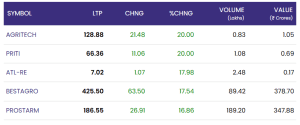
Screenshot 2025 11 27 145232In the broader market, select mid- and small-cap stocks extended strong rallies, with Agritech (AGRITECH) and PRITI locked at the 20% upper circuit and trading near ₹128.9 and ₹66.4 respectively. ATL-RE, Best Agrolife (BESTAGRO) and Prostar Micron (PROSTARM) also surged between roughly 16.8% and 18%, supported by robust volumes that indicated aggressive momentum buying from short‑term traders.​​
Heavyweight losers drag sentiment

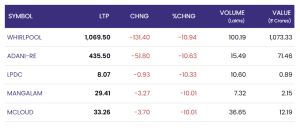
Screenshot 2025 11 27 145238On the downside, Whirlpool of India continued to slide sharply, down nearly 11% around ₹1,069.5 with heavy turnover above 100 lakh shares, as investors reacted to concerns around valuations and recent capital‑raising plans. Adani RE, LPDC, Mangalam and MCLOUD also hit double‑digit percentage losses, each falling around 10% amid broad‑based profit‑taking in previously high‑beta counters.​​

Market view and conclusion: 27 November 2025

Technical analysts point out that the failure to hold above the intraday high near 26,310 has created a near‑term resistance zone, while support is now seen around 26,100–26,050 on the Nifty 50. As long as this band holds, the prevailing uptrend is expected to remain intact, but traders are advised to stay selective in mid‑ and small‑caps and use dips in quality financials and index heavyweights for staggered accumulation.​

For real time stock Updates, visit NSE website.