Indian equity markets staged a powerful rebound on Tuesday, February 3, 2026, with benchmark indices posting strong gains amid broad-based buying across sectors. The NIFTY 50 closed sharply higher, supported by heavy participation in financials, infrastructure, and select conglomerate stocks. Improved investor sentiment, strong volumes, and leadership from heavyweight stocks defined the trading session.
The Nifty 50 settled at 25,797.40, rising 709 points or 2.83% from the previous close. The index traded within a wide range during the session, touching an intraday high of 26,341.20 and a low of 25,641.30, reflecting both volatility and strong buying interest.
Other key indices also ended firmly in the green:
NIFTY Next 50 gained 2.61% to close at 68,823.15
NIFTY Financial Services jumped 3.52% to 27,742.85
NIFTY Bank advanced 2.64% to 60,168.85
The rally underscores renewed confidence in large-cap and financial stocks, particularly after recent consolidation phases.
Financials and Infrastructure Stocks Drive the Rally
The session saw strong leadership from financial services and infrastructure-related stocks, with several frontline names recording sharp gains on heavy volumes.
Top gainers on the Nifty included:
Adani Enterprises surged 10.86% to ₹2,212.10, with robust traded value of over ₹1,099 crore
Jio Financial Services rose 8.83% to ₹265.65, backed by strong volume participation
Adani Ports and SEZ gained 7.83% to ₹1,513.00
Bajaj Finance climbed 6.54% to ₹962.80
Shriram Finance advanced 5.40% to ₹1,014.10
The strength in NBFCs and conglomerate stocks suggests renewed institutional interest and expectations of sustained earnings momentum.
Market Breadth Remains Firm
Market breadth stayed positive for most of the session, indicating wider participation beyond index heavyweights. While most stocks traded higher, select FMCG counters remained subdued. Nestlé India traded marginally lower, ending almost flat at ₹1,308.00, highlighting selective profit-taking in defensive pockets.
Volumes Signal Strong Investor Participation
Trading volumes were notably higher in leading gainers, especially in financial and infrastructure stocks. Elevated volumes alongside price appreciation typically indicate conviction buying, suggesting that the current move may have stronger follow-through potential in the near term.
Conclusion: February 3, 2026
Tuesday’s sharp rally marks a decisive return of bullish sentiment to Dalal Street. With the Nifty 50 reclaiming key psychological levels and sectoral indices showing synchronized strength, the market appears poised for further consolidation at higher levels. However, given recent volatility, investors may continue to adopt a stock-specific approach, closely tracking global cues, interest rate expectations, and upcoming corporate earnings.
The future of Indian agriculture will depend heavily on the adoption of next generation technologies capable of addressing complex and evolving challenges, according to agricultural scientist Himanshu Pathak. Speaking at a recent interaction with researchers and policymakers, he emphasized that climate variability, shrinking landholdings, and rising input costs are reshaping the realities faced by farmers. Traditional approaches alone, he noted, may no longer be sufficient to ensure food security for a growing population. Instead, science-driven solutions integrating digital tools, biotechnology, and sustainable practices are emerging as critical pathways toward resilience, productivity, and long-term ecological balance.
He pointed out that Indian agriculture stands at a crossroads where environmental pressures and economic demands intersect. Increasing temperatures, erratic rainfall, and frequent extreme weather events are directly affecting crop yields across regions. Farmers must now cope not only with production risks but also market uncertainties. Pathak stressed that technological innovation must be accessible and affordable, particularly for small and marginal farmers who form the backbone of India’s food system. Bridging the gap between laboratory research and field application, he said, is essential to translate scientific breakthroughs into tangible benefits on the ground.
Digital agriculture featured prominently in his vision for the sector’s future. Precision farming tools, satellite imaging, and sensor-based monitoring systems allow farmers to make informed decisions about irrigation, fertilization, and pest control. These technologies reduce resource wastage while improving yields. Pathak noted that data-driven agriculture can help tailor solutions to local soil and weather conditions, moving away from one-size-fits-all practices. However, he cautioned that digital literacy and reliable connectivity must expand in rural areas to ensure that technological advancements do not deepen inequalities between regions or farming communities.
Biotechnology and improved crop varieties were also highlighted as crucial components of the agricultural transformation. Climate-resilient seeds capable of withstanding drought, floods, and salinity can stabilize production under adverse conditions. Pathak observed that advances in genomics and breeding techniques are accelerating the development of such varieties. These innovations, he argued, must go hand in hand with robust regulatory systems and transparent communication to build public trust. Ensuring that farmers understand both the benefits and limitations of new technologies remains a key responsibility of agricultural institutions.
Sustainable resource management formed another pillar of his remarks. With groundwater levels declining in many states and soil health deteriorating due to overuse of chemicals, Pathak called for integrated nutrient and water management strategies. Technologies such as micro-irrigation, soil testing kits, and biofertilizers can help optimize inputs while protecting natural resources. He stressed that sustainability is not merely an environmental concern but also an economic one, as efficient use of resources lowers production costs. Long-term agricultural growth, he said, depends on preserving the ecological foundations upon which farming relies.
He further emphasized the importance of mechanization tailored to small farm sizes. While large machinery has transformed agriculture in some countries, Indian farms often require compact, affordable equipment. Innovations in farm machinery design, including battery-operated tools and multi-purpose implements, can reduce labor burdens and improve efficiency. Pathak noted that labor shortages during peak seasons make mechanization increasingly relevant. By combining engineering advances with local manufacturing, the agricultural sector can generate rural employment while enhancing farm productivity and timeliness of operations.
TECHNOLOGY, CLIMATE RESILIENCE, AND FARMER ADAPTATION
Climate change adaptation was described as one of the most urgent priorities for agricultural research. Pathak stated that early warning systems, weather-based advisories, and crop insurance models powered by technology can reduce vulnerability. Real-time data allows farmers to adjust sowing dates, irrigation schedules, and crop choices in response to changing conditions. He stressed that adaptation strategies must be location-specific, recognizing the diversity of India’s agro-climatic zones. Scientific institutions, extension workers, and local communities must collaborate closely to ensure that information reaches farmers in a timely and usable manner.
He also spoke about the growing role of artificial intelligence and machine learning in agriculture. These tools can analyze vast datasets to predict pest outbreaks, recommend crop management practices, and estimate yield outcomes. Pathak observed that AI-driven platforms could support decision-making at both farm and policy levels. For instance, aggregated data can guide government planning for storage, distribution, and price stabilization. Yet, he emphasized ethical considerations, including data privacy and equitable access, to prevent technological benefits from being concentrated among a few large players.
Post-harvest technologies were identified as equally vital in addressing agricultural challenges. Significant losses occur between harvest and market due to inadequate storage, transportation, and processing facilities. Pathak highlighted innovations in cold chain logistics, packaging, and food processing that can extend shelf life and improve value addition. By reducing waste, these technologies enhance farmer incomes and food availability. He stressed that strengthening post-harvest infrastructure is essential for linking production gains with market opportunities, ensuring that technological progress translates into economic improvement.
Institutional support systems must evolve alongside technological change, Pathak noted. Agricultural extension services need modernization to effectively disseminate new knowledge. Digital platforms, mobile applications, and community-based training programs can supplement traditional methods. He stressed that capacity building among farmers is as important as technology development itself. Without adequate training, even the most advanced tools may remain underutilized. Strengthening farmer-producer organizations and cooperatives can also facilitate collective access to technologies, credit, and markets.
Financial innovation was another area he addressed. Access to credit often determines whether farmers can adopt new technologies. Pathak suggested that fintech solutions, including digital payment systems and data-based credit assessments, can improve financial inclusion. Insurance products designed using weather and yield data can offer more accurate risk coverage. He argued that integrating technology into financial services can create an enabling environment where farmers feel secure in investing in improved practices. Public-private partnerships may play a role in scaling such solutions across regions.
Education and youth engagement were described as critical for sustaining agricultural transformation. Pathak observed that many young people are leaving farming due to perceptions of low profitability. Introducing technology-driven models can make agriculture more attractive and entrepreneurial. Start-ups focusing on agri-tech solutions, he said, are already bringing fresh ideas into the sector. Encouraging innovation ecosystems in rural areas can create employment while modernizing farming practices. Skill development programs must equip youth with both technical knowledge and business acumen.
INNOVATION ECOSYSTEMS AND POLICY SUPPORT FOR A SUSTAINABLE FUTURE
Policy frameworks must keep pace with rapid technological change, Pathak emphasized. Regulations governing biotechnology, data use, and digital platforms should balance innovation with safeguards. Clear policies encourage investment and research while protecting farmer interests. He stressed that coordination between central and state governments is vital for coherent implementation. Incentives for sustainable practices, research funding, and infrastructure development can accelerate the adoption of next generation technologies. Effective policy design, he said, ensures that scientific progress translates into inclusive agricultural growth.
He also underlined the importance of international collaboration. Agricultural challenges such as climate change and pest invasions often cross national boundaries. Sharing research, best practices, and technological innovations can strengthen global food security. Pathak noted that India’s experience in diverse agro-ecological conditions positions it as both a contributor and beneficiary in global knowledge networks. Collaborative research initiatives can accelerate the development of resilient crops and efficient farming systems adaptable to multiple environments.
Community participation remains essential despite technological advancements. Pathak stressed that farmers’ traditional knowledge and local experiences should inform innovation processes. Participatory research models, where farmers test and adapt technologies, can enhance acceptance and effectiveness. He emphasized that technology must serve people, not replace their agency. Empowering communities through inclusive approaches ensures that agricultural modernization remains socially equitable and culturally sensitive.
He concluded by reiterating that the future of agriculture lies in harmonizing productivity with sustainability. Next generation technologies offer powerful tools, but their success depends on integration, accessibility, and responsible use. By combining scientific innovation, supportive policies, and farmer empowerment, India can build a resilient agricultural system capable of feeding its population while protecting natural resources. Pathak’s message underscored optimism grounded in science, calling for collective action to transform challenges into opportunities for a more secure and sustainable agricultural future.
He further observed that climate-smart agriculture will increasingly define research priorities in the coming years. Practices such as crop diversification, conservation agriculture, and agroforestry are being supported by technological tools that monitor outcomes and guide interventions. Pathak noted that integrating trees, crops, and livestock through scientific planning improves soil fertility, enhances carbon sequestration, and provides farmers with multiple income streams. These models reduce dependence on a single crop and create ecological buffers against climate shocks. Technology, in this context, acts as an enabler that refines traditional sustainability concepts with precise measurements and improved planning tools.
Water-use efficiency, he added, is likely to become one of the most decisive factors in agricultural planning. With several regions already experiencing water stress, advanced irrigation scheduling systems and drought monitoring technologies are proving invaluable. Remote sensing can identify moisture deficits at early stages, allowing timely corrective action. Pathak stressed that future policies must promote water budgeting at village and watershed levels. Combining scientific assessments with community participation can ensure equitable distribution. Efficient water management supported by technology not only safeguards crops but also protects long-term drinking water security in rural regions.
He also highlighted the growing importance of climate-informed cropping systems. By analyzing long-term weather patterns and predictive models, scientists can recommend shifts in crop calendars and varieties suited to emerging conditions. Pathak explained that such anticipatory planning minimizes losses caused by delayed monsoons or unexpected heat waves. Farmers equipped with reliable forecasts can plan investments more confidently. He emphasized that localized advisories delivered through digital platforms make scientific insights immediately actionable. This fusion of meteorology and agronomy, he said, represents a powerful frontier in strengthening agricultural resilience.
Another emerging focus area is soil carbon management, which links productivity with environmental goals. Pathak stated that measuring and enhancing soil organic carbon improves fertility, moisture retention, and crop performance. Technologies enabling rapid soil health assessment are supporting targeted interventions. He noted that global climate commitments may increasingly recognize the role of agricultural soils in carbon sequestration. Farmers adopting regenerative practices could benefit from incentive mechanisms in the future. Thus, technological tools not only guide agronomic decisions but also open pathways for farmers to participate in broader environmental initiatives.
Pathak ended his extended remarks by emphasizing collaboration as the cornerstone of success. Scientists, policymakers, industry players, and farmers must operate within an integrated innovation ecosystem. No single technology or institution can address the complexity of agricultural challenges alone. Continuous feedback between field experiences and research laboratories will refine solutions over time. He expressed confidence that with coordinated efforts, next generation technologies can make Indian agriculture more resilient, profitable, and environmentally sound, ensuring that future generations inherit a farming system capable of sustaining both people and the planet.
Supreme Court Adjourns ED Plea: The Supreme Court has adjourned to February 10, 2026, the Enforcement Directorate’s (ED) plea against West Bengal Chief Minister Mamata Banerjee and others, which alleges interference during a raid at the offices of political consultancy I‑PAC. This postponement keeps the matter pending, intensifying political tensions between the Centre and the state.
📰 Supreme Court Adjourns ED Plea: Key Highlights
Case: ED filed a plea against Mamata Banerjee and others, accusing them of obstructing or interfering during an I‑PAC raid.
Supreme Court action: Adjourned hearing to February 10, 2026.
Political sensitivity: The matter involves allegations of misuse of power and interference in central agency operations.
Broader context: Reflects ongoing friction between the Trinamool Congress (TMC) and central investigative agencies.
⚖️ Legal and Governance Context
ED’s role: Investigates financial crimes, money laundering, and political funding irregularities.
Supreme Court oversight: Adjournment indicates the Court is allowing time for detailed arguments.
Federal tension: Case highlights Centre–state disputes over jurisdiction and authority of investigative agencies.
Judicial balance: Courts often act as arbiters when political disputes spill into legal battles.
🌍 Political Reactions
TMC stance: Likely to frame the case as political vendetta.
BJP narrative: Positions ED’s actions as legitimate anti‑corruption measures.
Civil society: Concerned about erosion of institutional neutrality.
Observers: See the case as part of a larger pattern of Centre–state confrontations in Bengal.
📌 Governance Challenges
Institutional respect: Ensuring central agencies operate without political obstruction.
Federal cooperation: States expect autonomy but must comply with national laws.
Administrative accountability: Transparency in raids and investigations is essential.
Judicial oversight: Supreme Court’s role is critical in maintaining balance.
🧑🤝🧑 Community Concerns
Citizens: Seek assurance that investigations are fair and not politically motivated.
Youth: Demand transparency in governance and accountability.
Civil society groups: Call for participatory governance in anti‑corruption policy.
Opposition voices: Warn of marginalisation if state leaders are targeted unfairly.
2010s–2020s: Bengal has witnessed repeated clashes between TMC and central agencies.
I‑PAC connection: Political consultancy has been linked to campaign strategies, making raids politically sensitive.
2026: Current adjournment reflects continuity of Centre–state disputes over investigative authority.
🌐 Global Comparisons
USA: Federal vs. state disputes over FBI investigations.
EU: Member states sometimes resist EU anti‑corruption probes.
Asia: Similar tensions in Pakistan and Bangladesh over central agency raids.
India’s case mirrors these global struggles where anti‑corruption enforcement collides with politics, governance, and accountability.
✅ Conclusion
The Supreme Court’s adjournment to February 10, 2026 in the ED plea against Mamata Banerjee and others keeps the spotlight on Bengal’s political and legal landscape. While the ED frames the issue as interference in its operations, the TMC is likely to portray it as political targeting. The case highlights a broader governance lesson: democracy thrives when investigative agencies operate transparently, courts maintain balance, and federal cooperation ensures accountability without undermining autonomy.
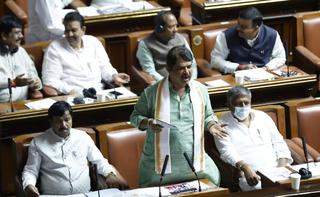
Proceedings of the Karnataka Legislative Council descended into chaos after a controversial remark about Prime Minister Narendra Modi triggered sharp exchanges between members of the ruling and opposition parties. The disruption unfolded during a discussion on a separate agenda item, when a comment perceived as derogatory by members of the BJP led to immediate protests. Opposition legislators rose to their feet, demanding that the statement be withdrawn and expunged from the records, while treasury benches attempted to defend the context in which it was made. The Chair struggled to restore order as slogans and counter-slogans filled the House.
According to members present, the remark came during a heated debate that had already seen rising tensions over policy issues. BJP legislators said the reference to the Prime Minister was “unparliamentary” and an affront to the dignity of the office. They insisted that such comments have no place in legislative discourse and undermine decorum. Several members trooped into the well of the House, raising placards and seeking an apology. The uproar forced the Chair to adjourn proceedings temporarily as efforts were made to calm tempers.
Leaders from the ruling side maintained that the statement had been taken out of context and was not intended as a personal attack. They argued that political criticism is part of democratic debate and that remarks should be viewed within the broader discussion. However, opposition members rejected this explanation, asserting that criticism of policies must not cross into personal territory. The dispute quickly overshadowed the day’s scheduled legislative business, with repeated adjournments disrupting the agenda.
Parliamentary affairs observers note that references to national leaders often carry heightened sensitivity in State legislatures. Rules of procedure typically discourage personal allegations or derogatory expressions, requiring members to adhere to standards of civility. When disputes arise, the Chair has the authority to direct that certain words be expunged from records. In this case, calls were made for a formal review of the remark under House rules. The incident highlighted the fine line between robust political debate and maintaining institutional dignity.
Senior BJP leaders outside the House condemned the remark and described the disruption as a necessary protest to defend the Prime Minister’s reputation. They said the issue reflected a broader pattern of disrespect and called for stricter enforcement of legislative conduct norms. Meanwhile, leaders from the ruling side appealed for calm, urging all parties to focus on legislative responsibilities. They expressed regret over the breakdown of proceedings but emphasized the need to resume discussions on pending bills and public issues.
DEBATE OVER PARLIAMENTARY DECORUM
The episode reignited discussion about decorum in legislative bodies. Experts in parliamentary practice emphasize that strong political disagreement is inherent to democratic institutions, but language used must remain within accepted norms. The purpose of rules governing speech is to ensure that debate remains issue-focused and respectful. Repeated disruptions, they warn, can erode public confidence in legislative functioning. Calls for training and orientation sessions for members on procedural conduct have surfaced periodically in response to such incidents.
The Chair’s role during such situations is crucial. Maintaining neutrality while enforcing rules requires balancing competing demands. Temporary adjournments are often used as cooling-off measures, but frequent interruptions can delay governance. In the Karnataka Council incident, observers said that swift intervention to review the remark and clarify procedure might help de-escalate tensions. Transparent handling of such disputes can prevent recurrence and reinforce institutional credibility.
POLITICAL RAMIFICATIONS
Politically, the controversy is likely to resonate beyond the Council chamber. Statements involving national figures often become rallying points for party supporters. Analysts suggest that both sides may use the incident to reinforce narratives about respect, accountability, or freedom of expression. While such exchanges can energize political bases, they also risk diverting attention from substantive policy matters.
Ultimately, the episode underscores the importance of balancing passionate debate with adherence to parliamentary norms. Legislative forums are designed to deliberate on public issues, and maintaining decorum ensures that discussions remain productive. As proceedings resume, members may face calls to reflect on the incident and reaffirm commitment to respectful discourse, ensuring that institutional processes are not overshadowed by confrontational exchanges.
The disruption also drew attention to how quickly legislative disagreements can escalate when national political figures are invoked. Members across party lines acknowledged privately that the House had already been on edge due to ongoing debates on governance, resource allocation, and regional development concerns. In such an atmosphere, even a single phrase can act as a flashpoint. Political tempers, already strained, spilled over into visible confrontation. The incident served as a reminder that legislative spaces often mirror the intensity of larger political climates, where symbolism and personality can carry as much weight as policy substance.
Several Council members later pointed out that the business listed for the day included questions related to public welfare schemes and administrative accountability. With repeated adjournments, these issues were pushed aside, frustrating legislators who had prepared to raise constituency matters. Some members expressed concern that citizens ultimately bear the cost when Houses fail to function smoothly. They stressed that while protests are a democratic right within legislatures, prolonged disorder weakens the purpose of deliberative forums. The tension between protest as expression and productivity as responsibility became sharply visible during the day’s proceedings.
Outside the legislature, the issue quickly moved into the political arena, with party units issuing statements defending their respective positions. BJP leaders characterized the remark as reflective of what they called a culture of disrespect toward national leadership. They demanded not only an apology but also a clearer framework to prevent similar instances. Ruling party representatives countered that opposition reactions were exaggerated for political mileage. They argued that the substance of debates should not be derailed by selective outrage, adding that political speech often involves sharp criticism within democratic boundaries.
Constitutional experts observing the developments noted that legislative privilege allows members freedom of speech within the House, but that freedom is not absolute. It is guided by conventions, precedents, and the authority of the presiding officer. Words deemed defamatory, indecent, or undignified can be ordered to be removed from official records. The effectiveness of this mechanism, however, depends on members’ willingness to respect rulings. When emotions override procedure, enforcement becomes difficult. The Karnataka Council episode illustrated how rules exist, yet their spirit must be upheld collectively.
The Chair’s repeated appeals for order highlighted the procedural challenges during high-voltage moments. Presiding officers often rely on moral authority as much as formal powers. In this instance, the Chair urged members to return to their seats and allow the House to function, reminding them of the importance of setting an example for the public. Despite these calls, slogan-shouting continued for extended periods. Observers said such scenes place the Chair in a delicate position, where assertive action can be seen as partisan while restraint can be viewed as ineffective.
Public reaction to the incident was mixed, reflecting broader political divides. Supporters of the Prime Minister viewed the remark as unacceptable and welcomed the strong protest. Others felt the disruption itself was excessive, arguing that legislative time should not be consumed by rhetorical disputes. Civil society voices emphasized the need for higher standards of debate, especially at a time when citizens face pressing issues such as employment, inflation, and infrastructure needs. The clash in the Council thus became part of a wider conversation about political priorities and public expectations.
Historically, Karnataka’s legislature has witnessed heated confrontations, but it has also been regarded as a forum for substantive debate. Veteran lawmakers recalled earlier eras when sharp ideological differences coexisted with personal cordiality. They suggested that the erosion of that culture contributes to frequent stand-offs. Political analysts say the personalization of politics, amplified by media attention, encourages dramatic gestures over quiet negotiation. The Council incident fits into this pattern, where moments of confrontation gain more visibility than hours of routine legislative work.
There were also calls for introspection within parties about the tone adopted by their members. Senior leaders often emphasize discipline and adherence to parliamentary language, but enforcement varies. Some suggested that internal training sessions on legislative conduct could help newer members navigate complex debates without crossing lines. Others argued that the problem is less about awareness and more about political strategy, where confrontation is sometimes calculated. Regardless of the cause, the need for self-regulation emerged as a recurring theme in discussions following the chaos.
As the House reconvened after adjournments, attempts were made to move forward with pending business, though the atmosphere remained tense. The incident lingered in exchanges, with members referring indirectly to the earlier uproar. Such aftereffects can shape proceedings long after the original trigger. Legislative functioning often depends on informal understandings and cooperation behind the scenes. When trust between parties erodes, even routine matters can become contentious. The day’s events underscored how fragile that balance can be in polarized times.
In the broader democratic context, the episode serves as a case study of how institutions handle conflict. Legislatures are designed to channel disagreement into structured debate rather than disorder. When that balance falters, the credibility of the institution can be questioned. At the same time, the ability to resume work after disruption reflects institutional resilience. The Karnataka Legislative Council’s challenge now lies in restoring focus on governance while ensuring that freedom of expression and respect for office coexist within the framework of parliamentary norms.
The Madhyamik Examination safety 2026 initiative has drawn attention for its focus on ensuring secure and reliable transport for students living in forested and remote areas of West Bengal. As the state’s secondary school board exams begin, authorities have arranged special commuting facilities to guarantee that examinees can reach their centers without fear or difficulty.
This effort underscores the intersection of education, governance accountability, and social equity, where exam arrangements are not just logistical but deeply tied to fairness and inclusivity.
2. Madhyamik Examination Safety 2026: The Arrangements
Special transport: Buses and vehicles deployed to ferry students from forest zones.
Coordination: Local administration, police, and education authorities worked together.
Objective: Ensure no student misses exams due to distance or safety concerns.
Significance: Reflects commitment to equal opportunity in education.
3. Why This Case Matters
Educational equity: Exams must be accessible to all students, regardless of geography.
Safety assurance: Forest areas often pose risks due to wildlife or isolation.
Governance accountability: Citizens expect proactive measures from authorities.
Public trust: Handling of exam logistics influences confidence in institutions.
4. Political and Social Reactions
State government: Highlighted arrangements as proof of student‑centric governance.
Civil society: Welcomed initiative, stressing importance of inclusivity.
Opposition voices: Called for permanent infrastructure improvements beyond exams.
Observers: Noted potential for initiative to reshape narratives on education governance in Bengal.
5. Governance Challenges
The Madhyamik commute arrangements reflect systemic governance issues:
Infrastructure gaps: Rural and forested areas lack reliable transport.
Administrative accountability: Transparency in resource allocation is essential.
Security risks: Wildlife and remoteness pose challenges for students.
Judicial oversight: Courts may intervene if rights to education are violated.
6. Community Concerns
Families: Seek assurance of safe and timely transport for children.
Youth: Demand fair opportunities in exams without logistical hurdles.
Civil society groups: Call for participatory governance in education policy.
Opposition voices: Warn of marginalisation if rural students remain disadvantaged.
Judicial oversight protects fairness in education governance.
11. Future Outlook – Exam Governance in India
India must move towards:
Digitised monitoring systems for exam logistics.
Public dashboards showing progress of student welfare initiatives.
Independent audits of exam arrangements.
Educational campaigns linking exam equity with civic responsibility.
✅ Conclusion
The Madhyamik Examination safety 2026 initiative is more than a logistical measure—it is a test of India’s democratic resilience and governance credibility. As forest area students receive safe commuting facilities, ordinary citizens await clarity on whether governance will deliver transparency, fairness, and respect for educational dignity. For Bengal, the lesson is clear: democracy thrives when governance delivers inclusivity and accountability in education management.
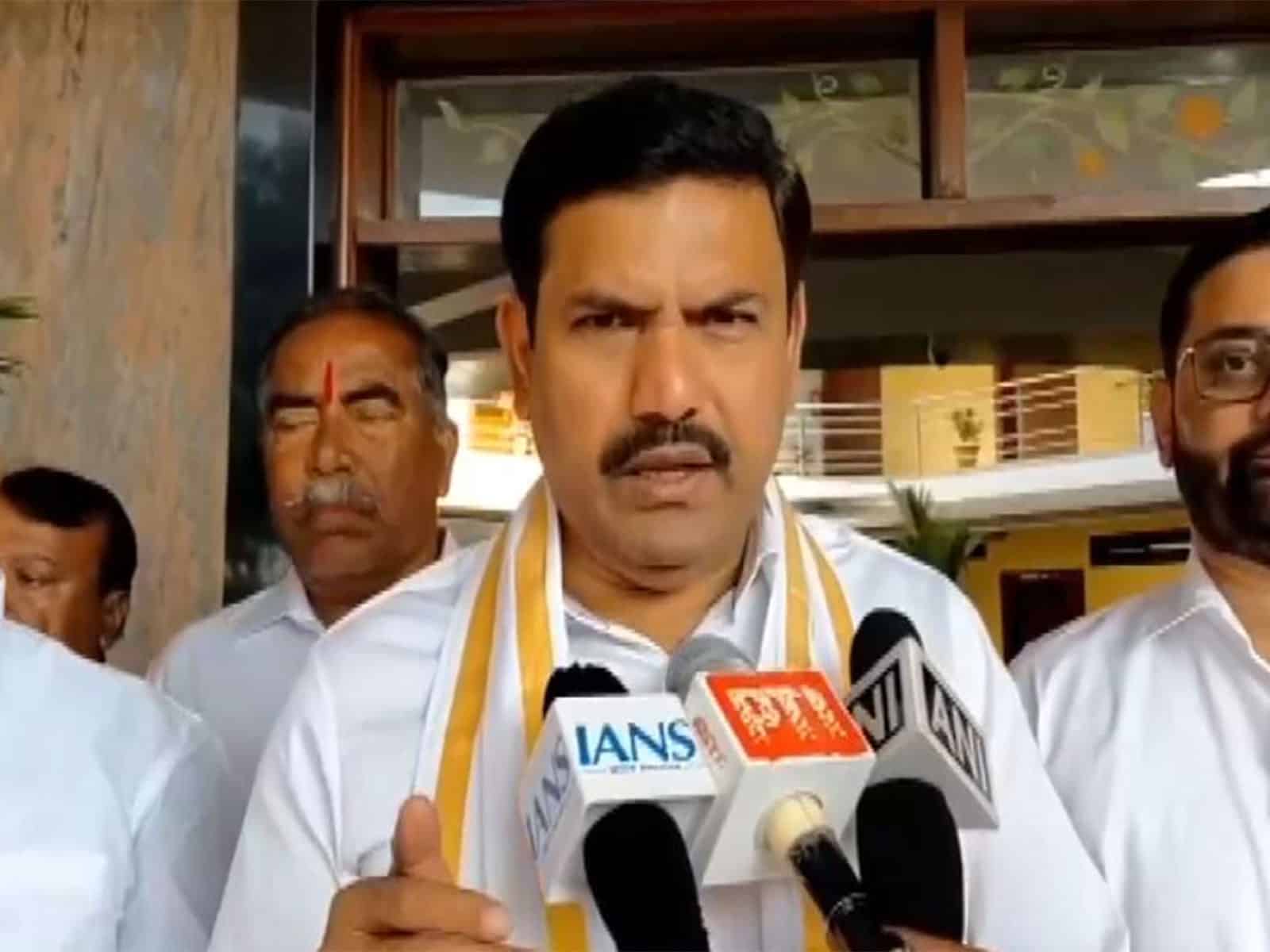
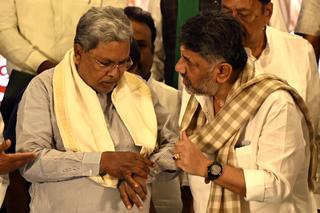
The BJP has accused the Congress of indulging in what it termed “appeasement politics,” claiming that such an approach could deprive genuine beneficiaries in Karnataka of access to government housing schemes. Party leaders made the remarks during a press interaction, asserting that policies driven by selective considerations rather than universal eligibility risk sidelining economically weaker Kannadiga families waiting for housing support. The statement has triggered a sharp political exchange, with Congress rejecting the charge and insisting that housing programs are being implemented on the basis of need and established guidelines rather than political calculations.
According to BJP representatives, housing schemes are meant to prioritize the homeless and those living in vulnerable conditions, regardless of identity or affiliation. They argued that diverting benefits or altering beneficiary lists for political reasons undermines fairness and erodes public trust. Party leaders said they have received complaints from local units and residents alleging irregularities in beneficiary selection. They called for greater transparency in the process, including public disclosure of criteria and lists, to ensure that assistance reaches intended recipients without discrimination.
Congress leaders dismissed the allegations, stating that housing allocation follows structured procedures involving surveys, income verification, and administrative review. They maintained that the government remains committed to inclusive welfare and that claims of favoritism are politically motivated. Officials pointed out that housing shortages are a longstanding issue influenced by land availability, funding cycles, and project timelines. They emphasized that expanding affordable housing remains a priority and that efforts are underway to accelerate construction and clear pending applications.
The exchange reflects the high political stakes associated with housing schemes, which directly affect large sections of the population. In many districts, applications for government-supported homes far exceed available units, intensifying scrutiny over allocation decisions. Analysts note that such contexts often lead to competing narratives, with opposition parties highlighting perceived lapses while governments stress administrative constraints. The debate underscores the need for clear communication and transparent processes to manage expectations and prevent misinformation.
Beneficiaries and applicants have expressed mixed reactions. Some individuals waiting for housing approvals said they are primarily concerned about timely construction and handover rather than political rhetoric. Others welcomed calls for transparency, saying clearer information about eligibility and status would reduce uncertainty. Civil society observers suggest that digital tracking of applications and public grievance mechanisms could help address concerns. They argue that improving procedural clarity is essential to maintaining confidence in large-scale welfare programs.
DEBATE OVER ELIGIBILITY AND FAIRNESS
Housing policy experts emphasize that beneficiary selection in public housing schemes typically involves multiple layers of verification to prevent misuse. Criteria often include income thresholds, absence of existing property, and vulnerability indicators. While these frameworks aim to ensure equity, implementation challenges can arise at the local level. BJP leaders have called for independent audits of beneficiary lists, arguing that external review could dispel doubts. Congress, meanwhile, says internal checks and administrative oversight already exist to safeguard integrity.
Observers note that political debates around welfare programs often reflect broader ideological differences. While one side may frame concerns as protecting local interests, the other may emphasize inclusivity and social justice. Balancing these perspectives within constitutional and legal norms is central to policy formulation. Analysts stress that housing, as a basic need, should remain insulated from polarizing narratives and guided by objective criteria. Transparent grievance redress systems can serve as a bridge between policy intent and public perception.
Urban planners highlight that delays in housing delivery sometimes stem from logistical hurdles such as land acquisition, infrastructure provision, and contractor coordination. Addressing these bottlenecks can be as important as refining eligibility rules. They suggest that collaboration between State agencies, local bodies, and financial institutions can speed up execution. In the absence of visible progress, however, political contention may intensify, as seen in the current exchange.
POLITICAL RHETORIC AND POLICY OUTCOMES
The controversy illustrates how welfare schemes become focal points in political discourse. Statements like those from the BJP resonate with sections of the electorate concerned about equitable distribution, while the Congress response seeks to reassure that governance remains rule-based. For policymakers, the challenge lies in maintaining program credibility amid competing narratives. Regular publication of progress reports, beneficiary statistics, and audit findings can help shift the conversation from allegations to evidence.
Ultimately, the impact of such debates will depend on on-ground outcomes. If housing projects advance efficiently and beneficiaries receive support as scheduled, political tensions may ease. Conversely, persistent delays or perceived inconsistencies could prolong contention. The issue highlights the broader principle that transparent, accountable administration is essential to sustaining trust in public welfare initiatives, especially those as fundamental as housing.
Beyond immediate political exchanges, administrators may face increasing pressure to demonstrate procedural robustness in housing scheme implementation. Policy specialists suggest that publishing district-wise data on sanctioned units, construction progress, and occupancy status can provide clarity. Such disclosures help distinguish between systemic delays and alleged favoritism. They also enable civil society and oversight bodies to track outcomes more effectively. In a climate of heightened political rhetoric, evidence-based communication could reduce speculation and keep focus on delivery performance.
Grassroots representatives have pointed out that beneficiary identification often depends on local surveys conducted by panchayat or municipal officials. Ensuring accuracy in these surveys is crucial, as outdated records or documentation gaps can lead to exclusion of eligible families. Training field staff, standardizing data collection methods, and using digital verification tools may strengthen reliability. Observers note that technology, when combined with community participation, can improve transparency while minimizing opportunities for error or bias in selection processes.
Financial structuring of housing schemes also plays a role in shaping outcomes. Many programs rely on a mix of State funds, central assistance, and beneficiary contributions. Delays in fund release or escalation in construction costs can slow progress, affecting applicants across categories. Economists suggest that predictable budgeting and streamlined approval cycles are essential for sustaining momentum. Political disputes over allocation criteria may overshadow these operational factors, but addressing them is key to ensuring timely completion of housing units.
Community-based monitoring has been proposed as another measure to enhance accountability. Local committees comprising beneficiaries, civil society members, and officials could periodically review project status and report concerns. Such participatory oversight aligns with cooperative governance principles and may help build trust. When communities feel involved in monitoring, they are more likely to view the process as fair, even if resources remain limited. This approach could complement formal audits and administrative checks.
Legal experts highlight that housing schemes operate within broader constitutional commitments to equality and social justice. Any policy or practice perceived as discriminatory could face judicial scrutiny. Hence, maintaining objective criteria and documenting decision-making processes is important not only for public confidence but also for legal compliance. Transparent record-keeping can protect both beneficiaries and administrators by ensuring that allocations withstand review.
Political analysts observe that welfare narratives often intensify ahead of electoral cycles, with parties framing issues to mobilize support. Housing, being a visible and tangible benefit, naturally becomes central to such narratives. While debate is inherent to democratic processes, sustained focus on program efficiency and beneficiary satisfaction can temper polarization. Ultimately, voters may judge administrations by results rather than rhetoric.
Urban development specialists also caution that housing policy must consider long-term sustainability. Providing a house is only one aspect; ensuring access to water, sanitation, transport, and livelihoods is equally important. Integrated planning can prevent newly built colonies from becoming isolated or underserved. As discussions continue, stakeholders emphasize that the core objective should remain improving living conditions for economically weaker families, irrespective of political framing.
For many waiting applicants, the priority remains simple: clarity about when they will receive homes and under what terms. Regular updates, accessible helplines, and responsive grievance channels can alleviate anxiety. Transparent communication may not eliminate political disagreements, but it can address the practical concerns of citizens. As the debate unfolds, administrative responsiveness could play a decisive role in shaping public perception.
In the end, the controversy underscores how essential services intersect with political accountability. Ensuring fairness in housing allocation is both a governance responsibility and a democratic expectation. By reinforcing transparency, strengthening implementation systems, and focusing on outcomes, authorities can navigate the charged atmosphere while advancing the fundamental goal of secure housing for those in need.
Some policy observers have suggested that independent social audits could add another layer of credibility to housing scheme implementation. These audits, conducted periodically with community participation, can assess whether beneficiary lists reflect ground realities and whether construction quality meets standards. Publishing findings in accessible formats may reassure the public that oversight extends beyond internal reviews. Such practices have been used in other welfare programs and could help address doubts raised in the current debate, while reinforcing accountability across administrative levels.
Another aspect under discussion is the importance of grievance redress systems that function efficiently and transparently. Applicants who believe they were wrongly excluded need clear channels to appeal decisions and submit supporting documents. Time-bound resolution of complaints can prevent frustration from escalating into distrust. Digital portals, combined with physical help centers for those with limited internet access, may ensure inclusivity. Strengthening these mechanisms would demonstrate that the system remains open to correction and responsive to citizens’ concerns.
Experts also note that housing demand in fast-growing regions often outpaces supply, making prioritization inevitable. In such contexts, clear communication about waiting lists, eligibility updates, and project phases becomes essential. When people understand the process and timeline, perceptions of unfairness may diminish. Public awareness campaigns explaining criteria and procedures could therefore complement administrative reforms. Transparency not only improves governance but also empowers applicants to engage constructively with the system.
Ultimately, the intensity of political claims highlights how central welfare delivery has become to public discourse. While parties articulate differing viewpoints, the underlying challenge remains practical: expanding housing availability while ensuring equitable access. Sustained focus on transparent procedures, community engagement, and steady project execution can help shift attention from controversy to results. If these elements are strengthened, the housing program can continue serving its intended purpose despite the charged political environment surrounding it.
The Bengal Himalayan Carnival 2026 in Kurseong concluded with a vibrant “Run for Sittong” event, designed to promote eco‑tourism and highlight the cultural richness of the Darjeeling hills. Organized by local activists, tourism stakeholders, and community groups, the carnival blended heritage, sports, and social awareness, positioning Kurseong as a hub for sustainable tourism.
This initiative underscores the intersection of cultural preservation, tourism development, and governance accountability, where festivals are not just entertainment but strategic tools for regional growth.
2. Bengal Himalayan Carnival 2026: The Carnival
Venue: Kurseong, Darjeeling district.
Activities: Cultural performances, heritage walks, sports events, and tourism awareness campaigns.
Finale: “Run for Sittong,” a marathon promoting eco‑tourism in the orange‑growing village of Sittong.
Objective: Showcase Himalayan heritage while encouraging sustainable tourism.
3. Why This Case Matters
Tourism growth: Darjeeling hills depend heavily on tourism for livelihoods.
Cultural pride: Carnival reinforces identity and heritage of Himalayan communities.
Governance accountability: Citizens expect support for sustainable tourism initiatives.
Public trust: Handling of such events influences confidence in institutions.
4. Political and Social Reactions
Local government: Welcomed carnival as part of tourism promotion.
Civil society: Expressed optimism about long‑term impact on eco‑tourism.
Opposition voices: Called for more structural reforms beyond symbolic events.
Observers: Noted potential for carnival to reshape narratives on heritage governance in Bengal.
5. Governance Challenges
The carnival reflects systemic governance issues:
Tourism management: Need for balance between growth and ecological sustainability.
Infrastructure gaps: Roads, sanitation, and facilities require improvement.
Administrative accountability: Transparency in tourism funding is essential.
Judicial oversight: Courts may intervene if environmental norms are violated.
6. Community Concerns
Families: Seek clarity on how tourism events benefit livelihoods.
Youth: Demand fair opportunities in tourism and cultural industries.
Civil society groups: Call for participatory governance in tourism policy.
Opposition voices: Warn of marginalisation if initiatives remain symbolic.
Judicial oversight protects fairness in tourism governance.
11. Future Outlook – Tourism Governance in Bengal
India must move towards:
Digitised monitoring systems for tourism projects.
Public dashboards showing progress of eco‑tourism initiatives.
Independent audits of tourism funding.
Educational campaigns linking tourism with civic responsibility.
✅ Conclusion
The Bengal Himalayan Carnival 2026 is more than a cultural festival—it is a test of India’s democratic resilience and governance credibility. As Kurseong hosts the first‑ever “Run for Sittong” tourism event, ordinary citizens await clarity on whether governance will deliver transparency, fairness, and respect for heritage dignity. For Bengal, the lesson is clear: democracy thrives when governance delivers inclusivity and accountability in tourism management.
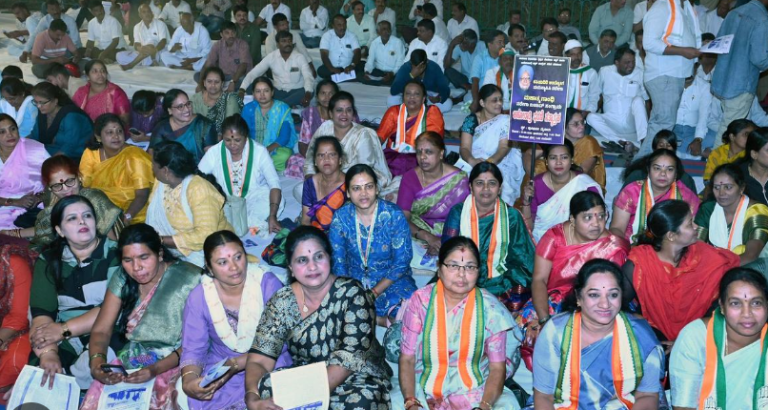
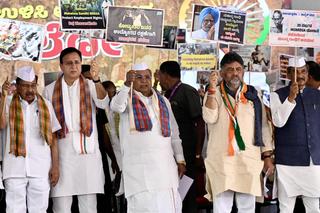
The Congress party organized a night-long satyagraha in Mysuru, protesting against what it described as moves that could weaken or effectively sideline the Mahatma Gandhi National Rural Employment Guarantee Act (MGNREGA). Party leaders, workers, and rural beneficiaries gathered at a prominent public space in the city, holding placards and raising slogans in defense of the rural employment scheme. The protest, which continued through the night, was framed as a symbolic act of solidarity with millions of rural workers who depend on MGNREGA for livelihood security, particularly during periods of agrarian distress and limited employment opportunities.
Speakers at the gathering emphasized that MGNREGA is not merely a welfare measure but a legal entitlement guaranteeing wage employment to rural households. They argued that any reduction in budget allocations, delays in wage payments, or administrative restrictions on work approvals amount to undermining the spirit of the Act. Protesters claimed that in several regions, job card holders are facing reduced workdays and payment backlogs, forcing families to struggle for basic needs. The satyagraha, they said, aimed to draw attention to these concerns and urge authorities to safeguard the scheme’s implementation in both letter and spirit.
Participants included elected representatives, grassroots leaders, women’s self-help group members, and laborers who have worked under MGNREGA projects. Many shared personal experiences of how the scheme helped them during difficult times, such as crop failures or seasonal unemployment. Women beneficiaries highlighted that the program has provided them with independent income and greater financial agency within households. The atmosphere at the protest combined political messaging with emotional testimonies, underscoring the scheme’s role in supporting vulnerable sections of rural society.
Congress leaders at the event accused the government of gradually diluting MGNREGA through policy decisions that restrict funding and limit the scope of permissible works. They contended that rural employment demand remains high and that scaling back the program could exacerbate migration, poverty, and social inequality. The satyagraha was described as a peaceful yet firm assertion of constitutional and social justice values. Organizers said the choice of a night-long vigil symbolized the continuous struggle of rural workers who often endure uncertainty about income and job availability.
Authorities maintained that MGNREGA remains operational but acknowledged challenges in implementation, including fund management and verification processes. Officials emphasized that reforms aim to improve efficiency and transparency. Protesters, however, argued that administrative tightening should not come at the cost of reduced employment access. They demanded timely release of funds, expansion of work categories, and strict adherence to wage payment timelines. The demonstration in Mysuru thus became a focal point for broader debates about rural employment policy and social protection mechanisms.
DEFENDING RURAL LIVELIHOODS AND LEGAL RIGHTS
At the heart of the protest was the assertion that MGNREGA represents a rights-based approach to development. Unlike discretionary welfare schemes, it provides a statutory guarantee of work, creating a safety net for rural households. Activists said that weakening this framework could erode hard-won protections for laborers. They stressed that the scheme has been instrumental in building rural infrastructure such as water conservation structures, roads, and land development works, which in turn support agricultural productivity. Reducing its scope, they argued, would affect both immediate incomes and long-term rural resilience.
Economists note that MGNREGA often acts as a countercyclical measure, injecting purchasing power into rural areas during downturns. Wages earned through the program contribute to local markets and small businesses, creating multiplier effects. Protest speakers pointed out that in districts prone to drought or erratic rainfall, employment under the scheme can prevent distress migration to cities. They argued that curtailing such support could increase urban pressure and deepen rural vulnerabilities. The Mysuru satyagraha highlighted these economic dimensions alongside social justice concerns.
Labor rights advocates also emphasized gender aspects of the scheme. With significant participation of women, MGNREGA has expanded female labor force engagement in rural areas. Protesters said that disruptions in the program disproportionately affect women who rely on its flexible and locally available work opportunities. Ensuring safe worksites, equal wages, and timely payments remains critical, they noted. Speakers called for strengthening grievance redress mechanisms so workers can report delays or irregularities without fear.
Youth participants at the protest expressed concern that shrinking rural employment avenues could intensify unemployment among young people. While MGNREGA is often associated with manual work, they argued that it plays a stabilizing role that supports households investing in education and skill development. By providing a basic income floor, the scheme indirectly contributes to human capital formation. Protest leaders urged policymakers to view MGNREGA as complementary to broader development goals rather than as a fiscal burden.
POLITICAL SIGNALS AND FUTURE IMPLICATIONS
The satyagraha also carried political significance, signaling the Congress party’s intent to foreground social welfare issues. Leaders described the protest as part of a larger campaign to protect pro-poor programs and hold authorities accountable for their implementation. They said similar demonstrations could be organized in other districts if concerns remain unresolved. The peaceful nature of the vigil, they noted, reflected the Gandhian roots of satyagraha as a means of moral persuasion rather than confrontation.
Political analysts suggest that debates around MGNREGA often intensify during periods of fiscal tightening, when governments seek to rationalize expenditures. However, they caution that employment guarantees have deep social implications that extend beyond budget calculations. The Mysuru protest may therefore resonate with rural constituencies who view the scheme as essential. Public sentiment around such programs can influence policy priorities and electoral discourse, especially in agrarian regions.
Civil society groups observing the protest urged constructive dialogue between governments and stakeholders. They suggested that operational challenges such as leakages or delays should be addressed through administrative reforms rather than funding cuts. Transparent data sharing, community monitoring, and technology-enabled tracking of payments could improve accountability while preserving employment levels. The protest’s message, they said, underscores the need to balance efficiency with equity.
As dawn approached and the vigil concluded, organizers reiterated that the movement would continue through democratic channels. Memoranda outlining demands were to be submitted to relevant authorities. For participants, the night-long satyagraha was both a symbolic and practical assertion of their reliance on MGNREGA. The event in Mysuru served as a reminder that employment security remains a central concern in rural India, and that policies affecting it evoke strong emotional and political responses.
As the protest drew wider attention, local organizers began coordinating with farmer groups and labor collectives from nearby taluks to build a broader platform around rural employment concerns. They said the Mysuru satyagraha was only the beginning of a sustained outreach effort aimed at informing workers about their rights under MGNREGA. Volunteers distributed pamphlets explaining job card provisions, wage entitlements, and grievance procedures. This educational aspect, leaders noted, is crucial because many beneficiaries are unaware of the full scope of protections available to them under the Act, limiting their ability to demand accountability.
Several participants emphasized that timely wage payments remain one of the most pressing issues. Workers recounted instances where delays stretched into weeks, disrupting household budgets and forcing them to borrow at high interest rates. Protest speakers argued that such delays defeat the very objective of an employment guarantee meant to provide predictable income. They called for streamlined fund release mechanisms and stronger coordination between central and State authorities. Ensuring prompt payments, they said, would restore faith in the scheme and reduce financial stress among rural laborers.
Environmental aspects of MGNREGA works also found mention during discussions at the protest site. Activists highlighted that many projects focus on water conservation, afforestation, and soil improvement, which have long-term ecological benefits. Reducing the scale of these activities, they argued, could weaken local climate adaptation efforts. Participants pointed out that in water-scarce regions, MGNREGA structures such as check dams and ponds have improved groundwater recharge. Protecting the scheme, therefore, aligns not only with employment goals but also with sustainable resource management.
Trade union representatives who joined the vigil drew parallels between MGNREGA and broader labor rights frameworks. They said that employment guarantees serve as a benchmark that discourages exploitative wage practices in informal sectors. When rural workers have an alternative source of income, their bargaining power improves, potentially raising standards across labor markets. Weakening the program, they warned, could increase vulnerability to low-paid or unsafe work. Their intervention underscored the interconnectedness of social protection policies and overall labor welfare.
Cultural performances and songs themed around dignity of labor and rural resilience were organized through the night, adding a community dimension to the protest. Organizers said these expressions helped maintain morale and foster solidarity among participants. The use of art and music reflected the satyagraha’s emphasis on peaceful, collective assertion. Such elements, they noted, make protests more inclusive and accessible, encouraging participation from diverse age groups and backgrounds.
By the time the demonstration concluded, leaders reiterated that the objective was not confrontation but constructive engagement. They appealed to authorities to view the protest as feedback from the ground rather than opposition for its own sake. The satyagraha, they said, symbolized the enduring demand for livelihood security and respect for legal entitlements. Whether policy responses follow will determine how effectively rural employment concerns are addressed in the months ahead, but the Mysuru vigil has clearly added momentum to the conversation around safeguarding MGNREGA.
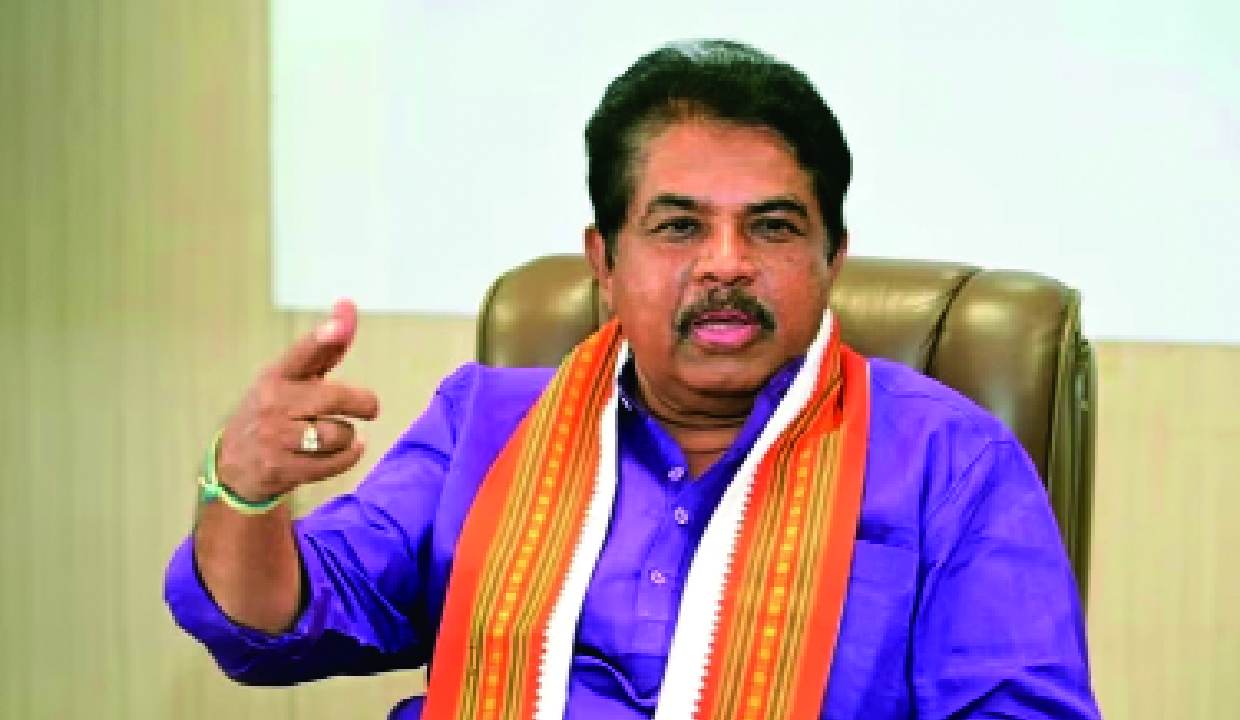
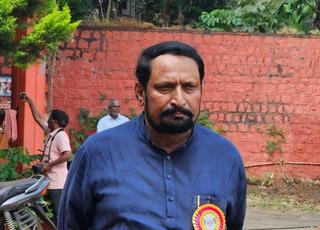
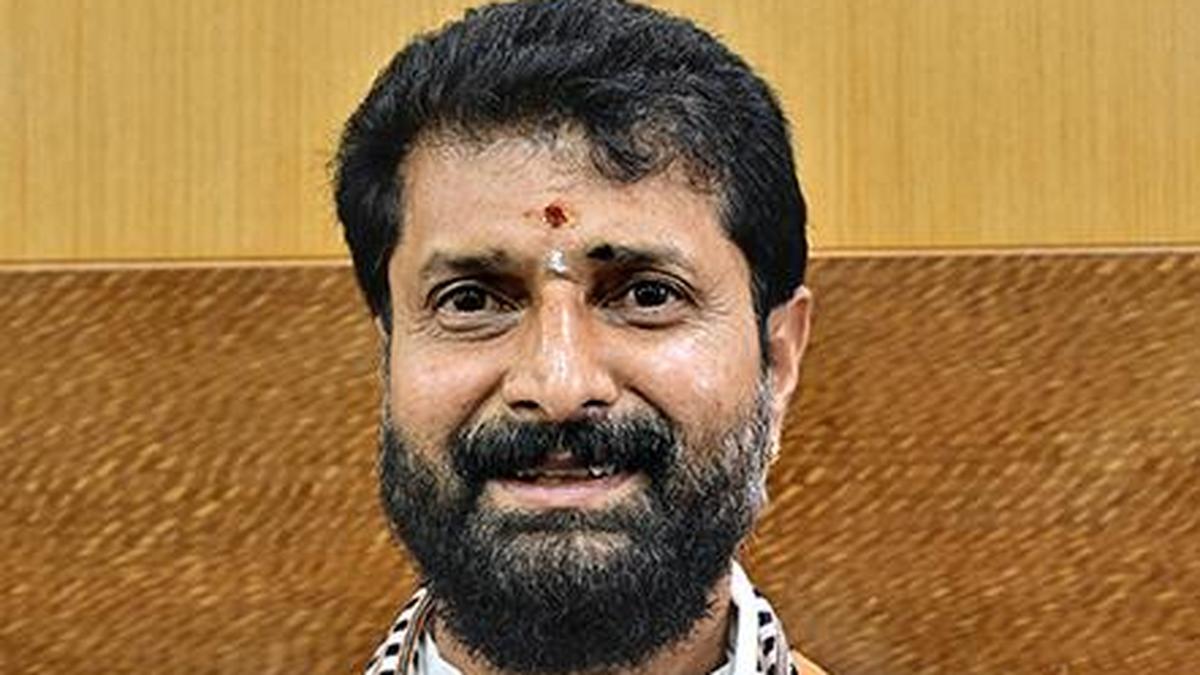
BJP MLC C.T. Ravi has been elected president of the Chikkamagaluru District Central Cooperative (DCC) Bank, marking a significant political and institutional development in the district’s cooperative sector. The election, held amid keen interest from political observers and local stakeholders, saw Ravi secure the support of a majority of board members. His elevation to the top post of the cooperative bank is being viewed not only as an administrative shift but also as a reflection of evolving political alignments within grassroots financial institutions that play a vital role in supporting farmers, small traders, and rural entrepreneurs across the region.
The Chikkamagaluru DCC Bank occupies a central place in the district’s rural economy, acting as a financial lifeline for cooperative societies and agricultural communities. By providing crop loans, facilitating self-help group financing, and channeling government-backed credit schemes, the institution influences livelihoods at the village level. Ravi’s election therefore carries significance beyond the immediate political sphere, as decisions taken by the bank’s leadership directly affect credit flow, interest structures, and support services for thousands of beneficiaries. Supporters argue that his experience in public life positions him to strengthen the bank’s outreach and efficiency.
C.T. Ravi, a prominent BJP figure known for his long political career in Karnataka, has held various responsibilities over the years, including legislative roles and organizational assignments. His entry into cooperative banking leadership adds a new dimension to his portfolio. Observers note that leaders with political backgrounds often bring visibility and administrative access to cooperative bodies, potentially helping them secure policy support. However, such appointments also invite scrutiny regarding governance standards and institutional autonomy, as cooperative banks are expected to balance political representation with professional financial management.
The election process reportedly witnessed intense engagement among board members, reflecting the importance attached to the leadership position. Cooperative institutions often mirror local political dynamics, and the DCC Bank is no exception. Analysts suggest that Ravi’s win indicates consolidation of influence within the board, which may translate into smoother decision-making in the near term. Yet, they caution that expectations from members and depositors remain high, particularly in ensuring transparency, timely loan disbursal, and prudent financial practices in a sector that directly impacts rural stability.
Local BJP leaders welcomed the development, describing Ravi’s election as a positive step for the cooperative movement in the district. They expressed confidence that his leadership would bring renewed focus on strengthening financial inclusion and modernizing banking services. Emphasis was also placed on improving digital infrastructure and customer service, areas that cooperative banks across the State are gradually upgrading. Supporters believe that with effective coordination between political leadership and professional staff, the institution can enhance both performance and credibility.
Opposition voices, while acknowledging the legitimacy of the election, emphasized the need to safeguard the bank’s independence and ensure that decisions remain guided by financial prudence rather than partisan considerations. They pointed out that cooperative banks function on trust built over decades and that maintaining depositor confidence is essential. Calls were made for transparent reporting, regular audits, and adherence to regulatory norms. Such perspectives highlight the delicate balance cooperative institutions must maintain between democratic representation and technical governance standards.
ROLE OF COOPERATIVE BANKS IN RURAL ECONOMY
District Central Cooperative Banks form the backbone of short-term agricultural credit systems in many parts of India. In districts like Chikkamagaluru, where farming and allied activities are central to livelihoods, these banks link primary agricultural cooperative societies with higher financial structures. Through seasonal loans, input financing, and support to self-help groups, they enable farmers to access timely funds. Ravi’s presidency thus comes at a time when agricultural communities face challenges related to input costs, market fluctuations, and climate variability, making efficient cooperative credit systems even more crucial.
Experts emphasize that leadership at the DCC Bank level must focus on strengthening recovery mechanisms while remaining sensitive to farmers’ realities. Loan waivers and restructuring often enter political discourse, but sustainable banking requires balancing relief measures with fiscal responsibility. Observers hope that Ravi’s administrative experience can help navigate this complexity, ensuring both responsiveness and stability. Enhancing financial literacy among members and promoting diversified income streams are also seen as key strategies for improving long-term outcomes in cooperative banking ecosystems.
Another priority area is technology integration. Cooperative banks are increasingly adopting core banking solutions and digital interfaces to improve service delivery. Streamlining processes such as account management, loan tracking, and transaction transparency can reduce delays and enhance customer satisfaction. Ravi’s supporters have indicated that modernization will be high on the agenda. However, successful implementation depends on staff training, infrastructure investment, and coordination with regulatory bodies. Experts note that digital progress must also remain inclusive, ensuring that rural customers with limited technological access are not left behind.
The governance structure of cooperative banks requires careful oversight by elected boards and professional management teams. Leadership transitions often provide an opportunity to review internal controls, risk assessment practices, and compliance frameworks. With increasing regulatory scrutiny on financial institutions, maintaining strong audit and reporting mechanisms is essential. Analysts suggest that Ravi’s tenure may be judged not only by expansion initiatives but also by how effectively institutional safeguards are reinforced. Transparent communication with members and stakeholders can further enhance trust and accountability.
POLITICAL AND INSTITUTIONAL IMPLICATIONS
Ravi’s election also reflects the broader intersection of politics and cooperative institutions in Karnataka. Cooperative bodies often serve as platforms for grassroots leadership and influence local development priorities. Control over such institutions can shape resource allocation and community engagement. While this dynamic strengthens democratic participation, it also requires vigilance to prevent politicization from undermining professional standards. The coming months may reveal how Ravi navigates this dual responsibility of political representation and institutional stewardship.
For local communities, the focus remains on tangible outcomes. Farmers and small entrepreneurs expect accessible credit, simplified procedures, and responsive grievance redressal. Women’s self-help groups, which rely heavily on cooperative financing, look for timely support to sustain livelihood initiatives. The new leadership will likely face immediate demands related to loan renewals, seasonal financing, and support under government-linked schemes. Addressing these effectively can build confidence in the bank’s direction under Ravi’s presidency.
Industry observers note that cooperative banks are uniquely positioned to foster community-driven development, provided they remain rooted in cooperative principles. Member participation, democratic decision-making, and equitable service are central to this model. Ravi’s challenge will be to ensure that institutional growth aligns with these values. Encouraging member engagement in planning and feedback processes can help bridge expectations and operational realities, reinforcing the cooperative ethos that distinguishes these banks from purely commercial institutions.
As the transition unfolds, attention will also be on coordination between the DCC Bank and other financial entities. Partnerships with nationalized banks, microfinance institutions, and government agencies can expand opportunities for beneficiaries. Effective networking can enhance credit availability and diversify financial products. Observers believe that strategic collaboration, coupled with sound governance, can strengthen the bank’s resilience and relevance in a changing economic landscape.
Ultimately, C.T. Ravi’s election as president of the Chikkamagaluru DCC Bank marks a moment of both opportunity and responsibility. The institution’s future trajectory will depend on how leadership balances political visibility with financial discipline and community service. Stakeholders across the district will be watching closely, hoping that the bank continues to serve as a pillar of rural development while adapting to modern challenges. The coming years may well define how cooperative institutions evolve under leaders who straddle the worlds of politics and grassroots finance.
In addition to financial performance, attention is likely to turn toward how the bank supports emerging sectors within the district. Chikkamagaluru, known for its plantation economy including coffee and arecanut cultivation, increasingly faces market volatility and climate-related uncertainties. Cooperative credit institutions can play a stabilizing role by offering tailored financial products such as crop insurance linkages, post-harvest loans, and working capital for value addition. Observers say leadership that understands these sector-specific needs can help farmers adapt to changing economic conditions while reducing dependence on informal lenders.
Another area of expectation revolves around strengthening the bank’s relationship with primary agricultural cooperative societies at the grassroots. These societies serve as the first point of contact for many rural borrowers. Ensuring smooth fund flow, reducing paperwork delays, and improving grievance handling at this level can significantly enhance trust in the cooperative system. Ravi’s presidency may be evaluated on how effectively he fosters coordination between the district bank and these local bodies, reinforcing the cooperative chain that underpins rural credit distribution across villages and taluks.
Human resource development within the institution is also being discussed as a key priority. Cooperative banks often face challenges in training staff to adapt to evolving regulatory requirements and digital banking systems. Capacity-building initiatives, including skill development workshops and exposure to best practices, could improve efficiency and service quality. Analysts note that leadership commitment to professional development sends a strong message about modernization and accountability. Strengthening internal expertise may also help the bank respond more effectively to compliance expectations and customer needs.
Community engagement is another dimension that could shape the bank’s public image. Cooperative institutions traditionally thrive when members feel a sense of ownership and participation. Regular meetings, transparent sharing of performance data, and inclusion of member feedback in planning can deepen this engagement. Ravi’s leadership style may influence how actively members are involved in decision-making processes. Encouraging inclusive dialogue can help the bank align its strategies with grassroots priorities, reinforcing its identity as a people-centered financial institution rather than a distant administrative body.
As developments progress, the broader cooperative sector will watch the Chikkamagaluru DCC Bank’s trajectory as an indicator of how political leadership integrates with institutional governance. Success could demonstrate that experienced public representatives can contribute to strengthening cooperative structures when supported by robust systems and professional management. Conversely, challenges may underline the need for clearer boundaries and oversight. For now, stakeholders remain cautiously optimistic, viewing the transition as an opportunity to consolidate growth, enhance services, and uphold the cooperative principles that anchor rural financial resilience.
The Mamata Banerjee EC walkout 2026 has become a flashpoint in Indian politics. During an Election Commission meeting, the West Bengal Chief Minister left midway, alleging that she and her team were “insulted and humiliated.” The incident highlights the fragile relationship between state leadership and central institutions, raising questions about governance, federal accountability, and electoral fairness.
2. Mamata Banerjee EC Walkout 2026: The Incident
Venue: Election Commission meeting in New Delhi.
Participants: EC officials, Mamata Banerjee, and her delegation.
Trigger: Alleged remarks and treatment that Banerjee described as humiliating.
Outcome: Walkout by the Bengal delegation, sparking political controversy.
3. Why This Case Matters
Electoral integrity: EC meetings are crucial for ensuring free and fair elections.
Federal balance: State leaders expect respect and cooperation from central institutions.
Governance accountability: Citizens demand transparency in electoral processes.
Public trust: Handling of such incidents influences confidence in democracy.
4. Political and Social Reactions
TMC stance: Framed walkout as defense of Bengal’s dignity.
BJP response: Criticised Banerjee for politicizing the EC meeting.
Civil society: Expressed concern about erosion of institutional respect.
Observers: Noted potential for incident to reshape narratives on governance and elections in Bengal.
5. Governance Challenges
The EC walkout reflects systemic governance issues:
Institutional respect: Ensuring dignified treatment of state leaders.
Electoral fairness: Transparency in EC proceedings is essential.
Administrative accountability: Clear communication between Centre and states.
Judicial oversight: Courts may intervene if constitutional provisions on federal balance are violated.
6. Community Concerns
Families: Seek assurance of fair elections.
Youth: Demand transparency in democratic processes.
Civil society groups: Call for participatory governance in electoral reforms.
Opposition voices: Warn of marginalisation if state leaders are disrespected.
Judicial oversight protects fairness in electoral governance.
11. Future Outlook – Electoral Governance in India
India must move towards:
Digitised monitoring systems for EC meetings.
Public dashboards showing progress of electoral reforms.
Independent audits of EC decisions.
Educational campaigns linking electoral literacy with civic responsibility.
✅ Conclusion
The Mamata Banerjee EC walkout 2026 is more than a political spat—it is a test of India’s democratic resilience and governance credibility. As Banerjee claims humiliation and walks out, ordinary citizens await clarity on whether governance will deliver transparency, fairness, and respect for federal dignity. For India, the lesson is clear: democracy thrives when governance delivers inclusivity and accountability in electoral management.


 NIFTY Financial Services jumped 3.52% to 27,742.85
 NIFTY Financial Services
 Jio Financial Services
 Market breadth stayed positive for most of the session, indicating wider participation beyond index heavyweights. While most stocks traded higher, select FMCG counters remained subdued. Nestlé India traded marginally lower, ending almost flat at ₹1,308.00, highlighting selective profit-taking in defensive pockets.