Friday, May 15, 2026
Home Blog Page 332

Trump Defends Saudi Prince: Shocking Khashoggi Murder Response

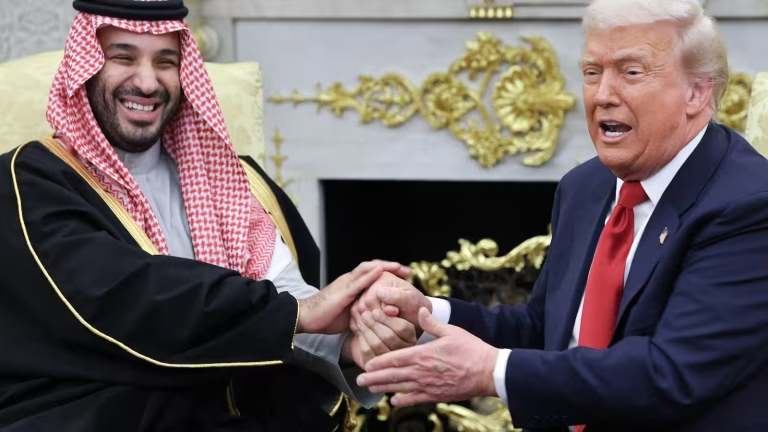
Washington D.C. – President Donald Trump sparked international controversy on Tuesday by defending Saudi Arabia’s Crown Prince Mohammed bin Salman over the 2018 murder of journalist Jamal Khashoggi during a lavish White House reception. The stunning remarks came as Trump defends Saudi Prince while announcing a $1 trillion investment pledge from the Gulf kingdom, demonstrating the administration’s prioritization of economic ties over human rights concerns.

Lavish Welcome for Controversial Leader

The White House pulled out all the stops for Crown Prince Mohammed bin Salman, known widely as MBS, providing treatment typically reserved for heads of state. The de facto Saudi leader received a parade of soldiers on horseback and a military flypast featuring F-35 jets that Trump indicated Washington would soon sell to Riyadh.

Trump defends Saudi Prince throughout the visit, opening their White House meeting by praising the Crown Prince’s “incredible” human rights record—a characterization that raised eyebrows given Saudi Arabia’s documented human rights violations and the kingdom’s role in Khashoggi’s death.

Dismissing Khashoggi’s Murder

During the Oval Office meeting, Trump defends Saudi Prince by downplaying the brutal killing of Jamal Khashoggi, a Washington-based journalist who was murdered and dismembered inside the Saudi consulate in Istanbul in 2018. The President described Khashoggi as “extremely controversial,” adding, “a lot of people didn’t like that gentleman that you’re talking about, whether you like him or didn’t like him, things happened, but he (the prince) knew nothing about it.”

This statement contradicts assessments from U.S. intelligence agencies, which have suggested that Crown Prince Mohammed approved the operation that led to Khashoggi’s death. The journalist’s killing sparked global outrage and severely chilled relations between Washington and Riyadh for years during previous administrations.

Confrontation with Press

The extent to which Trump defends Saudi Prince became even more apparent when he raged at a reporter who questioned the Crown Prince about the murder. Trump accused the journalist of “embarrassing” Prince Mohammed with her questions, insisting the Saudi royal knew “nothing about it” regarding the killing.

The Saudi Crown Prince, when pressed, responded by calling the murder and dismemberment of Khashoggi inside the consulate a “huge mistake,” while maintaining that it had been fully investigated. This marked one of his rare public comments acknowledging the incident, though he continued to distance himself from direct responsibility.

Trillion-Dollar Investment Announcement

The meeting yielded significant economic announcements as Trump defends Saudi Prince amid the controversy. The heir to the Saudi throne delighted Trump by announcing an increase in the Saudi investment pledge originally made during Trump’s May visit to the kingdom.

“We can announce that we are going to increase that $600 billion to almost $1 trillion for investment,” Prince Mohammed declared in the Oval Office. A visibly pleased Trump asked him to confirm the figure, to which the Saudi royal replied definitively, “Definitely.”

This massive investment commitment appeared to reinforce Trump’s approach of prioritizing economic relationships over human rights considerations in his dealings with the Gulf kingdom.

Also Read: Epstein Files Bill Passes: Big & Historic Senate Vote Unanimous

State Visit Treatment

Trump defends Saudi Prince by providing unprecedented ceremonial honors for someone who is not technically a head of state. The Crown Prince was welcomed on the South Lawn of the White House as cannon fire boomed out, followed by a noisy flypast by U.S. military jets that created a spectacle typically reserved for visiting presidents and monarchs.

The 79-year-old Republican President personally showed the Prince a new gallery of presidential portraits near the Rose Garden, including one portraying his Democratic predecessor Joe Biden as an “autopen.” Trump has accused Biden of using automated devices to sign presidential pardons, questioning their legality.

First Lady Melania Trump hosted a gala dinner later in the day, with Portugal soccer legend Cristiano Ronaldo, who plays in Saudi Arabia, among the guests attending the White House celebration.

Regional Peace and Arms Deals

Trump defends Saudi Prince while pursuing broader strategic objectives in the Middle East. The President emphasized his efforts to boost ties with the oil-rich Gulf kingdom, particularly as he seeks to transform the ceasefire between Israel and Hamas in Gaza into a longer-lasting regional peace.

Trump revealed he had pushed the Crown Prince to normalize relations with Israel as part of the Abraham Accords that he launched during his first term. Prince Mohammed indicated he was working toward normalization “as soon as possible” but insisted on securing a “clear path of two-state solution” for a Palestinian state first.

The President reiterated his intention to sell Saudi Arabia coveted F-35 stealth fighters, despite concerns from Israel and warnings from U.S. officials that China could potentially steal technological knowledge about the advanced jets.

Nuclear Cooperation Framework

In another significant development, Trump announced plans to sign a deal establishing a framework for civilian nuclear cooperation with Saudi Arabia, according to a U.S. official and a source familiar with the negotiations. This agreement addresses an area of past contention between the two nations.

Widow’s Heartbreak

The shadow of Khashoggi’s murder loomed large over the proceedings, regardless of how Trump defends Saudi Prince. Khashoggi’s widow, Hanan Elatr Khashoggi, told media that her husband’s killing had “destroyed my life.” She expressed hope that officials would consider “American values of human rights and democracy” alongside any deals and weapons sales.

The 40-year-old Crown Prince has cultivated close ties with Trump and his family over the years, including through investment pledges to the property billionaire-turned-U.S. President. However, the Khashoggi murder continues to cast a long shadow over Saudi-American relations, highlighting the tension between economic interests and human rights advocacy in international diplomacy.
Delhi Yamuna Cruise: Revolutionary Water Transport Launch Soon

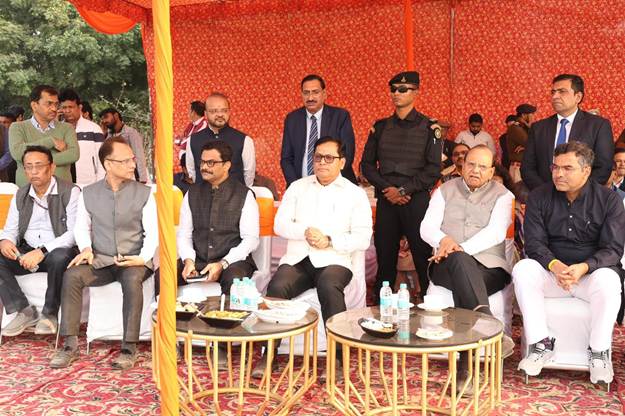
New Delhi – The national capital is preparing to unveil an unprecedented addition to its transportation and tourism infrastructure as the Delhi Yamuna cruise service inches closer to reality. A high-level delegation conducted a comprehensive inspection on Tuesday of the ongoing works for Delhi’s first-ever cruise service on the Yamuna, with the ambitious project expected to launch by year-end, marking a transformational moment in the city’s approach to water-based mobility and tourism.

High-Level Review at Sonia Vihar

The inspection of the Delhi Yamuna cruise project was conducted at Sonia Vihar, bringing together key decision-makers to ensure seamless coordination across multiple government levels. The review was led by Union Minister for Ports, Shipping and Waterways Sarbananda Sonowal, Lieutenant Governor VK Saxena, Water Minister Parvesh Verma, and Tourism Minister Kapil Mishra.

The presence of such senior officials underscores the significance attached to this pioneering initiative. The primary objective of the inspection was to ensure that efforts between the Centre, the Lieutenant Governor’s office, and the Delhi government remain fully coordinated, avoiding bureaucratic delays or jurisdictional conflicts that often hamper large-scale infrastructure projects.

Comprehensive Project Assessment

During the site visit, officials conducted a thorough examination of multiple critical components essential to the Delhi Yamuna cruise operation. The delegation reviewed progress on jetty construction, which will serve as the embarkation and disembarkation points for passengers. Safety systems received particular attention, reflecting the government’s commitment to ensuring passenger security on water.

Passenger facilities were also scrutinized during the inspection, with officials emphasizing the need for comfortable and modern amenities that meet international standards. The planned cruise route, extending between Sonia Vihar and Jagatpur, was discussed in detail to optimize both the scenic experience and operational efficiency.

Institutional Collaboration and Progress

Senior officers from the Inland Waterways Authority of India (IWAI) and the Delhi government presented comprehensive updates during the inspection. According to these presentations, the Delhi Yamuna cruise project has gained significant momentum following the formal signing of a Memorandum of Understanding between IWAI and the city government.

Also Read: NIA Custody Red Fort: Critical 10-Day Interrogation Begins

This institutional partnership represents a crucial milestone, as it formalized the collaboration framework and clarified the respective roles and responsibilities of different agencies involved in bringing the cruise service to fruition. The MoU has reportedly accelerated work on multiple fronts, enabling faster decision-making and resource allocation.

Pilot for Modern Water Transport

An official familiar with the development characterized the Delhi Yamuna cruise initiative as a pilot project for modern water transport in the national capital. “The initiative will serve as a pilot for modern water transport in the national capital,” the official stated, highlighting the project’s potential to revolutionize urban mobility concepts.

The government envisions that the cruise service will diversify mobility options available to Delhi residents and visitors, offering an alternative to road-based transportation while simultaneously addressing the chronic traffic congestion that plagues the city. Beyond transportation, the project aims to draw public attention back to the ecological and cultural importance of the Yamuna River, which has long been neglected and polluted.

Environmental and Cultural Revival

The Delhi Yamuna cruise project incorporates several elements designed to enhance both environmental sustainability and cultural appreciation. Passenger amenities have been carefully planned to provide comfort while minimizing environmental impact. Improved riverfront access forms a key component of the project’s design, potentially catalyzing broader efforts to rehabilitate the Yamuna’s banks.

Environmental safeguards have been integrated into the project from its inception, reflecting awareness that any intervention on the river must balance development with ecological protection. The initiative represents an attempt to restore the Yamuna’s status as a cultural and ecological asset rather than merely a geographical feature cutting through the city.

Tourism and Economic Impact

Tourism Minister Kapil Mishra described the upcoming launch of the Delhi Yamuna cruise as a transformational moment for Delhi’s visitor economy. “The first-ever cruise service on the Yamuna will give Delhi a new identity,” he declared, emphasizing the project’s potential to reshape perceptions of the capital.

Mishra highlighted multiple expected benefits: “The project will create employment, strengthen tourism-linked businesses and restore public confidence in the river as a cultural asset. This reflects the newfound confidence of New Delhi.” His statement underscores the government’s view of the Delhi Yamuna cruise as more than just a transportation or tourism initiative—it represents a symbol of urban renewal and administrative capability.

Economic Multiplier Effects

Officials associated with the project have articulated ambitious expectations for its broader economic impact. The Delhi Yamuna cruise initiative is projected to attract new tourism circuits, potentially positioning Delhi as a destination offering unique water-based experiences comparable to cities with established river cruise traditions.

The project is expected to encourage private-sector participation in river-based activities, potentially spawning an entire ecosystem of related businesses. Officials anticipate that the cruise service will stimulate micro-economies along the riverbank, benefiting vendors, restaurants, cultural venues, and other establishments that cater to tourists.

Timeline and Launch Preparations

With the year-end launch deadline approaching, the Delhi Yamuna cruise project has entered its critical final phase. The high-level inspection conducted on Tuesday suggests that authorities are closely monitoring progress to ensure timely completion. The coordination between Union ministries, the Lieutenant Governor’s office, and Delhi government departments demonstrates the all-of-government approach being adopted to meet the ambitious timeline.

As Delhi prepares to unveil its first-ever cruise service on the Yamuna, the project represents a bold experiment in reimagining the relationship between the city and its river, promising to deliver transportation innovation, tourism enhancement, and cultural revival simultaneously.

Bihar New Govt Formation Begins: Dramatic Power Transition Unfolds Today

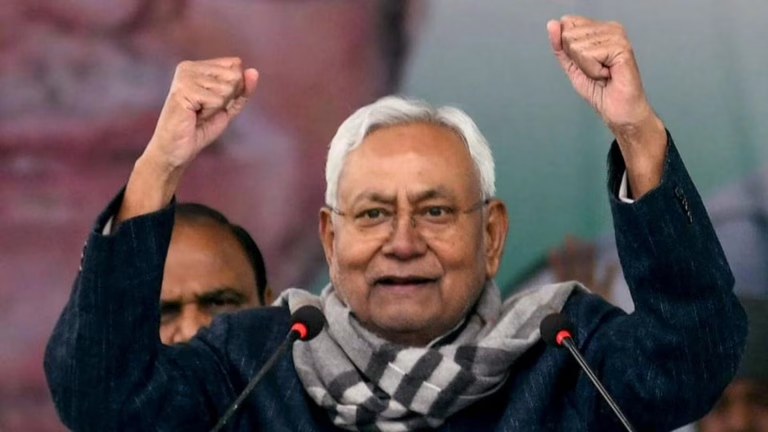
Bihar – Bihar is set to witness a significant political transition as Chief Minister Nitish Kumar prepares to resign on Wednesday, November 19, paving the way for a fresh National Democratic Alliance government. The Bihar new govt will take oath on Thursday at the historic Gandhi Maidan in Patna, with Prime Minister Narendra Modi and other dignitaries expected to attend what promises to be one of the grandest swearing-in ceremonies in the state’s history.

Resignation and Return Timeline

Nitish Kumar, the Janata Dal (United) supremo, will submit his resignation on Wednesday to facilitate the formation of the Bihar new govt, though he is widely expected to return as chief minister for an unprecedented 10th term. The current Bihar assembly’s term ends on November 22, and the 18th assembly must be constituted on or before that date.

The JDU leader is likely to be first elected as leader of the JD(U) legislature party at 11 am on Wednesday, followed by his election as leader of the NDA at 3:30 pm, before tendering his resignation to Governor Arif Mohammed Khan as head of the outgoing government.

Grand Swearing-In Ceremony Planned

The swearing-in ceremony for the Bihar new govt is scheduled to commence at 11 am on Thursday, November 20, at Patna’s Gandhi Maidan. Prime Minister Narendra Modi will grace the occasion along with several Union ministers and chief ministers of NDA-ruled states, making it one of the most significant political events in Bihar’s recent history.

According to a senior BJP leader, the ceremony has been designed to be “the grandest so far,” reflecting the magnitude of the NDA’s electoral victory. This will mark the fourth oath-taking ceremony at Gandhi Maidan, with only the 2020 ceremony being held as a low-key affair at Raj Bhawan due to the COVID-19 pandemic.

Suspense Over Leadership Positions

While alliance leaders have hinted at Nitish Kumar’s return as chief minister, no official statement has been issued confirming this. A BJP functionary indicated that confirmation about the chief minister would come on Wednesday when both BJP and JDU hold their legislature party meetings. The Bihar new govt formation process also involves determining the deputy chief minister position, which remains a subject of intense speculation.

In the outgoing administration, two deputy chief ministers served—Samrat Choudhury, representing backward classes, and Vijay Kumar Sinha, a Bhumihar—both of whom have been re-elected. The question now is whether the Bihar new govt will have one or two deputy chief ministers.

Also Read: Tej Pratap Backs Rohini: Explosive Family Crisis Demands Probe

Portfolio and Position Negotiations

The JDU reportedly prefers that if the BJP takes the Speaker’s post, only one deputy CM should be appointed. Sources indicate that discussions on Wednesday will consider issues of representation, including both gender and caste dynamics. Both BJP and JDU are eyeing the home portfolio, which was with the latter in the previous term. The education ministry, previously held by JDU, is also a point of contention.

Formula for Ministerial Positions

For the Bihar new govt, parties are considering a formula of roughly one ministerial position for every six MLAs to maintain balanced representation within the alliance. Under this arrangement, the Rashtriya Lok Morcha and Hindustani Awam Morcha (Secular) are each likely to receive one berth, while the Lok Janshakti Party (Ram Vilas) may get three positions.

The remaining 30-31 positions would be shared between the BJP and JDU. The Constitution limits state cabinet size to 15 percent of the assembly’s total strength. With 243 seats in the Bihar assembly, the state can have a maximum of 36 ministers, including the chief minister.

Surprise Elements Anticipated

A senior NDA leader revealed on Tuesday that some “surprise elements” in the Bihar new govt cabinet are possible, considering how events are unfolding. “The big mandate means a lot of work and NDA may like to have a new look team blending youth with experience without affecting the social equation,” the leader explained, suggesting that the cabinet composition might include unexpected choices.

Historic Electoral Victory

The Bihar new govt formation follows the NDA’s massive electoral triumph in the recently concluded assembly elections. The alliance secured 202 seats in the 243-member assembly, with the BJP winning 89 seats, JDU claiming 85, the Lok Janshakti Party (Ram Vilas) securing 19, the Hindustani Awam Morcha (Secular) taking five, and the Rashtriya Lok Morcha winning four seats.

The Mahagathbandhan, led by the Rashtriya Janata Dal and Congress, was restricted to just 35 seats, marking a decisive rejection of the opposition alliance by Bihar’s voters.

Nitish Kumar’s Political Journey

If sworn in on Thursday, this will be Nitish Kumar’s 10th term as Bihar’s chief minister, cementing his position as the state’s longest-serving chief minister. Since 2005, he has worked with six different deputy chief ministers—five from the BJP and one from the RJD—demonstrating his ability to navigate complex political alliances.

On Monday, Nitish Kumar met Governor Arif Mohammad Khan to apprise him about the cabinet’s decision recommending dissolution of the current legislative assembly. JDU minister Vijay Kumar Chowdhary confirmed that Nitish Kumar would submit his resignation on November 19, formally kickstarting the process to welcome the Bihar new govt.

Final Preparations Underway

As Wednesday approaches, both BJP and JDU are finalizing preparations for their legislature party meetings, which will provide clarity on leadership positions and cabinet composition. Nitish Kumar has been personally inspecting preparations for the oath ceremony at Gandhi Maidan, ensuring that the Bihar new govt begins its tenure with appropriate grandeur and ceremony befitting the historic mandate it has received from the people of Bihar.

NIA Custody Red Fort: Critical 10-Day Interrogation Begins

0

New Delhi – A Delhi court has granted the National Investigation Agency crucial investigative time as the probe into the devastating Red Fort bombing deepens. In a significant development, 20-year-old Jasir Bilal Wani, identified as an alleged co-conspirator in the terror attack, has been remanded to NIA custody Red Fort blast investigation for ten days, marking another breakthrough in unraveling the complex terror network behind the incident.

Court Grants Extended Interrogation Period

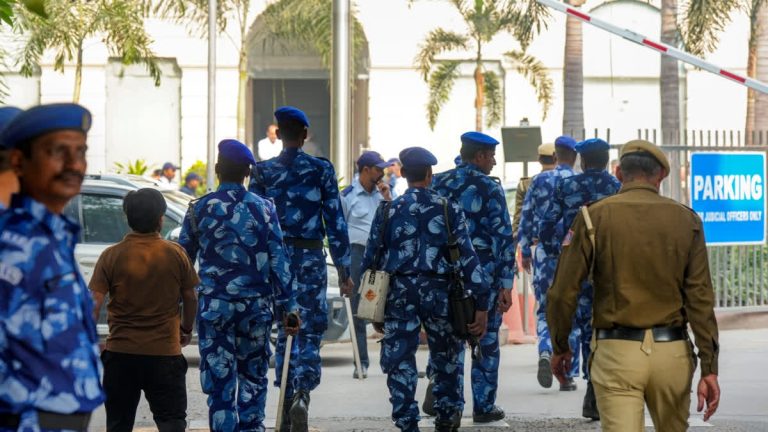
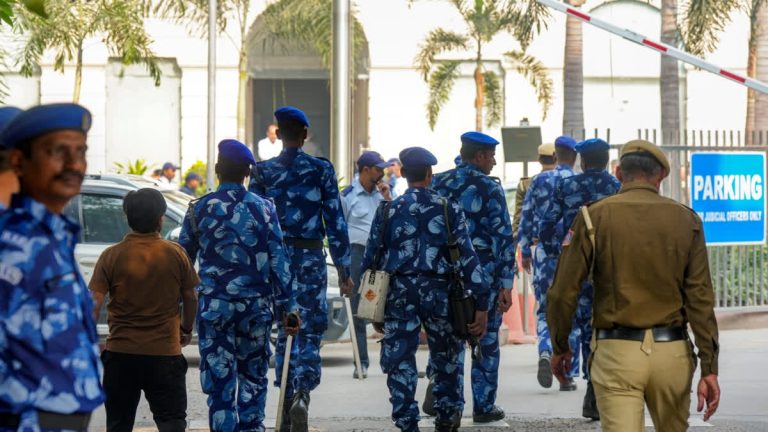
The accused was produced before Principal Districts and Sessions Judge Anju Bajaj Chandna at Patiala House Courts on Tuesday amid heightened security arrangements led by paramilitary forces. The court’s decision to grant NIA custody Red Fort case investigators reflects the gravity of the allegations and the need for comprehensive questioning to establish the full extent of the conspiracy.

Wani’s appearance in court came just a day after he was formally arrested by Jammu and Kashmir police and handed over to the National Investigation Agency. The NIA secured his transit remand on Monday and immediately transported him to the national capital for further investigation.

Technical Expertise in Terror Planning

According to the National Investigation Agency, Wani’s role in the terror conspiracy was critical and technically sophisticated. The NIA custody Red Fort investigation revealed that Wani allegedly provided specialized technical support for carrying out terror attacks. His expertise reportedly included modifying drones for potential use in attacks and attempting to manufacture rockets ahead of the bomb blast that shook the national capital.

This technical dimension to the terror plot underscores the evolving nature of threats facing security agencies, with perpetrators increasingly leveraging modern technology for destructive purposes. The modification of drones for terror purposes represents a particularly concerning development in the tactics employed by extremist elements.

Educational Background and Initial Detention

Wani, a student at Government Degree College Levodara in Kulgam, Jammu and Kashmir, was initially picked up by state police from Qazigund in Anantnag district last week. The detention, which also involved his uncle, came as investigators widened their net to capture all individuals connected to the Red Fort bombing conspiracy.

The NIA custody Red Fort probe has now established connections between Wani and other key figures in the terror module, particularly doctors who allegedly formed the core of the conspiracy network. These connections are expected to be thoroughly explored during the ten-day interrogation period granted by the court.

Legal Representation and Proceedings

During the court proceedings, Wani was represented by a legal aid lawyer, ensuring his constitutional right to legal representation was protected. The National Investigation Agency was represented by Special Public Prosecutors Kushdeep Gaur and Anil Dabas, who presented the agency’s case for extended custody to facilitate comprehensive interrogation.

The NIA custody Red Fort case proceedings were conducted with appropriate security measures, reflecting both the high-profile nature of the case and potential security concerns surrounding the accused.

Also Read: Delhi Bomb Threats: Alarming Hoax Evacuates Courts, Schools

Connection to Terror Module Doctors

Investigators have established that Wani was a neighbor of brothers Adil and Muzaffar Rather, two doctors allegedly integral to the terror module behind the Red Fort blast. This geographical proximity appears to have facilitated the conspiracy, with the NIA custody Red Fort investigation exploring how these relationships evolved into a coordinated terror plot.

While Muzaffar is currently believed to be in Afghanistan, his younger brother Adil was arrested from Saharanpur in Uttar Pradesh. The Rather brothers’ involvement highlights the disturbing phenomenon of educated professionals being drawn into extremist activities, a pattern that has emerged repeatedly in this investigation.

Previous Arrest in the Case

The NIA custody Red Fort blast case had witnessed another significant arrest just a day earlier. On Monday, a Delhi court remanded Rashid Mir, the agency’s first arrest in the case, to 10 days in NIA custody. The agency claimed that Mir provided crucial logistical support to the main accused and purported suicide bomber Umar Nabi, who died in the blast.

According to the remand application, Mir assisted Nabi in obtaining the Hyundai i20 car that exploded on an arterial road near the historic Red Fort, as well as in procuring weapons. This logistical support network demonstrates the complexity of the conspiracy and the multiple layers of assistance required to execute the attack.

Tragic Family Consequences

The investigation has had devastating consequences for Wani’s family. His father, Bilal Ahmad Wani, set himself ablaze on Sunday following the detention of his son and brother for questioning on Saturday. The elder Wani succumbed to his injuries on Monday, adding a tragic dimension to the unfolding investigation.

Wani’s aunt Naseema defended her nephew and husband, stating: “He kept in touch with the doctor as he was a doctor and the family had no suspicion that he was doing something else. My husband and Jasir were picked up by police. My husband is innocent and should be released. We belong to a very simple family.”

Expanding Investigation Network

As the NIA custody Red Fort blast investigation continues, authorities are piecing together the full scope of the terror network. The ten-day custody period granted for Wani will allow investigators to question him extensively about his technical contributions, his relationships with other conspirators, and any additional planned attacks.

The technical nature of Wani’s alleged contributions—particularly drone modifications and rocket manufacturing attempts—suggests sophisticated planning and access to specialized knowledge. Investigators will likely focus on determining where Wani acquired these skills, who else may possess similar capabilities within the network, and whether additional attacks were being planned.

Implications for National Security

The NIA custody Red Fort case continues to reveal disturbing details about the organization and capabilities of domestic terror networks. The involvement of educated individuals, including students and doctors, in such conspiracies represents a significant challenge for security agencies. The ten-day interrogation period will be crucial in understanding the full extent of the conspiracy and preventing future attacks.

Delhi Bomb Threats: Alarming Hoax Evacuates Courts, Schools

0

New Delhi – Four major court complexes and two schools in the national capital were thrown into chaos on Tuesday morning following bomb threats that eventually proved to be hoaxes. The Delhi bomb threats, which arrived via email and a PCR call, triggered immediate evacuations and comprehensive security sweeps across multiple high-profile locations in the city.

Multiple Locations Targeted Simultaneously

The Delhi bomb threats affected Patiala House Courts, Saket district court, Rohini court, and Tis Hazari court, all of which were immediately vacated to conduct thorough bomb checks. Simultaneously, a PCR call claimed that bombs had been planted inside two CRPF schools located in Dwarka and Prashant Vihar, creating a widespread security alert across the capital.

According to a senior police officer, the threats were coordinated, arriving around the same time through different channels. “We received an email stating bombs are planted in different courts. This included Delhi district courts. Around the same time, a PCR call was made by a man who said he planted bombs inside two CRPF schools in Dwarka and Prashant Vihar,” the officer stated.

Content of the Threatening Email

The Delhi bomb threats were communicated through an email sent from the address “jaish-e-mohammad@gmx.com” at approximately 9am on Tuesday. The message, written in fragmented English, read: “Good Morning India, due to the continuous injustice to the people of Allah in Allah’s Court… this court…orders the bomb destruction of the court complex in Delhi Patiala Court. Rohini. Socket. The Dwarka court…is effective with immediate effect today. Order dated 18.11.2025 of the Court of Allah…”

The poorly constructed message raised immediate red flags among investigators, though security protocols demanded that the threats be treated seriously until proven otherwise. The reference to religious language and the specific targeting of judicial institutions added gravity to the situation.

Germany-Based Email Service Investigation

Investigators revealed that the email containing the Delhi bomb threats was sent through a Germany-based mailing service, complicating the investigation. Police teams are working to identify the accused by tracing the digital footprint left by the email sender. The use of an international email service suggests either an attempt to disguise the sender’s location or the possibility of foreign involvement, though authorities are exploring all angles.

The choice of the email address itself—referencing a banned terrorist organization—was clearly intended to maximize alarm and disruption, regardless of whether any actual threat existed.

Immediate Response and Evacuation Measures

Following the Delhi bomb threats, authorities initiated swift evacuation procedures across all targeted locations. Teams from the crime branch and bomb squad were immediately deployed to sweep all sites mentioned in the threats. Bomb detection teams and bomb disposal squads meticulously checked the premises of all four court complexes and both CRPF schools.

Advocate Anil Basoya, secretary of the Saket bar association, confirmed that court work was suspended for approximately two hours to allow for thorough security checks. The disruption affected numerous ongoing cases and scheduled hearings across the judicial system.

Bar Association Response

Advocate Tarun Rana, secretary of the New Delhi Bar Association, addressed the security measures implemented in response to the Delhi bomb threats. “All necessary measures to ensure the safety and security of the court complex were initiated and police and security personnel frisked the area effectively,” he stated, emphasizing the coordinated response between legal professionals and law enforcement.

Bar associations across the affected courts paused hearings voluntarily, prioritizing the safety of lawyers, judges, court staff, and litigants over procedural continuity. This cooperation facilitated more efficient security operations.

Comprehensive Security Sweeps

A police officer involved in the operation confirmed the scope of the response: “As of now, all court complexes and CRPF schools are being cleared. Bomb detection team and a bomb disposal squad are checking the premises. Crime branch teams have also been sent. Nothing has been found as of now.”

Also Read: Red Fort Bomber Video Reveals Chilling Suicide Attack Defense

The thorough searches conducted in response to the Delhi bomb threats involved multiple specialized units working in coordination. Despite extensive checks across all locations, no explosive devices or suspicious materials were discovered, leading authorities to declare the threats as hoaxes.

PCR Call Traced to Prank Caller

The investigation into the phone call component of the Delhi bomb threats progressed more quickly than the email investigation. Police declared the PCR call a hoax within hours and began tracking the caller. An officer in Rohini provided details: “We have identified the address of the PCR caller but it was a fake address. The accused will soon be nabbed. He did it as a prank.”

The use of a false address by the caller demonstrates premeditation in attempting to evade capture, though police expressed confidence in their ability to apprehend the individual responsible for the hoax call.

Security and Legal Implications

The Delhi bomb threats highlight ongoing security challenges facing the capital’s critical infrastructure, particularly judicial institutions. While this incident proved to be a hoax, the disruption caused underscores the effectiveness of such threats in creating chaos and wasting significant law enforcement resources.

Hoax bomb threats carry serious legal consequences in India, with perpetrators facing potential charges under various sections of the Indian Penal Code, including those related to public mischief, causing alarm, and wasting police resources. The deliberate targeting of judicial institutions may result in additional charges.

Ongoing Investigation

As of Tuesday afternoon, all court complexes and CRPF schools had been declared safe and operations resumed. However, investigations continue into both the email sender and the prank caller, with authorities determined to identify and prosecute those responsible for the disruption caused by the Delhi bomb threats. The incident serves as a reminder of the constant vigilance required to maintain security at sensitive public institutions in the national capital.

Prashant Kishor Challenge: Bold Ultimatum After Bihar Defeat In 2025 Polls

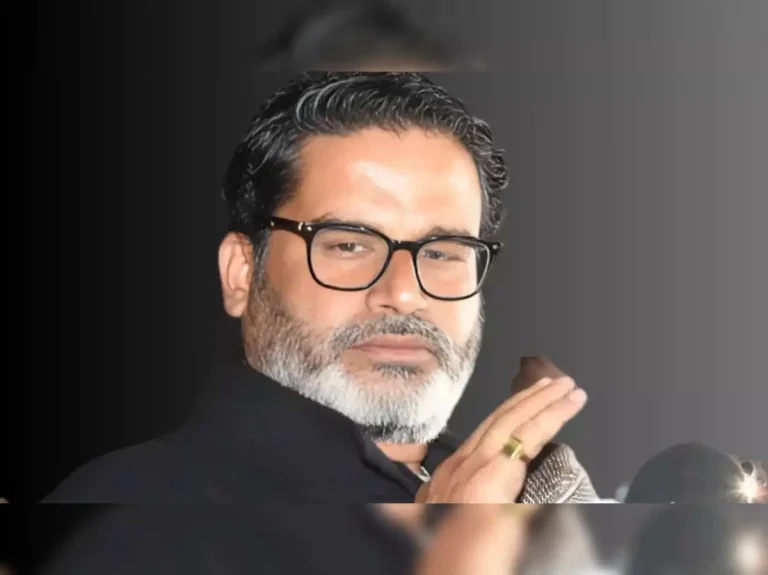
Bihar – Poll strategist-turned-politician Prashant Kishor has issued a dramatic ultimatum to the Bihar government, marking his first major statement following his party’s disastrous performance in the recently concluded state assembly elections. The Prashant Kishor challenge centers on the Janata Dal United chief and Chief Minister Nitish Kumar‘s campaign promise to transfer ₹2 lakh each to 1.5 crore women in Bihar.

Accepting Responsibility for Electoral Debacle

In his first comprehensive remarks after the massive setback suffered by his Jan Suraaj Party in its maiden electoral contest, Kishor demonstrated accountability by taking full responsibility for the outcome. He candidly acknowledged that despite their efforts, the party was unable to bring about a change in power in Bihar, showing a level of political maturity uncommon in Indian politics.

The Jan Suraaj Party fielded candidates in all 243 assembly seats but failed to win a single constituency, marking one of the most complete electoral defeats for a new political entrant in Bihar’s recent history. This outcome stood in stark contrast to the confident predictions Kishor had made during the campaign period.

The Conditional Retirement Promise

The latest Prashant Kishor challenge represents a direct confrontation with the victorious Nitish Kumar-led government. Speaking to the media, Kishor laid out specific conditions under which he would permanently exit political life. “If Nitish Kumar transfers the ₹2 lakh he promised to 1.5 crore women and proves he didn’t win by buying votes, I will definitely quit politics without any ifs and buts,” he declared.

This statement serves dual purposes: it challenges the government to fulfill its campaign promises while simultaneously alleging that the election results were influenced by vote-buying rather than genuine public support. The Prashant Kishor challenge thus becomes both a test of governmental accountability and an allegation of electoral malpractice.

Standing By Previous Predictions

Kishor demonstrated defiance despite his party’s poor showing by doubling down on controversial predictions he made before the elections. “People are talking a lot about my remark on JD(U) winning 25 seats – I still stand by it,” he stated, referring to his pre-election forecast that Nitish Kumar’s party would secure only 25 seats.

The actual results proved dramatically different from Kishor’s predictions. Nitish Kumar’s JDU won an impressive 85 of the 101 seats it contested, while its biggest ally, the BJP, secured 89 seats. The National Democratic Alliance’s stunning victory enabled them to form the government, with the swearing-in ceremony scheduled for November 20.

Allegations of Systematic Vote Buying

The Prashant Kishor challenge extended beyond the welfare promise to include serious allegations about the election process itself. Kishor alleged that the JDU’s performance was artificially inflated through financial incentives provided to voters. “Between Nitish Kumar and his victory, there is only one thing — buying of 60,000 votes in each assembly constituency at ₹10,000,” he claimed.

Also Read: Tej Pratap Backs Rohini: Explosive Family Crisis Demands Probe

According to Kishor’s calculations, the ruling party distributed ₹10,000 to over 60,000 beneficiaries in each constituency, which he characterized as vote-buying rather than legitimate welfare distribution. “It should be made clear whether it was a vote purchase or part of a self-employment programme,” he demanded, calling for transparency regarding the nature of these financial transfers.

Defending the Original Seat Prediction

Elaborating on his pre-election predictions, the Prashant Kishor challenge included an explanation for why his forecast proved so inaccurate. He maintained that his prediction of JDU winning only 25 seats would have been accurate had the party not engaged in what he describes as systematic vote purchasing through cash distributions.

“The JD(U) quota would have been limited to just 25 seats had it not given ₹10,000 to over 60,000 beneficiaries in each constituency,” Kishor argued, essentially claiming that his political analysis was correct but failed to account for alleged electoral malpractice.

Promise to Return Stronger

Despite the comprehensive defeat, Kishor struck a defiant tone about his political future, barring the fulfillment of conditions outlined in his challenge. “We received a setback, but we will rectify the mistakes, build ourselves and come back stronger… there is no going back for us,” he asserted, indicating that the Jan Suraaj Party intends to continue its political journey.

This statement suggests that the Prashant Kishor challenge regarding his political retirement is contingent specifically on the government fulfilling its welfare promises, rather than being triggered automatically by his party’s electoral failure.

Electoral Context and Results

Elections to the 243-member Bihar Assembly were conducted in two phases, with results announced on Friday, November 14. The NDA’s comprehensive victory represented a significant mandate for the Nitish Kumar-led coalition, contradicting pre-election surveys and predictions that had suggested a much closer contest.

The Jan Suraaj Party’s complete failure to win any seats raises questions about Kishor’s transition from being a successful political strategist for other parties to leading his own political outfit. His previous work with various parties across India had earned him a reputation as an astute political analyst and campaign manager.

Testing Government Accountability

The Prashant Kishor challenge ultimately serves as a test of governmental accountability in Bihar. By specifically demanding the fulfillment of the ₹2 lakh transfer to 1.5 crore women, Kishor has created a measurable benchmark against which the new government’s performance can be evaluated. Whether this challenge results in actual policy implementation or remains political rhetoric will become clear in the coming months as the newly formed NDA government begins its tenure.

Tej Pratap Backs Rohini: Explosive Family Crisis Demands Probe

0

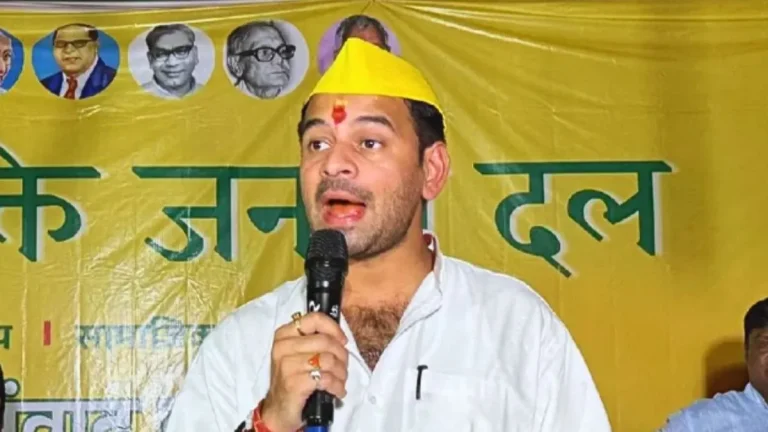
Bihar – In a dramatic escalation of the Yadav family crisis, RJD supremo Lalu Prasad’s elder son has publicly voiced his support for his sister following serious allegations of mistreatment. Tej Pratap backs Rohini Acharya’s claims of humiliation and has called upon the highest levels of government to investigate potential mental harassment of his parents, signaling deep fractures within one of Bihar’s most prominent political families.

Public Declaration of Support

The former Bihar minister, Tej Pratap Yadav made his position clear through posts on social media, where Tej Pratap backs Rohini in her allegations against her brother Tejashwi Yadav and his aide Sanjay Yadav. Tej Pratap, who recently lost the election from Mahua assembly seat, used the metaphor of ‘Jaichand’—a historical reference to traitors—to describe those he holds responsible for the family crisis.

His vocal support in Tej Pratap backs Rohini marks a significant development in what has become a very public family dispute, exposing tensions that have apparently been building within the RJD’s first family following the party’s debacle in the Bihar assembly polls.

Appeal to Central and State Governments

In a strongly worded statement, Tej Pratap backs Rohini while simultaneously making urgent appeals to Prime Minister Narendra Modi, Union Home Minister Amit Shah, and the Bihar government. He specifically requested an investigation into whether his parents have been subjected to any form of mental or physical harassment.

“It is being said that some people, Jaichands, are making attempts to keep my parents Lalu Prasad ji and my mother under mental and physical pressure. If there is even a shred of truth in this, then this is not just an attack on my family, it is a direct blow to the very soul of the RJD,” he stated in his social media post.

Demands for Immediate Investigation

Tej Pratap backs Rohini’s claims by demanding concrete action against specific individuals. “I request the PM, Amit Shah ji, and the Bihar government that an impartial, strict, and immediate investigation be conducted in the matter,” he wrote, sharing the post from his Janshakti Janta Dal’s account.

He further demanded that if anyone has misbehaved with, pushed, manhandled, or hurled abuses at his sister, mother, or father, then individuals such as Sanjay Yadav, Rameez Nemat Khan, and Pritam Yadav must immediately be booked and FIRs should be registered against them.

Concerns About Father’s Health

Highlighting his father’s vulnerable condition, Tej Pratap emphasized the seriousness of the situation. “My father is already unwell, he absolutely cannot bear such pressure,” he wrote, underscoring his concerns about the impact of alleged harassment on Lalu Prasad’s health. This reference to his father’s fragile state adds urgency to his calls for governmental intervention.

Allegations Against Party Inner Circle

The crisis stems from serious allegations raised by Rohini Acharya, who donated a kidney to her father years ago. Tej Pratap backs Rohini as she claimed on Sunday that she has been “sworn at” and accused of extracting “crores of rupees and a party ticket” in exchange for the “filthy kidney” that she gave to her ailing father.

The 47-year-old, who had contested last year’s Lok Sabha polls unsuccessfully from Saran, shared disturbing details of what transpired at their parents’ home following the RJD’s poor performance in the Bihar assembly elections. She alleged that she was driven out of her parents’ home by cohorts of her younger brother Tejashwi Yadav.

Emotional Family Betrayal

In emotionally charged posts, Acharya expressed deep hurt over the treatment she received after making significant personal sacrifices. She recounted how she donated her kidney to save her father’s life “without caring for the approval of my husband and my in-laws or for the well-being of my three children.”

Tej Pratap backs Rohini’s emotional account, stating, “Whatever has happened with Rohni didi has shaken me. I tolerated whatever happened to me, but I can’t tolerate this insult to my sister. It’s unacceptable and unbearable.”

Warning to ‘Jaichands’

Taking a firm stand, Tej Pratap backs Rohini with unequivocal warnings to those he considers responsible for the family turmoil. “I will not tolerate the insult to our sister under any circumstances… Jaichands will have to pay the price for their misdeeds… they will have to face the consequences,” he declared.

He added a political dimension to his warning: “I must tell all these Jaichands… If they target our family, people of Bihar will never forgive them.”

Criticism of Party Management

Beyond the immediate family crisis, Tej Pratap backs Rohini also contained broader criticism of RJD’s internal workings. He wrote about irregularities in ticket distribution, alleging that tickets were given in exchange for money. He claimed that the “collusive politics of flatterers” has ignored those pillars who dedicated themselves to building the RJD over the years.

“Today, these same Jaichands, driven by greed and sycophancy, are destroying both the family and the organisation,” he stated, connecting personal grievances with organizational concerns.

Bitter References in Sister’s Posts

Acharya made pointed references in her posts, taking a dig at Tejashwi Yadav and Sanjay Yadav. “May all married women, if they have a brother, never take such a step. They should ask their brother to donate his own kidney or that of a Haryanvi friend,” she wrote, her words dripping with bitterness.

As Tej Pratap backs Rohini in this public family dispute, the crisis threatens to have lasting implications not just for the Yadav family but potentially for the RJD’s political future in Bihar. The calls for governmental investigation add a new dimension to what has become one of the most dramatic family feuds in recent Indian political history.

Epstein Files Bill Passes: Big & Historic Senate Vote Unanimous

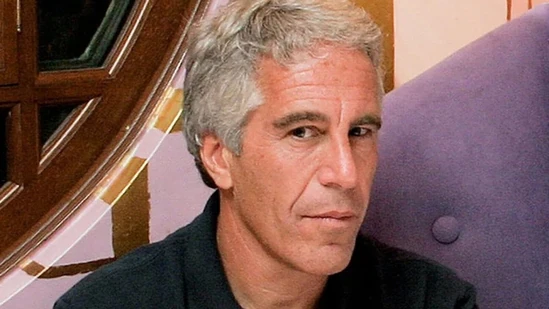
Washington D.C. – In a landmark legislative development, the US Senate has unanimously passed the Epstein Files Transparency Act on Tuesday, marking a significant step toward the forced release of documents related to convicted sex offender Jeffrey Epstein. The Epstein files bill now awaits only President Donald Trump‘s signature to become law, bringing the nation closer to unprecedented transparency in one of the most high-profile criminal cases in recent American history.

Swift Senate Passage Following House Vote

The Epstein files bill moved through the Senate with remarkable speed following an overwhelming vote in the US House of Representatives earlier the same day. The upper chamber of Congress agreed to consider the bill passed when it arrived from the House, utilizing a procedure known as unanimous consent, which allows legislation to advance without a formal vote.

No senator objected to Senate Minority Leader Chuck Schumer’s move to request passage of the transparency act, demonstrating rare bipartisan unity on the controversial measure. The bill will now be transmitted directly to President Trump’s desk for his assent, which he has publicly pledged to provide.

House Approval with Near-Universal Support

Before reaching the Senate, the Epstein files bill secured passage in the House of Representatives with a massive majority of 247-1 votes. The lopsided vote reflects broad congressional support for transparency regarding Epstein’s activities and associations, despite concerns raised about potential consequences of releasing sensitive investigative materials.

The sole dissenting vote came from Representative Clay Higgins, who voiced serious reservations about the legislation’s approach to releasing criminal investigative files. His opposition centered on concerns about protecting innocent individuals whose names appear in the documents but who have no criminal involvement in Epstein’s activities.

Representative Higgins’ Privacy Concerns

Representative Higgins articulated his principled opposition to the Epstein files bill in a social media post, explaining his consistent stance against the legislation. “I have been a principled ‘NO’ on this bill from the beginning. What was wrong with the bill three months ago is still wrong today,” Higgins stated, emphasizing his concerns about abandoning established criminal justice procedures.

The Louisiana Representative argued that the bill, as currently written, “reveals and injures thousands of innocent people – witnesses, people who provided alibis, family members, etc.” He warned that releasing such comprehensive investigative files to what he termed a “rabid media” will “absolutely result in innocent people being hurt.”

Higgins indicated willingness to support the Epstein files bill if the Senate amended it to properly address privacy protections for victims and other Americans named in the documents but not criminally implicated. However, the Senate’s unanimous consent procedure precluded any amendments or debate.

Also Read: Trump India Visit 2026: Stunning Announcement Amid Trade Tensions

Schumer’s Appeal for Transparency

Speaking on the Senate floor while requesting unanimous consent to pass the legislation, Democratic Minority Leader Chuck Schumer framed the Epstein files bill as a matter of long-overdue transparency. “The American people have waited long enough. Jeffrey Epstein’s victims have waited long enough. Let the truth come out,” Schumer declared.

The Minority Leader emphasized that the act addresses public demands for transparency that have persisted since Epstein’s arrest and subsequent death in custody. His characterization of the legislation as giving “the American people the transparency they have been crying for” resonated with senators across party lines, resulting in no objections to the measure.

Streamlined Legislative Process

The Senate’s handling of the Epstein files bill reflects an unusually expedited legislative process. Following Schumer’s request for unanimous consent, the chamber passed the measure without raising any objections, eliminating the typical procedural steps of debate and amendments.

Under the terms established for the bill’s consideration, once it officially arrives in the Senate chamber from the US House, there will be no debate period and no opportunity for amendments. The legislation will proceed directly to President Trump’s desk for his signature.

Presidential Commitment to Sign

President Donald Trump has publicly pledged to sign the Epstein files bill into law, removing the final obstacle to the legislation’s enactment. Trump’s commitment to approve the transparency act adds weight to expectations that the Epstein-related documents will soon become public.

The president’s willingness to sign the legislation comes despite potential political sensitivities, as the files may contain references to numerous prominent individuals from various sectors of American society, including politics, business, and entertainment.

Implications of the Transparency Act

The passage of the Epstein files bill represents a significant moment in the ongoing effort to achieve accountability and transparency regarding Epstein’s criminal activities. The convicted sex offender’s connections to powerful figures and his suspicious death while in federal custody have fueled public demands for comprehensive disclosure of investigative materials.

Once signed into law, the act will mandate the release of files that have been the subject of intense speculation and numerous conspiracy theories. Supporters argue that transparency serves the public interest and honors Epstein’s victims, while critics like Representative Higgins warn of potential harm to innocent individuals whose names appear in investigative documents.

Path to Implementation

With the Epstein files bill having cleared both chambers of Congress, implementation depends solely on presidential action. Once President Trump affixes his signature, federal agencies will be required to comply with the transparency mandate, beginning the process of reviewing and releasing the relevant documents.

The unprecedented nature of this forced disclosure, achieved through overwhelming congressional support and rare unanimous Senate passage, underscores the sustained public interest in understanding the full scope of Epstein’s activities and the systems that enabled his crimes for years.

Al Falah Founder Arrested: Shocking Money Laundering Charges

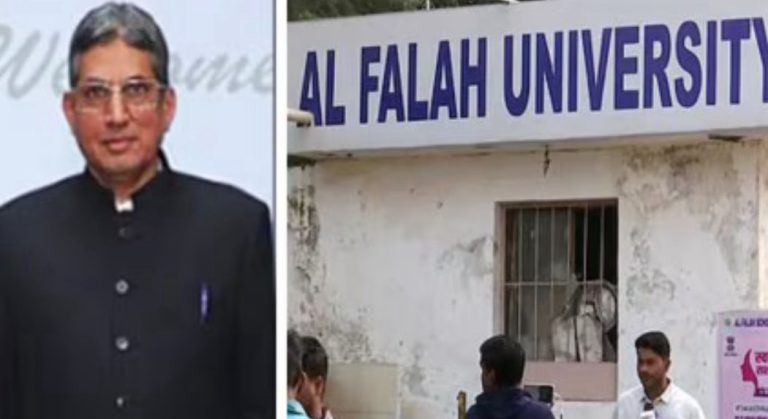
Haryana – The Enforcement Directorate has taken decisive action in a major financial fraud investigation, with the Al Falah founder arrested on Tuesday in connection with money laundering charges linked to alleged fraudulent accreditation claims and financial irregularities. Jawad Ahmad Siddiqui, chairman of the Al-Falah group and chancellor of Al-Falah University in Faridabad since 2014, now faces serious legal consequences under the Prevention of Money Laundering Act.

Arrest Under Prevention of Money Laundering Act

The Al Falah founder arrested following comprehensive investigations by the Enforcement Directorate, which examined material seized during search operations conducted earlier in the day. Siddiqui was taken into custody under Section 19 of the Prevention of Money Laundering Act (PMLA), marking a significant development in the ongoing probe into the educational group’s financial operations.

The arrest comes amid heightened scrutiny of Al-Falah University, which has found itself at the center of multiple investigations, including one of India’s largest terror probes in recent years. The timing and circumstances of the arrest have drawn considerable attention from law enforcement agencies and educational regulators alike.

Connection to Red Fort Terror Investigation

The Al-Falah Medical College, sprawling across a 72-acre campus in Faridabad, has emerged as a critical location in the investigation of the Red Fort blast. Police believe prime suspects, including faculty member Umar Un Nabi—described by the National Investigation Agency as the suicide bomber behind the Red Fort blast—utilized a room at the medical college to plan logistics and transport routes for ammonium nitrate intended for multiple blasts across the National Capital Region.

According to police sources, the Hyundai i20 that exploded near Red Fort was parked inside the campus for nearly 20 days, raising serious questions about security protocols and oversight at the institution. While the ED’s money laundering case stems from separate allegations, the terror probe has intensified scrutiny of the institution’s overall operations and management.

Fraudulent Accreditation Claims

The Enforcement Directorate’s investigation originates from two FIRs registered by the Delhi Police Crime Branch. The complaints allege that Al-Falah University falsely claimed accreditation by the National Assessment and Accreditation Council (NAAC) and misrepresented its eligibility under Section 12(B) of the UGC Act to mislead students and their parents.

The University Grants Commission has officially clarified that the university holds recognition only under Section 2(f) as a state private university and has never been eligible for central grants. This misrepresentation forms the foundation of the money laundering charges, as investigators examine how fraudulently obtained funds were handled and distributed.

Complete Control Over Educational Network

A senior ED official revealed that the Al Falah founder arrested after investigations established his complete control over the Al-Falah Charitable Trust, which he has managed as trustee since 1995. Siddiqui exercised comprehensive authority over the trust and its extensive network of educational institutions, giving him significant influence over financial decisions and fund allocation.

“Despite the group’s rapid expansion since the late 1990s, investigators say its financials do not support such growth,” the official stated, highlighting discrepancies between the institution’s growth trajectory and its documented financial resources.

Extensive Search Operations and Evidence Recovery

The Enforcement Directorate conducted searches at 19 locations across the National Capital Region on Tuesday, targeting the university campus and residences of key personnel. During these operations, the Al Falah founder arrested after investigators claimed to uncover evidence of large-scale fund diversion.

Officials assert that proceeds of crime running into crores of rupees were systematically routed to family-owned entities. Construction and catering contracts were allegedly awarded to firms linked to Siddiqui’s wife and children, creating a network of related-party transactions that benefited the family financially.

Financial Evidence and Shell Companies

The investigation yielded substantial material evidence, with the agency seizing ₹48 lakh in cash, numerous digital devices, and critical documents. Investigators identified multiple shell companies believed to form part of an elaborate laundering network designed to obscure the movement and origin of funds.

The ED official explained that evidence of fund layering, systematic diversion of resources, and recovery of unexplained cash established Siddiqui’s culpability in the money laundering scheme where Al Falah founder arrested. Fund layering—a technique used to create distance between illegal funds and their source through multiple transactions—appears to have been a key component of the alleged operation.

Legal Proceedings and Ongoing Investigation

Following the arrest, the Al Falah founder arrested was produced before a court where the Enforcement Directorate sought custodial remand for further questioning. The request for custody indicates investigators believe Siddiqui possesses crucial information about the extent of the financial irregularities and the identities of other individuals potentially involved in the scheme.

“Further investigation is underway,” the ED official confirmed, suggesting that additional arrests or revelations may follow as the probe deepens ahead of Al Falah founder arrested.

Implications for Educational Sector

The case of Al Falah founder arrested raises broader concerns about regulatory oversight in the private education sector. The alleged fraudulent claims about accreditation and UGC eligibility highlight vulnerabilities in the system that allows institutions to potentially mislead students and parents about their credentials and legitimacy.

As the investigation continues, the Al Falah founder arrested represents a significant step toward accountability in what appears to be a complex case of financial fraud, misrepresentation, and potential exploitation of students seeking quality education. The outcome of this case may have far-reaching implications for how private educational institutions are monitored and regulated in India.

Anmol Bishnoi Deported: Major Breakthrough in Gangster Case

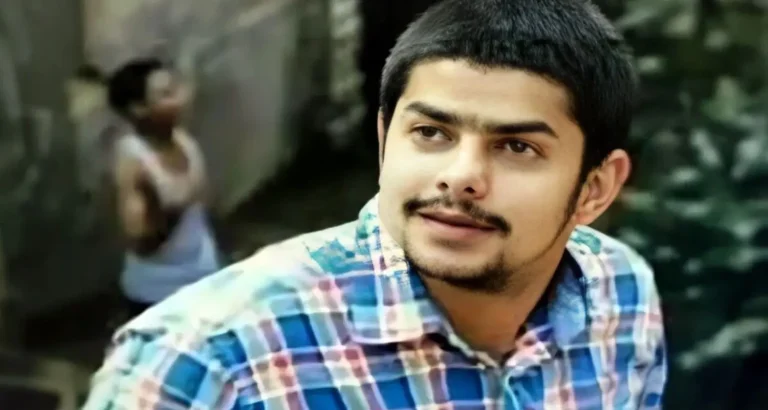
United States – In a significant victory for Indian law enforcement agencies, Anmol Bishnoi, the younger brother of notorious gangster Lawrence Bishnoi and one of India’s most-wanted organized crime fugitives, has been deported from the United States. The development marks a crucial milestone in multiple high-profile criminal investigations spanning across continents.

US Confirms Removal from American Soil

The US Department of Homeland Security officially informed the family of slain NCP leader Baba Siddique on Tuesday that Anmol Bishnoi deported from American territory on November 18, 2025. The communication stated clearly: “This email is to inform you that ANMOL BISHNOI has been removed from the United States.”

Bishnoi is believed to be en route to India and is expected to land in Delhi on Wednesday, where law enforcement agencies are preparing to take him into formal custody for questioning in multiple criminal cases.

Journey from India to America

A native of Fazilka district in Punjab, Anmol Bishnoi had been on the run since fleeing India on a forged passport in 2021. His escape route demonstrates the sophisticated network supporting his criminal operations. Investigators have traced his movements, revealing that he first traveled to Nepal before proceeding through Dubai and Kenya, eventually reaching the United States.

His last public appearance was documented at an event in Bakersfield, California, in April 2023. The US Immigration and Customs Enforcement subsequently took Bishnoi into custody for using a fake passport, and he was lodged in Pottawattamie County jail in Iowa. His arrest earlier this year initiated the deportation process that concluded this week.

High-Profile Criminal Cases

Anmol Bishnoi deported after facing at least 18 criminal cases in India, making his return a significant breakthrough for investigators. The most prominent case involves the conspiracy to murder former Maharashtra minister and NCP leader Baba Siddique, who was fatally shot in Mumbai in October 2024.

Zeeshan Siddique, Baba Siddique’s son and former Congress lawmaker, expressed relief at the deportation. “After learning that Anmol Bishnoi was in the United States, we registered as victims of crime with various departments,” he stated. “We want the Mumbai Police to arrest and question him to find the motive behind my father’s killing. He is a threat to society.”

Also Read: Trump India Visit 2026: Stunning Announcement Amid Trade Tensions

Connection to Bollywood and Entertainment Industry

Another significant case involves the firing incident outside actor Salman Khan’s Bandra residence in April 2024. Investigators assert that this attack was orchestrated at the behest of the Bishnoi criminal network, with Anmol playing a coordinating role from abroad.

Perhaps one of the most high-profile cases linked to Bishnoi is the May 2022 killing of Punjabi rapper Sidhu Moosewala. Agencies allege that Anmol Bishnoi deported after coordinating this plot while operating from foreign soil. Both Anmol and his brother Lawrence Bishnoi, along with associate Goldy Brar, face accusations in the Moosewala murder case.

Role in International Criminal Syndicate

The National Investigation Agency has declared Anmol Bishnoi as ‘most wanted’ and announced a reward of ₹10 lakh for information leading to his capture. According to senior NIA officials speaking on condition of Anmol Bishnoi deported, Bishnoi functioned as Lawrence Bishnoi’s principal overseas agent, directing extortion rackets, issuing threats, and coordinating criminal assignments through encrypted communication channels.

“His presence abroad helped the syndicate build links with criminal groups across West Asia, East Africa and North America,” the NIA official revealed. “With his deportation confirmed, we are now preparing to take his formal custody.”

Terror Financing and International Networks

The NIA has claimed that Anmol Bishnoi deported after investigations revealed his involvement in raising funds for terror and criminal activities. Along with Goldy Brar, believed to be based somewhere in the US, Bishnoi allegedly engaged in drug smuggling, weapons trafficking, widespread extortion, and targeted killings of well-known social and religious leaders, movie stars, singers, and businessmen.

Intelligence agencies believe the duo maintained constant contact with pro-Khalistan elements based in Canada, the United States, Nepal, Pakistan, and other countries. This connection between organized crime and separatist movements has raised serious national security concerns.

Legal Documentation and Charges

Bishnoi is named as an accused alongside his brother Lawrence in the NIA’s March 24, 2023, charge sheet, which comprehensively details the gang’s activities and their involvement with pro-Khalistan groups. The charge sheet specifically states that Anmol, along with associate Darmanjot Kahlon alias Darman Singh, “handles from the US, the gang’s finance deals and logistics.”

The Enforcement Directorate is also probing the gang’s activities under the Prevention of Money Laundering Act, investigating the financial networks that sustained their international operations.

Implications for Ongoing Investigations

With Anmol Bishnoi deported and set to arrive in India, investigators anticipate major breakthroughs in understanding the Bishnoi syndicate’s global operations. NIA officials believe his interrogation could unlock crucial details about international criminal networks and reshape several ongoing terror, murder, and extortion investigations. The news of Anmol Bishnoi deported represents a significant achievement for Indian law enforcement agencies working to dismantle transnational criminal organizations.