Wednesday, March 4, 2026
Home Blog Page 34

Varanasi to Siliguri Bullet Train 2026 – Project Cleared, Bengal Land Nod Awaited, and Governance Lessons in High‑Speed Rail Development

The Varanasi to Siliguri bullet train 2026 project has been formally cleared by the Centre, marking a milestone in India’s high‑speed rail ambitions. Railway Minister Ashwini Vaishnaw announced that while the project has received approval, its implementation hinges on land acquisition clearance from the Bengal government. This corridor is expected to transform connectivity between Uttar Pradesh and North Bengal, boosting trade, tourism, and regional integration.

The announcement underscores the intersection of infrastructure development, federal cooperation, and governance accountability, where land acquisition becomes the decisive factor in translating vision into reality.


2. The Project

  • Route: Varanasi (Uttar Pradesh) to Siliguri (West Bengal).
  • Type: Bullet train / high‑speed rail corridor.
  • Status: Cleared by Centre; awaiting Bengal’s land approval.
  • Strategic importance: Connects eastern India’s cultural hub (Varanasi) with gateway to Northeast India (Siliguri).
  • Economic impact: Expected to benefit tea, tourism, textiles, and logistics sectors in Bengal.

3. Why This Case Matters

  • National connectivity: Strengthens India’s high‑speed rail network.
  • Regional growth: Boosts industries in Bengal and Uttar Pradesh.
  • Governance accountability: Citizens expect clarity on land acquisition delays.
  • Public trust: Handling of project influences confidence in institutions.

4. Political and Social Reactions

  • Centre’s stance: Railway Minister emphasized readiness but pointed to Bengal’s pending land nod.
  • Bengal government: Yet to respond formally, raising questions about cooperation.
  • Opposition voices: Criticised delays as politically motivated.
  • Civil society: Expressed optimism about connectivity but concern over land acquisition fairness.
  • Observers: Noted potential for issue to reshape narratives on governance in Bengal.

5. Varanasi to Siliguri Bullet Train 2026: Governance Challenges

The bullet train debate reflects systemic governance issues:

  • Land acquisition: Requires cooperation between Centre and state.
  • Security risks: Delays in clearance increase project uncertainty.
  • Administrative accountability: Transparency in land allocation is essential.
  • Judicial oversight: Courts may intervene if constitutional provisions on federal balance are violated.

6. Community Concerns

  • Border families: Seek clarity on compensation and rehabilitation.
  • Youth: Demand fair opportunities in construction and operations.
  • Civil society groups: Call for participatory governance in infrastructure policy.
  • Opposition voices: Warn of marginalisation if Bengal continues to be overlooked.

7. Government External Links for Assistance


8. Historical Context of High‑Speed Rail in India

  • 2000s: Initial discussions on bullet trains began.
  • 2010s: Mumbai–Ahmedabad project launched as India’s first.
  • 2020s: Expansion plans included Delhi–Varanasi and Chennai–Bengaluru.
  • 2026: Varanasi–Siliguri corridor reflects continuity of efforts to integrate eastern India.

9. Global Comparisons

Similar high‑speed rail projects worldwide:

  • China: Extensive bullet train network drives regional growth.
  • Japan: Shinkansen links boost tourism and trade.
  • EU: Cross‑border corridors integrate economies.

India’s case mirrors these global practices where high‑speed rail projects are framed as growth drivers but often spark debates on regional fairness.


10. Governance Lessons

The Varanasi–Siliguri bullet train project teaches:

  • Transparency in land acquisition builds credibility.
  • Community engagement ensures legitimacy of reforms.
  • Balanced vigilance strengthens governance legitimacy.
  • Judicial oversight protects fairness in federal governance.

11. Future Outlook – High‑Speed Rail Governance in India

India must move towards:

  • Digitised monitoring systems for bullet train projects.
  • Public dashboards showing progress of construction.
  • Independent audits of land acquisition processes.
  • Educational campaigns linking connectivity with civic responsibility.

✅ Conclusion

The Varanasi–Siliguri bullet train 2026 is more than a budget announcement—it is a test of India’s democratic resilience and governance credibility. As Railway Minister Ashwini Vaishnaw confirms clearance but awaits Bengal’s land nod, ordinary citizens await clarity on whether governance will deliver transparency, fairness, and respect for regional dignity. For India, the lesson is clear: democracy thrives when governance delivers inclusivity and accountability in infrastructure management.

Also read: Home | Channel 6 Network – Latest News, Breaking Updates: Politics, Business, Tech & More

Widespread Attention as Foreign Woman Completes Sacred Ayodhya Parikrama

Widespread Attention Reflects Growing Global Interest in Indian Traditions

Widespread attention has been drawn in Ayodhya after a foreign woman completed a full 21-kilometre dandwati parikrama, a traditional form of pilgrimage in which the devotee prostrates fully on the ground at every step of the journey. The act, which requires immense physical endurance and spiritual commitment, was carried out around the sacred Ram temple area and surrounding pilgrimage path, drawing the attention of locals, pilgrims and visitors alike.In a breathtaking display of devotion, a foreign seeker has captured hearts in Ayodhya. By completing a grueling 21 km Dandwati Parikrama—prostrating with every single step—she proved that the soul ...

The woman, whose identity has not been officially disclosed, undertook the parikrama as an offering of devotion. Dandwati parikrama is considered one of the most demanding forms of worship, as it involves lying flat on the ground, stretching the body forward, standing up, and repeating the process continuously over long distances. Completing this ritual over 21 kilometres is rare even among regular pilgrims.

Widespread Attention Around Spiritual Discipline and Cultural Respect

Eyewitnesses said the woman began her journey early in the morning and continued steadily throughout the day. Despite heat, fatigue and physical strain, she remained focused on the ritual, stopping only briefly when required. Her calm approach and determination quickly became a topic of discussion among other devotees.Meet Muslim Woman Who is Defying Religious Boundaries to Reach Ram Temple

Many residents of Ayodhya described the act as deeply moving. For several pilgrims, the woman’s dedication symbolised respect for Indian spiritual traditions, especially coming from someone who was not born into the culture. Locals said the moment highlighted how faith can cross national and cultural boundaries.

Widespread Attention on the Meaning of Dandwati Parikrama

Dandwati parikrama is traditionally performed as an act of surrender and humility. Devotees believe that offering one’s body and effort in this way reflects complete devotion. Priests and religious scholars explained that the ritual is often undertaken after making a vow or seeking inner peace, guidance or gratitude.Feedmile's Video on X

In recent years, Ayodhya has seen a steady rise in visitors from different countries following increased global interest in Indian spirituality. However, acts such as a full dandwati parikrama by a foreign devotee remain uncommon. This made the event stand out even among regular pilgrims who are familiar with various forms of worship.

Local temple authorities ensured that the route remained clear and that the woman could complete her journey safely. Volunteers and fellow pilgrims were seen offering water and space when needed, while maintaining respect for the ritual.

Widespread Attention Highlights Ayodhya’s Changing Spiritual Landscape

The event also reflects how Ayodhya is evolving as a global spiritual destination. With improved infrastructure and wider international visibility, the city now attracts seekers, scholars and devotees from across the world. Many visitors come not only to observe rituals but to actively participate in traditional practices.

Widespread Attention Spurs Discussion on Faith Beyond Borders

Social observers noted that the incident sparked conversations about how spiritual traditions are being embraced beyond their original cultural settings. For some, the woman’s act reinforced the idea that faith is not limited by nationality. Others saw it as a reminder of the discipline and seriousness behind ancient rituals that are often simplified or misunderstood.


View this post on Instagram


A post shared by Times Now (@timesnow)

Residents said that such acts should not be seen as spectacles but as personal expressions of belief. Several priests echoed this view, stressing that devotion is a private journey, even when it draws public attention. Also Read: TahirFuego FF Leaves Behind a Silence the Gaming World Can’t Ignore in 2026

Authorities reported no disruption during the parikrama and confirmed that similar pilgrimages are expected to increase as Ayodhya continues to receive more visitors. Officials also noted the importance of balancing accessibility with respect for religious practices.

Conclusion

The widespread attention drawn by the foreign woman’s 21-kilometre dandwati parikrama in Ayodhya serves as a quiet reminder of the power of faith and discipline. Beyond the moment itself, the act reflects a growing global connection to Indian spiritual traditions, rooted in respect, endurance and personal devotion.

Finnegan Leaves a Quiet Legacy That Touched Millions Online

0

Finnegan’s Story Goes Beyond the Screen and Into Everyday Lives

Finnegan, widely known as the internet’s most loved fox, passed away at the age of 11, leaving behind a deep sense of loss among animal lovers, conservation supporters and online audiences across the world. Best known as the face of the wildlife rescue organisation SaveAFox, Finnegan became a symbol of compassion, education and responsible animal care. His death comes just months after the passing of his longtime caretaker, Mikayla Raines, making the moment especially difficult for the community that followed their journey closely.Finnegan Fox, who had provided authentic fox sounds in Spirit of the North 2 and Overwatch 2, has sadly passed away. @saveafox

Over the years, Finnegan became much more than a rescued animal featured online. Through educational videos and daily interactions shared by SaveAFox, he helped people understand fox behaviour, rehabilitation and the realities of wildlife rescue. His calm presence, expressive nature and gentle bond with humans made him instantly recognisable, even to viewers unfamiliar with wildlife conservation.

Finnegan’s Role in Wildlife Education and Rescue AwarenessIt is with the heaviest of hearts that we announce the passing of our beloved Finnegan Fox. First I want to apologize for taking so long to make the announcement, Finnegan passed about 2 months ago. ...

Finnegan was one of the earliest and most recognisable residents of SaveAFox, a rescue organisation dedicated to rehabilitating and protecting foxes that could not survive in the wild. Through this platform, he played a central role in teaching audiences about ethical animal care and the long-term responsibility involved in rescuing wildlife.

Rather than being portrayed as a pet, Finnegan was consistently presented as an ambassador for foxes. Videos featuring him focused on respect for animals, proper enrichment and the difference between domestication and habituation. This approach helped correct common misconceptions and discouraged irresponsible ownership.

Finnegan Became a Familiar Face Across Digital Platforms

As SaveAFox grew in reach, Finnegan became one of its most recognised figures. His presence helped attract attention to rescue efforts and fundraising initiatives, directly supporting the care of other animals. Many viewers credited Finnegan with inspiring them to learn more about conservation or support animal welfare causes.The internet mourns Finnegan Fox, who appeared in "Overwatch 2" and countless YouTube videos

Beyond education, Finnegan also crossed into popular culture. He provided voice work for characters such as Fink in The Wild Robot and Kiriko’s Kitsune in Overwatch 2, marking a rare moment where a real rescued animal became part of mainstream entertainment. These roles introduced him to a wider audience, further extending his influence beyond wildlife-focused spaces.

Finnegan’s Passing and the Loss Felt by the Community

The news of Finnegan’s death was met with an outpouring of messages from supporters around the world. Many expressed gratitude for the years of learning and joy he brought through SaveAFox, while others reflected on how his presence had helped them better understand animals. ALSO READ:TahirFuego FF Leaves Behind a Silence the Gaming World Can’t Ignore in 2026

Finnegan’s Story Is Closely Linked to Mikayla Raines

Finnegan’s passing is particularly emotional given that it follows the recent death of Mikayla Raines, his caretaker and the founder of SaveAFox. Their bond was well known to followers, who saw years of daily care, trust and understanding built between human and animal. Mikayla’s work shaped how Finnegan lived, interacted and was presented to the public, always with emphasis on dignity and respect.

The close timing of their deaths has left many supporters reflecting on the fragile nature of life, both human and animal, within rescue environments. It has also sparked renewed discussion around emotional strain in animal welfare work and the importance of community support for those involved.

SaveAFox has continued to acknowledge the loss while reaffirming its commitment to animal rescue and education. Finnegan’s role in building that mission remains central to the organisation’s identity.

Conclusion

Finnegan was not just an internet-famous fox but a quiet educator whose life helped reshape how people view rescued wildlife. Through years of consistent care, learning and connection, he left behind a legacy rooted in awareness and responsibility. His absence will be felt, but the impact of his story will continue through the work he helped inspire.

TahirFuego FF Leaves Behind a Silence the Gaming World Can’t Ignore in 2026

0

TahirFuego FF Remembered as a Rising Voice Beyond Competitive Gaming

TahirFuego FF became a familiar name among Indian gaming audiences for his skill, discipline and quiet determination. At just 24, the Kashmiri esports player and content creator’s sudden death on January 31 has left the gaming world in shock and grief. What makes the loss more painful is that it came at a moment when he was trying to redefine his future beyond competitive esports.TahirFuego FF

Tahir Mukhtar, widely known by his online name TahirFuego FF, was found in a critical condition late at night at the GodLike Esports bootcamp. He was rushed to a nearby hospital, where doctors placed him on ventilator support. Despite medical efforts, he later succumbed to his injuries, sending waves of sorrow across the esports and creator community.

The exact circumstances surrounding the incident have not been officially detailed, but the suddenness of the tragedy has raised concern and deep sadness among fans, fellow players and content creators who followed his journey closely.

TahirFuego FF’s Journey From Competition to Content Creation

TahirFuego FF rose to recognition through his consistent performance in mobile esports, especially in battle royale gaming. Coming from Kashmir, his journey itself inspired many young gamers who saw him as proof that talent could break geographical and social barriers.[Little bit off topic], Snipe Ghareeb used to do voice over and +18 content while joining random squads he used to live stream and make videos but then he realized his audience became like the content ...

Over time, Tahir built a loyal audience through live streams, tournament appearances and social media presence. However, behind the public success, he was also honest about the pressures and uncertainty that come with competitive esports.

TahirFuego FF Spoke Openly About Stepping Away From Esports

In a video uploaded in November last year, Tahir shared a personal decision that surprised many fans. He spoke about stepping back from competitive esports, explaining that he did not see a stable long-term future in the competitive scene. Instead of leaving gaming altogether, he planned to shift his full focus to content creation.According to reports, former Free Fire esports player TahirFuego allegedly attempted self-harm around midnight at the GodL Esports bootcamp and is currently hospitalized. Police are investigating the incident. Our thoughts are with

He spoke calmly and thoughtfully, saying he wanted to create meaningful and higher-quality content for his audience. He promised “next-level content” and expressed hope that this new phase would allow him more creative freedom and personal balance. That video has now taken on a heartbreaking meaning for those who watched it after his passing.

TahirFuego FF’s Death Sparks Grief and Reflection in Gaming Circles

The news of TahirFuego FF’s death spread quickly across social media, with tributes pouring in from fans, creators and esports organisations. Many described him as soft-spoken, focused and respectful, someone who stayed away from controversy and let his work speak for itself.

TahirFuego FF Remembered for Honesty and Quiet Strength

For many young gamers, Tahir represented a realistic voice in an industry often filled with hype and pressure. His decision to step back from competitive play resonated with others who quietly struggle with burnout, uncertainty and mental stress in esports.


View this post on Instagram


A post shared by Telly Creates (@tellycreates)

His passing has reopened conversations around player welfare, life at esports bootcamps, and the emotional toll of chasing success in a fast-moving digital industry. While esports continues to grow rapidly in India, Tahir’s story serves as a reminder that behind the screens are real people navigating complex personal journeys. Also Read: Two Minor Siblings Lose Lives in Tragic Salem Road Accident in 2026

Friends and fans have described his loss as not just the death of a player, but the silencing of a thoughtful voice that was still evolving.

Conclusion

The sudden loss of TahirFuego FF has left a deep void in India’s gaming community. At just 24, he stood at the edge of a new chapter, ready to redefine his path. His journey, honesty and quiet determination will be remembered long after the screens go dark, as a reminder that passion, clarity and humanity matter as much as success.

Rahul Gandhi Book Row: Critical Parliament Rules Explained in Detail

0

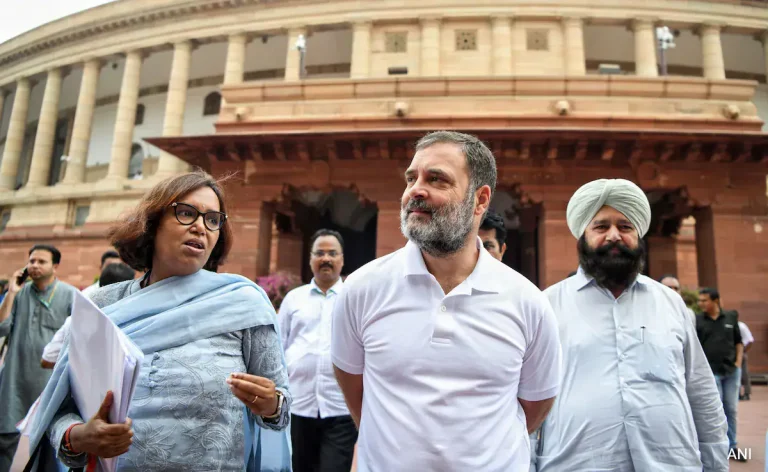
New Delhi – The Rahul Gandhi book row erupted in the Lok Sabha on February 2, triggering a major confrontation between the Leader of the Opposition and senior government ministers. The controversy centered on Gandhi’s attempt to quote from former Army Chief General MM Naravane’s unpublished book, which contained remarks about the 2020 India-China military standoff in Ladakh.

Government sources clarified that while parliamentary rules do not prohibit members from quoting books, magazines, newspaper reports, or other publications during sessions, specific procedural requirements must be met. The Rahul Gandhi book row highlighted the critical distinction between published and unpublished material in parliamentary discourse.

Understanding Parliamentary Citation Rules

According to sources, members can quote from published material with the approval of the Chair, but prior notice must be given and permission obtained from the Speaker. Former Rajya Sabha Secretary General VK Agnihotri confirmed these procedural requirements, emphasizing that excerpts from published material are permissible under specified conditions.

The Rahul Gandhi book row became complicated because the Congress leader sought to reference excerpts from an unpublished book rather than publicly available material. This distinction became the central point of contention during the heated parliamentary exchange.

Government Ministers Intervene

As soon as Gandhi began quoting from the unpublished material, Defence Minister Rajnath Singh rose to interject. Singh declared that quoting from an unpublished book violated the rules of the House, setting the stage for the Rahul Gandhi book row to escalate into a full-blown parliamentary confrontation.

Home Minister Amit Shah joined the objection, thundering, “When the book has not even been published, how can he quote from it?” This unified government response demonstrated the seriousness with which the procedural violation was viewed in the Rahul Gandhi book row.

Lok Sabha Rule 349 and Its Application

The Rahul Gandhi book row also invoked Lok Sabha Rule 349 (I), which explicitly states: “Whilst the Council is sitting, a Member shall not read any book, newspaper or letter except in connection with the business of the Council.” When quotes or excerpts are allowed, members may be asked to ensure the veracity of the information being presented.

Sources emphasized that the Rahul Gandhi book row represented a different scenario from typical citation cases because of the unpublished nature of the source material. This unpublished status prevented verification of authenticity and accuracy, key requirements for parliamentary citations.

Procedural Requirements for Quoting Material

Government sources explained that there have been numerous instances where books, newspapers, and even letters were quoted in Parliament following due procedure. The Rahul Gandhi book row arose specifically because proper procedural requirements were not met for unpublished material.

The critical issue in the Rahul Gandhi book row was not whether Gandhi could discuss the India-China standoff but whether he could rely on unpublished material that other members could not independently verify or access. This created an uneven playing field for parliamentary debate.

Serious Consequences for Rule Violations

Sources indicated that violation of parliamentary citation rules is considered serious and could lead to the matter being referred to the Privileges Committee. If an MP is found guilty of such violations in cases like the Rahul Gandhi book row, consequences could include loss of membership.

These potential penalties underscore why the government responded so forcefully to the Rahul Gandhi book row, viewing it not merely as a procedural technicality but as a fundamental violation of parliamentary norms designed to ensure fair and verifiable debate.

Gandhi’s Defense and Insistence

During the Rahul Gandhi book row confrontation, the Congress leader insisted the article and book he was quoting were “100% authentic.” Gandhi stated he felt compelled to raise the issue after BJP MP Tejasvi Surya questioned his patriotism, linking the Rahul Gandhi book row to broader debates about national security and political loyalty.

Gandhi carried a printout of magazine material and repeatedly attempted to initiate conversation on the book’s contents. He received some support from Samajwadi Party chief Akhilesh Yadav during the Rahul Gandhi book row, though this proved insufficient to overcome government objections.

Rajnath Singh’s Firm Position

Defence Minister Rajnath Singh refused to back down during the Rahul Gandhi book row, demanding that the Leader of the Opposition present the actual book being quoted. Singh emphasized, “The book he is referring to has not been published,” making clear that unpublished status was the central objection.

Singh’s intervention in the Rahul Gandhi book row reflected concern about establishing precedents whereby members could quote from unpublished, unverifiable sources, potentially undermining parliamentary debate integrity.

House Adjournment and Aftermath

The chaos surrounding the Rahul Gandhi book row forced Speaker Om Birla to adjourn the House, first until 3 pm and then for the entire day. This adjournment demonstrated how procedural disputes can paralyze legislative business when fundamental parliamentary rules are contested.

The Rahul Gandhi book row raises important questions about information transparency, verification standards in parliamentary debate, and the balance between allowing opposition scrutiny of government actions while maintaining procedural integrity. As Parliament continues its session, the precedent set by this confrontation will likely influence how members approach citing sources in future debates.

Income Tax Budget 2026: Complete Guide to New Tax Rules and Changes

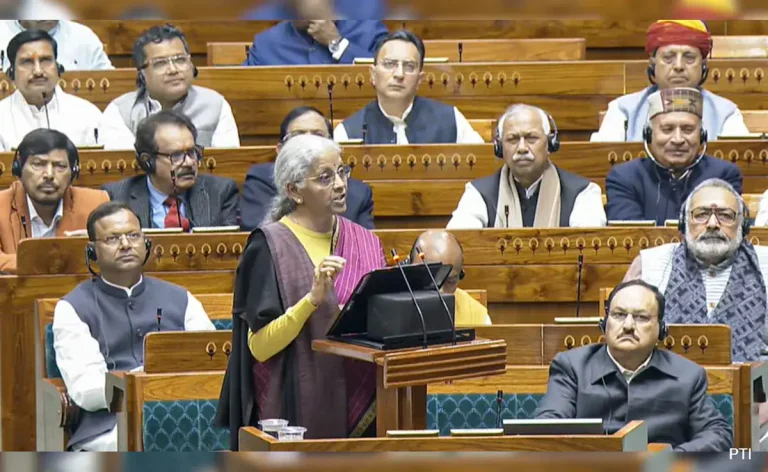
New Delhi – Finance Minister Nirmala Sitharaman presented the Income Tax Budget 2026 on February 2, introducing significant changes to India’s taxation framework. The most notable announcement was the implementation of the New Income Tax Act, 2025, which will come into effect from April 1, 2026, replacing the six-decade-old tax law that has governed India’s direct taxation system.

The Income Tax Budget 2026 marks a watershed moment in India’s fiscal policy, focusing on simplification, digitization, and taxpayer-centric reforms. While the budget maintains existing tax slab rates, it introduces substantial procedural changes designed to modernize the country’s tax administration and reduce compliance burdens on taxpayers.

Tax Slabs Remain Unchanged

Despite widespread speculation about potential changes, the Income Tax Budget 2026 introduces no modifications to existing tax slab rates. The current tax structure under the new tax regime, which was established in the previous year’s budget, continues to apply.

The tax structure remains as follows: income between 0-4 lakh rupees attracts nil tax, 4-8 lakh rupees is taxed at 5%, 8-12 lakh rupees at 10%, 12-16 lakh rupees at 15%, 16-20 lakh rupees at 20%, 20-24 lakh rupees at 25%, and income above 24 lakh rupees is taxed at 30%. This stability in the Income Tax Budget 2026 provides predictability for taxpayers and businesses in their financial planning.

Understanding the New Income Tax Act, 2025

The centerpiece of the Income Tax Budget 2026 is the New Income Tax Act, 2025, which represents a comprehensive overhaul of India’s direct tax legislation. While tax rates remain constant, the new law focuses on simplifying the legal framework surrounding taxation.

The new law features a significantly streamlined structure within the Income Tax Budget 2026 framework. The total number of sections has been reduced from 819 to 536, demonstrating a commitment to eliminating redundancy. The number of chapters has been cut from 47 to 23, making the legislation more navigable. Additionally, 16 schedules have been included, along with new tools such as tables and formulas to enhance clarity and ease of interpretation.

Four Core Objectives of Tax Reform

The Income Tax Budget 2026 incorporates four fundamental objectives through the new tax act. First, simplification aims to replace obsolete language and redundant provisions with clear, concise, and modern legal text that contemporary taxpayers can easily understand.

Second, digital interpretation within the Income Tax Budget 2026 framework allows for faceless assessments and digital compliance mechanisms. This approach reduces corruption potential and minimizes human interface in tax administration, promoting transparency and efficiency.

Third, a taxpayer-centric approach enhances transparency, improves ease of filing, and reduces litigation. The Income Tax Budget 2026 prioritizes user experience and accessibility in tax compliance processes.

Fourth, global alignment ensures the Income Tax Budget 2026 reflects contemporary economic realities, including taxation of digital assets and global income, positioning India’s tax system in line with international standards.

Extended IT Return Filing Deadline

During her presentation of the Income Tax Budget 2026, Finance Minister Sitharaman announced an extension of the deadline for filing income tax returns. This administrative relief provides taxpayers with additional time to complete their compliance requirements under the new framework.

The Income Tax Budget 2026 also addressed several other important issues during the 81-minute budget speech, including a hike in Securities Transaction Tax on Futures and Options, expansion of India’s semiconductor mission, and the establishment of rare earth corridors.

Revolutionary Changes in Buyback Taxation

A significant component of the Income Tax Budget 2026 involves changes to how share buybacks are taxed. According to the Central Board of Direct Taxes, a buyback occurs when a company purchases its own shares from shareholders and subsequently cancels them, reducing total shares in the market.

Under the new system introduced in the Income Tax Budget 2026, buyback gains will be taxed as normal capital gains rather than under the previous regime. Shareholders other than promoters will pay tax on such gains at applicable capital gains tax rates.

Buyback Tax Calculation Method

The Income Tax Budget 2026 simplifies buyback tax calculations using a straightforward formula: Buyback price minus cost of acquisition equals capital gains. For example, if a shareholder purchased a share for ₹100 and sold it in a buyback for ₹150, the taxable gain would be ₹50.

Under the Income Tax Budget 2026 provisions, if the share was held for more than 12 months, the gain will be taxed at 12.5% as long-term capital gains for both listed and unlisted shares. If held for less than 12 months, it will be taxed at 20% for listed shares as short-term capital gains.

Advantages Over Dividend Taxation

The buyback taxation approach in the Income Tax Budget 2026 offers advantages compared to dividend taxation, which could reach up to 30% depending on the taxpayer’s income slab. This lower tax burden makes buybacks a more tax-efficient method for companies to return value to shareholders.

Impact on Taxpayers and Businesses

The Income Tax Budget 2026 represents a balanced approach to tax reform, maintaining rate stability while modernizing administrative processes. The simplified structure, enhanced digital capabilities, and clearer provisions aim to reduce disputes and improve compliance rates. As India moves toward implementing these changes from April 1, 2026, taxpayers and businesses should familiarize themselves with the new framework to ensure smooth transition and continued compliance.

Flights Delayed Dense Fog: Over 300 Hit by Severe Visibility Issues

0

New Delhi – Over 300 flights delayed dense fog became the reality for thousands of travelers on Monday morning as Delhi experienced severe weather conditions that persisted for more than six hours. The capital city logged dense fog following patchy light rain the previous day, with a western disturbance maintaining elevated moisture levels throughout the region.

Visibility plummeted to dangerously low levels, reaching just 100 metres in several parts of the city. This dramatic reduction in visibility forced aviation authorities to implement special procedures at Delhi airport, resulting in widespread disruption to flight schedules. The flights delayed dense fog situation highlighted the continued vulnerability of air travel to adverse weather conditions during winter months.

Visibility Conditions and Fog Classification

According to an India Meteorological Department official, both Safdarjung and Palam weather stations recorded minimum visibility at 100 metres during the early morning hours. The dense fog conditions persisted until approximately 9 am before beginning to clear, creating an extended period during which flights delayed dense fog became inevitable.

The IMD employs a specific classification system for fog based on visibility measurements. Shallow fog is classified when visibility ranges between 1000-500 metres, moderate fog between 500-200 metres, dense fog between 199-50 metres, and very dense fog when visibility drops below 50 metres. Monday’s conditions qualified as dense fog at multiple measurement points across Delhi.

Airport Operations and Low Visibility Procedures

Low visibility procedures were initiated at Delhi airport in response to the deteriorating conditions, directly impacting flight operations and causing delays. The implementation of these safety protocols meant that flights delayed dense fog experienced various degrees of disruption depending on their scheduled departure or arrival times.

Flight tracking website FlightRadar24 provided real-time data showing the extent of disruption, with over 300 flights experiencing delays. The majority of affected flights were departures rather than arrivals, suggesting that the fog’s impact was most pronounced during the critical early morning departure window when visibility was at its worst.

Average Delay Duration

The flights delayed dense fog situation resulted in an average delay time of approximately 25 minutes per affected flight. While this may seem relatively modest compared to complete cancellations, the cumulative effect on hundreds of flights created significant inconvenience for thousands of passengers and ripple effects throughout airline schedules.

The 25-minute average delay masked variations in individual flight delays, with some experiencing shorter disruptions while others faced longer waiting periods depending on when they were scheduled during the fog’s peak intensity period.

Temperature Anomalies

Beyond the flights delayed dense fog issue, Monday’s weather brought notable temperature deviations from seasonal norms. Delhi’s maximum temperature stood at 17.5°C, representing a significant five-degree departure below normal for this time of year. This marked a dramatic drop from 24.6°C recorded just one day earlier.

The minimum temperature measured 10.4°C on Monday, which was two degrees above normal, down from 12.1°C the previous day. Overcast skies persisted throughout the day, contributing to the suppressed maximum temperature. Despite the massive departure from normal maximum temperature, no cold day was officially declared because the minimum temperature remained above 10°C.

Weather Forecast and Alerts

The India Meteorological Department issued a yellow alert for Tuesday, forecasting moderate fog at most locations across the city during early morning hours with dense fog expected in isolated pockets. This alert suggests that the flights delayed dense fog situation could potentially repeat, requiring continued vigilance from aviation authorities and passengers.

Temperature forecasts indicate the minimum may touch 7-9°C by Friday before rising by 1-2°C over the weekend with another western disturbance expected. The maximum temperature is forecast to hover between 18-21°C through Sunday, suggesting continued below-normal conditions that could contribute to fog formation.

Air Quality Deterioration

Compounding the flights delayed dense fog problem, Delhi’s air quality, which had briefly improved to the “moderate” category, deteriorated back to the “poor” range by evening. The 24-hour average Air Quality Index stood at 210 at 4 pm, though this represented an improvement from the reading over 265 recorded at 4 pm Sunday.

Air quality forecasts indicate the AQI is expected to remain in the “poor” category on February 3 and 4 before potentially improving to “moderate” again by February 5 as wind speeds increase. The combination of poor air quality and fog creates challenging conditions both for aviation operations and public health.

Implications for Travel Planning

The flights delayed dense fog incident serves as a reminder for travelers during winter months to build buffer time into their travel plans and stay informed about weather forecasts. The convergence of dense fog, temperature inversions, and poor air quality creates a perfect storm for aviation disruptions that can cascade through airline networks, affecting connections and schedules far beyond Delhi’s immediate airspace.

Gurugram Land Deal Case: Court Summons M3M Directors in Fraud Allegations

0

New Delhi – A Delhi court has summoned the directors of real estate developer M3M India Private Limited in connection with a Gurugram land deal case involving allegations of fraudulent inducement and a transaction valued at approximately ₹450 crore. The development marks a significant escalation in a long-running dispute between two major real estate developers operating in the National Capital Region.

On January 31, Chief Judicial Magistrate Harshita Mishra of Tis Hazari Courts took cognizance of a chargesheet filed by the Delhi Police’s Economic Offences Wing in March 2022. The Gurugram land deal case stems from a complaint filed by MGF Developments Limited against M3M India and its directors, alleging serious criminal offenses related to property transactions.

Directors Summoned in Fraud Allegations

The court summoned several directors of M3M India Private Limited, including Basant Bansal, Roop Bansal, and Pankaj Bansal, along with several subsidiaries and allied companies associated with the real estate firm. The Gurugram land deal case encompasses multiple entities within the M3M corporate structure, suggesting a complex web of transactions and business relationships.

Chief Judicial Magistrate Mishra’s order stated, “It prima facie appears that the accused induced the complainant company in entering into an agreement qua the exchange of land in Gurugram and fraudulently got the land mutated for a building project.” This observation formed the basis for proceeding with criminal prosecution in the Gurugram land deal case.

Criminal Charges and Legal Framework

The charges leveled in the Gurugram land deal case include serious criminal offenses under the Indian Penal Code. The accused face charges under Section 120-B for criminal conspiracy, Section 420 for cheating, Section 406 for criminal breach of trust, and Section 34 for common intention.

These provisions collectively address the alleged fraudulent scheme whereby M3M India and its directors are accused of manipulating a property exchange agreement to their advantage. The Gurugram land deal case highlights the intersection of civil property disputes and criminal law when allegations of fraud and breach of trust emerge.

Also Read: Ankita Bhandari Case: CBI Takes Over Shocking Murder Investigation

Details of the 2016 Land Exchange Agreement

According to the First Information Report filed in the Gurugram land deal case, MGF Developments agreed in 2016 to transfer certain land parcels located in Chauma, Gurugram, to the M3M group. The transaction was structured as a land exchange deal rather than a simple sale.

Under the terms outlined in the Gurugram land deal case, M3M was supposed to provide MGF with another land parcel in exchange for the Chauma property, along with a payment of ₹114 crore to be made through post-dated cheques. This complex arrangement involving both land exchange and substantial cash payment set the stage for the subsequent dispute.

Conditional Nature of the Agreement

The prosecution in the Gurugram land deal case emphasized that both parties had agreed to a critical condition governing the transaction’s validity. According to the agreement terms, the entire land transfer would be rendered null and void if the post-dated cheques issued by M3M were dishonored by the bank.

This conditional clause became central to the Gurugram land deal case when MGF alleged that the cheques were indeed dishonored, thereby invalidating the entire land exchange transaction according to the original agreement terms. The voiding of the deal should have prevented any further actions related to the transferred property.

Allegations of Fraudulent Land Mutation

Despite the alleged dishonoring of cheques, MGF claims in the Gurugram land deal case that M3M India and its directors proceeded to take actions as if the transaction remained valid. Specifically, the complaint alleges that M3M fraudulently obtained land mutation—the official transfer of property ownership records in government revenue documents.

Furthermore, the Gurugram land deal case alleges that M3M applied for and potentially obtained construction licenses based on the void land exchange deal. These actions formed the core of the fraud allegations, suggesting deliberate attempts to secure property rights despite the agreement’s nullification.

Court Rejects M3M’s Counter-Application

The Delhi court also addressed a counter-application filed by M3M developers in the Gurugram land deal case. M3M had filed an application alleging that MGF Developments had made false statements in the First Information Report that initiated the criminal investigation.

However, Chief Judicial Magistrate Mishra dismissed this application, holding it to be premature at the current stage of proceedings. This rejection in the Gurugram land deal case suggests the court found sufficient prima facie evidence to proceed with the criminal case against M3M and its directors without addressing allegations of false statements at this preliminary stage.

Background of Developer Rivalry

The Gurugram land deal case reflects a long-running dispute between MGF Developments Limited and M3M India Private Limited, both major real estate developers operating in the National Capital Region. The rivalry between these companies revolves primarily around competing claims to valuable land parcels in Gurugram.

The allegations of fraud, breach of trust, and criminal conspiracy in the Gurugram land deal case illustrate how commercial property disputes can escalate into criminal proceedings when one party alleges deliberate deception and violation of contractual terms. As the case proceeds through the judicial system, it will test the boundaries between civil contractual disputes and criminal fraud in India’s real estate sector.

Delhi Khel Mahakumbh: Massive Sports Festival Launches This 13th February

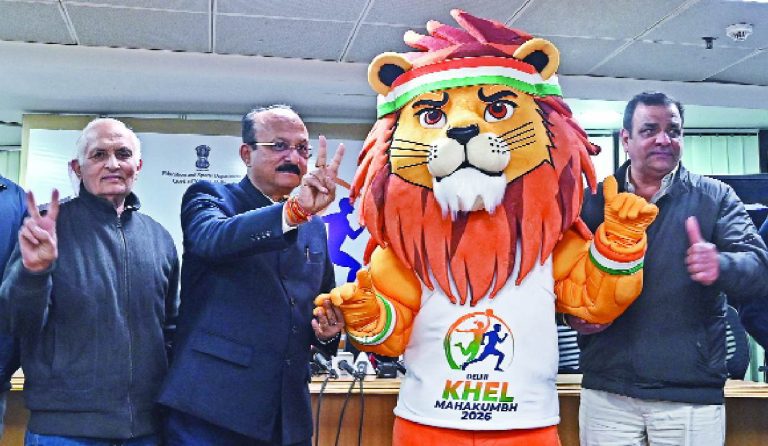
New Delhi – Delhi education and sports minister Ashish Sood announced the launch of Delhi Khel Mahakumbh, a month-long sporting extravaganza set to commence on February 13. Chief Minister Rekha Gupta will inaugurate this groundbreaking state-level event that aims to position Delhi as the sports capital of India while providing equal opportunities for youth across the capital.

The Delhi Khel Mahakumbh represents a significant shift in the city government’s approach to sports development and youth engagement. With participation expected from over 20,000 athletes competing across multiple disciplines and venues, this inaugural event marks an ambitious attempt to integrate sports with education and youth development throughout the national capital.

Comprehensive Sports Program Structure

The initial phase of Delhi Khel Mahakumbh will feature seven distinct sporting disciplines designed to showcase diverse athletic talents. The event will include kabaddi, football, athletics, wrestling, basketball, volleyball, and squash, ensuring representation across traditional and modern sports categories.

Competition venues for Delhi Khel Mahakumbh span 16 different stadiums and sports facilities across the capital. Locations include Bawana, Vikaspuri, and Najafgarh, strategically selected to ensure accessibility for athletes from all areas of Delhi. This geographical distribution reflects the government’s commitment to democratizing sports participation and eliminating barriers based on location or resources.

“Aao Delhi Khele” – The Unifying Motto

The Delhi Khel Mahakumbh operates under the inspiring motto “Aao Delhi Khele,” which translates to “Come, Delhi, Let’s Play.” This slogan encapsulates the event’s inclusive philosophy and its ambition to create a sports-oriented culture among Delhi’s youth population. Government officials emphasized that this first-ever sports Mahakumbh aims to fundamentally integrate athletic activities with educational frameworks and youth development programs.

The motto of Delhi Khel Mahakumbh serves as a rallying cry for young people across socioeconomic backgrounds to participate in organized sports, develop their talents, and potentially pursue athletic careers at national and international levels.

Attractive Prize Structure

Minister Sood outlined substantial cash prizes designed to incentivize participation and recognize athletic excellence at Delhi Khel Mahakumbh. For team events, gold-winning teams will receive ₹1,75,000, silver medalists will earn ₹1,51,000, and bronze medal winners will take home ₹1,31,000.

Individual event champions at Delhi Khel Mahakumbh will also receive significant financial rewards. Gold medalists in individual competitions will receive ₹11,000, silver medalists ₹9,000, and bronze medalists ₹7,000. These prize amounts represent meaningful recognition for athletes and demonstrate the government’s investment in rewarding sporting achievement.

Official Mascot “Ranveer” Unveiled

During the announcement ceremony, Minister Sood unveiled “Ranveer,” the official mascot for Delhi Khel Mahakumbh. The mascot was chosen to symbolize energy, courage, and the sporting spirit characteristic of Delhi’s youth population.

“Ranveer symbolises energy, courage, and sporting spirit of Delhi’s youth,” Sood explained. The mascot will serve as the visual identity for Delhi Khel Mahakumbh, appearing in promotional materials and helping to build excitement and brand recognition for the event among young people across the capital.

Government’s Renewed Sports Priority

Speaking at a press conference at the Delhi Secretariat, Minister Sood emphasized that under Chief Minister Rekha Gupta’s leadership, the Delhi government has accorded renewed priority to sports development. The administration has resolved to transform Delhi into the sports capital of India through sustained investment and programmatic initiatives like Delhi Khel Mahakumbh.

Sood criticized previous governmental approaches, stating that inadequate budgetary support had deprived children of opportunities to participate at national and international levels. He provided detailed budget figures illustrating declining investment in sports over recent years.

Dramatic Budget Increase

The sports minister presented stark statistics comparing sports budgets across fiscal years. The sports budget stood at ₹60 crore in 2021-22, was reduced to ₹41 crore in 2022-23, further slashed to ₹26 crore in 2023-24, and remained stagnant at ₹26 crore through 2024-25.

In contrast, the current government has tripled the allocation for Sports and Youth Affairs to ₹76 crore in 2025-26. This substantial increase demonstrates the administration’s commitment to supporting Delhi Khel Mahakumbh and other sports development initiatives going forward.

Comprehensive Sports Development Vision

Minister Sood reiterated that the current government has launched several initiatives beyond Delhi Khel Mahakumbh to promote sports across the capital. These include financial assistance programs for promising athletes and improvements to sports facilities and infrastructure throughout Delhi.

The Delhi Khel Mahakumbh serves as the flagship program in this comprehensive vision, designed to identify talent, provide competitive experience, and create pathways for Delhi’s youth to achieve excellence in sports. As the February 13 inauguration approaches, anticipation builds among athletes, coaches, and sports enthusiasts across the capital for this transformative month-long celebration of athletic achievement and youth potential.

Boeing Fuel Switch Issue: Critical Safety Concerns Demand Urgent Scrutiny

0

New Delhi – The Safety Matters Foundation has called for the “highest level of scrutiny” following a Boeing fuel switch issue that occurred on an Air India flight. The aviation safety platform raised serious concerns after the crew of Air India Flight AI132, operating from London Heathrow to Bengaluru, reported abnormal behavior of the left engine fuel control switch on a Boeing 787-8 aircraft.

The Boeing fuel switch issue has prompted immediate action from the airline, with the affected aircraft now grounded pending thorough investigation. This incident has reignited concerns about critical flight control systems on Boeing aircraft and the potential safety implications for commercial aviation operations.

Technical Details of the Malfunction

The Boeing fuel switch issue manifested during engine start procedures on the Boeing 787-8 aircraft bearing registration VT-ANX. According to the Safety Matters Foundation, when crew members attempted to start the engine, the switch failed to remain locked in the ‘run’ position despite two separate attempts.

Instead of maintaining its proper position, the switch moved toward the ‘cut-off’ position, creating a potentially hazardous situation. The aviation safety body emphasized that this Boeing fuel switch issue could, “under specific conditions,” lead to an inadvertent shutdown of the aircraft engine—a scenario that could have serious safety consequences during critical phases of flight.

Safety Platform’s Grave Concerns

The Safety Matters Foundation referenced the crash of Air India Flight 171 in Ahmedabad while discussing the Boeing fuel switch issue. Although the organization explicitly clarified it was not implying any direct connection between the two incidents, it emphasized that the recurring nature of problems with critical flight control systems on the same aircraft type warrants serious examination.

“While no connection is implied, the repeated emergence of issues with a critical flight control system on the same aircraft type demands the highest level of scrutiny,” the foundation stated. This assertion underscores growing apprehension within aviation safety circles about the Boeing fuel switch issue and similar technical problems affecting Boeing aircraft.

Air India’s Response and Actions

Air India acknowledged the Boeing fuel switch issue promptly after receiving the pilot’s report. The airline confirmed awareness of the possible defect on the fuel control switch of the Boeing 787-8 aircraft and announced immediate grounding of the plane to ensure passenger and crew safety.

“After receiving this initial information, we have grounded the said aircraft and are involving the OEM to get the pilot’s concerns checked on a priority basis,” the airline stated. Air India’s response to the Boeing fuel switch issue demonstrated its commitment to addressing safety concerns proactively, involving the original equipment manufacturer Boeing in the investigation process.

Also Read: Delhi Metro Substation: Revolutionary Power Infrastructure Launched

Regulatory Notification and Priority

The airline notified the Directorate General of Civil Aviation about the Boeing fuel switch issue, ensuring regulatory authorities remained informed about the developing situation. Air India emphasized that the safety of flight crew and passengers “remains top priority” for the organization, reflecting the seriousness with which the carrier treats such technical malfunctions.

The airline’s transparent communication regarding the Boeing fuel switch issue and its swift grounding decision align with established safety protocols for addressing potential aircraft defects that could compromise operational safety.

Previous Inspection History

Interestingly, Air India had previously conducted comprehensive inspections of fuel control switches across its Boeing fleet. Following a directive from the DGCA, the airline completed inspections of fuel control switches on all Boeing 787 and 737 aircraft in July of the previous year.

Despite these earlier inspections finding no issues, the recent Boeing fuel switch issue suggests that such malfunctions may develop over time or under specific operational conditions. This raises questions about inspection protocols and whether current procedures adequately identify potential failures before they manifest during actual operations.

Boeing’s Involvement

Aircraft manufacturer Boeing confirmed its engagement with the investigation into the Boeing fuel switch issue. The company stated it was supporting Air India’s review of the incident and maintaining contact with the airline throughout the process.

“We are in contact with Air India and are supporting their review of this matter,” Boeing stated, indicating the manufacturer’s commitment to resolving the Boeing fuel switch issue and ensuring similar problems do not affect other aircraft in service globally.

Implications for Aviation Safety

The Boeing fuel switch issue highlights ongoing challenges in maintaining critical aircraft systems and the importance of robust reporting mechanisms for identifying potential safety concerns. The involvement of the Safety Matters Foundation in publicizing this incident demonstrates the role independent aviation safety platforms play in maintaining accountability and transparency.

As investigations into the Boeing fuel switch issue continue, aviation authorities, airlines, and manufacturers must collaborate to determine root causes, implement corrective measures, and prevent similar malfunctions from occurring on other aircraft. The incident serves as a reminder that continuous vigilance and rigorous safety protocols remain essential in commercial aviation, where even seemingly minor technical issues can have potentially serious consequences for flight operations and passenger safety.