Gor’s statement reflected the optimistic outlook shared by leadership in both countries regarding future cooperation. His emphasis on the India US limitless potential underscored the strategic importance both nations place on strengthening their economic and diplomatic partnership in an increasingly complex global environment.
Presidential Friendship Drives Agreement
Ambassador Gor specifically highlighted the personal relationship between President Trump and Prime Minister Narendra Modi as a crucial factor in achieving the trade agreement. He stated that President Trump “genuinely considers Prime Minister Modi a great friend,” suggesting that this personal rapport facilitated negotiations and contributed to the successful outcome.
In his social media post, Gor expressed excitement about the evening’s announcement, declaring that the India US limitless potential represents opportunities that extend far beyond immediate tariff reductions. The ambassador’s framing of the relationship emphasized not just economic benefits but the broader strategic alignment between the two democracies.
Details of the Trade Agreement
President Trump’s announcement outlined multiple components of the trade deal. Beyond the tariff reduction to 18 percent, Trump claimed India had agreed to stop purchasing Russian oil and would purchase $500 billion worth of American energy and technology products. These ambitious commitments, if fully implemented, would represent a dramatic restructuring of India’s trade relationships.
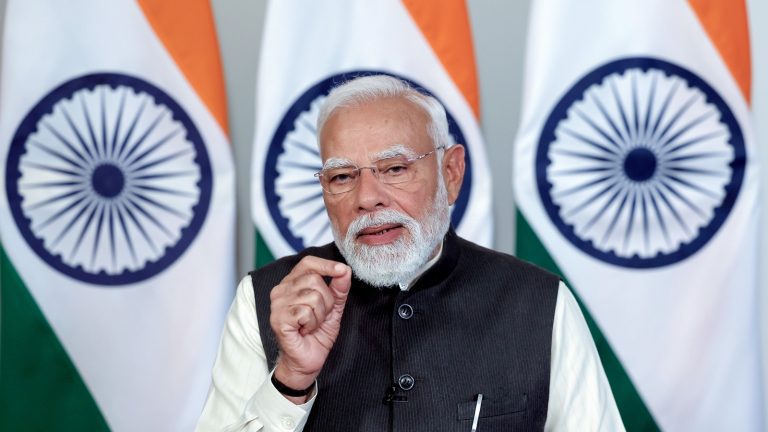
Prime Minister Modi responded by expressing delight at the lowering of tariffs on Made in India products, thanking President Trump on behalf of India’s 1.4 billion citizens. The complementary statements from both leaders reinforced the narrative of the India US limitless potential as a foundation for expanded cooperation across multiple sectors.
Ambassador’s Perspective on Achievement
Gor attributed credit for the agreement directly to both President Trump and Prime Minister Modi, emphasizing their leadership roles in bringing the deal to fruition. The ambassador noted that since his arrival in India approximately one month prior to the announcement, he had consistently emphasized the strong personal relationship between the two leaders.
“The two leaders have a great personal relationship and that is something that carried this deal forward,” Gor explained, reinforcing his belief in the India US limitless potential. His comments suggested that diplomatic success often depends significantly on trust and rapport between national leaders, particularly in complex negotiations involving substantial economic commitments.
Tariff Reduction Significance
Ambassador Gor expressed particular enthusiasm about India receiving the 18 percent tariff rate, describing it as “a massive drop from the previous number.” This reduction represents substantial relief for Indian exporters who had faced the burden of 50 percent tariffs, including an additional 25 percent specifically linked to India’s purchase of Russian oil.
The ambassador’s emphasis on this achievement highlighted how the India US limitless potential translates into concrete economic benefits. The tariff reduction creates opportunities for Indian manufacturers and exporters to compete more effectively in the American market, potentially leading to increased trade volumes and economic growth.
Clarification on Additional Tariffs
When questioned about whether the additional 25 percent tariffs on India had been removed, Gor confirmed their elimination. He referenced President Trump’s statement indicating that part of the agreement involves nations worldwide stopping oil purchases from Russia to promote peace efforts.
The ambassador noted that both Prime Minister Modi and President Trump “deeply care about bringing peace in that conflict,” linking the trade agreement to broader geopolitical objectives. This connection between economic policy and peace initiatives illustrated how the India US limitless potential encompasses diplomatic and strategic dimensions beyond mere commercial transactions.
Future Outlook and Optimism
Gor concluded his remarks with an optimistic projection about future developments, stating “the best is yet to come.” This forward-looking perspective reinforced his core message about the India US limitless potential, suggesting that the current trade agreement represents merely an initial step toward deeper and more comprehensive cooperation.
The ambassador’s sustained emphasis on India US limitless potential throughout his statements reflected a deliberate messaging strategy aimed at building confidence in the bilateral relationship among stakeholders in both countries. His role as a relatively new ambassador appeared designed to signal a fresh chapter in diplomatic engagement.
Strategic Partnership Dimensions
The ambassador’s characterization of the India US limitless potential extends beyond immediate economic considerations. His statements positioned the relationship as encompassing shared democratic values, strategic interests, and mutual benefits across technology, energy, and other critical sectors.
As both nations navigate complex global challenges, Gor’s emphasis on the India US limitless potential serves as a framework for understanding how personal diplomacy, economic incentives, and strategic alignment can converge to create transformative bilateral agreements that reshape international trade patterns and geopolitical relationships.
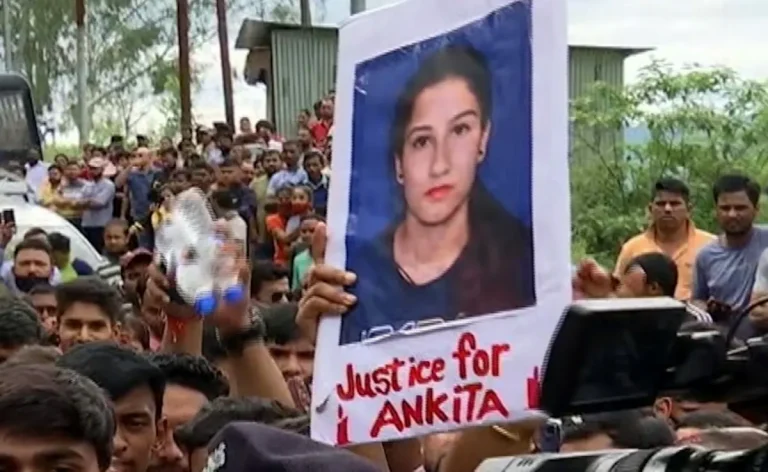
Uttarakhand – The Central Bureau of Investigation registered a case on Monday concerning the alleged murder investigation that has gripped Uttarakhand since 2022. The Ankita Bhandari case, which initially sparked massive public outrage, has now been transferred from state police to central investigative authorities following mounting pressure and allegations of high-level involvement.
Chief Minister Pushkar Singh Dhami recommended the CBI inquiry after the deceased receptionist’s parents demanded a thorough investigation under Supreme Court supervision. The transfer marks a significant development in a case that has remained controversial despite the conviction of three accused individuals to life imprisonment.
The Original Incident and Investigation
The Ankita Bhandari case originated in September 2022 when the 19-year-old receptionist working at Vanantara Resort in Pauri, Uttarakhand, was murdered under circumstances that shocked the nation. Her body was recovered from the Chilla canal in Rishikesh on September 24, 2022, triggering immediate public outcry and demands for justice.
A special investigation team was promptly formed to investigate the circumstances surrounding her death. The primary accused in the Ankita Bhandari case was Pulkit Arya, the resort owner and son of an expelled BJP leader, who was arrested along with two of his employees. The investigation revealed disturbing details about the events leading to her murder.
Post-Mortem Findings and Motive
The post-mortem report in the Ankita Bhandari case established drowning as the cause of death. Medical examination revealed the presence of four to five antemortem injuries on her body, indicating she sustained injuries before her death. Significantly, the report ruled out sexual assault, though the circumstances of her murder remained deeply troubling.
Investigators determined that the Ankita Bhandari case centered on her alleged refusal to yield to pressure from the accused. She was reportedly asked to offer “extra services” to a VIP visitor at the resort, a demand she refused. This refusal allegedly led to the fatal confrontation that resulted in her murder, highlighting serious issues of workplace exploitation and criminal coercion.
VIP Involvement Allegations Emerge
The Ankita Bhandari case gained renewed attention when actress Urmila Sanawar, who identifies herself as the wife of a legislator, made explosive allegations about VIP involvement in the murder. Sanawar released videos and audio recordings on social media platforms, claiming these materials captured conversations with an MLA and pointed to the role of a powerful figure in the crime.
These revelations transformed the Ankita Bhandari case from a straightforward murder investigation into a potential conspiracy involving influential individuals. In a letter demanding CBI intervention, Ankita’s father explicitly stated that his daughter was murdered because of a “VIP” whose identity remained unknown despite the initial investigation and convictions.
Public Pressure and Political Response
Growing demands for a comprehensive CBI probe into the Ankita Bhandari case culminated in significant public demonstrations. On January 4, workers from Congress, the Uttarakhand Kranti Dal, Mahila Manch, leftist parties, and various other organizations gathered at the Parade Ground before marching toward the chief minister’s residence.
The protesters specifically demanded that the Ankita Bhandari case be transferred to the CBI to disclose the identity of the alleged VIP involved in the crime. Their insistence reflected widespread skepticism about whether the full truth had emerged from the initial state police investigation, despite the life sentences handed to three accused individuals.
Government Action and New Investigation
Chief Minister Pushkar Singh Dhami responded to mounting pressure by addressing the new allegations surrounding the Ankita Bhandari case. He announced that separate FIRs had been registered regarding the video and audio clips circulating on social media. Dhami confirmed that investigations into these materials were underway, suggesting authorities were taking the new allegations seriously.
The decision to transfer the Ankita Bhandari case to the CBI represents acknowledgment that questions remained unanswered. The recommendation for Supreme Court supervision indicates the sensitivity of the investigation and the need for transparency in uncovering any additional conspirators or influential figures who may have been involved.
Implications for Justice
The CBI’s takeover of the Ankita Bhandari case signals a new phase in the pursuit of complete justice for the murdered receptionist. While three individuals already serve life sentences for their direct roles in the crime, the investigation now focuses on determining whether others, potentially including powerful political or social figures, bear responsibility for her death.
The Ankita Bhandari case has become emblematic of broader concerns about workplace safety, exploitation of young workers, and the potential for influential individuals to escape accountability. The CBI investigation will examine all aspects of the original crime while exploring the allegations of VIP involvement that have emerged through recent revelations.
As the central investigative agency begins its work on the Ankita Bhandari case, the victim’s family and supporters across Uttarakhand await answers that have eluded them since 2022, hoping that comprehensive federal investigation will finally reveal the complete truth behind this tragic murder.
New Delhi – The recently announced India US trade deal has ignited a political firestorm across the nation, with reactions sharply divided along party lines. The agreement, which reduces reciprocal tariffs on Indian goods to 18 percent, has become a focal point of intense political debate between the ruling Bharatiya Janata Party and the opposition Congress party.
Following the phone conversation between Prime Minister Narendra Modi and President Donald Trump, political leaders from across the spectrum responded swiftly to the announcement. The India US trade deal has emerged as a litmus test for evaluating the government’s foreign policy approach and its relationship with Washington.
BJP Leaders Celebrate Historic Achievement
Amit Shah’s Strategic Assessment
Union Home Minister Amit Shah characterized the India US trade deal as a historic milestone in bilateral relations. Describing it as a “big day for India-US relations,” Shah emphasized that the agreement would significantly enhance strategic partnership between the two nations while creating pathways for stronger trade ties and mutual economic growth.
Shah extended congratulations to both Prime Minister Modi and President Trump, highlighting the reduced tariff of 18 percent as a crucial breakthrough. His statement framed the India US trade deal as evidence of successful diplomatic engagement that would yield tangible benefits for Indian exporters and manufacturers.
Nitin Nabin’s Economic Vision
BJP national president Nitin Nabin praised the India US trade deal as “highly commendable,” crediting Prime Minister Modi’s leadership for securing favorable terms. Nabin’s response emphasized the agreement’s potential to accelerate India’s economic progress and strengthen domestic manufacturing capabilities.
The BJP president specifically linked the India US trade deal to flagship government initiatives, stating that it would “serve as a medium to give new momentum to the progress of the Indian economy.” He argued that the agreement would infuse fresh energy into the Atmanirbhar Bharat and Make in India campaigns, positioning it as validation of the government’s economic strategy.
Ashwini Vaishnaw’s Win-Win Framework
Union minister of Railways, Information and Broadcasting, and Electronics and IT, Ashwini Vaishnaw, characterized the India US trade deal as mutually beneficial for both nations. He emphasized the complementary strengths of India and the United States, suggesting that both countries could co-create technologies and drive innovation.
Vaishnaw’s statement projected optimism about the agreement’s impact, declaring that “citizens and industries of both countries will benefit greatly from this deal.” His framing of the India US trade deal as a “win-win” scenario reflected the government’s broader messaging strategy.
Congress Raises Critical Questions
Jairam Ramesh’s Sharp Critique
Congress MP Jairam Ramesh offered a starkly different perspective on the India US trade deal, questioning the terms and circumstances surrounding the agreement. His criticism focused on what he perceived as diminished Indian leverage in negotiations with the Trump administration.
Ramesh pointedly observed that “President Trump clearly seems to have some leverage over Prime Minister Modi,” citing recent developments including Trump’s announcement of halting Operation Sindoor and statements about India’s oil purchases. The Congress leader suggested that Modi had “capitulated finally,” challenging the government’s portrayal of the India US trade deal as a diplomatic victory.
Cultural References and Political Messaging
Drawing from popular culture, Ramesh invoked a dialogue from the 1987 Hindi film Mr. India, stating “In Washington clearly Mogambo Khush Hai.” This reference to the film’s villain suggested that someone other than India was celebrating the outcome of negotiations.
The Congress MP also criticized the pattern of India learning about government decisions through American announcements, coining the term “Trump-nirbharta” as a play on the government’s “Atmanirbhar Bharat” slogan. This critique positioned the India US trade deal within a broader narrative about India’s foreign policy autonomy.
Contrasting Interpretations
The divergent responses to the India US trade deal reflect fundamental disagreements about India’s international positioning and negotiating strategies. BJP leaders emphasized economic opportunities, strategic partnership enhancement, and alignment with domestic manufacturing goals.
Opposition voices questioned the terms of engagement, raising concerns about India’s negotiating position and the transparency of commitments made during bilateral discussions. The debate extends beyond tariff percentages to encompass larger questions about India’s global role and relationship dynamics with major powers.
Impact on Political Discourse
The India US trade deal has become more than an economic agreement; it represents a battleground for competing political narratives. Government supporters frame it as evidence of strong leadership delivering tangible results, while critics view it as potentially compromising India’s strategic autonomy.
As External Affairs Minister S Jaishankar traveled to Washington on the same day as the Modi-Trump conversation, the timing added another dimension to political interpretations of the India US trade deal and its broader implications for India’s foreign policy direction.
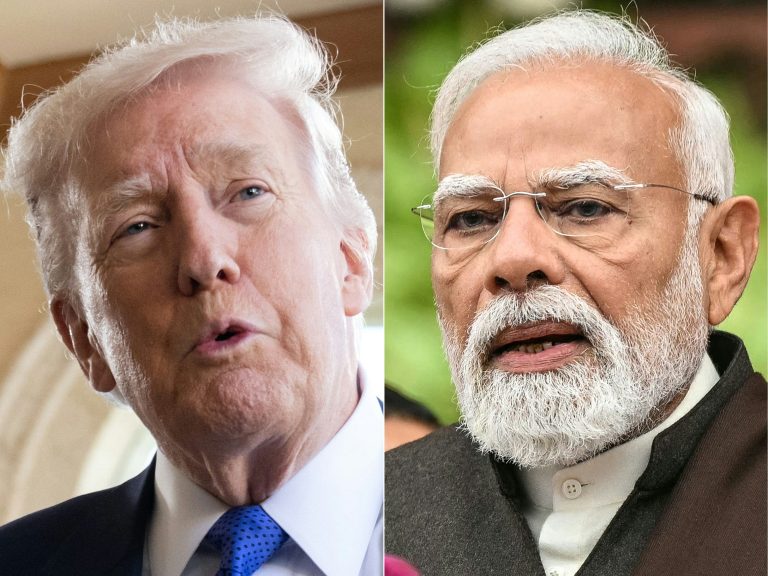
Washington D.C. – A significant development in bilateral relations emerged as President Donald Trump announced a comprehensive India US trade deal following a phone conversation with Prime Minister Narendra Modi. The agreement, which Trump declared effective immediately, centers on substantial tariff reductions and expanded market access between the two nations.
The India US trade deal represents a pivotal shift in economic relations, with Trump confirming that the United States would reduce reciprocal tariffs on Indian goods from 25 percent to 18 percent. Prime Minister Modi quickly confirmed the tariff reduction portion of the agreement through a public statement, expressing gratitude on behalf of India’s 1.4 billion citizens.
Key Components of the Agreement
According to Trump’s announcement, the India US trade deal encompasses multiple elements beyond simple tariff adjustments. The President claimed India agreed to reduce its tariffs and non-tariff barriers against American goods to zero, though this specific commitment has not been confirmed by Indian authorities.
The most ambitious claim involves a massive purchasing commitment. Trump stated that India would buy more than $500 billion worth of American energy, technology, agricultural products, coal, and other goods. This would represent one of the largest bilateral trade commitments in history if fulfilled.
Confirmed Tariff Reduction Details
Prime Minister Modi’s public confirmation focused specifically on the tariff reduction aspect of the India US trade deal. In his statement, Modi described the conversation as “wonderful” and thanked Trump for lowering tariffs on Made in India products to 18 percent.
“Delighted that Made in India products will now have a reduced tariff of 18%. Big thanks to President Trump on behalf of the 1.4 billion people of India for this wonderful announcement,” Modi wrote in his statement. The Prime Minister emphasized that cooperation between the two countries would unlock “immense opportunities for mutually beneficial cooperation.”
Russian Oil Claims Create Uncertainty
A controversial element of Trump’s announcement involves claims about Russian oil purchases. The President stated that India agreed to stop buying Russian oil and instead purchase more energy from the United States and potentially Venezuela. Trump linked this alleged commitment to broader efforts to end the Russia-Ukraine conflict.
However, the Indian government’s official statement regarding the India US trade deal made no mention of any commitment to halt Russian oil purchases. This discrepancy has created uncertainty about the full scope of what was actually agreed upon during the Trump-Modi conversation.
What India Has Confirmed
The confirmed elements of the India US trade deal remain limited to the tariff reduction. Modi’s statement did not address Trump’s claims regarding the $500 billion purchasing commitment, zero tariffs and non-tariff barriers, or the cessation of Russian oil imports.
Modi did emphasize his commitment to strengthening the bilateral relationship, stating he looked forward to working closely with Trump to take the partnership to “unprecedented heights.” He praised Trump’s leadership as “vital for global peace, stability, and prosperity” and expressed India’s full support for the President’s peace efforts.
Background on Trade Tensions
The India US trade deal announcement comes against a backdrop of recent strain in bilateral relations. Washington had previously imposed 50 percent tariffs on India, including an additional 25 percent specifically linked to India’s purchase of Russian oil. These measures had created significant friction between the two nations.
The new agreement appears designed to reset the relationship and establish a framework for expanded economic cooperation. The 18 percent tariff rate represents a substantial reduction from the previous 25 percent level that had been in place.
Economic Implications
If fully implemented as Trump described, the India US trade deal could reshape global trade patterns. The claimed $500 billion in purchases would dramatically increase American exports to India across multiple sectors including energy, technology, and agriculture.
The agreement’s potential impact on India’s energy security and its relationship with Russia remains unclear given the absence of Indian confirmation on the oil-related claims. India has historically maintained strategic autonomy in its foreign policy decisions.
Future Cooperation Framework
Both leaders emphasized their commitment to deepening bilateral cooperation beyond trade. Modi highlighted that the enhanced partnership would create “immense opportunities for mutually beneficial cooperation” across various sectors.
The India US trade deal represents a foundation for what both sides hope will be an expanded relationship covering economic, strategic, and diplomatic dimensions. The coming weeks will likely clarify which elements of Trump’s announcement materialize into concrete commitments and which remain aspirational goals in the evolving India-US partnership.
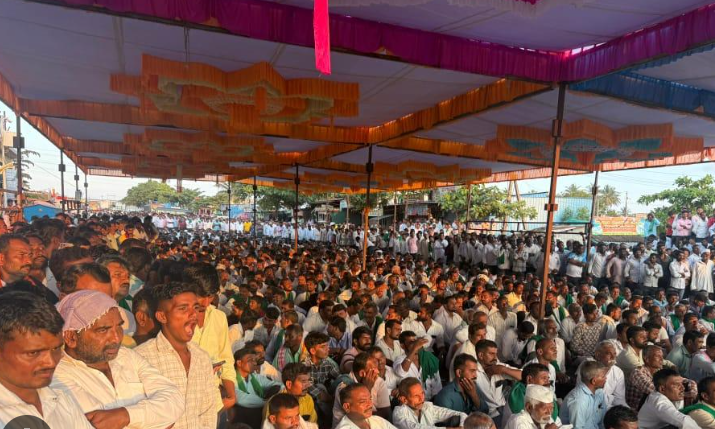
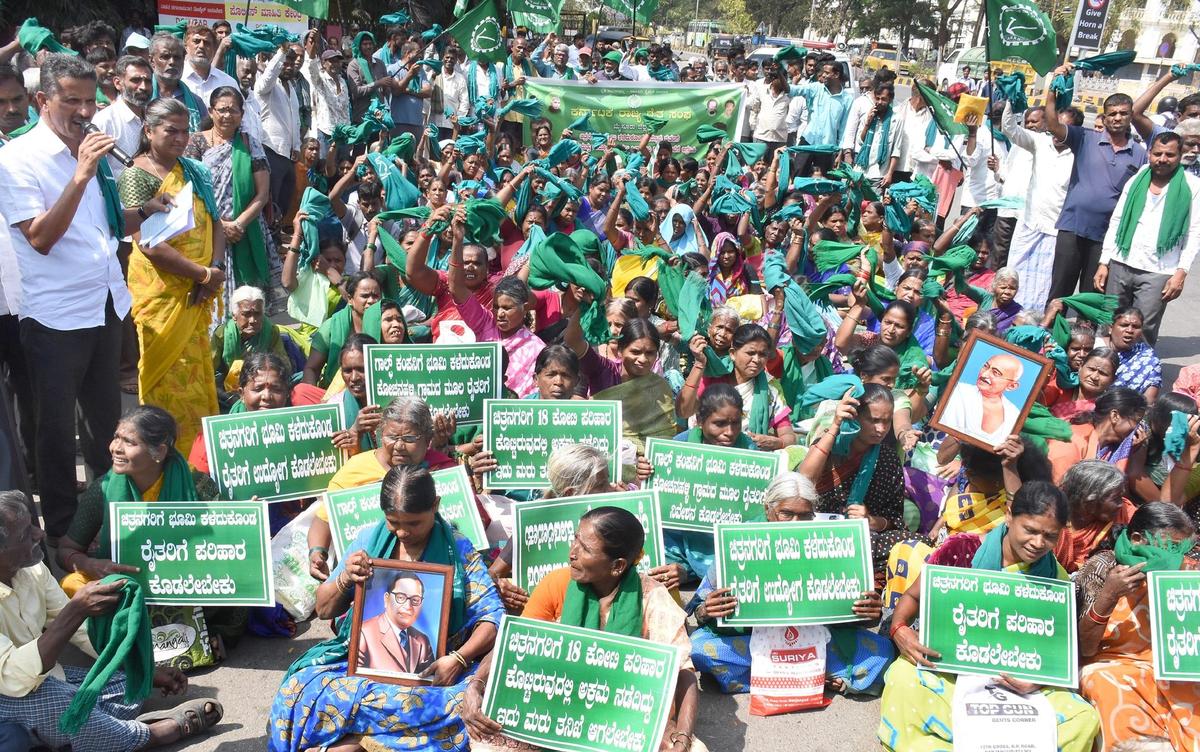
Farmers in a village of Belagavi district staged a strong protest against what they described as large-scale and indiscriminate felling of trees in their locality, alleging that the activity threatens both their livelihoods and the region’s fragile ecological balance. The demonstration, attended by cultivators, agricultural workers, and local residents, saw participants gather near the site where dozens of mature trees were reportedly cut in recent days. Holding placards and raising slogans, the protesters demanded an immediate halt to further tree removal and sought intervention from district authorities, stating that the loss of green cover would directly impact groundwater levels, soil health, and microclimatic stability.
According to the farmers, the trees that were felled included several native species that had stood for decades and served as natural windbreakers and shade providers for crops and livestock. Villagers claimed that the cutting was carried out rapidly, with little prior notice or public consultation, leading to confusion and anger among residents. Many expressed concern that such actions undermine the traditional agricultural landscape, where trees play a crucial role in preventing soil erosion and maintaining biodiversity. The protestors said that the absence of clear communication from officials had deepened mistrust and left the community feeling excluded from decisions affecting their environment.
Elderly farmers at the protest recalled how earlier generations had consciously preserved tree cover as part of sustainable farming practices, integrating orchards and shade trees into fields. They argued that the sudden removal of these trees disrupts a long-standing balance between cultivation and conservation. Women farmers, who also participated in large numbers, voiced fears about rising temperatures in open fields, which could make farm work more difficult and reduce crop yields. They emphasized that trees provide more than ecological benefits, offering fruit, fodder, and fuelwood that supplement rural household incomes and contribute to food security.
Several protestors alleged that the tree felling was linked to a development or infrastructure-related activity, though details remained unclear. They demanded that authorities publicly disclose the purpose of the project, environmental clearances obtained, and any compensatory afforestation plans. Without such transparency, they said, the community would continue to resist the operation. Local activists supporting the farmers stressed that environmental regulations require careful assessment before large-scale tree removal and argued that ignoring these norms could have long-term consequences for both people and wildlife in the area.
Village leaders who addressed the gathering called for a joint inspection by forest officials, revenue authorities, and representatives of the gram panchayat. They insisted that the voices of local cultivators must be heard before further action is taken. Protestors also warned that loss of tree cover could reduce bird populations that naturally control pests, thereby increasing farmers’ dependence on chemical pesticides. This, they said, would raise cultivation costs and harm soil quality over time. The demonstration remained largely peaceful, though emotions ran high as residents described the felling as an attack on their shared natural heritage.
Officials from the district administration acknowledged receiving complaints and said they would examine the matter. Preliminary statements indicated that the tree cutting may have been authorized under specific provisions, but authorities assured that any irregularities would be addressed. Farmers, however, maintained that official explanations must be accompanied by on-ground verification and written assurances. They demanded a temporary suspension of all tree-related activity until a full review is completed. The protest highlighted the growing tension between development initiatives and environmental preservation in rural regions where communities depend directly on natural resources for survival.
GROWING ECOLOGICAL AND LIVELIHOOD CONCERNS
Environmental experts note that trees in agricultural landscapes serve multiple ecological functions beyond aesthetic value. They help regulate local climate by reducing heat intensity, improve water retention in soil, and support pollinators essential for crop production. In semi-arid districts like parts of Belagavi, tree cover can significantly influence groundwater recharge by slowing runoff and enhancing infiltration. Farmers at the protest argued that removing mature trees in large numbers could reverse years of natural resource management efforts. They stressed that climate variability already poses challenges, and reducing green cover would only make farming more uncertain and vulnerable.
Younger farmers expressed frustration that environmental costs are often borne by rural communities while benefits of development are seen elsewhere. They said that if projects require land or tree removal, authorities should involve residents from the planning stage and ensure fair compensation and rehabilitation measures. Protestors also called for scientific studies to assess how many trees can be removed without harming ecological balance. They emphasized that token compensatory planting of saplings cannot replace the immediate ecosystem services provided by fully grown trees that have matured over decades in the local landscape.
Teachers and students from nearby institutions reportedly joined the demonstration in solidarity, underscoring the broader social concern over environmental degradation. Speakers at the protest highlighted the importance of educating younger generations about conservation and sustainable resource use. They warned that if current trends continue, rural children may grow up in landscapes stripped of shade and biodiversity. The issue, they said, is not merely about individual trees but about preserving a way of life rooted in coexistence with nature. The presence of youth lent the protest a sense of urgency and intergenerational responsibility.
Farmers also pointed to the cultural significance of trees, noting that many species are associated with local traditions and community spaces. Village elders described how certain trees serve as meeting points, landmarks, and sites for festivals or rituals. Losing them, they argued, erodes social bonds and collective memory. Such perspectives highlight how environmental issues intersect with cultural identity. Protest leaders said that development must respect these intangible values and avoid treating natural assets as expendable. They urged policymakers to adopt a more holistic approach that integrates ecological, economic, and social considerations in decision-making processes.
DEMAND FOR TRANSPARENCY AND ACCOUNTABILITY
As the protest continued, delegations of farmers sought meetings with senior officials to present memoranda outlining their demands. These included a halt to further felling, public disclosure of project details, and a commitment to replant native species in adequate numbers. Farmers insisted that reforestation efforts should occur within or near the affected village to ensure local ecological recovery. They also asked for community participation in monitoring afforestation, arguing that local stewardship improves survival rates of saplings. Such demands reflect a growing awareness among rural populations about environmental governance and their rights in development processes.
Political representatives from the region have reportedly taken note of the agitation, with some promising to raise the issue in appropriate forums. While opinions differ on the necessity of the underlying project, there appears to be consensus that communication gaps have fueled the unrest. Observers say that timely dialogue between authorities and residents could help defuse tensions and lead to mutually acceptable solutions. The situation illustrates how environmental decisions, when perceived as unilateral, can trigger strong local resistance. Effective governance, experts suggest, depends not only on legal compliance but also on trust-building and participatory approaches.
The Belagavi protest adds to a broader pattern of community-led environmental movements across the State, where villagers increasingly assert their role as custodians of natural resources. From opposing quarrying to safeguarding water bodies, such actions reflect rising grassroots engagement with ecological issues. Analysts believe that these movements signal a shift toward more decentralized environmental awareness, driven by lived experiences of climate stress and resource scarcity. Authorities may need to adapt policy frameworks to better incorporate local knowledge and consent, recognizing that sustainable development requires cooperation rather than confrontation.
For now, the farmers in the Belagavi village remain resolute, stating they will continue peaceful demonstrations until their concerns are addressed. Their protest underscores the delicate balance between infrastructure expansion and environmental stewardship in agrarian regions. As negotiations unfold, the outcome could influence how similar disputes are managed in the future. At stake is not only the fate of a cluster of trees but also the principle that communities most affected by environmental decisions should have a decisive voice. The episode serves as a reminder that development, to be enduring, must grow alongside respect for nature.
As the agitation gained momentum, farmer representatives began coordinating with environmental groups and legal advisers to explore possible avenues for formal redress. They discussed submitting petitions to the district administration and, if required, approaching higher authorities to seek a review of permissions granted for the tree felling. Some activists pointed out that environmental impact assessments and local consultations are intended to prevent precisely such conflicts. They argued that adherence to these procedures not only protects ecosystems but also shields projects from delays caused by public opposition. The unfolding situation in Belagavi, they said, demonstrates the cost of perceived procedural gaps.
Agricultural scientists observing the issue highlighted that tree cover plays a stabilizing role in mixed farming systems common in the region. Trees reduce wind speed, lower evapotranspiration, and create microhabitats that support beneficial insects. Their removal can increase exposure of crops to heat stress, potentially affecting yields of sensitive varieties. Experts cautioned that while infrastructure growth is important, ecological services provided by established trees often go unaccounted for in project planning. They suggested that mapping and valuing such services could guide more balanced decisions, ensuring that economic gains do not come at disproportionate environmental expense.
Meanwhile, social media amplified the voices of the protesting farmers, bringing wider attention to the issue. Images of tree stumps and gatherings of villagers circulated online, prompting discussions about rural environmental rights. Some commentators urged authorities to use the incident as an opportunity to showcase responsive governance by engaging openly with affected communities. Others stressed that quick resolution is essential to prevent the issue from escalating into a prolonged standoff. The visibility generated through digital platforms has added pressure on officials to clarify facts and demonstrate that due process is being followed.
In the days ahead, the focus is likely to shift toward dialogue and verification. If officials conduct joint inspections and share documentation on project approvals, the scope for misunderstanding may narrow. Farmers have indicated that they are not opposed to development per se but want assurance that ecological safeguards are respected. Their stance reflects a broader rural perspective that progress must be sustainable and inclusive. How authorities address these concerns could set a precedent for handling similar disputes, reinforcing the principle that environmental governance works best when communities are partners rather than bystanders.
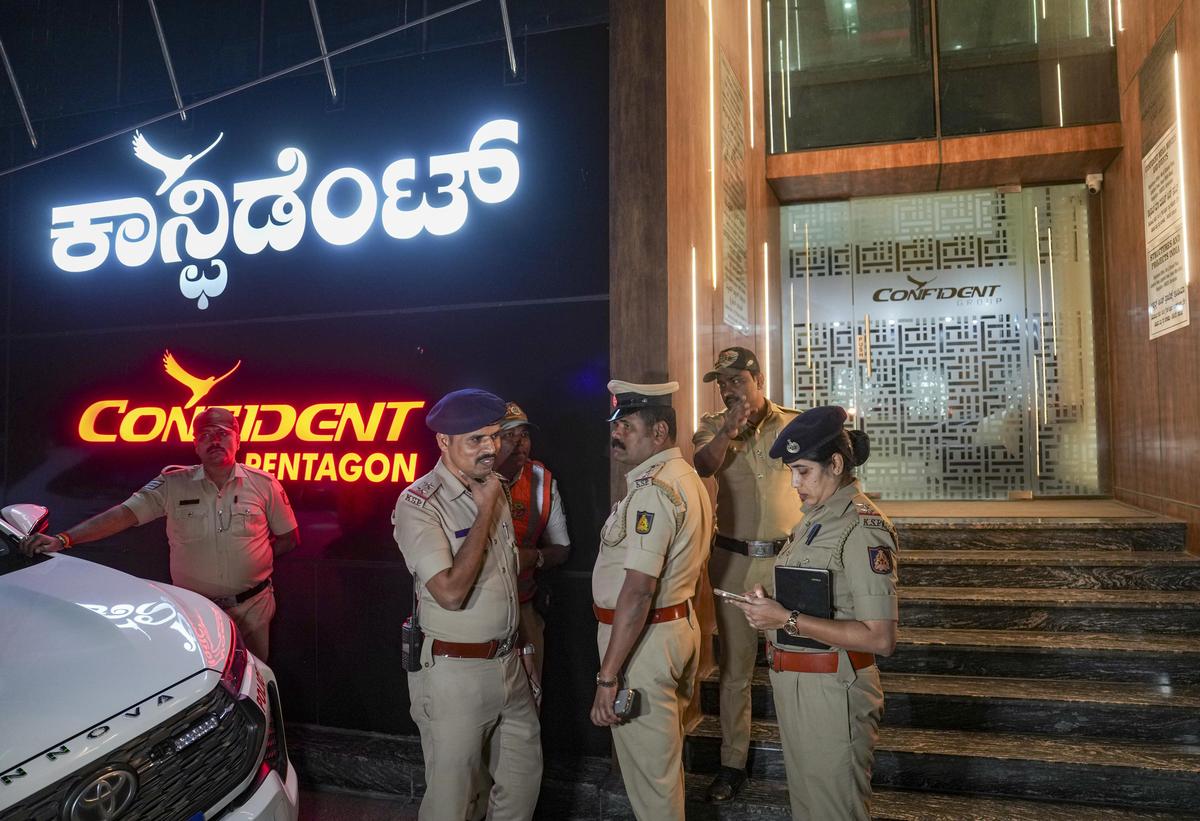
BJP leader B.Y. Vijayendra has publicly expressed reservations about the proposal to set up a Special Investigation Team (SIT) to probe the circumstances surrounding the death of C.J. Roy, the founder of the real estate firm Confident Group, which occurred amid ongoing Income-Tax (IT) -raids in Karnataka. Vijayendra’s doubts stem from concerns over transparency, possible interference in the probe, and a demand for greater clarity on the scope and objectivity of the investigation. His remarks have added a political dimension to an already sensitive case, raising questions about trust in institutional processes and the broader implications for governance and accountability in high-profile regulatory probes.
In a statement, Vijayendra stressed that while law enforcement agencies must investigate the incident thoroughly, the decision to constitute an SIT should not become a tool to dilute or delay accountability. He questioned whether a court-monitored SIT might inadvertently fragment the investigation, create parallel reporting lines, or provide avenues for ambiguity in evidence collection. According to him, the circumstances of Roy’s death—reported as a suicide during the IT raids—require a probe that is both independent and insulated from potential administrative or political influence. He urged that any investigative mechanism should have clear terms of reference and strict timelines to prevent procedural delays.
Vijayendra’s stance reflects broader demands for clarity around the case. The BJP leader argued that the sudden and tragic nature of Roy’s death necessitates a probe that leaves no room for speculation or perceived cover-ups. He pointed out that an SIT, if not properly constituted and directly accountable to judicial supervision, could result in compartmentalized findings that might obscure critical facts. His remarks emphasized the need for judicial oversight or involvement of central investigative agencies to ensure credibility. Vijayendra reiterated that justice for all stakeholders—not just the family of the deceased but also employees, investors, and the public—is paramount.
The political undertone of Vijayendra’s comments has drawn reactions from both ruling and opposition quarters. Congress leaders countered that an SIT would expedite investigations by bringing together experts from multiple agencies with relevant expertise and authority. They argued that an SIT could consolidate forensic findings, IT probe data, eyewitness accounts, and communication logs into a unified, structured inquiry. Ruling party members contended that the probe’s independence would be safeguarded in its composition and that accusations of interference were speculative and unnecessary at this stage.
Legal experts observing the debate note that concerns over investigative mechanisms are common in high-profile cases, particularly where regulatory agencies and corporate entities intersect. The question of whether an SIT, a court-monitored probe, or central agency investigation is most suitable depends on several factors, including complexity of the case, jurisdictional authority, and potential conflicts of interest. Vijayendra’s call for unequivocal independence underscores the delicate balance between swift fact-finding and ensuring procedural integrity. Both political figures and legal analysts agree that the probe must maintain transparency to uphold public trust.
DOUBTS OVER STRUCTURE AND TRANSPARENCY
One of Vijayendra’s specific concerns relates to the composition of an SIT. He questioned who would be appointed, under what authority, and how accountability mechanisms would be enforced. In past cases, SITs have sometimes been criticized for either overlapping with existing investigations or becoming subject to administrative influence. Vijayendra suggested that the terms of reference must explicitly define powers, reporting lines, and deadlines to minimize ambiguity. He stressed that an effective probe must leave no room for misinterpretation or delays that could weaken public confidence.
The BJP leader also raised the issue of timing and coordination. Given that the initial IT raids and subsequent events occurred under the supervision of multiple agencies, Vijayendra argued that synchronizing information from these sources should be a priority. He voiced concern that an SIT might inadvertently slow down the momentum of evidence collection, especially forensic data that can degrade over time. According to him, any probe must integrate simultaneous analysis of digital records, financial transactions, and scene forensics to reconstruct events accurately.
Opposition voices have underscored that Vijayendra’s stance is not an attempt to politicize the probe but to ensure accountability. They contend that high-profile incidents require heightened scrutiny precisely because of their potential impact on investor sentiment, governance credibility, and public perception of the rule of law. If key questions regarding methodology, oversight, and reporting are not addressed at the outset, skepticism could grow, they argue. Clear communication about the probe’s framework, they say, would pre-empt misinformation and political speculation.
Supporters of the SIT mechanism point to its ability to bring in multi-disciplinary expertise. In complex cases involving financial data, regulatory interactions, and potential legal violations, a dedicated team can improve coordination and expedite findings. They assert that the SIT would not function in isolation but would draw on inputs from the Income-Tax department, forensic laboratories, police investigators, and judicial oversight where required. This collective expertise, proponents argue, can provide a more comprehensive view than a single agency’s efforts.
Legal commentators note that the debate over the probe’s structure highlights a broader concern about investigative independence in cases involving powerful individuals or entities. Maintaining public trust requires not only fairness in process but also clear articulation of why a particular mechanism is chosen. Vijayendra’s insistence on visible safeguards, explicit timelines, and defined accountability reflects this need. Ultimately, experts emphasize that the probe’s credibility will hinge on transparency and public accessibility of procedural updates, even if sensitive details remain confidential.
POLITICAL AND PUBLIC PERCEPTION
The political context of the controversy cannot be ignored. Incidents involving regulatory action and sudden death inevitably draw public attention, and leaders across the political spectrum are keenly aware of the narrative implications. Vijayendra’s comments resonate with a segment of the public that demands strict oversight and clarity in institutional responses. Whether the call for specific probe mechanisms translates into adjustments in policy or practice remains to be seen. What is clear, however, is that public perception will play a significant role in shaping the discourse.
Stakeholders—notably employees, investors, and industry associations—are also watching closely. A transparent, credible investigation reassures markets and stakeholders that due process is being followed. Delays, ambiguity, or perceived interference could negatively impact confidence, particularly in sectors closely monitored by regulators. Vijayendra’s emphasis on accountability is reflective of these economic and governance considerations. Institutional credibility, analysts say, depends on probing facts without fear or favor, irrespective of the profile of those involved.
Human rights advocates have weighed in, emphasizing that any probe must respect legal rights while ensuring fairness to all parties. They underscore the importance of balancing investigative rigor with procedural justice. Whether the outcome validates the initial characterization of events or reveals new insights, the probe must adhere strictly to evidence-based inquiry. An investigation perceived as biased, cursory, or incomplete, they warn, could undermine confidence in the justice system.
The unfolding debate over the SIT and the appropriate mechanism for investigation illustrates the intersection of legal scrutiny, political accountability, and public expectation. Vijayendra’s concerns, while politically charged, reflect a broader demand for transparency and due process. As authorities deliberate on the structure and oversight of the probe, clarity in communication and a defined roadmap for inquiry may help alleviate public concerns and foster trust in institutional responses.
At its core, the discussion underscores that governance in sensitive cases involves not just legal frameworks but also perceptions of fairness and independence. Whether through an SIT, court-monitored probe, or central agency inquiry, the objective remains the same: to uncover facts, uphold justice, and maintain public confidence. The coming weeks are likely to reveal how the government responds to these concerns, how the investigative mechanism is structured, and how officials balance administrative expediency with demands for visible accountability.
Further complicating the debate is the procedural question of precedent. Observers note that in previous high-profile deaths linked to financial or regulatory investigations, the choice of probe mechanism often influenced public trust in the outcome. If the State proceeds with an SIT without clearly differentiating this case from earlier ones handled by conventional investigative routes, critics may question consistency in administrative decision-making. Vijayendra’s reservations appear rooted in this very concern: that deviation from standard procedure, unless well justified, could raise doubts rather than resolve them. Establishing why an SIT is uniquely suited to this case, therefore, becomes central to maintaining credibility.
Another dimension involves the role of the Income-Tax department, whose actions formed the backdrop to the incident. Coordination between tax authorities and criminal investigators is often sensitive, as financial probes operate under different legal mandates compared to criminal inquiries. Vijayendra has suggested that unless these boundaries are clearly delineated, evidence-sharing protocols might become contentious. Legal analysts agree that seamless cooperation is essential but must be governed by statutory safeguards to protect admissibility of evidence and prevent procedural challenges in court. Any confusion at this stage could have long-term implications for prosecution or closure of the case.
Public discourse has also highlighted the emotional and social impact of such incidents. The sudden death of a prominent business figure during official action often triggers speculation, rumors, and polarized narratives. In this context, Vijayendra’s insistence on transparency may be aimed as much at managing public perception as at influencing legal procedure. Communication strategy, experts say, is vital. Periodic, factual briefings without compromising investigative secrecy can help curb misinformation. Failure to provide credible updates may allow conjecture to dominate, potentially politicizing the issue further and complicating the investigative environment.
Institutional accountability is another thread running through the controversy. Questions have been raised about whether existing oversight bodies are equipped to review the conduct of multi-agency operations that precede such incidents. Vijayendra’s remarks indirectly point to the need for systemic review mechanisms, not merely a case-specific probe. Strengthening protocols on inter-agency coordination, stress management during high-pressure operations, and post-incident review could be long-term outcomes of this debate. Policymakers may find that beyond resolving the immediate case, there is a broader imperative to reinforce safeguards in regulatory enforcement processes.
Ultimately, the trajectory of this case may set a benchmark for how sensitive, high-stakes incidents are handled in the future. Whether the government opts for an SIT with enhanced transparency measures, a court-monitored investigation, or another model, the emphasis will remain on credibility, speed, and fairness. Vijayendra’s skepticism underscores a wider democratic principle: that investigative processes must not only be just but also appear just. As developments unfold, the balance between political scrutiny and institutional autonomy will continue to shape both the narrative and the eventual public acceptance of the findings.
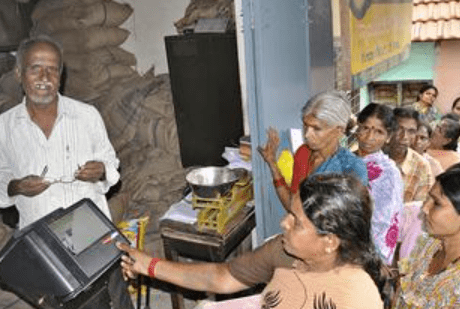
Around 52,000 women in Karnataka have reportedly been denied benefits under the State government’s Gruha Lakshmi scheme due to discrepancies linked to tax records, prompting concern among beneficiaries and policymakers alike. Addressing the issue, the concerned Minister said the government has taken note of the problem and steps are underway to resolve genuine cases. The development has sparked debate over eligibility verification processes and the challenges faced by welfare schemes that rely on digital and financial databases to determine beneficiary status.
Field officers have begun door-to-door verification in certain districts where a high number of grievances were recorded. Officials said this step is meant to reduce the burden on beneficiaries who may find it difficult to travel to government offices. Local revenue staff are cross-checking income details, property records, and household status to determine eligibility accurately. Authorities believe that in-person verification can resolve discrepancies faster than relying solely on digital systems. This approach is also expected to build confidence among affected women, who have expressed uncertainty about how their financial records were interpreted in the initial screening process.
District administrations are reportedly setting up temporary facilitation centers to guide women through the correction process. At these centers, applicants can submit updated documents, clarify tax-related details, and seek assistance in linking bank accounts or identification records. Volunteers and self-help group members have been roped in to help beneficiaries understand procedures. Officials said clear instructions in local languages are being provided to avoid confusion. Such support mechanisms aim to ensure that lack of digital literacy or paperwork does not prevent eligible women from accessing benefits meant to support household stability.
Social policy experts emphasize that welfare schemes must account for informal income patterns common among low-income families. Many women may have small financial transactions or legacy records that appear in tax databases without reflecting current economic realities. Analysts argue that automated filters sometimes fail to distinguish between minor past entries and present-day vulnerability. They suggest periodic data cleansing and flexible review criteria. Integrating socio-economic surveys with financial data could help create a more accurate picture of household status, ensuring that deserving beneficiaries are not inadvertently excluded.
Community leaders have urged authorities to maintain transparency about the review timeline and criteria being used. They say uncertainty about payment restoration creates stress among families who depend on the scheme for essential expenses. Public announcements, village meetings, and information campaigns are being recommended to keep beneficiaries informed. Officials acknowledged that communication gaps can lead to mistrust and have pledged to issue regular updates through local administration channels. Clear and consistent messaging is seen as key to preventing rumors and ensuring that affected women remain engaged in the correction process.
Women who have filed appeals shared that the financial assistance under Gruha Lakshmi often supports children’s education and healthcare needs. Interruptions have forced some families to borrow from informal sources, adding financial pressure. Social workers highlighted that timely restoration of benefits can prevent debt cycles and protect household well-being. They stressed that welfare programs designed for economic security must also consider the emotional impact of sudden payment stoppages. Authorities said they are prioritizing cases where prolonged delays could cause hardship.
Government representatives indicated that data integration systems are being reviewed to identify technical loopholes that led to misclassification. Software filters may be recalibrated to distinguish between active taxpayers and those with negligible or outdated entries. Officials said this technical refinement will reduce similar issues in future welfare rollouts. They emphasized that the experience is being used as a learning opportunity to strengthen digital governance systems while safeguarding beneficiary rights.
Financial inclusion experts note that linking welfare schemes with formal databases has long-term benefits, including improved accountability and reduced duplication. However, they caution that technology must remain a tool rather than a barrier. Human intervention and contextual assessment are necessary safeguards in welfare delivery. Experts recommend a hybrid model where automated systems flag cases but final decisions involve field verification. This balance, they say, helps maintain both efficiency and fairness in public assistance programs.
Opposition leaders continue to monitor the situation, calling for periodic reports on how many cases have been resolved. They argue that legislative oversight ensures that corrective measures are implemented effectively. Government officials have responded that progress updates will be shared once verification rounds are completed. The issue has sparked broader discussion on strengthening grievance redressal frameworks within social schemes. Ensuring quick, accessible complaint resolution is increasingly recognized as essential to sustaining public trust.
Civil society organizations are organizing awareness drives to inform women about documentation and appeal procedures. Workshops conducted in rural areas aim to explain how tax records may affect eligibility and what steps can be taken to correct errors. Volunteers are helping women collect necessary papers and submit applications. Such grassroots engagement is helping bridge the gap between administrative processes and community understanding. Observers say these collaborative efforts demonstrate how public participation can strengthen welfare delivery.
As the resolution process continues, authorities maintain that the scheme’s intent remains unchanged: to support women-led households and enhance financial security. Officials reiterated that no eligible beneficiary will be permanently excluded due to technical discrepancies. The ongoing corrective measures reflect an effort to align digital governance with social welfare objectives. Experts conclude that lessons learned from this episode could guide improvements in future schemes, ensuring that technology and human oversight work together to deliver benefits efficiently and equitably across Karnataka.
The Gruha Lakshmi scheme, designed to provide financial assistance to women heads of households, is considered one of the key social welfare initiatives in Karnataka. Officials stated that the denial of benefits in these cases was not arbitrary but based on income and tax-related data that flagged certain applicants as ineligible. However, many of the affected women reportedly claim they fall within the intended beneficiary category and may have been excluded due to outdated or misinterpreted financial records.
The Minister clarified that the government is reviewing the cases and working with departments handling tax and revenue data to correct any technical or clerical errors. He emphasized that the scheme’s objective remains to support economically vulnerable households and that genuine beneficiaries will not be left out. According to officials, field-level verification and grievance redressal mechanisms are being strengthened to ensure that deserving applicants receive the promised assistance without unnecessary delay.
Beneficiaries expressed distress over the sudden stoppage or denial of funds, stating that the monthly assistance plays a crucial role in managing household expenses. For many families, the scheme supports daily needs such as groceries, education costs, and healthcare. Social workers noted that even short disruptions in welfare payments can significantly affect low-income households. They urged authorities to expedite the review process and maintain clear communication with applicants to prevent confusion and anxiety.
Officials explained that integration of multiple databases is intended to prevent duplication and ensure transparency, but it can sometimes lead to mismatches. Differences in name spelling, outdated income records, or technical linking errors between Aadhaar, bank, and tax databases may cause legitimate beneficiaries to be flagged incorrectly. Authorities said that resolving such issues requires careful verification to balance accuracy with fairness.
VERIFICATION CHALLENGES AND GOVERNMENT RESPONSE
Policy analysts point out that large-scale welfare schemes often face administrative challenges when digital verification systems are introduced. While such systems improve efficiency and reduce fraud, they can inadvertently exclude eligible individuals due to data inconsistencies. In the case of Gruha Lakshmi, tax-related indicators appear to have triggered automated ineligibility in some cases. Experts suggest that human oversight and local verification remain essential components of welfare administration.
The Minister stated that district-level officials have been instructed to review grievances on priority. Special camps and help desks may be organized to assist women in updating records and submitting clarifications. Authorities are also exploring coordination with tax departments to reassess cases where small or inactive tax records may have led to misclassification. The goal, officials said, is to ensure that technical filters do not override the scheme’s welfare intent.
Opposition leaders have raised concerns about the situation, urging the government to ensure transparency and timely resolution. They argue that beneficiaries should not suffer due to bureaucratic or technical errors. Some legislators called for a temporary relaxation of automated exclusion criteria until verification is completed. The issue has brought attention to the need for robust grievance redressal mechanisms within welfare programs.
Women’s groups have welcomed the Minister’s assurance but stressed the importance of swift action. They noted that beneficiaries often lack awareness of documentation requirements and may find it difficult to navigate digital correction processes. Civil society organizations have offered to assist in awareness drives and help women file appeals. They believe community-level support can bridge gaps between policy design and ground realities.
IMPACT ON HOUSEHOLDS AND NEXT STEPS
Economists highlight that direct benefit schemes like Gruha Lakshmi are designed to enhance financial stability for households, particularly empowering women. Interruptions can affect not only consumption patterns but also confidence in public welfare systems. Ensuring continuity and reliability of payments is therefore essential for both economic and social reasons. Experts recommend periodic audits of verification systems to minimize unintended exclusions.
Officials reiterated that no permanent cancellation has been ordered and that affected cases are under review. Beneficiaries have been encouraged to approach local authorities with necessary documents to facilitate re-evaluation. The government has assured that corrections will be made where errors are found, and eligible women will receive due benefits.
The episode underscores the complexity of administering large-scale welfare programs in a data-driven environment. While technology enhances transparency, it also requires careful calibration to prevent genuine beneficiaries from being excluded. Observers say the government’s response and speed of resolution will be crucial in maintaining trust in the scheme.
As the review process continues, authorities and community organizations alike emphasize the importance of communication, accessibility, and empathy in addressing beneficiaries’ concerns. Ensuring that welfare reaches intended recipients remains the central priority, and officials maintain that corrective measures are being taken to align implementation with the scheme’s core objective of supporting women-led households across Karnataka.
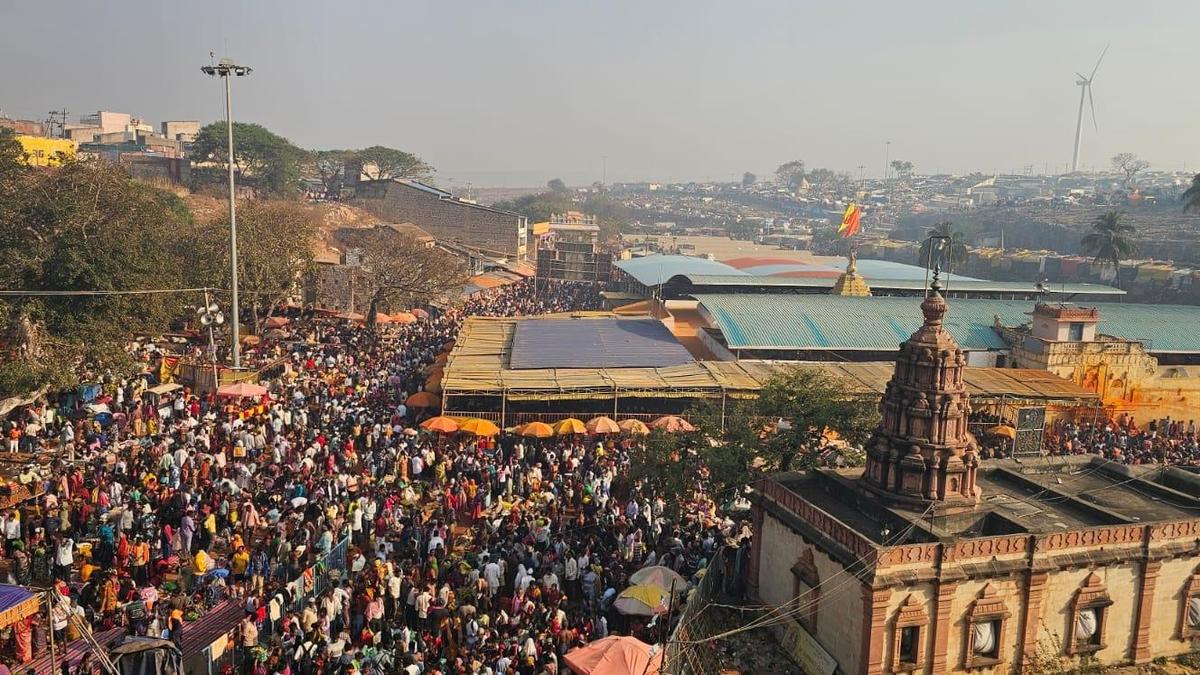
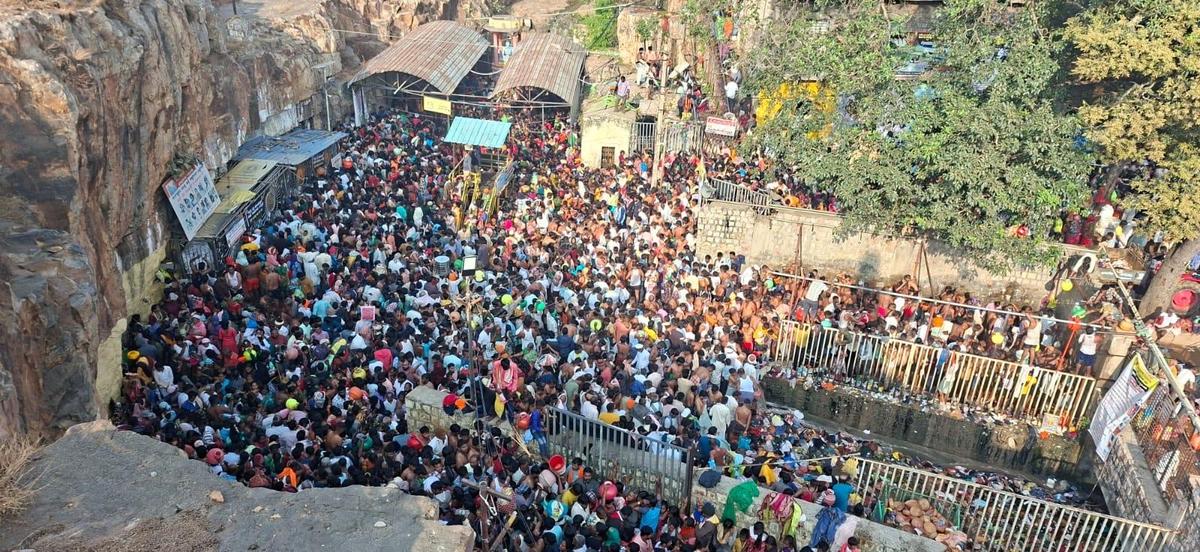
Thousands of devotees gathered at the revered Yallamma temple in Saundatti to mark the auspicious occasion of Bharat Hunnime, turning the temple town into a vibrant hub of faith, tradition, and cultural unity. Pilgrims from various districts of Karnataka and neighboring states began arriving days in advance, carrying offerings and prayers dedicated to Goddess Yallamma. The annual festival, known for its deep spiritual significance, witnessed elaborate rituals, devotional singing, and community gatherings. Authorities made extensive arrangements to manage the large influx of visitors, ensuring smooth movement, safety, and access to essential facilities during the celebrations.
Bharat Hunnime, observed on a full-moon day, holds special importance among devotees of Yallamma, who is worshipped as a symbol of compassion, protection, and strength. Many pilgrims undertook long journeys on foot as part of their vow, reflecting devotion and spiritual discipline. Traditional attire, colorful offerings, and devotional chants created an atmosphere of reverence around the temple premises. Elderly devotees, families with children, and groups of youth participated together, highlighting the intergenerational nature of faith practices associated with the festival.
Temple authorities reported a significant turnout this year, with continuous streams of pilgrims offering prayers from early morning hours. Special queues were arranged to facilitate darshan, while volunteers assisted in guiding visitors and distributing drinking water. Devotional music echoed through the area as cultural troupes performed folk songs dedicated to the goddess. The festival not only serves as a religious event but also strengthens community bonds, bringing together people from diverse backgrounds in shared devotion and celebration.
Local administration deployed additional police personnel and emergency services to maintain order and respond to any contingencies. Health camps, temporary shelters, and sanitation facilities were established to ensure the well-being of visitors. Officials emphasized crowd management and public safety, especially during peak hours when the temple saw heavy footfall. Coordination between temple authorities and district officials helped in organizing the event efficiently, minimizing inconvenience to pilgrims while preserving the sanctity of rituals.
Devotees expressed deep emotional connection with the festival, saying their visit was an expression of gratitude and hope. Many believe that offering prayers during Bharat Hunnime brings blessings for health, prosperity, and family welfare. Women devotees performed special rituals seeking protection for their households, while farmers prayed for favorable conditions for crops. The festival thus carries both spiritual and socio-cultural significance, reflecting the intertwining of faith with daily life in rural and urban communities alike.
SPIRITUAL TRADITIONS AND RITUAL PRACTICES
Rituals at the Yallamma temple during Bharat Hunnime began before dawn, with priests conducting special poojas and abhishekas. Sacred chants filled the air as devotees lit lamps and presented flowers, coconuts, and fruits as offerings. The temple complex was adorned with decorations, enhancing the festive atmosphere. Devotees believe that witnessing these rituals on the full-moon day brings spiritual purification and divine grace. Many also observed fasting and prayer, underscoring the personal discipline associated with the festival.
Cultural performances formed an integral part of the celebration, with folk artists presenting devotional songs and dances rooted in regional traditions. These performances not only entertained but also conveyed stories associated with Goddess Yallamma’s mythology and moral teachings. Elders narrated legends to younger generations, preserving oral traditions and reinforcing cultural continuity. The festival thus functions as a living repository of heritage, blending religious observance with artistic expression.
Pilgrims arriving from distant areas often set up temporary camps, cooking meals collectively and sharing resources. This sense of community living fosters solidarity and mutual support. Volunteers from various organizations provided assistance, including medical aid and information services. Such collective participation reflects the social dimension of pilgrimage, where devotion is accompanied by cooperation and shared responsibility among participants.
Local vendors benefited from the surge in visitors, as stalls selling flowers, offerings, and traditional food lined the streets near the temple. The festival contributes to the local economy, providing income opportunities for small traders and artisans. Handcrafted items, religious symbols, and souvenirs were in demand, showcasing the cultural vibrancy associated with the event. Authorities monitored commercial activities to ensure fair practices and prevent overcrowding.
Environmental considerations were also highlighted, with appeals to pilgrims to maintain cleanliness around the temple area. Volunteers distributed waste bags and encouraged proper disposal to minimize ecological impact. Officials stressed that preserving the sacred surroundings is a shared responsibility. Efforts to balance tradition with environmental awareness reflect evolving approaches to managing large religious gatherings sustainably.
COMMUNITY, SAFETY, AND FESTIVAL MANAGEMENT
Traffic management was a key focus, with diversions and parking arrangements set up to handle the surge of vehicles. Public transport services were increased to accommodate pilgrims traveling from different regions. Authorities urged visitors to follow safety guidelines and cooperate with officials. Information centers provided directions and assistance, helping pilgrims navigate the busy festival environment smoothly.
Medical teams remained on standby to address health emergencies, including dehydration and fatigue among elderly pilgrims. Ambulances and first-aid units were stationed near the temple complex. Health officials advised visitors to stay hydrated and take rest breaks. The proactive presence of medical support reassured pilgrims and contributed to the overall safety framework of the event.
Law enforcement agencies maintained vigilance to prevent mishaps and ensure crowd discipline. Surveillance systems and patrols were used to monitor movement and address issues promptly. Officials emphasized that maintaining order was essential to safeguarding both devotees and the sanctity of the celebration. Cooperative behavior from pilgrims played a crucial role in enabling smooth conduct of the festival.
Community leaders praised the coordination between authorities, volunteers, and temple management. They noted that such collaboration is vital for handling gatherings of this magnitude. Public announcements reminded pilgrims of schedules, safety measures, and available facilities. Effective communication reduced confusion and enhanced the overall experience for visitors.
As the day concluded, devotees expressed fulfillment after participating in rituals and seeking blessings. Many planned to return in future years, continuing the tradition of pilgrimage. The Bharat Hunnime festival at Saundatti once again demonstrated the enduring strength of faith and cultural unity. Through devotion, cooperation, and careful management, the event stood as a testament to Karnataka’s rich spiritual heritage and collective spirit.
Cultural historians note that the Bharat Hunnime gathering at Saundatti reflects centuries-old devotional patterns linked to agrarian cycles and community identity. Full-moon observances have traditionally symbolized renewal and spiritual completeness, and the Yallamma festival integrates these themes with local belief systems. Scholars explain that such events preserve intangible heritage through rituals, music, storytelling, and collective memory. The temple becomes a space where history, faith, and social bonds converge. Researchers observing the festival emphasize that beyond religious significance, these pilgrimages serve as living cultural archives that sustain regional traditions across generations in a rapidly modernizing society.
Women devotees formed a significant presence during the celebrations, many carrying traditional offerings on their heads as part of ritual vows. Community elders highlighted that women’s participation is central to the festival’s continuity, as they pass down practices and prayers within families. Observers noted the emotional intensity of group prayers, where collective voices created a powerful atmosphere of shared hope. Social workers present at the event said such gatherings offer emotional reassurance and a sense of belonging, particularly for rural participants who view the pilgrimage as both a spiritual journey and a reaffirmation of community identity.
Security officials reported that continuous monitoring helped maintain orderly movement even during peak hours. Public address systems were used to guide pilgrims and prevent crowd congestion near the temple entrance. Emergency response drills had been conducted in advance, preparing personnel for possible contingencies. Authorities said cooperation from devotees played a major role in smooth management. Volunteers formed human chains at certain points to regulate flow, demonstrating how community participation complements official arrangements. The coordinated approach minimized disruptions and ensured that rituals continued without significant interruption throughout the day.
Environmental groups collaborating with local authorities distributed awareness leaflets encouraging eco-friendly practices during the festival. Pilgrims were requested to avoid plastic items and use designated disposal bins. Some youth groups organized clean-up drives after major ritual phases, reflecting growing environmental consciousness among younger participants. Experts noted that integrating sustainability messages into religious events can have lasting impact, as spiritual gatherings influence large audiences. Maintaining cleanliness around sacred spaces was presented not only as a civic duty but also as an act of respect toward the deity and the environment.
Local residents described the festival period as both spiritually uplifting and economically significant. Guesthouses, eateries, and transport services experienced increased activity, while temporary employment opportunities arose for drivers, vendors, and helpers. Economists observing such events explain that pilgrimage tourism contributes to rural income streams and supports micro-enterprises. However, they also stress the need for infrastructure planning to manage seasonal surges sustainably. Balancing economic benefit with environmental care and civic order remains an ongoing challenge that authorities seek to address through structured festival management strategies.
Medical volunteers reported attending to minor issues such as fatigue, blisters from long walks, and dehydration, especially among those who traveled on foot. Health workers also used the opportunity to share basic health awareness messages, including hygiene and nutrition advice. They said religious gatherings can serve as effective outreach points for public health communication. The presence of healthcare teams not only provided immediate assistance but also reassured families traveling with elderly members. Organizers credited early planning and coordination for preventing major health incidents during the large-scale event.
As pilgrims gradually dispersed after completing their prayers, many carried sacred offerings and memories of collective devotion back to their hometowns. For numerous families, participation in Bharat Hunnime is an annual tradition that strengthens spiritual ties and cultural continuity. Observers noted that despite modern changes, the core spirit of faith and communal harmony remains unchanged. The festival once again illustrated how shared belief, disciplined organization, and collective responsibility can transform a small temple town into a powerful center of spiritual unity, reflecting the enduring cultural richness of Karnataka’s religious landscape.
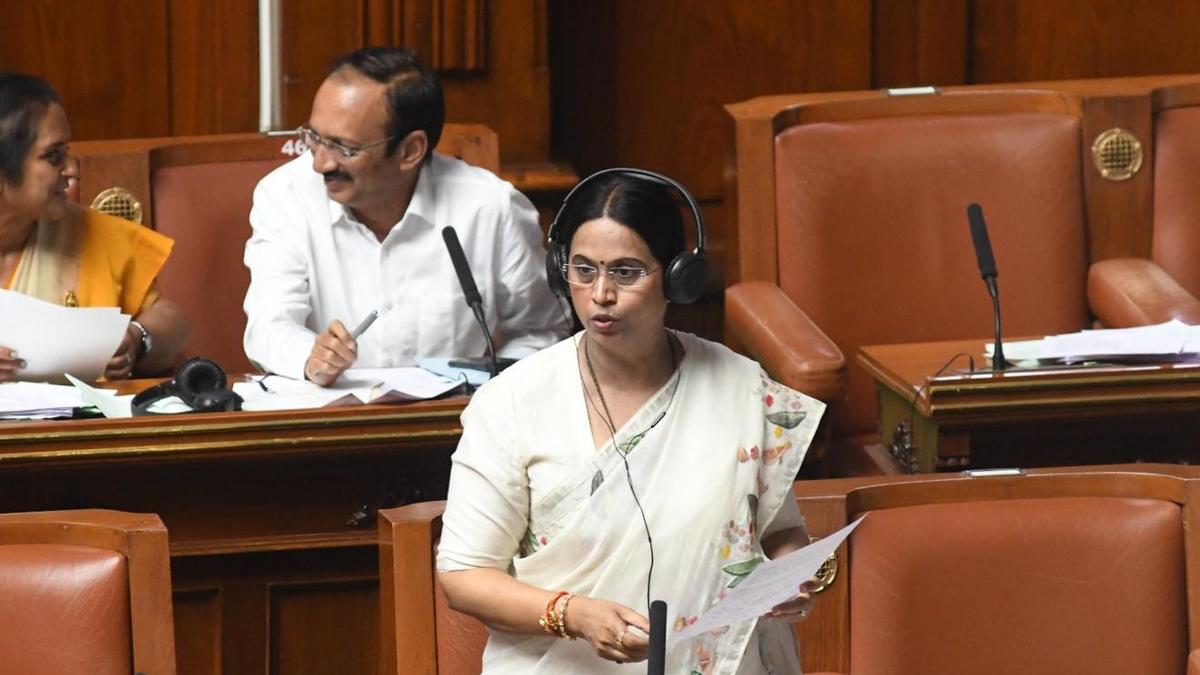
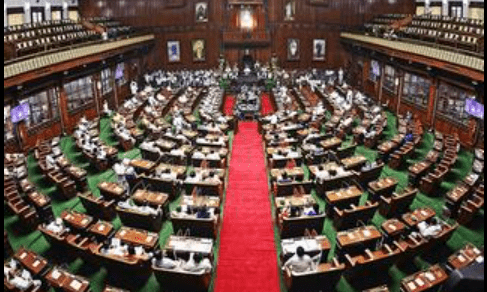
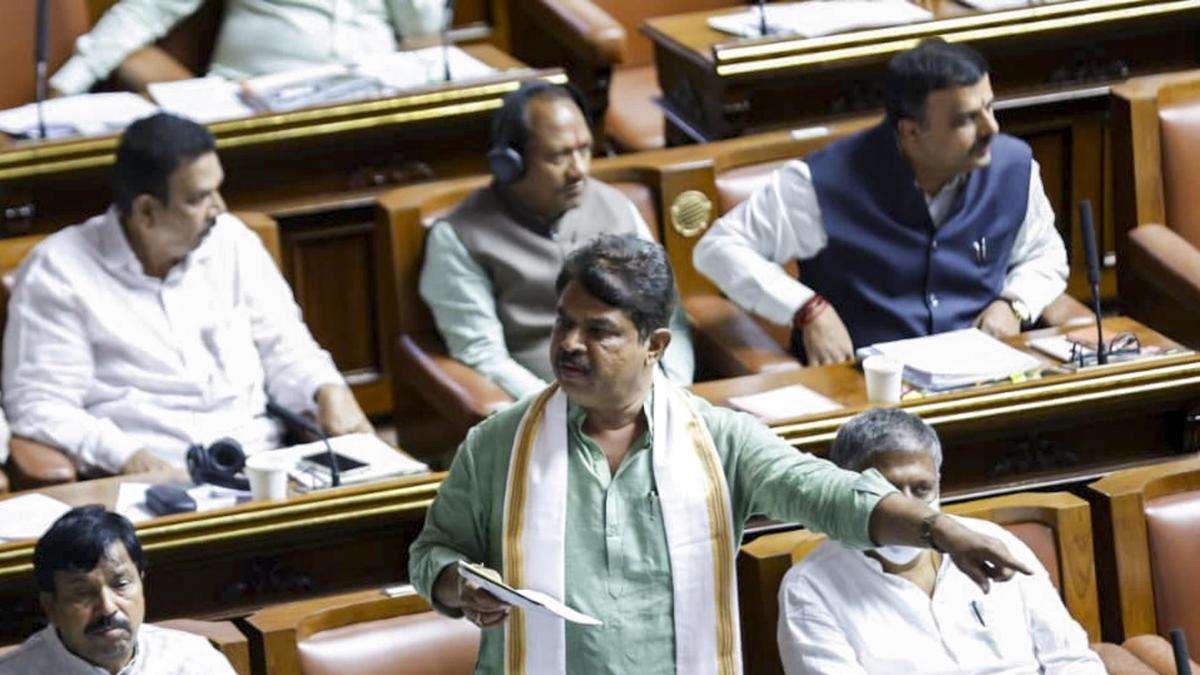
The political atmosphere in Karnataka witnessed renewed tension after senior BJP leader R. Ashok questioned the silence of Deputy Chief Minister D.K. Shivakumar regarding the ambitious “Brand Bengaluru” initiative and his reported absence from the Assembly proceedings. The remarks, made during a legislative discussion, have intensified debate over governance priorities, accountability, and transparency in the state administration. Opposition members argued that a project of such scale, aimed at reshaping Bengaluru’s global identity and infrastructure narrative, requires consistent leadership presence and clear communication. The issue has since evolved into a broader political exchange between the ruling Congress and the Opposition.
R. Ashok stated that Bengaluru, being Karnataka’s capital and economic hub, deserves focused leadership, particularly when long-term urban transformation projects are under discussion. He alleged that the Deputy Chief Minister’s absence from the House during key deliberations sent the wrong message about the government’s seriousness toward the initiative. According to Opposition members, Brand Bengaluru is not merely a branding exercise but a policy-driven program involving urban infrastructure, mobility, environment, and civic management. They argued that legislative engagement is essential for democratic oversight and effective implementation of such a comprehensive urban vision.
Urban policy experts note that Bengaluru’s rapid expansion over the past decade has made governance more complex, requiring constant coordination between elected representatives and administrative agencies. When high-visibility initiatives such as Brand Bengaluru come under discussion, the public often equates leadership presence with commitment. Specialists say that while administrative work behind the scenes is crucial, visible participation in democratic forums reinforces legitimacy. They argue that structured communication strategies, including periodic Assembly briefings and public status reports, can bridge perception gaps and ensure that developmental narratives remain grounded in measurable progress rather than political interpretation alone.
Business associations in Bengaluru have also been watching the developments closely, as infrastructure planning directly affects investment decisions. Industry representatives emphasize that clarity about urban mobility, land use, and civic services plays a major role in shaping the city’s economic future. They suggest that political disagreements should not slow down administrative processes tied to infrastructure upgrades. At the same time, they believe transparent legislative discussion strengthens investor confidence, since it demonstrates institutional checks and continuity. Stable governance signals, they say, are essential for Bengaluru’s positioning as a global technology and innovation hub in a competitive international landscape.
Former bureaucrats point out that major city-level programs often involve multiple funding streams, including state allocations, central schemes, and public–private partnerships. Legislative scrutiny can help track these financial flows and ensure that funds are used efficiently. They add that open debate also helps identify implementation bottlenecks early. According to governance experts, disagreements within the Assembly should ideally lead to stronger monitoring frameworks rather than political deadlock. When questions raised by the Opposition receive data-backed responses, it builds a culture of evidence-based policymaking and reduces the scope for speculation or misinformation in public discourse.
Social commentators observe that the discussion reflects the growing expectations citizens have from urban leadership. Residents increasingly demand real-time updates, responsive governance, and visible accountability. In the age of social media and 24-hour news cycles, ministerial actions are closely scrutinized. Experts believe that consistent public engagement, including town hall meetings and digital communication, can complement legislative participation. Such outreach not only clarifies government actions but also creates feedback loops that improve policy design. For large-scale urban missions, sustained dialogue between citizens and leaders is becoming as important as technical planning itself.
Environmental planners underline that any city branding initiative must integrate sustainability as a core principle. Bengaluru faces challenges such as shrinking lakes, air pollution, and pressure on green cover. They argue that legislative forums provide opportunities to debate environmental safeguards and long-term ecological planning. Addressing these concerns publicly demonstrates that development and sustainability are not competing goals but interconnected priorities. Transparent policy discussion, they say, reassures communities that urban growth will not come at the expense of environmental stability and future resilience.
Political analysts suggest that such controversies, while sharp in tone, often lead to clearer articulation of project goals. When the Opposition presses for answers, governments may respond with more detailed roadmaps and timelines. This process can enhance policy clarity for the public. Observers believe that if the current debate results in structured progress reports on Brand Bengaluru, it could strengthen institutional accountability. Democratic friction, they note, can be productive when it leads to more robust systems of oversight and performance evaluation rather than prolonged confrontation.
As the Assembly session progresses, attention is likely to remain on how both sides navigate the issue. Citizens, civic groups, and stakeholders will be watching for concrete updates on urban development plans rather than political exchanges alone. Experts conclude that maintaining focus on service delivery, infrastructure outcomes, and inclusive planning can help move the conversation forward. In the long term, the success of Brand Bengaluru will depend not just on political narratives but on measurable improvements in urban life, supported by transparent governance and sustained leadership engagement.
Leaders from the ruling party responded by dismissing the allegations, stating that administrative responsibilities often require ministers to be engaged outside the Assembly on official duties. They emphasized that the Deputy Chief Minister has been actively involved in planning and review meetings related to urban development. Congress members argued that reducing governance to physical presence in the House overlooks the broader scope of executive responsibilities. However, the Opposition maintained that transparency and direct answers within the legislature are fundamental to democratic accountability, especially when large public resources and policy directions are involved.
Political observers note that the controversy reflects deeper tensions between the ruling party and the Opposition over Bengaluru’s development trajectory. The city faces challenges including traffic congestion, infrastructure strain, water management issues, and rapid population growth. Brand Bengaluru has been projected as a unifying framework to address these issues, improve global competitiveness, and enhance civic quality of life. Analysts suggest that disagreements over leadership presence and communication reflect competing political narratives rather than a rejection of the project itself.
Civic activists have pointed out that urban development initiatives require consistent dialogue between policymakers and legislators. They argue that Assembly discussions provide a platform for addressing citizen concerns, ensuring that projects reflect ground realities. The absence of key ministers during debates, they say, can create perceptions of disconnect, even if administrative work is ongoing elsewhere. Experts stress that maintaining public trust depends not only on execution but also on visible accountability and responsiveness within democratic institutions.
URBAN VISION UNDER POLITICAL SPOTLIGHT
Brand Bengaluru has been described as a multi-dimensional initiative aimed at improving infrastructure, sustainability, and governance mechanisms in the city. Urban planners say such programs often involve coordination across departments including transport, housing, environment, and technology. Legislative scrutiny, they argue, can strengthen implementation by incorporating diverse viewpoints and ensuring policy coherence. Opposition leaders claim that their questions are intended to secure clarity on timelines, funding, and accountability structures, rather than obstruct development.
Supporters of the government counter that urban transformation is a complex and continuous process that cannot always be neatly aligned with legislative schedules. They emphasize that administrative reviews, stakeholder consultations, and field inspections are equally important. Congress representatives highlighted that Bengaluru’s challenges require hands-on engagement beyond Assembly debates. Nevertheless, political analysts say that perception plays a critical role, and visible participation in legislative discussions can reinforce confidence among citizens and investors alike.
The issue has also drawn attention to the broader question of ministerial responsibility in parliamentary democracies. Constitutional experts explain that while ministers have diverse executive duties, accountability to the legislature remains a cornerstone of governance. Regular participation in debates allows elected representatives to question, critique, and contribute to policy direction. The current controversy underscores the delicate balance between administrative efficiency and legislative engagement, especially in high-profile initiatives that shape public discourse.
Citizens’ groups in Bengaluru have expressed mixed reactions. Some view the debate as a political distraction from pressing civic issues, while others see it as an important discussion on governance standards. Activists argue that beyond political exchanges, the focus should remain on outcomes such as improved roads, public transport, waste management, and water security. They suggest that clear communication from authorities can reduce misunderstandings and keep attention on tangible development goals.
GOVERNANCE, ACCOUNTABILITY, AND PUBLIC PERCEPTION
The controversy has highlighted how political communication influences public perception of governance. Experts note that even routine absences can become symbolic in charged political environments. Transparent explanations and proactive engagement can mitigate speculation and maintain trust. Political scientists observe that urban governance projects often become focal points for political positioning, as cities represent economic strength and administrative competence.
Opposition leaders have called for detailed presentations on the progress of Brand Bengaluru, including financial allocations and measurable outcomes. They argue that structured updates within the Assembly can promote bipartisan support and ensure continuity beyond electoral cycles. Government representatives have indicated that reports and reviews are being prepared, and that the project’s objectives remain firmly on track. They stress that development initiatives should transcend partisan divides.
Media analysts say that such debates reflect the vibrancy of democratic processes, where scrutiny and response shape policy narratives. While political rhetoric may intensify, the underlying issues often revolve around governance practices. Observers suggest that constructive dialogue, rather than confrontation, can lead to stronger oversight and better project outcomes.
Urban development specialists emphasize that Bengaluru’s transformation requires long-term planning, institutional coordination, and citizen participation. Political stability and clear leadership communication are key factors influencing investor confidence and public cooperation. Ensuring that legislative and executive roles complement each other can strengthen both accountability and efficiency.
As discussions continue, the focus remains on whether the political exchange will translate into clearer communication and stronger oversight of the Brand Bengaluru initiative. Analysts believe that maintaining transparency, providing regular updates, and engaging with all stakeholders can turn controversy into an opportunity for improved governance practices.
Ultimately, the episode illustrates how leadership presence, communication, and perception intersect in democratic systems. While disagreements are inherent in politics, shared commitment to urban development goals can guide constructive engagement. The debate over Brand Bengaluru serves as a reminder that accountability and visibility remain central to public trust in governance, particularly when ambitious projects seek to shape the future of a major city like Bengaluru.
The circulation of fake SSLC question papers on Instagram has triggered widespread concern across Karnataka, prompting the School Education Department to file an official police complaint. Authorities said the misleading content created confusion and anxiety among thousands of students preparing for the crucial board examinations. Officials clarified that the question papers circulating on social media were fabricated and not connected to the Karnataka School Examination and Assessment Board. The department urged students and parents not to believe unverified sources and to rely only on official communication channels for exam-related updates and notifications during this sensitive academic period.
Education officials noted that board examinations are a high-pressure time for students, making them particularly vulnerable to misinformation. The fake papers reportedly mimicked the format of official question papers, which made them appear credible to unsuspecting viewers. Several parents contacted schools and department helplines seeking clarification, reflecting the panic such rumors can cause. Authorities emphasized that such actions are not harmless pranks but serious offenses that disrupt the education system. They stressed that spreading false examination material can undermine student confidence and create unnecessary stress during an already demanding phase.
Officials have reiterated that any authentic update regarding SSLC examinations will be released only through official circulars, school authorities, and recognized government communication channels. They warned that students should be cautious of pages or accounts claiming insider access to question papers, as such claims are almost always fraudulent. Education officers have been instructed to hold awareness briefings in schools, guiding students on how official exam systems work and why confidential papers cannot be leaked so easily. This transparency, authorities believe, can help reduce fear and make students less susceptible to manipulation through sensational or misleading online posts.
Psychologists working with adolescents pointed out that exam-related rumors often spread because of collective anxiety. When one student believes a piece of misinformation, it quickly influences peer groups, creating a chain reaction of stress. Experts recommend that schools integrate short sessions on emotional regulation and critical thinking during exam season. Teaching students to pause, verify, and think logically before reacting to alarming information can significantly reduce panic. Building these skills not only helps during exams but also prepares young people to navigate misinformation in other aspects of life, especially in an increasingly digital world.
The incident has also sparked discussion among policymakers about introducing stronger digital citizenship education in school curricula. Educators argue that students must be equipped not just academically but also socially and digitally. Understanding online ethics, legal consequences of misuse, and the impact of sharing false information can create more responsible online behavior. Authorities believe that early education about cyber laws and online accountability can act as a preventive tool. Such long-term measures may reduce the likelihood of students either falling victim to or unknowingly participating in the spread of harmful misinformation.
As investigations continue, officials have urged students to channel their energy into revision rather than speculation. Teachers are being encouraged to provide additional academic support where needed, helping students regain focus after the disruption. Education authorities maintain that maintaining calm and clarity is essential to protecting students’ mental well-being. The department’s swift complaint and follow-up actions aim to send a strong message that examination integrity is a priority. By combining enforcement, awareness, and emotional support, Karnataka’s education system hopes to turn this incident into a learning moment for safer digital engagement.
The School Education Department stated that a formal complaint has been lodged with the cybercrime police, requesting an investigation into the source of the fake papers. Officials said the aim is to identify individuals or groups responsible for creating and sharing the content. Legal provisions under information technology and examination-related laws may be invoked against those involved. The department reiterated that strict action would be taken to prevent recurrence. Cybercrime experts have begun analyzing social media accounts and digital footprints associated with the posts to trace the origin of the misleading material.
Teachers across the state reported that many students approached them with screenshots of the fake question papers, asking whether they were genuine. Educators had to reassure students and explain the risks of relying on unverified social media content. School principals emphasized the importance of digital literacy, urging students to verify information before accepting it as true. They also highlighted the psychological toll such incidents can have, as fear of unexpected exam questions can affect preparation and performance. Schools have been advised to communicate regularly with parents and students to reduce misinformation.
Parents’ associations expressed concern over the emotional impact on children. Many said their wards became anxious after seeing the posts, fearing that they had missed important topics. Counselors suggested that parents maintain open communication and reassure children that official syllabi and model papers remain unchanged. Experts recommend limiting exposure to exam-related rumors online and focusing on structured preparation. The department has also appealed to social media platforms to remove misleading content swiftly, emphasizing that cooperation from technology companies is essential to prevent the spread of harmful misinformation.
IMPACT ON STUDENTS AND EXAM PREPARATION
The SSLC examination is a milestone in a student’s academic journey, influencing future educational choices. Misinformation during this stage can cause severe stress and distract students from effective study routines. Psychologists warn that repeated exposure to alarming but false information can lead to anxiety, sleep disturbances, and reduced concentration. Students may waste valuable time trying to study from inaccurate material, affecting overall performance. Education experts stress that stable and reliable information flow is crucial to maintaining student confidence and ensuring a fair examination environment for all candidates.
Teachers have observed that rumors often spread faster than official clarifications, especially on social media platforms frequented by teenagers. The viral nature of Instagram posts allowed the fake question papers to reach students across districts within hours. Some students reportedly began sharing the content in peer groups, amplifying the panic. Authorities said this highlights the need for awareness programs on responsible social media use. Schools are being encouraged to hold brief sessions guiding students on identifying credible sources and understanding the consequences of forwarding unverified content.
Counselors suggest practical steps to reduce stress, including structured study schedules, regular breaks, and limiting social media exposure during exam preparation. They emphasize that focusing on official textbooks, past papers, and teacher guidance is the most reliable strategy. Parents are advised to create a supportive environment at home and avoid pressuring children based on rumors. Emotional reassurance, they say, plays a key role in maintaining student well-being. The incident has reinforced the importance of mental health support systems within schools during examination periods.
Education authorities have also directed district officials to monitor similar incidents and report suspicious activities promptly. Helplines have been strengthened to address queries from students and parents. Officials say quick clarification is essential to counter misinformation before it spreads widely. The department plans to issue regular advisories reminding students that official question papers are confidential and cannot appear online before exams. Such proactive communication aims to build trust and reduce the influence of false narratives.
Student groups have called for stricter action against those responsible for circulating fake materials. They argue that such acts jeopardize the fairness of examinations and harm hardworking candidates. Some students said they felt frustrated and confused upon encountering the posts, fearing last-minute changes. Education experts agree that accountability is necessary to deter similar incidents in the future. Ensuring that offenders face consequences can help restore confidence among students and protect the integrity of the examination process.
LEGAL ACTION AND PREVENTIVE MEASURES
Cybercrime officials indicated that digital forensics will be used to track the origin of the posts, including IP addresses and account activity. Social media platforms may be asked to share data to aid the investigation. Legal experts note that circulating fake examination papers can attract penalties under laws related to cheating, forgery, and misuse of digital platforms. Authorities stressed that the case serves as a warning that online anonymity does not protect individuals from legal consequences when public interest is harmed.
The Education Department is also reviewing preventive measures to avoid similar incidents in the future. This includes strengthening cybersecurity protocols, monitoring social media for suspicious content, and enhancing coordination with law enforcement. Officials said awareness campaigns will be conducted to educate students about recognizing fake news. They emphasized that collaboration between educators, parents, students, and authorities is necessary to maintain a secure examination environment.
Technology experts suggest that artificial intelligence tools can help detect and remove misleading exam-related content quickly. Automated systems can flag suspicious posts for review, reducing the time harmful information remains online. Authorities are exploring partnerships with tech companies to implement such measures. They believe combining human oversight with technological solutions can significantly reduce the spread of misinformation related to examinations.
Community leaders have also appealed to the public not to share unverified content. They emphasized that responsible digital behavior is a collective duty, especially when it concerns children’s education. Spreading rumors can have unintended consequences, causing panic and distress. Public cooperation, they say, is essential to maintaining trust in educational institutions and ensuring smooth conduct of examinations across the state.
Experts conclude that while digital platforms offer opportunities for learning and communication, they also pose risks when misused. Strengthening digital literacy, enforcing laws, and promoting responsible behavior can help prevent future incidents. The School Education Department reiterated its commitment to safeguarding student interests and maintaining exam integrity. Authorities urged students to remain calm, focus on preparation, and ignore rumors, assuring them that official question papers remain secure and confidential.
The incident has highlighted the broader challenge of managing misinformation in the digital age. Education systems must adapt to evolving threats while prioritizing student well-being. By combining legal action, awareness, and technological monitoring, Karnataka aims to prevent similar disruptions. The department’s swift response signals a strong stance against misuse of social media in ways that harm students. Officials remain hopeful that continued vigilance and cooperation will ensure a fair and stress-free examination process for all SSLC candidates.