Monday, December 22, 2025
Home Blog Page 36

Aatmanirbharta in Defence Means Indigenous Design, Upgradation Capability & Full Control: Secretary (Defence Production)

New Delhi, December 12, 2025:
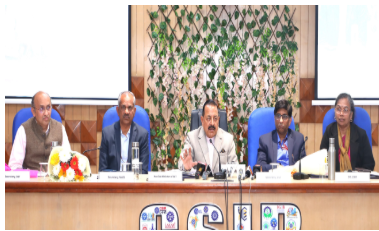
Secretary (Defence Production) Shri Sanjeev Kumar underscored the importance of achieving true self-reliance in India’s defence manufacturing ecosystem, noting that Aatmanirbharta is not merely about reducing imports but about gaining complete autonomy in design, development, upgradation, and lifecycle control of defence equipment. He was delivering a lecture on ‘Aatmanirbhar Bharat in Defence Sector and Various Government Initiatives’, organised by the Comptroller and Auditor General of India in New Delhi.


Aatmanirbharta: Beyond Import Reduction

In his address, Shri Sanjeev Kumar explained that self-reliance must be understood holistically. According to him, Aatmanirbharta includes:

  • Indigenous design & development of defence platforms

  • Capability to upgrade systems independently

  • Full control over manufacturing, technology, and lifecycle management

  • Minimal dependence on foreign suppliers

He stated that such autonomy is essential to address both conventional threats and the rapidly evolving unconventional challenges posed by modern warfare.


Government Initiatives Strengthening Defence Manufacturing

The Secretary highlighted the transformative impact of several government-led initiatives that have strengthened India’s defence production ecosystem:

◼ Srijan Portal

Promotes indigenisation by enabling domestic industry to design and manufacture items previously imported.

◼ Positive Indigenisation Lists

Mandates phased restrictions on imports of key defence equipment, opening opportunities for Indian manufacturers and startups.

◼ Make Procedures

Encourage industry participation through development funding, simplified procurement, and faster acquisition pathways.

◼ iDEX (Innovations for Defence Excellence)

Supports startups and innovators in developing cutting-edge defence technologies under the Aatmanirbhar Bharat vision.

Shri Kumar stressed that these initiatives are collectively shifting India from a buyer to a developer and producer of advanced defence technologies.


Audit Agencies Crucial for Transparency & Accountability

Acknowledging the role of oversight bodies, the Secretary emphasised that audit institutions such as the CAG play a vital part in:

  • Ensuring procedural transparency

  • Identifying gaps and inefficiencies

  • Strengthening procurement integrity

  • Boosting public trust in defence reforms

He noted that accountability mechanisms are essential as India scales up domestic production and manages complex defence acquisitions.


Conclusion

Reaffirming India’s long-term defence vision, Shri Sanjeev Kumar said that true Aatmanirbharta will emerge from technological independence, industrial capability, and transparent institutional frameworks. With ongoing reforms, innovation-led programmes, and a committed domestic industry, India is rapidly advancing toward becoming a global hub for indigenous defence manufacturing.


For more real-time updates, visit Channel 6 Network.

Source: PIB
Ministry of Education Celebrates Bharatiya Bhasha Utsav 2025: “Many Languages, One Emotion” Theme Highlights India’s Linguistic Harmony

New Delhi, December 12, 2025:
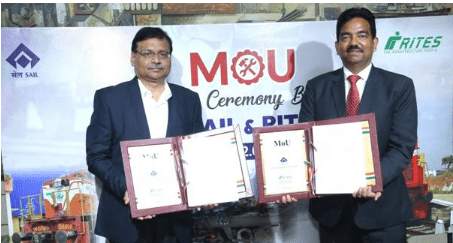
The Ministry of Education’s Department of School Education and Literacy (DoSEL) celebrated the valedictory function of Bharatiya Bhasha Utsav (BBU) 2025 at National Bal Bhavan, New Delhi, marking the culmination of a week-long national celebration dedicated to India’s linguistic heritage and multilingual identity. The event was graced by Shri Sanjay Kumar, Secretary, DoSEL, and Prof. M. Jagadesh Kumar, former Chairperson of the University Grants Commission.

Organised annually to promote the values of multilingualism, cultural harmony, and language-based learning, this year’s Utsav carried the theme “भाषाएँ अनेक, भाव एक / Many Languages, One Emotion,” commemorating the birth anniversary of noted poet, freedom fighter, and reformer Subramania Bharati.


Honouring Subramania Bharati and Vision of NEP 2020

In his address, Shri Sanjay Kumar reflected on the three-year journey of Bharatiya Bhasha Utsav, recalling the life and legacy of Subramania Bharati — celebrated for his contributions to literature, nationalism, women’s rights, and linguistic harmony.

He emphasized the transformative role of the National Education Policy (NEP) 2020, which advocates learning in the mother tongue during foundational years. He encouraged students and teachers to embrace multiple languages, expand their vocabulary, and communicate with clarity.

Calling language a bridge of unity, he noted that respecting all languages strengthens India’s cultural fabric.


Multilingual Learning Builds Innovation and Critical Thinking

Prof. M. Jagadesh Kumar, in an interactive session with students, highlighted the cognitive and creative benefits of multilingualism. He explained that learning multiple languages enhances:

  • Critical thinking

  • Creativity and innovation

  • Cognitive flexibility

  • Appreciation for diverse perspectives

He remarked that these skills prepare India’s youth to contribute meaningfully to Viksit Bharat 2047, India’s vision for a developed nation.


Cultural Performances Showcase India’s Linguistic Diversity

A vibrant cultural programme formed the heart of the celebration, featuring performances by students from:

  • Kendriya Vidyalaya Sangathan (KVS)

  • Navodaya Vidyalaya Samiti (NVS)

  • Eklavya Model Residential Schools (EMRS)

  • National Bal Bhavan (NBB)

The programme included:

  • Classical and folk dances

  • Multilingual patriotic songs

  • Poetry recitations

  • Nukkad natak

  • Thematic language showcases

These performances celebrated India’s linguistic plurality and highlighted the artistic talent of young learners.


Interactive Learning Through Stalls & Language Games

Stalls displayed teaching and learning materials in multiple Indian languages, offering students hands-on exposure to linguistic tools and educational innovations.

Language games and interactive sessions witnessed enthusiastic participation and reinforced the joy of learning diverse languages.


Nationwide Celebrations from 4–11 December

Schools across India conducted week-long activities to celebrate the Utsav, including:

  • Multilingual assemblies

  • Language appreciation workshops

  • Storytelling sessions

  • Translation and vocabulary-building activities

  • Cultural exhibitions

These activities strengthened the message that India’s unity is rooted in the harmonious coexistence of diverse languages and cultural traditions.


Strengthening India’s Linguistic Future

Bharatiya Bhasha Utsav 2025 reaffirmed DoSEL’s commitment to preserving and promoting India’s rich linguistic heritage. The event further advanced NEP 2020’s vision of nurturing multilingual citizens equipped with creativity, empathy, and cultural awareness.

The celebration was attended by senior officials including Shri Dheeraj Sahu, Shri Anandrao V. Patil, Smt. Archana Awasthi, Smt. A. Srija, Prof. Dinesh Prasad Saklani, Shri Pankaj Arora, Shri Rajesh Lakhani, and Shri Vikas Gupta, along with teachers, academicians, and students from across the country.


Conclusion

The Ministry of Education’s Bharatiya Bhasha Utsav 2025 celebrated India’s linguistic richness while encouraging young learners to embrace multilingualism as a pathway to unity, identity, and intellectual growth. With its theme of “Many Languages, One Emotion,” the Utsav strengthened India’s cultural bonds and reinforced the importance of linguistic diversity in nation-building.


For more real-time updates, visit Channel 6 Network.

Source: PIB
India Post Signs Landmark MoU With BSE to Expand Mutual Fund Access Nationwide: 2025

New Delhi, December 12, 2025:
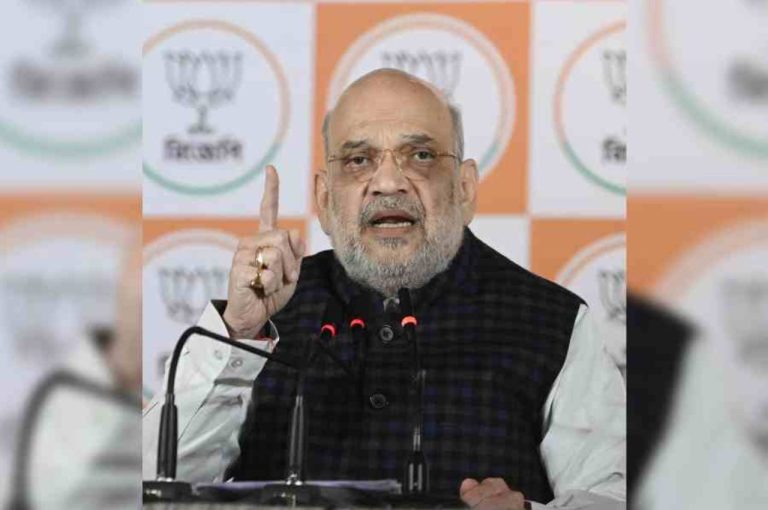
In a major push toward strengthening financial inclusion and democratizing access to investment products, the Department of Posts (DoP) under the Ministry of Communications and BSE, Asia’s oldest stock exchange, signed a landmark Memorandum of Understanding (MoU) in New Delhi today. The agreement aligns with the Union Budget 2025–26 vision of transforming India Post’s vast network into an engine of economic activity and financial empowerment, especially in rural and semi-urban India.


India Post to Become Mutual Fund Distributor Across Its Nationwide Network

Under this strategic partnership, India Post will now be able to distribute mutual fund products through its extensive network of post offices. By integrating India Post’s unparalleled last-mile connectivity with BSE StAR MF, India’s largest mutual fund distribution platform, the initiative seeks to bridge longstanding gaps in investment accessibility.

This collaboration directly supports India’s financial inclusion goals by enabling citizens — including those in underserved and remote regions — to explore wealth-creation opportunities through mutual funds.


MoU Signed by Senior Leaders; Three-Year Partnership Framework Finalized

The MoU was formally signed by:

  • Ms. Manisha Bansal Badal, General Manager (CCS & RB), Department of Posts

  • Shri Sundararaman Ramamurthy, MD & CEO, BSE

Senior officials from both institutions witnessed the signing, signaling strong institutional commitment.

The agreement is valid for three years (12.12.2025 to 11.12.2028), with scope for renewal.


Training Postal Employees as Certified Mutual Fund Distributors

To ensure credible and compliant investor services, selected postal employees will undergo:

  • NISM Mutual Fund Distributor Certification

  • Specialized training to guide investors

  • Access to the BSE StAR MF platform

BSE will generate Employee Unique Identification Numbers (EUINs) for certified officials, ensuring transparency and regulatory compliance.

Once trained, these officials will be able to:

  • Assist customers with informed fund selection

  • Execute mutual fund purchase and redemption transactions

  • Provide investor support at the grassroots level


Expanded Financial Services and a Modernized Postal Network

This partnership enhances India Post’s growing role in financial service delivery. The postal network, traditionally focused on savings schemes, now adds mutual funds, providing customers with modern investment options.

The move supports DoP’s broader vision to:

  • Diversify its financial offerings

  • Strengthen service delivery

  • Promote financial literacy and awareness

Meanwhile, BSE gains a strengthened distribution network, enabling deeper outreach and a more inclusive mutual fund ecosystem.


Impact: Transforming Rural Investment Participation

The initiative is expected to have wide-ranging benefits, including:

  • Increased mutual fund penetration in Tier-2, Tier-3, and rural areas

  • Improved accessibility to formal investment avenues

  • Strengthened investor education and awareness

  • Enhanced financial empowerment for households across India

By merging technology-driven solutions with India Post’s deep-rooted community presence, the partnership aims to create a financially aware, confident, and investment-ready population.


Conclusion

The DoP–BSE MoU marks a milestone in India’s journey toward democratizing financial markets. As postal staff become certified mutual fund distributors and post offices evolve into gateways for investment information and services, millions of citizens will gain unprecedented access to wealth-building opportunities — reinforcing India Post’s position as a cornerstone of inclusive financial growth.


For more real-time updates, visit Channel 6 Network.

Source: PIB
UNESCO’s 20th ICH Committee Session Proudly Concludes in New Delhi; Deepavali Added to UNESCO’s Intangible Heritage List

New Delhi, December 12, 2025:
The 20th Session of UNESCO’s Intergovernmental Committee for the Safeguarding of the Intangible Cultural Heritage (ICH) concluded today at Delhi’s historic Red Fort, marking a significant achievement for global cultural cooperation. Shri Vivek Aggarwal, Secretary, Ministry of Culture, expressed India’s pride in hosting this high-level global gathering and reiterated the nation’s long-standing commitment to preserving living heritage across the world.


India Reaffirms Its Cultural Ethos and Global Responsibility

In his closing address, Shri Aggarwal highlighted that the week-long session offered an important platform for international delegates to deepen their understanding of the Convention, while also experiencing India’s cultural diversity first-hand.

He emphasized India’s civilizational belief that safeguarding culture is equivalent to safeguarding humanity, echoing the guiding ethos:
“संस्कृतेः रक्षणं, लोकस्य रक्षणम्” — Protecting culture is protecting the world.


Deepavali Inscribed on UNESCO’s Intangible Cultural Heritage List

One of the most notable outcomes of the 20th Session was the official inscription of Deepavali on UNESCO’s Representative List of the Intangible Cultural Heritage of Humanity.

Describing the festival as a symbol of light, hope, and renewal, Shri Aggarwal said the recognition acknowledges the global importance of India’s vibrant living traditions. He also congratulated other Member States whose cultural elements were approved for inscription this cycle.


Global Concerns and the Importance of Living Heritage

Addressing the broader discussions held during the Session, Shri Aggarwal noted that intangible cultural heritage plays an essential role in strengthening communities, preserving traditional knowledge, and maintaining social harmony — especially in an era affected by globalisation, conflict, and climate change.

He added that many countries expressed interest in multinational heritage nominations, recognizing that several traditions seamlessly cross borders. India welcomed this collaborative approach and expressed willingness to work with other nations on future transnational submissions.


Acknowledgment of UNESCO, Delegates, and Cultural Institutions

The Secretary extended India’s appreciation to UNESCO’s leadership, including Director-General Dr. Khaled El-Enany, India’s Permanent Representative to UNESCO Shri Vishal V. Sharma, and Secretary Ms. Fumiko Ohinata, along with Member States, NGOs, cultural practitioners, and experts.

He also commended institutions of the Ministry of Culture — including Sangeet Natak Akademi, Archaeological Survey of India, IGNCA, Sahitya Akademi, Lalit Kala Akademi, National School of Drama, and the Zonal Cultural Centres — for their crucial role in coordinating and executing the event.


India Calls for Global Unity Through Heritage

Concluding the session, Shri Aggarwal invoked the Atharva Veda mantra:
“समानि व: वृणुते हृदयानि” — May our hearts choose the path of unity.

He reaffirmed India’s commitment to strengthening international cooperation and advancing shared goals for safeguarding intangible cultural heritage worldwide.


Conclusion

The successful hosting and conclusion of UNESCO’s 20th ICH Committee Session demonstrates India’s growing leadership in cultural diplomacy. With the inscription of Deepavali and renewed global partnerships, the event reinforces the role of intangible heritage in fostering unity, identity, and cross-cultural understanding across the world.


For more real-time updates, visit Channel 6 Network.

Source: PIB
December 12, 2025: Nifty 50 Closes 148 Points Higher; MahaPex, Vipul, TARIL Shine as Pateleg-RE, HCC-REI Extend Losses

New Delhi, December 12, 2025:
Indian equity markets closed firmly in the green on Friday, with the Nifty 50 ending at 26,046.95, up 148.40 points (0.57%). Strong buying in mid-cap and high-volume counters, along with supportive global cues, powered the index to a steady finish above the 26,000 mark.

Also read: December 12, 2025 (Midday): Nifty 50 Surges 122 Points by Midday; MahaPex, TV Vision, Vipul Lead Gainers as Pateleg-RE, HCC-REI Drag


Indices End Week on Positive Note

The Nifty 50 opened at 25,971.20, hit a day’s high of 26,057.60, and touched a low of 25,938.45, reflecting sustained intraday strength.

Other key indices finished higher:

  • Nifty Next 50: 68,509.70 (+0.84%)
  • december 12Nifty Financial Services: 27,672.60 (+0.40%)

  • Nifty Bank: 59,389.95 (+0.30%)

A broad-based recovery across financials, autos, and industrial mid-caps supported the upbeat close.


Top Gainers: MahaPex, TV Vision, Vipul Hit Upper Circuits; TARIL Posts Massive ₹1,659 Cr Turnover

MahaPex Ltd, TV Vision, and Vipul Ltd all ended the session with near-20% gains, indicating strong retail-led momentum in niche small-cap counters.

Meanwhile, TARIL recorded one of the day’s biggest liquidity surges, jumping 16.04% to ₹277.50 with a staggering 623.99 lakh shares traded — translating into a turnover of ₹1,659.20 crore. This made TARIL one of the most actively traded and highest-value stocks of the day.

Other strong performers included:

Screenshot 2025 12 12 225004

Stock LTP (₹) Change (₹) % Change Volume (Lakhs) Value (₹ Cr)
MAHAPEXLTD 95.24 +15.87 19.99% 0.73 0.67
TVVISION 7.77 +1.29 19.91% 4.74 0.36
VIPULLTD 10.24 +1.70 19.91% 27.92 2.73
TARIL 277.50 +38.35 16.04% 623.99 1,659.20
AERONEU 88.00 +11.50 15.03% 1.67 1.32

Mid-cap buying remained strong throughout the session, especially in industrials and auto ancillaries.


Top Losers: Pateleg-RE Falls Another 40%, HCC-REI Down 28%; Refex Hit Hard Again

Selling pressure continued sharply in select small-cap names.

Pateleg-RE extended its steep fall, plunging 39.95% to ₹2.24.
HCC-REI also dropped 28.48% to ₹4.57, with massive trading volume of 423.57 lakh shares, indicating persistent offloading by traders.

Refex remained under strong pressure, losing 19.99% — its second consecutive deep cut — and posted one of the highest sold values of the day at ₹190.34 crore.

Other notable losers:

Screenshot 2025 12 12 225014

Stock LTP (₹) Change (₹) % Change Volume (Lakhs) Value (₹ Cr)
PATELEG-RE 2.24 -1.49 -39.95% 30.10 0.68
HCC-REI 4.57 -1.82 -28.48% 423.57 18.81
REFEX 254.90 -63.70 -19.99% 70.96 190.34
VLSFINANCE 298.50 -34.60 -10.39% 3.22 9.78
VLEGOV 20.71 -2.30 -10.00% 3.54 0.76

Profit booking and volatility in low-priced, high-beta counters kept downside pressure alive in parts of the small-cap segment.


Conclusion: December 12, 2025

The Nifty capped the trading week with a strong finish, buoyed by firm global cues, sustained buying in mid-caps, and heavy liquidity in stocks like TARIL. Gains in MahaPex, Vipul, and AERONEU added to broader optimism.

However, sharp declines in Pateleg-RE, HCC-REI, and Refex reflected pockets of vulnerability within the small-cap space. Market participants will watch global catalysts and domestic data releases early next week to assess whether the index can hold above the 26,000 level.


December 12, 2025 (Midday): Nifty 50 Surges 122 Points by Midday; MahaPex, TV Vision, Vipul Lead Gainers as Pateleg-RE, HCC-REI Drag

New Delhi, December 12, 2025:
Indian equities extended morning gains into the early afternoon session, with the Nifty 50 climbing 122.40 points (0.47%) to 26,020.95 by 1:07 PM IST. Strong buying across mid-cap and select auto counters contributed to upward momentum despite continued weakness in a few high-volume small-cap names.

Also read: December 12, 2025 (Opening): Nifty 50 Rises 73 Points in Early Trade; MahaPex, DSSL Lead Gainers as Pateleg-RE, HCC-REI Drag


Indices Maintain Positive Tone; Financial Services Stable

The Nifty 50 opened at 25,971.20, hit a high of 26,038.40, and recorded a session low of 25,938.45, reflecting steady intraday strength.

Other major indices also traded in the green:

  • Nifty Next 50: 68,227.65 (+0.42%)

  • december 12Nifty Financial Services: 27,654.55 (+0.34%)

  • Nifty Bank: 59,361.55 (+0.26%)

Broader market sentiment remained supportive as global cues stabilised and domestic flows stayed strong.


Top Gainers: MahaPex, TV Vision, Vipul, Omax Auto Rally Sharply

Mid- and small-cap stocks dominated the gainer’s list, with three stocks hitting nearly 20% gains.

MahaPex Ltd once again led the charts, rising 19.99% to ₹95.24, backed by renewed buying interest.

TV Vision and Vipul Ltd both surged 19.91%, indicating significant momentum in low-priced counters.

Other notable gainers included:
Screenshot 2025 12 12 130719

Stock LTP (₹) Change (₹) % Change Volume (Lakhs) Value (₹ Cr)
MAHAPEXLTD 95.24 +15.87 19.99% 0.64 0.59
TVVISION 7.77 +1.29 19.91% 4.70 0.36
VIPULLTD 10.24 +1.70 19.91% 25.88 2.52
OMAXAUTO 106.37 +13.25 14.23% 6.66 6.99
ROLLT 1.40 +0.17 13.82% 5.92 0.08

High activity in mid-cap industrial and auto-linked stocks drove much of the session’s early gains.


Top Losers: Pateleg-RE Extends 40% Crash; HCC-REI Drops 29%

Despite market optimism, sharp declines persisted in a few high-volume stocks.

Pateleg-RE once again topped the losers, falling 39.95% to ₹2.24, signalling sustained selling pressure.

HCC-REI plunged 29.89% to ₹4.48, with 329.24 lakh shares traded — the highest volume among the day’s losers.

Other key laggards included:

Screenshot 2025 12 12 130727

Stock LTP (₹) Change (₹) % Change Volume (Lakhs) Value (₹ Cr)
REFEX 254.90 -63.70 -19.99% 66.03 177.78
VLSFINANCE 301.55 -31.55 -9.47% 2.42 7.39
VINNY 1.25 -0.13 -9.42% 55.86 0.72

Refex saw heavy outflows with over ₹177 crore in traded value, making it the most actively sold stock for the midday session.


Conclusion: December 12, 2025

Markets sustained healthy gains through the early afternoon, driven by strong moves in MahaPex, Vipul, and Omax Auto. However, steep declines in Pateleg-RE, HCC-REI, and Refex kept the broader market slightly mixed.
Investors now look toward global sentiment and institutional flows to see if the Nifty can close above the 26,000 mark by the end of the trading day.


December 12, 2025 (Opening): Nifty 50 Rises 73 Points in Early Trade; MahaPex, DSSL Lead Gainers as Pateleg-RE, HCC-REI Drag

New Delhi, December 12, 2025:
Indian markets opened on a positive note on Friday, with the Nifty 50 climbing 73.40 points (0.28%) to 25,971.95 by 10:38 AM IST. Broad-based buying in mid-cap and small-cap stocks supported early gains as key indices traded in the green.

Also Read: December 11, 2025: Nifty 50 Closes 140 Points Higher; RICO Auto, WelInv, Neogen Shine as Arkade, Hubtown Drag


Indices Extend Morning Momentum

The Nifty 50 opened at 25,971.20, touched a high of 26,038.40, and recorded a low of 25,938.45 in the first hour of trade, reflecting healthy intraday sentiment.

Other major indices gained as well:

  • Nifty Next 50: 68,218.00 (+0.41%)

  • december 12Nifty Financial Services: 27,616.40 (+0.20%)

  • Nifty Bank: 59,321.20 (+0.19%)

Investor mood remained cautiously optimistic ahead of global market cues and domestic macro updates.


Top Gainers: MahaPex, TV Vision, DSSL Soar

Mid-cap activity dominated the early session, with several stocks posting double-digit percentage gains.

MahaPex Ltd surged 19.99% to ₹95.24, emerging as the session’s top gainer, supported by solid intraday buying.

TV Vision also saw strong momentum, rising 19.91% to ₹7.77, backed by active retail interest.

Other top performers included:

Screenshot 2025 12 12 103900

Stock LTP (₹) Change (₹) % Change Volume (Lakhs) Value (₹ Cr)
DSSL 976.00 +112.40 13.02% 12.89 123.12
GTECJAINX 31.61 +3.51 12.49% 4.01 1.28
KANORICHEM 79.00 +8.29 11.72% 0.88 0.69

DSSL stood out with a high traded value of ₹123.12 crore, indicating significant institutional participation.


Top Losers: Pateleg-RE Tanks 39%, HCC-REI Drops 28%

Despite broader market strength, several small-cap stocks witnessed steep declines.

Pateleg-RE led the losers with a sharp 39.95% fall to ₹2.24, reflecting intense selling pressure.

HCC-REI followed with a 28.79% decline to ₹4.55, accompanied by heavy volume of 217.92 lakh shares, making it one of the most actively traded counters on the downside.

Other major losers included:

Screenshot 2025 12 12 103908

Stock LTP (₹) Change (₹) % Change Volume (Lakhs) Value (₹ Cr)
REFEX 254.90 -63.70 -19.99% 64.76 174.54
VLSFINANCE 302.90 -30.20 -9.07% 1.58 4.88
ASMS 12.38 -0.86 -6.50% 9.38 1.20

Refex saw heavy selling with over ₹174 crore in traded value, signaling strong bearish sentiment.


Conclusion: December 12, 2025

The market began the session on a positive trajectory, supported by strength in index heavyweights and sharp rallies in select mid-cap names like MahaPex and DSSL. However, steep declines in stocks such as Pateleg-RE and HCC-REI kept volatility elevated.
Investors now await global cues and intraday data to gauge whether the Nifty can sustain gains into the afternoon.


Kolkata Metro Green Line Extended Services Till 10 PM

Kolkata Metro Green Line Extended: The Kolkata Metro, India’s first underground rapid transit system, has announced an extension of operating hours on its Green Line, allowing trains to run until 10 PM. This decision, effective from December 2025, is a significant development for commuters, businesses, and the city’s overall urban mobility. The move reflects the growing demand for late‑evening connectivity and highlights the Metro’s role in shaping Kolkata’s future as a modern, sustainable metropolis.


Kolkata Metro Green Line Extended: The Incident

According to the official statement, the Metro will now operate 228 services from Monday to Friday, up from 226. On Saturdays, services will increase from 202 to 204, and on Sundays from 104 to 108. The last trains will depart from Salt Lake Sector V and Howrah Maidan at 9:55 PM, with an additional service from Howrah Maidan to Central Park at 10:05 PM.

For official references:


Human Cost and Benefits

The extension of services directly impacts thousands of commuters:

  • Office workers in Salt Lake’s IT hub gain safer, more reliable late‑night transport.
  • Students and professionals attending evening classes or cultural events benefit from extended hours.
  • Small businesses and restaurants near Metro stations expect increased footfall.
  • Women commuters gain safer travel options compared to road transport late at night.

Historical Context of Kolkata Metro

The Kolkata Metro began operations in 1984, making it the first metro system in India. Over the decades, it has expanded to multiple lines, including the Green Line, which connects the IT hub of Salt Lake with central Kolkata. The extension of hours is part of a broader modernization effort.

Government references:


Technology and Infrastructure

The Green Line extension reflects advances in:

  • Automated signaling systems for safe late‑night operations.
  • Energy‑efficient rolling stock to reduce carbon footprint.
  • Smart ticketing systems like QR codes and smart cards.

Government references:


Political and Administrative Context

The extension comes amid growing pressure on the Metro to meet urban demands. The Calcutta High Court recently urged authorities to resolve disputes over Metro expansion projects. The decision to extend hours is seen as a proactive step by the administration to improve public satisfaction.

Government references:


Tourism and Cultural Impact

Kolkata’s nightlife and cultural scene will benefit:

  • Tourists visiting Park Street, Esplanade, and Salt Lake can rely on Metro services late into the evening.
  • Cultural events, theatre performances, and concerts will see higher attendance.
  • The Metro itself is a heritage attraction, being India’s oldest system.

Government references:


Environmental Benefits

Extended Metro services reduce reliance on cars and buses, cutting emissions:

  • Lower air pollution in Kolkata, which struggles with high PM2.5 levels.
  • Reduced traffic congestion on major roads like EM Bypass and VIP Road.
  • Promotion of sustainable transport aligned with India’s climate goals.

Government references:


Community Perspectives

Local communities have welcomed the move:

  • Residents of Salt Lake and Howrah see it as a boost to connectivity.
  • Commuter associations have long demanded extended hours.
  • Critics argue that late‑night services must be matched with increased security and staff welfare.

Legal and Constitutional Framework

The extension aligns with the constitutional duty to provide equitable public services under Article 21 (Right to Life), which courts have interpreted to include safe and reliable transport.

Relevant government link:


Broader Implications for Democracy

The incident underscores key issues:

  • Public demand vs administrative capacity: Citizens demanded extended hours, and the Metro responded.
  • Transparency in governance: Clear communication of schedules builds trust.
  • Equity in access: Affordable transport ensures inclusivity.

Conclusion

The extension of Kolkata Metro’s Green Line services till 10 PM is more than a scheduling change—it is a symbol of modernization, inclusivity, and sustainable urban development. By balancing commuter needs, environmental goals, and cultural vibrancy, the Metro strengthens Kolkata’s identity as a city that blends heritage with progress.

Also read: Home | Channel 6 Network – Latest News, Breaking Updates: Politics, Business, Tech & More

Darjeeling Glenary Liquor Ban and Excise Irregularities

Darjeeling Glenary Liquor Ban: Darjeeling’s iconic eatery Glenary’s, a landmark for locals and tourists alike, has been hit with a three‑month liquor ban following the discovery of irregularities under the West Bengal Excise (Foreign Liquor) Rules, 1998. The ban has sparked debate about governance, compliance, and the economic impact on the hill town’s tourism industry. This essay revises and expands the incident into a broader discussion of law enforcement, hospitality regulation, and the cultural significance of Glenary’s.


Darjeeling Glenary Liquor Ban: The Incident

District officials reported multiple irregularities:

  • Liquor stored in unauthorized places.
  • Improperly maintained accounts.
  • Hosting live bands without permission.

The case was initiated on November 14, 2025, and inspections confirmed violations. As a result, Glenary’s will not be able to serve liquor for three months, affecting its Buzz resto bar and the restaurant on the top floor.

For official references:


Historical Significance of Glenary’s

Glenary’s has been run by the family of Ajoy Edwards, leader of the Indian Gorkha Janshakti Front (IGJF), for over half a century. It is not just a restaurant but a cultural institution in Darjeeling:

  • The ground floor bakery is famous for cakes and pastries.
  • The Buzz bar is a hub for nightlife.
  • The top‑floor restaurant offers panoramic views of the Himalayas.

Political Context

The liquor ban has political undertones:

  • Ajoy Edwards heads the IGJF, the main opposition in the Gorkhaland Territorial Administration (GTA).
  • The GTA is currently led by the Bharatiya Gorkha Prajatrantik Morcha (BGPM), allied with the Trinamool Congress.
  • The timing of the ban has raised suspicions of political targeting.

Human Cost

The ban affects multiple stakeholders:

  • Employees face reduced income due to loss of bar sales.
  • Musicians who performed live at Buzz lose a platform.
  • Tourists miss out on Darjeeling’s nightlife experience.
  • Local suppliers of liquor and food products face reduced demand.

Governance and Accountability

The case highlights the importance of compliance with excise rules:

  • Proper licensing for live entertainment.
  • Transparent accounting of liquor sales.
  • Safe storage of alcohol.

Government references:


Tourism and Economic Impact

Darjeeling’s economy depends heavily on tourism. Glenary’s is a magnet for visitors, and the liquor ban could:

  • Reduce tourist footfall.
  • Impact hotel and tour packages linked to nightlife.
  • Affect Darjeeling’s reputation as a cosmopolitan hill station.

Government references:


Community Perspectives

Locals are divided:

  • Some support strict enforcement of rules.
  • Others see the ban as excessive and politically motivated.
  • Many worry about the economic fallout for workers and small businesses.

Legal Framework

The West Bengal Excise Act empowers officials to suspend licenses for violations. However, critics argue that enforcement should be consistent and not selective.

Relevant government link:


Broader Implications for Democracy

The incident raises larger questions:

  • Are excise laws being applied fairly across establishments?
  • How can transparency be ensured in enforcement?
  • Should cultural institutions like Glenary’s receive special consideration?

Conclusion

The liquor ban on Glenary’s is more than a regulatory action—it is a test of governance, fairness, and the balance between law and culture. While compliance with excise rules is essential, enforcement must be transparent and free from political bias. The incident underscores the need for stronger accountability mechanisms to protect both livelihoods and democratic values.

Also read: Home | Channel 6 Network – Latest News, Breaking Updates: Politics, Business, Tech & More

Teesta River Fish Deaths and Water Poisoning Crisis

Teesta River Fish Deaths: The sudden appearance of large numbers of dead fish floating in the Teesta River near Domohoni in Jalpaiguri district has shocked residents, environmentalists, and government officials. Preliminary investigations by the state fisheries department suggest that toxic chemicals were deliberately poured into stagnant water, leading to mass fish mortality. This incident is not isolated—similar events have occurred in the past, raising urgent questions about river pollution, ecological balance, and governance failures.


Teesta River Fish Deaths: The Incident

On December 10, 2025, residents spotted thousands of dead fish near Mirichbari in Mainaguri block. Species such as rohu, boroli, aar, punti, foli, and shol were found lifeless. Officials collected water and fish samples for testing, with early reports indicating contamination by toxic oil or chemicals.

For official references:


Human Cost

The tragedy has a direct impact on local communities:

  • Fisherfolk lose livelihoods as river fish stocks collapse.
  • Residents risk health hazards if poisoned fish are consumed.
  • Daily wage workers who depend on fishing and small trade face economic insecurity.

Government references:


Historical Context

Fish poisoning in the Teesta is not new:

  • In 2011 and 2015, similar incidents occurred in the Karala River due to pesticide use.
  • In 2020, toxic chemicals were dumped near Saradapally in Jubilee Park, causing another mass fish kill.
  • In 2023 and 2025, poisoning was again reported near Saradapally.

These repeated events suggest systemic negligence and lack of accountability.


Ecological Impact

The ecological consequences are severe:

  • Loss of biodiversity as multiple species perish.
  • Disruption of food chains, affecting birds and other aquatic predators.
  • Long‑term contamination of river ecosystems.

Government references:


Governance and Accountability

Local activists allege that unscrupulous traders deliberately poison rivers to collect dead fish for sale. Officials have promised strict action, but enforcement remains weak.

Relevant government links:


Technology and Transparency

Authorities plan to use awareness camps and helplines to report illegal activities. However, questions remain:

  • Why are surveillance systems not in place?
  • Can AI‑based monitoring tools detect chemical dumping?
  • How can communities be empowered to protect rivers?

For IT governance:


Legal Framework

India’s Water (Prevention and Control of Pollution) Act, 1974 prohibits discharge of pollutants into water bodies. Yet enforcement is often lax.

Relevant government link:


Community Response

Residents collected dead fish despite warnings, highlighting the desperation of poor families. Officials urged people not to consume poisoned fish and promised awareness drives in riverine villages.


Broader Implications for Democracy

The incident reflects deeper governance challenges:

  • Weak enforcement of environmental laws.
  • Lack of accountability for polluters.
  • Failure to protect livelihoods of vulnerable communities.

Conclusion

The Teesta River fish deaths are a stark reminder of the fragility of ecosystems and the human cost of negligence. Protecting rivers requires strict enforcement of pollution laws, transparent monitoring systems, and community participation. Without urgent action, such tragedies will continue to erode both ecological balance and public trust.

Also read: Home | Channel 6 Network – Latest News, Breaking Updates: Politics, Business, Tech & More