Saturday, May 16, 2026
Home Blog Page 361

Shiv Sena Wedding Relief: Bold Promise to Support Flood-Affected Farmers in Maharashtra

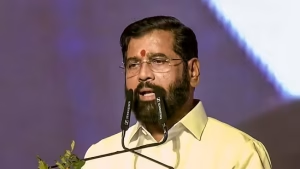
During Maharashtra’s annual Dussehra celebrations, Deputy Chief Minister Eknath Shinde announced that his Shiv Sena party would provide comprehensive support to flood-affected farmers, including assistance for their children’s wedding arrangements. This Shiv Sena wedding relief initiative represents a distinctive approach to disaster management, blending traditional social welfare with contemporary political strategy during a critical election period.

Also Read: Shiv Sena wedding relief

Other: Justice Surya Kant CJI
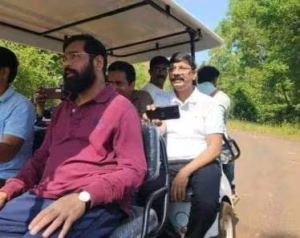
Shiv SenaThe announcement came at a politically significant moment, as Maharashtra prepares for electoral contests while simultaneously grappling with devastating flood damage across multiple districts. The state has witnessed crop destruction affecting nearly 60 lakh hectares of land, creating an agricultural crisis of unprecedented proportions that demands both immediate relief and long-term support mechanisms.

The Scope of Maharashtra’s Flood Crisis

The flooding situation in Maharashtra has left farmers in severe distress, with many losing land, homes, and crops. The Marathwada region, particularly vulnerable to agricultural devastation, has borne the brunt of nature’s fury. Rural communities that depend entirely on agricultural income have found themselves facing financial ruin, with wedding ceremonies and other family obligations becoming impossible burdens during this crisis period.

The government initiated immediate relief measures, providing Rs 10,000 in cash along with essential commodities like rice and wheat to those requiring urgent assistance. However, the Shiv Sena wedding relief program extends beyond conventional disaster response by addressing the social and cultural dimensions of rural life that often receive inadequate attention during emergencies.

Understanding the Wedding Relief Component

The Shiv Sena wedding relief initiative specifically targets families whose children’s marriages were scheduled during or immediately after the flood period. In rural Maharashtra, weddings represent significant financial commitments that families plan for years in advance. When floods destroy crops and livelihoods, these planned celebrations transform into sources of tremendous stress and potential debt.

Deputy Chief Minister Shinde emphasised that for farmers whose children’s weddings are scheduled, if any problems arise, Shiv Sena will stand with them. This commitment acknowledges that disaster relief must encompass more than survival necessities—it must also protect the dignity and social fabric of affected communities.

The Shiv Sena wedding relief program represents an understanding that rural families measure their recovery not merely through restored agricultural capacity but also through their ability to fulfil social obligations. Weddings in Indian agrarian society carry profound significance, representing family hohonourcommunity standing, and intergenerational continuity.

Political Context and Electoral Implications

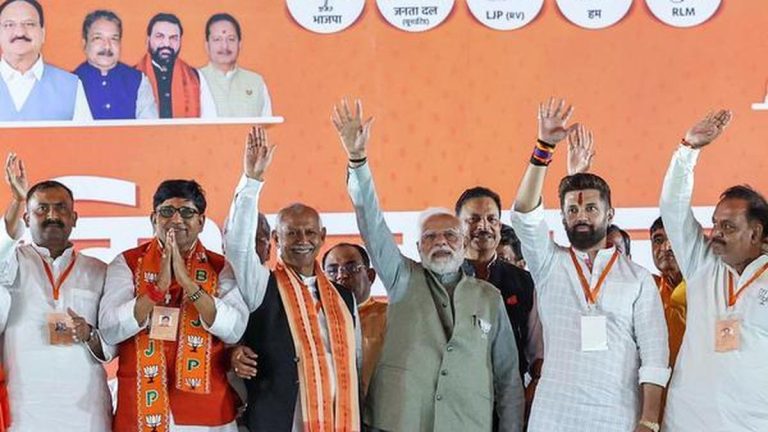
The timing of the Shiv Sena wedding relief announcement during the Dussehra rally carries unmistakable political overtones. The annual Dussehra Melava serves as a traditional platform for Shiv Sena to demonstrate its commitment to various constituencies, and this year’s focus on agricultural distress reflects calculated political positioning ahead of upcoming electoral contests.

Deputy CM Shinde urged Shiv Sena workers to focus on the upcoming elections and ensure the victory of the Mahayuti alliance by highlighting their work. The Shiv Sena wedding relief program thus functions simultaneously as genuine humanitarian assistance and strategic political messaging designed to strengthen the party’s appeal among rural voters who constitute a crucial electoral demographic.

Critics might characterise such initiatives as election-season opportunism, yet supporters argue that political incentives driving welfare programs don’t diminish their practical value to beneficiaries. The Shiv Sena wedding relief measure may indeed boost the party’s electoral prospects, but it simultaneously addresses real hardships facing flood-affected families.
PTI12 05 2024 000232B 0 1733402039377 1733402113748Implementation Mechanisms and Party Mobilisation

The party flagged off relief trucks from its Mumbai headquarters, carrying essential commodities, medicines, and household items to Dharashiv district, with approximately 50-60 trucks of relief material being sent to different flood-affected areas. This logistical mobilisation demonstrates the organisational capacity required to transform political announcements into tangible assistance.

The Shiv Sena wedding relief initiative leverages the party’s grassroots network, which extends throughout Maharashtra’s rural landscape. Shinde urged Shiv Sena workers to prioritise aiding flood-affected farmers, transforming party cadres into disaster response personnel. This approach integrates political organisation with humanitarian action, creating a delivery mechanism that operates independently of formal government bureaucracy.

Party workers visiting affected areas can identify families requiring wedding assistance, assess their specific needs, and coordinate support accordingly. The Shiv Sena wedding relief program thus benefits from the party’s existing infrastructure and local knowledge, potentially enabling more responsive and culturally appropriate assistance than standardised government schemes might provide.

Comparative Analysis with Government Relief Measures

The government announced it is fully committed to compensating flood-affected farmers and would not let their Diwali be dark. This official promise establishes timelines for assistance delivery, creating accountability mechanisms that citizens can reference when evaluating government performance. The Shiv Sena wedding relief announcement exists alongside these formal commitments, raising questions about the relationship between party-sponsored and government-administered welfare.

Cabinet discussions emphasised helping farmers without paying heed to terms and conditions, acknowledging the government’s responsibility during such crises. However, opposition parties have raised concerns about whether relief distribution might involve political favouritism or be used to strengthen the ruling alliance’s positioning ahead of elections.

The Shiv Sena wedding relief program operates in this complex political environment, where genuine welfare objectives intermingle with electoral calculations. The initiative’s ultimate impact depends on implementation quality, beneficiary selection transparency, and the extent to which assistance reaches those most in need, regardless of political affiliation.

Cultural Significance and Social Impact

Beyond immediate financial assistance, the Shiv Sena wedding relief program acknowledges the psychological and social dimensions of disaster recovery. Families unable to conduct planned weddings experience profound distress that extends beyond economic hardship to encompass shame, anxiety about family reputation, and concerns about their children’s prospects.

In rural Maharashtra, wedding ceremonies serve crucial social functions, strengthening community bonds, facilitating intergenerational wealth transfer, and marking important life transitions. When disasters force families to cancel or postpone weddings, the ripple effects extend throughout communities, affecting social cohesion and collective morale during already difficult times.

The Shiv Sena wedding relief initiative recognises these cultural realities, positioning the party as understanding and respecting rural social structures. This cultural sensitivity may enhance the program’s reception among target communities, building goodwill that transcends immediate material benefits.
GpCm 0PXsAAg26nOpposition Response and Political Debate

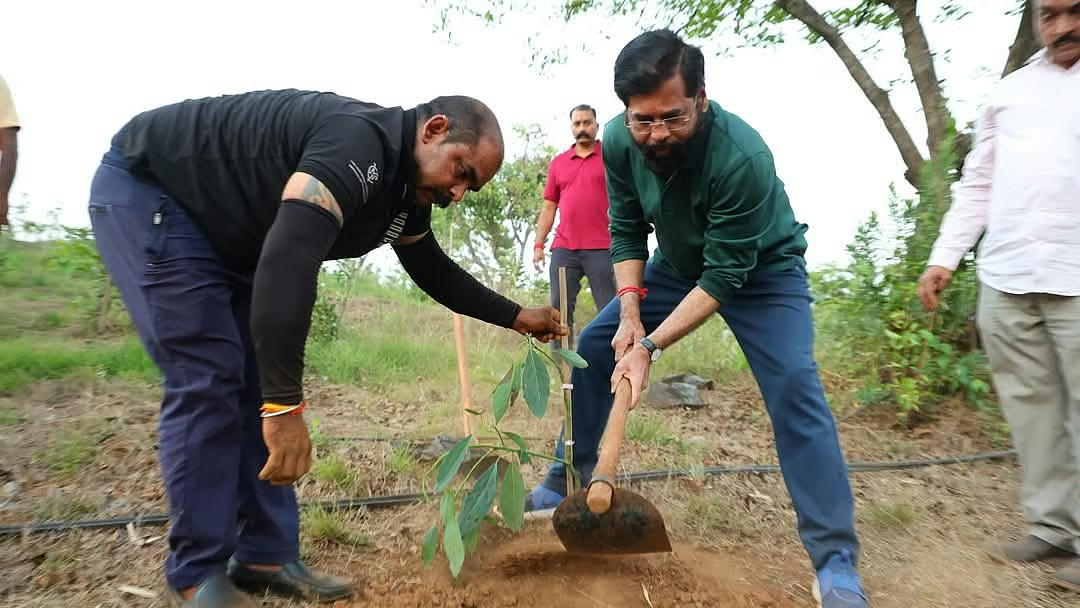
Political opponents have questioned whether such targeted assistance represents an appropriate disaster response or constitutes vote-bank politics. The timing immediately before elections inevitably invites scepticism about underlying motivations. Some critics argue that comprehensive crop insurance reform and infrastructure development would provide more sustainable solutions than episodic relief measures.

Opposition parties have demanded complete crop loan waivers and the establishment of all-party committees to oversee flood relief distribution. These alternative proposals suggest different approaches to agricultural crisis management, emphasising systemic reforms over individual assistance programs.

The debate surrounding the Shiv Sena wedding relief announcement thus reflects broader disagreements about appropriate government roles during disasters, the relationship between political parties and welfare provision, and the balance between immediate relief and structural transformation.

Long-Term Implications for Rural Welfare

The Shiv Sena wedding relief program raises important questions about future welfare policy directions. If successful, it might inspire other parties to develop culturally specific assistance programs addressing non-economic dimensions of disaster impact. Alternatively, it might become another temporary election-season promise that fades after voting concludes.

Shinde emphasised that wherever there is a disaster, Shiv Sena is present, and wherever there is a crisis, Eknath Shinde is there—an equation that has existed for several years. This self-characterisation positions disaster response as central to party identity, suggesting that flood relief initiatives like the wedding assistance program represent more than tactical political manoeuvres.

The program’s sustainability depends on institutional mechanisms for identifying beneficiaries, verifying needs, disbursing assistance efficiently, and maintaining accountability. Without robust implementation systems, even well-intentioned announcements risk becoming empty promises that increase public cynicism about political commitments.

Conclusion: Balancing Politics and Compassion

The Shiv Sena wedding relief announcement exemplifies contemporary Indian politics’ complex intersection of genuine welfare concern and electoral strategy. While critics legitimately question the timing and motivations behind such initiatives, beneficiaries struggling with the flood aftermath likely welcome any assistance regardless of political calculations driving its provision.

The program’s ultimate significance will emerge through implementation quality and whether it establishes precedents for more culturally sensitive disaster response mechanisms. If the Shiv Sena wedding relief initiative successfully helps families maintain dignity during crisis periods, it may represent valuable innovation in welfare policy, despite—or perhaps because of—its political origins.

As Maharashtra navigates both natural disaster recovery and electoral competition, initiatives like this wedding relief program will continue generating debate about appropriate relationships between political action and humanitarian assistance. The challenge for all stakeholders involves ensuring that political incentives enhance rather than undermine effective disaster response, creating systems where electoral pressures drive genuine welfare improvements rather than merely symbolic gestures.

The Shiv Sena wedding relief program thus stands as both a practical assistance measure and a test case for politically motivated welfare initiatives. Its success or failure will offer valuable lessons about disaster response, political accountability, and the complex dynamics shaping contemporary Indian governance.
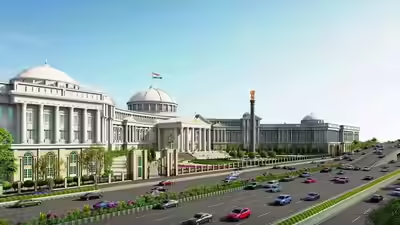
New Structure Bombay High Court Bhoomi Poojan Set for November 5

Maharashtra – The Maharashtra state government will conduct the Bombay High Court bhoomi poojan ceremony at Bandra East on November 5, marking a transformative moment in the judiciary’s infrastructure development. This groundbreaking event addresses the severe space constraints at the 146-year-old heritage building in Fort, which has long struggled to accommodate the growing judicial workload and expanding bench strength.

Bombay High Court Bhoomi Poojan: Distinguished Attendees

The Bombay High Court bhoomi poojan ceremony, strategically scheduled to coincide with Guru Nanak Jayanti, will witness the presence of distinguished dignitaries. Chief Justice of India Bhushan Gavai will grace the occasion alongside Chief Minister Devendra Fadnavis and Deputy Chief Ministers Eknath Shinde and Ajit Pawar. Their collective presence underscores the project’s significance for Maharashtra’s judicial infrastructure and the state’s commitment to modernizing its legal framework.

The timing of the Bombay High Court bhoomi poojan on a day of religious importance adds spiritual significance to this historic administrative milestone, symbolizing auspicious beginnings for the ambitious judicial complex.

Revised Project Cost and Tender Details

The Public Works Department published the tender notice on Friday for this ambitious project, revealing that the Bombay High Court bhoomi poojan initiates a complex now estimated at ₹4,217 crore. This represents a substantial increase from the earlier estimate of ₹3,750 crore, reflecting comprehensive planning and enhanced specifications for the modern judicial facility.

The revised budget for the project marked by the Bombay High Court bhoomi poojan demonstrates the government’s serious commitment to creating world-class judicial infrastructure that meets contemporary standards and future requirements.

Architectural Marvel Spanning 30 Acres

Following the Bombay High Court bhoomi poojan, construction will commence on a sprawling 30-acre complex featuring over 60 lakh square feet of built-up area—roughly equivalent to six Oval Maidans. This massive scale reflects the judiciary’s growing needs and the vision for a comprehensive judicial hub.

The design that will materialize after the Bombay High Court bhoomi poojan was created by renowned architect Hafeez Contractor. His design, selected through a competitive process conducted by the PWD, received approval from the High Court’s steering committee, ensuring it meets both aesthetic and functional requirements.

Modern Design Features

Bombay High Court bhoomi poojan

The complex whose construction begins with the Bombay High Court bhoomi poojan will showcase distinctive architectural elements. The main building features a semi-circular façade and will rise four storeys high, crowned by an impressive 50-metre-high Ashoka pillar symbolizing justice and authority. The central dome will soar to 70 metres, creating a landmark visible across the Bandra landscape.

The Bombay High Court bhoomi poojan marks the start of a facility designed with 75 courtrooms, each equipped with dedicated waiting areas. This thoughtful planning directly addresses the congestion problems that currently plague the existing Fort premises, where litigants and advocates often struggle to find adequate space.

Separate Access Points

Understanding the need for security and efficiency, the complex launching with the Bombay High Court bhoomi poojan will feature separate entry points. One entrance will serve judges and judicial officers exclusively, while another will accommodate advocates, litigants, and visitors. This segregation ensures smooth flow and maintains judicial dignity.

Also Read: Shocking Mumbai Hostage Incident: Rohit Aarrya’s Film Connection

Replacing Colonial-Era Infrastructure

The necessity for the project marked by the Bombay High Court bhoomi poojan stems from acute space shortages at the Fort building, a Gothic-style structure built in 1878. Originally designed for 15 judges and seven courts, this colonial-era landmark now accommodates 29 courts and 35 judges, with several additional courts operating from makeshift offices.

The High Court’s sanctioned strength has expanded to 94 judges, making the new complex an urgent requirement. The Bombay High Court bhoomi poojan thus represents not merely expansion but essential modernization.

Strategic Site Selection

The location for the Bombay High Court bhoomi poojan was selected after careful evaluation of multiple options, including sites at Mumbai Port Authority, Goregaon, and Wadala. The Bandra East site, part of a 90-acre government colony near the Bandra-Kurla Complex and Western Express Highway, offers strategic advantages.

The site provides easy access from South Mumbai via the Bandra-Worli Sea Link and Mumbai Coastal Road, ensuring convenient connectivity for all stakeholders who will use the facility inaugurated by the Bombay High Court bhoomi poojan.

Site Preparation and Redevelopment

The colony originally comprised 370 buildings with over 4,700 flats for government employees, constructed between 1958 and 1973. Many low-rise structures had deteriorated due to age and creek proximity. So far, 68 buildings have been demolished, with the state handing over 30 acres in phases for the court complex.

On remaining land, the government plans high-rise residential towers for employees. Of 12 proposed towers, two have partial occupation certificates while others remain under construction. Additionally, 46 flats for Class I officers, 72 for Class II officers, and new buildings for Class III and IV staff are planned or completed.

Project Specifications Summary

The Bombay High Court bhoomi poojan initiates a project with impressive specifications: 30 acres in Bandra East, ₹4,217 crore investment, over 60 lakh square feet built-up area, 75 courtrooms, semi-circular facade, 50-metre Ashoka pillar, 70-metre dome, and separate entrances. Hafeez Contractor’s architectural vision ensures this complex will stand as a testament to modern judicial infrastructure.

As Maharashtra prepares for this historic ceremony, the Bombay High Court bhoomi poojan represents more than groundbreaking—it symbolizes the judiciary’s evolution and the state’s commitment to justice infrastructure befitting India’s financial capital.

Spectacular Yamunotsav Delhi: 2-Day Yamuna River Festival Begins

0

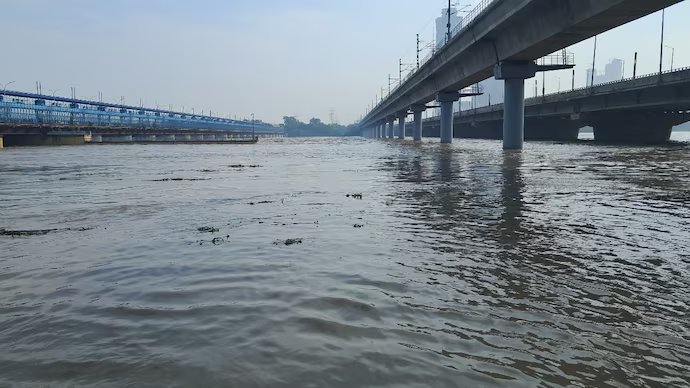
New Delhi – The Delhi government is preparing to host Yamunotsav Delhi, a significant two-day cultural and ecological celebration at Vasudev Ghat on November 2 and 3. Culture Minister Kapil Mishra announced on Friday that this festival aims to strengthen the capital’s cultural and emotional connection with the Yamuna River, promoting awareness about the river’s importance to Delhi’s identity and heritage.

Vision Behind Yamunotsav Delhi

The Yamunotsav Delhi initiative represents more than just a cultural event; it embodies the government’s commitment to reconnecting Delhi’s residents with their riverine heritage. Minister Mishra emphasized that the continuity and cleanliness of the Yamuna are central to Delhi’s identity, making this festival a crucial component of broader conservation efforts.

“The continuity and cleanliness of the Yamuna are central to Delhi’s identity. Our efforts are aimed at ensuring that the river flows pure and alive,” Mishra stated while announcing the Yamunotsav Delhi festival. He highlighted that following the recent Chhath celebrations, which saw devotees performing rituals on the Yamuna’s banks after five years, the festival aims to continue that renewed engagement with the river.

The Yamunotsav Delhi celebration seeks to create sustained momentum for river conservation by combining spiritual reverence with scientific understanding, making it a holistic approach to environmental stewardship.

Organizational Framework

The Yamunotsav Delhi festival is being jointly organized by the Department of Culture and Yamuna Sansad, ensuring that both governmental resources and civil society expertise contribute to the event’s success. This collaborative approach reflects the understanding that river conservation requires coordinated efforts across multiple stakeholders.

The partnership between official departments and Yamuna Sansad for Yamunotsav Delhi ensures that the festival benefits from administrative support while maintaining grassroots authenticity and community engagement. This model of collaboration could serve as a template for future environmental initiatives in the capital.

Day One: Spiritual Celebrations

The inaugural day of Yamunotsav Delhi will focus primarily on the spiritual and cultural aspects of the Yamuna River. The day will commence with a Jalabhishek ceremony, a sacred ritual where water is offered to the Yamuna using holy water specially brought from Yamunotri, the river’s source in the Himalayas.

This opening ceremony of Yamunotsav Delhi carries deep symbolic significance, connecting the river’s origin with its journey through Delhi. The use of Yamunotri water for the Jalabhishek emphasizes the Yamuna’s sacred geography and its spiritual importance to millions of devotees.

Following the morning Jalabhishek, Yamunotsav Delhi will feature the Yamuna Katha—a traditional narration of the river’s story, mythology, and cultural significance. This storytelling session will help attendees, particularly younger generations, understand the historical and religious importance of the Yamuna in Indian civilization.

The first day of Yamunotsav Delhi will culminate with an evening aarti at Vasudev Ghat. This collective prayer ceremony on the riverbank is expected to draw large crowds, recreating the spiritual atmosphere that has historically characterized river ghats across India.

Day Two: Scientific Deliberations

The second day of Yamunotsav Delhi shifts focus from spiritual celebration to scientific discussion and practical conservation strategies. This day will host the Yamuna Conclave, a platform for expert dialogue on river rejuvenation approaches.

According to Yamuna Sansad convener Ravi Shankar Tiwari, the Yamuna Conclave component of Yamunotsav Delhi will feature five thematic sessions addressing different aspects of river conservation and management. These sessions represent the scientific and policy-oriented dimension of the festival.

The Yamunotsav Delhi Conclave will bring together an impressive array of participants including ministers from both the Central and Delhi governments, members of Parliament, and water conservation experts. This diverse participation ensures that discussions incorporate multiple perspectives—political, technical, and administrative.

“We want every resident of Delhi to be part of this collective effort to celebrate the Yamuna and to pledge to protect it,” Tiwari said while discussing the objectives of Yamunotsav Delhi.

Also Read: Critical Delhi BS-III Ban: 23 New Entry Rules for Goods Vehicles Explained

Thematic Sessions Focus

The five thematic sessions planned for the second day of Yamunotsav Delhi will discuss practical approaches to rejuvenate the river. While specific themes haven’t been detailed, they likely will address pollution control, sewage management, water flow maintenance, biodiversity conservation, and community engagement in river protection.

These deliberations during Yamunotsav Delhi aim to translate spiritual reverence into concrete action plans, ensuring that the festival’s impact extends beyond two days of celebration to sustained conservation efforts.

Cultural and Ecological Significance

Minister Mishra described Yamunotsav Delhi as both grand and divine, emphasizing that the Yamuna holds tremendous ecological and cultural significance for the capital. He reiterated that preserving the river’s purity remains one of the government’s top priorities, with the festival serving as a public demonstration of this commitment.

The Yamunotsav Delhi festival acknowledges the dual nature of the Yamuna’s importance—as both a natural resource supporting Delhi’s ecosystem and as a cultural symbol deeply embedded in the city’s identity and religious practices.

Building on Recent Success

The timing of Yamunotsav Delhi follows the successful Chhath celebrations, which marked the first time in five years that devotees could perform rituals on the Yamuna’s banks. This recent success has created positive momentum that the festival seeks to sustain and amplify.

By organizing Yamunotsav Delhi immediately after Chhath, authorities aim to maintain public attention on the river and build a continuous engagement cycle that extends beyond isolated festivals or events.

Community Participation

The organizers of Yamunotsav Delhi have emphasized inclusive participation, inviting all Delhi residents to join the celebration and pledge their commitment to protecting the Yamuna. This inclusive approach recognizes that effective river conservation requires community buy-in and sustained citizen engagement.

The Yamunotsav Delhi festival represents a comprehensive approach to river conservation, combining spiritual celebration, scientific discussion, political commitment, and community participation in a two-day event designed to renew Delhi’s relationship with its most important river.

Critical Delhi BS-III Ban: 23 New Entry Rules for Goods Vehicles Explained

0

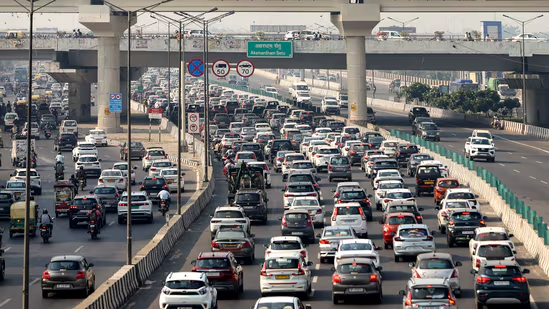
New Delhi – The Commission for Air Quality Management has implemented a comprehensive Delhi BS-III ban starting November 1, prohibiting entry of all non-Delhi-registered BS-III and below-standard commercial goods vehicles into the national capital. This decisive measure addresses the worsening air quality crisis in Delhi and surrounding regions, targeting vehicular emissions that significantly contribute to severe winter pollution.

Understanding the Delhi BS-III Ban

The Delhi BS-III ban represents a major step in the capital’s fight against air pollution. The Commission announced that this decision forms part of broader efforts to reduce vehicular emissions, identified as among the main causes of the city’s severe air pollution during winter months. BS refers to Bharat Stage emission standards, with the current standard being BS-VI or BS-6.

These government-mandated regulations control air pollution from vehicles by specifying the maximum amount of pollutants an engine can emit. The standards become progressively stricter with each new iteration, making the Delhi BS-III ban a logical progression toward cleaner air.

Vehicles Prohibited Under Delhi BS-III Ban

The Delhi BS-III ban specifically targets non-Delhi-registered commercial goods vehicles that fail to meet BS-IV standards. According to the order, all Light Goods Vehicles (LGVs), Medium Goods Vehicles (MGVs), and Heavy Goods Vehicles (HGVs) registered outside Delhi and not meeting BS-IV standards are prohibited from entering the capital.

This comprehensive scope of the Delhi BS-III ban ensures that older, more polluting commercial vehicles cannot contribute to the capital’s air quality deterioration. Officials estimate that approximately 50,000 to 70,000 vehicles in the region do not meet BS-IV standards, highlighting the significant impact this measure could have on reducing emissions.

Temporary Allowance for BS-IV Vehicles

While implementing the Delhi BS-III ban, authorities have provided a transition period for BS-IV-compliant commercial goods vehicles. According to the directive, these vehicles will be allowed to enter Delhi until October 31, 2026. This grace period acknowledges the economic realities of vehicle ownership while maintaining pressure for cleaner transportation solutions.

The phased approach of the Delhi BS-III ban demonstrates authorities’ understanding that immediate complete compliance may not be feasible for all operators, while still maintaining the urgency of addressing air pollution concerns.

Enforcement Mechanism

To ensure effective implementation of the Delhi BS-III ban, comprehensive enforcement measures have been established. The Transport Department, in collaboration with the Traffic Police, has formed 23 specialized teams dedicated to enforcing the new regulations. These teams consist of traffic police personnel and transport department enforcement officers.

The strategic deployment supporting the Delhi BS-III ban covers 23 critical entry points where approximately 90% of vehicles enter Delhi. Each team operates under the supervision of an inspector-level officer, ensuring accountability and consistent application of the rules.

Also Read: Fake Acid Attack Exposed: DU Student’s Family Staged Crime

Key enforcement locations for the Delhi BS-III ban include the Kundli border, Rajokri border, Tikri border, Aya Nagar border, Kalindi Kunj border, Auchandi, Mandoli, Kapashera, and Bajghera Toll/Dwarka Expressway. These checkpoints form a comprehensive network designed to intercept non-compliant vehicles before they enter the capital.

Officials stated that enforcement teams will turn back vehicles not meeting the norms established under the Delhi BS-III ban, creating a physical barrier against polluting vehicles entering the city.

Vehicles Exempt From Delhi BS-III Ban

The Delhi BS-III ban includes several important exemptions designed to maintain essential services and encourage cleaner transportation. Commercial goods vehicles registered in Delhi face no restrictions under the new order, regardless of their emission standards. This exemption recognizes the operational needs of Delhi-based businesses.

Additionally, the Delhi BS-III ban does not apply to commercial goods vehicles running on cleaner fuels including CNG (Compressed Natural Gas), LNG (Liquefied Natural Gas), or electricity. This exemption incentivizes the adoption of environmentally friendly fuel alternatives.

Furthermore, BS-VI-compliant petrol and diesel vehicles have been granted unrestricted entry throughout the year under the Delhi BS-III ban framework. This provision ensures that operators using the latest, cleanest vehicles face no impediments to conducting business in the capital.

Current Air Quality Context

The implementation of the Delhi BS-III ban comes against a backdrop of persistent air quality challenges. On Friday morning, Delhi’s air quality showed slight improvement but remained in the “poor” category. According to the Central Pollution Control Board, the national capital recorded an Air Quality Index of 268, categorized as ‘poor’, at 8 am on Friday.

This data underscores the necessity of the Delhi BS-III ban and similar measures to combat the capital’s chronic air pollution problem, particularly during winter months when conditions typically worsen.

Bharat Stage Standards Explained

Understanding the Delhi BS-III ban requires familiarity with Bharat Stage emission standards. These government regulations specify maximum permissible pollutant emissions from vehicle engines. Each successive standard—from BS-I through the current BS-VI—imposes stricter limits on harmful emissions including nitrogen oxides, particulate matter, and hydrocarbons.

The Delhi BS-III ban targets vehicles meeting outdated standards that permit significantly higher emissions than modern requirements, making their exclusion a logical step toward cleaner air.

Long-term Environmental Impact

The Delhi BS-III ban represents more than a temporary measure; it signals a sustained commitment to improving the capital’s air quality through vehicular emission control. By systematically excluding older, more polluting commercial vehicles, authorities aim to reduce the vehicular contribution to Delhi’s winter air pollution crisis significantly.

As enforcement teams begin operations at border checkpoints, the effectiveness of the BS-III ban will become evident through air quality monitoring data in coming weeks and months.

Explosive Khesari Lal Yadav Nachaniya Row: Slams Samrat Chaudhary

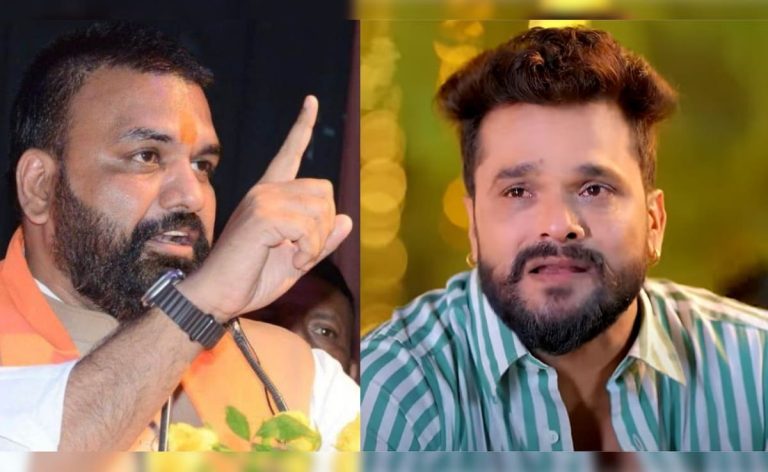
Bihar – Rashtriya Janata Dal candidate from Chapra, Khesari Lal Yadav, has strongly criticized Bihar Deputy Chief Minister Samrat Chaudhary over controversial remarks that have sparked a political storm in the state. The Khesari Lal Yadav nachaniya controversy erupted after the Deputy CM referred to the popular Bhojpuri singer as a “nachaniya” (dancer), a term widely perceived as derogatory in the context it was used.

The Controversial Comment

Khesari Lal Yadav nachaniya

The Khesari Lal Yadav nachaniya incident has become a flashpoint in Bihar’s ongoing assembly election campaign. Deputy Chief Minister Samrat Chaudhary’s use of the term “nachaniya” to describe the RJD candidate has been interpreted as an attempt to diminish the artistic credentials and political legitimacy of the Bhojpuri entertainment industry icon. The remark has raised questions about the language and tone of political discourse in the heated electoral environment.

Speaking about the Khesari Lal Yadav nachaniya controversy on Friday, the RJD candidate expressed his disappointment while maintaining a measured and dignified response. Despite the insulting nature of the comment, Yadav chose to address the issue with maturity, referring to the Deputy Chief Minister as his “elder brother” throughout his response.

Yadav’s Dignified Response

In his reaction to the Khesari Lal Yadav nachaniya remark, the Bhojpuri singer-turned-politician emphasized the importance of respectful political discourse. “For someone who hasn’t worked hard, no words hold any meaning, but for someone who works hard, every word has meaning,” Yadav stated, highlighting the significance of language for those who have earned their position through dedication and effort.

Addressing the Khesari Lal Yadav nachaniya comment directly, he said, “If someone calls me ‘nachaniya,’ it’s okay; he’s an elder brother. That particular person has never been my enemy.” This response demonstrates Yadav’s attempt to take the high road despite what many perceive as a deliberate insult aimed at undermining his credibility as a political candidate.

Call for Better Political Discourse

The Khesari Lal Yadav nachaniya controversy prompted the RJD candidate to make a broader appeal for improved standards in political communication. He urged that such words and statements should not be spoken merely to win elections, expressing concern about the impact of such language on future generations.

“But insulting someone just to win an election isn’t right, and one should always control their words, because people in society respect you and listen to what you say, so efforts should be made to ensure that future generations don’t use such words,” Yadav emphasized. This statement reflects his concern that the Khesari Lal Yadav nachaniya incident could set a negative precedent for political discourse in Bihar.

Relationships Over Party Politics

Moving beyond the Khesari Lal Yadav nachaniya controversy, Yadav drew a distinction between his approach to politics and that of his opponents. He alleged that while BJP leaders prioritize their party positions, he values personal relationships more highly. To illustrate this point, he referenced his close relationship with BJP MP Manoj Tiwari, with whom he has maintained cordial ties despite party differences.

“Party matters to them, but relationships matter to me. I’ve campaigned for both Manoj Tiwari and the BJP, and I’ve always respected my older brothers,” Yadav stated. He continued, “The elections are today, and they’ll come again in five years, but I’m not so stingy with relationships.”

The Khesari Lal Yadav nachaniya episode, according to him, reflects a broader pattern where his decision to enter politics outside his entertainment industry has made him a target. “Today, I want to pursue something outside the industry, so perhaps that’s why I’ve become their enemy,” he suggested.

Also Read: Complete NDA Bihar Election Manifesto: 10 Million Jobs, Healthcare, Women Focus

Electoral Promises for Chapra

Beyond addressing the Khesari Lal Yadav nachaniya controversy, the RJD candidate outlined his vision for Chapra if elected as MLA in the upcoming assembly elections. He promised to address the constituency’s pressing issues, including lower standards of education and inadequate healthcare facilities.

“The trust that the people of Chapra have placed in me, I will try to do whatever I can with my skills and strength, whatever problems Chapra has,” Yadav stated. He specifically committed to raising educational standards and improving the hospital system to make it better than other cities, demonstrating his focus on developmental issues despite the Khesari Lal Yadav nachaniya distraction.

Political Background

Khesari Lal Yadav is a renowned Bhojpuri singer and actor who has entered electoral politics as the Rashtriya Janata Dal’s candidate from Chapra constituency. His transition from entertainment to politics represents a broader trend of celebrities leveraging their popularity to enter public service. The Khesari Lal Yadav nachaniya controversy, however, highlights the challenges faced by entertainment industry professionals when they enter the political arena.

Election Timeline

The Khesari Lal Yadav nachaniya incident occurs against the backdrop of Bihar’s crucial assembly elections. Voting for the 243-seat Bihar Assembly will be conducted in two phases on November 6 and 11. Simultaneously, bye-elections for eight seats across seven states and Union Territories will be held on November 11. The results for both electoral exercises will be declared on November 14.

Broader Implications

The Khesari Lal Yadav nachaniya controversy raises important questions about the standards of political discourse in Indian elections. As campaigns intensify, the incident serves as a reminder of the need for leaders to maintain dignity and respect, particularly when they hold high constitutional positions like Deputy Chief Minister. Yadav’s measured response and call for better language in politics may resonate with voters seeking mature leadership.

Complete NDA Bihar Election Manifesto: 10 Million Jobs, Healthcare, Women Focus

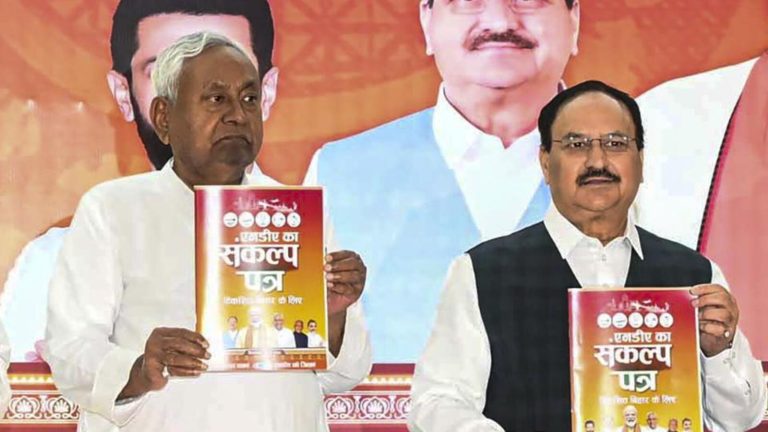
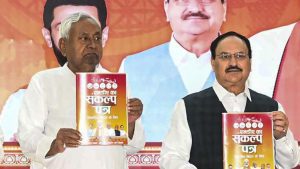
Bihar – The ruling National Democratic Alliance has unveiled its ‘Sankalp Patra’ for the Bihar assembly elections, presenting a comprehensive vision for the state’s transformation. The Bihar election manifesto was released on Friday by Chief Minister Nitish Kumar, Union Minister and BJP chief JP Nadda, and other alliance party leaders, focusing on job creation, education, healthcare, infrastructure development, and women empowerment.

Employment Generation at Core

The centerpiece of the Bihar election manifesto is the ambitious promise to create 10 million jobs across the state. This massive employment generation plan aims to address Bihar’s chronic unemployment challenges and stem the migration of youth to other states for work. The manifesto proposes developing manufacturing units in every district to boost local employment opportunities and check migration patterns that have historically depleted the state of its workforce.

To support this employment vision, the Bihar election manifesto outlines plans to develop Bihar as a tech hub of eastern India. This includes establishing a defence corridor, semiconductor manufacturing park, global capability centres, a mega tech city, and a fintech city. Additionally, the manifesto promises development of a network of 100 micro, small, and medium industries parks alongside 50,000 cottage industries.

Empowering Extremely Backward Classes

A significant component of the Bihar election manifesto addresses the needs of Extremely Backward Classes, who constitute 36% of the state’s population. The manifesto pledges ₹10 lakh financial assistance to EBC members for business and entrepreneurship ventures, providing them with capital to launch or expand economic activities.

Beyond immediate financial support, the Bihar election manifesto commits to constituting a high-power commission dedicated to studying the socio-economic conditions of EBCs. This commission will focus on their comprehensive empowerment, ensuring that policy interventions are based on thorough research and understanding of community-specific challenges.

Educational Support and Scholarships

The Bihar election manifesto includes targeted educational support, promising ₹2,000 monthly to Scheduled Caste students enrolled in higher education. This financial assistance aims to reduce dropout rates and ensure that students from marginalized communities can complete their education without financial burden. Additionally, the manifesto promises a venture fund specifically for entrepreneurship among these communities.

Support for Gig Economy Workers

Recognizing the growing gig economy, the Bihar election manifesto pledges ₹4 lakh insurance cover for gig workers, auto-rickshaw, and e-rickshaw drivers. These workers will also receive collateral-free vehicle loans at minimum interest rates, reducing their financial burden and providing security. The manifesto also promises collateral-free loans for green homestays, supporting sustainable tourism development.

Agricultural Reforms and Guarantees

The Bihar election manifesto addresses farmer concerns with comprehensive agricultural reforms. It promises MSP guarantee to ensure right prices for every crop at the panchayat level, providing farmers with price certainty. The manifesto commits ₹1 lakh crore investment in agriculture infrastructure and aims to double agricultural exports while achieving self-reliance in pulses production.

The vision includes developing Bihar as a global export centre for makhana, fish, and other local products, capitalizing on the state’s unique agricultural strengths.

Flood Management Revolution

One of the most ambitious promises in the Bihar election manifesto is making Bihar flood-free within five years. This will be achieved through the ‘flood to fortune’ model, involving inter-linking of rivers and establishing a Flood Management Board. This initiative addresses one of Bihar’s most persistent challenges that annually affects millions of residents.

Industrial Development Vision

The Bihar election manifesto proposes developing 10 new industrial parks and five mega food parks across the state. Specific initiatives include the proposed Mithila Mega Textile and Design Park and Anga Mega Silk Park, positioning Bihar as the textile and silk hub in South Asia. The manifesto commits ₹1 lakh crore for the ‘Developed Bihar Industrial Mission.’

Five Guarantees for the Poor

The Bihar election manifesto outlines five key guarantees for economically disadvantaged sections: 125 units of free electricity, free medical treatment up to ₹5 lakh, 50 lakh new houses, social security pension, and continuation of 5 kg free ration. These guarantees aim to provide a comprehensive social safety net.

Infrastructure Transformation

The Bihar election manifesto details extensive infrastructure development plans, including construction of seven expressways, modernisation of 3,600 km of railway tracks, expansion of Amrit Bharat Express trains, and introduction of Namo rapid rail services. These initiatives aim to improve connectivity and facilitate economic growth.

Political Response

Bihar election manifesto

BJP chief JP Nadda emphasized that the Bihar election manifesto comprises achievable commitments based on groundwork and the state’s changing needs. He contrasted it with opposition promises, highlighting NDA’s track record. Janata Dal (United) working president Sanjay Kumar Jha described the manifesto as reflecting an aspirational Bihar ready for a major developmental leap.

However, opposition RJD lawmaker Manoj Jha criticized the timing of the manifesto’s release, claiming it came under pressure from the opposition’s earlier manifesto launch.

Comparative Context

The Bihar election manifesto was released days after the Opposition bloc unveiled its 32-page manifesto ‘Bihar ka Tejashwi Pran’ on October 28, which promised government jobs to one household member, ₹2,500 monthly to women, MSP for all crops, old pension scheme restoration, and 200 units of free power. This competitive manifesto release highlights the electoral stakes in Bihar’s upcoming assembly elections.

Bold NDA Bihar Elections Manifesto Highlights: 1 Crore Jobs, Crorepati Didis

Bihar – The National Democratic Alliance has unveiled its ambitious Bihar elections manifesto ahead of the 2025 assembly polls, promising transformative initiatives focused on employment generation, women’s economic empowerment, and support for marginalized communities. The comprehensive document was released in Patna with all senior alliance leaders present, signaling the coalition’s unified approach to winning the crucial state elections.

Bihar Elections Manifesto Launch Event

The Bihar elections manifesto was formally unveiled in the state capital of Patna during a morning ceremony that saw the attendance of all senior NDA alliance leaders. Union Home Minister Amit Shah was prominently present at the launch, underscoring the national significance the alliance places on retaining power in Bihar. The event marked the official beginning of the NDA’s campaign strategy, with the manifesto serving as the cornerstone of their electoral promises.

The comprehensive nature of the Bihar elections manifesto reflects the alliance’s attempt to address multiple constituencies simultaneously, from youth seeking employment to women entrepreneurs and marginalized communities looking for economic upliftment.

Revolutionary Employment Promise

The centerpiece of the Bihar elections manifesto is an unprecedented commitment to create over 1 crore government jobs in the state. This translates to 10 million public sector positions, representing one of the most ambitious employment generation promises in Indian electoral history. The scale of this commitment addresses Bihar’s chronic unemployment challenges and the state’s substantial youth population seeking stable career opportunities.

To support this employment vision, the Bihar elections manifesto outlines plans to establish a “mega skills centre” in every district across the state. These centers will focus on youth upskilling, ensuring that Bihar’s workforce is equipped with contemporary skills demanded by modern industries. The manifesto goes beyond domestic employment by promising to facilitate opportunities for Bihar’s youth to work across the globe after completing their training, potentially opening international career pathways for the state’s educated population.

Mission Crorepati: Women’s Economic Empowerment

A groundbreaking component of the Bihar elections manifesto is the “Mission Crorepati” initiative, designed to elevate women’s economic status dramatically. The program aims to create 1 crore “Lakhpati Didis”—women earning ₹1 lakh annually—before advancing them toward crorepati status, meaning women earning ₹1 crore.

This ambitious women’s empowerment program in the Bihar elections manifesto includes financial support of up to ₹2 lakh for women, providing seed capital or assistance to launch or expand businesses. The initiative recognizes women’s crucial role in Bihar’s economy and seeks to formalize and amplify their economic participation. By setting concrete numerical targets, the manifesto demonstrates a commitment to measurable outcomes in women’s economic advancement.

The Mission Crorepati program represents a progression from existing self-help group initiatives, aiming to transform women from basic livelihood earners into substantial wealth creators. This approach in the Bihar elections manifesto could potentially reshape gender dynamics in the state’s economy if successfully implemented.

Also Read: BJP Complaint Against Rahul Gandhi: Explosive EC Filing Over PM Remarks

Support for Extremely Backward Classes

Addressing concerns of the extremely backward classes (EBCs), the Bihar elections manifesto promises financial assistance up to ₹10 lakh for members of these communities. This substantial aid package acknowledges the unique challenges faced by EBCs in accessing capital for business ventures, education, or other economic activities.

Beyond immediate financial support, the Bihar elections manifesto commits to establishing a dedicated committee specifically tasked with preparing welfare schemes for extremely backward classes. This institutional mechanism ensures that EBC concerns receive sustained attention beyond election promises, with expert focus on designing programs tailored to their specific needs and circumstances.

The inclusion of EBC-focused initiatives in the Bihar elections manifesto reflects the political importance of these communities in Bihar’s electoral landscape and addresses long-standing demands for targeted support.

Agricultural Reforms and MSP Guarantee

Recognizing Bihar’s significant agricultural base, the Bihar elections manifesto includes a critical promise for farmers: a legal guarantee for minimum support price (MSP). This commitment addresses farmer demands for legislative backing of MSP, moving beyond administrative assurances to legally enforceable rights.

The MSP legal guarantee in the Bihar elections manifesto provides farmers with certainty regarding their produce pricing, potentially reducing agricultural distress and ensuring predictable income streams. This promise comes at a time when agricultural reforms and farmer welfare remain contentious political issues across India.

Political Implications

The Bihar elections manifesto represents the NDA’s comprehensive strategy to address multiple voter segments simultaneously. By promising massive job creation, women’s economic empowerment, backward class support, and farmer protection, the alliance attempts to build a broad coalition of support across Bihar’s diverse electorate.

The manifesto’s ambitious nature raises questions about implementation feasibility and funding mechanisms. Creating 1 crore government jobs alone would require substantial budget allocations and administrative capacity. Similarly, Mission Crorepati’s target of helping women earn ₹1 crore annually demands sophisticated business support ecosystems.

Looking Ahead

As Bihar heads toward the 2025 assembly elections, the Bihar elections manifesto will serve as the measuring stick against which the NDA’s promises are evaluated. The document’s bold commitments reflect both the stakes involved in retaining power and the alliance’s confidence in delivering transformative change. Whether these promises translate into electoral victory and subsequent implementation remains to be seen as the campaign unfolds.

Latest India vs Australia 2nd T20I Highlights: AUS Win by 4 Wickets

Melbourne – The India vs Australia 2nd T20I at the Melbourne Cricket Ground turned into a nightmare for the visitors as Australia secured a comfortable four-wicket victory with 40 balls to spare, taking a 1-0 lead in the series. After India’s batting collapse saw them bowled out for just 125, Australia cruised to victory despite losing six wickets in the process.

Toss Advantage Continues for Marsh

The India vs Australia 2nd T20I began with Mitchell Marsh winning his fifth consecutive toss, maintaining an incredible streak of toss victories. The Australian captain elected to bowl first, asking Suryakumar Yadav and his team to bat on a surface that would prove challenging for the Indian batters. India remained unchanged from their rain-affected first encounter, while Australia made one change with Matt Short returning to the playing eleven.

Hazlewood’s Powerplay Masterclass

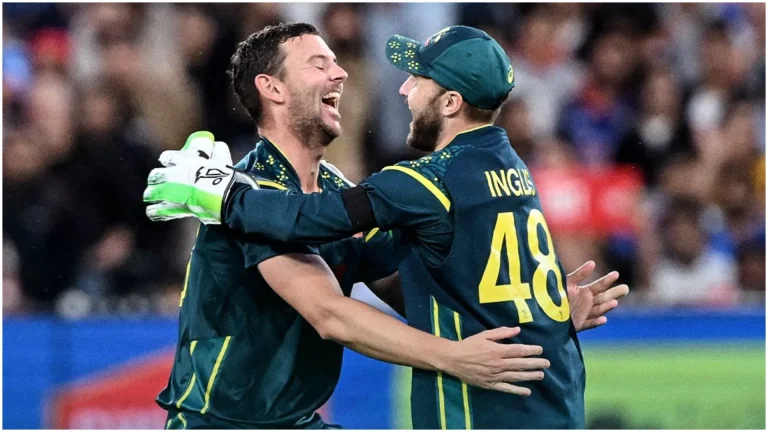
Josh Hazlewood proved to be the difference-maker in the India vs Australia 2nd T20I, producing a devastating spell during the powerplay that set the tone for Australia’s dominance. The opening batsman Shubman Gill survived a DRS reprieve on the very first ball but couldn’t capitalize on his luck.

Hazlewood was relentless, troubling Gill with inside edges, outside edges, and even hitting his helmet. The pressure eventually paid off as he dismissed Gill early. The carnage continued as Hazlewood struck twice more in quick succession, removing both Suryakumar Yadav and Tilak Varma in the same over, reducing India to a precarious position.

By the end of the powerplay, India stood at 40/4, with Hazlewood having taken three wickets while conceding just 13 runs. He would finish with remarkable figures of 3/13, completing his spell and doing irreparable damage to India’s innings.

Abhishek Sharma’s Lone Resistance

The brightest spot for India in the India vs Australia 2nd T20I was Abhishek Sharma’s aggressive counter-attack. While wickets tumbled around him, Sharma played with remarkable fearlessness, racing to 29 runs off just 11 balls during the powerplay. He struck the first four and first six of the innings, refusing to be intimidated by the Australian attack.

Sharma continued his assault, reaching 46 runs off 19 deliveries at one stage. He eventually scored 68 before being dismissed LBW, batting on what seemed like a different pitch compared to his teammates. His innings included multiple boundaries and sixes, showcasing his ability to take on quality bowling. However, his inability to retain more strike meant India couldn’t capitalize fully on his form.

India’s Batting Collapse

The India vs Australia 2nd T20I saw a complete batting collapse from the visitors. After Abhishek’s dismissal at 68, the innings wrapped up on the very next ball for 125. Sanju Samson was caught in front early, while the middle order failed to provide any resistance.

Nitish Kumar Rana managed 35 runs and put together a 50-run partnership with Harshit Rana, who contributed with some lusty blows. However, Shivam Dube departed second ball, and Kuldeep Yadav played out a six-ball duck before the innings folded. Despite going with three spinners at the MCG, India’s batting let down their bowling unit completely.

Also Read: Jemimah Rodrigues 127: Stunning Knock Shatters Australia’s World Cup Dominance

Australia’s Comfortable Chase

The India vs Australia 2nd T20I chase began with Mitchell Marsh and Travis Head opening for Australia, facing Jasprit Bumrah. The Australian openers started cautiously, with the first boundary coming off a thick edge from Harshit Rana’s bowling. Everything seemed to go Australia’s way, including four byes after Head left a delivery.

Head struck the first six with his trademark pick-up over square leg. Harshit Rana’s over went for 20 runs, with Australia racing to 49/0 after just four overs. Varun Chakravarthy provided the breakthrough by dismissing Head, with Tilak Varma taking the catch. Australia stood at 67/1 after seven overs.

Mitchell Marsh then took control in the India vs Australia 2nd T20I, launching an assault on Kuldeep Yadav with the sequence 4, 6, 4, 6, effectively ending any hopes of an Indian comeback. Kuldeep did answer back with Marsh’s wicket, but the damage was done.

Late Wickets Provide False Hope

The India vs Australia 2nd T20I saw India’s bowlers pick up late wickets, but the match was never in doubt. Varun Chakravarthy finished with figures of 2/23 from a good spell. Kuldeep Yadav claimed his second wicket after a successful review.

Jasprit Bumrah, who had been relatively quiet, finally got into the wicket column late in the innings. He even had an opportunity for a hat-trick after bowling a perfect yorker, with only 2 runs needed for victory. However, Owen was dropped by Harshit Rana, summing up India’s day.

Despite losing six wickets, Australia completed the chase with more than six overs remaining, winning by four wickets and taking a crucial 1-0 lead.

Looking Ahead

The India vs Australia 2nd T20I result puts pressure on India to bounce back in what is now effectively a four-match series after the Canberra washout. India’s dominant head-to-head record of 20 wins from 33 encounters means little without performance on the field. With concerns about their batting approach and execution, India must regroup quickly to keep their series hopes alive.

Controversial JD Vance Christianity Remarks Spark Outrage Online

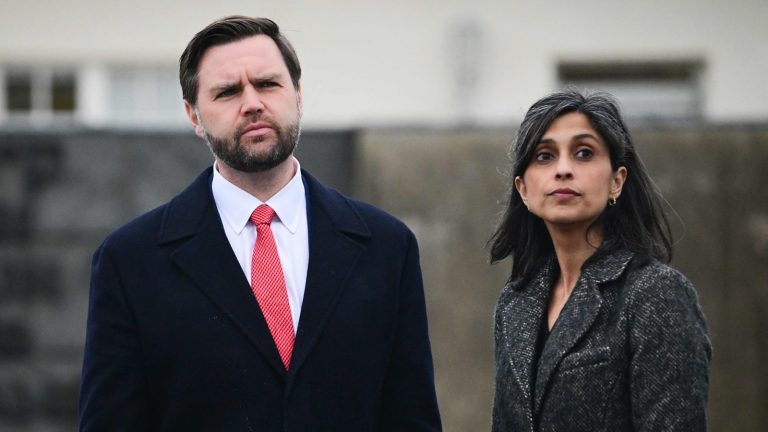
Washington D.C. – US Vice President JD Vance has found himself at the center of a major controversy following his recent comments about his Hindu wife potentially embracing Christianity. The JD Vance Christianity remarks, made during a Turning Point USA event, have sparked widespread backlash both in the United States and India, prompting the Vice President to issue clarifications while standing by his expressed hopes.

The Controversial Statement

The JD Vance Christianity controversy began during a question-and-answer session at the University of Mississippi, where he was taking questions from students at an event organized by Turning Point USA, founded by slain pro-right activist Charlie Kirk. Kirk’s widow Erika was also present at the event.

During his response, Vance stated: “Now most Sundays Usha will come with me to church. As I’ve told her and I’ve said publicly, and I’ll say now in front to 10,000 of my closest friends: Do I hope eventually that she is somehow moved by the same thing that I was moved in by church? Yeah, I honestly do with that. Because I believe in the Christian gospel and I hope eventually my wife comes to see it the same way.”

These words quickly went viral on social media, garnering significant attention particularly in India, where Usha Vance’s Hindu heritage has been a point of interest since her husband assumed the vice presidency.

The Question That Triggered the Response

Interestingly, the question that prompted the JD Vance Christianity remarks was asked by a woman believed to be of Indian origin. She inquired about how Vance and Usha were raising their three children in an inter-racial and inter-religious household, touching on the complexities of maintaining cultural and religious identities in modern American families.

In his comprehensive answer, Vance disclosed that he and Usha had jointly decided to raise their three children as Christians, and that they attend a Christian school. This revelation added another layer to the JD Vance Christianity discussion, as it highlighted practical decisions the couple has made regarding their family’s religious upbringing.

Vance’s Clarification Statement

Following the significant backlash, the Vice President issued a detailed clarification addressing the JD Vance Christianity controversy. In a tweet, he stated: “She is not a Christian and has no plans to convert, but like many people in an interfaith marriage–or any interfaith relationship–I hope she may one day see things as I do. Regardless, I’ll continue to love and support her and talk to her about faith and life and everything else, because she’s my wife.”

This clarification attempted to contextualize his original remarks within the framework of interfaith marriages, where partners often hope to share common perspectives while respecting individual beliefs. However, even in his clarification, Vance reiterated his hope that Usha would eventually “see things as I do,” maintaining the stance that initially sparked controversy.

Usha’s Role in Vance’s Faith Journey

A significant aspect of the JD Vance Christianity narrative that often gets overlooked is Usha’s own role in encouraging her husband’s religious journey. The Vice President revealed that it was actually Usha who encouraged him to reconnect with the Christian faith years ago.

“My Christian faith tells me the Gospel is true and is good for human beings. My wife–as I said at the TPUSA–is the most amazing blessing I have in my life. She herself encouraged me to reengage with my faith many years ago,” Vance wrote in response to what he described as “anti-Christian bigotry” in a now-deleted post.

Also Read: Bankim Brahmbhatt Fraud: Shocking $500M BlackRock Loan Scandal

This revelation aligns with statements Usha Vance made months ago when she shared that her husband wasn’t a Catholic when they first met at Yale University. Her support for his faith journey adds complexity to the JD Vance Christianity controversy, demonstrating that their interfaith marriage involves mutual respect and support, even as they maintain different religious identities.

Defending His Position

Addressing critics, Vance defended his statements by emphasizing that they were made in direct response to a specific question from a student. He stated that he didn’t plan on avoiding honest answers about his faith and family life, even when those answers might prove controversial.

The JD Vance Christianity remarks reflect a broader tension in American society regarding interfaith marriages, religious conversion, and the expression of personal faith beliefs in public forums. As Vice President, Vance’s personal views carry additional weight and scrutiny, making his comments about his wife’s potential conversion a matter of public interest.

Current Family Practices

According to Vance’s statements, Usha accompanies him to church most Sundays, demonstrating her support for his faith practice despite maintaining her own Hindu identity. This arrangement represents a common compromise in interfaith marriages, where partners participate in each other’s religious activities while maintaining their individual beliefs.

The decision to raise their three children as Christians and enroll them in a Christian school represents another practical aspect of navigating an interfaith marriage, particularly one in the public eye.

Conclusion

The JD Vance Christianity controversy highlights ongoing discussions about interfaith marriages, religious freedom, and the boundaries of personal faith expression in public life. While Vance has clarified that Usha has no plans to convert, his continued expression of hope for her eventual embrace of Christianity ensures this conversation will likely continue, raising questions about respect, autonomy, and faith in modern American families.

Shocking Mumbai Hostage Incident: Rohit Aarrya’s Film Connection

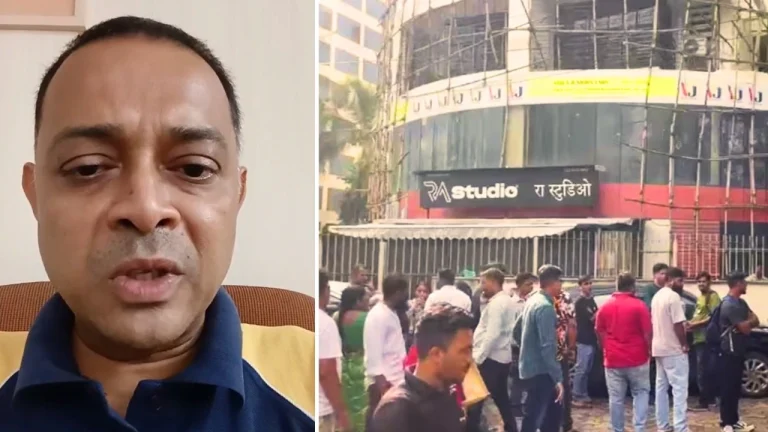
Mumbai – The Mumbai hostage incident that ended with police shooting Rohit Aarrya has taken a disturbing turn as new details emerge about his activities leading up to the crisis. The incident, which saw 17 children and three adults held hostage at a Powai studio, now reveals a chilling pattern of behavior involving Marathi actors and film project discussions, some eerily centered around hostage situations.

Background of the Mumbai Hostage Incident

On October 30, the Mumbai hostage incident unfolded at RA Studio in Powai, where Rohit Aarrya took 20 people hostage before being fatally shot by police. The crisis ended tragically, but investigations now show that Aarrya had been actively contacting actors in the Marathi film industry for weeks prior, discussing potential film collaborations.

What makes this case particularly unsettling is that some of these proposed film projects involved themes directly related to hostage situations, raising questions about whether Aarrya was planning the incident while simultaneously pitching it as fictional content.

Girish Oak’s Visit to RA Studio

Veteran Marathi actor Girish Oak revealed his connection to the Mumbai hostage incident when he disclosed visiting RA Studio just one day before the crisis erupted. On October 29, at approximately 11 am, Oak arrived at the Powai location after being contacted by someone who had briefly worked with him previously.

“A person who had worked with me briefly in the past contacted me on behalf of Arya for a role in his film,” Oak explained. He was informed that Aarrya had produced movies earlier, which gave him confidence to proceed with the meeting.

Oak arrived at the studio at 11 am, with Aarrya joining him around 11:05 am. During their discussion, they talked about a project based on a social cause. Oak noticed numerous children present at the studio and inquired about them. Aarrya explained they were attending a workshop.

The children gathered to take a group photo with the veteran actor, and some parents waiting outside also clicked selfies with him. Oak departed from the studio around noon, completely unaware that within 24 hours, the location would become the site of the Mumbai hostage incident.

Ruchita Jadhav’s Narrow Escape

Another crucial revelation about the Mumbai hostage incident came from actor Ruchita Jadhav, who shared a personal account on Instagram that sent chills through the entertainment community. Her story revealed just how close she came to being present during the crisis.

“Hi everyone, I want to share something very personal that has shaken me deeply. On 4th October, I was contacted by someone named Rohit Arya regarding a film project. The subject he described was about a hostage situation. As an actor, I agreed to hear more,” Jadhav wrote in her Instagram stories.

The coincidence of Aarrya pitching a film about a hostage situation before actually orchestrating the Mumbai hostage incident has disturbed many in the industry. Jadhav’s account provides insight into Aarrya’s planning and his systematic approach to engaging actors.

Timeline of Contact

According to Jadhav’s testimony, on October 23, Aarrya asked if they could meet on October 27, 28, or 29. She confirmed availability for October 28. On October 27—just three days before the Mumbai hostage incident—Aarrya sent her detailed information, including the location of his studio in Powai, and requested a meeting for the following day.

However, fate intervened when Jadhav had to cancel the meeting due to an unavoidable family commitment. This cancellation may have saved her from being present during the Mumbai hostage incident, as the meeting would have placed her at RA Studio during the critical period leading up to the crisis.

Pattern of Behavior

The revelations from both Oak and Jadhav paint a picture of someone systematically reaching out to industry professionals while planning something far more sinister. The Mumbai hostage incident was not a spontaneous act but appears to have been orchestrated while Aarrya simultaneously maintained a facade of legitimate business operations.

The presence of children at the studio on October 29, presented as a “workshop,” now takes on a more ominous tone given what transpired during the Mumbai hostage incident the following day. The 17 children and three adults who became hostages were likely part of similar activities promoted as legitimate film industry workshops.

Questions About Studio Operations

The Mumbai hostage incident has prompted serious questions about how RA Studio operated and whether there were warning signs that authorities or industry members should have noticed. Aarrya’s claim of being a film producer, his engagement with established actors, and the presence of children at his facility all contributed to an appearance of legitimacy that masked his true intentions.

Industry Response

The Marathi film industry has been shaken by the Mumbai hostage incident and the revelation that one of their own narrowly escaped involvement. Both Oak and Jadhav’s testimonies have prompted discussions about safety protocols and due diligence when actors are approached for projects by unfamiliar producers.

Conclusion

The Mumbai hostage incident serves as a stark reminder of how predators can exploit legitimate industries to mask criminal intentions. The tragic ending, with Aarrya being shot dead by police, closed one chapter but opened many questions about how such situations can be prevented in the future. The accounts from Girish Oak and Ruchita Jadhav provide crucial context about the perpetrator’s state of mind and planning in the days leading up to the crisis.