Saturday, May 16, 2026
Home Blog Page 363

Uplift Nomadic Communities : Bold 1% Promise, A Hopeful Pledge

Chief Minister Siddaramaiah’s reaffirmation of the Karnataka government’s commitment to allocate a 1% internal reservation quota for nomadic communities has reignited conversations around historical marginalisation, equality, and affirmative action. The statement holds deep significance for thousands of families whose lack of permanent settlement has left them socially and economically adrift. His announcement, made during an event dedicated to the cause of nomadic communities, reflects an important political and moral promise to correct longstanding state-level gaps in representation. For many, this policy step is more than administrative—it symbolises long-awaited recognition and a pathway toward dignity.

The internal quota under discussion aims to ensure benefits within the existing reservation structure, rather than creating entirely new categories. Karnataka is home to numerous nomadic and semi-nomadic groups spread across rural belts, urban fringes, and forest regions. Many—deprived of documentation, consistent habitation, and institutional support—have lived outside the fabric of mainstream policies. Government representatives emphasise that a 1% allocation will formally acknowledge these groups within the reservation architecture, giving them a clearer route to education, employment, and welfare supports. The move has been celebrated by rights activists who argue that bureaucratic invisibility has harmed these communities for decades.

Nomadic communities in Karnataka constitute a culturally rich but economically fragile demographic. Their professions—traditionally associated with artisan crafts, transportation, street entertainment, healing practices, and seasonal labour—have been disrupted by modernisation and urban restructuring. Without stable incomes or formal recognition, these communities have faced cycles of poverty. Policymakers point out that formal inclusion through reservation can address generational loss by strengthening opportunities in universities, government offices, state-run industries, and skill-building institutions. Social scientists argue that affirmative action must extend beyond fixed structures to recognise diverse lived experiences, especially for those historically displaced.

Despite proactive policy design, substantial implementation gaps persist. Many nomadic families lack access to Aadhaar documentation, caste certificates, permanent addresses, and land records. These challenges often exclude them from welfare schemes intended for Scheduled Castes, Scheduled Tribes, and Other Backward Classes. The Chief Minister noted that the proposed internal quota seeks to address such gaps by creating specific pathways for inclusion. Experts argue that documenting communities accurately will be the first step to ensure that benefits reach the intended beneficiaries. Without streamlined processes, policies risk remaining symbolic rather than transformative.

Community leaders welcomed Siddaramaiah’s assurance but pressed for a timeline to operationalise the policy. They argue that while announcements bring hope, structural changes determine long-term empowerment. Several organisations representing nomadic groups have repeatedly submitted petitions demanding clearer classification codes and better representation in the Backward Classes Commission. They believe that isolated measures without systemic continuity may not deliver meaningful outcomes. Many highlight that for travelling populations, access to education, housing, sanitation, and healthcare remains deeply fragmented. As a result, reservation becomes a necessary but insufficient tool unless supported by integrated welfare architecture.Karnataka CM Siddaramaiah assures nomadic community of resolving internal  quota issue


LONG BATTLE FOR REPRESENTATION FINDS NEW MOMENTUM

Nomadic communities have long navigated the intersection of livelihood insecurity and criminal stigma. Colonial-era legislations, most notably the Criminal Tribes Act, declared many of these itinerant groups as “criminal by birth,” a categorisation whose shadow still lingers socially. While the Act was formally repealed in 1952, many members of these communities continue to face suspicion and harassment, making socio-economic advancement difficult. Their geographical mobility also complicates census tracking and policy planning. Sociologists emphasise that reservation promises can offer a framework for rebuilding trust between the state and these communities after centuries of prejudice.

Within Karnataka, caste-linked reforms have historically dominated political narratives. The promise of internal reservations for nomadic groups adds a new dimension. While the Scheduled Castes and Other Backward Classes benefit from broad provisions, nomadic communities often fall through administrative cracks. The proposed 1% internal quota attempts to clarify this category—making it a recognisable entity in state policy. Many activists see this shift as a landmark because it changes their position from the margins to formal acknowledgment. Once recognised, they can advocate more effectively for additional interventions in housing, livelihoods, and skill development.

Education remains a primary avenue for empowerment. However, continuous migration makes schooling nearly impossible for children in nomadic communities. High dropout rates illustrate structural barriers rather than lack of interest. Policy experts argue that reservation benefits must be complemented with mobile schooling units, bridge-course programmes, hostel accommodations, and transportation support. Chief Minister Siddaramaiah, acknowledging the educational challenge, reiterated that the state will explore parallel interventions. Activists point to models from Maharashtra and Madhya Pradesh that experimented with travelling teachers and seasonal schooling for itinerant children. Karnataka’s new policy direction may consider adopting similar frameworks.

Employment opportunities for members of nomadic communities remain minimal due to skill gaps and widespread discrimination. Many engage in daily wage labour, street vending, or low-wage artisanal work. With reservation-linked access to higher education and professional training, individuals can enter formal work sectors such as healthcare, administration, teaching, and transportation management. Advocates believe that the 1% quota can spark a generational shift by reducing stigma. However, they caution that awareness must accompany policy. Without targeted outreach, eligible families may not apply for available seats. Therefore, social campaigns become essential to maximise participation.

Women and girls within nomadic groups face layered vulnerabilities. Their mobility exposes them to heightened risk of exploitation, lack of healthcare, and limited access to education. Gender-based violence often goes unreported due to fear and social isolation. The internal quota could expand educational access, allowing women to build independent futures. Self-help groups, vocational training, and scholarships serve as transitional supports. Feminist activists urge the government to combine reservation with legal literacy and access to reproductive health services. A gender-sensitive implementation plan, they argue, will transform both familial structures and community identity.

A cultural dimension also shapes this landscape. Nomadic groups carry unique traditions—music, craft, folklore, spiritual practices—and contribute to Karnataka’s living heritage. Their historical roles as storytellers, rope walkers, healers, and entertainers once commanded public respect. But with modern lifestyles and digital entertainment, traditional performances dwindled. Cultural preservationists suggest that state recognition through quotas can revive respect for these arts. They advocate for cultural academies, market access for crafts, and tourism partnerships that offer stable income while honouring indigenous knowledge systems. For many artists, policy recognition affirms that their identity is not an impediment but an asset.

Government To Consider 1% Reservation For Nomadic Communities: CM  Siddaramaiah Reaffirms Commitment To Social Justice | TheBengaluruLive -  Bengaluru/Bangalore News - Read Latest News And Live Updates.  TheBengaluruLive.com And Kannada.thebengalurulive ...


POLITICAL WILL, COMMUNITY HOPE, AND FUTURE ROADMAP

Chief Minister Siddaramaiah’s announcement is rooted in a larger ideological commitment to social justice. His repeated assertion that “governments must uplift the most marginalised” aligns with Karnataka’s history of welfare-driven governance. Administrative departments are now expected to create frameworks identifying beneficiary groups, outlining eligibility criteria, and ensuring transparent implementation. Political analysts note that proactive follow-through will determine whether the promise becomes a milestone or remains rhetoric. The challenge lies not only in assigning percentage figures but also in enabling sustainable development through education, health, housing, and livelihood access.

The Backward Classes Commission plays a central role in implementing this quota. It must establish precise lists of nomadic and semi-nomadic groups that will be covered within the 1% internal category. Many families lack proper records proving group identity. Therefore, revised certification guidelines will be essential. District-level committees might be tasked with identifying families through surveys, community testimonies, and cross-departmental data. Administrative redress cells could help streamline documentation and resolve disputes. Without such mechanisms, nomadic families may struggle to obtain the certificates required to access reservation benefits.

Public sentiment reflects cautious optimism. Community members appreciate the policy shift but highlight that previous announcements have stalled in execution. They urge the government to implement a phased timeline with measurable outcomes. Suggestions include annual policy reviews, public hearings, and social audits. Some leaders recommend that authorities work with civil society groups that have established relationships with nomadic dwellings. Coordination between local governments and community-based organisations can improve outreach. Ultimately, trust-building is key; nomadic families must feel that policy promises are made with sincerity and followed with consistency.

The emotional perspective is profound. For many nomadic communities, the government’s recognition translates into basic belonging. Generations have internalised social neglect, developing a quiet resignation toward state structures. The Chief Minister’s words provide a language of acceptance, reducing the psychic burden of displacement. Youth representatives say that even before practical benefits arrive, public acknowledgment gives them confidence to pursue education and advocate for rights. Emotional visibility disrupts stigma, making it clear that nomadic identity is not a disadvantage but a marker of cultural heritage deserving protection and respect.

Activists caution that the implementation must address intra-community diversity. Nomadic groups vary widely in language, tradition, occupation, and settlement pattern. A one-size-fits-all model risks neglecting differences. Some communities depend on seasonal forest work, while others rely on travelling trade or ritual performances. Therefore, welfare packages should accommodate differences in lifestyle. Housing plans should allow flexible settlement options, while health services must include mobile clinics. Skill-training initiatives should be customised to preserve cultural expertise while facilitating new employment avenues. The internal quota is a beginning, but must expand into specialised planning.Internal quota: CM Siddaramaiah says govt. committed to providing 1% to nomadic  communities - The Hindu

Another concern involves coordination between multiple government departments—education, minority welfare, labour, social justice, rural development, women’s welfare, and tribal affairs. The nomadic identity spans these sectors, making inter-departmental synergy essential. Scholars suggest establishing a dedicated directorate for nomadic affairs. Such a body could consolidate policy implementation, oversee data collection, organise welfare drives, and monitor grievances. Without a unified authority, community members may struggle to navigate administrative entry points. Policy clarity determines accessibility—nomadic families cannot afford procedural complexity that demands repeated travel or documentation.

Follow: Karnataka Government

Also read: Home | Channel 6 Network – Latest News, Breaking Updates: Politics, Business, Tech & More
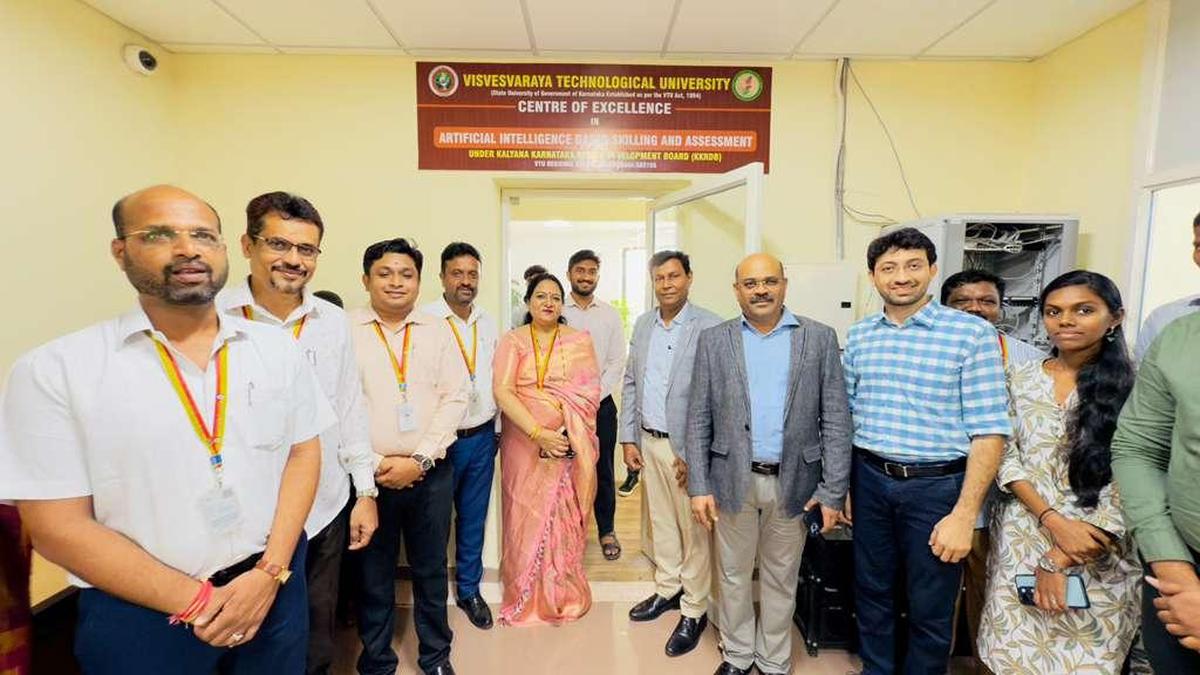
A Hopeful Milestone as VTU Unveils AI Centre, Smart Classrooms, and Library in Kalaburagi: 3-Facility Leap

Visvesvaraya Technological University (VTU) has marked a significant leap toward academic innovation by inaugurating a state-of-the-art Centre of Excellence in Artificial Intelligence, a suite of digital classrooms, and an upgraded technology-enriched library in Kalaburagi. This development is being hailed as a transformative moment for North Karnataka, a region long awaiting priority in higher-education infrastructure. The new facilities are designed to nurture advanced research, strengthen industry-academia collaborations, and provide students with contemporary tools essential for future-ready careers. The university’s initiative signals a deeper commitment to breaking geographic barriers and expanding technological opportunity beyond metropolitan spaces.

The Centre of Excellence (CoE) in AI stands at the heart of this growth plan. Equipped with specialised computational labs, high-performance analytic platforms, and research zones, the unit will train students in machine learning, robotics, deep learning, and data science. Faculty members emphasise that AI adoption is no longer optional but fundamental to engineering education. Under the new framework, VTU intends to support research-driven learning through multidisciplinary collaboration and real-time problem-solving. The move is expected to spark innovation in local industries including agriculture, healthcare, transport, and urban planning, all of which increasingly rely on data-supported decision making.

These upgrades also attempt to address long-standing regional imbalances. Kalaburagi, previously considered peripheral to technology-intensive academic circuits, now gains a strategic identity as a research gateway. Campus administrators believe this shift will reduce student migration toward Bengaluru and other large cities. By providing equivalent resources within their home region, the initiative attempts to democratise access to quality education. Local policymakers view this development as a catalyst that will reshape employment landscapes and strengthen the North Karnataka knowledge economy. Improving the local talent pipeline may also encourage industries to establish technology parks and innovation centres in surrounding districts.

The introduction of digital classrooms further signals VTU’s intent to modernise pedagogy. These rooms are furnished with large interactive screens, cloud-based teaching platforms, and advanced connectivity features enabling hybrid teaching. Faculty can incorporate multimedia, simulations, and software-driven instruction into traditional lectures, making concepts more accessible and application-based. Students benefit from real-time demonstrative sessions, collaborative tools, and remote learning systems. This step is particularly impactful for specialised subjects where visual data interpretation and software learning play pivotal roles. By merging theory with technological immersion, VTU hopes to elevate academic clarity and enhance student engagement across all departments.VTU opens Centre of Excellence in AI, digital classrooms and library in  Kalaburagi - The Hindu

Digital learning surfaces as a crucial strategy in expanding inclusivity. The faculty training programmes accompanying this upgrade ensure that instructors can efficiently employ digital tools without compromising academic depth. Recorded lectures and resource libraries will support students who require flexible timeframes, such as working youth or first-generation learners balancing family responsibilities. Through smart classrooms, the university can host guest lectures from national and international experts without geographical limits. This opens pathways for continuous knowledge exchange, allowing VTU students to access global academic trends. The initiative marks a new chapter of blended learning at a time when technological fluency defines employability.

Parallel to these changes, the library at the Kalaburagi campus has undergone an extensive technological overhaul. Once defined by physical collections alone, the space now integrates digital cataloguing, online research portals, high-speed browsing terminals, and dedicated study zones. The upgrade aims to cultivate self-directed learning and encourage students to explore academic literature beyond the syllabus. Access to online journals, e-books, and research databases reinforces analytical skill development, an essential requirement for engineers navigating global competition. Group research rooms enable collaborative study, promoting peer learning and interdisciplinary dialogue. These efforts convert the library into a live intellectual hub rather than a silent repository.


ENGINEERING INNOVATION FOR A GROWING REGION

To ensure maximum output from the AI centre, VTU is designing new flagship academic pathways. Student research cells will operate under faculty mentorship, encouraging learners to explore real-world challenges. Advanced computational tools will support modelling, prediction systems, algorithm testing, and robotics development. Administrators plan to establish partnerships with industry players, enabling internships, prototype development, and product-testing support. Such collaborations build a diverse ecosystem where academic theories translate into market-ready solutions—a hallmark of strong research universities. Through this initiative, VTU hopes to shape future entrepreneurs capable of creating local solutions with global relevance.

The centre is expected to address critical real-time challenges unique to the region. Kalaburagi’s agricultural belt, for example, grapples with soil stress, fluctuating crop yields, and water scarcity. AI-linked systems can assist in predictive farming, irrigation optimisation, and crop advisory modelling. Similarly, hospital networks across the region may benefit from AI-assisted diagnostics and remote-care applications, making healthcare accessible to rural pockets. Traffic-dense zones may adopt intelligent mobility frameworks, offering safer commuting through data-driven planning. Such solutions underline the applied potential of AI, making the centre an incubator of change rather than a symbolic infrastructure upgrade.VTU opens Centre of Excellence in AI, digital classrooms and library in  Kalaburagi - The Hindu

A unique component of this strategy is industry outreach. VTU leaders recognise that AI-driven innovation blossoms only when aligned with workplace demands. Memoranda of cooperation are expected to be signed with companies specialising in automotive, smart manufacturing, IT, biotechnology, and semiconductors. These collaborations enable students to access paid fellowships, industrial labs, and mentorship from domain specialists. Visiting faculty may offer short-term certification courses, strengthening professional skill sets. This approach reduces the academic-industry skill divide, ensuring graduates remain competitive in rapidly evolving labour markets. The engagement may also encourage start-ups to develop within the region.

The digital classrooms undergo scheduled monitoring to ensure technology does not overshadow interpersonal learning. Faculty have been trained to balance interactive digital instruction with analytical dialogue and direct mentorship. Administrators emphasise that technology should serve as a gateway to layered understanding rather than replacing teaching quality. Students have responded positively, noting that visual data tools enhance conceptual clarity. Faculty evaluations show increased attentiveness and participation. By employing structured timetables, universities can prevent oversaturation, ensuring digital learning remains purposeful. The overall objective is to deliver an academically rich, emotionally supportive learning environment to nurture holistic growth.

The enhanced library aligns with these academic goals by encouraging intellectual curiosity. Students can explore international publications, gaining awareness of global engineering trends. Dedicated librarians help guide research queries, particularly for students new to academic literature. This guidance helps learners develop research ethics, a crucial skill in avoiding plagiarism and maintaining academic integrity. The availability of collaborative spaces supports team-based learning, essential for engineering problem-solving. Quiet reading cabins, meanwhile, protect concentration for students preparing for competitive exams or coding modules. Together, these spaces reflect a thoughtful balance between collaboration and individual reflection.

Infrastructure-driven progress is only meaningful when complemented with community access. VTU is organising outreach programmes to include nearby colleges and schools, ensuring that the AI centre doesn’t remain insulated. Students from smaller institutions will be invited for demonstrations, introductory lessons, and lab walkthroughs. Through such exposure, young learners gain awareness of opportunities otherwise unfamiliar to them. This approach not only supports equal access but also identifies academic talent early, giving rural youth a platform to aspire toward national and international careers. The outreach reaffirms VTU’s role as a facilitator of statewide educational equity.

Instructors acknowledge that learning through technology can be unfamiliar territory for some students, especially those from rural schooling backgrounds. To bridge this divide, the university offers digital literacy sessions. These programmes introduce essential software tools, cyber-safe practices, research techniques, and communication platforms. Students can access help desks to resolve doubts, encouraging them to explore academic resources with confidence. Mentorship programmes ensure that no student feels excluded due to lack of prior exposure. The university thus transforms infrastructure into inclusive opportunity, ensuring that academic excellence is achievable regardless of socio-economic differences.


COMMUNITY HOPE, POLICY SUPPORT, AND LONG-TERM VISION

The arrival of high-quality infrastructure in Kalaburagi symbolises a new era of aspiration. Parents express pride that their children can study on par with metropolitan peers without relocating. Students recognise that exposure to AI-driven research significantly strengthens their employment prospects. For many families, this development reduces financial strain linked to moving and living expenses in larger cities. Local businesses anticipate benefits as skilled graduates increase the region’s talent availability, fostering innovation and entrepreneurship. These developments collectively contribute to an atmosphere of optimism, reinforcing education as a shared community investment.

Political representatives have viewed this inauguration as a strategic educational milestone. They emphasise that strong institutions foster collective progress, influencing everything from literacy to industry development. With North Karnataka historically perceived as underserved in higher education, this latest investment echoes calls for equitable resource distribution. Policy analysts believe such infrastructure creates a stronger argument for future governmental support, including technology parks and innovation corridors. Administrative voices affirm that the government remains committed to funding research-driven institutions, particularly in emerging domains such as AI, cybersecurity, drone technology, and climate-science engineering.VTU opens Centre of Excellence in AI, digital classrooms and library in  Kalaburagi - The Hindu

The university administration has also established sustainability plans to ensure technology remains current. Regular software and hardware upgrades will keep the AI centre progressive rather than stagnant. Strategic planning allotments commit annual funds for maintenance, innovation labs, and student project grants. These investments prevent the facility from devolving into underutilised assets—a challenge faced by several educational institutions. To further ensure sustainability, VTU plans to host national conferences, attracting scholars who can contribute to intellectual vibrancy. Workshops and competitions may also allow students to showcase innovations born within these labs.

From an emotional standpoint, the inauguration represents more than infrastructure—it symbolises identity expansion. Kalaburagi, synonymous with historical richness, now steps into a future-oriented educational narrative. Elder residents describe this development as a long-awaited milestone validating their region’s academic potential. Students feel empowered by access to world-class resources without needing to uproot themselves. Their confidence reflects a cultural shift where rural and semi-urban youth no longer see geography as a barrier. The event thus strengthens emotional belonging, proving that technological aspiration can flourish beyond traditional hubs.

Follow: Karnataka Government

Also read: Home | Channel 6 Network – Latest News, Breaking Updates: Politics, Business, Tech & More
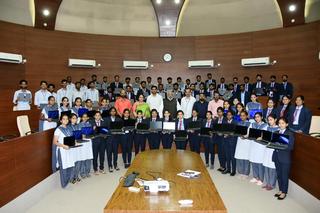
1 Month-long Rajyotsava bold celebrations by Karnataka Vidyavardhak Sangha in Dharwad

The city of Dharwad is witnessing an expansive cultural revival as the Karnataka Vidyavardhak Sangha launches a month-long Rajyotsava celebration, showcasing language, art, tradition, and collective pride. Held annually to honour the formation of Karnataka, this year’s program carries exceptional scale and depth, with diverse events inviting students, scholars, artists, and families to immerse themselves in regional heritage. The Sangha, recognised as a historic force behind the unification movement, is using this platform to highlight the richness of Kannada identity. This extended schedule ensures that every citizen finds a moment of participation, reflection, and belonging.

The celebration commenced with a symbolic flag-hoisting ceremony at the Sangha premises, accompanied by soulful leading voices reciting Karnataka’s anthem. The event drew dignitaries, educators, and cultural ambassadors from across the region, reaffirming the historic role Dharwad has played in shaping Kannada consciousness. The inaugural gathering saw speeches recalling the sacrifices that paved the way for linguistic unity. Young performers presented folk dance forms including Dollu Kunitha and Veeragase, energising the atmosphere. The commencement emphasised the relevance of protecting linguistic and cultural values in an increasingly modernised world.

Beyond its ceremonial significance, the celebration’s agenda highlights the Sangha’s deep social commitment. Daily activities include literature readings, traditional theatre showcases, folk music concerts, children’s competitions, and community campaigns. The aim is to bring history off the pages and into lived experience, especially for young participants who form the future custodians of regional culture. Local schools have coordinated schedules to allow students to engage with performances and exhibitions. Through a collaborative approach, the Sangha ensures the festival becomes an educational endeavour, capable of inspiring a renewed understanding of the state’s historical journey.Month-long Rajyotsava celebrations by Karnataka Vidyavardhak Sangha in  Dharwad - The Hindu

Cultural awareness has long formed the central objective of the Vidyavardhak Sangha’s mission. Founded over a century ago, its influence has moulded linguistic and political consciousness in Karnataka. This Rajyotsava festival symbolises continuity of that commitment. Scholars and literary figures are scheduled to address crucial themes such as linguistic identity, literary evolution, and intellectual freedom. Public discussions are expected to trace the role of Kannada in academia, media, and governance. By engaging both experts and common audiences, the Sangha creates an inclusive atmosphere where cultural knowledge isn’t restricted to elite circles but shared widely.

The month-long format has allowed organisers to highlight art forms that often remain overshadowed. Local artisans from rural pockets are invited to display crafted artefacts, textiles, and traditional household items, reinforcing dignity for indigenous creators. These exhibits encourage visitors to reflect on craftsmanship as an embodiment of history and resilience. Alongside stalls, guided demonstrations reveal traditional weaving and wooden craft techniques. For young attendees, these interactions create meaningful exposure to grassroots artistry. The Sangha consciously bridges rural-urban divides, positioning culture not as a museum piece but as a living, dynamic community expression.

Performances of classical music remain among Dharwad’s greatest cultural strengths, due to its lineage of legendary vocalists. This year’s Rajyotsava dedicates multiple evenings to Hindustani classical renditions, highlighting Dharwad’s contribution to India’s musical map. Eminent artists and young accompanists share stage time, creating intergenerational continuity. The sessions also incorporate introductory commentaries on ragas, making the experience accessible to audiences unfamiliar with classical vocabulary. By including concerts within a broader cultural celebration, the Sangha reinforces that music isn’t entertainment alone but a sophisticated archive of emotion, spirituality, discipline, and intellectual reflection.

Theatre enthusiasts are equally engaged through performances of classic Kannada plays. Dramatic arts retain special relevance in Karnataka’s literary tradition, reflecting social ideas and creative experimentation. Local troupes are presenting iconic works by great playwrights alongside contemporary interpretations of modern issues. This artistic duality enables the festival to honour its roots while embracing evolving narratives. Many plays explore themes of community harmony, environmental awareness, and generational conflict. Post-show discussions allow audiences to interact with performers, encouraging theatre appreciation beyond mere viewing. The Sangha’s support ensures grassroots theatre finds an applauding stage.


A GRAND CANVAS OF LITERARY AND SOCIAL OUTREACH

Literature forms the emotional backbone of Rajyotsava. The celebration includes daily poetry recitations, author meets, and Kannada book exhibitions spanning fiction, philosophy, history, and education. Young writers are given space to read original works, receiving feedback from established voices. Discussions revolve around the transformation of Kannada literature across eras, highlighting the role of writers during freedom and unification movements. Publishers set up stalls offering affordable books to encourage readership. Collectively, these activities strengthen literacy culture, positioning language as a shared responsibility rather than a symbolic identity marker.

The event also honours stalwarts of Kannada literature. Tribute sessions recount the lives of writers who shaped linguistic consciousness—celebrating their intellectual courage and creative freedom. Exhibitions display original photographs, manuscripts, and personal belongings of important authors, sparking curiosity among visitors. Students are guided through curated tours explaining how literary works influenced socio-political change. These historical narratives invoke gratitude while challenging the public to sustain progressive thought. The Sangha seamlessly blends remembrance with futuristic vision, ensuring legacies remain relevant to modern readers navigating contemporary complexities.Grand Kannada Rajyotsava celebrations in Mysuru - The Hindu

Recognising that art is inseparable from social life, the Sangha has included service-oriented programs. Blood donation camps, disability inclusion workshops, and health check-ups accompany cultural events. This integration communicates that celebration extends beyond performance to compassionate action. Volunteers include college youth, professionals, and homemakers working together toward inclusive goals. During awareness campaigns, speakers address subjects like gender sensitivity, education rights, and environmental sustainability. These initiatives reflect the festival’s holistic dimension, connecting identity preservation with ethical responsibility. By uniting art and social welfare, the Sangha offers purposeful celebration, reinforcing community bonds.

The presence of schoolchildren has brought youthful energy to the festivities. Competitions in essay writing, painting, folk singing, and elocution encourage creativity and cultural curiosity. Teachers accompany participants, framing events as co-curricular learning experiences. Winners are awarded books and recognition certificates, nurturing their artistic confidence. Children are also taken on heritage walks across Dharwad, visiting important sites linked to Karnataka’s unification. Guides narrate historical stories in simple language, enabling emotional connection. These activities cultivate respect for heritage at an early age, laying the foundation for lifelong cultural belonging.

Inclusivity remains a consistent theme. Special sessions invite participation by linguistic minorities, enabling them to explore Kannada heritage without feeling excluded. Interpretation support ensures audiences from diverse communities can engage with programs. This outreach reflects Karnataka’s long history of cultural harmony, especially in Dharwad—where multiple identities coexist peacefully. The Sangha has emphasised that Kannada identity need not marginalise others; instead, it creates a shared cultural space rooted in mutual respect. This forward-looking vision positions the celebration as not only traditional but socially progressive.

Regional cuisine has become a sensory highlight. Food stalls serve Dharwad pedas, Jolada rotti, Mangalore buns, and other traditional dishes. The culinary experience becomes educational, as vendors explain preparation history and cultural associations. Visitors learn how cuisine carries narratives of migration, agriculture, and local climate. The stalls also promote small-scale entrepreneurs, especially women, who rely on culinary heritage for livelihood. Through food, the celebration connects people emotionally, reminding them that culture dwells in daily life. It establishes that preserving heritage isn’t an abstract idea but a flavour one can taste, share, and remember.


HERITAGE PRIDE, PUBLIC RESPONSE, AND FUTURE OUTLOOK

Public enthusiasm has exceeded expectations. Streets surrounding the Sangha premises remain lively through late evenings. Families visit repeatedly to attend concerts, watch plays, and shop at stalls. Local transport agencies cooperate by offering extended evening services, easing participation. Feedback from visitors highlights gratitude for the month-long format, which allows flexible attendance. Many express renewed appreciation for classical art forms they previously considered inaccessible. Senior citizens say the celebrations remind them of earlier decades when cultural events were central to community life, while young citizens describe the festival as creatively energising.

Dharwad’s reputation as a cultural capital grows stronger through events like these. Known for producing legendary musicians, poets, and intellectuals, the city has long nurtured Kannada pride. The Vidyavardhak Sangha remains its heart, connecting heritage with contemporary aspirations. Organisers emphasise that the festival is not a symbolic gesture but an educational investment. They argue that local culture must evolve to stay relevant—serving as a foundation for innovation rather than resisting change. Through this approach, the Sangha positions tradition as a dynamic force shaping Karnataka’s future rather than a nostalgic memory.

Stakeholders from academic and cultural institutions appreciate the Sangha’s plans to document festival proceedings. Archival teams record performances and discussions for digital preservation, ensuring future access. These recordings may support research on evolving cultural identities. Additionally, organisers are exploring collaborations with other districts to replicate successful elements. Such decentralisation allows more communities to access artistic enrichment. Partnerships with universities may lead to cultural fellowships, enabling scholars to conduct field research. Through these long-term strategies, the Sangha envisions Rajyotsava as an annual cultural accelerator rather than a temporary celebration.

Government officials attending the festival have acknowledged the Sangha’s significant contribution. They highlight that grassroots cultural organisations play a vital role in strengthening democratic participation. By promoting multilingual harmony, heritage preservation, and social justice, festivals like Rajyotsava reinforce civic values. Officials have suggested that more state funding could elevate local cultural initiatives into national platforms. This acknowledgement strengthens relationships between cultural bodies and public institutions, essential for sustainable growth. Continued recognition may enable more ambitious programming in future editions.Grand Kannada Rajyotsava celebrations in Mysuru - The Hindu

Environmental consciousness forms another subtle layer of the celebration. Organisers have embraced waste management practices, encouraging use of cloth bags, recyclable materials, and minimal plastic. Informational kiosks educate visitors about ecological balance and sustainable living. Storytellers narrate folklore that connects nature to spirituality, reinforcing historical respect for ecosystems. Plant saplings are distributed to households as part of a greening campaign, encouraging urban ecological responsibility. These efforts demonstrate that cultural pride and environmental stewardship can coexist, forming a holistic vision of community wellbeing.

Follow: Karnataka Government

Also read: Home | Channel 6 Network – Latest News, Breaking Updates: Politics, Business, Tech & More
Heart-Rending Elephant Attack Stirs Fear in Sringeri: Tragic 2 Lives Lost

A tragic incident unfolded near Kerekatte in Sringeri taluk of Karnataka, where two people were killed in an unexpected elephant attack, renewing long-standing concerns over rising human–wildlife conflict in the region. The victims were reportedly engaged in routine work when the lone tusker charged without warning. Local residents rushed to help, but the suddenness and force of the attack left little room for intervention. The deaths have devastated families and left the community shaken, prompting urgent appeals for stronger protection, early warning systems, and preventive measures to address wildlife movement in villages bordering forest terrain.

Eyewitnesses recall that the victims attempted to flee but were overtaken within moments. The elephant, believed to have strayed from nearby forest ranges, lingered in the area briefly before retreating into dense cover. Fear spread rapidly across nearby settlements, compelling villagers to remain indoors while authorities initiated search, tracking, and crowd-control measures. Forest personnel have since intensified surveillance and warned people to avoid secluded pathways. As dawn broke over Kerekatte, grieving relatives gathered to perform last rites, struggling to accept the sudden loss. Their anguish reflected the emotional, economic, and psychological weight such encounters leave behind.

For years, residents of Sringeri and surrounding taluks have shared fragile borders with elephant territories, encountering frequent crop damage, night-time sightings, and occasional confrontations. Older members of the community say that wildlife movement has increased steadily as changing forest patterns, habitat pressures, and fragmented corridors push elephants closer to human settlements. While some view these animals with reverence and fear, others express growing frustration at escalating risks to life. The latest attack, one of the most fatal incidents in the area this year, has intensified fear and deepened the urgency for solutions that keep both humans and elephants safe.


Rising Alarm Over Human–Elephant Encounters

Local residents report that elephant sightings have become more common in recent months. Several families have erected fences or improvised lamps to deter wildlife at night. However, such measures offer limited protection against determined herds or lone tuskers. Farmers narrate how crops such as arecanut, bananas, and paddy draw elephants into fields, resulting in major financial setbacks. Livestock, too, remains vulnerable. Repeated exposure to danger has left villagers restless, unable to sleep peacefully during seasons of high movement. Many believe that without permanent mitigation, traumatic stories will continue.2 die in elephant attack in Sringeri taluk of Karnataka - The Hindu

Community leaders argue that human–elephant coexistence once depended on predictable animal paths and relatively undisturbed forests. They feel rapid development, unregulated land use, and increased vehicle movement have weakened traditional buffer zones. Today, elephants occasionally enter village roads, school paths, or plantations, surprising people who are unaccustomed to facing them at close range. Local panchayat members call this tragedy a wake-up call to preserve natural routes and rebuild safe corridors. Others demand aggressive intervention—trenches, rapid-response teams, and fortified forest boundaries—to prevent animals from wandering near homes.

Forest department officials have deployed teams to monitor elephant movement and set up early-warning patrols. They acknowledge the mounting fear among villagers and stress that mitigation must be both immediate and strategic. Their preliminary observations indicate that the elephant may have separated from a larger group and strayed in search of food or safer habitat. Officials say they are exploring methods to gently guide it back into forest territory. While announcing compensation for the families of the deceased, they emphasised that long-term community education on safety remains critical.

The incident has also revived debate over compensation policies. Families often struggle for months before receiving financial relief, and even when provided, it rarely replaces the emotional and economic loss. Many villagers depend on daily wages or agriculture; the sudden loss of a family member can push households into crisis. Local activists urge reforms that ensure immediate support, livelihood assistance, and long-term rehabilitation. They suggest community insurance schemes sponsored jointly by the government and NGOs to offer security during crises such as wildlife attacks.

Grief surrounding the tragedy has brought together people from surrounding villages who came to express solidarity. Many recalled earlier incidents where livestock was killed, or individuals were injured but survived. However, losing two community members in one episode has struck a deeper emotional chord. Conversations at condolence gatherings drifted toward shared fear, sleepless nights, and the unpredictability of forest encounters. Younger residents worry about attending school early in the morning, while elderly members hesitate to step outside before daylight. The sense of vulnerability has spread far beyond the immediate vicinity of Kerekatte.


Pressure on Habitat Sparks a Difficult Conversation

Environmentalists argue that elephants are being driven toward human areas due to shrinking forest resources. They cite climate change, construction, and commercial land use as major contributors to scattered habitats. According to them, wildlife corridors must be mapped and restored to ensure safe movement. If elephants continue encountering fenced land, busy roads, or plantations, they inevitably shift toward accessible pathways, often through villages. Conservationists insist that coexistence requires planned landscape stewardship rather than reactive handling of crises.

Residents narrate changing patterns: elephants once passed swiftly along predictable routes, rarely lingering. Now, they sometimes remain for hours near farmlands, drawn by ripe produce or water sources. Some villagers note that forest fruits and fodder have declined, compelling elephants to feed on crops. For farmers who depend entirely on seasonal produce, this overlap has become costly. Crop losses, which often go uncompensated, deepen resentment toward wildlife. This frustration risks damaging long-term conservation efforts, as people begin seeing animals as threats rather than shared custodians of the landscape.Outrage after elephant kills two men in Sringeri village - Public TV English

The latest tragedy has also revealed systemic gaps. Villagers say siren systems, phone alerts, or trackers available in other high-conflict districts have not been implemented uniformly here. Simple measures like night-patrol volunteers or alert networks could have prevented the victims from entering danger zones. Technology, community participation, and forest oversight must converge to create a safety web. Locals argue that without empowering people and giving them real-time information, fear will always outweigh prepared caution.

In schools, teachers devoted time to discuss the incident. For younger children, the event prompted fear and questions about safety walking to class. Educators attempted to balance grief with factual explanation—elephants are not naturally aggressive; such incidents occur when animals feel threatened or disoriented. They encouraged students to avoid forested shortcuts, stay informed about sightings, and alert adults if they notice unusual wildlife movement. By turning tragedy into learning, teachers hope children grow more aware and empathetic.

The emotional impact extends into cultural memory. Villagers speak of elephants with reverence, viewing them as divine beings associated with spiritual significance. This duality—fear and worship—runs deep. While families mourn, many still express empathy for the animal, believing it reacted instinctively. This complexity makes discussions about control measures difficult. People fear lethal or harsh treatment of elephants but seek safety. Navigating such emotional terrain requires sensitive administration that respects cultural beliefs while protecting lives.

As the forest department increases patrolling, some propose creating fenced safe zones, though critics argue that fences often disrupt natural movement and worsen long-term problems. Others suggest using beehive fencing, chilli barriers, or natural deterrents proven to work in other regions. However, implementing such measures requires planning, funding, and capacity-building. Community leaders emphasise that solutions must align with local terrain and livelihood patterns rather than rely on standardised templates.

This tragedy has drawn attention to the need for collaborative policy. Experts recommend village-level sensitisation programs to teach basic dos and don’ts—moving in groups at dawn or dusk, avoiding thick foliage, and recognising alarm calls of birds or animals that often precede wildlife presence. Some suggest training select villagers as wildlife wardens who can coordinate quickly with officials. Empowering communities builds trust and reduces panic during emergencies.

At the administrative level, calls for coordinated action are growing louder. Panchayat members say district authorities must treat human–elephant conflict with urgency equal to floods or epidemics. They argue that seasonal patterns of elephant movement should be mapped and shared publicly. Residents insist that inter-departmental coordination between forest, rural development, and revenue branches is crucial. Streamlining responsibilities prevents confusion and ensures timely response.2 die in elephant attack in Sringeri taluk of Karnataka - The Hindu

For now, the forests surrounding Kerekatte hold both beauty and fear. As monsoon patterns shift and vegetation fluctuates, more elephants may seek food and water near villages. Many fear another encounter. Building trust between communities and authorities is essential to manage both emotion and risk. As grieving families begin their journey toward healing, the broader community hopes this tragedy will push the administration to act swiftly. Preventing further deaths is now the collective mission—a difficult but necessary one.

In the quiet aftermath, the memories of the two victims linger in conversations, fields, and prayer gatherings. Their lives serve as a reminder of the fragile harmony between humans and nature. Whether the region will be able to transform its grief into long-lasting preventive action remains an urgent question. What endures is a shared longing—for safety, coexistence, and a future where communities and elephants live without fear of tragedy repeating again.

Follow: Karnataka Government

Also read: Home | Channel 6 Network – Latest News, Breaking Updates: Politics, Business, Tech & More

Emotional Protest Demands Justice in Kalaburagi: Fierce 9 Voices

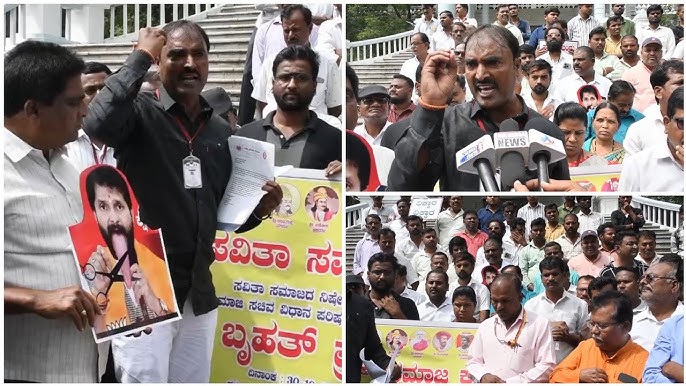
A wave of anger and sorrow swept through Kalaburagi as members of the Savita Samaj staged a strong protest against BJP MLC C.T. Ravi for his alleged derogatory remark toward their community. The demonstration reflected deep resentment and collective resolve, bringing together men, women, and youth who asserted that their dignity and social identity had been insulted. Protesters stated that such comments are not merely offensive but carry the weight of historical marginalisation, reopening wounds tied to discrimination and caste prejudice. Their collective presence highlighted a firm demand for responsibility, apology, and structural respect.

The protest also sparked intense discussions among local scholars and social historians, who remarked that such derogatory statements revive painful memories of caste oppression. They emphasised that the Savita Samaj’s response demonstrates a growing awareness of rights and a refusal to accept discrimination in silence. For many, this mobilisation signifies an ongoing shift in social consciousness, where grassroots groups increasingly assert their presence in public discourse. Scholars note that these expressions of dissent are necessary for safeguarding equality and ensuring that history does not repeat itself through careless words or harmful stereotypes.

Local business owners from the Savita Samaj joined the demonstration to convey how discriminatory remarks can impact their social and economic well-being. They observed that their enterprises often face subtle forms of bias, and public insults from political figures only worsen existing prejudices. Many shared that the community’s economic participation has grown significantly in recent decades, and such comments undermine their progress. The business community stressed the need for political accountability, warning that unchecked statements could isolate communities and weaken their confidence in public institutions.

Teachers and students also participated, highlighting that derogatory language deeply affects young people striving to overcome historical disadvantages. Educators said that when public leaders speak disrespectfully, it normalises discrimination and may discourage students from pursuing higher education or professional careers. Students shared their fears that such remarks might follow them into academic and workplace settings, shaping how others perceive their identity. For them, the protest became a platform to insist on respectful representation, recognising that verbal dignity is tied to long-term social empowerment.

Some participants pointed out that this protest is part of a pattern of social pushback seen across Karnataka as marginalised communities collectively resist demeaning rhetoric. They referenced previous incidents in which other groups organised similar demonstrations, signalling a growing intolerance for caste-based insults. This broader trend reflects a rising expectation that political figures must uphold standards of speech aligned with constitutional values. Protesters noted that respect cannot be optional, and that their collective resistance is meant to remind leaders of their duty to safeguard the dignity of all citizens.

Religious leaders from the region offered words of solidarity, urging communities to respond peacefully while standing firm against injustice. They referenced spiritual teachings that emphasise the equality of all human beings and condemned speech that divides society. These leaders encouraged greater engagement between political representatives and marginalised groups to foster understanding and reduce stereotypes. Their presence provided emotional reassurance, showing that the Samaj’s struggle resonates beyond its immediate boundaries and is supported by influential voices advocating harmony.

As the demonstration closed, organisers urged participants to remain united and continue advocating for their rights. They highlighted that their movement is not only reactive but forward-looking, with plans to engage lawmakers and civil society organisations in sustained dialogue. The community hopes that their demand for justice will lead to constructive policy conversations and promote cultural sensitivity among political actors. For many, the protest was a powerful reminder that dignity, once challenged, must be defended collectively—with courage, solidarity, and unwavering determination.

The protest began early in the day, with hundreds gathering near major city intersections, carrying placards that expressed both anguish and determination. Sloganeering grew loud as community leaders addressed the crowd, condemning the alleged remark as an attack on their identity. They argued that elected representatives hold a responsibility to uphold constitutional values and must be held accountable when they fail to do so. Over the course of the demonstration, organisers emphasised that silence in the face of disrespect would only deepen marginalisation, reinforcing their decision to vocalise their stand.Savita Samaj upset with BJP MLC, stages protest in Kalaburagi - The Hindu


Community Voices Demand Accountability and Respect

During the protest, multiple speakers shared their concerns that verbal attacks on historically marginalised groups undermine the progress made toward equality and social dignity. They said that public discourse must be grounded in respect and understanding, especially from political leaders who shape social attitudes. Representatives of the Savita Samaj asserted that derogatory comments have the potential to normalise discrimination, creating an atmosphere of fear, shame, and exclusion. They demanded swift action, including a formal apology and consequences for the remarks, to reaffirm that caste-based insults cannot be tolerated.

The leaders pointed out that their community has contributed significantly to social and economic life in the region and deserves dignity equal to any other citizen. They reiterated that the protest was not simply about one remark but a stand against a recurring pattern of caste-based denigration in politics. Women from the Samaj also addressed the crowd, stating that such comments are especially painful for younger generations who are working to overcome historical barriers. Their participation added emotional strength to the demonstration, reminding onlookers of the community’s unity across age and gender.

Police officials maintained tight security around the protest site to ensure the demonstration remained peaceful. Barricades were placed around central areas, and patrols were organised to prevent any escalation. Authorities suggested that the community’s grievance would be documented and forwarded to relevant departments. Despite the large turnout, the gathering remained disciplined. Protesters emphasised that their goal was justice, not confrontation. They expressed disappointment that such derogatory statements continue to surface in public discourse despite constitutional safeguards and decades of social reform.

Community elders remarked that their demand goes beyond immediate redress. The protest was also a call for sustained cultural sensitivity from public leaders. They reminded political figures that statements carry consequences and can influence public sentiment. Many speakers invoked the teachings of social reformers, emphasising equality, dignity, and the constitutional principles that govern a just society. They said that the fight for respect is still ongoing and that every insult is a reminder of the long road ahead.Savita Samaj upset with BJP MLC, stages protest in Kalaburagi - The Hindu


Broader Social Echoes and Future Demands

Several rights activists joined the protest, stating that caste and community dignity remain fragile and require persistent vigilance. They argued that derogatory remarks amplify social divides and can jeopardise communal harmony. According to activists, such incidents should not be treated as isolated slips of speech but as serious infractions that reveal underlying biases. They noted that political spaces must become safer for all citizens, regardless of community background, to engage without fear of humiliation.

Participants also submitted a memorandum to district officials demanding legal action against C.T. Ravi. They insisted that accountability must be visible and timely to show that caste insults do not enjoy protection under political privilege. The memorandum sought assurance that authorities would take necessary steps to prevent such incidents from recurring. Leaders stated that this was an important step in reinforcing dignity and supporting youth who deserve a future free from prejudice.

Youth participants declared that they would continue to speak up against injustice and hold public representatives accountable. They emphasised that more awareness is needed among political leaders about the social realities of historically marginalised communities. Some called for orientation programmes for elected representatives to promote sensitivity and prevent careless language. Young protesters expressed that their presence was driven by hope—to shape a society that respects all identities equally.Savita Samaj Members organised Protest against CT Ravi at DC Office Gulbarga

Cultural organisations from neighbouring districts sent messages of solidarity, praising the community for courageously defending their dignity. They expressed disappointment that caste-based insults continue to appear in politics, despite shifting social aspirations. Leaders from these groups stated that supporting one another is essential to confronting systemic prejudice. They encouraged continued dialogue and public engagement to ensure political spaces remain fair and inclusive.

The protest eventually concluded peacefully, but its emotional resonance lingered among attendees. Organisers promised continued vigilance and follow-up actions until justice is delivered. They asserted that their community will not step back from demanding dignity and equal treatment. Many participants shared that the demonstration had strengthened their resolve and united them further. For now, the community awaits formal action from authorities, holding firm to their demand that justice and apology must follow the insult.

Several rights activists joined the protest, stating that caste and community dignity remain fragile and require persistent vigilance. They argued that derogatory remarks amplify social divides and can jeopardise communal harmony. According to activists, such incidents should not be treated as isolated slips of speech but as serious infractions that reveal underlying biases. They noted that political spaces must become safer for all citizens, regardless of community background, to engage without fear of humiliation.

Participants also submitted a memorandum to district officials demanding legal action against C.T. Ravi. They insisted that accountability must be visible and timely to show that caste insults do not enjoy protection under political privilege. The memorandum sought assurance that authorities would take necessary steps to prevent such incidents from recurring. Leaders stated that this was an important step in reinforcing dignity and supporting youth who deserve a future free from prejudice.

Follow: Karnataka Government

Also read: Home | Channel 6 Network – Latest News, Breaking Updates: Politics, Business, Tech & More
A Hopeful Call to Restore Air Services at Kalaburagi Airport: Empowering 7 Voices

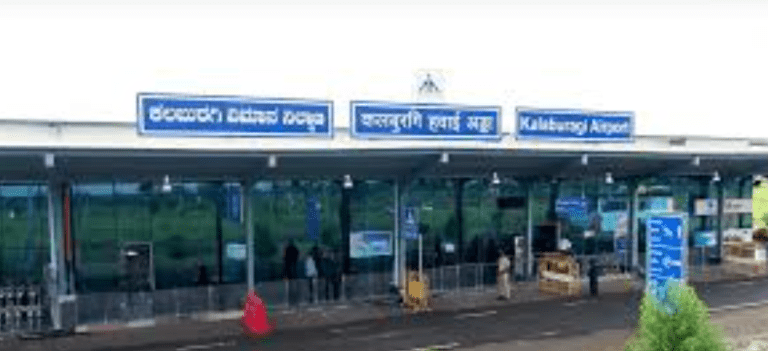
Kalaburagi, a rapidly developing district in Karnataka, has once again come under the spotlight after Lok Sabha member Radhakrishna Doddamani appealed for the urgent restoration of air services at Kalaburagi Airport. His plea has rekindled conversations about regional accessibility, economic opportunity, and the future of air connectivity across northern Karnataka. The demand also reflects deeper sentiments among local residents and businesses, who view the airport not simply as an infrastructure project but as a key symbol of regional aspiration and mobility.

Local businesses remain cautiously optimistic that policymakers will act with urgency, especially as neighbouring districts continue receiving infrastructural upgrades that indirectly redirect investment away from Kalaburagi. Merchants say stable air connectivity is crucial to revive regional commerce stalled by slower transport chains. Traders dealing in consumer durables observe that shipping consignments now takes far longer, causing delays in stock rotation and raising costs for both sellers and customers. Many assert that competitors in better-connected cities now enjoy an edge, prompting some entrepreneurs to consider relocation. Such shifts, they warn, could gradually weaken Kalaburagi’s market vitality and future competitiveness.

Tourism operators recall the brief period when flight services operated smoothly, bringing a noticeable uptick in hotel occupancy and heritage tourism. In particular, historical sites, religious centres, and craft clusters benefitted from improved accessibility. Now, with flight cancellations persisting, tour operators struggle to maintain itineraries. Many travellers prefer altering their plans rather than undertaking long road journeys over uncertain terrain. Guides and small hospitality enterprises report that inquiries have dropped significantly, undercutting their revenue. They believe resuming air travel could help restore momentum while supporting livelihoods built around the tourism ecosystem.

Student organisations have voiced their frustrations, emphasising that efficient connectivity is essential for higher education opportunities outside the district. Many students seek coaching, conferences, interviews, and workshops in cities like Bengaluru, Pune, Hyderabad, and Mumbai. With airports non-operational, they now spend substantial time on road travel, sometimes missing crucial events. Student leaders propose subsidised flight rates for academic travel to boost regional talent exposure. They argue that dependable air links would help position Kalaburagi as an academic hub, attracting national-level seminars and visiting faculty, elevating the region’s educational prestige.

In political circles, the demand has sparked discussions on regional balance. Policymakers acknowledge that equitable transport access is essential to reduce developmental disparities across Karnataka. The restoration of flight services is framed as a crucial step toward integrating the northern region into statewide economic networks. Several leaders believe that once operational, the airport could host structured initiatives such as investor meets, trade fairs, and academic summits. These events, they argue, could help showcase Kalaburagi’s unique capabilities and demography, attracting national and global interest.

Private sector voices are increasingly vocal about the urgency of reviving connectivity. Entrepreneurs say the airport’s revival must align with broader economic strategies—strengthening road networks, promoting industrial parks, and developing tourism circuits. Some propose that a cargo terminal could support agro-based industries, enabling farmers to export produce efficiently. Such interventions, they assert, would encourage industrial diversification and generate employment. They warn that prolonged service suspension could lead to irreversible economic drift, making it harder to re-establish Kalaburagi’s appeal in future infrastructure cycles.

Ultimately, the emotional dimension behind the demand remains deeply resonant. Families recall the pride they felt when the first flights took off, symbolising new possibilities. Students believed they could dream beyond borders; businesses felt globally connected; patients felt safer. The silence at the airport now echoes these broken expectations. For many, the restoration of flights is symbolic of hope, mobility, and equal opportunity. With community sentiment strong and collective voices rising, Kalaburagi’s citizens await definitive action. They believe that the runway remains ready, and so do their ambitions—hoping the skies will soon open once again.

Doddamani’s request highlights the growing frustration of travellers, industry stakeholders, and educational institutions that depend on swift connectivity. The suspension of commercial flights months ago dealt a major setback to business travel, medical mobility, and tourism. Many families shared that the lack of flight services forced them to undertake long road journeys to Bengaluru, Hyderabad, or Mumbai, adding hours of fatigue and increased financial burden. The call for reinstatement is thus rooted in a lived reality of inconvenience and lost economic opportunity.

The parliamentarian emphasised that the region’s development hinges on strong transport corridors, and that the airport plays a role in bridging market access and enabling global integration. Prior to the halt, commercial flights had catalysed new investments in hospitality, education, and logistics, demonstrating the transformative role air travel can play in regional cities. Now, stakeholders worry that momentum may be slipping away while neighbouring regions accelerate forward.MP seeks restoration of air services at Kalaburagi airport - The Hindu


Economic Stakes and Societal Expectations Rise

Businesses across sectors have reiterated their support for air-service resumption. Local manufacturing units, agricultural exporters, and pharmaceutical firms say the halt has hampered timely operations. What earlier took under two hours through air now often requires a full day of travel by road. Stakeholders in the agricultural-processing sector remarked that swift transport is vital for value chains dealing with perishable goods, and the lack of flights dulls their competitive edge. Some industries considering expansion into Kalaburagi have reportedly paused plans, citing logistical uncertainty.

Education and healthcare providers have expressed similar concerns. Kalaburagi hosts several regional universities, specialised hospitals, and research institutions that rely on quick connectivity for exchange programmes, academic visits, and emergency medical transfers. The stoppage of flights has particularly affected patients who previously travelled to cities like Bengaluru and Mumbai for advanced treatments. Families now face long road travel that is physically and emotionally demanding, especially in critical cases.

Residents emphasise that the airport gave them dignity and national connectivity, allowing them to fly for work, education, and family needs without enduring long bus or car rides. The abrupt suspension raised questions among citizens about planning and accountability. Some feel the situation reflects a lack of coordinated long-term strategy for the region’s infrastructure needs.

Even travel agents say their bookings for Kalaburagi-related travel have significantly dropped, as potential visitors reroute towards neighbouring major cities. Weekend tourism—once moderately active—has almost vanished due to travel obstacles. With the winter holiday season approaching, hospitality operators worry that another cycle of losses is imminent if flight activities are not restored promptly.


Challenges, Roadblocks, and the Promise of Renewed Connectivity

Officials familiar with the situation suggest that coordination gaps between operators, viability concerns, and technical approvals may have contributed to the suspension. However, many experts believe that sustained political push and targeted economic support can quickly restore service. The Lok Sabha member’s appeal arrives at a time when both State and Union authorities are promoting regional connectivity under broader aviation schemes designed to democratise air travel.

There is hope among stakeholders that additional incentives can be offered to carriers to ensure viable operations. Some analysts also propose that the airport adopt a multi-service business model, combining commercial passenger operations with cargo and training potential. They argue that Kalaburagi can benefit from becoming a regional logistics node, which would create jobs and give airlines a stronger business case to commit long-term. The airport’s infrastructure, having once facilitated regular flights, is deemed adequate for immediate service resumption after necessary assessments.

The demand also intersects with a broader narrative around balanced development in Karnataka. Northern districts have long sought equitable infrastructure investments, and the airport is seen as critical to uplifting their prospects. For many, connectivity is not merely about travel convenience—it is about recognition, integration, and opportunity. Doddamani’s statement, therefore, carries both logistical and symbolic force.MP seeks restoration of air services at Kalaburagi airport - The Hindu

Several local organisations have begun rallying behind the cause, with chambers of commerce preparing to submit memoranda. Some community groups are planning awareness drives to highlight the significance of air travel for the region’s future. Their campaigns focus on youth aspirations, emphasising that easy mobility is essential to higher education, new-age professions, and innovation. The younger generation, in particular, voices concern that unequal connectivity creates an uneven playing field against better-served districts.

Industry observers point out that Kalaburagi’s geographic proximity to Maharashtra and Telangana could help position it as a tri-state air hub. They argue that renewed air services have the potential to enhance cross-regional trade, cultural tourism, and intercity collaboration. The city’s historical relevance—built on rich artistic, architectural, and literary traditions—adds to its appeal, showcasing heritage tourism possibilities once seamless travel resumes.

Transport experts stress that air connectivity is no longer a luxury. For mid-sized growing cities, they say, it is a necessity drawing investment, talent, and technology. They caution that prolonged absence of commercial flights can push regions into stagnation, masking their inherent strengths and limiting their contribution to national growth. Kalaburagi’s case, they believe, offers a timely reminder of how infrastructure hiccups can ripple into social and economic losses.

The Lok Sabha member’s appeal has also encouraged renewed scrutiny of the original suspension. Citizens seek greater transparency, asking authorities to share clear timelines and explanations. They emphasise that planning for future continuity is crucial and that abrupt stoppages should be avoided. Some civil society groups argue for stronger regulatory safeguards that require operators to provide notice periods or exit plans, preventing sudden disruptions.

Ultimately, the revival of Kalaburagi Airport’s services is seen as a shared responsibility. Citizens, industrial leaders, and public representatives seem united in their belief that connectivity can unlock the region’s dormant promise. As Karnataka continues to diversify its development agenda, Kalaburagi’s hopes hinge on swift policy action and long-term vision.MP seeks restoration of air services at Kalaburagi airport - The Hindu

For now, the sentiment in the region is clear. People want their airport back—not just as a terminal for flights, but as a gateway to opportunity. Whether for business negotiations, educational travel, cultural exchange, or medical need, air access remains central to regional empowerment. The call to restore services reflects both practical necessity and deep emotional investment. What hangs in balance is not only mobility but also morale.

The coming weeks are expected to bring greater clarity as ministries evaluate route proposals and carrier interest. If implemented thoughtfully, service resumption could reignite the economic spark that briefly illuminated the district. Kalaburagi stands ready; its people are eager to soar again, hoping their calls to the skies will soon be answered with the return of flight paths that reconnect them with the wider world.

Follow: Karnataka Government

Also read: Home | Channel 6 Network – Latest News, Breaking Updates: Politics, Business, Tech & More

1 Fatal Mishap Shakes Sakleshpur Community: Heart Rending Tragedy

A devastating early-morning accident near Sakleshpur in Karnataka claimed the life of one passenger and left eight others injured when a private bus veered off the road and plunged into a steep embankment. The vehicle was travelling along a hilly stretch notorious for sharp curves and narrow passageways. Initial accounts suggest that the driver may have lost control while attempting to negotiate a bend made slippery by overnight rain. The sudden fall sent the bus tumbling several metres downward, leaving passengers screaming in panic before the vehicle crashed against rocks and came to a halt.

The incident took place along a section of the highway that is heavily used by tourists and locals commuting between Hassan and Mangaluru. Rescue teams and locals rushed to the spot and assisted in pulling passengers from the mangled vehicle. Emergency services later transported the injured to nearby hospitals, where doctors described several cases as serious but stable. Officials confirmed that one passenger succumbed to injuries shortly after arrival. Eyewitness accounts indicate that the chaotic scene was compounded by poor visibility and a lack of guardrails at the accident curve, factors that may have worsened the outcome.

Families of the injured passengers have gathered outside hospitals seeking updates on their loved ones’ conditions. For many, the suddenness of the tragedy magnifies the emotional shock as they attempt to process how an ordinary journey turned catastrophic. Several relatives said they received hurried calls from fellow passengers before communication lines went silent. A few rushed to Sakleshpur only to find themselves navigating paperwork, medical updates, and police procedures, all while struggling to console each other. Their grief underscores the fragile nature of road safety on hilly terrain, where any misjudgment can have fatal consequences.

Preliminary police statements indicate that overspeeding remains a possible cause, though they have not ruled out mechanical failure. Officers said that the bus appeared to have swerved abruptly before skidding off the road. The driver, who also sustained injuries, is expected to be questioned once his condition improves. Investigators have begun examining the vehicle’s brake systems and tyres, along with reviewing maintenance records. They are also assessing whether the operator complied with route-safety guidelines. The hilly Ghat roads of Sakleshpur have long been under scrutiny due to frequent accidents triggered by inadequate safety infrastructure, unpredictable weather, and sometimes reckless driving.1 dead, 8 injured after bus falls off road at Sakleshpur in Karnataka - The  Hindu

Local residents claim this stretch has seen several mishaps in recent years. They argue that the absence of crash barriers and reflective signage contributes to recurring tragedy. Many recall prior appeals to authorities for improved road engineering, including widening certain sections and installing stronger guardrails. Although minor measures have occasionally been implemented, residents insist that comprehensive reforms have yet to arrive. Several villagers who witnessed the current accident’s aftermath expressed heartbreak that such predictable dangers continue to go unresolved. Their frustration reflects a simmering demand for urgent structural intervention to protect lives along Karnataka’s scenic but hazardous slopes.

Environmental factors may have worsened conditions on the road. Overnight showers dampened the ground, potentially reducing tyre grip and increasing the likelihood of hydroplaning during sharp turns. Drivers who frequent the route say that early-morning visibility is often poor, with fog settling across the bends. Some argue that enhanced lighting, reflective paint, and real-time warning systems could substantially improve safety. Regular travellers also suggest regulating traffic flow during high-risk hours. They believe that such preventive mechanisms could have prevented a tragedy like the one now weighing heavily on the community’s conscience.

Hospital authorities confirmed that the injured passengers included both locals and travellers from nearby districts. Medical teams are conducting continuous assessments, and some patients have undergone emergency procedures. Doctors said head trauma, broken bones, and internal injuries were among the common conditions treated. They added that the coming 48 hours would be critical for the most serious cases. While the hospital is adequately staffed, volunteers and social groups have offered assistance, providing food, guidance, and emotional support to families. Such spontaneous solidarity has helped ease some of the distress felt by survivors and their relatives.

Growing Chorus for Road-Safety Reforms

The renewed focus on the highway has pushed officials to re-evaluate road-safety mechanisms in the region. Transport authorities say that preventive action, including road audits and mapping of accident-prone bends, could be initiated. Several experts argue that flash-warning lights should be installed at curves where visibility is low. Civil engineers have noted that road expansion may be difficult due to terrain but insist that guard barriers and textured roads can reduce accidents. They emphasise the need for long-term planning rather than piecemeal adjustments. The tragedy has added weight to longstanding demands for a thorough overhaul of the Ghat corridor.

Social organisations have issued statements urging the State government to commit to immediate improvements. They suggest that monitoring systems, such as speed-sensing cameras and automated warning alarms, be deployed on hilly stretches. Activists argue that such measures could compel better compliance among bus operators. They say the tragedy underscores how road infrastructure must evolve alongside growing passenger traffic. For them, preventing future casualties requires sustained, coordinated efforts among police, engineers, and local communities. Their insistence reflects a belief that strong safety ecosystems are the most reliable shield against unpredictable hills.

Emotions ran high during the identification of the deceased. Relatives and community members gathered quietly, holding onto each other as officials documented the case. The victim’s family described their disbelief, explaining that the journey had been undertaken for routine work. The sense of loss was palpable as funeral preparations began. Villagers narrated memories of the deceased, underscoring how deeply personal such tragedies are. Their accounts emphasise that accidents are not just statistics—they represent shattered lives, unfinished dreams, and loved ones left grappling with irreparable voids. Community leaders have organised prayer meetings to offer solace.1 dead, 8 injured after bus falls off road at Sakleshpur in Karnataka - The  Hindu

Re-examining Public Transport Safety

Authorities have initiated discussions on transport operator accountability. They insist that compliance with vehicle-fitness checks and driver-training protocols must be strictly enforced. Some officials argue that operators should be required to install telematics monitoring systems to track speed patterns. They believe these tools can help authorities detect unsafe driving in real time. Past attempts to mandate such technology have struggled due to cost and limited enforcement capacity. However, after this tragedy, renewed calls are emerging for the State to subsidise safety-tech adoption to make compliance more achievable for private operators.

Meanwhile, passengers who survived narrated the terrifying moment the bus lost balance. Some recall loud shrieks as the vehicle swayed dangerously before sliding into the valley. Several passengers were thrown against seats and windows, sustaining injuries from the sudden jolt. Survivors described how locals arrived quickly with ropes and stretchers, pulling them free before emergency teams reached the site. Their stories reveal a remarkable sense of shared humanity as strangers risked their safety to rescue others. These accounts also highlight the urgency of equipping rural communities with simple rescue tools and first-aid training.

In the broader context, road-safety advocates say that Karnataka’s expanding transport network must be matched with better training standards. They argue that drivers on Ghat roads require specialised instruction to handle steep gradients, sharp turns, and shifting weather. Some suggest periodic re-certification for drivers operating in high-risk terrain. Passenger unions have urged operators to deploy two drivers on long journeys to prevent fatigue. Such proposals aim to reduce human error, which remains one of the biggest contributors to accidents. Advocates say that without upgrading skills, infrastructure reforms alone will be insufficient.

Local authorities are also considering long-term strategies such as constructing protective retaining walls and slope-stabilisation structures to reduce the risk of falling vehicles. Engineers point out that soil erosion and loose rock layers make certain segments highly unstable. Stabilising the slopes could help prevent buses from plunging deep into valleys during skids. Planners acknowledge that such interventions require significant investment, but insist that prioritising accident-prone bends could significantly reduce fatalities. The Sakleshpur incident may become a catalyst for accelerating these infrastructural conversations.

Civil society reactions have been varied but resolute. Volunteers have supported injured families, while youth groups organised awareness drives on social media urging careful driving in the hills. Some highlight that tourist traffic on weekends often leads to overcrowding and higher accident risk. They believe that staggered traffic schedules or stricter seasonal controls could reduce exposure during vulnerable periods. Many emphasise that community education is indispensable—awareness campaigns, signboard messaging, and digital alerts must operate alongside engineering solutions to enhance safety outcomes.

Officials, for their part, claim that a detailed investigation is underway, promising action upon completion of the report. They stress that identifying the root cause is essential for meaningful policy response. However, past experiences have left many sceptical, as inquiries sometimes conclude without significant change. Community members say that transparent reporting and time-bound implementation are necessary for accountability. They urge sustained public monitoring of promised improvements. For them, safeguarding travellers must be an ongoing priority, not a brief response to a single tragedy, no matter how heartbreaking.1 dead, 8 injured after bus falls off road at Sakleshpur in Karnataka - The  Hindu

As Sakleshpur mourns, grief has gradually transformed into determination. Residents hope the tragedy compels serious introspection among authorities and transport operators. They believe that every life lost on the road is a reminder of unfinished responsibility. Survivors and families will carry emotional scars for years, but many say that honouring the victim demands pursuing lasting reforms. If this incident prompts systemic improvement and saves future passengers, some comfort may emerge from the pain. For now, the hills echo with sorrow, even as the community rallies to ensure such tragedy does not strike again.

Follow: Karnataka Government

Also read: Home | Channel 6 Network – Latest News, Breaking Updates: Politics, Business, Tech & More

1 Viral Assault Sparks Deep Public Anger in Vijayapura

A disturbing incident in Vijayapura, Karnataka, has triggered widespread public anger after a video emerged showing the son of a former BJP MLA allegedly assaulting toll booth personnel. The footage, which circulated rapidly across social media platforms, shows the accused verbally abusing and manhandling toll staff following an argument over routine toll procedures. Although the incident has drawn strong condemnation from citizens, civil society groups, and political observers, no First Information Report (FIR) has reportedly been registered yet, raising questions about police impartiality and the influence of political connections. The unfolding episode has intensified calls for accountability and transparency in policing.

Background
The incident took place at a privately operated toll gate outside Vijayapura, where staff alleged that the youth refused to pay toll fees. When confronted, he reportedly turned violent, slapped employees, and damaged items at the counter. Witnesses claimed that the man, accompanied by his associates, acted with impunity, repeatedly citing his father’s political stature. The toll staff attempted to defuse the situation, but the aggression reportedly continued for several minutes. The viral video shows bystanders watching the escalation, hesitant to intervene. The circulation of the footage ignited sharp online debate, with many calling it yet another example of high-handed behaviour by children of influential politicians.

Public Reaction
The public outcry was immediate. Citizens expressed frustration over what they see as a growing pattern of political entitlement, where individuals linked to powerful families exploit connections to evade legal consequences. Social media platforms were flooded with posts demanding strict action, with many users posting messages of solidarity for the toll staff. Civil rights activists have argued that failure to file a case sends a dangerous signal—one that discourages ordinary citizens from standing up against abuse. Many have questioned the silence of local leaders, demanding that political parties condemn the act irrespective of affiliation. The incident has highlighted the urgent need for institutional checks to prevent misuse of influence.Ex-BJP MLA's son assaults toll staff in Vijayapura in Karnataka, video goes  viral, no case booked yet

Rising Anger Over Impunity

The Police Response
Despite the gravity of the incident, police have reportedly not registered a case, citing the need for further inquiry. This has deepened criticism, with observers asking whether law enforcement is deliberately avoiding action due to political pressure. Legal experts argue that video evidence is more than sufficient to initiate a suo motu case, but such proactive action appears absent. Several toll employees have expressed fear of reprisals, saying they feel unprotected and unsure whether complaints will be taken seriously. Many have said privately that they would consider leaving their jobs if assurance of safety is not provided. Critics say the police response signals an uneven justice system.

Political Reactions
Opposition leaders have seized upon the moment, calling for swift action against the accused and transparency from police. They argue that failure to respond harms public trust in democratic institutions. Some senior politicians have insisted that political affiliation should not shield anyone from the law. However, statements from the ruling party remain guarded, with officials claiming they await full details. While the former MLA has not issued a formal statement, individuals close to the family allegedly contacted toll management to settle the matter, prompting accusations of attempted hush-up. Political analysts warn that attempts to smooth over the incident could backfire amid public scrutiny.

Past Incidents
This is not the first time the children of political figures have been accused of aggressive behaviour in public spaces. Similar incidents have been reported in Bengaluru, Mysuru, and other parts of Karnataka, where cases often proceeded slowly or were dismissed due to lack of sustained pressure. Rights groups say this pattern emboldens individuals who believe they are above the law. Several senior police officials have privately acknowledged that cases involving political families are sensitive, often requiring clearance from higher levels, which leads to delays. Such delays, critics argue, erode public confidence and contribute to a culture of impunity.

As days pass without formal legal action, citizens worry that the incident will quietly fade from public memory. Local activists have warned that silence from authorities may embolden similar behaviour in the future. They argue that justice delayed is often justice denied, especially when cases involve politically influential individuals. Some community groups have begun gathering signatures demanding a time-bound investigation. They believe that collective pressure may be the only effective tool when institutions appear hesitant. The growing civic mobilisation shows that ordinary people are unwilling to accept selective enforcement of the law.

The viral nature of the incident has also placed intense pressure on the toll company involved. Management officials reportedly met with staff to reassure them of internal support. However, some employees remain sceptical, believing that corporate priorities could shift if the issue threatens business relationships. Workers say their biggest fear is retaliation by the accused or his associates. The company has indicated that it may pursue civil action if the criminal probe does not progress. Advocacy groups argue that corporate intervention can complement legal efforts but should not replace state responsibility.

Political analysts believe the incident has broader implications for statewide politics. They say the perception of impunity associated with political families could erode public trust ahead of future elections. Opposition parties may use this episode as a symbol of systemic inequality, while ruling-party leaders risk appearing complicit if they remain silent. Analysts note that even when the individuals involved are not actively in office, their proximity to power influences public expectations. Many anticipate that continued public pressure will force at least a procedural inquiry, if not immediate prosecution.

The episode has also highlighted the role of digital platforms in uncovering misconduct. Without the viral video, activists say, the incident might have gone unnoticed, dismissed as a minor confrontation. Digital transparency, however, has opened the door for public scrutiny, making it difficult for authorities to ignore. But experts caution that social media momentum is fragile—public interest quickly shifts unless there are structured follow-ups. Some citizens have begun documenting similar incidents at toll plazas statewide, hoping to build a larger movement for better worker protection.'Do you know who I am?' BJP leader's son assaults toll staff in Karnataka -  The Tribune

Demand for Accountability Intensifies

Toll Staff Speak Out
Employees at the Vijayapura toll booth have urged authorities to act. Some staff members said they are traumatized after the violent confrontation and feel abandoned by both their employer and the police. They maintain that the confrontation began only after they asked the accused to follow standard procedure. Others noted that physical attacks are not uncommon at toll plazas, especially when disputes involve influential individuals. Many are pressing for enhanced security measures and legal safeguards. Workers’ unions have advocated for installation of panic alarms, reinforced booths, and mandatory prosecution protocols in case of assault.

Legal Experts on Next Steps
Legal observers insist that the absence of a registered case contradicts provisions of criminal law, which make assault and vandalism cognizable offences. They argue that police can—and should—register a case based on video evidence without waiting for a formal written complaint. Lawyers also emphasize that intimidation of public-service workers constitutes an aggravating factor. If the accused is found to have invoked his father’s political stature, he could potentially face charges under sections dealing with criminal intimidation. Legal practitioners have urged the toll staff to submit a written complaint, though many fear repercussions should they pursue formal action.

Broader Social Issues
The episode has resurfaced ongoing concerns about political patronage and class privilege. Sociologists suggest that such incidents reflect a deeper societal problem—where inherited status often shapes behaviour in public spaces. The viral video sparked conversations about the need for cultural change, with many saying that public officials and their families must adhere to higher standards. Some commentators argue that the symbolic damage caused by such incidents—eroding trust in leadership and institutions—may be more severe than physical harm. Educators and activists stress that programmes promoting civic responsibility and democratic values could help counter such behaviour.'Do you know who I am?' BJP leader's son assaults toll staff in Karnataka -  The Tribune

Impact on Local Governance
The incident has brought new scrutiny to local administrative efficiency. Residents of Vijayapura say the episode demonstrates how those with connections often bypass accountability, discouraging citizens from participating in democratic processes. Some feel that non-registration of the case signifies weakness in local governance structures. Others fear that public anger could intensify if authorities continue to remain unresponsive. Local leaders are under pressure to ensure that justice is delivered so that faith in institutions is restored. If the case proceeds, it could become a litmus test for police independence.

Silent Toll on Workers
Toll workers are among the most at-risk public-facing employees in India, regularly facing verbal abuse, threats, and occasional violence. The latest incident underscores how lack of legal protection leaves them vulnerable. Many workers say their wages do not reflect the physical and emotional risk involved. Some toll companies have begun offering limited legal aid to employees facing assault, but such measures are inconsistent. Worker advocates have asked the state government to draft regulations ensuring accountability for violence against toll staff, including mandatory FIR registration and CCTV network strengthening.

Conclusion
The assault on toll staff by the son of a former BJP MLA has raised urgent questions about rule of law, institutional integrity, and equitable justice. Though the video has prompted widespread condemnation, the absence of a formal case has only intensified public frustration. As criticism mounts, authorities face mounting pressure to act decisively. At its core, the incident is not merely about violence at a toll gate—it symbolizes the broader challenge of unchecked privilege and the urgent need for systemic reform. Whether authorities take action will determine not only the outcome of this case but public confidence in Karnataka’s justice machinery.

Follow: Karnataka Government

Also read: Home | Channel 6 Network – Latest News, Breaking Updates: Politics, Business, Tech & More

India’s horticulture sector to get 1 hi-tech boost with Dutch Bold initiative

India’s horticulture sector is poised for a significant transformation as Dutch institutions and agri-tech companies collaborate to introduce advanced greenhouse systems designed to produce pesticide-free fruits and vegetables. The initiative focuses on climate-smart infrastructure, precision cultivation, and efficient water-nutrient management, aiming to improve both yield and quality. Senior officials familiar with the development said the effort aligns with the Indian government’s broader push for safe food production and global-standard agricultural exports. The project is expected to begin with pilot installations in select states before being scaled up depending on success, farmer response, and market demand.

Background
The Netherlands, known worldwide for its high-tech agricultural innovation, specialises in greenhouse-based cultivation that combines automation, hybrid seed technology, and controlled climate systems. Indian officials believe this collaboration can pave the way for year-round horticulture, minimising dependence on seasonal variables. Dutch partners have proposed advanced nutrient-film and substrate-based cultivation, along with AI-driven monitoring systems. These methods promise to reduce production losses and improve quality consistency. The initiative is being discussed at multiple levels, with stakeholders exploring policy support, capacity-building programmes, and funding options to make the technology accessible to progressive growers across India.

The initiative has sparked conversations among agritech start-ups, many of whom see significant opportunities in greenhouse automation tools, low-cost sensors, and data-driven advisory services. Early-stage companies working on precision agriculture note that the Dutch collaboration could accelerate innovation by creating a stronger market for climate-controlled farming. Several entrepreneurs believe that India-specific solutions—such as modular greenhouse units adaptable to small farm holdings—will be crucial in ensuring wider adoption. Industry observers feel that with appropriate incubation support, the programme could lead to a new wave of agricultural technology products tailored to Indian conditions.

Financial institutions are closely watching pilot developments, with banks evaluating new lending products for greenhouse farming. The success of this initiative may help de-risk horticulture investments and improve credit access for farmers. Experts suggest that blended-finance models, backed by both government incentives and private investment, could be introduced to make the technology more affordable. Discussions are also underway about insurance schemes to protect greenhouse assets from natural calamities. With rising investor interest in sustainable agriculture, the Dutch partnership may catalyse new financial frameworks to support long-term agricultural transformation.Dutch team spent 5 years studying India, offers tech for pesticide-free  food production - The Hindu

Post-harvest management is another area expected to benefit from the initiative. Since pesticide-free produce requires careful handling to maintain quality, the project may promote the establishment of decentralised cold-storage units and value-addition centres. Experts argue that strengthening the supply chain is essential for ensuring that premium produce fetches higher returns in both domestic and export markets. There is also growing interest in branding and certification of pesticide-free fruits and vegetables, which could enhance consumer confidence. Over time, specialised logistics networks may emerge to support greenhouse clusters and maintain quality during transportation.

Academic institutions are expected to play a major role beyond training by engaging in research on crop varieties suited for controlled-environment cultivation. Collaborations with Dutch universities may accelerate development of resilient, high-yielding hybrids suitable for India’s climatic diversity. Research centres are also exploring low-cost greenhouse designs that maintain core functionality while reducing upfront investment. These innovations could help address adoption barriers among smallholders. Experts believe that such R&D will be pivotal in driving widespread growth across different states, especially in regions where open-field horticulture faces climate-related challenges.

Consumer behaviour is likely to influence the programme’s trajectory. With growing awareness of health and food safety, urban consumers have shown increasing willingness to pay premium prices for residue-free vegetables. Retail chains and e-commerce platforms may enter partnerships with greenhouse growers to secure consistent supply. Some analysts believe that as market awareness grows, tier-two cities will also see rising demand for pesticide-free produce. However, affordability remains a concern, and industry experts argue that large-scale adoption and improved efficiencies could help bring consumer prices down over time.

The initiative also raises policy questions about balancing traditional and controlled-environment farming. While greenhouse cultivation promises higher yields and safer produce, advocates stress the importance of supporting open-field farmers to ensure inclusive development. Some experts suggest that government extension programmes should integrate greenhouse technology with existing sustainable-farming models. Blended approaches—such as mixed cultivation for different seasons—could allow farmers to diversify income streams. Policy planners emphasise that the aim is not to replace open-field horticulture but to create complementary systems that strengthen national food security.

Another aspect drawing attention is the potential for women’s participation in greenhouse-based horticulture. Controlled-environment systems often require specialised, skill-based labour, opening opportunities for women in technical operations, quality control, and supply-chain roles. NGOs working in rural development believe that targeted training programmes could help integrate women into this sector and improve household income resilience. Discussions are underway about providing self-help groups with access to greenhouse infrastructure through cooperative models. Observers note that inclusive participation could amplify the project’s social impact.Dutch team spent 5 years studying India, offers tech for pesticide-free  food production - The Hindu

Looking ahead, experts predict that the success of this partnership will depend on sustained collaboration, strong research exchange, and farmer-centric policies. While the initiative holds promise to reshape India’s horticulture landscape, stakeholders caution that scaling must be gradual, adaptive, and region-specific. Lessons from pilot projects will be critical in shaping long-term strategies. If executed effectively, the Dutch collaboration may serve as a model for future international agricultural partnerships, helping India transition toward a more sustainable, technology-enabled, and market-driven horticulture ecosystem.

Stakeholder Views
Farmers’ groups have welcomed the proposal, noting that pesticide-free cultivation can help them tap premium domestic and international markets. However, many have raised concerns about high capital costs associated with state-of-the-art greenhouse structures. Officials say the plan includes training modules, financing support, and phased implementation to help small and medium growers adopt the technology. Dutch experts have highlighted the possibility of creating shared greenhouse clusters to reduce costs and streamline operations. Agricultural universities are expected to support the initiative through research collaborations, technology validation, and extension services to ensure smooth adoption.

Technology and Infrastructure
The proposed greenhouses are designed with climate regulation, UV-filtered light systems, and automated fertigation units that ensure precise nutrient delivery. AI-enabled monitoring devices will track humidity, temperature, and disease indicators, allowing growers to intervene before conditions become harmful. These systems are expected to drastically reduce pesticide reliance and encourage residue-free production. The initiative also plans to introduce novel growing media, greenhouse-grade seeds, and water-saving recirculation systems. Officials are exploring ways to integrate rooftop solar panels to meet energy requirements sustainably. With water scarcity becoming a growing threat, such closed-loop systems promise efficient resource utilisation.

Market Potential
Demand for pesticide-free produce in India has risen sharply due to increasing awareness of food safety. Major supermarkets and hotel chains have begun sourcing high-quality vegetables from controlled-environment farms, encouraging farmers to shift toward modern cultivation. Exporters believe that consistently high-quality produce can strengthen India’s market position in the Gulf, Europe, and Southeast Asia. The collaboration may also encourage premium food processing operations within India, turning greenhouse clusters into rural agribusiness hubs. The initiative is expected to prioritise crops like capsicum, tomatoes, strawberries, leafy greens, and exotic vegetables that have strong premium demand.

Subhead: Environmental Impact
The project places strong emphasis on sustainability. Closed-environment greenhouses use up to ninety per cent less water compared to open-field cultivation by recycling runoff. By reducing pesticide usage, the initiative is expected to safeguard soil health, local biodiversity, and groundwater quality. The Dutch model encourages renewable-energy solutions, reducing carbon emissions associated with cold storage and transportation. Officials say the technology aligns with India’s climate-resilient agriculture goals as changing weather patterns increasingly affect production. Experts believe that high-tech greenhouses can mitigate extreme temperatures and erratic rainfall, ensuring stable yields and income security for farmers nationwide.

Training and Capacity Building


A key component of the initiative is knowledge transfer. Dutch specialists will collaborate with Indian agricultural institutions to train farmers, agronomists, and greenhouse technicians. Training modules include systems design, disease management, water-nutrient regulation, and digital-monitoring tools. Extension programmes will demonstrate best practices in greenhouse maintenance, harvesting, and post-harvest handling. Officials are exploring fellowship programmes and exchange visits for Indian researchers to the Netherlands. Industry experts emphasise that skill development is critical to ensuring long-term sustainability. The initiative may also support start-ups developing India-specific solutions such as climate-resilient materials and low-cost monitoring systems.

Pilot and Policy Support
Initial demonstration units are likely to be launched in horticulture-focused states such as Karnataka, Maharashtra, and Gujarat. Officials expect that successful pilots will attract investor attention and encourage cooperative models. Policy discussions include capital subsidies, special credit schemes, and flexible import duties for key greenhouse components. State governments are reportedly considering land-leasing assistance, logistics support, and streamlined certification processes for pesticide-free produce. The initiative aligns with national programmes encouraging technology-based agriculture and export-oriented production. Experts say that sustained government support will be a decisive factor in determining long-term success.Dutch team spent 5 years studying India, offers tech for pesticide-free  food production - The Hindu

Economic Prospects


Analysts believe the Dutch partnership could boost rural employment by creating skilled jobs in greenhouse design, operations, quality testing, and supply-chain logistics. With premium pricing for safe food likely, farmers could see significant income gains. However, the economics of greenhouse cultivation remain tied to capital investment and market linkages. To overcome this hurdle, stakeholders are exploring cooperative-cultivation models and contract-farming arrangements to stabilise returns. Farmers involved in early pilots may secure buy-back agreements with retailers and bulk purchasers, helping reduce market risk. Experts predict strong investor interest once the initiative demonstrates reliable productivity and quality.

Conclusion
The Dutch initiative marks a promising step toward high-quality, pesticide-free horticulture in India at a time when food-safety and climate resilience are becoming national priorities. By combining advanced greenhouse systems, structured training, and supportive policies, the project aims to modernise production and improve farmer incomes. While challenges such as high setup costs and skill gaps remain, the collaboration offers a path to more sustainable agriculture. If successfully scaled, it could position India as a regional leader in safe, export-ready horticultural produce, helping farmers access premium markets while contributing to a greener, more resilient agricultural future.

Follow: Karnataka Government

Also read: Home | Channel 6 Network – Latest News, Breaking Updates: Politics, Business, Tech & More
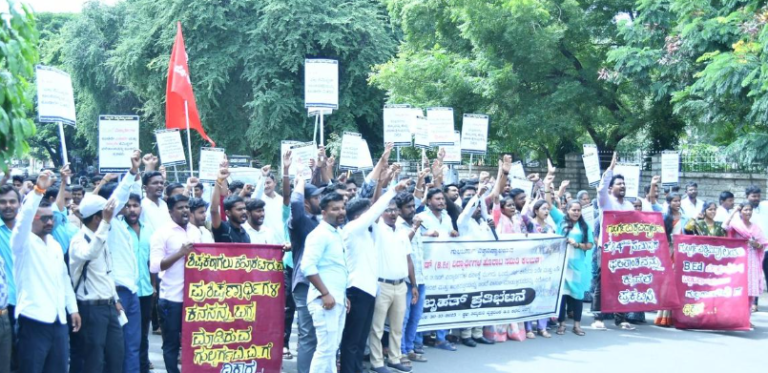
India Won 5 Unforgettable Moments as Jemimah Rodrigues Leads Team to World Cup Final

India Won the Battle of Belief Through Jemimah Rodrigues’ Brilliance


India won the hearts of millions when Jemimah Rodrigues, a 25-year-old cricketer from Mumbai, scripted one of the most memorable innings in the history of Indian women’s cricket. Facing Australia in the semi-final of the Women’s World Cup, Jemimah stood tall when the team was under pressure, guiding India to a remarkable victory with her majestic 127 runs. It was not just a match-winning performance, it was a story of courage, redemption, and the quiet strength of belief.India Won

For Jemimah, this moment was years in the making. From being dropped from the team to battling anxiety and self-doubt, she had seen the darker sides of the sport she loved. But under the bright lights of the World Cup, she showed what resilience truly means. The game began with India struggling to find rhythm. Early wickets had fallen, and the run rate was low. But Jemimah stepped onto the field with calm determination, her focus unshaken. She began by rotating the strike, finding gaps, and punishing loose deliveries. Every stroke off her bat was confident, and every run carried emotion.

As the innings progressed, she found her rhythm and started timing the ball to perfection. Boundaries flowed, the scoreboard moved, and soon, the crowd erupted as Jemimah reached her half-century. But she didn’t stop there. She continued with precision and poise, turning her innings into a masterpiece. Her century came in just 98 balls, and the entire stadium rose to applaud the player who had once been written off. With tears in her eyes and a smile on her face, she raised her bat to the sky, dedicating her knock to the fans and her team.

India Won More Than a Match, They Won a Moment in HistoryJemimah Rodrigues wins hearts by speaking openly about mental health struggles, 'It takes a lot of courage to…' | Today News


India won not only on the scoreboard but also in spirit. The victory symbolized a new chapter for Indian women’s cricket, one where belief outweighed doubt and talent shone brighter than ever. As Jemimah’s innings anchored the team, partnerships began to form around her. Each player who walked in carried her energy, and together they built a total that felt almost magical. The dressing room atmosphere was emotional; hugs, tears, and laughter filled the air. The team knew they had done something special not just for themselves, but for every young girl who dreams of wearing the Indian jersey one day.

Fans back home stayed glued to their screens, cheering with pride as India sealed their place in the final. Social media flooded with posts celebrating Jemimah’s performance. Former cricketers praised her maturity and calmness under pressure, calling her innings a masterclass in composure. Her parents, watching from Mumbai, couldn’t hold back their emotions. For them, it was the reward for years of hard work, sacrifice, and faith. Jemimah’s journey was never about instant success. It was about patience, growth, and quiet determination. Even when critics doubted her, she kept practicing, kept believing, and kept waiting for her time and when it arrived, she made it count.8 Years, 1 Dream: How Jemimah Rodrigues Turned 2017 Defeat Into 2025 World Cup Pride | Cricket News - News18

India Won Inspiration That Will Last Beyond the Final


India won something far greater than a ticket to the final they won inspiration that will echo across generations. Jemimah Rodrigues’ innings wasn’t just about the runs she scored; it was about the message she sent to the world: that setbacks do not define you, but your comeback does. Her story mirrors the rise of Indian women’s cricket itself a journey of struggles, small victories, and endless faith. Also Read: 14 Year Old Boy Faces Murder Charge in Shocking School Case That Stunned Malaysia

Young athletes across the country now see in Jemimah a role model, someone who proved that success belongs to those who never give up. Schools, academies, and sports communities are buzzing with her name, celebrating her not just as a player but as a symbol of Indian pride. Her calm smile after the win said it all years of pain had finally turned into power.WATCH: Jemimah Rodrigues breaks down in tears as she opens up on struggles after match-winning century in Women's World Cup 2025 semi-final – Women Cricket

As the team prepares for the final, the nation stands behind them with hope and excitement. Whether India lifts the trophy or not, one thing is certain: this victory will be remembered as one of the most emotional and powerful chapters in Indian cricket history. Jemimah’s innings will be replayed for years, not just as a display of skill, but as a reminder of what belief can achieve.


View this post on Instagram


A post shared by Female Cricket (@femalecricket)

Conclusion:


India won more than a semi-final they won faith, strength, and unity. Jemimah Rodrigues’ 127 will forever be etched in history as the innings that lifted a nation’s spirit. Her courage and calmness have become India’s new anthem of victory, and the country now awaits the final with hearts full of pride and hope.