

Wednesday, March 4, 2026
Home Blog Page 41

Nagaland Japan Connect 2026 – Detailed Analysis of Global Job Pathways, Youth Empowerment, and Governance Lessons in International Collaboration

The Nagaland Japan Connect 2026 initiative has emerged as a landmark in Northeast India’s global outreach. By opening new job pathways for Naga youth in Japan, the program reflects a strategic partnership between Nagaland and Japan, aimed at skill development, cultural exchange, and international employment opportunities.

This development underscores the intersection of diplomacy, governance, and youth empowerment, where international collaboration becomes a tool for inclusive growth and global integration.


2. Nagaland Japan Connect 2026: The Initiative

  • Event: Launch of Nagaland–Japan Connect 2026.
  • Objective: Provide global job opportunities for Naga youth in Japan.
  • Focus areas: Skill development, language training, cultural orientation, and employment facilitation.
  • Significance: Reflects India’s broader strategy of leveraging international partnerships for regional development.

3. Why This Case Matters

  • Youth empowerment: Creates pathways for employment abroad.
  • Economic growth: Remittances and global exposure strengthen local economy.
  • Governance accountability: Citizens expect transparency in international job programs.
  • Public trust: Handling of initiative influences confidence in institutions.

4. Political and Social Reactions

  • Nagaland government: Welcomed initiative, framed it as part of modernization.
  • Civil society: Expressed optimism about opportunities for youth.
  • Opposition voices: Called for clarity on resource allocation and inclusivity.
  • Observers: Noted potential for initiative to reshape narratives on governance in Nagaland.

5. Governance Challenges

The Nagaland–Japan Connect reflects systemic governance issues:

  • Skill gaps: Ensuring youth are adequately trained for global jobs.
  • Language barriers: Japanese language proficiency is essential.
  • Administrative accountability: Transparency in recruitment and placement is critical.
  • Judicial oversight: Courts may intervene if rights of workers are violated abroad.

6. Community Concerns

  • Families: Seek opportunities for children to secure jobs abroad.
  • Youth: Demand fair access to training and placements.
  • Civil society groups: Call for participatory governance in international job policy.
  • Opposition voices: Warn of marginalisation if rural areas remain excluded.

7. Government External Links for Assistance


8. Historical Context of International Job Pathways in Nagaland

  • 2000s: Limited exposure to global employment opportunities.
  • 2010s: Skill development programs introduced but lacked international linkages.
  • 2020s: Growing demand for overseas jobs among Naga youth.
  • 2026: Japan Connect reflects continuity of efforts to globalize employment opportunities.

9. Global Comparisons

Similar international job initiatives worldwide:

  • Philippines: Overseas employment programs for nurses and caregivers in Japan.
  • Africa: Youth skill programs linked to European job markets.
  • Latin America: Bilateral agreements for agricultural and service sector jobs abroad.

India’s case mirrors these global practices where international collaboration collides with governance, community welfare, and accountability.


10. Governance Lessons

The Nagaland–Japan Connect teaches:

  • Transparency in international job programs builds credibility.
  • Community engagement ensures legitimacy of reforms.
  • Balanced vigilance strengthens governance legitimacy.
  • Judicial oversight protects fairness in overseas employment governance.

11. Future Outlook – International Job Governance in Nagaland

India must move towards:

  • Digitised monitoring systems for overseas placements.
  • Public dashboards showing progress of international job initiatives.
  • Independent audits of recruitment agencies.
  • Educational campaigns linking overseas employment with civic responsibility.

✅ Conclusion

The Nagaland Japan Connect 2026 is more than a regional initiative—it is a test of India’s democratic resilience and governance credibility. As Nagaland opens new global job pathways for youth in Japan, ordinary citizens await clarity on whether governance will deliver transparency, fairness, and respect for international dignity. For Nagaland, the lesson is clear: democracy thrives when governance delivers inclusivity and accountability in global employment management.

Also read: Home | Channel 6 Network – Latest News, Breaking Updates: Politics, Business, Tech & More
Jiribam Massacre NIA Court 2026 – Detailed Analysis of Charge Sheet Against Accused, Governance Challenges, and Lessons in Justice Delivery

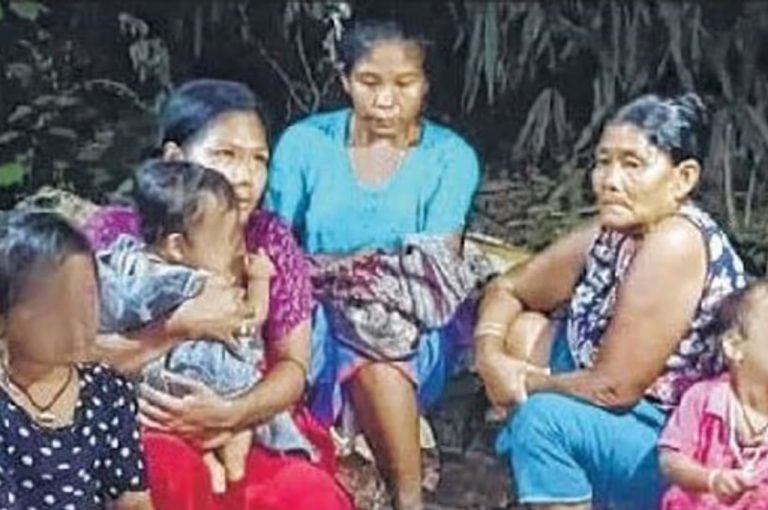
The Jiribam massacre NIA court 2026 proceedings mark a critical moment in Manipur’s struggle with insurgency, law and order, and justice delivery. The National Investigation Agency (NIA) court has formally taken cognisance of the charge sheet filed against three accused in connection with the Jiribam massacre, a violent incident that shocked the state and drew national attention.

This development underscores the intersection of justice, governance, and community resilience, where accountability for violence is essential to restoring public trust and democratic stability.


2. Jiribam Massacre NIA Court 2026: The Incident

  • Location: Jiribam district, Manipur.
  • Event: Massacre involving targeted killings that destabilized the region.
  • Casualties: Multiple lives lost, families displaced, and communities traumatized.
  • Investigation: NIA took over the probe due to the gravity of the incident.
  • Significance: Reflects recurring challenges in managing insurgency and communal tensions in Manipur.

3. The Charge Sheet

  • Filed by: National Investigation Agency (NIA).
  • Accused: Three individuals charged with direct involvement.
  • Charges: Murder, conspiracy, unlawful activities under relevant laws.
  • Court action: NIA court has taken cognisance, paving way for trial.
  • Impact: Signals seriousness of judicial process in addressing violent crimes.

4. Why This Case Matters

  • Human cost: Families devastated by sudden loss of loved ones.
  • Governance accountability: Citizens expect strict enforcement of law and justice.
  • Political stakes: Opposition parties often highlight such tragedies to question ruling government’s efficiency.
  • Public trust: Handling of case influences confidence in institutions.

5. Political and Social Reactions

  • Manipur government: Promised cooperation with NIA and support for victims.
  • Civil society: Expressed outrage, demanded justice and rehabilitation.
  • Opposition voices: Criticised government’s failure to prevent violence.
  • Observers: Noted potential for case to reshape narratives on governance in Manipur.

6. Governance Challenges

The Jiribam massacre reflects systemic governance issues:

  • Insurgency risks: Armed groups continue to destabilize peace.
  • Communal tensions: Ethnic divides exacerbate violence.
  • Administrative accountability: Transparency in investigations is essential.
  • Judicial oversight: Courts play critical role in ensuring fairness.

7. Community Concerns

  • Families: Seek justice and compensation for victims.
  • Youth: Demand safer environment and opportunities beyond violence.
  • Civil society groups: Call for participatory governance in peace policy.
  • Opposition voices: Warn of marginalisation if grievances are ignored.

8. Government External Links for Assistance


9. Historical Context of Violence in Manipur

  • 1980s–90s: Rise of insurgent groups destabilized governance.
  • 2000s: Armed conflicts and ethnic clashes continued.
  • 2010s: Government introduced peace talks but tensions persisted.
  • 2026: Jiribam massacre reflects continuity of challenges in law and order.

10. Global Comparisons

Similar justice challenges worldwide:

  • Sri Lanka: Post‑civil war trials against insurgents.
  • Colombia: Judicial processes against armed groups.
  • Africa: Courts addressing ethnic violence and massacres.

India’s case mirrors these global struggles where justice delivery collides with governance, community welfare, and accountability.


11. Governance Lessons

The Jiribam massacre teaches:

  • Transparency in investigations builds credibility.
  • Community engagement ensures legitimacy of reforms.
  • Balanced vigilance strengthens governance legitimacy.
  • Judicial oversight protects fairness in justice governance.

12. Future Outlook – Justice Governance in Manipur

India must move towards:

  • Digitised monitoring systems for trials and investigations.
  • Public dashboards showing progress of justice delivery.
  • Independent audits of law enforcement agencies.
  • Educational campaigns linking peace with civic responsibility.

✅ Conclusion

The Jiribam massacre NIA court 2026 proceedings are more than a legal technicality—they are a test of India’s democratic resilience and governance credibility. As the NIA court takes cognisance of the charge sheet against three accused, ordinary citizens await clarity on whether governance will deliver transparency, fairness, and respect for justice. For Manipur, the lesson is clear: democracy thrives when governance delivers inclusivity and accountability in justice management.

Also read: Home | Channel 6 Network – Latest News, Breaking Updates: Politics, Business, Tech & More

Sikkim Forest Leadership 2026 – Detailed Analysis of Udai Gurung’s Appointment as Chief Conservator, Environmental Governance, and Lessons in Sustainable Development

The Sikkim forest leadership 2026 announcement has drawn attention to the state’s commitment to environmental governance and sustainable development. Senior Indian Forest Service (IFS) officer Udai Gurung has been appointed as the Chief Conservator of Forests (CCF) in Sikkim, a role that carries immense responsibility in managing biodiversity, forest conservation, and ecological balance in the fragile Himalayan ecosystem.

This development underscores the intersection of leadership, governance, and environmental stewardship, where effective forest management is critical to both ecological sustainability and community welfare.


2. Sikkim Forest Leadership 2026: aThe Appointment

  • Officer: Udai Gurung, senior IFS officer.
  • Position: Chief Conservator of Forests, Sikkim.
  • Responsibilities: Oversee forest conservation, wildlife protection, afforestation programs, and ecological governance.
  • Significance: Reflects Sikkim’s emphasis on strengthening environmental leadership.

3. Why This Case Matters

  • Ecological importance: Sikkim is a biodiversity hotspot with fragile ecosystems.
  • Governance accountability: Citizens expect transparency and efficiency in forest management.
  • Political stakes: Environmental leadership enhances state’s credibility in national and global forums.
  • Public trust: Handling of forests influences confidence in institutions.

4. Political and Social Reactions

  • Sikkim government: Welcomed Gurung’s appointment, framed it as part of sustainable development.
  • Civil society: Expressed optimism about stronger conservation measures.
  • Opposition voices: Called for clarity on resource allocation and community participation.
  • Observers: Noted potential for appointment to reshape narratives on governance in Sikkim.

5. Governance Challenges

The appointment reflects systemic governance issues:

  • Deforestation risks: Infrastructure projects often threaten forest cover.
  • Wildlife protection: Poaching and habitat loss remain challenges.
  • Administrative accountability: Transparency in forest policies is essential.
  • Judicial oversight: Courts and tribunals may intervene if ecological rights are violated.

6. Community Concerns

  • Families: Seek livelihood opportunities linked to forest resources.
  • Youth: Demand fair access to eco‑tourism and conservation jobs.
  • Civil society groups: Call for participatory governance in forest policy.
  • Opposition voices: Warn of marginalisation if tribal communities are excluded.

7. Government External Links for Assistance


8. Historical Context of Forest Governance in Sikkim

  • 2000s: Rise in eco‑tourism linked to forest conservation.
  • 2010s: Government introduced awareness campaigns but enforcement remained weak.
  • 2020s: Climate change challenges persisted due to fragile Himalayan terrain.
  • 2026: Gurung’s appointment reflects continuity of efforts to strengthen forest governance.

9. Global Comparisons

Similar forest leadership initiatives worldwide:

  • Brazil: Leadership in Amazon conservation faced political challenges.
  • Africa: Forest officers play key roles in combating poaching.
  • Europe: Forest governance linked to climate change mitigation.

India’s case mirrors these global struggles where forest governance collides with politics, community welfare, and accountability.


10. Governance Lessons

The Sikkim forest leadership teaches:

  • Transparency in forest policies builds credibility.
  • Community engagement ensures legitimacy of reforms.
  • Balanced vigilance strengthens governance legitimacy.
  • Judicial oversight protects fairness in environmental governance.

11. Future Outlook – Forest Governance in Sikkim

India must move towards:

  • Digitised monitoring systems for forest cover.
  • Public dashboards showing progress of conservation initiatives.
  • Independent audits of forest departments.
  • Educational campaigns linking conservation with civic responsibility.

✅ Conclusion

The Sikkim forest leadership 2026 appointment of Udai Gurung as Chief Conservator of Forests is more than an administrative reshuffle—it is a test of India’s democratic resilience and governance credibility. As Gurung takes charge, ordinary citizens await clarity on whether governance will deliver transparency, fairness, and respect for ecological dignity. For Sikkim, the lesson is clear: democracy thrives when governance delivers inclusivity and accountability in environmental management.

Also read: Home | Channel 6 Network – Latest News, Breaking Updates: Politics, Business, Tech & More

Sikkim Bharat Rang Mahotsav 2026 – Detailed Analysis of Global Theatre Festival, Cultural Integration, and Governance Lessons in Arts Promotion

The Sikkim Bharat Rang Mahotsav 2026 has become a landmark cultural event, placing the Himalayan state at the heart of India’s global theatre outreach. As the prestigious Bharat Rang Mahotsav, organized by the National School of Drama (NSD), unfolds on a global scale, Sikkim has emerged as a vibrant host, showcasing its rich cultural heritage, artistic talent, and commitment to international cultural exchange.

This development underscores the intersection of art, governance, and global diplomacy, where theatre becomes a medium for integration, dialogue, and creative expression.


2. The Festival

  • Event: Bharat Rang Mahotsav 2026.
  • Organizer: National School of Drama (NSD).
  • Location: Sikkim, with performances across Gangtok and other venues.
  • Objective: Promote Indian theatre globally, highlight regional cultures, and foster international collaboration.
  • Significance: Reflects India’s cultural diplomacy and Sikkim’s growing role in national arts promotion.

3. Why This Case Matters

  • Cultural pride: Sikkim’s traditions showcased on a global stage.
  • Governance accountability: Citizens expect support for arts and culture.
  • Political stakes: Hosting such events boosts state’s visibility and prestige.
  • Public trust: Handling of festival influences confidence in institutions.

4. Political and Social Reactions

  • Sikkim government: Welcomed the festival, framed it as part of cultural diplomacy.
  • Civil society: Expressed optimism about opportunities for artists.
  • Opposition voices: Called for clarity on resource allocation.
  • Observers: Noted potential for festival to reshape narratives on governance in Sikkim.

5. Governance Challenges

The Bharat Rang Mahotsav reflects systemic governance issues:

  • Resource allocation: Ensuring adequate funding for cultural events.
  • Administrative accountability: Transparency in festival management is essential.
  • Infrastructure gaps: Need for modern theatres and cultural centers in Sikkim.
  • Judicial oversight: Courts may intervene if constitutional rights are violated in cultural funding.

6. Sikkim Bharat Rang Mahotsav 2026: Community Concerns

  • Families: Seek opportunities for children to participate in arts.
  • Youth: Demand fair access to training and scholarships.
  • Civil society groups: Call for participatory governance in cultural policy.
  • Opposition voices: Warn of marginalisation if rural areas remain excluded.

7. Government External Links for Assistance


8. Historical Context of Bharat Rang Mahotsav

  • 1999: Festival launched by NSD to promote Indian theatre.
  • 2000s: Expanded to include international productions.
  • 2010s: Became India’s largest theatre festival.
  • 2026: Sikkim hosts, reflecting continuity of efforts to democratize cultural outreach.

9. Global Comparisons

Similar theatre festivals worldwide:

  • Edinburgh Festival (UK): Global hub for performing arts.
  • Avignon Festival (France): Celebrates avant‑garde theatre.
  • Tokyo International Theatre Festival (Japan): Highlights Asian theatre traditions.

India’s case mirrors these global practices where cultural diplomacy collides with governance, community welfare, and accountability.


10. Governance Lessons

The Sikkim Bharat Rang Mahotsav teaches:

  • Transparency in cultural programs builds credibility.
  • Community engagement ensures legitimacy of reforms.
  • Balanced vigilance strengthens governance legitimacy.
  • Judicial oversight protects fairness in cultural governance.

11. Future Outlook – Cultural Governance in Sikkim

India must move towards:

  • Digitised monitoring systems for cultural initiatives.
  • Public dashboards showing progress of arts programs.
  • Independent audits of cultural financing.
  • Educational campaigns linking arts with civic responsibility.

✅ Conclusion

The Sikkim Bharat Rang Mahotsav 2026 is more than a cultural festival—it is a test of India’s democratic resilience and governance credibility. As Sikkim takes centre stage in the global theatre festival, ordinary citizens await clarity on whether governance will deliver transparency, fairness, and respect for cultural dignity. For Sikkim, the lesson is clear: democracy thrives when governance delivers inclusivity and accountability in arts promotion.

Also read: Home | Channel 6 Network – Latest News, Breaking Updates: Politics, Business, Tech & More
Sikkim Mudslide Gangtok 2026 – Detailed Analysis of Labourer’s Death, Road Widening Risks, and Governance Lessons in Disaster Management

The Sikkim mudslide Gangtok 2026 tragedy has once again highlighted the fragile balance between infrastructure development and environmental safety in the Himalayan region. On January 31, a labourer lost his life when a mudslide struck during road widening work in Gangtok district. The incident has sparked grief, raised questions about safety protocols, and renewed calls for stricter disaster management measures in hilly terrains.

This episode underscores the intersection of infrastructure expansion, governance accountability, and community welfare, where lapses in safety directly affect citizens’ lives.


2. Sikkim Mudslide Gangtok 2026: The Incident

  • Location: Gangtok district, Sikkim.
  • Event: Mudslide during road widening work.
  • Casualties: One labourer killed.
  • Cause: Preliminary reports suggest unstable soil conditions and inadequate slope protection.
  • Significance: Reflects recurring challenges in balancing development with environmental safety.

3. Why This Case Matters

  • Human cost: Families devastated by sudden loss of livelihood earners.
  • Governance accountability: Citizens expect strict enforcement of safety norms in infrastructure projects.
  • Political stakes: Opposition parties often highlight such tragedies to question ruling government’s efficiency.
  • Public trust: Handling of incident influences confidence in institutions.

4. Political and Social Reactions

  • Sikkim government: Promised investigation and compensation for victim’s family.
  • Civil society: Expressed outrage, demanded stricter safety enforcement.
  • Opposition voices: Criticised government’s failure to improve disaster preparedness.
  • Observers: Noted potential for incident to reshape narratives on governance in Sikkim.

5. Governance Challenges

The Gangtok mudslide reflects systemic governance issues:

  • Disaster preparedness: Many projects lack adequate risk assessments.
  • Infrastructure gaps: Road widening often ignores ecological vulnerabilities.
  • Administrative accountability: Transparency in project safety measures is essential.
  • Judicial oversight: Courts may intervene if negligence is proven.

6. Community Concerns

  • Families: Seek justice and compensation for victims.
  • Labourers: Demand safer working conditions.
  • Civil society groups: Call for participatory governance in disaster policy.
  • Opposition voices: Warn of marginalisation if grievances are ignored.

7. Government External Links for Assistance


8. Historical Context of Landslides in Sikkim

  • 2000s: Rise in landslides linked to rapid road construction.
  • 2010s: Government introduced awareness campaigns but enforcement remained weak.
  • 2020s: Disaster challenges persisted due to terrain and climate change.
  • 2026: Gangtok tragedy reflects continuity of challenges in disaster governance.

9. Global Comparisons

Similar landslide controversies worldwide:

  • Nepal: Frequent landslides during road construction in hilly terrains.
  • Japan: Landslides linked to heavy rainfall and infrastructure expansion.
  • Latin America: Mountainous regions face recurring mudslide tragedies.

India’s case mirrors these global struggles where disaster safety collides with governance, community welfare, and accountability.


10. Governance Lessons

The Gangtok mudslide teaches:

  • Transparency in investigations builds credibility.
  • Community engagement ensures legitimacy of reforms.
  • Balanced vigilance strengthens governance legitimacy.
  • Judicial oversight protects fairness in safety governance.

11. Future Outlook – Disaster Governance in Sikkim

India must move towards:

  • Digitised monitoring systems for slope stability.
  • Public dashboards showing accident statistics and safety measures.
  • Independent audits of infrastructure projects.
  • Educational campaigns linking disaster safety with civic responsibility.

✅ Conclusion

The Sikkim mudslide Gangtok 2026 is more than a tragic mishap—it is a test of India’s democratic resilience and governance credibility. As a labourer loses his life during road widening work, ordinary citizens await clarity on whether governance will deliver transparency, fairness, and respect for public safety. For Sikkim, the lesson is clear: democracy thrives when governance delivers inclusivity and accountability in disaster management.

Also read: Home | Channel 6 Network – Latest News, Breaking Updates: Politics, Business, Tech & More
Tripura Unakoti Road Accident 2026 – Detailed Analysis of Head‑On Collision, Road Safety Failures, and Governance Lessons in Transport Management

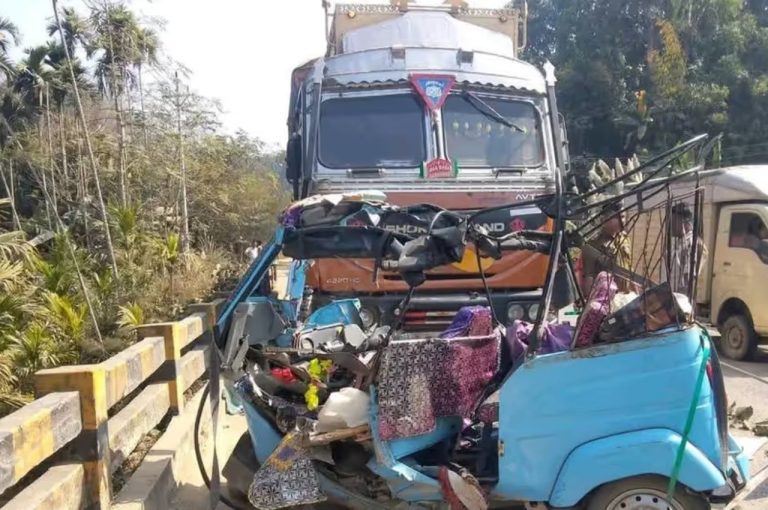
The Tripura Unakoti road accident 2026 has once again highlighted the urgent need for stronger road safety measures in India’s Northeast. On January 30, a devastating head‑on collision in Unakoti district claimed the lives of four people and left two others injured. The tragedy has sparked grief across Tripura and renewed calls for stricter enforcement of transport safety norms, better infrastructure, and accountability in governance.

This incident underscores the intersection of road infrastructure, governance accountability, and community welfare, where lapses in safety directly affect citizens’ lives.


2. The Incident

  • Location: Unakoti district, Tripura.
  • Event: Head‑on collision between two vehicles.
  • Casualties: Four confirmed dead, two injured.
  • Cause: Preliminary reports suggest speeding and possible driver negligence.
  • Significance: Reflects recurring challenges in road safety in semi‑urban and rural areas.

3. Why This Case Matters

  • Human cost: Families devastated by sudden loss of loved ones.
  • Governance accountability: Citizens expect strict enforcement of road safety norms.
  • Political stakes: Opposition parties often highlight such tragedies to question ruling government’s efficiency.
  • Public trust: Handling of incident influences confidence in institutions.

4. Political and Social Reactions

  • Tripura government: Promised investigation and compensation for victims.
  • Civil society: Expressed outrage, demanded stricter road safety enforcement.
  • Opposition voices: Criticised government’s failure to improve transport infrastructure.
  • Observers: Noted potential for incident to reshape narratives on governance in Tripura.

5. Governance Challenges

The Unakoti accident reflects systemic governance issues:

  • Road safety enforcement: Many vehicles lack compliance with safety standards.
  • Infrastructure gaps: Narrow, poorly maintained roads increase accident risks.
  • Administrative accountability: Transparency in accident investigations is essential.
  • Judicial oversight: Courts may intervene if negligence is proven.

6. Tripura Unakoti Road Accident 2026: Community Concerns

  • Families: Seek justice and compensation for victims.
  • Youth: Demand safer public transport options.
  • Civil society groups: Call for participatory governance in road safety policy.
  • Opposition voices: Warn of marginalisation if grievances are ignored.

7. Government External Links for Assistance


8. Historical Context of Road Safety in Tripura

  • 2000s: Rise in accidents linked to poor road conditions.
  • 2010s: Government introduced awareness campaigns but enforcement remained weak.
  • 2020s: Road safety challenges persisted due to terrain and infrastructure gaps.
  • 2026: Unakoti tragedy reflects continuity of challenges in transport governance.

9. Global Comparisons

Similar road safety controversies worldwide:

  • Nepal: Frequent bus accidents in hilly terrains due to poor infrastructure.
  • Africa: Road accidents linked to lack of enforcement and unsafe vehicles.
  • Latin America: Mountainous regions face recurring transport tragedies.

India’s case mirrors these global struggles where road safety collides with governance, community welfare, and accountability.


10. Governance Lessons

The Unakoti accident teaches:

  • Transparency in investigations builds credibility.
  • Community engagement ensures legitimacy of reforms.
  • Balanced vigilance strengthens governance legitimacy.
  • Judicial oversight protects fairness in safety governance.

11. Future Outlook – Road Safety Governance in Tripura

India must move towards:

  • Digitised monitoring systems for vehicle compliance.
  • Public dashboards showing accident statistics and safety measures.
  • Independent audits of transport departments.
  • Educational campaigns linking road safety with civic responsibility.

✅ Conclusion

The Tripura Unakoti road accident 2026 is more than a tragic mishap—it is a test of India’s democratic resilience and governance credibility. As four lives are lost and two injured, ordinary citizens await clarity on whether governance will deliver transparency, fairness, and respect for public safety. For Tripura, the lesson is clear: democracy thrives when governance delivers inclusivity and accountability in transport management.

Also read: Home | Channel 6 Network – Latest News, Breaking Updates: Politics, Business, Tech & More

Tripura AI Outreach Drive 2026 – Detailed Analysis of India AI Impact Summit, Regional Innovation, and Governance Lessons in Digital Transformation

The Tripura AI outreach drive 2026 marks a significant step in India’s digital transformation journey. As the country prepares for the India AI Impact Summit, Tripura has formally joined the national outreach initiative, signaling its commitment to harnessing artificial intelligence for governance, education, healthcare, and economic growth.

This development underscores the intersection of technology, governance, and regional development, where AI is positioned as a catalyst for inclusive growth and innovation.


2. Tripura AI Outreach Drive 2026: The Announcement

  • Location: Tripura, Northeast India.
  • Event: Tripura joins India’s AI outreach drive.
  • Objective: Promote AI awareness, skill development, and integration into governance.
  • Significance: Reflects India’s strategy to ensure that smaller states are not left behind in the digital revolution.

3. Why This Case Matters

  • Economic growth: AI adoption can boost productivity and attract investment.
  • Youth empowerment: Training programs prepare students for future jobs.
  • Governance accountability: Citizens expect transparency in digital initiatives.
  • Public trust: Handling of AI outreach influences confidence in institutions.

4. Political and Social Reactions

  • Tripura government: Welcomed initiative, framed it as part of modernization.
  • Civil society: Expressed optimism about opportunities for youth.
  • Opposition voices: Called for clarity on resource allocation and inclusivity.
  • Observers: Noted potential for initiative to reshape narratives on governance in Tripura.

5. Governance Challenges

The AI outreach reflects systemic governance issues:

  • Digital divide: Ensuring rural communities benefit equally.
  • Resource allocation: Adequate funding for training and infrastructure.
  • Administrative accountability: Transparency in AI adoption is essential.
  • Judicial oversight: Courts may intervene if privacy rights are violated.

6. Community Concerns

  • Families: Seek opportunities for children in AI education.
  • Youth: Demand fair access to training and jobs.
  • Civil society groups: Call for participatory governance in digital policy.
  • Opposition voices: Warn of marginalisation if rural areas remain excluded.

7. Government External Links for Assistance


8. Historical Context of AI in India

  • 2018: NITI Aayog released national AI strategy.
  • 2020s: AI adoption accelerated in healthcare, agriculture, and governance.
  • 2025: India AI Impact Summit announced as flagship event.
  • 2026: Tripura joins outreach drive, reflecting continuity of efforts to democratize AI.

9. Global Comparisons

Similar AI outreach initiatives worldwide:

  • USA: AI for All programs in schools and universities.
  • China: National AI strategy focused on global leadership.
  • Europe: EU AI Act emphasizes ethics and inclusivity.

India’s case mirrors these global practices where AI collides with governance, community welfare, and accountability.


10. Governance Lessons

The Tripura AI outreach teaches:

  • Transparency in digital programs builds credibility.
  • Community engagement ensures legitimacy of reforms.
  • Balanced vigilance strengthens governance legitimacy.
  • Judicial oversight protects fairness in digital governance.

11. Future Outlook – AI Governance in Tripura

India must move towards:

  • Digitised monitoring systems for AI adoption.
  • Public dashboards showing progress of AI initiatives.
  • Independent audits of digital financing.
  • Educational campaigns linking AI with civic responsibility.

✅ Conclusion

The Tripura AI outreach drive 2026 is more than a regional initiative—it is a test of India’s democratic resilience and governance credibility. As Tripura joins the national AI outreach ahead of the India AI Impact Summit, ordinary citizens await clarity on whether governance will deliver transparency, fairness, and respect for digital dignity. For Tripura, the lesson is clear: democracy thrives when governance delivers inclusivity and accountability in digital transformation.


Also read: Home | Channel 6 Network – Latest News, Breaking Updates: Politics, Business, Tech & More
Mizoram NCC Group Headquarters 2026 – Detailed Analysis of Youth Discipline, Integration, and Governance Lessons in National Service

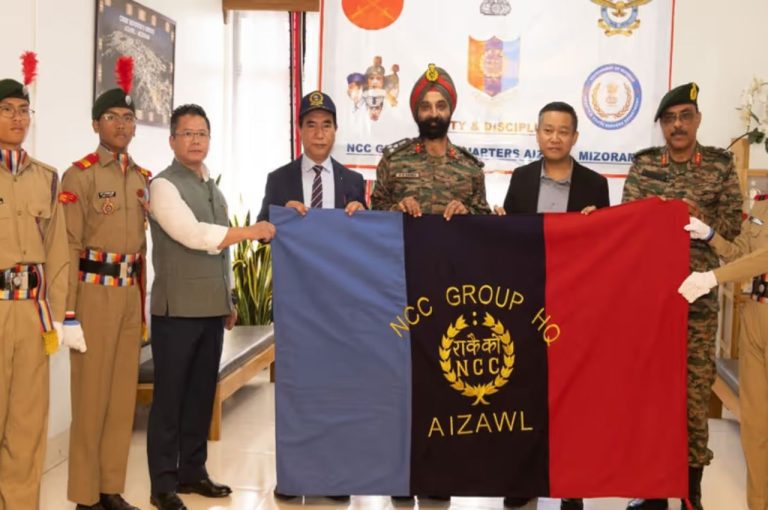
The Mizoram NCC Group Headquarters 2026 marks a historic milestone for the state and the Northeast region. With the establishment of an independent NCC Group HQ in Mizoram, the focus is on strengthening youth discipline, fostering national integration, and expanding opportunities for cadets in the state. This development is expected to enhance training, improve organizational efficiency, and bring Mizoram’s youth closer to mainstream national service initiatives.

This initiative underscores the intersection of youth empowerment, governance accountability, and national integration, where structured training and discipline can transform communities and strengthen democratic resilience.


2. Mizoram NCC Group Headquarters 2026: The Announcement

  • Location: Mizoram, Northeast India.
  • Event: Establishment of an independent NCC Group Headquarters.
  • Objective: Strengthen youth discipline, expand NCC training, and integrate Mizoram’s cadets into national service.
  • Significance: Reflects India’s commitment to empowering Northeast youth through structured institutions.

3. Why This Case Matters

  • Youth empowerment: NCC provides discipline, leadership, and civic responsibility.
  • National integration: Strengthens ties between Northeast and mainland India.
  • Governance accountability: Citizens expect transparency in youth programs.
  • Public trust: Handling of initiative influences confidence in institutions.

4. Political and Social Reactions

  • Mizoram government: Welcomed the move, framed it as part of youth development.
  • Civil society: Expressed optimism about opportunities for students.
  • Opposition voices: Called for clarity on resource allocation.
  • Observers: Noted potential for initiative to reshape narratives on governance in Mizoram.

5. Governance Challenges

The NCC expansion reflects systemic governance issues:

  • Resource allocation: Ensuring adequate funding for training facilities.
  • Administrative accountability: Transparency in recruitment and training is essential.
  • Infrastructure gaps: Need for modern training centers in Mizoram.
  • Judicial oversight: Courts may intervene if constitutional rights are violated in recruitment.

6. Community Concerns

  • Families: Seek opportunities for children to join NCC.
  • Youth: Demand fair access to training and scholarships.
  • Civil society groups: Call for participatory governance in youth policy.
  • Opposition voices: Warn of marginalisation if rural areas remain excluded.

7. Government External Links for Assistance


8. Historical Context of NCC in Mizoram

  • 1960s–70s: NCC presence limited to select institutions.
  • 2000s: Expansion of NCC units in schools and colleges.
  • 2010s: Growing demand for independent Group HQ in Mizoram.
  • 2026: Establishment of HQ reflects continuity of efforts to empower youth.

9. Global Comparisons

Similar youth service organizations worldwide:

  • USA: ROTC (Reserve Officers’ Training Corps) integrates students into military discipline.
  • UK: Cadet Forces provide structured training for youth.
  • Singapore: National Service programs emphasize discipline and integration.

India’s case mirrors these global practices where youth empowerment collides with governance, community welfare, and accountability.


10. Governance Lessons

The Mizoram NCC HQ teaches:

  • Transparency in youth programs builds credibility.
  • Community engagement ensures legitimacy of reforms.
  • Balanced vigilance strengthens governance legitimacy.
  • Judicial oversight protects fairness in youth governance.

11. Future Outlook – Youth Governance in Mizoram

India must move towards:

  • Digitised monitoring systems for NCC recruitment and training.
  • Public dashboards showing progress of youth initiatives.
  • Independent audits of youth program financing.
  • Educational campaigns linking discipline with civic responsibility.

✅ Conclusion

The Mizoram NCC Group Headquarters 2026 is more than an administrative expansion—it is a test of India’s democratic resilience and governance credibility. As Mizoram gets its independent NCC HQ, ordinary citizens await clarity on whether governance will deliver transparency, fairness, and respect for youth dignity. For Mizoram, the lesson is clear: democracy thrives when governance delivers inclusivity and accountability in youth empowerment.

Also read: Home | Channel 6 Network – Latest News, Breaking Updates: Politics, Business, Tech & More

Mizoram Congress Land Transfer Probe 2026 – Detailed Analysis of Lengpui Airport Controversy, Governance Challenges, and Lessons in Transparency

The Mizoram Congress land transfer probe 2026 demand has brought fresh attention to governance and transparency issues in the Northeast. The Congress party has called for a high‑level investigation into alleged irregularities surrounding a land transfer near Lengpui Airport, Mizoram’s only airport. The controversy has sparked political debate, community concern, and questions about accountability in land management.

This incident underscores the intersection of governance, land rights, and political accountability, where disputes over property can escalate into major political controversies.


2. The Allegations

  • Location: Land near Lengpui Airport, Mizoram.
  • Accusation: Congress alleges irregularities in land transfer process.
  • Demand: High‑level probe to ensure transparency and accountability.
  • Significance: Reflects broader concerns about land governance in Northeast India.

3. Why This Case Matters

  • Human cost: Land disputes often affect local communities and livelihoods.
  • Governance accountability: Citizens expect transparency in land transfers.
  • Political stakes: Congress frames issue as evidence of ruling party’s mismanagement.
  • Public trust: Handling of controversy influences confidence in institutions.

4. Political and Social Reactions

  • Mizoram Congress: Assertive demand for probe, framed as defense of public interest.
  • Ruling party: Dismissed allegations, accused Congress of politicizing issue.
  • Civil society: Expressed concern about erosion of land rights.
  • Observers: Noted potential for controversy to reshape narratives on governance in Mizoram.

5. Governance Challenges

The Lengpui land controversy reflects systemic governance issues:

  • Land management: Transparency in transfers is critical.
  • Administrative accountability: Citizens demand clarity on government decisions.
  • Resource allocation: Land near airports has strategic importance.
  • Judicial oversight: Courts may intervene if constitutional rights are violated.

6. Community Concerns

  • Families: Seek protection of land rights.
  • Youth: Demand fair opportunities in development projects.
  • Civil society groups: Call for participatory governance in land policy.
  • Opposition voices: Warn of marginalisation if grievances are ignored.

7. Government External Links for Assistance


8. Historical Context of Land Governance in Mizoram

  • Colonial era: Land management often linked to customary rights.
  • Post‑Independence: Land disputes became common in Northeast states.
  • 2000s: Airport expansion projects triggered land controversies.
  • 2026: Lengpui case reflects continuity of challenges in land governance.

9. Global Comparisons

Similar land controversies worldwide:

  • USA: Airport expansions often face land acquisition disputes.
  • Africa: Land transfers linked to corruption allegations.
  • Asia: Airport projects in Nepal and Bangladesh triggered community protests.

India’s case mirrors these global struggles where land governance collides with politics, community welfare, and accountability.


10. Mizoram Congress Land Transfer Probe 2026: Governance Lessons

The Lengpui land controversy teaches:

  • Transparency in land transfers builds credibility.
  • Community engagement ensures legitimacy of reforms.
  • Balanced vigilance strengthens governance legitimacy.
  • Judicial oversight protects fairness in land governance.

11. Future Outlook – Land Governance in Mizoram

India must move towards:

  • Digitised monitoring systems for land transfers.
  • Public dashboards showing progress of land projects.
  • Independent audits of land management.
  • Educational campaigns linking land rights with civic responsibility.

✅ Conclusion

The Mizoram Congress land transfer probe 2026 demand is more than a routine political appeal—it is a test of India’s democratic resilience and governance credibility. As Congress presses for a high‑level investigation into Lengpui Airport land transfer, ordinary citizens await clarity on whether governance will deliver transparency, fairness, and respect for land rights. For Mizoram, the lesson is clear: democracy thrives when governance delivers inclusivity and accountability in land management.

Also read: Home | Channel 6 Network – Latest News, Breaking Updates: Politics, Business, Tech & More

Nagaland Bus Accident Kohima 2026 – Detailed Analysis of Road Safety Failures, Community Impact, and Governance Lessons in Transport Management

The Nagaland bus accident Kohima 2026 has shaken the state and highlighted the urgent need for stronger road safety measures. On January 31, a passenger bus overturned near Kohima, killing four people and injuring several others. The tragedy has sparked grief across Nagaland and renewed calls for stricter enforcement of transport safety norms.

This incident underscores the intersection of road infrastructure, governance accountability, and community welfare, where lapses in safety directly affect citizens’ lives.


2. Nagaland Bus Accident Kohima 2026: The Incident

  • Location: Near Kohima, Nagaland.
  • Event: Passenger bus overturned, leading to fatalities and injuries.
  • Casualties: Four confirmed dead, several injured.
  • Cause: Preliminary reports suggest speeding and possible mechanical failure.
  • Significance: Reflects recurring challenges in road safety in hilly terrains.

3. Why This Case Matters

  • Human cost: Families devastated by sudden loss of loved ones.
  • Governance accountability: Citizens expect strict enforcement of road safety norms.
  • Political stakes: Opposition parties often highlight such tragedies to question ruling government’s efficiency.
  • Public trust: Handling of incident influences confidence in institutions.

4. Political and Social Reactions

  • Nagaland government: Promised investigation and compensation for victims.
  • Civil society: Expressed outrage, demanded stricter road safety enforcement.
  • Opposition voices: Criticised government’s failure to improve transport infrastructure.
  • Observers: Noted potential for incident to reshape narratives on governance in Nagaland.

5. Governance Challenges

The Kohima bus accident reflects systemic governance issues:

  • Road safety enforcement: Many vehicles lack compliance with safety standards.
  • Infrastructure gaps: Narrow, hilly roads increase accident risks.
  • Administrative accountability: Transparency in accident investigations is essential.
  • Judicial oversight: Courts may intervene if negligence is proven.

6. Community Concerns

  • Families: Seek justice and compensation for victims.
  • Youth: Demand safer public transport options.
  • Civil society groups: Call for participatory governance in road safety policy.
  • Opposition voices: Warn of marginalisation if grievances are ignored.

7. Government External Links for Assistance


8. Historical Context of Road Safety in Nagaland

  • 2000s: Rise in accidents linked to poor road conditions.
  • 2010s: Government introduced awareness campaigns but enforcement remained weak.
  • 2020s: Road safety challenges persisted due to terrain and infrastructure gaps.
  • 2026: Kohima tragedy reflects continuity of challenges in transport governance.

9. Global Comparisons

Similar road safety controversies worldwide:

  • Nepal: Frequent bus accidents in hilly terrains due to poor infrastructure.
  • Africa: Road accidents linked to lack of enforcement and unsafe vehicles.
  • Latin America: Mountainous regions face recurring transport tragedies.

India’s case mirrors these global struggles where road safety collides with governance, community welfare, and accountability.


10. Governance Lessons

The Kohima bus accident teaches:

  • Transparency in investigations builds credibility.
  • Community engagement ensures legitimacy of reforms.
  • Balanced vigilance strengthens governance legitimacy.
  • Judicial oversight protects fairness in safety governance.

11. Future Outlook – Road Safety Governance in Nagaland

India must move towards:

  • Digitised monitoring systems for vehicle compliance.
  • Public dashboards showing accident statistics and safety measures.
  • Independent audits of transport departments.
  • Educational campaigns linking road safety with civic responsibility.

✅ Conclusion

The Nagaland bus accident Kohima 2026 is more than a tragic mishap—it is a test of India’s democratic resilience and governance credibility. As four lives are lost and several injured, ordinary citizens await clarity on whether governance will deliver transparency, fairness, and respect for public safety. For Nagaland, the lesson is clear: democracy thrives when governance delivers inclusivity and accountability in transport management.

Also read: Home | Channel 6 Network – Latest News, Breaking Updates: Politics, Business, Tech & More