Sunday, May 17, 2026
Home Blog Page 410

Mamata Banerjee Slams BJP for Spreading Lies, Asserts West Bengal Among India’s Safest States — Chief Minister Defends State’s Law and Order with NCRB Dat

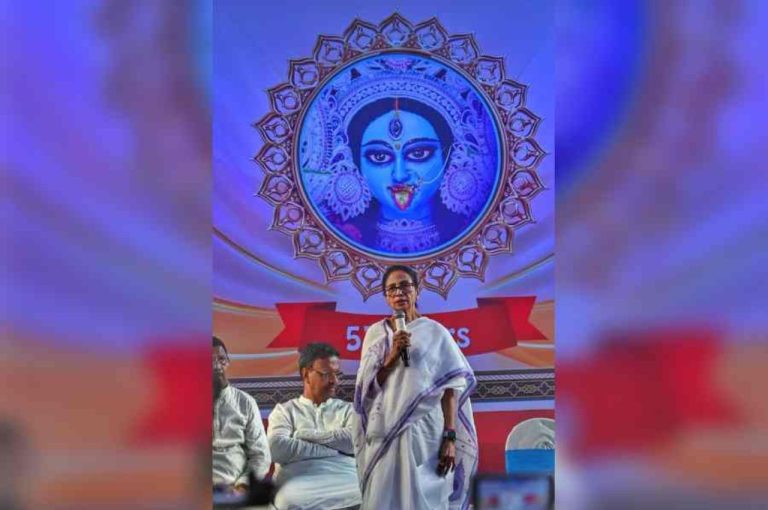
Mamata Banerjee Slams BJP: West Bengal Chief Minister Mamata Banerjee has strongly accused the Bharatiya Janata Party (BJP) of spreading misinformation to defame the state’s image and mislead the public ahead of upcoming elections. Speaking at a Kali Puja inauguration in Kolkata’s Janbazar, Banerjee asserted that West Bengal remains one of India’s safest states, citing official data from the National Crime Records Bureau (NCRB) that lists Kolkata as the safest metropolitan city in the country.

Her remarks come at a politically charged moment, with the opposition stepping up criticism of the Trinamool Congress (TMC) government over alleged administrative failures and sporadic law-and-order incidents. Banerjee’s speech, however, was an emphatic counter to the BJP’s narrative — portraying Bengal as a state where communal harmony and citizen safety continue to prevail.


Mamata’s Defence of Bengal’s Safety Record

In her address, Mamata Banerjee reminded citizens that Kolkata’s safety record is backed by hard data, not political rhetoric.

“There are some who only appear when elections are near. They spread lies, divide people, and try to damage Bengal’s reputation,” she said. “But Bengal remains one of the safest states in India, where people move freely and fearlessly.”

According to Banerjee, Kolkata’s low crime rate, as reflected in NCRB reports, is proof of the administration’s commitment to law and order. She said her government’s swift action in handling criminal incidents, such as recent assault cases, demonstrates the efficiency and responsiveness of the police system.

“If something happens, we take immediate action. Unlike other states, we don’t delay justice,” she added.


BJP’s “Lies and Propaganda”

The Chief Minister accused the BJP of running deliberate disinformation campaigns to divide communities and create panic among voters. She alleged that opposition leaders rely on “fake photos, doctored videos, and false narratives” to fuel hate and misrepresent Bengal’s governance.

“Some people click photos and post lies on social media. But the truth cannot be hidden for long. Bengal stands united — our festivals, our people, our hearts are together,” Banerjee said.

She further alleged that these campaigns are part of a larger political strategy aimed at creating an atmosphere of distrust in the run-up to elections. Banerjee described the BJP as a party that “visits Bengal during elections, spreads hatred, and disappears when people need help.”


Mamata Banerjee Slams BJP: Swift Justice and Law Enforcement

Highlighting examples of quick government response, Mamata Banerjee said that law enforcement agencies in Bengal act without bias or delay, unlike some other states where victims often struggle for justice.

She pointed out that in cases of assault, women’s safety, or campus violence, police intervention is immediate, and the administration ensures legal procedures move swiftly. Banerjee claimed that West Bengal Police and Kolkata Police maintain one of the highest case resolution rates in the country.

According to her, “Our focus is not just on law enforcement but also on community vigilance, women’s safety, and public participation in peacekeeping efforts.”


Unity in Diversity: A Cultural Counterpoint

Banerjee’s speech also touched on Bengal’s social harmony and inclusive culture, which she described as the foundation of peace and safety.

“Here, we celebrate Durga Puja, Kali Puja, Chhath, Christmas, Eid, and Ganga Sagar with equal joy. Bengal stands for peace, not division,” she said.

Drawing from Swami Vivekananda’s ideals of unity, she remarked that religion should mean humanity, not hatred. Her emphasis on cultural pluralism served as a direct rebuttal to attempts to polarize Bengal’s electorate along religious lines.


Criticism of Opposition’s Legal Tactics

Mamata Banerjee also criticised what she described as opposition-backed legal obstruction of recruitment and development initiatives. She alleged that some political groups are “misusing the courts” to cancel jobs given to qualified youth under state recruitment drives.

“They cannot stand to see Bengal’s youth getting jobs. They go to court to snatch livelihoods. But we will continue to work for our people,” she declared.

The Chief Minister insisted that her government’s welfare and employment schemes are transparent and people-driven, and said attempts to stall them are “politically motivated acts against Bengal’s progress.”


Comparisons with BJP-Ruled States

Banerjee questioned the BJP’s moral authority to speak on law and order.

“They call Bengal unsafe, but what about their own states?” she asked. “What about Uttar Pradesh, Madhya Pradesh, or Assam — are those states safer than Bengal?”

The Chief Minister accused the BJP of maintaining double standards — using Bengal’s isolated incidents for political mileage while ignoring systemic violence and gender crimes elsewhere. Her remarks sought to turn the BJP’s national safety narrative back against it.


Safety Perception vs Political Reality

While NCRB data supports Mamata Banerjee’s claim that Kolkata leads as India’s safest metropolitan city, political analysts note that public perception often diverges from statistical evidence. High-profile crimes, especially those involving women or students, tend to dominate news cycles and shape emotional responses.

Experts argue that Banerjee’s emphasis on data-driven governance is an attempt to rebuild confidence in her administration following sporadic controversies. Political observers say her strategy is to shift focus from isolated incidents to broader structural achievements in policing, women’s empowerment, and welfare programs.


Focus on Administrative Reforms

Under Banerjee’s leadership, the West Bengal government has introduced initiatives aimed at strengthening local policing and public trust. Some of these include:

  • Nirbhaya Women Helpline and Safe Drive Save Life campaigns.
  • Community policing programs in urban and rural districts.
  • Quick response units for emergency law enforcement coordination.
  • Dedicated women’s desks in every police station across the state.

These measures, Banerjee argued, have made Bengal a model of preventive policing and citizen-friendly administration.


Media Responsibility and Misinformation

The Chief Minister also called out sections of the media for amplifying “fake and sensational narratives” without verifying facts. She urged journalists to report responsibly and avoid falling into the “trap of propaganda.”

“Misinformation spreads faster than truth in today’s world. But the truth will always win,” she asserted.

She urged citizens to rely on official data and government transparency initiatives such as the Bengal Police online grievance redressal system and public dashboards on crime trends.


Public Response and Political Context

Mamata Banerjee’s remarks received mixed reactions. Trinamool Congress supporters lauded her for standing up to misinformation and for defending Bengal’s safety reputation. BJP leaders, however, dismissed her speech as an attempt to divert attention from administrative lapses and rising crimes in smaller districts.

Political experts say Banerjee’s messaging forms part of a larger electoral narrative: to reaffirm Bengal’s identity as a peaceful, culturally inclusive, and safe state — in contrast to the BJP’s polarizing rhetoric.


Reinforcing Bengal’s Image Ahead of Elections

Banerjee’s strong messaging also fits within the TMC’s broader pre-election communication strategy. By repeatedly invoking Bengal’s safety and unity, she seeks to consolidate her image as a leader of stability and peace.

Her government’s focus on community festivals, inclusive governance, and welfare schemes forms a counterpoint to the BJP’s law-and-order critique. The strategy aligns with the TMC’s positioning of itself as both a protector of Bengal’s cultural identity and a champion of secular governance.


Conclusion: Mamata Banerjee’s Strategic Counter-Narrative

Chief Minister Mamata Banerjee’s declaration that Bengal is one of India’s safest states is more than a rebuttal — it is a carefully designed political message aimed at reclaiming control over public perception.

By framing safety as both a governance achievement and a symbol of Bengal’s social harmony, Banerjee is reinforcing her government’s image of accountability and inclusiveness. Her message is clear: Bengal’s peace cannot be disrupted by political lies or propaganda.

As the state approaches its next electoral test, the battle over Bengal’s image — safe, progressive, and united — will remain a central theme in the political discourse.


External References:

Also read: Home | Channel 6 Network – Latest News, Breaking Updates: Politics, Business, Tech & More
Telangana BC Reservation: Powerful Statewide Bandh Demands Justice

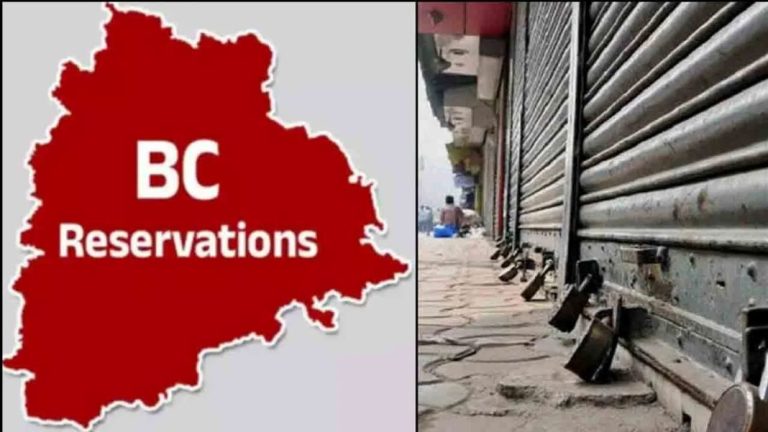
Telangana witnessed an unprecedented statewide bandh on October 18, 2025, marking a historic moment in the state’s pursuit of social justice. The strike, called by the Backwards Classes Joint Action Committee (BC JAC), demanded the implementation of 42 per cent reservation for Backwards Classes in local body elections, education, employment, and governance. What made this movement remarkable was the rare political consensus it achieved, with the ruling Congress, opposition BRS, BJP, and left parties standing together for the cause of Telangana BC reservation.

Telangana BC reservationAlso Read: Telangana BC Reservation: Powerful Statewide Bandh Demands Justice

Other: Bold Claim on “Easy Solution”?

The bandh brought normal life to a standstill across all 31 districts, with schools, colleges, markets, and transport services significantly affected. This collective action represented more than a political protest; it symbolised the aspirations of communities constituting over 56 per cent of the state’s population who have historically remained underrepresented in political decision-making processes.

The Genesis: Understanding the Telangana BC Reservation Demand

The demand for enhanced Telangana BC reservation is rooted in comprehensive empirical data and constitutional principles. In 2024, the Telangana government conducted an extensive Socio-Economic, Educational, Employment, Political, and Caste (SEEECPC) Survey covering 96.9 per cent of households and over 35 million individuals. This landmark survey revealed that Backwards Classes constitute 56.33 per cent of Telangana’s population, yet their political representation in local bodies remained disproportionately low under the existing 25 per cent reservation framework.

Based on these findings, a Dedicated BC Commission headed by retired IAS officer Busani Venkateshwara Rao was established in November 2024. The commission submitted its report in March 2025, recommending at least 42 per cent reservation for BCs in political representation, particularly in local bodies. This recommendation formed the constitutional and empirical foundation for the government’s subsequent policy decision to enhance Telangana BC reservation from 2 per cent to 42 per cent in rural and urban local bodies.

On September 26, 2025, the Telangana government issued Government Order No. 9 (GO 9), officially granting a 42 per cent Telangana BC reservation in local body elections. This decision was preceded by legislative amendments passed in August 2025, which removed the existing 50 per cent ceiling on reservations specifically for local bodies, clearing the pathway for enhanced BC representation.

The Judicial Roadblock: High Court Stay and Supreme Court Verdict

The implementation of the 42 per cent Telangana BC reservation faced immediate legal challenges. Petitioners argued that the enhanced quota would push total reservations in the state to 67 per cent—including 15 per cent for Scheduled Castes, 10 per cent for Scheduled Tribes, and 42 per cent for Backwards Classes—thereby breaching the Supreme Court’s established 5 per cent ceiling set in the landmark Indra Sawhney judgment.

On October 9, 2025, the Telangana High Court issued an interim stay on GO 9, suspending the implementation of the percentage Telangana BC reservation. The bench, comprising Chief Justice Aparesh Kumar Singh and Justice G.M. Mohiuddin, directed the state government to file a counter-affidavit within four weeks and granted petitioners two weeks to respond thereafter. The court questioned the timing of the order, issued after election notifications were released, and raised concerns about the constitutional validity of exceeding the per cent reservation ceiling.

The Telangana government immediately challenged this stay order in the Supreme Court, filing a Special Leave Petition (SLP) on October 14, 2025. The state argued that the Constitution does not explicitly prescribe per percentage ceiling on reservations and cited the Supreme Court’s ruling in the K. Krishna Murthy case, which held that this limit could be crossed if supported by empirical data. The government emphasised that it had satisfied the “triple test” mandated for granting reservations in local body elections through comprehensive surveys and commission recommendations.

However, on October 16, 2025, the Supreme Court bench of Justices Vikram Nath and Sandeep Mehta dismissed the Telangana government’s petition, dealing a significant setback to the implementation of the 42 per cent Telangana BC reservation. The Court observed that the High Court should be allowed to decide the case on its merits and clarified that the dismissal would not prejudice the ongoing proceedings before the lower court.

Telangana BC reservationPolitical Consensus: Rare Unity Across Party Lines
The movement for Telangana BC reservation achieved something extraordinary in contemporary Indian politics—complete unity across the political spectrum. The ruling Congress party, under Chief Minister A. Revanth Reddy declared full support for the bandh. Telangana Pradesh Congress Committee (TPCC) president Mahesh Kumar Goud emphasised that the Congress government had sincere and committed intentions to ensure 42 per cent reservations for BCs criticised the BJP-led central government for allegedly blocking the necessary constitutional amendments.

The opposition BRS (Bharat Rashtra Samithi) party extended wholehearted support, with working president K.T. Rama Rao stating that if the INDIA and NDA alliances cooperated, the Telangana BC reservation Bill could be passed into law without delay. The BJP, despite facing criticism for central government inaction, supported the bandh through its MP and BC JAC Chairman R. Krishnaiah, who has been instrumental in mobilising political parties and social groups for the cause.

Left parties, including CPI (ML) New Democracy, IFTU, and Civil Liberties Committee, expressed full solidarity with the BC JAC’s bandh call. Smaller parties like Telangana Rajyadhikara Party led by Teenmar Mallana and Kalvakuntla Kavitha also joined the movement, creating an unprecedented political coalition centred on social justice.

Ground-Level Impact: A State Comes to a Standstill

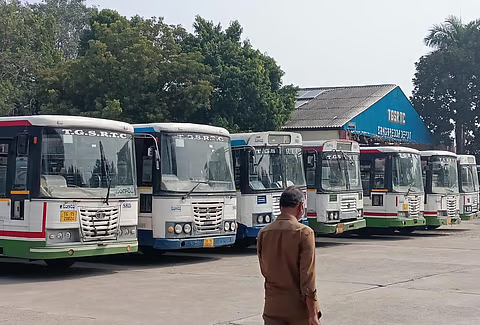
The October 18 bandh had a widespread impact across Telangana. Schools and colleges, both government and private, remained closed, though most educational institutions were already observing Diwali holidays. Government offices officially remained open, but several operated with minimal staff. State-run RTC buses operated on reduced schedules, causing inconvenience to daily commuters, though the extent of taxi and auto-rickshaw participation remained unclear.

Markets and shops, particularly in cities like Hyderabad, Warangal, Karimnagar, and Nizamabad, witnessed shutdowns with merchants’ associations extending cooperation to the BC cause. Essential services, including hospitals, police, hotels, and emergency facilities, continued normal operations. The Telangana Director General of Police B. Shivadhar Reddy urged organisers to conduct the bandh peacefully and warned that any illegal activity would face strict action.

In Jogulamba Gadwal district, various caste associations, including the Gadwal District Yadava Sanga, have announced complete support. District leaders appealed to BC communities to stand united in defence of their constitutional rights and demanded that the 42 per cent Telangana BC reservation policy be implemented through a oconstitutionalamendment by including it in the Ninth Schedule, thereby making it legally enforceable and immune from judicial review.

The Constitutional Debate: Exceeding the 50 Per cent Ceiling

The controversy surrounding Telangana BC reservation centres on fundamental constitutional questions about the limits of affirmative action. The Supreme Court’s Indra Sawhney judgment established a 50 per cent ceiling on reservations as a general principle to maintain a balance between social justice and merit-based selection. However, the Court also acknowledged that this ceiling could be exceeded in exceptional circumstances supported by quantifiable data demonstrating inadequate representation and backwardness. Organisations and supporters argue that political representation differs fundamentally from employment or educational reservations, as it does not affect “merit” in the traditional sense. They point to the 2022 Supreme Court judgment upholding 10 per cent Economically Weaker Sections (EWS) reservation, which operates outside the traditional 50 per cent ceiling, as precedent for flexibility in applying reservation limits.

Activists have also highlighted that repeated setbacks for Telangana BC reservation and similar policies in higher courts stem from poor representation of BC, SC, and ST judges in the judiciary. They demanded reservations in High Court and Supreme Court appointments to ensure inclusivity in judicial decision-making on reservation matters.

KTRThe Path Forward: Demands and Expectations
The BC Joint Action Committee, comprising approximately 170 BC associations across Telangana, has outlined clear demands for advancing the Telangana BC reservation. The primary demand is for both state and central governments to pass a constitutional amendment including the 42 per cent BC quota under the Ninth Schedule of the Constitution. Provisions included in the Ninth Schedule are protected from judicial review, thereby ensuring permanent implementation without legal challenges.

The movement has also highlighted the pending status of the Telangana BC Reservations Bill 2025, which was passed unanimously by both Houses of the State Legislature in March 2025 and sent to the Governor for assent. The Governor forwarded it to the President on March 30, 2025, but despite the Union Home Ministry seeking clarifications in June and the state submitting replies in July, the Bills have neither been returned nor approved. The state government contends that if the Governor or President does not act on Bills within three months, they should be deemed approved—an argument based on the Supreme Court’s Tamil Nadu ruling on deemed assent.

BC leaders emphasise that this movement transcends Telangana’s boundaries and represents a national struggle for ensuring justice for Backward Classes across India. R. Krishnaiah stated, “This movement is not only about Telangana—it’s about ensuring justice for BCs across the country. No government can overlook the BCs. We will persist in our efforts until the reservation bill is tabled in the Assembly and receives presidential assent.”

Conclusion: A Movement for Inclusive Democracy

The statewide bandh for Telangana BC reservation on October 18, 2025, represents a watershed moment in the state’s pursuit of social justice and inclusive governance. The unprecedented political unity across party lines, combined with massive public participation, demonstrates the depth of commitment to ensuring equitable representation for communities that have historically remained on the margins of political power despite constituting a majority of the population.

While judicial challenges have created temporary roadblocks, the movement’s strength lies in its democratic character and constitutional foundation. The comprehensive empirical data gathered through state surveys, the recommendations of dedicated commissions, and the legislative approval across political parties provide a robust framework for implementing the 42 per cent Telangana BC reservation.

As the case continues in the Telangana High Court and political negotiations proceed at the central and state levels, the October 18 bandh has sent a clear message that the people of Telangana stand united in their demand for social justice. Whether through judicial validation, constitutional amendment, or legislative action, the movement for enhanced Telangana BC reservation has fundamentally transformed the discourse on affirmative action and political representation in India’s youngest state. The path forward may involve legal complexity and political negotiation, but the commitment to ensuring that governance truly reflects the demographic reality of Telangana remains unwavering across the political and social spectrum.

Arjun Modhwadia Gujarat Minister: Historic Cabinet Transformation Reshapes State Politics

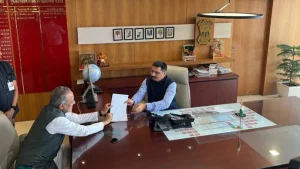
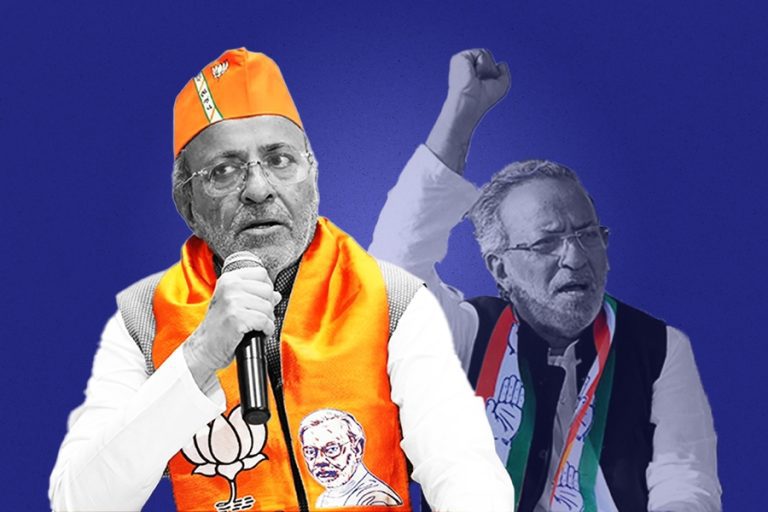
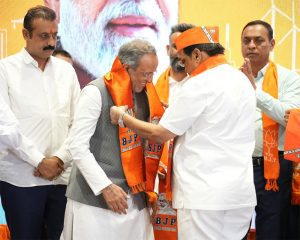
Arjun Modhwadia Gujarat minister, made headlines when the former Congress chief took oath as a cabinet-rank minister in Chief Minister Bhupendra Patel’s government on October 17, 2025. This remarkable political transformation marks one of the most significant developments in Gujarat’s political landscape, as Modhwadia, who previously served as Gujarat Congress President and Leader of Opposition during Prime Minister Narendra Modi’s tenure as Chief Minister, joined the Bharatiya Janata Party in March 2024.

Arjun Modhwadia Gujarat minister
Also Read: Arjun Modhwadia, Gujarat minister

Other: Amit Shah, Bihar Campaign

The swearing-in ceremony at Mahatma Mandir in Gandhinagar witnessed Governor Acharya Devvrat administering the oath of office and secrecy to the new council of ministers. The Arjun Modhwadia, Gujarat minister, represents a strategic move by the BJP to consolidate its position across different communities and regions in the state.

Understanding Arjun Modhwadia’s Political Journey

The Porbandar MLA began his political career by winning his first election in 2002, followed by re-election in 2007. His third victory came in 2022 on a Congress ticket, demonstrating his consistent electoral appeal in the coastal constituency. However, the trajectory of the Arjun Modhwadia, Gujarat minister’s, story took a dramatic turn when he decided to switch political allegiance.

Born on February 17, 1957, Modhwadia graduated as a Mechanical Engineer from Lakhdeersinhji Engineering College, Morbi, in 1982. Before entering politics, he worked for approximately 10 years as an Assistant Engineer at the Gujarat Maritime Board, leaving his job in 1993 to dedicate himself completely to public service.

The Arjun Modhwadia Gujarat minister appointment gains additional significance when considering his educational background and technical expertise. He holds a B.E. in Mechanical Engineering and an M.I.E. qualification, and belongs to the Mer caste, providing the BJP with both technical competence and community representation.

The Historic By-Election Victory

The path to becoming Arjun Modhwadi, a Gujarat minister, er was paved through an unprecedented electoral mandate. After joining the BJP in March 2024 in the presence of Gujarat State unit President C.R. Patil, he resigned from Congress and his MLA position, necessitating a by-election. The results were nothing short of extraordinary.

Modhwadia won the by-election with a historic margin of 116,808 votes, setting a new record in Gujarat’s electoral history. Even more impressive, he received 133,163 votes, representing 86% of the total votes cast, marking the highest percentage received by a single candidate in Gujarat’s history. This overwhelming mandate validated his decision to join the BJP and strengthened his credentials for the Arjun Modhwadia Gujarat minister role.

Cabinet Reshuffle: A Strategic Political Reorganisation

The appointment of Arjun Modhwadia Gujarat minister, came as part of a comprehensive cabinet restructuring. All 16 ministers in the Gujarat government, except Chief Minister Bhupendra Patel, tendered their resignations on Thursday, paving the way for the major reshuffle. This bold administrative move aimed to infuse fresh energy into the government ahead of the 2027 assembly elections.

The rejig saw 19 fresh faces inducted into the council of ministers, with six ministers retained from the previous team. The Arjun Modhwadia Gujarat minister induction was accompanied by other notable appointments, including Harsh Sanghavi’s elevation as Deputy Chief Minister and Rivaba Jadeja, cricketer Ravindra Jadeja’s wife, being sworn in as a minister of state.

The new cabinet comprises the Chief Minister along with seven Patidars, eight OBCs, three Scheduled Castes, and four Scheduled Tribes, reflecting the BJP’s commitment to balanced representation across communities. With the Arjun Modhwadi, a Gujarat minister, the total strength of the council of ministers increased to 26, including the Chief Minister, from 17 earlier.

arjun modhwadia resigns from congress 041234858 16x9 0Portfolio Allocation and Ministerial Responsibilities
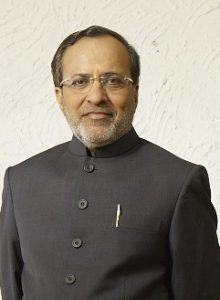
As a cabinet-rank minister, Arjun Modhwadia Gujarat minister, was assigned the Forests and Environment portfolio. This crucial responsibility places him at the forefront of Gujarat’s environmental conservation efforts and climate action initiatives. The forests and environment portfolio carries significant importance for a coastal state like Gujarat, which faces unique environmental challenges ranging from marine ecosystem preservation to industrial pollution management.

The Arjun Modhwadia Gujarat minister portfolio aligns well with his engineering background and his deep understanding of Porbandar’s coastal ecosystem challenges. His technical education and decade-long experience with the Gujarat Maritime Board provide him with valuable insights into environmental management and sustainable development.

Political Significance and Community Impact

The Arjun Modhwadia, Gujarat minister, carries multiple layers of political significance. Having served as Leader of Opposition when Narendra Modi was Chief Minister, Modhwadia brings insider knowledge of government functioning and opposition strategies to the ruling party. His four-decade association with Congress, which ended in 2024, represents a significant symbolic victory for the BJP.

For the Mer community, which has a substantial presence in the Saurashtra region, the Arjun Modhwadia, Gujarat minister, role provides important representation at the cabinet level. His engineering credentials also address the need for technically qualified ministers who can understand complex policy issues related to environmental technology and sustainable development.

Implications for Gujarat’s Political Landscape

The Arjun Modhwadia Gujarat minister story reflects broader trends in Gujarat politics, where the BJP has successfully attracted leaders from opposition parties. This strategy has proven effective in consolidating the party’s dominance across different regions and communities. The cabinet expansion, occurring two years before the 2027 assembly elections, signals the BJP’s proactive approach to governance and political management.

The presence of Arjun Modhwadia Gujarat minister in the cabinet, also sends a message to other opposition leaders about the opportunities available within the BJP fold. His record-breaking electoral victory after switching parties demonstrates that voters are willing to accept political realignments when they perceive genuine development prospects.

Arjun Modhwadia croppedLooking Ahead: Challenges and Opportunities
As Arjun Modhwadia, Gujarat minister, begins his tenure, he faces the challenge of managing Gujarat’s environmental portfolio while proving his effectiveness as a minister. His success will be measured not just by policy implementation but also by his ability to leverage his technical background and political experience for tangible outcomes.

The Arjun Modhwadia Gujarat minister appointment represents more than a personal political transformation—it symbolises the evolving nature of Gujarat’s political ecosystem, where merit, community representation, and electoral mandate converge to shape governance. As he takes on his ministerial responsibilities, all eyes will be on how this former opposition stalwart contributes to the BJP government’s development agenda while managing one of the state’s most critical portfolios.

The Arjun Modhwadia, Gujarat minister’s journey from Congress opposition leader to BJP cabinet minister stands as a testament to the dynamic nature of contemporary Indian politics, where ideological flexibility and development priorities increasingly shape political alignments and career trajectories.

DUSU Professor Assault: Shocking Incident Sparks Major Investigation

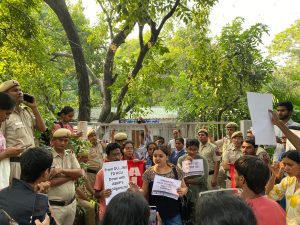
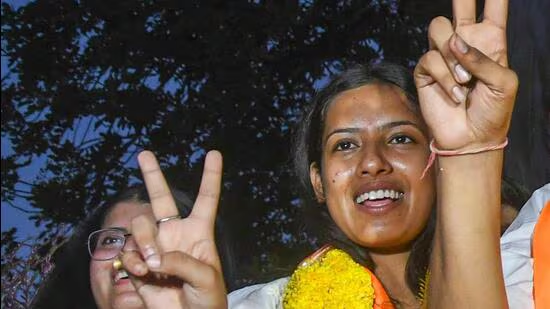
New Delhi – Delhi University has constituted a high-level inquiry committee to investigate the DUSU professor assault that occurred at Dr Bhim Rao Ambedkar College on Thursday. The incident, involving Delhi University Students’ Union joint secretary Deepika Jha physically attacking faculty member Sujit Kumar, has sent shockwaves through the academic community and sparked widespread condemnation.

Investigation Committee Formed

In response to the DUSU professor assault, Delhi University acted swiftly to establish a six-member inquiry committee. Professor Neeta Sehgal from the Department of Zoology will chair the committee tasked with investigating the physical attack on the faculty member.

“University of Delhi has constituted an inquiry committee to investigate the physical assault on a faculty member by Ms Deepika Jha, joint secretary of the DUSU at BR Ambedkar College. The six-member committee will be chaired by professor Neeta Sehgal (Department of Zoology). The committee will investigate the matter and submit its factual report as soon as possible,” according to an official university statement regarding the DUSU professor assault.

University Vice Chancellor Yogesh Singh has demanded the investigation report within two weeks, indicating the seriousness with which the administration is treating the DUSU professor assault incident.

Viral CCTV Footage Sparks Outrage

DUSU professor assault

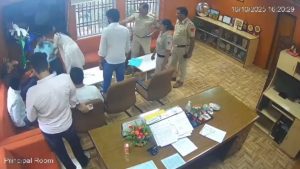
The DUSU professor assault gained widespread attention after CCTV footage of the incident circulated extensively on social media platforms. The video clip showing the physical attack evoked immediate and strong backlash from teachers across the university, who expressed shock and dismay at the brazen assault on a faculty member.

The viral nature of the footage in the DUSU professor assault case has amplified public scrutiny and intensified pressure on university authorities to take decisive action against those responsible for the attack.

Details of the Incident

The DUSU professor assault occurred when Deepika Jha, accompanied by other members of the Akhil Bharatiya Vidyarthi Parishad (ABVP), entered the college premises on Thursday. According to faculty accounts, the student union members slapped Professor Sujit Kumar during a confrontation at the institution.

The circumstances surrounding the DUSU professor assault reveal deeper tensions within the college administration. Professor Kumar stated that the altercation happened after Jha and other ABVP members barged into the principal’s office and “forced him to sign a resignation from the post of convener of the college disciplinary committee.”

This context suggests the DUSU professor assault was not a spontaneous incident but potentially linked to ongoing disputes over administrative positions and authority within the college.

Deepika Jha’s Defense and Apology

DUSU professor assault

In the aftermath of the DUSU professor assault, Deepika Jha released a video statement early Friday morning attempting to explain her actions. In her defense, Jha claimed that Professor Kumar “threatened and stared at her in front of police,” despite her expressing discomfort during the encounter.

Jha also alleged in her statement about the DUSU professor assault that Kumar was “inebriated” at the time of the incident, though this claim has not been independently verified. She acknowledged her violent response: “After seeing all this, I felt angry and raised my hand. I regret the incident and I apologise to the teachers’ community. It was not my intention to hurt anyone’s sentiments.”

Also Read: Travis Scott Concert: Massive Traffic Changes for 60,000 Attendees

While Jha expressed regret regarding the DUSU professor assault, her apology has done little to quell the anger within the teaching community, who view the incident as a serious breach of academic decorum and an attack on faculty dignity.

Teachers’ Association Responds

DUSU professor assault

The Delhi University Teachers’ Association (DUTA) responded forcefully to the DUSU professor assault by calling for a protest in the north campus on Friday. The flash dharna demonstrated the teaching community’s unified stand against violence and intimidation of faculty members.

Professor Mithuraaj Dhusiya, a DU professor and elected executive council member who participated in the protest, expressed his condemnation of the DUSU professor assault on social media: “In the DUTA Flash Dharna today, I expressed my firm condemnation of yesterday’s slapgate incident in BRAC. Strong decisive actions need to be taken both by VC and DUTA leadership. Till justice is achieved, the university needs to be brought to complete standstill. Total shutdown! Dignity of teachers needs to be restored!”

The teachers’ response to the DUSU professor assault indicates widespread frustration within the faculty community about what they perceive as deteriorating respect for academic authority and growing student aggression.

Student Organizations Condemn Incident

Beyond the faculty response, student organizations have also voiced concerns about the DUSU professor assault. The Students’ Federation of India (SFI) condemned the incident and urged university administration to “ensure that all those responsible are held accountable.”

The SFI’s statement regarding the DUSU professor assault reflects broader student concerns about maintaining proper conduct and respect within academic institutions, even among those who may disagree with the current DUSU leadership.

Implications for Campus Culture

The DUSU professor assault raises serious questions about campus culture, student-faculty relations, and the boundaries of student activism at Delhi University. The incident has sparked debates about whether student union politics has become too aggressive and whether adequate safeguards exist to protect faculty members from intimidation or violence.

Calls for Accountability

Following the DUSU professor assault, there are growing demands for strict action against those involved. Faculty members and concerned students are calling for consequences that will deter future incidents and restore respect for academic authority within the university system.

The two-week deadline for the inquiry committee’s report means that conclusions regarding the DUSU professor assault should be available soon, allowing the university administration to take appropriate disciplinary action.

Broader Context

The DUSU professor assault incident occurs against a backdrop of ongoing tensions between various student political groups and college administrations across Delhi University. Issues of administrative control, disciplinary authority, and student representation frequently create friction within the university system.

Moving Forward

As the investigation into the DUSU professor assault proceeds, the university community awaits decisive action that will address not only this specific incident but also establish clear protocols for preventing similar occurrences. The outcome of this case will likely set important precedents for how Delhi University handles conflicts between student leadership and faculty members in the future.

Travis Scott Concert: Massive Traffic Changes for 60,000 Attendees

New Delhi – Delhi Traffic Police issued a comprehensive traffic advisory on Friday in anticipation of rapper Travis Scott’s highly anticipated “Circus Maximus World Tour” performances scheduled at Jawaharlal Nehru Stadium this weekend. The Travis Scott concert, taking place on October 18 and 19, is expected to draw between 50,000 to 60,000 spectators per day, prompting extensive traffic management measures across the capital.

Unprecedented Crowd Management Challenge

The Travis Scott concert represents one of the largest entertainment events in recent Delhi history, creating significant logistical challenges for city authorities. With an expected footfall of 50,000 to 60,000 spectators daily, the area around JLN Stadium is anticipated to experience dense crowds and heavy vehicular congestion.

“An expected footfall of 50,000-60,000 spectators per day may lead to heavy congestion on roads around the venue. Comprehensive traffic arrangements and diversions will be in place to ensure public convenience and smooth traffic movement,” Delhi Traffic Police announced on its official social media platform regarding the Travis Scott concert preparations.

Entry Gate Restrictions

To manage the massive crowds attending the Travis Scott concert, authorities have designated specific entry points for spectators. Entry to the venue is permitted exclusively through gate numbers 2, 6, 8, 13, 14, and 21. This controlled access system aims to prevent overcrowding and ensure orderly entry for the thousands of fans attending the Travis Scott concert performances.

Additionally, gate numbers 1 and 10 have been reserved exclusively for emergency purposes, ensuring that emergency services can access the venue quickly if required during the Travis Scott concert events.

Designated Parking Arrangements

Recognizing the parking challenges posed by the Travis Scott concert, authorities have designated two primary parking locations for attendees. Sewa Nagar Bus Depot and Sunheri Pulla Bus Depot will serve as official parking areas, providing organized spaces for the thousands of vehicles expected to converge on the venue.

Crucially, roadside parking has been completely prohibited in the vicinity of the Travis Scott concert venue. This restriction aims to keep thoroughfares clear and prevent additional congestion on already busy roads surrounding JLN Stadium.

Extensive Traffic Diversions

To accommodate the Travis Scott concert crowds, Delhi Traffic Police has implemented traffic diversions at multiple key intersections between 4 pm and 10 pm. These diversions will affect several major junctions including JLN signal, Sewa Nagar Bus Depot signal, 5th Avenue Road Dhobi Ghat, and Pragati Vihar signal.

Additional diversion points for the Travis Scott concert period include Lala Lajpat Rai Marg T-Point, Barapullah Cut near Gate No. 5, and Jangpura Metro Station (Suchna Bhawan T-Point). Commuters are advised to plan alternate routes during these hours to avoid delays.

Heavy Vehicle Restrictions

Specific restrictions targeting heavy vehicles have been implemented for the Travis Scott concert duration. Heavy vehicles will be completely prohibited from traveling between JLN Stadium signal and BP Marg during the extended window of 4 pm to 11 pm, accommodating both the concert hours and the subsequent dispersal of crowds.

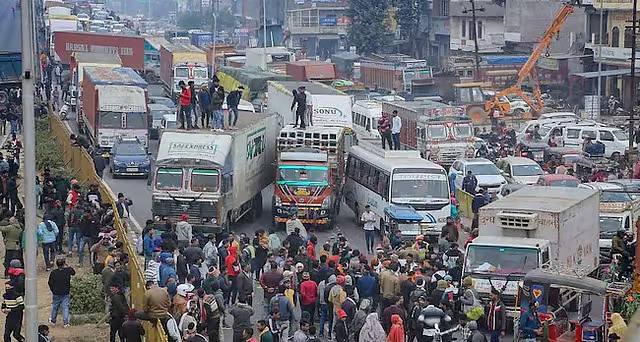
Also Read: Delhi Traffic Jam: Massive Gridlock Paralyzes Capital During Diwali

This heavy vehicle ban during the Travis Scott concert period aims to reduce congestion and improve traffic flow for passenger vehicles transporting spectators to and from the venue.

Public Advisory and Route Recommendations

Delhi Traffic Police has urged the general public to avoid BP Marg, Lodhi Road, and surrounding roads during the Travis Scott concert event hours. These arterial routes are expected to experience maximum congestion due to the convergence of thousands of vehicles and pedestrians heading to JLN Stadium.

Authorities strongly recommend using public transport to attend the Travis Scott concert, emphasizing that metro services provide the most convenient and congestion-free option for reaching the venue. Spectators have been advised to follow traffic police instructions strictly to ensure their safety and smooth event management.

Concurrent Festive Season Management

The Travis Scott concert management occurs alongside preparations for Dhanteras and Diwali, adding another layer of complexity to Delhi’s traffic situation. As the festival of lights approaches, Delhi Traffic Police has stepped up arrangements across the city to manage heavy traffic movement during this traditionally busy period.

The dual challenge of managing the Travis Scott concert crowds while handling festive shopping traffic has prompted comprehensive citywide traffic planning.

Personnel Deployment Strategy

To effectively manage both the Travis Scott concert and festive season traffic, Delhi Police cancelled leaves of all traffic personnel on Thursday. This ensures maximum deployment across the city, with special focus on the JLN Stadium area and major market zones.

Special Commissioner of Police (Traffic) Ajay Chaudhary confirmed the extensive preparations: “Maximum deployment has been made across the city. Personnel on motorcycles have been deployed, and leaves have been cancelled. We are fully prepared to manage the rush and ensure smoother movement in the coming days.”

Market Area Management

Beyond the Travis Scott concert venue, special traffic plans have been implemented for major market areas including Lajpat Nagar, Sarojini Nagar, and Connaught Place, where festive shopping is expected to peak. Personnel on motorcycles have been specifically deployed for rapid response and better maneuverability in congested areas.

Weekend Impact

The Travis Scott concert’s weekend timing compounds traffic challenges, as weekends typically see increased recreational travel. The combination of concert traffic, festive shopping, and regular weekend activities creates an unprecedented demand on Delhi’s road network.

Public Cooperation Essential

Authorities emphasize that successful management of the Travis Scott concert traffic situation requires public cooperation. Spectators and general commuters are urged to plan journeys in advance, allow extra travel time, use public transportation where possible, and follow traffic police instructions diligently.

The Travis Scott concert represents a major test of Delhi’s event management capabilities, with lessons learned applicable to future large-scale entertainment events in the capital.

Trump China Tariff Talks: Powerful Move Prompts Beijing to Agree to New Negotiations

Washington D.C. – Amid intensifying trade tensions, Trump China Tariff Talks have once again taken center stage in global diplomacy. China on Saturday announced its willingness to engage in a new round of discussions with the United States “as soon as possible,” following U.S. President Donald Trump’s decision to impose a 100% tariff on Chinese exports bound for America. The move, which sent shockwaves across financial markets, is being interpreted as a strategic effort by Washington to pressure Beijing back to the negotiation table.


China’s Willingness for Fresh Dialogue

Trump China Tariff Talks On Russia Tariffs

According to official statements, Beijing’s top negotiator, Vice Premier He Lifeng, held a video conference with U.S. Treasury Secretary Scott Bessent, where both sides had what was described as “candid, in-depth, and constructive exchanges.” The renewed Trump China Tariff Talks are expected to focus on reducing trade imbalances, tariff structures, and addressing concerns about technology and software exports.

This development marks the first direct contact between senior officials from both countries in weeks, signaling a potential thaw in an otherwise strained relationship. For Beijing, reopening communication channels appears to be an attempt to stabilize the situation before Trump’s latest trade measures take effect on November 1.


Trump’s 100% Tariff Announcement

Trump China Tariff Talks

The Trump China Tariff Talks gained urgency after President Trump’s announcement last week that his administration would double existing tariffs to 100% on all Chinese goods headed to the U.S. This sweeping move also includes new export restrictions on “any and all critical software,” a measure scheduled for implementation just days before current tariff relief is set to expire.

The U.S. President framed the move as a necessary step to “defend American interests” and “ensure fair trade,” adding that China had benefited disproportionately from existing agreements. Trump’s rhetoric emphasized strength and decisiveness—characteristics central to his trade policy approach.


A Meeting Planned Between Trump and Xi

Trump China Tariff Talks

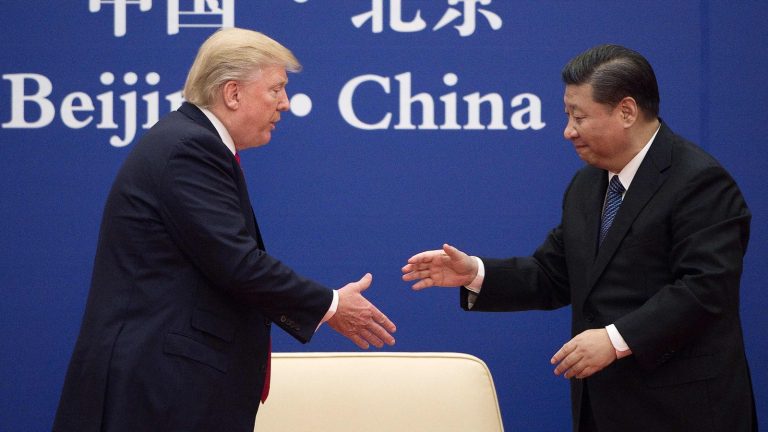
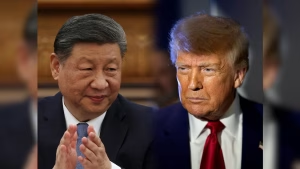
Adding to the momentum of the Trump China Tariff Talks, Trump confirmed that he intends to meet Chinese President Xi Jinping in two weeks in South Korea. This proposed meeting follows a period of uncertainty, as Trump had previously expressed doubts about its feasibility.

During his recent interaction with reporters, Trump spoke highly of Xi, calling him a “strong leader” and emphasizing their “mutual respect.” Analysts suggest that the personal rapport between the two leaders could serve as a stabilizing factor in the turbulent trade relationship between the world’s two largest economies.


US Treasury’s Optimistic Outlook

U.S. Treasury Secretary Scott Bessent, who has played a key role in facilitating the Trump China Tariff Talks, expressed cautious optimism following his conversation with He Lifeng. “I think that things have de-escalated,” he said, adding that the U.S. hopes China will show the same level of respect and commitment that Washington has demonstrated.

Also Read: Trump On Pakistan Afghanistan Conflict: Bold Claim of ‘Easy Solution’ Sparks Global Debate

Bessent also expressed confidence that Trump’s personal diplomacy with Xi would “get things back on a good course,” indicating the administration’s expectation that direct leader-to-leader dialogue could yield quicker results than technical negotiations alone.


China’s Calculated Response

In Beijing, officials described the Trump China Tariff Talks as necessary to prevent economic escalation. While Chinese ministries refrained from issuing strong condemnations, internal discussions reportedly emphasized the need to balance firmness with pragmatism.

China’s Vice Premier He Lifeng, who has been leading the negotiation team since 2024, is said to favor dialogue over confrontation, believing that resuming talks could help safeguard China’s economic stability amid growing international uncertainty. Beijing’s announcement to reopen talks “as soon as possible” signals a potential shift toward conciliation rather than retaliation.


Global Economic Reactions

The Trump China Tariff Talks have already influenced global markets. Following Trump’s announcement, Asian stocks experienced temporary declines, while the U.S. dollar strengthened. Economists note that a full-scale tariff implementation could disrupt global supply chains, increase production costs, and affect consumer prices worldwide.

However, the news of Beijing’s willingness to talk has since restored some investor confidence. Financial analysts suggest that if talks progress, it could avert a broader trade crisis reminiscent of the 2018 tariff standoff.


The Strategic Timing Behind Trump’s Move

Observers believe that Trump’s tough stance in the Trump China Tariff Talks serves dual purposes: exerting pressure on China and reinforcing his “America First” message domestically. With elections nearing, the 100% tariff announcement allows Trump to project an image of defending U.S. industry and technological sovereignty.

The decision to meet Xi in South Korea, just weeks after escalating tariffs, is viewed as a tactical combination of strength and diplomacy—a hallmark of Trump’s international strategy.


Prospects for Resolution

While both nations have agreed to return to the negotiating table, the success of the renewed Trump China Tariff Talks will depend on the willingness of both sides to compromise. Key areas of contention remain unresolved, including technology transfer, data security, and export regulations.

Despite the uncertainty, the dialogue itself marks a positive shift. As the world watches closely, the next few weeks could determine whether this trade confrontation moves toward reconciliation or further escalation.

Amit Shah Bihar Campaign: Bold ‘Four Diwali’ Pitch Electrifies Rally

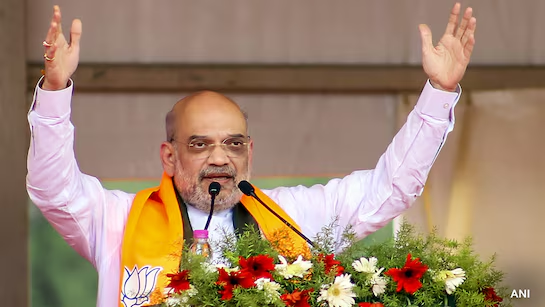
Bihar – Home Minister Amit Shah launched a high-voltage campaign in poll-bound Bihar on Friday, expressing unwavering confidence that the National Democratic Alliance will return to power with the “biggest majority in 20 years.” The Amit Shah Bihar campaign featured a unique “four Diwali” pitch and lavish praise for Chief Minister Nitish Kumar, setting the tone for the upcoming assembly elections.

The Four Diwali Formula

Amit Shah Bihar

A centerpiece of the Amit Shah Bihar campaign was his innovative “four Diwali” narrative designed to connect with voters ahead of the festival. Shah told the gathering that people of Bihar are celebrating four separate Diwalis this year, each representing a significant achievement or milestone for the state’s residents.

“People of Bihar are celebrating four Diwalis this year — on the day of Diwali, on the day when the NDA government transferred ₹10,000 into the accounts of ‘Jeevika Didis’, on the day when GST was reduced, and on November 14, when the results of the elections will be announced,” Shah declared during the Amit Shah Bihar rally.

This rhetorical device cleverly linked the traditional Hindu festival with government welfare schemes, tax relief, and anticipated electoral victory, creating an emotionally resonant message for Bihar’s electorate.

Effusive Praise for Nitish Kumar

Amit Shah Bihar

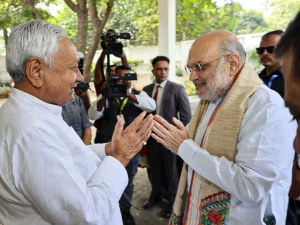
The Amit Shah Bihar campaign prominently featured generous praise for the Chief Minister and NDA ally Nitish Kumar. Earlier in the day, Shah met with Kumar in Patna, demonstrating the alliance’s unity ahead of the crucial polls.

During his speech, the Amit Shah Bihar address highlighted Kumar’s two-decade transformation of the state. “Kumar made Bihar free from ‘jungle raj’ in last 20 years,” Shah proclaimed, crediting the Chief Minister with fundamentally changing the state’s law and order situation.

The Amit Shah Bihar campaign also claimed that the NDA government successfully curbed migration from Bihar, addressing one of the state’s most persistent socio-economic challenges. This praise aimed to consolidate NDA’s support base while positioning Kumar as an indispensable leader for Bihar’s continued development.

Infrastructure Development Narrative

A significant component of the Amit Shah Bihar campaign focused on infrastructure achievements under NDA rule. The Home Minister emphasized the transformation in connectivity and transportation across the state.

“So much infrastructure work has been done in Bihar that it doesn’t even take five hours to travel from one corner of Bihar to another,” Shah stated during the Amit Shah Bihar rally. He attributed this development to the combined efforts of Prime Minister Narendra Modi and Chief Minister Nitish Kumar.

This infrastructure narrative in the Amit Shah Bihar campaign contrasts sharply with the state’s previous reputation for poor roads and limited connectivity, suggesting a fundamental transformation in Bihar’s physical landscape.

Attack on Previous Regimes

The Amit Shah Bihar campaign included sharp attacks on opposition parties, particularly the Congress-Rashtriya Janata Dal alliance. Shah painted a dark picture of Bihar before NDA’s governance, listing various law and order problems.

Also Read: Congress Bihar Candidates 2025: Complete List of 48 Nominees Revealed

“Before our government came here, migration, extortion, murders, and kidnappings were common,” Shah asserted during the Amit Shah Bihar address. He claimed that under Congress-RJD rule, “terrorists used to play Holi with bloodshed,” using vivid imagery to emphasize the alleged lawlessness of earlier administrations.

Operation Sindoor Reference

The Amit Shah Bihar campaign leveraged recent military operations to demonstrate the NDA government’s strong security credentials. Shah referenced Operation Sindoor, India’s response to the Pahalgam terror attack, as evidence of the Modi government’s decisive leadership.

“But when the Pahalgam terror attack happened, under the leadership of PM Modi, the Armed Forces, through Operation Sindoor, eliminated the terrorists and destroyed their sites,” Shah stated, connecting national security achievements to the Amit Shah Bihar electoral narrative.

Controversy Over RJD Candidate

A particularly pointed element of the Amit Shah Bihar campaign targeted the opposition’s candidate selection. Shah criticized RJD for fielding Osama Shahab, son of gangster-turned-politician Mohammad Shahabuddin, questioning the party’s commitment to law and order.

“How will the party ensure the security of Bihar’s people if it gives tickets to such candidates?” Shah asked rhetorically during the Amit Shah Bihar rally. The RJD has nominated Osama Shahab to contest from Bihar’s Raghunathpur assembly constituency in Siwan.

This attack line in the Amit Shah Bihar campaign attempted to paint the opposition as compromised on crime and security issues, contrasting sharply with NDA’s claims of establishing law and order.

Electoral Confidence

Amit Shah Bihar

Throughout the Amit Shah Bihar campaign, the Home Minister projected supreme confidence about electoral outcomes. His prediction of the “biggest majority in 20 years” represents an ambitious target, suggesting NDA expects not merely to retain power but to expand its mandate significantly.

The Amit Shah Bihar campaign’s optimistic tone aimed to create momentum and enthusiasm among party workers and supporters, while potentially influencing undecided voters through projected confidence.

Meeting with Nitish Kumar

The Amit Shah Bihar visit included a strategic meeting with Chief Minister Nitish Kumar in Patna, demonstrating alliance coordination. This visual of unity serves important purposes for the campaign, reassuring voters about the stability of the NDA coalition.

Election Timeline

The Amit Shah Bihar campaign occurs against the backdrop of a two-phase election schedule. Bihar assembly elections are set to take place on November 6 and 11, with counting scheduled for November 14—the date Shah designated as the “fourth Diwali” for Bihar residents.

This compressed timeline means the Amit Shah Bihar campaign and similar efforts by other NDA leaders will intensify in coming weeks, as parties make their final push to sway voters before the polls.

Mehul Choksi Extradition: Major Breakthrough as Belgium Court Rules In $1.8B Bank Fraud

Belgium – The Mehul Choksi extradition case witnessed a significant breakthrough on Friday when a court in Antwerp, Belgium, rejected the fugitive diamantaire’s appeal against extradition to India. This landmark decision brings India substantially closer to securing the return of one of its most wanted financial fugitives, accused of orchestrating a massive ₹13,000 crore bank fraud at Punjab National Bank.

Court Validates Arrest

The Antwerp court delivered a crucial judgment in the Mehul Choksi extradition proceedings by terming his arrest by Belgian authorities as valid. The arrest, executed on April 11 based on India’s extradition request submitted by the Central Bureau of Investigation, has now received judicial endorsement, strengthening India’s legal position in bringing back the accused businessman.

In September, the Court of Appeals in Antwerp heard arguments in the Mehul Choksi extradition appeal, examining various legal aspects including the validity of the arrest warrant, the evidence presented by Indian authorities, and claims made by the fugitive regarding his citizenship status.

The Massive Bank Fraud

The Mehul Choksi extradition case revolves around one of India’s largest banking scandals. Choksi stands accused of a ₹13,000 crore fraud at Punjab National Bank, orchestrated in collusion with his nephew Nirav Modi, who is also facing extradition proceedings and is currently lodged in a London prison.

Of the total ₹13,000 crore fraudulent amount, the CBI alleged in its chargesheet that Choksi alone siphoned off ₹6,400 crore. The scale and sophistication of this financial crime have made the Mehul Choksi extradition a high-priority case for Indian law enforcement agencies.

India’s Comprehensive Legal Strategy

During the Mehul Choksi extradition proceedings in Belgian courts, India mounted a comprehensive legal campaign. The CBI sent its investigative teams to Belgium at least three times and hired a private European law firm to navigate the complex continental legal system effectively.

Indian authorities presented substantial evidence during the Mehul Choksi extradition hearings, documenting the fraud and diversion of funds by the accused diamantaire. The prosecution also highlighted Choksi’s repeated attempts to evade the legal process, demonstrating a pattern of flight from justice that strengthened India’s case.

Detention Assurances to Belgium

A critical component of the Mehul Choksi extradition case involved assurances provided by the Indian government to Belgian authorities regarding detention conditions. India guaranteed that if extradited, Choksi would be held at Barrack No. 12 at Arthur Road Jail in Mumbai, which conforms to European CPT (Committee for Prevention of Torture and Inhuman or Degrading Treatment or Punishment) standards.

These assurances in the Mehul Choksi extradition matter included provisions for clean drinking water, adequate food and medical facilities, access to newspapers and television, choice of treatment from a private doctor, and a commitment that he would not face solitary confinement. Such guarantees are standard requirements in European extradition cases.

Citizenship Dispute

A contentious aspect of the Mehul Choksi extradition proceedings involves his citizenship status. Indian authorities maintained that Choksi continues to be an Indian citizen wanted in connection with a fraud exceeding $950 million, disputing his claim of being an Antiguan national.

Choksi argued before Belgian courts during the Mehul Choksi extradition hearings that he surrendered his Indian citizenship on December 14, 2018, after acquiring citizenship of Antigua and Barbuda on November 16, 2017. However, Indian authorities have challenged this assertion, maintaining that his Indian citizenship remains valid for legal purposes.

Multiple Fraud Cases

Indian investigators submitted documentary evidence to Belgian prosecutors in the Mehul Choksi extradition case covering six separate bank frauds allegedly committed between 2018 and 2022. These fraudulent transactions involved amounts totaling nearly ₹13,000 crore, demonstrating a pattern of sustained criminal activity.

The Belgian court, examining evidence in the Mehul Choksi extradition matter, has already expressed conviction that there exists prima facie fear of him fleeing from Belgium if released. This judicial assessment significantly bolstered India’s position and contributed to the rejection of his bail requests.

Previous Bail Rejections

Prior to the latest ruling on the Mehul Choksi extradition appeal, Belgian courts had already rejected his bail requests on multiple occasions. These decisions reflected judicial concerns about flight risk, given Choksi’s history of evading Indian authorities and his access to substantial financial resources.

Next Steps in Legal Process

While the Mehul Choksi extradition case has cleared a major hurdle, the process is not yet complete. Choksi retains the option to appeal against this decision in a higher court, according to officers familiar with the matter. This means his immediate return to India is not guaranteed, though a crucial stage has been successfully navigated.

An investigating officer noted regarding the Mehul Choksi extradition timeline: “This means he may not come immediately but the first and a very important stage is cleared.” This acknowledgment reflects the realistic understanding that extradition proceedings can be lengthy, especially when multiple appellate options remain available.

Significance of the Ruling

The court’s decision in the Mehul Choksi extradition case represents a major diplomatic and legal victory for India. It validates the evidence and legal arguments presented by Indian authorities and demonstrates effective international cooperation in combating financial crimes.

Broader Implications

The progress in the Mehul Choksi extradition proceedings sends a strong message to other financial fugitives who have fled India. It demonstrates that India’s reach extends beyond its borders through effective use of international legal mechanisms and diplomatic channels.

As the Mehul Choksi extradition case potentially moves to higher courts, Indian authorities remain committed to pursuing all legal avenues to ensure his return and face trial for the massive bank fraud that shook the nation’s financial system.

Trump On Pakistan Afghanistan Conflict: Bold Claim of ‘Easy Solution’ Sparks Global Debate

Washington D.C. – Amid rising tensions between Islamabad and Kabul, Trump On Pakistan Afghanistan Conflict remarks have drawn significant global attention. The US President, known for his bold assertions on international disputes, said the ongoing border clash would be “an easy one” for him to resolve. His statement came as both nations reported a new wave of ceasefire violations late Friday night.


Trump’s Confidence in Solving the Conflict

Trump On Pakistan Afghanistan Conflict
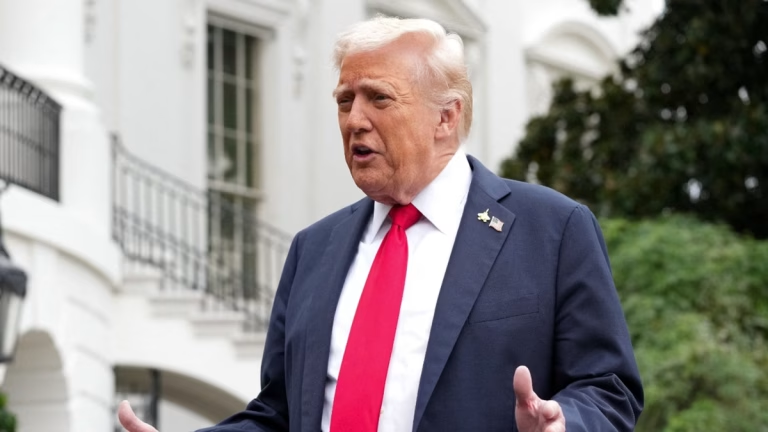
President Donald Trump speaks to reporters before departing the White House, Friday, Sept. 26, 2025, in Washington. (AP Photo/Julia Demaree Nikhinson)

Speaking to reporters in Florida, Donald Trump declared that resolving the Trump On Pakistan Afghanistan Conflict would not be difficult for him if he chose to intervene. He referenced his self-claimed record of “solving eight wars,” asserting his diplomatic prowess. Trump said, “Although I do understand that Pakistan attacked, or there is an attack going on with Afghanistan, that’s an easy one for me to solve if I have to solve it.”

His comments came amid heightened border tensions between Pakistan and Afghanistan, where recent airstrikes and retaliatory attacks have reignited hostilities. Observers note that Trump’s timing and tone indicate his renewed interest in global conflict resolution narratives ahead of his domestic political campaigns.


Claims of Solving Multiple Wars

Trump On Pakistan Afghanistan Conflict

Continuing his speech, Trump reiterated his past claims of mediating global conflicts, including an alleged resolution between India and Pakistan earlier this year. The Trump On Pakistan Afghanistan Conflict narrative aligns with his recurring theme of portraying himself as a peacemaker on the world stage.

Despite his confidence, diplomatic experts have often dismissed his claims, citing the lack of official acknowledgment from involved nations. India, for instance, has repeatedly denied Trump’s assertion of brokering any ceasefire agreement with Pakistan. Nonetheless, Trump’s rhetoric continues to fuel debate over his foreign policy ambitions.


Reference to Nobel Peace Prize

During his remarks, Trump also expressed frustration over not receiving a Nobel Peace Prize, despite “solving so many wars.” He commented, “Somebody got it who is a very nice woman. I don’t know who she is, but she was very generous. I don’t care about that stuff; I just care about saving lives.”

This segment of his speech reflected his familiar tone of self-praise mixed with disdain for global recognition systems. The Trump On Pakistan Afghanistan Conflict remark fit into his broader narrative of global leadership and conflict intervention.


Ceasefire Violation and Border Escalation

The border conflict between Pakistan and Afghanistan has escalated sharply in recent days. Following an intense exchange of fire, both sides had agreed to a 48-hour ceasefire earlier this week. However, Afghan officials claimed that Pakistan violated the truce late Friday night.

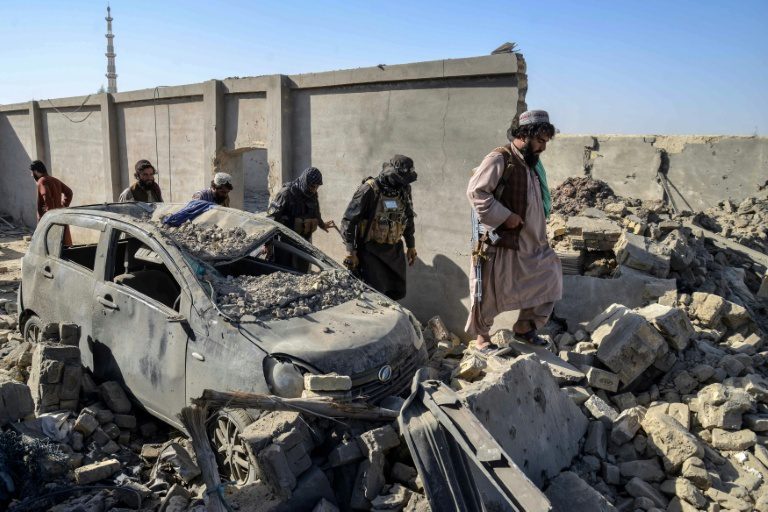
According to Afghan authorities, Pakistan launched air strikes in Paktika Province, killing at least ten people. A senior Taliban official confirmed that “Pakistan has broken the ceasefire and bombed three locations,” vowing retaliation. The Trump On Pakistan Afghanistan Conflict debate gained more traction as the attacks coincided with his public remarks.


Civilian and Sports Casualties Reported

Trump On Pakistan Afghanistan Conflict

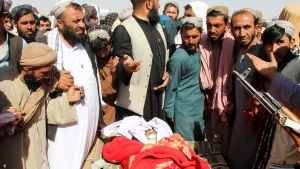
Tragically, among those killed in the latest strikes were three local cricketers from Urgun District in Paktika. The Afghanistan Cricket Board confirmed their deaths, describing the attacks as “cowardly.” This revelation has added to the growing condemnation of cross-border aggression.

The Trump On Pakistan Afghanistan Conflict continues to draw emotional and political reactions as the human cost of violence rises. Sports bodies, rights organizations, and international observers have urged both nations to halt further escalation.


Background: The Triggering Incident

The flare-up reportedly began after a blast in Kabul’s Abdul Haq Square last week, during the visit of Taliban minister Amir Khan Muttaqi to India. Afghan officials accused Pakistan of orchestrating the violence, a charge Pakistan has not acknowledged. The Trump On Pakistan Afghanistan Conflict narrative has since evolved as both countries exchange conflicting accounts of aggression.

Earlier reports also suggested that Afghan forces captured 25 Pakistani army posts, allegedly killing 58 soldiers and injuring 30 others. While these figures remain unverified, they illustrate the growing instability along the border.


International Response and Mediation Efforts

Following the escalation, Qatar and other nations called for restraint and renewed dialogue. Both sides extended their ceasefire during talks in Doha, although violations have since continued. Diplomats hope international mediation might ease tensions before the conflict expands further.

As global attention shifts toward the Trump On Pakistan Afghanistan Conflict, analysts suggest that his public remarks could influence diplomatic approaches. His bold declarations, though lacking formal involvement, tend to attract wide media coverage and impact international perception.


Conclusion: Trump’s Bold Rhetoric Amid Real Conflict

While Trump’s claim that the Trump On Pakistan Afghanistan Conflict would be an “easy one” to resolve has stirred debate, the ground realities remain grim. With continued violence, civilian casualties, and fragile ceasefires, the path to peace appears far from simple.

Trump’s confident tone may appeal to his supporters, but for Afghanistan and Pakistan, the challenge is not rhetorical—it is humanitarian. As the world watches, the true test lies not in political statements, but in sustained peace efforts between the two nations.

Pakistan Afghanistan Ceasefire: Shocking Violations Kill 3 Cricketers

Afghanistan – The fragile Pakistan Afghanistan ceasefire faced severe strain on Friday as the Afghan Taliban accused Pakistan of violating the truce with fresh airstrikes in its territory. The alleged violations resulted in the deaths of three local cricketers from Urgun District in Paktika Province, prompting Afghanistan’s withdrawal from an upcoming cricket tournament and raising serious questions about the sustainability of peace efforts.

Tragic Deaths of Afghan Cricketers

Pakistan Afghanistan ceasefire

The Pakistan Afghanistan ceasefire violations claimed the lives of three cricketers—Kabeer, Sibghatullah, and Haroon—alongside five other civilians from Urgun District. According to the Afghanistan Cricket Board (ACB), the players had traveled to Sharana, the capital of Paktika province, to participate in a friendly cricket match before returning home.

The Pakistan Afghanistan ceasefire breakdown occurred when these cricketers were targeted during a gathering in Urgun following their return. Seven others were injured in the incident, which the ACB characterized as a deliberate attack on civilians. Some sources indicate that eight local cricketers may have been killed in the strike, highlighting the civilian cost of the ongoing conflict.

Afghanistan Withdraws from Cricket Tournament

Expressing profound grief over the deaths, the Afghanistan Cricket Board announced its immediate withdrawal from the upcoming Tri-Nation T20I series involving Pakistan. This unprecedented decision underscores how the Pakistan Afghanistan ceasefire violations have extended beyond military confrontations to impact sporting and cultural relations between the two nations.

The ACB’s statement mourned the martyrdom of the players and fellow countrymen, emphasizing that they were killed after participating in a peaceful sporting activity. This withdrawal represents a significant diplomatic and cultural setback in an already strained relationship.

Fresh Strikes Despite Truce Extension

Pakistan Afghanistan ceasefire

Despite the Pakistan Afghanistan ceasefire extension agreed upon by both parties, Taliban officials claimed that Pakistan bombed three locations in Paktika province. At least ten people were killed in these fresh strikes, according to Afghan authorities, who accused Islamabad of deliberately violating the cessation of hostilities.

Mohammad Ismail Mawia, a police spokesman in Afghanistan’s Paktika province, specifically stated that Pakistan conducted airstrikes in Barmal and Urgun districts within hours of the truce extension. These strikes occurred even as both nations had reportedly agreed to extend the Pakistan Afghanistan ceasefire until the conclusion of diplomatic talks in Doha.

Also Read: John Bolton Indictment: Shocking Charges Over Classified Documents

Doha Talks and Diplomatic Efforts

The two South Asian neighbors agreed to extend the Pakistan Afghanistan ceasefire through the conclusion of negotiations in Doha, Qatar. A Pakistani delegation had already arrived in Doha, while an Afghan delegation was expected to reach the Qatari capital on Saturday for diplomatic discussions aimed at de-escalating tensions.

The extension of the Pakistan Afghanistan ceasefire came hours after a deadly suicide attack near the Afghan border killed seven Pakistani soldiers and wounded thirteen others. A militant rammed an explosive-laden vehicle into a boundary wall in North Waziristan district, with two others attempting to storm the facility before being shot dead. Six militants were killed in the assault, according to Pakistan’s Prime Minister’s office.

Taliban’s Conditional Ceasefire Stance

Afghan Taliban spokesperson Zabihullah Mujahid clarified Kabul’s position on the Pakistan Afghanistan ceasefire, stating that Afghan forces had been instructed to maintain the truce as long as Pakistan refrained from any attacks. This conditional approach highlights the fragility of the arrangement and the mutual distrust between the parties.

Pakistani security officials emphasized that the Pakistan Afghanistan ceasefire was struck with the Afghan Taliban government and not with Islamist militants operating from Afghan territory who launch attacks inside Pakistan. This distinction points to the complexity of the security situation along the border.

Background of Border Escalations

Pakistan Afghanistan ceasefire

The current Pakistan Afghanistan ceasefire followed intense border escalations that erupted last weekend. Afghanistan launched airstrikes against Pakistan in retaliation for an alleged attack in the Afghan capital Kabul, which Kabul blamed on Islamabad.

While Afghanistan claimed its strikes killed fifty-eight Pakistani soldiers, Pakistan disputed these figures, stating the toll was twenty-three while claiming to have killed more than two hundred Taliban and affiliated troops in counterfire. The border crossings between Afghanistan and Pakistan were shut on Sunday, October 12, amid escalating tensions.

Diplomatic Intervention

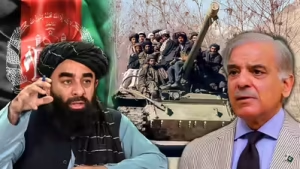
The Pakistan Afghanistan ceasefire was initially brokered after Qatar and Saudi Arabia intervened diplomatically. Pakistani Prime Minister Shehbaz Sharif had vowed a strong response before the Taliban stated it had “other ways to handle the situation if Pakistan does not want to engage in dialogue,” prompting regional powers to facilitate negotiations.

However, clashes were again reported on Tuesday night, resulting in dozens of military and civilian casualties. The two countries subsequently agreed to a forty-eight-hour Pakistan Afghanistan ceasefire, with each side claiming the other had requested the truce.

Pakistan’s Two-Front Concerns

Pakistani officials have expressed concerns about managing security challenges on multiple borders. With ongoing tensions along the Pakistan Afghanistan ceasefire line and existing issues with India, Islamabad faces strategic pressure. Pakistan’s Foreign Minister Khawaja Asif referenced readiness for a “two-front war,” citing India amid the conflict with the Afghan Taliban.

Uncertain Future

The repeated violations of the Pakistan Afghanistan ceasefire cast doubt on the effectiveness of diplomatic efforts to stabilize the border region. The killing of civilian cricketers has added an emotional dimension to the conflict, potentially hardening public opinion on both sides and complicating peace efforts.

As delegations prepare for talks in Doha, the international community watches closely to see whether the Pakistan Afghanistan ceasefire can be sustained long enough for meaningful negotiations to produce lasting solutions to the border tensions that have plagued these neighbors for years.