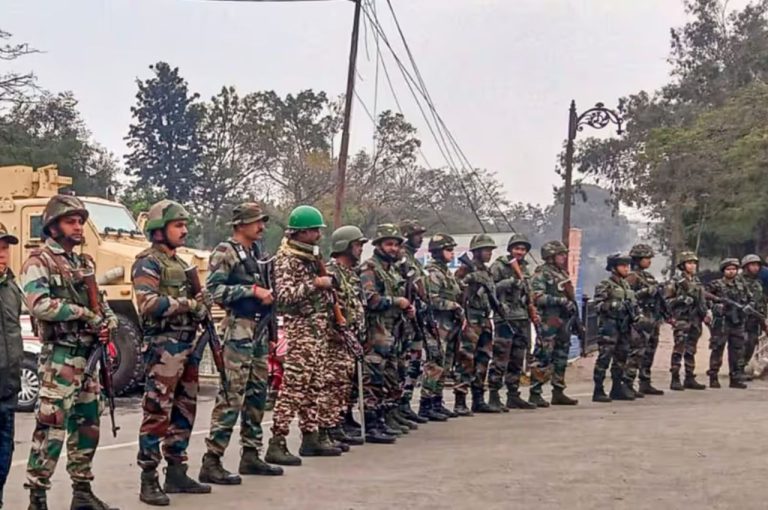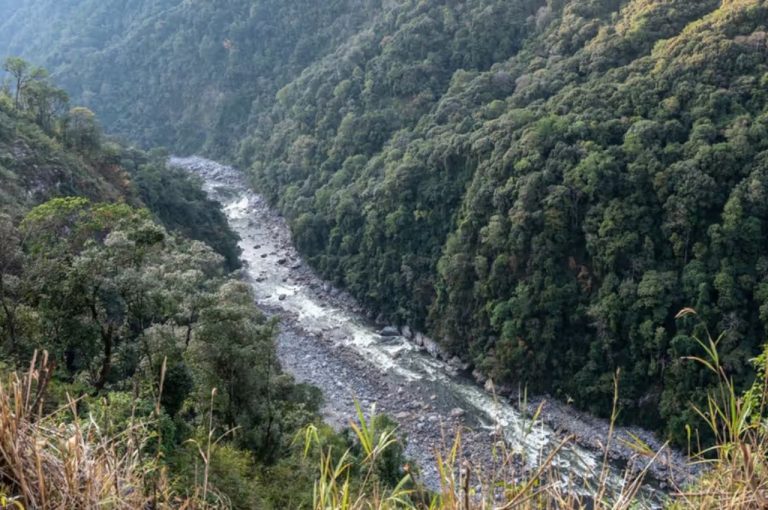
The announcement of the Sikkim Silk Route Car Rally has generated excitement across India’s motoring and tourism communities. Scheduled from December 12 to 15, 2025, the rally will see luxury supercars like Lamborghini, Porsche, and BMW navigate the historic Silk Route, once a lifeline of trade between Tibet and Sikkim. Organized jointly by the Sikkim state government and the Indian Army, the event is not just about speed and glamour—it is about showcasing Sikkim’s cultural heritage, strategic geography, and tourism potential.
Historical Background of the Silk Route
The Silk Route in Sikkim is part of the broader trans‑Himalayan trade network that connected India with Tibet and China.
Traders once carried salt, wool, and silk across high mountain passes.
The route symbolized cultural exchange, linking Buddhist monasteries, villages, and markets.
Sites like Nathu La and Cho La were historically contested but also vital for commerce.
Similar rallies worldwide—such as the Gumball 3000 in Europe or Desert Road Rallies in the Middle East—blend luxury motoring with tourism. Sikkim’s rally is unique because it combines:
High‑altitude Himalayan terrain.
Strategic military sites.
Cultural heritage of the Silk Route.
Conclusion
The Sikkim Silk Route Car Rally is more than a motorsport spectacle—it is a statement about India’s ability to blend heritage, adventure, and modern tourism. Success will depend on balancing glamour with sustainability, ensuring community benefits, and respecting the fragile Himalayan ecosystem.
Bengaluru is heading into a noticeably cooler phase, with the minimum temperature expected to hover between 15 and 17°C over the next few days. Meteorologists attribute the dip to clear night skies, reduced cloud cover, and seasonal wind patterns that typically influence southern Karnataka during late December. While the temperature range is not unusual for this time of year, the consistency of lower readings has drawn attention, especially as the city recently experienced slightly warmer-than-average nights. The renewed chill has revived winter enthusiasm across neighbourhoods, prompting residents to prepare for a crisp and pleasant cool spell ahead.
Seasonal Winds Drive Gradual Cooling Across the City
The Indian Meteorological Department noted that the incoming cool spell aligns closely with the climatological patterns associated with post-northeast monsoon transitions. As humidity declines and winds shift, the city’s temperature tends to settle into a predictable winter rhythm. Clear skies at night allow accumulated daytime warmth to dissipate more rapidly, resulting in colder early mornings. Weather experts suggest that despite daytime temperatures remaining moderate, night and dawn periods will feel distinctly chillier. This combination is expected to produce the city’s signature mild winter, often celebrated for its comfort and suitability for outdoor activities without extreme cold.
The cooling trend is also amplified by weak northerly winds drifting toward Karnataka, pulling down minimum temperatures across interior districts. Bengaluru, located at a higher elevation compared to many southern cities, responds more sensitively to such wind shifts. Officials say citizens should not expect abrupt drops but rather a gentle, sustained dip that creates ideal conditions for early morning walks, weekend travel, and seasonal routines. The forecast extends across multiple zones—from Hebbal to Electronic City—with suburban pockets likely to record slightly lower temperatures due to reduced urban heat retention.
City Responds with Seasonal Lifestyle Changes
As temperatures fall, Bengaluru residents have quickly begun adapting their routines. Morning joggers report cooler air and heavier dew, prompting many to extend warm-up periods or switch to layered clothing. Tea stalls and breakfast joints, adored for their early-hour charm, are experiencing a slight uptick in footfall as people gravitate toward hot beverages and comforting snacks. Several neighbourhood stores have restocked winter essentials such as shawls, light sweaters, and room heaters, anticipating increased demand even though Bengaluru’s winters rarely reach severe thresholds.
Schools have also begun advising parents to send children with light woollens, especially for morning assemblies and bus commutes. For students with early classes or extracurricular sessions, the chill is more noticeable, leading some institutions to discuss minor schedule adjustments if required. Meanwhile, tech employees commuting during the first few hours of the day say the city feels more refreshing, though slightly colder winds near elevated areas like Devanahalli and Kanakapura Road have made two-wheeler rides brisker than usual.
Health professionals have issued routine seasonal advisories, encouraging citizens to maintain hydration, especially because cooler weather often reduces water intake. They also emphasise caution for elderly individuals, infants, and people with respiratory sensitivities, recommending warm clothing and avoidance of sudden temperature exposure. Though the city’s winter is mild, doctors warn that morning smog can be marginally higher due to lower temperatures, urging vulnerable groups to use masks if needed.
Local markets reflect a shift in purchasing behaviour as well. Fruit vendors note growing demand for seasonal produce such as oranges, sweet lime, apples, and guava, all popular for winter immunity. Hot snacks like roasted peanuts, pakoras, and bakery items have also seen a rise in sales as residents embrace the cosy season. These lifestyle adaptations, subtle yet widespread, illustrate how Bengaluru’s winter, though short-lived, significantly influences the rhythm of everyday life.
Even recreational spaces are transforming with the cool spell. Parks such as Cubbon Park and Lalbagh draw more morning visitors bundled in light jackets, breathing in the crisp air. Cycling groups report higher turnout on weekends, taking advantage of mild conditions that reduce fatigue. Event organisers scheduling marathons, cultural fests, and open-air markets view the cooler climate as favourable for participation. This seasonal mood shift demonstrates how deeply the city intertwines weather with cultural and social enthusiasm.
Meteorologists, while confirming the cool spell, reassure residents that rainfall chances remain minimal. The absence of rain ensures clearer skies but also facilitates faster night cooling. This dry phase is expected to continue until another coastal or inland system emerges, though none are currently on the radar. The stability in the weather pattern offers residents predictability, an aspect valued during year-end travel plans and outdoor gatherings.
Public transport operators have also taken note of the increased early-morning chill. BMTC drivers report that some commuters board buses wearing mufflers and caps—an uncommon sight for much of the year. Auto and cab drivers, often on the roads before sunrise, were among the first to feel the temperature drop. Many say the cooler air makes rides more comfortable but requires extra caution due to denser morning fog in certain pockets such as Mysuru Road and KR Puram.
Environmentalists view the temperature dip as a reminder of Bengaluru’s unique microclimate, shaped by its elevation and surrounding green cover. They stress that preserving existing lakes, tree belts, and open spaces is crucial for maintaining such seasonal benefits. According to them, the city’s distinct winter identity is slowly shaped by natural buffers that regulate heat, making weather fluctuations more pleasant than in many other metropolitan regions. They hope the winter phase renews public interest in climate-sensitive urban planning.
Urban planners, too, highlight that shifts in temperature can influence energy consumption patterns. Cooler nights typically reduce the use of fans and air-cooling systems, slightly lowering electricity demand. While this may appear marginal, officials from energy departments acknowledge the aggregate impact across millions of households. These seasonal dips offer short-term relief during months when consumption is otherwise steady due to Bengaluru’s largely moderate climate.
Retailers in commercial hubs like Jayanagar, Malleshwaram, and Indiranagar are witnessing increased browsing for winter wear. Light jackets, cardigans, scarves, and sweatshirts are popular choices, especially among younger shoppers preparing for late-night outings or early classes. Café owners say winter evenings bring more customers seeking warm desserts and beverages, contributing to higher footfall during dinner hours. The city’s winter economy, though informal and seasonal, manifests vibrantly in such lifestyle shifts.
Pet owners have also started adjusting routines to accommodate the cooler weather. Morning walks are slightly delayed in some households to avoid the chilliest hours, while smaller breeds and older pets are seen sporting sweaters for extra warmth. Veterinary clinics advise pet parents to ensure warm bedding and dry fur, as colder nights combined with dew can cause mild respiratory discomfort in sensitive animals. These everyday modifications reflect the city’s broad and diverse response to its changing weather.
Residents living near elevated terrains, such as parts of Yelahanka and Whitefield, note that temperatures feel marginally lower than the 15 to 17°C forecast. These micro-variations are common due to Bengaluru’s uneven terrain and varied vegetation density. Weather enthusiasts tracking local temperature sensors have reported early morning readings touching close to 14°C in isolated pockets, though these are not representative of citywide averages.
Meanwhile, early-morning vendors—the backbone of Bengaluru’s food and flower economy—say the chill has started affecting their work rhythm. Flower sellers from KR Market mention that the cold air makes pre-dawn sorting slightly slower, though trade remains brisk since winter weddings peak during this period. Food stall owners preparing idlis, vadas, and steaming coffee mention increased demand as people seek warmth on chilly mornings before heading to offices or schools.
As year-end festivities approach, the cool spell has added to the city’s celebratory ambience. Outdoor concerts, night markets, and seasonal fairs across the city are expected to benefit from pleasant evenings that encourage public participation. Event organisers note that Bengaluru’s winter atmosphere often boosts attendance, making this dip timely and favourable for cultural engagement.
Despite the comforting weather, officials remind residents to exercise caution while driving during fog-prone hours. Areas near lakes and low-lying regions may witness reduced visibility between 5 a.m. and 7 a.m., particularly when moisture settles close to the surface. Traffic police have urged two-wheeler riders to use reflective gear and maintain moderate speeds to avoid mishaps during early-morning commutes.
Looking ahead, meteorologists predict that temperatures will likely remain in the current range for several days before gradually rising again. Bengaluru’s winters are typically short, lasting only a few weeks, but their charm lies in their balance—neither harsh nor fleeting. The ongoing cool phase, though modest, brings a refreshing pause to the city’s usually warm urban routine. For now, residents can look forward to crisp mornings, gentle breezes, and the unmistakable feeling of Bengaluru embracing its winter identity once again.
The Karnataka Cabinet’s decision to halt all major cricket events at Bengaluru’s M. Chinnaswamy Stadium until safety compliance is fully met has sparked widespread debate, concern, and introspection. The ruling marks a rare intersection of sports administration, public safety, and government oversight, creating a moment of reckoning for one of India’s most iconic cricket venues. As Bengaluru braces for the ripple effects, stakeholders across the sporting landscape are grappling with what this means for scheduling, revenue, tourism, and the city’s identity as a cricketing hub.
The pause on major events has also prompted reflections on crowd psychology and behaviour during large gatherings. Specialists in event management note that safety compliance is not just about physical structures but also about designing systems that anticipate human movement in high-pressure situations. They argue that Chinnaswamy’s upgrades can incorporate behavioural insights, such as improved signage, better queue organisation, and trained volunteers equipped to manage emergencies. This holistic approach, they say, will elevate Bengaluru’s stadium to a global standard where safety and spectator experience coexist harmoniously.
Meanwhile, several cricketing veterans have voiced support for the government’s decision, recalling incidents from the past where overcrowding or technical failures created hazardous scenarios. They believe that correcting these vulnerabilities now is a decisive step toward safeguarding future generations of fans. Many have argued that the cricketing community should view this as an investment rather than a setback, reinforcing the idea that a world-class sport deserves world-class infrastructure. Their endorsement has added weight to the argument that safety and sport must evolve together.
For residents in the vicinity of the stadium, the halt has brought unexpected respite from the regular hustle associated with cricket seasons. Fewer crowds mean quieter streets, less congestion, and a temporary ease in daily routines. However, local communities also miss the vibrancy and economic activity that match days bring, pointing to the cultural void left behind when cricket temporarily steps away. Their mixed emotions reflect the deep integration of the stadium into Bengaluru’s social and cultural fabric, a relationship built over decades of matches, celebrations, and shared sporting passions.
As the KSCA collaborates with engineers, safety auditors, and government representatives, the timeline for reopening remains fluid. Officials have emphasised that the priority is quality over speed, even if that means extending the pause longer than initially anticipated. This uncertainty has sparked discussions among league organisers and international cricket boards, who must now consider scenario-based planning for future tours and tournaments. The situation illustrates the complexities of modern sports administration, where logistics, safety, and global coordination are deeply intertwined.
Ultimately, the Cabinet’s directive serves as a stark reminder that sports infrastructure cannot remain static in a rapidly evolving world. As expectations around safety grow and technologies advance, stadiums must adapt to meet new benchmarks. Chinnaswamy’s temporary silence may appear unusual for a cricketing city like Bengaluru, but it also signals progress. When the stadium finally reopens its gates, it is expected to welcome fans into a safer, more resilient environment—one that honours the legacy of cricket while embracing the responsibility of safeguarding every spectator who walks through its iconic stands.
Stadium Safety Takes Centre Stage in an Unprecedented Directive
The decision emerged after a detailed review of the stadium’s structural, electrical, and crowd-management systems, raising concerns about outdated segments and the need for enhanced safety protocols. The government, citing responsibility toward public welfare, emphasized that no major event—whether international fixtures, IPL matches, or domestic tournaments attracting large crowds—will be permitted until compliance is certified. This stance, while stern, aligns with nationwide consciousness about safety in large venues, following several incidents across India where lapses led to close calls or tragic outcomes.
The Cabinet’s stand is rooted not only in policy but also in accountability. Officials clarified that routine maintenance is no longer sufficient for a structure that handles tens of thousands regularly. The stringent order covers fire safety, evacuation routes, electrical wiring, load-bearing capacity, and emergency readiness. The onus now lies squarely on the stadium authorities and the Karnataka State Cricket Association to meet the stipulated requirements without delay.
As match organisers, advertisers, broadcasters, and touring teams await clarity, the broader sports ecosystem fears disruption. The stadium, known for its electrifying IPL nights and packed international fixtures, stands momentarily subdued as engineers and compliance teams take over the pitch where cricket heroes once dominated. The transition from sport to scrutiny signals a temporary but essential shift in priorities.
Stakeholders Brace for Repercussions Amid Widespread Uncertainty
The KSCA finds itself at the heart of the unfolding situation, working to balance administrative responsibility with public expectations. Officials acknowledged that the safety audit had flagged multiple areas requiring urgent intervention. While some upgrades were already in progress, the Cabinet’s directive compresses timelines and amplifies urgency. KSCA leaders have reiterated their commitment to meeting all guidelines, noting that cricket must never overshadow safety.
Players and coaches, too, will face adjustments as training schedules shift and alternative venues are explored. While the decision does not entirely halt cricketing activities, the absence of marquee events may affect momentum and preparation, especially for franchises that rely heavily on the stadium’s unique conditions. Bengaluru’s athletes, who view Chinnaswamy as a home fortress, are suddenly left without their familiar stage.
The tourism and hospitality sectors, which experience surges during high-profile matches, anticipate noticeable impact. Bengaluru’s match days draw thousands from across India and abroad, filling hotels, restaurants, and transport services. A prolonged pause in major events could dampen seasonal revenue cycles, particularly around the IPL, which is known for its economic footprint.
Fans, perhaps the most emotionally invested group, expressed disappointment but also understanding. For many, Chinnaswamy is a place of memories—historic chases, record-breaking knocks, and roaring support. Knowing that the stadium will temporarily remain quiet is a bittersweet reality. Yet the assurance that safety is being prioritised brings solace even as anticipation builds for its eventual reopening.
The Cabinet reiterated that while cricket holds cultural significance, governance must consider holistic welfare. This balanced stance underscores a maturing approach to infrastructure management, especially in high-density urban spaces. It also sends a clear message to other sporting bodies: maintenance and upgrades cannot be postponed indefinitely when public safety is at stake.
The decision may also influence administrative practices across India, where stadiums vary widely in age, funding, and upkeep. By placing compliance above convenience, Karnataka has set a benchmark that could inspire similar reviews nationwide. The move, though disruptive, positions the state as a pioneer in sports safety governance.
A Mandate for Modernisation Ushers in a New Era of Stadium Governance
While Chinnaswamy’s cricketing future pauses, the upcoming reforms promise long-term benefits. Engineers tasked with inspection highlighted essential upgrades, including improved seating layouts, broader exit pathways, updated lighting systems, and reinforced structures. Modern fire suppression mechanisms and advanced monitoring technologies are also expected to form part of the planned overhaul.
The Cabinet has urged authorities to expedite the process without compromising quality. This balancing act between speed and thoroughness will define the timeline for the stadium’s full reactivation. An internal monitoring committee is expected to be set up to track progress and provide transparency to the public and cricketing community.
As discussions continue, attention has turned to whether temporary venues might host certain matches. However, the suitability of alternative stadiums for high-capacity events remains uncertain. Many lack the infrastructure required for international broadcasting or elite-level match ambience, making relocation a complex task.
On the administrative front, the decision has triggered policy introspection within KSCA. Sources indicate that internal governance mechanisms may undergo revision to prevent similar lapses in the future. The association, already under scrutiny in recent years, is now motivated to present a future-ready stadium that aligns with global safety standards.
Local businesses near the stadium expressed mixed feelings. While acknowledging the necessity of safety, they worry about declining footfall during the shutdown period. Many establishments’ peak earnings are tied to match-day activity, and the sudden pause leaves them reassessing short-term strategies.
For long-time sports followers, the move marks a watershed moment. Many recall past decades when stadium maintenance was often reactive, not proactive. Today’s decision symbolises a progressive shift where citizen-centric governance shapes sports infrastructure. This change, though abrupt, is viewed as part of a broader evolution in public safety philosophy.
To ensure the stadium’s legacy remains intact, cultural preservation groups have proposed documenting Chinnaswamy’s transitions through photographs and reports. They believe the renovation phase could become a case study in urban infrastructure renewal, blending historical significance with modern engineering.
Environmental concerns have also surfaced during discussions. Certain upgrades may require material changes or structural alterations that could raise sustainability questions. Advocates urge authorities to consider eco-friendly construction methods and energy-efficient systems, setting a precedent for green stadiums in India.
Sports academies aligned with KSCA have requested clarity on whether indoor training centres on the premises will remain operational. Many young athletes depend on these facilities, and officials are exploring ways to keep developmental programmes running without compromising safety.
Broadcasting companies, which require long-term planning for camera towers, cabling, and crew entry points, have sought assurances about future compatibility. As media rights form a major revenue component, KSCA aims to integrate broadcaster-friendly designs into the upcoming upgrades.
Civil engineers suggest that while the stadium is structurally sound, modern expectations for mass-gathering venues have evolved. They emphasise that compliance does not imply fault but rather reflects global shifts that prioritise preventive design. This nuance may reassure fans concerned about the stadium’s condition.
Urban planners see an opportunity to integrate the stadium’s surroundings with better traffic regulation and pedestrian-friendly systems. Match-day congestion has long plagued major events, and the temporary pause provides a rare chance to redesign access routes in coordination with city authorities.
Civic activists note that the Cabinet’s directive may indicate growing public pressure for transparency in stadium operations. They believe this is an opportunity to institute standard operating procedures, publicly accessible compliance reports, and community participation in oversight.
Economic analysts have begun evaluating the potential financial implications. While short-term revenue dips are expected, long-term gains could come from improved stadium capacity, enhanced fan experience, and expanded commercial options once compliance is achieved.
Sports historians consider this phase as an important chapter in Chinnaswamy’s evolution. Like many global stadiums that underwent renewal phases, they believe the temporary silence will eventually give way to louder, more exhilarating cricketing moments backed by modern safety frameworks.
As discussions progress, one sentiment unites stakeholders: the desire to see the stadium return stronger, safer, and more vibrant than ever. The Cabinet’s decision, though firm, has set the stage for a reimagining of Bengaluru’s premier cricket destination. The coming months will determine how swiftly and effectively this transformation unfolds, shaping the next era of cricket at Chinnaswamy.
Varanasi, 11 December 2025: During his visit to the ongoing Kashi Tamil Sangamam (KTS) 4.0, Minister of State (I/C) for Skill Development & Entrepreneurship and Minister of State for Education, Shri Jayant Chaudhary, said that the event beautifully reflects the true essence of ‘Ek Bharat Shreshtha Bharat’ by bringing two ancient cultural traditions—Tamil Nadu and Kashi—even closer.
The fourth edition of the Sangamam, inaugurated on 2 December 2025, continues to celebrate the deep civilizational bond between the sacred city of Kashi and the Tamil cultural landscape.
Kashi as a Cultural Hub Under PM Modi’s Leadership
Shri Chaudhary highlighted the transformative cultural resurgence of Kashi in recent years, noting:
“Under the Hon’ble Prime Minister Shri Narendra Modi’s leadership, Kashi has emerged as a vibrant cultural centre that showcases India’s commitment to preserving, celebrating, and uniting its varied heritage.”
He added that the renewed bond with Tamil Nadu strengthens the idea that India’s cultural unity thrives through its diversity, igniting a new spirit of understanding, pride, and mutual respect.
Honouring the 2025 Theme: ‘Learn Tamil – Tamil Karkalam’
The Minister appreciated this year’s theme, “Learn Tamil – Tamil Karkalam,” which underscores the importance of language as a bridge connecting people.
He observed that such initiatives:
Encourage young learners to explore India’s linguistic diversity
Promote dialogue and collaboration
Strengthen cultural empathy across regions
During his visit, Shri Chaudhary witnessed vibrant cultural performances, exhibitions, folk dances, handicraft showcases, language workshops, and student exchange activities. He praised the enthusiasm and creativity displayed by the youth.
Major Initiatives and Participation at KTS 4.0
Organised by the Ministry of Education and coordinated by IIT Madras and BHU, KTS 4.0 features a diverse array of initiatives celebrating Tamil heritage in Kashi. These include:
Sage Agasthya Vehicle Expedition from Tenkasi to Kashi
Deployment of 50 Tamil teachers in Varanasi schools
Tamil learning study tours for students of Uttar Pradesh
Visits to historic Tamil heritage sites in Varanasi
The 2025 edition has brought together over 1,400 delegates from seven groups:
Students
Teachers
Women
Artisans
Media professionals
Spiritual scholars
Professionals
Conclusion: A Grand Celebration of India’s Cultural Unity
With its rich cultural immersion, academic exchanges, and enthusiastic public participation, Kashi Tamil Sangamam 4.0 stands as a powerful celebration of India’s cultural unity in diversity.
By strengthening the timeless spiritual, linguistic, and cultural links between Tamil Nadu and Kashi, the Sangamam furthers the national vision of ‘Ek Bharat Shreshtha Bharat’—where India’s shared heritage becomes a unifying force for future generations.
The planned public hearing on the proposed tree felling for a major road-widening project was cancelled after sustained pressure from environmental groups and active citizen participation. The cancellation marks a significant moment in the ongoing debate over balancing urban development with ecological preservation. Activists, local residents, and biodiversity scholars had raised concerns that the process leading to the hearing lacked transparency and failed to consider the long-term environmental impact. Their persistent petitions, campaigns, and outreach efforts ultimately led authorities to withdraw the scheduled meeting until further examination.
For weeks, environmentalists had been mobilising public support by highlighting the ecological value of the affected stretch, which includes decades-old canopy trees supporting various species of birds, insects, and small urban wildlife. In their view, these trees form one of the last remaining green corridors in the region, acting as natural barriers against pollution and heat. They argued that removing such a large number of trees—even for road expansion—would irreversibly damage local biodiversity. The public response was strong, with many residents joining the campaign and urging planners to explore alternatives.
Authorities initially insisted that the tree felling was part of a broader mobility plan aimed at easing traffic congestion and improving road safety. The project, they stated, would benefit commuters and support future city expansion. But activists noted that road-widening measures often provide temporary relief before traffic returns to previous levels. Environmental groups also argued that development must consider environmental sustainability, suggesting that urban mobility could be improved through public transport enhancements rather than large-scale tree removal. This argument resonated with a significant portion of the public.
Over the past month, citizens used social media platforms, door-to-door awareness drives, and signature campaigns to express their opposition. Many emphasised the emotional connection people share with long-standing trees that define neighbourhood identity. Parents pointed out that these shaded streets provide safe walking routes for schoolchildren, while senior citizens stressed how tree-lined roads reduce heat and create walkable spaces. With rising temperatures affecting city life, residents feared losing yet another natural buffer to urban heat. Their voices contributed significantly to the momentum against the hearing.
A Turning Point for Civic Engagement and Green Activism
The cancellation of the public hearing is being viewed as a symbolic victory for grassroots activism, demonstrating how collective civic engagement can influence administrative processes. For environmental organisations, the episode shows that public hearings must be meaningful exercises rather than procedural obligations. Many activists argued that the initial proposal lacked adequate environmental impact assessments and questioned whether authorities had considered less destructive alternatives. The cancellation, they believe, is an opportunity for planners to rethink approaches and adopt more sustainable solutions.
Environmentalists have long advocated that city administrations include ecologists and conservation scientists in early planning stages. They contend that environmental considerations often enter discussions too late, after critical design decisions have already been made. The road-widening dispute reflects this gap. In their view, sustainable city planning cannot be limited to traffic predictions and engineering layouts; it must integrate ecological understanding and climate resilience. The public support seen in this case reinforces their demand to prioritise nature in urban policies.
Reconsidering Development Models in a Climate-Challenged City: Tree Felling
The controversy has reopened a wider debate on what development should look like in rapidly growing urban centres. Many residents argue that reducing tree cover contradicts efforts to build climate-resilient, liveable cities. Urban planners have observed rising temperatures, frequent heatwaves, and increasing air pollution—conditions that require more green spaces, not fewer. Critics of the road-widening plan say that expanding vehicle lanes encourages more private transport, undermining attempts to cut emissions and promote sustainable mobility options like buses, cycling, and mass transit.
Scientists who have studied the affected ecosystem point out that mature trees provide environmental services that cannot be quickly replaced. Even if compensatory saplings are planted, they take decades to offer comparable shade, carbon absorption, or habitat space. Scholars emphasise that cities must view trees as essential infrastructure, just as important as drainage, electricity, and mobility networks. Without this shift in thinking, they warn, urban development risks worsening the climate crisis for future generations.
As the debate continues, local authorities have stated that they will review the objections raised by environmental groups and assess any gaps in the current project documentation. Planners may revise the road-widening blueprint or explore alternate alignments where feasible. Some officials have hinted at initiating fresh studies that include traffic modelling, environmental impact projections, and consultations with experts from multiple disciplines. The aim, they say, is to find a balance between development needs and ecological protection.
Many residents hope that the cancellation of the hearing will lead to improvements in public participation processes. Several citizen groups pointed out that the initial notices for the public hearing were issued with limited publicity, making it difficult for people to engage. Activists have long advocated for greater transparency—clearer notices, accessible documents, public-friendly summaries, and adequate time for citizens to respond. The recent developments may prompt authorities to strengthen these mechanisms for future projects.
The campaign has also encouraged younger generations to engage with ecological issues. Student groups from nearby colleges organised tree walks, awareness events, and discussions on urban biodiversity, helping to build a sense of shared responsibility. Teachers and parents observed that this movement has sparked interest among students in conservation-related careers. For many young participants, this was the first time they actively interacted with civic procedures and advocacy efforts. The episode, they say, has taught them the power of collective action.
Meanwhile, business owners in the vicinity have expressed mixed reactions. Some support the environmental cause, arguing that green streets improve the commercial atmosphere and attract more footfall. Others believe that widening the road may improve connectivity and benefit businesses in the long run. However, even among those who support the project, several have acknowledged that insufficient consultation created confusion and mistrust. Many believe that a transparent, evidence-backed planning process is essential to ensuring that development benefits both nature and commerce.
Environmental groups are now preparing to submit detailed alternative proposals that showcase ways to improve traffic flow without extensive tree cutting. These may include redesigned intersections, better lane markings, pedestrian-focused infrastructure, and enhanced public transport routes. Activists say that such options are often overlooked because they require behavioural shifts rather than large construction projects. Their aim is to prove that cities can solve mobility challenges while preserving natural assets.
The cancellation of the hearing has not ended the conflict; rather, it has set the stage for a deeper dialogue. Activists are calling for a comprehensive urban green policy that protects existing tree canopies and restricts large-scale felling except in unavoidable circumstances. They want clear guidelines to ensure that decision-making is science-based and includes environmental economists, ecologists, and community representatives. Policymakers agree that such a framework could reduce conflict and create more predictable development pathways.
In recent years, several Indian cities have faced similar controversies over tree felling for infrastructure projects. In many of those cases, public opposition led to redesigning projects or reducing the number of trees removed. Mysuru’s experience adds to a growing national conversation about the need for urban planning models that prioritise ecological resilience. Cities, activists argue, can no longer afford to treat green spaces as expendable; they must be integrated into development frameworks with the same seriousness applied to roads and utilities.
As discussions move forward, residents emphasise the importance of preserving not just individual trees but the green corridors that connect neighbourhoods. These linear clusters of vegetation support wildlife movement, reduce dust, and create microclimates that buffer communities from extreme weather. Cutting a long row of mature trees can break these corridors and create ecological fragmentation. Environmentalists hope that planners will now consider the bigger ecological picture before making decisions.
Officials have acknowledged the public’s concerns and clarified that future steps will be taken only after thorough examination. They maintain that infrastructure development remains a priority, but commit that environmental sustainability will play a stronger role in shaping project decisions. The cancellation of the hearing, they say, is not a setback but a pause to ensure responsible governance. They also assure citizens that any revised plan will undergo appropriate consultation processes.
The situation has also revived demands for an updated city biodiversity inventory. Environmentalists argue that planning decisions must be based on accurate data about existing ecosystems. Without detailed mapping of species presence, soil health, and green cover distribution, authorities may underestimate the ecological value of certain areas. A biodiversity inventory, they say, would allow planners to identify high-priority conservation zones and make informed trade-offs during development projects.
As the city reflects on the recent events, many residents believe that this moment represents a broader shift in public consciousness. Increasingly, citizens want developments that align with long-term environmental well-being. They expect governments to act with transparency, incorporate scientific evidence, and maintain accountability. The cancellation of the public hearing is therefore seen not just as a victory for environmentalism, but as a call for more thoughtful governance.
Ultimately, the public hearing’s cancellation underscores the power of collective advocacy in shaping the city’s future. It signals that urban development must not come at the cost of ecological stability. For now, environmentalists and residents remain cautiously optimistic, hoping that authorities will use this moment to design a more sustainable, participatory approach to infrastructure planning. As the city prepares for next steps, the movement has already established one truth—protecting trees is not just environmental activism, but an emotional, civic, and generational commitment to preserving the soul of the city.
Gandhinagar, 11 December 2025: The Government of Gujarat, in collaboration with the IndiaAI Mission under the Ministry of Electronics and Information Technology (MeitY) and IIT Gandhinagar, hosted the Regional Pre-Summit Conference on AI for Good Governance at Mahatma Mandir today. The event marks a major preparatory milestone ahead of the India–AI Impact Summit 2026, scheduled for 15–20 February 2026 in New Delhi.
The conference brought together senior policymakers, global industry leaders, researchers, academics, and innovators to shape actionable pathways for building a secure, scalable, and citizen-centric AI ecosystem for India.
Chief Minister Bhupendrabhai Patel Inaugurates Conference; Calls AI a Tool for Inclusive Development
Inaugurating the event, Chief Minister Shri Bhupendrabhai Rajnikant Patel emphasized that AI will significantly redefine “quality, economy, security, and society,” echoing the vision of Prime Minister Shri Narendra Modi.
He said:
“To ensure that development reaches every district and every language, regional AI conferences like this are crucial platforms. Leaders from AI startups, industry, and academia can reflect on how AI can better support people and improve lives.”
The conference opened with a curated walkthrough of the AI Experience Zone, showcasing live demonstrations of AI technologies for governance, agriculture, healthcare, and industry developed jointly by IndiaAI and DST Gujarat.
Gujarat Leaders Highlight State’s AI Vision and Infrastructure Push
Deputy Chief Minister Shri Harsh Rameshbhai Sanghavi reaffirmed Gujarat’s commitment to supporting innovation:
“AI has become the new electricity powering every sector of Gujarat’s growth. Bring your ideas, take the first step—and the Government of Gujarat will walk ten steps with you.”
Minister for Science & Technology, Shri Arjunbhai Devabhai Modhwadia, described AI as the most disruptive technological shift of his generation. He highlighted:
Launch of the Gujarat AI Stack
Rollout of Cloud Adoption Guidelines 2025
A future-ready foundation for AI-driven governance, citizen services, and data-led policymaking
IndiaAI Mission Underscores India’s Global Leadership in Democratizing AI
Delivering a keynote address, Shri Abhishek Singh, Additional Secretary MeitY, CEO IndiaAI Mission, DG NIC, emphasized India’s leadership in making AI accessible:
“The India–AI Impact Summit 2026 will showcase how India is democratizing AI, taking it to the masses, and shaping a future where its benefits reach every citizen.”
The inaugural session also included remarks from senior dignitaries including:
Shri Manoj Kumar Das, Chief Secretary, Government of Gujarat
Mr. Rashid Ali Al Ali, Executive Director, Communications Technologies Authority, Government of Sharjah
Smt. Ponugumatla Bharathi, Secretary, Department of Science & Technology, Government of Gujarat
Key Announcements: AI Stacks, MoUs, and Cloud Adoption Policy 2025
A major highlight of the event was the announcement of:
AI Stacks for scalable and secure AI deployment
MoUs with global and regional AI leaders
Cloud Adoption Policy 2025, strengthening the state’s digital infrastructure and AI-readiness
Throughout the day, experts from IndiaAI Mission, Bhashini, Google Cloud, Microsoft, IBM Research, NVIDIA, Oracle, and AWS led sessions on AI’s transformative role across:
Governance
Agriculture
Healthcare
Fintech
Public service delivery
Generative AI innovation
Shaping the Roadmap to India–AI Impact Summit 2026
Insights from the Gandhinagar Regional Conference will feed directly into the frameworks and outcomes of the upcoming India–AI Impact Summit 2026. The pre-summit underscores India’s commitment to building an AI-powered future that is inclusive, scalable, and citizen-first.
Conclusion
The Pre-Summit Conference on AI for Good Governance reflects India’s growing leadership in artificial intelligence and digital public infrastructure. With strong political support, industry participation, and forward-looking policy initiatives, India is poised to shape global AI discourse while accelerating domestic transformation across all sectors.
The proposal to establish new libraries across Mysuru has gained fresh momentum with the upcoming formation of the Greater Mysuru City Corporation, a move that civic officials describe as a cultural investment as much as an infrastructural one. For years, residents and reading enthusiasts have urged the city administration to expand public access to books, study spaces, and community learning facilities. The transition to a larger civic body has now opened avenues for planned growth, funding, and policy coordination. Officials believe that this is an ideal moment to reshape Mysuru’s intellectual landscape while strengthening its longstanding reputation as a city of learning.
At present, Mysuru has a modest network of libraries serving different localities, but many remain limited in seating, digital facilities, and updated collections. Citizens have repeatedly voiced the need for additional study halls, educational resource centres, and child-friendly reading spaces. The GMCC formation provides an opportunity to rethink library distribution and move towards inclusive access across peripheral zones that have grown rapidly in the last decade. For communities on the outskirts, new libraries offer not only books but also a platform for academic growth, career preparation, and digital empowerment.
Officials involved in the restructuring process say that the new libraries will be designed with modern amenities, including digital catalogues, computer labs, online research access, and multipurpose activity rooms. These facilities are expected to support students preparing for competitive exams, working professionals seeking quiet environments, and senior citizens who frequently use reading rooms. Beyond books, the proposed libraries aim to serve as community hubs hosting workshops, book readings, cultural sessions, and local knowledge programmes. Administrators believe this approach will help libraries stay relevant in an increasingly digital age.
A key motivation behind the expansion plan is Mysuru’s shifting demographics. Rapid urbanisation has brought thousands of new families to the city’s northern and western clusters, areas that currently lack dedicated public learning spaces. Residents in these neighbourhoods often travel long distances to reach central library facilities, a challenge multiplied during academic exam seasons when reading halls become overcrowded. GMCC officials argue that creating a distributed network of libraries will not only ease existing pressure but also help bridge inequalities in learning access between old and new parts of the city.
A New Era for Public Learning and Digital Access
The modernisation of library services aligns with the broader vision of transforming Mysuru into a knowledge-driven city where residents can utilise both traditional and digital resources. The new libraries are expected to feature digital kiosks, Wi-Fi zones, e-learning portals, and access to government information platforms. These services will particularly benefit students from low-income families who may not have high-quality internet or study environments at home. Officials have also hinted at integrating assistive technologies for persons with disabilities, ensuring that library access remains inclusive and barrier-free.
Library planners emphasise that technology alone will not define the new spaces; the essence of reading culture remains vital. Mysuru has historically been home to scholars, writers, and cultural thinkers, many of whom have spoken about the irreplaceable value of physical books and community reading spaces. The new libraries aim to preserve this spirit by curating diverse collections that reflect both local literature and global knowledge. Publishers and cultural groups have expressed interest in collaborating on book fairs and reading campaigns once the new facilities are functional.
Civic Transformation Through Cultural Infrastructure
The library expansion is also tied to broader improvements expected to accompany the formation of GMCC. With increased administrative capacity and larger budgetary provisions, officials anticipate better planning for public infrastructure such as parks, community centres, and educational facilities. Libraries are seen as central to this transformation because they support skill development, literacy, employment preparation, and civic participation. Planners stress that the new civic body must prioritise spaces that enhance intellectual engagement, not merely physical development.
Local educators have welcomed the initiative, highlighting that well-equipped libraries can significantly improve academic performance across student communities. Teachers say that libraries provide structured environments that encourage discipline, focus, and curiosity—qualities essential for long-term learning. In recent years, competitive exam aspirants have faced a shortage of silent study zones in Mysuru, leading many to rely on private paid study halls. Public libraries, they argue, can offer a more equitable alternative, allowing all students to prepare without financial burden.
The expansion plan has also sparked discussions about integrating libraries with schools and colleges under the GMCC jurisdiction. Some officials propose that newly built libraries include adjoining classrooms or collaborative study spaces that schools can access during specific hours. This model could help institutions with limited campus space provide students with additional resources. The idea aligns with the city’s broader objective of strengthening public education through shared infrastructure, reducing duplication of facilities across departments.
Community organisations have expressed enthusiasm about using the new libraries as platforms for social programmes. NGOs working with children, women, senior citizens, and migrant workers believe that libraries can host free literacy classes, computer workshops, storytelling sessions, and language courses. Such activities help strengthen social bonds and create safe, inclusive spaces where people from different backgrounds can interact. Planners say that the overarching goal is to ensure that libraries evolve into vibrant civic environments rather than remain static book repositories.
Residents have also requested that future libraries incorporate open reading gardens, naturally lit interiors, and quiet reflection zones. Environmental considerations such as energy-efficient lighting, rainwater harvesting systems, and climate-responsive design are being evaluated during the planning process. Some architects have suggested that libraries should become model public buildings that demonstrate sustainable construction practices while enhancing the aesthetic appeal of neighbourhoods. The GMCC, with a larger administrative footprint, may have better capacity to pursue such environmentally responsible projects.
The city’s writers’ associations and literary forums have welcomed the proposal, noting that libraries offer essential support to emerging authors and poets. Regular literary gatherings, manuscript reading clubs, and author-interaction sessions could thrive in spaces designed for community exchange. Some associations have also proposed dedicating sections of the new libraries to regional literature, including Kannada classics, folk traditions, and local historical archives. They argue that preserving Mysuru’s cultural memory requires accessible institutions where residents can reconnect with heritage.
Questions remain regarding the funding model for this expansion. While the formation of GMCC brings higher revenue potential, civic sources say that library development may require phased implementation to avoid delays. Grants from state cultural departments, corporate social responsibility partnerships, and potential contributions from educational institutions may support construction and curation. Officials emphasise that transparent planning and public consultation will be vital to ensuring that the library network reflects actual community needs rather than administrative assumptions.
Youth groups across Mysuru have expressed excitement about the possibility of having more accessible reading and study spaces. Many students currently gather in cafés, private halls, or parks due to limited public options. New libraries could provide safe, low-cost alternatives that encourage academic focus without distractions. Some youth organisations have even offered to volunteer in maintaining reading rooms, organising book drives, and helping curate collections that resonate with younger audiences. Their involvement could strengthen the civic partnership essential for nurturing library culture.
Senior citizens have also responded positively to the proposed expansion, noting that libraries offer meaningful ways to stay mentally active and socially engaged. With Mysuru’s ageing population gradually increasing, community planners believe that libraries can host programmes specifically designed for elders, including health talks, reading circles, and lifelong learning workshops. Such initiatives help address social isolation while empowering seniors to continue participating actively in public life.
The success of the new library network will depend not only on construction but also on sustained operational management. Past experiences in other cities show that staffing shortages, maintenance challenges, and inadequate funding can slowly diminish library quality. GMCC officials are expected to develop a long-term management plan that ensures regular updating of books, prompt repairs, professional staffing, and continuous community outreach. Only with consistent care can new libraries become enduring cultural assets rather than temporary upgrades.
Civic observers note that the establishment of additional libraries also reflects Mysuru’s evolving identity. As the city grows into a larger metropolitan region, its cultural infrastructure must keep pace with its economic and demographic expansion. Officials argue that libraries reinforce the values of inclusivity, curiosity, and intellectual growth—qualities that help cities remain humane even as they modernise. The formation of the GMCC provides an opportune moment to embed these values into concrete public spaces.
Urban planners highlight that libraries can also benefit the city’s tourism economy by showcasing Mysuru’s literary and cultural history. Visitors often seek experiences beyond palaces and monuments, and libraries with dedicated heritage sections could become new points of interest. Displays featuring rare manuscripts, archival photographs, and regional storytelling traditions could enrich the city’s cultural offerings. Integrating such attractions within public libraries ensures that cultural memory is preserved in living, accessible spaces rather than confined to restricted archives.
As Mysuru prepares for its administrative transition into the Greater Mysuru City Corporation, expectations surrounding public services are rising accordingly. Libraries represent one of the most tangible ways to demonstrate that urban development benefits all residents, regardless of economic background. For many families, the presence of a well-maintained public library signals a neighbourhood’s intellectual vibrancy and enhances quality of life. Civic leaders believe that the new library network could set a benchmark for other expanding cities seeking to strengthen educational infrastructure.
Ultimately, the proposed expansion of libraries marks a promising shift in Mysuru’s approach to civic development. It reflects an understanding that cultural infrastructure must grow alongside roads, markets, and public utilities. If implemented with care, the new library network could significantly elevate the city’s learning ecosystem, creating spaces where residents can read, study, gather, and imagine futures grounded in knowledge and creativity. As the GMCC takes shape, Mysuru stands at a hopeful moment—one where expanding access to books may also expand the city’s cultural horizons for decades to come.
New Delhi, 11 December 2025: The Indian Navy is set to commission DSC A20, the first vessel of the indigenously designed and constructed Diving Support Craft (DSC) series, at Kochi on 16 December 2025 under the aegis of the Southern Naval Command. The vessel will be formally inducted in the presence of Vice Admiral Sameer Saxena, Flag Officer Commanding-in-Chief, Southern Naval Command. The commissioning marks a significant enhancement of the Navy’s diving and underwater operational capabilities.
A Key Milestone in Indigenous Naval Shipbuilding
DSC A20 is the lead ship in a series of five Diving Support Craft being built by Titagarh Rail Systems Limited (TRSL), Kolkata. Purpose-built for a wide spectrum of underwater missions in coastal waters, the vessel is equipped with the Navy’s latest state-of-the-art diving systems, designed to maximise safety, efficiency and mission versatility.
Advanced Design Featuring Catamaran Hull Form
The vessel features a catamaran hull design, offering multiple operational advantages:
Superior stability
Expanded deck area
Improved seakeeping in varying marine conditions
Enhanced payload and mission capability
With a displacement of approximately 390 tons, DSC A20 has been designed and constructed in accordance with Naval Rules and Regulations of the Indian Register of Shipping (IRS). Its hull form and structural efficiency were validated through hydrodynamic analysis and model testing at the Naval Science and Technological Laboratory (NSTL), Visakhapatnam.
Boost to Aatmanirbharta and Make in India
The commissioning of DSC A20 is a major milestone in India’s pursuit of Aatmanirbharta in defence shipbuilding. The project exemplifies seamless collaboration between:
The Indian Navy
India’s indigenous shipbuilding industry
National research organisations
This synergy demonstrates India’s growing capability to design and build specialised, technologically advanced platforms within the country.
Strengthening India’s Diving and Underwater Operations
Once commissioned, DSC A20 will significantly enhance the Navy’s capability in:
Diving support
Underwater inspection
Salvage assistance
Coastal operational deployment
Based at Kochi, the vessel will operate under the Southern Naval Command, providing vital support for underwater missions critical to naval operations, harbour infrastructure, and maritime security.
Conclusion
The induction of DSC A20 represents a major step forward in strengthening India’s maritime operational infrastructure. By enabling advanced underwater support functions and showcasing indigenous shipbuilding excellence, the Diving Support Craft reinforces the Navy’s commitment to operational readiness, technological advancement, and self-reliance.
Mumbai, 11 December 2025: The 17th edition of FICCI’s Annapoorna Interfood Exhibition 2025 opened to a strong industry turnout in Mumbai, spotlighting India’s rapidly evolving food-processing ecosystem and its growing global relevance. Speaking at the event, Avinash Joshi, IAS, Secretary, Ministry of Food Processing Industries (MoFPI), emphasized that India’s food-processing sector holds transformative potential for farmers, consumers, and the national economy.
“Food Processing Can Deliver Prosperity for All” — Avinash Joshi
Addressing delegates from India and abroad, Avinash Joshi said:
“FICCI’s Annapoorna Interfood event is a window into the potential of India’s food-processing industry to transform agriculture, livelihoods, and consumer experience.”
He noted that with rising agricultural productivity, changing consumption patterns, and expanding domestic demand, India must urgently scale up value-addition, processing capacity, and food-safety standards to unlock prosperity for farmers and enhance consumer choice.
He highlighted how MoFPI is driving sectoral growth through flagship programmes:
PM Kisan Sampada Yojana (PMKSY)
PM Formalisation of Micro Food Processing Enterprises (PMFME)
These initiatives offer:
Capital subsidies to micro and small food-processing units
35%–50% support for cold-chain facilities, testing labs, incubation centres
Funding and incentives for women-led SHGs
Support for cluster-based processing units
“Through these programmes, we are not just processing produce — we are transforming rural livelihoods and expanding consumer access to quality and diverse products,” Joshi added.
Global Participation Demonstrates India’s Market Strength
The Annapoorna Interfood Exhibition gathered stakeholders from 17–18 countries, including delegations from Africa, the US, Europe, UAE, and Australia.
Leading food-processing companies, buyers, exporters, regulators, and trade professionals converged to explore collaboration opportunities in India’s booming market.
Gen Z is Redefining Consumption Trends: Industry Insights
Ms. Nandini Roy Chowdhury, Principal Consultant at Future Market Insights, presented a detailed report on shifting consumer behaviour.
She emphasized that Gen Z is fundamentally reshaping how brands must operate, stating:
“For Gen Z, transparency is not a value-add — it is the bare minimum.”
She highlighted that:
Gen Z demands clarity on sourcing, ingredients, and sustainability
Their product discovery happens through creators, trends, and visual content, not traditional ads
India’s domestic kitchen appliance market is set to cross USD 50 billion by 2035, rising from USD 32.1 billion in 2027, driven heavily by Gen Z lifestyles
This shift is influencing the entire food ecosystem — from home kitchens to industrial processing.
States Signal Strong Investment Momentum
Rajesh Rathod, Executive Director, MPIDC, highlighted Madhya Pradesh’s growing attractiveness for food-processing investments due to:
Improved connectivity
Robust infrastructure
Availability of skilled workforce
Abundant agricultural resources
“Madhya Pradesh is fast becoming a preferred destination for food-processing units,” he said.
Industry Leaders Emphasize Post-Pandemic Transformation
Balvinder Singh Sawhney, Assistant Secretary-General, FICCI, noted that the pandemic accelerated demand for convenience, safety, and high-quality food products, making exhibitions like Annapoorna crucial for reconnecting the value chain.
He emphasized the exhibition’s role in enabling innovation, collaboration, and market expansion.
Ashwani Pande, CEO, VA Exhibitions, reaffirmed Annapoorna’s position as one of India’s most established platforms for the food-processing sector. The exhibition:
Brings together producers, processors, regulators, policymakers, and exporters
Serves as a national forum for understanding market trends
Highlights FSSAI food-safety standards and APEDA export norms
Showcases emerging products and new technologies across India’s food industry
Conclusion
The Annapoorna Exhibition 2025 highlights India’s rapid progress in building a modern, competitive, and innovation-driven food-processing ecosystem. With strong government support, global participation, and a vibrant consumer landscape shaped by new generations, the sector is poised to generate rural prosperity, boost exports, and deliver world-class products to Indian consumers.
The MMCRI Mysore Medical College and Research Institute has moved a significant step forward with the approval for constructing a Unified Outpatient Department block at the historic K.R. Hospital in Mysuru. The decision is being hailed as a long-awaited transformation in the city’s healthcare landscape, promising streamlined patient movement, improved diagnostics, and modernised infrastructure in a campus that has served generations. Administrators and faculty members have welcomed the development, calling it a crucial turning point for an institution that continues to bear a heavy patient load across multiple departments that are currently scattered.
At present, K.R. Hospital functions through several disconnected OPD units spread across its expansive grounds, forcing patients to traverse long corridors and navigate multiple buildings for consultations, tests, and follow-ups. Authorities have regularly observed that such fragmentation poses challenges not only for patients but also for medical staff attempting to coordinate care across departments. The new Unified OPD block aims to consolidate these services under one roof, enabling smoother workflows, faster consultations, and reduced crowding. Officials believe this move will directly improve efficiency, particularly during peak hours when thousands arrive for treatment.
The proposal has been in discussion for years due to the hospital’s old architecture and the need to preserve its heritage façade while upgrading its internal systems. With MMCRI now clearing the deck for construction, planning teams can initiate the next phase involving architectural designs, structural assessments, and funding allocation. Stakeholders have pointed out that modern health infrastructure must accommodate not just medical services but also accessibility, energy efficiency, and adequate waiting areas. The forthcoming structure is expected to integrate these elements, ensuring that the hospital remains both functional and patient-friendly for the future.
The approval comes at a time when the healthcare demand in Mysuru is steadily increasing due to rising population and the region’s dependence on tertiary-care centres. K.R. Hospital remains one of the most visited government hospitals in southern Karnataka, offering specialised services that attract patients from rural districts as well. Administrators have emphasized that the Unified OPD will help reduce waiting time and enable doctors to manage complex cases more effectively. By ensuring all departments are within close proximity, the new block will also make it easier for patients requiring multiple consultations on the same day.
A Boost to Medical Education and Clinical Exposure
For MMCRI’s student community, the Unified OPD is expected to serve as a major academic advantage. Medical students, interns, and postgraduates depend heavily on OPD footfall for learning opportunities and case exposure. With departments being streamlined into a single block, rotations will become better structured and easier to coordinate. Faculty members believe this consolidation can enhance the quality of hands-on training and clinical discussions, allowing students to move between departments swiftly and participate more actively in patient care. Improved infrastructure also helps attract visiting faculty and specialists.
The new block is anticipated to support advanced diagnostic units and minor-procedure sections that can provide quicker test results. This will help students access real-time examples of case progression, treatment decisions, and interdisciplinary collaboration. The institution’s teaching calendar often faces disruptions due to inadequate physical space, overcrowded OPD rooms, and limited resources. By offering a more organised environment, the project aligns with long-term plans to strengthen MMCRI’s reputation as a leading teaching hospital. Students have expressed optimism, noting that modern infrastructure increases their own confidence and the public’s trust in the institution.
Transforming the Patient Experience with Better Logistics
For the public, especially those arriving from distant towns or villages, navigating the current OPD system can be overwhelming. The Unified OPD block aims to simplify these challenges through clear pathways, centralised registration counters, and better signage. Health officials have pointed out that many patients lose valuable consultation time simply searching for the right building or counter. Consolidation will remove these bottlenecks, enabling systematic patient flow and reducing unnecessary crowding in the corridors. Authorities expect this move to improve satisfaction levels and encourage more patients to seek timely medical help.
In addition to clinical advantages, the new structure is expected to include expanded waiting lounges, dedicated areas for patient counselling, and better sanitation facilities. These components address long-standing concerns raised by patient groups and community organisations regarding comfort and dignity in public health settings. While the hospital has attempted incremental improvements over the years, the Unified OPD block represents a more holistic approach to infrastructure development. Officials state that a cleaner, more organised environment also helps reduce hospital-associated infections and enhances overall public health outcomes.
The project’s approval has also revived discussions on mobility and traffic around the hospital zone, one of the busiest pockets in Mysuru. Improved infrastructure tends to draw more visitors, and planners are considering additional entry points, parking facilities, and pedestrian-friendly pathways around the proposed block. Urban development teams may collaborate with health administrators to ensure that the area surrounding the hospital remains safe and accessible for ambulances, staff, and the general public. As Mysuru continues its rapid expansion, integrated planning becomes crucial for institutions that handle high footfall.
As part of the pre-construction phase, authorities will undertake heritage assessments to ensure that the new block does not compromise the historical identity of K.R. Hospital. Mysuru’s citizens have often expressed deep attachment to the hospital’s vintage architecture, which reflects the city’s medical evolution over decades. Engineers and conservation experts are expected to work together to strike a balance between preserving the hospital’s visual identity and integrating state-of-the-art systems. This approach reflects a larger trend in Mysuru, where modern development often intersects with heritage conservation.
Another significant aspect of the upcoming project is budget allocation and funding arrangements. While initial approvals are now complete, the financial blueprint will shape timelines and construction quality. Officials have hinted that a combination of state funding, institutional contributions, and possible central support may be required for the project’s completion. Healthcare architects emphasise that cost efficiency should not compromise long-term durability, patient safety standards, or technological upgrades. The finalised budget will determine the scale of diagnostic equipment, IT systems, and patient amenities integrated into the new block.
Medical professionals across departments have expressed hope that the Unified OPD will finally address issues related to manpower distribution and working conditions. Doctors often handle heavy caseloads in cramped rooms, leading to fatigue and delays in consultations. Consolidated infrastructure will enable staff deployment based on real-time footfall, easing the pressure on individual departments. Nurses and paramedical personnel are also expected to benefit from improved storage areas, streamlined record-keeping systems, and better connectivity between consultation rooms. These enhancements contribute to a more organised and humane working environment.
Beyond immediate clinical benefits, the project is expected to strengthen Mysuru’s role as a regional healthcare hub by attracting specialists who seek modern facilities. Availability of improved infrastructure is a major factor when doctors decide on postings or long-term assignments. With the Unified OPD block underway, K.R. Hospital may see more super-specialty departments requesting expansions or collaborations. This trend has already surfaced in other government medical colleges that undertook similar upgrades, ultimately improving the diversity of services offered to local communities and neighbouring districts.
Public health organisations have pointed out that such infrastructure upgrades can also support outreach programmes and preventive healthcare initiatives. A structured OPD environment allows better execution of counselling sessions on maternal health, nutrition, tuberculosis control, and lifestyle diseases. Dedicated spaces can help health workers conduct awareness activities more effectively without interrupting routine consultations. As Karnataka continues to face rising cases of diabetes, hypertension, and respiratory illnesses, such preventive initiatives are becoming increasingly crucial. The new block is expected to strengthen these programmes significantly.
Administrators have emphasised that the project will adopt a phased approach to avoid disrupting existing OPD services during construction. Temporary arrangements and alternate consultation rooms may be set up to ensure continuity of care. This strategy has been successfully implemented in other large hospitals undergoing renovation. Communication with the public regarding access points and schedules will be a priority, hospital officials say, to minimise confusion and maintain patient trust. A detailed timeline is expected to be announced once design approvals and tender processes are completed.
As construction plans progress, civil engineers will also assess opportunities to integrate digital infrastructure into the new OPD block. This may include telemedicine rooms, e-consultation kiosks, digital queue systems, and centralised patient data management tools. Such features reflect the growing demand for technology-driven healthcare solutions across India. Though implementation will depend on final budgets and policy approvals, doctors believe even partial digitisation could significantly reduce administrative burdens and enhance patient experience. These systems may also help streamline referral pathways and inter-department coordination.
The project’s approval has generated optimism among both health staff and the public, but experts caution that timely execution will be critical. Delays in construction could affect patient flow and staff morale, particularly as existing OPD units continue to face strain. Stakeholders are urging authorities to ensure transparent tendering, strict monitoring, and clear accountability to avoid overruns. If executed efficiently, the Unified OPD block could serve as a model for infrastructural upgrades in other medical college hospitals across Karnataka, many of which face similar challenges.
Ultimately, the Unified OPD marks a significant leap forward for K.R. Hospital and MMCRI, both of which carry immense historical and social importance for Mysuru. The project represents a rare convergence of heritage, modern healthcare planning, and long-term public service vision. With thoughtful implementation, it has the potential to reshape patient care, medical education, and administrative efficiency in one of Karnataka’s most trusted institutions. As Mysuru prepares for this major upgrade, expectations remain high that the new structure will honour the hospital’s legacy while equipping it for the demands of future generations.